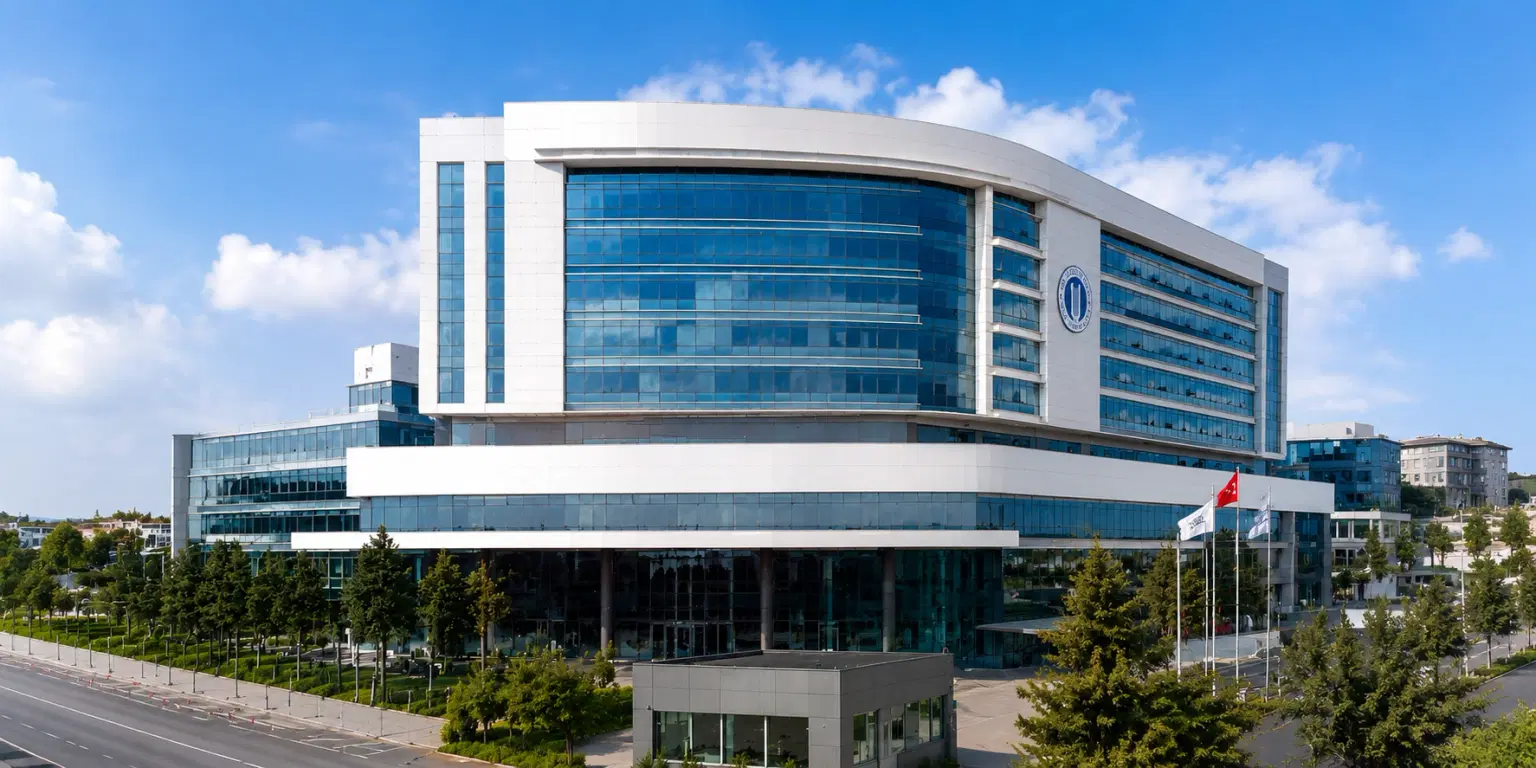
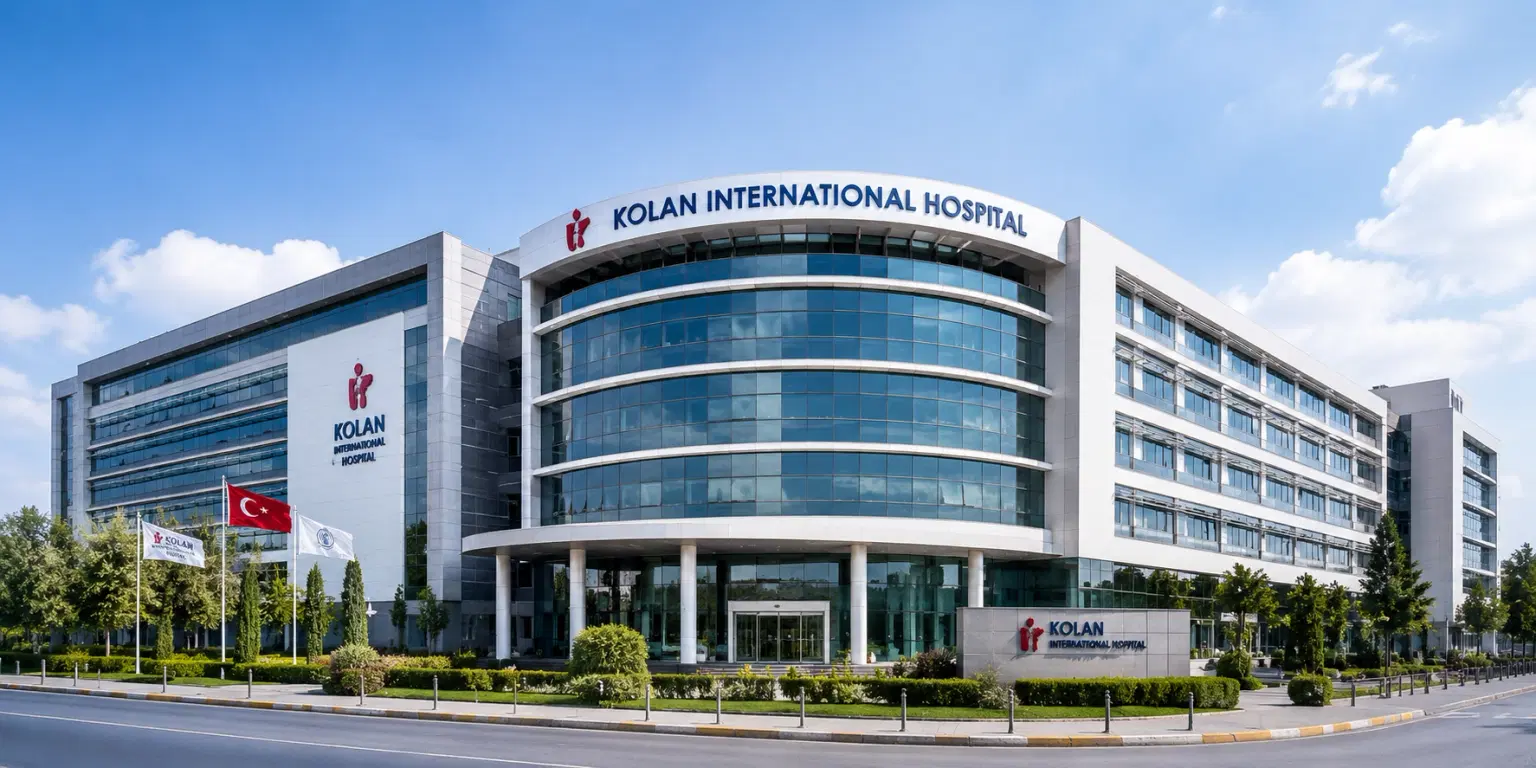
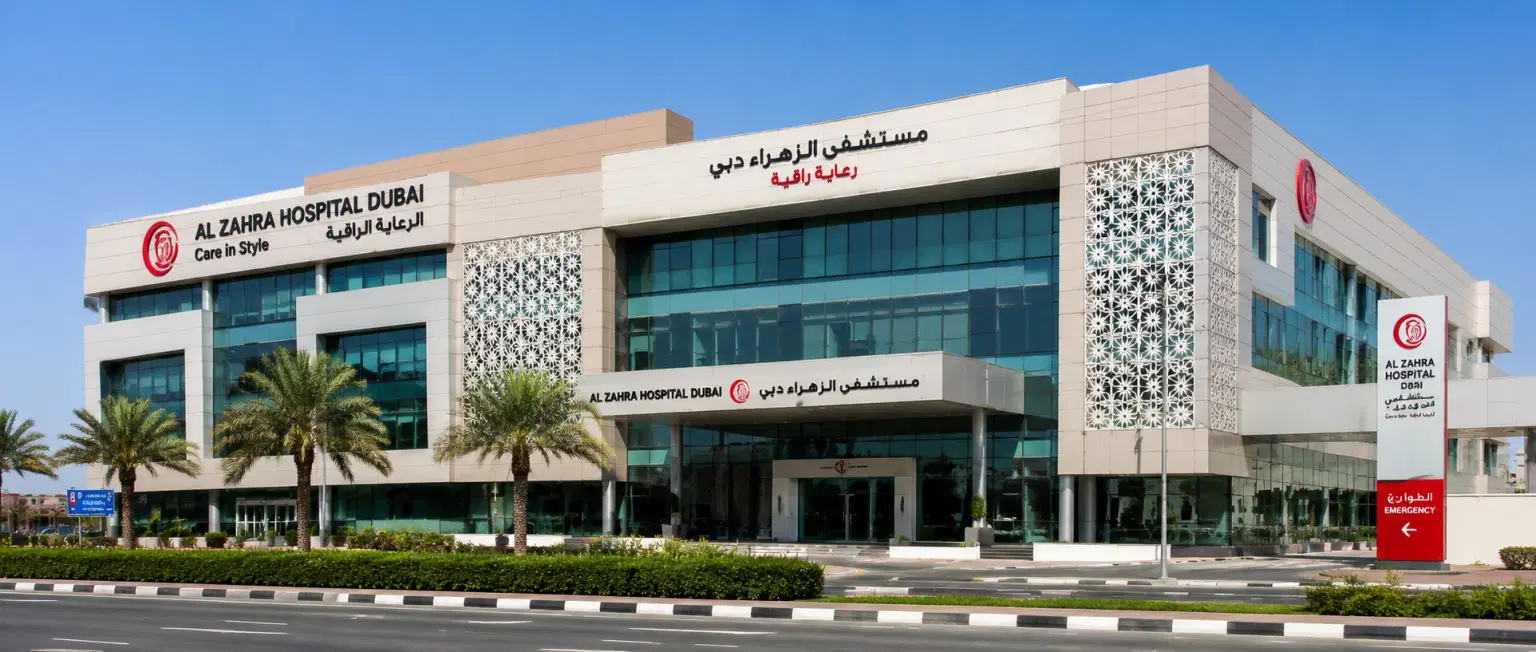
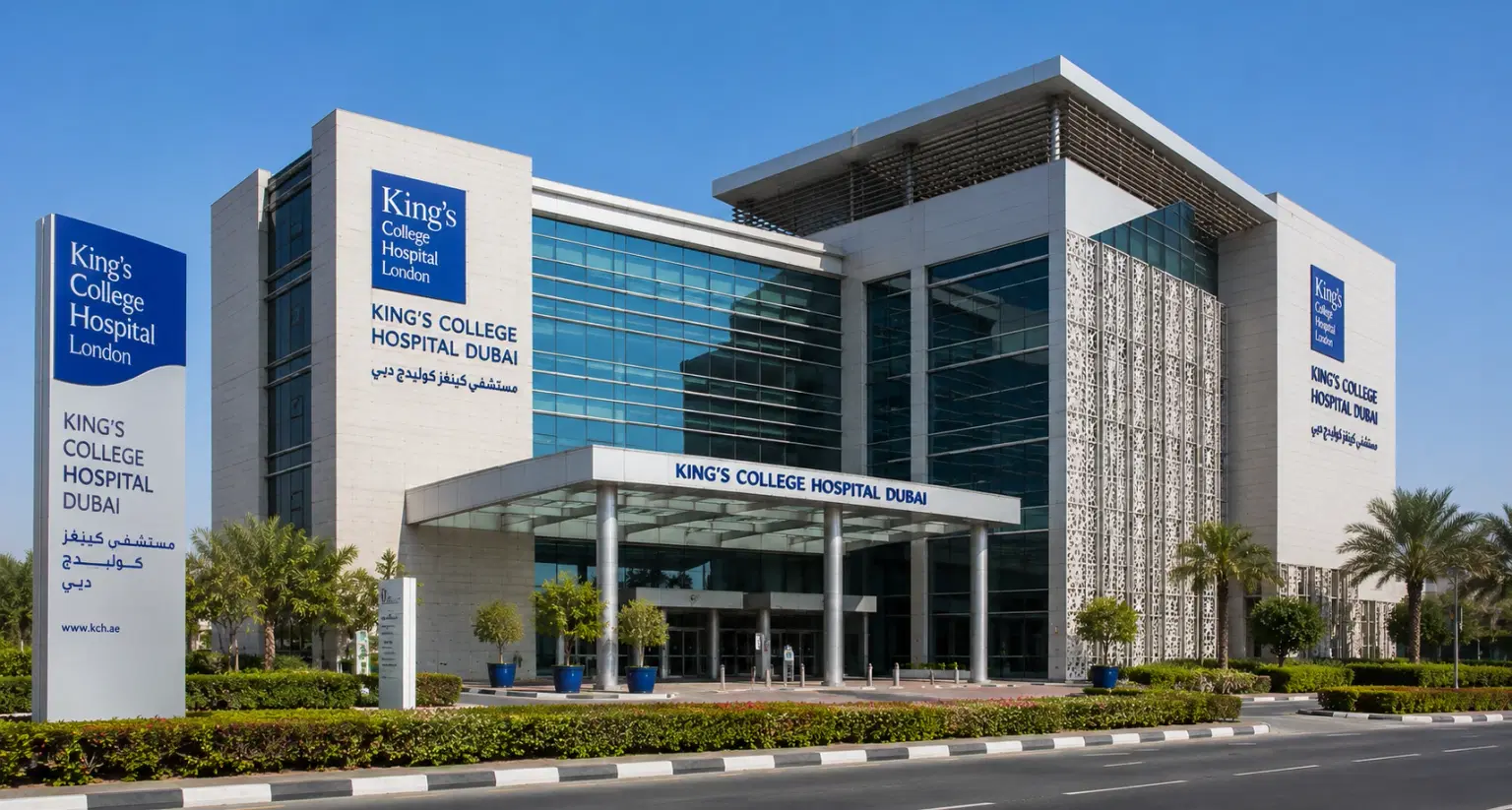
Our Centres of Excellence bring together multidisciplinary teams to deliver precise diagnosis, advanced treatments, and superior outcomes across a wide spectrum of medical specialties.

Treatment Price
$3500.00 USDThe primary goal of an IVF treatment is to overcome various infertility challenges and achieve a successful pregnancy. This is accomplished by carefully controlling the ovarian stimulation, precisely timing egg retrieval, facilitating fertilization in a controlled laboratory environment, and ensuring optimal embryo development before uterine transfer. DivinHeal partners with world-class fertility specialists and state-of-the-art clinics to maximize your chances of success.
The primary goal of an IVF treatment is to overcome various infertility challenges and achieve a successful pregnancy. This is accomplished by carefully controlling the ovarian stimulation, precisely timing egg retrieval, facilitating fertilization in a controlled laboratory environment, and ensuring optimal embryo development before uterine transfer. DivinHeal partners with world-class fertility specialists and state-of-the-art clinics to maximize your chances of success.
<h2>Overview of IVF Treatment Goals</h2><p>The primary goal of an <b>IVF treatment</b> is to overcome various infertility challenges and achieve a successful pregnancy. This is accomplished by carefully controlling the ovarian stimulation, precisely timing egg retrieval, facilitating fertilization in a controlled laboratory environment, and ensuring optimal embryo development before uterine transfer. DivinHeal partners with world-class fertility specialists and state-of-the-art clinics to maximize your chances of success.</p>
An IVF cycle typically involves several stages. First, ovarian stimulation uses hormone injections to encourage the development of multiple eggs. This phase lasts 8-14 days, monitored via ultrasound and blood tests. Next, egg retrieval is a minor surgical procedure, performed under light sedation, where a thin needle guided by ultrasound collects eggs from the follicles. Simultaneously, sperm is collected from the male partner or donor. The eggs and sperm are then combined in a laboratory dish for fertilization; sometimes, Intracytoplasmic Sperm Injection (ICSI) is used. The resulting embryos are cultured for 3-5 days. Finally, embryo transfer involves placing one or more selected embryos into the woman's uterus using a thin catheter. A pregnancy test is typically performed about two weeks later.
<h2>Benefits of Undergoing IVF Treatment</h2><ul><li><h3>Overcomes Various Infertility Factors</h3><p>IVF can address a wide range of male and female infertility issues, offering a solution when other treatments have failed.</p></li><li><h3>High Success Rates</h3><p>Especially for younger women, IVF offers some of the highest success rates among fertility treatments, constantly improving with medical advancements.</p></li><li><h3>Genetic Screening Options</h3><p>Preimplantation Genetic Diagnosis (PGD) and Screening (PGS) allow for genetic testing of embryos, reducing the risk of transmitting genetic diseases or chromosomal abnormalities.</p></li><li><h3>Opportunity for Single Parents & Same-Sex Couples</h3><p>IVF, often combined with donor sperm or eggs, opens pathways to parenthood for diverse family structures.</p></li><li><h3>Utilization of Donor Gametes</h3><p>Allows individuals with no viable eggs or sperm to still experience pregnancy and parenthood.</p></li><li><h3>Cryopreservation of Embryos</h3><p>Allows for multiple future transfer attempts without repeating the full IVF cycle, saving time and cost.</p></li></ul>
<h2>Recovery and Life After IVF Treatment</h2><ul><li><h3>Post-Egg Retrieval</h3><p>You may experience mild cramping, bloating, and spotting for a few days. Rest is recommended, and strenuous activities should be avoided.</p></li><li><h3>Post-Embryo Transfer</h3><p>Similar mild symptoms may occur. It's generally advised to rest and avoid heavy lifting or vigorous exercise. The 'two-week wait' for a pregnancy test is often the most emotionally challenging period.</p></li><li><h3>Emotional and Psychological Support</h3><p>The IVF journey can be emotionally taxing. DivinHeal emphasizes access to counseling and support groups, recognizing the importance of mental well-being throughout the process.</p></li><li><h3>Lifestyle Recommendations</h3><p>Maintaining a healthy diet, avoiding alcohol and smoking, and managing stress are crucial throughout the cycle and early pregnancy. Your fertility specialist will provide specific guidelines.</p></li><li><h3>Follow-up Care</h3><p>If pregnancy is achieved, continued monitoring with your fertility specialist and eventual transition to an obstetrician will be coordinated by DivinHeal.</p></li></ul>

Treatment Price
$4500.00 USDAssisted Reproduction Treatment (ART) aims to address various causes of infertility, ranging from male and female factor infertility to unexplained cases. The primary goal is to aid in the fertilization process and embryo implantation, leading to a successful pregnancy. Techniques vary from less invasive options like IUI to more complex procedures such as IVF and ICSI, often involving hormonal stimulation, egg retrieval, laboratory fertilization, and embryo transfer. DivinHeal ensures access to world-class fertility specialists and state-of-the-art facilities, providing hope and a clear path to parenthood.
Assisted Reproduction Treatment (ART) aims to address various causes of infertility, ranging from male and female factor infertility to unexplained cases. The primary goal is to aid in the fertilization process and embryo implantation, leading to a successful pregnancy. Techniques vary from less invasive options like IUI to more complex procedures such as IVF and ICSI, often involving hormonal stimulation, egg retrieval, laboratory fertilization, and embryo transfer. DivinHeal ensures access to world-class fertility specialists and state-of-the-art facilities, providing hope and a clear path to parenthood.
<h2>Overview of Assisted Reproduction Treatment</h2><p>Assisted Reproduction Treatment (ART) aims to address various causes of infertility, ranging from male and female factor infertility to unexplained cases. The primary goal is to aid in the fertilization process and embryo implantation, leading to a successful pregnancy. Techniques vary from less invasive options like IUI to more complex procedures such as IVF and ICSI, often involving hormonal stimulation, egg retrieval, laboratory fertilization, and embryo transfer. DivinHeal ensures access to world-class fertility specialists and state-of-the-art facilities, providing hope and a clear path to parenthood.</p>
Assisted reproduction treatments, primarily In Vitro Fertilization (IVF), typically involve several key stages: 1. **Ovarian Stimulation:** Fertility medications are administered to stimulate the ovaries to produce multiple eggs. This phase usually lasts 8-14 days and involves regular monitoring via ultrasound and blood tests. 2. **Egg Retrieval:** Once follicles are mature, a minor surgical procedure called transvaginal ultrasound aspiration is performed under mild sedation. A thin needle is guided through the vagina to retrieve eggs from the follicles. 3. **Sperm Collection:** On the same day as egg retrieval, a sperm sample is collected from the male partner. In some cases, surgically retrieved sperm or donor sperm may be used. 4. **Fertilization (IVF or ICSI):** In a laboratory, the eggs and sperm are combined. For IVF, they are placed together in a culture dish. For Intracytoplasmic Sperm Injection (ICSI), a single sperm is injected directly into each egg, often used for male factor infertility. 5. **Embryo Culture:** The fertilized eggs (now embryos) are cultured in the lab for 3-5 days to allow them to develop. 6. **Embryo Transfer:** One or more selected embryos are transferred into the woman's uterus using a thin catheter. This is a relatively painless procedure, usually requiring no anesthesia. 7. **Luteal Phase Support & Pregnancy Test:** Hormonal support (progesterone) is given to aid implantation. A pregnancy test is typically performed about two weeks after embryo transfer to determine the outcome.
<h2>Benefits of Assisted Reproduction Treatment</h2><ul><li><h3>Overcoming Infertility</h3><p>Provides a highly effective pathway to pregnancy for individuals and couples struggling with various forms of infertility, offering hope where natural conception is not possible.</p></li><li><h3>High Success Rates</h3><p>Modern assisted reproduction techniques, especially IVF and ICSI, boast impressive success rates, particularly in younger patients, offering a strong chance of achieving a live birth.</p></li><li><h3>Personalized Treatment</h3><p>Treatment plans are highly individualized, tailored to the specific diagnosis and needs of each patient, optimizing outcomes.</p></li><li><h3>Genetic Screening Options</h3><p>Preimplantation Genetic Testing (PGT) allows for the screening of embryos for genetic abnormalities or chromosomal disorders, reducing the risk of transmitting inherited diseases.</p></li><li><h3>Fertility Preservation</h3><p>Offers the ability to preserve fertility through egg, sperm, or embryo freezing for individuals facing medical treatments (like cancer therapy) or those who wish to delay childbearing.</p></li><li><h3>Access to Donor Gametes & Surrogacy</h3><p>Provides options for using donor eggs, sperm, or embryos, and gestational surrogacy for those who cannot carry a pregnancy or produce viable gametes.</p></li><li><h3>Emotional & Psychological Support</h3><p>Many clinics, supported by DivinHeal, offer comprehensive counseling and support services to navigate the emotional challenges of the fertility journey.</p></li></ul>
<h2>Assisted Reproduction Recovery Time and Tips</h2><ul><li><h3>Immediate Post-Procedure Care</h3><p>Recovery from egg retrieval typically involves mild discomfort, bloating, or cramping for a day or two. Embryo transfer is usually painless and requires minimal downtime. Most patients can resume light activities within 24-48 hours.</p></li><li><h3>Physical Recovery</h3><p>Patients are generally advised to avoid strenuous activities, heavy lifting, and sexual intercourse for a few days to a week after embryo transfer. Mild spotting or pelvic discomfort is common but usually subsides quickly. DivinHeal’s care coordinators ensure you have clear post-procedure instructions.</p></li><li><h3>Emotional and Psychological Recovery</h3><p>The assisted reproduction journey can be emotionally taxing. It's crucial to prioritize emotional well-being. Engage in stress-reducing activities, seek support from your partner, friends, or a counselor. DivinHeal emphasizes holistic care, including access to emotional support resources.</p></li><li><h3>Lifestyle Tips for Optimal Recovery</h3><ul><li>Maintain a balanced diet and stay hydrated.</li><li>Get adequate rest.</li><li>Avoid alcohol, smoking, and excessive caffeine.</li><li>Follow all medication instructions meticulously.</li><li>Stay in communication with your medical team for any concerns.</li></ul></li><li><h3>Expected Timeline</h3><p>While physical recovery from individual procedures is quick, the emotional 'recovery' from the entire cycle extends until pregnancy confirmation and often beyond. DivinHeal supports you at every step, offering guidance and reassurance.</p></li></ul>

Treatment Price
$1500.00 USDEmbryo biopsy is a crucial diagnostic step within the IVF process, primarily aimed at improving live birth rates and preventing the transmission of genetic diseases. Its main goal is to identify chromosomally normal (euploid) or mutation-free embryos, thereby reducing the risk of miscarriage, failed implantation, and births affected by severe genetic conditions. The technique involves carefully extracting a few trophectoderm cells from a day 5 or 6 blastocyst using specialized micromanipulation tools and a laser. DivinHeal connects patients to leading fertility specialists and state-of-the-art IVF centers that excel in this delicate procedure.
Embryo biopsy is a crucial diagnostic step within the IVF process, primarily aimed at improving live birth rates and preventing the transmission of genetic diseases. Its main goal is to identify chromosomally normal (euploid) or mutation-free embryos, thereby reducing the risk of miscarriage, failed implantation, and births affected by severe genetic conditions. The technique involves carefully extracting a few trophectoderm cells from a day 5 or 6 blastocyst using specialized micromanipulation tools and a laser. DivinHeal connects patients to leading fertility specialists and state-of-the-art IVF centers that excel in this delicate procedure.
The embryo biopsy procedure is a highly delicate micro-surgical process performed by skilled embryologists in a specialized cleanroom laboratory environment. It typically involves the following steps: 1. On Day 5 or 6 of embryonic development, the embryo reaches the blastocyst stage, characterized by an outer layer of cells (trophectoderm) and an inner cell mass. 2. A micro-laser is precisely used to create a small opening in the zona pellucida (the outer shell) of the blastocyst. 3. Using a very fine biopsy pipette, 5-10 cells are gently aspirated from the trophectoderm layer, ensuring the inner cell mass is not disturbed. 4. The biopsied cells are then separated from the embryo and carefully placed into individual PCR tubes. 5. The biopsied embryo is immediately cryopreserved (frozen) using vitrification. 6. The tubes containing the cells are then sent to a genetic testing laboratory for analysis (PGT-A, PGT-M, or PGT-SR).
<ul><li><b>Increased IVF Success Rates:</b> By identifying and transferring only chromosomally normal embryos, embryo biopsy significantly improves implantation rates and live birth rates, especially for certain patient groups.</li><li><b>Reduced Risk of Miscarriage:</b> Aneuploidy is a major cause of early pregnancy loss. PGT helps to reduce the chance of transferring an embryo destined for miscarriage.</li><li><b>Prevention of Genetic Disorders:</b> For carriers of specific genetic diseases, PGT-M allows for the selection of unaffected embryos, preventing the transmission of the disorder to future children.</li><li><b>Fewer Failed Transfers:</b> Selecting healthy embryos reduces the emotional and financial toll of repeated unsuccessful embryo transfers.</li><li><b>Reduced Risk of Multiple Pregnancies:</b> By increasing the success rate of single embryo transfer, PGT can help minimize the risks associated with multiple pregnancies.</li><li><b>Peace of Mind:</b> Knowing that the transferred embryo has been screened for major genetic issues can provide significant emotional reassurance to prospective parents.</li></ul>
Recovery from the embryo biopsy procedure itself is minimal as it is performed on the embryo in vitro, not on the patient directly. For the patient, recovery is primarily associated with the broader IVF cycle:<ul><li><b>Physical Recovery:</b> After egg retrieval (which precedes embryo biopsy), patients may experience mild discomfort, bloating, or cramping for a few days. These symptoms are generally manageable with over-the-counter pain relief.</li><li><b>Emotional Recovery & Waiting Period:</b> The most significant aspect of 'recovery' is often the emotional waiting period for PGT results, which typically takes 1-2 weeks. This can be a time of anxiety and anticipation. DivinHeal offers support resources to help manage this period.</li><li><b>Preparation for Embryo Transfer:</b> Once PGT results are favorable, the patient will prepare for a frozen embryo transfer (FET) in a subsequent cycle, involving hormonal preparation of the uterus.</li><li><b>Long-Term Wellness:</b> Throughout the IVF journey, focus on general well-being, stress reduction, and adherence to medical advice. Post-transfer, typical early pregnancy care follows if successful.</li></ul>

Treatment Price
$500.00 USDIUI is a less invasive and more affordable fertility treatment compared to IVF, designed to increase the chances of conception by reducing the distance sperm needs to travel and bypassing potential cervical factors. It's often recommended for unexplained infertility, mild male factor infertility, or single women using donor sperm.
IUI is a less invasive and more affordable fertility treatment compared to IVF, designed to increase the chances of conception by reducing the distance sperm needs to travel and bypassing potential cervical factors. It's often recommended for unexplained infertility, mild male factor infertility, or single women using donor sperm.
<ul><li><b>Ovarian Stimulation & Monitoring:</b> Fertility medications (oral or injectable) are prescribed to stimulate the ovaries to produce one or more mature eggs. Ovulation is monitored through regular ultrasound scans and blood tests to track follicle growth and hormone levels.</li><li><b>Sperm Preparation:</b> On the day of the IUI, a sperm sample (from partner or donor) is collected and processed in a lab. This 'sperm wash' separates healthy, highly motile sperm from seminal fluid and less active sperm, creating a concentrated, high-quality sample.</li><li><b>Insemination:</b> Once ovulation is imminent or confirmed, the woman lies on an examination table. A speculum is inserted into the vagina, and a thin, flexible catheter containing the prepared sperm is gently passed through the cervix into the uterus. This step is usually quick and causes minimal discomfort.</li><li><b>Post-Procedure:</b> The catheter is removed, and the patient may rest for a short period before resuming normal activities. A pregnancy test is typically done two weeks later to determine the outcome.</li></ul>
<ul><li>Less invasive than In Vitro Fertilization (IVF)</li><li>More affordable than IVF, making fertility treatment accessible</li><li>Can be performed in conjunction with ovulation induction to boost success</li><li>Addresses various infertility factors like mild male factor or cervical issues</li><li>Relatively quick and painless procedure with minimal downtime</li><li>Offers hope for many couples and individuals struggling with conception</li><li>Utilizes natural fertilization processes within the body</li></ul>
Intrauterine Insemination (IUI) is an outpatient procedure with minimal recovery time. Most women can resume normal activities immediately after the procedure. Some may experience mild cramping or spotting for a day or two, which is normal and temporary. There are typically no significant physical restrictions. DivinHeal provides comprehensive post-procedure guidance and follow-up support, ensuring your comfort and peace of mind during this hopeful waiting period. You can confidently return to your daily routine, awaiting the results of your pregnancy test, typically taken two weeks later.

Treatment Price
$4500.00 USDDonor Sperm IUI/IVF treatments leverage advanced reproductive technologies to help individuals and couples overcome specific fertility challenges. The primary goal is to facilitate pregnancy using sperm from a vetted donor, whether through direct insemination (IUI) or by fertilizing eggs outside the body (IVF), ensuring the highest standards of safety and care.
Donor Sperm IUI/IVF treatments leverage advanced reproductive technologies to help individuals and couples overcome specific fertility challenges. The primary goal is to facilitate pregnancy using sperm from a vetted donor, whether through direct insemination (IUI) or by fertilizing eggs outside the body (IVF), ensuring the highest standards of safety and care.
<h3>Donor Sperm IUI Procedure Steps:</h3><ol><li><strong>Initial Consultation & Screening:</strong> Comprehensive fertility assessment for the female partner.</li><li><strong>Donor Sperm Selection:</strong> Choosing a suitable donor from a certified sperm bank based on desired characteristics and rigorous screening.</li><li><strong>Ovarian Stimulation (Optional):</strong> Fertility medications may be used to stimulate egg production and ovulation.</li><li><strong>Ovulation Monitoring:</strong> Ultrasounds and blood tests track follicle growth and predict ovulation.</li><li><strong>Sperm Preparation:</strong> On the day of IUI, the donor sperm sample is thawed and "washed" to concentrate healthy sperm.</li><li><strong>Insemination:</strong> The prepared sperm is gently inserted directly into the uterus using a thin catheter, typically a quick, painless outpatient procedure.</li><li><strong>Post-Procedure Care:</strong> Patients can resume normal activities. A pregnancy test is scheduled after two weeks.</li></ol><h3>Donor Sperm IVF Procedure Steps:</h3><ol><li><strong>Initial Consultation & Screening:</strong> Comprehensive fertility assessment for both intended parents (if applicable) and donor selection.</li><li><strong>Ovarian Stimulation:</strong> Fertility drugs are administered to stimulate the ovaries to produce multiple eggs.</li><li><strong>Egg Retrieval:</strong> Under light sedation, eggs are retrieved from the ovaries using a fine needle guided by ultrasound.</li><li><strong>Sperm Preparation & Fertilization:</strong> Donor sperm is thawed and prepared. Eggs are then fertilized with donor sperm in a laboratory dish (in vitro).</li><li><strong>Embryo Culture:</strong> Fertilized eggs (embryos) are monitored and cultured for 3-5 days in the lab.</li><li><strong>Embryo Transfer:</strong> One or more viable embryos are gently transferred into the recipient's uterus using a thin catheter.</li><li><strong>Luteal Phase Support:</strong> Progesterone medication is prescribed to support the uterine lining for implantation.</li><li><strong>Pregnancy Test:</strong> A blood test is performed approximately two weeks after embryo transfer to confirm pregnancy.</li></ol>
<h2>Key Benefits of Donor Sperm IUI/IVF</h2><ul><li><h3>Pathway to Parenthood</h3><p>Offers a viable and hopeful path to pregnancy for individuals and couples who would otherwise be unable to conceive due to male factor infertility, single parenthood aspirations, or same-sex relationships.</p></li><li><h3>High Success Rates</h3><p>Especially with IVF, these treatments boast significant success rates, offering a strong likelihood of achieving a healthy pregnancy, often with donor sperm from highly screened and fertile individuals.</p></li><li><h3>Comprehensive Screening and Safety</h3><p>Donor sperm undergoes extensive medical, genetic, and infectious disease screening, minimizing health risks for the child and recipient.</p></li><li><h3>Emotional Fulfillment</h3><p>Provides immense emotional satisfaction and the joy of building a family, helping individuals and couples fulfill their dreams of having children.</p></li><li><h3>Flexible Family Building</h3><p>Supports diverse family structures, enabling single women and same-sex couples to pursue biological parenthood with medical support.</p></li></ul>
<h2>Recovery and Post-Procedure Care for Donor Sperm IUI/IVF</h2><h3>Recovery After Donor Sperm IUI</h3><p>Recovery after Donor Sperm IUI is typically very minimal. Patients can usually resume normal activities immediately. Some may experience mild cramping or spotting, similar to menstrual discomfort, for a day or two. There are no significant activity restrictions, though strenuous exercise might be advised against for a short period.</p><h3>Recovery After Donor Sperm IVF</h3><p>Recovery following Donor Sperm IVF involves a few distinct phases. After egg retrieval, patients may experience mild to moderate cramping, bloating, and light spotting. Rest is recommended for the remainder of the day, and strenuous activities should be avoided for 24-48 hours. Most women can return to light activities within a day or two. After embryo transfer, a period of reduced activity or bed rest may be advised for a short duration, though evidence suggests immediate return to light activities doesn't negatively impact success rates. Patients should avoid heavy lifting, vigorous exercise, and intercourse until instructed by their fertility specialist.</p><h3>Emotional and Psychological Support</h3><p>The fertility journey, particularly with donor gametes, can be emotionally taxing. DivinHeal emphasizes the importance of psychological support throughout the process. Counseling services and support groups can help manage stress, anxiety, and provide a space to discuss the unique aspects of using donor sperm. Maintaining a healthy lifestyle, including balanced nutrition and adequate rest, also plays a crucial role in overall well-being and recovery. Following all post-procedure instructions from your fertility specialist is vital for optimal outcomes.</p>

Treatment Price
$2500.00 USDEmbryo freezing treatment aims to preserve fertility potential by cryopreserving viable embryos. This technique offers a proactive approach to family planning, providing hope and flexibility for individuals facing various challenges, from cancer treatments to elective delays in childbearing. Through advanced vitrification methods, embryos can be stored for extended periods with high post-thaw survival rates, making future pregnancies a reality.
Embryo freezing treatment aims to preserve fertility potential by cryopreserving viable embryos. This technique offers a proactive approach to family planning, providing hope and flexibility for individuals facing various challenges, from cancer treatments to elective delays in childbearing. Through advanced vitrification methods, embryos can be stored for extended periods with high post-thaw survival rates, making future pregnancies a reality.
The embryo freezing process typically involves several stages: 1. **Ovarian Stimulation:** Fertility medications are administered to stimulate the ovaries to produce multiple eggs. This phase usually lasts 10-14 days and is monitored through regular ultrasounds and blood tests. 2. **Egg Retrieval:** Once the eggs are mature, a short outpatient procedure is performed. Under light sedation, a thin needle is guided through the vaginal wall, using ultrasound imaging, to aspirate fluid from the ovarian follicles and collect the eggs. 3. **Sperm Collection:** On the day of egg retrieval, a sperm sample is collected from the partner or a donor. 4. **Fertilization:** The retrieved eggs are fertilized with sperm in the laboratory through conventional IVF or Intracytoplasmic Sperm Injection (ICSI). 5. **Embryo Culture:** The fertilized eggs (now embryos) are cultured in an incubator for 3-7 days, allowing them to develop. Embryologists monitor their growth and quality. 6. **Embryo Selection:** High-quality embryos (typically at the blastocyst stage) are selected for freezing. 7. **Cryopreservation (Vitrification):** The selected embryos are rapidly frozen using a technique called vitrification, which prevents ice crystal formation. They are then stored in liquid nitrogen tanks at -196°C.
<h2>Key Benefits of Embryo Freezing</h2><ul><li><h3>Preservation of Future Fertility</h3><p>Safeguards your ability to have children later in life, offering peace of mind.</p></li><li><h3>Increased IVF Success Rates</h3><p>Allows for transfer of embryos in a subsequent, more natural cycle, potentially leading to higher success rates compared to fresh transfers in some cases.</p></li><li><h3>Flexibility and Control</h3><p>Provides control over your reproductive timeline, allowing you to pursue education, career goals, or medical treatments without immediate pressure to conceive.</p></li><li><h3>Genetic Screening Opportunities</h3><p>Enables preimplantation genetic testing (PGT) of embryos before transfer, reducing the risk of genetic disorders.</p></li><li><h3>Reduced Risk of OHSS</h3><p>By freezing all embryos and performing a frozen embryo transfer (FET) later, the risk of Ovarian Hyperstimulation Syndrome can be minimized.</p></li></ul>
<h2>Embryo Freezing Recovery Time and Tips</h2><p>Recovery after the egg retrieval procedure for embryo freezing is generally quick and straightforward. Most patients experience mild discomfort, similar to menstrual cramps, for 1-2 days following the procedure. It's crucial to follow specific 'embryo freezing recovery tips' to ensure a smooth recuperation.</p><ul><li><h3>Immediate Post-Procedure Care</h3><p>Expect some light spotting and mild abdominal cramping. Rest is recommended for the remainder of the day of retrieval.</p></li><li><h3>Activity Restrictions</h3><p>Avoid strenuous activities, heavy lifting, and sexual intercourse for about a week to prevent discomfort and potential complications.</p></li><li><h3>Hydration and Diet</h3><p>Maintain good hydration and eat a balanced diet. Some patients find warm compresses helpful for cramping.</p></li><li><h3>Monitoring for Symptoms</h3><p>Be aware of symptoms like severe abdominal pain, heavy bleeding, fever, or difficulty urinating, and contact your clinic immediately if they occur. These could indicate complications like infection or OHSS.</p></li><li><h3>Emotional Well-being</h3><p>Undergoing fertility treatments can be emotionally taxing. Seek support from your partner, friends, family, or a counselor. DivinHeal also provides access to support networks.</p></li></ul><p>Most individuals can resume normal light activities within 24-48 hours. Your fertility specialist will provide personalized 'embryo freezing recovery time and tips' tailored to your specific situation.</p>

Treatment Price
$1000.00 USDEmbryo vitrification aims to preserve the viability of embryos for extended periods, offering flexibility and increased safety in fertility treatments. By rapidly cooling embryos using cryoprotectants, it minimizes ice crystal formation, leading to high post-thaw survival rates and comparable success to fresh embryo transfers. It is a critical component for fertility preservation, PGT cycles, and managing surplus embryos from IVF.
Embryo vitrification aims to preserve the viability of embryos for extended periods, offering flexibility and increased safety in fertility treatments. By rapidly cooling embryos using cryoprotectants, it minimizes ice crystal formation, leading to high post-thaw survival rates and comparable success to fresh embryo transfers. It is a critical component for fertility preservation, PGT cycles, and managing surplus embryos from IVF.
Embryo vitrification involves several meticulous steps: high-quality embryos (typically blastocysts) are selected after several days of culture. These embryos are then exposed to a series of cryoprotectant solutions, which replace intracellular water to prevent ice crystal formation. The embryos are then loaded onto a tiny cryo-carrier device and rapidly plunged into liquid nitrogen (at -196°C). This ultra-fast cooling solidifies the cells and solutions into a glass-like state. The vitrified embryos are then safely stored in liquid nitrogen tanks until they are ready to be thawed and transferred.
<h2>Key Benefits of Embryo Vitrification</h2><ul><li><strong>High Survival Rates:</strong> Embryos frozen via vitrification have excellent survival rates (over 90-95%) upon thawing, leading to more viable embryos for transfer.</li><li><strong>Improved Pregnancy Outcomes:</strong> Success rates for frozen embryo transfers (FETs) are comparable to, and sometimes better than, fresh transfers, partly due to the ability to optimize the uterine environment.</li><li><strong>Fertility Preservation:</strong> Offers a vital option for individuals facing cancer treatment, or those who wish to delay childbearing for personal or professional reasons.</li><li><strong>Flexibility and Reduced Stress:</strong> Allows for scheduling flexibility and reduces the pressure of immediate embryo transfer, especially in cases of OHSS risk or PGT.</li><li><strong>Cost-Effectiveness:</strong> Freezing surplus embryos from an IVF cycle saves the expense and invasiveness of a new stimulation cycle for subsequent attempts.</li><li><strong>Opportunity for Genetic Screening:</strong> Facilitates preimplantation genetic testing without requiring an immediate fresh transfer, improving the chances of a healthy pregnancy.</li></ul>
<h2>Recovery and Life After Embryo Vitrification</h2><h3>Minimal Physical Recovery</h3><p>The actual embryo vitrification process is a sophisticated laboratory procedure and does not involve direct physical recovery for the patient. However, if vitrification follows an egg retrieval procedure as part of an IVF cycle, the recovery time will be associated with the retrieval itself.</p><ul><li><strong>Post-Egg Retrieval Discomfort:</strong> Patients may experience mild cramping, bloating, or light spotting for a day or two after egg retrieval. This is usually managed with over-the-counter pain relievers.</li><li><strong>Resumption of Activities:</strong> Most women can resume normal, light activities within 24-48 hours post-retrieval. Strenuous exercise, heavy lifting, and sexual intercourse are typically advised against for about a week to prevent discomfort or complications.</li><li><strong>Emotional Well-being:</strong> The fertility journey can be emotionally significant. DivinHeal emphasizes comprehensive care, including access to counseling and support networks, helping you navigate the emotional aspects of your treatment and future family planning.</li></ul><h3>Life with Vitrified Embryos</h3><p>Vitrified embryos can be safely stored for many years without significant degradation, offering tremendous flexibility for future family planning. Your fertility specialist will discuss long-term storage options and the excellent embryo vitrification success rate associated with subsequent frozen embryo transfers, providing hope and reassurance for your journey ahead.</p>

Treatment Price
$500.00 USDIUI treatment aims to increase the chances of conception by reducing the distance sperm needs to travel to reach an egg. The process typically involves ovarian stimulation with fertility medications, close monitoring of ovulation, and the precise timing of sperm insertion. DivinHeal connects you with top fertility clinics and specialists in India, ensuring a streamlined and supportive journey towards parenthood.
IUI treatment aims to increase the chances of conception by reducing the distance sperm needs to travel to reach an egg. The process typically involves ovarian stimulation with fertility medications, close monitoring of ovulation, and the precise timing of sperm insertion. DivinHeal connects you with top fertility clinics and specialists in India, ensuring a streamlined and supportive journey towards parenthood.
The IUI procedure involves several key steps: 1. **Ovarian Stimulation & Monitoring:** Fertility medications (oral or injectable) are used to stimulate the ovaries to produce one or more mature eggs. Follicle growth is monitored through ultrasound scans and blood tests to track hormone levels. 2. **Sperm Collection & Preparation:** On the day of the procedure, a fresh semen sample is collected from the male partner or retrieved from a donor. The sample undergoes a 'sperm wash' process in the laboratory to separate motile, healthy sperm from seminal fluid and non-motile cells. This concentrated, high-quality sperm is then prepared for insemination. 3. **Insemination:** Once ovulation is confirmed (either naturally or through an HCG trigger shot), the woman lies on an examination table. A speculum is inserted into the vagina, similar to a Pap test. A thin, flexible catheter containing the prepared sperm is passed through the cervix and directly into the uterus. The sperm is gently released, and the catheter is then removed. The entire insemination process is typically quick, lasting only a few minutes, and is generally not painful.
<h2>Key Benefits of IUI Treatment</h2><ul><li><h3>Less Invasive</h3><p>IUI is a relatively simple and non-surgical procedure compared to other assisted reproductive technologies like IVF, making it less stressful for patients.</p></li><li><h3>Cost-Effective</h3><p>Significantly more affordable than IVF, IUI offers a valuable first-line treatment option for many couples, especially in countries like India.</p></li><li><h3>Minimal Discomfort & Downtime</h3><p>The procedure itself is quick, typically lasting only a few minutes, with little to no recovery time, allowing patients to resume normal activities almost immediately.</p></li><li><h3>Addresses Specific Infertility Factors</h3><p>Effectively bypasses cervical issues, concentrates healthy sperm, and can be synchronized with ovulation induction for improved chances of conception.</p></li><li><h3>Utilizes Partner's or Donor Sperm</h3><p>Flexible for various family planning scenarios, including heterosexual couples, single women, and same-sex couples using donor sperm.</p></li><li><h3>Natural Conception Process</h3><p>While assisted, IUI mimics the natural fertilization process by allowing sperm to fertilize the egg inside the body.</p></li></ul>
<h2>IUI Recovery Time and Post-Procedure Tips</h2><p>One of the significant advantages of IUI is its minimal recovery time. The procedure is typically quick and involves little to no discomfort, allowing patients to resume their normal daily activities almost immediately.</p><h3>Immediate Post-Procedure</h3><ul><li>You might experience mild cramping or light spotting for a day or two after the IUI, similar to menstrual discomfort. This is normal and usually subsides quickly.</li><li>Rest is generally not required, but avoiding strenuous activities for 24-48 hours may be advised.</li><li>Sexual intercourse is often permitted and sometimes even encouraged following IUI, as it may potentially aid conception. Your doctor will provide specific recommendations.</li></ul><h3>Monitoring for Pregnancy</h3><ul><li>A pregnancy test is typically performed about two weeks after the IUI procedure. It's crucial to wait for the recommended time before testing to ensure accurate results.</li><li>DivinHeal's care coordinators will guide you through this waiting period, offering emotional support and ensuring you receive timely and accurate follow-up.</li></ul><h3>Long-Term Wellness & Next Steps</h3><ul><li>If the IUI is successful, your journey transitions to prenatal care.</li><li>If the first IUI cycle is unsuccessful, your fertility specialist will discuss options, which may include additional IUI cycles or considering alternative treatments like IVF. DivinHeal supports you in making informed decisions for your continued path to parenthood.</li></ul>

Treatment Price
$3500.00 USDBlastocyst transfer aims to maximize the success of IVF cycles by transferring embryos that have developed for 5-6 days post-fertilization. At this stage, called a blastocyst, the embryo has a higher potential for implantation due to better cell differentiation and viability. DivinHeal connects you with top fertility specialists who utilize state-of-the-art laboratory techniques for optimal embryo development and precise transfer, focusing on achieving successful pregnancies for couples worldwide.
Blastocyst transfer aims to maximize the success of IVF cycles by transferring embryos that have developed for 5-6 days post-fertilization. At this stage, called a blastocyst, the embryo has a higher potential for implantation due to better cell differentiation and viability. DivinHeal connects you with top fertility specialists who utilize state-of-the-art laboratory techniques for optimal embryo development and precise transfer, focusing on achieving successful pregnancies for couples worldwide.
Blastocyst transfer is a meticulous, non-surgical procedure performed in a fertility clinic. After the eggs are retrieved and fertilized, the resulting embryos are cultured in the laboratory for five to six days until they reach the blastocyst stage. On the day of the transfer, the patient lies in a comfortable position, similar to a gynecological exam. A highly skilled embryologist identifies the best quality blastocyst(s) under a microscope. The fertility specialist then loads the selected blastocyst(s) into a thin, flexible catheter. This catheter is gently passed through the cervix and into the uterus, often guided by ultrasound imaging to ensure precise placement. The blastocyst(s) are then carefully released into the uterine cavity. The catheter is removed, and the patient rests briefly before being discharged with post-transfer instructions. The entire process is usually painless and takes only a few minutes.
<h2>Benefits of Choosing Blastocyst Transfer for Your Fertility Journey</h2><h3>Optimized Pregnancy Chances</h3><ul><li><strong>Higher Implantation Rates:</strong> Selecting embryos that have survived to the blastocyst stage means transferring more robust, viable embryos, significantly increasing the likelihood of successful implantation and pregnancy.</li><li><strong>Reduced Risk of Miscarriage:</strong> Genetically screened blastocysts (via PGT) can lead to lower rates of miscarriage by identifying and transferring chromosomally normal embryos.</li><li><strong>Fewer Embryos Transferred:</strong> The high viability of blastocysts often allows for single embryo transfer, reducing the risks associated with multiple pregnancies while maintaining high success rates.</li></ul><h3>Advanced Embryo Selection</h3><ul><li><strong>Natural Selection:</strong> Extended culture to the blastocyst stage allows for the natural selection of the most developmentally competent embryos, as weaker embryos often arrest before reaching this stage.</li><li><strong>Preimplantation Genetic Testing (PGT):</strong> Blastocysts are ideal for biopsy, enabling comprehensive genetic screening for chromosomal abnormalities (PGT-A) or specific genetic disorders (PGT-M/PGT-SR), ensuring healthier outcomes.</li></ul><h3>Patient-Centric Advantages with DivinHeal</h3><ul><li><strong>Access to Top Fertility Specialists:</strong> DivinHeal connects you with world-renowned embryologists and fertility doctors in leading Indian hospitals, known for their expertise in advanced reproductive technologies.</li><li><strong>Affordable Excellence:</strong> Benefit from highly competitive pricing for blastocyst transfer and IVF cycles in India, making your dream of parenthood more accessible without compromising on quality.</li><li><strong>Comprehensive Support:</strong> From initial consultation and travel logistics to post-procedure follow-up, DivinHeal provides seamless, end-to-end care coordination, ensuring a stress-free experience.</li><li><strong>Emotional Reassurance:</strong> Our dedicated care managers offer compassionate support and transparent communication, fostering hope and trust throughout your entire fertility journey.</li></ul>
<h2>Recovery and What to Expect After Blastocyst Transfer</h2><h3>Immediate Post-Procedure Care</h3><ul><li><strong>Minimal Discomfort:</strong> Blastocyst transfer is a quick, non-surgical procedure. Most patients experience only mild cramping or spotting for a day or two, similar to a pap smear.</li><li><strong>Rest and Relaxation:</strong> While bed rest is not strictly necessary, it is often recommended to take it easy for 24-48 hours post-transfer. Avoid strenuous activities, heavy lifting, and sexual intercourse during this period.</li></ul><h3>The Two-Week Wait (TWW)</h3><ul><li><strong>Emotional Well-being:</strong> The period between transfer and the pregnancy test can be emotionally challenging. DivinHeal's care coordinators can connect you with support resources.</li><li><strong>Medication Adherence:</strong> Continue with all prescribed medications, typically progesterone, which helps prepare and maintain the uterine lining for implantation.</li><li><strong>Symptoms to Monitor:</strong> Mild bloating, breast tenderness, or fatigue can be due to hormone medication and don't necessarily indicate pregnancy or failure. Severe pain, heavy bleeding, or fever should be reported to your doctor immediately.</li></ul><h3>Confirmation of Pregnancy</h3><ul><li><strong>Pregnancy Test:</strong> Approximately 10-14 days after the transfer, a blood test (beta-hCG) will confirm if implantation and pregnancy have occurred.</li><li><strong>Early Pregnancy Follow-up:</strong> If positive, subsequent blood tests and early ultrasound scans will be scheduled to monitor the pregnancy's progression.</li></ul><h3>Long-Term Wellness</h3><ul><li><strong>Lifestyle Modifications:</strong> Maintain a healthy diet, avoid alcohol and smoking, and manage stress.</li><li><strong>Ongoing Support:</strong> DivinHeal ensures continuity of care, connecting you with obstetricians for prenatal care once pregnancy is confirmed, supporting you every step towards a healthy delivery.</li></ul>

Treatment Price
$1000.00 USDFrozen Embryo Transfer treatment aims to facilitate pregnancy by transferring viable, previously frozen embryos into the patient's uterus during an optimally prepared cycle. This process minimizes the need for repeated ovarian stimulation, reduces costs, and allows for careful timing, often leading to improved success rates. DivinHeal connects patients with leading fertility clinics in India, known for their advanced cryopreservation techniques and expert reproductive endocrinologists, ensuring a hopeful path to parenthood.
Frozen Embryo Transfer treatment aims to facilitate pregnancy by transferring viable, previously frozen embryos into the patient's uterus during an optimally prepared cycle. This process minimizes the need for repeated ovarian stimulation, reduces costs, and allows for careful timing, often leading to improved success rates. DivinHeal connects patients with leading fertility clinics in India, known for their advanced cryopreservation techniques and expert reproductive endocrinologists, ensuring a hopeful path to parenthood.
Frozen Embryo Transfer (FET) typically involves several key steps: 1. **Uterine Preparation:** The woman's uterus is prepared to be receptive to the embryo. This usually involves hormonal medication (estrogen and progesterone) to thicken the uterine lining (endometrium) and synchronize it with the embryo's developmental stage. This can be a hormonally prepared cycle or a natural cycle FET. 2. **Monitoring:** Throughout the preparation phase, the uterine lining is monitored via ultrasound scans and hormone levels via blood tests to ensure optimal receptivity. 3. **Embryo Thawing:** On the day of the transfer, the selected cryopreserved embryo(s) are carefully thawed in the laboratory. The thawing process is critical and performed by skilled embryologists to ensure maximum viability. 4. **Embryo Transfer:** The thawed embryo(s) are loaded into a thin, flexible catheter. Under ultrasound guidance, the catheter is gently inserted through the cervix into the uterus. The embryo(s) are then deposited into the uterine cavity. 5. **Post-Transfer Care:** After the transfer, the patient is typically advised to rest for a short period. Hormonal support (usually progesterone) continues for several weeks to support early pregnancy until a pregnancy test is performed about 9-14 days later.
<h2>Benefits and Positive Outcomes of Frozen Embryo Transfer</h2><ul><li><h3>Higher Success Rates</h3><p>Often, FET cycles boast comparable or even superior success rates to fresh transfers due to a more favorable, hormonally stable uterine environment and careful selection of high-quality embryos.</p></li><li><h3>Reduced Risk of OHSS</h3><p>By separating ovarian stimulation from embryo transfer, FET eliminates the risk of Ovarian Hyperstimulation Syndrome (OHSS) associated with fresh cycles, enhancing patient safety.</p></li><li><h3>Flexibility and Convenience</h3><p>FET allows for flexible timing, enabling patients to plan their transfer around personal schedules, medical needs, or to allow time for genetic testing of embryos (PGT).</p></li><li><h3>Cost-Effective Treatment</h3><p>Utilizing existing frozen embryos means avoiding the cost and invasiveness of another full IVF cycle, making subsequent pregnancy attempts more affordable.</p></li><li><h3>Opportunity for Genetic Screening</h3><p>Embryos can undergo Preimplantation Genetic Testing (PGT) while frozen, ensuring only chromosomally normal or disease-free embryos are transferred, improving live birth rates and reducing miscarriage risk.</p></li><li><h3>Less Physically Demanding</h3><p>The FET procedure itself is less invasive and physically demanding than a fresh IVF cycle, which includes ovarian stimulation and egg retrieval.</p></li></ul>
<h2>Recovery and Post-Transfer Care for Frozen Embryo Transfer</h2><h3>Immediate Post-Procedure</h3><p>After a frozen embryo transfer, patients typically rest for a short period (15-30 minutes) at the clinic. The procedure itself is minimally invasive and generally not painful. Most women can resume light daily activities within a few hours. Strenuous exercise, heavy lifting, and sexual intercourse are usually advised against for a few days to a week.</p><h3>Expected Recovery Timeline</h3><ul><li><strong>First Few Days:</strong> You may experience mild cramping or spotting, which is normal. Continue prescribed progesterone support.</li><li><strong>1-2 Weeks Post-Transfer:</strong> This is the 'two-week wait' period. It's crucial to follow all medication instructions and avoid undue stress. A pregnancy test (usually a blood test for hCG) is typically scheduled around 9-14 days post-transfer.</li><li><strong>Long-term:</strong> If pregnancy is confirmed, you will continue with hormone support as advised by your fertility specialist, usually until 8-12 weeks of gestation.</li></ul><h3>Recovery Tips & Lifestyle Recommendations</h3><ul><li><strong>Medication Adherence:</strong> Strictly follow your prescribed hormone (e.g., progesterone) regimen.</li><li><strong>Rest and Relaxation:</strong> Prioritize adequate sleep and minimize stress. Gentle activities like walking are generally fine, but avoid high-impact exercises.</li><li><strong>Healthy Diet:</strong> Maintain a balanced, nutritious diet and stay well-hydrated.</li><li><strong>Emotional Support:</strong> The waiting period can be emotionally challenging. Lean on your support system, engage in relaxing activities, or seek counseling if needed. DivinHeal offers access to support services.</li><li><strong>Avoid Certain Activities:</strong> Refrain from hot baths, swimming, or using tampons immediately after transfer to reduce infection risk.</li></ul><p>DivinHeal's network of fertility experts provides comprehensive post-transfer guidance and support, ensuring you feel confident and cared for throughout your journey to potential pregnancy.</p>

Treatment Price
$4500.00 USDDonor Egg IVF treatment involves a carefully orchestrated process, from rigorous donor selection and screening to advanced laboratory fertilization and embryo transfer. The primary goal is to help individuals or couples achieve a successful pregnancy when using their own eggs is not viable. DivinHeal guides you through every step, ensuring access to top-tier fertility clinics in India that utilize cutting-edge techniques for optimal outcomes and deeply personalized care.
Donor Egg IVF treatment involves a carefully orchestrated process, from rigorous donor selection and screening to advanced laboratory fertilization and embryo transfer. The primary goal is to help individuals or couples achieve a successful pregnancy when using their own eggs is not viable. DivinHeal guides you through every step, ensuring access to top-tier fertility clinics in India that utilize cutting-edge techniques for optimal outcomes and deeply personalized care.
Donor Egg IVF typically involves several key steps. First, a suitable egg donor is identified and undergoes rigorous screening (medical, genetic, psychological). The recipient's uterine lining is prepared with hormonal medication to make it receptive to an embryo. Concurrently, the donor undergoes ovarian stimulation to produce multiple eggs, followed by egg retrieval under light sedation. In the laboratory, the donor eggs are fertilized with sperm (from the recipient's partner or a sperm donor) to create embryos. The healthiest embryos are then selected for transfer into the recipient's uterus. Post-transfer, the recipient continues hormonal support to aid implantation and sustain early pregnancy. A pregnancy test is typically performed about two weeks later.
<h2>Key Benefits of Donor Egg IVF</h2><ul><li><h3>High Success Rates:</h3><p>Donor eggs, typically from younger, healthy women, offer significantly higher success rates for pregnancy compared to using older or diminished-quality eggs.</p></li><li><h3>Overcomes Age-Related Infertility:</h3><p>Provides a viable path to pregnancy for women with advanced maternal age or premature ovarian failure.</p></li><li><h3>Addresses Ovarian Reserve Issues:</h3><p>Effective for cases of diminished ovarian reserve where a woman's own eggs are not suitable.</p></li><li><h3>Reduces Risk of Genetic Disorders:</h3><p>Minimizes the risk of passing on certain inheritable genetic conditions to the child.</p></li><li><h3>Emotional and Psychological Relief:</h3><p>Offers hope and a clear path forward for couples who have experienced repeated fertility treatment failures.</p></li><li><h3>Access to Quality Care:</h3><p>DivinHeal provides access to <strong>best hospitals for Donor Egg IVF</strong> in India, renowned for their expertise and compassionate care.</p></li></ul>
<h2>Donor Egg IVF Recovery Time and Tips</h2><p>The physical <strong>Donor Egg IVF recovery time</strong> for the recipient after embryo transfer is generally minimal. Most women can resume light, non-strenuous activities within 24-48 hours. However, the emotional aspect of recovery and the 'two-week wait' for pregnancy test results can be intense. We emphasize holistic support during this period.</p><ul><li><h3>Physical Recovery Tips:</h3><ul><li>Rest and avoid heavy lifting or strenuous exercise for a few days post-transfer.</li><li>Stay hydrated and maintain a healthy diet.</li><li>Report any unusual symptoms like severe pain, fever, or excessive bleeding to your doctor.</li></ul></li><li><h3>Emotional Well-being Tips:</h3><ul><li>Practice mindfulness, meditation, or light yoga to manage stress.</li><li>Seek support from your partner, family, or a fertility counselor.</li><li>Engage in relaxing activities and maintain a positive outlook.</li><li>Adhere to your prescribed hormonal support regimen faithfully.</li></ul></li></ul><p>DivinHeal's dedicated care team provides continuous guidance and resources to ensure a smooth physical and emotional recovery throughout your <strong>Donor Egg IVF journey</strong>.</p>

Treatment Price
$2500.00 USDTubal recanalization, also known as tubal reversal or tubal reanastomosis, is a complex microsurgical procedure aimed at reversing a previous tubal ligation or repairing fallopian tubes blocked by scar tissue, infection, or endometriosis. The primary goal is to restore the continuity of the fallopian tubes, allowing eggs to travel from the ovaries to the uterus and sperm to reach the egg, thus enabling natural conception.
This procedure is a testament to advanced reproductive medicine, offering an alternative to IVF for many women. DivinHeal prioritizes your journey to parenthood, providing access to world-class gynecologists and fertility centers in India where cutting-edge techniques are performed with compassionate care and remarkable affordability.
Tubal recanalization, also known as tubal reversal or tubal reanastomosis, is a complex microsurgical procedure aimed at reversing a previous tubal ligation or repairing fallopian tubes blocked by scar tissue, infection, or endometriosis. The primary goal is to restore the continuity of the fallopian tubes, allowing eggs to travel from the ovaries to the uterus and sperm to reach the egg, thus enabling natural conception.
This procedure is a testament to advanced reproductive medicine, offering an alternative to IVF for many women. DivinHeal prioritizes your journey to parenthood, providing access to world-class gynecologists and fertility centers in India where cutting-edge techniques are performed with compassionate care and remarkable affordability.
<h2>Tubal Recanalization: Restoring Your Path to Parenthood</h2> <p>Tubal recanalization, also known as tubal reversal or tubal reanastomosis, is a complex microsurgical procedure aimed at reversing a previous tubal ligation or repairing fallopian tubes blocked by scar tissue, infection, or endometriosis. The primary goal is to restore the continuity of the fallopian tubes, allowing eggs to travel from the ovaries to the uterus and sperm to reach the egg, thus enabling natural conception.</p> <p>This procedure is a testament to advanced reproductive medicine, offering an alternative to IVF for many women. DivinHeal prioritizes your journey to parenthood, providing access to world-class gynecologists and fertility centers in India where cutting-edge techniques are performed with compassionate care and remarkable affordability.</p>
Tubal recanalization is typically performed under general anesthesia. The procedure can be done via a laparotomy (an incision in the abdomen, similar to a C-section) or, less commonly for tubal reversal, laparoscopically (minimally invasive, with small incisions). The surgeon carefully identifies the severed or blocked ends of the fallopian tubes. Under a high-powered operating microscope, the scarred or ligated sections are precisely resected (cut away). The healthy remaining segments are then meticulously reconnected using extremely fine sutures, often thinner than a human hair, to create a patent lumen. A tiny stent might be temporarily placed inside the tube to ensure alignment during suturing and then removed before closing. The surgeon also assesses for any other pelvic adhesions and addresses them if necessary. The aim is to ensure the newly joined tubes are open and functional, allowing for the transport of eggs and sperm.
<h2>Benefits of Tubal Recanalization: A Hopeful Path to Parenthood</h2> <p>Opting for tubal recanalization can offer several significant advantages for women desiring to conceive naturally:</p> <ul> <li><h3>Restoration of Natural Fertility</h3> <p>The primary benefit is the potential to achieve pregnancy naturally, avoiding the need for ongoing fertility treatments like IVF for each subsequent pregnancy.</p></li> <li><h3>Cost-Effectiveness Over IVF (in some cases)</h3> <p>While an initial surgical investment, for women who may desire multiple pregnancies, tubal recanalization can be more cost-effective than multiple cycles of In Vitro Fertilization (IVF).</p></li> <li><h3>Reduced Risk of Multiple Pregnancies</h3> <p>Unlike some assisted reproductive technologies that can increase the risk of multiple births, natural conception post-recanalization carries a lower risk.</p></li> <li><h3>Emotional and Psychological Well-being</h3> <p>For many women, reversing a previous sterilization procedure can bring immense emotional relief and satisfaction, aligning with their renewed desire for motherhood.</p></li> <li><h3>Global Standard of Care at Affordable Prices</h3> <p>Through DivinHeal, patients access highly skilled microsurgeons in India who employ advanced techniques, ensuring a high standard of care comparable to top global centers, but at a fraction of the cost.</p></li> </ul>
<h2>Tubal Recanalization Recovery: What to Expect</h2> <h3>Immediate Post-Operative Period</h3> <p>After tubal recanalization, you can expect a hospital stay of 1-2 days. Pain management will be provided, and you'll be encouraged to walk gently to aid circulation. Most patients experience mild to moderate discomfort, similar to a C-section or other abdominal surgery.</p> <h3>Recovery Timeline and Tips</h3> <ul> <li><strong>First Few Days:</strong> Rest is paramount. Avoid heavy lifting and strenuous activities. You may experience some abdominal soreness, bloating, and mild vaginal bleeding.</li> <li><strong>First 2-4 Weeks:</strong> Most patients can return to light daily activities and work within 2-4 weeks, depending on the surgical approach (laparotomy versus laparoscopy) and individual healing. Sexual intercourse is typically advised against for 4-6 weeks to allow for complete internal healing.</li> <li><strong>Long-Term:</strong> Full internal healing may take several months. A follow-up Hysterosalpingography (HSG) might be recommended around 3 months post-surgery to confirm tubal patency. Your fertility specialist will advise when it is safe and appropriate to begin trying to conceive.</li> </ul> <h3>Key Recovery Tips:</h3> <ul> <li>Follow all post-operative instructions, including medication schedules.</li> <li>Keep the incision site clean and dry.</li> <li>Avoid baths; opt for showers instead.</li> <li>Maintain a healthy diet and stay hydrated.</li> <li>Listen to your body and avoid overexertion.</li> <li>Seek emotional support if needed; this is a significant journey.</li> </ul> <p>DivinHeal's care coordinators will assist with your post-operative needs, ensuring a comfortable and smooth recovery period in India, including medication support and follow-up scheduling.</p>

Treatment Price
$3500.00 USDEgg Freezing allows women to safeguard their reproductive future, providing peace of mind and flexibility. The process involves ovarian stimulation, egg retrieval, and advanced cryopreservation. DivinHeal connects you with top fertility specialists and state-of-the-art clinics globally, ensuring high success rates and compassionate, affordable Egg Freezing treatment.
Egg Freezing allows women to safeguard their reproductive future, providing peace of mind and flexibility. The process involves ovarian stimulation, egg retrieval, and advanced cryopreservation. DivinHeal connects you with top fertility specialists and state-of-the-art clinics globally, ensuring high success rates and compassionate, affordable Egg Freezing treatment.
1. **Initial Consultation & Assessment:** A comprehensive fertility evaluation, including blood tests to check hormone levels and an ultrasound to assess ovarian reserve and follicle count. 2. **Ovarian Stimulation:** Daily self-administered hormone injections (for approximately 10-14 days) to stimulate the ovaries to produce multiple follicles, each potentially containing an egg. 3. **Monitoring:** Regular blood tests and transvaginal ultrasounds (every 2-3 days) to track follicle development and hormone levels, ensuring optimal timing for egg retrieval. 4. **Trigger Shot:** An injection administered precisely 36 hours before retrieval, signaling the eggs to undergo final maturation. 5. **Egg Retrieval:** A minimally invasive outpatient procedure performed under light sedation. A thin, ultrasound-guided needle is passed through the vaginal wall to aspirate fluid from the follicles, collecting the mature eggs. 6. **Cryopreservation (Vitrification):** The retrieved eggs are immediately flash-frozen using the vitrification technique and stored in liquid nitrogen at extremely low temperatures for long-term preservation.
<ul> <li><strong>Preserves Fertility:</strong> Allows women to safeguard their reproductive potential for the future, offering hope and options.</li> <li><strong>Flexibility and Autonomy:</strong> Provides the freedom to pursue educational, career, or personal goals before starting a family.</li> <li><strong>Mitigates Age-Related Decline:</strong> Freezes eggs at a younger age when they are of higher quality, significantly improving chances of successful pregnancy later in life.</li> <li><strong>Hope for Medical Conditions:</strong> Offers a critical option for cancer patients or those with conditions impacting fertility, ensuring safety and future possibilities.</li> <li><strong>Reduced Pressure:</strong> Alleviates the biological clock pressure, promoting healthier decision-making regarding family planning.</li> <li><strong>High Success Rates:</strong> Modern vitrification techniques yield excellent egg survival and promising pregnancy rates when eggs are thawed and fertilized.</li> <li><strong>Cost-Effective Global Options:</strong> DivinHeal provides access to affordable Egg Freezing packages and high-quality care in top international destinations like India.</li> </ul>
Recovery from an Egg Freezing procedure is generally quick and straightforward, with most women experiencing minimal downtime. Here are key Egg Freezing recovery time and tips: <ul> <li><strong>Immediate Post-Procedure:</strong> Most women can resume light activities within 24-48 hours. Mild cramping, bloating, and light spotting are common, similar to menstrual discomfort.</li> <li><strong>Full Recovery:</strong> Full recovery from the effects of ovarian stimulation and the procedure typically occurs within a week. It's advisable to avoid strenuous exercise, heavy lifting, and sexual intercourse for a few days post-retrieval.</li> <li><strong>Long-Term:</strong> There are no long-term physical restrictions after egg retrieval. Emotional well-being support is vital, and DivinHeal offers resources and counseling to assist through this journey.</li> <li><strong>Follow-up:</strong> A follow-up consultation is usually scheduled to discuss the number and quality of eggs frozen, and future planning regarding their use.</li> </ul>

Treatment Price
$3500.00 USDPGT involves carefully examining embryos created through IVF for chromosomal abnormalities (PGT-A), specific single-gene disorders (PGT-M), or structural chromosomal rearrangements (PGT-SR). A tiny biopsy is taken from the embryo, and the cells are sent for genetic analysis. Only genetically healthy embryos are selected for transfer, aiming to reduce the risk of miscarriage, improve live birth rates, and prevent the transmission of hereditary diseases. DivinHeal connects you with world-class fertility specialists and state-of-the-art labs for precise PGT.
PGT involves carefully examining embryos created through IVF for chromosomal abnormalities (PGT-A), specific single-gene disorders (PGT-M), or structural chromosomal rearrangements (PGT-SR). A tiny biopsy is taken from the embryo, and the cells are sent for genetic analysis. Only genetically healthy embryos are selected for transfer, aiming to reduce the risk of miscarriage, improve live birth rates, and prevent the transmission of hereditary diseases. DivinHeal connects you with world-class fertility specialists and state-of-the-art labs for precise PGT.
Preimplantation Genetic Testing (PGT) is performed during an IVF cycle, involving several key steps: 1. **IVF Cycle Initiation:** The patient undergoes standard IVF procedures, including ovarian stimulation to produce multiple eggs, egg retrieval, and fertilization with sperm in the laboratory to create embryos. 2. **Embryo Culture:** The fertilized eggs (zygotes) are cultured in the lab for five to seven days until they reach the blastocyst stage. A blastocyst is an advanced embryo consisting of about 100-200 cells, with a distinct inner cell mass (which forms the fetus) and trophectoderm (which forms the placenta). 3. **Trophectoderm Biopsy:** A highly skilled embryologist performs a micro-biopsy on each viable blastocyst. Using a microscopic laser or fine needle, a few cells (typically 5-10) are carefully removed from the trophectoderm layer. This procedure is delicate and designed to be minimally invasive to the embryo. 4. **Embryo Cryopreservation:** After the biopsy, the embryos are immediately cryopreserved (frozen) to await genetic analysis results. This allows for a 'freeze-all' strategy, where the embryo transfer occurs in a separate cycle, optimizing the uterine environment. 5. **Genetic Analysis:** The biopsied cells are sent to a specialized genetic laboratory. Depending on the type of PGT (PGT-A, PGT-M, or PGT-SR), the cells undergo advanced genetic sequencing or microarray analysis to identify chromosomal abnormalities or specific gene mutations. 6. **Results and Selection:** Genetic results typically become available within 1-2 weeks. Based on these results, embryos are categorized as euploid (genetically normal), aneuploid (abnormal), or carrying a specific genetic disorder. Only euploid or unaffected embryos are considered for transfer. 7. **Frozen Embryo Transfer (FET):** Once the results are available, and the patient's uterus is optimally prepared (often through a hormone-controlled cycle), one or more selected euploid embryos are thawed and transferred into the uterus. Any remaining euploid embryos can be cryopreserved for future use.
<h2>Benefits of Preimplantation Genetic Testing (PGT)</h2><ul><li><h3>Increased IVF Success Rates</h3><p>PGT significantly improves the chances of a successful pregnancy and live birth by identifying and transferring only genetically normal embryos, reducing the number of IVF cycles needed.</p></li><li><h3>Reduced Risk of Miscarriage</h3><p>By screening for chromosomal abnormalities (aneuploidy), PGT lowers the risk of miscarriage, which is often caused by genetically abnormal embryos.</p></li><li><h3>Prevention of Genetic Diseases</h3><p>For carriers of specific genetic disorders, PGT-M allows for the selection of embryos free from the inherited condition, preventing its transmission to offspring.</p></li><li><h3>Shorter Time to Pregnancy</h3><p>By optimizing embryo selection, PGT can reduce the emotional and financial toll of repeated failed embryo transfers and accelerate the path to a healthy pregnancy.</p></li><li><h3>Reduced Multiple Pregnancy Risk</h3><p>With higher confidence in embryo viability, single embryo transfer becomes a safer and more effective option, reducing the risks associated with multiple pregnancies.</p></li><li><h3>Enhanced Peace of Mind</h3><p>Knowing that the transferred embryo has been screened for significant genetic issues provides immense emotional reassurance to expectant parents.</p></li></ul>
<h2>Recovery and Journey After PGT-Assisted IVF</h2><p>Preimplantation Genetic Testing (PGT) itself does not involve a recovery period, as it is a laboratory procedure following an embryo biopsy. The 'recovery' aspect is primarily associated with the In Vitro Fertilization (IVF) cycle it is part of, particularly post-egg retrieval and post-embryo transfer.</p><h3>Post-Egg Retrieval</h3><ul><li><strong>Immediate Recovery:</strong> Patients typically rest for a few hours after egg retrieval. Mild cramping, bloating, and light spotting are common for 1-2 days.</li><li><strong>Activity:</strong> Light activity is usually resumed the day after, with strenuous exercise avoided for about a week.</li><li><strong>Discomfort Management:</strong> Over-the-counter pain relievers are often sufficient.</li></ul><h3>After Embryo Biopsy and Genetic Analysis</h3><p>During the period while embryo biopsy samples are sent for genetic analysis (typically 1-2 weeks), patients await results. There is no physical recovery needed during this diagnostic phase.</p><h3>Post-Embryo Transfer (FET Cycle)</h3><p>Once PGT results are available and a genetically normal embryo is selected, a Frozen Embryo Transfer (FET) cycle is scheduled.</p><ul><li><strong>Immediate Recovery:</strong> The embryo transfer is a minimally invasive procedure, often described as similar to a Pap smear. Patients typically rest briefly at the clinic.</li><li><strong>Activity:</strong> Most women resume normal, light activities immediately, though some prefer a day or two of reduced activity. Strenuous exercise, heavy lifting, and hot baths are usually advised against for the first few days.</li><li><strong>Emotional Well-being:</strong> The 'two-week wait' before a pregnancy test can be emotionally challenging. DivinHeal provides support and resources for mental well-being during this period.</li></ul><h3>Long-Term Wellness</h3><p>Following a successful PGT-assisted IVF pregnancy, DivinHeal continues to offer guidance for prenatal care and support. We emphasize a holistic approach to wellness, including nutrition, light exercise, and emotional counseling, ensuring a healthy pregnancy journey. Our end-to-end care coordination ensures you feel supported every step of the way, from diagnosis through recovery and beyond.</p>

Treatment Price
$3000.00 USDICSI is a specialized procedure integral to modern assisted reproductive technology (ART). Its primary goal is to enhance fertilization rates in IVF cycles, particularly when male factor infertility is a concern, or when conventional IVF has failed to achieve fertilization. The technique involves precisely injecting a single, healthy sperm directly into the cytoplasm of a mature egg, bypassing natural barriers to fertilization. This meticulous approach has revolutionized infertility treatment, offering hope to many couples struggling to conceive. DivinHeal connects you with world-class fertility specialists, ensuring the highest standards of care and ethical practices for your ICSI treatment.
ICSI is a specialized procedure integral to modern assisted reproductive technology (ART). Its primary goal is to enhance fertilization rates in IVF cycles, particularly when male factor infertility is a concern, or when conventional IVF has failed to achieve fertilization. The technique involves precisely injecting a single, healthy sperm directly into the cytoplasm of a mature egg, bypassing natural barriers to fertilization. This meticulous approach has revolutionized infertility treatment, offering hope to many couples struggling to conceive. DivinHeal connects you with world-class fertility specialists, ensuring the highest standards of care and ethical practices for your ICSI treatment.
<h2>Overview of Intracytoplasmic Sperm Injection (ICSI)</h2><p>ICSI is a specialized procedure integral to modern assisted reproductive technology (ART). Its primary goal is to enhance fertilization rates in IVF cycles, particularly when male factor infertility is a concern, or when conventional IVF has failed to achieve fertilization. The technique involves precisely injecting a single, healthy sperm directly into the cytoplasm of a mature egg, bypassing natural barriers to fertilization. This meticulous approach has revolutionized infertility treatment, offering hope to many couples struggling to conceive. DivinHeal connects you with world-class fertility specialists, ensuring the highest standards of care and ethical practices for your ICSI treatment.</p>
Intracytoplasmic Sperm Injection (ICSI) is a delicate micro-manipulation performed in an embryology laboratory. First, mature eggs, retrieved from the female partner, are denuded (stripped of surrounding cells) to assess their maturity. Simultaneously, a highly motile and morphologically normal sperm is selected from the male partner's sample. This sperm is then immobilized by gently touching its tail and aspirated into a fine glass needle. Under a high-powered microscope, the embryologist stabilizes the egg with a holding pipette. The injection needle, containing the single sperm, is then carefully inserted through the egg's outer layer (zona pellucida) and into its cytoplasm. The sperm is released into the egg, and the needle is withdrawn. This process is repeated for each mature egg. The injected eggs are then incubated and monitored for signs of fertilization, typically 16-18 hours later, indicated by the presence of two pronuclei (one from the egg, one from the sperm).
<h2>Key Benefits of Intracytoplasmic Sperm Injection (ICSI)</h2><ul><li><h3>Overcomes Severe Male Infertility</h3><p>ICSI is highly effective in cases of low sperm count, poor motility, or abnormal morphology, offering a viable path to conception where conventional methods might fail.</p></li><li><h3>Increases Fertilization Rates</h3><p>By directly injecting sperm into the egg, ICSI significantly improves the chances of fertilization, especially in situations where previous IVF cycles had poor fertilization outcomes.</p></li><li><h3>Utilizes Surgically Retrieved Sperm</h3><p>It enables men with obstructive azoospermia or other conditions requiring sperm retrieval from the epididymis or testicles (e.g., TESE, PESA) to father biological children.</p></li><li><h3>Supports Genetic Testing</h3><p>Often used in conjunction with Preimplantation Genetic Testing (PGT) to minimize contamination and ensure accurate genetic screening of embryos.</p></li><li><h3>Offers Hope for Many Couples</h3><p>ICSI provides a crucial pathway to parenthood for couples facing complex infertility challenges, restoring hope and fulfilling dreams.</p></li><li><h3>Access to Advanced Technology</h3><p>DivinHeal connects you to clinics utilizing cutting-edge embryology labs and experienced specialists for optimal ICSI outcomes.</p></li></ul>
<h2>Recovery and Post-Treatment for ICSI/IVF</h2><ul><li><h3>Immediate Post-Retrieval Recovery</h3><p>Following egg retrieval, patients typically experience mild cramping, bloating, and light spotting. Most discomfort subsides within a day or two. Rest is recommended for the first 24-48 hours.</p></li><li><h3>Post-Embryo Transfer</h3><p>The embryo transfer itself is a quick and generally painless procedure, requiring no anesthesia. Patients can usually resume light activities shortly after, though strenuous exercise and heavy lifting are often advised against for a few days.</p></li><li><h3>Emotional and Physical Well-being</h3><p>The "two-week wait" between embryo transfer and the pregnancy test can be emotionally challenging. DivinHeal emphasizes holistic support, including access to counseling and resources to manage stress during this period.</p></li><li><h3>Long-Term Wellness</h3><p>Maintaining a healthy lifestyle, following medical advice, and attending follow-up appointments are crucial. If pregnancy is achieved, standard prenatal care begins. If not, our care coordinators assist in exploring next steps and emotional support.</p></li><li><h3>DivinHeal's Ongoing Support</h3><p>Our commitment extends beyond the procedure. We provide continued guidance and support throughout your recovery and beyond, ensuring you feel cared for at every stage of your fertility journey.</p></li></ul>

Treatment Price
$2500.00 USDTESE and Micro-TESE are specialized fertility procedures aimed at assisting men with severe male infertility, particularly those diagnosed with azoospermia (absence of sperm in ejaculate). The primary goal is to retrieve viable sperm directly from testicular tissue for use in assisted reproductive technologies (ART) like In Vitro Fertilization (IVF) with Intracytoplasmic Sperm Injection (ICSI).
These procedures offer hope to many couples who previously had limited options for biological parenthood, leveraging advanced microsurgical techniques for optimal outcomes.
TESE and Micro-TESE are specialized fertility procedures aimed at assisting men with severe male infertility, particularly those diagnosed with azoospermia (absence of sperm in ejaculate). The primary goal is to retrieve viable sperm directly from testicular tissue for use in assisted reproductive technologies (ART) like In Vitro Fertilization (IVF) with Intracytoplasmic Sperm Injection (ICSI).
These procedures offer hope to many couples who previously had limited options for biological parenthood, leveraging advanced microsurgical techniques for optimal outcomes.
<h2>Overview of TESE / Micro-TESE Treatment</h2><p>TESE and Micro-TESE are specialized fertility procedures aimed at assisting men with severe male infertility, particularly those diagnosed with azoospermia (absence of sperm in ejaculate). The primary goal is to retrieve viable sperm directly from testicular tissue for use in assisted reproductive technologies (ART) like In Vitro Fertilization (IVF) with Intracytoplasmic Sperm Injection (ICSI).</p><h3>Key Techniques:</h3><ul> <li><strong>Conventional TESE:</strong> Involves taking small biopsies from the testis.</li> <li><strong>Micro-TESE:</strong> Utilizes a high-powered operating microscope to identify and extract seminiferous tubules that are more likely to contain sperm, leading to higher success rates and less testicular tissue removal compared to conventional TESE.</li></ul><p>These procedures offer hope to many couples who previously had limited options for biological parenthood, leveraging advanced microsurgical techniques for optimal outcomes.</p>
TESE (Testicular Sperm Extraction) and Micro-TESE (Microsurgical Testicular Sperm Extraction) involve the surgical retrieval of sperm directly from the testicular tissue. The procedure is typically performed under general or local anesthesia. For conventional TESE, a small incision is made in the scrotum, and the tunica albuginea (outer covering of the testicle) is opened. Multiple small biopsies of testicular tissue are taken. For Micro-TESE, a high-powered operating microscope is used to visualize the testicular tubules. The surgeon carefully dissects the tubules to identify and remove dilated, opaque tubules, which are more likely to contain sperm, minimizing damage to surrounding tissue and blood vessels. The retrieved tissue samples are immediately sent to an embryologist, who minutely processes and examines them under a microscope to identify viable sperm. If sperm are found, they are either used immediately for an IVF/ICSI cycle or cryopreserved for future use. The incision is then closed with dissolvable sutures.
<h2>Benefits of TESE / Micro-TESE</h2><p>TESE and Micro-TESE procedures offer significant advantages for men facing severe male factor infertility:</p><ul> <li><strong>Hope for Biological Parenthood:</strong> Provides a pathway to biological fatherhood for men with azoospermia who would otherwise have no viable sperm for IVF/ICSI.</li> <li><strong>Higher Success Rates (Micro-TESE):</strong> Micro-TESE, in particular, has superior sperm retrieval rates (often 40-60% for NOA) compared to conventional TESE or diagnostic biopsies, increasing the chances of successful fertilization.</li> <li><strong>Minimally Invasive:</strong> Micro-TESE involves targeted retrieval of sperm-producing tubules, minimizing tissue removal and preserving the hormonal function of the testis.</li> <li><strong>Reduced Complications:</strong> Precision of Micro-TESE leads to less post-operative pain, bleeding, and lower risk of long-term testicular damage.</li> <li><strong>Single Procedure Sufficiency:</strong> Often, enough sperm can be retrieved and cryopreserved for multiple IVF/ICSI cycles, avoiding repeated procedures.</li> <li><strong>Diagnostic Value:</strong> The retrieved testicular tissue can also provide valuable diagnostic information about the underlying cause of infertility.</li> <li><strong>Emotional and Psychological Relief:</strong> For couples struggling with infertility, a successful sperm retrieval can offer immense emotional relief and renewed hope.</li></ul><p>DivinHeal connects you with fertility specialists who are experts in these advanced techniques, maximizing your chances of a successful outcome.</p>
<h2>TESE / Micro-TESE Recovery Time and Tips</h2><p>Recovery from a TESE or Micro-TESE procedure is generally straightforward, though it requires adherence to post-operative instructions for optimal healing and to minimize discomfort. The typical TESE / Micro-TESE recovery time is about 1-2 weeks for most strenuous activities, with full recovery within a month.</p><h3>Immediate Post-Procedure:</h3><ul> <li>Patients may experience mild pain, swelling, and bruising in the scrotal area, which can be managed with prescribed pain medication.</li> <li>Applying ice packs to the scrotum (intermittently) for the first 24-48 hours helps reduce swelling.</li></ul><h3>First Week of Recovery:</h3><ul> <li><strong>Rest:</strong> It is crucial to rest and avoid strenuous activities, heavy lifting, and intense exercise.</li> <li><strong>Scrotal Support:</strong> Wearing snug underwear or a jockstrap provides support and reduces swelling.</li> <li><strong>Hygiene:</strong> Keep the incision site clean and dry. Follow specific instructions regarding showering or bathing.</li> <li><strong>Sexual Activity:</strong> Avoid sexual activity for at least 1-2 weeks, or as advised by your surgeon.</li></ul><h3>Long-Term Recovery and Tips:</h3><ul> <li><strong>Pain Management:</strong> Continue pain medication as needed, transitioning to over-the-counter options as discomfort lessens.</li> <li><strong>Monitoring for Complications:</strong> Watch for signs of infection (fever, increased redness, pus from incision), excessive swelling, or severe pain, and contact your doctor immediately if these occur.</li> <li><strong>Follow-up Appointments:</strong> Attend all scheduled follow-up visits to ensure proper healing and discuss results.</li> <li><strong>Emotional Support:</strong> The journey through infertility treatment can be emotionally challenging. Seek support from your partner, family, or professional counselors if needed.</li></ul><p>DivinHeal's care coordinators provide detailed post-operative guidance and support, ensuring a smooth and comfortable TESE / Micro-TESE recovery process.</p>

Treatment Price
$2500.00 USDPGT-A/PGT-M treatment aims to significantly improve the success rates of IVF cycles and prevent the inheritance of genetic disorders. By identifying genetically healthy embryos before implantation, it reduces the risk of miscarriage, increases the likelihood of a healthy pregnancy, and decreases the need for multiple IVF attempts. The technique involves a delicate biopsy of a few cells from the embryo's outer layer (trophectoderm), followed by sophisticated genetic analysis. DivinHeal facilitates access to world-class reproductive geneticists and fertility specialists who utilize the latest technology for precise and reliable testing.
PGT-A/PGT-M treatment aims to significantly improve the success rates of IVF cycles and prevent the inheritance of genetic disorders. By identifying genetically healthy embryos before implantation, it reduces the risk of miscarriage, increases the likelihood of a healthy pregnancy, and decreases the need for multiple IVF attempts. The technique involves a delicate biopsy of a few cells from the embryo's outer layer (trophectoderm), followed by sophisticated genetic analysis. DivinHeal facilitates access to world-class reproductive geneticists and fertility specialists who utilize the latest technology for precise and reliable testing.
Preimplantation Genetic Testing (PGT-A/PGT-M) is a complex, multi-step process integrated into an IVF cycle: 1. Ovarian Stimulation and Egg Retrieval: The female patient undergoes controlled ovarian stimulation to produce multiple eggs. These eggs are then retrieved through a minor surgical procedure. 2. Fertilization and Embryo Culture: The retrieved eggs are fertilized with sperm in the laboratory to create embryos. These embryos are then cultured for five to seven days until they reach the blastocyst stage. 3. Trophectoderm Biopsy: When embryos reach the blastocyst stage, a highly skilled embryologist performs a delicate biopsy. Using a laser, a small opening is created in the outer layer of the embryo (zona pellucida). A few cells (typically 5-10) are then carefully removed from the trophectoderm, which will eventually form the placenta, not the fetus itself. 4. Embryo Vitrification: After the biopsy, the biopsied embryos are immediately flash-frozen (vitrified) and stored, awaiting the genetic test results. 5. Genetic Analysis: The biopsied cells are sent to a specialized genetics laboratory. For PGT-A, the DNA from these cells is analyzed using techniques like Next-Generation Sequencing (NGS) to count chromosomes and identify aneuploidies. For PGT-M, specific DNA probes are used to test for the known single-gene disorder. 6. Reporting and Counseling: The laboratory generates a detailed report indicating the chromosomal status (for PGT-A) or genetic disease status (for PGT-M) of each embryo. A genetic counselor or fertility specialist discusses these results with the couple. 7. Frozen Embryo Transfer (FET): Once results are available, a single, genetically normal (euploid and/or disease-free) embryo is selected and transferred into the patient's uterus in a subsequent cycle.
<h2>Key Benefits of PGT-A/PGT-M Treatment</h2><ul><li><h3>Improved IVF Success Rates</h3><p>By identifying and transferring only euploid (chromosomally normal) embryos, PGT-A significantly increases the likelihood of successful implantation and live birth rates per embryo transfer.</p></li><li><h3>Reduced Risk of Miscarriage</h3><p>Aneuploidy is a major cause of early pregnancy loss. PGT-A helps to reduce the risk of miscarriage by identifying and avoiding the transfer of chromosomally abnormal embryos.</p></li><li><h3>Prevention of Genetic Disorders</h3><p>PGT-M offers hope to couples carrying genetic conditions by ensuring that only embryos free from the specific inherited disorder are transferred, preventing its transmission to their children.</p></li><li><h3>Decreased Time to Pregnancy</h3><p>By selecting the most viable embryos, PGT-A/PGT-M can reduce the number of IVF cycles required to achieve a successful pregnancy, both physically and emotionally.</p></li><li><h3>Reduced Multiple Pregnancies</h3><p>The high confidence in euploid embryos often allows for single embryo transfer (SET), minimizing the risks associated with multiple pregnancies for both mother and babies.</p></li><li><h3>Enhanced Peace of Mind</h3><p>Knowing that your transferred embryo has been screened for common chromosomal abnormalities or specific genetic diseases provides immense reassurance during a vulnerable time.</p></li></ul>
<h2>PGT-A/PGT-M Recovery Time and Tips</h2><p>The 'recovery' associated with PGT-A/PGT-M primarily pertains to the IVF cycle itself and the emotional waiting period for results, rather than a significant physical recovery from the PGT procedure itself. The embryo biopsy is a laboratory procedure and does not directly impact the patient's physical recovery.</p><h3>Physical Recovery (Post-IVF Procedures)</h3><ul><li><strong>Egg Retrieval:</strong> Patients will experience mild discomfort, bloating, or cramping for a few days after egg retrieval. Recovery tips include rest, staying hydrated, and avoiding strenuous activities.</li><li><strong>Embryo Transfer:</strong> After a frozen embryo transfer (FET) with a PGT-tested embryo, most patients can resume light activities within a day or two. There is typically no specific physical 'recovery' from the transfer itself.</li></ul><h3>Emotional Recovery & Waiting Period</h3><p>The most significant aspect of 'recovery' with PGT-A/PGT-M is the emotional journey and the waiting period for genetic test results. This can be a time of heightened anxiety and anticipation. DivinHeal emphasizes comprehensive support throughout this phase:</p><ul><li><strong>Support Systems:</strong> Lean on your partner, family, and friends. Many clinics offer support groups or connect you with counselors specializing in fertility.</li><li><strong>Mindfulness & Stress Reduction:</strong> Engage in gentle activities like meditation, yoga, or light walks. Focus on maintaining emotional well-being.</li><li><strong>Patience and Trust:</strong> The wait for results, typically 1-2 weeks, requires patience. Trust in the process and the expertise of your medical team.</li><li><strong>Healthy Lifestyle:</strong> Continue a balanced diet, adequate sleep, and avoid alcohol/smoking to create an optimal environment for potential pregnancy.</li></ul><p>DivinHeal's dedicated care coordinators offer continuous reassurance and guidance, ensuring you feel supported at every step of your PGT-A/PGT-M journey, including managing the recovery period effectively.</p>

Treatment Price
$4000.00 USDEgg donation treatment provides hope for individuals unable to conceive using their own eggs due to age, diminished ovarian reserve, genetic conditions, or other medical reasons. The primary goal is to achieve a healthy pregnancy and live birth. This advanced reproductive technology involves careful donor selection, ovarian stimulation, egg retrieval, in vitro fertilization (IVF), and embryo transfer, all coordinated with meticulous timing and medical expertise.
Egg donation treatment provides hope for individuals unable to conceive using their own eggs due to age, diminished ovarian reserve, genetic conditions, or other medical reasons. The primary goal is to achieve a healthy pregnancy and live birth. This advanced reproductive technology involves careful donor selection, ovarian stimulation, egg retrieval, in vitro fertilization (IVF), and embryo transfer, all coordinated with meticulous timing and medical expertise.
The egg donation process involves several key steps. First, the egg donor undergoes a comprehensive screening process including medical, genetic, psychological, and infectious disease tests. Once approved, the donor begins ovarian stimulation using injectable hormones for approximately 10-14 days to encourage the development of multiple mature eggs. During this time, she is closely monitored with ultrasounds and blood tests. Once the follicles are mature, a trigger shot is administered, and egg retrieval is scheduled 34-36 hours later. This is a minimally invasive outpatient procedure performed under light sedation, where a needle is guided by ultrasound through the vaginal wall to aspirate the eggs from the ovaries. Concurrently, the recipient undergoes preparation of her uterine lining through hormonal medications (estrogen and progesterone) to ensure optimal receptivity for embryo implantation. The retrieved donor eggs are then fertilized with sperm (from the recipient's partner or a sperm donor) in the laboratory using IVF. The resulting embryos are cultured for 3-5 days. Finally, one or more viable embryos are transferred to the recipient's uterus in a simple, painless procedure. The recipient continues hormonal support, and a pregnancy test is performed about two weeks post-transfer.
<h2>Benefits of Egg Donation Treatment</h2><ul><li><h3>High Success Rates</h3><p>Egg donation generally offers higher success rates compared to IVF with a recipient's own eggs, particularly for older recipients, as donor eggs come from young, fertile, and thoroughly screened women.</p></li><li><h3>Option for Parenthood</h3><p>Provides a viable path to parenthood for individuals and couples who cannot conceive using their own eggs due to various medical or age-related factors.</p></li><li><h3>Reduced Genetic Risk</h3><p>Allows recipients to avoid passing on inherited genetic conditions to their children if the intended mother carries such risks.</p></li><li><h3>Thorough Donor Screening</h3><p>Donors undergo extensive medical, genetic, and psychological screening, ensuring the health and suitability of the eggs and providing peace of mind to recipients.</p></li><li><h3>Emotional and Psychological Relief</h3><p>Offers a sense of hope and reduces the emotional stress associated with repeated unsuccessful fertility treatments, empowering recipients to move forward.</p></li><li><h3>Personalized Care and Support</h3><p>With DivinHeal, you receive end-to-end care coordination, from donor selection to post-procedure support, ensuring a smooth and reassuring journey.</p></li></ul>
<h2>Recovery and Life After Egg Donation</h2><ul><li><h3>For the Egg Donor</h3><p>Recovery after egg retrieval is typically brief. Donors may experience mild discomfort, cramping, or bloating for a few days, similar to menstrual symptoms. Most donors can return to normal activities within 1-2 days, with strenuous exercise avoided for about a week. Close monitoring for Ovarian Hyperstimulation Syndrome (OHSS) is crucial, though severe cases are rare with proper management.</p></li><li><h3>For the Recipient (Post-Embryo Transfer)</h3><p>The embryo transfer itself is a quick and generally painless procedure. Recipients can typically resume normal, light activities immediately, though strenuous physical activity is often advised against for a few days. Hormonal support (progesterone) will continue, often until the tenth week of pregnancy. Emotional well-being during the 'two-week wait' for a pregnancy test is paramount, and DivinHeal offers resources for support.</p></li><li><h3>Long-Term Wellness and Support</h3><p>Beyond the medical procedures, DivinHeal emphasizes holistic well-being. For recipients, a healthy lifestyle, nutritional guidance, and stress management are vital during potential pregnancy. We provide access to counseling services to help navigate the emotional aspects of egg donation, ensuring a supportive environment throughout your journey to becoming a parent.</p></li></ul>

Treatment Price
$2500.00 USDOvarian drilling is a minimally invasive laparoscopic procedure designed to stimulate ovulation in women with Polycystic Ovary Syndrome (PCOS) who have not responded to conventional fertility medications. By creating small punctures on the surface of the ovaries, it aims to lower androgen levels, thereby rebalancing hormones and encouraging regular ovulation. DivinHeal connects patients to leading gynecologists and fertility specialists offering this effective treatment.
Ovarian drilling is a minimally invasive laparoscopic procedure designed to stimulate ovulation in women with Polycystic Ovary Syndrome (PCOS) who have not responded to conventional fertility medications. By creating small punctures on the surface of the ovaries, it aims to lower androgen levels, thereby rebalancing hormones and encouraging regular ovulation. DivinHeal connects patients to leading gynecologists and fertility specialists offering this effective treatment.
Ovarian drilling is performed under general anesthesia. The surgeon makes small incisions, typically 0.5-1 cm, in the abdomen – usually one at the navel and two others in the lower abdomen. A laparoscope, a thin tube with a camera, is inserted through one incision to visualize the pelvic organs on a monitor. Specialized instruments are then introduced through the other incisions. Using either electrosurgery or a laser, the surgeon carefully creates 4 to 10 small punctures, each about 2-4 mm deep and wide, on the surface of each ovary. These punctures aim to reduce the androgen-producing stroma, thereby helping to restore the hormonal balance conducive to ovulation. After the procedure, the instruments are removed, and the small incisions are closed with sutures or adhesive strips.
<h2>Benefits of Ovarian Drilling Treatment</h2><ul><li><h3>Restoration of Ovulation</h3><p>One of the primary benefits is the potential to restore regular ovulation in women with PCOS who previously experienced anovulation, significantly improving their chances of natural conception.</p></li><li><h3>Improved Fertility</h3><p>By correcting hormonal imbalances, ovarian drilling enhances fertility, often reducing the need for more intensive and costly fertility treatments like IVF.</p></li><li><h3>Reduction in Androgen Levels</h3><p>The procedure can lead to a decrease in androgen (male hormone) production, which may alleviate associated symptoms such as hirsutism (excessive hair growth) and acne.</p></li><li><h3>Minimally Invasive Procedure</h3><p>Performed laparoscopically, it involves small incisions, resulting in less pain, quicker recovery, and minimal scarring compared to traditional open surgery.</p></li><li><h3>Alternative to Fertility Medications</h3><p>For patients who are resistant or intolerant to oral fertility medications, ovarian drilling offers an effective alternative to induce ovulation.</p></li><li><h3>Potential for Long-term Benefits</h3><p>The effects can last for several months to a few years, potentially providing a window for multiple conception attempts.</p></li></ul>
<h2>Ovarian Drilling Recovery Time and Tips</h2><ul><li><h3>Immediate Post-Procedure Care</h3><p>After `ovarian drilling treatment`, patients will typically spend a few hours in the recovery room. Mild abdominal discomfort, shoulder pain (due to gas used during laparoscopy), and slight vaginal bleeding are common. Pain medication will be provided to manage any discomfort.</p></li><li><h3>First Few Days (1-3 Days)</h3><p>Most patients are discharged the same day or within 24 hours. Rest is crucial during this period. Avoid strenuous activities, heavy lifting, and driving. You may experience some fatigue. Follow your surgeon's instructions regarding wound care for the small incisions.</p></li><li><h3>Full Recovery (1-2 Weeks)</h3><p>Many women can return to light daily activities within 2-3 days and resume normal activities, including work, within one week. Strenuous exercise should be avoided for at least two weeks or as advised by your doctor. It's important to monitor for any signs of infection (fever, increased pain, pus at incision sites) and report them immediately.</p></li><li><h3>Long-term Outlook & Follow-up</h3><p>Your doctor will schedule follow-up appointments to monitor your ovulation and overall hormonal response. Lifestyle modifications, including diet and exercise, remain important for long-term PCOS management and to optimize the benefits of the `ovarian drilling success rate`. Emotional support can also be beneficial during this period of adjusting and hoping for conception.</p></li></ul>

Treatment Price
$4500.00 USDReproductive surgery involves precise surgical techniques to diagnose, remove, or repair issues within the reproductive system. Goals range from eradicating cancerous tumors to correcting anatomical abnormalities, managing severe endometriosis, or enhancing fertility. Techniques can vary from minimally invasive laparoscopic procedures to open surgery, tailored to the patient's specific condition and prognosis, ensuring optimal outcomes and recovery.
Reproductive surgery involves precise surgical techniques to diagnose, remove, or repair issues within the reproductive system. Goals range from eradicating cancerous tumors to correcting anatomical abnormalities, managing severe endometriosis, or enhancing fertility. Techniques can vary from minimally invasive laparoscopic procedures to open surgery, tailored to the patient's specific condition and prognosis, ensuring optimal outcomes and recovery.
Reproductive surgery involves several key stages. First, anesthesia is administered, typically general anesthesia. The surgeon then makes an incision – either a larger 'open' incision (laparotomy) or several small incisions for laparoscopic/robotic surgery. Specialized instruments are inserted through these incisions to access the reproductive organs. The diseased tissue or tumor is carefully excised, and surrounding lymph nodes may also be removed for staging. In cases of cancer, a hysterectomy (removal of the uterus), oophorectomy (removal of ovaries), and/or salpingectomy (removal of fallopian tubes) may be performed. For male reproductive cancers (e.g., prostate), procedures like prostatectomy are common. After removal, the surgeon ensures hemostasis (stopping bleeding) and closes the incisions layer by layer. Drains may be placed temporarily. The removed tissue is sent for pathological examination to confirm diagnosis and determine the extent of disease.
<h2>Key Benefits of Advanced Reproductive Surgery</h2><ul><li><h3>Effective Disease Management</h3><p>Surgical removal of cancerous or diseased tissues offers the most direct and often curative approach for many reproductive conditions.</p></li><li><h3>Symptom Relief</h3><p>Alleviates pain, bleeding, and other debilitating symptoms associated with conditions like large fibroids, endometriosis, or advanced cancers.</p></li><li><h3>Improved Prognosis</h3><p>Early and effective surgical intervention, especially for cancer, significantly improves long-term survival rates and quality of life.</p></li><li><h3>Minimally Invasive Options</h3><p>Access to laparoscopic and robotic surgery, leading to faster recovery, less pain, and minimal scarring.</p></li><li><h3>Fertility Preservation (where applicable)</h3><p>In certain cases, specialized techniques can preserve fertility for future family planning, particularly in early-stage cancers or benign conditions.</p></li><li><h3>Comprehensive Care Integration</h3><p>Seamless integration with adjunct therapies like chemotherapy, radiation, and hormone therapy for holistic treatment plans.</p></li></ul>
<h2>Reproductive Surgery Recovery: What to Expect</h2><p>The recovery period after reproductive surgery varies significantly based on the type of procedure (e.g., minimally invasive vs. open surgery) and the individual's overall health. Generally, patients can expect:</p><ul><li><h3>Initial Hospital Stay</h3><p>Typically 3-7 days, focusing on pain management, monitoring for complications, and early mobilization.</p></li><li><h3>Pain Management</h3><p>Medication will be provided to manage post-surgical discomfort. It's crucial to communicate your pain levels to your medical team.</p></li><li><h3>Activity Restrictions</h3><p>Avoid heavy lifting, strenuous exercise, and sexual activity for 4-8 weeks, or as advised by your surgeon, to allow internal healing.</p></li><li><h3>Return to Normal Activities</h3><p>Most patients can resume light daily activities within 2-4 weeks. Full recovery and return to work or strenuous activities may take 6-12 weeks.</p></li><li><h3>Emotional Support</h3><p>Dealing with reproductive health issues and surgery can be emotionally challenging. DivinHeal offers access to counseling and support groups to aid mental and emotional well-being during recovery.</p></li><li><h3>Follow-up Appointments</h3><p>Regular post-operative check-ups are essential to monitor healing, discuss pathology results, and plan any further treatments or long-term surveillance.</p></li></ul>

Treatment Price
$500.00 USDSperm freezing involves collecting a sperm sample, analyzing its quality, and then cryopreserving it at ultra-low temperatures for long-term storage. The primary goal is to preserve viable sperm for future assisted reproductive technologies (ART) such as IVF or ICSI, ensuring fertility options remain open. Techniques focus on maintaining sperm integrity during the freezing and thawing process. With DivinHeal, access world-class facilities and expert embryologists, ensuring the highest standards of care and hope for your family's future.
Sperm freezing involves collecting a sperm sample, analyzing its quality, and then cryopreserving it at ultra-low temperatures for long-term storage. The primary goal is to preserve viable sperm for future assisted reproductive technologies (ART) such as IVF or ICSI, ensuring fertility options remain open. Techniques focus on maintaining sperm integrity during the freezing and thawing process. With DivinHeal, access world-class facilities and expert embryologists, ensuring the highest standards of care and hope for your family's future.
<h2>Sperm Freezing: Goals and Techniques</h2><p>Sperm freezing involves collecting a sperm sample, analyzing its quality, and then cryopreserving it at ultra-low temperatures for long-term storage. The primary goal is to preserve viable sperm for future assisted reproductive technologies (ART) such as IVF or ICSI, ensuring fertility options remain open. Techniques focus on maintaining sperm integrity during the freezing and thawing process. With DivinHeal, access world-class facilities and expert embryologists, ensuring the highest standards of care and hope for your family's future.</p>
Sperm freezing involves several key steps: 1. **Sperm Collection:** The most common method is masturbation to produce a semen sample. If this is not possible due to medical reasons or physical limitations, surgical sperm retrieval (such as TESA - Testicular Sperm Aspiration or TESE - Testicular Sperm Extraction) may be performed under local anesthesia. 2. **Sample Analysis:** The collected semen sample is immediately analyzed in the laboratory to assess sperm count, motility (movement), and morphology (shape). This helps determine the quality and viability of the sperm for freezing. 3. **Cryoprotectant Addition:** A specialized solution containing cryoprotective agents is slowly added to the sperm sample. These agents are crucial for preventing the formation of damaging ice crystals during the freezing process, which could harm the sperm cells. 4. **Controlled Freezing:** The sample, now mixed with cryoprotectants, is aliquoted into small vials or straws. These are then subjected to a carefully controlled, slow-freezing process using specialized equipment. This gradual reduction in temperature minimizes cellular stress. 5. **Storage in Liquid Nitrogen:** Once frozen, the vials are transferred into secure, labeled tanks filled with liquid nitrogen, where they are stored at extremely low temperatures (-196°C or -321°F). At this temperature, all metabolic activity ceases, allowing the sperm to be preserved for many years, even decades, without significant degradation. 6. **Quality Control:** Regular checks are performed on the storage conditions, and records are meticulously maintained to ensure the safety and traceability of each sample. When needed, the frozen sperm can be thawed and used in various assisted reproductive technologies, such as Intrauterine Insemination (IUI), In Vitro Fertilization (IVF), or Intracytoplasmic Sperm Injection (ICSI).
<h2>Benefits of Sperm Freezing Treatment</h2><ul> <li><h3>Preservation of Fertility</h3><p>Offers a vital safeguard against future infertility caused by medical treatments, age, or other unforeseen circumstances, ensuring future family-building options.</p></li> <li><h3>Peace of Mind</h3><p>Provides emotional reassurance and reduces anxiety for individuals facing treatments or life events that could impact their reproductive health.</p></li> <li><h3>Flexibility in Family Planning</h3><p>Allows individuals to delay fatherhood or choose the optimal time for conception, aligning with personal and professional goals.</p></li> <li><h3>High Success Rates</h3><p>Cryopreserved sperm maintains high viability, leading to good success rates when used in assisted reproductive technologies like IVF or ICSI.</p></li> <li><h3>Access to Advanced Care</h3><p>With DivinHeal, you gain access to state-of-the-art fertility clinics and experienced embryologists, ensuring the highest standards of care for your valuable genetic material.</p></li></ul>
<h2>Sperm Freezing: Recovery and Post-Procedure Tips</h2><p>Sperm freezing is a non-invasive procedure for most men, requiring minimal recovery time. For samples collected via masturbation, there is no physical recovery needed, and you can resume normal activities immediately.</p><h3>Recovery for Surgical Sperm Retrieval (if applicable)</h3><ul> <li><h3>Minor Discomfort</h3><p>If surgical sperm retrieval (e.g., TESA, TESE) is performed, you might experience mild discomfort, swelling, or bruising in the scrotal area for a few days.</p></li> <li><h3>Pain Management</h3><p>Over-the-counter pain relievers can manage any discomfort. Your doctor will provide specific post-operative instructions.</p></li> <li><h3>Activity Restrictions</h3><p>Avoid strenuous activities, heavy lifting, and sexual intercourse for about 1-2 weeks to allow for proper healing.</p></li> <li><h3>Follow-up</h3><p>A follow-up appointment may be scheduled to monitor healing and discuss storage options.</p></li></ul><h3>Long-Term Wellness</h3><p>After sperm freezing, focus on maintaining a healthy lifestyle to support overall reproductive health. DivinHeal offers guidance on long-term storage and future use, ensuring continuity of care.</p>

Treatment Price
$3500.00 USDSterilization reversal, encompassing both tubal ligation reversal and vasectomy reversal, seeks to undo a prior sterilization procedure, allowing sperm and eggs to meet again. For women, this involves reconnecting the fallopian tubes; for men, it involves rejoining the vas deferens. These delicate surgeries require specialized expertise and microscopic techniques. DivinHeal simplifies access to world-class fertility restoration procedures, emphasizing hope, safety, and excellent outcomes.
Sterilization reversal, encompassing both tubal ligation reversal and vasectomy reversal, seeks to undo a prior sterilization procedure, allowing sperm and eggs to meet again. For women, this involves reconnecting the fallopian tubes; for men, it involves rejoining the vas deferens. These delicate surgeries require specialized expertise and microscopic techniques. DivinHeal simplifies access to world-class fertility restoration procedures, emphasizing hope, safety, and excellent outcomes.
<p>Sterilization reversal, encompassing both tubal ligation reversal and vasectomy reversal, seeks to undo a prior sterilization procedure, allowing sperm and eggs to meet again. For women, this involves reconnecting the fallopian tubes; for men, it involves rejoining the vas deferens. These delicate surgeries require specialized expertise and microscopic techniques. DivinHeal simplifies access to world-class fertility restoration procedures, emphasizing hope, safety, and excellent outcomes.</p>
Reversal of sterilization involves delicate microsurgical techniques to reconnect the previously interrupted reproductive pathways. For tubal ligation reversal (women), the surgeon makes a small incision, usually a 'bikini cut' or laparoscopic approach, to access the fallopian tubes. The blocked or severed ends of the tubes are carefully identified, and using micro-surgical instruments and sutures, they are reconnected (reanastomosis). Any damaged or scarred tissue is removed to ensure a healthy, open pathway. For vasectomy reversal (men), the procedure typically involves a small incision in the scrotum. The surgeon identifies the two ends of the vas deferens. Under a high-powered microscope, these ends are precisely reconnected (vasovasostomy). If there's an obstruction closer to the epididymis, a more complex vasoepididymostomy might be performed, directly connecting the vas deferens to the epididymis. The aim for both procedures is to create a patent lumen for the passage of eggs or sperm.
<h2>Benefits of Reversal of Sterilization</h2><ul><li><h3>Restored Natural Fertility</h3><p>The primary benefit is the restoration of natural fertility, allowing couples to conceive without ongoing medical intervention, which can lead to multiple pregnancies.</p></li><li><h3>Cost-Effective Long-Term Solution</h3><p>Compared to repeated cycles of IVF, a successful sterilization reversal can be a more economical option in the long run for couples desiring more than one child.</p></li><li><h3>Reduced Emotional and Physical Burden</h3><p>Natural conception reduces the emotional stress and physical demands associated with assisted reproductive technologies like IVF.</p></li><li><h3>High Success Rates with Expert Surgeons</h3><p>With experienced micro-surgeons, both tubal ligation reversal and vasectomy reversal boast good success rates, offering significant hope to aspiring parents.</p></li><li><h3>Psychological Well-being</h3><p>For many, reversing a past decision provides profound psychological relief and fulfills a deep-seated desire to have more children, leading to improved overall well-being.</p></li></ul>
<h2>Recovery and Life After Reversal of Sterilization</h2><ul><li><h3>Immediate Post-Operative Period</h3><p>Patients typically experience mild to moderate pain for a few days, managed with prescribed medication. Hospital stay is usually 1-2 days, or it may be an outpatient procedure depending on the case. Rest is crucial during this initial phase.</p></li><li><h3>Recovery Timeline and Restrictions</h3><p>Full recovery usually takes 2-4 weeks. Patients are advised to avoid heavy lifting, strenuous activities, and sexual intercourse for several weeks to allow the surgical sites to heal properly. Specific instructions will be provided by your surgeon regarding activity levels and wound care.</p></li><li><h3>Monitoring for Conception</h3><p>For women, natural conception can occur within months of tubal reversal, with most pregnancies happening within the first year. For men, a semen analysis is typically performed 2-3 months post-vasectomy reversal to confirm the presence and quality of sperm. Couples are then advised on optimal timing for conception.</p></li><li><h3>Potential for Ectopic Pregnancy</h3><p>After tubal reversal, there is a slightly increased risk of ectopic pregnancy (where the fertilized egg implants outside the uterus). Close monitoring and early pregnancy testing are recommended.</p></li><li><h3>Emotional Support and Lifestyle Tips</h3><p>The journey to parenthood after reversal can be emotionally significant. DivinHeal emphasizes holistic care, including access to counseling and support groups. Maintaining a healthy lifestyle, managing stress, and open communication with your partner and healthcare providers are vital during this hopeful period.</p></li></ul>

Treatment Price
$3000.00 USDICSI aims to overcome fertilization challenges in couples struggling with infertility, especially due to low sperm count, poor sperm motility, or structural issues. It involves precise microinjection of a healthy sperm into an egg, significantly increasing the chances of successful fertilization and embryo development.
ICSI aims to overcome fertilization challenges in couples struggling with infertility, especially due to low sperm count, poor sperm motility, or structural issues. It involves precise microinjection of a healthy sperm into an egg, significantly increasing the chances of successful fertilization and embryo development.
The ICSI procedure involves several key steps: 1. Ovarian Stimulation: Fertility medications are administered to stimulate the ovaries to produce multiple mature eggs. 2. Egg Retrieval: Once mature, eggs are retrieved from the ovaries using a transvaginal ultrasound-guided needle, performed under mild sedation. 3. Sperm Collection & Preparation: A sperm sample is collected from the male partner (or donor) and processed to isolate healthy, motile sperm. In cases of obstructive azoospermia, sperm may be surgically retrieved. 4. Microinjection: Under a high-powered microscope, a single healthy sperm is carefully injected directly into the cytoplasm of each mature egg. 5. Embryo Culture: The injected eggs are then cultured in a specialized laboratory incubator for 3-5 days to observe fertilization and embryo development. 6. Embryo Transfer: The highest quality embryo(s) are selected and gently transferred into the woman's uterus. Any suitable remaining embryos can be cryopreserved.
<ul><li>Significantly improves fertilization rates, especially in severe male infertility cases.</li><li>Overcomes issues like low sperm count, poor motility, and abnormal sperm morphology.</li><li>Enables conception using surgically retrieved sperm.</li><li>Increases the chance of successful pregnancy for couples with previous IVF fertilization failure.</li><li>Offers hope to many couples who otherwise have limited fertility options.</li></ul>
<h3>ICSI Recovery Time and Tips</h3><p>Physical recovery from ICSI procedures, specifically egg retrieval and embryo transfer, is generally quick. Most women can resume light daily activities within 1-2 days post-procedure. Some mild cramping, bloating, or discomfort may be experienced, which usually subsides quickly. Emotional recovery, however, can be a longer process, marked by anticipation and anxiety during the two-week wait for pregnancy results.</p><h3>Tips for a Smooth Recovery:</h3><ul><li><strong>Rest:</strong> Allow your body adequate rest, especially in the first 24-48 hours after egg retrieval and embryo transfer.</li><li><strong>Hydration:</strong> Drink plenty of fluids to help prevent and manage mild symptoms like bloating.</li><li><strong>Avoid Strenuous Activity:</strong> Refrain from heavy lifting, vigorous exercise, or sexual intercourse until advised by your fertility specialist.</li><li><strong>Pain Management:</strong> Over-the-counter pain relievers can help with mild discomfort. Always consult your doctor before taking any medication.</li><li><strong>Emotional Support:</strong> Seek support from your partner, family, friends, or a counselor. The emotional rollercoaster of fertility treatment is normal.</li><li><strong>Follow Doctor's Instructions:</strong> Adhere strictly to all post-procedure medication and follow-up appointments.</li></ul>
Meet our team of highly qualified and experienced medical professionals dedicated to providing the best healthcare services.

Sr. Consultant – Women Imaging
Radiology
New Delhi
15+ Years
Experience
Artemis Hospital
Hospital
1500
Fees
Senior Consultant
Obstetrics and Gynaecology
New Delhi
24+ Years
Experience
Apolo Delhi
Hospital
1500
Fees

Senior Consultant - Obstetrics and Gynaecology
Obstetrics and Gynaecology
New Delhi
24+ Years
Experience
Apolo Delhi
Hospital
1500
Fees

Senior Consultant
Obstetrics & Gynaecology
New Delhi
22+ Years
Experience
Apolo Delhi
Hospital
1500
Fees

Senior Consultant - Obstetrics & Gynaecology
Obstetrics & Gynaecology
New Delhi
23+ Years
Experience
Apolo Delhi
Hospital
1500
Fees

Principal Director & HOD
Paediatrics (Ped)
New Delhi
30+ Years
Experience
Max Hospital,Gurgaon
Hospital
1500
Fees

Co-Head Psychological Services
Mental Health and Behavioural Sciences
New Delhi
15+ Years
Experience
Artemis Hospital
Hospital
1500
Fees

Principal Director - Radiation Oncology
Radiation Oncology
New Delhi
23+ Years
Experience
Max Hospital,Gurgaon
Hospital
1500
Fees

Director - Obstetrics & Gynaecology
Obstetrics & Gynaecology
New Delhi
18+ Years
Experience
Apolo Delhi
Hospital
1500
Fees

Principal Director – Surgical Oncology (Gynae & Robotic Surgery)
Gynecologic Oncology, Robotic & Laparoscopic Surgery, Gynae Cancer Care, Surgical Oncology
New Delhi
39+ Years
Experience
Max Hospital,Gurgaon
Hospital
1500
Fees
Sr. Consultant
Obstetrics And Gynaecology
New Delhi
15+ Years
Experience
Apolo Delhi
Hospital
1500
Fees

Unit Head - Reproductive Medicine (Unit II)
IVF, Reproductive Medicine, Obstetrics & Gynecology
New Delhi
20+ Years
Experience
Artemis Hospital
Hospital
1500
Fees

Principal Director (Obstetrics & Gynaecology) & Head of Unit
Obstetrics, Gynaecology, Gynaecologic Laparoscopy, High-Risk Pregnancy, Endoscopy Surgery
New Delhi
44+ Years
Experience
Max Hospital,Gurgaon
Hospital
1500
Fees

Director, Medical Oncology
Medical Oncology and Haematology
New Delhi
26+ Years
Experience
Max Hospital,Gurgaon
Hospital
1500
Fees

Principal Director - Obstetrics & Gynaecology
Obstetrics And Gynaecology, Robotic Surgery, Gynaecologic Laparoscopy
New Delhi
33+ Years
Experience
Max Hospital,Gurgaon
Hospital
1500
Fees
Vice Chairman - Nephrology
Nephrology & Renal Transplant Medicine
New Delhi
17+ Years
Experience
Max Hospital,Gurgaon
Hospital
1500
Fees
Unit Head - Obs & Gynae
Maternity, Obstetrics & Gynaecology
New Delhi
19+ Years
Experience
Artemis Hospital
Hospital
1500
Fees

Head of Department - Gynae Endocrinology & DNB Program Director - Obs & Gynae
Gynaecological Endocrinology, Maternity, Obstetrics & Gynaecology
New Delhi
35+ Years
Experience
Artemis Hospital
Hospital
1500
Fees

Principal Director - Max Lab & Blood Bank Services
Laboratory Medicine, Transfusion Medicine
New Delhi
32+ Years
Experience
Max Hospital,Gurgaon
Hospital
1500
Fees

Senior Consultant - ENT
ENT and Head & Neck Surgery
New Delhi
24+ Years
Experience
Artemis Hospital
Hospital
1500
Fees
Get a free consultation to understand your treatment options
Get answers to common questions about medical tourism, treatment procedures, and our comprehensive healthcare services.