Causes of Painful Tongue: Reasons & When to See a Doctor
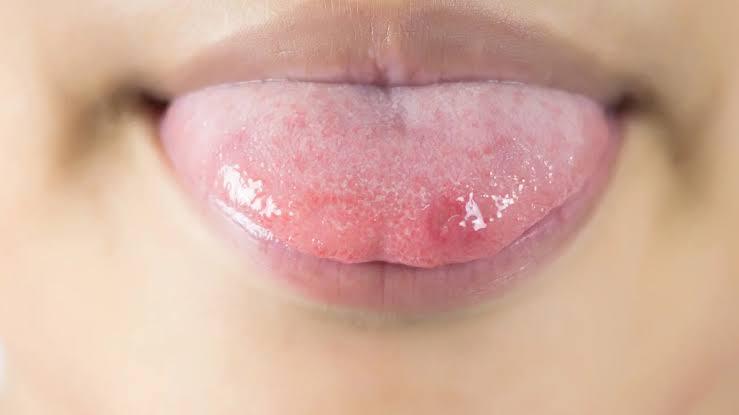

Written by DivinHeal Editorial Contributor, Rahul Kumar, Medical Expert | Medically Reviewed by Dr Indu Priya, MBBS,MD Published on: 2026-09-24
Plan My Journey
Tell us your condition and budget - our AI matches the right destination, hospital and doctor and visa pathway
What Causes a Painful Tongue? Common Reasons
and When to See a Doctor
The causes of
painful tongue range from minor everyday soreness to conditions that need a
doctor's look. This guide covers what usually causes tongue pain, and what pain
patterns can suggest. It covers what you can safely do at home. And when to
book a dentist, doctor or ENT.
|
Key Takeaways • Most tongue pain is minor soreness, small
ulcers, or short-lived swelling that clears up within days. • Persistent burning with a normal-looking
tongue can point to burning mouth syndrome or a vitamin shortage (iron, B12,
folate). • The NIDCR advises seeing a dentist or doctor
if oral symptoms last more than 2 weeks.
NHS guidance uses a 3-week mark. • Sudden major swelling with breathing or
swallowing difficulty is a medical emergency. • Do not diagnose from a photo. Duration,
symptom pattern and an in-person check matter more than how it looks. |
|---|
What Are the Most Common Causes of a Painful
Tongue?
Most tongue
pain has one of a few common causes. Something you did to your tongue (biting,
hot food, harsh cleaning). A small ulcer or swollen taste bud. A minor
infection like oral thrush. Dryness. A nutrition-based shortage. Or a
nerve-related condition like burning mouth syndrome. The rarer causes are important but much less likely
than the common ones.
Biting, Burning or Irritating the Tongue
The everyday
causes account for most tongue soreness:
• Accidental biting (often during eating or sleep)
• Burns from hot food or drinks
• Sharp or hard foods scraping the surface
• Rubbing from a sharp tooth edge, braces, or
dentures
• Harsh tongue cleaning with a scraper or brush
• Recent dental work leaving the area sore for a
few days
These usually
ease within a few days once the trigger stops. If pain from dental work does
not ease within a week, contact your dentist.
Mouth Ulcers and Inflamed Taste Buds
Small painful
sores on the tongue are usually canker sores or transient lingual papillitis.
Canker sores are shallow white or yellowish ulcers with a red border. They are
common in the mouth. Triggers include stress, minor hurt, or food sensitivity.
Transient lingual papillitis is short-term swelling of one or more taste-bud
papillae. It forms tiny painful red or white bumps that usually clear within
days without treatment. Both can
hurt a lot when eating, out of proportion to how small they look.
Infection and Inflammation
Oral thrush
(a Candida yeast infection) can cause a sore tongue. It shows as creamy white
patches that can be wiped off, sometimes with a red base underneath. The NHS
notes it can also cause difficulty eating or drinking. Glossitis is a broader term for
tongue swelling and colour change. It has many causes including nutrition-based
shortage, infection, and allergic reaction.
Any of these usually comes with visible change (redness, coating, colour shift)
alongside the pain.
Dry Mouth, Allergies and Food Irritation
A dry mouth
(from dehydration, mouth breathing, or some medications) removes the saliva
that normally protects the tongue, and can leave it sore. Spicy or acidic food
(citrus, pineapple, vinegar), some toothpastes (mainly those containing sodium
lauryl sulfate), and food allergies can all trigger short-lived soreness.
Sudden severe swelling of the tongue or lips is different. It can point to an
allergic reaction that needs urgent care.
Nutritional Deficiencies
Deficiencies of
iron, vitamin B12 and folate can cause glossitis — a smooth, swollen,
sore tongue that often looks red or "beefy". Glossitis appears in up to 25% of B12
shortage cases. Do not assume
you are deficient just because your tongue hurts. A simple blood test confirms
it and rules out other causes before starting supplements. Taking iron or B12 without confirmed
shortage is not safe.
Burning Mouth Syndrome or Nerve-Related Pain
Burning
mouth syndrome (BMS) causes a burning, tingling, or scalded feeling in the
tongue or mouth while the tissue looks fully normal6. It affects around 0.7-1% of adults and is 3-7 times
more common in women, with the highest rate in post-menopause women. BMS is a diagnosis of ruling out. That
means other causes (shortage, thrush, dry mouth, medication side effects) must
be ruled out first. Other nerve-related causes like trigeminal neuralgia can
occasionally cause tongue pain, though these are much rarer.
Less Common Causes That Need Evaluation
Less common but
important causes include long-standing swelling from autoimmune conditions,
ongoing unusual lesions, and, only rarely, tongue or oral cancer. Reasons tongue hurts in this category
are much less likely than the everyday causes above. But they are the reason
lasting or unexplained pain needs a proper check rather than indefinite
wait-and-see.
What Can the Type and Location of Tongue
Pain Tell You?
Where and how
it hurts gives useful clues. Not a diagnosis, but a starting point.
|
Pain pattern |
Often suggests |
Common next step |
|
Burning or tingling, whole tongue, tongue looks normal |
Burning mouth syndrome, dry mouth, shortage |
Blood test and dental or GP review if lasting > 2 weeks |
|
One painful spot, sharp |
Canker sore, papillitis, bite, sharp tooth edge |
Home care; dentist if lasting > 2 weeks |
|
Pain with white patches |
Oral thrush, leukoplakia |
Dentist or GP within a week |
|
Pain with redness, swelling |
Glossitis, allergic reaction, infection |
GP or dentist; urgent care if swelling is sudden |
|
Pain with a lasting lump |
Needs check — many possible causes |
Dentist or GP within 2-3 weeks |
|
Back-of-tongue pain, swallowing trouble |
Throat-related or base-of-tongue cause |
ENT or GP |
Burning or Tingling Tongue
A burning or
tingling feeling across the whole tongue often points to dry mouth,
nutrition-based shortage, or burning mouth syndrome. Community discussions
often describe the sensation getting worse when eating acidic, salty, or spicy
foods. If it lasts more than 2 weeks, a blood test for iron, B12 and folate is
a fair first step. A dental
check to rule out visible causes is worth doing at the same time.
One Painful Spot or One-Sided Tongue Pain
A single
painful spot is usually a bite, a canker sore, papillitis, or friction from a
sharp tooth or dental appliance. Most clear within a week. Unexplained
one-sided pain that lasts beyond 2-3 weeks, especially without a visible sore,
needs a check.
Pain With Redness, Swelling or White Patches
Pain with
visible changes usually points to swelling, thrush, ulcers, or another oral
condition. How it looks alone does not give a reliable diagnosis. The same
appearance can have very different causes. A dentist or doctor can look and,
when needed, take a swab or a small sample.
Why Does My Tongue Hurt If It Looks Normal?
A
normal-looking tongue with real pain is common. Reasons include:
• Minor soreness that has not left a visible mark
• Burning mouth syndrome, where the tissue is
normal but nerve signalling is not
• Dry mouth, where saliva loss leaves the surface
sore
• Nutritional shortage, especially B12, where
visible signs may lag behind symptoms
• Nerve-related pain from other causes
Repeatedly
looking, stretching or poking the tongue can itself add to soreness. Set a
check-in point (once a day, not once an hour) and book an visit if pain lasts
beyond 2 weeks.
What Can Help a Sore or Painful Tongue?
Simple Steps for Minor Irritation
For everyday
soreness that likely comes from soreness:
• Gentle oral care with a soft-bristled brush and
mild toothpaste
• Stay well hydrated
• Rinse with warm salt water (a teaspoon of salt
in warm water) 2-3 times a day
• Avoid known triggers for a few days (hot, spicy,
acidic food; alcohol; smoking)
• Allow minor injuries time to ease
• Avoid repeatedly touching or looking the painful
area
Common Mistakes to Avoid
• Harshly scraping a sore tongue. This adds
hurt to already sore tissue.
• Picking or squeezing bumps or sores.
Delays healing and can worsen swelling.
• Applying strong or new substances.
Bleach, undiluted essential oils, or unproven remedies can cause chemical
burns.
• Assuming every tongue symptom needs
antibiotics or antifungals. Most cases do not, and using them without cause
disrupts your normal oral flora.
• Taking iron or B12 supplements based on a
Google search. Get a blood test first.
Unneeded iron can be harmful.
• Checking your tongue every hour. Repeated
inspection makes normal changes seem alarming and can add to soreness.
Treatment Depends on the Cause
The right
treatment matches the cause:
• Infection: cause-specific antifungal or
antimicrobial treatment
• Nutritional shortage: confirmed by blood
test, then correction with diet or supplements
• Dental soreness: the dentist smooths the
sharp edge or adjusts the appliance
• Burning mouth syndrome: managed by a
specialist once other causes are ruled out
• Lasting unexplained pain: expert check to
find the deeper cause
This is not a
medication guide. Any treatment should be decided with your dentist or doctor.
When Should You See a Doctor for Tongue
Pain?
Make an Appointment if Pain Persists or
Keeps Returning
Book an visit
if any of these apply:
• Pain lasting more than 2 weeks (NIDCR mark) or 3
weeks (NHS mark)
• Pain that keeps getting worse rather than easing
• Sores or ulcers that keep coming back
• A lasting red or white patch you cannot explain
• A lump or thickened area on the tongue
• Difficulty eating, swallowing or speaking
• Numbness or altered sensation
• Symptoms affecting daily life
Symptoms That Need Faster Medical Attention
Do not wait to
see if these ease:
• Significant tongue swelling
• Any trouble breathing
• Severe difficulty swallowing
• Rapid allergic-type swelling of tongue or lips
Get emergency
care right away.
Dentist, Doctor, Oral Medicine Specialist or
ENT?
Match the
specialist to the pattern:
• Dentist: for mouth ulcers, sharp tooth or
denture soreness, visible dental cause, or a visible oral lesion
• Primary-care doctor (GP): for possible
nutrition-based or whole-body causes, symptoms beyond the mouth, or lasting
unexplained soreness
• Oral medicine specialist: for recurring
or hard-to-diagnose tongue lesions, lasting burning, or ongoing mucosal changes
• ENT (ear, nose, throat) specialist: for
pain at the back or base of the tongue. Also for throat-related symptoms,
swallowing changes, or symptoms reaching into the ear or throat.
If unsure, a
dentist or GP is a fair first stop. Either can refer onward if needed.
Cost Calculator
I know my treatment - show me cost from 3 hospitals
How We Can Help: Getting the Right Evaluation for Tongue Pain
Tongue pain has
many possible causes, and the honest question of "why does my tongue
hurt" only rarely has one universal answer. DivinHeal helps you get to the
right specialist rather than self-diagnosing from a symptom list.
How
DivinHeal helps:
• Personalised symptom guidance. Location,
duration, type of pain (burning vs sharp vs sore) and any swelling, sores or
patches. Also whether it affects eating. All mapped against what different
findings usually mean.
• Clear guidance on possible causes. Injury
or soreness, ulcers, swelling, infection, dry mouth, nutrition-based or
whole-body possibilities, or something needing further check.
• Access to the right specialist. Dentist,
oral medicine specialist, ENT, or other clinician as fits your case. DivinHeal
works with partner hospitals in India for patients from the Gulf, Africa, South
Asia and the UK.
• Support for further check when needed.
Coordinated in-person examination, blood tests when clinically right, and
follow-up tests only when indicated.
Why choose
DivinHeal: cause-focused rather than symptom-masking guidance. Clear next
steps. No judgement, no pressure. No implication that a sore tongue is
something dramatic.
Tongue pain not improving? Speak with the DivinHeal care team to be matched with the right specialist.
Medical disclaimer
This article is for general information only and is not medical advice. Please talk to a qualified dentist, doctor, ENT specialist or oral medicine specialist about your own case. Symptoms, timelines and care differ from person to person. DivinHeal is a medical tourism coordination company. It does not provide medical treatment itself. If you have sudden major tongue swelling, breathing difficulty or severe difficulty swallowing, get emergency care right away.
Plan My Journey
Tell us your condition and budget - our AI matches the right destination, hospital and doctor and visa pathway
Cost Calculator
I know my treatment - show me cost from 3 hospitals

Written by DivinHeal Editorial Contributor, Rahul Kumar, Medical Expert | Medically Reviewed by Dr Indu Priya, MBBS,MD Published on: 2026-09-24
Plan My Journey
Tell us your condition and budget - our AI matches the right destination, hospital and doctor and visa pathway
Cost Calculator
I know my treatment - show me cost from 3 hospitals
Booking With DIVINHEAL
Get a free consultation to understand your treatment options
From Consultation to Recovery,
Step by Step
Expert Specialist Matching
Connecting you with the world's top-rated medical experts.
Accredited Hospital Network
Access to JCI & NABH certified healthcare facilities.
Complete Travel Coordination
Hassle-free visa, stay, and local transport assistance.
24/7 Personal Care
Dedicated patient advisors supporting you at every step.
Journey Guidance
Full guidance from start to end of the patient treatment journey.
Expert Specialist Matching
Connecting you with the world's top-rated medical experts.
Everything you
need to know today
Browse through these common inquiries to better understand our patient-focused medical platform.
A normal-looking tongue with real pain is common. Likely causes include burning mouth syndrome, which is a nerve-related condition affecting mainly post-menopause women. Also dry mouth. Minor soreness that has not left a mark. Or a nutrition-based shortage (iron, B12, folate) where the sensation appears before visible tongue changes. If pain lasts beyond 2 weeks, book a dental or GP visit for a blood test and a proper look.
Painful eating usually points to a sore area being touched by food. Canker sores, tongue bites, hot-food burns, and papillitis all become sharply painful with hot, spicy or acidic food. Swollen taste buds can hurt out of proportion to their size. Most ease within a week. If pain keeps coming back or lasts longer than 2-3 weeks, get it checked.
Yes. Iron, vitamin B12 and folate shortages can cause glossitis, a swollen, sore, often red tongue. B12 shortage shows tongue changes in up to 25% of cases. But the tongue alone cannot confirm a shortage. A simple blood test does. Do not start iron or B12 supplements based on tongue appearance alone. Unneeded iron can be harmful, and unconfirmed supplementation can mask the real cause.
Most minor tongue soreness clears within a few days to a week. Lasting, worsening, or recurring pain needs a check. The NIDCR (US) suggests 2 weeks as a booking mark, while NHS guidance uses 3 weeks. See a doctor sooner if you have red-flag symptoms. That includes a lump, unexplained bleeding, numbness, difficulty swallowing, or a red or white patch that does not clear11. Get emergency care for sudden swelling with breathing difficulty.
Still have more questions?
Book a call with our friendly team to learn how DivineHeal simplifies your healthcare journey.