Composite Resin Bonding vs Veneers: Which Is Worth It?

Written by DivinHeal Editorial Contributor, Rahul Kumar, Medical Expert | Medically Reviewed by Dr Indu Priya, MBBS,MD Published on: 2026-09-25
Plan My Journey
Tell us your condition and budget - our AI matches the right destination, hospital and doctor and visa pathway
Composite Bonding vs. Veneers: Which One Is
Worth It?
Composite resin
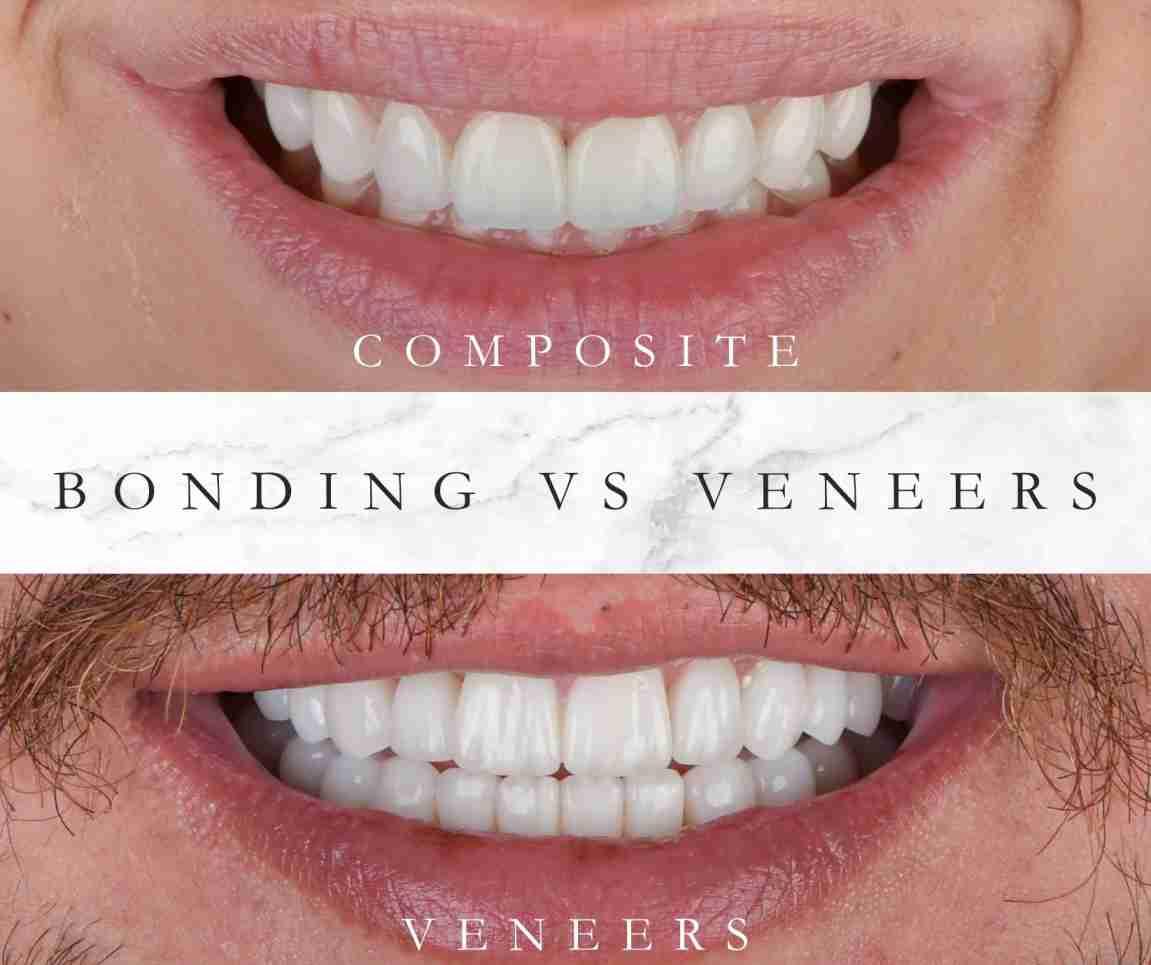
bonding vs veneers is one of the most common cosmetic dental questions. The
honest answer depends on three things. How much of the tooth needs changing.
How long you want the result to last. What you can spend. Both improve chips,
gaps and shape concerns. But they work in very different ways, cost different
amounts and need different care. This guide sets them side by side so you can
pick with your eyes open.
|
Key Takeaways • Composite bonding is tooth-coloured resin
sculpted onto the tooth in one visit. Veneers are thin shells (porcelain or
composite) that cover the front of the tooth. • Bonding usually lasts 5-7 years. Porcelain
veneers routinely last 10-15 years, with a 10-year survival rate of 95.5% in
peer-reviewed data. • Composite stains more than porcelain. Porcelain veneers usually need some
enamel removal, which is not reversible. • Bonding costs less upfront. Over 15-20 years
the totals often narrow once you count polishing and repairs. • If you grind your teeth (bruxism), tell your
dentist before deciding either treatment. |
|---|
Composite Bonding and Veneers: How Are They
Different?
What Is Composite Resin Bonding?
Composite
bonding uses tooth-coloured resin, softened and sculpted directly onto the
tooth, then hardened with a curing light.
It is usually done chairside in one visit with little or no drilling. Common
uses: closing a small gap, fixing a chip, smoothing an uneven edge, tidying up
a slightly awkward shape. Bupa and other clinical sources note it is well
suited to minor changes rather than a full smile transformation.
What Are Dental Veneers?
Dental veneers
are thin shells bonded to the front surface of the tooth. Two main types:
• Porcelain veneers are made in a dental
laboratory from your tooth impressions or scans. Usually two visits. Very
stain-resistant. Long-lasting.
• Composite veneers are built up chairside
from the same resin used for bonding, but covering more of the tooth. Usually
one visit. Faster and cheaper. Shorter lifespan.
Veneers are
chosen when the change needed is larger. Multiple teeth, notable shape or
colour changes, or a full smile makeover.
Partial Correction vs Full-Surface Coverage
The core
difference is coverage. Bonding usually changes selected areas of a tooth. It
leaves most of the natural tooth surface untouched. Veneers cover the visible
front surface end to end. That changes how they look, how much preparation they
need and how they age. Bonding is closer to a repair. Veneers are closer to a
facing.
Composite Resin Bonding vs Veneers:
Side-by-Side Comparison
|
Factor |
Composite bonding |
Porcelain veneers |
|
Visits |
Usually 1 |
Usually 2 |
|
Enamel removal |
Often none or very little |
Around 0.3-0.7mm typical |
|
Reversibility |
Reversible if no prep done |
Not reversible |
|
Typical lifespan |
5-7 years |
10-15 years |
|
Peer-reviewed 10-year survival |
Shorter |
95.5% (JCM 2021 review) |
|
Staining |
Absorbs stain over time |
Highly stain-resistant |
|
Cost per tooth (India) |
Rs 3,000-8,000 |
Rs 8,000-25,000 |
|
Cost per tooth (UK) |
From £333 |
From £471, up to £1,500 premium |
|
Repair if chipped |
Usually patched in one visit |
Often needs full replacement |
|
Best for |
Small, focused changes |
Larger, multi-tooth changes |
Tooth Preparation and Enamel Removal
Bonding is
often the more conservative option because many cases need no drilling at all.
The dentist etches the surface, applies a bonding agent and layers resin.
Porcelain veneers usually need a thin layer of enamel removed (commonly 0.3-0.7
mm). This makes room for the shell and helps it sit flush against neighbouring
teeth. This is not "shaving
down" the whole tooth. But it is permanent. Once a tooth has been prepared
for a porcelain veneer, it will always need to be covered by a veneer or crown
after that.
Appearance and Natural Finish
Porcelain has a
translucency alike to natural enamel. Light passes through it in a way
composite cannot fully match, especially across multiple front teeth. For a
single small chip or gap, skilled composite bonding can look excellent and
virtually invisible. For a full-smile change spanning 6-10 teeth, porcelain
generally gives a more consistent, polished result. Skill of the dentist and
technician matters a lot for either option.
Staining and Colour Changes
Composite resin
is porous, so it can absorb pigments from coffee, tea, red wine, curry,
turmeric and tobacco over time.
Porcelain has a non-porous surface and holds its shade much better. Once
placed, neither material can be whitened with bleaching, so any bonded areas
can slowly stop matching the surrounding enamel if you whiten later. Composite
bonding can be polished or repaired to refresh appearance. Porcelain usually
looks the same at year ten as it did on day one, if it is intact.
Chips, Repairs and Replacement
If a bonded
area chips, the dentist can usually patch it in a single visit. If a porcelain
veneer chips or fractures, the whole veneer often needs to be remade in the lab
and rebonded. That costs more and takes longer. Bite forces and habits like
nail biting, ice chewing or using teeth as tools raise the risk for both.
Is Composite Bonding Worth It?
The short
answer: yes, for the right case. Bonding is worth it when the changes needed
are small, when preserving natural tooth structure matters, and when the lower
upfront cost fits your priorities. It is a poor choice for a full smile
makeover across many teeth. Or when the changes are large. Or when staining
risk from your lifestyle is high.
Bonding May Be Worth Considering If...
• You have small chips, minor gaps or uneven edges
• You want a conservative option with little or no
drilling
• The change involves 1-4 teeth rather than the
whole smile
• Lower upfront cost matters
• You are open to future polishing or occasional
repair
• You want a treatment you could reverse later if
not prepared
Veneers May Make More Sense If...
• Most of the visible tooth surface needs changing
• Multiple teeth need substantial cosmetic work
• Long-term stain resistance is a priority
(coffee, tea, wine, tobacco)
• You want the longest-lasting cosmetic result
• You are comfortable with the enamel removal
being permanent
Upfront Cost vs Long-Term Cost
Bonding costs
less upfront. Over 15-20 years, the gap narrows once you count polishing,
repairs and possible replacement. A rough comparison over 20 years: bonding may
need replacing 2-3 times per tooth. Porcelain veneers usually need replacing
once. The total per tooth can end up closer than the day-one prices suggest.
The cheaper upfront treatment is not always cheaper long-term. Ask your dentist
for a written estimate that covers likely follow-up costs, not just the first
visit.
How Long Do Results Last?
No universal
number. Composite bonding usually lasts 5-7 years. Porcelain veneers routinely
last 10-15 years, with some going 20 years with careful habits. Peer-reviewed evidence supports these
ranges. A 2021 systematic review in the Journal of Clinical Medicine covering
6,500 porcelain veneers found a 10-year cumulative survival rate of 95.5%. Real lifespan depends on material, bite,
habits, oral hygiene, and how well you keep up with dental reviews. Both
eventually need repair or replacement.
Is Bonding Really Reversible?
Only if no
enamel was prepared. If the
dentist stayed additive, composite can later be removed or redone without
altering the tooth. If enamel was etched or shaped to blend the bonding, some
of that is permanent. "Reversible" is a fair marketing shorthand but
not always literally true. Ask your dentist before treatment: "Will you
need to alter any enamel for this?"
What Should You Consider Before Choosing?
Your Bite and Teeth-Grinding Habits
If you grind or
clench your teeth (bruxism), tell your dentist before deciding. A long-term
clinical evaluation of porcelain veneers found bruxism patients had
significantly higher complication and debonding rates5. Composite bonding is also at higher
chipping risk in these cases. A bite check and a night guard often need to be
part of the plan.
Whitening Before Cosmetic Treatment
Neither
composite nor porcelain responds to bleaching once it is placed. If you want brighter teeth, expert
whitening should happen first, then the restoration is matched to the new
shade. Doing it in the other order locks in a shade you may later want to
change and cannot.
Oral Health Comes First
Neither
treatment is a fix for underlying dental problems. Untreated decay, gum
disease, weakened enamel or failing existing restorations must be sorted first.
A cosmetic result placed over an unhealthy foundation does not last.
Maintenance Expectations
Both options
need normal daily care plus dental reviews. Composite bonding may need
occasional polishing (often every 6-12 months) to refresh surface finish. Both
benefit from avoiding hard objects (ice, pens, fingernails), staying on top of
stain-heavy foods and drinks, and coming in for regular hygienist visits.
Common Mistakes to Avoid
• Choosing based on price alone without weighing
longevity
• Asking for treatment on very small imperfections
that would look fine untouched
• Assuming veneers always need aggressive tooth
shaving (they usually don't)
• Assuming bonding is permanent (it isn't)
• Ignoring a grinding habit and then blaming the
material when it chips
• Picking a shade without planning any future
whitening
Cost Calculator
I know my treatment - show me cost from 3 hospitals
How We Can Help: Choosing Between Composite
Bonding and Veneers
The right
choice fits your teeth, your goals and your budget, not the treatment with the
biggest marketing push. DivinHeal helps you get honest, expert guidance instead
of a single-clinic pitch.
How
DivinHeal helps:
• Personalised guidance. Tooth shape, chips
or gaps, discolouration, enamel condition, bite pattern, budget and smile goals
mapped against what actually suits.
• Clear side-by-side comparison of
preparation, appearance, staining, longevity, repairability, maintenance and
cost, without the marketing spin.
• Honest guidance on whether composite bonding
is worth it for your case, based on minor vs extensive correction,
conservative goals, expected upkeep, and long-term value.
• Access to skilled cosmetic dentists for
proper clinical check, smile planning, and bonding vs porcelain veneer
suitability. DivinHeal works with partner hospitals in India for patients from
the Gulf, Africa, South Asia and the UK.
• Long-term treatment planning. Repairs,
polishing, replacement, oral hygiene support, and future cosmetic work built
into the plan from day one.
Why choose
DivinHeal: the right treatment over the expensive one. Transparent
comparison. Specialist access. Realistic expectations about results and upkeep.
Compare your cosmetic dental options with an experienced dentist. Speak with the DivinHeal care team to book a first visit.
Medical disclaimer
This article is for general information only and is not a substitute for advice from a qualified dentist. Suitability of composite bonding or veneers depends on your teeth, bite, oral health and personal circumstances. Costs, lifespans and outcomes vary by patient, clinic and country. DivinHeal is a medical tourism coordination company and does not provide dental treatment itself. Please have a full cosmetic dental first visit before deciding.
Plan My Journey
Tell us your condition and budget - our AI matches the right destination, hospital and doctor and visa pathway
Cost Calculator
I know my treatment - show me cost from 3 hospitals

Written by DivinHeal Editorial Contributor, Rahul Kumar, Medical Expert | Medically Reviewed by Dr Indu Priya, MBBS,MD Published on: 2026-09-25
Plan My Journey
Tell us your condition and budget - our AI matches the right destination, hospital and doctor and visa pathway
Cost Calculator
I know my treatment - show me cost from 3 hospitals
Booking With DIVINHEAL
Get a free consultation to understand your treatment options
From Consultation to Recovery,
Step by Step
Expert Specialist Matching
Connecting you with the world's top-rated medical experts.
Accredited Hospital Network
Access to JCI & NABH certified healthcare facilities.
Complete Travel Coordination
Hassle-free visa, stay, and local transport assistance.
24/7 Personal Care
Dedicated patient advisors supporting you at every step.
Journey Guidance
Full guidance from start to end of the patient treatment journey.
Expert Specialist Matching
Connecting you with the world's top-rated medical experts.
Everything you
need to know today
Browse through these common inquiries to better understand our patient-focused medical platform.
Yes, for small changes. If you have a chipped edge, a small gap, or a slightly uneven shape on one to four front teeth, bonding often works well. It gives a natural-looking result in a single visit at a lower cost. It is well suited to focused corrections. If you want a full smile makeover, want maximum stain resistance, or want the longest-lasting result, porcelain veneers are usually a better fit. Your dentist should assess before recommending either.
Often yes, especially for small chips. A small chip can usually be patched with composite bonding in one visit, without touching the rest of the tooth. Larger chips are different. Chips affecting the biting edge or corner, or chips on a tooth already restored, may be better served by a veneer or a crown. Size, location and how much of the tooth is involved decide which fits best.
Yes, composite stains more than porcelain6. Composite resin is porous, so it can absorb pigments from coffee, tea, red wine, curry, turmeric and tobacco over time. Porcelain has a non-porous surface and holds its colour better across the years. Composite veneers stain more than porcelain veneers too. Good brushing, cutting down on stain-heavy habits, and routine polishing helps a lot, but does not fully close the gap.
Not "shaving down" the whole tooth, but yes, some enamel is usually removed. Porcelain veneers usually need around 0.3-0.7 mm of enamel prepared from the front surface7. This is done to make room for the veneer and to help it sit flush. The removal is small but permanent. Once prepared, the tooth will always need a veneer or crown after. Some cases can use ultra-thin or no-prep veneer options, but suitability is case-by-case. Ask your dentist how much enamel your case actually needs before deciding.
Still have more questions?
Book a call with our friendly team to learn how DivineHeal simplifies your healthcare journey.