


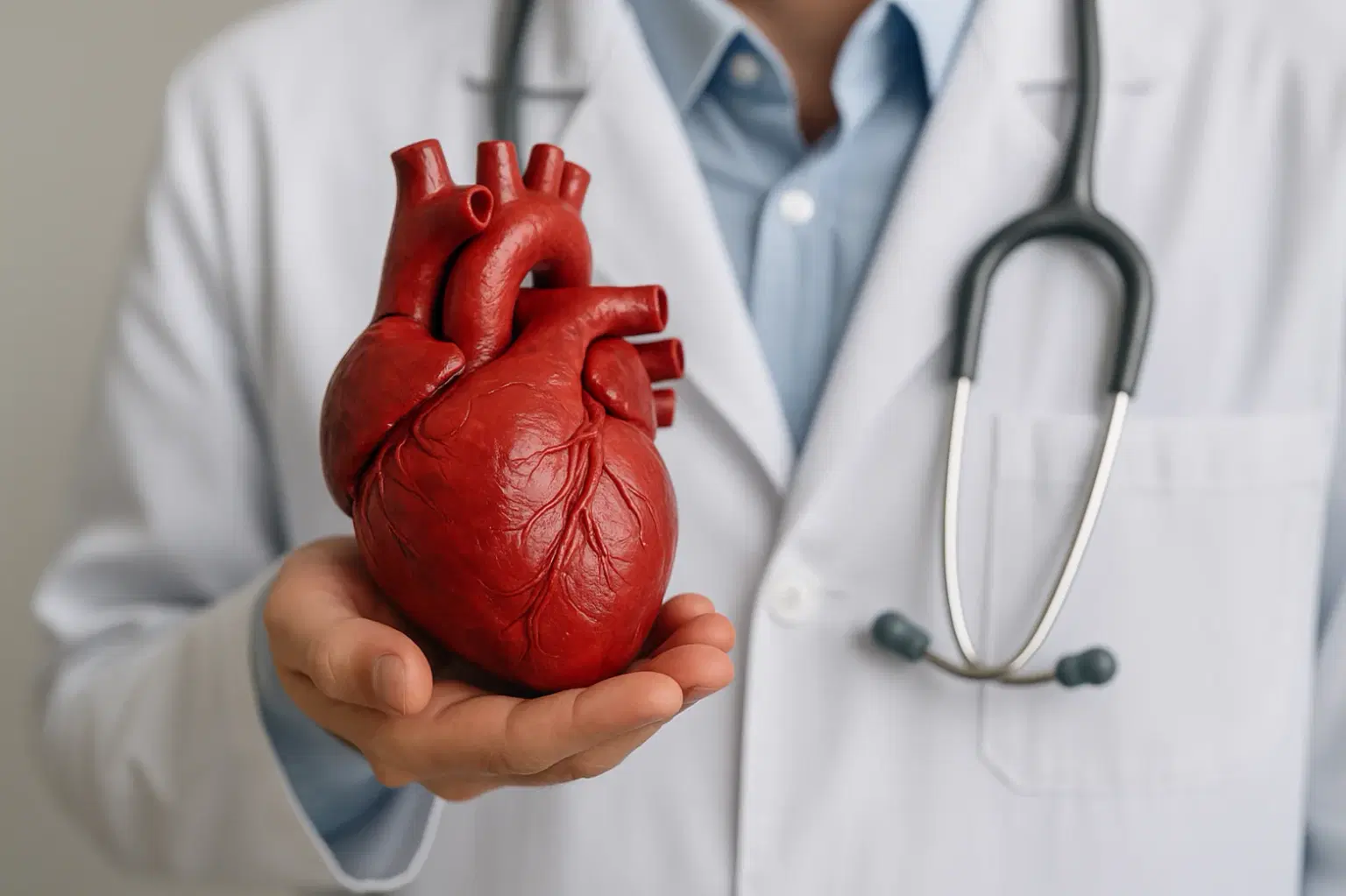
Cardiac Care
5K+ International Patients Treated
40+ Source Countries Served
500+ Accredited Partner Hospitals
98% Patient Satisfaction
80% Average Savings vs USA
10K+ Doctors
NABH, JCI Accredited Hospitals
Free Treatment Plan
Free Consultation with Doctor
5+ Destinations Covered
About Cardiac Care
Cardiac Care Treatment: Procedures, Cost & Recovery
Understanding Comprehensive Cardiac Care
Cardiac diseases, ranging from coronary artery disease to complex structural heart conditions, are a leading cause of morbidity and mortality worldwide. Timely and effective Cardiac Care treatment is paramount to preserving heart health, enhancing quality of life, and extending lifespan. DivinHeal provides unparalleled access to a network of JCI and NABH accredited hospitals in India, renowned for their state-of-the-art infrastructure and advanced therapeutic options. Our partner facilities offer a full spectrum of Cardiac Care, including interventional cardiology, sophisticated cardiac surgery, electrophysiology, and comprehensive medical management.
Types of Cardiac Care Procedures
Interventional Cardiology Approaches
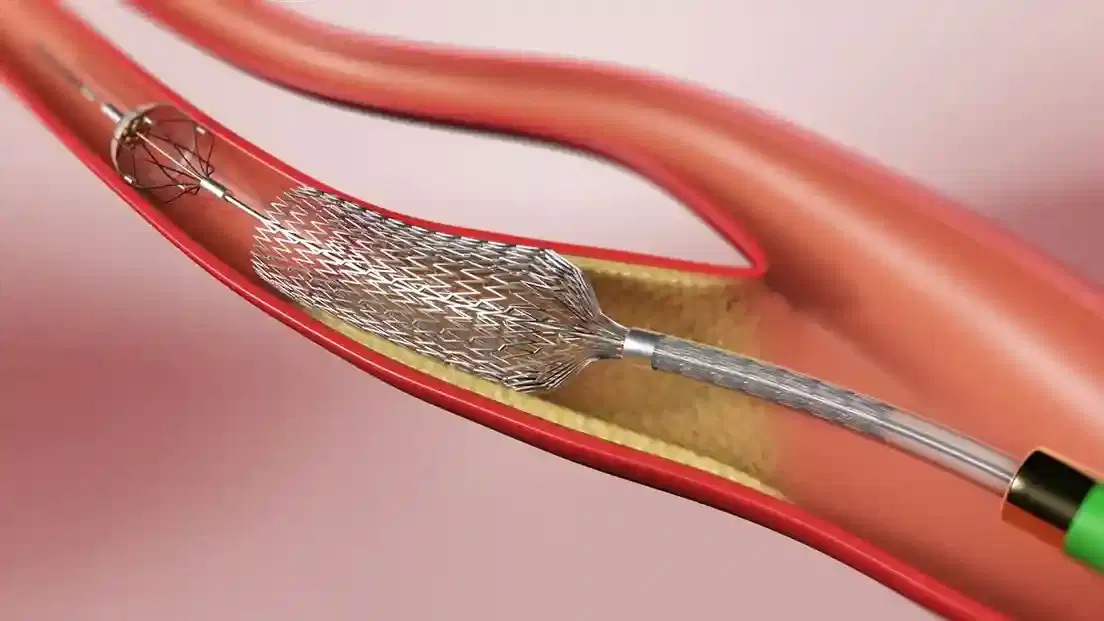
- Coronary Angioplasty & Stenting: A minimally invasive procedure to open blocked coronary arteries and restore blood flow, often using a balloon and a stent.
- Peripheral Angioplasty: Similar to coronary angioplasty, but for blocked arteries in the limbs or other parts of the body.
- Device Closure (ASD/VSD/PDA): Non-surgical closure of congenital heart defects like Atrial Septal Defect (ASD) or Ventricular Septal Defect (VSD) using specialized devices.
- Transcatheter Aortic Valve Replacement (TAVR): A minimally invasive procedure to replace a narrowed aortic valve without open-heart surgery.
Surgical Cardiac Interventions
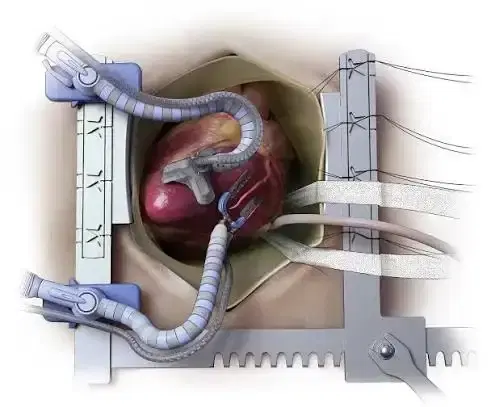
- Coronary Artery Bypass Grafting (CABG): Often referred to as "bypass surgery," this open-heart procedure creates new routes for blood to flow around blocked coronary arteries using grafts from other parts of the body. Both on-pump and beating-heart (off-pump) techniques are available.
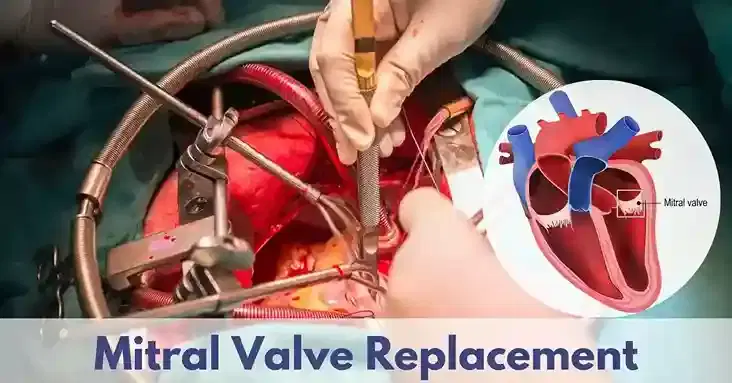
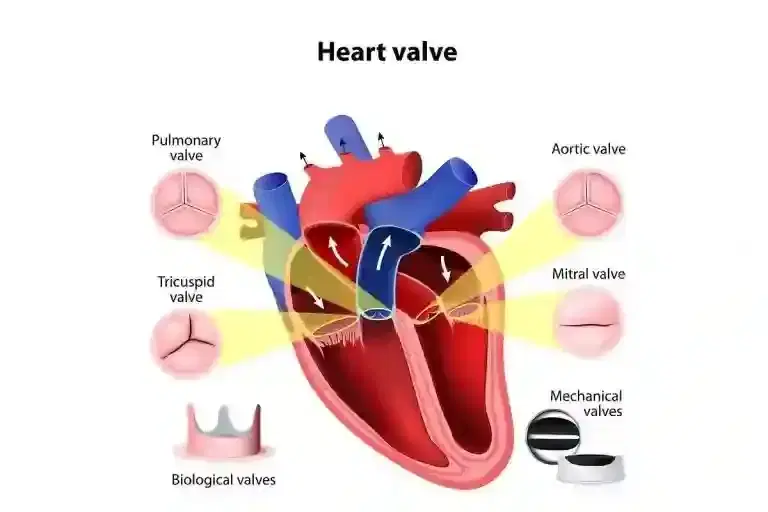
- Heart Valve Repair and Replacement: Surgical correction or replacement of diseased or damaged heart valves (mitral, aortic, tricuspid, pulmonary) to restore proper blood flow. This includes traditional open-heart surgery and minimally invasive approaches.
- Surgery for Congenital Heart Defects: Corrective surgeries for structural abnormalities of the heart present at birth.
- Aneurysm Repair: Surgical repair of weakened, bulging sections of arteries, particularly in the aorta.
Electrophysiology and Rhythm Management
- Pacemaker Implantation: Surgical placement of a small device to regulate slow or irregular heartbeats.
- Implantable Cardioverter-Defibrillator (ICD) Implantation: A device similar to a pacemaker that monitors heart rhythms and delivers an electrical shock to correct dangerously fast heartbeats.
- Electrophysiology (EP) Study and Ablation: Diagnostic and therapeutic procedures to identify and correct areas in the heart causing irregular rhythms.
Cost Comparison: Why Patients Choose India for Cardiac Care
The financial burden of advanced Cardiac Care can be overwhelming, but DivinHeal offers a beacon of hope through India's remarkably affordable yet world-class healthcare system. India has emerged as a global hub for medical tourism, providing unparalleled value for patients seeking high-quality heart treatments. Our transparent, AI-driven platform facilitates access to significant savings—often 50% to 80%—compared to the same procedures in Western nations.
Patients choose India not just for the substantial cost reduction but also for its exceptional medical expertise, cutting-edge technology, and patient-centric care. DivinHeal connects you with top-tier cardiologists and hospitals equipped with the latest diagnostic and surgical tools, ensuring optimal outcomes without compromise. Discover the compelling cost advantage for various Cardiac Care treatments:
| Country | Average Cardiac Care Treatment Cost (USD) |
|---|---|
| India | $4,000 - $15,000 |
| United States | $30,000 - $100,000 |
| United Kingdom | $25,000 - $70,000 |
| Singapore | $20,000 - $60,000 |
| UAE | $18,000 - $55,000 |
These figures highlight India's position as the leading destination for affordable and high-quality Cardiac Care, making life-saving treatments accessible to a global patient base.
DivinHeal’s Comprehensive Support for Your Cardiac Care Journey
At DivinHeal, we understand that undergoing Cardiac Care abroad can be complex. Our mission is to make your journey seamless, safe, and stress-free with our end-to-end care coordination:
- AI-Driven Hospital & Specialist Matching: We leverage advanced AI to match you with the best cardiologists, cardiac surgeons, and accredited hospitals perfectly suited to your specific heart condition and preferences.
- Transparent Cost Breakdowns: Receive clear, detailed, and all-inclusive cost estimates upfront, ensuring no hidden charges for your Cardiac Care treatment cost.
- Visa & Travel Assistance: Our dedicated team assists with visa applications, flight bookings, and comfortable accommodation arrangements, ensuring a smooth arrival.
- Dedicated Care Coordinator: A personal care coordinator supports you at every step, from initial inquiry through post-treatment follow-ups, providing language support and addressing all your needs.
- Pre- & Post-Treatment Care: We facilitate virtual consultations, second opinions, and arrange for follow-up care and rehabilitation programs to ensure a complete recovery from Cardiac Care treatment.
- Unwavering Emotional Support: We prioritize your well-being, offering reassurance and empathy throughout your entire treatment journey.
Cardiac Care Recovery and Life After Treatment
Recovery from Cardiac Care treatment is a critical phase, vital for long-term health and well-being. The expected recovery timeline varies significantly based on the type of procedure. For interventional procedures like angioplasty, recovery can be as short as a few days, while major surgeries like CABG may require 6-12 weeks for full recovery.
Key Aspects of a Successful Recovery:
- Hospital Stay: Typically 3-5 days for interventional cardiology, and 7-10 days for complex open-heart surgeries.
- Cardiac Rehabilitation: A structured program tailored to your needs, focusing on supervised exercise, nutritional guidance, and lifestyle counseling to strengthen your heart and improve physical fitness.
- Medication Management: Adherence to prescribed medications is essential for preventing complications and managing underlying conditions.
- Lifestyle Modifications: Adopting a heart-healthy diet, regular physical activity, stress management techniques, and complete smoking cessation are fundamental for sustained recovery and preventing recurrence.
- Emotional & Psychological Support: Access to counseling services can help manage any anxiety or depression associated with heart disease and recovery.
- Regular Follow-ups: Scheduled appointments with your cardiologist are crucial to monitor progress, adjust treatment plans, and ensure long-term heart health.
DivinHeal remains your steadfast partner throughout the recovery phase, ensuring you have access to the necessary resources and support to achieve optimal healing and a vibrant, healthier life post-Cardiac Care treatment.
Booking With DIVINHEAL
Get a free consultation to understand your treatment options
Cost Calculator
I know my treatment - show me cost from 3 hospitals
Plan My Journey
Tell us your condition and budget - our AI matches the right destination, hospital and doctor and visa pathway
Recommended Article

Booking With DIVINHEAL
Get a free consultation to understand your treatment options
Cost Calculator
I know my treatment - show me cost from 3 hospitals
Plan My Journey
Tell us your condition and budget - our AI matches the right destination, hospital and doctor and visa pathway
Recommended Article
Sub-Treatments
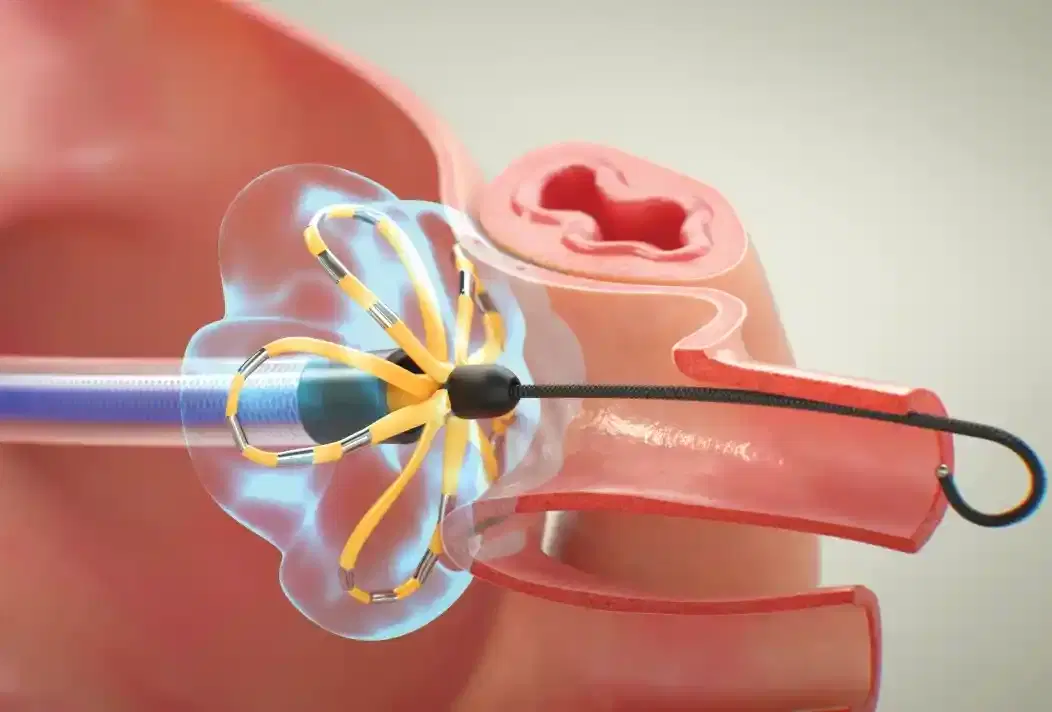
atrial fibrillation ablation
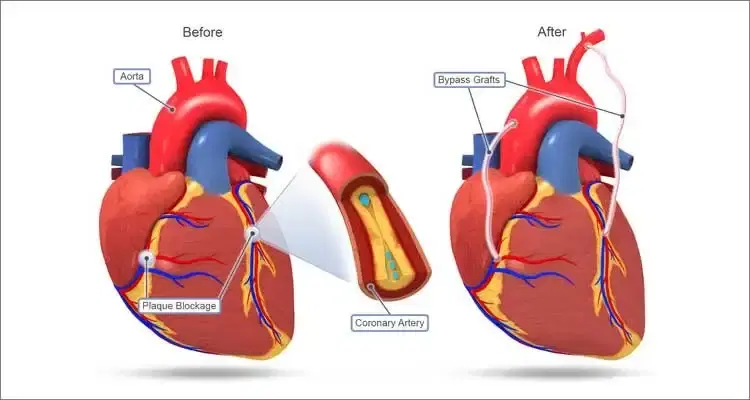
Minimally Invasive CABG / MIDCAB

ICD (Implantable Cardioverter Defibrillator) Implantation
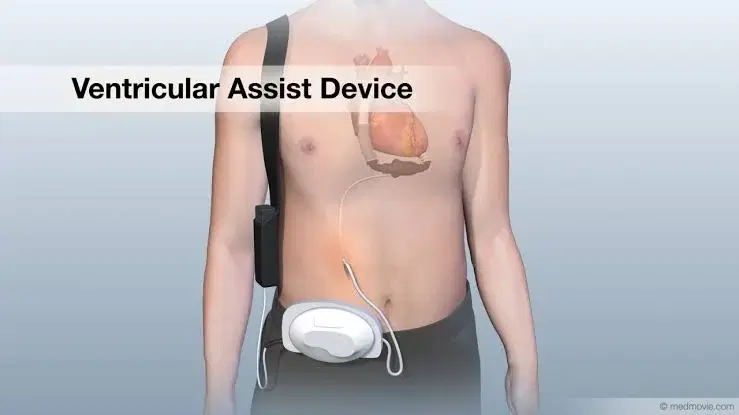
Ventricular Assist Device (VAD)
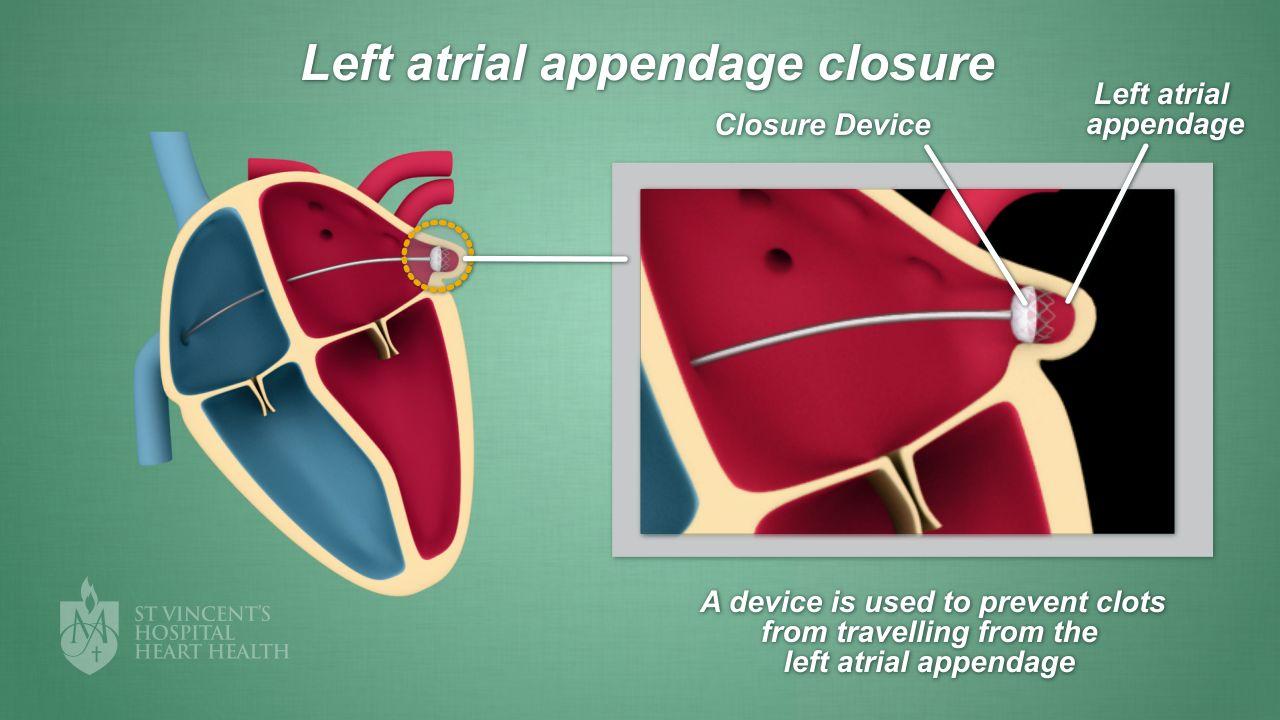
Left Atrial Appendage Closure (LAAC)
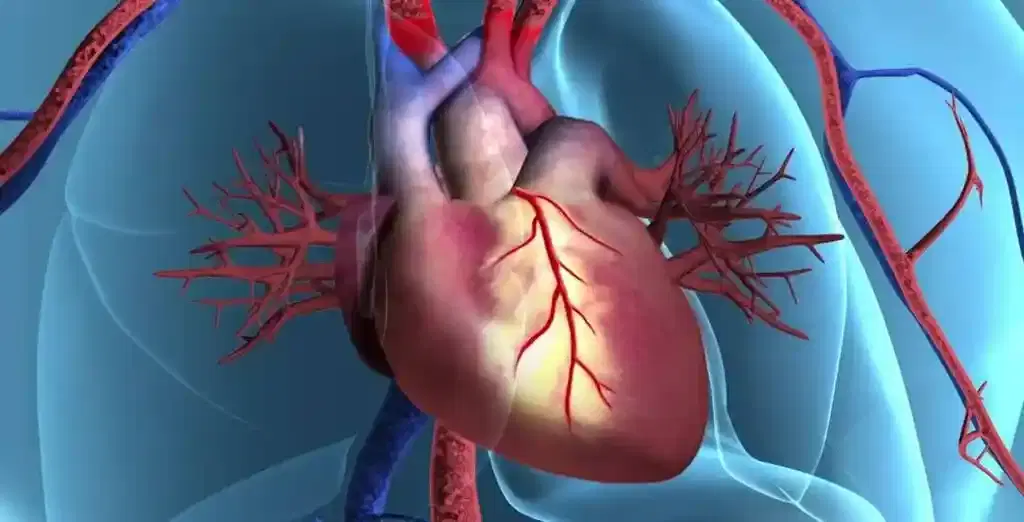
heart failure surgery
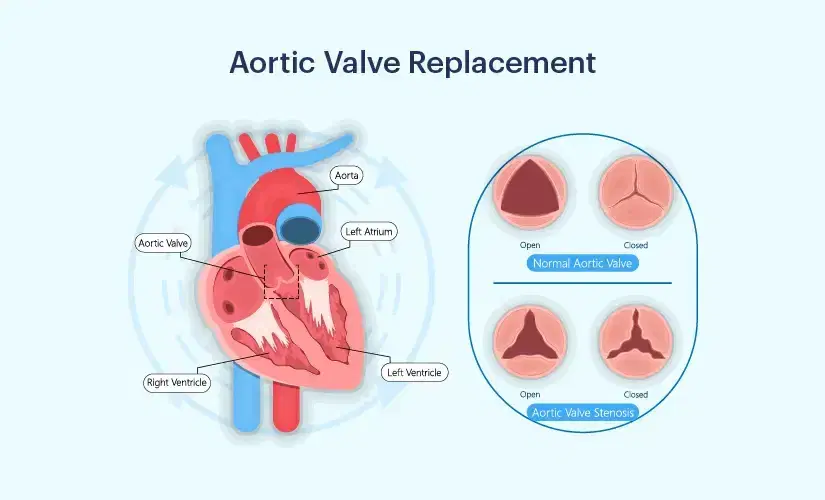
Aortic Valve Repair / Replacement
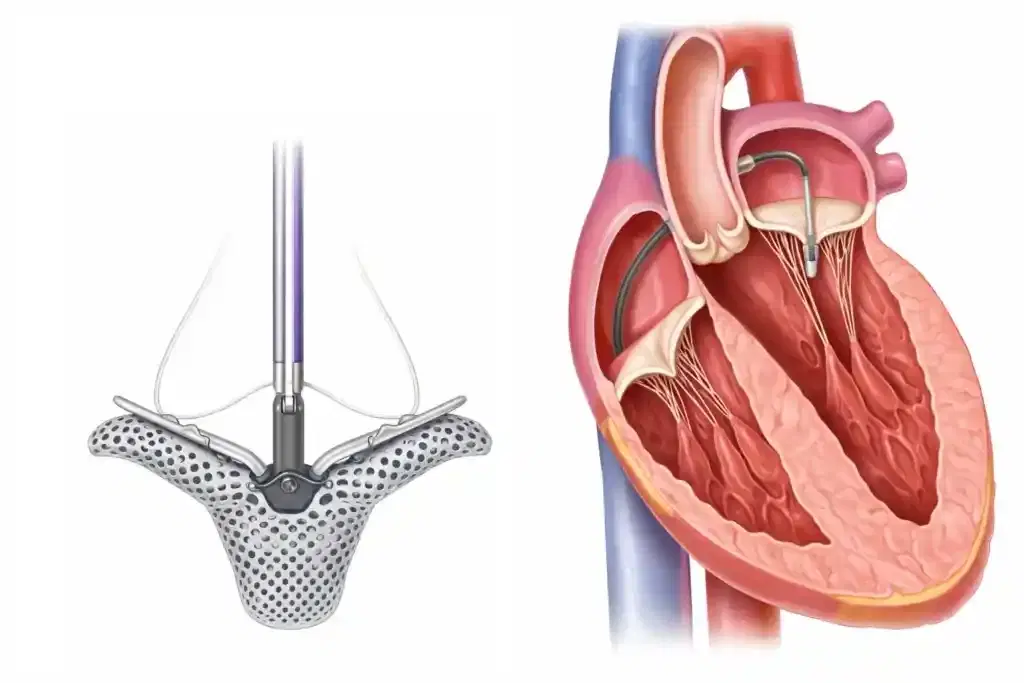
MitraClip (Transcatheter Mitral Repair)
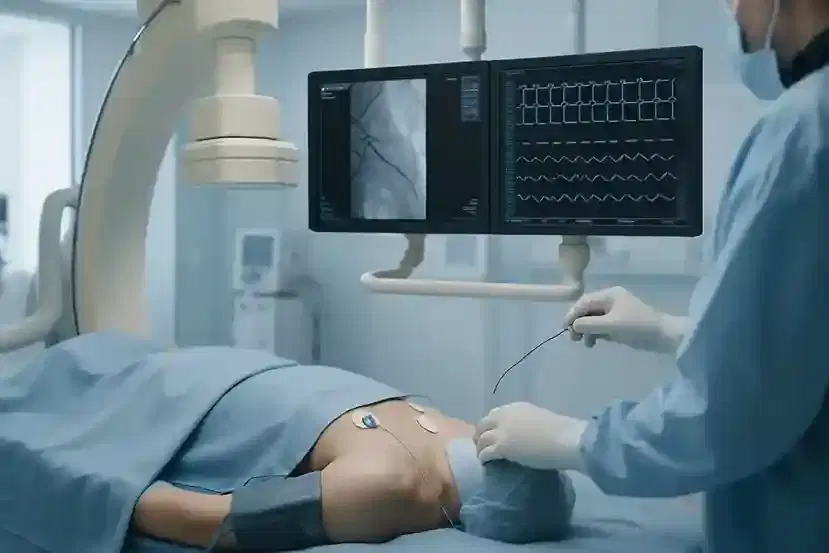
Cardiac Electrophysiology Study (EPS)
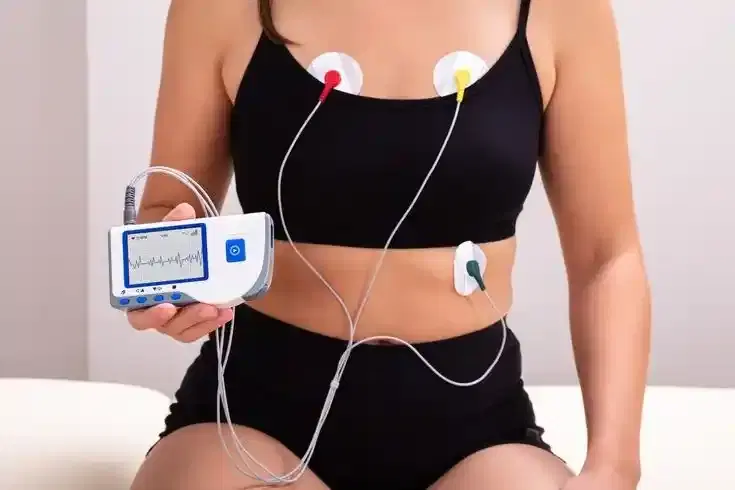
Holter Monitoring
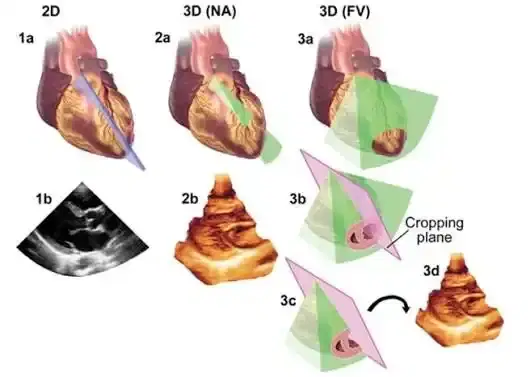
Echocardiography (2D / 3D / TEE)
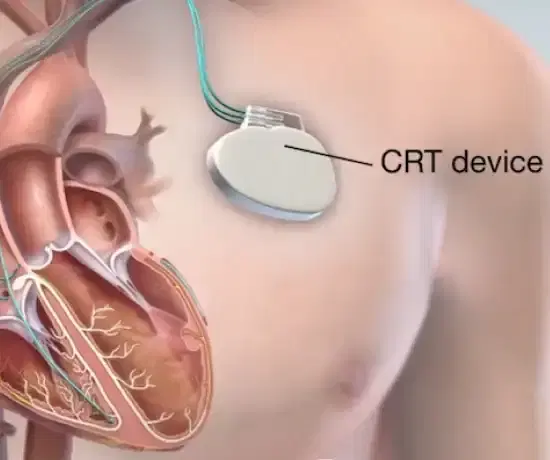
Cardiac Resynchronisation Therapy (CRT)
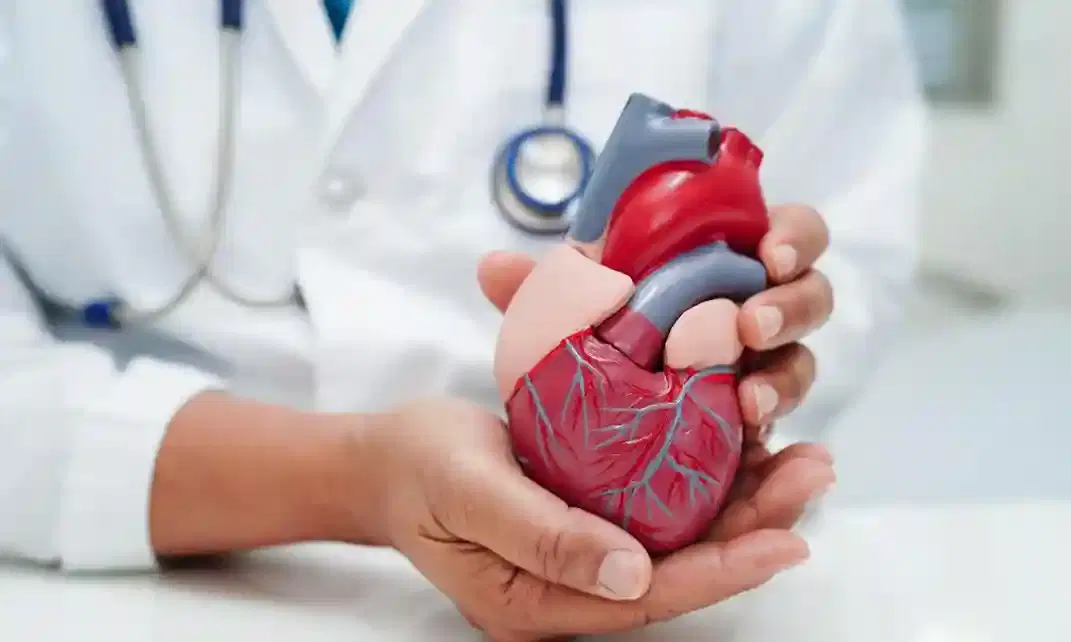
cardiac surgery
Cardiac Ablation for Arrhythmias
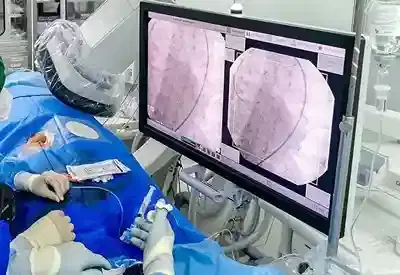
interventional cardiology
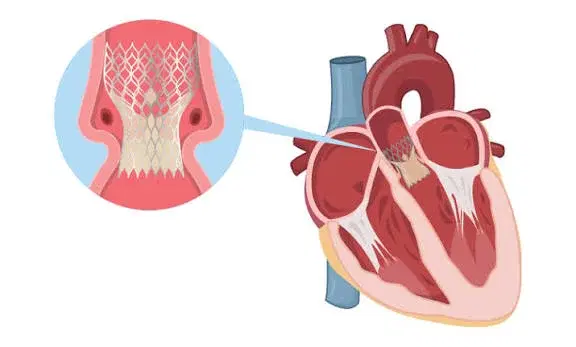
TAVR (Transcatheter Aortic Valve Replacement)
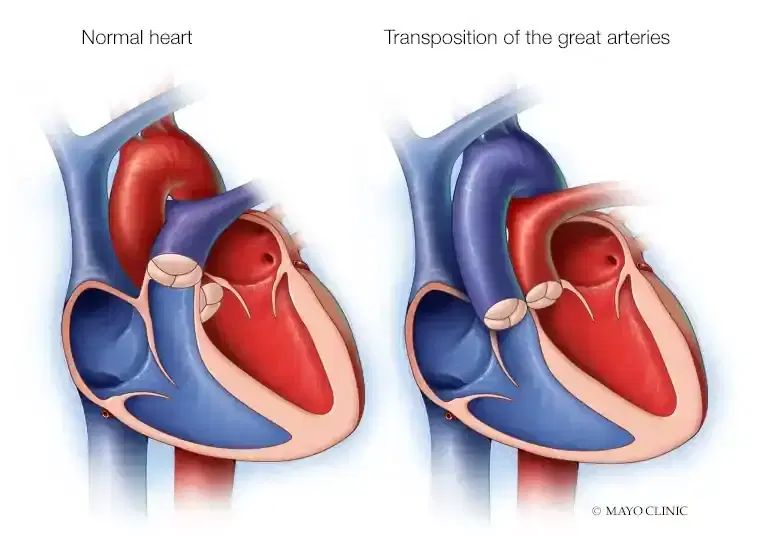
congenital heart surgery
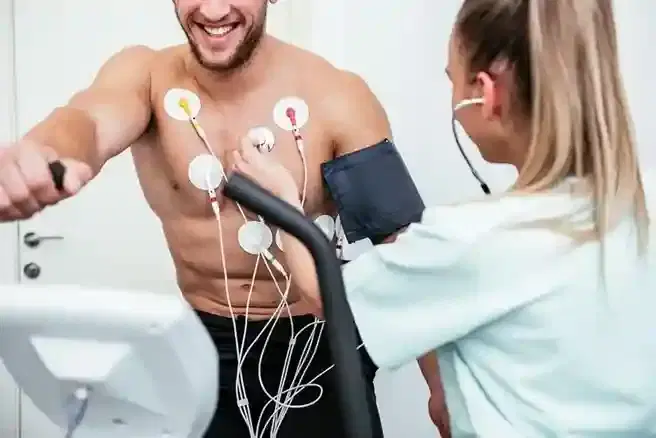
Cardiac Stress Test (TMT)
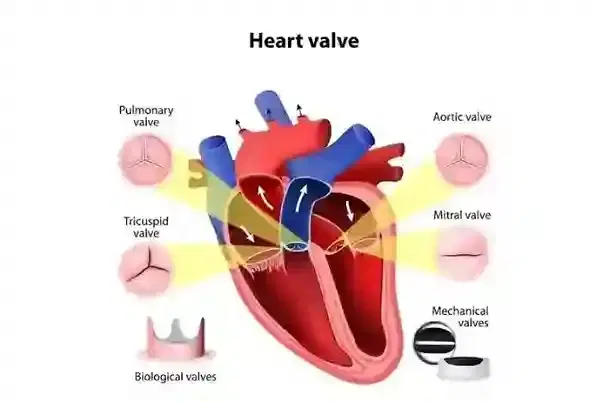
Heart Valve Repair (Mitral/Tricuspid)
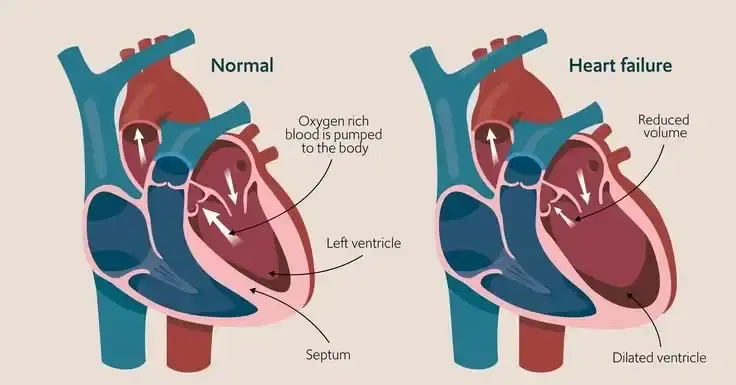
Heart Failure Program (Advanced HF Management)
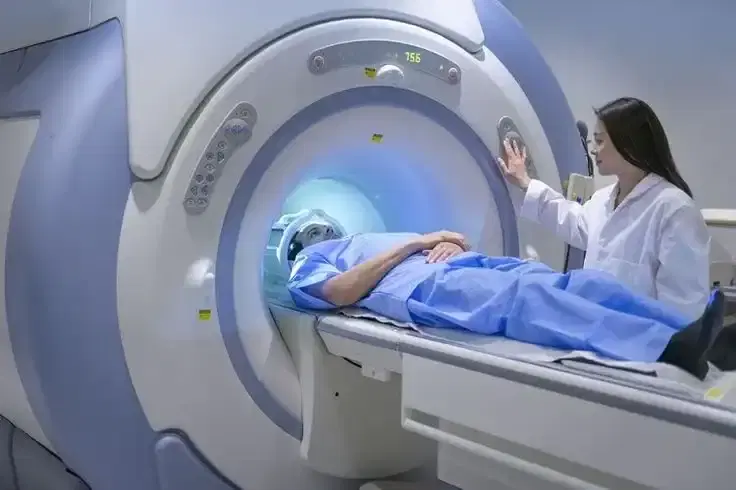
Cardiac MRI
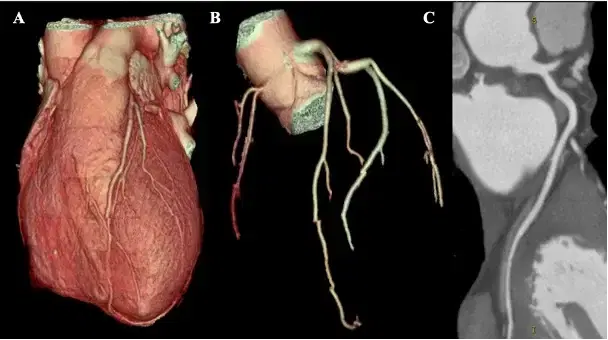
CT Coronary Angiography
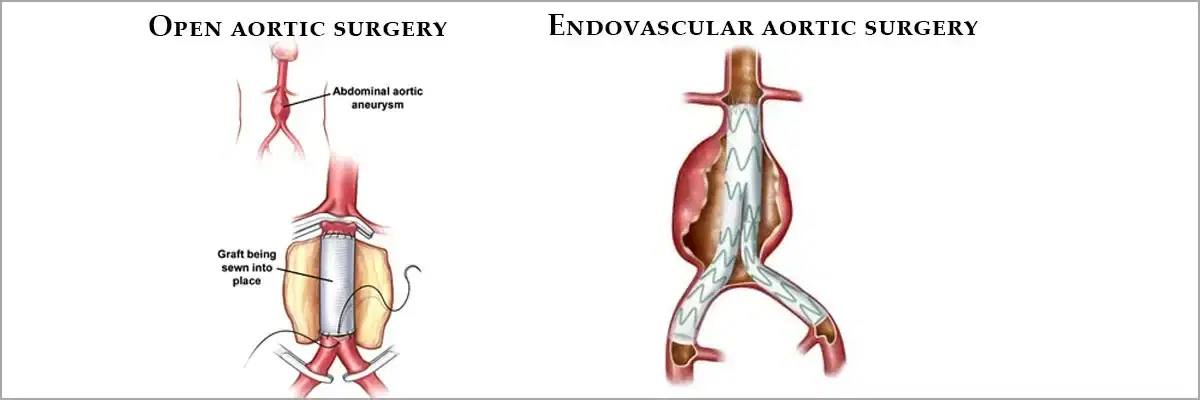
Aortic Aneurysm Repair (Open/Endovascular)

structural heart
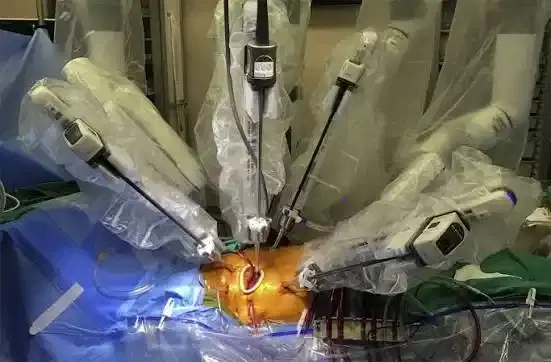
robotic cardiac surgery
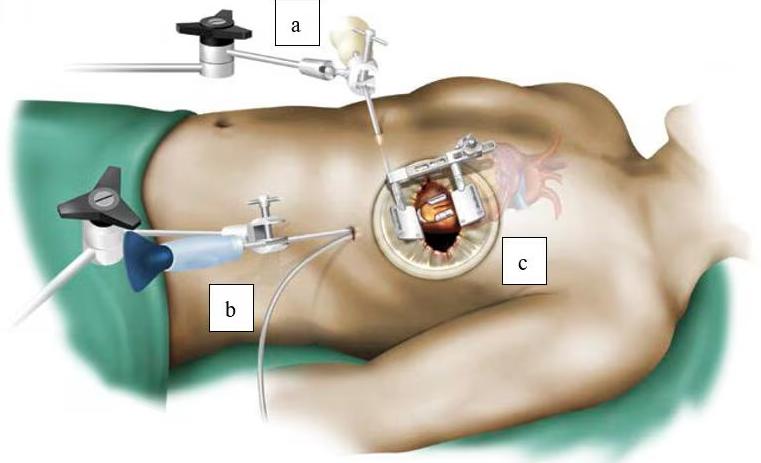
Minimally Invasive Coronary Artery Bypass Surgery (MICS CABG)
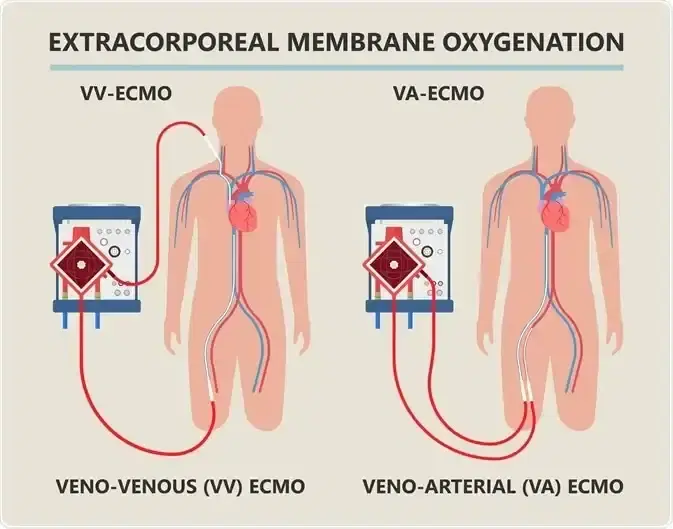
ECMO Support (as service capability)
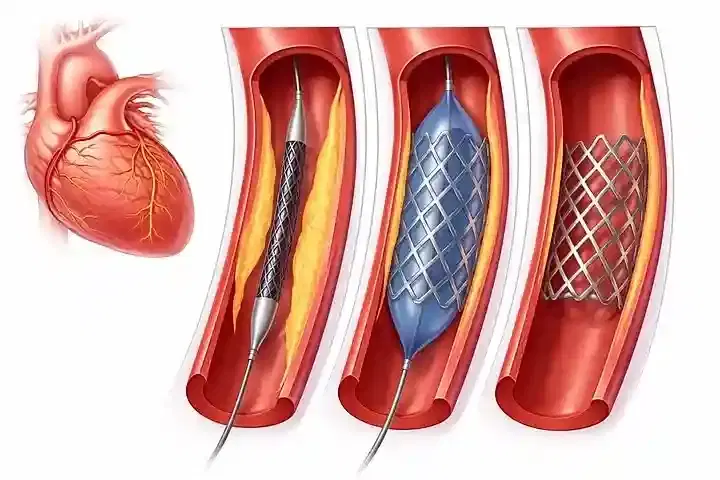
angiography
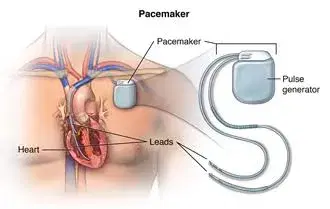
Pacemaker Implantation
mitral valve surgery
heart valve surgery
off pump bypass
carotid angioplasty
Our Speciality and Treatments
oculoplastic surgery
Macular Degeneration Treatment (AMD)
Pediatric Ophthalmology
Squint / Strabismus Surgery (Adult)
ICL / Phakic IOL Implantation
LASIK / SMILE / PRK (Refractive Surgery)
Keratoconus Treatment (CXL / Rings)
Corneal Transplant (Keratoplasty)
Pediatric Squint Surgery
Diabetic Retinopathy Laser / Anti-VEGF Injections
Vitrectomy
Retinal Detachment Repair
Pterygium Surgery
Glaucoma Surgery (Trabeculectomy / MIGS)
Cataract Surgery (Phaco with IOL)






Meet Our Medical Specialists

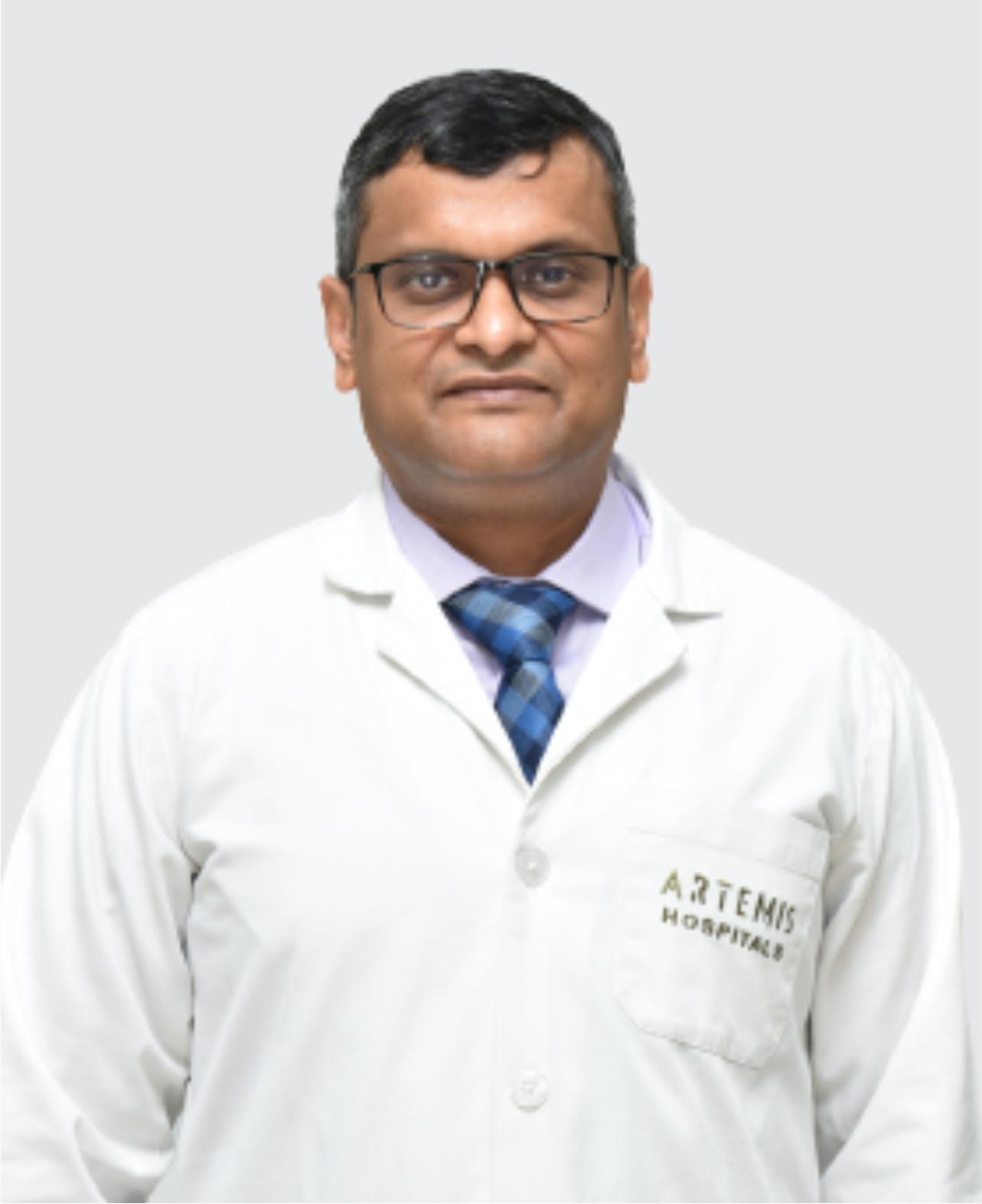
Chief Cath Lab & TAVI (Unit I), Director TAVI/TAVR and Structural Heart Disease and Senior Consultant Cardiology
Dr. Amit Kumar Chaurasia
MBBS, MD
New Delhi, India
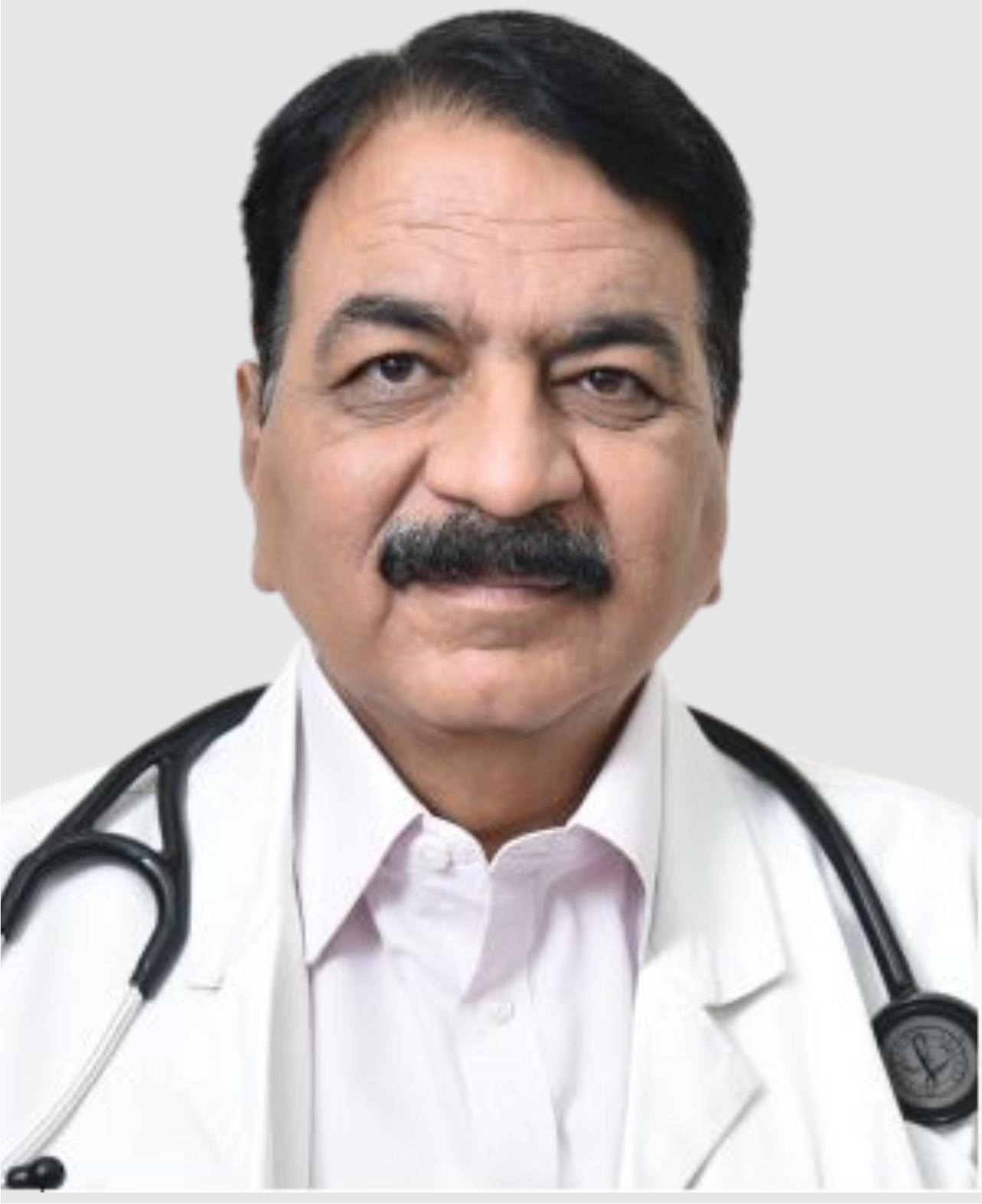
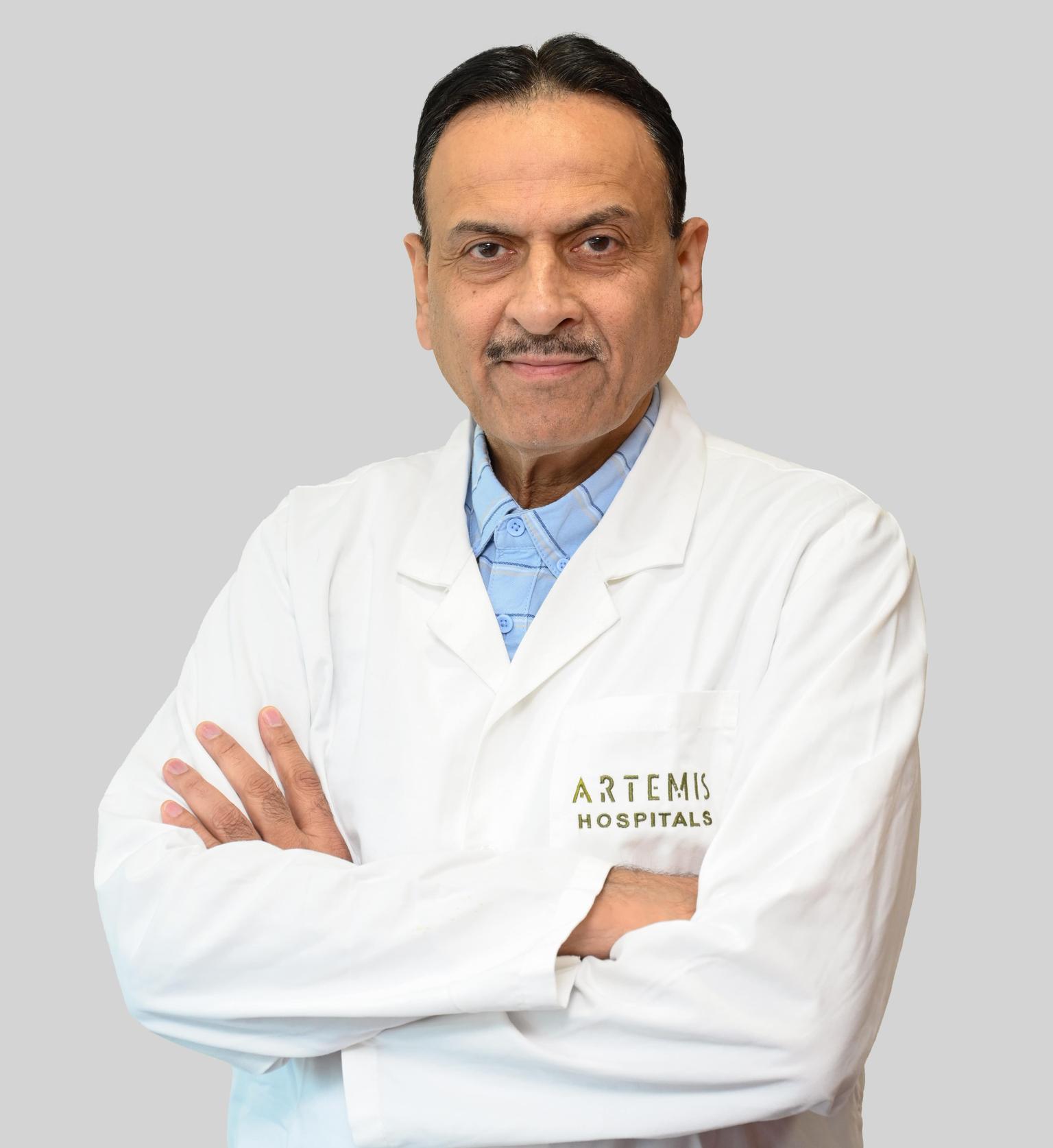
Chief Cath Lab & TAVI (Unit I), Director TAVI/TAVR and Structural Heart Disease and Senior Consultant Cardiology
Dr. Amit Kumar Chaurasia
MBBS, MD
New Delhi, India
Hospitals
NABH & JCI Accredited Hospitals in India,Turkey, Thailand & UAE.

Hisar Intercontinental Hospital
Saray Mah. Siteyolu Cad. No:7, Umraniye, 34768, Istanbul, Turkey

Medical Park Group, Istanbul
Fahrettin Kerim Gokay Cad. Tıbbiye Cd., Kadikoy, Istanbul, Turkey

Emsey Hospital, Pendik, Istanbul
Çamlık, Selçuklu Cd. No:22, 34912 Pendik/İstanbul, Türkiye
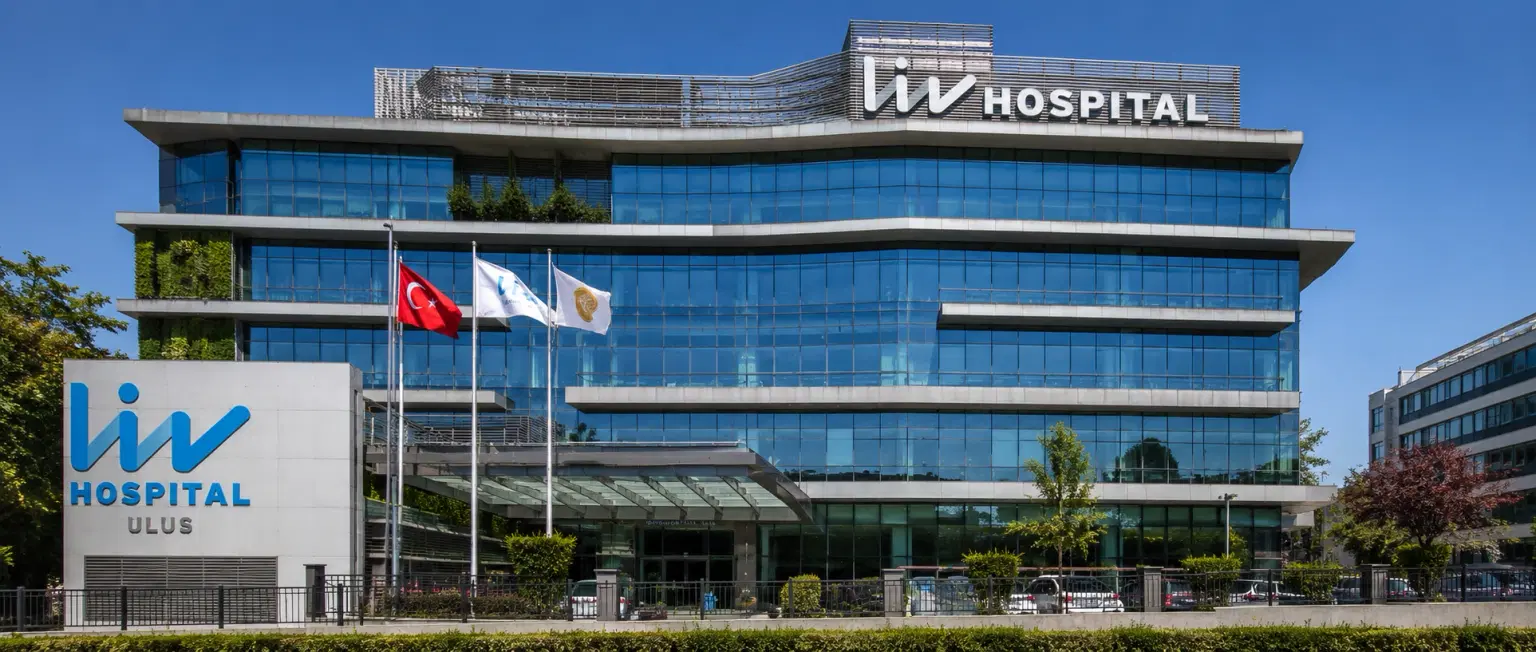
LIV Hospital, Istanbul
How DivinHeal Helps
We simplify your medical journey by providing comprehensive support and access to world-class healthcare.
Expert Specialist Matching
Connecting you with the world's top-rated medical experts.
Accredited Hospital Network
Access to JCI & NABH certified healthcare facilities.
Complete Travel Coordination
Hassle-free visa, stay, and local transport assistance.
24/7 Personal Care
Dedicated patient advisors supporting you at every step.
Journey Guidance
Full guidance from start to end of the patient treatment journey.
Expert Specialist Matching
Connecting you with the world's top-rated medical experts.
Everything you
need to know today
Browse through these common inquiries to better understand our patient-focused medical platform.
We offer flexible payment plans, EMI options, and financial counseling services. Medical loans and insurance financing are available through partner financial institutions to make treatment accessible
All our partner hospitals provide 24/7 cardiac emergency services including emergency angioplasty, cardiac surgery, mechanical support devices, and intensive care. Emergency protocols ensure immediate access to life-saving treatments.
Comprehensive packages include surgeon fees, hospital charges, ICU care, medications, diagnostic tests, and basic follow-up. Additional costs may apply for extended stays, complications, or premium room categories.
Stay duration varies by procedure: Angioplasty (3-5 days), bypass surgery (7-10 days), valve surgery (10-14 days), heart transplant (4-8 weeks). We provide detailed timelines during consultation and arrange extended stay facilities as needed.
es, we offer comprehensive minimally invasive options including keyhole cardiac surgery, robotic procedures, transcatheter valve interventions, and catheter-based treatments. These result in shorter recovery times, less pain, and minimal scarring.
Yes, we accept major international insurance providers including Cigna, Aetna, GeoBlue, Healix International, and others. Our team assists with pre-authorization and claim processing to ensure smooth financial transactions.
Still have more questions?
Book a call with our friendly team to learn how DivineHeal simplifies your healthcare journey.