DIVINHEALSimplifying Global Wellbeing
HOME
TREATMENTS
HOSPITALS
Page background

Arthroscopic ACL Reconstruction Treatment in India for Bangladesh

Content updated at: February 19, 2026

About

Arthroscopic ACL Reconstruction in India for Bangladesh Patients | Cost

Patients from Bangladesh often face concerns about finding advanced, reliable knee treatment. When considering Arthroscopic ACL Reconstruction, questions arise about surgical expertise, hospital standards, and overall medical care available outside their home country. The decision for such a crucial surgery requires confidence in the chosen healthcare destination.

India has emerged as a preferred destination for high-quality orthopedic care, including complex knee surgeries. Its extensive network of hospitals and specialized clinics across major cities offers diverse options. Patients seek out India for its blend of technological advancements and accessible medical services for procedures like ACL reconstruction.

The Indian healthcare system is recognized for its experienced orthopedic surgeons and modern medical infrastructure. Hospitals nationwide are equipped with state-of-the-art facilities, ensuring patients receive comprehensive and advanced care. This widespread availability of expert medical attention contributes to India's reputation.

India consistently provides advanced and affordable solutions for specialized knee treatments.

Understanding Arthroscopic ACL Reconstruction

Arthroscopic ACL reconstruction is a surgical procedure designed to replace a torn anterior cruciate ligament (ACL) within the knee. The ACL is a vital ligament that provides stability to the knee joint, particularly during twisting and pivoting movements. When it tears, often due to sports injuries, it can lead to a feeling of instability and the knee "giving way." This surgery involves using a graft, typically taken from another part of the patient's body (autograft) or from a donor (allograft), to rebuild the damaged ligament. The entire procedure is performed minimally invasively using an arthroscope, a small camera inserted through tiny incisions, allowing the surgeon to operate with precision while minimizing trauma to surrounding tissues. The primary goal is to restore the knee's stability and function, enabling patients to return to their desired level of physical activity.

Different Approaches to ACL Reconstruction

  • Autograft Reconstruction: This is the most common approach, using tissue from the patient's own body. Grafts are frequently harvested from the patellar tendon, hamstring tendons, or quadriceps tendon.
  • Allograft Reconstruction: Utilizes tissue from a deceased donor. This method avoids an additional surgical site for graft harvesting, which can be beneficial for some patients.
  • Primary Repair: In select cases of certain ACL tear patterns, a direct repair of the torn ligament might be attempted, though this is less common for complete tears.
  • Non-Surgical Management: For individuals with partial tears, lower activity demands, or certain medical conditions, intensive physical therapy, bracing, and activity modification can sometimes manage symptoms without surgery.
  • All-Inside Technique: A modern arthroscopic technique aiming for reduced surgical footprint and potentially less post-operative pain through smaller incisions and specialized instrumentation.

When is ACL Reconstruction Necessary?

  • Experiencing a sensation of the knee "giving out" or buckling, especially during changes in direction.
  • Persistent knee pain and swelling that do not resolve with conservative treatments.
  • Inability to participate in sports or activities that require pivoting, jumping, or sudden stops.
  • A distinct popping sound or sensation felt at the time of the initial injury.
  • Positive physical examination findings indicating ACL laxity, such as a positive Lachman or pivot shift test.
  • Confirmation of a complete or significant partial ACL tear via Magnetic Resonance Imaging (MRI).
  • Ongoing functional instability that impacts daily life or athletic performance.

Pre-Surgical Evaluation for ACL Reconstruction

  • A thorough medical history review and comprehensive physical examination of the knee.
  • X-rays of the knee to assess bone structure and rule out any associated fractures.
  • Magnetic Resonance Imaging (MRI) to confirm the ACL tear and evaluate other knee structures like menisci or cartilage.
  • Routine blood tests, including a complete blood count, blood group, and coagulation profile.
  • Urine analysis to check for infections or other underlying conditions.
  • Electrocardiogram (ECG) and Chest X-ray to assess cardiac and pulmonary health, particularly for general anesthesia.
  • Consultation with an anesthesiologist to determine the most suitable anesthesia plan and address any concerns.

How Arthroscopic ACL Reconstruction is Performed

The specific sequence of arthroscopic ACL reconstruction can be adapted based on the chosen graft material and the surgeon's preferred technique.

  • Anesthesia and Preparation: The patient is administered either general anesthesia or regional anesthesia (spinal or epidural). The leg is prepped and draped in a sterile fashion.
  • Arthroscopic Access: Several small incisions, typically two or three, are made around the knee. An arthroscope, connected to a video monitor, is inserted into the joint to provide a clear view of the internal structures.
  • Graft Harvesting (if Autograft): If an autograft is chosen, a separate, small incision is made to harvest the selected tendon (e.g., hamstring, patellar, or quadriceps tendon). The graft is then prepared to the required size and strength.
  • Torn Ligament Removal and Tunnel Creation: The remnants of the damaged ACL are carefully removed. Precision tunnels are then drilled in both the femur (thigh bone) and tibia (shin bone) at the exact anatomical locations where the original ACL was attached.
  • Graft Placement and Fixation: The prepared graft is meticulously threaded through these bone tunnels. The surgeon ensures the graft is positioned correctly to replicate the natural ACL's function. Various fixation devices, such as screws, buttons, or staples, are used to securely anchor the graft within the bone tunnels.
  • Knee Evaluation and Closure: The knee's stability and range of motion are checked. The arthroscope is withdrawn, and the small incisions are closed with sutures or sterile strips. A sterile dressing is applied, and often a knee brace is fitted for support.

Navigating Your ACL Reconstruction Recovery

Recovery from arthroscopic ACL reconstruction is a structured and often lengthy process, demanding consistent effort in physical rehabilitation. Immediately after surgery, pain management, swelling control, and protecting the knee are the primary focuses. Patients typically begin gentle range-of-motion exercises within the first few days. The use of crutches for weight-bearing varies, often continuing for several weeks. Physical therapy progresses systematically, starting with restoring motion, advancing to strengthening the surrounding muscles, improving balance, and finally, integrating sport-specific movements. A full return to high-impact activities or competitive sports can take anywhere from 6 to 12 months, depending on individual healing, strict adherence to rehabilitation protocols, and the demands of the patient's lifestyle. Regular follow-up consultations with the orthopedic surgeon are essential to monitor healing and guide recovery progress.

Potential Risks and Success Rates of ACL Surgery

  • Risk of infection at the surgical incision site or within the knee joint.
  • Potential for excessive bleeding or the formation of blood clots (deep vein thrombosis).
  • Damage to nearby nerves or blood vessels during the surgical procedure.
  • Persistent knee stiffness or chronic pain even after complete healing.
  • Graft failure, where the reconstructed ligament may re-tear or loosen.
  • Difficulty in fully regaining the pre-injury range of motion.
  • Development of patellofemoral pain syndrome, particularly with patellar tendon grafts.
  • Long-term risk of developing osteoarthritis in the knee joint.

The success rate for arthroscopic ACL reconstruction is generally very high, with most patients achieving good to excellent outcomes. Approximately 85% to 95% of individuals regain sufficient knee stability to return to their desired activities, including sports. The success of the surgery is influenced by factors such as the patient's age, commitment to the post-operative rehabilitation program, the type and quality of the graft used, and the presence of any other co-existing knee injuries. While the goal is to restore full knee function, some patients may experience minor limitations or a slightly reduced activity level. Long-term expectations usually involve a significant improvement in overall knee stability and quality of life, although the risk of future osteoarthritis may persist.

Cost of Arthroscopic ACL Reconstruction in India

The cost for Arthroscopic ACL Reconstruction in India is highly competitive globally, yet it can vary based on several key factors. These include the choice of medical facility—whether it's a super-specialty private hospital or a large corporate hospital—the surgeon's experience and reputation, the specific graft material utilized (autograft versus allograft), the complexity of the knee injury, and the duration of hospitalization. Additional expenses might encompass pre-operative diagnostic tests, post-operative rehabilitation sessions, and any extended care requirements.

Typically, the cost for Arthroscopic ACL Reconstruction in India ranges from approximately INR 1,50,000 to INR 3,50,000.

Comparative Costs Across Major Indian Cities

City Cost Range (INR)
Delhi 1,60,000 - 3,20,000
Mumbai 1,70,000 - 3,50,000
Chennai 1,55,000 - 3,10,000
Bengaluru 1,65,000 - 3,30,000
Hyderabad 1,50,000 - 3,00,000
Kolkata 1,45,000 - 2,90,000
Ahmedabad 1,40,000 - 2,80,000

International Cost Comparison for ACL Reconstruction

Country Estimated Cost Range (USD)
India $1,800 - $4,200
Bangladesh $2,500 - $6,000
Thailand $4,000 - $7,000
Singapore $8,000 - $15,000
USA $20,000 - $50,000
UK $15,000 - $30,000
Germany $10,000 - $20,000
Have questions about your specific treatment needs or want to know more about hospital options? Contact our patient support team for personalized assistance.

Comprehensive Support Services for International Patients

  • Assistance with medical visa applications and necessary travel documentation.
  • Coordination of all medical appointments, including surgeon consultations and diagnostic tests.
  • Provision of professional language interpreters for seamless communication.
  • Help with booking suitable accommodation options for patients and accompanying family.
  • Arrangement of airport transfers and local transportation during your stay.
  • Transparent guidance on treatment costs and financial planning for your medical journey.
  • Facilitation of post-discharge follow-up care and remote consultations, if needed.

Essential Documents for Your Medical Visit to India

  • A valid passport, ensuring it has at least six months remaining before expiration.
  • Official medical visa approval letter, if required for your nationality.
  • All original medical reports, X-rays, MRI scans, and any relevant physician's notes.
  • Proof of your intended accommodation arrangements while in India.
  • Documentation demonstrating sufficient financial resources for your treatment and stay.
  • Emergency contact information for a family member or trusted individual.
  • Any referral letters from your primary care physician or local specialist.

Preparing for Your Arthroscopic ACL Reconstruction

  • Strictly follow all dietary restrictions and medication instructions provided by your surgeon.
  • Discontinue any blood-thinning medications or supplements as advised before surgery.
  • Arrange for a companion to assist you, especially immediately following the surgical procedure.
  • Complete any recommended pre-operative physical therapy exercises to strengthen muscles.
  • Inform your medical team about any known allergies or existing health conditions.
  • Ensure all travel documents and medical records are organized and easily accessible.
  • Plan for your recovery period, including suitable accommodation and any necessary support in India.

Post-Operative Care and Rehabilitation Guidance

  • Adhere precisely to the prescribed pain medication schedule to manage discomfort effectively.
  • Maintain cleanliness and dryness of surgical incisions to prevent any potential infection.
  • Elevate your leg consistently and apply ice packs as directed to minimize swelling.
  • Follow the surgeon's instructions meticulously regarding crutch use and permissible weight-bearing.
  • Engage actively in your personalized physical therapy program to restore strength and mobility.
  • Attend all scheduled follow-up appointments with your orthopedic surgeon to monitor healing.
  • Gradually resume daily activities and physical exercises only when cleared by your medical team.

Ready to Start Your Journey to a Stable Knee?

We are dedicated to supporting you through every phase of planning your Arthroscopic ACL Reconstruction in India.

Connect with our expert team today to discuss your treatment options and receive a personalized plan.

Hospitals Offering this treatment

India offers premium medical procedures at affordable prices. Discover our most popular treatments, delivered by the country's finest doctors.

Meet Our Doctors

Meet our team of highly qualified and experienced medical professionals dedicated to providing the best healthcare services.
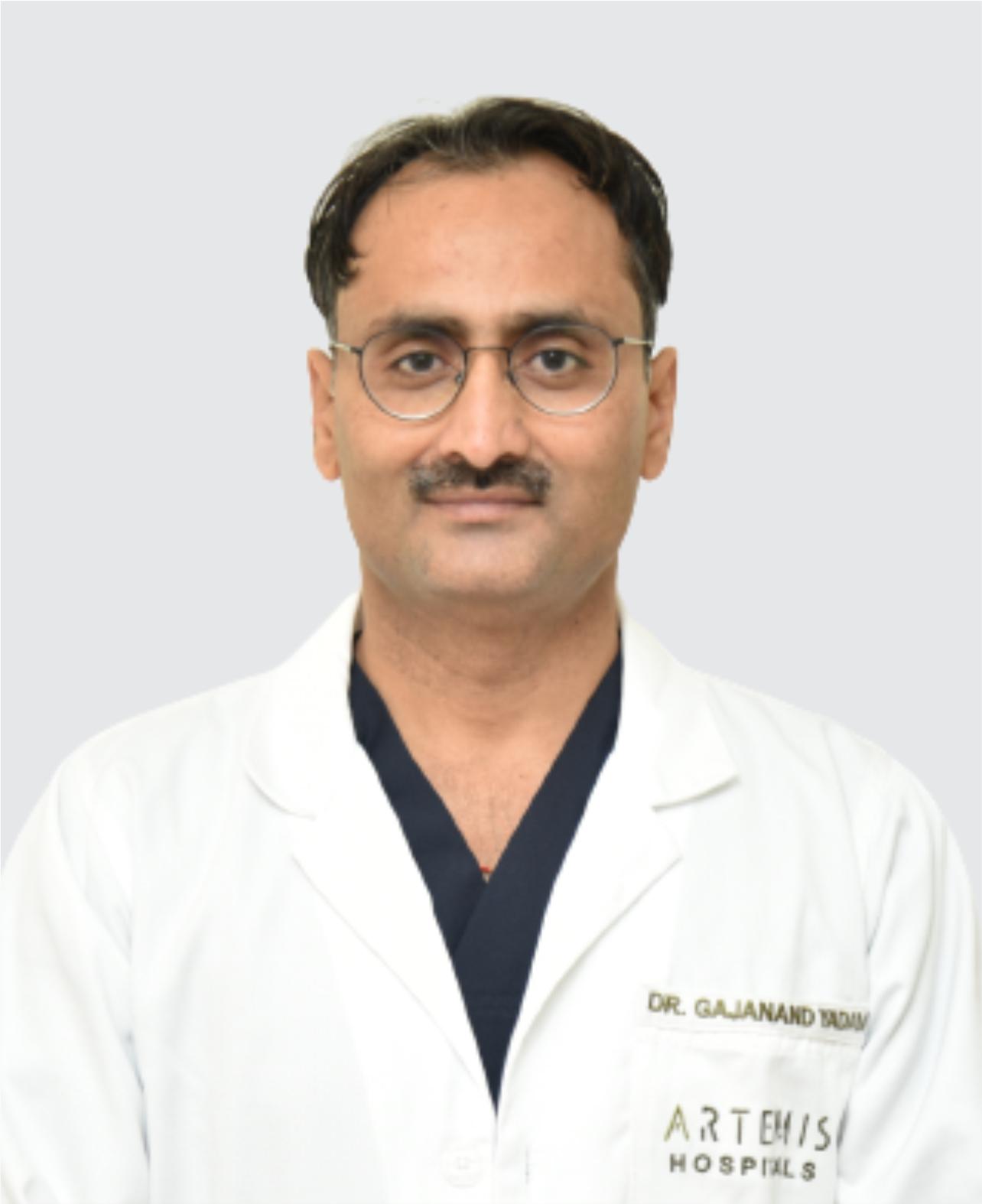
Dr. Gajanand Yadav

Dr. Gajanand Yadav

Consultant - Orthopaedics and Hip and Knee Arthroplasty

Orthopaedics, Hip and Knee Arthroplasty, Joint Replacement, Sports Medicine

New Delhi

12+ Years

Experience

Artemis Hospital

Hospital

1500

Fees
View Details
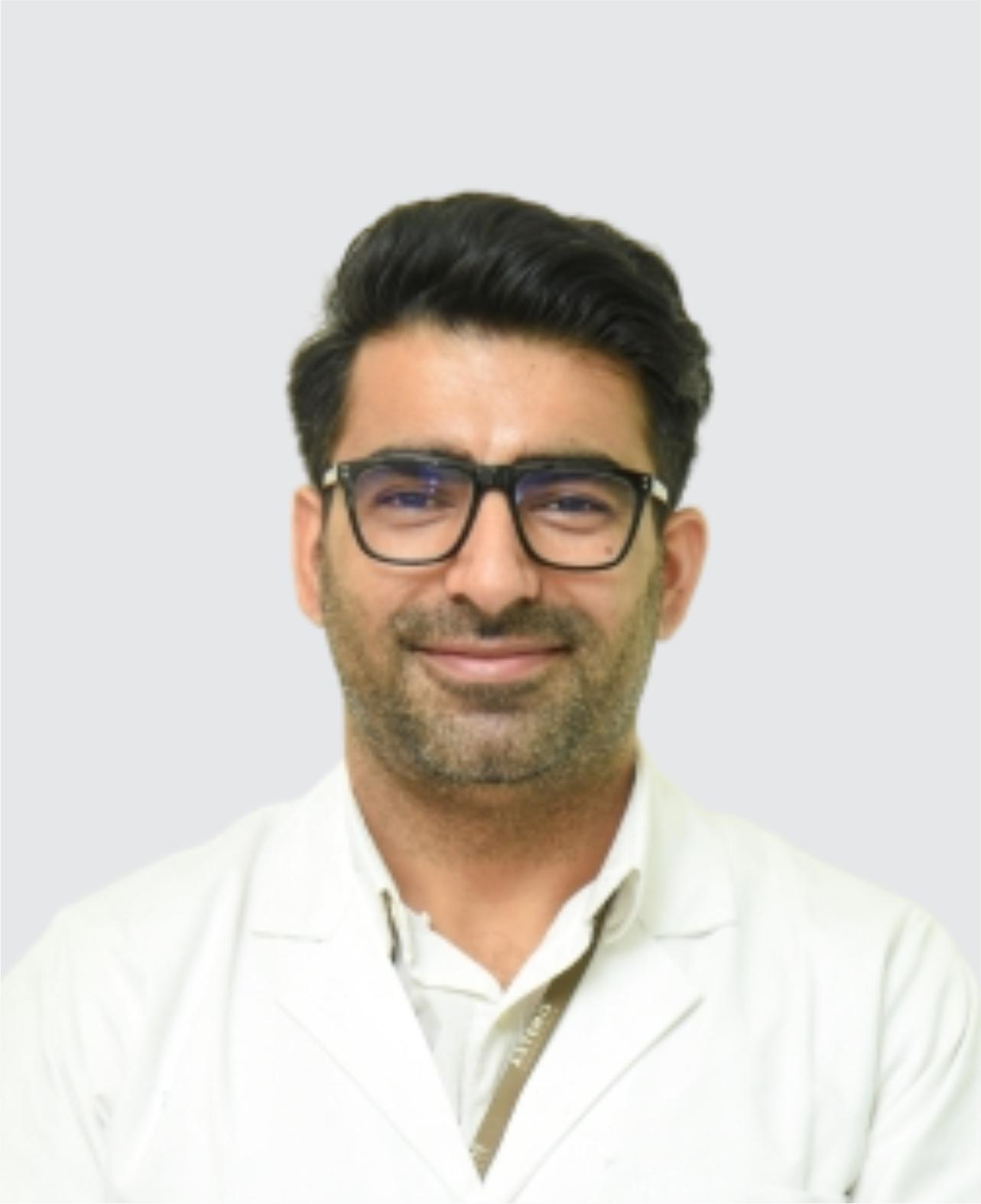
Dr. Mohammad Irfan Banday

Dr. Mohammad Irfan Banday

Consultant

Orthopaedic Surgery

New Delhi

10+ Years

Experience

Artemis Hospital

Hospital

1500

Fees
View Details
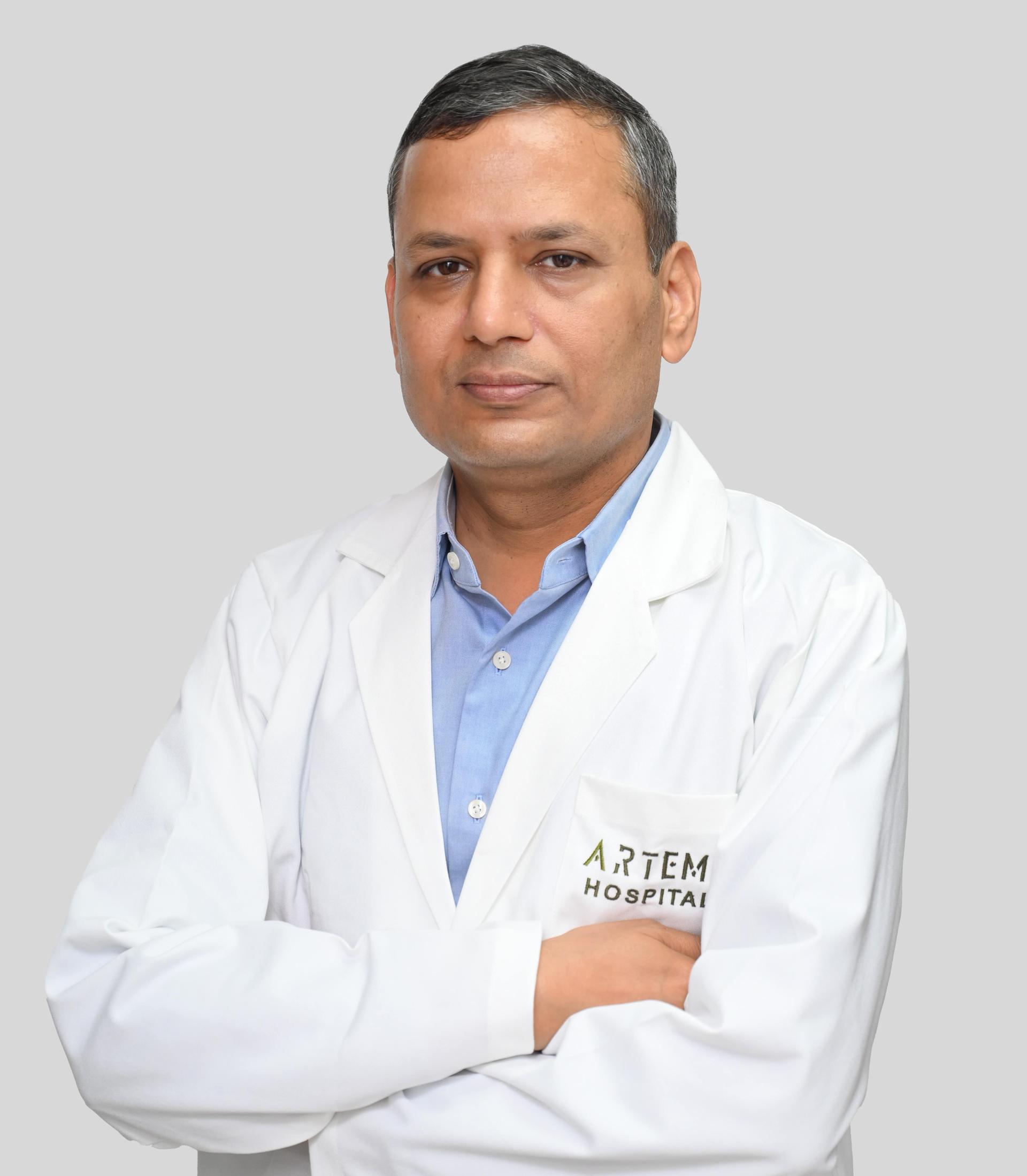
Dr. Rahul Naithani

Dr. Rahul Naithani

Chief - Hematology, Oncology & Bone Marrow Transplant

Clinical Hematology, Hematologic Oncology, Bone Marrow Transplantation

New Delhi

15+ Years

Experience

Artemis Hospital

Hospital

1500

Fees
View Details
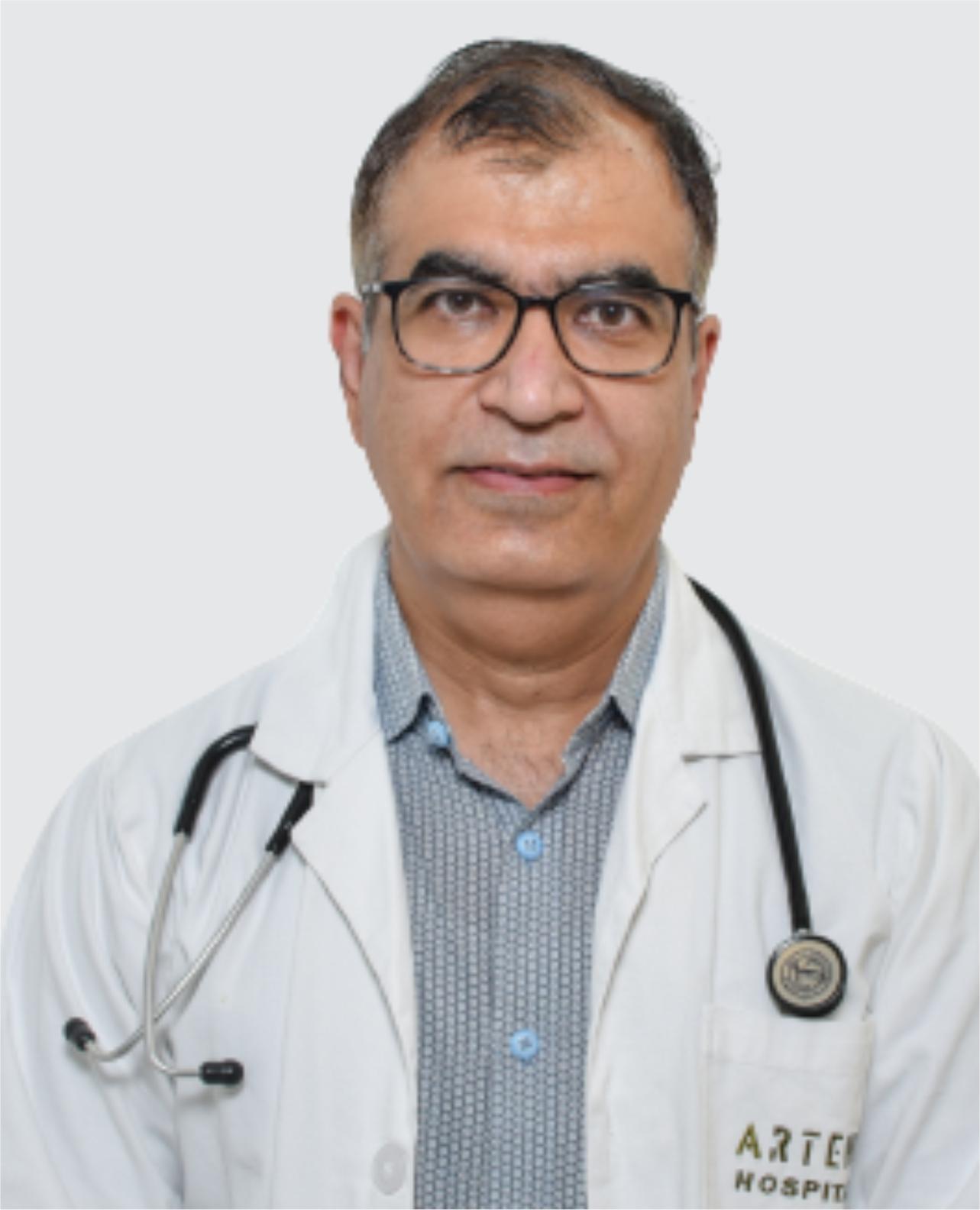
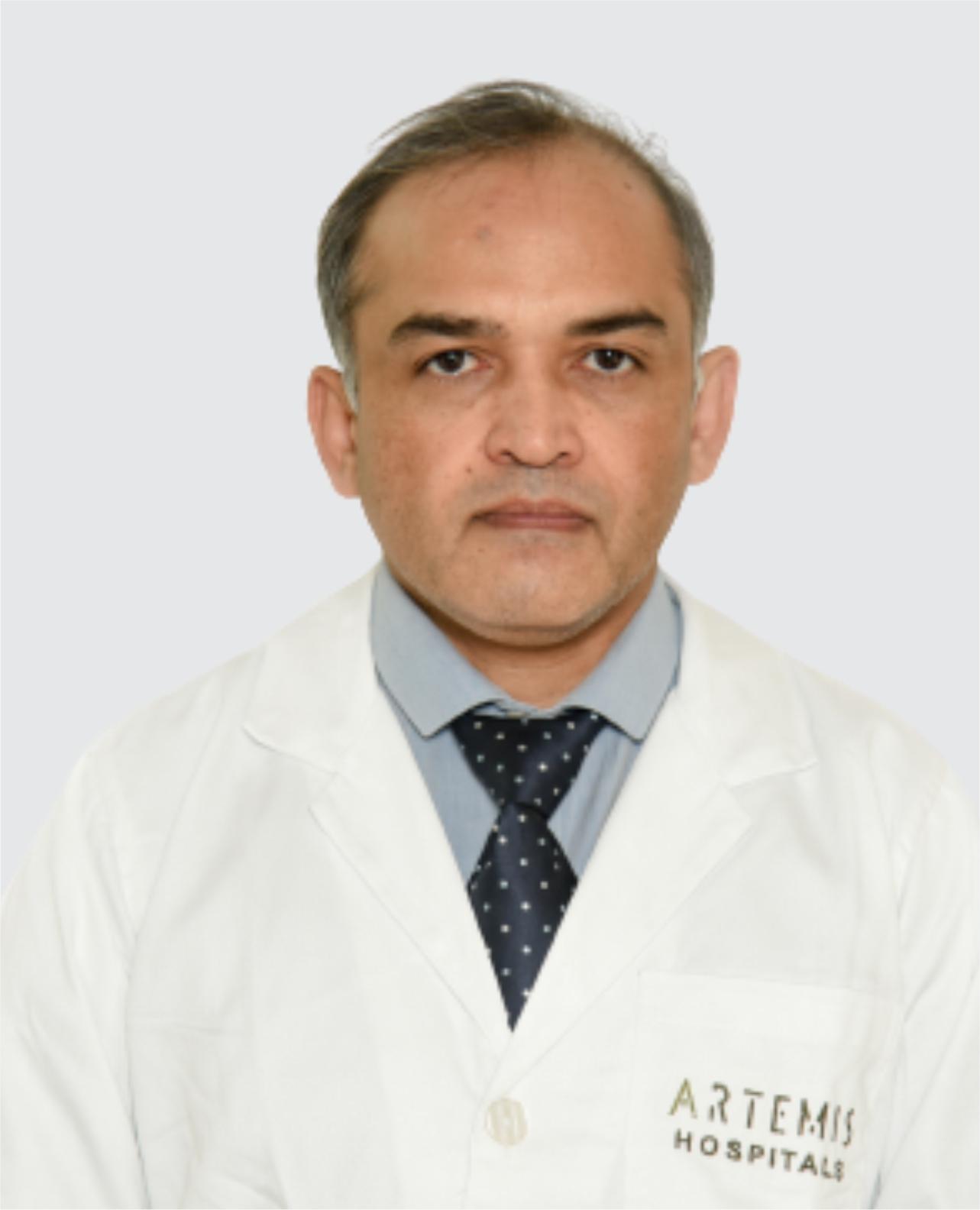
Dr. Rajiv Chhabra

Dr. Rajiv Chhabra

Chief

Paediatric

New Delhi

15+ Years

Experience

Artemis Hospital

Hospital

1500

Fees
View Details
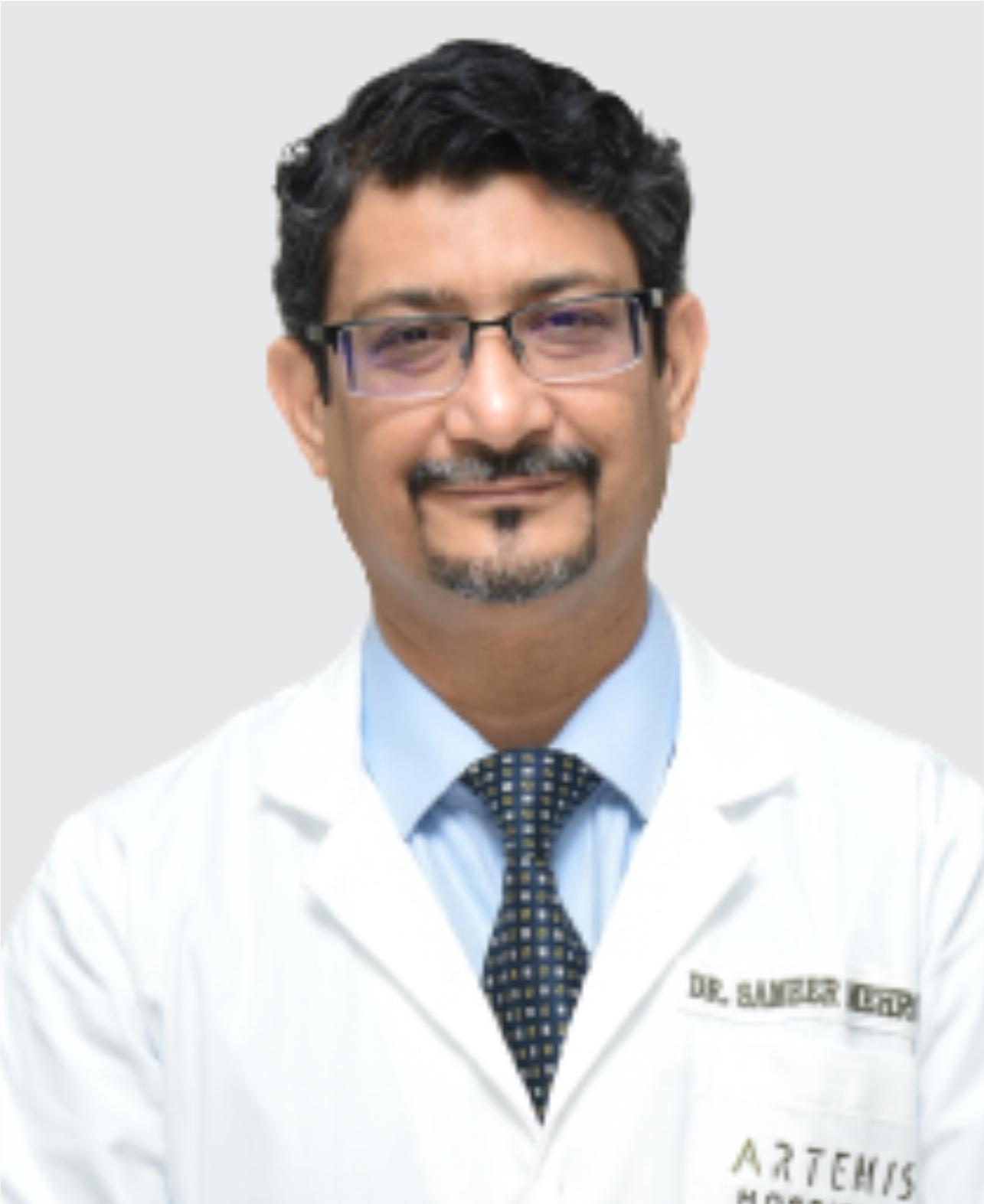
Dr. Rajiv Yadav

Dr. Rajiv Yadav

Chairperson Urology & Head, Urologic Oncology & Robotic Surgery (Unit I)

Robotic Surgery, Urology

New Delhi

20+ Years

Experience

Artemis Hospital

Hospital

1500

Fees
View Details
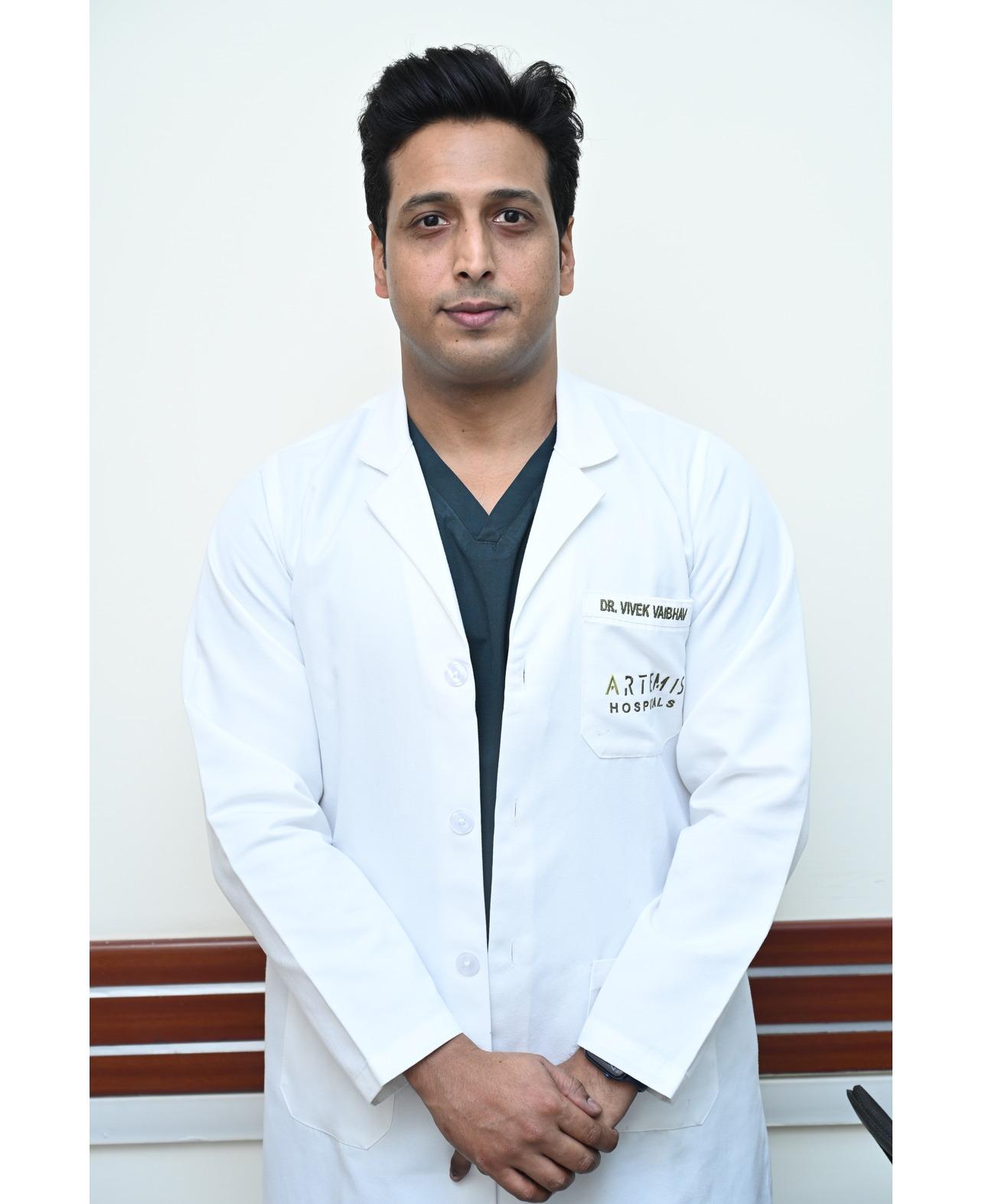
Dr. Sameer Mehrotra

Dr. Sameer Mehrotra

Unit Chief - Interventional Cardiology & Electrophysiology

Cardiology, Electrophysiology, Interventional Cardiology

New Delhi

15+ Years

Experience

Artemis Hospital

Hospital

1500

Fees
View Details
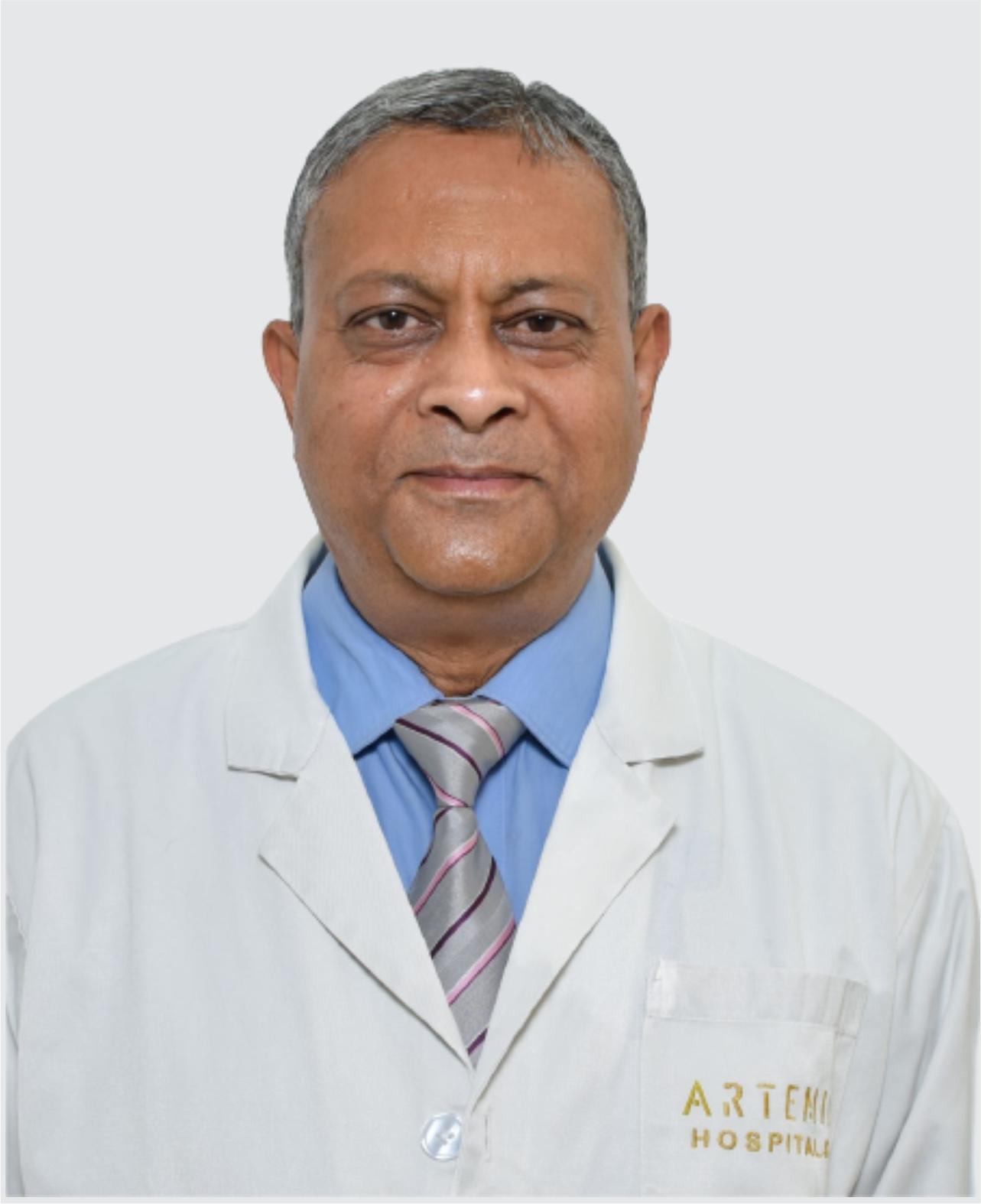
Dr. Vivek Vaibhav

Dr. Vivek Vaibhav

Consultant

Orthopaedic Surgery, Orthopaedics

New Delhi

10+ Years

Experience

Artemis Hospital

Hospital

1500

Fees
View Details
Dr. Tripathi

Dr. Tripathi

Chief - Nephrology (Unit II)

Kidney Transplant, Nephrology

New Delhi

15+ Years

Experience

Artemis Hospital

Hospital

1500

Fees
View Details
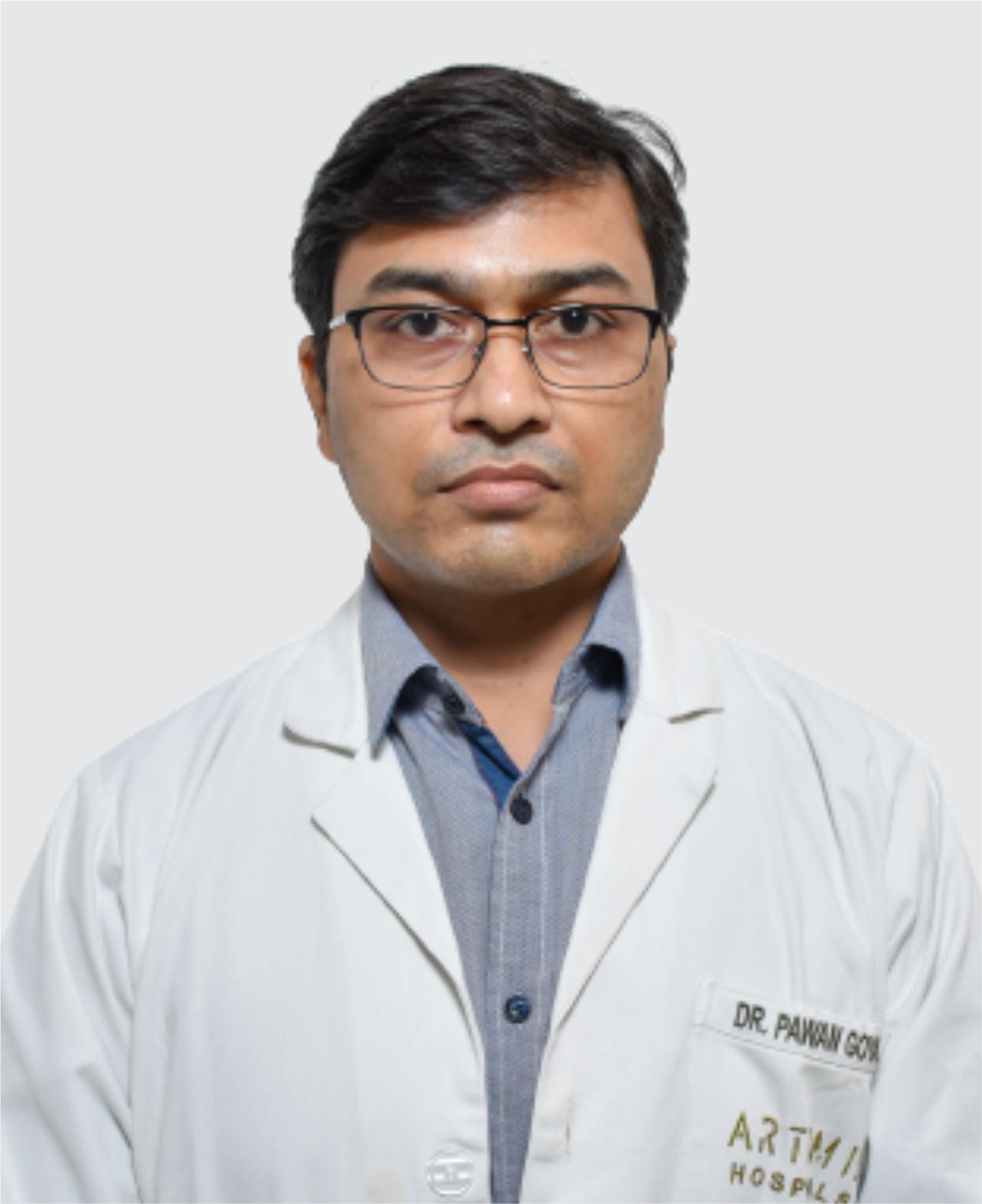
Dr. Pawan Goyal

Dr. Pawan Goyal

Director & Head

Orthopaedics & Joint Replacement

New Delhi

22+ Years

Experience

Artemis Hospital

Hospital

1500

Fees
View Details
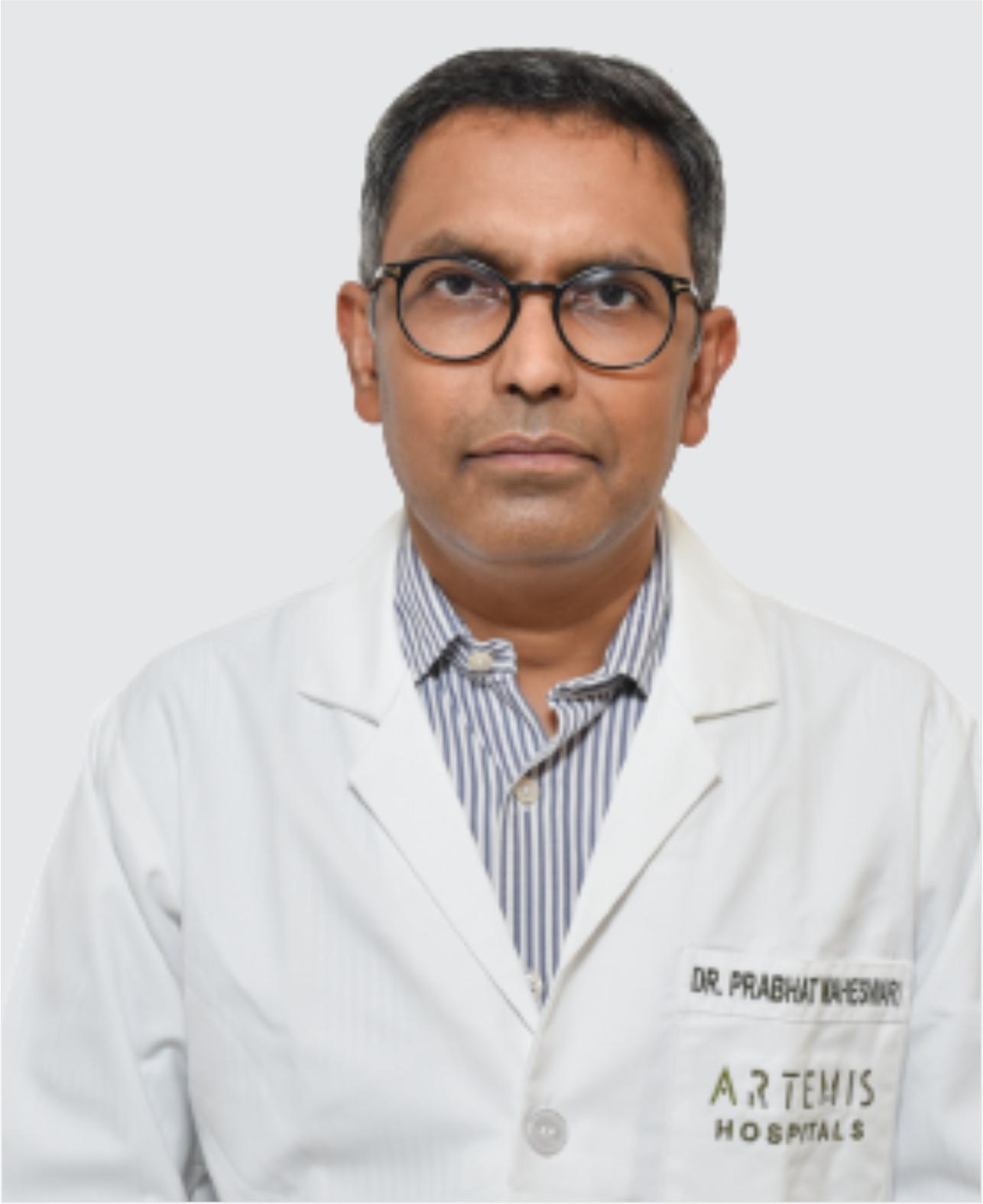
Dr. Prabhat Maheshwari

Dr. Prabhat Maheshwari

Director - Orthopaedics & Joint Replacement

Orthopaedics & Joint Replacement

New Delhi

24+ Years

Experience

Artemis Hospital

Hospital

1500

Fees

View Details

Related Links

Ready To Start Your Healing Journey?

Get Personalized Medical Treatment Options From India's Top Hospitals. Our Medical Experts Are Ready To Assist You Every Step Of The Way.