
Heart Transplant Treatment in Hyderabad for Ethiopia
Need Personalized Advice?
Our medical experts are ready to answer your questions and guide you through your treatment options.
About
Heart Transplant Treatment in Hyderabad for Ethiopian Patients
For many Ethiopian patients facing severe heart conditions, the prospect of a heart transplant can be overwhelming. Questions about complex procedures, specialized care, and the availability of advanced medical facilities often arise, causing uncertainty about the best path forward.
Patients often look beyond their borders to find world-class medical solutions. Hyderabad stands out as a leading destination for complex cardiac surgeries, offering a unique blend of sophisticated medical technology and highly experienced surgeons. This city provides a conducive environment for such critical procedures.
Hyderabad's medical ecosystem boasts several internationally accredited hospitals and a strong network of cardiac specialists. Patients seeking a heart transplant can trust in the city's established infrastructure for comprehensive care, from initial consultation through to post-operative follow-ups within the city.
Hyderabad offers advanced heart transplant options with dedicated medical support.
What is a Heart Transplant?
A heart transplant is a life-saving surgical procedure where a diseased, failing heart is replaced with a healthier heart from a deceased donor. This complex operation is considered for patients with end-stage heart failure when all other medical and surgical treatments have failed. It aims to improve quality of life and extend lifespan for individuals suffering from irreversible heart damage. The procedure requires careful patient selection, meticulous surgical skill, and extensive post-operative care.
Approaches to Heart Transplant and Related Conditions
Orthotopic Heart Transplant: This is the most common type, where the recipient's diseased heart is entirely removed and replaced with the donor heart.
Heterotopic Heart Transplant: A less common procedure where the donor heart is implanted alongside the recipient's diseased heart, creating a "two-heart" system. This approach is rarely used today.
Combined Organ Transplants: In some cases, patients may require a heart transplant along with another organ, such as a lung or kidney, due to multi-organ failure. These are significantly more complex.
Donor Heart Selection: The type of donor heart (size, blood type, tissue compatibility) is critical for a successful transplant, ensuring the best match for the recipient.
When is a Heart Transplant Required?
- End-stage heart failure unresponsive to other treatments
- Severe coronary artery disease not treatable with bypass surgery or angioplasty
- Cardiomyopathy (dilated, hypertrophic, restrictive) leading to severe heart dysfunction
- Severe congenital heart defects that cannot be corrected by other means
- Life-threatening arrhythmias not controlled by medication or devices
- Valvular heart disease causing irreversible heart muscle damage
Pre-Treatment Evaluation for Heart Transplant
- Comprehensive medical history and physical examination
- Blood tests: complete blood count, kidney and liver function, blood type, cross-matching, viral screenings
- Cardiac imaging: Echocardiogram, Electrocardiogram (ECG), Cardiac MRI, CT angiography
- Right heart catheterization to assess pulmonary artery pressures
- Pulmonary function tests to evaluate lung health
- Psychological evaluation to assess mental readiness and support systems
- Assessment for any active infections or other medical conditions that could complicate surgery
How a Heart Transplant is Performed
The heart transplant procedure is a highly intricate surgery. The exact steps and duration depend on the patient's specific condition and the surgical plan.
Pre-Surgical Preparation: Once a suitable donor heart is identified, the recipient is immediately admitted. The medical team prepares the patient for surgery, including administering medications and monitoring vital signs. The donor heart is carefully retrieved and transported under preservation.
The Surgical Procedure: The patient is placed under general anesthesia. An incision is made in the chest, and the patient is connected to a heart-lung bypass machine, which temporarily takes over the functions of the heart and lungs. The diseased heart is then carefully removed, leaving the atria and major blood vessels. The donor heart is then meticulously sutured into place, connecting all major blood vessels. Once secure, the heart-lung machine is gradually disconnected, and the new heart begins to function.
Post-Surgical Care: After the surgery, the patient is transferred to the Intensive Care Unit (ICU) for close monitoring. Medications to prevent rejection of the new heart are started immediately. Close observation of heart function, vital signs, and recovery progress is crucial during this initial phase.
Heart Transplant Recovery Process
Recovery from a heart transplant is a gradual process requiring significant commitment. Patients typically spend several weeks in the hospital, beginning with intensive care, then moving to a regular ward. Post-discharge, lifelong immunosuppressant medications are essential to prevent rejection. Regular follow-up appointments, blood tests, and biopsies are required to monitor the new heart's health. Physical rehabilitation, dietary changes, and adherence to a strict medication schedule are vital for long-term success. Full recovery, including a return to some normal activities, can take several months to a year.
Risks and Success Rates of Heart Transplant
- Rejection of the Donor Heart: The most significant risk, where the recipient's immune system attacks the new heart.
- Infection: Due to immunosuppressant medications, patients are at higher risk of various infections.
- Bleeding and Blood Clots: Surgical complications that can arise during or after the procedure.
- Kidney Failure: A potential side effect of some medications or the surgery itself.
- Cardiac Allograft Vasculopathy (CAV): A form of accelerated coronary artery disease in the transplanted heart, occurring years after surgery.
- Side Effects of Immunosuppressants: Including high blood pressure, diabetes, osteoporosis, and increased cancer risk.
Heart transplant success rates have significantly improved over the years. Outcomes vary based on factors like the patient's overall health before surgery, age, and adherence to post-transplant care. Generally, the one-year survival rate for heart transplant recipients is around 85-90%, with five-year survival rates ranging from 70-75%. Long-term outcomes continue to improve as medical management advances. Lifelong follow-up and strict adherence to medical advice are critical for maximizing long-term success and quality of life.
Considering a Heart Transplant?
Our team in Hyderabad is ready to provide comprehensive medical guidance and connect you with leading cardiac specialists. Reach out for a personalized consultation.
Cost of Heart Transplant in Hyderabad
The cost of a heart transplant in Hyderabad is influenced by several factors, including the chosen hospital's infrastructure, the surgeon's experience, the complexity of the patient's condition, the length of hospital stay, and the need for specialized post-operative care and medications. The overall package typically covers pre-operative evaluations, the surgery itself, and initial post-operative recovery.
A heart transplant in Hyderabad can range from INR 2,500,000 to INR 4,500,000.
Hyderabad vs. Global Heart Transplant Costs
Hyderabad offers a highly competitive option for heart transplant procedures when compared to many developed nations, without compromising on quality or advanced medical care.
| Location | Estimated Cost (USD) |
|---|---|
| Hyderabad, India | $30,000 - $55,000 |
| United States | $800,000 - $1,500,000 |
| United Kingdom | $150,000 - $250,000 |
| Singapore | $100,000 - $180,000 |
| Turkey | $60,000 - $100,000 |
Essential Support Services for International Patients
- Assistance with medical visa application and extension processes.
- Coordination of travel logistics, including airport transfers and local transportation.
- Guidance for accommodation arrangements near the hospital for patients and their accompanying family.
- Availability of language interpreters to ensure clear communication between patients and medical staff.
- Dedicated patient care coordinators to assist throughout the medical journey in Hyderabad.
- Facilitation of post-discharge follow-up appointments and necessary reports.
Required Medical Papers for Your Visit
- A valid passport and relevant medical visa.
- Comprehensive medical reports, including diagnostic scans and consultant notes, pertaining to your heart condition.
- Any previous treatment records, surgical history, and medication lists.
- Letters of referral from your local doctor or specialist in Ethiopia.
- Proof of financial capability for the treatment or health insurance documents.
Key Preparations Before Your Arrival
- Ensure all necessary medical documents are translated into English and readily accessible.
- Consult with your local physician regarding any specific travel precautions or medication adjustments.
- Organize your travel and accommodation well in advance, confirming all arrangements.
- Understand the local culture and customs to help with adjustment upon arrival.
- Have a clear communication plan with your family and the patient support team in Hyderabad.
Aftercare Guidance and Recovery Instructions
- Strict adherence to the prescribed immunosuppressant regimen and all other medications.
- Regular follow-up appointments and diagnostic tests as advised by the transplant team.
- Commitment to a structured cardiac rehabilitation program to regain strength and function.
- Diligent monitoring for any signs of infection or rejection and prompt reporting to the medical team.
- Adopting a heart-healthy diet and lifestyle, including regular exercise within safe limits.
- Avoiding crowded places and contact with sick individuals to minimize infection risk.
Ready to Explore Your Options?
Connect with our expert medical team in Hyderabad to discuss your heart transplant needs. We are here to guide you through every step.
Begin Your Path to Renewed Health
Considering a heart transplant is a major step towards reclaiming health. Hyderabad's advanced medical facilities and dedicated specialists offer a trusted destination for this life-changing procedure.
Hospitals Offering this treatment
India offers premium medical procedures at affordable prices. Discover our most popular treatments, delivered by the country's finest doctors.
Meet Our Doctors
Meet our team of highly qualified and experienced medical professionals dedicated to providing the best healthcare services.
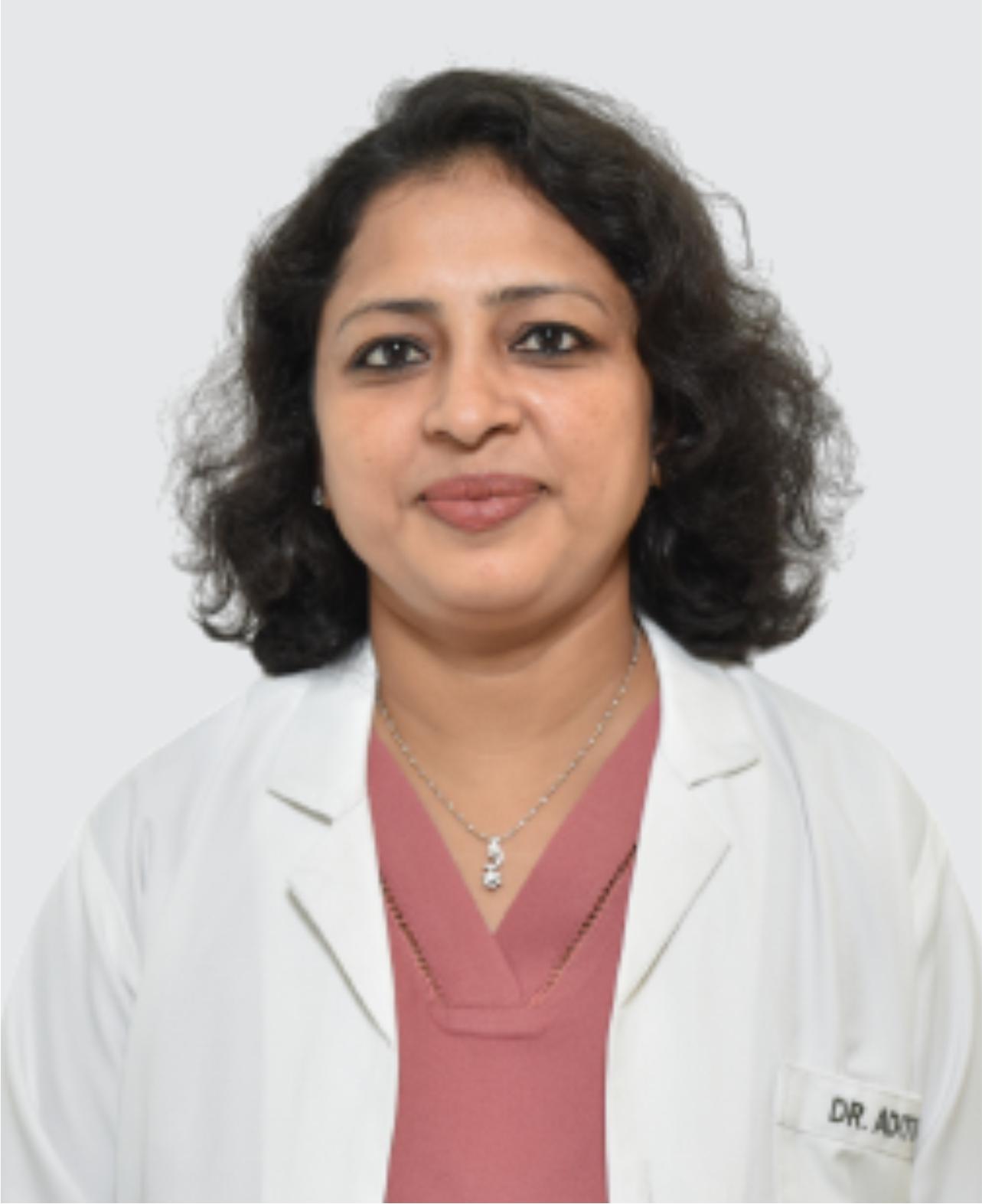
Dr Aditi Dixit
Sr. Consultant – Women Imaging
Radiology
New Delhi
15+ Years
Experience
Artemis Hospital
Hospital
1500
Fees
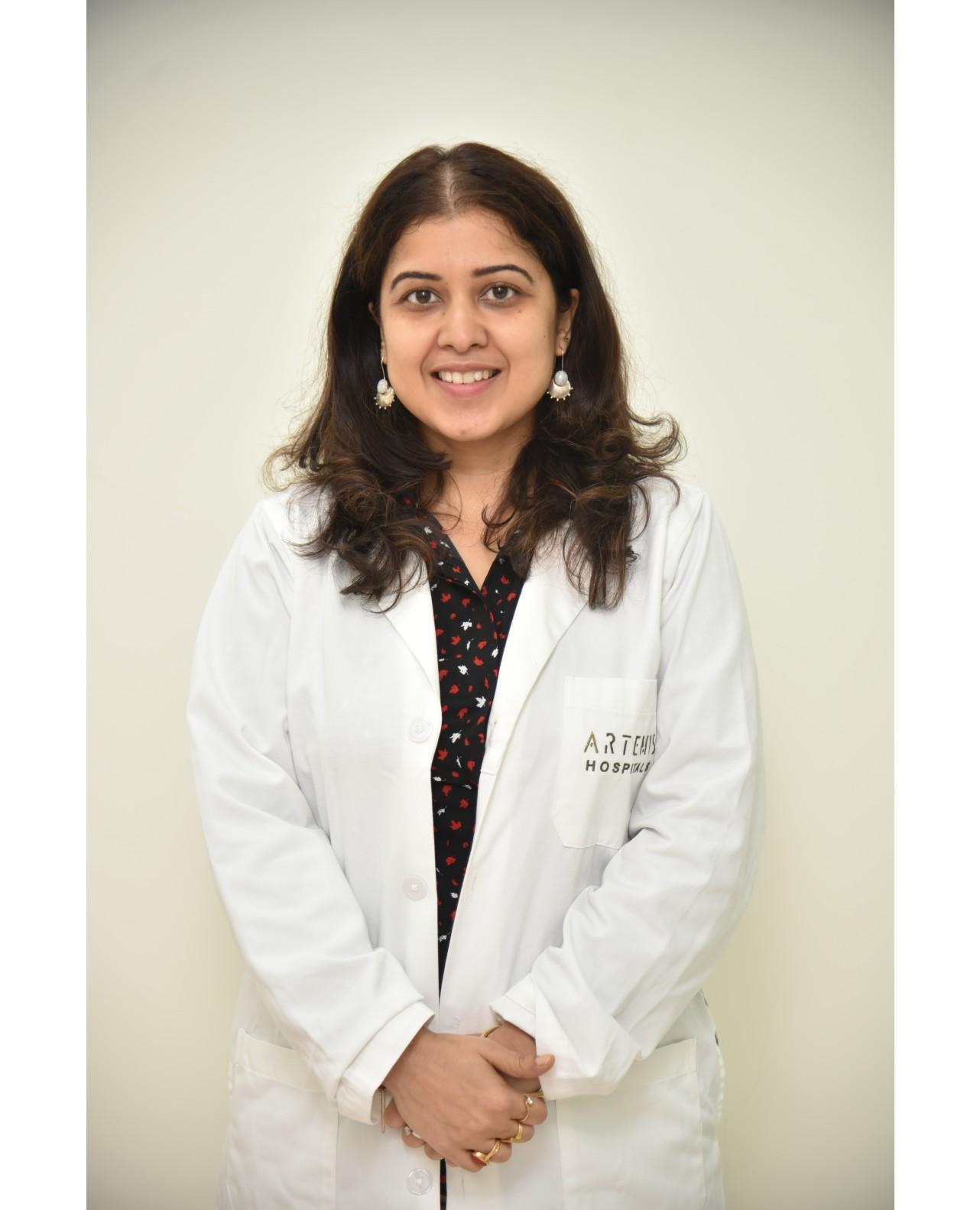
Dr Chandrima Misra M
Co-Head Psychological Services
Mental Health and Behavioural Sciences
New Delhi
15+ Years
Experience
Artemis Hospital
Hospital
1500
Fees
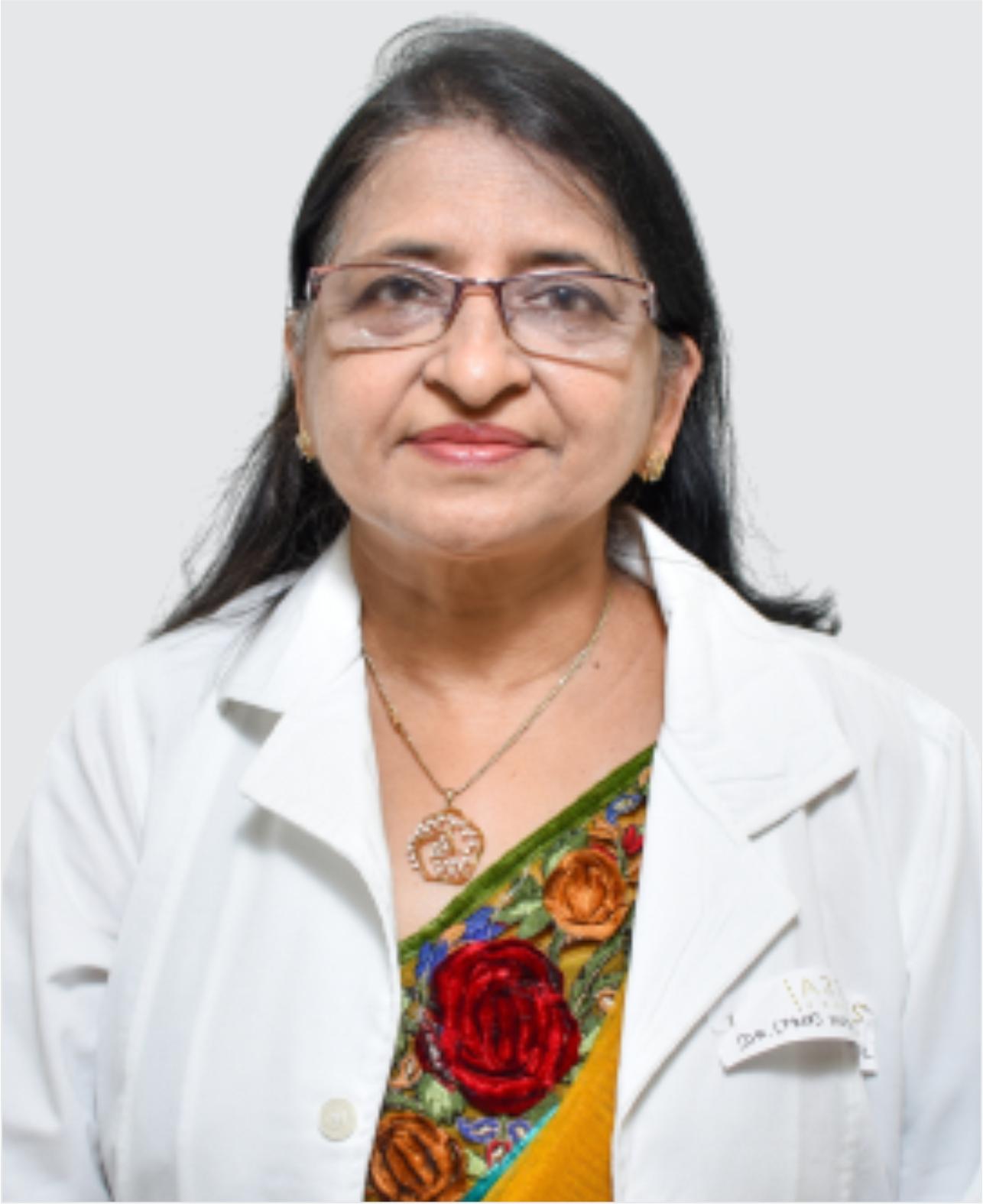
Dr. Nutan Agarwal
Head of Department - Gynae Endocrinology & DNB Program Director - Obs & Gynae
Gynaecological Endocrinology, Maternity, Obstetrics & Gynaecology
New Delhi
35+ Years
Experience
Artemis Hospital
Hospital
1500
Fees
Dr. Poonam Gautam
Senior Consultant - ENT
ENT and Head & Neck Surgery
New Delhi
24+ Years
Experience
Artemis Hospital
Hospital
1500
Fees
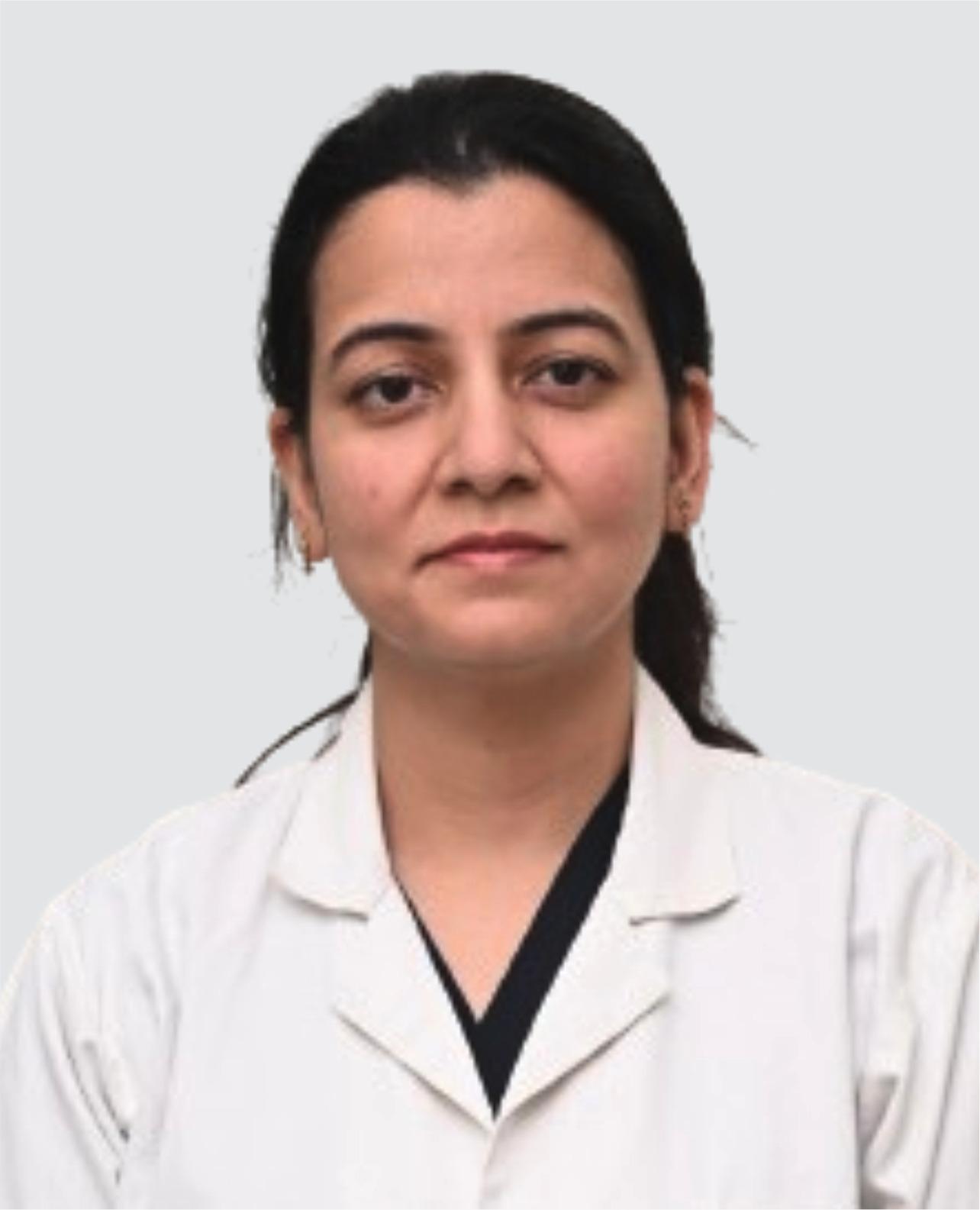
Dr. Priyanka Raina
Consultant (Head & Neck Surgery) - Surgical Oncology
Head and Neck Surgical Oncology
New Delhi
10+ Years
Experience
Artemis Hospital
Hospital
1500
Fees
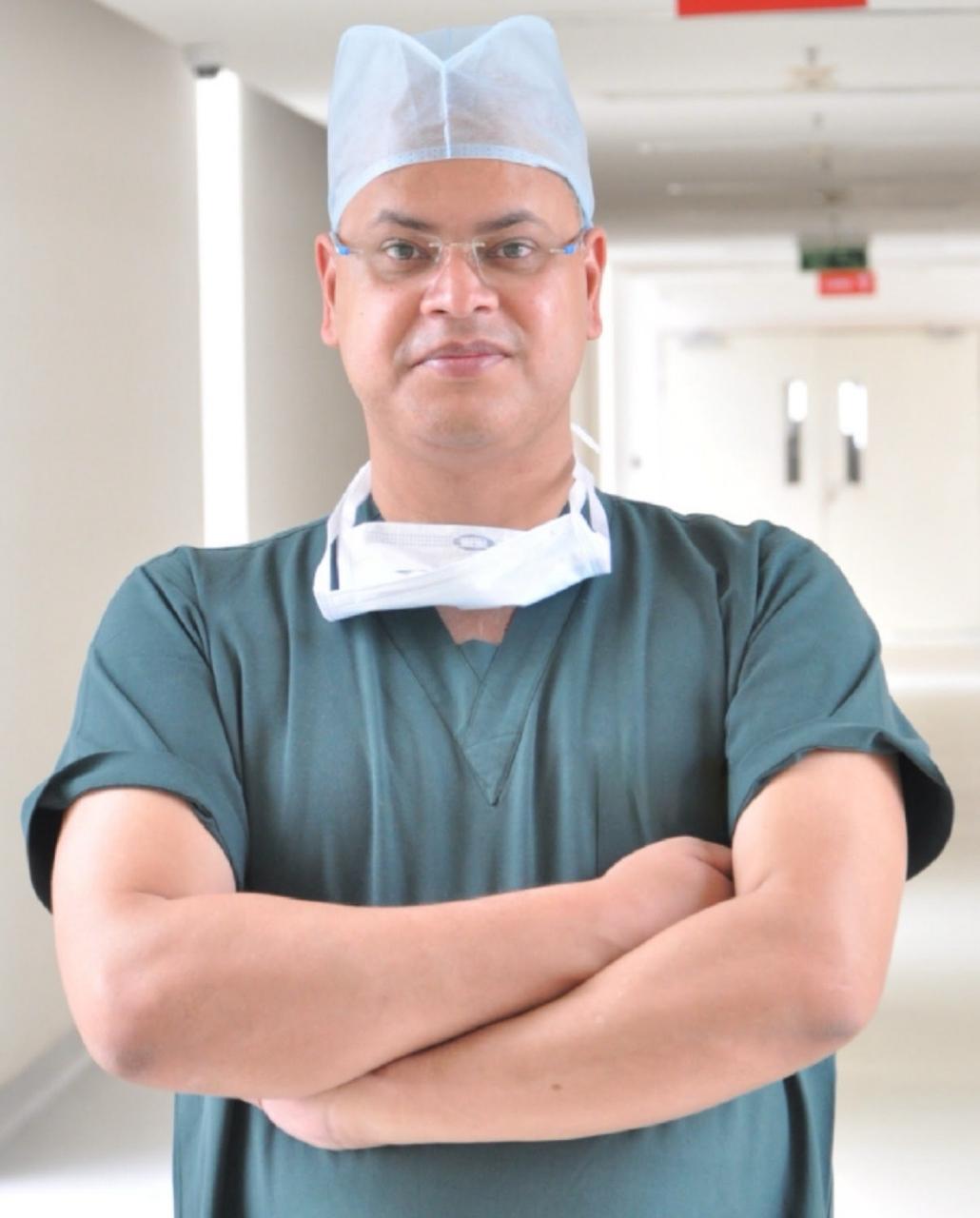
Dr. Ramkinkar Jha
Chief and Unit Head - Orthopaedics (Unit III)
Orthopaedic Surgery, Orthopaedics, Robotic Surgery
New Delhi
20+ Years
Experience
Artemis Hospital
Hospital
1500
Fees
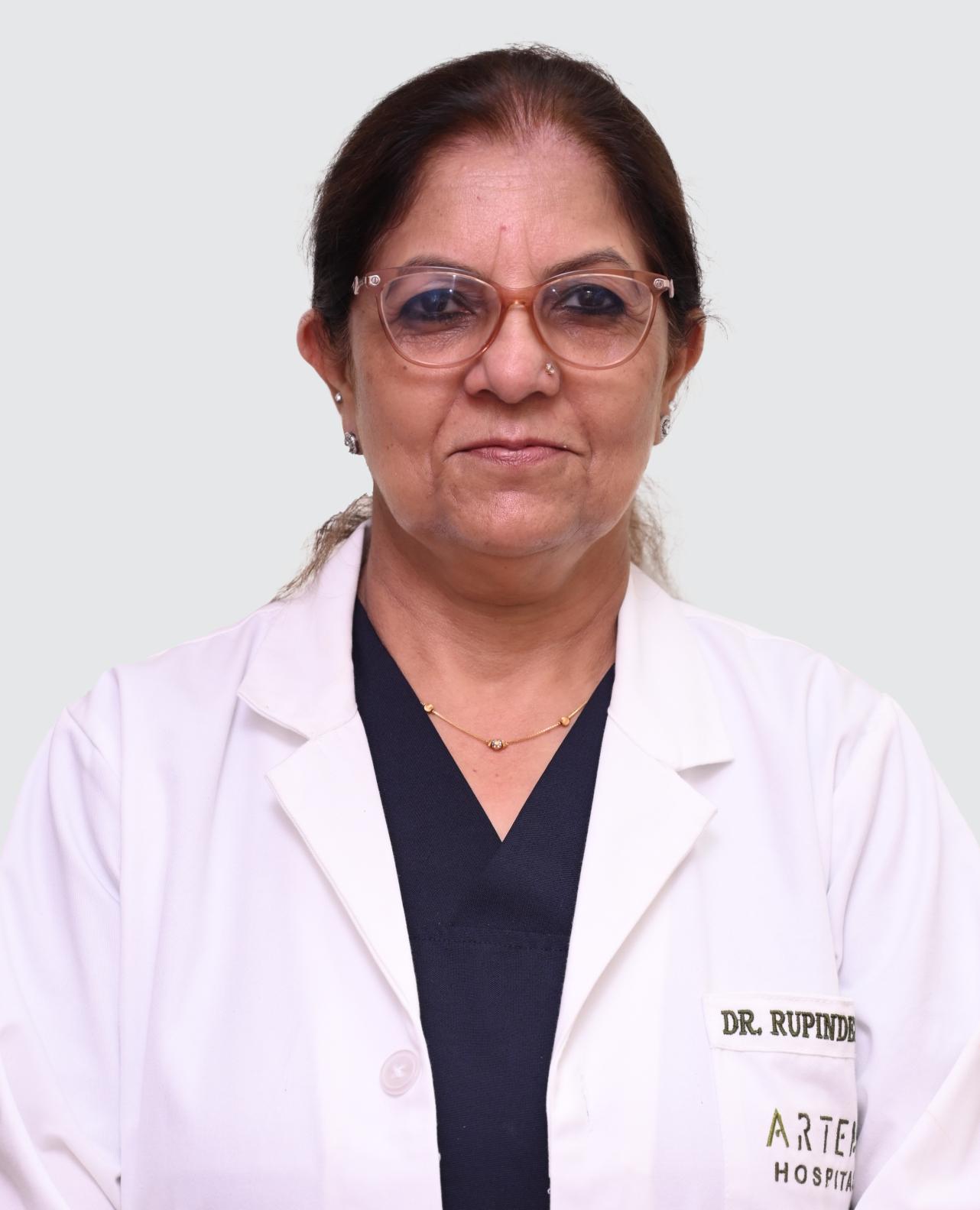
Dr. Rupinder Sekhon
Chairperson - Gynae Oncology
Gynaecological Oncology
New Delhi
16+ Years
Experience
Artemis Hospital
Hospital
1500
Fees

Dr. Surendra Nath Khanna
Chairperson, Adult Cardiac Surgery & Heart - Lung Transplant
Cardio Thoracic and Vascular Surgery, Vascular Surgery
New Delhi
34+ Years
Experience
Artemis Hospital
Hospital
1500
Fees
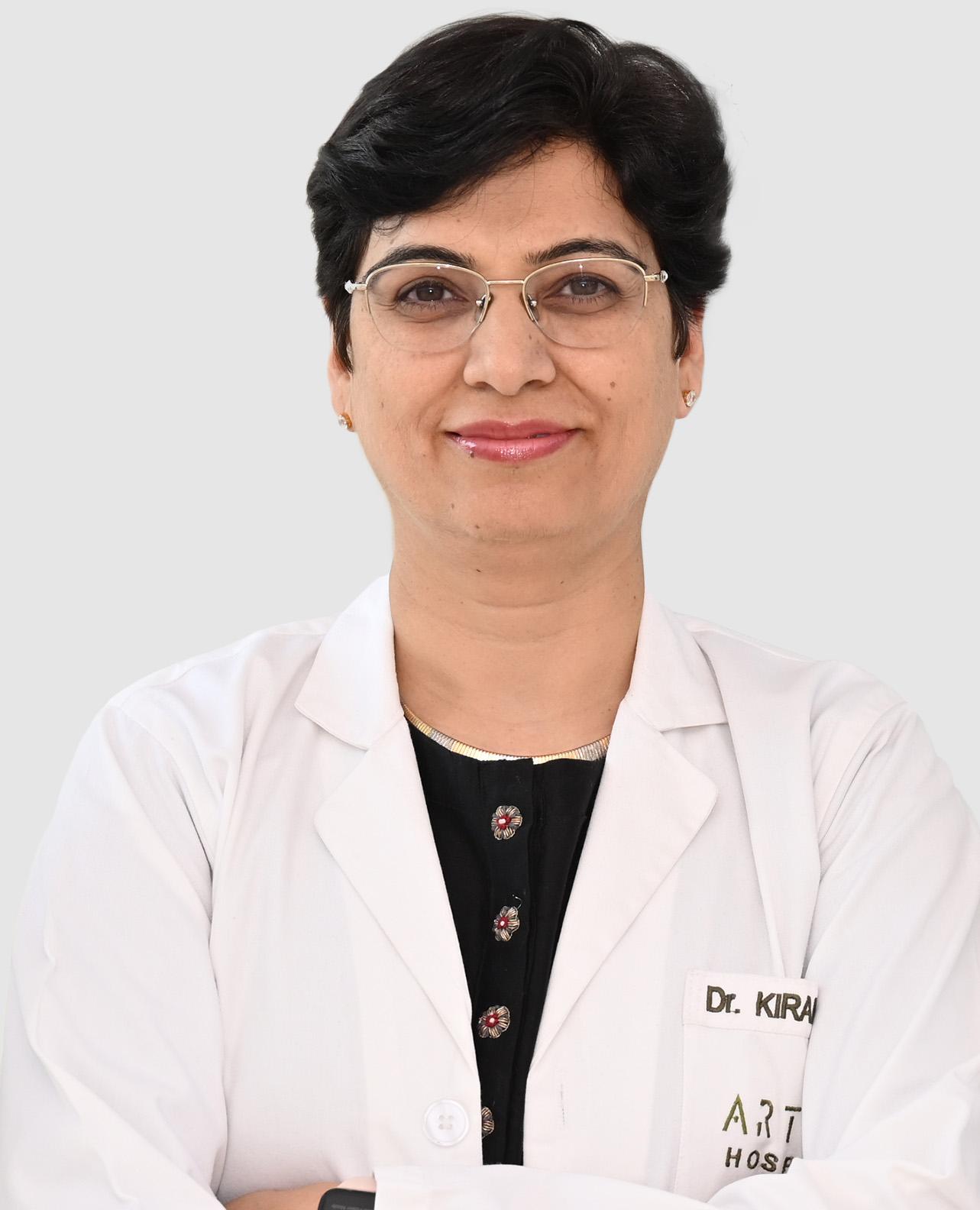
Dr. Kiran Arora
Unit Head - Reproductive Medicine (Unit II)
IVF, Reproductive Medicine, Obstetrics & Gynecology
New Delhi
20+ Years
Experience
Artemis Hospital
Hospital
1500
Fees
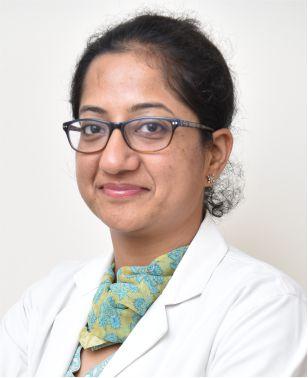
Nidhi Jain
Sr. Consultant - Obs & Gynae
Maternity, Obstetrics & Gynaecology
New Delhi
15+ Years
Experience
Artemis Hospital
Hospital
1500
Fees
Related Links
Recent Blogs
Other Treatment related Information
- Heart Transplant cost in Chennai
- Heart Transplant cost in Bengaluru
- Heart Transplant cost in India
- Heart Transplant cost in Mumbai
- Heart Transplant cost in Pune
- Heart Transplant cost in New Delhi
- Heart Transplant cost in Haryana
- Heart Transplant cost in Hyderabad
- Heart Transplant Success Rate in Hyderabad
- Heart Transplant Success Rate in Mumbai
- Heart Transplant Success Rate in Bengaluru
- Heart Transplant Success Rate in Pune
- Heart Transplant Success Rate in New Delhi
- Heart Transplant Success Rate in India
- Heart Transplant Success Rate in Haryana
- Heart Transplant Success Rate in Chennai
Ready To Start Your Healing Journey?
Get Personalized Medical Treatment Options From India's Top Hospitals. Our Medical Experts Are Ready To Assist You Every Step Of The Way.