

መካንነት / IVF ህክምና በህንድ ለኢራቅ
በJCI እና NABH የተፈቀዱ ሆስፒታሎች፣ በታዋቂ ስፔሻሊስቶች እና ከጅምሩ እስከ መጨረሻ ድረስ ለፈውስ ጉዞዎ የተዘጋጀ ሙሉ የሕክምና ጉዞ ድጋፍ በመጠቀም ከፍተኛ ጥራት ያለው ሕክምና ያግኙ።
የሕክምና ጉዞዬን አቅድ
የጤና ሁኔታዎን እና በጀትዎን ያጋሩን፤ የእኛ AI ለእርስዎ ተስማሚ መድረሻ፣ ሆስፒታል፣ ሐኪም እና የቪዛ ሂደትን ይመርጣል።
የወጪ ማስሊያ
ሕክምናዬን አውቃለሁ — ከ3 ሆስፒታሎች የወጪ ግምት አሳዩኝ።
5K+ የታከሙ ዓለም አቀፍ ታካሚዎች
40+ የምናገለግላቸው አገሮች
500+ እውቅና ያላቸው አጋር ሆስፒታሎች
98% የታካሚዎች እርካታ
80% ከአሜሪካ ጋር ሲነጻጸር የአማካይ ቁጠባ
10K+ ዶክተሮች
NABH, JCI እውቅና ያላቸው ሆስፒታሎች
Free ነፃ የሕክምና ዕቅድ
Free ከዶክተር ጋር ነፃ ምክክር
5+ የሚገኙ መዳረሻዎች
Written by DivinHeal Editorial Contributor, Rahul Kumar, Embryologist | Medically Reviewed by Dr Indu Priya, Gynecologist(MD) Published on: 19 ፌብሩዋሪ 2026
የመካንነት / IVF ህክምና በህንድ ለኢራቅ ታካሚዎች
የኢራቅ ባለትዳሮች የመራባት መፍትሄዎችን ሲፈልጉ ብዙውን ጊዜ ልዩ ፈተናዎች ያጋጥሟቸዋል። ቤተሰብ ለመመስረት የሚደረገው ጉዞ የተስፋ ስሜቶችን ከጥርጣሬ ጋር ሊያመጣ ይችላል፣ በተለይም የላቀ የሕክምና ሕክምናዎችን ሲያስቡ። ከፍላጎታቸውና ከእሴቶቻቸው ጋር የሚጣጣም አስተማማኝና ርኅሩኅ እንክብካቤ ማግኘት ለብዙዎች ቀዳሚ ትኩረት ነው።
ብዙዎች ከፍተኛ የስኬት ምጣኔን ከተደራሽነት ጋር የሚያጣምር ልዩ የመራባት እንክብካቤ ለማግኘት ድንበራቸውን ተሻግረው ይመለከታሉ። ህንድ በሀገሪቱ ውስጥ በተለያዩ ዋና ዋና ከተሞች ውስጥ ዘመናዊ የ IVF መገልገያዎችን እና ልምድ ያላቸው ባለሙያዎችን በማቅረብ ተመራጭ መዳረሻ ሆና ብቅ ብላለች።
የህንድ የህክምና መሰረተ ልማት በላቁ ቴክኖሎጂው፣ በተመሰከረላቸው ሆስፒታሎቹ እና በርካታ አለምአቀፍ የሰለጠኑ የመራባት ባለሙያዎች ይታወቃል። ታካሚዎች በሀገሪቱ ውስጥ ባሉ ምርጥ የህክምና ማዕከላት ውስጥ ስነ-ምግባራዊ፣ ከፍተኛ ጥራት ያለው ህክምና እና ግላዊ እንክብካቤ በማቅረብ ላይ በሚያተኩር ሁሉን አቀፍ ስርዓት ላይ መተማመን ይችላሉ።
ህንድ ለቤተሰብዎ የመራባት ጉዞ ትክክለኛ ምርጫ ናት?
የመራባት / IVF ህክምና ምንድን ነው?
በብልቃጥ ውስጥ የሚካሄድ ማዳበሪያ፣ በተለምዶ IVF በመባል የሚታወቀው፣ ግለሰቦች እና ጥንዶች የተለያዩ የመካንነት ችግሮችን እንዲያሸንፉ ለመርዳት የተነደፈ የላቀ የረድኤት የመራባት ቴክኖሎጂ ነው። ሂደቱ እንቁላል እና ስፐርም ማውጣትን፣ በቁጥጥር ስር ባለው የላቦራቶሪ አካባቢ አንድ ላይ ማዳበሪያ ማድረግን እና ከዚያም የተገኘውን ሽል በጥንቃቄ ወደ ማህፀን ማስተላለፍን ያካትታል። ይህ ዘዴ የተለመዱ የመራባት እንቅፋቶችን በብቃት በማለፍ፣ የተሳካ እርግዝና የመሆን እድልን በእጅጉ ይጨምራል።
የሚገኙ የመራባት ህክምና ዓይነቶች
የመራባት ሕክምናዎች ከቀላል ጣልቃገብነቶች እስከ የላቁ ሂደቶች ያሉ በርካታ አማራጮችን ያጠቃልላል።
- መደበኛ በብልቃጥ ውስጥ ማዳበሪያ (IVF)፦ እንቁላል ማውጣትን፣ የላቦራቶሪ ማዳበሪያን እና ሽል ማስተላለፍን የሚያካትት በጣም የተለመደው አይነት።
- ኢንትራሳይቶፕላስሚክ ስፐርም መርፌ (ICSI)፦ አንድ ነጠላ ስፐርም በቀጥታ ወደ እንቁላል የሚገባበት ልዩ የ IVF ቴክኒክ ሲሆን ብዙውን ጊዜ ለወንዶች የመካንነት መንስኤዎች ያገለግላል።
- የለጋሽ እንቁላል ወይም ስፐርም IVF፦ የታካሚው የራሱ ጋሜት የማዳበሪያ ችሎታ ከሌለው ወይም ተስማሚ ካልሆነ ከለጋሽ እንቁላል ወይም ስፐርም ይጠቀማል።
- የቀዘቀዘ ሽል ማስተላለፍ (FET)፦ በቀድሞው የ IVF ዑደት ውስጥ የተፈጠሩ እና የቀዘቀዙ ሽሎችን ማቅለጥ እና ማስተላለፍን ያካትታል።
- ቅድመ-መትከል የዘረመል ምርመራ (PGT)፦ የስኬት ምጣኔን ለማሻሻል እና የዘረመል ችግሮችን ለመከላከል ከማስተላለፉ በፊት ሽሎችን ለዘረመል ያልተለመዱ ነገሮች መመርመር።
- የመራባት ጥበቃ፦ እንቁላል፣ ስፐርም ወይም ሽል ለወደፊት ጥቅም ማቀዝቀዝ፣ ብዙውን ጊዜ መራባትን ሊጎዱ የሚችሉ የህክምና ሕክምናዎች ለሚያጋጥማቸው ግለሰቦች።
የመራባት / IVF ህክምና መቼ ነው የሚመከረው?
- የተዘጉ ወይም የተጎዱ የማህፀን ቱቦዎች፣ የተፈጥሮ ማዳበሪያን የሚከለክሉ።
- ከባድ የወንድ የመካንነት መንስኤዎች፣ ለምሳሌ በጣም ዝቅተኛ የሆነ የወንድ የዘር ፍሬ ብዛት፣ ደካማ እንቅስቃሴ ወይም ያልተለመደ ቅርፅ።
- ኤንዶሜትሪዮሲስ፣ የማህፀን ቲሹ ከማህፀን ውጭ የሚያድግበት ሁኔታ፣ መራባትን የሚጎዳ።
- የእንቁላል ብስለት ችግሮች፣ መደበኛ የእንቁላል መውጣት የሚስተጓጎልበትን ፖሊሲስቲክ ኦቫሪ ሲንድሮም (PCOS) ጨምሮ።
- ምንም የተለየ የእርግዝና ችግር መንስኤ በደንብ ከተገመገመ በኋላ ካልተለየ የማይታወቅ መካንነት።
- አንድ ባልና ሚስት በ PGT በኩል ለልጆቻቸው ማስተላለፍ የማይፈልጉ የዘረመል ችግሮች።
- የላቀ የእናትነት ዕድሜ፣ የመራባት ችሎታ በእድሜ እየቀነሰ ስለሚሄድ።
- ቀደም ሲል በሌሎች የመራባት ሕክምናዎች ለምሳሌ IUI (በማህፀን ውስጥ የሚደረግ ማዳበሪያ) የተደረጉ ያልተሳኩ ሙከራዎች።
ከህክምና በፊት የሚደረግ የግምገማ ሂደት
- የእንቁላል ክምችት ምርመራዎች፦ የእንቁላል አቅርቦትን ለመገምገም እንደ አንቲ-ሙለሪያን ሆርሞን (AMH)፣ FSH፣ LH እና ኢስትሮጅን ያሉ የደም ምርመራዎች።
- የወንድ የዘር ፍሬ ትንተና፦ የወንድ የዘር ፍሬ ብዛት፣ እንቅስቃሴ እና ቅርፅ አጠቃላይ ግምገማ ለወንዶች አጋሮች።
- የማህፀን ምስል ምርመራ፦ ማህፀንን እና የማህፀን ቱቦዎችን ለመመርመር አልትራሳውንድ፣ ሃይስትሮስኮፒ ወይም ሃይስትሮሳልፒንጎግራፊ (HSG)።
- ተላላፊ በሽታዎችን መመርመር፦ ለሁለቱም አጋሮች እንደ ኤችአይቪ፣ ሄፓታይተስ ቢ እና ሲ፣ እና ቂጥኝ ያሉ ሁኔታዎችን ለመመርመር የሚደረጉ ምርመራዎች።
- የዘረመል ተሸካሚ ምርመራ፦ የዘረመል ሁኔታዎችን ለሕፃኑ የማስተላለፍ ሊሆኑ የሚችሉ አደጋዎችን ለመለየት።
- ሆርሞናዊ መገለጫ፦ የታይሮይድ ሆርሞኖች፣ ፕሮላክቲን እና ሌሎች ተያያዥ ሆርሞኖች ግምገማ።
የመራባት / IVF ህክምና እንዴት ይከናወናል
የመራባት ሕክምና ትክክለኛ ደረጃዎች በተመረጠው ዘዴ እና በታካሚው ግለሰባዊ የሕክምና እቅድ ላይ ይወሰናሉ።
የእንቁላል እጢ ማነቃቂያ
ሆርሞን መድኃኒቶች በተፈጥሮ ዑደት ውስጥ በተለምዶ ከሚለቀቀው አንድ እንቁላል ይልቅ ብዙ እንቁላሎችን ለማምረት እንቁላል እጢዎችን ለማነቃቃት ይሰጣሉ። ይህ ሂደት በአልትራሳውንድ እና በደም ምርመራዎች በጥንቃቄ ክትትል ይደረግበታል።
እንቁላል ማውጣት
እንቁላሎቹ ከበሰሉ በኋላ፣ በህመም ማስታገሻ ስር ትንሽ የቀዶ ጥገና ሂደት ይከናወናል። ቀጭን መርፌ በአልትራሳውንድ አማካኝነት ከሴት ብልት በኩል እንቁላሎችን ከ follicle ውስጥ ለማውጣት ይመራል።
ስፐርም መሰብሰብ
እንቁላል በሚወጣበት ቀን ከወንድ አጋር የወንድ የዘር ፍሬ ናሙና ይሰበሰባል። በአንዳንድ ሁኔታዎች የቀዶ ጥገና ስፐርም ማውጣት አስፈላጊ ሊሆን ይችላል።
ማዳበሪያ (IVF ወይም ICSI)
በላቦራቶሪ ውስጥ፣ የተወጡት እንቁላሎች ከስፐርም ጋር ተቀላቅለው ማዳበሪያ እንዲካሄድ ይደረጋል (መደበኛ IVF)። ለ ICSI፣ አንድ ነጠላ ስፐርም ወደ እያንዳንዱ እንቁላል ይገባል። የተዳበሩት እንቁላሎች፣ አሁን ሽሎች፣ ለብዙ ቀናት ያህል ይለማመዳሉ።
የሽል ልማት እና ምርጫ
ሽሎች ከ 3 እስከ 5 ቀናት ውስጥ ለእድገታቸው እና ለጥራታቸው ክትትል ይደረግባቸዋል። ለማስተላለፍ በጣም ተስማሚ የሆኑ ሽሎች ይመረጣሉ።
ሽል ማስተላለፍ
አንድ ወይም ከዚያ በላይ የተመረጡ ሽሎች ቀጭን ካቴተር በመጠቀም፣ ብዙውን ጊዜ ማደንዘዣ ሳይደረግላቸው፣ በጥንቃቄ ወደ ታካሚው ማህፀን ይተላለፋሉ። ይህ እርግዝና ለመመስረት ወሳኝ እርምጃ ነው።
ከመራባት ህክምና በኋላ የማገገሚያ ሂደት
ከ IVF በኋላ ማገገም የእረፍት ጊዜን እና ጥንቃቄ የተሞላበት ክትትልን ያካትታል። ታካሚዎች በአንፃራዊነት በፍጥነት ቀላል እንቅስቃሴዎችን እንደገና ይጀምራሉ፣ ነገር ግን የአካል ብቃት እንቅስቃሴን በተመለከተ ልዩ መመሪያዎች በህክምና ቡድኑ ይሰጣሉ። የሆርሞን ድጋፍ፣ ብዙውን ጊዜ በፕሮጀስትሮን መድኃኒት፣ የማህፀን ግድግዳን ለመደገፍ እና የመትከልን ሂደት ለማሻሻል ከሽል ዝውውር በኋላ ባሉት የመጀመሪያ ደረጃዎች ውስጥ ወሳኝ ነው። እርግዝናን ለማረጋገጥ እና የመጀመሪያውን እድገት ለመከታተል የክትትል ቀጠሮዎች እና የደም ምርመራዎች አስፈላጊ ናቸው። ታካሚዎች ለተሻለ ውጤት እና ደህንነት ከባድ እንቅስቃሴዎችን እንዲያስወግዱ እና ሁሉንም ከሂደቱ በኋላ የሚሰጡ መመሪያዎችን በትጋት እንዲከተሉ ይመከራሉ።
የ IVF ስጋቶች እና የስኬት ምጣኔዎች
- የእንቁላል እጢ ከፍተኛ ማነቃቂያ ሲንድሮም (OHSS)፦ አልፎ አልፎ የሚከሰት ግን ከልክ ያለፈ ማነቃቂያ የተነሳ እንቁላል እጢዎች ያበጡና የሚታመሙበት ከባድ ችግር።
- ብዙ እርግዝናዎች፦ በርካታ ሽሎችን በማስተላለፍ የሁለት ወይም የሶስት እጥፍ እርግዝና አደጋ ይጨምራል፣ ይህም ለእናቲቱም ሆነ ለሕፃናት ከፍተኛ አደጋዎችን ያስከትላል።
- ከማህፀን ውጭ እርግዝና፦ ሽሉ ከማህፀን ውጭ ሲተከል፣ ብዙውን ጊዜ በማህፀን ቱቦ ውስጥ።
- ስሜታዊ ጭንቀት፦ የ IVF ጉዞ ለግለሰቦች እና ለጥንዶች በስሜታዊነት ከባድ ሊሆን ይችላል፣ ጠንካራ የድጋፍ ስርዓቶችን ይጠይቃል።
- ኢንፌክሽን ወይም ደም መፍሰስ፦ ከእንቁላል ማውጣት ጋር የተያያዙ ጥቃቅን አደጋዎች፣ ምንም እንኳን በአጠቃላይ ዝቅተኛ ቢሆኑም።
የ IVF ስኬት ምጣኔዎች በሴትየዋ ዕድሜ፣ የመካንነት መንስኤ፣ የእንቁላል እና የወንድ የዘር ፍሬ ጥራት፣ እና የመራባት ክሊኒኩ ልምድ ጨምሮ በበርካታ ምክንያቶች ላይ ተመስርተው በእጅጉ ይለያያሉ። በአለም አቀፍ ደረጃ፣ ከ35 ዓመት በታች ለሆኑ ሴቶች በአንድ ሽል ዝውውር የቀጥታ ልደት የስኬት ምጣኔዎች በአጠቃላይ ከ 30% እስከ 50% ይደርሳሉ፣ በእድሜ እየቀነሱ ይሄዳሉ። የህንድ ክሊኒኮች የላቀ ቴክኒኮች እና ልምድ ያላቸው ባለሙያዎች በመኖራቸው ምክንያት ተመሳሳይ ወይም እንዲያውም ከፍ ያለ የስኬት ምጣኔዎችን በተደጋጋሚ ሪፖርት ያደርጋሉ። የረጅም ጊዜ ተስፋዎች ጤናማ እርግዝና እና ልጅ መውለድን ማሳካት ላይ ያተኩራሉ፣ ምንም እንኳን ብዙ ዑደቶች ሊያስፈልጉ ቢችሉም።
የመራባት / IVF ህክምና ዋጋ በህንድ
በህንድ የመራባት / IVF ህክምና ዋጋ ከምዕራባውያን አገሮች ጋር ሲነጻጸር ጥራቱን ሳይቀንስ በእጅጉ ተመጣጣኝ ነው። ጠቅላላው ወጪ እንደሚያስፈልገው ልዩ የ IVF ሂደት አይነት (ለምሳሌ መደበኛ IVF፣ ICSI፣ ለጋሽ ዑደቶች)፣ የሆስፒታል ምርጫ እና መገልገያዎቹ፣ የመራባት ባለሙያው ልምድ፣ የመድኃኒት ቆይታ፣ እና እንደ PGT ያሉ ተጨማሪ ምርመራዎች ወይም ሂደቶች ባሉ ነገሮች ተጽዕኖ ይደረግበታል።
በአጠቃላይ፣ በህንድ አንድ ነጠላ መደበኛ የ IVF ዑደት ከ1,50,000 INR እስከ 3,50,000 INR ሊደርስ ይችላል።
የ IVF ህክምና ዋጋ በህንድ ከተሞች (ግምታዊ ክልሎች)
| የህንድ ከተማ | ግምታዊ ዋጋ (INR) |
|---|---|
| ዴሊ | 1,80,000 - 3,20,000 |
| ሙምባይ | 1,90,000 - 3,50,000 |
| ቤንጋሉሩ | 1,70,000 - 3,10,000 |
| ቼናይ | 1,60,000 - 3,00,000 |
| ሃይደራባድ | 1,50,000 - 2,90,000 |
| ኮልካታ | 1,55,000 - 2,95,000 |
| አህመዳባድ | 1,45,000 - 2,80,000 |
ዓለም አቀፍ የ IVF ወጪ ንጽጽር (ግምታዊ፣ በአንድ ዑደት)
| አገር | ግምታዊ ዋጋ (USD) |
|---|---|
| ህንድ | 2,000 - 4,500 |
| አሜሪካ | 12,000 - 20,000 |
| ዩኬ | 8,000 - 15,000 |
| ካናዳ | 7,000 - 12,000 |
| አውስትራሊያ | 9,000 - 16,000 |
| ታይላንድ | 5,000 - 8,000 |
ለመራባት ጉዞዎ አጠቃላይ ድጋፍ
- የጉዞ እና የመኖርያ ድጋፍ፦ የበረራ ትኬቶችን፣ የአየር ማረፊያ ዝውውሮችን እና ምቹ መቆያዎችን በማመቻቸት እርዳታ።
- ልዩ የታካሚ አስተባባሪ፦ በህክምናው ሂደት ውስጥ በእያንዳንዱ እርምጃ የሚመራዎት አንድ ነጠላ የመገናኛ ነጥብ።
- የቋንቋ ትርጉም አገልግሎቶች፦ በታካሚዎች እና በህክምና ሰራተኞች መካከል ግልጽ ግንኙነትን ማረጋገጥ።
- ቪዛ እና የሰነዶች መመሪያ፦ ወደ ህንድ ለህክምና ጉዞ አስፈላጊ በሆኑ የሰነዶች ዝግጅት ድጋፍ።
- ከህክምና በኋላ የክትትል አስተባባሪነት፦ ወደ ቤትዎ ከተመለሱ በኋላ ምናባዊ ምክክሮችን ወይም መመሪያዎችን ማዘጋጀት።
- የገንዘብ ምክር፦ ግልጽነትን ለማረጋገጥ የወጪዎች ዝርዝር እና የክፍያ አማራጮች።
ለህክምና ጉብኝትዎ አስፈላጊ ሰነዶች
- የህክምና ታሪክ እና ሪፖርቶች፦ ሁሉም የቀድሞ የመራባት ምርመራ ውጤቶች፣ ምርመራዎች እና የህክምና ማጠቃለያዎች።
- ትክክለኛ ፓስፖርት እና ቪዛ፦ በህንድ ለቆይታዎ ሁሉም የጉዞ ሰነዶች ወቅታዊ መሆናቸውን ማረጋገጥ።
- የመታወቂያ ማረጋገጫ፦ በሆስፒታሎች ለመመዝገቢያ የሚያስፈልግ ማንኛውም ተጨማሪ መታወቂያ።
- የጋብቻ ምስክር ወረቀት፦ በህንድ በሚገኙ የመራባት ክሊኒኮች IVF ለሚወስዱ ጥንዶች ብዙ ጊዜ የሚጠየቅ።
- የፍቃድ ቅጾች፦ ለህክምና ሂደቶች እና የመረጃ አያያዝ በአግባቡ የተፈረመ ስምምነት።
- የገንዘብ ማረጋገጫ፦ ክፍያን ወይም ኢንሹራንስን የሚመለከቱ ሰነዶች፣ የሚመለከት ከሆነ።
በህንድ ለሚደረገው የመራባት ህክምናዎ መዘጋጀት
- የመጀመሪያ የቴሌ-ምክር፦ ከመጓዝዎ በፊት ጉዳይዎን ከህንድ የመራባት ባለሙያ ጋር መወያየት።
- የህክምና ታሪክ መጋራት፦ ለግለሰብ የተዘጋጀ እቅድ ለማግኘት ሁሉንም ተዛማጅ ያለፉ እና ወቅታዊ የጤና መረጃዎችን መስጠት።
- የአኗኗር ዘይቤ ማስተካከያዎች፦ ከመድረስዎ በፊት ከሐኪምዎ ማንኛውንም የአመጋገብ ወይም የእንቅስቃሴ ምክሮችን መከተል።
- የመድሃኒት ፕሮቶኮሎች፦ በሚመከርው መሰረት የመጀመሪያ ደረጃ መድሃኒቶችን መረዳት እና ምናልባትም መጀመር።
- የጉዞ እቅድ ማውጣት፦ አስፈላጊውን ጉዞ እና መኖርያ አስቀድሞ ማዘጋጀት።
- ስሜታዊ ዝግጅት፦ ለሂደቱ በአእምሮ መዘጋጀት እና የድጋፍ መረብ መገንባት።
ከህክምና በኋላ እንክብካቤ እና ቀጣይነት ያለው ድጋፍ
- መድሃኒት መውሰድ፦ ከዝውውር በኋላ የታዘዙትን ሁሉንም የሆርሞን እና ደጋፊ መድሃኒቶች በጥብቅ መከተል።
- የእንቅስቃሴ ገደቦች፦ በመጀመሪያው የማገገሚያ ደረጃ ላይ ከባድ የአካል እንቅስቃሴዎችን እና ክብደት ማንሳትን መገደብ።
- የመጀመሪያ እርግዝና ክትትል፦ እርግዝናን ለማረጋገጥ የደም ምርመራዎችን (ቤታ-ኤችሲጂ) እና ተከታይ የአልትራሳውንድ ምርመራዎችን ማቀድ።
- የአመጋገብ መመሪያዎች፦ በህክምና ቡድንዎ በሚመከርው መሰረት ጤናማ እና የተመጣጠነ ምግብ መመገብ።
- ስሜታዊ ደህንነት፦ በመጠባበቂያ ጊዜ ውስጥ ለሚከሰቱ ማናቸውም ስሜታዊ ችግሮች ድጋፍ ማግኘት።
- የርቀት ክትትል፦ ወደ ኢራቅ ከተመለሱ በኋላ ለቀጣይ የህክምና ምክር የቴሌ-ምክክሮችን መጠቀም።
ወደ ወላጅነት መንገድዎን ለመጀመር ዝግጁ ኖት?
የመራባት ጉዞን መጀመር እምነት እና የባለሙያ መመሪያ ይጠይቃል። ህንድ ቤተሰብ የመመስረትን ህልማቸውን ለማሳካት ለሚፈልጉ የኢራቅ ታካሚዎች ርኅሩኅ እና የላቀ አካባቢን ታቀርባለች።
Recommended Article

ምርጥ የ IVF ዶክተሮች በሀይደራባድ | ምርጥ የወሊድ ህክምና
Doctors for Nephrology: Find Kidney Care Specialists
ምርጥ ዶክተሮች በቼናይ – ቀጠሮ ያስይዙ እና ህክምና ያግኙ
Best Embryo Freezing Hospitals in Hyderabad: Care Guide
Hospitals for reproductive surgery: Compare options
Hospitals in Gurugram: Guide to Quality Facilities
IVF Treatment in Haryana | Cost, Hospitals & Doctors
TAVR (Transcatheter Aortic Valve Replacement) cost in New Delhi
Tonsillectomy & Adenoidectomy Success Rate in Mumbai
Facelift & Anti-Aging Procedures in Chennai for Ethiopia Patients | Cost, Hospitals
ሆስፒታሎች
ሆስፒታሎች ከዓለም አካፍ
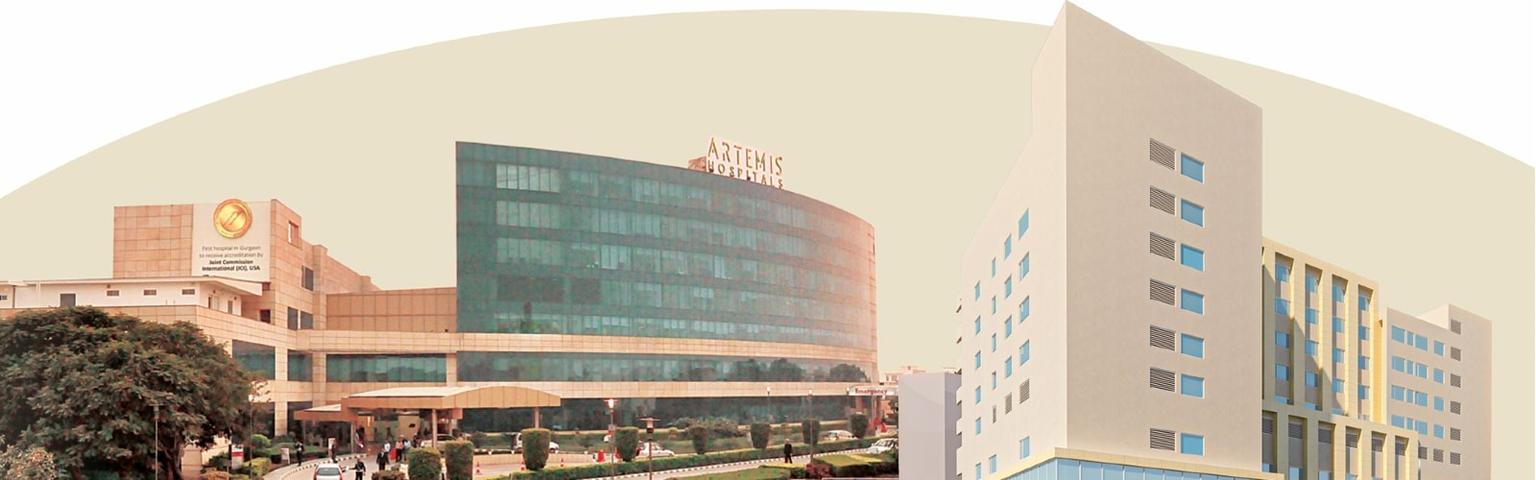
አርጤምስ ሆስፒታል
ሴክተር 51, ጉሩግራም, ሃርያና, ህንድ
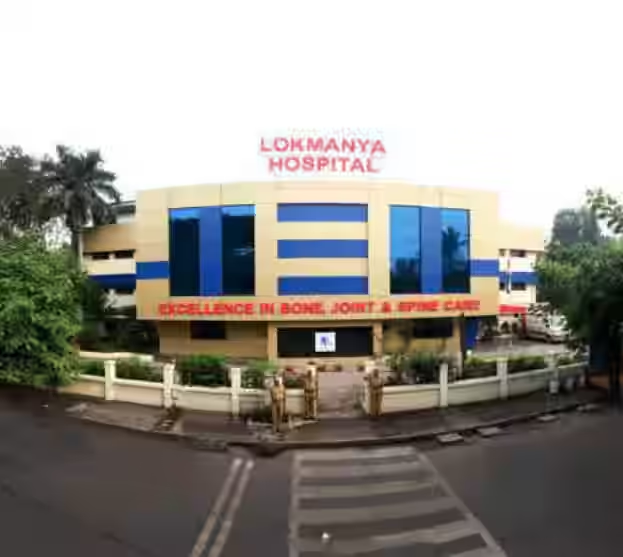
ሎክማንያ ሆስፒታሎች
አልተገለጸም
ነጭ ሎተስ ሆስፒታል
766, SFS 3145, SFS መንገድ, 7ኛ ሴክተር, ኤችኤስአር ሌይአውት, ቤንጋሉሩ, ካርናታካ 560102, ህንድ
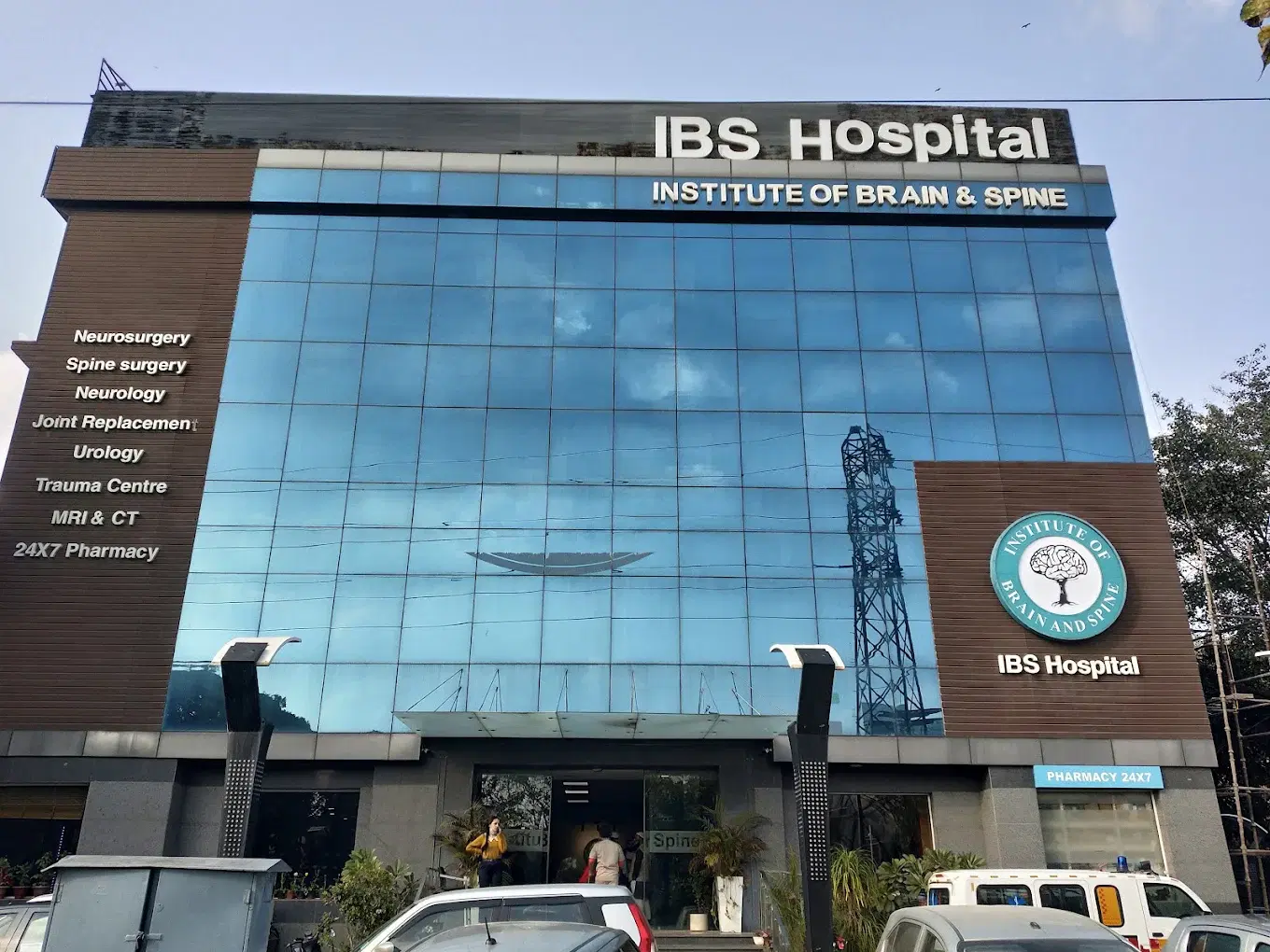
የአእምሮ እና የአከርካሪ ተቋም (አይ.ቢ.ኤስ ሆስፒታል)
አልተገለጸም
ዶክተሮቹን ይገናኙ





ዲቪንሂል እንዴት እንደሚረዳ
አጠቃላይ ድጋፍ በመስጠት እና ወደ ዓለም አቀፍ ደረጃ ጤና እንክብካቤ መዳረሻ በማቅረብ የሕክምና ጉዞዎን እናቃልላለን።
የባለሙያ ስፔሻሊስት ማዛመድ
ከዓለም ከፍተኛ ደረጃ ካላቸው የሕክምና ባለሙያዎች ጋር እናገናኝዎታለን።
እውቅና ያለው የሆስፒታል መረብ
በ JCI እና NABH የተረጋገጡ የጤና እንክብካቤ ተቋማት ተደራሽነት።
ሙሉ የጉዞ ማስተባበር
ያለችግር የቪዛ፣ የማረፊያ እና የአካባቢ ትራንስፖርት እገዛ።
24/7 የግል እንክብካቤ
የተሰጡ የታካሚ አማካሪዎች በእያንዳንዱ እርምጃ ይደግፉዎታል።
የጉዞ መመሪያ
ከታካሚ ሕክምና ጉዞ መጀመሪያ እስከ መጨረሻ ሙሉ መመሪያ።
የባለሙያ ስፔሻሊስት ማዛመድ
ከዓለም ከፍተኛ ደረጃ ካላቸው የሕክምና ባለሙያዎች ጋር እናገናኝዎታለን።
ዛሬ
ማወቅ ያለብዎት ሁሉ
ስለ ታካሚን ማዕከል ያደረገውን የሕክምና መድረካችን በተሻለ ሁኔታ ለመረዳት እነዚህን ተደጋጋሚ ጥያቄዎች ይመልከቱ።
አዎ፣ ከተለያዩ የኢንሹራንስ አቅራቢዎች ጋር እንሰራለን። የሽፋንዎን ሁኔታ ለማረጋገጥ ቡድናችንን ያነጋግሩ።
በድጋፍ ቡድናችን ወይም በመስመር ላይ መድረካችን በቀላሉ ቀጠሮ ማስያዝ ወይም መቀየር ይችላሉ።
አዎ፣ ልምድ ካላቸው ስፔሻሊስቶች ጋር ደህንነቱ የተጠበቀ የመስመር ላይ ምክክር እንሰጣለን።
አዎ፣ በሕክምናዊ አስፈላጊነት መሠረት ሐኪሞቻችን የመድሃኒት ማዘዣ ይሰጣሉ።
የእንክብካቤ አስተባባሪዎቻችን ለእርስዎ ተስማሚውን ስፔሻሊስት ለማግኘት ያግዛሉ።
በእርግጥ። የእርስዎ የሕክምና መረጃ በጤና እንክብካቤ የግላዊነት መስፈርቶች መሠረት በጥብቅ ይጠበቃል።
ሆስፒታል ሲመርጡ ስድስት ነገሮችን ያስቡ፡ ማረጋገጫ (JCI ወይም NABH)፣ የልዩ ሕክምና ችሎታ፣ የሐኪሞች ብቃትና ልምድ፣ የሕክምና ውጤት መጠን፣ ለዓለም አቀፍ ታካሚዎች የሚሰጥ ድጋፍ እና ቴክኖሎጂ። DivinHeal በ AI የተመሠረተ ማዛመጃ ስርዓት በሁኔታዎ፣ በበጀትዎ እና በአገርዎ መሠረት ተስማሚ ሆስፒታሎችን ይመርጣል።
JCI (Joint Commission International) በዓለም ዙሪያ የሚታወቅ የሆስፒታል ጥራት መለኪያ ነው። NABH ደግሞ የሕንድ ብሔራዊ የሆስፒታል ማረጋገጫ ስርዓት ነው። ሁለቱም የደህንነትና የጥራት ደረጃዎችን ያረጋግጣሉ።
አዎ። ሦስቱም አገሮች ለዓለም አቀፍ ታካሚዎች የሕክምና ቪዛ ፕሮግራሞችን ይሰጣሉ። ሕንድ በተመጣጣኝ ዋጋ ሕክምና፣ ታይላንድ በኮስሜቲክ እና የጥርስ ሕክምና፣ UAE ደግሞ በካንሰር እና የመውለድ ሕክምና እየተሻሻለ ነው።
አብዛኞቹ ታካሚዎች በሕክምና ወጪ 50–80% ድረስ መቆጠብ ይችላሉ። የጉዞ፣ ቪዛ እና መኖሪያ ወጪዎችን ካካተቱ በኋላም ከፍተኛ ቁጠባ ይኖራል።
አሁንም ተጨማሪ ጥያቄዎች አሉዎት?
DivineHeal የጤና እንክብካቤ ጉዞዎን እንዴት እንደሚያቀላጥፍ ለማወቅ ከወዳጃዊ ቡድናችን ጋር የስልክ ውይይት ያስይዙ።