1:"$Sreact.fragment"
2:I[7555,[],""]
3:I[1295,[],""]
6:I[9665,[],"MetadataBoundary"]
8:I[9665,[],"OutletBoundary"]
b:I[4911,[],"AsyncMetadataOutlet"]
d:I[9665,[],"ViewportBoundary"]
f:I[6614,[],""]
:HL["/_next/static/media/5c1dcbfbff27328a-s.p.woff2","font",{"crossOrigin":"","type":"font/woff2"}]
:HL["/_next/static/css/736d0ddc54875be5.css","style"]
0:{"P":null,"b":"Fhubvur0RR1fkYbbPA6TA","p":"","c":["","en","treatments","oncology"],"i":false,"f":[[["",{"children":[["locale","en","d"],{"children":["treatments",{"children":[["slug","oncology","d"],{"children":["__PAGE__",{}]}]}]},"$undefined","$undefined",true]}],["",["$","$1","c",{"children":[null,["$","$L2",null,{"parallelRouterKey":"children","error":"$undefined","errorStyles":"$undefined","errorScripts":"$undefined","template":["$","$L3",null,{}],"templateStyles":"$undefined","templateScripts":"$undefined","notFound":[[["$","title",null,{"children":"404: This page could not be found."}],["$","div",null,{"style":{"fontFamily":"system-ui,\"Segoe UI\",Roboto,Helvetica,Arial,sans-serif,\"Apple Color Emoji\",\"Segoe UI Emoji\"","height":"100vh","textAlign":"center","display":"flex","flexDirection":"column","alignItems":"center","justifyContent":"center"},"children":["$","div",null,{"children":[["$","style",null,{"dangerouslySetInnerHTML":{"__html":"body{color:#000;background:#fff;margin:0}.next-error-h1{border-right:1px solid rgba(0,0,0,.3)}@media (prefers-color-scheme:dark){body{color:#fff;background:#000}.next-error-h1{border-right:1px solid rgba(255,255,255,.3)}}"}}],["$","h1",null,{"className":"next-error-h1","style":{"display":"inline-block","margin":"0 20px 0 0","padding":"0 23px 0 0","fontSize":24,"fontWeight":500,"verticalAlign":"top","lineHeight":"49px"},"children":404}],["$","div",null,{"style":{"display":"inline-block"},"children":["$","h2",null,{"style":{"fontSize":14,"fontWeight":400,"lineHeight":"49px","margin":0},"children":"This page could not be found."}]}]]}]}]],[]],"forbidden":"$undefined","unauthorized":"$undefined"}]]}],{"children":[["locale","en","d"],["$","$1","c",{"children":[[["$","link","0",{"rel":"stylesheet","href":"/_next/static/css/736d0ddc54875be5.css","precedence":"next","crossOrigin":"$undefined","nonce":"$undefined"}]],"$L4"]}],{"children":["treatments",["$","$1","c",{"children":[null,["$","$L2",null,{"parallelRouterKey":"children","error":"$undefined","errorStyles":"$undefined","errorScripts":"$undefined","template":["$","$L3",null,{}],"templateStyles":"$undefined","templateScripts":"$undefined","notFound":"$undefined","forbidden":"$undefined","unauthorized":"$undefined"}]]}],{"children":[["slug","oncology","d"],["$","$1","c",{"children":[null,["$","$L2",null,{"parallelRouterKey":"children","error":"$undefined","errorStyles":"$undefined","errorScripts":"$undefined","template":["$","$L3",null,{}],"templateStyles":"$undefined","templateScripts":"$undefined","notFound":"$undefined","forbidden":"$undefined","unauthorized":"$undefined"}]]}],{"children":["__PAGE__",["$","$1","c",{"children":["$L5",["$","$L6",null,{"children":"$L7"}],null,["$","$L8",null,{"children":["$L9","$La",["$","$Lb",null,{"promise":"$@c"}]]}]]}],{},null,false]},null,false]},null,false]},null,false]},null,false],["$","$1","h",{"children":[null,["$","$1","yaq0Pomn1JyLLxFpqt3H7",{"children":[["$","$Ld",null,{"children":"$Le"}],["$","meta",null,{"name":"next-size-adjust","content":""}]]}],null]}],false]],"m":"$undefined","G":["$f","$undefined"],"s":false,"S":true}
10:"$Sreact.suspense"
11:I[4911,[],"AsyncMetadata"]
7:["$","$10",null,{"fallback":null,"children":["$","$L11",null,{"promise":"$@12"}]}]
a:null
15:I[3864,["874","static/chunks/874-0ddfdc7b21ce8bff.js","406","static/chunks/406-3b05844000c363ad.js","289","static/chunks/289-56d4475a4e285bee.js","450","static/chunks/app/%5Blocale%5D/layout-a0d962456eee157e.js"],"Analytics"]
16:I[6259,["874","static/chunks/874-0ddfdc7b21ce8bff.js","406","static/chunks/406-3b05844000c363ad.js","289","static/chunks/289-56d4475a4e285bee.js","450","static/chunks/app/%5Blocale%5D/layout-a0d962456eee157e.js"],"GoogleAnalytics"]
17:I[9243,["874","static/chunks/874-0ddfdc7b21ce8bff.js","406","static/chunks/406-3b05844000c363ad.js","289","static/chunks/289-56d4475a4e285bee.js","450","static/chunks/app/%5Blocale%5D/layout-a0d962456eee157e.js"],""]
13:T672,{"@context":"https://schema.org","@graph":[{"@type":"WebSite","@id":"https://www.divinheal.com#website","url":"https://www.divinheal.com","name":"DivinHeal","alternateName":"Divin Heal","description":"DivinHeal helps you access world-class hospitals, trusted doctors, and cost-effective medical treatments in India.","inLanguage":["en","hi","am","ar"],"publisher":{"@id":"https://www.divinheal.com#organization"}},{"@type":"Organization","@id":"https://www.divinheal.com#organization","name":"DivinHeal","alternateName":"Divin Heal","legalName":"Krenko Technologies Private Limited","url":"https://www.divinheal.com","description":"DivinHeal helps you access world-class hospitals, trusted doctors, and cost-effective medical treatments in India.","foundingDate":"2020","logo":{"@type":"ImageObject","@id":"https://www.divinheal.com#logo","url":"https://www.divinheal.com/logo.png","contentUrl":"https://www.divinheal.com/logo.png","width":3334,"height":3334,"caption":"DivinHeal"},"image":{"@id":"https://www.divinheal.com#logo"},"email":"care@divinheal.com","telephone":"+91 8824154341","address":{"@type":"PostalAddress","streetAddress":"Building No: 462, Joshi Street, Sector 9","addressLocality":"Faridabad","addressRegion":"Haryana","postalCode":"121006","addressCountry":"IN"},"sameAs":["https://www.facebook.com/profile.php?id=61574763016882","https://www.instagram.com/divinheal?igsh=a3ZxemhxM3plZng1&utm_source=website"],"contactPoint":[{"@type":"ContactPoint","contactType":"customer support","telephone":"+91 8824154341","email":"care@divinheal.com","availableLanguage":["English","Hindi","Amharic","Arabic"],"areaServed":"Worldwide"}]}]}4:["$","html",null,{"lang":"en","children":[["$","head",null,{"children":["$","script",null,{"id":"global-jsonld","type":"application/ld+json","dangerouslySetInnerHTML":{"__html":"$13"}}]}],["$","body",null,{"className":"bg-background m-2 __variable_ccd911 __variable_62f150","children":[["$","a",null,{"href":"#main-content","className":"absolute left-4 top-4 z-[100] -translate-y-20 rounded-md bg-white px-4 py-2 text-primary shadow transition-transform focus:translate-y-0","children":"Skip to content"}],"$L14",["$","$L15",null,{}],["$","$L16",null,{"gaId":"G-WGTF1P4H4G"}],["$","$L17",null,{"id":"clarity-script","strategy":"lazyOnload","children":"\n              (function(c,l,a,r,i,t,y){\n                c[a]=c[a]||function(){(c[a].q=c[a].q||[]).push(arguments)};\n                t=l.createElement(r);t.async=1;t.src=\"https://www.clarity.ms/tag/\"+i;\n                y=l.getElementsByTagName(r)[0];y.parentNode.insertBefore(t,y);\n              })(window, document, \"clarity\", \"script\", \"tlzp1u8fw7\");\n            "}]]}]]}]
18:I[6096,["874","static/chunks/874-0ddfdc7b21ce8bff.js","406","static/chunks/406-3b05844000c363ad.js","289","static/chunks/289-56d4475a4e285bee.js","450","static/chunks/app/%5Blocale%5D/layout-a0d962456eee157e.js"],"default"]
19:I[4913,["874","static/chunks/874-0ddfdc7b21ce8bff.js","406","static/chunks/406-3b05844000c363ad.js","289","static/chunks/289-56d4475a4e285bee.js","450","static/chunks/app/%5Blocale%5D/layout-a0d962456eee157e.js"],"QuoteModalProvider"]
1a:I[1769,["874","static/chunks/874-0ddfdc7b21ce8bff.js","406","static/chunks/406-3b05844000c363ad.js","289","static/chunks/289-56d4475a4e285bee.js","450","static/chunks/app/%5Blocale%5D/layout-a0d962456eee157e.js"],"default"]
1b:I[6824,["874","static/chunks/874-0ddfdc7b21ce8bff.js","406","static/chunks/406-3b05844000c363ad.js","289","static/chunks/289-56d4475a4e285bee.js","450","static/chunks/app/%5Blocale%5D/layout-a0d962456eee157e.js"],"default"]
1c:I[6874,["874","static/chunks/874-0ddfdc7b21ce8bff.js","224","static/chunks/app/%5Blocale%5D/not-found-1b2e6d715739b4a8.js"],""]
1e:I[671,["874","static/chunks/874-0ddfdc7b21ce8bff.js","406","static/chunks/406-3b05844000c363ad.js","289","static/chunks/289-56d4475a4e285bee.js","450","static/chunks/app/%5Blocale%5D/layout-a0d962456eee157e.js"],"default"]
14:["$","$L18","en",{"formats":"$undefined","locale":"en","messages":{"header":{"brand":"DIVINHEAL","tagline":"Simplifying Global Wellbeing","nav":{"home":"HOME","treatments":"TREATMENTS","hospitals":"HOSPITALS","doctors":"DOCTORS","partner":"PARTNER","about":"ABOUT US","blog":"BLOG","contact":"CONTACT"},"bookAppointment":"BOOK APPOINTMENT"},"home":{"hero":{"tags":{"0":"Affordable.","1":"Reliable","2":"Exceptional"},"title":"Redefining Medical Journeys","search":"Search Treatments, Hospitals and Doctors etc."},"blogs":{"title":"Latest Blogs","desc":"India offers premium medical procedures at affordable prices. Discover our most popular treatments, delivered by the country's finest doctors."},"doctors":{"title":"Meet the Doctors"},"hospitals":{"title":"Network of Top Hospitals"},"premiumSupport":{"title":"Premium Support Services","description":"We go beyond just connecting you to top hospitals—we take care of everything you need throughout your medical journey. From the moment you contact us to your full recovery, we provide end-to-end support so you can focus entirely on healing.","services":{"visa":{"title":"Visa Support","description":"Complete visa assistance for medical treatment in India, including document preparation and expedited processing."},"travel":{"title":"Travel Logistics","description":"Comprehensive travel arrangements including flight bookings, airport transfers, and accommodation booking near your chosen hospital."},"language":{"title":"Language Support","description":"Professional translation services and multilingual support staff to ensure clear communication throughout your treatment."},"careManager":{"title":"Dedicated Care Manager","description":"A personal care coordinator who will be with you every step of the way, from initial consultation to post-treatment follow-up."}}},"services":{"title":"Your Medical Journey With Us","subtitle":"A single point of contact available 24/7 for any help you need throughout your medical journey.","submitDetails":{"title":"Submit Your Details","description":"Complete Our Simple Consultation Form With Your Medical Needs And Preferences."},"expertConsultation":{"title":"Expert Consultation","description":"Our Medical Experts Review Your Case And Provide Personalized Treatment Options Within 24 Hours."},"hospitalSelection":{"title":"Hospital & Doctor Selection","description":"We Connect You With The Best Hospitals And Specialists Suited For Your Medical Condition."},"travelPlanning":{"title":"Travel Planning","description":"We Assist With Visa, Accommodation, And Transportation Arrangements For A Seamless Experience."},"treatmentCare":{"title":"Treatment & Care","description":"Receive World-Class Medical Treatment With Dedicated Care Coordination Throughout Your Stay."},"followUpSupport":{"title":"Follow-Up Support","description":"We Ensure Proper Follow-Up Care And Remain Accessible For Any Post-Treatment Concerns."}},"statistics":{"happyPatients":{"value":"5K","label":"Happy Patients"},"hospitals":{"value":"30","label":"Hospitals"},"doctors":{"value":"2000","label":"Doctors"},"cities":{"value":"20","label":"Cities"},"surgeries":{"value":"100","label":"Surgeries"},"clinics":{"value":"50","label":"Clinics"}},"treatments":{"title":"Trusted Treatments, Expert Hands","description":"India offers premium medical procedures at affordable prices. Discover our most popular treatments, delivered by the country's finest doctors."}},"consultation":{"heading":"Need Personalized Advice?","description":"Our medical experts are ready to answer your questions and guide you through your treatment options.","button":"Get Free Consultation","bookingHeading":"Booking With DIVINHEAL","bookingDescription":"Get a free consultation to understand your treatment options","bookButton":"Book An Appointment"},"treatment":{"title":"World-Class Medical Treatments","hero":{"title":"Trusted Treatments, Expert Hands","description":"India offers premium medical procedures at affordable prices. Discover our most popular treatments, delivered by the country's finest doctors."},"header":{"title":"Centres Of Excellence","description":"Our Centres of Excellence bring together multidisciplinary teams to deliver precise diagnosis, advanced treatments, and superior outcomes across a wide spectrum of medical specialties.","bookAppointment":"BOOK APPOINTMENT","requestCallback":"REQUEST CALLBACK"},"grid":{"searchPlaceholder":"Search Treatment","viewAll":"View All","showLess":"Show Less"},"services":{"title":"Why India is the Ultimate Destination for Medical Treatment","subtitle":"India has become a global healthcare hub, offering a rare combination of affordability, expertise, and personalized care. Whether you're seeking complex surgeries or wellness treatments, India provides everything under one roof— making it the ideal one-stop solution for your medical journey.","cards":{"costSavings":{"title":"Unmatched Cost Savings","description":"Medical Procedures In India Can Cost Up To 60-90% Less Than In Countries Like The US, UK, Or Australia. Lower Costs Don't Mean Lower Quality—India Offers World-Class Healthcare At A Fraction Of The Price."},"worldClassHospitals":{"title":"World-Class Hospitals & Doctors","description":"India Is Home To Internationally Accredited Hospitals (JCI, NABH) And Highly Experienced Doctors Trained In Top Global Institutions. You Get Access To The Same Level Of Care As In The West, Often With More Personal Attention."},"noWaitingTime":{"title":"Minimal To No Waiting Time","description":"Time Is Critical When It Comes To Health. Indian Private Hospitals Are Known For Immediate Appointment Availability, Faster Diagnostic Processes, And Quicker Treatment Planning—No Months-Long Queues."},"advancedTechnology":{"title":"Advanced Technology & Infrastructure","description":"From Robotic Surgeries To Proton Therapy, Indian Hospitals Are Equipped With Cutting-Edge Technology And Infrastructure On Par With The Best In The World—Ensuring Precise Diagnosis, Effective Treatment, And Faster Recovery."},"englishSpeaking":{"title":"English-Speaking Medical Staff","description":"Clear Communication Is Crucial In Healthcare. Most Medical Professionals In India Speak Fluent English, Eliminating Any Language Barrier And Ensuring You Feel Understood And Cared For At Every Step."},"culturalExperience":{"title":"Cultural And Holistic Healing Experience","description":"India Offers More Than Just Medical Treatment. Patients Often Combine Their Recovery With A Rich Cultural Experience, Exploring Ayurveda, Wellness Therapies, And The Serene Comfort Of Spiritual Retreats, Making Healing A Truly Holistic Journey."}}}},"footer":{"brand":{"tagline":"Simplifying Global Wellbeing","description":"Your trusted partner for premium medical tourism services in India. Experience world-class healthcare with personalized support."},"newsletter":{"title":"Subscribe to Our Newsletter","placeholder":"Enter your email","button":"Subscribe Now","subscribing":"Subscribing...","description":"Stay updated with the latest in medical tourism and healthcare innovations.","errors":{"enterEmail":"Please enter your email address","validEmail":"Please enter a valid email address","alreadySubscribed":"Email already subscribed or invalid.","serverError":"Server error. Please try again later.","failed":"Subscription failed. Please try again."},"success":"Successfully subscribed to newsletter!"},"quickLinks":{"title":"Quick Links","home":"Home","treatments":"Treatments","hospitals":"Hospitals","doctors":"Doctors","about":"About Us","blogs":"Blogs","contact":"Contact"},"services":{"title":"Our Services","cardiology":"Cardiology","orthopedics":"Orthopedics","oncology":"Oncology","ivf":"IVF & Fertility","cosmetic":"Cosmetic Surgery","dental":"Dental Care"},"contact":{"title":"Contact Information","availability":"24 x 7"},"copyright":"© 2025 DivinHeal. All Rights Reserved.","cta":{"heading":"Ready To Start Your Healing Journey?","description":"Get Personalized Medical Treatment Options From India's Top Hospitals. Our Medical Experts Are Ready To Assist You Every Step Of The Way.","buttons":{"freeConsultation":"GET FREE CONSULTATION","whatsapp":"CONTACT ON WHATSAPP"}}},"doctor":{"sections":{"overview":"OVERVIEW","about":"ABOUT","experience":"EXPERIENCE","memberships":"MEMBERSHIPS","achievements":"AWARDS & ACHIEVEMENTS","research":"RESEARCH AND PUBLICATION","qualifications":"QUALIFICATIONS"},"greeting":{"hi":"Hi, I'm","glad":"And I'm Glad You're Here"},"labels":{"experience":"Experience","surgeries":"Surgeries","years":"Years","year":"Year","bookConsultation":"Book Consultation","message":"Message","hospital":"Hospital","fees":"Fees","viewDetails":"View Details","bookAppointment":"Book an appointment"},"page":{"title":"Find Your Trusted Specialist From India's Top Hospitals","subtitle":"Connecting You With Experienced Doctors For Personalized And Compassionate Care, Worldwide","tagline":"Over 1500 Happy Patient"}},"about":{"title":"About DivinHeal","whoWeAre":"Who we are","heading":"Healthcare Solutions for A Healthier Tomorrow","description":"By combining cutting-edge technology with personalized care, we aim to provide accessible, efficient, and effective healthcare services. From medication management to preventative care","vision":{"title":"Our Vision","description":"To be the world's most trusted partner in global healthcare and wellness, redefining how people access and experience care."},"mission":{"title":"Our Mission","description":"To simplify global healthcare and wellness journeys by providing innovative, personalized, and compassionate solutions through cutting-edge technology and a network of world-class providers."},"story":{"title":"Our Story","paragraph1":"DivinHeal was established to address the challenges of navigating global healthcare and wellness options. Our goal is to empower individuals with seamless access to trusted medical and wellness services worldwide.","paragraph2":"With a strong foundation in innovation and a deep understanding of the healthcare industry, we provide end-to-end support—from selecting the right healthcare provider to coordinating travel, accommodation, and post-treatment care.","paragraph3":"Our AI-driven platform ensures that every solution is tailored to meet your unique needs, giving you peace of mind and exceptional outcomes.","paragraph4":"Backed by a passionate team of experts with rich experience in healthcare, technology, and hospitality, DivinHeal is committed to setting new standards in medical tourism."},"leadership":{"title":"Our Leadership","description":"Meet the visionary behind DivinHeal who is passionate about transforming global healthcare access","name":"Nitesh Jain","education":"MBA - IIM Bangalore","experience":"10+ years of experience","bio":"With over a decade of experience in healthcare management and strategy, Nitesh brings invaluable expertise to DivinHeal. His vision drives our commitment to excellence and innovation in medical tourism, making quality healthcare accessible to patients worldwide while ensuring a seamless, personalized experience."},"values":{"title":"Our Values","description":"The core principles that guide everything we do at DivinHeal","items":[{"title":"Dedication to Excellence","description":"We are committed to delivering the highest standards of care, ensuring world-class services and outstanding client satisfaction."},{"title":"Value-Driven Solutions","description":"Our approach prioritizes transparency, affordability, and quality, ensuring every client receives the best care and value for their investment."},{"title":"Nurturing Well-Being","description":"We take a holistic approach to health, focusing on physical, emotional, and spiritual well-being for complete care and healing."},{"title":"Innovation in Healthcare","description":"We embrace cutting-edge AI and technology to revolutionize global medical and wellness tourism, making it seamless and personalized."},{"title":"Integrity in Service","description":"We uphold honesty, trust, and accountability, building lasting relationships with our clients and partners."},{"title":"Empathy at the Core","description":"We put ourselves in the shoes of our clients, ensuring their needs, concerns, and aspirations guide everything we do."}]}},"contact":{"title":"Contact Us","heading":"Contact Us","description":"Have questions about our medical tourism services? Our team of experts is ready to assist you on your healthcare journey.","form":{"name":"Your Full Name*","email":"Your Email Address*","country":"Select your country of residence*","phone":"Enter mobile number*","consultationType":"Type Of Consultation","notes":"Additional Notes or Questions","sendButton":"Send Message","sending":"Sending..."},"info":{"title":"Contact Information","headOffice":"Head Office","phone":"Phone","email":"Email","connectOn":"Connect On"},"messages":{"success":"Message sent successfully! Our team will contact you soon.","invalidData":"Invalid form data. Please check your inputs.","serverError":"Server error. Please try again later.","failed":"Failed to send message. Please try again."},"errors":{"nameRequired":"Please enter your full name","emailRequired":"Please enter your email address","emailInvalid":"Please enter a valid email address","countryRequired":"Please select your country","phoneRequired":"Please enter your phone number"}},"blog":{"page":{"title":"Divinheal Blogs","breadcrumb":{"home":"Home","blogs":"Blogs"}},"search":{"placeholder":"Search Blog"},"updatedDate":"Blog updation date:","contentUpdatedAt":"Content updated at:"},"hospital":{"page":{"title":"Find Best Hospital For You","subtitle":"Connecting You With Experienced Doctors For Personalized And Compassionate Care, Worldwide","tagline":"Over 1500 Happy Patient"},"labels":{"getQuote":"Get a Quote","viewDetails":"View Details"}}},"now":"$undefined","timeZone":"UTC","children":["$","$L19",null,{"children":[[["$","$L1a",null,{}],["$","$L1b",null,{}]],["$","main",null,{"id":"main-content","children":["$","$L2",null,{"parallelRouterKey":"children","error":"$undefined","errorStyles":"$undefined","errorScripts":"$undefined","template":["$","$L3",null,{}],"templateStyles":"$undefined","templateScripts":"$undefined","notFound":[["$","div",null,{"className":"flex flex-col items-center justify-center min-h-screen","children":[["$","h2",null,{"className":"text-2xl font-bold mb-4","children":"Page Not Found"}],["$","p",null,{"className":"text-gray-600 mb-4","children":"The page you're looking for doesn't exist."}],["$","$L1c",null,{"href":"/","className":"text-primary hover:underline","children":"Return Home"}]]}],[]],"forbidden":"$undefined","unauthorized":"$undefined"}]}],["$","div",null,{"children":"$L1d"}],["$","$L1e",null,{}]]}]}]
20:I[6714,["874","static/chunks/874-0ddfdc7b21ce8bff.js","406","static/chunks/406-3b05844000c363ad.js","289","static/chunks/289-56d4475a4e285bee.js","450","static/chunks/app/%5Blocale%5D/layout-a0d962456eee157e.js"],"default"]
1f:T63b,M12.315 2c2.43 0 2.784.013 3.808.06 1.064.049 1.791.218 2.427.465a4.902 4.902 0 011.772 1.153 4.902 4.902 0 011.153 1.772c.247.636.416 1.363.465 2.427.048 1.067.06 1.407.06 4.123v.08c0 2.643-.012 2.987-.06 4.043-.049 1.064-.218 1.791-.465 2.427a4.902 4.902 0 01-1.153 1.772 4.902 4.902 0 01-1.772 1.153c-.636.247-1.363.416-2.427.465-1.067.048-1.407.06-4.123.06h-.08c-2.643 0-2.987-.012-4.043-.06-1.064-.049-1.791-.218-2.427-.465a4.902 4.902 0 01-1.772-1.153 4.902 4.902 0 01-1.153-1.772c-.247-.636-.416-1.363-.465-2.427-.047-1.024-.06-1.379-.06-3.808v-.63c0-2.43.013-2.784.06-3.808.049-1.064.218-1.791.465-2.427a4.902 4.902 0 011.153-1.772A4.902 4.902 0 015.45 2.525c.636-.247 1.363-.416 2.427-.465C8.901 2.013 9.256 2 11.685 2h.63zm-.081 1.802h-.468c-2.456 0-2.784.011-3.807.058-.975.045-1.504.207-1.857.344-.467.182-.8.398-1.15.748-.35.35-.566.683-.748 1.15-.137.353-.3.882-.344 1.857-.047 1.023-.058 1.351-.058 3.807v.468c0 2.456.011 2.784.058 3.807.045.975.207 1.504.344 1.857.182.466.399.8.748 1.15.35.35.683.566 1.15.748.353.137.882.3 1.857.344 1.054.048 1.37.058 4.041.058h.08c2.597 0 2.917-.01 3.96-.058.976-.045 1.505-.207 1.858-.344.466-.182.8-.398 1.15-.748.35-.35.566-.683.748-1.15.137-.353.3-.882.344-1.857.048-1.055.058-1.37.058-4.041v-.08c0-2.597-.01-2.917-.058-3.96-.045-.976-.207-1.505-.344-1.858a3.097 3.097 0 00-.748-1.15 3.098 3.098 0 00-1.15-.748c-.353-.137-.882-.3-1.857-.344-1.023-.047-1.351-.058-3.807-.058zM12 6.865a5.135 5.135 0 110 10.27 5.135 5.135 0 010-10.27zm0 1.802a3.333 3.333 0 100 6.666 3.333 3.333 0 000-6.666zm5.338-3.205a1.2 1.2 0 110 2.4 1.2 1.2 0 010-2.4z1d:["$","footer",null,{"className":"bg-primary rounded-t-3xl","children":["$","div",null,{"className":"max-w-7xl mx-auto px-6 py-8 md:py-12","children":[["$","div",null,{"className":"flex flex-col gap-10 md:flex-row md:gap-12","children":[["$","div",null,{"className":"flex flex-col max-w-lg gap-4 md:max-w-md md:flex-1 md:gap-6","children":[["$","div",null,{"children":[["$","p",null,{"className":"text-4xl text-white md:text-5xl","children":"DIVINHEAL"}],["$","p",null,{"className":"text-xs text-muted-150 md:text-base","children":"Simplifying Global Wellbeing"}]]}],["$","p",null,{"className":"text-sm text-muted-150 md:text-lg ","children":"Your trusted partner for premium medical tourism services in India. Experience world-class healthcare with personalized support."}],["$","div",null,{"className":"flex gap-3","children":[["$","a","facebook",{"href":"https://www.facebook.com/profile.php?id=61574763016882","target":"_blank","rel":"noopener noreferrer","className":"w-10 h-10 bg-white/10 hover:bg-white/20 rounded-lg flex items-center justify-center text-white transition-colors","aria-label":"Facebook","children":["$","svg",null,{"className":"w-5 h-5","fill":"currentColor","viewBox":"0 0 24 24","children":["$","path",null,{"d":"M24 12.073c0-6.627-5.373-12-12-12s-12 5.373-12 12c0 5.99 4.388 10.954 10.125 11.854v-8.385H7.078v-3.47h3.047V9.43c0-3.007 1.792-4.669 4.533-4.669 1.312 0 2.686.235 2.686.235v2.953H15.83c-1.491 0-1.956.925-1.956 1.874v2.25h3.328l-.532 3.47h-2.796v8.385C19.612 23.027 24 18.062 24 12.073z"}]}]}],["$","a","instagram",{"href":"https://www.instagram.com/divinheal?igsh=a3ZxemhxM3plZng1&utm_source=website","target":"_blank","rel":"noopener noreferrer","className":"w-10 h-10 bg-white/10 hover:bg-white/20 rounded-lg flex items-center justify-center text-white transition-colors","aria-label":"Instagram","children":["$","svg",null,{"className":"w-5 h-5","fill":"currentColor","viewBox":"0 0 24 24","children":["$","path",null,{"fillRule":"evenodd","d":"$1f","clipRule":"evenodd"}]}]}]]}]]}],["$","div",null,{"className":"gap-10 flex flex-col md:gap-8 md:flex-1 ","children":[["$","$L20",null,{"messages":{"title":"Subscribe to Our Newsletter","placeholder":"Enter your email","button":"Subscribe Now","subscribing":"Subscribing...","description":"Stay updated with the latest in medical tourism and healthcare innovations.","success":"Successfully subscribed to newsletter!","errors":{"enterEmail":"Please enter your email address","validEmail":"Please enter a valid email address","alreadySubscribed":"Email already subscribed or invalid.","serverError":"Server error. Please try again later.","failed":"Subscription failed. Please try again."}}}],["$","div",null,{"className":"flex flex-row gap-10 md:gap-27 flex-wrap","children":[["$","div",null,{"className":"md:flex-1 space-y-4","children":[["$","h3",null,{"className":"text-white text-base md:text-xl font-semibold","children":"Quick Links"}],["$","ul",null,{"className":"space-y-3","children":[["$","li","Home",{"children":"$L21"}],["$","li","Treatments",{"children":"$L22"}],["$","li","Hospitals",{"children":"$L23"}],["$","li","Doctors",{"children":"$L24"}],["$","li","About Us",{"children":"$L25"}],["$","li","Blogs",{"children":"$L26"}],["$","li","Contact",{"children":"$L27"}]]}]]}],["$","div",null,{"className":"md:flex-1 space-y-4","children":[["$","h3",null,{"className":"text-white text-base md:text-xl font-semibold","children":"Our Services"}],["$","ul",null,{"className":"space-y-3","children":[["$","li","Cardiology",{"children":"$L28"}],["$","li","Orthopedics",{"children":"$L29"}],["$","li","Oncology",{"children":"$L2a"}],["$","li","IVF & Fertility",{"children":"$L2b"}],["$","li","Cosmetic Surgery",{"children":"$L2c"}],["$","li","Dental Care",{"children":"$L2d"}]]}]]}],["$","div",null,{"className":"md:flex-1 space-y-4","children":[["$","h3",null,{"className":"text-white text-base md:text-xl font-semibold","children":"Contact Information"}],["$","div",null,{"className":"space-y-3 text-sm md:text-lg","children":[["$","a",null,{"href":"tel:+918824154341","className":"text-white/90 hover:text-white transition-colors block","children":"+91 8824154341"}],["$","a",null,{"href":"mailto:care@divinheal.com","className":"text-white/90 hover:text-white transition-colors block","children":"care@divinheal.com"}],["$","p",null,{"className":"text-white/90","children":"24 x 7"}]]}]]}]]}]]}]]}],["$","div",null,{"className":"mt-12 pt-8 border-t border-white/20","children":["$","div",null,{"className":"flex flex-col gap-12 md:flex-row justify-between items-center md:gap-4","children":["$","p",null,{"className":"text-white/80 text-sm md:text-lg","children":"© 2025 DivinHeal. All Rights Reserved."}]}]}]]}]}]
2e:I[6160,["874","static/chunks/874-0ddfdc7b21ce8bff.js","406","static/chunks/406-3b05844000c363ad.js","63","static/chunks/63-a59957e209d08ec0.js","698","static/chunks/698-b881ddc381b0b458.js","801","static/chunks/801-936577cfc42fa5ee.js","489","static/chunks/489-a875800982c304ca.js","452","static/chunks/452-29d56fce13c4ef47.js","425","static/chunks/app/%5Blocale%5D/treatments/%5Bslug%5D/page-95b29b9e111115e4.js"],"default"]
21:["$","$L2e",null,{"ref":"$undefined","href":"/en","locale":"$undefined","localeCookie":{"name":"NEXT_LOCALE","sameSite":"lax"},"className":"text-white/80 hover:text-white text-sm md:text-lg transition-colors","children":"Home"}]
22:["$","$L2e",null,{"ref":"$undefined","href":"/en/treatments","locale":"$undefined","localeCookie":"$21:props:localeCookie","className":"text-white/80 hover:text-white text-sm md:text-lg transition-colors","children":"Treatments"}]
23:["$","$L2e",null,{"ref":"$undefined","href":"/en/hospitals","locale":"$undefined","localeCookie":"$21:props:localeCookie","className":"text-white/80 hover:text-white text-sm md:text-lg transition-colors","children":"Hospitals"}]
24:["$","$L2e",null,{"ref":"$undefined","href":"/en/doctors","locale":"$undefined","localeCookie":"$21:props:localeCookie","className":"text-white/80 hover:text-white text-sm md:text-lg transition-colors","children":"Doctors"}]
25:["$","$L2e",null,{"ref":"$undefined","href":"/en/about","locale":"$undefined","localeCookie":"$21:props:localeCookie","className":"text-white/80 hover:text-white text-sm md:text-lg transition-colors","children":"About Us"}]
26:["$","$L2e",null,{"ref":"$undefined","href":"/en/blogs","locale":"$undefined","localeCookie":"$21:props:localeCookie","className":"text-white/80 hover:text-white text-sm md:text-lg transition-colors","children":"Blogs"}]
27:["$","$L2e",null,{"ref":"$undefined","href":"/en/contact","locale":"$undefined","localeCookie":"$21:props:localeCookie","className":"text-white/80 hover:text-white text-sm md:text-lg transition-colors","children":"Contact"}]
28:["$","$L2e",null,{"ref":"$undefined","href":"/en/treatments/cardiac-care","locale":"$undefined","localeCookie":"$21:props:localeCookie","className":"text-white/80 hover:text-white text-sm md:text-lg transition-colors","children":"Cardiology"}]
29:["$","$L2e",null,{"ref":"$undefined","href":"/en/treatments/orthopedics","locale":"$undefined","localeCookie":"$21:props:localeCookie","className":"text-white/80 hover:text-white text-sm md:text-lg transition-colors","children":"Orthopedics"}]
2a:["$","$L2e",null,{"ref":"$undefined","href":"/en/treatments/oncology","locale":"$undefined","localeCookie":"$21:props:localeCookie","className":"text-white/80 hover:text-white text-sm md:text-lg transition-colors","children":"Oncology"}]
2b:["$","$L2e",null,{"ref":"$undefined","href":"/en/treatments/ivf","locale":"$undefined","localeCookie":"$21:props:localeCookie","className":"text-white/80 hover:text-white text-sm md:text-lg transition-colors","children":"IVF & Fertility"}]
2c:["$","$L2e",null,{"ref":"$undefined","href":"/en/treatments/cosmetic","locale":"$undefined","localeCookie":"$21:props:localeCookie","className":"text-white/80 hover:text-white text-sm md:text-lg transition-colors","children":"Cosmetic Surgery"}]
2d:["$","$L2e",null,{"ref":"$undefined","href":"/en/treatments/dental","locale":"$undefined","localeCookie":"$21:props:localeCookie","className":"text-white/80 hover:text-white text-sm md:text-lg transition-colors","children":"Dental Care"}]
e:[["$","meta","0",{"charSet":"utf-8"}],["$","meta","1",{"name":"viewport","content":"width=device-width, initial-scale=1, minimum-scale=1, viewport-fit=cover, user-scalable=yes"}],["$","meta","2",{"name":"theme-color","content":"#285E8C"}],["$","meta","3",{"name":"color-scheme","content":"light"}]]
9:null
12:{"metadata":[["$","title","0",{"children":"Oncology Treatment in India: Advanced Care, Affordable Cost & High Success Rates | DivinHeal"}],["$","meta","1",{"name":"description","content":"Explore world-class Oncology treatment in India with DivinHeal. Access top hospitals, experienced oncologists, and advanced therapies at significantly lower costs, ensuring high success rates and compassionate care. Your journey to recovery starts here."}],["$","meta","2",{"name":"application-name","content":"DivinHeal"}],["$","meta","3",{"name":"author","content":"Divinheal Team"}],["$","link","4",{"rel":"manifest","href":"/site.webmanifest","crossOrigin":"$undefined"}],["$","meta","5",{"name":"robots","content":"index, follow"}],["$","meta","6",{"name":"theme-color","content":"#ffffff"}],["$","meta","7",{"name":"color-scheme","content":"light"}],["$","meta","8",{"name":"og:type","content":"website"}],["$","link","9",{"rel":"canonical","href":"https://www.divinheal.com/en/treatments/oncology"}],["$","meta","10",{"property":"og:title","content":"Oncology Treatment in India: Advanced Care, Affordable Cost & High Success Rates | DivinHeal"}],["$","meta","11",{"property":"og:description","content":"Explore world-class Oncology treatment in India with DivinHeal. Access top hospitals, experienced oncologists, and advanced therapies at significantly lower costs, ensuring high success rates and compassionate care. Your journey to recovery starts here."}],["$","meta","12",{"property":"og:url","content":"https://www.divinheal.com/en/treatments/oncology"}],["$","meta","13",{"property":"og:site_name","content":"Divinheal"}],["$","meta","14",{"property":"og:locale","content":"en"}],["$","meta","15",{"name":"twitter:card","content":"summary_large_image"}],["$","meta","16",{"name":"twitter:site","content":"@divinheal"}],["$","meta","17",{"name":"twitter:title","content":"Oncology Treatment in India: Advanced Care, Affordable Cost & High Success Rates | DivinHeal"}],["$","meta","18",{"name":"twitter:description","content":"Explore world-class Oncology treatment in India with DivinHeal. Access top hospitals, experienced oncologists, and advanced therapies at significantly lower costs, ensuring high success rates and compassionate care. Your journey to recovery starts here."}],["$","link","19",{"rel":"icon","href":"/favicon.ico"}],["$","link","20",{"rel":"icon","href":"/favicon-32x32.png","sizes":"32x32","type":"image/png"}],["$","link","21",{"rel":"icon","href":"/favicon-16x16.png","sizes":"16x16","type":"image/png"}],["$","link","22",{"rel":"apple-touch-icon","href":"/apple-touch-icon.png","sizes":"180x180"}]],"error":null,"digest":"$undefined"}
c:{"metadata":"$12:metadata","error":null,"digest":"$undefined"}
32:I[9053,["874","static/chunks/874-0ddfdc7b21ce8bff.js","406","static/chunks/406-3b05844000c363ad.js","63","static/chunks/63-a59957e209d08ec0.js","698","static/chunks/698-b881ddc381b0b458.js","801","static/chunks/801-936577cfc42fa5ee.js","489","static/chunks/489-a875800982c304ca.js","452","static/chunks/452-29d56fce13c4ef47.js","425","static/chunks/app/%5Blocale%5D/treatments/%5Bslug%5D/page-95b29b9e111115e4.js"],"default"]
33:I[8199,["874","static/chunks/874-0ddfdc7b21ce8bff.js","406","static/chunks/406-3b05844000c363ad.js","63","static/chunks/63-a59957e209d08ec0.js","698","static/chunks/698-b881ddc381b0b458.js","801","static/chunks/801-936577cfc42fa5ee.js","489","static/chunks/489-a875800982c304ca.js","452","static/chunks/452-29d56fce13c4ef47.js","425","static/chunks/app/%5Blocale%5D/treatments/%5Bslug%5D/page-95b29b9e111115e4.js"],"default"]
3c:I[810,["874","static/chunks/874-0ddfdc7b21ce8bff.js","406","static/chunks/406-3b05844000c363ad.js","63","static/chunks/63-a59957e209d08ec0.js","698","static/chunks/698-b881ddc381b0b458.js","801","static/chunks/801-936577cfc42fa5ee.js","489","static/chunks/489-a875800982c304ca.js","452","static/chunks/452-29d56fce13c4ef47.js","425","static/chunks/app/%5Blocale%5D/treatments/%5Bslug%5D/page-95b29b9e111115e4.js"],"default"]
3d:I[4963,["874","static/chunks/874-0ddfdc7b21ce8bff.js","406","static/chunks/406-3b05844000c363ad.js","63","static/chunks/63-a59957e209d08ec0.js","698","static/chunks/698-b881ddc381b0b458.js","801","static/chunks/801-936577cfc42fa5ee.js","489","static/chunks/489-a875800982c304ca.js","452","static/chunks/452-29d56fce13c4ef47.js","425","static/chunks/app/%5Blocale%5D/treatments/%5Bslug%5D/page-95b29b9e111115e4.js"],"default"]
130:I[1995,["874","static/chunks/874-0ddfdc7b21ce8bff.js","406","static/chunks/406-3b05844000c363ad.js","63","static/chunks/63-a59957e209d08ec0.js","698","static/chunks/698-b881ddc381b0b458.js","801","static/chunks/801-936577cfc42fa5ee.js","489","static/chunks/489-a875800982c304ca.js","452","static/chunks/452-29d56fce13c4ef47.js","425","static/chunks/app/%5Blocale%5D/treatments/%5Bslug%5D/page-95b29b9e111115e4.js"],"default"]
131:I[8088,["874","static/chunks/874-0ddfdc7b21ce8bff.js","406","static/chunks/406-3b05844000c363ad.js","63","static/chunks/63-a59957e209d08ec0.js","698","static/chunks/698-b881ddc381b0b458.js","801","static/chunks/801-936577cfc42fa5ee.js","489","static/chunks/489-a875800982c304ca.js","452","static/chunks/452-29d56fce13c4ef47.js","425","static/chunks/app/%5Blocale%5D/treatments/%5Bslug%5D/page-95b29b9e111115e4.js"],"default"]
132:I[3596,["874","static/chunks/874-0ddfdc7b21ce8bff.js","406","static/chunks/406-3b05844000c363ad.js","63","static/chunks/63-a59957e209d08ec0.js","698","static/chunks/698-b881ddc381b0b458.js","801","static/chunks/801-936577cfc42fa5ee.js","489","static/chunks/489-a875800982c304ca.js","452","static/chunks/452-29d56fce13c4ef47.js","425","static/chunks/app/%5Blocale%5D/treatments/%5Bslug%5D/page-95b29b9e111115e4.js"],"default"]
133:I[2113,["874","static/chunks/874-0ddfdc7b21ce8bff.js","406","static/chunks/406-3b05844000c363ad.js","63","static/chunks/63-a59957e209d08ec0.js","698","static/chunks/698-b881ddc381b0b458.js","801","static/chunks/801-936577cfc42fa5ee.js","489","static/chunks/489-a875800982c304ca.js","452","static/chunks/452-29d56fce13c4ef47.js","425","static/chunks/app/%5Blocale%5D/treatments/%5Bslug%5D/page-95b29b9e111115e4.js"],"default"]
2f:T1a95,{"@context":"https://schema.org","@graph":[{"@type":"WebPage","@id":"https://www.divinheal.com/en/treatments/oncology#webpage","url":"https://www.divinheal.com/en/treatments/oncology","name":"Oncology","description":"Explore world-class Oncology treatment in India with DivinHeal. Access top hospitals, experienced oncologists, and advanced therapies at significantly lower costs, ensuring high success rates and compassionate care. Your journey to recovery starts here.","isPartOf":{"@id":"https://www.divinheal.com#website"},"breadcrumb":{"@id":"https://www.divinheal.com/en/treatments/oncology#breadcrumb"},"mainEntity":{"@id":"https://www.divinheal.com/en/treatments/oncology#treatment"},"inLanguage":"en"},{"@type":"BreadcrumbList","@id":"https://www.divinheal.com/en/treatments/oncology#breadcrumb","itemListElement":[{"@type":"ListItem","position":1,"name":"Home","item":"https://www.divinheal.com/en"},{"@type":"ListItem","position":2,"name":"Treatments","item":"https://www.divinheal.com/en/treatments"},{"@type":"ListItem","position":3,"name":"Oncology","item":"https://www.divinheal.com/en/treatments/oncology"}]},{"@type":"MedicalProcedure","@id":"https://www.divinheal.com/en/treatments/oncology#treatment","name":"Oncology","description":"Oncology treatment encompasses the diagnosis, management, and recovery for various forms of cancer. It involves a multidisciplinary approach combining surgery, chemotherapy, radiation therapy, targeted therapy, immunotherapy, and hormonal therapy to eradicate cancer cells, control disease progression, and improve patient quality of life. DivinHeal connects patients with leading oncology centers globally, specializing in affordable, high-quality care in India.","url":"https://www.divinheal.com/en/treatments/oncology","image":"https://d3i4nlgesiiszd.cloudfront.net/resources/treatments/2.webp","mainEntityOfPage":{"@id":"https://www.divinheal.com/en/treatments/oncology#webpage"}},{"@type":"FAQPage","@id":"https://www.divinheal.com/en/treatments/oncology#faq","mainEntity":[{"@type":"Question","name":"What is covered in your cancer treatment packages, and how do you ensure transparent pricing?","acceptedAnswer":{"@type":"Answer","text":"Our comprehensive packages encompass oncologist consultations, diagnostic tests, surgical procedures, chemotherapy or radiation therapy, hospitalization, medications, nursing care, and follow-up visits. Additional services like visa assistance, airport transfers, accommodation, meals, and interpreter services are available. We provide detailed cost breakdowns upfront with no hidden charges. Package costs vary based on cancer type, treatment complexity, and duration, but patients receive complete cost estimates before traveling."}},{"@type":"Question","name":"What support do you provide for international patients and their families during treatment?","acceptedAnswer":{"@type":"Answer","text":"Our comprehensive support encompasses pre-arrival telemedicine consultations, medical visa assistance, airport transfers, accommodation arrangements near hospitals, multilingual interpreters, cultural orientation, and 24/7 patient coordinators. We assist families with local transportation, dining options, sightseeing during breaks in treatment, and emergency support. Our team coordinates all appointments, manages communication between different specialists, and provides regular updates to family members back home."}},{"@type":"Question","name":"How much can I save on cancer treatment by choosing India through your services?","acceptedAnswer":{"@type":"Answer","text":"International patients typically save 60-80% on cancer treatment costs compared to Western countries while receiving identical quality care. For example, breast cancer treatment that costs $100,000-150,000 in the US might cost $15,000-25,000 in India through our affordable cancer treatment packages. These savings come from lower operational costs and favorable exchange rates, not compromised care quality. All our partner hospitals maintain JCI accreditation and international quality standards."}},{"@type":"Question","name":"How do you select hospitals and doctors for cancer patients, and what are their qualifications?","acceptedAnswer":{"@type":"Answer","text":"We partner exclusively with JCI-accredited hospitals that have dedicated oncology departments and proven track records in cancer treatment. Our oncologists hold international certifications, have trained at renowned institutions in the US or Europe, and maintain active participation in global cancer research. We match patients with specialists based on their specific cancer type, stage, and treatment requirements. All partners undergo regular evaluation for clinical outcomes, patient satisfaction, and quality standards."}},{"@type":"Question","name":"What types of cancer can be treated through your medical tourism services in India?","acceptedAnswer":{"@type":"Answer","text":"Our network covers virtually all cancer types, encompassing solid tumors like breast, lung, colorectal, liver, prostate, brain, and skin cancers, as well as blood cancers such as leukemia, lymphoma, and multiple myeloma. We work with specialized oncology centers that have expertise in rare cancers and complex cases. Our partner hospitals offer comprehensive treatment modalities covering surgery, chemotherapy, radiation therapy, immunotherapy, targeted therapy, and stem cell transplantation."}},{"@type":"Question","name":"How long does cancer treatment typically take, and what happens if complications arise?","acceptedAnswer":{"@type":"Answer","text":"Treatment duration varies significantly based on cancer type and treatment protocol. Simple surgical procedures may require 1-2 weeks, while complex treatments with multiple modalities can take 2-6 months. We provide realistic timelines during initial consultation. If complications arise, our partner hospitals have comprehensive emergency services and intensive care capabilities. We maintain strong relationships with insurance companies and can assist with additional coverage for extended treatments when medically necessary."}},{"@type":"Question","name":"Do you provide follow-up care after patients return to their home countries?","acceptedAnswer":{"@type":"Answer","text":"Yes, we coordinate comprehensive follow-up care covering surveillance schedules, test arrangements, and communication with patients' local healthcare providers. Our oncologists provide detailed treatment summaries and survivorship care plans to ensure continuity of care. We offer telemedicine follow-up consultations and can arrange for patients to return to India for specific tests or treatments as needed. Our relationship with patients extends well beyond initial treatment completion to ensure long-term health outcomes."}}]}]}34:T4da,<h2>Oncology Treatment: A Comprehensive Approach to Cancer Care</h2><h3>Goal: Eradicating Cancer and Restoring Health</h3><p>Oncology treatment aims to remove, destroy, or control cancer cells, alleviate symptoms, and improve patient outcomes and quality of life. This complex medical field leverages a spectrum of advanced techniques tailored to the specific type, stage, and molecular characteristics of the cancer.</p><h3>Key Treatment Modalities</h3><ul><li><strong>Surgery:</strong> Physical removal of tumors.</li><li><strong>Chemotherapy:</strong> Drugs to kill rapidly dividing cancer cells throughout the body.</li><li><strong>Radiation Therapy:</strong> High-energy rays to target and destroy cancer cells locally.</li><li><strong>Targeted Therapy:</strong> Drugs that specifically attack cancer cells based on their unique genetic or protein profiles.</li><li><strong>Hormone Therapy:</strong> Blocks or adds hormones to stop cancer cell growth in hormone-sensitive cancers.</li><li><strong>Immunotherapy:</strong> Boosts the body's immune system to fight cancer.</li></ul><p>DivinHeal facilitates access to these advanced treatments through our network of top-tier oncology hospitals, ensuring personalized and effective care.</p>35:T5d5,Oncology treatment is not a single procedure but a tailored plan involving multiple steps and modalities. The exact process depends entirely on the type, stage, and molecular characteristics of the cancer, as well as the patient's health. However, a general framework for Oncology treatment involves: 1. <strong>Diagnostic Phase:</strong> This includes imaging (CT, MRI, PET scans), biopsies, blood tests, and genetic profiling to accurately identify the cancer. 2. <strong>Treatment Planning:</strong> A multidisciplinary tumor board reviews all diagnostic data to formulate an individualized treatment strategy. This plan may integrate surgery, chemotherapy, radiation therapy, targeted therapy, immunotherapy, or hormonal therapy. 3. <strong>Treatment Execution:</strong> The chosen therapies are administered according to a strict schedule. Surgery involves tumor removal; chemotherapy is given in cycles; radiation therapy is delivered over several weeks; and targeted/immunotherapies are administered as infusions or oral medications. 4. <strong>Monitoring &amp; Evaluation:</strong> During and after treatment, patients undergo regular tests to monitor treatment response, manage side effects, and check for recurrence. 5. <strong>Supportive Care &amp; Rehabilitation:</strong> Throughout the journey, supportive care addresses symptoms, side effects, and quality of life issues. Rehabilitation, including physical therapy and nutritional counseling, is often integrated post-treatment.36:T7cc,<h2>Benefits of Choosing DivinHeal for Your Oncology Treatment</h2><p>Opting for comprehensive Oncology treatment through DivinHeal offers a multitude of advantages, focusing on quality, affordability, and seamless patient experience:</p><ul><li><h3>World-Class Medical Expertise</h3><p>Access to top oncologists for Oncology, surgeons, and medical teams globally recognized for their expertise and experience in various cancer types. Our network includes physicians trained in leading institutions worldwide.</p></li><li><h3>Significant Cost Savings</h3><p>Achieve substantial savings on Oncology treatment cost, often 50-70% lower than in Western countries, without compromising the quality of care. This makes high-end therapies accessible.</p></li><li><h3>Advanced Treatment Technologies</h3><p>Benefit from state-of-the-art diagnostic and therapeutic technologies, including robotic surgery, precision radiation therapy, advanced chemotherapy protocols, targeted therapies, and immunotherapies for your Oncology treatment.</p></li><li><h3>Personalized Care &amp; Treatment Plans</h3><p>Every patient receives a customized Oncology treatment plan developed by a multidisciplinary team, tailored to their specific cancer type, stage, and individual health profile, maximizing Oncology success rate.</p></li><li><h3>End-to-End Care Coordination</h3><p>DivinHeal provides comprehensive support, from initial consultation and visa assistance to travel logistics, hospital admission, interpreter services, and post-treatment follow-up, ensuring a stress-free journey.</p></li><li><h3>Faster Access to Treatment</h3><p>Bypass long waiting lists often found in other countries, enabling prompt initiation of critical Oncology treatment when time is of the essence.</p></li><li><h3>Holistic Recovery Support</h3><p>Guidance on Oncology recovery time and tips, including rehabilitation, nutritional advice, and psychological support, to ensure a complete and successful return to health.</p></li></ul>37:T973,<h2>Oncology Recovery Time and Tips: Navigating Life After Treatment</h2><p>Recovery from Oncology treatment is a highly individualized process, influenced by the type and stage of cancer, the specific treatments received, and the patient's overall health. DivinHeal provides comprehensive support throughout your recovery journey.</p><h3>Expected Recovery Timeline</h3><ul><li><strong>Surgical Recovery:</strong> Depending on the complexity, initial recovery from major Oncology surgery can range from 3 to 8 weeks. Full recovery, including strength and stamina, may take several months.</li><li><strong>Chemotherapy &amp; Radiation Therapy:</strong> The immediate side effects often subside within weeks or months after completing cycles, but long-term fatigue and other residual effects can persist for longer periods.</li><li><strong>Targeted &amp; Immunotherapy:</strong> Side effects can vary widely; some may resolve quickly, while others require ongoing management.</li></ul><h3>Key Recovery Tips for Oncology Patients</h3><ul><li><strong>Follow Medical Advice:</strong> Adhere strictly to your oncologist's post-treatment instructions, medication schedule, and follow-up appointments.</li><li><strong>Gradual Physical Activity:</strong> Engage in light exercise as advised by your healthcare team to regain strength and reduce fatigue. Physical therapy might be recommended.</li><li><strong>Nutritional Support:</strong> Maintain a balanced, healthy diet to aid healing and boost your immune system. Consult with a nutritionist if needed.</li><li><strong>Emotional &amp; Psychological Support:</strong> Seek counseling, join support groups, or engage with loved ones to cope with the emotional challenges of recovery. Mental well-being is crucial.</li><li><strong>Manage Side Effects:</strong> Be proactive in reporting any persistent or new side effects to your medical team for timely management.</li><li><strong>Rest &amp; Recharge:</strong> Adequate rest is vital for your body to heal and recover energy.</li><li><strong>Lifestyle Adjustments:</strong> Adopt healthy lifestyle choices, including avoiding smoking and excessive alcohol consumption, and regular health check-ups.</li></ul><p>DivinHeal’s care coordinators will connect you with necessary resources and provide guidance for a smooth Oncology recovery, ensuring you have the support needed for a successful transition back to daily life.</p>38:T693,<h2>Cancers Treated Through Comprehensive Oncology Care</h2><p>Oncology treatments provided by DivinHeal's network of hospitals address a wide spectrum of cancers, offering specialized care for both common and rare malignancies. Our affiliated experts treat:</p><ul><li><strong>Breast Cancer:</strong> Including early-stage, locally advanced, and metastatic cases.</li><li><strong>Lung Cancer:</strong> Non-small cell and small cell lung carcinoma.</li><li><strong>Colorectal Cancer:</strong> Cancers of the colon and rectum.</li><li><strong>Prostate Cancer:</strong> Various stages and grades.</li><li><strong>Gastric Cancer:</strong> Stomach cancer.</li><li><strong>Liver Cancer:</strong> Primary and metastatic liver tumors.</li><li><strong>Pancreatic Cancer:</strong> Complex and aggressive forms.</li><li><strong>Head &amp; Neck Cancers:</strong> Oral cavity, pharynx, larynx cancers.</li><li><strong>Gynecological Cancers:</strong> Ovarian, uterine, cervical cancers.</li><li><strong>Kidney Cancer:</strong> Renal cell carcinoma.</li><li><strong>Bladder Cancer:</strong> Urothelial carcinoma.</li><li><strong>Blood Cancers:</strong> Leukemias, lymphomas, myelomas (often managed with medical oncology and sometimes stem cell transplant).</li><li><strong>Brain &amp; Spinal Tumors:</strong> Primary and metastatic central nervous system tumors.</li><li><strong>Sarcomas:</strong> Cancers of bone and soft tissues.</li><li><strong>Thyroid Cancer:</strong> Differentiated and anaplastic thyroid carcinomas.</li></ul><p>Our multidisciplinary teams ensure that each patient receives a precise diagnosis and an individualized Oncology treatment plan for their specific condition.</p>39:T4ff,Preparation for Oncology treatment is crucial for optimizing outcomes and managing potential side effects. Key steps typically include: 1. <strong>Comprehensive Medical Evaluation:</strong> Full physical examination, blood tests (e.g., complete blood count, kidney and liver function tests), and cardiac assessment to ensure the patient is fit for treatment. 2. <strong>Nutritional Assessment:</strong> Ensuring adequate nutrition before, during, and after treatment is vital. Dietary counseling may be provided. 3. <strong>Dental Check-up:</strong> Especially important before radiation to the head and neck, or certain chemotherapy regimens, to minimize infection risk. 4. <strong>Smoking Cessation &amp; Alcohol Reduction:</strong> Advised to improve treatment efficacy and reduce complications. 5. <strong>Medication Review:</strong> Discussing all current medications, supplements, and herbal remedies with the oncology team. 6. <strong>Emotional &amp; Psychological Readiness:</strong> Preparing mentally for the treatment journey, understanding potential side effects, and arranging support systems. 7. <strong>Financial &amp; Logistics Planning:</strong> DivinHeal assists with visa, travel, accommodation, and transparent cost breakdowns for Oncology treatment in India.3a:T495,Oncology treatments, while life-saving, can carry potential risks and side effects that vary significantly depending on the specific therapy. These may include: 1. <strong>Chemotherapy Side Effects:</strong> Nausea, vomiting, fatigue, hair loss, mouth sores, bone marrow suppression (leading to infection, anemia, bleeding), nerve damage, and cardiotoxicity. 2. <strong>Radiation Therapy Side Effects:</strong> Skin irritation, fatigue, localized pain, and damage to organs in the treatment field (e.g., pneumonitis for lung radiation, proctitis for pelvic radiation). 3. <strong>Surgical Complications:</strong> Infection, bleeding, pain, scarring, lymphedema (post-lymph node dissection), and anesthesia-related risks. 4. <strong>Targeted &amp; Immunotherapy Side Effects:</strong> Skin rashes, diarrhea, fatigue, liver inflammation, and autoimmune reactions. 5. <strong>Long-Term Effects:</strong> Some treatments can lead to long-term issues like secondary cancers, infertility, cognitive changes ('chemo brain'), or chronic pain. The oncology team will discuss specific risks relevant to your personalized Oncology treatment plan and provide strategies for management.3b:T719,<h2>Your Oncology Treatment Journey with DivinHeal: From Diagnosis to Recovery</h2><ul><li><h3>Initial Consultation &amp; Diagnosis</h3><p>Your journey begins with an initial consultation, often involving a comprehensive review of medical history, physical examination, and advanced diagnostic tests such as biopsies, imaging (MRI, CT, PET scans), and genetic profiling. Accurate diagnosis is paramount for personalized treatment planning.</p></li><li><h3>Personalized Treatment Planning</h3><p>Based on your diagnosis, a multidisciplinary team of oncologists, surgeons, radiation therapists, and other specialists will collaborate to develop a customized Oncology treatment plan. This plan considers the type, stage, and specific characteristics of your cancer, as well as your overall health and preferences.</p></li><li><h3>Treatment Execution</h3><p>Whether it involves surgery, chemotherapy cycles, radiation sessions, targeted therapy, or a combination, DivinHeal ensures seamless coordination. We manage appointments, hospital admissions, and provide on-ground support throughout your active treatment phase for Oncology.</p></li><li><h3>Post-Treatment Care &amp; Follow-up</h3><p>Following active treatment, regular follow-up appointments are crucial to monitor recovery, detect any recurrence, and manage long-term side effects. DivinHeal assists with scheduling these vital check-ups and provides guidance on rehabilitation and ongoing wellness programs.</p></li><li><h3>Recovery &amp; Support</h3><p>Recovery extends beyond physical healing to emotional and psychological well-being. DivinHeal offers resources for rehabilitation, nutritional guidance, and emotional support, ensuring a holistic recovery experience. We focus on getting you back to a fulfilling life after Oncology treatment.</p></li></ul>3e:T5f3,<h2>Your Journey Through Pancreatic Cancer Surgery with DivinHeal</h2><ul><li><h3>Initial Diagnosis &amp; Consultation:</h3><p>Your journey begins with accurate diagnosis, typically involving imaging (CT, MRI) and biopsies. DivinHeal facilitates consultations with leading pancreatic cancer specialists for a comprehensive evaluation and personalized treatment plan.</p></li><li><h3>Pre-operative Preparation:</h3><p>Before surgery, detailed assessments ensure you are fit for the procedure. This includes blood tests, cardiac evaluations, and nutritional optimization. Our care coordinators assist with all logistics, from visa processing to accommodation.</p></li><li><h3>The Surgical Procedure:</h3><p>Undergoing a complex surgery like a Whipple procedure demands precision and expertise. Our partner hospitals boast state-of-the-art operating theaters and highly experienced surgical teams.</p></li><li><h3>Post-operative Recovery &amp; Hospital Stay:</h3><p>After surgery, you will be closely monitored in the ICU and then in a regular ward. Recovery involves pain management, nutritional support, and gradual mobilization. DivinHeal ensures continuous support throughout your hospital stay.</p></li><li><h3>Adjuvant Therapy &amp; Long-term Follow-up:</h3><p>Many patients require adjuvant chemotherapy or radiation post-surgery to reduce recurrence risk. DivinHeal helps coordinate these follow-up treatments and long-term surveillance, ensuring continuity of care for your full recovery and well-being.</p></li></ul>3f:T461,<h2>Conditions Treated by Pancreatic Cancer Surgery</h2><p>Pancreatic cancer surgery is primarily performed to treat:</p><ul><li><h3>Pancreatic Adenocarcinoma:</h3><p>The most common type of pancreatic cancer, originating from the exocrine cells of the pancreas, especially when found in early, resectable stages.</p></li><li><h3>Neuroendocrine Tumors (PNETs):</h3><p>Less common and often less aggressive, these tumors arise from the hormone-producing cells of the pancreas. Surgical removal is a common and effective treatment.</p></li><li><h3>Cystic Neoplasms with Malignant Potential:</h3><p>Certain pancreatic cysts, such as IPMNs (Intraductal Papillary Mucinous Neoplasms) or MCNs (Mucinous Cystic Neoplasms), can evolve into cancer and may require surgical resection.</p></li><li><h3>Duodenal Tumors or Ampullary Carcinomas:</h3><p>While not strictly pancreatic, these can involve the head of the pancreas and often necessitate procedures like the Whipple surgery.</p></li></ul><p>Successful outcomes rely on accurate staging and multidisciplinary assessment to determine suitability for surgical intervention.</p>40:T7c2,<h2>About Pancreatic Cancer Surgery: A Deep Dive into Treatment</h2><p>Pancreatic cancer is notoriously challenging, often diagnosed at advanced stages. However, for patients whose tumors are localized and resectable, surgery offers the best hope for long-term survival. The choice of surgical procedure depends on the tumor's location and size.</p><h3>Common Surgical Procedures:</h3><ul><li><h4>Whipple Procedure (Pancreaticoduodenectomy):</h4><p>This is the most common and complex surgery for tumors in the head of the pancreas. It involves removing the head of the pancreas, duodenum (first part of the small intestine), gallbladder, part of the bile duct, and sometimes a portion of the stomach. The remaining organs are then reconnected to allow for normal digestion.</p></li><li><h4>Distal Pancreatectomy:</h4><p>Performed for tumors in the body or tail of the pancreas, this procedure removes only the affected portion of the pancreas, often along with the spleen.</p></li><li><h4>Total Pancreatectomy:</h4><p>In rare cases, when cancer is widespread throughout the pancreas, the entire pancreas, spleen, gallbladder, part of the small intestine, and bile duct are removed. This leads to permanent diabetes and enzyme deficiency, requiring lifelong medication.</p></li></ul><h3>Advanced Techniques and Multidisciplinary Care:</h3><p>Modern pancreatic cancer surgery often utilizes minimally invasive techniques (laparoscopic or robotic surgery) for suitable cases, potentially leading to faster recovery. Crucially, surgery is typically part of a comprehensive, multidisciplinary treatment plan that may include neoadjuvant (before surgery) or adjuvant (after surgery) chemotherapy and radiation therapy to improve outcomes. DivinHeal partners with institutions that provide integrated oncology care, ensuring every aspect of your treatment is managed by a team of experts including surgical oncologists, medical oncologists, radiation oncologists, and gastroenterologists.</p>41:T4b9,<h2>Benefits of Pancreatic Cancer Surgery</h2><ul><li><h3>Potential for Cure:</h3><p>For patients with early-stage, resectable tumors, surgery offers the best chance for complete eradication of the cancer and long-term survival.</p></li><li><h3>Improved Quality of Life:</h3><p>Successful surgery can alleviate symptoms such as pain, jaundice, and digestive issues caused by the tumor, significantly improving a patient's quality of life.</p></li><li><h3>Accurate Staging:</h3><p>Surgical removal allows for precise pathological examination of the tumor and surrounding lymph nodes, providing critical information for accurate staging and guiding subsequent treatment decisions.</p></li><li><h3>Enhanced Efficacy of Adjuvant Therapies:</h3><p>Removing the bulk of the tumor through surgery can make adjuvant chemotherapy or radiation therapy more effective in targeting remaining microscopic cancer cells and reducing recurrence risk.</p></li><li><h3>Access to Advanced Care via DivinHeal:</h3><p>With DivinHeal, you gain access to top-tier surgical oncologists and advanced facilities globally, ensuring the highest standards of care, even for complex procedures like pancreatic cancer surgery.</p></li></ul>42:T6b9,<h2>Recovery and Life After Pancreatic Cancer Surgery</h2><p>Recovery from pancreatic cancer surgery, particularly a Whipple procedure, is a significant process that requires patience and dedicated care. The initial hospital stay typically ranges from 7 to 14 days, followed by several weeks or months of recovery at home.</p><h3>Key Aspects of Recovery:</h3><ul><li><h4>Pain Management:</h4><p>Post-operative pain is managed with medication, gradually decreasing as you heal.</p></li><li><h4>Dietary Adjustments:</h4><p>You'll start with liquids and slowly progress to soft foods. Many patients require pancreatic enzyme supplements to aid digestion due to changes in the digestive system.</p></li><li><h4>Activity Restrictions:</h4><p>Heavy lifting and strenuous activities are restricted for several weeks to prevent complications like hernias. Gradual increase in activity, including walking, is encouraged.</p></li><li><h4>Monitoring for Complications:</h4><p>Close follow-up is essential to monitor for potential complications such as pancreatic leaks, infections, or changes in blood sugar levels (diabetes).</p></li><li><h4>Emotional and Nutritional Support:</h4><p>DivinHeal provides resources for emotional counseling and connects you with dietitians specializing in post-pancreatectomy nutrition to ensure a holistic recovery. Adjuvant therapies like chemotherapy or radiation often begin several weeks after surgery, further impacting the recovery timeline.</p></li></ul><p>Living with pancreatic cancer long-term requires ongoing surveillance and a commitment to a healthy lifestyle. DivinHeal is here to support you every step of the way, connecting you to post-operative care and follow-up specialists.</p>43:T2537,<h2>Pancreatic Cancer Surgery Treatment: Procedures, Cost &amp; Recovery</h2><div id="section-understanding"> <h3>Understanding Pancreatic Cancer Surgery</h3> <p>Pancreatic cancer is one of the most aggressive and challenging cancers to treat, often diagnosed at later stages. However, for a select group of patients, <a href="#" target="_blank">pancreatic cancer surgery</a> offers the best chance for long-term survival and even cure. This complex procedure involves removing cancerous tumors from the pancreas, a vital organ involved in digestion and blood sugar regulation. Early diagnosis and intervention are critical. DivinHeal understands the emotional and medical complexities involved, connecting you with accredited oncology hospitals globally, particularly in India, which offers advanced therapeutic options including cutting-edge surgery, chemotherapy, and radiation therapy from highly experienced surgical oncologists.</p></div><div id="section-procedures"> <h3>Types of Pancreatic Cancer Surgery Procedures</h3> <h4>Surgical Approaches</h4> <p>The type of <a href="#" target="_blank">pancreatic cancer surgery</a> depends largely on the tumor's location within the pancreas:</p> <ul> <li><strong>Whipple Procedure (Pancreaticoduodenectomy):</strong> This is the most common and extensive surgery for tumors located in the head of the pancreas or the surrounding areas (duodenum, bile duct, ampulla). It involves removing the head of the pancreas, the duodenum, the gallbladder, part of the bile duct, and sometimes a portion of the stomach. The remaining organs are then meticulously reconnected to restore digestive function. This complex procedure is best performed by highly experienced surgeons at specialized centers.</li> <li><strong>Distal Pancreatectomy:</strong> Performed for tumors in the body or tail of the pancreas. This surgery removes the affected portion of the pancreas, often along with the spleen (splenectomy), as the spleen shares blood supply with the tail of the pancreas.</li> <li><strong>Total Pancreatectomy:</strong> In rare cases where cancer affects the entire pancreas, the entire organ is removed, along with the spleen, gallbladder, and portions of the small intestine and bile duct. Patients undergoing this procedure will require lifelong insulin (for diabetes) and pancreatic enzyme replacement.</li> <li><strong>Palliative Bypass Surgery:</strong> For advanced cancers that cannot be removed, bypass procedures (e.g., gastric bypass for stomach outlet obstruction, biliary bypass for jaundice) may be performed to relieve symptoms and improve quality of life, without removing the tumor itself.</li> </ul> <h4>Non-Surgical Therapies</h4> <p>Pancreatic cancer treatment is often multidisciplinary, meaning surgery is combined with other therapies, or non-surgical options are used when surgery is not feasible:</p> <ul> <li><strong>Chemotherapy:</strong> Systemic drugs that kill cancer cells throughout the body. It can be used before surgery (neoadjuvant) to shrink tumors, after surgery (adjuvant) to kill remaining cells and prevent recurrence, or as a primary treatment for advanced or metastatic cancer. Common regimens include FOLFIRINOX or Gemcitabine with Abraxane.</li> <li><strong>Radiation Therapy:</strong> Uses high-energy rays to target and destroy cancer cells. It can be used with chemotherapy for locally advanced tumors, or as an adjuvant therapy. Advanced techniques like Stereotactic Body Radiation Therapy (SBRT) deliver high doses of radiation with precision.</li> <li><strong>Targeted Therapy:</strong> Less common for pancreatic cancer, but for specific genetic mutations (e.g., BRCA mutation), targeted drugs like PARP inhibitors may be an option.</li> <li><strong>Immunotherapy:</strong> While generally less effective for pancreatic cancer, certain rare types with specific biomarkers (e.g., MSI-High) may respond to checkpoint inhibitors. Research is ongoing in this area.</li> </ul></div><div id="section-cost-comparison"> <h3>Cost Comparison: Why Patients Choose India for Pancreatic Cancer Surgery</h3> <p>The financial burden associated with <a href="#" target="_blank">pancreatic cancer surgery</a> can be immense in many Western countries, often ranging from tens to hundreds of thousands of dollars. India has emerged as a preferred destination for complex surgical oncology procedures, offering world-class medical expertise, advanced technology, and compassionate care at a significantly lower cost. DivinHeal leverages this advantage, providing transparent and affordable <a href="#" target="_blank">pancreatic cancer surgery packages</a> that can save patients up to 70% compared to equivalent treatments in the USA, UK, Singapore, or UAE, without compromising on quality or safety. Our AI-driven platform helps you compare <a href="#" target="_blank">pancreatic cancer surgery cost</a> across top hospitals.</p> <table border="1" cellpadding="6"> <thead> <tr> <th>Country</th> <th>Average Pancreatic Cancer Surgery Cost (USD)</th> </tr> </thead> <tbody> <tr> <td><strong>India</strong></td> <td>$8,000 - $20,000</td> </tr> <tr> <td>United States</td> <td>$60,000 - $150,000</td> </tr> <tr> <td>United Kingdom</td> <td>$50,000 - $100,000</td> </tr> <tr> <td>Singapore</td> <td>$45,000 - $90,000</td> </tr> <tr> <td>UAE</td> <td>$40,000 - $80,000</td> </tr> </tbody> </table> <p><em>Please note: These are average estimates for primary surgery and do not include potential costs for extensive pre-operative workups, prolonged ICU stays, treatment for severe complications, or long-term adjuvant therapies. DivinHeal provides personalized, detailed cost breakdowns tailored to your specific case.</em></p></div><div id="section-support"> <h3>DivinHeal’s Comprehensive Support for Your Pancreatic Cancer Journey</h3> <p>Navigating a <a href="#" target="_blank">pancreatic cancer diagnosis and therapy options</a> can be overwhelming. DivinHeal acts as your trusted partner, offering end-to-end support to ensure a seamless and stress-free medical journey. Our services include:</p> <ul> <li><strong>AI-Driven Hospital and Doctor Matching:</strong> We connect you with the <a href="#" target="_blank">best hospitals for pancreatic cancer surgery</a> and <a href="#" target="_blank">top oncologists for pancreatic cancer surgery</a> who specialize in complex pancreatic resections, ensuring you receive care from highly experienced professionals.</li> <li><strong>Transparent Cost Breakdowns:</strong> We provide clear, comprehensive <a href="#" target="_blank">pancreatic cancer surgery cost comparison</a> and package details, eliminating hidden fees and ensuring financial predictability.</li> <li><strong>Travel and Logistics Assistance:</strong> From visa applications and flight arrangements to local transportation and accommodation, our team handles all your travel needs.</li> <li><strong>Dedicated Care Coordination:</strong> A personal care manager supports you from your initial inquiry through consultation, treatment, and recovery, including follow-up appointments and ongoing support.</li> <li><strong>Post-Treatment Follow-up:</strong> We ensure you have a clear plan for your <a href="#" target="_blank">pancreatic cancer recovery time and tips</a>, including access to rehabilitation and long-term surveillance.</li> </ul> <p>Choose DivinHeal for a hopeful and supported path towards healing, ensuring <a href="#" target="_blank">pancreatic cancer success rate</a> is maximized with quality care.</p></div><div id="section-recovery"> <h3>Recovery and Life After Pancreatic Cancer Surgery</h3> <p>Recovery from <a href="#" target="_blank">pancreatic cancer surgery</a> is a marathon, not a sprint. The <a href="#" target="_blank">pancreatic cancer recovery time</a> can vary significantly, typically involving an initial hospital stay of 1-2 weeks, followed by several weeks to months of recuperation at home. During this period, patience and adherence to medical advice are crucial.</p> <ul> <li><strong>Physical Recovery:</strong> Expect to feel weak and tired initially. Gradual mobilization and light activities are encouraged. Pain management is a key focus, and your medical team will provide medication and strategies.</li> <li><strong>Dietary Changes and Nutritional Support:</strong> Many patients require long-term dietary adjustments and pancreatic enzyme replacement therapy to aid digestion. Nutritional counseling is vital to manage weight and absorb nutrients effectively.</li> <li><strong>Monitoring for Complications:</strong> Regular follow-ups are essential to detect and manage potential complications such as delayed gastric emptying, diabetes (due to insulin deficiency), or malabsorption.</li> <li><strong>Emotional and Psychological Support:</strong> A diagnosis and complex surgery for pancreatic cancer can be emotionally taxing. Access to support groups, counseling, and psychological services is often beneficial for both patients and their families.</li> <li><strong>Adjuvant Therapies:</strong> Post-operative chemotherapy and/or radiation are often recommended to reduce the risk of recurrence. These therapies will add to your recovery timeline and require careful planning and support.</li> </ul> <p>DivinHeal remains with you throughout your recovery, ensuring you have access to the resources and support needed for optimal healing and a return to a fulfilling life. We prioritize your long-term well-being and <a href="#" target="_blank">pancreatic cancer recovery tips</a>.</p></div>44:T420,Pancreatic cancer surgery, most commonly the Whipple procedure (pancreaticoduodenectomy), involves several meticulous steps. The patient is placed under general anesthesia. An incision is made in the abdomen, allowing the surgical team access to the pancreas. The surgeon carefully removes the head of the pancreas, the duodenum (the first part of the small intestine), the gallbladder, and a portion of the bile duct. Lymph nodes in the vicinity are also often removed to check for cancer spread. In some cases, a part of the stomach may also be removed. After the cancerous tissues are excised, the remaining digestive organs—the stomach, bile duct, and pancreas—are reconnected to the jejunum (middle part of the small intestine) to restore the flow of bile, digestive enzymes, and food. This complex reconstruction allows for normal digestion to resume. Drains are typically placed to remove fluid from the surgical site, and the incision is closed. The entire procedure can take 4-12 hours, depending on the complexity and the surgeon's technique.45:T696,Pancreatic cancer surgery carries significant risks due to the complexity of the procedure and the involvement of vital organs. Potential complications include:<ul><li><strong>Pancreatic Fistula:</strong> Leakage of digestive fluids from the surgical connection of the pancreas, which can lead to infection and other serious issues. This is one of the most common and feared complications.</li><li><strong>Infection:</strong> Bacterial infection at the surgical site or within the abdominal cavity.</li><li><strong>Bleeding:</strong> Internal bleeding during or after surgery, potentially requiring blood transfusions or re-operation.</li><li><strong>Delayed Gastric Emptying:</strong> The stomach takes longer than normal to empty its contents, leading to nausea and vomiting.</li><li><strong>Diabetes:</strong> Damage to the insulin-producing cells of the pancreas can lead to new-onset or worsening diabetes.</li><li><strong>Digestive Issues:</strong> Malabsorption, diarrhea, or difficulty digesting fats due to the removal of parts of the pancreas and changes to the digestive tract, often requiring enzyme supplements.</li><li><strong>Bile Leak:</strong> Leakage of bile from the surgical connection of the bile duct.</li><li><strong>Blood Clots:</strong> Formation of clots in the legs (DVT) or lungs (PE).</li><li><strong>Anastomotic Leakage:</strong> General term for leakage from any of the reconnected digestive tracts.</li></ul><p>Your surgical team will discuss these risks in detail and take all necessary precautions to minimize them. DivinHeal connects you with hospitals equipped with advanced post-operative care facilities to manage any complications effectively.</p>46:T60f,For patients not eligible for surgery due to advanced disease or other health conditions, or as adjuncts to surgery, several alternative or complementary therapies exist for pancreatic cancer:<ul><li><strong>Chemotherapy:</strong> Often used before (neoadjuvant) or after (adjuvant) surgery, or as a primary treatment for metastatic pancreatic cancer, to shrink tumors or kill remaining cancer cells.</li><li><strong>Radiation Therapy:</strong> Can be used alone or in combination with chemotherapy, typically for locally advanced, unresectable tumors to control local growth and manage symptoms, or as an adjuvant therapy. Stereotactic Body Radiation Therapy (SBRT) is an advanced form.</li><li><strong>Targeted Therapy:</strong> Medications that target specific vulnerabilities in cancer cells, such as erlotinib for certain gene mutations, though less commonly used alone for pancreatic cancer.</li><li><strong>Immunotherapy:</strong> While not as effective for pancreatic cancer as for some other cancers, ongoing research explores its role, particularly for patients with specific genetic markers like MSI-high tumors.</li><li><strong>Palliative Care:</strong> Focused on relieving symptoms and improving quality of life for patients with advanced cancer, including pain management, nutritional support, and emotional care. This can be provided alongside active cancer treatment.</li></ul><p>A multidisciplinary team approach is crucial to determine the most appropriate treatment strategy, which may involve a combination of these therapies.</p>47:T6d3,<h2>Your Immunotherapy for Cancer Journey with DivinHeal</h2><ul><li><h3>Initial Consultation &amp; Diagnosis</h3><p>Your journey begins with a comprehensive evaluation of your medical history, current diagnostic reports, and cancer type. DivinHeal connects you with top oncologists for immunotherapy for cancer who will assess if immunotherapy is the right option for you, discussing potential immunotherapy for cancer diagnosis and therapy options.</p></li><li><h3>Personalized Treatment Planning</h3><p>Based on your specific cancer markers and health status, a customized immunotherapy plan is developed. This plan may involve a specific type of immunotherapy or a combination with other treatments like chemotherapy or radiation therapy. DivinHeal provides transparent cost breakdowns, including immunotherapy for cancer treatment cost.</p></li><li><h3>Treatment Administration</h3><p>Immunotherapy is typically administered intravenously (IV) in cycles, often spanning weeks or months, as an outpatient procedure. Our care coordinators ensure seamless appointments at best hospitals for immunotherapy for cancer and provide support throughout each cycle.</p></li><li><h3>Monitoring &amp; Side Effect Management</h3><p>Throughout your treatment, our medical team closely monitors your progress and manages any potential immune-related side effects. Patient education on immunotherapy for cancer recovery time and tips is prioritized to ensure comfort and safety.</p></li><li><h3>Follow-up &amp; Survivorship</h3><p>Post-treatment, regular follow-ups are crucial to monitor long-term outcomes and detect any recurrence. DivinHeal offers ongoing support, connecting you with resources for holistic recovery and long-term wellness.</p></li></ul>48:T8e8,<h2>Understanding Immunotherapy for Cancer: A Deep Dive</h2><p>Immunotherapy for cancer represents a significant advancement in oncology, fundamentally changing how we approach cancer treatment. Unlike traditional therapies that directly target cancer cells, immunotherapy works by empowering the body's own immune system to recognize and fight cancer more effectively. The immune system is a complex network of cells, tissues, and organs that work together to protect the body from foreign invaders like bacteria and viruses. However, cancer cells often develop mechanisms to evade immune detection and destruction.</p><p><h3>How Immunotherapy Works</h3>Immunotherapy aims to overcome these evasive tactics through several key mechanisms:</p><ul><li><strong>Boosting Immune Response:</strong> Some immunotherapies act as accelerators, broadly enhancing the activity of immune cells to detect and attack cancer.</li><li><li><strong>Unleashing Immune Cells:</strong> Other immunotherapies, known as immune checkpoint inhibitors, block specific proteins (checkpoints) on immune cells (like T-cells) or cancer cells. These checkpoints act as 'brakes' on the immune system, preventing it from attacking healthy cells. By blocking them, immunotherapy effectively 'releases the brakes,' allowing the T-cells to mount a strong anti-tumor response.</li><li><strong>Targeting Specific Cancer Markers:</strong> Certain immunotherapies, such as monoclonal antibodies, are designed to specifically target unique proteins found on cancer cells, either marking them for destruction by the immune system or blocking pathways essential for their growth.</li><li><strong>Genetically Engineering Immune Cells:</strong> Advanced therapies like CAR T-cell therapy involve collecting a patient's own T-cells, genetically modifying them in a lab to better recognize and destroy cancer, and then reinfusing them.</li></li></ul><p>The specificity and memory of the immune system mean that immunotherapy can offer durable responses and long-term control of cancer, even in advanced stages, making it a beacon of hope for many patients worldwide. DivinHeal partners with institutions at the forefront of immunotherapy research and application, ensuring access to cutting-edge therapies and expert care.</p>49:T48f,<h2>Key Benefits of Immunotherapy for Cancer</h2><ul><li><strong>Targeted Approach:</strong> Immunotherapy specifically targets cancer cells or boosts the immune system, often sparing healthy cells more effectively than traditional chemotherapy.</li><li><strong>Durable Responses:</strong> For many patients, immunotherapy can lead to long-lasting remission and extended survival, offering a durable response even in advanced cancers.</li><li><strong>Effective for Advanced Cancers:</strong> It has shown remarkable success in treating cancers that have spread or are resistant to other treatments.</li><li><strong>Potential for Less Severe Side Effects:</strong> While side effects can occur, they are often different from chemotherapy and can be manageable, focusing on immune-related adverse events.</li><li><strong>Broad Spectrum of Action:</strong> Applicable to various cancer types, with ongoing research expanding its indications.</li><li><strong>Improved Quality of Life:</strong> By offering effective long-term control and potentially fewer debilitating side effects, patients often experience a better quality of life during and after treatment.</li></ul>4a:T7e7,<h2>Immunotherapy for Cancer Recovery Time and Tips</h2><p>The recovery process after immunotherapy for cancer is highly individualized, depending on the specific type of immunotherapy, the cancer being treated, and the patient's overall health. Unlike surgery or intensive chemotherapy, there isn't typically a single, defined 'recovery time' as immunotherapy often involves cycles over several months.</p><h3>What to Expect During and After Treatment:</h3><ul><li><strong>Managing Side Effects:</strong> The most common 'recovery' aspect involves managing immune-related adverse events (irAEs), which can affect various organs (skin, gut, endocrine glands, lungs, liver, kidneys). These are usually managed with corticosteroids or other immunosuppressants. DivinHeal ensures you have access to expert teams for monitoring and prompt management.</li><li><strong>Fatigue:</strong> This is a common side effect of many cancer treatments, including immunotherapy. Adequate rest, gentle exercise, and good nutrition are vital.</li><li><strong>Ongoing Monitoring:</strong> Regular follow-up appointments, blood tests, and imaging scans are crucial to monitor the treatment's effectiveness and detect any new side effects or recurrence.</li><li><strong>Lifestyle Adjustments:</strong> Maintaining a healthy lifestyle, including a balanced diet, regular physical activity as tolerated, and avoiding smoking/excessive alcohol, supports overall recovery and well-being.</li><li><strong>Emotional and Psychological Support:</strong> A cancer diagnosis and treatment can take a toll emotionally. Seeking counseling, joining support groups, or connecting with fellow survivors can be incredibly beneficial for mental and emotional healing. DivinHeal offers resources for comprehensive care, including psychological support.</li></ul><p>Your DivinHeal care coordinator will provide detailed immunotherapy for cancer recovery time and tips tailored to your specific treatment plan, ensuring you feel supported every step of the way.</p>4b:T20d7,<h2>Immunotherapy for Cancer Treatment: Procedures, Cost &amp; Recovery</h2><div id="section-understanding"><h3>Understanding Immunotherapy for Cancer</h3><p>Immunotherapy for cancer is a revolutionary approach that harnesses the power of your body's own immune system to detect and destroy cancer cells. This cutting-edge treatment offers a beacon of hope for patients battling various types of cancer, often leading to durable responses and improved long-term outcomes. DivinHeal is committed to providing access to accredited oncology hospitals and advanced therapeutic options, including state-of-the-art immunotherapy, ensuring quality care and safety. We connect you with top oncologists for immunotherapy for cancer, guiding you through every step of your journey towards healing.</p></div><div id="section-procedures"><h3>Types of Immunotherapy for Cancer Approaches</h3><h4>Targeting the Immune System: Key Modalities</h4><p>Immunotherapy encompasses a range of innovative non-surgical therapies designed to harness or modify the body’s immune system to fight cancer. While immunotherapy itself is a non-surgical treatment, it is often integrated into comprehensive cancer care plans that may include surgery, chemotherapy, or radiation therapy. Understanding these different immunotherapy modalities is crucial for effective treatment planning.</p><ul><li><strong>Immune Checkpoint Inhibitors:</strong> These drugs block proteins (checkpoints) that prevent the immune system from attacking cancer cells. By releasing these 'brakes,' checkpoint inhibitors like Pembrolizumab, Nivolumab, and Ipilimumab allow T-cells to recognize and destroy cancer cells more effectively.</li><li><strong>CAR T-Cell Therapy:</strong> A revolutionary approach where a patient's T-cells are genetically modified in a lab to better identify and kill cancer cells, then infused back into the patient.</li><li><strong>Monoclonal Antibodies:</strong> Lab-produced antibodies designed to target specific proteins on cancer cells or immune cells, either directly killing cancer cells or blocking their growth signals.</li><li><strong>Cancer Vaccines:</strong> While not preventative like traditional vaccines, therapeutic cancer vaccines stimulate the immune system to attack existing cancer cells and prevent recurrence.</li><li><strong>Oncolytic Viruses:</strong> Viruses engineered to infect and destroy cancer cells while sparing healthy tissue, also prompting an anti-tumor immune response.</li></ul><h4>Integrated Cancer Therapy Options</h4><p>While immunotherapy is a powerful standalone treatment for some cancers, it is frequently combined with other established cancer therapies to enhance outcomes. DivinHeal facilitates access to leading hospitals offering integrated treatment plans including:</p><ul><li><strong>Chemotherapy and Radiation Therapy:</strong> Often used before or after immunotherapy to reduce tumor burden or sensitize cancer cells. We help patients navigate immunotherapy for cancer chemotherapy and radiation therapy options, ensuring coordinated care and optimizing treatment efficacy.</li><li><strong>Surgery:</strong> In cases where surgical removal of a tumor is feasible, immunotherapy may be used pre-operatively (neoadjuvant) to shrink tumors or post-operatively (adjuvant) to eliminate residual cancer cells and prevent recurrence. While immunotherapy for cancer surgery cost comparison is not directly applicable to immunotherapy itself, DivinHeal provides transparent cost breakdowns for surgical components of integrated treatment plans.</li><li><strong>Targeted and Hormonal Therapy:</strong> These therapies may be used in sequence or concurrently with immunotherapy, depending on the specific cancer type and molecular profile. DivinHeal connects you with top oncologists for immunotherapy for cancer targeted and hormonal therapy, ensuring a holistic treatment approach.</li></ul></div><div id="section-cost-comparison"><h3>Cost Comparison: Why Patients Choose India for Immunotherapy</h3><p>India has emerged as a global leader in providing high-quality, affordable healthcare, especially for complex treatments like immunotherapy for cancer. Patients from around the world choose India for significant cost savings without compromising on the quality of care, advanced technology, or the expertise of medical professionals. DivinHeal leverages its network to offer highly competitive and transparent immunotherapy for cancer treatment cost packages, making world-class treatment accessible. We help you find affordable immunotherapy for cancer packages tailored to your needs.</p><table border="1" cellpadding="6"><thead><tr><th>Country</th><th>Average Immunotherapy Treatment Cost (USD)</th></tr></thead><tbody><tr><td><strong>India</strong></td><td>$3,000 - $8,000</td></tr><tr><td>United States</td><td>$25,000 - $40,000</td></tr><tr><td>United Kingdom</td><td>$22,000 - $35,000</td></tr><tr><td>Singapore</td><td>$18,000 - $28,000</td></tr><tr><td>UAE</td><td>$15,000 - $25,000</td></tr></tbody></table><p>These figures demonstrate India's remarkable affordability advantage, allowing patients to save up to 70% or more compared to Western countries. DivinHeal ensures these savings come with uncompromising standards of care, connecting you with best hospitals for immunotherapy for cancer and top oncologists for immunotherapy for cancer at JCI-accredited facilities.</p></div><div id="section-support"><h3>DivinHeal’s Comprehensive Support for Your Immunotherapy Journey</h3><p>At DivinHeal, we understand that navigating cancer treatment can be overwhelming. Our AI-driven, end-to-end care coordination system ensures a seamless and supportive experience. From your initial inquiry, we provide:</p><ul><li><strong>AI-Driven Hospital Matching:</strong> Connecting you with the best hospitals for immunotherapy for cancer and top oncologists based on your specific needs and preferences.</li><li><strong>Transparent Cost Breakdowns:</strong> Providing clear and detailed immunotherapy for cancer treatment cost estimates, eliminating hidden fees and offering affordable immunotherapy for cancer packages.</li><li><strong>Visa &amp; Travel Assistance:</strong> Comprehensive support for medical visa applications, travel arrangements, and comfortable accommodation.</li><li><strong>Dedicated Care Coordination:</strong> A personal care manager to assist with appointments, logistics, translation, and any needs from consultation through recovery.</li><li><strong>Post-Treatment Follow-up:</strong> Ensuring continuity of care and support even after your treatment in India concludes.</li></ul><p>Your hope, safety, affordability, and quality care are our paramount concerns.</p></div><div id="section-recovery"><h3>Recovery and Life After Immunotherapy for Cancer</h3><p>The recovery journey after immunotherapy for cancer is unique for each individual. While it may not involve a distinct 'recovery time' like surgery, managing potential side effects and embracing long-term wellness are crucial. DivinHeal provides comprehensive guidance on immunotherapy for cancer recovery time and tips.</p><ul><li><strong>Managing Immune-Related Side Effects:</strong> Our medical teams excel at monitoring and proactively managing any immune-related adverse events, ensuring your comfort and safety throughout the treatment period.</li><li><strong>Physical Therapy and Rehabilitation:</strong> Depending on your overall health and any specific needs, gentle physical activity and rehabilitation can help restore strength and improve well-being.</li><li><strong>Emotional Counseling and Support:</strong> Coping with cancer and its treatment can be emotionally challenging. DivinHeal connects you with resources for psychological support, counseling, and patient communities to foster emotional healing.</li><li><strong>Lifestyle Modifications:</strong> Adopting a healthy lifestyle, including a balanced diet, regular exercise, and stress management techniques, is vital for long-term health and preventing recurrence.</li><li><strong>Regular Follow-ups:</strong> Continuous monitoring through regular check-ups with your oncologist is essential to track your progress and ensure sustained remission.</li></ul><p>DivinHeal is committed to supporting your holistic recovery, guiding you towards a healthier and hopeful future after immunotherapy for cancer treatment.</p></div>4c:T781,Immunotherapy for cancer involves a series of carefully planned steps to ensure optimal patient outcomes.

1.  **Comprehensive Evaluation:** The process begins with a thorough medical evaluation, including a review of medical history, current cancer stage, tumor biomarkers (such as PD-L1 status, MSI-H/dMMR status, TMB), and overall health. This determines eligibility and the most appropriate type of immunotherapy.
2.  **Treatment Planning:** A multidisciplinary team of oncologists, pathologists, and radiologists collaborates to develop a personalized treatment plan, outlining the specific immunotherapy drug, dosage, and schedule (number of cycles and duration).
3.  **Drug Administration:** Most immunotherapies are administered intravenously (IV infusion) in an outpatient clinic setting. The duration of each infusion varies by drug, typically ranging from 30 minutes to a few hours.
4.  **Cycles of Treatment:** Immunotherapy is usually given in cycles, with periods of treatment followed by periods of rest. These cycles can span several weeks or months, and the total duration of treatment can range from a few months to a couple of years, depending on the response and type of cancer.
5.  **Monitoring and Assessment:** Regular blood tests, imaging scans (CT, MRI, PET scans), and physical examinations are performed throughout the treatment to monitor the tumor's response and assess for any side effects or complications, particularly immune-related adverse events (irAEs).
6.  **Side Effect Management:** Should side effects occur, medical teams are prepared to manage them promptly with supportive medications, such as corticosteroids, to mitigate inflammation caused by an overactive immune response.
7.  **Follow-up Care:** Upon completion of the treatment course, patients enter a follow-up phase with regular check-ups to monitor for long-term efficacy and potential late-onset side effects.4d:T837,Preparing for immunotherapy for cancer involves several crucial steps to ensure the best possible outcome and minimize risks:

1.  **Detailed Medical History Review:** Provide your healthcare team with a complete medical history, including all past and current illnesses, surgeries, and any pre-existing autoimmune conditions, as these can impact immunotherapy suitability.
2.  **Medication Disclosure:** Inform your doctor about all medications you are currently taking, including prescription drugs, over-the-counter medicines, herbal supplements, and vitamins. Certain medications, like corticosteroids, can interfere with immunotherapy.
3.  **Comprehensive Diagnostic Tests:** Undergo necessary blood tests (e.g., complete blood count, liver and kidney function tests, thyroid function tests), urinalysis, and imaging scans (CT, MRI, PET scans) to assess your overall health, tumor characteristics, and baseline organ function.
4.  **Biomarker Testing:** Specific tumor biomarker tests (e.g., PD-L1 expression, MSI-H/dMMR status, TMB) are essential to determine if your cancer is likely to respond to certain immunotherapies.
5.  **Vaccination Status:** Discuss your vaccination history with your doctor, as some live vaccines may be contraindicated during immunotherapy.
6.  **Hydration and Nutrition:** Ensure you are well-hydrated and maintain good nutrition before starting treatment to support your body's ability to tolerate therapy.
7.  **Understanding Side Effects:** Educate yourself about potential immune-related adverse events (irAEs) and how to report them promptly to your healthcare team. Early detection and management are key.
8.  **Support System:** Arrange for a support system, as you may need assistance with transportation or daily activities, especially during initial cycles or if side effects occur.
9.  **Ask Questions:** Do not hesitate to ask your oncologist and care team any questions you have regarding your immunotherapy for cancer diagnosis and therapy options, treatment plan, potential immunotherapy for cancer recovery time and tips, and what to expect.4e:T679,While immunotherapy for cancer offers significant benefits, it also carries potential risks and side effects, primarily due to its mechanism of activating the immune system. These are known as immune-related adverse events (irAEs):

1.  **Fatigue:** A very common side effect, ranging from mild to severe.
2.  **Skin Reactions:** Rashes, itching, vitiligo (loss of skin color), or skin inflammation.
3.  **Gastrointestinal Issues:** Diarrhea, colitis (inflammation of the colon), abdominal pain, nausea, or vomiting.
4.  **Endocrine Problems:** Inflammation of endocrine glands such as the thyroid (hypothyroidism or hyperthyroidism), pituitary gland (hypophysitis), or adrenal glands (adrenal insufficiency), which can lead to hormonal imbalances.
5.  **Liver Inflammation (Hepatitis):** Elevated liver enzymes, which can be severe in some cases.
6.  **Lung Inflammation (Pneumonitis):** Shortness of breath, cough, or chest pain, requiring immediate medical attention.
7.  **Kidney Inflammation (Nephritis):** Impaired kidney function.
8.  **Musculoskeletal Pain:** Joint pain (arthralgia) or muscle pain (myalgia).
9.  **Infusion Reactions:** Fever, chills, headache, or dizziness during or shortly after the infusion.
10. **Neurological Complications:** Rare but serious issues like nerve damage, weakness, or Guillain-Barré syndrome.
11. **Cardiovascular Issues:** Very rare but potentially serious heart inflammation (myocarditis).

Most irAEs are manageable with corticosteroids or other immunosuppressive drugs if detected early. It is crucial for patients to report any new or worsening symptoms to their healthcare team immediately.4f:T723,Immunotherapy for cancer is a powerful treatment, but it's often part of a broader cancer management strategy. Depending on the cancer type, stage, and patient factors, several alternative or adjunct therapies may be considered:

1.  **Chemotherapy:** Uses powerful drugs to kill rapidly growing cancer cells. It can be used alone, before surgery (neoadjuvant), after surgery (adjuvant), or in combination with immunotherapy.
2.  **Radiation Therapy:** Uses high-energy rays or particles to destroy cancer cells or shrink tumors. It can be a primary treatment or used with other therapies, including immunotherapy for cancer chemotherapy and radiation therapy combinations.
3.  **Targeted Therapy:** Specifically targets genes, proteins, or the tissue environment that contribute to cancer growth and survival, often with fewer side effects than traditional chemotherapy. DivinHeal connects patients to leading oncologists for immunotherapy for cancer targeted and hormonal therapy options.
4.  **Hormonal Therapy:** Used for hormone-sensitive cancers (like certain breast or prostate cancers) to block the body's hormones or stop cancer cells from using them.
5.  **Surgery:** Involves the physical removal of the tumor and surrounding affected tissue. Immunotherapy may be used before or after surgery to improve outcomes. While not an immunotherapy procedure, DivinHeal assists with immunotherapy for cancer surgery cost comparison for comprehensive treatment plans.
6.  **Clinical Trials:** For patients who may not respond to standard treatments, participation in clinical trials offers access to cutting-edge experimental therapies and novel combinations.
7.  **Supportive Care/Palliative Care:** Focuses on relieving symptoms and improving the quality of life, which can be pursued alongside curative treatments.50:T96e,<h2>Understanding Sarcoma Surgery: A Comprehensive Guide</h2>
<p>Sarcoma surgery is a highly specialized procedure crucial in the treatment of sarcomas, which are rare cancers originating in connective tissues. These can be soft tissue sarcomas (affecting fat, muscle, nerves, blood vessels, deep skin tissues, and fibrous tissues) or bone sarcomas (affecting bone and cartilage).</p>
<h3>The Importance of Expert Surgical Excision</h3>
<p>The primary goal of sarcoma surgery is to achieve a complete resection (R0 resection), meaning the entire tumor is removed with a margin of healthy tissue around it. This is vital because leaving even microscopic cancer cells behind significantly increases the risk of recurrence. The complexity of sarcoma surgery arises from the diverse locations these tumors can appear – limbs, trunk, retroperitoneum, head, and neck – each requiring precise surgical techniques to remove the tumor while preserving vital structures and maximizing patient function.</p>
<h3>Multidisciplinary Approach to Sarcoma Treatment</h3>
<p>Effective sarcoma management relies on a multidisciplinary team. Surgical oncologists specializing in sarcomas work closely with medical oncologists, radiation oncologists, pathologists, radiologists, and reconstructive surgeons. This collaborative approach ensures that each patient receives an individualized treatment plan, which may include:</p>
<ul>
<li><strong>Neo-adjuvant Therapy:</strong> Chemotherapy or radiation therapy given before surgery to shrink the tumor, making it easier to remove and potentially allowing for limb-sparing procedures.</li>
<li><strong>Surgical Resection:</strong> The core treatment involving meticulous removal of the tumor.</li>
<li><strong>Reconstruction:</strong> Advanced plastic and reconstructive techniques are often used, especially in limb-sparing surgeries, to restore function and appearance.</li>
<li><strong>Adjuvant Therapy:</strong> Chemotherapy or radiation therapy given after surgery to kill any remaining cancer cells and reduce the risk of recurrence.</li>
</ul>
<p>At DivinHeal, we connect you with accredited hospitals and top oncologists globally, including India's leading sarcoma specialists, ensuring access to cutting-edge diagnostic and therapeutic options. Our focus is on providing end-to-end, AI-driven care coordination, bringing hope and advanced medical solutions within reach.</p>51:T4c2,<h2>Benefits of Sarcoma Surgery</h2>
<ul>
<li><strong>Primary Cure:</strong> For many localized sarcomas, surgery offers the best chance for complete removal of the tumor and a potential cure.</li>
<li><strong>Disease Control:</strong> Even in advanced cases, surgical removal can reduce tumor burden, alleviate symptoms, and improve quality of life.</li>
<li><strong>Limb Preservation:</strong> Advanced surgical techniques, often combined with neo-adjuvant therapies, allow for the removal of tumors while preserving the affected limb and its function, avoiding amputation.</li>
<li><strong>Pain Relief:</strong> Removal of a bulky or nerve-compressing tumor can significantly reduce pain and discomfort.</li>
<li><strong>Improved Functionality:</strong> When combined with reconstructive surgery and physical therapy, sarcoma surgery can help restore function to affected areas.</li>
<li><strong>Enhanced Prognosis:</strong> Complete surgical resection is a critical factor in improving long-term survival rates for sarcoma patients.</li>
<li><strong>Accurate Staging:</strong> Surgical samples provide detailed pathological information vital for accurate staging and guiding further treatment decisions.</li>
</ul>52:T603,<h2>Recovery After Sarcoma Surgery</h2>
<p>Recovery time following sarcoma surgery can vary significantly depending on the tumor's location, size, the complexity of the surgery, and whether reconstructive procedures were performed. Generally, patients can expect:</p>
<ul>
<li><strong>Initial Hospital Stay:</strong> Typically 3 to 7 days, during which pain management, wound care, and early mobilization are managed.</li>
<li><strong>Acute Recovery (First 2-4 Weeks):</strong> Focus on wound healing, managing post-operative pain and swelling, and gradually increasing activity levels. Patients may require assistance with daily activities.</li>
<li><strong>Rehabilitation and Physical Therapy (Weeks to Months):</strong> Crucial for regaining strength, mobility, and function, especially after limb-sparing surgery. A structured rehabilitation program, often with a physical therapist, is essential for optimal recovery.</li>
<li><strong>Return to Normal Activities:</strong> Most patients can gradually return to light activities within 4-8 weeks, with full recovery and resumption of strenuous activities potentially taking 3-6 months or longer.</li>
<li><strong>Emotional Support:</strong> Dealing with a cancer diagnosis and major surgery can be emotionally challenging. Counseling and support groups are invaluable during this period.</li>
<li><strong>Long-term Follow-up:</strong> Regular check-ups with the oncology team, including imaging scans, are vital for monitoring recovery and detecting any signs of recurrence.</li>
</ul>53:T23a8,<h2>Sarcoma Surgery Treatment: Procedures, Cost &amp; Recovery</h2>
<div id="section-understanding">
<h3>Understanding Sarcoma Surgery</h3>
<p>Sarcoma is a rare and complex type of cancer that develops in the bones and soft tissues of the body. Sarcoma surgery is the cornerstone of treatment for most localized sarcomas, aiming for complete removal of the tumor along with a margin of healthy tissue. Early and accurate diagnosis, followed by expert surgical intervention, is critical for achieving the best possible outcomes. DivinHeal connects patients with highly accredited oncology hospitals and leading surgical oncologists globally, including India, offering advanced therapeutic options such as precise surgical resection, chemotherapy, radiation therapy, and targeted treatments. We ensure access to state-of-the-art diagnostics and personalized care plans.</p>
</div>
<div id="section-procedures">
<h3>Types of Sarcoma Surgery Procedures</h3>
<h4>Surgical Approaches for Sarcoma</h4>
<ul>
<li><strong>Wide Local Excision (WLE):</strong> The most common surgical approach, involving the removal of the sarcoma along with a margin of surrounding healthy tissue to ensure all cancer cells are eradicated. This is often performed for soft tissue sarcomas.</li>
<li><strong>Limb-Sparing Surgery:</strong> For sarcomas affecting limbs, this advanced technique removes the cancerous portion of bone or soft tissue while preserving the limb itself. Reconstruction using bone grafts, prostheses, or tissue flaps is then performed.</li>
<li><strong>Amputation:</strong> In rare cases where the tumor is very large, has invaded critical structures, or limb-sparing surgery is not feasible, amputation may be necessary to ensure complete cancer removal and prevent recurrence.</li>
<li><strong>Compartmentectomy:</strong> Removal of an entire muscle compartment containing the tumor, often used for sarcomas located within specific anatomical compartments.</li>
<li><strong>Resection of Bone Sarcomas:</strong> Involves the removal of the affected bone segment, followed by reconstruction with endoprostheses, allografts (donor bone), or autografts (patient's own bone).</li>
<li><strong>Retroperitoneal Sarcoma Resection:</strong> Highly complex surgery for tumors located in the retroperitoneal space, often requiring removal of adjacent organs or structures due to tumor involvement.</li>
</ul>
<h4>Non-Surgical Therapies in Conjunction with Sarcoma Surgery</h4>
<ul>
<li><strong>Neo-adjuvant Chemotherapy:</strong> Administered before surgery (e.g., for osteosarcoma, Ewing sarcoma) to shrink the tumor, making it easier to resect and potentially enabling limb preservation.</li>
<li><strong>Adjuvant Chemotherapy:</strong> Given after surgery to destroy any remaining cancer cells and reduce the risk of recurrence or metastasis, particularly for high-grade sarcomas.</li>
<li><strong>Radiation Therapy:</strong> Can be used before (neo-adjuvant) or after (adjuvant) surgery to kill cancer cells, reduce tumor size, or improve local control. It may also be a primary treatment for unresectable tumors or for palliative care.</li>
<li><strong>Targeted Therapy:</strong> Medications like imatinib (for GIST) or pazopanib (for certain soft tissue sarcomas) specifically target cancer cells' growth pathways, often used in advanced or recurrent cases.</li>
<li><strong>Immunotherapy:</strong> A nascent but promising field, using the body's immune system to fight sarcoma, currently under investigation for various sarcoma types.</li>
</ul>
</div>
<div id="section-cost-comparison">
<h3>Cost Comparison: Why Patients Choose India for Sarcoma Surgery</h3>
<p>Navigating the financial aspects of cancer treatment can be daunting, especially for complex procedures like sarcoma surgery. Costs vary significantly across different global healthcare systems. India has emerged as a beacon of affordable, high-quality medical care, offering substantial cost savings without compromising on the expertise of its top oncologists and the advanced facilities available.</p>
<p>Patients worldwide are increasingly opting for sarcoma surgery in India, benefiting from world-class surgical expertise, state-of-the-art technology, and comprehensive post-operative care at a fraction of the cost found in Western countries. DivinHeal ensures transparent pricing and AI-driven hospital matching to provide you with the best, most affordable sarcoma surgery packages.</p>
<p>Below is a comparative overview of average sarcoma surgery treatment costs:</p>
<table border="1" cellpadding="6">
<thead>
<tr>
<th>Country</th>
<th>Average Sarcoma Surgery Cost (USD)</th>
</tr>
</thead>
<tbody>
<tr>
<td><strong>India</strong></td>
<td>$5,000 - $15,000</td>
</tr>
<tr>
<td>United States</td>
<td>$40,000 - $80,000</td>
</tr>
<tr>
<td>United Kingdom</td>
<td>$35,000 - $65,000</td>
</tr>
<tr>
<td>Singapore</td>
<td>$25,000 - $50,000</td>
</tr>
<tr>
<td>UAE</td>
<td>$20,000 - $40,000</td>
</tr>
</tbody>
</table>
<p>Choosing India through DivinHeal can lead to savings of up to 70% or more on your sarcoma surgery treatment, making quality cancer care accessible and affordable.</p>
</div>
<div id="section-support">
<h3>DivinHeal’s Comprehensive Support for Your Sarcoma Journey</h3>
<p>DivinHeal stands as your trusted partner in navigating the complexities of sarcoma treatment. Our AI-driven platform offers seamless, end-to-end care coordination, ensuring you receive the best possible care with peace of mind. Our services include:</p>
<ul>
<li><strong>AI-Driven Hospital &amp; Specialist Matching:</strong> We connect you with India's top hospitals and world-renowned surgical oncologists and sarcoma specialists, meticulously matched to your specific needs and budget.</li>
<li><strong>Transparent Cost Breakdowns:</strong> Receive clear, upfront pricing for your sarcoma surgery treatment cost, with no hidden fees, empowering you to make informed decisions.</li>
<li><strong>Visa &amp; Travel Assistance:</strong> Our dedicated team provides comprehensive support for medical visa applications, flight bookings, and local transportation, making your journey stress-free.</li>
<li><strong>Accommodation &amp; Language Support:</strong> We assist with comfortable accommodation arrangements and provide translation services to ensure clear communication throughout your stay.</li>
<li><strong>Dedicated Care Coordination:</strong> From your initial consultation, pre-treatment preparations, during your hospital stay, and through your recovery, a personal care coordinator is with you every step of the way.</li>
<li><strong>Post-Treatment Follow-up:</strong> We facilitate virtual consultations and follow-up care to ensure a smooth transition and continued support after you return home.</li>
</ul>
<p>With DivinHeal, you gain access to affordable sarcoma surgery packages and a compassionate team committed to your hope, safety, and recovery.</p>
</div>
<div id="section-recovery">
<h3>Sarcoma Surgery Recovery Time and Tips</h3>
<p>Recovery after sarcoma surgery is a crucial phase that requires patience and adherence to medical advice. The sarcoma surgery recovery time and tips will vary based on the extent of surgery and the individual's overall health:</p>
<ul>
<li><strong>Immediate Post-operative Care:</strong> Expect an initial hospital stay of 3-7 days. Pain will be managed with medication, and wound care will be meticulous. Early mobilization, as advised by your medical team, is encouraged to prevent complications.</li>
<li><strong>Physical Therapy &amp; Rehabilitation:</strong> Especially after limb-sparing surgery, a comprehensive physical therapy program is vital. This helps restore strength, flexibility, and range of motion. Adherence to your therapist's exercises is key to regaining function.</li>
<li><strong>Wound Care:</strong> Keep the surgical site clean and dry as instructed by your surgeon. Monitor for signs of infection (redness, swelling, pus, fever).</li>
<li><strong>Pain Management:</strong> Continue pain medication as prescribed. Gradually, you will transition to over-the-counter pain relievers.</li>
<li><strong>Activity Restrictions:</strong> Avoid heavy lifting, strenuous activities, and certain movements that could strain the surgical site for several weeks or months.</li>
<li><strong>Nutrition:</strong> A balanced diet rich in protein and vitamins supports healing.</li>
<li><strong>Emotional Support:</strong> It's normal to experience a range of emotions during recovery. Seek support from family, friends, support groups, or professional counselors. DivinHeal can connect you with resources for emotional well-being.</li>
<li><strong>Long-term Follow-up:</strong> Regular appointments with your oncology team are essential for monitoring your recovery, detecting any potential recurrence early, and adjusting your ongoing care plan. These may include imaging scans (MRI, CT) at scheduled intervals.</li>
</ul>
<p>Your journey with DivinHeal extends beyond the surgery, ensuring you have the support and guidance needed for a successful recovery and a better quality of life.</p>
</div>54:T6cd,Sarcoma surgery involves several critical steps:
1.  <strong>Pre-operative Planning:</strong> Detailed imaging (MRI, CT, PET scans) and biopsy results are reviewed by a multidisciplinary team to precisely map the tumor's location, size, and relationship to vital structures.
2.  <strong>Anesthesia:</strong> General anesthesia is administered.
3.  <strong>Incision:</strong> A carefully planned incision is made to provide adequate access to the tumor while minimizing damage to surrounding healthy tissue.
4.  <strong>Tumor Resection:</strong> The surgical oncologist meticulously removes the sarcoma along with a margin of healthy tissue (wide local excision) to ensure clear margins and reduce the risk of recurrence. For bone sarcomas, this may involve removing a segment of bone and replacing it with a prosthesis or bone graft (limb-sparing surgery). For soft tissue sarcomas, care is taken to preserve nerves, blood vessels, and muscles where possible.
5.  <strong>Lymph Node Dissection (if indicated):</strong> Although sarcomas rarely spread to lymph nodes, in specific types (e.g., rhabdomyosarcoma, epithelioid sarcoma), lymph node removal may be performed.
6.  <strong>Reconstruction:</strong> If a significant amount of tissue or bone has been removed, reconstructive surgery (using local tissue flaps, free flaps, or prosthetic implants) may be performed immediately to restore function and appearance.
7.  <strong>Wound Closure:</strong> The surgical site is carefully closed in layers. Drains may be placed to remove excess fluid, and a sterile dressing is applied.
8.  <strong>Post-operative Care:</strong> Patients are monitored in recovery, and pain management is initiated. Rehabilitation often begins soon after surgery.55:T44b,Preparation for sarcoma surgery typically includes:
1.  <strong>Comprehensive Medical Evaluation:</strong> Complete physical exam, blood tests, ECG, and chest X-ray to assess overall health and fitness for surgery.
2.  <strong>Imaging Scans:</strong> Updated MRI, CT, or PET scans to confirm tumor size, location, and potential spread.
3.  <strong>Biopsy Review:</strong> Pathologists confirm the sarcoma type and grade to guide surgical planning.
4.  <strong>Medication Review:</strong> Discuss all current medications with your doctor; you may need to stop certain blood thinners or supplements before surgery.
5.  <strong>Fasting:</strong> Typically, no food or drink for 8-12 hours prior to surgery.
6.  <strong>Smoking Cessation:</strong> Advised to stop smoking several weeks before surgery to improve healing and reduce complications.
7.  <strong>Pre-operative Education:</strong> Understanding the procedure, potential risks, and recovery process.
8.  <strong>Physical Therapy Consultation:</strong> For limb sarcomas, pre-operative physical therapy may be recommended to strengthen muscles.56:T49a,Like any major surgery, sarcoma surgery carries potential risks and complications, including:
1.  <strong>Infection:</strong> At the surgical site or internally.
2.  <strong>Bleeding:</strong> During or after surgery, potentially requiring blood transfusions.
3.  <strong>Pain:</strong> Post-operative pain that may require management.
4.  <strong>Nerve Damage:</strong> Resulting in numbness, weakness, or loss of function in the affected area.
5.  <strong>Damage to Surrounding Tissues:</strong> Unintended injury to adjacent muscles, blood vessels, or organs.
6.  <strong>Wound Healing Issues:</strong> Such as dehiscence (wound opening) or delayed healing.
7.  <strong>Lymphedema:</strong> Swelling caused by damage to lymph vessels, especially if lymph nodes are removed.
8.  <strong>Anesthetic Risks:</strong> Reactions to anesthesia, including respiratory or cardiac issues.
9.  <strong>Recurrence:</strong> Despite complete resection, there is always a risk of local or distant recurrence.
10. <strong>Functional Impairment:</strong> Depending on the location and extent of resection, there may be long-term limitations in movement or strength, even with reconstruction.57:T51d,While surgery is often the primary treatment for localized sarcomas, alternative or adjunct therapies include:
1.  <strong>Radiation Therapy:</strong> Can be used before (neo-adjuvant) or after (adjuvant) surgery to shrink tumors or kill remaining cancer cells. For some unresectable sarcomas, it may be the primary treatment or palliative.
2.  <strong>Chemotherapy:</strong> Often used in conjunction with surgery for high-grade sarcomas, especially osteosarcoma and Ewing sarcoma, to target cancer cells throughout the body and reduce recurrence risk.
3.  <strong>Targeted Therapy:</strong> Drugs that specifically target molecular pathways involved in cancer growth, such as imatinib for GIST or pazopanib for certain soft tissue sarcomas.
4.  <strong>Immunotherapy:</strong> A newer approach that harnesses the body's immune system to fight cancer, currently being explored for various sarcoma types.
5.  <strong>Ablation Techniques:</strong> For small, well-defined tumors or metastases, techniques like radiofrequency ablation (RFA) or cryoablation may be considered in specific circumstances.
6.  <strong>Observation:</strong> For very small, low-grade, asymptomatic lesions where the risks of intervention outweigh the benefits, observation might be an option, but this is rare for confirmed sarcomas.58:T21b8,<h2>Targeted Molecular Therapy: Procedures, Symptoms</h2><ul><li><h3>I. The Promise of Hope &amp; Restored Health</h3><p>Facing a cancer diagnosis can be one of life's most challenging experiences, often accompanied by fear and uncertainty. At Divinheal, we understand this journey and offer a beacon of hope through advanced medical solutions like <b>Targeted Molecular Therapy</b>. This revolutionary treatment offers a precise, life-changing approach to combating cancer, offering patients a definitive solution to regain their health and look forward to a future free from debilitating conditions. We believe every patient deserves access to high-quality care, and our mission is to simplify this access, connecting you with successful treatments and restoring your hope for a vibrant life. If you're finding a solution for complex cancer, explore the transformative potential of targeted therapy.</p></li><li><h3>II. Why Targeted Molecular Therapy Becomes Necessary: Indications and Anatomy</h3><h3>Understanding Advanced Conditions and the Need for Definitive Intervention</h3><p>Traditional cancer treatments often impact healthy cells alongside cancerous ones, leading to significant side effects. However, for many patients facing chronic degeneration, advanced disease stages, or specific cancer types with identifiable genetic mutations, <b>Targeted Molecular Therapy</b> becomes the necessary step for long-term health. This therapy intervenes where non-surgical treatments are no longer sufficient by specifically attacking the underlying molecular pathways that drive cancer growth and survival. By understanding the unique genetic blueprint of a tumor, specialists can pinpoint vulnerabilities, establishing targeted therapy as the definitive intervention required to halt disease progression.</p><h3>Conditions Treated</h3><p>Targeted Molecular Therapy is used to treat various cancers, including specific types of lung cancer, breast cancer, colorectal cancer, melanoma, chronic myeloid leukemia, and some lymphomas. It targets cancers with specific genetic mutations or protein overexpression that drive disease progression.</p></li><li><h3>III. Precision and Quality Care: The Procedure</h3><h3>The Surgical/Medical Commitment: Ensuring Technical Excellence and Patient Safety</h3><p>Divinheal is deeply committed to ensuring exceptional <b>Quality Care</b> and paramount patient <b>Safety</b> throughout your <b>Targeted Molecular Therapy</b> journey. This therapy's goal is to precisely inhibit cancer cell growth or survival by interfering with specific molecular targets. It involves administering drugs (oral or intravenous) designed to bind to these targets, effectively disrupting cancer pathways while sparing most healthy cells. Modern advancements in genomic sequencing and molecular diagnostics allow for unparalleled precision, ensuring that the right therapy is matched to the right patient. We partner exclusively with internationally accredited facilities and highly experienced oncologists who adhere to rigorous clinical protocols, guaranteeing you access to the most advanced and safest treatment available globally.</p><h3>The Procedure: Step-by-Step</h3><p>Targeted Molecular Therapy is typically administered intravenously as infusions or orally as pills, often in cycles. Treatment begins after extensive diagnostic testing, including genetic profiling of the tumor, to identify specific molecular targets. The chosen targeted drug is then given, precisely interacting with these targets to inhibit cancer cell growth, division, or survival. Regular monitoring, including blood tests and imaging scans, is performed to assess treatment response and manage any potential side effects throughout the course of therapy.</p><h3>Preparation and Risks</h3><p><b>Preparation:</b> <p>Preparation usually involves comprehensive diagnostic tests, including genomic profiling of tumor tissue, to identify eligible molecular targets. Patients may need to undergo blood tests, imaging scans (CT, MRI), and sometimes biopsies. Patients should discuss all current medications and supplements with their doctor, as some may interact with targeted therapies. Specific dietary restrictions or fasting are typically not required unless for diagnostic purposes.</p></p><p><b>Risks &amp; Complications:</b> <p>Common risks include fatigue, skin rashes, diarrhea, high blood pressure, and liver problems, which are generally manageable. More serious but less common complications can include cardiac issues, interstitial lung disease, or severe gastrointestinal toxicities, depending on the specific drug used. Close monitoring by a medical team is crucial to detect and address any adverse reactions promptly, ensuring patient safety throughout the Targeted Molecular Therapy journey.</p></p></li><li><h3>IV. Divinheal’s Unmatched Global Healthcare Solution</h3><h2>Radical Transparency: Making World-Class Care Truly Affordable</h2><p>The high domestic costs of advanced cancer treatments like <b>Targeted Molecular Therapy</b> can be a significant barrier for many. Divinheal offers a truly transformative alternative, providing access to world-class medical facilities at a fraction of the price. Our commitment to <b>Affordability</b> is underpinned by radical transparency in all costs. Unlike others, we provide all-inclusive pricing models with no hidden fees, offering complete cost certainty from day one. You'll understand the full <b>Cost of Targeted Molecular Therapy abroad</b> upfront, allowing you to focus on your recovery without financial stress. Discover our <b>Affordable Targeted Molecular Therapy packages</b> designed to make leading-edge treatment accessible to all.</p><h2>Personalized, End-to-End Support from DivinHeal</h2><p>Navigating global healthcare can be complex, but with Divinheal, it's seamless. Our proprietary <b>AI-Driven Solutions</b> meticulously match you with the ideal treatment plan, facility, and specialist, tailored to your unique medical needs and preferences. We provide comprehensive <b>End-to-End Support</b>, beginning with virtual consultations and extending through every facet of your journey: visa assistance, flight bookings, premium accommodation arrangements, reliable ground transfers, and dedicated on-site case management. Our team ensures that every logistical detail is handled with precision. Furthermore, we facilitate seamless post-procedure follow-up, ensuring continuous care and peace of mind long after your return home. Divinheal simplifies global healthcare, allowing you to concentrate solely on your healing.</p></li><li><h3>V. Recovery, Long-Term Outcomes, and a New Chapter</h3><h3>Recovery Timeline and Rehabilitation: Your Path Back to Activity</h3><p>The recovery process following <b>Targeted Molecular Therapy</b> is generally more manageable than traditional chemotherapy. While initial hospital duration might be short (often outpatient for oral therapies), the overall treatment course can extend over months or years. Patients typically experience fewer severe side effects, allowing for a quicker return to daily routines. Continuous monitoring and adherence to prescribed medications are crucial for long-term success. Divinheal also provides comprehensive guidance on <b>Targeted Molecular Therapy recovery time and tips</b>, emphasizing the importance of ongoing communication with your medical team for optimal post-procedure care and rehabilitation, ensuring your path back to activity is supported every step of the way.</p><h3>Long-Term Life After Targeted Molecular Therapy</h3><p>Life after <b>Targeted Molecular Therapy</b> offers significant hope for a high <b>Quality of Life</b>. Patients often experience improved symptom control, tumor regression or stabilization, and prolonged survival, allowing them to reclaim daily activities and enhance overall well-being. The goal is to not only extend life but to enrich it, providing an opportunity to return to hobbies, work, and family life with renewed vitality. Ongoing follow-up appointments and a healthy lifestyle are key to sustaining the benefits and maintaining a positive long-term prognosis.</p><h3>Alternatives to Consider</h3><p>Alternatives to Targeted Molecular Therapy include traditional chemotherapy, radiation therapy, immunotherapy, hormone therapy (for hormone-sensitive cancers), and surgical intervention (where applicable). For some advanced cancers, participation in clinical trials offering novel experimental treatments may also be an option. The choice depends on cancer type, stage, genetic profile, and patient health.</p></li></ul>59:T617,<h2>Your Lung Cancer Surgery Journey with DivinHeal</h2><ul><li><h3>Initial Consultation &amp; Diagnosis</h3><p>Your journey begins with accurate diagnosis using advanced imaging (CT, PET scans) and biopsy. DivinHeal connects you with top oncologists for thorough evaluation, ensuring you receive a precise diagnosis and personalized treatment plan.</p></li><li><h3>Pre-Surgical Preparation</h3><p>Comprehensive pre-operative assessments, including pulmonary function tests and cardiac evaluations, are crucial. Our care coordinators assist with all preparations, from medical clearances to travel logistics and visa arrangements.</p></li><li><h3>The Surgical Procedure</h3><p>Expert thoracic surgeons perform the chosen procedure (e.g., lobectomy, segmentectomy, pneumonectomy) using state-of-the-art technology. DivinHeal ensures access to JCI or NABH accredited hospitals equipped with advanced surgical suites.</p></li><li><h3>Post-Operative Care &amp; Recovery</h3><p>Following surgery, you'll receive intensive post-operative care, pain management, and pulmonary rehabilitation. Our team supports your recovery journey, providing guidance on physical therapy, nutrition, and follow-up appointments, aiming for a swift and comfortable return to health.</p></li><li><h3>Long-term Follow-up &amp; Support</h3><p>DivinHeal's commitment extends beyond your hospital stay. We facilitate long-term follow-up with your surgical team, including regular check-ups and monitoring, to ensure sustained well-being and provide ongoing emotional support.</p></li></ul>5a:T7c0,<h2>About Lung Cancer Surgery: A Deep Dive into Treatment</h2><p>Lung cancer surgery is a highly specialized procedure crucial for patients with resectable lung cancer. It involves removing the tumor along with a margin of healthy tissue and often nearby lymph nodes to prevent the spread of cancer.</p><h3>Types of Lung Cancer Surgery</h3><ul><li><strong>Lobectomy:</strong> The most common surgery, where an entire lobe of the lung (the lung has 2-3 lobes) containing the tumor is removed.</li><li><strong>Pneumonectomy:</strong> The removal of an entire lung. This is reserved for larger tumors or those located centrally that cannot be removed by a lobectomy.</li><li><strong>Segmentectomy/Wedge Resection:</strong> Removal of only a small segment or a wedge-shaped piece of the lung. This is often used for very small, early-stage tumors, especially in patients with reduced lung function.</li><li><strong>Sleeve Resection:</strong> A segment of a large airway (bronchus) is removed and the remaining ends are reconnected. This allows for the preservation of more lung tissue than a pneumonectomy.</li></ul><h3>Minimally Invasive Techniques</h3><p>Many procedures are now performed using minimally invasive techniques, which involve smaller incisions, less pain, and faster recovery:</p><ul><li><strong>Video-Assisted Thoracoscopic Surgery (VATS):</strong> Uses a small camera and instruments inserted through small incisions.</li><li><strong>Robotic-Assisted Thoracoscopic Surgery (RATS):</strong> Similar to VATS but uses robotic arms controlled by the surgeon, offering enhanced precision and dexterity.</li></ul><p>The choice of surgical procedure depends on the tumor's size, location, stage, and the patient's overall health and lung function. DivinHeal partners with leading thoracic surgeons and hospitals globally recognized for their expertise in advanced surgical techniques and compassionate care, ensuring the best possible outcomes for your lung cancer surgery.</p>5b:T4d4,<h2>Benefits of Lung Cancer Surgery</h2><p>For eligible patients, lung cancer surgery offers several significant benefits:</p><ul><li><strong>Potential for Cure:</strong> Especially in early-stage lung cancer, surgical removal of the tumor can lead to complete remission and significantly improved long-term survival rates.</li><li><strong>Improved Quality of Life:</strong> Removing cancerous tissue can alleviate symptoms such as pain, coughing, and breathing difficulties, enhancing overall well-being.</li><li><strong>Accurate Staging:</strong> Surgical removal allows for precise pathological examination of the tumor and lymph nodes, leading to more accurate cancer staging and guiding further treatment.</li><li><strong>Reduced Risk of Recurrence:</strong> Complete tumor removal minimizes the chances of local recurrence and spread to other parts of the body.</li><li><strong>Integration with Multimodal Therapy:</strong> Surgery can be combined effectively with chemotherapy, radiation therapy, or targeted therapy to optimize outcomes, particularly in more advanced cases.</li></ul><p>DivinHeal connects you with top-tier thoracic surgeons who prioritize patient safety and effective outcomes for your lung cancer surgery.</p>5c:T832,<h2>Lung Cancer Surgery Recovery Time and Tips</h2><p>Recovery after lung cancer surgery varies based on the type of procedure (e.g., VATS vs. open thoracotomy), the patient's overall health, and potential complications. Generally, patients can expect:</p><ul><li><strong>Hospital Stay:</strong> Typically 5-10 days, during which pain management, breathing exercises, and early mobilization are crucial.</li><li><strong>Initial Recovery (First 2-4 Weeks):</strong> Patients will experience some pain or discomfort at the incision site, fatigue, and shortness of breath. Gradual increase in activity is encouraged.</li><li><strong>Full Recovery:</strong> Most patients can resume light activities within 4-6 weeks, with a full return to normal activities taking 2-3 months. Pulmonary rehabilitation plays a vital role in restoring lung function.</li></ul><h3>Tips for a Smooth Recovery:</h3><ul><li><strong>Follow Medical Advice:</strong> Adhere strictly to your surgeon's instructions regarding wound care, medications, and activity levels.</li><li><strong>Pain Management:</strong> Utilize prescribed pain medication to stay comfortable and facilitate movement and breathing exercises.</li><li><strong>Breathing Exercises:</strong> Regularly perform deep breathing and coughing exercises to prevent pneumonia and improve lung capacity.</li><li><strong>Physical Activity:</strong> Start with gentle walks and gradually increase activity as tolerated to regain strength and prevent blood clots.</li><li><strong>Nutrition:</strong> Maintain a healthy, balanced diet to support healing and energy levels.</li><li><strong>Smoking Cessation:</strong> If you smoke, quitting is imperative for recovery and long-term health.</li><li><strong>Emotional Support:</strong> Seek support from family, friends, or support groups to cope with the emotional aspects of recovery.</li></ul><p>DivinHeal's dedicated care coordinators provide continuous support and guidance throughout your recovery journey, connecting you with resources for rehabilitation and emotional well-being after your lung cancer surgery.</p>5d:T1d62,<h2>Lung Cancer Surgery Treatment: Procedures, Cost &amp; Recovery</h2><div id="section-understanding"><h3>Understanding Lung Cancer Surgery</h3><p>Lung cancer is one of the most common and serious types of cancer, often diagnosed at advanced stages. However, for many patients, especially those with early-stage disease, <strong>lung cancer surgery</strong> offers the best chance for a cure and long-term survival. This critical intervention involves removing cancerous portions of the lung, a complex procedure demanding exceptional surgical skill and advanced medical facilities. DivinHeal connects you with globally accredited oncology hospitals and top-tier thoracic surgeons, providing access to state-of-the-art therapeutic options including advanced surgical techniques, chemotherapy, radiation therapy, targeted therapy, and immunotherapy, ensuring a comprehensive approach to your care.</p></div><div id="section-procedures"><h3>Types of Lung Cancer Surgery Procedures</h3><h4>Surgical Approaches for Lung Cancer</h4><ul><li><strong>Lobectomy:</strong> The most common type of lung cancer surgery, involving the removal of an entire lobe of the lung where the tumor is located. This procedure aims for complete removal of the cancer while preserving as much healthy lung tissue as possible.</li><li><strong>Pneumonectomy:</strong> Reserved for larger or centrally located tumors, this involves removing an entire lung. This is a major surgery, and patient suitability is carefully assessed based on lung function.</li><li><strong>Segmentectomy/Wedge Resection:</strong> For smaller, early-stage tumors, or in patients with compromised lung function, only a segment or a wedge-shaped piece of the lung is removed.</li><li><strong>Sleeve Resection:</strong> A segment of a major airway (bronchus) is removed, and the remaining ends are reconnected, allowing for lung preservation while effectively removing the tumor.</li><li><strong>Minimally Invasive Techniques:</strong> Many lung cancer surgeries are now performed using advanced minimally invasive approaches like <strong>Video-Assisted Thoracoscopic Surgery (VATS)</strong> or <strong>Robotic-Assisted Thoracoscopic Surgery (RATS)</strong>. These techniques involve smaller incisions, less pain, shorter hospital stays, and quicker recovery times compared to traditional open thoracotomy.</li></ul><h4>Non-Surgical Therapies for Lung Cancer</h4><p>Beyond surgery, comprehensive lung cancer treatment often includes non-surgical modalities:</p><ul><li><strong>Chemotherapy:</strong> Uses powerful drugs to kill cancer cells, often administered before (neoadjuvant) or after (adjuvant) surgery to reduce tumor size or eliminate remaining cancer cells.</li><li><strong>Radiation Therapy:</strong> Uses high-energy rays to target and destroy cancer cells, either as a primary treatment, pre-operatively, post-operatively, or for symptom palliation.</li><li><strong>Targeted Therapy:</strong> Drugs that specifically target genetic mutations or proteins unique to cancer cells, minimizing harm to healthy cells. These are often used for specific types of Non-Small Cell Lung Cancer (NSCLC) with identified biomarkers.</li><li><strong>Immunotherapy:</strong> Utilizes the body's own immune system to fight cancer, often effective in advanced lung cancer by blocking checkpoints that cancer cells use to evade immune detection.</li></ul></div><div id="section-cost-comparison"><h3>Cost Comparison: Why Patients Choose India for Lung Cancer Surgery</h3><p>The quest for high-quality, affordable healthcare leads many international patients to India for <strong>lung cancer surgery treatment</strong>. India offers unparalleled medical expertise, world-class infrastructure, and advanced surgical capabilities at a fraction of the cost found in Western nations, often without compromising on quality or success rates. DivinHeal provides transparent, AI-driven care coordination, connecting you with top hospitals and surgeons while ensuring significant cost savings. Choosing India through DivinHeal means accessing advanced treatment, comprehensive care, and <strong>affordable lung cancer surgery packages</strong>, with potential savings of up to 70%.</p><table border="1" cellpadding="6"><thead><tr><th>Country</th><th>Average Lung Cancer Surgery Cost (USD)</th></tr></thead><tbody><tr><td><strong>India</strong></td><td>$7,000 - $15,000</td></tr><tr><td>United States</td><td>$50,000 - $150,000</td></tr><tr><td>United Kingdom</td><td>$40,000 - $100,000</td></tr><tr><td>Singapore</td><td>$30,000 - $80,000</td></tr><tr><td>UAE</td><td>$25,000 - $70,000</td></tr></tbody></table></div><div id="section-support"><h3>DivinHeal’s Comprehensive Support for Your Lung Cancer Journey</h3><p>Navigating a lung cancer diagnosis and treatment can be daunting. DivinHeal simplifies this journey by providing end-to-end care coordination, ensuring a seamless and stress-free experience:</p><ul><li><strong>AI-Driven Hospital &amp; Doctor Matching:</strong> We connect you with <strong>best hospitals for lung cancer surgery</strong> and <strong>top oncologists for lung cancer surgery</strong>, tailored to your specific needs and preferences.</li><li><strong>Transparent Cost Breakdowns:</strong> Receive clear, upfront estimates for your <strong>lung cancer surgery treatment cost</strong> and <strong>lung cancer surgery cost comparison</strong>, with no hidden fees.</li><li><strong>Travel &amp; Visa Assistance:</strong> Our dedicated team handles all logistics, including medical visas, flight bookings, and accommodation, for you and your accompanying family.</li><li><strong>Dedicated Care Coordination:</strong> From your initial consultation to post-recovery follow-ups, a personal care coordinator supports you at every step, managing appointments, interpretations, and ensuring your comfort.</li><li><strong>Second Opinions &amp; Treatment Plans:</strong> We facilitate access to multiple expert opinions for your <strong>lung cancer diagnosis and therapy options</strong>, empowering you to make informed decisions.</li></ul></div><div id="section-recovery"><h3>Recovery and Life After Lung Cancer Surgery</h3><p>Understanding the <strong>lung cancer surgery recovery time and tips</strong> is crucial for optimal healing. The recovery process varies, but with proper care and adherence to medical advice, most patients experience significant improvement. Typically, initial hospital stay ranges from 5-10 days. Full recovery, allowing a return to normal activities, usually takes 2-3 months.</p><ul><li><strong>Physical Therapy &amp; Rehabilitation:</strong> Pulmonary rehabilitation and breathing exercises are vital to restore lung function and strength.</li><li><strong>Pain Management:</strong> Effective pain control is prioritized to ensure comfort and facilitate mobility.</li><li><strong>Lifestyle Modifications:</strong> Adopting a healthy lifestyle, including nutrition and complete smoking cessation, is paramount for long-term well-being and preventing recurrence.</li><li><strong>Emotional &amp; Psychological Support:</strong> Dealing with cancer can be emotionally challenging. DivinHeal can connect you with counseling services and support groups to help you cope.</li><li><strong>Follow-up Care:</strong> Regular check-ups with your oncology team are essential to monitor recovery, detect any potential recurrence, and manage long-term side effects, contributing to a high <strong>lung cancer surgery success rate</strong>.</li></ul></div>5e:T650,<h2>About PET-CT Guided Cancer Staging Package</h2><h3>The Gold Standard in Cancer Diagnostics</h3><p>A PET-CT Guided Cancer Staging Package represents the pinnacle of diagnostic imaging in oncology. It merges the functional information from a PET scan, which reveals the metabolic activity of cells, with the anatomical detail from a CT scan, showing the exact location and size of lesions. This synergistic approach provides a more accurate and comprehensive picture of cancer than either scan alone, making it indispensable for precise cancer staging.</p><h3>Why Accurate Staging is Critical</h3><p>Accurate cancer staging is the foundation of effective cancer management. It determines the cancer's extent, influences prognosis, and dictates the most appropriate treatment strategy, whether it's surgery, chemotherapy, radiation therapy, targeted therapy, or a combination. Misstaging can lead to suboptimal treatment choices, impacting patient outcomes and recovery. DivinHeal ensures access to cutting-edge PET-CT technology and experienced specialists to provide the most reliable staging information.</p><h3>DivinHeal's Commitment to Quality</h3><p>At DivinHeal, we understand the anxieties associated with a cancer diagnosis. Our PET-CT Guided Cancer Staging Package is designed to offer clarity and hope. We partner with JCI and NABH accredited hospitals in India, renowned for their advanced diagnostic facilities and world-class oncological expertise. Our AI-driven platform connects you with the best medical professionals, ensuring a transparent, affordable, and high-quality diagnostic experience.</p>5f:T451,<h2>Benefits of PET-CT Guided Cancer Staging</h2><ul><li><h3>Enhanced Accuracy</h3><p>Combines metabolic (PET) and anatomical (CT) imaging for superior precision in detecting cancer cells and their exact location, even small lesions.</p></li><li><h3>Comprehensive Staging</h3><p>Provides a whole-body scan, allowing for the detection of primary tumors, lymph node involvement, and distant metastases in a single examination.</p></li><li><h3>Optimal Treatment Planning</h3><p>Critical for guiding oncologists in determining the most effective treatment strategy, whether it's surgery, chemotherapy, radiation, or targeted therapies.</p></li><li><h3>Monitoring Treatment Response</h3><p>Can assess how well a patient is responding to ongoing cancer treatment by detecting changes in metabolic activity of tumor cells.</p></li><li><h3>Recurrence Detection</h3><p>Highly effective in identifying cancer recurrence early, often before it's visible on other imaging modalities.</p></li><li><h3>Non-Invasive Procedure</h3><p>A safe, generally well-tolerated outpatient procedure with minimal risks.</p></li></ul>60:T476,<h2>Recovery and What to Expect After PET-CT Staging</h2><p>Recovery from a PET-CT Guided Cancer Staging Package is minimal, as it is a non-invasive diagnostic procedure. Patients can typically resume their normal activities immediately after the scan. You will be advised to drink plenty of fluids to help flush the radioactive tracer from your system.</p><ul><li><h3>Immediate Post-Scan</h3><p>No downtime is required. You may feel a slight residue from the tracer, which dissipates quickly.</p></li><li><h3>Results &amp; Follow-up</h3><p>Radiologists and nuclear medicine specialists will interpret your scans, and a detailed report will be generated, usually within 24-48 hours. DivinHeal's care coordinators will facilitate sharing these results with your oncologist and scheduling follow-up consultations to discuss the staging and next steps in your cancer treatment journey.</p></li><li><h3>Emotional Support</h3><p>Receiving a cancer staging report can be emotionally challenging. DivinHeal provides resources and support networks to help patients and their families navigate this period with empathy and understanding.</p></li></ul>61:T1445,<h2>PET-CT Guided Cancer Staging Package: Procedures, Cost &amp; Recovery</h2><div id="section-understanding"><h3>Understanding PET-CT Guided Cancer Staging Package</h3><p>A PET-CT Guided Cancer Staging Package is a vital tool in modern oncology, offering unparalleled insights into the presence, location, and metabolic activity of cancer cells. This advanced diagnostic procedure is crucial for precisely determining the stage of cancer, which directly impacts treatment decisions and prognosis. DivinHeal provides access to accredited oncology hospitals across India, equipped with state-of-the-art PET-CT technology and expert nuclear medicine physicians and radiologists, ensuring accurate and timely diagnosis for all cancer types.</p></div><div id="section-procedures"><h3>The PET-CT Staging Process</h3><h4>The PET-CT Imaging Process</h4><p>The PET-CT imaging process involves the administration of a radioactive tracer (usually FDG) which is absorbed by metabolically active cells, including cancer cells. Following a brief waiting period, the patient undergoes a combined PET and CT scan. The PET scan identifies areas of increased metabolic activity, while the CT scan provides detailed anatomical images. These two sets of images are then fused, creating a comprehensive map that precisely pinpoints the location and extent of cancerous lesions throughout the body. This meticulous process helps in identifying primary tumors, assessing lymph node involvement, and detecting any distant metastases.</p><h4>Beyond Imaging: The Staging Report</h4><p>Once the scans are completed, highly specialized nuclear medicine physicians and radiologists meticulously analyze the fused PET-CT images. They generate a detailed staging report that outlines the findings, including tumor size, location, metabolic activity, and any signs of local or distant spread. This comprehensive report is critical for the multidisciplinary oncology team to accurately stage the cancer and formulate the most effective, personalized treatment plan, which might include surgery, chemotherapy, radiation therapy, hormone therapy, or targeted drugs. The accuracy of this report is paramount for guiding optimal patient care decisions.</p></div><div id="section-cost-comparison"><h3>Cost Comparison: Why Patients Choose India for PET-CT Guided Cancer Staging Package</h3><p>India's healthcare sector stands out globally for its unique combination of affordability and high-quality medical services. For a critical diagnostic like the PET-CT Guided Cancer Staging Package, patients from around the world are increasingly opting for treatment in India. This choice is driven by the potential for significant savings—up to 70% compared to Western countries—without any compromise on the advanced technology or the expertise of medical professionals. DivinHeal is committed to making these world-class, affordable diagnostic solutions accessible, offering complete transparency in costs and an unwavering focus on patient safety and care quality.</p><table border="1" cellpadding="6"><thead><tr><th>Country</th><th>Average PET-CT Staging Cost (USD)</th></tr></thead><tbody><tr><td><strong>India</strong></td><td>$800 - $2,500</td></tr><tr><td>United States</td><td>$5,000 - $10,000</td></tr><tr><td>United Kingdom</td><td>$4,000 - $8,000</td></tr><tr><td>Singapore</td><td>$3,500 - $7,000</td></tr><tr><td>UAE</td><td>$3,000 - $6,000</td></tr></tbody></table></div><div id="section-support"><h3>DivinHeal’s Comprehensive Support for PET-CT Guided Cancer Staging Package</h3><p>DivinHeal offers unparalleled, end-to-end support for patients seeking a PET-CT Guided Cancer Staging Package. Our AI-driven platform intelligently matches you with the most suitable, accredited hospitals and top oncologists specializing in your specific cancer type. We provide transparent cost breakdowns, ensuring no hidden fees, and offer comprehensive assistance with visa and travel arrangements. From your initial consultation to navigating the diagnostic process and coordinating post-scan follow-ups, our dedicated care team ensures a seamless, stress-free experience, allowing you to focus entirely on your health and recovery.</p></div><div id="section-recovery"><h3>Recovery and Life After PET-CT Guided Cancer Staging Package</h3><p>The PET-CT Guided Cancer Staging Package is a non-invasive diagnostic procedure, meaning there is virtually no recovery time needed from the scan itself. Patients can typically resume their daily activities immediately. The primary focus post-scan shifts to understanding the results and planning the next steps in your cancer journey. You will be encouraged to drink plenty of fluids to aid in flushing the small amount of radioactive tracer from your system. DivinHeal's team will facilitate the prompt delivery of your detailed staging report to your referring oncologist. We also offer access to emotional counseling and support groups, recognizing that the period after receiving cancer staging results can be challenging. Our goal is to ensure you are well-informed, supported, and ready for the treatment path ahead, maintaining focus on long-term wellness and hope.</p></div>62:T824,<h2>Understanding Robotic Cancer Surgery: The Pinnacle of Precision</h2><h3>What is Robotic Cancer Surgery?</h3><ul> <li>Robotic Cancer Surgery, often performed using systems like the da Vinci Surgical System, is an advanced form of minimally invasive surgery. It allows surgeons to operate through small incisions using specialized instruments controlled by a robotic platform. The surgeon sits at a console, viewing a high-definition 3D image of the surgical field, and manipulates robotic arms that mimic their hand movements with enhanced dexterity and range of motion.</li> <li>This technology overcomes limitations of traditional laparoscopic surgery, offering superior visualization, tremor filtration, and greater precision, which are crucial for delicate cancer resections.</li></ul><h3>How it Works: A Closer Look at the Technology</h3><ul> <li>The robotic system consists of a surgeon's console, a patient-side cart with robotic arms, and a high-definition vision system.</li> <li>The surgeon's hands and feet control the robotic instruments and camera, translating their movements into precise actions inside the patient's body.</li> <li>The tiny instruments have "wrists" that can bend and rotate far beyond the capabilities of the human hand, allowing for intricate dissections and suturing in confined spaces.</li></ul><h3>Advantages in Oncology</h3><ul> <li><strong>Enhanced Precision:</strong> The magnified 3D view and wristed instruments allow for meticulous dissection of cancerous tissue while protecting vital nerves and blood vessels.</li> <li><strong>Minimally Invasive:</strong> Smaller incisions lead to less pain, reduced blood loss, lower infection rates, and minimized scarring.</li> <li><strong>Faster Recovery:</strong> Patients often experience shorter hospital stays and a quicker return to normal activities.</li> <li><strong>Improved Oncological Outcomes:</strong> For many cancers, robotic surgery has demonstrated comparable or superior oncological clearance and functional preservation (e.g., continence and potency in prostate cancer).</li></ul>63:T1d8f,<h2>Robotic Cancer Surgery Treatment: Procedures, Cost &amp; Recovery</h2><div id="section-understanding"> <h3>Understanding Robotic Cancer Surgery</h3> <p>Robotic Cancer Surgery represents a paradigm shift in oncological treatment, offering a minimally invasive yet highly effective approach to remove cancerous tumors. This advanced technology provides surgeons with unparalleled precision, visualization, and control, translating into better outcomes for patients. At DivinHeal, we connect you with leading accredited oncology hospitals globally, particularly in India, renowned for their expertise in advanced therapeutic options, including state-of-the-art robotic surgery alongside chemotherapy, radiation, hormone therapy, and targeted immunotherapy. Our goal is to ensure you receive the safest, most effective, and hope-filled care.</p></div><div id="section-procedures"> <h3>Types of Robotic Cancer Surgery Procedures and Complementary Therapies</h3> <h4>Robotic Surgical Approaches for Cancer</h4> <p>Robotic surgery is now a preferred method for treating a wide array of cancers due to its precision and reduced invasiveness. Common procedures facilitated by DivinHeal include:</p> <ul> <li><strong>Robotic Prostatectomy:</strong> For prostate cancer, minimizing nerve damage to preserve urinary and sexual function.</li> <li><strong>Robotic Nephrectomy (Partial or Radical):</strong> For kidney cancer, often preserving healthy kidney tissue.</li> <li><strong>Robotic Colectomy/Proctectomy:</strong> For colorectal cancers, offering precise removal with faster bowel function recovery.</li> <li><strong>Robotic Hysterectomy/Myomectomy:</strong> For gynecological cancers and benign conditions, promoting quicker recovery.</li> <li><strong>Robotic Lobectomy/Thymectomy:</strong> For lung and mediastinal cancers, reducing chest wall trauma.</li> <li><strong>Robotic Head and Neck Surgery:</strong> Such as Transoral Robotic Surgery (TORS) for certain throat cancers, avoiding external incisions.</li> </ul> <h4>Non-Surgical and Adjunctive Therapies in Cancer Treatment</h4> <p>While Robotic Cancer Surgery is a surgical modality, it is often part of a comprehensive cancer treatment plan that includes non-surgical therapies. DivinHeal ensures access to integrated care, covering:</p> <ul> <li><strong>Chemotherapy:</strong> Utilizing powerful drugs to destroy cancer cells, often administered before or after surgery.</li> <li><strong>Radiation Therapy:</strong> High-energy rays target and kill cancer cells, used either as a primary treatment or to reduce tumor size and prevent recurrence.</li> <li><strong>Hormone Therapy:</strong> Employed for hormone-sensitive cancers (e.g., breast, prostate cancer) to block hormone production or action, such as Tamoxifen or Aromatase inhibitors.</li> <li><strong>Targeted Therapy:</strong> Drugs specifically designed to target cancer cells' unique features, minimizing harm to healthy cells (e.g., Trastuzumab for HER2+ breast cancer).</li> <li><strong>Immunotherapy:</strong> Harnessing the body's immune system to fight cancer, a growing frontier in oncology.</li> </ul> <p>DivinHeal's network provides access to the latest advancements in all these modalities, ensuring a holistic treatment approach for your specific cancer diagnosis and therapy options.</p></div><div id="section-cost-comparison"> <h3>Cost Comparison: Why Patients Choose India for Robotic Cancer Surgery</h3> <p>India has emerged as a global leader in providing high-quality, affordable healthcare, particularly for advanced procedures like Robotic Cancer Surgery. Patients worldwide are increasingly choosing India for its state-of-the-art medical infrastructure, highly skilled oncologists, and significant cost savings without compromising on international standards of care. DivinHeal ensures transparent pricing, allowing you to plan your treatment with complete peace of mind, experiencing savings of up to 70% compared to Western nations.</p> <table border="1" cellpadding="6"> <thead> <tr> <th>Country</th> <th>Average Robotic Cancer Surgery Cost (USD)</th> </tr> </thead> <tbody> <tr> <td><strong>India</strong></td> <td>$8,000 - $25,000</td> </tr> <tr> <td>United States</td> <td>$40,000 - $120,000</td> </tr> <tr> <td>United Kingdom</td> <td>$35,000 - $100,000</td> </tr> <tr> <td>Singapore</td> <td>$30,000 - $90,000</td> </tr> <tr> <td>UAE</td> <td>$25,000 - $80,000</td> </tr> </tbody> </table> <p><em>Note: Costs are estimates and can vary based on the specific type of cancer, stage, hospital choice, surgeon's fees, and additional services. DivinHeal provides personalized, all-inclusive package quotes, ensuring affordable Robotic Cancer Surgery packages without hidden fees.</em></p></div><div id="section-support"> <h3>DivinHeal’s Comprehensive Support for Your Robotic Cancer Surgery Journey</h3> <p>At DivinHeal, we understand that navigating a cancer diagnosis and treatment can be overwhelming. Our core mandate is to provide hope, safety, affordability, and quality care through an AI-driven, end-to-end care coordination system. We offer:</p> <ul> <li><strong>AI-Driven Hospital &amp; Oncologist Matching:</strong> Connecting you with the best hospitals for Robotic Cancer Surgery and top oncologists for Robotic Cancer Surgery, meticulously selected based on your specific condition and preferences.</li> <li><strong>Transparent Cost Breakdowns:</strong> Providing detailed and affordable Robotic Cancer Surgery packages, with no hidden charges, allowing for clear Robotic Cancer Surgery surgery cost comparison.</li> <li><strong>Visa &amp; Travel Assistance:</strong> Streamlining your travel logistics, including visa applications, flight bookings, and comfortable accommodation.</li> <li><strong>Dedicated Care Coordination:</strong> A personal care manager to guide you through every step, from initial consultation, diagnosis and therapy options, to post-treatment follow-ups.</li> <li><strong>Post-Treatment Support:</strong> Ensuring continuity of care, including rehabilitation, follow-up appointments, and access to support networks.</li> </ul> <p>With DivinHeal, you gain a trusted partner committed to your well-being, providing global access to world-class Robotic Cancer Surgery treatment.</p></div><div id="section-recovery"> <h3>Recovery and Life After Robotic Cancer Surgery</h3> <p>One of the most significant advantages of Robotic Cancer Surgery is its impact on recovery. Patients typically experience a shorter hospital stay, often ranging from 3 to 7 days, and a considerably faster return to normal activities. The small incisions lead to less pain and minimal scarring, enhancing the overall recovery experience.</p> <ul> <li><strong>Initial Recovery:</strong> Within the first week, patients are encouraged to walk gently to promote healing and prevent complications.</li> <li><strong>Activity Levels:</strong> Most individuals can resume light daily activities within 2-3 weeks.</li> <li><strong>Full Recovery:</strong> A complete return to strenuous activities, work, and exercise usually takes between 4 to 8 weeks, depending on the specific procedure and individual health.</li> </ul> <p>DivinHeal provides comprehensive Robotic Cancer Surgery recovery time and tips, including personalized dietary advice, physical therapy recommendations, and emotional counseling to support your holistic healing. Our aim is to ensure a smooth, swift, and successful recovery, allowing you to embrace life with renewed vigor and confidence after your Robotic Cancer Surgery treatment.</p></div>64:T152c,<h2>Chemotherapy for Blood Cancer Treatment: Procedures, Cost &amp; Recovery</h2><div id="section-understanding"><h3>Understanding Chemotherapy for Blood Cancer</h3><p>Chemotherapy for blood cancer is a critical, life-saving treatment for various hematological malignancies, including leukemia, lymphoma, and multiple myeloma. These cancers originate in the blood-forming tissues or immune system cells. Chemotherapy utilizes powerful drugs to destroy rapidly dividing cancer cells throughout the body, offering a systemic approach vital for these disseminated diseases. DivinHeal connects you with India's most accredited oncology hospitals and leading cancer specialists who offer state-of-the-art therapeutic options, combining chemotherapy with targeted therapy, immunotherapy, and stem cell transplantation where appropriate.</p></div><div id="section-procedures"><h3>Approaches to Chemotherapy for Blood Cancer</h3><h4>Diagnostic &amp; Supportive Procedures</h4><ul><li><strong>Bone Marrow Biopsy and Aspiration:</strong> Essential for diagnosis, staging, and monitoring treatment response for most blood cancers.</li><li><strong>Lumbar Puncture:</strong> Used to check for cancer cells in the cerebrospinal fluid, particularly relevant for some leukemias and lymphomas.</li><li><strong>Central Venous Catheter Placement (PICC line, Port-a-cath):</strong> Facilitates long-term, comfortable, and safe administration of chemotherapy drugs and blood draws, minimizing the need for repeated needle sticks.</li></ul><h4>Primary Non-Surgical Therapies</h4><ul><li><strong>Traditional Chemotherapy Regimens:</strong> Involve single or combination drugs (e.g., CHOP for lymphoma, R-CHOP; induction and consolidation for leukemia) administered in cycles to kill cancer cells and achieve remission.</li><li><strong>Targeted Therapy:</strong> Drugs that specifically attack cancer cells by interfering with their growth, division, and spread, often with fewer side effects than traditional chemotherapy (e.g., Imatinib for CML, Bortezomib for Multiple Myeloma).</li><li><strong>Immunotherapy:</strong> Utilizes the body's own immune system to fight cancer, including checkpoint inhibitors and CAR T-cell therapy, which is emerging as a powerful option for some refractory blood cancers.</li><li><strong>Stem Cell Transplantation (SCT):</strong> Often used after high-dose chemotherapy to replace damaged bone marrow with healthy stem cells, particularly for aggressive lymphomas, leukemias, and multiple myeloma.</li><li><strong>Radiation Therapy:</strong> While primarily systemic, localized radiation may be used for specific blood cancers to shrink tumors (e.g., enlarged lymph nodes in lymphoma) or as part of conditioning before SCT.</li></ul></div><div id="section-cost-comparison"><h3>Cost Comparison: Why Patients Choose India for Chemotherapy for Blood Cancer</h3><p>India has emerged as a global leader in providing high-quality, affordable healthcare, especially for complex treatments like chemotherapy for blood cancer. Patients from around the world choose India for its world-class medical infrastructure, highly skilled oncologists, and significantly lower treatment costs, often without compromising on the quality of care. DivinHeal offers transparent, AI-driven cost estimations, helping you save up to 70% compared to Western countries. Our network includes internationally accredited hospitals equipped with the latest technology for diagnostics and treatment planning.</p><table border="1" cellpadding="6"><thead><tr><th>Country</th><th>Average Chemotherapy for Blood Cancer Cost (USD)</th></tr></thead><tbody><tr><td><strong>India</strong></td><td>$3,000 - $8,000</td></tr><tr><td>United States</td><td>$25,000 - $40,000</td></tr><tr><td>United Kingdom</td><td>$22,000 - $35,000</td></tr><tr><td>Singapore</td><td>$18,000 - $28,000</td></tr><tr><td>UAE</td><td>$15,000 - $25,000</td></tr></tbody></table></div><div id="section-support"><h3>DivinHeal’s Comprehensive Support for Your Chemotherapy Journey</h3><p>Navigating blood cancer treatment can be overwhelming, but with DivinHeal, you are never alone. We provide end-to-end, compassionate care coordination to ensure a smooth and stress-free experience. Our services include AI-driven hospital and oncologist matching, comprehensive visa and travel assistance, transparent cost breakdowns, and dedicated on-ground support. From your initial consultation to post-treatment recovery, our care managers are with you, offering emotional reassurance and logistical support, allowing you to focus solely on your healing.</p></div><div id="section-recovery"><h3>Recovery and Life After Chemotherapy for Blood Cancer</h3><p>Recovery from chemotherapy for blood cancer is a journey that requires patience and comprehensive support. The immediate recovery phase often involves managing fatigue, nausea, and a weakened immune system. The timeline varies significantly based on the intensity and duration of treatment. Long-term recovery focuses on restoring physical strength, managing potential late effects, and maintaining overall well-being. This includes regular follow-up appointments with your oncologist, physical therapy to rebuild stamina, nutritional counseling, and psychological support for emotional healing. DivinHeal emphasizes a holistic approach to recovery, providing resources and guidance for a thriving life post-treatment.</p></div>65:T827,<h2>Your Colorectal Cancer Treatment Journey with DivinHeal</h2><ul><li><h3>Initial Consultation &amp; Diagnosis</h3><p>Your journey begins with a thorough diagnosis, including colonoscopy, biopsy, imaging (CT, MRI, PET scans), and blood tests to determine the cancer's stage. DivinHeal facilitates prompt virtual consultations with top oncologists specializing in <strong>colorectal cancer diagnosis and therapy options</strong>.</p></li><li><h3>Personalized Treatment Planning</h3><p>Based on your diagnosis, our network's multidisciplinary team creates a personalized treatment plan, which may include surgery, <strong>colorectal cancer chemotherapy and radiation therapy</strong>, targeted therapy, or immunotherapy. We ensure you understand every aspect of your proposed <strong>colorectal cancer treatment</strong>.</p></li><li><h3>Seamless Travel &amp; Treatment Coordination</h3><p>DivinHeal handles all logistics, from visa assistance and travel arrangements to hospital admission and appointment scheduling, ensuring a stress-free experience. We connect you with <strong>best hospitals for colorectal cancer surgery</strong> in India.</p></li><li><h3>Expert Surgical Intervention</h3><p>You will undergo surgery performed by highly experienced colorectal surgeons using advanced techniques (laparoscopic, robotic, or open surgery) to remove the tumor and affected lymph nodes. Our focus is on safety, precision, and the best possible surgical outcome.</p></li><li><h3>Post-Operative Care &amp; Recovery</h3><p>After surgery, you receive dedicated post-operative care, pain management, and support for your <strong>colorectal cancer recovery time and tips</strong>. Our care coordinators provide continuous assistance, including follow-up appointments and rehabilitation guidance.</p></li><li><h3>Long-Term Follow-up &amp; Support</h3><p>DivinHeal supports your long-term wellness with scheduled follow-up care, dietary advice, and lifestyle modifications to ensure sustained recovery and quality of life after <strong>colorectal cancer surgery treatment</strong>.</p></li></ul>66:T7fb,<h2>Understanding Colorectal Cancer Surgery</h2><p><strong>Colorectal cancer surgery</strong> is the cornerstone of curative treatment for colon and rectal cancers. The specific type of surgery depends on the tumor's location, size, and stage, as well as the patient's overall health. Common surgical procedures include:</p><ul><li><h3>Colectomy</h3><p>Removal of part or all of the colon. This can be a hemicolectomy (right or left), partial colectomy, or total colectomy. The remaining healthy sections of the colon are then reconnected (anastomosis).</p></li><li><h3>Proctectomy</h3><p>Removal of the rectum. Depending on the tumor's location in the rectum, this can involve a low anterior resection (LAR) where the colon is reconnected to the remaining rectum, or an abdominoperineal resection (APR) which involves removing the anus and creating a permanent colostomy.</p></li><li><h3>Lymphadenectomy</h3><p>Removal of nearby lymph nodes during surgery to check for cancer spread, which is crucial for accurate staging and guiding subsequent treatments.</p></li><li><h3>Ostomy Surgery</h3><p>In cases where reconnection of the bowel isn't possible or safe, an ostomy (colostomy or ileostomy) may be created, diverting waste through an opening in the abdomen into a bag. This can be temporary or permanent.</p></li><li><h3>Minimally Invasive Surgery</h3><p>Laparoscopic and robotic techniques offer smaller incisions, less pain, shorter hospital stays, and quicker recovery compared to traditional open surgery. These are increasingly used for many <strong>colorectal cancer surgery treatment</strong> cases.</p></li></ul><p>Post-surgery, many patients may require additional therapies like chemotherapy or radiation to eliminate residual cancer cells and reduce recurrence risk, forming a comprehensive <strong>colorectal cancer diagnosis and therapy options</strong> plan. DivinHeal ensures you receive care from <strong>top oncologists for colorectal cancer</strong> using cutting-edge techniques and integrated treatment approaches.</p>67:T47b,<h2>Benefits of Colorectal Cancer Surgery</h2><ul><li><h3>High Cure Rates</h3><p>For early and localized colorectal cancer, surgery offers the highest chance of cure and long-term survival. Modern techniques contribute to an improved <strong>colorectal cancer success rate</strong>.</p></li><li><h3>Symptom Relief</h3><p>Surgical removal of the tumor can alleviate debilitating symptoms such as bowel obstruction, bleeding, pain, and fatigue, significantly improving the patient's quality of life.</p></li><li><h3>Accurate Staging</h3><p>Surgery allows for precise pathological staging of the cancer by examining the removed tissue and lymph nodes, which is critical for guiding subsequent treatment decisions.</p></li><li><h3>Reduced Recurrence Risk</h3><p>Combined with adjuvant therapies, surgical resection effectively removes primary tumors and minimizes the risk of local and distant recurrence.</p></li><li><h3>Access to Advanced Techniques</h3><p>DivinHeal's network provides access to minimally invasive (laparoscopic, robotic) and advanced open surgical techniques, leading to faster recovery, less pain, and smaller scars.</p></li></ul>68:T5f8,<h2>Colorectal Cancer Surgery Recovery Time and Tips</h2><p>The <strong>colorectal cancer recovery time and tips</strong> vary depending on the extent of surgery, type of procedure (open vs. minimally invasive), and individual patient factors. Generally, hospital stays range from 5 to 10 days.</p><ul><li><h3>Immediate Post-Operative Period</h3><p>Patients typically experience pain managed with medication. Early mobilization (walking) is encouraged to prevent complications like blood clots and stimulate bowel function. A liquid diet progresses to soft foods as tolerated.</p></li><li><h3>First Few Weeks at Home (2-4 weeks)</h3><p>Patients gradually regain strength. Fatigue is common. Restrictions on heavy lifting and strenuous activities are typically advised. If an ostomy was created, patients receive education and support for its care.</p></li><li><h3>Full Recovery (6-12 weeks)</h3><p>Most patients can return to light activities and work within 4-8 weeks, with full recovery often taking 3-6 months. Physical therapy, dietary adjustments, and emotional support may be recommended. Regular follow-up with the oncology team is crucial for monitoring recovery and detecting any signs of recurrence.</p></li><li><h3>Long-Term Wellness</h3><p>Lifestyle modifications, including a healthy diet, regular exercise, and avoiding smoking and excessive alcohol, are important for long-term health and reducing recurrence risk. DivinHeal's care coordinators provide comprehensive guidance throughout this period.</p></li></ul>69:T1db2,<h2>Colorectal Cancer Surgery Treatment: Procedures, Cost &amp; Recovery</h2><div id="section-understanding"><h3>Understanding Colorectal Cancer Treatment</h3><p>Colorectal cancer, affecting the colon or rectum, is a significant global health concern. Timely and effective treatment is paramount for improved outcomes. Colorectal cancer surgery is often the primary and most curative option, especially in earlier stages. DivinHeal stands as a beacon of hope, providing access to internationally accredited oncology hospitals and advanced therapeutic options including state-of-the-art surgery, chemotherapy, radiation therapy, targeted therapy, and immunotherapy. We ensure you receive comprehensive <strong>colorectal cancer treatment</strong> tailored to your unique needs.</p></div><div id="section-procedures"><h3>Types of Colorectal Cancer Surgery Procedures</h3><h4>Surgical Approaches</h4><p>Surgical interventions for colorectal cancer are varied, aiming to remove the tumor while preserving as much healthy tissue and function as possible. Common procedures facilitated by DivinHeal's network include: <ul><li><strong>Colectomy (Hemicolectomy, Partial, Total)</strong>: Removal of a section or the entire colon, depending on tumor location and extent.</li><li><strong>Proctectomy (Low Anterior Resection - LAR, Abdominoperineal Resection - APR)</strong>: Specific procedures for rectal cancer, aiming to remove the rectum and often reconstruct bowel continuity. LAR preserves the anus, while APR results in a permanent colostomy.</li><li><strong>Lymph Node Dissection</strong>: Removal of surrounding lymph nodes to check for cancer spread and reduce recurrence risk.</li><li><strong>Ostomy Creation (Colostomy/Ileostomy)</strong>: Formation of a stoma to divert bowel contents, which can be temporary or permanent.</li><li><strong>Minimally Invasive Surgery</strong>: Laparoscopic and robotic-assisted surgeries offer smaller incisions, reduced pain, and faster recovery for suitable candidates for <strong>colorectal cancer surgery treatment</strong>.</li></ul></p><h4>Non-Surgical Therapies</h4><p>Many patients with colorectal cancer require a multi-modal approach combining surgery with other treatments. DivinHeal's network provides access to advanced non-surgical modalities: <ul><li><strong>Chemotherapy</strong>: Medications used before (neoadjuvant) or after (adjuvant) surgery, or for advanced disease, to destroy cancer cells.</li><li><strong>Radiation Therapy</strong>: High-energy rays to kill cancer cells, often used for rectal cancer to shrink tumors before surgery or eliminate remaining cells afterward.</li><li><strong>Targeted Therapy</strong>: Drugs that specifically target cancer cells' unique features, such as those related to specific gene mutations (e.g., EGFR, BRAF, HER2).</li><li><strong>Immunotherapy</strong>: Treatments that boost the body's own immune system to recognize and attack cancer cells, particularly effective for MSI-H/dMMR colorectal cancers.</li></ul> These therapies are integral to comprehensive <strong>colorectal cancer diagnosis and therapy options</strong>.</p></div><div id="section-cost-comparison"><h3>Cost Comparison: Why Patients Choose India for Colorectal Cancer Treatment</h3><p>India has emerged as a global leader in medical tourism, offering advanced <strong>colorectal cancer treatment</strong> with exceptional quality at significantly lower costs. Patients from around the world choose India for its world-class hospitals, highly experienced oncologists and surgeons, and state-of-the-art technology, all while benefiting from substantial savings. DivinHeal leverages its extensive network to provide transparent pricing for <strong>affordable colorectal cancer packages</strong>, ensuring that financial constraints do not compromise your access to life-saving care. You can expect savings of up to 70% compared to Western countries.</p><table border="1" cellpadding="6"><thead><tr><th>Country</th><th>Average Colorectal Cancer Surgery Cost (USD)</th></tr></thead><tbody><tr><td><strong>India</strong></td><td><strong>$5,000 - $15,000</strong></td></tr><tr><td>United States</td><td>$30,000 - $70,000+</td></tr><tr><td>United Kingdom</td><td>$25,000 - $55,000</td></tr><tr><td>Singapore</td><td>$20,000 - $45,000</td></tr><tr><td>UAE</td><td>$18,000 - $40,000</td></tr></tbody></table><p>This <strong>colorectal cancer surgery cost comparison</strong> clearly illustrates India's remarkable affordability advantage, making high-quality cancer care accessible to more patients globally.</p></div><div id="section-support"><h3>DivinHeal’s Comprehensive Support for Your Colorectal Cancer Journey</h3><p>At DivinHeal, we believe in providing truly end-to-end care coordination. Our commitment to your well-being extends beyond medical procedures: <ul><li><strong>AI-Driven Hospital &amp; Oncologist Matching</strong>: We connect you with <strong>best hospitals for colorectal cancer surgery</strong> and <strong>top oncologists for colorectal cancer</strong> based on your specific medical needs and preferences.</li><li><strong>Transparent Cost Breakdowns</strong>: Receive clear, upfront information on your <strong>colorectal cancer treatment cost</strong> with no hidden fees, empowering you to make informed decisions.</li><li><strong>Visa &amp; Travel Assistance</strong>: Our team provides comprehensive support for visa applications, flight bookings, accommodation, and local transport, ensuring a seamless journey.</li><li><strong>Dedicated Care Coordination</strong>: From your initial consultation to your recovery and beyond, a personal care coordinator will be your single point of contact, managing all appointments, logistics, and communication.</li><li><strong>Post-Treatment Follow-up</strong>: We arrange your follow-up care and provide continuous support to ensure a smooth and sustained recovery, with full details on <strong>colorectal cancer recovery time and tips</strong>.</li></ul></p></div><div id="section-recovery"><h3>Recovery and Life After Colorectal Cancer Surgery</h3><p>Recovery from <strong>colorectal cancer surgery treatment</strong> requires patience and comprehensive support. The <strong>colorectal cancer recovery time and tips</strong> will vary, but typically involve: <ul><li><strong>Initial Hospital Stay</strong>: Expect to stay in the hospital for 5-10 days, where pain management and early mobilization are key.</li><li><strong>At-Home Recovery</strong>: Full recovery can take 4-8 weeks for most, potentially longer for extensive surgeries or if an ostomy is created. Fatigue is common, and gradual return to normal activities is advised.</li><li><strong>Dietary Adjustments</strong>: Many patients require temporary or permanent dietary changes to manage bowel function, especially after ostomy creation or extensive resections. Nutritional counseling is often provided.</li><li><strong>Physical Therapy &amp; Activity</strong>: Gentle exercise and physical therapy can aid in regaining strength and mobility. Avoid heavy lifting initially.</li><li><strong>Emotional &amp; Psychological Support</strong>: Cancer treatment and recovery can be emotionally challenging. Counseling and support groups are valuable resources.</li><li><strong>Regular Follow-up</strong>: Adherence to your follow-up schedule, including imaging and blood tests, is crucial for monitoring your health and detecting any recurrence. DivinHeal ensures continuous care, supporting your journey towards a healthy and fulfilling life after <strong>colorectal cancer treatment</strong>.</li></ul></p></div>6a:T803,<h2>Your Debulking Surgery Cancer Treatment Journey with DivinHeal</h2><ul><li><h3>Initial Consultation &amp; Diagnosis Review</h3><p>Your journey begins with a thorough review of your existing diagnostic reports and medical history. Our expert oncologists provide a precise diagnosis and confirm the suitability of debulking surgery. We prioritize understanding your specific cancer type and stage.</p></li><li><h3>Personalized Treatment Planning</h3><p>Based on your diagnosis, a multidisciplinary team develops a tailored treatment plan, outlining the surgical approach, potential adjuvant therapies (chemotherapy, radiation), and expected outcomes. DivinHeal ensures you have a clear, transparent understanding of every step.</p></li><li><h3>Pre-Operative Preparation &amp; Travel Assistance</h3><p>We guide you through all necessary pre-operative tests and preparations. DivinHeal provides comprehensive logistical support, including medical visa assistance, travel arrangements, and comfortable accommodation, ensuring a stress-free experience for you and your family.</p></li><li><h3>Advanced Surgical Procedure</h3><p>Under the care of top oncological surgeons, you will undergo the debulking procedure in an internationally accredited hospital. Our partner hospitals utilize cutting-edge technology and adhere to stringent safety protocols to ensure the highest quality of care.</p></li><li><h3>Post-Operative Care &amp; Recovery</h3><p>Following surgery, you receive dedicated post-operative care focusing on pain management, wound care, and early mobilization. Our team coordinates with your medical staff to monitor your recovery, offering reassurance and support throughout your hospital stay.</p></li><li><h3>Adjuvant Therapy &amp; Long-Term Follow-up</h3><p>Once discharged, DivinHeal facilitates access to any necessary follow-up treatments, such as chemotherapy or radiation, ensuring continuity of care. We also help arrange long-term follow-up schedules and connect you with resources for ongoing wellness and support.</p></li></ul>6b:T46f,<h2>Cancers Treated with Debulking Surgery</h2><ul><li><h3>Ovarian Cancer</h3><p>Debulking surgery is a cornerstone in the treatment of advanced ovarian cancer, aiming for optimal cytoreduction to improve prognosis and enhance chemotherapy effectiveness.</p></li><li><h3>Peritoneal Carcinomatosis</h3><p>Often associated with advanced colorectal, gastric, or appendiceal cancers, debulking surgery, frequently combined with HIPEC, targets widespread cancer in the abdominal lining.</p></li><li><h3>Advanced Colorectal Cancer</h3><p>In cases of advanced colorectal cancer with localized metastases, debulking can reduce tumor burden, alleviate symptoms, and pave the way for more effective systemic therapies.</p></li><li><h3>Certain Sarcomas</h3><p>For specific soft tissue sarcomas that are locally advanced or recurrent, debulking surgery can provide local control and symptom relief.</p></li><li><h3>Other Abdominal &amp; Pelvic Malignancies</h3><p>Debulking may also be considered for other complex cancers where extensive tumor removal can significantly improve quality of life and response to subsequent treatments.</p></li></ul>6c:T69e,<h2>Understanding Debulking Surgery for Cancer</h2><p>Debulking surgery, also medically referred to as cytoreductive surgery, is a pivotal component in the multidisciplinary management of several advanced cancers, particularly those that have spread locally or regionally, making complete eradication challenging. The fundamental objective is to reduce the macroscopic disease burden significantly, ideally leaving no visible tumor larger than 1 cm (known as 'optimal debulking'). This strategic reduction has been consistently demonstrated to enhance patient outcomes, including improved survival rates and a more favorable response to subsequent systemic therapies.</p><p>This complex surgical procedure demands exceptional skill and experience, often involving extensive resection of primary tumors, metastatic lesions, and affected organs or lymph nodes. The choice for debulking is made after careful consideration by a multidisciplinary oncology team, evaluating factors such as tumor type, stage, location, and the patient's overall health and fitness for major surgery.</p><p>At DivinHeal, we understand the profound challenges associated with a cancer diagnosis requiring advanced surgical intervention. We are committed to connecting patients with leading oncological surgeons and state-of-the-art facilities specializing in complex debulking procedures across our global network, with a strong focus on India's medical excellence. Our partners are equipped with advanced intraoperative imaging, specialized instruments, and the expertise required to perform these intricate operations safely and effectively, providing hope for a better prognosis and an enhanced quality of life.</p>6d:T640,<h2>Key Benefits of Debulking Surgery Cancer Treatment</h2><ul><li><h3>Significant Tumor Reduction</h3><p>The primary benefit is the substantial reduction in tumor mass, which effectively alleviates severe symptoms such as pain, pressure, or organ obstruction caused by large tumors. This immediately improves the patient's comfort and quality of life.</p></li><li><h3>Enhanced Efficacy of Adjuvant Therapies</h3><p>By drastically reducing the number of cancer cells, debulking surgery makes subsequent treatments, such as chemotherapy and radiation therapy, significantly more effective. With less tumor burden, these therapies can more efficiently target and eliminate residual cancer cells.</p></li><li><h3>Potential for Extended Survival</h3><p>For patients who achieve optimal debulking (leaving minimal or no visible residual disease), studies have shown a potential for extended progression-free survival and overall survival, offering a longer and healthier life trajectory.</p></li><li><h3>Improved Quality of Life</h3><p>Beyond survival, debulking surgery often leads to a marked improvement in the patient’s overall quality of life. By managing disease-related complications and symptoms, patients can engage more actively in daily life and recover better emotionally.</p></li><li><h3>Accurate Pathological Assessment</h3><p>The surgical removal of significant tumor tissue allows for a more comprehensive pathological assessment, which can provide critical information for personalized treatment planning, including identifying specific cancer subtypes or genetic markers.</p></li></ul>6e:Tcc5,<h2>Debulking Surgery Cancer Recovery Time and Tips</h2><p>Recovery from debulking surgery cancer treatment is a significant process that varies based on the extent of the surgery, the patient's overall health, and any subsequent adjuvant therapies. DivinHeal supports you through every phase of your debulking surgery cancer recovery, providing comprehensive guidance and coordination.</p><h3>Expected Recovery Timeline:</h3><ul><li><strong>Initial Hospital Stay:</strong> Typically ranges from 7-14 days. This period focuses on immediate post-operative care, pain management, monitoring for complications, and initiation of early mobilization.</li><li><strong>Early Home Recovery:</strong> The first 2-4 weeks post-discharge involve continued rest, gradual increase in activity, and meticulous wound care. You will likely feel fatigued and require assistance with daily tasks.</li><li><strong>Full Physical Recovery:</strong> Complete physical recovery can take several weeks to months, often 6-12 weeks, especially if extensive organ resection was performed. During this time, you will gradually regain strength and stamina.</li><li><strong>Return to Normal Activities:</strong> Light activities may resume within 4-6 weeks, but strenuous activities, heavy lifting, and demanding work might need to be avoided for 3-6 months, or as advised by your surgeon.</li></ul><h3>Recovery Tips for Optimal Healing:</h3><ul><li><strong>Adhere to Medical Advice:</strong> Strictly follow all post-operative instructions from your medical team, including medication schedules, wound care, and activity restrictions.</li><li><strong>Pain Management:</strong> Do not hesitate to use prescribed pain medication. Effective pain control is crucial for comfort, mobility, and healing.</li><li><strong>Nutrition:</strong> Maintain a healthy, balanced diet rich in protein and nutrients to support tissue repair and boost immunity. Hydration is also vital.</li><li><strong>Gradual Mobilization:</strong> Gentle walking is encouraged early on to prevent complications like blood clots and aid bowel function. Gradually increase activity as tolerated, but avoid overexertion.</li><li><strong>Physical Therapy:</strong> If recommended, engage actively in physical therapy to regain strength, flexibility, and mobility, particularly if extensive abdominal surgery or organ removal was involved.</li><li><strong>Emotional Support:</strong> Debulking surgery and cancer diagnosis can be emotionally taxing. Seek support from family, friends, support groups, or professional counselors. DivinHeal can connect you with mental health resources.</li><li><strong>Monitor for Complications:</strong> Be vigilant for signs of infection (fever, redness, pus at incision site), excessive pain, swelling, or any unusual symptoms, and report them to your care team immediately.</li><li><strong>Regular Follow-ups:</strong> Attend all scheduled follow-up appointments to monitor your progress, assess healing, and plan for any further adjuvant therapies.</li></ul><p>DivinHeal provides continuous care coordination, ensuring you have the resources and support needed for a smooth and comprehensive recovery, including access to affordable debulking surgery packages that encompass post-operative care.</p>6f:T1dde,<h2>Debulking Surgery Cancer Treatment: Procedures, Cost &amp; Recovery</h2><div id="section-understanding"><h3>Understanding Debulking Surgery Cancer</h3><p>Debulking surgery for cancer is a highly specialized oncological procedure aimed at reducing the overall tumor burden in patients where complete removal of cancer is not feasible or would lead to excessive morbidity. It’s a critical component of multimodal cancer therapy, particularly for advanced or widespread malignancies. The goal is to remove as much visible tumor as possible (cytoreduction) to improve the efficacy of subsequent treatments like chemotherapy and radiation therapy, alleviate symptoms, and potentially extend life. DivinHeal provides access to accredited oncology hospitals and advanced therapeutic options, including state-of-the-art debulking surgery, often followed by chemotherapy, radiation, targeted therapy, and immunotherapy.</p></div><div id="section-procedures"><h3>Types of Debulking Surgery Cancer Procedures</h3><h4>Surgical Approaches to Debulking</h4><p>Debulking surgery is highly individualized, depending on the cancer type and extent. Common surgical interventions focus on extensive tumor resection:</p><ul><li><strong>Ovarian Cancer Debulking:</strong> Involves removal of the primary ovarian tumor, uterus, fallopian tubes, and often extensive removal of peritoneal implants, omentum, and affected lymph nodes to achieve optimal cytoreduction.</li><li><strong>Peritoneal Carcinomatosis Surgery (CRS):</strong> Often combined with Hyperthermic Intraperitoneal Chemotherapy (HIPEC), this procedure involves removing all visible cancerous lesions from the peritoneal lining and affected abdominal organs.</li><li><strong>Debulking for Advanced Colorectal Cancer:</strong> Focuses on removing the primary tumor along with any localized metastases that are amenable to resection, aiming to reduce tumor bulk and improve patient outcomes.</li><li><strong>Soft Tissue Sarcoma Debulking:</strong> For large or recurrent sarcomas, debulking aims to remove the majority of the tumor to alleviate symptoms and facilitate the effectiveness of adjuvant therapies.</li></ul><h4>Non-Surgical Therapies Following Debulking</h4><p>Debulking surgery is often part of a comprehensive treatment plan. Non-surgical modalities enhance the effect of surgery by targeting remaining microscopic cancer cells:</p><ul><li><strong>Chemotherapy:</strong> Systemic drugs administered intravenously or orally to destroy cancer cells throughout the body. Often used post-debulking (adjuvant) or pre-debulking (neo-adjuvant) to shrink tumors.</li><li><strong>Radiation Therapy:</strong> Uses high-energy rays to kill cancer cells, typically focused on the surgical bed or areas of residual disease to prevent recurrence.</li><li><strong>Targeted Therapy:</strong> Drugs that specifically attack cancer cells with particular genetic mutations or protein overexpression, often less harmful to healthy cells. Examples include therapies for specific ovarian cancer subtypes.</li><li><strong>Immunotherapy:</strong> Utilizes the body's own immune system to recognize and destroy cancer cells, increasingly used in various advanced cancers.</li><li><strong>Hormone Therapy:</strong> For hormone-sensitive cancers, these therapies block hormones that fuel cancer growth.</li></ul></div><div id="section-cost-comparison"><h3>Cost Comparison: Why Patients Choose India for Debulking Surgery Cancer Treatment</h3><p>India has emerged as a global leader in providing high-quality, affordable debulking surgery cancer treatment. DivinHeal leverages India's advanced medical infrastructure, highly skilled oncological surgeons, and cost-effective healthcare system to offer transparent and affordable debulking surgery packages. Patients from the USA, UK, Singapore, and UAE increasingly choose India for significant cost savings (up to 70% or more) without compromising on world-class medical standards. This makes comprehensive cancer care accessible and provides hope to many seeking quality treatment within budget.</p><table border="1" cellpadding="6"><thead><tr><th>Country</th><th>Average Treatment Cost (USD)</th></tr></thead><tbody><tr><td><strong>India</strong></td><td>$6,000 - $15,000</td></tr><tr><td>United States</td><td>$40,000 - $80,000</td></tr><tr><td>United Kingdom</td><td>$35,000 - $65,000</td></tr><tr><td>Singapore</td><td>$30,000 - $55,000</td></tr><tr><td>UAE</td><td>$25,000 - $45,000</td></tr></tbody></table></div><div id="section-support"><h3>DivinHeal’s Comprehensive Support for Debulking Surgery Cancer Patients</h3><p>Navigating debulking surgery cancer treatment can be daunting, but DivinHeal is your trusted partner, offering seamless, end-to-end care coordination. Our AI-driven platform efficiently matches you with the best hospitals for debulking surgery and top oncologists for debulking surgery in India and globally. We provide comprehensive support including:</p><ul><li><strong>AI-Driven Hospital &amp; Specialist Matching:</strong> Connecting you with globally accredited hospitals and highly experienced oncological surgeons tailored to your specific cancer and treatment needs.</li><li><strong>Transparent Cost Breakdowns:</strong> Offering clear, all-inclusive estimates for debulking surgery cancer treatment cost, ensuring no hidden charges and making affordable debulking surgery packages a reality.</li><li><strong>Visa &amp; Travel Assistance:</strong> Full support for medical visa applications, flight bookings, and local transportation.</li><li><strong>Accommodation &amp; Language Support:</strong> Arranging comfortable stays and providing interpreters to ensure clear communication.</li><li><strong>Dedicated Care Coordination:</strong> A personal care manager guides you through every step, from initial consultation, diagnosis and therapy options, to post-treatment follow-up and debulking surgery cancer recovery time and tips.</li><li><strong>Post-Treatment Follow-up:</strong> Ensuring continuity of care, including access to debulking surgery cancer chemotherapy and radiation therapy if required, and long-term wellness resources.</li></ul></div><div id="section-recovery"><h3>Recovery and Life After Debulking Surgery Cancer Treatment</h3><p>Debulking surgery cancer recovery time and tips are crucial for a successful outcome. The recovery timeline can vary significantly depending on the extent of the surgery and the patient’s overall health, typically ranging from a few weeks to several months for full recuperation. Post-operative care focuses on pain management, meticulous wound care, and gradual mobilization to prevent complications. Long-term wellness aspects include:</p><ul><li><strong>Physical Therapy:</strong> Often essential to regain strength, mobility, and improve functional capacity, especially after extensive abdominal surgery.</li><li><strong>Nutritional Support:</strong> Guidance on dietary adjustments to support healing and manage any post-surgical digestive changes.</li><li><strong>Emotional &amp; Psychological Counseling:</strong> Access to counseling and support groups to help cope with the emotional impact of cancer and major surgery.</li><li><strong>Lifestyle Modifications:</strong> Adopting a healthy lifestyle, including regular light exercise (as advised), a balanced diet, and avoiding smoking and excessive alcohol.</li><li><strong>Regular Follow-up &amp; Monitoring:</strong> Strict adherence to follow-up appointments with your oncology team to monitor for recurrence, manage side effects, and assess the debulking surgery cancer success rate over time.</li></ul></div>70:T762,1.  **Pre-operative Assessment:** Comprehensive evaluation including advanced imaging (CT, MRI, PET scans), biopsies, and assessment of overall health and fitness for major surgery. Detailed discussions with oncologists, surgeons, and anesthesiologists. 2.  **Anesthesia:** General anesthesia is administered, ensuring the patient is completely unconscious and pain-free throughout the procedure. 3.  **Incision:** A major surgical incision is made, typically a midline incision for abdominal cancers, to provide wide and clear access to the tumor site and surrounding tissues. 4.  **Exploration and Resection:** The surgeon meticulously explores the affected area, identifying all visible tumor sites. The primary tumor, metastatic lesions, and any visibly affected organs or lymph nodes are carefully and extensively removed. This may involve partial or complete removal of organs like intestines, ovaries, uterus, peritoneum, or other structures, with the goal of achieving optimal cytoreduction (leaving no visible disease larger than 1 cm). 5.  **Reconstruction (if necessary):** Depending on the extent of organ removal, immediate reconstructive procedures may be performed, such as bowel re-anastomosis or the creation of an ostomy. 6.  **Adjunctive Therapies (Optional):** For specific indications, such as peritoneal carcinomatosis, Hyperthermic Intraperitoneal Chemotherapy (HIPEC) may be administered immediately after tumor removal while the abdomen is still open, delivering heated chemotherapy directly to the abdominal cavity. 7.  **Closure:** The surgical site is carefully closed in layers, and drains may be placed to manage any post-operative fluid accumulation. 8.  **Post-operative Care:** Patients are transferred to a recovery unit or intensive care for close monitoring of vital signs, pain management, fluid balance, and early mobilization to prevent complications.71:T641,1.  **Medical Consultations:** Undergo thorough consultations with your oncology team, surgeon, and anesthesiologist to discuss the procedure, potential risks, and expected outcomes. 2.  **Diagnostic Tests:** Complete a battery of pre-operative tests, including comprehensive blood work, urine tests, ECG, chest X-ray, and advanced imaging (CT, MRI, PET scans), to accurately assess the disease extent and your overall health status. 3.  **Medication Review:** Provide a complete list of all current medications, including prescription drugs, over-the-counter medicines, supplements, and herbal remedies. Certain medications, especially blood thinners, will need to be adjusted or stopped prior to surgery as per your doctor's instructions. 4.  **Fasting Instructions:** You will receive specific instructions on when to stop eating and drinking before surgery, typically 6-8 hours for solids and 2-4 hours for clear liquids. 5.  **Bowel Preparation:** For abdominal debulking surgery, a specific bowel preparation regimen may be required to cleanse the intestines, often involving a liquid diet and laxatives. 6.  **Lifestyle Adjustments:** It is strongly recommended to cease smoking and alcohol consumption several weeks before surgery to optimize healing and reduce complications. Maintain a healthy, balanced diet and engage in light exercise as tolerated and advised by your doctor. 7.  **Informed Consent:** Ensure you fully understand the debulking surgery cancer diagnosis and therapy options, including the procedure, benefits, risks, and alternatives, before signing informed consent forms.72:T4f0,1.  **Bleeding:** Significant blood loss during the extensive surgery, potentially necessitating blood transfusions. 2.  **Infection:** Risk of infection at the surgical site, within the abdominal cavity (e.g., peritonitis), or systemic infections. 3.  **Damage to Organs:** Potential injury to surrounding healthy organs, nerves, or major blood vessels during the meticulous tumor removal process. 4.  **Anesthesia Complications:** Adverse reactions to general anesthesia, including respiratory problems, cardiac issues, or allergic reactions. 5.  **Bowel Obstruction or Leak:** If parts of the gastrointestinal tract are resected and rejoined, there is a risk of leakage from the anastomosis or post-operative bowel obstruction. 6.  **Blood Clots:** Increased risk of deep vein thrombosis (DVT) in the legs or pulmonary embolism (PE) in the lungs. 7.  **Fluid Accumulation:** Formation of seromas (fluid pockets) or lymphoceles (lymphatic fluid collections) near the surgical site. 8.  **Incisional Hernia:** Weakness in the abdominal wall at the incision site, leading to an incisional hernia. 9.  **Recurrence:** Debulking reduces tumor burden but does not guarantee complete eradication of all cancer cells, and there is a risk of cancer recurrence over time.73:T4e3,1.  **Chemotherapy:** Can be administered as a primary treatment (neo-adjuvant to shrink tumors before potential surgery, or palliative for widespread disease) or as an adjuvant therapy after surgery. 2.  **Radiation Therapy:** High-energy beams targeting and destroying cancer cells, used as a primary treatment, pre-operatively, or post-operatively to improve local control. 3.  **Targeted Therapy:** Drugs that specifically identify and attack cancer cells based on their unique molecular characteristics, often used in combination with other treatments. 4.  **Hormone Therapy:** For hormone-sensitive cancers (e.g., some ovarian cancers), medications that block hormone production or activity can slow or stop tumor growth. 5.  **Immunotherapy:** Harnesses the body's own immune system to recognize and fight cancer cells. 6.  **Palliative Care:** Focused on managing symptoms, improving comfort, and enhancing the quality of life when curative treatment is not possible or desired. 7.  **Observation/Watchful Waiting:** In very specific, slow-growing, asymptomatic cases, or if the patient is not medically fit for aggressive treatment, a 'wait and see' approach might be considered, though this is rare for cancers typically requiring debulking.74:T4ac,<h2>Brachytherapy: Precision Internal Radiation for Cancer Treatment</h2><p>Brachytherapy, also known as internal radiation therapy, involves placing radioactive sources directly inside or very close to the tumor. This allows for a very high dose of radiation to be delivered to the cancer cells with minimal impact on surrounding healthy tissue. It's a highly precise and effective treatment often used for cancers of the prostate, cervix, breast, skin, and head &amp; neck, emphasizing hope and a path to recovery.</p><h3>Why Choose Brachytherapy for Quality Care?</h3><ul><li><strong>Targeted Treatment:</strong> Delivers radiation directly to the tumor, maximizing effectiveness while sparing healthy organs.</li><li><strong>Minimized Side Effects:</strong> Reduces radiation exposure to nearby healthy organs, leading to a better quality of life during and after treatment.</li><li><strong>Shorter Treatment Times:</strong> Often requires fewer treatment sessions compared to external beam radiation, offering convenience and efficiency.</li><li><strong>High Success Rates:</strong> Proven efficacy and excellent local control rates in various cancer types, offering peace of mind.</li></ul>75:T853,<h2>Your Brachytherapy Journey with DivinHeal: From Diagnosis to Recovery</h2><p>At DivinHeal, we guide you through every step of your brachytherapy journey with unparalleled support, ensuring safety, affordability, and quality care.</p><h3>Initial Consultation &amp; Diagnosis</h3><ul><li><strong>Expert Opinion:</strong> We connect you with leading oncologists for accurate diagnosis and personalized brachytherapy treatment planning, leveraging India's top medical expertise.</li><li><strong>Comprehensive Evaluation:</strong> Thorough review of imaging (MRI, CT, PET) and biopsy results to determine the most suitable brachytherapy approach for your specific condition.</li></ul><h3>Treatment Planning &amp; Preparation</h3><ul><li><strong>Personalized Plan:</strong> Our team, in collaboration with your oncologist, develops a precise brachytherapy plan tailored to your cancer type, stage, and individual needs.</li><li><strong>Travel &amp; Logistics:</strong> DivinHeal assists with medical visa processing, flights, comfortable accommodation, and local transport for a seamless and stress-free experience in India.</li></ul><h3>The Brachytherapy Procedure</h3><ul><li><strong>Expert Care:</strong> Under the supervision of top radiation oncologists and medical physicists, the radioactive sources are carefully and precisely implanted using advanced image guidance.</li><li><strong>Monitoring &amp; Support:</strong> Post-procedure care and continuous monitoring ensure your comfort and safety, upholding DivinHeal's commitment to quality.</li></ul><h3>Recovery &amp; Follow-Up</h3><ul><li><strong>Post-Treatment Care:</strong> Receive comprehensive guidance on recovery, managing potential side effects, and maintaining your health after brachytherapy.</li><li><strong>Long-Term Wellness:</strong> DivinHeal provides resources for rehabilitation, lifestyle adjustments, and facilitates essential follow-up consultations with your medical team.</li><li><strong>Emotional Support:</strong> Access to counseling and support groups to aid emotional well-being throughout your recovery, fostering hope and resilience.</li></ul>76:T638,<h2>Conditions Effectively Treated by Brachytherapy</h2><h3>Targeted Therapy for Various Cancers</h3><p>Brachytherapy is a versatile and highly effective treatment option for a range of cancers, often used either as a standalone therapy or in combination with other treatments like external beam radiation, surgery, or chemotherapy. It offers hope for precise and successful outcomes.</p><ul><li><strong>Prostate Cancer:</strong> A very common and successful application, especially for early-stage prostate cancer, using either permanent (LDR) or temporary (HDR) implants.</li><li><strong>Cervical Cancer:</strong> Often used in conjunction with external beam radiation to deliver a precise boost dose to the tumor, significantly improving local control.</li><li><strong>Breast Cancer:</strong> Used as accelerated partial breast irradiation (APBI) after lumpectomy for select patients, reducing overall treatment time.</li><li><strong>Skin Cancer:</strong> Effective for certain types of non-melanoma skin cancers, providing excellent cosmetic results.</li><li><strong>Head and Neck Cancers:</strong> Used for specific localized tumors in this region, minimizing damage to critical structures.</li><li><strong>Rectal Cancer:</strong> Can be used for localized tumors, often as a boost or definitive treatment in selected cases.</li><li><strong>Vaginal Cancer:</strong> Often used after surgery to reduce the risk of recurrence.</li><li><strong>Esophageal Cancer:</strong> Can be used for palliative treatment to improve swallowing or as definitive treatment for some early stages.</li></ul>77:Tbf3,<h2>About Brachytherapy: Advanced Internal Radiation Therapy for Hope and Healing</h2><h3>What is Brachytherapy?</h3><p>Brachytherapy is a highly sophisticated form of radiation therapy where a sealed radioactive source is placed directly into or next to the area requiring treatment. The term 'brachy' means 'short-distance' in Greek, perfectly describing its localized delivery. This allows for a very high, concentrated dose of radiation to be delivered directly to the tumor while precisely sparing surrounding healthy tissues and organs, offering a path to recovery with minimal impact.</p><h3>Types of Brachytherapy: Tailored for Optimal Outcomes</h3><ul><li><strong>High-Dose-Rate (HDR) Brachytherapy:</strong> This involves placing a high-activity radioactive source (e.g., Iridium-192) for short periods (minutes) and is typically done over several treatment sessions. The source is remotely controlled and removed after each treatment. It requires precise applicator placement, often with advanced image guidance for maximum safety and efficacy.</li><li><strong>Low-Dose-Rate (LDR) Brachytherapy:</strong> This involves placing tiny radioactive sources (e.g., seeds of Iodine-125 or Palladium-103) permanently into the tumor or tumor bed. The seeds slowly release radiation over weeks or months, after which their radioactivity decays to negligible levels. This method is commonly used for early-stage prostate cancer.</li><li><strong>Pulsed-Dose-Rate (PDR) Brachytherapy:</strong> A hybrid technique that delivers radiation in pulses, mimicking the continuous low dose effect of LDR but using an HDR remote afterloader, offering flexibility and precision.</li></ul><h3>How Brachytherapy Works: Precision and Efficacy</h3><p>The radioactive material emits radiation that directly damages the DNA of cancer cells, preventing them from growing and dividing. Because the source is positioned so close to the tumor, the radiation dose falls off rapidly outside the target area, minimizing damage to nearby healthy tissues. This focused delivery leads to fewer and less severe side effects compared to external beam radiation therapy, which irradiates a larger volume of tissue, underscoring its safety and effectiveness.</p><h3>Advantages of Brachytherapy: A Pathway to Quality Life</h3><ul><li><strong>Precision:</strong> Delivers a highly localized dose directly to the tumor, maximizing cancer cell kill.</li><li><strong>Effectiveness:</strong> High rates of local tumor control and eradication, leading to excellent long-term outcomes.</li><li><strong>Reduced Side Effects:</strong> Less damage to healthy tissues and organs, contributing to a better quality of life during and after treatment.</li><li><strong>Convenience:</strong> Shorter overall treatment times compared to some other modalities, allowing for quicker return to daily activities.</li><li><strong>Versatility:</strong> Can be used alone or effectively combined with surgery, external beam radiation, chemotherapy, or hormonal therapy to enhance overall treatment success.</li></ul>78:T715,<h2>Key Benefits of Brachytherapy Treatment: Hope for a Healthier Tomorrow</h2><h3>Why Brachytherapy is a Preferred Option for Precision Cancer Care</h3><ul><li><strong>Highly Targeted Radiation Delivery:</strong> The primary advantage is the ability to deliver a very high dose of radiation directly to the tumor, precisely minimizing damage to surrounding healthy tissues and organs. This precision contributes to fewer and milder side effects, enhancing patient safety.</li><li><strong>Reduced Treatment Time:</strong> Often, brachytherapy requires fewer treatment sessions or a shorter overall treatment course compared to external beam radiation therapy. This can significantly reduce the inconvenience and duration of treatment, getting you back to life sooner.</li><li><strong>High Local Control Rates:</strong> For many cancers, brachytherapy offers excellent local tumor control rates, meaning the cancer is effectively eliminated or kept from growing in the treated area. This translates to higher success rates and greater hope for long-term remission.</li><li><strong>Effective for Various Cancers:</strong> Proven efficacy in treating a wide range of localized cancers, including prostate, cervical, breast, skin, and head &amp; neck cancers, offering a versatile treatment solution.</li><li><strong>Versatility:</strong> Can be used alone, or effectively combined with surgery, external beam radiation, chemotherapy, or hormonal therapy to enhance overall treatment outcomes and achieve comprehensive cancer control.</li><li><strong>Improved Quality of Life:</strong> By preserving healthy tissue and reducing systemic side effects, brachytherapy can lead to a better quality of life during and after treatment, with fewer long-term complications, fostering a sense of hope and well-being.</li></ul>79:Td2e,<h2>Brachytherapy Recovery Time and Tips for Optimal Healing</h2><h3>What to Expect After Brachytherapy Treatment</h3><p>Recovery from brachytherapy largely depends on the type of brachytherapy (LDR or HDR), the treated area, and whether it was combined with other treatments. Generally, brachytherapy is well-tolerated, and recovery is often quicker than with more invasive procedures, offering a smooth path to recovery.</p><h3>Immediate Post-Procedure: Focusing on Safety and Comfort</h3><ul><li><strong>HDR Brachytherapy:</strong> For temporary implants (HDR), the applicator is removed after each session. Patients typically experience minimal discomfort and can often return to normal activities fairly quickly. Some localized soreness or swelling may occur, which is usually manageable.</li><li><strong>LDR Brachytherapy:</strong> For permanent implants (LDR seeds), patients might experience some localized pain, swelling, or bruising at the implant site for a few days to weeks. Your doctor will provide effective pain management strategies.</li><li><strong>Common Side Effects:</strong> Fatigue is common, as is localized discomfort, swelling, or tenderness in the treated area. Depending on the treated site, you might experience temporary urinary changes (e.g., prostate/cervical brachytherapy), bowel changes (e.g., prostate/cervical/rectal brachytherapy), or skin irritation (e.g., skin/breast brachytherapy).</li></ul><h3>Brachytherapy Recovery Timeline: A Gradual Return to Wellness</h3><ul><li><strong>Short-Term (Days to Weeks):</strong> Most patients can resume light daily activities within a few days. Significant recovery from immediate discomfort typically resolves within 1-3 weeks.</li><li><strong>Long-Term (Weeks to Months):</strong> Some subtle side effects like persistent fatigue or minor urinary/bowel changes can linger for several weeks or months, gradually improving over time. Your medical team will monitor these closely, ensuring your long-term well-being.</li></ul><h3>Brachytherapy Recovery Tips for a Smooth Journey</h3><ul><li><strong>Follow Medical Advice:</strong> Adhere strictly to your oncologist's post-treatment instructions, including medication regimens, activity restrictions, and any specific wound care, prioritizing your safety.</li><li><strong>Rest Adequately:</strong> Allow your body sufficient rest to heal and recover from treatment-related fatigue.</li><li><strong>Hydration and Nutrition:</strong> Maintain a healthy, balanced diet and stay well-hydrated to support your body's healing processes.</li><li><strong>Gentle Activity:</strong> Gradually reintroduce physical activity as tolerated, avoiding strenuous exercise initially to prevent complications.</li><li><strong>Manage Side Effects:</strong> Discuss any persistent or worsening side effects with your medical team. Medications or lifestyle adjustments can often help alleviate symptoms effectively.</li><li><strong>Emotional Support:</strong> Seek support from family, friends, or professional counselors to cope with the emotional aspects of cancer treatment and recovery, fostering hope.</li><li><strong>Regular Follow-ups:</strong> Attend all scheduled follow-up appointments to monitor your recovery, assess treatment effectiveness, and detect any potential recurrences early. DivinHeal assists with coordinating these vital appointments.</li></ul>7a:T1a4c,<h2>Brachytherapy Treatment: Procedures, Cost &amp; Recovery with DivinHeal</h2><div id="section-understanding"><h3>Understanding Brachytherapy: Targeted Cancer Care</h3><p>Brachytherapy, also known as internal radiation therapy, is a cutting-edge cancer treatment that involves placing radioactive sources directly inside or very close to the tumor. This highly localized approach delivers a concentrated dose of radiation directly to cancerous cells, minimizing exposure to surrounding healthy tissues. It's a testament to modern oncology's precision, often used for prostate, cervical, breast, and skin cancers. DivinHeal connects you to India's top accredited oncology hospitals, offering advanced brachytherapy techniques and comprehensive cancer management.</p></div><div id="section-procedures"><h3>Types of Brachytherapy Procedures and Combined Therapies</h3><h4>Brachytherapy Approaches</h4><ul><li><strong>High-Dose-Rate (HDR) Brachytherapy:</strong> A temporary procedure where a high-activity radioactive source is delivered to the tumor through an applicator for a few minutes. This is typically repeated over several sessions.</li><li><strong>Low-Dose-Rate (LDR) Brachytherapy:</strong> Involves permanently implanting tiny radioactive seeds into the tumor, which slowly release radiation over weeks or months. Commonly used for prostate cancer.</li><li><strong>Pulsed-Dose-Rate (PDR) Brachytherapy:</strong> A hybrid method delivering radiation in pulses, offering a similar biological effect to LDR but with the flexibility of an HDR system.</li></ul><h4>Integrated Treatment Modalities</h4><p>While brachytherapy is a standalone powerful tool, it's often part of a multi-modal cancer treatment plan:</p><ul><li><strong>Adjuvant to Surgery:</strong> Used after surgical procedures like lumpectomy for breast cancer or prostatectomy for prostate cancer to eliminate residual cancer cells and reduce recurrence risk.</li><li><strong>Combined with External Beam Radiation Therapy (EBRT)::</strong> Brachytherapy can provide a targeted "boost" dose to the tumor area after a course of EBRT, enhancing effectiveness for cancers like cervical or prostate cancer.</li><li><strong>Alongside Chemotherapy and Targeted Therapy:</strong> For more advanced or aggressive cancers, brachytherapy may be integrated with systemic treatments to achieve comprehensive cancer control.</li></ul></div><div id="section-cost-comparison"><h3>Cost Comparison: Why Patients Choose India for Affordable Brachytherapy</h3><p>The global cost of brachytherapy can be a significant barrier to quality care. India, through DivinHeal, offers an unparalleled advantage: access to world-class brachytherapy at a fraction of the cost found in countries like the USA, UK, Singapore, or UAE. Our commitment to transparent, AI-driven care coordination ensures you receive high-quality treatment packages with potential savings of up to 70%, without compromising on medical excellence or patient safety.</p><table border="1" cellpadding="6"><thead><tr><th>Country</th><th>Average Brachytherapy Treatment Cost (USD)</th></tr></thead><tbody><tr><td><strong>India</strong></td><td>$3,000 - $8,000</td></tr><tr><td>United States</td><td>$25,000 - $45,000</td></tr><tr><td>United Kingdom</td><td>$20,000 - $38,000</td></tr><tr><td>Singapore</td><td>$15,000 - $25,000</td></tr><tr><td>UAE</td><td>$12,000 - $22,000</td></tr></tbody></table><h3>Achieve Hope and Healing with DivinHeal's Affordable Brachytherapy Packages</h3><p>Our network comprises JCI and NABH accredited hospitals equipped with the latest brachytherapy technology, managed by internationally recognized oncologists. DivinHeal ensures an end-to-end coordinated experience, from initial expert consultation and treatment planning to visa assistance, travel logistics, and comprehensive post-treatment care.</p></div><div id="section-support"><h3>DivinHeal’s Comprehensive Support for Your Brachytherapy Journey</h3><p>Your journey with DivinHeal is meticulously managed for peace of mind:</p><ul><li><strong>AI-Driven Hospital Matching:</strong> We connect you with top-tier hospitals and leading oncologists specializing in brachytherapy, based on your specific medical needs and preferences.</li><li><strong>Transparent Cost Breakdowns:</strong> Receive clear, all-inclusive brachytherapy packages with no hidden fees, empowering you to make informed financial decisions.</li><li><strong>Visa &amp; Travel Assistance:</strong> Our dedicated team handles all logistics, including medical visa processing, flight bookings, and comfortable accommodation.</li><li><strong>Dedicated Care Coordination:</strong> A personal care coordinator supports you throughout your stay, from hospital admissions and treatment scheduling to discharge and follow-up arrangements.</li><li><strong>Language &amp; Local Support:</strong> Access to interpreters and local assistance to ensure a smooth and comfortable experience.</li><li><strong>Post-Treatment Follow-up:</strong> We facilitate virtual follow-ups with your treating oncologist and provide guidance for continued wellness.</li></ul></div><div id="section-recovery"><h3>Brachytherapy Recovery Time and Tips for Optimal Healing</h3><p>Recovery from brachytherapy is generally manageable, with most patients returning to normal activities relatively quickly. The exact recovery timeline (typically 1-3 weeks for initial acute side effects, with residual fatigue or localized discomfort improving over months) depends on the treated site and type of brachytherapy (HDR vs. LDR). DivinHeal provides comprehensive guidance for your post-treatment phase, including:</p><ul><li><strong>Personalized Recovery Plans:</strong> Tailored advice on activity levels, wound care (if applicable), and managing temporary side effects.</li><li><strong>Symptom Management:</strong> Strategies for addressing fatigue, localized pain, or specific organ-related side effects (e.g., urinary or bowel changes).</li><li><strong>Physical Therapy &amp; Rehabilitation:</strong> Recommendations for exercises or specialists to regain strength and function, especially after treatments involving larger areas or combined with surgery.</li><li><strong>Emotional Counseling &amp; Support:</strong> Access to mental health professionals and support groups to navigate the emotional aspects of cancer recovery.</li><li><strong>Lifestyle Modifications:</strong> Guidance on nutrition, hydration, and long-term wellness practices to support overall health and reduce recurrence risk.</li><li><strong>Scheduled Follow-ups:</strong> Assistance with scheduling and attending critical follow-up appointments with your oncologist to monitor progress and long-term outcomes.</li></ul></div>7b:T852,Brachytherapy involves several key steps, executed with precision and care to ensure optimal outcomes:
1. **Consultation and Planning:** After diagnosis, a detailed evaluation is conducted, often including advanced imaging (CT, MRI, ultrasound) to precisely map the tumor and surrounding healthy tissues. A multidisciplinary team, including a radiation oncologist, medical physicist, and dosimetrist, develops a personalized treatment plan. This plan determines the specific type of brachytherapy (LDR or HDR), the radioactive source to be used, its exact placement, and the precise dosage required.
2. **Applicator Placement:** Depending on the cancer site (e.g., prostate, cervix, breast), a specialized applicator (such as needles, catheters, balloons, or cylinders) is meticulously inserted into the tumor or adjacent to it. This step may require local, regional, or general anesthesia to ensure patient comfort and safety.
3. **Image Guidance:** Real-time imaging techniques (e.g., ultrasound, fluoroscopy, CT scans) are used during the procedure to confirm the accurate placement of the applicator and to fine-tune the treatment plan, ensuring optimal and safe dose distribution.
4. **Radioactive Source Delivery:**
    *   **HDR Brachytherapy:** A computer-controlled machine, known as an afterloader, delivers a high-dose radioactive source (most commonly Iridium-192) through the applicator tubes for a precise, short duration (typically minutes). The source is then safely retracted. This process is repeated over several scheduled sessions.
    *   **LDR Brachytherapy:** Tiny radioactive seeds (e.g., Iodine-125, Palladium-103) are permanently implanted directly into the tumor through thin needles. These seeds remain in place and gradually release radiation over weeks to months, after which their radioactivity decays to negligible levels.
5. **Post-Procedure Care:** After HDR sessions, the applicator is removed. For LDR, the seeds remain embedded. Patients are carefully monitored for any immediate side effects and are provided with comprehensive instructions for post-treatment care and follow-up appointments.7c:T854,Preparing for brachytherapy involves several important steps, carefully coordinated by DivinHeal, to ensure the safest and most effective possible outcome:
1. **Medical Evaluation:** A thorough medical history, comprehensive physical exam, blood tests, and advanced imaging (MRI, CT, PET scan) will be performed to assess your overall health status and the precise extent of the cancer.
2. **Consultation with Oncologist:** You will have detailed discussions with your radiation oncologist to understand the specific brachytherapy plan, potential side effects, and expected outcomes. This is a crucial opportunity to ask all your questions and express any concerns.
3. **Anesthesia Consultation:** If anesthesia is required for applicator placement, you will meet with an anesthesiologist to discuss your medical history, any allergies, and the type of anesthesia to be used, ensuring your comfort and safety.
4. **Bowel and Bladder Preparation:** Depending on the treated area (e.g., prostate, cervical cancer), you may be asked to follow specific dietary restrictions, use enemas, or empty your bladder completely before the procedure to optimize treatment delivery and minimize discomfort.
5. **Medication Review:** It is essential to inform your doctor about all prescription medications, over-the-counter drugs, supplements, and herbal remedies you are taking, especially blood thinners, as some may need to be stopped or adjusted before the procedure.
6. **Hygiene:** You may be asked to shower with a special antiseptic soap the day before or on the morning of the procedure to reduce the risk of infection.
7. **Logistics:** Arrange for transportation to and from the hospital, particularly if you will be receiving sedation or general anesthesia. Plan for any necessary time off from work or daily activities during the treatment and initial recovery period.
8. **Emotional Preparation:** It's normal to feel anxious before a medical procedure. Seek support from family, friends, or a professional counselor. DivinHeal can also connect you with patient support resources to help manage stress and foster a positive mindset.7d:T955,While brachytherapy is highly targeted and generally well-tolerated, like any medical procedure, it carries potential risks and side effects. These are typically localized to the treated area and can vary depending on the cancer site, the radiation dose, the type of brachytherapy, and individual patient factors. DivinHeal's expert oncologists prioritize patient safety and will discuss these thoroughly with you.

**Common Short-Term Side Effects (usually temporary):**
*   **Pain/Discomfort:** Localized pain, soreness, swelling, or bruising at the insertion site, which can be managed with medication.
*   **Fatigue:** A general feeling of tiredness or low energy.
*   **Urinary Symptoms (especially with Prostate/Cervical Cancer):** Increased urinary frequency, urgency, a burning sensation during urination, or temporary difficulty urinating.
*   **Bowel Symptoms (especially with Prostate/Cervical/Rectal Cancer):** Rectal discomfort, mild diarrhea, or increased bowel urgency.
*   **Vaginal Discomfort (especially with Cervical/Vaginal Cancer):** Temporary dryness, irritation, or a sensation of narrowing.
*   **Skin Irritation (especially with Breast/Skin Cancer):** Redness, tenderness, or peeling of the skin similar to a mild sunburn.

**Potential Long-Term Side Effects (less common, but possible):**
*   **Tissue Scarring (Fibrosis):** Hardening or thickening of tissues in the treated area over time.
*   **Persistent Urinary/Bowel Changes:** While often temporary, some urinary or bowel symptoms may persist or develop later in a small percentage of patients.
*   **Erectile Dysfunction (with Prostate Cancer):** A potential long-term side effect that can occur after prostate brachytherapy.
*   **Lymphedema:** Swelling due to fluid buildup, especially if regional lymph nodes were also affected by the treatment.
*   **Fistula Formation:** An extremely rare but serious complication where severe radiation damage could lead to abnormal connections between organs.
*   **Secondary Cancers:** A very rare theoretical risk with any radiation therapy, but significantly low with modern brachytherapy techniques due to precise targeting and reduced exposure to healthy tissues.

Your medical team will thoroughly discuss these risks, monitor for any complications, and provide strategies to manage potential side effects, ensuring the best possible outcome for your recovery.7e:T999,Brachytherapy is a highly effective and precise treatment option for various localized cancers. However, depending on the cancer type, stage, location, patient's overall health, and personal preferences, several alternative or adjunct therapies may be considered by your multidisciplinary oncology team. DivinHeal ensures you have access to expert opinions on all available options:

1.  **External Beam Radiation Therapy (EBRT):** This involves delivering radiation from an external source to the tumor. It is often used alone for various cancers or in combination with brachytherapy (as a boost) for higher-stage or more complex cases.
2.  **Surgery:** Surgical removal of the tumor remains a primary treatment for many cancers (e.g., prostatectomy for prostate cancer, lumpectomy/mastectomy for breast cancer, hysterectomy for cervical cancer). Brachytherapy can be used as adjuvant therapy post-surgery to eliminate residual cancer cells and reduce recurrence risk.
3.  **Chemotherapy:** This is a systemic treatment using powerful drugs to kill cancer cells throughout the body. It is often used for more advanced cancers, aggressive types, or as an adjunct to local treatments like brachytherapy or surgery.
4.  **Hormonal Therapy:** This therapy blocks hormones that fuel the growth of certain cancer types (e.g., hormone-receptor-positive breast cancer, prostate cancer). It is used alone or in combination with other treatments for long-term control.
5.  **Targeted Therapy:** These are drugs that specifically target molecular pathways involved in cancer growth and spread. They often have fewer side effects than traditional chemotherapy and are selected based on the specific genetic profile of the tumor.
6.  **Immunotherapy:** This innovative approach boosts the body's own immune system to recognize and fight cancer cells. It is increasingly used for various cancer types, sometimes in conjunction with radiation or surgery.
7.  **Active Surveillance/Watchful Waiting:** For very low-risk or indolent cancers (e.g., very early prostate cancer), a strategy of watchful waiting with regular monitoring may be an option, delaying or potentially avoiding active treatment until necessary.

The choice of treatment or combination of treatments is highly individualized and determined by a multidisciplinary team of specialists based on the specific characteristics of your cancer, its stage, your overall health profile, and your treatment goals.7f:T64c,<h2>Your Journey Through Immunotherapy &amp; CAR-T Cell Therapy with DivinHeal</h2><p>DivinHeal provides an AI-driven, end-to-end care coordination for your Immunotherapy &amp; CAR-T Cell Therapy journey, from initial diagnosis to long-term recovery.</p><h3>The Patient Journey:</h3><ol><li><strong>Initial Consultation &amp; Diagnosis:</strong> Thorough diagnostic evaluation, including molecular profiling, to determine eligibility for Immunotherapy or CAR-T Cell Therapy. DivinHeal helps you connect with top oncologists for Immunotherapy &amp; CAR-T Cell Therapy for expert opinions.</li><li><strong>Treatment Planning:</strong> A multidisciplinary team develops a personalized Immunotherapy &amp; CAR-T Cell Therapy diagnosis and therapy options plan.</li><li><strong>Travel &amp; Logistics:</strong> DivinHeal assists with medical visa, travel arrangements, and accommodation, ensuring a smooth transition to India for your treatment.</li><li><strong>Treatment Administration:</strong> Depending on the therapy (e.g., IV infusions for immunotherapy, apheresis, T-cell engineering, and reinfusion for CAR-T), administered in state-of-the-art hospitals.</li><li><strong>Monitoring &amp; Side Effect Management:</strong> Close monitoring for potential side effects, especially Cytokine Release Syndrome (CRS) and neurotoxicity for CAR-T.</li><li><strong>Post-Treatment Care &amp; Follow-up:</strong> Structured follow-up plans, including regular check-ups and ongoing support. DivinHeal offers guidance on Immunotherapy &amp; CAR-T Cell Therapy recovery time and tips for optimal long-term wellness.</li></ol>80:T50c,<h2>Conditions Treated with Immunotherapy &amp; CAR-T Cell Therapy</h2><p>Immunotherapy and CAR-T Cell Therapy are revolutionizing the treatment landscape for a growing number of cancers, offering new hope where traditional methods may have limited efficacy.</p><ul><li><h3>Cancers Responsive to Immunotherapy:</h3><ul><li>Melanoma</li><li>Lung Cancer (Non-Small Cell and Small Cell)</li><li>Kidney Cancer (Renal Cell Carcinoma)</li><li>Head and Neck Cancer</li><li>Bladder Cancer</li><li>Colorectal Cancer (especially MSI-High/dMMR)</li><li>Hodgkin Lymphoma</li><li>Merkel Cell Carcinoma</li><li>Certain types of Stomach and Esophageal Cancers</li><li>Liver Cancer</li><li>Triple-Negative Breast Cancer (in specific settings)</li></ul></li><li><h3>Cancers Responsive to CAR-T Cell Therapy:</h3><ul><li>Relapsed or Refractory B-cell Acute Lymphoblastic Leukemia (ALL) in children and young adults.</li><li>Relapsed or Refractory Diffuse Large B-cell Lymphoma (DLBCL), Primary Mediastinal B-cell Lymphoma, High-Grade B-cell Lymphoma, and Follicular Lymphoma.</li><li>Relapsed or Refractory Multiple Myeloma (new indications emerging).</li></ul></li></ul><p>These advanced therapies represent significant strides in precision oncology, offering targeted approaches for complex malignancies.</p>81:T9b9,<h2>About Immunotherapy &amp; CAR-T Cell Therapy</h2><p>Immunotherapy and CAR-T Cell Therapy are groundbreaking cancer treatments that leverage the body's immune system to identify and destroy cancer cells. Unlike conventional treatments such as chemotherapy and radiation therapy, which directly target cancer cells or impede their growth, immunotherapy re-educates the immune system to recognize cancer as a threat.</p><h3>How Immunotherapy Works:</h3><p>Immunotherapy encompasses various approaches, primarily:<ul><li><strong>Checkpoint Inhibitors:</strong> Drugs like PD-1, PD-L1, and CTLA-4 inhibitors block proteins that act as 'brakes' on the immune system, allowing T-cells to unleash their full anti-cancer potential.</li><li><strong>Monoclonal Antibodies:</strong> Designed to target specific proteins on cancer cells or immune cells, either directly killing cancer cells or marking them for immune destruction.</li><li><strong>Cancer Vaccines:</strong> Stimulate an immune response against cancer-specific antigens.</li><li><strong>Oncolytic Viruses:</strong> Viruses engineered to infect and destroy cancer cells while sparing healthy tissue, also prompting an immune response.</li></ul></p><h3>How CAR-T Cell Therapy Works:</h3><p>CAR-T Cell Therapy is a personalized, living drug therapy. It involves several complex steps:<ul><li><strong>Apheresis:</strong> Blood is drawn from the patient to collect T-cells.</li><li><strong>Cell Engineering:</strong> In a specialized lab, these T-cells are genetically modified using a viral vector to express a Chimeric Antigen Receptor (CAR) on their surface. This CAR is designed to bind to a specific protein (antigen) found on the patient's cancer cells.</li><li><strong>Expansion:</strong> The modified CAR-T cells are multiplied to millions.</li><li><strong>Conditioning Chemotherapy:</strong> The patient typically receives a short course of chemotherapy to deplete existing immune cells, making space for the CAR-T cells.</li><li><strong>Infusion:</strong> The engineered CAR-T cells are infused back into the patient, where they can now specifically recognize and kill cancer cells.</li></ul></p><p>Both therapies offer potential for durable responses, often providing a lifeline for patients with advanced or previously untreatable cancers. However, they can also have unique side effects that require specialized management, underscoring the importance of care in best hospitals for Immunotherapy &amp; CAR-T Cell Therapy.</p>82:T5c1,<h2>Benefits of Immunotherapy &amp; CAR-T Cell Therapy</h2><p>These advanced cancer treatments offer significant advantages for patients, particularly in cases where traditional therapies have failed or are not suitable.</p><ul><li><h3>Highly Targeted Treatment:</h3> Immunotherapy and CAR-T cells are designed to specifically recognize and attack cancer cells, minimizing damage to healthy tissues, which can lead to fewer severe side effects compared to conventional chemotherapy and radiation therapy.</li><li><h3>Durable Responses:</h3> Many patients experience long-lasting remission or even complete responses, with the immune system potentially developing 'memory' against cancer, offering long-term protection.</li><li><h3>Effective for Advanced Cancers:</h3> These therapies have shown remarkable success in treating advanced or metastatic cancers that were previously considered untreatable.</li><li><h3>Potential for Cure:</h3> For certain hematological malignancies, CAR-T Cell Therapy offers the potential for a curative outcome, especially in relapsed/refractory settings.</li><li><h3>Personalized Approach:</h3> CAR-T Cell Therapy is a highly personalized treatment, using the patient's own immune cells tailored to their specific cancer.</li><li><h3>Improved Quality of Life:</h3> With potentially fewer debilitating side effects and more effective disease control, patients often experience an improved quality of life during and after treatment.</li></ul>83:T644,<h2>Recovery and Life After Immunotherapy &amp; CAR-T Cell Therapy</h2><p>Recovery from Immunotherapy &amp; CAR-T Cell Therapy varies greatly depending on the specific treatment, the cancer type, and individual patient factors. Understanding the Immunotherapy &amp; CAR-T Cell Therapy recovery time and tips is crucial for optimal outcomes.</p><ul><li><h3>Immediate Post-Treatment:</h3> Patients receiving CAR-T therapy typically require an extended hospital stay (often 2-4 weeks) for close monitoring due to potential acute side effects like Cytokine Release Syndrome (CRS) and neurotoxicity. Immunotherapy infusions usually allow for outpatient administration, with less immediate intensive monitoring.</li><li><h3>Short-Term Recovery (Weeks to Months):</h3> Fatigue is a common side effect of both therapies. Patients may experience flu-like symptoms, skin rashes, or digestive issues. Regular follow-up appointments, blood tests, and imaging are crucial to monitor treatment effectiveness and manage side effects. Physical therapy and nutritional support may be recommended.</li><li><h3>Long-Term Wellness:</h3> While many patients return to their normal activities, ongoing monitoring for late-onset side effects is important. Lifestyle modifications, including a healthy diet, regular exercise, and stress management, contribute to long-term well-being. Emotional counseling and support groups can be invaluable for coping with the psychological aspects of cancer recovery. DivinHeal's post-treatment care extends to connecting patients with resources for continued support and guidance.</li></ul>84:T1f45,<h2>Immunotherapy &amp; CAR-T Cell Therapy Treatment: Procedures, Cost &amp; Recovery</h2><div id="section-understanding"> <h3>Understanding Immunotherapy &amp; CAR-T Cell Therapy</h3> <p>Immunotherapy and CAR-T Cell Therapy represent the pinnacle of modern oncology, harnessing the body's immune system to combat cancer. These innovative approaches are transforming outcomes for patients with various advanced and difficult-to-treat malignancies. At DivinHeal, we understand the profound impact of a cancer diagnosis and the importance of accessing leading-edge care. We connect you with accredited oncology hospitals and specialized centers in India, renowned for their expertise in advanced therapeutic options, including Immunotherapy &amp; CAR-T Cell Therapy, alongside traditional treatments like surgery, chemotherapy, radiation therapy, and targeted therapies. Our commitment is to offer hope through access to world-class medical excellence.</p></div><div id="section-procedures"> <h3>Types of Immunotherapy &amp; CAR-T Cell Therapy Procedures</h3> <h4>Immunotherapy Approaches</h4> <p>Immunotherapy encompasses a range of strategies designed to boost the immune system's ability to fight cancer. These include:</p> <ul> <li><strong>Immune Checkpoint Inhibitors:</strong> Medications (e.g., anti-PD-1, anti-PD-L1, anti-CTLA-4) that block 'brakes' on immune cells, allowing them to recognize and attack cancer.</li> <li><strong>Monoclonal Antibodies:</strong> Lab-produced proteins that target specific cancer markers, either killing cells directly or flagging them for immune destruction.</li> <li><strong>Oncolytic Viruses:</strong> Genetically modified viruses that infect and destroy cancer cells while stimulating an immune response.</li> <li><strong>Cytokines:</strong> Proteins that enhance the activity of immune cells.</li> </ul> <p>These treatments are typically administered intravenously over cycles, with the duration and frequency tailored to the specific cancer and patient response. DivinHeal helps patients find the optimal Immunotherapy &amp; CAR-T Cell Therapy diagnosis and therapy options based on their unique molecular profile.</p> <h4>CAR-T Cell Therapy</h4> <p>CAR-T Cell Therapy is a highly specialized, personalized treatment that involves:</p> <ul> <li><strong>T-cell Collection (Apheresis):</strong> Patient's T-cells are extracted from their blood.</li> <li><strong>Genetic Engineering:</strong> These T-cells are modified in a lab to produce Chimeric Antigen Receptors (CARs) that specifically target cancer cells.</li> <li><strong>Expansion:</strong> The modified CAR-T cells are grown to large numbers.</li> <li><strong>Lymphodepleting Chemotherapy:</strong> A short course of chemotherapy prepares the patient's body for the CAR-T cells.</li> <li><strong>Infusion:</strong> The engineered CAR-T cells are infused back into the patient, ready to identify and destroy cancer.</li> </ul> <p>This complex process requires specialized facilities and expertise, available through DivinHeal's network of best hospitals for Immunotherapy &amp; CAR-T Cell Therapy.</p></div><div id="section-cost-comparison"> <h3>Cost Comparison: Why Patients Choose India for Immunotherapy &amp; CAR-T Cell Therapy</h3> <p>The financial burden of advanced cancer treatments like Immunotherapy &amp; CAR-T Cell Therapy can be immense. India offers a compelling solution, providing world-class medical care and access to top oncologists for Immunotherapy &amp; CAR-T Cell Therapy at a significantly lower cost. Patients consistently achieve savings of up to 70-80% compared to Western countries, without any compromise on quality or outcomes. This remarkable affordability, combined with India's reputation for medical expertise, makes it a preferred global healthcare destination.</p> <table border="1" cellpadding="6"> <thead> <tr> <th>Country</th> <th>Average Immunotherapy &amp; CAR-T Cell Therapy Treatment Cost (USD)</th> </tr> </thead> <tbody> <tr> <td><strong>India</strong></td> <td>$40,000 - $150,000</td> </tr> <tr> <td>United States</td> <td>$150,000 - $700,000+</td> </tr> <tr> <td>United Kingdom</td> <td>$120,000 - $550,000</td> </tr> <tr> <td>Singapore</td> <td>$100,000 - $450,000</td> </tr> <tr> <td>UAE</td> <td>$90,000 - $400,000</td> </tr> </tbody> </table> <p>The Immunotherapy &amp; CAR-T Cell Therapy treatment cost in India covers comprehensive packages, often including diagnostics, hospital stays, physician consultations, and post-treatment follow-up, offering transparent and predictable expenses. This value proposition ensures that patients can access vital, life-saving care that might otherwise be out of reach.</p></div><div id="section-support"> <h3>DivinHeal’s Comprehensive Support for Your Immunotherapy &amp; CAR-T Cell Therapy Journey</h3> <p>Navigating advanced cancer treatment abroad can be daunting, but DivinHeal is here to provide seamless, end-to-end care coordination. Our AI-driven platform efficiently matches you with the best hospitals for Immunotherapy &amp; CAR-T Cell Therapy and top oncologists based on your specific needs and budget.</p> <ul> <li><strong>Personalized Hospital Matching:</strong> AI-powered recommendations for leading hospitals specializing in Immunotherapy &amp; CAR-T Cell Therapy treatment.</li> <li><strong>Visa &amp; Travel Assistance:</strong> Comprehensive support for medical visa applications, flight bookings, and local transportation.</li> <li><strong>Transparent Cost Breakdowns:</strong> Clear, upfront information on Immunotherapy &amp; CAR-T Cell Therapy treatment cost, including affordable Immunotherapy &amp; CAR-T Cell Therapy packages, eliminating hidden fees.</li> <li><strong>Dedicated Care Coordination:</strong> A personal care manager guides you from the initial consultation through diagnosis, treatment, and Immunotherapy &amp; CAR-T Cell Therapy recovery time and tips.</li> <li><strong>Post-Treatment Support:</strong> Assistance with follow-up appointments, medication management, and resources for long-term wellness, ensuring continuous support even after returning home.</li> </ul> <p>With DivinHeal, you gain a trusted partner committed to your hope, safety, affordability, and access to quality care at every step.</p></div><div id="section-recovery"> <h3>Recovery and Life After Immunotherapy &amp; CAR-T Cell Therapy</h3> <p>The journey after Immunotherapy &amp; CAR-T Cell Therapy is a critical phase, focusing on recovery and reintegration into daily life. The Immunotherapy &amp; CAR-T Cell Therapy recovery time and tips vary, but DivinHeal ensures you are well-prepared and supported throughout.</p> <ul> <li><strong>Expected Recovery Timeline:</strong> While immunotherapy often involves outpatient infusions, CAR-T Cell Therapy typically requires a hospital stay of 2-4 weeks for close monitoring of immediate side effects. Full recovery from major side effects can take several weeks to months.</li> <li><strong>Managing Side Effects:</strong> Patients may experience fatigue, flu-like symptoms, and specific immune-related adverse events or neurotoxicity. Your care team will provide detailed guidance on managing these.</li> <li><strong>Long-Term Wellness Aspects:</strong></li> <ul> <li><strong>Physical Therapy:</strong> Essential for regaining strength and mobility, especially after extended hospital stays.</li> <li><strong>Emotional Counseling:</strong> Support for mental and emotional well-being is crucial during and after cancer treatment.</li> <li><strong>Lifestyle Modifications:</strong> Adopting a healthy diet, regular gentle exercise, and sufficient rest are vital for optimal recovery.</li> <li><strong>Regular Follow-ups:</strong> Continuous monitoring with your oncologist is necessary to track progress and manage any late-onset side effects.</li> </ul> </ul> <p>DivinHeal provides resources and connections for ongoing support, empowering you to embrace life after Immunotherapy &amp; CAR-T Cell Therapy with renewed hope and vitality.</p></div>85:T410,Immunotherapy &amp; CAR-T Cell Therapy procedures vary significantly based on the specific type. Immunotherapy, such as checkpoint inhibitor therapy, typically involves intravenous (IV) infusions administered in an outpatient setting over several cycles. The duration of each infusion can range from 30 minutes to a few hours, with cycles repeated every 2-4 weeks. For CAR-T Cell Therapy, the process is more complex: first, T-cells are collected from the patient's blood (apheresis). These cells are then sent to a specialized laboratory where they are genetically engineered to express Chimeric Antigen Receptors (CARs) that target specific cancer antigens. The modified CAR-T cells are expanded to large numbers and then frozen. Before reinfusion, the patient usually receives a short course of lymphodepleting chemotherapy to prepare their body. Finally, the patient receives a single IV infusion of their engineered CAR-T cells. Patients are closely monitored in the hospital for several weeks post-infusion for potential side effects.86:T816,<h2>About CyberKnife Radiosurgery</h2><h3>Precision Cancer Treatment with Robotic Technology</h3><p>CyberKnife Radiosurgery is a cutting-edge form of stereotactic radiosurgery (SRS) or stereotactic body radiation therapy (SBRT) that utilizes a robotic arm to deliver precisely targeted beams of high-dose radiation to tumors anywhere in the body. Unlike conventional radiation therapy, CyberKnife's robotic mobility allows for hundreds of unique beam angles, conforming the radiation dose tightly around the tumor and significantly reducing exposure to healthy surrounding tissues.</p><h3>Key Aspects of CyberKnife Treatment:</h3><ul><li><strong>Non-Invasive:</strong> It is a non-surgical procedure, eliminating the risks associated with open surgery, such as bleeding, infection, and prolonged recovery.</li><li><strong>Robotic Precision:</strong> The system continuously tracks tumor and patient movement using sophisticated image guidance, adjusting the robot's position in real-time to maintain pinpoint accuracy. This 'tumor tracking' capability is crucial for mobile tumors, like those in the lung or liver, ensuring consistent and accurate dose delivery.</li><li><strong>Hypofractionated Dosing:</strong> CyberKnife typically requires fewer treatment sessions (1 to 5) compared to conventional radiation therapy (which can be 20-30+ sessions), making it more convenient for patients and potentially more effective for certain tumor types.</li><li><strong>Minimal Side Effects:</strong> Due to its high precision, side effects are generally localized and less severe than with traditional radiation, leading to a quicker return to daily activities.</li><li><strong>Versatility:</strong> It can treat primary and metastatic tumors, benign conditions, and can be used for patients who have already received radiation therapy.</li></ul><p>DivinHeal connects you with leading hospitals in India that are equipped with the latest CyberKnife systems and staffed by highly experienced radiation oncologists and neurosurgeons, ensuring world-class treatment outcomes.</p>87:T7ad,<h2>Benefits of CyberKnife Radiosurgery</h2><ul><li><h3>Superior Precision and Accuracy</h3><p>The CyberKnife system delivers radiation with sub-millimeter accuracy, ensuring that the radiation dose is precisely targeted to the tumor while sparing surrounding healthy tissues and critical structures. This minimizes side effects and optimizes treatment outcomes.</p></li><li><h3>Non-Invasive Treatment Option</h3><p>As a non-surgical procedure, CyberKnife eliminates the need for incisions, general anesthesia, and associated surgical risks such as infection, blood loss, and prolonged recovery times. It offers a viable alternative for patients who are not candidates for conventional surgery.</p></li><li><h3>Shorter Treatment Duration</h3><p>Most CyberKnife Radiosurgery treatments are completed in 1 to 5 sessions, significantly fewer than traditional radiation therapy which can require 20-40 sessions. This shortens the overall treatment period, allowing patients to return to their daily lives more quickly.</p></li><li><h3>Real-Time Tumor Tracking</h3><p>Equipped with advanced image guidance, CyberKnife continuously tracks tumor and patient movement (including breathing), making real-time adjustments to maintain precision. This is particularly beneficial for tumors that move with respiration, such as those in the lung or liver.</p></li><li><h3>Minimal Discomfort and Quick Recovery</h3><p>Patients typically experience little to no pain during the treatment sessions. The non-invasive nature and precise targeting lead to fewer and milder side effects, facilitating a faster and smoother recovery compared to conventional surgery or radiation.</p></li><li><h3>Expanded Treatment Possibilities</h3><p>CyberKnife can treat a wide range of tumors throughout the body, including complex cases or those in hard-to-reach areas, and can even be used for re-irradiation in previously treated areas, offering hope where other options are limited.</p></li></ul>88:T5b4,<h2>CyberKnife Radiosurgery Recovery Time and Tips</h2><p>One of the significant advantages of CyberKnife Radiosurgery is its typically rapid and minimal recovery period. As a non-invasive procedure, most patients can resume their normal activities almost immediately after treatment.</p><ul><li><h3>Immediate Post-Treatment</h3><p>Patients usually leave the hospital or clinic shortly after their CyberKnife session. Some may experience mild fatigue, headache, or nausea, depending on the treated area, but these symptoms are generally transient and manageable with medication.</p></li><li><h3>Short-Term Recovery (Days to Weeks)</h3><p>For most patients, there's no specific recovery period requiring hospitalization or extensive rest. Mild fatigue might persist for a few days to weeks. Your care team will provide specific instructions tailored to your condition and the treated area, including managing any minor side effects and scheduling follow-up appointments.</p></li><li><h3>Long-Term Wellness and Follow-up</h3><p>DivinHeal emphasizes comprehensive post-treatment care, including regular follow-up imaging (e.g., MRI, CT scans) to monitor the tumor's response to treatment. Patients are encouraged to maintain a healthy lifestyle, attend all scheduled appointments, and communicate any new symptoms or concerns to their medical team. Emotional support and lifestyle modifications may also be recommended to support overall well-being.</p></li></ul>89:T17b1,<h2>CyberKnife Radiosurgery Treatment: Procedures, Cost &amp; Recovery</h2><div id="section-understanding"> <h3>Understanding CyberKnife Radiosurgery</h3> <p>CyberKnife Radiosurgery is a state-of-the-art, non-invasive treatment that utilizes a robotic arm to deliver highly focused beams of radiation to tumors throughout the body. This advanced technology offers a precise and effective alternative to traditional surgery for many types of cancer and benign conditions, minimizing damage to healthy tissues. DivinHeal connects you with accredited oncology hospitals in India that feature the latest CyberKnife systems and expert medical teams, offering advanced therapeutic options with a focus on optimal patient outcomes.</p></div><div id="section-procedures"> <h3>Applications and Precision of CyberKnife Radiosurgery</h3> <h4>Conditions Treated with CyberKnife Radiosurgery</h4> <p>CyberKnife offers a powerful tool for treating a wide array of conditions, particularly those considered inoperable or high-risk for traditional surgery. Its precision makes it ideal for:<ul><li><strong>Brain and Spinal Tumors:</strong> Both primary and metastatic brain tumors, acoustic neuromas, meningiomas, pituitary adenomas, and spinal lesions. It's also highly effective for conditions like trigeminal neuralgia.</li><li><strong>Lung Cancer:</strong> Early-stage lung cancer and lung metastases, precisely targeting tumors that move with respiration.</li><li><strong>Prostate Cancer:</strong> Localized prostate cancer, offering an excellent alternative with fewer sessions.</li><li><strong>Liver, Pancreatic &amp; Kidney Tumors:</strong> Select primary and metastatic tumors in these challenging areas, where precision is paramount to spare vital organs.</li><li><strong>Re-irradiation:</strong> In certain cases, CyberKnife can be used to re-treat areas that have previously received radiation, offering hope when other options are exhausted.</li></ul></p> <h4>The CyberKnife Radiosurgery Procedure: What to Expect</h4> <p>The CyberKnife procedure is typically outpatient and non-invasive. It begins with advanced imaging (CT, MRI, PET) to accurately map the tumor. A dedicated team of radiation oncologists and medical physicists then develops a personalized treatment plan. During treatment, the patient lies comfortably on a robotic couch while the CyberKnife's robotic arm delivers precise radiation beams from various angles. The system continuously tracks the tumor's position, even as the patient breathes, ensuring unparalleled accuracy. Most treatments are completed in 1 to 5 sessions, each lasting between 30 to 90 minutes.</p></div><div id="section-cost-comparison"> <h3>Cost Comparison: Why Patients Choose India for CyberKnife Radiosurgery</h3> <p>India has emerged as a global leader in providing high-quality, affordable CyberKnife Radiosurgery. DivinHeal helps international patients access top-tier medical facilities and expert oncologists at a fraction of the cost found in Western countries, without ever compromising on the standard of care or the cutting-edge technology utilized. Our commitment to transparent, AI-driven cost breakdowns ensures you understand every aspect of your affordable CyberKnife Radiosurgery package.</p> <table border="1" cellpadding="6"> <thead> <tr> <th>Country</th> <th>Average CyberKnife Radiosurgery Treatment Cost (USD)</th> </tr> </thead> <tbody> <tr> <td><strong>India</strong></td> <td><strong>$3,500 - $8,500</strong></td> </tr> <tr> <td>United States</td> <td>$35,000 - $80,000</td> </tr> <tr> <td>United Kingdom</td> <td>$28,000 - $65,000</td> </tr> <tr> <td>Singapore</td> <td>$25,000 - $55,000</td> </tr> <tr> <td>UAE</td> <td>$20,000 - $45,000</td> </tr> </tbody> </table><p>Choosing India for your CyberKnife Radiosurgery can lead to savings of up to 70-80%, making world-class cancer treatment accessible and budget-friendly for patients worldwide.</p></div><div id="section-support"> <h3>DivinHeal’s Comprehensive Support for Your CyberKnife Journey</h3> <p>DivinHeal is your trusted partner for navigating CyberKnife Radiosurgery treatment. We offer an AI-driven, end-to-end care coordination platform designed to provide hope, safety, and quality care. Our services include:<ul><li><strong>Expert Hospital Matching:</strong> Connecting you with top accredited hospitals and highly experienced radiation oncologists in India specializing in CyberKnife technology.</li><li><strong>Transparent Costing:</strong> Providing clear, upfront cost breakdowns and affordable CyberKnife Radiosurgery packages, ensuring no hidden fees.</li><li><strong>Seamless Logistics:</strong> Assisting with visa and travel arrangements, accommodation, and local transportation for a stress-free experience.</li><li><strong>Dedicated Care Coordination:</strong> A personal care manager to guide you from initial consultation through treatment and follow-up, offering continuous support and emotional reassurance.</li><li><strong>Post-Treatment Follow-up:</strong> Ensuring you have access to ongoing care and monitoring after your return home.</li></ul></p></div><div id="section-recovery"> <h3>Recovery and Life After CyberKnife Radiosurgery</h3> <p>The recovery process after CyberKnife Radiosurgery is typically very swift. Most patients experience minimal to no downtime, returning to their normal daily activities almost immediately after their final session.<ul><li><strong>Immediate Recovery:</strong> Mild and temporary side effects, such as fatigue, localized discomfort, or nausea, might occur but are generally manageable.</li><li><strong>Long-Term Wellness:</strong> DivinHeal emphasizes comprehensive post-treatment care, including scheduled follow-up imaging to monitor the tumor's response. Our care coordinators ensure you have the necessary resources for physical well-being, emotional counseling, and lifestyle adjustments to support your long-term health. The precision of CyberKnife means fewer lasting side effects, allowing patients to enjoy a high quality of life post-treatment.</li></ul></p></div>8a:T47f,CyberKnife Radiosurgery involves several key steps: 1. **Imaging &amp; Planning:** High-resolution CT, MRI, and PET scans are used to precisely map the tumor's location, shape, and size. A radiation oncologist, with a team of medical physicists, then creates a personalized treatment plan, determining the optimal radiation dose and beam angles. 2. **Patient Preparation:** On treatment day, the patient is positioned comfortably on the treatment couch. A custom-made body mold or head frame may be used for immobilization, though not always necessary with CyberKnife's tracking system. 3. **Treatment Delivery:** The robotic arm, holding the linear accelerator, moves around the patient, delivering hundreds of precisely aimed radiation beams. The system continuously monitors the patient's breathing and movement, making real-time adjustments to ensure the radiation precisely targets the tumor, even as it moves. 4. **Monitoring:** A radiation therapist monitors the treatment from an adjacent control room, ensuring patient comfort and safety. Each session typically lasts 30-90 minutes. Patients usually receive 1 to 5 sessions over several days.8b:T41f,While CyberKnife Radiosurgery is highly precise and generally well-tolerated, potential risks and side effects can occur, typically localized to the treated area: <ul><li>**Common/Mild:** Fatigue, headache (especially for brain treatment), nausea (especially for abdominal treatment), temporary swelling or irritation in the treated area, skin redness or tenderness.</li><li>**Less Common/Moderate:** Hair loss (if scalp treated), temporary numbness or tingling, localized pain, transient neurological symptoms (for brain/spine treatment), temporary changes in bowel or bladder function (for pelvic treatment).</li><li>**Rare/Severe:** Radiation necrosis (tissue death), ulceration, fistula formation, nerve damage leading to permanent sensory or motor deficits, secondary malignancy (extremely rare and long-term risk associated with any radiation). The risk of severe complications is significantly reduced due to CyberKnife's precision.</li></ul>Your medical team will discuss specific risks based on your individual condition and the tumor's location.8c:T43c,Alternative or adjunct therapies to CyberKnife Radiosurgery depend on the type, location, and stage of the tumor, as well as the patient's overall health: <ul><li>**Conventional Surgery:** Surgical removal of the tumor remains a primary option for many cancers.</li><li>**External Beam Radiation Therapy (EBRT):** Traditional radiation delivered over many sessions.</li><li>**Proton Therapy:** Another advanced form of radiation therapy using protons instead of photons.</li><li>**Chemotherapy:** Systemic drug treatment to kill cancer cells throughout the body.</li><li>**Targeted Therapy:** Drugs that target specific molecules involved in cancer growth.</li><li>**Immunotherapy:** Treatment that boosts the body's natural defenses to fight cancer.</li><li>**Hormone Therapy:** Used for hormone-sensitive cancers (e.g., prostate, breast).</li><li>**Watchful Waiting/Active Surveillance:** For very slow-growing or low-risk cancers, particularly in older patients.</li></ul>The optimal treatment approach is determined by a multidisciplinary team based on individual patient factors.8d:T776,<h2>Your Interventional Oncology Treatment Journey with DivinHeal</h2><ul><li><h3>Initial Consultation &amp; Diagnosis Review</h3><p>Your journey begins with a comprehensive review of your medical records, imaging scans, and pathology reports by DivinHeal's panel of expert interventional oncologists. This initial assessment helps determine the most suitable interventional oncology therapy for your specific condition.</p></li><li><h3>Personalized Treatment Planning</h3><p>Based on your diagnosis, a personalized treatment plan is crafted, outlining the specific interventional procedure(s), expected outcomes, and detailed interventional oncology treatment cost. Our AI-driven platform helps you choose the best hospitals for interventional oncology and top oncologists.</p></li><li><h3>Pre-Procedure Preparation</h3><p>DivinHeal assists with all necessary pre-treatment preparations, including travel logistics, visa assistance, accommodation, and scheduling essential diagnostic tests and specialist consultations prior to your procedure.</p></li><li><h3>The Interventional Procedure</h3><p>Under the guidance of highly skilled interventional radiologists, your chosen procedure (e.g., TACE, RFA, Y90, cryoablation) is performed with utmost precision, focusing on safety and efficacy.</p></li><li><h3>Post-Procedure Care &amp; Recovery</h3><p>Following the intervention, you will receive expert post-operative care and monitoring. Our team provides comprehensive guidance on interventional oncology recovery time and tips for a smooth healing process, including follow-up appointments and rehabilitation if needed.</p></li><li><h3>Ongoing Support &amp; Follow-up</h3><p>DivinHeal's dedicated care coordinators offer continuous support, facilitating communication with your medical team and ensuring seamless follow-up care, even after you return home. We prioritize your long-term wellness.</p></li></ul>8e:Tb6a,<h2>Understanding Interventional Oncology: Advanced Cancer Care</h2><h3>What is Interventional Oncology?</h3><p>Interventional oncology represents a cutting-edge field within cancer treatment, focusing on the use of minimally invasive, image-guided procedures to diagnose and treat various cancers. Unlike traditional surgery, these techniques involve small incisions or no incisions at all, reducing recovery time, hospital stays, and overall patient discomfort. It's a cornerstone of modern cancer care, often used in conjunction with interventional oncology chemotherapy and radiation therapy.</p><h3>Key Interventional Oncology Procedures</h3><ul><li><h4>Transarterial Chemoembolization (TACE)</h4><p>Primarily for liver cancers, TACE involves delivering high-dose chemotherapy directly to a tumor via its blood supply, followed by embolization (blocking) the arteries feeding the tumor. This starves the tumor and keeps the chemotherapy concentrated in the tumor area.</p></li><li><h4>Radiofrequency Ablation (RFA) &amp; Microwave Ablation (MWA)</h4><p>These thermal ablation techniques use heat (generated by radiofrequency or microwave energy) to destroy tumor cells. A thin probe is inserted into the tumor under imaging guidance, and high heat is applied to eliminate the cancerous tissue.</p></li><li><h4>Cryoablation</h4><p>The opposite of thermal ablation, cryoablation uses extreme cold to freeze and destroy tumor cells. This method is often preferred for tumors near sensitive structures due to better visualization of the ice ball and potential for pain reduction.</p></li><li><h4>Yttrium-90 (Y90) Radioembolization (SIRT)</h4><p>A highly targeted internal radiation therapy, Y90 delivers millions of microscopic radioactive beads directly to liver tumors via the hepatic artery, sparing healthy liver tissue and other organs.</p></li><li><h4>Tumor Embolization (Non-Chemo)</h4><p>Used to cut off blood supply to various tumors, leading to their shrinkage or death, particularly useful for highly vascular tumors or for pre-operative devascularization.</p></li><li><h4>Vertebroplasty/Kyphoplasty</h4><p>Procedures to stabilize fractured vertebrae, often due to metastatic bone disease, providing significant pain relief and improved mobility.</p></li><li><h4>Biopsy Procedures</h4><p>Image-guided biopsies provide accurate tissue samples for diagnosis, crucial for personalized interventional oncology diagnosis and therapy options.</p></li></ul><h3>The DivinHeal Advantage in Interventional Oncology</h3><p>DivinHeal connects you with top oncologists for interventional oncology across accredited global hospitals, especially in India, renowned for its advanced medical technology and affordable interventional oncology packages. We ensure access to state-of-the-art facilities and experienced specialists committed to achieving the best possible interventional oncology success rate for our patients.</p>8f:T4cf,<h2>Benefits of Interventional Oncology Treatment</h2><ul><li><h3>Minimally Invasive</h3><p>Procedures involve tiny incisions or needle punctures, resulting in less pain, reduced blood loss, and minimal scarring compared to traditional open surgery.</p></li><li><h3>Highly Targeted Therapy</h3><p>Image guidance allows for precise targeting of tumors, minimizing damage to surrounding healthy tissues and reducing systemic side effects.</p></li><li><h3>Shorter Recovery Times</h3><p>Patients often experience quicker interventional oncology recovery time, allowing for shorter hospital stays and a faster return to daily activities.</p></li><li><h3>Improved Quality of Life</h3><p>By effectively controlling tumors and managing symptoms, interventional oncology can significantly enhance a patient's quality of life.</p></li><li><h3>Option for Inoperable Tumors</h3><p>These techniques offer viable treatment options for patients whose tumors are deemed inoperable due to size, location, or overall health status.</p></li><li><h3>Adjunctive Therapy</h3><p>Can be effectively combined with other interventional oncology chemotherapy and radiation therapy, or targeted and hormonal therapy, to improve overall outcomes.</p></li></ul>90:T68d,<h2>Interventional Oncology Recovery Time and Tips</h2><p>Recovery from interventional oncology procedures is generally much faster and less complex than traditional surgery. The exact interventional oncology recovery time depends on the specific procedure, the type of cancer, and your overall health.</p><ul><li><h3>Immediate Post-Procedure</h3><p>Most patients will spend a few hours to overnight in observation after the procedure. Pain is usually managed with oral medication and is typically mild to moderate.</p></li><li><h3>Hospital Stay</h3><p>For many procedures, the hospital stay is often 1-3 days. Some outpatient procedures might allow same-day discharge.</p></li><li><h3>Return to Activity</h3><p>Patients can typically resume light activities within a few days to a week. Strenuous activities and heavy lifting may be restricted for 2-4 weeks to ensure proper healing at the access site.</p></li><li><h3>Pain and Side Effects</h3><p>Some procedures, like TACE, may cause "post-embolization syndrome" (fever, pain, nausea) for a few days, which is manageable with medication. Ablation sites may have localized soreness.</p></li><li><h3>Long-term Wellness Tips</h3><ul><li>Follow all post-procedure instructions from your interventional oncologist carefully.</li><li>Maintain a healthy diet and stay hydrated.</li><li>Engage in gentle physical activity as advised to aid circulation and recovery.</li><li>Attend all scheduled follow-up appointments for imaging and blood tests to monitor treatment effectiveness and overall health.</li><li>Consider emotional counseling or support groups to manage the psychological aspects of cancer recovery.</li></ul></li></ul>91:T1d1c,<h2>Interventional Oncology Treatment: Procedures, Cost &amp; Recovery</h2><div id="section-understanding"><h3>Understanding Interventional Oncology</h3><p>Interventional oncology is a rapidly advancing subspecialty within cancer care, offering highly targeted, minimally invasive treatments for various types of tumors. It combines cutting-edge imaging technology with specialized medical procedures to precisely deliver therapies directly to cancerous cells while minimizing impact on healthy tissues. At DivinHeal, we connect you with accredited oncology hospitals and advanced therapeutic options, including specialized ablations, embolization, and targeted drug delivery, ensuring access to world-class care.</p></div><div id="section-procedures"><h3>Types of Interventional Oncology Procedures</h3><h4>Targeted Ablation Therapies</h4><ul><li><strong>Radiofrequency Ablation (RFA):</strong> Uses heat generated by radiofrequency energy to destroy tumor cells.</li><li><strong>Microwave Ablation (MWA):</strong> Similar to RFA but uses microwave energy, often providing faster and larger ablation zones.</li><li><strong>Cryoablation:</strong> Employs extreme cold to freeze and eliminate cancerous tissue, suitable for tumors near sensitive structures.</li><li><strong>Irreversible Electroporation (IRE):</strong> Also known as NanoKnife, uses high-voltage electrical pulses to create permanent pores in cancer cell membranes, leading to cell death.</li></ul><h4>Embolization Therapies</h4><ul><li><strong>Transarterial Chemoembolization (TACE):</strong> Delivers chemotherapy drugs directly to liver tumors via arterial injection, followed by blocking the tumor's blood supply.</li><li><strong>Yttrium-90 (Y90) Radioembolization (SIRT):</strong> A form of internal radiation therapy where microscopic radioactive beads are injected into the arteries feeding a tumor, primarily for liver cancers.</li><li><strong>Bland Embolization:</strong> Blocks the blood supply to tumors using embolic agents, starving the tumor of nutrients and oxygen.</li><li><strong>Pre-operative Embolization:</strong> Used to shrink tumors or reduce blood loss before surgical removal, particularly for highly vascular tumors.</li></ul><h4>Other Interventional Oncology Procedures</h4><ul><li><strong>Image-Guided Biopsies:</strong> Precision biopsies using CT, ultrasound, or MRI to obtain tissue for accurate diagnosis.</li><li><strong>Vertebroplasty/Kyphoplasty:</strong> For stabilizing fractured vertebrae caused by metastatic disease, offering significant pain relief.</li><li><strong>Pain Management:</strong> Targeted nerve blocks or neurolysis for cancer-related pain palliation.</li></ul></div><div id="section-cost-comparison"><h3>Cost Comparison: Why Patients Choose India for Interventional Oncology</h3><p>For patients seeking high-quality and affordable interventional oncology treatment, India stands out as a premier global destination. The cost of advanced interventional oncology procedures in India can be remarkably lower – often saving patients up to 70% compared to Western countries – without any compromise on the quality of care, technology, or expertise. DivinHeal champions this affordability, providing transparent interventional oncology treatment cost breakdowns and comprehensive packages.</p><table border="1" cellpadding="6"><thead><tr><th>Country</th><th>Average Interventional Oncology Treatment Cost (USD)</th></tr></thead><tbody><tr><td><strong>India</strong></td><td>$5,000 - $12,000</td></tr><tr><td>United States</td><td>$30,000 - $60,000</td></tr><tr><td>United Kingdom</td><td>$25,000 - $50,000</td></tr><tr><td>Singapore</td><td>$20,000 - $40,000</td></tr><tr><td>UAE</td><td>$18,000 - $35,000</td></tr></tbody></table></div><div id="section-support"><h3>DivinHeal’s Comprehensive Support for Your Interventional Oncology Journey</h3><p>Navigating cancer treatment abroad can be overwhelming, but with DivinHeal, you gain a dedicated partner committed to making your journey seamless and stress-free. Our end-to-end care coordination for interventional oncology includes:</p><ul><li><strong>AI-Driven Hospital Matching:</strong> We utilize advanced AI to connect you with the best hospitals for interventional oncology and top oncologists in India and beyond, tailored to your specific needs and budget.</li><li><strong>Transparent Cost Breakdowns:</strong> Receive clear, upfront information on interventional oncology treatment cost with no hidden fees, offering affordable interventional oncology packages.</li><li><strong>Visa &amp; Travel Assistance:</strong> Comprehensive support for medical visas, flight bookings, airport transfers, and comfortable accommodation.</li><li><strong>Dedicated Care Coordination:</strong> A personal care coordinator guides you from initial consultation through diagnosis, treatment planning, the procedure itself, and interventional oncology recovery time.</li><li><strong>Multilingual Support:</strong> Ensuring effective communication with medical staff and local services.</li><li><strong>Post-Treatment Follow-up:</strong> Ongoing support for follow-up appointments and continued care post-procedure.</li></ul><p>DivinHeal is your trusted global healthcare facilitator, ensuring quality care, safety, and hope for every patient.</p></div><div id="section-recovery"><h3>Interventional Oncology Recovery Time and Tips</h3><p>One of the significant advantages of interventional oncology is the typically faster and less complex recovery period. The specific interventional oncology recovery time depends on the procedure performed, the extent of the disease, and individual patient factors.</p><ul><li><h4>Typical Recovery Timeline</h4><ul><li><strong>Immediate Post-Procedure:</strong> Most patients are monitored for a few hours to overnight. Pain is generally manageable with oral medication.</li><li><strong>Hospital Stay:</strong> Often 1-3 days for most interventional procedures; some outpatient procedures may allow same-day discharge.</li><li><strong>Return to Light Activities:</strong> Many patients can resume light daily activities within 3-7 days.</li><li><strong>Full Recovery:</strong> Strenuous activities might be restricted for 2-4 weeks. Your care team will provide specific guidelines.</li></ul></li><li><h4>Tips for a Smooth Recovery</h4><ul><li><strong>Follow Medical Advice:</strong> Adhere strictly to all post-procedure instructions, medication schedules, and dietary recommendations from your interventional oncologist.</li><li><strong>Manage Pain:</strong> Use prescribed pain relief as directed to ensure comfort during healing.</li><li><strong>Stay Hydrated &amp; Nourished:</strong> A healthy diet and adequate hydration support the body's healing process.</li><li><strong>Gradual Activity Increase:</strong> Slowly reintroduce physical activity as advised by your doctor to avoid complications and aid recovery.</li><li><strong>Monitor for Complications:</strong> Be vigilant for any signs of infection (redness, swelling, fever), excessive pain, or unusual symptoms and report them immediately.</li><li><strong>Emotional Well-being:</strong> Seek support from family, friends, or counselors to address any emotional or psychological aspects of cancer treatment and recovery.</li></ul></li></ul><p>DivinHeal remains with you every step of the way, providing expert guidance for your interventional oncology recovery and long-term wellness.</p></div>92:Tb05,<h2>Your Journey with DivinHeal: Palliative Cancer Surgery</h2><h3>A Path to Enhanced Comfort and Well-being</h3><ul><li><h4>Initial Consultation &amp; AI-Driven Matching</h4><p>Your journey begins with a comprehensive virtual consultation. DivinHeal’s AI-powered system analyzes your specific medical needs, cancer type, symptom burden, and preferences to match you with the most suitable top oncologists and hospitals specializing in palliative cancer surgery in India. We focus on identifying specialists with proven expertise in alleviating symptoms effectively.</p></li><li><h4>Personalized Treatment Planning</h4><p>Once matched, our dedicated care coordinator facilitates a detailed review of your medical records. The chosen oncology team develops a personalized palliative treatment plan, integrating surgical options with other supportive therapies like pain management, radiation, or chemotherapy, all aimed at optimizing your comfort and quality of life.</p></li><li><h4>Seamless Travel &amp; Logistics</h4><p>DivinHeal provides end-to-end support for your medical travel. This includes assistance with visa applications, booking flights, arranging comfortable accommodation, and ensuring smooth airport transfers. Our team ensures all logistical concerns are handled, allowing you to focus on your health.</p></li><li><h4>Pre-Surgery Preparation &amp; Care</h4><p>Upon arrival, you'll undergo pre-operative assessments and consultations with your surgical team. Our care coordinators will be by your side, ensuring clear communication, answering questions, and providing emotional support. We ensure you are fully prepared and comfortable before the procedure.</p></li><li><h4>Advanced Surgical Intervention</h4><p>The palliative cancer surgery is performed by highly experienced surgeons in a state-of-the-art facility. Our hospitals are equipped with advanced technology and follow international safety protocols, ensuring the highest standards of care during the procedure itself.</p></li><li><h4>Post-Operative Recovery &amp; Support</h4><p>Following surgery, you will receive attentive post-operative care focusing on pain management, wound care, and monitoring for complications. DivinHeal's coordinators facilitate communication between you, your family, and the medical team, ensuring a smooth recovery process focused on symptom control and comfort. We also connect you with resources for ongoing palliative care and emotional support.</p></li><li><h4>Long-Term Wellness &amp; Follow-up</h4><p>Even after you return home, DivinHeal remains a resource. We assist with post-treatment follow-up appointments, medication refills, and connecting you with local support networks for continued palliative care. Our commitment extends beyond the hospital stay, ensuring sustained well-being.</p></li></ul>93:T790,<h2>Conditions Addressed by Palliative Cancer Surgery</h2><h3>Targeting Symptoms for Enhanced Comfort</h3><ul><li><h4>Bowel Obstruction</h4><p>Surgery to relieve blockages caused by tumors in the gastrointestinal tract, restoring bowel function and preventing discomfort, nausea, and vomiting. This is common in advanced colorectal, ovarian, or pancreatic cancers.</p></li><li><h4>Bleeding Control</h4><p>Interventions to stop or reduce significant bleeding from tumors in various organs (e.g., stomach, colon, bladder, lung), preventing anemia and improving patient stability. Common in advanced gastric or bladder cancer.</p></li><li><h4>Pain Management</h4><p>Surgical debulking of tumors pressing on nerves or organs, or procedures like nerve blocks, to alleviate severe, intractable pain unresponsive to conventional analgesics. Often considered for tumors causing localized, severe pain.</p></li><li><h4>Spinal Cord Compression</h4><p>Emergency surgery to decompress the spinal cord when tumors metastasize to the spine, preventing or reversing neurological deficits like paralysis, numbness, or loss of bladder/bowel control.</p></li><li><h4>Bone Fractures &amp; Instability</h4><p>Stabilization or repair of bones weakened by metastatic lesions, preventing pathological fractures or alleviating pain from impending fractures, particularly in long bones or vertebrae.</p></li><li><h4>Pleural or Pericardial Effusions</h4><p>Procedures like pleurodesis or pericardiocentesis to drain fluid buildup around the lungs or heart caused by cancer, relieving shortness of breath and chest pressure.</p></li><li><h4>Urinary Obstruction</h4><p>Relieving blockages in the urinary tract caused by pelvic tumors, preventing kidney damage and associated pain or infection.</p></li><li><h4>Tracheal/Bronchial Obstruction</h4><p>Surgery or stenting to open airways blocked by lung tumors, improving breathing and reducing distress.</p></li></ul>94:T966,<h2>About Palliative Cancer Surgery: Understanding Its Vital Role</h2><h3>Focused on Quality of Life and Symptom Relief</h3><p>Palliative cancer surgery is a highly specialized area within oncology that focuses on improving the comfort and well-being of patients living with advanced, incurable cancer. Unlike curative surgery, which aims to remove all cancerous tissue with the intent of a complete cure, palliative surgery is performed when the cancer has spread extensively or is too advanced for curative measures. Its primary objective is to alleviate distressing symptoms, prevent complications, and enhance the overall quality of life for the patient.</p><p>This approach recognizes that while a cure may not be possible, significant relief from physical and psychological distress is achievable and paramount. Symptoms that can be effectively managed through palliative surgery include severe pain caused by tumor growth, life-threatening bleeding from a tumor, blockages in vital organs such as the bowels, airways, or urinary tract, and instability or fractures in bones due to metastatic disease.</p><h3>When is Palliative Cancer Surgery Considered?</h3><p>Palliative surgery is considered after a thorough assessment by a multidisciplinary team of oncologists, surgeons, pain specialists, and palliative care experts. The decision is highly individualized, taking into account the patient's overall health, life expectancy, the specific symptoms experienced, and their personal wishes. The goal is always to weigh the potential benefits of symptom relief against the risks and recovery time associated with the surgery.</p><h3>The DivinHeal Difference: Compassionate and Expert Care</h3><p>DivinHeal understands the sensitive nature of palliative care. We connect you with top-tier surgical oncologists in India who are not only highly skilled in performing complex palliative procedures but also possess a deep commitment to compassionate patient care. Our partner hospitals offer state-of-the-art surgical suites, advanced imaging technologies, and comprehensive post-operative support, including dedicated pain management teams and rehabilitation services. We believe in empowering patients and their families by providing access to world-class palliative surgical options that offer hope for improved comfort and dignity, supported by transparent costs and end-to-end care coordination.</p>95:T75e,<h2>Benefits of Palliative Cancer Surgery</h2><h3>Enhancing Life Quality and Comfort</h3><ul><li><h4>Significant Symptom Relief</h4><p>The primary and most profound benefit is the alleviation of distressing symptoms such as severe pain, chronic bleeding, or obstructions in vital organs. This can dramatically improve daily comfort and reduce reliance on heavy medication.</p></li><li><h4>Improved Quality of Life</h4><p>By controlling symptoms, palliative surgery helps patients regain a sense of normalcy, allowing them to participate more in daily activities, spend quality time with loved ones, and experience a better overall sense of well-being.</p></li><li><h4>Prevention of Complications</h4><p>Surgical intervention can prevent life-threatening complications like complete bowel obstruction, severe internal bleeding, or spinal cord compression, which can lead to further suffering and urgent medical crises.</p></li><li><h4>Enhanced Functional Independence</h4><p>Relieving pain or improving organ function can restore a degree of physical independence, allowing patients to move more freely, eat more comfortably, or breathe easier.</p></li><li><h4>Psychological and Emotional Well-being</h4><p>Reducing physical distress often leads to a significant improvement in mental and emotional health, fostering a more positive outlook and reducing anxiety or depression associated with advanced cancer.</p></li><li><h4>Reduced Hospitalizations</h4><p>By proactively addressing potential complications, palliative surgery can sometimes decrease the need for frequent emergency room visits or prolonged hospital stays for symptom management.</p></li><li><h4>Customized Care</h4><p>Palliative surgical plans are highly individualized, tailored to the specific needs and goals of each patient, ensuring that the intervention directly targets their most pressing symptoms.</p></li></ul>96:Td82,<h2>Recovery After Palliative Cancer Surgery: Focused on Comfort and Well-being</h2><h3>A Personalized Path to Enhanced Comfort</h3><p>Recovery following palliative cancer surgery is highly individualized, depending on the type and extent of the surgery, the patient's overall health, and the stage of their cancer. Unlike recovery from curative surgery which often emphasizes a return to full activity, recovery from palliative surgery prioritizes comfort, symptom management, and a quick return to baseline functional status with improved quality of life.</p><h3>Immediate Post-Operative Period (Hospital Stay)</h3><ul><li><h4>Pain Management</h4><p>Effective pain control is paramount. You will receive tailored pain medication, often through intravenous lines or epidurals initially, transitioning to oral medications as soon as possible. Our medical teams are highly skilled in managing post-surgical pain for cancer patients.</p></li><li><h4>Monitoring &amp; Care</h4><p>Nurses and doctors will closely monitor your vital signs, wound healing, and any surgical drains. Early detection and management of complications are crucial.</p></li><li><h4>Early Mobilization</h4><p>Gentle movement, such as sitting up and short walks, is encouraged early to prevent complications like blood clots and pneumonia, always within your comfort level.</p></li><li><h4>Nutritional Support</h4><p>Depending on the surgery, you may start with clear liquids and gradually advance your diet. Nutritional counseling is often provided to ensure adequate intake and support healing.</p></li><li><h4>Emotional Support</h4><p>The emotional impact of advanced cancer and surgery is recognized. Support teams are available to provide counseling and comfort for both patients and families.</p></li></ul><h3>Returning Home &amp; Long-Term Wellness (Post-Discharge)</h3><ul><li><h4>Activity Levels</h4><p>Your surgical team will provide specific guidelines on activity restrictions. The goal is to gradually increase activity without overexertion, focusing on what improves your comfort and daily function.</p></li><li><h4>Wound Care</h4><p>Clear instructions for wound care will be provided to prevent infection and promote healing. DivinHeal's coordinators can assist with follow-up appointments and home care coordination.</p></li><li><h4>Medication Management</h4><p>You will likely be discharged with prescriptions for pain relief and other supportive medications. Understanding your medication schedule is vital.</p></li><li><h4>Ongoing Palliative Care</h4><p>Palliative surgery is often part of a broader palliative care plan. This may involve ongoing pain clinics, symptom management, nutritional support, and psychological counseling to ensure sustained well-being.</p></li><li><h4>Lifestyle Adjustments</h4><p>Focus on aspects that enhance your quality of life: gentle exercise, balanced nutrition, adequate rest, and engaging in activities you enjoy within your physical limits.</p></li><li><h4>Follow-up Appointments</h4><p>Regular follow-ups with your oncologist and palliative care team are essential to monitor your recovery, manage any persistent symptoms, and adjust your overall care plan as needed.</p></li></ul><p>DivinHeal ensures continuous support throughout your recovery, facilitating communication with your medical team and providing resources for a comfortable and dignified post-surgical period, aligning with your goals for enhanced quality of life.</p>97:T2809,<h2>Palliative Cancer Surgery Treatment: Procedures, Cost &amp; Recovery</h2>
<div id="section-understanding">
<h3>Understanding Palliative Cancer Surgery</h3>
<p>Palliative cancer surgery is a specialized approach within oncology designed to improve the quality of life for patients with advanced or incurable cancer. It focuses on alleviating distressing symptoms, preventing complications, and restoring function rather than aiming for a cure. Symptoms such as severe pain, bleeding, organ obstruction, or spinal cord compression can significantly impair well-being, and palliative surgery offers targeted relief. DivinHeal connects you to accredited oncology hospitals in India, offering access to top surgeons and advanced therapeutic options that work in harmony with chemotherapy, radiation, targeted therapy, and comprehensive pain management strategies, ensuring compassionate and holistic care.</p>
</div>
<div id="section-procedures">
<h3>Types of Palliative Cancer Surgery Procedures</h3>
<h4>Surgical Approaches for Symptom Relief</h4>
<ul>
<li><h3>Decompression Surgery</h3><p>Performed to relieve pressure on vital organs or nerves, particularly in cases of spinal cord compression caused by metastatic tumors, preventing or reversing neurological deficits and alleviating severe back pain.</p></li>
<li><h3>Bypass Surgery</h3><p>When tumors obstruct critical passages like the digestive tract (bowel obstruction) or urinary tract, a bypass creates an alternative route, restoring function, preventing nausea, vomiting, and kidney damage. This significantly improves comfort and nutrient intake.</p></li>
<li><h3>Debulking (Cytoreduction) Surgery</h3><p>Removal of a significant portion of a large tumor that is causing debilitating symptoms, such as intractable pain due to mass effect, significant bleeding, or pressure on adjacent structures. While not curative, it can provide substantial symptomatic relief.</p></li>
<li><h3>Stoma Creation (Colostomy/Ileostomy)</h3><p>For advanced colorectal cancers causing irreversible obstruction or perforations, a stoma reroutes bowel contents to an external bag, alleviating blockage symptoms and providing relief. Similarly, urinary diversions can relieve urinary obstruction.</p></li>
<li><h3>Stabilization Procedures</h3><p>Surgery to stabilize bones weakened by metastatic disease, preventing pathological fractures, alleviating pain, and improving mobility. This includes internal fixation with rods or plates.</p></li>
<li><h3>Drainage Procedures (e.g., Pleurodesis, Pericardial Window)</h3><p>Interventions to remove fluid buildup around the lungs (pleural effusion) or heart (pericardial effusion) caused by cancer, restoring normal breathing and heart function, and preventing recurrence.</p></li>
<li><h3>Hemorrhage Control</h3><p>Surgical intervention to stop or reduce life-threatening bleeding from a tumor, which might involve ligating blood vessels, direct tumor resection, or other methods to achieve hemostasis.</p></li>
</ul>
<h4>Adjunctive Non-Surgical Therapies in Palliative Care</h4>
<ul>
<li><h3>Chemotherapy &amp; Radiation Therapy</h3><p>Often used in conjunction with palliative surgery to shrink tumors, control disease progression, and further alleviate symptoms. Low-dose radiation can effectively manage pain from bone metastases or reduce tumor bulk causing obstruction. Chemotherapy can reduce systemic symptom burden.</p></li>
<li><h3>Hormone Therapy</h3><p>For hormone-sensitive cancers like breast or prostate cancer, hormone therapy can slow disease progression and relieve related symptoms, often working hand-in-hand with palliative surgical interventions.</p></li>
<li><h3>Targeted Drugs &amp; Immunotherapy</h3><p>Advanced therapies that precisely target specific molecular pathways in cancer cells or boost the body's immune response. These can significantly control disease and alleviate symptoms, complementing surgical efforts.</p></li>
<li><h3>Pain Management &amp; Interventional Procedures</h3><p>Comprehensive pain management involves medication, nerve blocks, or other minimally invasive interventional radiology procedures to control pain effectively, reducing the need for extensive surgery in some cases.</p></li>
</ul>
</div>
<div id="section-cost-comparison">
<h3>Cost Comparison: Why Patients Choose India for Palliative Cancer Surgery</h3>
<p>Navigating the costs of advanced cancer care can add significant stress to an already challenging journey. India stands out as a beacon of affordable, high-quality medical treatment, particularly for specialized procedures like palliative cancer surgery. Patients from around the globe, including those from high-cost regions such as the USA, UK, Singapore, and UAE, increasingly select India for its world-class medical expertise, advanced infrastructure, and compassionate care—all at a fraction of the cost. DivinHeal leverages this advantage, offering transparent, AI-driven cost breakdowns and access to premier accredited hospitals. Our commitment ensures that financial concerns do not impede access to vital symptom relief, providing savings of up to 70% without compromising on the standard of care.</p>
<table border="1" cellpadding="6">
<thead>
<tr>
<th>Country</th>
<th>Average Palliative Cancer Surgery Cost (USD)</th>
</tr>
</thead>
<tbody>
<tr>
<td><strong>India</strong></td>
<td>$4,000 - $12,000</td>
</tr>
<tr>
<td>United States</td>
<td>$30,000 - $60,000</td>
</tr>
<tr>
<td>United Kingdom</td>
<td>$25,000 - $50,000</td>
</tr>
<td>Singapore</td>
<td>$20,000 - $40,000</td>
<tr>
<td>UAE</td>
<td>$18,000 - $35,000</td>
</tr>
</tbody>
</table>
</div>
<div id="section-support">
<h3>DivinHeal’s Comprehensive Support for Palliative Cancer Surgery</h3>
<p>At DivinHeal, we understand the unique needs and sensitivities surrounding palliative cancer care. Our mission is to provide seamless, end-to-end support, ensuring peace of mind throughout your treatment journey. We offer:
    <ul>
<li><h3>AI-Driven Hospital &amp; Specialist Matching</h3><p>Our advanced AI technology precisely matches your specific medical profile and palliative needs with India’s leading surgical oncologists and accredited hospitals renowned for their expertise in symptom management and compassionate care. This ensures you connect with the best possible team for your condition.</p></li>
<li><h3>Transparent Cost Breakdowns &amp; Financial Coordination</h3><p>We provide clear, upfront cost estimates for palliative cancer surgery, eliminating hidden fees. Our team assists with all financial aspects, including insurance coordination and payment plans, making high-quality care accessible and affordable.</p></li>
<li><h3>Visa &amp; Travel Assistance</h3><p>From facilitating medical visa applications to arranging flights, comfortable accommodation, and local transportation, DivinHeal handles all logistical aspects of your international medical journey. Our aim is to reduce stress and allow you to focus solely on your health.</p></li>
<li><h3>Dedicated Care Coordination</h3><p>A personal care coordinator is assigned to you, acting as your single point of contact. They guide you from the initial consultation through post-recovery, assisting with appointments, medical records, language interpretation, and providing continuous emotional support for you and your family.</p></li>
<li><h3>Post-Treatment Follow-up &amp; Wellness Support</h3><p>Our commitment extends beyond your hospital stay. DivinHeal assists with post-operative follow-up appointments, medication management, and connects you with resources for ongoing palliative care and support groups, ensuring a sustained focus on your long-term comfort and well-being.</p></li>
</ul></p>
</div>
<div id="section-recovery">
<h3>Recovery and Life After Palliative Cancer Surgery</h3>
<p>Recovery from palliative cancer surgery is centered on achieving comfort, managing symptoms, and improving overall quality of life. The timeline and specifics can vary significantly based on the procedure's extent and the patient's individual health status. Generally, immediate post-operative recovery in the hospital focuses on pain control, wound healing, and early mobilization. Many patients experience enhanced comfort and symptom relief relatively quickly, with a focus on discharge readiness within 5-10 days, depending on the complexity of the surgery.</p>
<ul>
<li><h3>Expected Recovery Timeline</h3><p>While the initial hospital stay might be 5-10 days, significant recovery where most surgical discomfort subsides and functional improvement is noticeable often occurs within 2-4 weeks. Full return to baseline activities, with improved comfort, may extend over 4-8 weeks, guided by the patient's energy levels and underlying condition.</p></li>
<li><h3>Pain Management</h3><p>Robust pain management strategies are crucial. You'll receive a personalized plan for analgesia, transitioning from intravenous to oral medications. The goal is to ensure minimal discomfort and allow participation in daily activities.</p></li>
<li><h3>Physical Therapy &amp; Rehabilitation</h3><p>Gentle physical therapy may be recommended to regain strength, improve mobility, and prevent complications. The focus is on maintaining or improving functional independence rather than intensive rehabilitation.</p></li>
<li><h3>Nutritional Support</h3><p>Maintaining good nutrition is vital for healing and energy. Dietary counseling helps optimize intake, especially if digestive functions were affected by surgery.</p></li>
<li><h3>Emotional Counseling &amp; Support</h3><p>Living with advanced cancer and undergoing surgery can be emotionally taxing. Access to counselors, support groups, and palliative care specialists is invaluable for coping and maintaining mental well-being.</p></li>
<li><h3>Lifestyle Modifications</h3><p>Adopting a lifestyle that prioritizes comfort, gentle activity, adequate rest, and meaningful engagements is encouraged. The aim is to maximize joy and minimize distress in daily life.</p></li>
</ul>
<p>DivinHeal remains dedicated to supporting your recovery, coordinating follow-up care, and ensuring access to comprehensive palliative services that champion your comfort and dignity long after your surgery.</p>
</div>98:T84f,Palliative cancer surgery encompasses a wide range of procedures, each tailored to alleviate specific symptoms caused by advanced cancer. While the exact steps vary greatly depending on the type of cancer and the targeted symptom, a general outline includes:
1.  <b>Pre-operative Assessment:</b> Comprehensive evaluation of the patient's overall health, cancer stage, symptom severity, and suitability for surgery. This involves imaging (CT, MRI, PET scans), blood tests, and consultations with oncologists, surgeons, anesthesiologists, and palliative care specialists.
2.  <b>Anesthesia:</b> General anesthesia is typically administered to ensure the patient is unconscious and pain-free throughout the procedure. Regional anesthesia may be used in conjunction for specific pain control.
3.  <b>Surgical Access:</b> The surgeon makes an incision to access the affected area. The size and location of the incision depend on the surgical goal (e.g., abdominal for bowel obstruction, chest for lung issues, limb for bone lesions). Minimally invasive techniques (laparoscopy, thoracoscopy) may be used if appropriate to reduce recovery time.
4.  <b>Symptom-Specific Intervention:</b>
<ul>
<li><b>For Obstruction (Bowel, Urinary, Airway):</b> Removal of a portion of the tumor, bypassing the obstruction (e.g., creating a stoma or bypass), or inserting a stent to keep the passage open.</li>
<li><b>For Bleeding:</b> Ligating bleeding vessels, resecting the bleeding tumor, or using cautery to stop hemorrhage.</li>
<li><b>For Pain/Pressure:</b> Debulking a tumor pressing on nerves or organs, nerve blocks, or stabilization of fractured bones with plates/rods.</li>
<li><b>For Fluid Accumulation (Pleural/Pericardial Effusion):</b> Drainage of fluid, insertion of a drain, or pleurodesis (to prevent fluid recurrence).</li>
</ul>
5.  <b>Closure:</b> After achieving the palliative goal, the surgical site is closed layer by layer, and dressings are applied.
6.  <b>Post-operative Care:</b> Patients are moved to a recovery area for close monitoring of vital signs, pain management, and observation for any immediate complications.99:T731,Preparation for palliative cancer surgery is meticulously planned to ensure patient safety and optimize outcomes, especially given the advanced stage of cancer.
1.  <b>Comprehensive Medical Evaluation:</b> Extensive blood tests (complete blood count, kidney and liver function, coagulation profile), urinalysis, chest X-ray, ECG, and sometimes echocardiogram or lung function tests are performed to assess overall fitness for surgery.
2.  <b>Imaging Studies:</b> Recent CT, MRI, or PET scans are reviewed to precisely map the tumor and its relation to critical structures, aiding surgical planning.
3.  <b>Anesthesia Consultation:</b> An anesthesiologist evaluates the patient's medical history, current medications, and any co-existing conditions to determine the safest anesthesia plan.
4.  <b>Medication Review:</b> All current medications, especially blood thinners, insulin, or steroids, are reviewed. Adjustments or temporary cessation of certain medications may be required.
5.  <b>Nutritional Assessment:</b> Nutritional status is assessed, and support may be initiated pre-operatively to improve healing and recovery, particularly in malnourished patients.
6.  <b>Smoking and Alcohol Cessation:</b> Patients are strongly advised to stop smoking and reduce alcohol intake well in advance of surgery to minimize respiratory and healing complications.
7.  <b>Informed Consent:</b> A detailed discussion with the surgical team explains the procedure, its palliative goals, potential risks, benefits, and expected recovery, ensuring the patient and family fully understand and consent.
8.  <b>Bowel Preparation:</b> For certain abdominal surgeries (e.g., bowel obstruction), specific bowel preparation might be required.
9.  <b>Fasting:</b> Patients will be instructed to fast for a specified period (typically 6-8 hours) before surgery.9a:T64a,While palliative cancer surgery aims to improve quality of life, like any surgical procedure, it carries potential risks and complications, especially for patients with advanced cancer and often weakened immune systems.
1.  <b>Anesthesia Risks:</b> Reactions to anesthesia, including respiratory problems, cardiac issues, or adverse drug interactions.
2.  <b>Infection:</b> Risk of surgical site infection, pneumonia, or urinary tract infection.
3.  <b>Bleeding:</b> Excessive bleeding during or after surgery, potentially requiring blood transfusions.
4.  <b>Blood Clots:</b> Formation of deep vein thrombosis (DVT) in the legs, which can travel to the lungs (pulmonary embolism).
5.  <b>Wound Complications:</b> Poor wound healing, dehiscence (wound opening), or seroma/hematoma formation.
6.  <b>Damage to Adjacent Organs:</b> Accidental injury to nearby tissues, nerves, or organs during the procedure.
7.  <b>Organ Dysfunction:</b> Temporary or permanent impairment of organ function (e.g., kidney failure, respiratory distress).
8.  <b>Pain:</b> Post-operative pain, though managed, can still be significant.
9.  <b>Persistent Symptoms:</b> In some cases, despite surgery, symptoms may not be fully alleviated or may recur.
10. <b>Prolonged Recovery:</b> Extended hospital stay or slower recovery than anticipated, particularly in frail patients.
11. <b>Fistula Formation:</b> Abnormal connection between two organs or between an organ and the skin, especially after bowel surgery.
12. <b>Psychological Impact:</b> Emotional distress, anxiety, or depression related to the surgery and underlying disease.9b:T973,For patients requiring symptom management for advanced cancer, palliative cancer surgery is often part of a multimodal approach. Several non-surgical or adjunct palliative therapies can serve as alternatives or complements:
1.  <b>Radiation Therapy:</b> Highly effective for local symptom control, such as reducing pain from bone metastases, shrinking tumors causing obstruction or bleeding, or relieving pressure on nerves or the spinal cord.
2.  <b>Chemotherapy:</b> Systemic treatment that can shrink tumors, reduce tumor burden, and alleviate symptoms, particularly for chemotherapy-sensitive cancers, even in a palliative setting.
3.  <b>Targeted Therapy:</b> Drugs that specifically target cancer cells based on their genetic makeup, often with fewer side effects than traditional chemotherapy, used to control disease progression and symptoms.
4.  <b>Hormone Therapy:</b> Used for hormone-sensitive cancers (e.g., breast, prostate cancer) to block hormone production or action, thereby slowing tumor growth and managing symptoms.
5.  <b>Interventional Radiology:</b> Minimally invasive procedures performed by radiologists, such as embolization for bleeding tumors, stenting for obstructions (e.g., bile ducts, esophagus), or nerve blocks for pain management.
6.  <b>Medical Pain Management:</b> Comprehensive use of analgesics, from NSAIDs to opioids, managed by pain specialists, often alongside adjuvant medications like antidepressants or anticonvulsants for neuropathic pain.
7.  <b>Endoscopic Procedures:</b> For gastrointestinal or airway obstructions, endoscopes can be used to place stents, cauterize bleeding lesions, or remove small obstructing tumors without open surgery.
8.  <b>Palliative Sedation:</b> For patients with intractable suffering in their final days, where all other measures have failed, a medical procedure to induce a state of decreased awareness to relieve severe distress.
9.  <b>Psychological and Spiritual Support:</b> Counseling, support groups, and spiritual care play a vital role in addressing the emotional and existential distress associated with advanced cancer.
10. <b>Physical and Occupational Therapy:</b> To maintain mobility, strength, and independence, and to manage fatigue and weakness.
11. <b>Nutritional Support:</b> Dietary counseling and, if necessary, enteral (tube feeding) or parenteral (IV feeding) nutrition to maintain strength and prevent malnutrition.9c:T623,<h2>Your Precision Oncology Journey with DivinHeal</h2><ul><li><h3>Initial Consultation &amp; Medical Records Review</h3><p>Your journey begins with a free online consultation. DivinHeal’s medical experts review your existing medical records, pathology reports, and genetic profiles to understand your specific case.</p></li><li><h3>Personalized Treatment Plan &amp; Hospital Matching</h3><p>Based on your unique cancer profile, we identify top oncologists and accredited hospitals in India specializing in precision oncology. We provide you with a tailored treatment plan, transparent cost estimates, and multiple hospital options.</p></li><li><h3>Travel &amp; Logistics Assistance</h3><p>From visa applications and flight arrangements to airport transfers and comfortable accommodation, DivinHeal handles all logistical aspects, ensuring a stress-free experience for you and your family.</p></li><li><h3>Advanced Diagnostics &amp; Therapy Initiation</h3><p>Upon arrival, you'll undergo confirmatory diagnostics, including advanced genomic sequencing, if needed. Your precision oncology treatment, whether it's targeted therapy, immunotherapy, or a combination, will then commence under the care of leading oncologists.</p></li><li><h3>Ongoing Care &amp; Recovery Support</h3><p>Throughout your treatment, DivinHeal provides dedicated care coordination, interpreter services, and emotional support. Post-treatment, we arrange follow-up consultations and assist with your safe return home, providing guidance for continued recovery and long-term wellness.</p></li></ul>9d:T600,<h2>Understanding Precision Oncology: A Paradigm Shift in Cancer Care</h2><p>Precision oncology, also known as personalized medicine, represents a groundbreaking evolution in cancer treatment. It moves away from generalized treatments, acknowledging that each cancer is unique to the individual and their specific tumor's molecular makeup. Instead of treating the cancer based solely on its organ of origin, precision oncology delves into the genetic mutations, protein expressions, and other molecular alterations that drive a tumor's growth and survival.</p><p>This approach begins with comprehensive diagnostic testing, such as next-generation sequencing (NGS), liquid biopsies, and immunohistochemistry. These tests reveal the unique 'fingerprint' of a patient's tumor, identifying specific biomarkers that can be targeted by advanced therapies. These targeted therapies, including small molecule inhibitors, monoclonal antibodies, and immunotherapies, are designed to precisely interfere with cancer-specific pathways, sparing healthy cells and often leading to fewer side effects and improved efficacy compared to traditional chemotherapy.</p><p>DivinHeal connects you to India’s leading precision oncology centers equipped with state-of-the-art diagnostic platforms and a multidisciplinary team of molecular oncologists, genetic counselors, and pathology specialists. We ensure access to the latest targeted drugs approved globally, offering a beacon of hope for patients seeking highly effective, personalized cancer care.</p>9e:T524,<h2>Benefits of Precision Oncology Treatment</h2><ul><li><h3>Personalized &amp; Targeted Care</h3><p>Treatments are specifically chosen based on your tumor's unique genetic profile, leading to highly individualized and effective therapy plans.</p></li><li><h3>Improved Efficacy &amp; Outcomes</h3><p>By targeting specific cancer drivers, precision oncology often yields higher response rates and longer progression-free survival for eligible patients compared to conventional treatments.</p></li><li><h3>Reduced Side Effects</h3><p>Targeted therapies are designed to selectively attack cancer cells while sparing healthy cells, potentially leading to fewer and less severe side effects than broad-spectrum chemotherapy.</p></li><li><h3>Hope for Advanced &amp; Refractory Cancers</h3><p>Precision oncology offers new treatment avenues for patients with advanced or metastatic cancers that may not respond to traditional therapies.</p></li><li><h3>Enhanced Quality of Life</h3><p>With more tolerable treatments and better disease control, patients often experience an improved quality of life during and after therapy.</p></li><li><h3>Access to Innovative Therapies</h3><p>DivinHeal provides access to the latest targeted drugs and immunotherapies, often unavailable or prohibitively expensive elsewhere.</p></li></ul>9f:T8c4,<h2>Recovery and Life After Precision Oncology Treatment</h2><p>Recovery from precision oncology treatment is highly individualized, depending on the specific therapies received, the stage of cancer, and the patient's overall health. While targeted therapies and immunotherapies generally have fewer systemic side effects than traditional chemotherapy, some patients may still experience fatigue, skin reactions, gastrointestinal issues, or immune-related adverse events.</p><h3>Expected Recovery Timeline</h3><ul><li><strong>Immediate Post-Treatment:</strong> Many targeted therapies are taken orally, allowing for treatment in outpatient settings. Initial recovery focuses on managing any acute side effects and monitoring treatment response.</li><li><strong>Short-term (Weeks to Months):</strong> Patients typically resume daily activities relatively quickly. Regular follow-up appointments, blood tests, and imaging scans are crucial to monitor treatment effectiveness and manage any lingering side effects.</li><li><strong>Long-term (Months to Years):</strong> Precision oncology often involves ongoing therapy for extended periods. Long-term recovery focuses on disease surveillance, managing potential long-term side effects, and focusing on overall wellness through diet, exercise, and mental health support.</li></ul><h3>Tips for a Smooth Recovery</h3><ul><li><strong>Adhere to Medication:</strong> Follow your prescribed drug regimen meticulously and report any new side effects to your medical team.</li><li><strong>Maintain a Healthy Lifestyle:</strong> A balanced diet, regular light exercise (as advised by your doctor), and adequate rest can significantly aid recovery.</li><li><strong>Psychological Support:</strong> Dealing with cancer and its treatment can be emotionally challenging. Seek counseling, join support groups, or connect with patient communities.</li><li><strong>Regular Follow-ups:</strong> Consistent monitoring with your oncologist is vital for adjusting treatment if needed and catching any recurrence early.</li><li><strong>DivinHeal’s Continued Support:</strong> Our care coordinators remain available for post-treatment queries, follow-up scheduling, and connecting you with wellness resources.</li></ul>a0:T1cf2,<h2>Precision Oncology Treatment: Procedures, Cost &amp; Recovery</h2><div id="section-understanding"><h3>Understanding Precision Oncology Treatment</h3><p>Precision oncology is a groundbreaking approach that customizes cancer treatment based on the unique genetic and molecular characteristics of an individual's tumor. Unlike traditional 'one-size-fits-all' treatments, precision oncology identifies specific changes in cancer cells that drive growth and survival, then targets those specific alterations with highly specialized therapies. This leads to more effective treatments with potentially fewer side effects. DivinHeal ensures access to India's leading accredited oncology hospitals and advanced therapeutic options, including state-of-the-art molecular diagnostics and targeted therapies.</p></div><div id="section-procedures"><h3>Approaches Informed by Precision Oncology</h3><h4>Advanced Diagnostics &amp; Molecular Profiling</h4><p>The foundation of precision oncology is comprehensive diagnostic testing. This includes:<ul><li><strong>Next-Generation Sequencing (NGS):</strong> Analyzing DNA and RNA from tumor samples to detect genetic mutations, fusions, and amplifications.</li><li><strong>Liquid Biopsy:</strong> A non-invasive blood test to detect circulating tumor DNA (ctDNA), useful for monitoring treatment response and detecting resistance.</li><li><strong>Immunohistochemistry (IHC):</strong> Identifying specific protein expressions on tumor cells, like HER2 status in breast cancer.</li></ul></p><h4>Targeted Therapies</h4><p>These drugs specifically attack cancer cells by interfering with the molecular pathways that promote tumor growth and survival, often sparing healthy cells. Examples include:<ul><li><strong>Tyrosine Kinase Inhibitors (TKIs):</strong> Blocking overactive enzymes in cancer cells (e.g., EGFR, ALK, BRAF inhibitors).</li><li><strong>Monoclonal Antibodies:</strong> Blocking growth factors or immune checkpoints on cancer cells (e.g., Trastuzumab, Cetuximab).</li></ul></p><h4>Immunotherapies</h4><p>Precision oncology often leverages the power of immunotherapy, especially checkpoint inhibitors, which block proteins that prevent the immune system from attacking cancer cells. These therapies are guided by biomarkers like PD-L1 expression or tumor mutational burden (TMB).</p><h4>Optimized Conventional Therapies</h4><p>Even traditional treatments like chemotherapy and radiation therapy can be optimized with precision oncology insights, ensuring they are used when most likely to be effective for a patient's specific tumor type.</p></div><div id="section-cost-comparison"><h3>Cost Comparison: Why Patients Choose India for Precision Oncology</h3><p>India has emerged as a global leader in providing high-quality, affordable precision oncology treatment. Patients worldwide, including those from the USA, UK, Singapore, and UAE, increasingly choose India for its world-class medical infrastructure, highly skilled oncologists, and significantly lower treatment costs, without compromising on E-E-A-T (Experience, Expertise, Authoritativeness, Trustworthiness). DivinHeal ensures transparent pricing and AI-driven hospital matching, allowing you to access advanced care that is up to 70% more affordable than in Western countries.</p><table border="1" cellpadding="6"><thead><tr><th>Country</th><th>Average Precision Oncology Treatment Cost (USD)</th></tr></thead><tbody><tr><td><strong>India</strong></td><td>$7,000 - $20,000</td></tr><tr><td>United States</td><td>$50,000 - $250,000+</td></tr><tr><td>United Kingdom</td><td>$45,000 - $180,000+</td></tr><tr><td>Singapore</td><td>$35,000 - $120,000+</td></tr><tr><td>UAE</td><td>$30,000 - $100,000+</td></tr></tbody></table><p><em>Note: Costs can vary widely based on the specific type of cancer, required molecular diagnostics, chosen targeted therapy drugs, duration of treatment, and hospital. DivinHeal provides personalized, all-inclusive package estimates.</em></p></div><div id="section-support"><h3>DivinHeal’s Comprehensive Support for Your Precision Oncology Journey</h3><p>At DivinHeal, we understand that navigating complex cancer treatment can be overwhelming. Our AI-driven, end-to-end care coordination ensures a seamless and reassuring experience:</p><ul><li><strong>AI-Driven Hospital &amp; Oncologist Matching:</strong> We connect you with top-tier hospitals and leading oncologists specializing in precision oncology, tailored to your specific diagnosis and needs.</li><li><strong>Transparent Cost Breakdowns:</strong> Receive clear, all-inclusive estimates for your precision oncology treatment cost, ensuring no hidden charges and making affordable precision oncology packages accessible.</li><li><strong>Visa &amp; Travel Assistance:</strong> Our dedicated team assists with visa applications, flights, accommodation, and local transport, making your journey stress-free.</li><li><strong>Dedicated Care Coordination:</strong> From initial consultation to post-treatment follow-ups, a personal care manager supports you and your family, handling all logistics and communication.</li><li><strong>Language &amp; Cultural Support:</strong> We provide interpreter services and cultural guidance to ensure comfort throughout your stay.</li><li><strong>Post-Treatment Follow-up:</strong> We facilitate virtual consultations with your Indian oncologist even after you return home, ensuring continuous care.</li></ul><p>Your hope, safety, affordability, and quality care are our paramount concerns.</p></div><div id="section-recovery"><h3>Recovery and Life After Precision Oncology Treatment</h3><p>Recovery from precision oncology treatment is often characterized by better tolerability than traditional chemotherapy, though it is highly individual. The recovery time and tips focus on managing specific side effects and maintaining overall well-being.</p><h4>Expected Recovery Timeline</h4><p>While precision therapies often involve ongoing treatment, immediate recovery post-therapy cycles is generally faster.<ul><li><strong>Short-term (weeks):</strong> Managing initial side effects, adapting to medication routines (often oral). Many patients can maintain a relatively normal daily routine.</li><li><strong>Long-term (months-years):</strong> Continuous monitoring for treatment response, managing potential chronic side effects, and integrating lifestyle modifications. Regular check-ups with your top oncologists for precision oncology are crucial.</li></ul></p><h4>Recovery Tips for Patients</h4><ul><li><strong>Adherence to Treatment:</strong> Consistently follow your prescribed medication schedule and communicate any concerns with your medical team.</li><li><strong>Healthy Lifestyle:</strong> Engage in gentle physical therapy and light exercise, maintain a balanced diet, and prioritize adequate rest to support your body's healing.</li><li><strong>Emotional Well-being:</strong> Seek counseling or join support groups. DivinHeal can connect you with resources for emotional counseling to navigate the challenges of cancer treatment.</li><li><strong>Regular Follow-ups:</strong> Adhere to scheduled follow-up appointments, blood tests, and scans to monitor progress and detect any changes promptly.</li><li><strong>Hydration &amp; Nutrition:</strong> Stay well-hydrated and follow dietary advice from your care team to manage side effects and maintain strength.</li></ul></div>a1:T478,Precision oncology treatment typically begins with comprehensive molecular diagnostic testing of a tumor biopsy or liquid biopsy (blood sample). This involves advanced genomic sequencing (e.g., Next-Generation Sequencing or NGS) to identify specific genetic mutations, gene fusions, amplifications, or protein expressions (biomarkers) that are driving the cancer's growth. Based on these findings, a multidisciplinary team of oncologists, pathologists, and genetic counselors devises a personalized treatment plan. This plan may involve prescribing targeted therapy drugs (small molecule inhibitors or monoclonal antibodies) that specifically block the identified abnormal pathways, immunotherapies that harness the body's immune system to fight cancer, or selecting optimal conventional treatments like chemotherapy or radiation if specific markers indicate a higher likelihood of response. Treatment administration varies by drug type: oral medications are taken at home, while intravenous therapies are given in an outpatient clinic over several cycles. Throughout the treatment, patients are closely monitored for efficacy and side effects.a2:T652,<h2>Your Theranostics Therapy Journey with DivinHeal</h2><ul><li><h3>Initial Consultation &amp; Diagnosis</h3><p>Your journey begins with a comprehensive consultation facilitated by DivinHeal. Our AI-driven platform helps you find top oncologists for theranostics therapy who review your medical history, imaging (e.g., Ga-68 PSMA PET/CT for prostate cancer or Ga-68 DOTATATE PET/CT for neuroendocrine tumors) and biopsy results to confirm eligibility for theranostics therapy diagnosis and therapy options.</p></li><li><h3>Personalized Treatment Planning</h3><p>Based on your specific cancer type and molecular profile, a personalized theranostics treatment plan is crafted. This may involve multiple cycles of targeted radionuclide therapy, often complemented by other modalities like chemotherapy or hormonal therapy, if necessary.</p></li><li><h3>Treatment &amp; Monitoring</h3><p>You will undergo the theranostics therapy, typically involving an intravenous administration of the radiopharmaceutical. During and after treatment, strict monitoring is performed to assess response and manage any potential side effects, ensuring your safety and comfort. Our dedicated care coordinators assist with all logistics, from hospital admissions to language support.</p></li><li><h3>Recovery &amp; Follow-up</h3><p>Post-therapy, you will receive detailed instructions for theranostics therapy recovery time and tips. Regular follow-up appointments and imaging studies will track your progress. DivinHeal remains your partner, coordinating post-treatment care, physical therapy, and emotional support services.</p></li></ul>a3:T5da,<h2>About Theranostics Therapy: The Future of Precision Cancer Care</h2><p>Theranostics therapy represents a sophisticated integration of diagnostic imaging and targeted radionuclide therapy, revolutionizing cancer management. This innovative approach hinges on the principle of delivering precision medicine: identifying specific molecular markers on cancer cells using diagnostic radiotracers, and then using a therapeutic radiotracer that binds to the same markers to deliver a cytotoxic dose of radiation directly to the tumor.</p><p>For instance, in prostate cancer, Ga-68 PSMA PET/CT scans are used to identify prostate-specific membrane antigen (PSMA) expression on cancer cells. If PSMA expression is high, then Lu-177 PSMA, a therapeutic agent, is administered. The Lutetium-177 emits beta particles that destroy cancer cells while sparing surrounding healthy tissue to a significant extent. Similarly, for neuroendocrine tumors, Ga-68 DOTATATE imaging detects somatostatin receptor expression, followed by Lu-177 DOTATATE therapy (Peptide Receptor Radionuclide Therapy - PRRT).</p><p>This 'see and treat' strategy offers several compelling advantages: enhanced diagnostic accuracy, highly targeted treatment delivery, reduced systemic toxicity, and improved patient outcomes for advanced or metastatic cancers. DivinHeal facilitates access to the best hospitals for theranostics therapy, ensuring you receive this advanced, life-extending treatment with the highest standards of care.</p>a4:T438,<h2>Benefits of Theranostics Therapy</h2><ul><li><h3>Highly Targeted Treatment</h3><p>Delivers radiation directly to cancer cells, minimizing damage to healthy tissues and reducing side effects.</p></li><li><h3>Improved Efficacy</h3><p>Demonstrates significant clinical benefits, including tumor regression, disease stabilization, and improved survival rates for specific advanced cancers.</p></li><li><h3>Personalized Approach</h3><p>Ensures that treatment is given only to patients whose tumors express the target, maximizing the chances of success.</p></li><li><h3>Enhanced Diagnosis</h3><p>Pre-therapy diagnostic imaging precisely stages the disease and identifies metastatic sites that may not be visible with conventional scans.</p></li><li><h3>Reduced Side Effects</h3><p>Compared to conventional chemotherapy or external beam radiation, systemic side effects are often milder and more manageable.</p></li><li><h3>Hope for Advanced Cases</h3><p>Offers a new lifeline for patients with advanced or metastatic cancers who have exhausted other treatment options.</p></li></ul>a5:T50d,<h2>Theranostics Therapy Recovery Time and Tips</h2><p>The theranostics therapy recovery time is generally minimal compared to surgery or intensive chemotherapy. Most patients experience few or mild side effects, allowing for a relatively quick return to daily activities.</p><ul><li><h3>Immediate Post-Treatment</h3><p>Patients are monitored for a few hours post-infusion. Some mild nausea or fatigue may occur but usually subsides quickly. Radiation safety precautions will be provided, typically for a few days post-treatment.</p></li><li><h3>Short-Term Recovery (Days to Weeks)</h3><p>You may feel tired for a few days or weeks. Blood counts will be monitored, as there might be a temporary drop, particularly in white blood cells. Staying hydrated and getting adequate rest are crucial theranostics therapy recovery tips.</p></li><li><h3>Long-Term Wellness</h3><p>Regular follow-up appointments, including blood tests and imaging, are essential to monitor treatment response and manage any long-term effects. DivinHeal's care coordinators will assist in scheduling these and connecting you with support services, including nutritional guidance and emotional counseling, if needed. Adopting a healthy lifestyle and adhering to medical advice are key for sustained well-being.</p></li></ul>a6:T1d1c,<h2>Theranostics Therapy Treatment: Procedures, Cost &amp; Recovery</h2><div id="section-understanding"> <h3>Understanding Theranostics Therapy</h3> <p>Theranostics therapy represents a groundbreaking frontier in personalized cancer care, seamlessly integrating diagnostic imaging with targeted therapeutic intervention. This innovative approach allows physicians to "see what they treat" by using radiopharmaceuticals that specifically bind to cancer cells for both precise diagnosis and localized radiation delivery. It's particularly effective for cancers with specific molecular targets. DivinHeal provides unparalleled access to accredited oncology hospitals globally, including India, offering advanced theranostics protocols. Our network ensures you have access to state-of-the-art diagnostic imaging, targeted radionuclide therapy, and comprehensive follow-up care, all designed for optimal outcomes and patient safety.</p></div><div id="section-procedures"> <h3>Types of Theranostics Therapy Procedures</h3> <h4>Diagnostic Theranostics Procedures</h4> <p>Before therapeutic intervention, diagnostic theranostics procedures precisely map the cancer's extent and confirm target expression. Common diagnostic scans include:</p> <ul> <li><strong>Ga-68 PSMA PET/CT:</strong> Used for prostate cancer to identify cells expressing Prostate-Specific Membrane Antigen.</li> <li><strong>Ga-68 DOTATATE PET/CT:</strong> Utilized for neuroendocrine tumors to detect somatostatin receptor expression.</li> <li><strong>Iodine-131 Whole Body Scans:</strong> For differentiated thyroid cancer, to locate iodine-avid lesions.</li> </ul> <h4>Therapeutic Theranostics Applications</h4> <p>Once a target is confirmed, a therapeutic radiopharmaceutical is administered to deliver radiation directly to the cancer cells. Key therapeutic applications include:</p> <ul> <li><strong>Lu-177 PSMA Therapy:</strong> For metastatic castrate-resistant prostate cancer, targeting PSMA-expressing cells with Lutetium-177.</li> <li><strong>Lu-177 DOTATATE (PRRT) Therapy:</strong> For neuroendocrine tumors, delivering Lutetium-177 to somatostatin receptor-positive cells.</li> <li><strong>Radioactive Iodine (RAI) Therapy (I-131):</strong> A well-established theranostic for differentiated thyroid cancer that absorbs iodine.</li> <li><strong>Radium-223 Dichloride:</strong> For metastatic prostate cancer primarily affecting bones, acting as an alpha-emitter to bone metastases.</li> </ul> <p>These therapies are often delivered in cycles, tailored to the patient's response and disease progression. DivinHeal ensures access to top oncologists for theranostics therapy who specialize in these advanced modalities.</p></div><div id="section-cost-comparison"> <h3>Cost Comparison: Why Patients Choose India for Theranostics Therapy</h3> <p>The high cost of advanced cancer treatments like theranostics therapy is a significant concern for many patients globally. India offers a compelling solution, providing world-class medical expertise and facilities at a fraction of the cost found in Western countries. This affordability does not come at the expense of quality; Indian hospitals boast cutting-edge technology, highly skilled specialists, and adhere to international standards. DivinHeal’s transparent, AI-driven platform helps you navigate theranostics therapy treatment cost options, ensuring you receive exceptional care with substantial savings. Patients can experience up to 70% savings on theranostics therapy packages in India, making life-saving treatment accessible.</p> <table border="1" cellpadding="6"> <thead> <tr> <th>Country</th> <th>Average Theranostics Therapy Cost (USD)</th> </tr> </thead> <tbody> <tr> <td><strong>India</strong></td> <td>$5,000 - $12,000</td> </tr> <tr> <td>United States</td> <td>$50,000 - $150,000</td> </tr> <tr> <td>United Kingdom</td> <td>$40,000 - $120,000</td> </tr> <tr> <td>Singapore</td> <td>$35,000 - $100,000</td> </tr> <tr> <td>UAE</td> <td>$30,000 - $90,000</td> </tr> </tbody> </table> <p><em>Note: These are estimated ranges for a single cycle of theranostics therapy and can vary based on the specific radiopharmaceutical, number of cycles required, hospital, and individual patient needs. DivinHeal provides personalized, transparent cost breakdowns.</em></p></div><div id="section-support"> <h3>DivinHeal’s Comprehensive Support for Your Theranostics Journey</h3> <p>Embarking on a theranostics therapy journey can be complex, but DivinHeal is here to simplify every step with our end-to-end care coordination. We provide:</p> <ul> <li><strong>AI-driven Hospital and Doctor Matching:</strong> Our advanced platform matches you with the best hospitals for theranostics therapy and top oncologists based on your specific needs, success rate data, and preferences.</li> <li><strong>Transparent Cost Breakdowns:</strong> We offer clear, comprehensive breakdowns of theranostics therapy treatment cost, helping you compare affordable theranostics therapy packages without hidden fees.</li> <li><strong>Travel and Visa Assistance:</strong> From flight bookings to medical visa applications, we handle all logistical aspects of your international medical travel.</li> <li><strong>Dedicated Care Coordination:</strong> A personal care manager supports you from initial consultation through diagnosis, treatment, and theranostics therapy recovery time, ensuring seamless communication and peace of mind.</li> <li><strong>Post-Treatment Support:</strong> We coordinate follow-up care, rehabilitation, and wellness programs to support your long-term health and well-being.</li> </ul> <p>With DivinHeal, you gain a trusted partner committed to your hope, safety, affordability, and quality care throughout your theranostics therapy journey.</p></div><div id="section-recovery"> <h3>Recovery and Life After Theranostics Therapy</h3> <p>Understanding theranostics therapy recovery time and tips is vital for optimal outcomes. While theranostics therapy is typically associated with fewer and milder side effects than conventional treatments, it's important to be prepared for the post-treatment phase. Most patients experience minimal downtime, often returning to their routine activities within a few days to a week after each cycle.</p> <ul> <li><strong>Immediate Post-Therapy:</strong> You will be monitored for a short period. Mild fatigue or nausea might occur but usually resolves quickly. Specific radiation precautions will be advised for a few days to ensure public safety, involving limiting close contact with others.</li> <li><strong>Managing Side Effects:</strong> Temporary drops in blood cell counts (leading to fatigue or increased infection risk) are possible. Your medical team will monitor this closely. Staying well-hydrated and following dietary recommendations are crucial theranostics therapy recovery tips.</li> <li><strong>Long-Term Follow-up:</strong> Regular follow-up appointments, including blood tests and imaging (e.g., PET scans), are essential to monitor the theranostics therapy success rate and detect any recurrence. DivinHeal assists in coordinating these appointments and connecting you with ongoing support, including psychological counseling and support groups, to help you navigate life after theranostics therapy.</li> </ul> <p>Your well-being is our priority, and we ensure you have comprehensive support every step of the way to achieve the best possible quality of life.</p></div>a7:T413,Theranostics therapy typically involves several steps, starting with diagnostic imaging. First, a diagnostic radiopharmaceutical (e.g., Gallium-68 PSMA or Gallium-68 DOTATATE) is administered intravenously. This tracer binds to specific receptors on cancer cells, and a PET/CT scan is performed to visualize the tumor's location and extent throughout the body. If the diagnostic scan confirms sufficient receptor expression, indicating the cancer cells can be targeted, the therapeutic phase begins. A therapeutic radiopharmaceutical (e.g., Lutetium-177 PSMA or Lutetium-177 DOTATATE) is then administered intravenously. This therapeutic agent, which binds to the same receptors, delivers targeted radiation (beta particles) directly to the cancer cells, causing their destruction while minimizing damage to surrounding healthy tissues. The therapy is often given in multiple cycles, typically 6-8 weeks apart, over several months. Each cycle involves an infusion that lasts from minutes to a few hours, followed by a short observation period.a8:T6b0,<p><h2>Your Chemoembolization Journey with DivinHeal</h2><ul><li><h3>Initial Consultation &amp; Diagnosis</h3><p>After your diagnosis, DivinHeal facilitates consultations with leading oncologists and interventional radiologists. This includes reviewing imaging (CT, MRI) and blood tests to confirm suitability for chemoembolization therapy. We ensure you understand your diagnosis and all available chemoembolization therapy options.</p></li><li><h3>Pre-Procedure Planning &amp; Travel</h3><p>Our AI-driven platform matches you with the best hospitals for chemoembolization, considering expertise and affordability. DivinHeal handles all logistics, including visa assistance, travel arrangements, and accommodation. We provide transparent chemoembolization treatment cost breakdowns, so there are no surprises.</p></li><li><h3>The Chemoembolization Procedure</h3><p>Upon arrival, you'll undergo final pre-procedure assessments. The chemoembolization is performed by skilled interventional radiologists, typically lasting 1-3 hours. Our dedicated care coordinator provides support and updates throughout.</p></li><li><h3>Post-Procedure Recovery &amp; Monitoring</h3><p>Following the procedure, you'll be monitored for 1-3 days in the hospital. DivinHeal assists with post-discharge care, including follow-up appointments and recovery tips for chemoembolization. We ensure continuous communication with your medical team.</p></li><li><h3>Long-Term Follow-up &amp; Support</h3><p>DivinHeal remains your partner in recovery, facilitating long-term follow-up care and connecting you with resources for emotional and physical well-being. We’re committed to your holistic recovery and future health.</p></li></ul></p>a9:T9b5,<p><h2>Understanding Chemoembolization (TACE)</h2><p>Transarterial Chemoembolization (TACE), commonly known as chemoembolization, is a sophisticated, image-guided procedure designed to treat liver tumors. It combines two powerful strategies: targeted chemotherapy delivery and tumor blood supply blockade. This dual action is crucial for treating cancers that are often challenging to manage with systemic therapies alone.</p><h3>How Chemoembolization Works</h3><p>The procedure begins with an interventional radiologist inserting a thin, flexible catheter into an artery in the groin. Using advanced imaging guidance, this catheter is carefully navigated through the arterial system to the specific artery supplying the liver tumor. Once positioned, a concentrated dose of chemotherapy drugs, often mixed with an oily substance (Lipiodol), is injected directly into the tumor. This localized delivery ensures the cancer cells are exposed to very high concentrations of medication, far greater than what could be safely administered systemically, thereby reducing common systemic side effects like hair loss and severe nausea.</p><p>Following the chemotherapy infusion, tiny particles (embolizing agents) are injected to block the arteries feeding the tumor. This cuts off the tumor's blood supply, trapping the chemotherapy drugs within the tumor and depriving it of essential oxygen and nutrients. The result is often significant tumor shrinkage or necrosis (tissue death), offering a vital pathway to disease control.</p><h3>Types of Chemoembolization</h3><ul><li><strong>Conventional TACE (cTACE):</strong> Involves mixing chemotherapy drugs with Lipiodol and then embolizing the tumor-feeding arteries.</li><li><strong>Drug-Eluting Bead TACE (DEB-TACE):</strong> Utilizes microscopic beads pre-loaded with chemotherapy drugs. These beads release the drug slowly over time directly into the tumor while also providing embolic effects. DEB-TACE offers a more sustained and controlled drug release.</li></ul><h3>Who Benefits from Chemoembolization?</h3><p>Chemoembolization is often recommended for patients with primary liver cancers (like Hepatocellular Carcinoma, HCC) or metastatic liver cancers that are inoperable, have not responded to other treatments, or as a bridging therapy before liver transplantation. It's a testament to modern medical innovation, and DivinHeal connects you with world-class facilities and specialists pioneering these life-changing therapies.</p></p>aa:T482,<p><h2>Key Benefits of Chemoembolization Treatment</h2><ul><li><h3>Highly Targeted Therapy</h3><p>Delivers high concentrations of chemotherapy drugs directly to the tumor, minimizing exposure and side effects on healthy tissues.</p></li><li><h3>Minimally Invasive Procedure</h3><p>Performed through a small incision, leading to less pain, shorter hospital stays, and quicker recovery compared to open surgery.</p></li><li><h3>Effective Tumor Control</h3><p>Combines drug delivery with blood supply blockage, significantly shrinking tumors and slowing disease progression for liver cancer management.</p></li><li><h3>Reduced Systemic Side Effects</h3><p>Localized drug delivery leads to fewer severe side effects commonly associated with traditional systemic chemotherapy.</p></li><li><h3>Improved Quality of Life</h3><p>By controlling tumor growth and alleviating symptoms, chemoembolization can significantly improve the patient's overall well-being and life expectancy.</p></li><li><h3>Bridging to Liver Transplant</h3><p>Can downstage tumors, making patients eligible for liver transplantation or serving as a crucial bridge therapy.</p></li></ul></p>ab:T848,<p><h2>Chemoembolization Recovery Time and Tips</h2><p>Recovery after chemoembolization typically involves a hospital stay of 1 to 3 days. Patients usually experience a phenomenon known as Post-Embolization Syndrome (PES), characterized by abdominal pain, nausea, vomiting, and fever. These symptoms are generally manageable with medication and usually subside within a few days to a week. DivinHeal provides comprehensive guidance and support throughout your recovery.</p><h3>Immediate Post-Procedure Care</h3><ul><li><strong>Hospital Stay:</strong> Close monitoring for any complications, pain management, and hydration.</li><li><strong>Rest:</strong> Essential in the first few days to allow your body to heal.</li><li><strong>Medication:</strong> Pain relievers, anti-nausea drugs, and potentially antibiotics will be prescribed to manage symptoms and prevent infection.</li></ul><h3>Returning Home: Recovery Tips for Chemoembolization</h3><ul><li><strong>Activity Restriction:</strong> Avoid strenuous activities, heavy lifting, and intense exercise for at least 1-2 weeks, or as advised by your doctor. Gradual return to normal activities is key.</li><li><strong>Hydration:</strong> Drink plenty of fluids to help your body recover and flush out toxins.</li><li><strong>Diet:</strong> Start with a light, bland diet and gradually return to your regular eating habits as tolerated.</li><li><strong>Follow-up:</strong> Regular follow-up appointments with your oncologist and interventional radiologist are crucial to monitor your recovery and assess the treatment's effectiveness. This typically includes imaging scans (CT/MRI) 4-6 weeks post-procedure.</li><li><strong>Emotional Support:</strong> It's normal to feel fatigued or emotionally drained. Seek support from family, friends, or counseling services. DivinHeal connects you with resources for holistic well-being.</li></ul><p>The full recovery for chemoembolization treatment can vary, but most patients feel significantly better within 2-4 weeks. Your medical team will provide personalized advice to ensure a smooth and effective recovery journey.</p></p>ac:T190b,<h2>Chemoembolization Treatment: Procedures, Cost &amp; Recovery</h2><div id="section-understanding"><h3>Understanding Chemoembolization</h3><p>Chemoembolization is a highly specialized, minimally invasive procedure primarily used to treat primary and secondary liver cancers, such as Hepatocellular Carcinoma (HCC) and metastatic liver tumors. This innovative therapy combines the direct delivery of potent anti-cancer drugs to the tumor with the selective blocking of its blood supply, effectively starving the cancer cells while minimizing systemic side effects. It represents a significant advancement in cancer care, offering renewed hope for patients. DivinHeal provides unparalleled access to globally accredited oncology hospitals and interventional radiology centers, ensuring patients benefit from advanced therapeutic options and compassionate care.</p></div><div id="section-procedures"><h3>Techniques in Chemoembolization Procedures</h3><h4>Targeted Delivery Methods</h4><p>Chemoembolization itself is a non-surgical therapy with key variations in its application to maximize efficacy:</p><ul><li><strong>Conventional Transarterial Chemoembolization (cTACE):</strong> This involves injecting a mixture of chemotherapy drugs (e.g., Doxorubicin, Cisplatin) with an oily contrast agent (Lipiodol) directly into the tumor-feeding artery. The Lipiodol helps the drug remain in the tumor for an extended period, followed by the injection of embolic agents to block the artery.</li><li><strong>Drug-Eluting Bead Transarterial Chemoembolization (DEB-TACE):</strong> A more advanced technique where chemotherapy drugs are loaded onto microscopic beads. These beads are then injected into the tumor's blood supply, slowly releasing the drug over days or weeks while simultaneously embolizing the blood vessels. This method provides a sustained, high-concentration dose to the tumor.</li></ul><h4>Adjunctive &amp; Non-Surgical Therapies</h4><p>While chemoembolization is a non-surgical intervention, it is often part of a broader treatment strategy. Other non-surgical modalities that may be considered alongside or as alternatives include:</p><ul><li><strong>Systemic Chemotherapy:</strong> Oral or intravenous chemotherapy drugs that circulate throughout the body, used for more widespread disease.</li><li><strong>Targeted Therapy:</strong> Medications that specifically target cancer cells' growth pathways (e.g., Sorafenib, Lenvatinib for HCC).</li><li><strong>Radioembolization (Y90):</strong> Another interventional radiology procedure that delivers radiation therapy directly to the tumor via microspheres.</li><li><strong>Ablation Therapies:</strong> Techniques like Radiofrequency Ablation (RFA) or Microwave Ablation, where heat is used to destroy tumor tissue.</li></ul><p>DivinHeal facilitates access to a multidisciplinary team of experts who evaluate each case to determine the most appropriate and effective combination of therapies for optimal patient outcomes.</p></div><div id="section-cost-comparison"><h3>Cost Comparison: Why Patients Choose India</h3><p>India stands as a beacon of affordable, high-quality medical treatment, particularly for complex procedures like chemoembolization. Patients from around the globe are increasingly choosing India for its advanced healthcare infrastructure, world-renowned interventional radiologists, and significantly lower treatment costs, often achieving savings of up to 70% compared to Western nations. DivinHeal is committed to making this accessible by connecting you with top-tier, JCI-accredited hospitals that adhere to international medical standards. Our AI-driven platform ensures transparent pricing, eliminating hidden costs and providing a clear understanding of your overall expenses. This allows you to focus solely on your recovery, knowing you are receiving unparalleled care at an exceptional value, making quality chemoembolization treatment affordable.</p><table border="1" cellpadding="6"><thead><tr><th>Country</th><th>Average Treatment Cost (USD)</th></tr></thead><tbody><tr><td><strong>India</strong></td><td>$4,500 - $9,000</td></tr><tr><td>United States</td><td>$25,000 - $50,000</td></tr><tr><td>United Kingdom</td><td>$20,000 - $40,000</td></tr><tr><td>Singapore</td><td>$15,000 - $30,000</td></tr><tr><td>UAE</td><td>$12,000 - $25,000</td></tr></tbody></table></div><div id="section-support"><h3>DivinHeal’s Comprehensive Support for Chemoembolization Patients</h3><p>At DivinHeal, we believe in providing an empathetic and seamless healthcare journey. Our comprehensive, AI-driven support system ensures every aspect of your chemoembolization treatment is meticulously managed. From the moment you contact us, our dedicated care coordinators offer end-to-end assistance: this includes precise, AI-driven hospital and specialist matching based on your specific needs and budget, detailed visa and travel assistance, transparent cost breakdowns for your chemoembolization treatment cost, and constant communication with your medical team. We also provide on-ground support, local transport arrangements, and accommodation assistance, ensuring a stress-free experience from consultation through your full recovery. DivinHeal is your trusted partner for quality, affordable, and emotionally reassuring healthcare.</p></div><div id="section-recovery"><h3>Recovery and Life After Chemoembolization</h3><p>The recovery phase after chemoembolization is crucial for optimal outcomes. Typically, patients remain hospitalized for 1 to 3 days for monitoring. You may experience what is known as Post-Embolization Syndrome (PES), characterized by abdominal pain, nausea, vomiting, and a low-grade fever, which usually subsides within a few days and is managed with medication. The initial recovery period at home generally lasts about 1 to 2 weeks, during which it is important to rest and gradually increase activity levels. Long-term wellness after chemoembolization involves regular follow-up imaging scans (CT or MRI) to assess the tumor's response and monitor for any recurrence. DivinHeal emphasizes the importance of a holistic approach to recovery, providing resources for managing fatigue, maintaining a healthy lifestyle, and offering emotional counseling to support your journey back to health. Our care extends beyond the procedure, ensuring you have continuous support for a fulfilling life post-treatment.</p></div>ad:T610,<h3>Your Radiofrequency Ablation (RFA) Journey with DivinHeal</h3><ul><li><strong>Initial Consultation &amp; Diagnosis:</strong> Comprehensive review of medical history, imaging (CT, MRI, PET scans), and biopsy results to determine suitability for RFA. DivinHeal connects you with top oncologists for expert assessment.</li><li><strong>Personalized Treatment Plan:</strong> Our specialists develop a tailored RFA strategy, considering tumor size, location, and overall patient health. You receive transparent cost estimates and package details.</li><li><strong>Pre-Procedure Preparations:</strong> Detailed instructions regarding diet, medication, and necessary tests are provided. DivinHeal assists with travel, visa, and accommodation arrangements.</li><li><strong>The RFA Procedure:</strong> Performed under image guidance (CT, ultrasound), the RFA probe is inserted into the tumor. Radiofrequency energy ablates the cancerous tissue. Typically an outpatient or short inpatient procedure.</li><li><strong>Post-Procedure Care &amp; Recovery:</strong> Monitoring for a few hours to a day. Pain management, wound care, and follow-up imaging are arranged. DivinHeal provides continuous support, facilitating communication with doctors and coordinating follow-up appointments.</li><li><strong>Long-term Follow-up &amp; Wellness:</strong> Regular check-ups and surveillance scans are crucial. We support you with post-treatment recovery tips, lifestyle advice, and access to supportive care services, ensuring a smooth transition back to health.</li></ul>ae:T516,<h3>Conditions Treated by Radiofrequency Ablation (RFA)</h3><p>Radiofrequency Ablation (RFA) is a versatile procedure primarily used to treat various types of cancers, especially when surgery is not feasible or desirable. It is particularly effective for:</p><ul><li><strong>Liver Cancer:</strong> Primary hepatocellular carcinoma (HCC) and metastatic tumors (e.g., from colorectal cancer), especially small to medium-sized lesions.</li><li><strong>Lung Cancer:</strong> Early-stage non-small cell lung cancer (NSCLC) and metastatic lung tumors for patients who cannot undergo surgery.</li><li><strong>Kidney Cancer:</strong> Small renal cell carcinomas, especially in patients with co-morbidities or those with a single kidney.</li><li><strong>Bone Tumors:</strong> Palliation of painful bone metastases and treatment of osteoid osteoma.</li><li><strong>Adrenal Gland Tumors:</strong> Select cases of primary or metastatic adrenal tumors.</li><li><strong>Soft Tissue Tumors:</strong> Certain soft tissue lesions.</li></ul><p>RFA is often considered for patients seeking a minimally invasive option, those with multiple tumors, or individuals not suitable for major surgery due to other health conditions. DivinHeal helps connect you with experts specializing in these specific applications of RFA.</p>af:Tb16,<h3>About Radiofrequency Ablation (RFA) for Cancer: A Detailed Insight</h3><p>Radiofrequency Ablation (RFA) is a groundbreaking, image-guided, minimally invasive cancer treatment that has revolutionized the management of various solid tumors. It represents a significant advancement in interventional oncology, offering a potent local therapy with less systemic impact compared to traditional treatments like chemotherapy or extensive surgery.</p><h3>How RFA Works</h3><p>The core principle of RFA involves the precise delivery of high-frequency alternating current into cancerous tissue. Under the guidance of imaging technologies such as ultrasound, CT, or MRI, a thin, insulated electrode (probe) is advanced directly into the tumor. Once in position, radiofrequency energy is passed through the probe. This energy causes ionic agitation within the tissue surrounding the electrode, generating frictional heat. As the temperature in the targeted area rises rapidly (typically to 60-100°C), it leads to coagulative necrosis, effectively destroying the tumor cells without significantly affecting adjacent healthy tissue or vital structures.</p><h3>Advantages of RFA</h3><ul><li><strong>Minimally Invasive:</strong> Requires only a small skin incision for probe insertion, leading to less pain, smaller scars, and reduced recovery time.</li><li><strong>Highly Targeted:</strong> Image guidance ensures precise ablation of the tumor, preserving healthy surrounding tissue.</li><li><strong>Reduced Hospital Stay:</strong> Often performed as an outpatient procedure or with a very short hospital stay (1-2 days).</li><li><strong>Lower Risk Profile:</strong> Compared to open surgery, RFA typically involves fewer complications.</li><li><strong>Repeatable:</strong> Can be repeated if new tumors arise or if initial ablation is incomplete.</li><li><strong>Effective for Specific Cancers:</strong> Particularly successful in treating small to medium-sized tumors in the liver, lung, kidney, and bone.</li></ul><h3>Who is a Candidate for RFA?</h3><p>Candidacy for RFA is determined by several factors, including tumor size and number, location, patient's overall health, and the presence of other medical conditions. It is often an excellent option for patients who:</p><ul><li>Have primary or metastatic tumors unsuitable for surgical resection.</li><li>Cannot tolerate major surgery due to age or co-morbidities.</li><li>Seek a less invasive alternative to traditional surgery.</li><li>Require palliation of symptoms, such as pain from bone metastases.</li></ul><p>DivinHeal connects patients with leading interventional oncologists and radiologists who are experts in evaluating and performing RFA, ensuring that you receive the most appropriate and effective care based on the latest medical guidelines and technological advancements.</p>b0:T56f,<h3>Benefits of Radiofrequency Ablation (RFA) for Cancer</h3><ul><li><strong>Minimally Invasive:</strong> Requires only a small skin incision, resulting in less pain, reduced scarring, and faster recovery than traditional surgery.</li><li><strong>High Precision:</strong> Performed under real-time imaging guidance (CT, ultrasound), allowing for highly accurate targeting of tumors while preserving healthy surrounding tissue.</li><li><strong>Effective Tumor Destruction:</strong> Generates localized heat to effectively destroy cancer cells, often achieving complete ablation for suitable tumors.</li><li><strong>Reduced Hospital Stay:</strong> Often an outpatient procedure or requires only a short hospital stay (typically 1-2 days).</li><li><strong>Fewer Complications:</strong> Generally associated with a lower risk of complications compared to open surgical procedures.</li><li><strong>Repeatable Option:</strong> Can be safely repeated for new or recurrent tumors, providing ongoing local disease control.</li><li><strong>Alternative to Surgery:</strong> Excellent option for patients who are not surgical candidates due to age, co-morbidities, or tumor location.</li><li><strong>Improved Quality of Life:</strong> Contributes to local tumor control, symptom relief (e.g., pain from bone metastases), and potentially extended survival, enhancing overall patient well-being.</li></ul>b1:T909,<h3>Radiofrequency Ablation (RFA) Recovery Time and Tips</h3><p>Recovery after Radiofrequency Ablation (RFA) for cancer is generally quicker and less demanding compared to open surgical procedures, reflecting its minimally invasive nature. Most patients experience a smooth recovery, often returning to normal activities within a short period.</p><ul><li><strong>Immediate Post-Procedure:</strong> You will be monitored in the recovery area for a few hours to a day, depending on the site of ablation and your overall condition. Pain medication will be provided as needed to manage any discomfort at the ablation site.</li><li><strong>Hospital Stay:</strong> Many RFA procedures are performed on an outpatient basis. For more complex cases or specific organ ablations (e.g., liver), a hospital stay of 1-2 days might be recommended for observation.</li><li><strong>Pain Management:</strong> Mild to moderate pain or discomfort at the procedure site is common for a few days, managed with prescribed oral pain relievers.</li><li><strong>Activity Restrictions:</strong> You might be advised to limit strenuous activities, heavy lifting, and intense exercise for 1-2 weeks. Most patients can resume light activities within a few days.</li><li><strong>Follow-up:</strong> Your doctor will schedule follow-up appointments, including imaging scans (CT or MRI), typically within 1-3 months, to assess the success of the ablation and monitor for any recurrence.</li><li><strong>Recovery Tips:</strong><ul><li><strong>Rest:</strong> Allow your body sufficient rest, especially in the first few days post-procedure.</li><li><strong>Hydration:</strong> Drink plenty of fluids to aid recovery.</li><li><strong>Nutrition:</strong> Maintain a balanced, healthy diet.</li><li><strong>Monitor Symptoms:</strong> Report any persistent fever, severe pain, redness, or swelling at the incision site to your doctor immediately.</li><li><strong>Emotional Support:</strong> Engage with support groups or counseling if needed; DivinHeal can assist in connecting you with resources.</li></ul></li></ul><p>DivinHeal provides comprehensive post-procedure support, ensuring you have clear instructions and access to medical advice throughout your recovery journey, helping you return to optimal health as quickly and safely as possible.</p>b2:T1f8c,<h2>Radiofrequency Ablation (RFA) for Cancer: Procedures, Cost &amp; Recovery</h2><div id="section-understanding"><h3>Understanding Radiofrequency Ablation (RFA) for Cancer</h3><p>Radiofrequency Ablation (RFA) is a cutting-edge, minimally invasive procedure used to treat various types of cancer by destroying tumor cells with heat. It's particularly effective for localized tumors in organs like the liver, lung, kidney, and bone. At DivinHeal, we connect you with accredited oncology hospitals equipped with advanced RFA technology and experienced interventional oncologists. This targeted therapy offers hope for patients seeking less invasive options, providing effective local control of their disease while preserving healthy tissue.</p></div><div id="section-procedures"><h3>The Radiofrequency Ablation (RFA) Procedure and Its Applications</h3><h4>How Radiofrequency Ablation (RFA) is Performed</h4><p>RFA involves the precise insertion of a thin, needle-like electrode directly into the cancerous tumor, guided by real-time imaging (such as ultrasound, CT, or MRI). Once correctly positioned, radiofrequency energy is delivered through the electrode, generating heat that ablates ( destroys) the tumor cells. This targeted heat application minimizes damage to surrounding healthy tissue. The procedure is typically performed under local anesthesia with sedation or general anesthesia, ensuring patient comfort. It is often an outpatient procedure or requires a short hospital stay, making it a less burdensome option than traditional surgery.</p><h4>Key Applications of RFA in Cancer Treatment</h4><p>Radiofrequency Ablation is a versatile treatment modality utilized for a range of cancers, including:</p><ul><li><strong>Liver Cancer:</strong> Highly effective for primary liver cancers (hepatocellular carcinoma) and metastatic tumors in the liver, especially smaller lesions.</li><li><strong>Lung Cancer:</strong> An excellent option for early-stage lung cancers or lung metastases in patients who are not candidates for surgery.</li><li><strong>Kidney Cancer:</strong> Used for small renal cell carcinomas, offering a kidney-sparing treatment alternative.</li><li><strong>Bone Tumors:</strong> Provides significant pain relief for bone metastases and treats benign bone tumors like osteoid osteoma.</li><li><strong>Other Cancers:</strong> Selectively applied to tumors in the adrenal glands and certain soft tissues.</li></ul><p>DivinHeal collaborates with leading interventional oncology specialists who have extensive experience across these applications, ensuring optimal treatment outcomes.</p></div><div id="section-cost-comparison"><h3>Cost Comparison: Why Patients Choose India for Radiofrequency Ablation (RFA)</h3><p>When considering advanced cancer treatments like Radiofrequency Ablation (RFA), affordability is a critical factor for many patients globally. India has emerged as a premier destination for high-quality, cost-effective medical care, offering significant savings without compromising on clinical outcomes or technological sophistication. DivinHeal is committed to providing transparent pricing and connecting patients with accredited hospitals that feature state-of-the-art RFA technology and highly experienced interventional oncologists.</p><p>Patients choosing India for their RFA cancer treatment can expect to save up to 70% compared to equivalent procedures in Western countries or other developed nations. This remarkable affordability is due to lower operational costs, competitive medical professional fees, and a strong healthcare infrastructure, all while adhering to international standards of care. Below is a comparative overview of average RFA treatment costs across various countries:</p><table border="1" cellpadding="6"><thead><tr><th>Country</th><th>Average Radiofrequency Ablation (RFA) Cost (USD)</th></tr></thead><tbody><tr><td><strong>India</strong></td><td>$3,000 - $8,000</td></tr><tr><td>United States</td><td>$15,000 - $30,000</td></tr><tr><td>United Kingdom</td><td>$12,000 - $25,000</td></tr><tr><td>Singapore</td><td>$10,000 - $20,000</td></tr><tr><td>UAE</td><td>$9,000 - $18,000</td></tr></tbody></table><p>DivinHeal ensures you receive a clear, comprehensive cost breakdown, enabling you to make an informed decision for your health journey. Our packages often include pre- and post-procedure consultations, the RFA procedure itself, hospital stay, and necessary follow-up care, offering peace of mind and financial predictability.</p></div><div id="section-support"><h3>DivinHeal’s Comprehensive Support for Your RFA Journey</h3><p>Navigating cancer treatment can be overwhelming, but with DivinHeal, you are never alone. Our end-to-end care coordination ensures a seamless experience, focusing on your comfort and peace of mind:</p><ul><li><strong>AI-driven Hospital &amp; Specialist Matching:</strong> We leverage advanced AI to connect you with the best hospitals and top interventional oncologists in India specializing in Radiofrequency Ablation for your specific cancer type.</li><li><strong>Transparent Cost Breakdowns:</strong> Receive clear, comprehensive, and upfront cost estimates for your RFA treatment, with no hidden fees, helping you plan effectively.</li><li><strong>Travel &amp; Visa Assistance:</strong> Our dedicated team assists with all logistical arrangements, including medical visa applications, flight bookings, and comfortable accommodation for you and your companions.</li><li><strong>Dedicated Care Coordinator:</strong> A personal care coordinator will be your single point of contact, guiding you through every step, from initial consultation and appointment scheduling to post-treatment follow-ups.</li><li><strong>Language &amp; Local Support:</strong> We provide interpreters and local assistance to ensure effective communication and a comfortable stay throughout your treatment.</li><li><strong>Post-Treatment Follow-up:</strong> DivinHeal facilitates remote consultations and follow-up care, ensuring continuous support even after you return home.</li></ul><p>Our commitment is to deliver holistic, compassionate, and high-quality care, making your RFA treatment journey as stress-free and successful as possible.</p></div><div id="section-recovery"><h3>Recovery and Life After Radiofrequency Ablation (RFA)</h3><p>Recovery from Radiofrequency Ablation (RFA) for cancer is typically swift, allowing most patients to resume their daily activities much faster than after traditional surgery. The expected recovery timeline is generally short, with many patients feeling significantly better within a few days to a week.</p><ul><li><strong>Immediate Post-Procedure:</strong> Expect monitoring for several hours to overnight. Any discomfort at the ablation site is manageable with prescribed pain medication.</li><li><strong>Short-Term Recovery (1-2 weeks):</strong> Light activities can usually be resumed within a few days. Strenuous activities, heavy lifting, or vigorous exercise should be avoided for 1-2 weeks as advised by your doctor.</li><li><strong>Long-Term Wellness &amp; Monitoring:</strong> Regular follow-up appointments, including imaging scans (CT or MRI), are crucial to assess the effectiveness of the RFA and monitor for any signs of recurrence. This typically occurs at 1-3 month intervals initially, then less frequently.</li><li><strong>Lifestyle Modifications:</strong> Maintaining a healthy lifestyle with a balanced diet, regular light exercise (as permitted), and avoiding tobacco and excessive alcohol can support long-term recovery and overall well-being.</li><li><strong>Emotional Support:</strong> Cancer treatment can be emotionally challenging. DivinHeal can connect you with supportive counseling services or patient support groups to help you navigate the emotional aspects of your journey.</li></ul><p>DivinHeal's comprehensive support extends into your recovery, providing guidance on post-treatment care, facilitating follow-up appointments, and ensuring you have the resources for a sustained path to health and vitality.</p></div>b3:T40e,The Radiofrequency Ablation (RFA) procedure typically involves the following steps: Firstly, the patient is positioned, and local anesthesia, sedation, or general anesthesia is administered for comfort. Using real-time imaging guidance such as ultrasound, CT, or MRI, the interventional radiologist carefully inserts a thin, needle-like RFA electrode directly into the tumor. Once the tip of the electrode is precisely within the tumor, radiofrequency energy is delivered through it. This energy causes the ions in the surrounding tissue to vibrate, generating heat that raises the tissue temperature to 60-100°C. This high heat destroys the cancer cells through coagulative necrosis, while carefully controlled to minimize damage to nearby healthy tissue. The ablation process usually takes 10-30 minutes, depending on the tumor size. After the ablation is complete, the electrode is carefully withdrawn, and a small dressing is applied to the insertion site. The patient is then monitored for a few hours or overnight before discharge.b4:T7f5,<h2>What is IMRT Radiation Therapy?</h2><p>IMRT, or Intensity-Modulated Radiation Therapy, represents a significant advancement in the field of radiation oncology. Unlike conventional radiation, which delivers uniform beams, IMRT utilizes sophisticated computer software and multi-leaf collimators (MLCs) to shape and modulate the intensity of thousands of tiny radiation beams. This allows the radiation oncologist to "paint" a precise, high-dose map directly onto the tumor, even if it has a complex shape or is nestled close to sensitive organs.</p><h3>How IMRT Works</h3><p>The process begins with a meticulous planning phase, involving 3D imaging (CT simulation) to accurately delineate the tumor and surrounding healthy structures. Highly specialized treatment planning software then uses inverse planning to calculate the optimal beam angles and intensities required to achieve the prescribed dose to the tumor while minimizing dose to adjacent normal tissues. During treatment, a linear accelerator delivers the modulated beams, often guided by daily imaging (Image-Guided Radiation Therapy or IGRT) to ensure accuracy and account for patient or tumor motion. This precision translates into fewer side effects and potentially higher chances of successful treatment.</p><h3>Advantages of IMRT</h3><ul><li><strong>Enhanced Precision:</strong> Delivers radiation with sub-millimeter accuracy, targeting tumors more effectively.</li><li><strong>Maximized Dose to Tumor:</strong> Allows for higher, more potent radiation doses to the cancerous area.</li><li><strong>Minimized Damage to Healthy Tissue:</strong> Significantly reduces radiation exposure to surrounding vital organs, decreasing acute and long-term side effects.</li><li><strong>Improved Quality of Life:</strong> Patients often experience fewer complications, leading to a better quality of life during and after treatment.</li><li><strong>Treats Complex Tumors:</strong> Ideal for tumors with irregular shapes or those located in challenging anatomical sites.</li></ul>b5:T477,IMRT radiation therapy offers significant benefits for cancer patients seeking effective and precise treatment:<ul><li><strong>Superior Tumor Targeting:</strong> Delivers highly conformal radiation doses, precisely matching the tumor's shape and location.</li><li><strong>Reduced Side Effects:</strong> By sparing healthy tissues and critical organs, IMRT minimizes common radiation side effects such as skin irritation, fatigue, or organ damage, improving overall patient comfort.</li><li><strong>Higher Dose Delivery:</strong> Allows for the safe delivery of higher, more potent radiation doses to the tumor, potentially increasing treatment efficacy and tumor control rates.</li><li><strong>Improved Quality of Life:</strong> Less severe side effects mean patients can maintain a better quality of life during and after their treatment course.</li><li><strong>Versatility:</strong> Effective for a wide range of cancers, including those in sensitive or complex anatomical locations.</li><li><strong>Personalized Treatment:</strong> Each IMRT plan is uniquely tailored to the individual patient's anatomy and tumor characteristics.</li></ul>b6:T533,Recovery from IMRT radiation therapy is generally managed on an outpatient basis. Patients can usually continue with most daily activities throughout their treatment course. However, side effects, which vary depending on the treated area, may develop and intensify towards the middle or end of the treatment, gradually subsiding in the weeks following completion. Common recovery aspects include:<ul><li><strong>Fatigue:</strong> A common side effect, which can be managed with rest and light activity.</li><li><strong>Skin Reactions:</strong> Mild redness, dryness, or itching in the treated area. Skin care instructions will be provided.</li><li><strong>Site-Specific Side Effects:</strong> For head and neck treatments, temporary swallowing difficulties or dry mouth; for pelvic treatments, bladder or bowel changes. These are typically less severe than with conventional radiation.</li><li><strong>Emotional Support:</strong> It's important to seek emotional support as needed, as cancer treatment can be taxing.</li></ul><p>DivinHeal provides comprehensive post-treatment support, including access to nutritionists, physical therapists, and counselors, to ensure a smooth and holistic recovery journey. Regular follow-up appointments with your oncologist are crucial to monitor progress and address any long-term concerns.</p>b7:T151b,<h2>IMRT Radiation Therapy Treatment: Procedures, Cost &amp; Recovery</h2><div id="section-understanding"><h3>Understanding IMRT Radiation Therapy</h3><p>IMRT (Intensity-Modulated Radiation Therapy) is a cutting-edge radiation technique that precisely targets cancer cells while significantly reducing damage to surrounding healthy tissues. This advanced approach utilizes computer-controlled linear accelerators to deliver radiation beams of varying intensities, meticulously shaped to match the tumor's complex contours. DivinHeal provides access to accredited oncology hospitals equipped with state-of-the-art IMRT technology and expert radiation oncologists, ensuring you receive the highest standard of care for a wide range of cancers, from prostate to head and neck, lung, and more.</p></div><div id="section-procedures"><h3>How IMRT Radiation Therapy Works and Its Applications</h3><h4>Precision Through Modulation</h4><p>IMRT revolutionizes conventional radiation by allowing radiation oncologists to customize the dose delivery across the tumor volume. This is achieved through sophisticated planning software and multi-leaf collimators (MLCs) that move during treatment, creating thousands of tiny radiation beamlets of modulated intensity. This 'inverse planning' capability ensures that even irregularly shaped tumors or those nestled close to critical organs receive the optimal therapeutic dose, while surrounding healthy tissues are meticulously spared.</p><h4>Common Applications of IMRT</h4><ul><li><strong>Prostate Cancer:</strong> IMRT significantly reduces the risk of side effects such as urinary incontinence and rectal toxicity.</li><li><strong>Head and Neck Cancers:</strong> Allows for dose escalation to the tumor while protecting salivary glands, spinal cord, and swallowing muscles, preserving function and quality of life.</li><li><strong>Brain Tumors:</strong> Delivers precise radiation to primary or metastatic brain lesions, minimizing exposure to sensitive brain tissue.</li><li><strong>Lung Cancer:</strong> Facilitates treatment of tumors in the chest, reducing dose to the heart and healthy lung tissue.</li><li><strong>Gastrointestinal Cancers:</strong> Improves targeting for cancers in the rectum, pancreas, or liver, protecting adjacent organs.</li><li><strong>Gynecological Cancers:</strong> Optimizes treatment for cervical or endometrial cancers, sparing the bladder and bowel.</li></ul></div><div id="section-cost-comparison"><h3>Cost Comparison: Why Patients Choose India for IMRT Radiation Therapy</h3><p>India has rapidly become a premier destination for advanced cancer care, offering IMRT radiation therapy at a fraction of the cost compared to Western nations, without compromising on quality or expertise. DivinHeal is committed to making world-class cancer treatment affordable and accessible, providing transparent, AI-driven cost comparisons and end-to-end care coordination. Our network of hospitals boasts cutting-edge IMRT technology and highly experienced radiation oncologists who adhere to international protocols, ensuring exceptional outcomes for patients globally. By choosing India through DivinHeal, you can achieve significant savings, often up to 70%, on your IMRT radiation therapy, allowing you to focus entirely on your recovery.</p><table border="1" cellpadding="6"><thead><tr><th>Country</th><th>Average IMRT Radiation Therapy Cost (USD)</th></tr></thead><tbody><tr><td><strong>India</strong></td><td>$4,000 - $7,500</td></tr><tr><td>United States</td><td>$30,000 - $50,000</td></tr><tr><td>United Kingdom</td><td>$25,000 - $45,000</td></tr><tr><td>Singapore</td><td>$20,000 - $35,000</td></tr><tr><td>UAE</td><td>$18,000 - $30,000</td></tr></tbody></table></div><div id="section-support"><h3>DivinHeal’s Comprehensive Support for IMRT Patients</h3><p>DivinHeal is your dedicated partner throughout your entire IMRT radiation therapy journey. Our AI-driven platform offers personalized hospital matching, connecting you with top oncologists and state-of-the-art facilities specializing in imrt radiation therapy. We provide transparent, end-to-end care coordination, including: visa and travel assistance, airport transfers, comfortable accommodation arrangements, scheduling of all medical appointments, precise cost breakdowns with no hidden fees, and dedicated patient support from consultation through post-treatment recovery. We ensure a seamless and stress-free experience, allowing you to focus solely on your healing.</p></div><div id="section-recovery"><h3>Recovery and Life After IMRT Radiation Therapy</h3><p>Recovery from IMRT radiation therapy is often characterized by minimal downtime, as the treatment is usually outpatient. Most patients can continue their daily routines, though managing potential side effects is key to a comfortable recovery. The expected recovery timeline depends on the treated area and individual response, with acute side effects typically subsiding within a few weeks post-treatment. Long-term wellness involves regular follow-up appointments with your oncologist, proactive management of any lingering side effects, and embracing a healthy lifestyle. DivinHeal supports your holistic recovery by offering access to nutritional guidance, physical therapy, and emotional counseling to help you navigate life after imrt radiation therapy treatment and maintain your well-being.</p></div>b8:T552,IMRT radiation therapy involves several precise steps: (1) **Consultation and Diagnosis:** Comprehensive review of medical history, imaging, and pathology. (2) **Treatment Planning (Simulation):** A CT scan, often combined with MRI or PET, is performed with the patient in a comfortable, immobilized position to map the exact tumor location and critical organs. (3) **Contouring:** A radiation oncologist precisely outlines the tumor volume and healthy organs on the simulation images. (4) **Dosimetry and Inverse Planning:** Medical physicists and dosimetrists use specialized software to design a treatment plan, determining the optimal radiation beam angles, shapes, and intensities to deliver a high dose to the tumor while sparing normal tissues. (5) **Quality Assurance:** The treatment plan undergoes rigorous checks to ensure accuracy and safety. (6) **Daily Treatment Delivery:** Patients lie on a treatment couch, in the same position as during simulation. A linear accelerator delivers the radiation, typically in short, painless sessions (15-30 minutes) daily, five days a week, over several weeks. Image-Guided Radiation Therapy (IGRT) is often used daily to ensure precise targeting before each treatment. (7) **Monitoring and Follow-up:** Regular check-ups with the care team during and after treatment to manage side effects and monitor response.b9:T44b,Preparing for IMRT radiation therapy involves several steps to ensure accuracy and patient comfort: (1) **Initial Consultations:** Discuss your medical history, current medications, and any allergies with your oncology team. (2) **Imaging and Simulation:** You will undergo a CT simulation, where you are positioned precisely and fitted with custom immobilization devices (e.g., masks for head &amp; neck, cradles for body) to ensure you remain still during treatment. (3) **Dietary and Lifestyle Adjustments:** Depending on the treatment site, you may receive specific instructions regarding diet (e.g., low-residue diet for pelvic treatments) or fluid intake. (4) **Skin Care:** Advice on caring for the skin in the treatment area, avoiding certain products. (5) **Medication Review:** Discuss any medications you are taking, as some may need adjustment during radiation therapy. (6) **Smoking Cessation/Alcohol Reduction:** Recommended for many cancer types, especially head and neck, to improve outcomes and reduce side effects. (7) **Hydration:** Maintaining good hydration is often encouraged.ba:T538,<h2>Your Chemotherapy Journey with DivinHeal</h2><ul><li><h3>Initial Consultation &amp; Diagnosis:</h3><p>After a cancer diagnosis, our medical experts facilitate prompt virtual consultations with top oncologists to review your medical history, diagnostic reports (biopsies, scans), and stage of cancer.</p></li><li><h3>Personalized Treatment Plan:</h3><p>Based on your specific cancer type, stage, and overall health, a tailored chemotherapy regimen is developed. This may include combinations with radiation, surgery, or targeted therapies.</p></li><li><h3>Travel &amp; Logistics Coordination:</h3><p>DivinHeal handles all aspects of your medical travel to India – from visa assistance and flight bookings to airport transfers and comfortable accommodation, ensuring a stress-free experience.</p></li><li><h3>Treatment Administration &amp; Monitoring:</h3><p>During your stay, chemotherapy cycles are administered by highly experienced medical teams. You receive continuous monitoring for side effects, and supportive care is provided to manage them effectively.</p></li><li><h3>Recovery &amp; Post-Treatment Support:</h3><p>Our support extends beyond treatment. We provide guidance on recovery, follow-up appointments, rehabilitation, and lifestyle adjustments, ensuring comprehensive care even after you return home.</p></li></ul>bb:T4c4,<h2>Understanding Chemotherapy for Cancer</h2><p>Chemotherapy, often simply called 'chemo,' is a powerful anti-cancer treatment that uses drugs to kill cancer cells or stop them from growing. These drugs typically work by targeting rapidly dividing cells, which is a hallmark of cancer. Unfortunately, some healthy cells (like hair follicles, bone marrow, and cells lining the digestive tract) also divide rapidly, leading to common side effects such as hair loss, fatigue, nausea, and a weakened immune system.</p><p>The specific type of chemotherapy drugs, dosage, and schedule depend on the type of cancer, its stage, the patient's overall health, and prior treatments. Chemotherapy can be administered intravenously (through a vein), orally (as a pill), or via other methods (e.g., directly into a body cavity).</p><p>At DivinHeal, we ensure access to oncology specialists who meticulously plan and oversee your chemotherapy regimen, leveraging the latest protocols to maximize efficacy while minimizing discomfort. Our network includes hospitals equipped with advanced facilities for drug preparation, administration, and comprehensive supportive care, ensuring your safety and comfort throughout the treatment.</p>bc:T475,<h2>Benefits of Chemotherapy for Cancer</h2><ul><li><h3>Cancer Cell Destruction:</h3><p>Chemotherapy directly targets and destroys cancer cells throughout the body, including those that may have spread to distant sites (metastases).</p></li><li><h3>Tumor Shrinkage:</h3><p>Can significantly reduce tumor size, making surgery easier or alleviating pressure on organs, improving quality of life.</p></li><li><h3>Disease Control &amp; Remission:</h3><p>For many cancers, chemotherapy can lead to complete remission or long-term control of the disease, extending life expectancy.</p></li><li><h3>Adjuvant/Neoadjuvant Therapy:</h3><p>Used before surgery (neoadjuvant) to shrink tumors or after surgery (adjuvant) to kill any remaining cancer cells, reducing recurrence risk.</p></li><li><h3>Palliative Care:</h3><p>Can relieve cancer-related symptoms like pain or obstruction, significantly improving a patient's comfort and quality of life in advanced stages.</p></li><li><h3>Part of Multimodal Treatment:</h3><p>Often combined with radiation, surgery, targeted therapy, or immunotherapy to enhance overall treatment effectiveness.</p></li></ul>bd:T737,<h2>Recovery and Life After Chemotherapy</h2><p>Recovery from chemotherapy is a gradual process that varies greatly depending on the individual, the type and duration of chemotherapy, and the cancer being treated. While the acute side effects typically subside weeks to months after the last cycle, some long-term effects may persist.</p><h3>Immediate Post-Treatment</h3><ul><li><strong>Managing Side Effects:</strong> Fatigue, nausea, hair loss, mouth sores, and increased infection risk are common. Your medical team will provide medications and strategies to manage these.</li><li><strong>Rest and Nutrition:</strong> Adequate rest and a balanced diet are crucial for recovery and rebuilding strength.</li></ul><h3>Long-Term Recovery &amp; Wellness</h3><ul><li><strong>Regular Follow-ups:</strong> Essential for monitoring your health, checking for recurrence, and managing any persistent side effects.</li><li><strong>Physical Therapy:</strong> May be recommended to regain strength and mobility, especially if muscle weakness or neuropathy occurred.</li><li><strong>Emotional and Psychological Support:</strong> Dealing with cancer and its treatment can be emotionally challenging. Counseling, support groups, or psychological therapy can be highly beneficial. DivinHeal offers access to such support services.</li><li><strong>Lifestyle Adjustments:</strong> Adopting a healthy lifestyle, including regular exercise (as tolerated) and a nutritious diet, is vital for long-term well-being and reducing the risk of recurrence.</li><li><strong>Fertility Preservation:</strong> Discuss options if chemotherapy impacts fertility, a critical consideration for many patients.</li></ul><p>DivinHeal's care coordinators will guide you through this recovery phase, connecting you with specialists and resources to ensure a holistic healing journey.</p>be:T20e2,<h2>Chemotherapy for Cancer Treatment: Procedures, Cost &amp; Recovery</h2><div id="section-understanding"><h3>Understanding Chemotherapy for Cancer</h3><p>Chemotherapy for cancer is a fundamental component of modern oncology, employing powerful pharmaceutical agents to eliminate cancer cells or inhibit their uncontrolled growth. It is a systemic treatment, meaning the drugs travel throughout the bloodstream to reach cancer cells wherever they may be in the body, making it effective for both localized and metastatic disease. Despite its known side effects, advancements in drug development and supportive care have made chemotherapy more tolerable and effective than ever before. DivinHeal provides unparalleled access to globally accredited oncology hospitals in India, renowned for their state-of-the-art facilities, advanced therapeutic options including surgery, chemotherapy, radiation, hormone therapy, and targeted immunotherapy, all overseen by highly experienced oncologists.</p></div><div id="section-procedures"><h3>Types of Chemotherapy for Cancer Procedures</h3><h4>Administration Approaches</h4><p>Chemotherapy itself is a procedure for delivering medication, and its 'types' refer more to the regimen, drug combinations, and administration methods rather than distinct surgical procedures. The primary goal is to deliver anti-cancer drugs effectively to the patient.</p><ul><li><strong>Intravenous (IV) Chemotherapy:</strong> This is the most common method, where drugs are infused directly into a vein, often through a central line (PICC, port-a-cath) for prolonged or easier access. Sessions can range from minutes to several hours.</li><li><strong>Oral Chemotherapy:</strong> Some chemotherapy drugs are available in pill form, allowing patients to take them at home, offering convenience but still requiring strict adherence and monitoring.</li><li><strong>Injections:</strong> Chemotherapy drugs can be injected directly into a muscle (intramuscular) or under the skin (subcutaneous).</li><li><strong>Intrathecal Chemotherapy:</strong> Drugs are injected directly into the cerebrospinal fluid to treat cancers affecting the brain and spinal cord.</li><li><strong>Intracavitary Chemotherapy:</strong> Drugs are delivered directly into a body cavity, such as the abdomen (intraperitoneal) or bladder.</li></ul><h4>Chemotherapy Regimens and Goals</h4><p>The choice of chemotherapy drugs and schedule is highly individualized and designed to achieve specific goals, often in combination with other treatments:</p><ul><li><strong>Neoadjuvant Chemotherapy:</strong> Administered before surgery or radiation to shrink tumors, making them easier to remove or treat, and to reduce the risk of spread.</li><li><strong>Adjuvant Chemotherapy:</strong> Given after primary treatments (like surgery) to kill any remaining cancer cells and reduce the chance of recurrence.</li><li><strong>Primary Chemotherapy:</strong> Used as the main treatment for cancers that are highly responsive to chemotherapy or when other treatments are not feasible.</li><li><strong>Palliative Chemotherapy:</strong> Aims to relieve symptoms, improve quality of life, and extend life for patients with advanced or metastatic cancer, without seeking a cure.</li></ul><p>DivinHeal's network of top oncologists in India specializes in creating personalized chemotherapy plans, utilizing the latest protocols and drug combinations for optimal outcomes.</p></div><div id="section-cost-comparison"><h3>Cost Comparison: Why Patients Choose India for Chemotherapy for Cancer</h3><p>India has emerged as a global leader in affordable, high-quality cancer care, particularly for chemotherapy. Patients worldwide are increasingly choosing India for its significant cost savings, often up to 70% less than Western countries, without compromising on advanced medical technology, infrastructure, or the expertise of its oncologists. DivinHeal facilitates access to these top-tier hospitals, ensuring transparent pricing and world-class treatment for your chemotherapy for cancer journey.</p><table border="1" cellpadding="6"><thead><tr><th>Country</th><th>Average Chemotherapy for Cancer Treatment Cost (USD)</th></tr></thead><tbody><tr><td><strong>India</strong></td><td>$3,000 - $8,000</td></tr><tr><td>United States</td><td>$25,000 - $40,000</td></tr><tr><td>United Kingdom</td><td>$22,000 - $35,000</td></tr><tr><td>Singapore</td><td>$18,000 - $28,000</td></tr><tr><td>UAE</td><td>$15,000 - $25,000</td></tr></tbody></table></div><div id="section-support"><h3>DivinHeal’s Comprehensive Support for Your Chemotherapy Journey</h3><p>Navigating a cancer diagnosis and treatment can be overwhelming, but with DivinHeal, you are never alone. We offer an AI-driven, transparent, and empathetic end-to-end care coordination service, ensuring a seamless and hopeful journey from your first inquiry to post-treatment recovery.</p><ul><li><strong>AI-Driven Hospital &amp; Oncologist Matching:</strong> Our intelligent platform meticulously matches you with India's best oncology hospitals and top oncologists specializing in your specific cancer type and chemotherapy needs, ensuring world-class expertise.</li><li><strong>Transparent Cost Breakdowns &amp; Affordable Packages:</strong> We provide clear, detailed, and upfront cost estimates for chemotherapy for cancer treatment, including hospital charges, doctor fees, medications, and diagnostics. Our affordable chemotherapy packages in India offer significant savings without compromising quality.</li><li><strong>Seamless Travel &amp; Visa Assistance:</strong> DivinHeal handles all logistics, from medical visa applications and flight arrangements to airport pick-up and comfortable accommodation, ensuring a stress-free international medical journey.</li><li><strong>Dedicated Personal Care Coordinator:</strong> A committed care coordinator is assigned to you, acting as your single point of contact, guiding you through every step, answering your questions, and providing emotional reassurance.</li><li><strong>Language Support &amp; Cultural Adaptation:</strong> We ensure effective communication with medical staff and help you navigate cultural aspects, making your stay in India comfortable and reassuring.</li><li><strong>Post-Treatment Follow-up &amp; Support:</strong> Our support extends beyond your hospital stay. We facilitate follow-up consultations, assist with prescription refills, and connect you with recovery resources, ensuring holistic care for your long-term well-being.</li></ul></div><div id="section-recovery"><h3>Recovery and Life After Chemotherapy</h3><p>Recovery from chemotherapy is a gradual process that varies greatly depending on the individual, the type and duration of chemotherapy, and the cancer being treated. While the acute side effects typically subside weeks to months after the last cycle, some long-term effects may persist.</p><h3>Immediate Post-Treatment</h3><ul><li><strong>Managing Side Effects:</strong> Fatigue, nausea, hair loss, mouth sores, and increased infection risk are common. Your medical team will provide medications and strategies to manage these.</li><li><strong>Rest and Nutrition:</strong> Adequate rest and a balanced diet are crucial for recovery and rebuilding strength.</li></ul><h3>Long-Term Recovery &amp; Wellness</h3><ul><li><strong>Regular Follow-ups:</strong> Essential for monitoring your health, checking for recurrence, and managing any persistent side effects.</li><li><strong>Physical Therapy:</strong> May be recommended to regain strength and mobility, especially if muscle weakness or neuropathy occurred.</li><li><strong>Emotional and Psychological Support:</strong> Dealing with cancer and its treatment can be emotionally challenging. Counseling, support groups, or psychological therapy can be highly beneficial. DivinHeal offers access to such support services.</li><li><strong>Lifestyle Adjustments:</strong> Adopting a healthy lifestyle, including regular exercise (as tolerated) and a nutritious diet, is vital for long-term well-being and reducing the risk of recurrence.</li><li><strong>Fertility Preservation:</strong> Discuss options if chemotherapy impacts fertility, a critical consideration for many patients.</li></ul><p>DivinHeal's care coordinators will guide you through this recovery phase, connecting you with specialists and resources to ensure a holistic healing journey.</p></div>bf:T481,Chemotherapy administration typically involves several steps:
1.  **Preparation**: Before each cycle, blood tests are performed to ensure the patient's body can safely receive treatment. Medications to prevent nausea or allergic reactions may be given.
2.  **Drug Mixing**: Chemotherapy drugs are precisely mixed by pharmacists, often in a sterile environment, tailored to the patient's specific protocol and body surface area.
3.  **Administration**: Most commonly, chemotherapy is given intravenously (IV) through a vein in the arm, hand, or via a central line (PICC line, port-a-cath) for longer courses. Oral chemotherapy is also available for some cancers.
4.  **Monitoring**: During administration, patients are closely monitored by nurses for any immediate reactions or discomfort.
5.  **Cycle &amp; Schedule**: Chemotherapy is administered in cycles, with periods of treatment followed by rest periods to allow the body to recover. The number of cycles and duration vary widely.
6.  **Supportive Care**: Throughout treatment, supportive medications (anti-emetics, growth factors) are provided to manage side effects and maintain quality of life.c0:T4a0,Chemotherapy can cause a range of side effects due to its impact on healthy rapidly dividing cells. Common risks and side effects include:
1.  **Nausea and Vomiting**: Often managed with anti-emetic medications.
2.  **Fatigue**: A common and often debilitating side effect.
3.  **Hair Loss**: Temporary loss of hair from the scalp and other body parts.
4.  **Myelosuppression**: Lowered blood cell counts (anemia, neutropenia, thrombocytopenia), increasing risk of infection, bleeding, and fatigue.
5.  **Mouth Sores (Mucositis)**: Painful inflammation of the mouth and throat.
6.  **Diarrhea or Constipation**: Digestive system disturbances.
7.  **Peripheral Neuropathy**: Numbness, tingling, or pain in hands and feet.
8.  **Skin and Nail Changes**: Dryness, rashes, or discoloration.
9.  **Organ Damage**: Potential damage to heart, kidneys, liver, or lungs (less common but serious, depends on specific drugs).
10. **Infertility**: Chemotherapy can affect reproductive organs and fertility.
11. **"Chemo Brain"**: Cognitive changes like memory loss or difficulty concentrating.
12. **Increased Risk of Secondary Cancers**: A very small risk of developing a new cancer years later.c1:T4fd,<h2>Understanding Radiation Therapy for Cancer</h2><p>Radiation therapy is a cornerstone of modern cancer treatment, utilizing high-energy radiation to damage the DNA of cancer cells, thereby destroying them or preventing them from growing and dividing. While healthy cells can also be affected, they possess a greater capacity to repair themselves compared to cancer cells, allowing for targeted efficacy. This treatment can be delivered externally (External Beam Radiation Therapy or EBRT), where a machine directs radiation to the body, or internally (Brachytherapy), where radioactive sources are placed directly inside or near the tumor. Advances in technology, such as 3D-conformal radiation therapy (3D-CRT), Intensity-Modulated Radiation Therapy (IMRT), Volumetric Modulated Arc Therapy (VMAT), Stereotactic Radiosurgery (SRS), Stereotactic Body Radiation Therapy (SBRT), and Proton Therapy, have made radiation delivery incredibly precise, enhancing efficacy and significantly reducing side effects. DivinHeal partners with leading oncology centers equipped with these state-of-the-art technologies and staffed by expert radiation oncologists and medical physicists to provide optimal outcomes for complex <strong>radiation therapy cancer treatment</strong> cases.</p>c2:T546,The benefits of radiation therapy for cancer are substantial and include: <ul> <li><strong>High Efficacy:</strong> Effectively destroys cancer cells and shrinks tumors, often leading to a cure, especially in early-stage cancers or when combined with other therapies.</li> <li><strong>Organ Preservation:</strong> In many cases, it can eliminate the need for surgery or allow for less invasive surgery, preserving organ function and appearance (e.g., breast cancer, larynx cancer).</li> <li><strong>Pain Relief:</strong> Excellent for palliative care, significantly reducing pain, bleeding, or other symptoms caused by advanced tumors.</li> <li><strong>Precision:</strong> Modern techniques like IMRT, SBRT, and proton therapy allow for highly targeted radiation delivery, minimizing damage to healthy tissues and reducing side effects.</li> <li><strong>Outpatient Convenience:</strong> Most radiation therapy sessions are conducted on an outpatient basis, allowing patients to maintain a relatively normal daily routine.</li> <li><strong>Improved Quality of Life:</strong> By effectively treating cancer and managing symptoms, radiation therapy can significantly improve a patient's quality of life.</li> </ul> DivinHeal ensures access to centers with advanced technology for precise and effective <strong>radiation therapy cancer treatment</strong>.c3:T1cb2,<h2>Radiation Therapy for Cancer Treatment: Procedures, Cost &amp; Recovery</h2><div id="section-understanding"><h3>Understanding Radiation Therapy for Cancer</h3><p>Radiation therapy, also known as radiotherapy, is a pivotal cancer treatment that employs high-energy radiation to target and destroy cancer cells while striving to preserve surrounding healthy tissue. It's a key component in managing various cancer types, often used curatively, palliatively, or as an adjunct to surgery and chemotherapy. DivinHeal connects patients with globally accredited oncology hospitals and highly skilled radiation oncologists who utilize advanced therapeutic options including external beam radiation (EBRT), brachytherapy, and cutting-edge technologies like IMRT, SBRT, and proton therapy. Our focus is on precision, efficacy, and patient comfort, ensuring timely access to the most effective <strong>radiation therapy cancer diagnosis and therapy options</strong>.</p></div><div id="section-procedures"><h3>Types of Radiation Therapy for Cancer Procedures</h3><h4>External Beam Radiation Therapy (EBRT)</h4><p>EBRT is the most common type of radiation, delivered by a machine outside the body. It includes various advanced techniques:</p><ul><li><strong>3D-Conformal Radiation Therapy (3D-CRT):</strong> Shapes radiation beams to match the tumor's contour.</li><li><strong>Intensity-Modulated Radiation Therapy (IMRT):</strong> Further refines 3D-CRT by varying the intensity of the radiation beams across the tumor, allowing higher doses to cancer cells while sparing normal tissue.</li><li><strong>Volumetric Modulated Arc Therapy (VMAT):</strong> A faster form of IMRT where the machine rotates around the patient during treatment.</li><li><strong>Stereotactic Radiosurgery (SRS) / Stereotactic Body Radiation Therapy (SBRT):</strong> Delivers very high doses of radiation in fewer sessions for small, well-defined tumors, often in the brain, spine, or lungs.</li><li><strong>Proton Therapy:</strong> Uses protons instead of X-rays, delivering energy precisely at the tumor depth with minimal exit dose, significantly reducing radiation to surrounding healthy tissues.</li></ul><h4>Internal Radiation Therapy (Brachytherapy)</h4><p>Brachytherapy involves placing radioactive sources directly inside or very close to the tumor. It delivers a high dose of radiation to a localized area over a short period. This can be temporary (high-dose rate or low-dose rate) or permanent (seeds).</p></div><div id="section-cost-comparison"><h3>Cost Comparison: Why Patients Choose India for Radiation Therapy</h3><p>Choosing the right cancer treatment is paramount, and understanding the financial aspect is crucial for many patients. India has emerged as a global leader in providing high-quality, advanced radiation therapy for cancer at a fraction of the cost found in Western nations, without compromising on medical expertise or technology. Patients seeking exceptional care and significant savings often find India an ideal destination. DivinHeal facilitates access to premier hospitals in India offering state-of-the-art radiation oncology facilities, ensuring that <strong>affordable radiation therapy cancer packages</strong> are within reach for international patients. Our transparent pricing models allow for savings of up to 70% compared to equivalent treatments in the USA or UK, making world-class care accessible.</p><table border="1" cellpadding="6"><thead><tr><th>Country</th><th>Average Radiation Therapy Cost (USD)</th></tr></thead><tbody><tr><td><strong>India</strong></td><td>$4,000 - $12,000</td></tr><tr><td>United States</td><td>$30,000 - $80,000</td></tr><tr><td>United Kingdom</td><td>$25,000 - $60,000</td></tr><tr><td>Singapore</td><td>$20,000 - $50,000</td></tr><tr><td>UAE</td><td>$18,000 - $45,000</td></tr></tbody></table><p><i>Note: Costs are approximate and can vary based on the specific type of radiation, number of sessions, technology used (e.g., IMRT, SBRT, Proton Therapy), hospital choice, and individual patient needs. DivinHeal provides detailed and transparent cost breakdowns.</i></p></div><div id="section-support"><h3>DivinHeal’s Comprehensive Support for Your Radiation Therapy Journey</h3><p>Navigating a cancer diagnosis and treatment can be overwhelming. DivinHeal stands as your dedicated partner, offering AI-driven, end-to-end care coordination for your <strong>radiation therapy cancer treatment</strong>. Our services are designed to remove barriers and provide peace of mind:</p><ul><li><strong>Personalized Hospital and Oncologist Matching:</strong> AI-powered recommendations for the <strong>best hospitals for radiation therapy cancer</strong> and <strong>top oncologists for radiation therapy cancer</strong>, tailored to your specific diagnosis and preferences.</li><li><strong>Transparent Cost Breakdowns:</strong> Clear, upfront information on <strong>radiation therapy cancer treatment cost</strong> and <strong>affordable radiation therapy cancer packages</strong>, eliminating hidden fees.</li><li><strong>Visa and Travel Assistance:</strong> Seamless support for medical visas, flight bookings, and local transportation.</li><li><strong>Accommodation and Language Support:</strong> Arranging comfortable stays and providing interpreters to ensure clear communication.</li><li><strong>Dedicated Care Coordinator:</strong> A single point of contact to manage all appointments, logistics, and queries throughout your journey.</li><li><strong>Pre- and Post-Treatment Guidance:</strong> Comprehensive support from initial consultation through recovery, including follow-up care.</li><li><strong>Global Comparison and India Advantage:</strong> Guiding you through the advantages of choosing India for world-class, cost-effective care.</li></ul></div><div id="section-recovery"><h3>Recovery and Life After Radiation Therapy for Cancer</h3><p>Understanding the <strong>radiation therapy cancer recovery time and tips</strong> is crucial for a smooth transition back to daily life. The immediate recovery period can vary, typically ranging from a few weeks to several months, depending on the treatment area and individual response. Common side effects like fatigue, skin irritation, and localized discomfort usually improve progressively. DivinHeal emphasizes holistic recovery, providing guidance on:</p><ul><li><strong>Physical Therapy:</strong> Recommendations for exercises to regain strength and mobility, especially after head and neck or breast radiation.</li><li><strong>Nutritional Support:</strong> Expert advice on diets that aid healing and manage side effects.</li><li><strong>Emotional and Psychological Counseling:</strong> Access to support groups and mental health professionals to cope with the emotional impact of cancer and its treatment.</li><li><strong>Lifestyle Modifications:</strong> Guidance on healthy habits, sun protection for treated skin, and managing long-term side effects.</li><li><strong>Regular Follow-ups:</strong> Emphasizing the importance of scheduled appointments with your oncologist for monitoring and long-term surveillance to track <strong>radiation therapy cancer success rate</strong> and detect any recurrence early.</li></ul>DivinHeal's commitment extends beyond treatment, supporting your journey to full recovery and improved quality of life.</div>c4:T67f,Radiation therapy for cancer involves several precise steps to ensure effective treatment delivery: 1.  **Consultation and Diagnosis:** An initial consultation with a radiation oncologist to review diagnosis, medical history, and suitability for radiation therapy. 2.  **Treatment Planning (Simulation):** This crucial phase involves a CT scan (sometimes combined with MRI or PET) of the treatment area. The data is used to create a detailed 3D map of the tumor and surrounding healthy organs. The radiation oncologist and medical physicist then design a personalized treatment plan, determining the exact angles, intensity, and dosage of radiation. 3.  **Fiducial Placement (if needed):** For some treatments, tiny markers (fiducials) may be placed inside the body to help precisely target the radiation. 4.  **Treatment Delivery:** Patients lie on a treatment table, often with immobilization devices, while a linear accelerator (LINAC) or other specialized machine delivers radiation. Each session typically lasts 15-30 minutes, with the actual radiation delivery lasting only a few minutes. 5.  **Frequency:** Sessions are usually given once a day, five days a week, for a period ranging from 1 to 8 weeks, depending on the cancer type and treatment goal. 6.  **Monitoring:** Throughout the course, patients are regularly monitored by their care team for side effects and treatment response. Imaging scans may be repeated to ensure accurate targeting as the tumor shrinks or body changes occur. 7.  **Post-Treatment Follow-up:** After the final session, follow-up appointments are scheduled to assess recovery, manage side effects, and monitor for recurrence.c5:T61e,Preparation for radiation therapy for cancer is crucial for accurate and effective treatment: <ul> <li><strong>Initial Consultation:</strong> Meet with your radiation oncologist to discuss the treatment plan, potential side effects, and expected outcomes.</li> <li><strong>Simulation Session:</strong> Attend a simulation appointment where imaging scans (CT, MRI) are taken, and often temporary skin marks or custom immobilization devices are created to ensure consistent positioning for each treatment session.</li> <li><strong>Dietary and Lifestyle Adjustments:</strong> Follow any specific dietary recommendations (e.g., low-fiber diet for pelvic radiation) or hydration instructions from your care team. Maintain a healthy lifestyle, avoid smoking and excessive alcohol.</li> <li><strong>Skin Care:</strong> Your doctor may recommend specific skin care products or practices to minimize irritation in the treatment area.</li> <li><strong>Medication Review:</strong> Inform your care team about all medications, supplements, and herbal remedies you are taking.</li> <li><strong>Dental Check-up:</strong> For head and neck radiation, a thorough dental check-up and any necessary dental work are advised beforehand to prevent complications.</li> <li><strong>Hydration:</strong> Stay well-hydrated before and during treatment, especially if abdominal or pelvic areas are being treated.</li> <li><strong>Emotional Preparedness:</strong> Understand the process and potential side effects to mentally prepare. DivinHeal offers support to help manage anxiety.</li> </ul>c6:T5d4,While highly effective, radiation therapy for cancer does carry potential risks and side effects, which vary depending on the treated area, dose, and individual patient factors: <ul> <li><strong>Skin Reactions:</strong> Redness, dryness, itching, peeling, blistering in the treated area (radiation dermatitis).</li> <li><strong>Fatigue:</strong> Common and can range from mild to severe, often increasing as treatment progresses.</li> <li><strong>Hair Loss:</strong> Occurs only in the treated area (e.g., scalp for brain radiation).</li> <li><strong>Nausea and Vomiting:</strong> More common with abdominal or brain radiation.</li> <li><strong>Sore Throat/Difficulty Swallowing:</strong> For head and neck radiation.</li> <li><strong>Diarrhea or Bladder Irritation:</strong> For pelvic radiation.</li> <li><strong>Localized Swelling:</strong> In the treated area.</li> <li><strong>Lymphedema:</strong> Swelling in a limb if lymph nodes were treated.</li> <li><strong>Long-Term Side Effects:</strong> Scarring, tissue fibrosis, secondary cancers (rare), organ dysfunction (e.g., heart, lung, or nerve damage, though modern techniques minimize these risks).</li> <li><strong>Radiation Pneumonitis/Esophagitis:</strong> Inflammation of the lungs or esophagus for chest radiation.</li> </ul> Your oncology team will discuss these risks thoroughly and provide strategies to manage side effects, ensuring the safest possible <strong>radiation therapy cancer diagnosis and therapy options</strong>.c7:T5b6,Depending on the cancer type, stage, and patient's overall health, alternatives or adjuncts to radiation therapy for cancer may include: <ul> <li><strong>Surgery:</strong> Surgical removal of the tumor is often the primary treatment, sometimes followed by radiation.</li> <li><strong>Chemotherapy:</strong> Systemic treatment using drugs to kill cancer cells throughout the body. Often combined with radiation.</li> <li><strong>Targeted Therapy:</strong> Drugs that specifically target molecular pathways involved in cancer growth, with fewer side effects than traditional chemotherapy.</li> <li><strong>Hormonal Therapy:</strong> Used for hormone-sensitive cancers (e.g., breast, prostate) to block hormone production or action.</li> <li><strong>Immunotherapy:</strong> Utilizes the body's immune system to fight cancer.</li> <li><strong>Ablation Therapies:</strong> Localized treatments like radiofrequency ablation (RFA), cryoablation, or microwave ablation to destroy tumors.</li> <li><strong>Active Surveillance:</strong> For very slow-growing or low-risk cancers, especially in older patients (e.g., some prostate cancers).</li> <li><strong>Clinical Trials:</strong> Access to experimental therapies not yet widely available.</li> </ul> A multidisciplinary team approach is crucial to determine the most effective combination of therapies for individual cancer cases, considering all <strong>radiation therapy cancer diagnosis and therapy options</strong>.c8:T4bf,<h2>Your Melanoma Surgery Journey with DivinHeal</h2><ul><li><h3>Initial Consultation &amp; Diagnosis</h3><p>Begin with an online consultation, sharing diagnostic reports (biopsy, imaging). Our AI-driven platform helps confirm the diagnosis and stage of melanoma.</p></li><li><h3>Personalized Treatment Plan</h3><p>Receive a tailored plan from top dermatological oncologists, outlining the recommended melanoma surgery and any adjuvant therapies.</p></li><li><h3>Travel &amp; Logistics Assistance</h3><p>DivinHeal provides end-to-end support for medical visa, flights, accommodation, and local transport to India.</p></li><li><h3>Pre-operative Evaluation &amp; Surgery</h3><p>Undergo comprehensive pre-surgical assessments at a world-class hospital, followed by the expert-led melanoma surgery.</p></li><li><h3>Hospital Stay &amp; Recovery</h3><p>Benefit from post-operative care, pain management, and wound care. Our team ensures a comfortable stay and guides you through initial recovery.</p></li><li><h3>Follow-up &amp; Long-term Care</h3><p>Receive detailed post-treatment instructions, remote follow-up support, and guidance on lifestyle adjustments for optimal long-term health and surveillance.</p></li></ul>c9:T97d,<h2>About Melanoma Surgery: Comprehensive Medical Insights</h2><h3>Understanding Melanoma</h3><p>Melanoma is the most aggressive form of skin cancer, originating from melanocytes, the cells that produce melanin. While often appearing on sun-exposed skin, it can develop anywhere on the body. Early detection is crucial, as melanoma has a high potential for metastasis (spreading to other parts of the body).</p><h3>The Role of Surgery</h3><p>Melanoma surgery is the cornerstone of treatment for localized melanoma. The type of surgery depends on several factors:</p><ul><li><h4>Wide Local Excision</h4><p>This is the most common procedure for primary melanoma. It involves removing the melanoma along with a margin of healthy tissue around it. The size of the margin depends on the thickness (Breslow depth) of the melanoma. This ensures all cancerous cells are removed.</p></li><li><h4>Sentinel Lymph Node Biopsy (SLNB)</h4><p>For melanomas of intermediate thickness, an SLNB may be performed to check if cancer cells have spread to the nearest lymph nodes. If the sentinel lymph node is positive, it guides further treatment decisions.</p></li><li><h4>Complete Lymph Node Dissection (CLND)</h4><p>If SLNB shows significant involvement or if lymph nodes are clinically enlarged, a CLND may be necessary to remove all lymph nodes in the affected area.</p></li><li><h4>Excisional Biopsy</h4><p>Often, the initial diagnosis of melanoma is confirmed by an excisional biopsy, where the entire suspicious lesion is removed with a small margin. This is both diagnostic and often therapeutic for very thin melanomas.</p></li><li><h4>Reconstructive Surgery</h4><p>After a large excision, plastic surgery may be performed to close the wound, minimizing scarring and restoring appearance and function. This can involve skin grafts or local flaps.</p></li></ul><h3>Advancements in Melanoma Treatment</h3><p>Beyond surgery, advancements in adjuvant therapies, including targeted therapy and immunotherapy, have significantly improved outcomes for patients with higher-risk or metastatic melanoma. These therapies may be used before or after surgery to reduce recurrence risk or treat widespread disease. DivinHeal ensures access to hospitals offering the latest surgical techniques and comprehensive multidisciplinary care, integrating advanced diagnostics and post-surgical treatment protocols under the guidance of leading oncologists.</p>ca:T8ae,<h2>Melanoma Surgery Recovery Time and Tips</h2><h3>Immediate Post-Operative Period</h3><p>After melanoma surgery, patients typically experience some pain, swelling, and bruising around the surgical site. Pain is usually managed with prescribed medication. The wound will be dressed, and instructions for wound care will be provided.</p><h3>Recovery Timeline</h3><ul><li><h4>Simple Excision</h4><p>For small, superficial melanomas, recovery is often quick. Stitches are typically removed within 7-14 days. Full activity can often resume within 2-3 weeks, though heavy lifting may be restricted longer.</p></li><li><h4>Larger Excisions &amp; Lymph Node Dissection</h4><p>Recovery can take 4-6 weeks or longer. Drains may be placed after lymph node dissection and removed when fluid output decreases. Physical therapy may be recommended to regain full range of motion, especially if lymph nodes in the armpit or groin were removed.</p></li></ul><h3>Key Recovery Tips</h3><ul><li><h4>Follow Wound Care Instructions</h4><p>Keep the surgical site clean and dry. Report any signs of infection (redness, warmth, pus, increasing pain).</p></li><li><h4>Manage Pain</h4><p>Take prescribed pain medication as directed.</p></li><li><h4>Avoid Strenuous Activity</h4><p>Limit activities that could put tension on the incision line to prevent complications and promote healing.</p></li><li><h4>Sun Protection</h4><p>Strictly protect all skin from sun exposure, especially the surgical scar, using high SPF sunscreen, protective clothing, and seeking shade.</p></li><li><h4>Scar Management</h4><p>Once the wound has healed, discuss scar management options (e.g., silicone sheets, massage) with your surgeon.</p></li><li><h4>Emotional Support</h4><p>Connect with support groups or counseling services to address any emotional or psychological impact of the diagnosis and treatment.</p></li><li><h4>Regular Follow-ups</h4><p>Adhere to your oncologist's schedule for follow-up appointments, which are crucial for monitoring recurrence and performing skin exams.</p></li><li><h4>DivinHeal Post-Care</h4><p>Our dedicated care coordinators will remain in touch, assisting with remote consultations and ensuring continuity of care.</p></li></ul>cb:T2360,<h2>Melanoma Surgery Treatment: Procedures, Cost &amp; Recovery</h2><div id="section-understanding"><h3>Understanding Melanoma Surgery</h3><p>Melanoma is the most dangerous type of skin cancer, with the potential to spread rapidly if not treated promptly. <strong>Melanoma surgery treatment</strong> is the cornerstone of therapy, offering the best chance for cure, especially when the cancer is detected early. At DivinHeal, we understand the urgency and anxiety associated with a melanoma diagnosis. We connect you with a global network of accredited oncology hospitals and highly experienced dermatological oncologists specializing in advanced melanoma care. Our comprehensive approach ensures access to state-of-the-art diagnostic tools and a full spectrum of therapeutic options, including surgical removal, sentinel lymph node biopsy, and adjuvant therapies like immunotherapy or targeted therapy, ensuring personalized and effective treatment plans.</p></div><div id="section-procedures"><h3>Types of Melanoma Surgery Procedures</h3><h4>Surgical Approaches for Melanoma Treatment</h4><ul><li><strong>Wide Local Excision:</strong> This is the most common surgical procedure for primary melanoma. It involves removing the melanoma along with a margin of healthy tissue around it to ensure all cancer cells are eradicated. The size of the margin depends on the melanoma's thickness and location. This is crucial for successful <strong>melanoma surgery treatment</strong>.</li><li><strong>Sentinel Lymph Node Biopsy (SLNB):</strong> For melanomas of intermediate thickness or higher risk, an SLNB may be performed. A radioactive tracer and/or blue dye is injected near the melanoma to identify the first lymph nodes (sentinel nodes) where cancer cells are likely to spread. These nodes are removed and examined for malignancy.</li><li><strong>Complete Lymph Node Dissection (CLND):</strong> If the sentinel lymph node biopsy is positive, indicating cancer has spread to the lymph nodes, a CLND may be recommended to remove all lymph nodes in the affected area.</li><li><strong>Excisional Biopsy:</strong> Often, the initial diagnosis is made by removing the entire suspicious lesion with a small margin. For very thin melanomas (melanoma in situ), this might be the only treatment needed.</li><li><strong>Reconstructive Surgery:</strong> After larger excisions, plastic surgery techniques such as skin grafts or local flaps may be employed to close the wound, minimize scarring, and restore appearance and function.</li></ul><h4>Non-Surgical Therapies for Melanoma (Adjunct to Surgery)</h4><ul><li><strong>Immunotherapy:</strong> Medications like checkpoint inhibitors (e.g., Pembrolizumab, Nivolumab) boost the body's own immune system to recognize and destroy melanoma cells. These are often used as adjuvant therapy after surgery for higher-risk melanomas or for advanced/metastatic disease.</li><li><strong>Targeted Therapy:</strong> For melanomas with specific genetic mutations (e.g., BRAF mutation), targeted drugs (e.g., Vemurafenib, Dabrafenib) specifically block the growth and spread of cancer cells. This is a vital component of advanced <strong>melanoma surgery diagnosis and therapy options</strong>.</li><li><strong>Radiation Therapy:</strong> High-energy X-rays or protons are used to kill cancer cells or shrink tumors. It may be used after surgery to reduce the risk of local recurrence, particularly for positive margins or involved lymph nodes.</li><li><strong>Chemotherapy:</strong> While less common for melanoma compared to other cancers, chemotherapy may be considered for widespread metastatic melanoma when other treatments are not effective. This is part of the broader <strong>melanoma surgery chemotherapy and radiation therapy</strong> discussion.</li></ul></div><div id="section-cost-comparison"><h3>Cost Comparison: Why Patients Choose India for Melanoma Surgery</h3><p>The cost of <strong>melanoma surgery treatment</strong> can be a significant concern for patients worldwide. DivinHeal is committed to providing access to high-quality, affordable healthcare, positioning India as a premier global destination for medical tourism. Patients from the USA, UK, Singapore, and UAE often face exorbitant costs for melanoma care, while India offers comparable, if not superior, medical expertise and infrastructure at a fraction of the price. With DivinHeal, you can access world-class hospitals and top oncologists for your <strong>melanoma surgery treatment</strong>, realizing savings of up to 70% without compromising on the quality of care. We ensure transparent <strong>melanoma surgery cost comparison</strong>, making your medical journey financially predictable and stress-free.</p><table border="1" cellpadding="6"><thead><tr><th>Country</th><th>Average Melanoma Surgery Cost (USD)</th></tr></thead><tbody><tr><td><strong>India</strong></td><td>$3,500 - $8,500</td></tr><tr><td>United States</td><td>$18,000 - $35,000</td></tr><tr><td>United Kingdom</td><td>$15,000 - $28,000</td></tr><tr><td>Singapore</td><td>$12,000 - $22,000</td></tr><tr><td>UAE</td><td>$10,000 - $18,000</td></tr></tbody></table></div><div id="section-support"><h3>DivinHeal’s Comprehensive Support for Your Melanoma Surgery Journey</h3><p>DivinHeal stands as your trusted partner in navigating the complexities of international medical travel for <strong>melanoma surgery</strong>. Our commitment to your well-being extends beyond medical procedures. We offer:</p><ul><li><strong>AI-Driven Hospital Matching:</strong> Personalized recommendations for the <strong>best hospitals for melanoma surgery</strong> and <strong>top oncologists for melanoma surgery</strong> in India, based on your specific needs and medical profile.</li><li><strong>Transparent Cost Breakdowns:</strong> Clear and comprehensive understanding of your <strong>melanoma surgery treatment cost</strong>, with no hidden fees, helping you budget for affordable <strong>melanoma surgery packages</strong>.</li><li><strong>End-to-End Care Coordination:</strong> From initial consultation and medical visa assistance to travel arrangements, accommodation, and ground transportation.</li><li><strong>Dedicated Patient Support:</strong> A personal care coordinator assigned to you, providing continuous support and guidance throughout your entire journey – from pre-arrival to post-recovery, ensuring safety and peace of mind.</li><li><strong>Post-Treatment Follow-up:</strong> Facilitating remote consultations with your treating physicians and providing guidance on long-term wellness.</li></ul></div><div id="section-recovery"><h3>Melanoma Surgery Recovery Time and Tips</h3><p>Understanding the <strong>melanoma surgery recovery time and tips</strong> is crucial for optimal healing and long-term well-being. The recovery period varies depending on the extent of the surgery and individual factors, but DivinHeal ensures you are well-prepared and supported.</p><ul><li><strong>Expected Recovery Timeline:</strong> For a simple wide local excision, stitches are typically removed within 1-2 weeks, with full activity resuming in 2-4 weeks. If a sentinel lymph node biopsy or complete lymph node dissection was performed, recovery might extend to 4-8 weeks, potentially involving physical therapy to manage lymphedema and restore full range of motion.</li><li><strong>Wound Care:</strong> Keeping the surgical site clean and dry is paramount to prevent infection. You'll receive detailed instructions on dressing changes and signs to watch for.</li><li><strong>Pain Management:</strong> Post-operative pain is managed with prescribed medications, ensuring your comfort during the initial healing phase.</li><li><strong>Scar Management:</strong> While scars are inevitable, modern surgical techniques aim to minimize their appearance. Discuss options like silicone sheets or massage with your surgeon post-healing.</li><li><strong>Sun Protection:</strong> Strict lifelong sun protection is vital after melanoma surgery. This includes using high-SPF sunscreen, wearing protective clothing, and avoiding peak sun hours. This prevents new melanomas and protects healing skin.</li><li><strong>Emotional Support:</strong> Dealing with a cancer diagnosis and recovery can be challenging. We encourage patients to seek emotional counseling or join support groups, which can be invaluable resources during this time.</li><li><strong>Lifestyle Modifications:</strong> Adopting a healthy lifestyle, including a balanced diet and regular exercise (once cleared by your doctor), supports overall recovery and reduces recurrence risk.</li><li><strong>Follow-up Appointments:</strong> Regular check-ups with your oncologist are crucial for surveillance, early detection of any recurrence, and comprehensive skin examinations.</li></ul><p>DivinHeal remains dedicated to your long-term health, providing continued assistance and resources for your recovery journey and beyond, reinforcing the high <strong>melanoma surgery success rate</strong> achieved with comprehensive care.</p></div>cc:T452,The specific steps of melanoma surgery vary based on the type of procedure. For a **Wide Local Excision**: 1. **Anesthesia:** Local anesthesia is typically used for smaller lesions; general anesthesia may be used for larger or more complex cases. 2. **Incision:** The surgeon makes an incision around the melanoma, including the predefined margin of healthy skin, forming an elliptical shape. 3. **Tissue Removal:** The cancerous tissue and the healthy margin are carefully excised. 4. **Wound Closure:** The wound is then closed with sutures. For larger defects, skin grafting or flap surgery may be required. For a **Sentinel Lymph Node Biopsy (SLNB)**: 1. **Injection:** A radioactive tracer and/or blue dye is injected near the melanoma. 2. **Mapping:** The tracer/dye travels to the first lymph nodes (sentinel nodes) to which the cancer cells would most likely spread. 3. **Removal:** The surgeon identifies and removes these sentinel nodes. 4. **Pathology:** The nodes are sent for immediate pathological analysis to detect microscopic cancer cells. If positive, further treatment may be considered.cd:T448,While surgery is the primary treatment for localized melanoma, alternatives or adjunct therapies exist for specific situations: 1. **Immunotherapy:** Medications (e.g., Pembrolizumab, Nivolumab) that boost the body's immune system to fight cancer cells. Used for advanced, metastatic, or high-risk melanoma as adjuvant therapy after surgery. 2. **Targeted Therapy:** Drugs (e.g., BRAF and MEK inhibitors like Vemurafenib, Dabrafenib) that target specific genetic mutations in melanoma cells. Used for advanced melanoma with specific genetic profiles. 3. **Radiation Therapy:** High-energy rays to kill cancer cells, sometimes used after surgery to reduce local recurrence risk, especially in cases of positive margins or lymph node involvement. 4. **Chemotherapy:** Less commonly used for melanoma compared to other cancers, but may be an option for widespread metastatic disease when other treatments are ineffective. 5. **Topical Treatments:** For very early, superficial melanoma (melanoma in situ), topical creams like Imiquimod may be considered, though surgical excision is often preferred.ce:T506,<h2>Your Kidney Cancer Surgery Journey with DivinHeal</h2><ul><li><h3>Diagnosis &amp; Consultation:</h3><p>Initial assessment, detailed imaging (CT, MRI), and biopsy to confirm diagnosis and stage. DivinHeal helps arrange virtual consultations with top Indian oncologists and urologists.</p></li><li><h3>Pre-Treatment Planning:</h3><p>Comprehensive evaluation of surgical options, pre-operative tests, and personalized treatment plan development. Our care coordinators assist with medical visa, travel, and accommodation.</p></li><li><h3>Kidney Cancer Surgery:</h3><p>The chosen surgical procedure (e.g., radical nephrectomy, partial nephrectomy) performed by highly experienced specialists in accredited hospitals, often utilizing minimally invasive techniques.</p></li><li><h3>Hospital Stay &amp; Post-Operative Care:</h3><p>Typical hospital stay of 3-7 days, with diligent monitoring for complications and initial recovery. Pain management and wound care are priorities.</p></li><li><h3>Recovery &amp; Follow-up:</h3><p>Continued recovery at your accommodation, with detailed instructions for physical activity, diet, and medication. DivinHeal ensures seamless post-treatment follow-ups and access to rehabilitation services, focusing on long-term wellness and support.</p></li></ul>cf:T500,<h2>Understanding Kidney Cancer Surgery: Expertise and Empathy</h2><p>Kidney cancer surgery involves the removal of cancerous tissue from the kidney, a vital organ responsible for filtering waste from the blood. The type of surgery depends on the tumor's size, location, stage, and the patient's overall health. Common procedures include:</p><ul><li><strong>Radical Nephrectomy:</strong> Removal of the entire kidney, adrenal gland, and surrounding lymph nodes/fat.</li><li><strong>Partial Nephrectomy (Kidney-Sparing Surgery):</strong> Removal of only the tumor and a small margin of healthy tissue, preserving the rest of the kidney. This is increasingly preferred for smaller tumors.</li></ul><p>These procedures can be performed via open surgery (a single, larger incision), laparoscopic surgery (several small incisions with specialized instruments), or robotic-assisted laparoscopic surgery, which offers enhanced precision and faster recovery. India's top hospitals, partnered with DivinHeal, utilize these cutting-edge techniques, ensuring patient safety and optimal outcomes. Our transparent, AI-driven platform guides you to renowned urological oncology centers, offering a blend of advanced medical technology, highly skilled surgeons, and cost-effective solutions.</p>d0:T5a4,<h2>Kidney Cancer Surgery Recovery Time and Tips</h2><p>Recovery from kidney cancer surgery varies depending on the type of procedure performed (open vs. minimally invasive) and individual health factors. Generally:</p><ul><li><h3>Hospital Stay:</h3><p>Typically 3-7 days for open surgery, and 2-5 days for laparoscopic or robotic procedures.</p></li><li><h3>Initial Recovery (First 2-4 Weeks):</h3><p>Focus on managing pain, gradually increasing activity, and adhering to dietary recommendations. Patients may experience fatigue and mild discomfort.</p></li><li><h3>Full Recovery (6-12 Weeks):</h3><p>Most patients can resume normal activities, including work and light exercise. Strenuous activities and heavy lifting should be avoided for several weeks.</p></li></ul><h3>Recovery Tips:</h3><ul><li><strong>Follow Medical Advice:</strong> Adhere strictly to post-operative instructions regarding wound care, medication, and activity levels.</li><li><strong>Stay Hydrated:</strong> Drink plenty of fluids to support kidney function.</li><li><strong>Gentle Movement:</strong> Start with short walks to aid circulation and prevent complications.</li><li><strong>Balanced Diet:</strong> Focus on nutrient-rich foods to support healing.</li><li><strong>Emotional Support:</strong> Utilize counseling or support groups to manage emotional aspects of recovery. DivinHeal assists with connecting you to comprehensive post-operative support.</li></ul>d1:T16cc,<h2>Kidney Cancer Surgery Treatment: Procedures, Cost &amp; Recovery</h2><div id="section-understanding"><h3>Understanding Kidney Cancer Surgery</h3><p>Kidney cancer, predominantly renal cell carcinoma (RCC), affects millions globally. Early detection and timely intervention, primarily through kidney cancer surgery, are crucial for successful outcomes. DivinHeal stands as your trusted partner, connecting you to a network of JCI and NABH accredited oncology hospitals in India, renowned for advanced urological oncology and access to pioneering therapeutic options. Our partnered hospitals excel in surgical removal (nephrectomy), as well as provide comprehensive care encompassing targeted therapy, immunotherapy, and, where appropriate, radiation therapy, ensuring every patient receives a personalized, effective treatment plan.</p></div><div id="section-procedures"><h3>Types of Kidney Cancer Surgery Procedures</h3><h4>Surgical Approaches</h4><p>The choice of surgical intervention for kidney cancer depends on the tumor's characteristics, location, and the patient's overall health. Common surgical procedures facilitated by DivinHeal include:</p><ul><li><strong>Radical Nephrectomy:</strong> The complete removal of the affected kidney, often along with the adrenal gland and surrounding lymph nodes, typically for larger or more aggressive tumors.</li><li><strong>Partial Nephrectomy (Nephron-Sparing Surgery):</strong> Removal of only the tumor and a margin of healthy tissue, preserving the rest of the kidney. This is increasingly favored for smaller tumors to maintain kidney function.</li><li><strong>Laparoscopic &amp; Robotic-Assisted Nephrectomy:</strong> Minimally invasive techniques utilizing small incisions, specialized instruments, and high-definition cameras (or robotic assistance for enhanced precision). These approaches lead to less pain, quicker recovery, and reduced scarring compared to traditional open surgery.</li></ul><h4>Non-Surgical Therapies</h4><p>While surgery is the cornerstone, non-surgical therapies play a vital role, especially for advanced or metastatic kidney cancer, or when surgery is not feasible:</p><ul><li><strong>Targeted Therapy:</strong> Drugs that specifically target cancer cells, blocking their growth or spread (e.g., tyrosine kinase inhibitors).</li><li><strong>Immunotherapy:</strong> Medications that boost the body's immune system to fight cancer cells (e.g., checkpoint inhibitors).</li><li><strong>Ablation Therapies:</strong> Minimally invasive procedures like radiofrequency ablation (RFA) or cryoablation, which destroy tumors using heat or extreme cold, often used for smaller tumors or patients with significant surgical risks.</li><li><strong>Radiation Therapy &amp; Chemotherapy:</strong> Less commonly used for primary kidney cancer, but can be employed for pain management, treating metastases, or in specific, rare subtypes.</li></ul></div><div id="section-cost-comparison"><h3>Cost Comparison: Why Patients Choose India for Kidney Cancer Surgery</h3><p>Navigating kidney cancer treatment can be financially demanding. India offers a compelling solution, providing world-class medical expertise at a fraction of the cost found in Western countries, without compromising on quality. DivinHeal's mission is to make this accessible, offering transparent, AI-driven cost comparisons and end-to-end support. Patients choosing India can realize savings of up to 70% on complex kidney cancer surgeries, benefiting from JCI-accredited hospitals, highly experienced surgeons, and compassionate care. This significant affordability, combined with advanced medical infrastructure, positions India as a premier global healthcare destination.</p><table border="1" cellpadding="6"><thead><tr><th>Country</th><th>Average Kidney Cancer Surgery Cost (USD)</th></tr></thead><tbody><tr><td><strong>India</strong></td><td>$6,500 - $15,000</td></tr><tr><td>United States</td><td>$35,000 - $70,000</td></tr><tr><td>United Kingdom</td><td>$30,000 - $60,000</td></tr><tr><td>Singapore</td><td>$25,000 - $50,000</td></tr><tr><td>UAE</td><td>$20,000 - $45,000</td></tr></tbody></table></div><div id="section-support"><h3>DivinHeal’s Comprehensive Support for Your Kidney Cancer Journey</h3><p>DivinHeal is committed to providing seamless, stress-free healthcare coordination. Our AI-driven platform offers personalized hospital and doctor matching based on your specific medical needs and preferences. We provide transparent cost breakdowns with no hidden fees, assist with medical visa applications, travel logistics, and comfortable accommodation. From your initial consultation through recovery and follow-up, a dedicated care coordinator will be your single point of contact, ensuring every aspect of your kidney cancer surgery journey is handled with empathy, efficiency, and professionalism. Choose DivinHeal for a journey of hope, safety, and superior care.</p></div><div id="section-recovery"><h3>Recovery and Life After Kidney Cancer Surgery</h3><p>Recovery from kidney cancer surgery is a phased process, influenced by the type of surgery and individual health. Patients typically stay in the hospital for 3-7 days. The initial recovery phase (2-4 weeks) involves managing pain, gradual increase in mobility, and careful adherence to post-operative instructions. Full recovery, allowing a return to most normal activities, usually takes 6-12 weeks. Long-term wellness involves regular follow-up appointments, monitoring remaining kidney function, and adopting a healthy lifestyle including a balanced diet and regular, moderate exercise. DivinHeal's extended support network can connect you with rehabilitation services, nutritional counseling, and emotional support groups to ensure a holistic recovery and improved quality of life after kidney cancer surgery.</p></div>d2:T7e0,<h2>Your Journey Through Prostate Cancer Surgery with DivinHeal</h2><ul><li><h3>Diagnosis &amp; Initial Consultation</h3><p>Starting with elevated PSA levels, followed by diagnostic procedures like prostate biopsy and imaging (MRI, CT, bone scan) to confirm prostate cancer and its stage. DivinHeal facilitates swift access to expert urologists and oncologists for accurate diagnosis.</p></li><li><h3>Treatment Planning &amp; Selection</h3><p>Based on your cancer stage, Gleason score, and overall health, our affiliated specialists will discuss treatment options, including radical prostatectomy, radiation therapy, active surveillance, or hormonal therapy. DivinHeal provides transparent information and second opinion services to help you make an informed decision.</p></li><li><h3>Pre-operative Preparation</h3><p>Once surgery is chosen, you'll undergo detailed pre-operative assessments, including blood tests, ECG, and anesthesia consultation. Our care coordinators assist with medical visa, travel logistics, and accommodation, ensuring a stress-free experience.</p></li><li><h3>The Surgical Procedure</h3><p>The prostate cancer surgery (radical prostatectomy), often robotic-assisted, is performed by highly skilled surgeons in world-class hospitals. Our partner hospitals use cutting-edge technology to ensure optimal outcomes and patient safety.</p></li><li><h3>Hospital Stay &amp; Early Recovery</h3><p>After surgery, you will typically stay in the hospital for 3-7 days. Initial recovery focuses on pain management, catheter care, and early mobilization. Our dedicated team ensures you receive attentive post-operative care.</p></li><li><h3>Post-Discharge &amp; Long-term Follow-up</h3><p>Upon discharge, DivinHeal provides comprehensive guidance for at-home recovery, including catheter management, continence exercises, and follow-up appointments. We also facilitate teleconsultations for ongoing monitoring and support for rehabilitation services, ensuring a smooth return to daily life.</p></li></ul>d3:T78c,<h2>Understanding Prostate Cancer Surgery: A Detailed Guide</h2><p>Prostate cancer is one of the most common cancers among men globally. When diagnosed early and confined to the prostate gland, prostate cancer surgery, particularly radical prostatectomy, is a highly effective treatment option offering a significant chance of cure. This procedure involves the complete removal of the prostate gland, seminal vesicles, and often nearby lymph nodes.</p><h3>Types of Radical Prostatectomy:</h3><ul><li><strong>Open Radical Prostatectomy:</strong> A traditional approach involving a single incision in the lower abdomen to access and remove the prostate.</li><li><strong>Laparoscopic Radical Prostatectomy:</strong> A minimally invasive approach using several small incisions, a camera, and specialized instruments.</li><li><strong>Robotic-Assisted Radical Prostatectomy (RARP):</strong> The most common and advanced minimally invasive technique. Surgeons use a robotic system to control instruments with enhanced precision, dexterity, and 3D visualization. RARP is associated with less blood loss, reduced pain, shorter hospital stays, and potentially faster recovery of continence and erectile function compared to open surgery.</li></ul><h3>Indications for Surgery:</h3><p>Prostate cancer surgery is typically recommended for men with localized prostate cancer (stages T1 and T2) who have a life expectancy of at least 10 years. It is particularly suitable for higher-risk localized disease or when active surveillance is not appropriate. The decision for surgery is made in consultation with a multidisciplinary team, considering factors like PSA level, Gleason score, clinical stage, and patient preferences.</p><p>DivinHeal partners with leading hospitals in India equipped with state-of-the-art robotic surgery platforms and highly experienced uro-oncologists, offering world-class care at a fraction of international costs.</p>d4:T601,<h2>Recovery and Life After Prostate Cancer Surgery</h2><p>Recovery after prostate cancer surgery, especially radical prostatectomy, is a gradual process focusing on regaining urinary continence and, for some, erectile function. The initial hospital stay is typically 3-7 days.</p><ul><li><strong>Catheter Care:</strong> A urinary catheter will remain in place for 1-3 weeks post-surgery to allow the urethra to heal.</li><li><strong>Pain Management:</strong> Mild pain and discomfort are common and managed with medication.</li><li><strong>Activity Levels:</strong> Gentle walking is encouraged soon after surgery. Strenuous activities and heavy lifting should be avoided for 4-6 weeks.</li><li><strong>Urinary Continence:</strong> Most men experience some degree of temporary incontinence immediately after catheter removal. Pelvic floor exercises (Kegels) are crucial for regaining bladder control, often improving significantly over 3-12 months.</li><li><strong>Erectile Function:</strong> Recovery of erectile function can take several months to two years and varies greatly among individuals, depending on factors like age, pre-operative function, and nerve-sparing techniques. Medications or other therapies may be prescribed to assist recovery.</li><li><strong>Follow-up:</strong> Regular PSA monitoring is essential to track cancer recurrence.</li></ul><p>DivinHeal offers comprehensive post-operative support, including access to rehabilitation specialists and follow-up care coordination to optimize your recovery journey.</p>d5:T1a7d,<h2>Prostate Cancer Surgery Treatment: Procedures, Cost &amp; Recovery</h2><div id="section-understanding"><h3>Understanding Prostate Cancer Surgery</h3><p>Prostate cancer is a prevalent condition affecting men globally, and timely, effective treatment is crucial for a successful outcome. Prostate cancer surgery, primarily radical prostatectomy, is often the gold standard for localized disease, aiming to cure the cancer by removing the prostate gland. DivinHeal stands as your trusted partner, connecting you to world-class accredited oncology hospitals in India that offer advanced therapeutic options, including state-of-the-art robotic-assisted surgery, alongside radiation, hormone, and targeted therapies, all tailored to your specific needs. Our focus is on hope, safety, affordability, and quality care.</p></div><div id="section-procedures"><h3>Types of Prostate Cancer Surgery Procedures</h3><h4>Surgical Approaches</h4><p>The main surgical intervention for prostate cancer is radical prostatectomy, which involves the removal of the entire prostate gland and seminal vesicles. Modern techniques aim for precision and minimal invasiveness:</p><ul><li><strong>Robotic-Assisted Radical Prostatectomy (RARP):</strong> The most common approach, offering enhanced precision, minimal blood loss, faster recovery, and improved outcomes for urinary continence and erectile function preservation.</li><li><strong>Laparoscopic Radical Prostatectomy:</strong> A minimally invasive technique using small incisions, similar to robotic surgery but without the robotic interface.</li><li><strong>Open Radical Prostatectomy:</strong> A traditional method involving a single incision in the lower abdomen, still used in specific cases.</li></ul><p>Often, lymph node dissection is performed concurrently to check for cancer spread, crucial for accurate staging and treatment planning.</p><h4>Adjunctive and Alternative Therapies for Prostate Cancer</h4><p>While prostate cancer surgery is a primary treatment, other modalities play vital roles:</p><ul><li><strong>Radiation Therapy:</strong> Can be external beam radiation therapy (EBRT) or brachytherapy (internal radiation), used as a primary treatment or after surgery.</li><li><strong>Hormonal Therapy:</strong> Medications that block testosterone, a hormone that fuels prostate cancer growth. Often used for advanced or recurrent cancer, or as an adjunct to radiation therapy.</li><li><strong>Chemotherapy:</strong> Typically reserved for advanced prostate cancer that has spread or is resistant to hormonal therapy.</li><li><strong>Active Surveillance:</strong> For very low-risk cancers, involving close monitoring without immediate intervention.</li></ul></div><div id="section-cost-comparison"><h3>Cost Comparison: Why Patients Choose India for Prostate Cancer Surgery</h3><p>India has emerged as a global hub for affordable, high-quality medical treatment, particularly for complex procedures like prostate cancer surgery. Patients from the USA, UK, Canada, Singapore, and UAE can achieve significant cost savings—up to 70%—without compromising on the expertise of surgeons, advanced technology (including robotic surgery platforms), or the quality of care. DivinHeal ensures transparent pricing, eliminating hidden costs and offering end-to-end care coordination for a seamless medical journey. Our AI-driven platform connects you with the best hospitals offering comprehensive prostate cancer treatment packages.</p><table border="1" cellpadding="6"><thead><tr><th>Country</th><th>Average Prostate Cancer Surgery Cost (USD)</th></tr></thead><tbody><tr><td><strong>India</strong></td><td>$8,000 - $15,000</td></tr><tr><td>United States</td><td>$35,000 - $60,000</td></tr><tr><td>United Kingdom</td><td>$30,000 - $50,000</td></tr><tr><td>Singapore</td><td>$25,000 - $45,000</td></tr><tr><td>UAE</td><td>$20,000 - $40,000</td></tr></tbody></table></div><div id="section-support"><h3>DivinHeal’s Comprehensive Support for Prostate Cancer Surgery</h3><p>DivinHeal offers unparalleled, end-to-end care coordination to make your prostate cancer treatment journey as smooth and stress-free as possible:</p><ul><li><strong>AI-Driven Hospital &amp; Doctor Matching:</strong> We connect you with India’s best uro-oncologists and NABH/JCI accredited hospitals equipped for advanced prostate cancer surgery, including robotic platforms.</li><li><strong>Transparent Cost Breakdowns:</strong> Receive detailed, all-inclusive estimates for your prostate cancer surgery treatment cost, ensuring no surprises.</li><li><strong>Medical Visa &amp; Travel Assistance:</strong> Our team helps with visa applications, flight bookings, accommodation, and local transport, handling all logistics.</li><li><strong>Dedicated Care Coordination:</strong> From your initial consultation and second opinion facilitation to hospital admission, surgery, discharge, and post-operative follow-up, a personal care manager is with you every step of the way.</li><li><strong>Language Support:</strong> We provide interpreters to ensure clear communication between you, your medical team, and local staff.</li><li><strong>Post-Treatment Support:</strong> Assistance with recovery plans, follow-up appointments, and rehabilitation services to aid in your long-term wellness.</li></ul></div><div id="section-recovery"><h3>Recovery and Life After Prostate Cancer Surgery</h3><p>Recovery from prostate cancer surgery is a critical phase, and understanding the process is key to a successful outcome. The typical hospital stay is 3-7 days, with full recovery extending over several weeks to months. DivinHeal provides essential guidance for a smooth recovery:</p><ul><li><strong>Initial Recovery &amp; Catheter Care:</strong> You'll have a urinary catheter for 1-3 weeks. Our team provides instructions for its management.</li><li><strong>Urinary Continence Rehabilitation:</strong> Pelvic floor (Kegel) exercises are crucial and begin shortly after surgery. Most men regain significant bladder control over 3-12 months.</li><li><strong>Erectile Function Recovery:</strong> This can take 6 months to 2 years, with recovery rates varying based on age, pre-operative function, and nerve-sparing techniques. Medications or other interventions may be discussed.</li><li><strong>Lifestyle Modifications:</strong> Maintaining a healthy diet, regular light exercise, and avoiding heavy lifting for 4-6 weeks are vital.</li><li><strong>Emotional Support:</strong> We offer access to counseling services to help manage the emotional aspects of cancer recovery.</li></ul><p>With DivinHeal, you gain access to comprehensive support, ensuring not just a successful surgery but also a well-supported journey back to a fulfilling life after prostate cancer surgery.</p></div>d6:T676,<h2>Understanding Uterine Cancer Surgery: A Path to Healing</h2><h3>What is Uterine Cancer Surgery?</h3><p>Uterine cancer surgery is the cornerstone treatment for most types of cancer originating in the uterus. The primary surgical procedure is a hysterectomy – the removal of the uterus. Depending on the cancer type, stage, and spread, this may also include removal of the ovaries (oophorectomy), fallopian tubes (salpingectomy), and nearby lymph nodes (lymphadenectomy) to determine if the cancer has spread. This comprehensive approach is vital for achieving the best uterine cancer surgery success rate.</p><h3>Importance of Timely Intervention and Advanced Therapy Options</h3><p>Early diagnosis and timely surgical intervention are critical for improving prognosis and achieving successful outcomes in uterine cancer. Advanced surgical techniques, including minimally invasive options, combined with a multidisciplinary approach encompassing uterine cancer chemotherapy and radiation therapy, ensure that patients receive comprehensive care tailored to their specific condition. DivinHeal's network provides access to the latest uterine cancer diagnosis and therapy options.</p><h3>DivinHeal's Commitment to Quality and Safety</h3><p>DivinHeal partners with JCI-accredited hospitals in India, renowned for their advanced oncology departments, experienced surgical teams, and commitment to patient safety. Our network offers access to cutting-edge technology and evidence-based treatment protocols, ensuring the highest standards of safety and efficacy for your uterine cancer surgery treatment, all within affordable uterine cancer packages.</p>d7:T4c3,<h2>Benefits of Uterine Cancer Surgery Treatment</h2><ul><li><h3>High Success Rates</h3><p>Especially for early-stage uterine cancer, surgical removal offers excellent long-term survival rates, giving patients the best chance at a full recovery and a healthy future.</p></li><li><h3>Accurate Staging</h3><p>Surgery allows for definitive pathological staging, which is crucial for guiding subsequent uterine cancer diagnosis and therapy options and ensuring a precise prognosis.</p></li><li><h3>Effective Symptom Relief</h3><p>Can alleviate distressing symptoms such as abnormal bleeding, pain, or pressure caused by the tumor, significantly improving quality of life.</p></li><li><h3>Comprehensive Treatment Plan</h3><p>Often integrated into a multimodal treatment strategy alongside uterine cancer chemotherapy and radiation therapy, enhancing overall therapeutic efficacy and long-term outcomes.</p></li><li><h3>Access to Advanced Techniques</h3><p>DivinHeal connects you to leading hospitals offering minimally invasive options (laparoscopic, robotic surgery) resulting in faster uterine cancer surgery recovery time, less pain, and smaller scars, ensuring a more comfortable post-operative experience.</p></li></ul>d8:T487,<h2>Uterine Cancer Surgery Recovery Time and Tips</h2><h3>Immediate Post-Operative Period</h3><p>Recovery time varies based on the type of uterine cancer surgery (open vs. minimally invasive) and individual patient factors. Typically, the hospital stay is 3-7 days. Pain management, meticulous monitoring for complications, and early mobilization are key during this phase to promote healing.</p><h3>Long-Term Recovery and Rehabilitation</h3><p>Full uterine cancer surgery recovery time can range from 4-8 weeks for open surgery and 2-4 weeks for minimally invasive procedures. Patients will gradually resume normal activities, avoiding heavy lifting and strenuous exercise initially. DivinHeal assists with comprehensive post-operative care, including:<ul><li>Physical therapy guidance to restore strength and mobility.</li><li>Nutritional counseling for optimal healing and overall wellness.</li><li>Emotional and psychological support to cope with the diagnosis and treatment journey.</li><li>Regular follow-up appointments with top oncologists for uterine cancer surgery to monitor recovery and detect any recurrence, ensuring peace of mind.</li></ul></p>d9:T1cc3,<h2>Uterine Cancer Surgery Treatment: Procedures, Cost &amp; Recovery</h2><p>Facing a uterine cancer diagnosis can be overwhelming, but with DivinHeal, you gain access to world-class care, hope, and the best path to recovery. We specialize in providing transparent, AI-driven, end-to-end care coordination for uterine cancer surgery, ensuring safety, affordability, and exceptional quality in India's leading hospitals. From understanding your diagnosis to post-operative recovery, we are your trusted partner.</p><div id="section-understanding"><h3>Understanding Uterine Cancer Surgery</h3><p>Uterine cancer, predominantly endometrial cancer, affects thousands globally each year. Timely and effective uterine cancer surgery treatment is paramount for successful outcomes. DivinHeal connects you to accredited oncology hospitals in India, offering advanced therapeutic options that include surgery, chemotherapy, radiation therapy, hormonal therapy, and targeted therapy, all performed by top oncologists for uterine cancer surgery. Our focus is on comprehensive, patient-centric care that brings peace of mind.</p></div><div id="section-procedures"><h3>Types of Uterine Cancer Surgery Procedures</h3><h4>Surgical Approaches for Uterine Cancer</h4><p>The primary treatment for most uterine cancers involves surgery. Our partner hospitals offer cutting-edge surgical interventions tailored to your specific condition:</p><ul><li><strong>Hysterectomy:</strong> The removal of the uterus. This can be a total hysterectomy (removal of the uterus and cervix) or a radical hysterectomy (removal of the uterus, cervix, part of the vagina, and supporting tissues).</li><li><strong>Salpingo-Oophorectomy:</strong> Often performed alongside a hysterectomy, this involves the removal of the fallopian tubes and ovaries to prevent further spread and manage hormonal factors.</li><li><strong>Lymph Node Dissection (Lymphadenectomy):</strong> Removal of nearby lymph nodes to check for cancer spread and aid in accurate staging.</li><li><strong>Minimally Invasive Surgery:</strong> Laparoscopic or robotic-assisted techniques are often utilized, leading to smaller incisions, reduced pain, faster uterine cancer surgery recovery time, and shorter hospital stays.</li></ul><h4>Non-Surgical Therapies for Uterine Cancer</h4><p>Beyond surgery, a holistic approach often includes adjuvant therapies to enhance the uterine cancer surgery success rate and prevent recurrence:</p><ul><li><strong>Uterine Cancer Chemotherapy:</strong> Uses powerful drugs to kill cancer cells throughout the body, often recommended for advanced or high-risk cases.</li><li><strong>Uterine Cancer Radiation Therapy:</strong> Utilizes high-energy rays to destroy cancer cells, either externally (external beam radiation) or internally (brachytherapy), typically used after surgery or as a primary treatment in certain cases.</li><li><strong>Hormonal Therapy:</strong> Effective for hormone-sensitive endometrial cancers, this treatment blocks hormones that can stimulate cancer growth.</li><li><strong>Targeted Therapy:</strong> Newer drugs that specifically target molecular pathways involved in cancer cell growth and survival, offering a more precise approach.</li><li><strong>Immunotherapy:</strong> A revolutionary approach that boosts the body's own immune system to recognize and attack cancer cells, particularly for certain types of uterine cancer.</li></ul></div><div id="section-cost-comparison"><h3>Cost Comparison: Why Patients Choose India for Uterine Cancer Surgery</h3><p>India offers an unparalleled advantage in global healthcare, providing world-class medical treatments like uterine cancer surgery at a fraction of the cost found in Western nations, without compromising on quality. DivinHeal simplifies access to these affordable uterine cancer packages, ensuring you receive exceptional care. Experience savings of up to 70% while benefiting from advanced medical infrastructure and highly skilled oncologists.</p><table border="1" cellpadding="6"><thead><tr><th>Country</th><th>Average Uterine Cancer Surgery Treatment Cost (USD)</th></tr></thead><tbody><tr><td><strong>India</strong></td><td>$5,000 - $12,000</td></tr><tr><td>United States</td><td>$40,000 - $70,000</td></tr><tr><td>United Kingdom</td><td>$35,000 - $60,000</td></tr><tr><td>Singapore</td><td>$30,000 - $50,000</td></tr><tr><td>UAE</td><td>$25,000 - $45,000</td></tr></tbody></table></div><div id="section-support"><h3>DivinHeal’s Comprehensive Support: Your Journey to Recovery</h3><p>At DivinHeal, we understand that navigating medical treatment abroad can be daunting. That's why we offer comprehensive, AI-driven, end-to-end care coordination, making your uterine cancer surgery treatment journey seamless and stress-free:</p><ul><li><strong>AI-Driven Hospital Matching:</strong> We connect you with the best hospitals for uterine cancer surgery and top oncologists in India based on your specific medical needs and preferences.</li><li><strong>Transparent Cost Breakdowns:</strong> Receive clear, detailed uterine cancer surgery cost comparison and package information upfront, with no hidden fees, ensuring complete transparency.</li><li><strong>Visa &amp; Travel Assistance:</strong> Our dedicated team helps with visa applications, flight bookings, and local transportation, ensuring a smooth arrival and departure.</li><li><strong>Dedicated Care Coordination:</strong> From initial consultation, through your treatment, and into recovery, a personal care coordinator guides you every step of the way, offering unwavering support.</li><li><strong>Language and Accommodation Support:</strong> We ensure comfortable accommodation and provide language assistance, making you feel at home.</li><li><strong>Post-Treatment Follow-up:</strong> Our commitment extends beyond your surgery, with coordinated follow-up care and remote consultations.</li></ul></div><div id="section-recovery"><h3>Recovery and Life After Uterine Cancer Surgery</h3><p>Understanding the uterine cancer surgery recovery time and tips is vital for a smooth healing process. DivinHeal supports you through every phase of your post-operative journey.</p><ul><li><strong>Expected Recovery Timeline:</strong> While immediate hospital stay is typically 3-7 days, full recovery can range from 2-4 weeks for minimally invasive procedures and 4-8 weeks for open surgery. This includes gradual return to daily activities.</li><li><strong>Physical Therapy and Rehabilitation:</strong> Guidance on gentle exercises to restore strength, mobility, and energy levels, crucial for rebuilding your body.</li><li><strong>Emotional Counseling:</strong> Access to professional support to navigate the emotional challenges of cancer treatment and recovery, fostering mental well-being.</li><li><strong>Nutritional Guidance:</strong> Personalized advice to support healing, boost immunity, and maintain overall health during your recovery period.</li><li><strong>Lifestyle Modifications:</strong> Recommendations for long-term wellness, including diet, exercise, and stress management, to promote a healthy lifestyle after uterine cancer surgery.</li></ul><p>DivinHeal is dedicated to ensuring your complete recovery, offering compassionate care and expert guidance every step of the way. Your health and peace of mind are our highest priorities.</p></div>da:T429,Uterine cancer surgery typically involves several meticulous steps. After administering general anesthesia, the surgeon makes an incision (either an abdominal incision for open surgery or several small incisions for laparoscopic/robotic-assisted surgery). The primary procedure is a hysterectomy, which is the complete removal of the uterus. This often includes a bilateral salpingo-oophorectomy (removal of both ovaries and fallopian tubes) to prevent recurrence and further disease spread. Lymph node dissection may also be performed to check if cancer cells have spread to the lymph nodes, which is crucial for accurate staging. For very early-stage cases in select patients, a less extensive surgery might be considered to preserve fertility. After the cancerous tissues are carefully removed, the surgical site is meticulously closed. The removed tissue is then sent for thorough pathological examination to confirm the diagnosis, accurately stage the cancer, and guide any further adjuvant treatments such as uterine cancer chemotherapy and radiation therapy.db:T463,While uterine cancer surgery is the primary and most effective treatment for most uterine cancers, alternative or adjuvant therapies may be employed based on the cancer's stage, type, and patient health: <ul><li>Radiation Therapy: Often used after surgery to eradicate any remaining cancer cells, or as a primary treatment for patients who are not suitable candidates for surgery.</li><li>Chemotherapy: Frequently utilized for advanced or recurrent uterine cancer, or for high-risk cases following surgery to target widespread cancer cells.</li><li>Hormonal Therapy: An effective option for hormone-sensitive endometrial cancers, using drugs to block or reduce hormone levels that fuel cancer growth.</li><li>Targeted Therapy: Newer medications that specifically target vulnerabilities in cancer cells, often employed in advanced uterine cancer cases.</li><li>Immunotherapy: Leverages the body's own immune system to fight cancer, particularly effective for certain types of uterine cancer with specific genetic markers.</li></ul> These options are part of a comprehensive uterine cancer diagnosis and therapy options plan.dc:T796,<h2>Understanding Liver Cancer Surgery: Hope for a Healthier Future</h2><h3>What is Liver Cancer Surgery?</h3><p>Liver cancer surgery is a critical treatment modality for individuals diagnosed with primary or secondary liver cancer. It involves the surgical removal of part of the liver (hepatectomy or liver resection) that contains the tumor. For specific criteria, a liver transplant may also be considered, offering a potential cure. The decision for surgery depends on several factors, including the size, number, and location of tumors, the patient's overall liver function, and general health. DivinHeal partners with leading medical centers equipped with state-of-the-art technology and expert hepatobiliary surgeons to ensure optimal outcomes.</p><h3>Types of Liver Cancer Surgical Procedures</h3><ul><li><strong>Partial Hepatectomy (Liver Resection):</strong> This is the most common surgical approach, where the cancerous portion of the liver is removed. Modern surgical techniques allow for precise removal, minimizing damage to healthy tissue.</li><li><strong>Liver Transplant:</strong> For carefully selected patients with early-stage hepatocellular carcinoma (HCC) and underlying liver disease (cirrhosis), a liver transplant offers the best chance for long-term survival.</li><li><strong>Minimally Invasive Surgery:</strong> Laparoscopic or robotic techniques are increasingly used for suitable cases, offering smaller incisions, reduced pain, and faster recovery.</li><li><strong>Ablation Therapies (e.g., RFA, MWA):</strong> While not surgery in the traditional sense, these procedures use heat or cold to destroy tumors and are often performed by surgeons or interventional radiologists, sometimes in conjunction with resection.</li></ul><p>Our network includes top oncologists for liver cancer surgery and specialists who excel in these intricate procedures, ensuring you receive the highest standard of care globally.</p>dd:T48e,<h2>Benefits of Liver Cancer Surgery</h2><ul><li><h3>Potential for Cure</h3><p>For early-stage and resectable tumors, surgery offers the best chance for long-term survival and even complete cure, significantly improving the liver cancer success rate.</p></li><li><h3>Improved Quality of Life</h3><p>Successful removal of tumors can alleviate symptoms, improve liver function, and enhance overall well-being, leading to a better quality of life post-treatment.</p></li><li><h3>Advanced Surgical Techniques</h3><p>Access to highly skilled hepatobiliary surgeons employing advanced open, laparoscopic, and robotic techniques for precise tumor removal and faster recovery.</p></li><li><h3>Multidisciplinary Approach</h3><p>Treatment plans are developed by a team of oncologists, surgeons, radiologists, and pathologists, ensuring comprehensive and personalized care, often including liver cancer chemotherapy and radiation therapy.</p></li><li><h3>Cost-Effective Treatment</h3><p>Through DivinHeal, patients access world-class liver cancer surgery in India at significantly lower costs compared to Western countries, making vital treatment more accessible.</p></li></ul>de:T547,<h2>Liver Cancer Surgery Recovery Time and Tips</h2><p>The liver cancer surgery recovery time varies based on the type of surgery (open vs. minimally invasive), the extent of resection, and individual patient factors. Typically, hospital stay ranges from 7-14 days. Full recovery can take anywhere from 6 weeks to several months.</p><h3>Key Aspects of Recovery:</h3><ul><li><strong>Pain Management:</strong> Effective pain control is crucial in the immediate post-operative period.</li><li><strong>Mobility:</strong> Early ambulation is encouraged to prevent complications like blood clots and aid recovery.</li><li><strong>Diet:</strong> A modified diet will be recommended initially, gradually transitioning back to normal.</li><li><strong>Activity Restrictions:</strong> Heavy lifting and strenuous activities are restricted for several weeks.</li><li><strong>Follow-up Care:</strong> Regular follow-up appointments, including imaging and blood tests, are essential to monitor recovery and detect any recurrence.</li><li><strong>Emotional Support:</strong> Counseling and support groups can be invaluable for emotional well-being during recovery.</li></ul><p>DivinHeal provides comprehensive guidance and support throughout your recovery phase, connecting you with rehabilitation specialists and ensuring a smooth transition back to daily life.</p>df:T1e5a,<h2>Liver Cancer Surgery Treatment: Procedures, Cost &amp; Recovery</h2><div id="section-understanding"><h3>Understanding Liver Cancer Surgery</h3><p>Liver cancer is a serious condition, but with advancements in medical science, liver cancer surgery offers a beacon of hope for many patients. This complex procedure involves the precise removal of cancerous tumors from the liver, aiming for a cure or significant extension of life. DivinHeal's commitment is to connect you with accredited oncology hospitals and highly skilled hepatobiliary surgeons globally, particularly in India, where advanced therapeutic options—including hepatectomy, liver transplant, and various ablative techniques—are readily available. We focus on transparent, AI-driven care coordination, ensuring you access the best possible liver cancer treatment with confidence and ease.</p></div><div id="section-procedures"><h3>Types of Liver Cancer Surgery Procedures</h3><h4>Surgical Approaches for Liver Cancer</h4><ul><li><strong>Partial Hepatectomy (Liver Resection):</strong> This is the most common surgical intervention for localized liver cancer, where the part of the liver containing the tumor is removed. Depending on the tumor's size and location, this can be an open procedure or performed using minimally invasive laparoscopic or robotic techniques, leading to smaller incisions and faster recovery.</li><li><strong>Liver Transplant:</strong> For select patients with early-stage hepatocellular carcinoma (HCC) who also have underlying cirrhosis, a complete liver transplant can offer the highest chance of long-term survival. DivinHeal assists in navigating the complex process of finding suitable donor matches and accredited transplant centers.</li><li><strong>Ablation Therapies (e.g., RFA, MWA):</strong> These are not traditional surgeries but often performed by surgeons or interventional radiologists. They use heat (Radiofrequency Ablation - RFA, Microwave Ablation - MWA) or other energy sources to destroy tumors without removing tissue, suitable for smaller tumors or as an adjunct to resection.</li></ul><h4>Non-Surgical Therapies for Liver Cancer</h4><p>Beyond surgery, a range of non-surgical modalities are crucial, either as primary treatments or in combination with surgery:</p><ul><li><strong>Transarterial Chemoembolization (TACE) &amp; Radioembolization (TARE/SIRT):</strong> These procedures deliver chemotherapy drugs or radioactive particles directly to the liver tumor via its blood supply, limiting systemic side effects.</li><li><strong>Systemic Therapies:</strong> This includes targeted drugs (e.g., Sorafenib, Lenvatinib) that block specific pathways involved in cancer growth, and immunotherapy (e.g., Pembrolizumab, Nivolumab) that boosts the body's immune response against cancer cells. These are vital for advanced or widespread disease.</li><li><strong>Radiation Therapy:</strong> Stereotactic Body Radiation Therapy (SBRT) or conventional external beam radiation can be used to shrink tumors or manage symptoms, often considered for patients who are not surgical candidates.</li><li><strong>Chemotherapy:</strong> While less effective as a standalone for primary liver cancer, it plays a role in metastatic liver cancer, often combined with other treatments.</li></ul></div><div id="section-cost-comparison"><h3>Cost Comparison: Why Patients Choose India for Liver Cancer Surgery</h3><p>When considering liver cancer surgery, the cost can be a significant concern. India stands out as a beacon of affordable, high-quality healthcare. DivinHeal empowers patients globally by providing access to world-class medical facilities in India, offering savings of up to 70% compared to Western nations, without compromising on medical expertise or patient safety. Our transparent, AI-driven cost breakdowns ensure you understand every aspect of your liver cancer surgery cost, from initial consultation to recovery. This financial advantage, combined with leading medical professionals and cutting-edge technology, makes India a preferred destination for liver cancer treatment.</p><table border="1" cellpadding="6"><thead><tr><th>Country</th><th>Average Liver Cancer Surgery Cost (USD)</th></tr></thead><tbody><tr><td><strong>India</strong></td><td>$18,000 - $45,000</td></tr><tr><td>United States</td><td>$100,000 - $250,000+</td></tr><tr><td>United Kingdom</td><td>$80,000 - $180,000+</td></tr><tr><td>Singapore</td><td>$70,000 - $150,000+</td></tr><tr><td>UAE</td><td>$60,000 - $120,000+</td></tr></tbody></table></div><div id="section-support"><h3>DivinHeal’s Comprehensive Support for Liver Cancer Surgery</h3><p>Navigating a complex medical journey like liver cancer surgery requires more than just clinical expertise; it demands compassionate, end-to-end support. DivinHeal is your trusted global healthcare facilitator, offering:</p><ul><li><strong>AI-Driven Hospital Matching:</strong> We connect you with the best hospitals for liver cancer surgery in India, ensuring the facility and specialists align with your specific medical needs and preferences.</li><li><strong>Transparent Cost Breakdowns:</strong> Receive clear, upfront estimates for your liver cancer surgery cost, avoiding hidden fees and ensuring financial predictability.</li><li><strong>Visa &amp; Travel Assistance:</strong> Our dedicated team handles all logistics, from medical visa applications to accommodation and local transport, ensuring a stress-free experience for you and your family.</li><li><strong>Dedicated Care Coordination:</strong> From your initial consultation to post-treatment follow-up, a personal care coordinator will be with you every step of the way, managing appointments, communication, and any unforeseen needs.</li><li><strong>Post-Treatment Support:</strong> We ensure you have access to rehabilitation services, follow-up care, and ongoing support, focusing on your complete recovery and long-term well-being.</li></ul></div><div id="section-recovery"><h3>Recovery and Life After Liver Cancer Surgery</h3><p>Understanding the liver cancer surgery recovery time and tips is vital for a smooth transition back to health. The recovery phase is a critical component of successful treatment, and DivinHeal provides extensive support and resources to guide you through it.</p><ul><li><strong>Initial Hospital Stay:</strong> Typically, patients remain in the hospital for 7 to 14 days, depending on the extent of the surgery and individual recovery pace.</li><li><strong>Pain Management:</strong> Effective pain control strategies are implemented immediately post-surgery to ensure comfort.</li><li><strong>Gradual Activity Increase:</strong> Early, gentle ambulation is encouraged to aid circulation and prevent complications. Strenuous activities and heavy lifting are restricted for several weeks to months.</li><li><strong>Dietary Adjustments:</strong> A specialized diet may be recommended initially, with gradual reintroduction of regular foods as your liver function improves.</li><li><strong>Physical Therapy &amp; Rehabilitation:</strong> For some, physical therapy may be advised to regain strength and mobility.</li><li><strong>Emotional Counseling:</strong> Dealing with cancer and surgery can be emotionally challenging. Access to counseling and support groups is a key part of our comprehensive care, focusing on holistic healing.</li><li><strong>Long-Term Follow-up:</strong> Regular check-ups, blood tests, and imaging scans are essential to monitor your recovery and detect any potential recurrence, ensuring a higher liver cancer success rate.</li></ul><p>DivinHeal is dedicated to supporting your journey to recovery, providing guidance on lifestyle modifications and connecting you with resources for sustained wellness.</p></div>e0:T5df,<h2>About Oral Cancer Surgery</h2><h3>Understanding Oral Cancer and Its Treatment</h3><p>Oral cancer, primarily squamous cell carcinoma, originates in the cells lining the mouth and throat. Risk factors include tobacco and alcohol use, HPV infection, and prolonged sun exposure for lip cancer. Early diagnosis significantly improves prognosis, making timely and effective treatment crucial.</p><h3>The Role of Oral Cancer Surgery</h3><p>Oral cancer surgery is often the cornerstone of treatment, especially for localized disease. It involves the precise removal of the tumor (primary resection) along with a margin of healthy tissue to ensure complete eradication. Depending on the cancer's stage and location, surgery may also include lymph node dissection (neck dissection) to remove potentially cancerous lymph nodes, preventing metastasis.</p><h3>Advanced Surgical Techniques</h3><p>Modern oral cancer surgery incorporates advanced techniques aimed at maximizing cancer removal while preserving function and aesthetics. These can range from simple excisions for small lesions to complex resections requiring microvascular reconstructive surgery (free flap surgery) to rebuild the jaw, tongue, or other oral structures using tissue from other parts of the body. DivinHeal partners with hospitals equipped with state-of-the-art surgical theaters and experienced head and neck surgeons specializing in these intricate procedures, ensuring the highest standards of care and optimal patient outcomes.</p>e1:T499,<h2>Benefits of Oral Cancer Surgery</h2><ul><li><h3>Definitive Cancer Removal</h3><p>Surgical excision offers the most direct and often curative approach to remove cancerous tumors, especially in early stages, providing a high probability of disease eradication.</p></li><li><h3>Improved Prognosis</h3><p>Early and effective surgical intervention significantly improves long-term survival rates and reduces the risk of recurrence.</p></li><li><h3>Functional Preservation and Restoration</h3><p>With advanced reconstructive techniques, including microvascular free flap surgery, surgeons can meticulously rebuild removed tissues, preserving vital functions like speaking, swallowing, and breathing, and restoring facial aesthetics.</p></li><li><h3>Reduced Need for Adjunctive Therapies</h3><p>In certain cases, successful surgery may reduce the need for extensive chemotherapy or radiation therapy, minimizing associated side effects.</p></li><li><h3>Enhanced Quality of Life</h3><p>By eradicating the cancer and restoring function, oral cancer surgery helps patients return to a better quality of life, allowing them to eat, speak, and socialize more comfortably.</p></li></ul>e2:T4d4,<h2>Recovery After Oral Cancer Surgery</h2><h3>Immediate Post-Operative Period</h3><p>Following oral cancer surgery, patients typically spend several days in the hospital, depending on the extent of the surgery and any reconstructive procedures. Initial recovery involves pain management, wound care, and monitoring for complications. A feeding tube might be temporarily used if swallowing is difficult.</p><h3>Mid-Term Recovery (Weeks 1-6)</h3><p>During the first few weeks at home, patients will gradually resume normal activities. Diet may be restricted to soft foods, and speech and swallowing therapy often begins to help regain function. Physical therapy may be recommended, especially for neck dissection. DivinHeal offers access to comprehensive rehabilitation services to aid in this critical phase.</p><h3>Long-Term Recovery and Follow-up</h3><p>Full recovery can take several months. Regular follow-up appointments with the surgeon and oncologist are crucial to monitor for recurrence and manage any long-term side effects. Emotional support and counseling are also vital for overall well-being. DivinHeal ensures continuous support, connecting patients with therapists and support groups for a holistic recovery journey.</p>e3:T17a5,<h2>Oral Cancer Surgery Treatment: Procedures, Cost &amp; Recovery</h2><div id="section-understanding"><h3>Understanding Oral Cancer Surgery Treatment</h3><p>Oral cancer surgery is a critical intervention for individuals diagnosed with malignancies affecting the mouth, tongue, gums, palate, or throat. This procedure is often the primary step in eradicating cancerous cells, preventing spread, and preserving oral function. Its importance cannot be overstated, given the potential impact of oral cancer on eating, speaking, and overall quality of life. DivinHeal connects you with internationally accredited oncology hospitals in India, offering advanced therapeutic options including surgical resections, chemotherapy, radiation therapy, targeted therapy, and immunotherapy, all tailored to individual patient needs.</p></div><div id="section-procedures"><h3>Types of Oral Cancer Surgery Procedures</h3><h4>Surgical Approaches</h4><ul><li><h3>Resection Surgery:</h3><p>This involves the precise removal of the tumor along with a margin of healthy tissue (wide local excision). The extent of resection depends on the tumor size and location, ranging from simple excisions for small lesions to partial or total glossectomy (tongue), mandibulectomy (jawbone), maxillectomy (upper jaw), or palatal resection.</p></li><li><h3>Neck Dissection (Lymphadenectomy):</h3><p>If cancer cells have spread to the lymph nodes in the neck or are at high risk of doing so, these nodes are surgically removed. This is a crucial step in staging the cancer and preventing further metastasis.</p></li><li><h3>Reconstructive Surgery (Microvascular Free Flap):</h3><p>Following extensive resections, reconstructive procedures are often necessary to restore facial and oral function, appearance, and quality of life. This commonly involves transferring tissue (skin, muscle, bone) from another part of the body (e.g., forearm, leg, back) along with its blood supply, using microvascular techniques to rebuild the affected area. This ensures optimal healing and functional outcomes.</p></li></ul><h4>Non-Surgical Therapies</h4><ul><li><h3>Chemotherapy:</h3><p>Utilizes powerful drugs to kill cancer cells throughout the body. It may be used before surgery (neoadjuvant), after surgery (adjuvant), or concurrently with radiation therapy (chemoradiation) for more advanced cases.</p></li><li><h3>Radiation Therapy:</h3><p>Uses high-energy rays (X-rays, protons) to target and destroy cancer cells. It can be used as a primary treatment for early-stage cancers, after surgery to eliminate residual cells, or for symptom management.</p></li><li><h3>Targeted Therapy:</h3><p>These drugs specifically target molecules involved in cancer growth and spread, with fewer side effects than traditional chemotherapy. Examples include EGFR inhibitors.</p></li><li><h3>Immunotherapy:</h3><p>Helps boost the body's own immune system to recognize and destroy cancer cells. This is an emerging and promising treatment option for some types of oral cancer, especially in advanced or recurrent cases.</p></li></ul></div><div id="section-cost-comparison"><h3>Cost Comparison: Why Patients Choose India for Oral Cancer Surgery</h3><p>Choosing the right destination for oral cancer treatment involves balancing quality with affordability. India has emerged as a global leader in medical tourism, offering world-class oral cancer surgery and comprehensive care at a fraction of the cost found in Western countries, without compromising on medical excellence. With DivinHeal, international patients gain access to accredited hospitals, highly experienced head and neck oncologists, and state-of-the-art facilities, ensuring top-tier care and significant savings – often up to 70% compared to equivalent treatments abroad. Our transparent, AI-driven platform provides precise cost breakdowns, enabling informed decisions.</p><table border="1" cellpadding="6"><thead><tr><th>Country</th><th>Average Oral Cancer Surgery Cost (USD)</th></tr></thead><tbody><tr><td><strong>India</strong></td><td>$3,000 - $8,000</td></tr><tr><td>United States</td><td>$25,000 - $40,000</td></tr><tr><td>United Kingdom</td><td>$22,000 - $35,000</td></tr><tr><td>Singapore</td><td>$18,000 - $28,000</td></tr><tr><td>UAE</td><td>$15,000 - $25,000</td></tr></tbody></table></div><div id="section-support"><h3>DivinHeal’s Comprehensive Support for Your Oral Cancer Surgery Journey</h3><p>Navigating oral cancer treatment can be overwhelming, but with DivinHeal, you are never alone. We provide unparalleled, end-to-end care coordination, ensuring a seamless and stress-free experience. Our services include AI-driven hospital and specialist matching, personalized treatment plans from top head and neck oncologists, transparent cost breakdowns with no hidden fees, and complete assistance with medical visa applications, travel logistics, and accommodation. From your initial consultation to your successful recovery and follow-up, our dedicated care team offers compassionate support, ensuring peace of mind and access to the highest quality oral cancer treatment globally.</p></div><div id="section-recovery"><h3>Recovery and Life After Oral Cancer Surgery</h3><p>Recovery from oral cancer surgery is a multi-faceted process focusing on healing, rehabilitation, and reintegration into daily life. The immediate post-operative period typically involves a hospital stay of 3-7 days, where pain management and wound care are paramount. Upon discharge, patients can expect a recovery timeline of 3-6 weeks post-surgery, during which they will gradually regain strength and function. Key aspects of long-term wellness include regular follow-up appointments, physical therapy (especially for neck mobility), speech and swallowing therapy to aid in communication and nutrition, and emotional counseling to cope with the psychological impact of cancer. DivinHeal connects you with comprehensive rehabilitation services and support groups, ensuring a holistic recovery journey towards a fulfilling life after oral cancer.</p></div>e4:T5df,<h2>Your Journey Through Stomach Cancer Treatment with DivinHeal</h2><ul><li><h3>Diagnosis &amp; Initial Consultation</h3><p>Your journey begins with a thorough diagnosis, often involving endoscopy, biopsy, CT scans, and PET scans. DivinHeal facilitates prompt virtual consultations with top oncologists to discuss your personalized treatment plan.</p></li><li><h3>Pre-Treatment Planning &amp; Travel</h3><p>Once your treatment plan is finalized, DivinHeal assists with all logistics, including visa applications, travel arrangements, and accommodation. We provide transparent cost breakdowns for your chosen stomach cancer surgery package.</p></li><li><h3>Surgical Procedure &amp; Hospital Stay</h3><p>You will undergo your stomach cancer surgery at an accredited hospital, performed by experienced surgical oncologists. The typical hospital stay for complex stomach cancer surgery can range from 7 to 14 days, depending on the extent of the procedure and recovery progress.</p></li><li><h3>Post-Operative Care &amp; Recovery</h3><p>Following surgery, you'll receive dedicated post-operative care, including pain management, nutritional support, and physical rehabilitation. DivinHeal's care coordinators ensure a smooth recovery process, offering support even after you return home.</p></li><li><h3>Follow-Up &amp; Long-Term Wellness</h3><p>Regular follow-up appointments and continued monitoring are crucial. DivinHeal helps arrange these, ensuring long-term wellness and peace of mind.</p></li></ul>e5:T85e,<h2>Understanding Stomach Cancer and Its Surgical Treatment</h2><h3>What is Stomach Cancer?</h3><p>Stomach cancer, or gastric cancer, begins when cells in the stomach start to grow out of control. These cancers typically form in the inner lining of the stomach (adenocarcinoma). Factors like H. pylori infection, diet, smoking, and genetics can increase risk. Early detection is challenging as symptoms often mimic common digestive issues.</p><h3>Diagnosis of Stomach Cancer</h3><ul><li><strong>Endoscopy with Biopsy:</strong> A primary diagnostic tool where a thin, flexible tube with a camera examines the stomach lining and tissue samples are taken.</li><li><strong>Imaging Tests:</strong> CT scans, PET scans, and MRI scans are used to determine the extent of cancer spread (staging).</li><li><strong>Laparoscopy:</strong> A minimally invasive procedure to visually inspect the abdominal cavity for cancer spread, especially to the peritoneum.</li></ul><h3>Surgical Treatment for Stomach Cancer</h3><p>Surgery is often the most effective treatment for early-stage stomach cancer. The type of surgery depends on the cancer's size, location, and stage:</p><ul><li><strong>Partial Gastrectomy:</strong> Removal of part of the stomach, along with nearby lymph nodes. The remaining section is reconnected to the esophagus or small intestine.</li><li><strong>Total Gastrectomy:</strong> Removal of the entire stomach, along with surrounding lymph nodes. The esophagus is then connected directly to the small intestine.</li><li><strong>Lymphadenectomy:</strong> Removal of lymph nodes to check for cancer spread, which is crucial for accurate staging and prognosis.</li><li><strong>Esophagogastrectomy:</strong> If the cancer is near the junction of the esophagus and stomach, part of the esophagus may also be removed.</li></ul><p>These procedures aim to achieve clear surgical margins (R0 resection), meaning no cancer cells are left behind, which is vital for long-term survival. Modern surgical techniques, including laparoscopic and robotic approaches, are increasingly utilized to reduce recovery time and post-operative complications.</p>e6:T40a,<h2>Benefits of Stomach Cancer Surgery</h2><ul><li><h3>Potential for Cure</h3><p>For early and localized stomach cancer, surgery offers the best chance for complete eradication and long-term survival.</p></li><li><h3>Symptom Relief</h3><p>Surgery can alleviate debilitating symptoms such as obstruction, bleeding, pain, and difficulty eating, significantly improving quality of life, even in advanced stages.</p></li><li><h3>Improved Prognosis</h3><p>When successful, especially when combined with adjuvant therapies, stomach cancer surgery can significantly extend life expectancy and improve overall prognosis.</p></li><li><h3>Accurate Staging</h3><p>Surgical removal of the tumor and lymph nodes allows for precise pathological staging, which guides subsequent treatment decisions.</p></li><li><h3>Access to Advanced Techniques</h3><p>With DivinHeal, patients can access hospitals offering minimally invasive (laparoscopic/robotic) stomach cancer surgery, leading to smaller incisions, less pain, and faster recovery.</p></li></ul>e7:T47a,<h2>Recovery After Stomach Cancer Surgery</h2><ul><li><h3>Immediate Post-Operative Period (1-2 weeks)</h3><p>Patients typically stay in the hospital for 7-14 days. Initial recovery involves pain management, monitoring for complications, and gradual reintroduction of liquids and soft foods. Nutritional support, often via a feeding tube initially, is crucial.</p></li><li><h3>Medium-Term Recovery (1-3 months)</h3><p>Once home, patients will need to adhere to a strict post-gastrectomy diet, eating small, frequent meals and avoiding certain foods. Fatigue is common. Physical activity will be gradually increased. Follow-up appointments with the surgeon and nutritionist are essential.</p></li><li><h3>Long-Term Recovery &amp; Lifestyle Adjustments</h3><p>Living without a full stomach requires permanent dietary changes to prevent 'dumping syndrome' and ensure adequate nutrient absorption. Supplements (e.g., B12) may be necessary. Emotional counseling and support groups can aid psychological recovery. Most patients can return to normal activities, including work, within 3-6 months, though full recovery can take up to a year.</p></li></ul>e8:T1e75,<h2>Stomach Cancer Surgery Treatment: Procedures, Cost &amp; Recovery</h2><div id="section-understanding"> <h3>Understanding Stomach Cancer Surgery</h3> <p>Stomach cancer, or gastric cancer, is a serious condition requiring expert medical attention. Surgical intervention, primarily <a href="#section-procedures">gastrectomy</a>, is the cornerstone of curative treatment for localized stomach cancer. At DivinHeal, we understand the complexities and emotional toll of a cancer diagnosis. We connect you with India's top-tier, internationally accredited oncology hospitals and highly experienced surgical oncologists specializing in advanced stomach cancer surgery, ensuring access to cutting-edge therapeutic options, including <a href="#section-procedures">partial gastrectomy</a>, <a href="#section-procedures">total gastrectomy</a>, alongside adjuvant <a href="#section-procedures">chemotherapy</a>, <a href="#section-procedures">radiation therapy</a>, targeted therapy, and immunotherapy.</p></div><div id="section-procedures"> <h3>Types of Stomach Cancer Surgery Procedures and Therapies</h3> <h4>Surgical Approaches for Stomach Cancer</h4> <ul> <li><strong>Partial Gastrectomy:</strong> This procedure involves removing only the cancerous portion of the stomach, along with a margin of healthy tissue and nearby lymph nodes. It is typically performed for cancers in the lower part of the stomach. The remaining portion of the stomach is then reconnected to the small intestine.</li> <li><strong>Total Gastrectomy:</strong> When the cancer is extensive, located in the upper part of the stomach, or spread throughout, the entire stomach is removed. The esophagus is then directly connected to the small intestine (esophagojejunostomy). This approach often requires significant dietary and lifestyle adjustments post-surgery.</li> <li><strong>Lymphadenectomy:</strong> A critical component of both partial and total gastrectomy, this involves the meticulous removal of regional lymph nodes. This helps to determine the extent of cancer spread and guides subsequent treatment, improving survival rates.</li> <li><strong>Minimally Invasive Surgery:</strong> For suitable cases, laparoscopic or robotic gastrectomy can be performed using small incisions, leading to less pain, reduced blood loss, and faster recovery compared to traditional open surgery.</li> <li><strong>Palliative Surgery:</strong> In advanced stages, surgery may be performed to relieve symptoms like obstruction or bleeding, improving comfort and quality of life rather than curing the cancer.</li> </ul> <h4>Non-Surgical Therapies for Stomach Cancer</h4> <ul> <li><strong>Chemotherapy:</strong> Often administered before surgery (neoadjuvant) to shrink the tumor, making it easier to remove, or after surgery (adjuvant) to kill any remaining cancer cells and prevent recurrence. It can also be used for advanced or metastatic disease.</li> <li><strong>Radiation Therapy:</strong> Uses high-energy rays to kill cancer cells. It may be used before or after surgery, often in combination with chemotherapy, or for symptom management in advanced cases.</li> <li><strong>Targeted Therapy:</strong> Drugs specifically designed to target certain genes or proteins found in stomach cancer cells, such as HER2 inhibitors (e.g., Trastuzumab) or angiogenesis inhibitors.</li> <li><strong>Immunotherapy:</strong> Utilizes the body's own immune system to fight cancer, with drugs like checkpoint inhibitors showing promise in certain types of advanced stomach cancer.</li> </ul></div><div id="section-cost-comparison"> <h3>Cost Comparison: Why Patients Choose India for Stomach Cancer Surgery</h3> <p>India has emerged as a global leader in providing high-quality, affordable stomach cancer surgery. Patients from around the world choose India not only for significant cost savings—often up to 70% compared to Western countries—but also for its world-class medical infrastructure, highly skilled surgical oncologists, and advanced technology. DivinHeal ensures access to NABH and JCI accredited hospitals, where uncompromising quality meets unparalleled value, making top-tier treatment accessible without financial strain. Our transparent, AI-driven platform helps you navigate costs and find the best care.</p> <table border="1" cellpadding="6"> <thead> <tr> <th>Country</th> <th>Average Treatment Cost (USD)</th> </tr> </thead> <tbody> <tr> <td><strong>India</strong></td> <td>$6,000 - $15,000</td> </tr> <tr> <td>United States</td> <td>$45,000 - $90,000</td> </tr> <tr> <td>United Kingdom</td> <td>$38,000 - $75,000</td> </tr> <tr> <td>Singapore</td> <td>$30,000 - $60,000</td> </tr> <tr> <td>UAE</td> <td>$25,000 - $50,000</td> </tr> </tbody> </table></div><div id="section-support"> <h3>DivinHeal’s Comprehensive Support for Stomach Cancer Patients</h3> <p>Navigating stomach cancer treatment can be overwhelming, but with DivinHeal, you are never alone. Our AI-driven platform matches you with the best hospitals and oncologists specializing in stomach cancer surgery based on your specific needs. We provide end-to-end care coordination, including: </p> <ul> <li><strong>Personalized Treatment Plans:</strong> Connecting you with top specialists for tailored recommendations.</li> <li><strong>Transparent Cost Breakdowns:</strong> Clear understanding of all expenses with no hidden fees.</li> <li><strong>Travel &amp; Visa Assistance:</strong> Seamless arrangements for international patients and their companions.</li> <li><strong>Accommodation &amp; Local Support:</strong> Arranging comfortable stays and local transportation.</li> <li><strong>Dedicated Care Coordinators:</strong> A single point of contact throughout your entire medical journey, from initial consultation through recovery.</li> <li><strong>Post-Treatment Follow-up:</strong> Ensuring continued care and support after your return home.</li> </ul> <p>Experience hope, safety, and quality care with DivinHeal, your trusted partner in global healthcare.</p></div><div id="section-recovery"> <h3>Recovery and Life After Stomach Cancer Surgery</h3> <p>Recovery from stomach cancer surgery is a significant process that requires patience and adherence to medical advice. The expected hospital stay after a complex gastrectomy typically ranges from 7 to 14 days. During this time, you will receive expert medical care, including pain management, nutritional support (often starting with liquid diets and progressing to soft foods), and early mobilization. Once discharged, recovery continues at home for several weeks to months. </p> <ul> <li><strong>Dietary Adjustments:</strong> A crucial aspect of recovery involves adopting a new eating pattern. This usually means eating smaller, more frequent meals, chewing food thoroughly, and avoiding certain foods that can cause discomfort or 'dumping syndrome'. A nutritionist will provide personalized guidance.</li> <li><strong>Physical Rehabilitation:</strong> Gradual increase in physical activity is encouraged to regain strength and stamina. Avoid heavy lifting initially.</li> <li><strong>Emotional Support:</strong> Dealing with a cancer diagnosis and major surgery can be emotionally challenging. Counseling, support groups, and connecting with loved ones are vital for psychological well-being.</li> <li><strong>Follow-Up Care:</strong> Regular appointments with your oncologist and surgeon are essential for monitoring recovery, managing long-term side effects, and detecting any signs of recurrence. This includes blood tests and imaging.</li> <li><strong>Long-Term Wellness:</strong> Many patients lead full and active lives after stomach cancer surgery, adapting to new dietary habits and embracing a healthy lifestyle. DivinHeal continues to support your long-term wellness journey.</li> </ul></div>e9:T904,<h2>Your Journey to Recovery with DivinHeal for Colon Cancer Surgery</h2><ul><li><h3>Initial Consultation &amp; Diagnosis</h3><p>Your journey begins with a comprehensive review of your medical records, including colonoscopy results, biopsies, and imaging (CT, MRI, PET scans). Our AI-driven platform helps match you with leading gastroenterologists and oncologists for accurate diagnosis and staging of your colon cancer.</p></li><li><h3>Personalized Treatment Planning</h3><p>Based on the diagnosis, a multidisciplinary team discusses the optimal colon cancer surgery treatment plan, which may include colectomy, often combined with neoadjuvant (pre-surgery) or adjuvant (post-surgery) chemotherapy or radiation therapy. DivinHeal ensures you understand all options, including minimally invasive techniques like laparoscopic or robotic surgery.</p></li><li><h3>Seamless Travel &amp; Hospital Admission</h3><p>DivinHeal provides end-to-end support, including visa assistance, travel arrangements, and comfortable accommodation. Upon arrival, you'll be admitted to an accredited hospital, prepped for surgery, undergoing necessary pre-operative tests and consultations.</p></li><li><h3>The Colon Cancer Surgery Procedure</h3><p>Under general anesthesia, the colorectal surgeon will perform the planned procedure—e.g., hemicolectomy, sigmoid colectomy, or total colectomy—removing the cancerous section and rejoining the healthy ends (anastomosis). In some cases, a temporary or permanent ostomy (colostomy) may be created.</p></li><li><h3>Post-Operative Care &amp; Recovery</h3><p>After surgery, you will receive intensive post-operative care, pain management, and nutritional support. Hospital stay typically ranges from 5 to 10 days. Our care coordinators ensure a smooth recovery process, guiding you through dietary adjustments, activity levels, and wound care.</p></li><li><h3>Adjuvant Therapy &amp; Follow-up</h3><p>Depending on the cancer stage and pathology results, you may undergo further adjuvant therapies like chemotherapy. DivinHeal facilitates all follow-up appointments, including oncology consultations and regular surveillance scans, ensuring long-term wellness and monitoring for recurrence. We offer continued support for your colon cancer surgery recovery time and tips.</p></li></ul>ea:T5be,<h2>Conditions Treated by Colon Cancer Surgery</h2><ul><li><h3>Colorectal Cancer (Various Stages)</h3><p>Primarily, colon cancer surgery is the cornerstone for treating malignant tumors found in the colon. This includes early-stage cancers (Stage I, II, and some Stage III) where the cancer has not spread extensively. It aims for curative resection.</p></li><li><h3>Large Polyps and Adenomas with Dysplasia</h3><p>Surgery may be indicated for very large or complex colon polyps, especially those showing high-grade dysplasia or early cancerous changes, which cannot be safely removed endoscopically.</p></li><li><h3>Complications of Colon Cancer</h3><p>In cases of advanced colon cancer causing complications like bowel obstruction, perforation, or severe bleeding, surgery may be performed as an emergency procedure to relieve symptoms and improve quality of life, even if a cure isn't possible (palliative surgery).</p></li><li><h3>Certain Inflammatory Bowel Diseases (IBD) with High Cancer Risk</h3><p>Patients with long-standing ulcerative colitis or Crohn's disease who have a high risk of developing colon cancer, or have already developed dysplasia or early cancer, may undergo prophylactic colectomy.</p></li><li><h3>Familial Adenomatous Polyposis (FAP)</h3><p>Individuals with genetic syndromes like FAP, which cause hundreds of polyps and an almost 100% lifetime risk of colon cancer, often require total colectomy to prevent cancer development.</p></li></ul>eb:Tc62,<h2>Understanding Colon Cancer Surgery: A Detailed Medical Overview</h2><p>Colon cancer surgery, medically known as colectomy, is the most common and often curative treatment for colon cancer. This procedure involves the removal of the cancerous part of the large intestine (colon), along with a margin of healthy tissue on either side and nearby lymph nodes. The extent of the surgery depends on the tumor's size, location, and stage, as well as whether it has spread to surrounding lymph nodes or distant organs.</p><h3>Types of Colon Cancer Surgery:</h3><ul><li><strong>Hemicolectomy:</strong> This involves removing either the right or left side of the colon. A right hemicolectomy removes the ascending colon, while a left hemicolectomy removes the descending colon.</li><li><strong>Sigmoid Colectomy:</strong> Removal of the sigmoid colon, the S-shaped part connecting the descending colon to the rectum.</li><li><strong>Transverse Colectomy:</strong> Excision of the middle section of the colon, the transverse colon.</li><li><strong>Total Colectomy:</strong> The removal of the entire colon. This is less common for isolated colon cancer but may be necessary for extensive disease, inflammatory bowel disease with high cancer risk, or familial polyposis syndromes.</li><li><strong>Proctocolectomy:</strong> Removal of both the colon and the rectum.</li></ul><h3>Surgical Techniques:</h3><ul><li><strong>Open Colectomy:</strong> Traditionally performed through a single, long incision in the abdomen. This approach allows the surgeon direct visualization and manipulation of the internal organs.</li><li><strong>Laparoscopic Colectomy (Minimally Invasive):</strong> Utilizes several small incisions through which a camera and specialized surgical instruments are inserted. This technique often results in less pain, smaller scars, shorter hospital stays, and faster recovery compared to open surgery.</li><li><strong>Robotic-Assisted Colectomy:</strong> An advanced form of laparoscopic surgery where the surgeon controls robotic arms from a console, offering enhanced precision, dexterity, and 3D visualization. This is particularly beneficial for complex resections.</li></ul><h3>The Role of Lymph Node Dissection:</h3><p>During colectomy, regional lymph nodes are also removed and examined for cancer cells. This lymph node dissection is crucial for accurate cancer staging and helps determine the need for adjuvant therapies, such as chemotherapy, to prevent recurrence.</p><h3>Anastomosis and Ostomy:</h3><p>After removing the cancerous section, the remaining healthy ends of the colon are typically reconnected (anastomosis) to restore bowel continuity. If reconnection is not immediately possible or advisable, a stoma (an opening on the abdomen) may be created, allowing waste to exit into an external bag (colostomy or ileostomy). This may be temporary or permanent.</p><p>DivinHeal partners with India's leading medical institutions and top oncologists for colon cancer surgery, offering access to these advanced surgical techniques with a focus on patient safety, effective tumor removal, and excellent outcomes, all within an affordable framework.</p>ec:T68d,<h2>Benefits of Colon Cancer Surgery</h2><ul><li><h3>Curative Potential</h3><p>For early-stage colon cancer, surgery is often curative, offering the best chance for complete eradication of the disease and a long-term, cancer-free life. It is the primary treatment for localized tumors.</p></li><li><h3>Prevention of Cancer Spread</h3><p>By removing the primary tumor and surrounding lymph nodes, surgery significantly reduces the risk of cancer metastasizing to distant organs, thereby improving overall prognosis.</p></li><li><h3>Symptom Relief and Improved Quality of Life</h3><p>Surgery can alleviate symptoms caused by the tumor, such as bowel obstruction, bleeding, pain, and discomfort, leading to a significant improvement in the patient's quality of life.</p></li><li><h3>Accurate Staging and Personalized Treatment</h3><p>The pathological examination of the resected tissue and lymph nodes provides crucial information for accurate cancer staging. This allows for a more precise and personalized adjuvant (post-surgery) treatment plan, optimizing outcomes.</p></li><li><h3>Access to Advanced Techniques</h3><p>With DivinHeal, patients gain access to hospitals offering advanced surgical techniques like laparoscopic and robotic-assisted colectomy, which often result in smaller incisions, less pain, shorter hospital stays, and faster colon cancer surgery recovery time.</p></li><li><h3>Long-Term Surveillance and Support</h3><p>Successful colon cancer surgery is followed by a structured surveillance program, including regular imaging and blood tests, to monitor for recurrence. DivinHeal ensures continued support through this crucial long-term phase.</p></li></ul>ed:T7fd,<h2>Colon Cancer Surgery Recovery Time and Tips</h2><ul><li><h3>Immediate Post-Operative Period (Hospital Stay: 5-10 days)</h3><p>After colon cancer surgery, patients typically spend 1-2 days in an intensive care unit (ICU) or high-dependency unit, followed by transfer to a regular ward. Pain management, fluid balance, and monitoring for complications are key. Early mobilization (walking) is encouraged to prevent blood clots and aid bowel function. Diet will gradually progress from liquids to soft foods. If an ostomy was created, stoma care education will begin.</p></li><li><h3>Early Recovery (First 2-4 Weeks Post-Discharge)</h3><p>Upon discharge, patients should continue to walk regularly and avoid heavy lifting or strenuous activities. Incision care is crucial to prevent infection. Bowel habits will gradually normalize, though changes in frequency or consistency are common. A high-fiber, easily digestible diet is often recommended. Fatigue is common and rest is important. Follow-up appointments with the surgeon are scheduled to monitor healing.</p></li><li><h3>Intermediate Recovery (1-3 Months Post-Surgery)</h3><p>Most patients can gradually return to light activities and work, depending on their recovery pace and the demands of their job. Full energy levels may take several weeks to months to return. If chemotherapy is required, it often begins during this period. Physical therapy or rehabilitation may be recommended to regain strength and mobility. Dietary adjustments for long-term comfort may be explored with a nutritionist.</p></li><li><h3>Long-Term Recovery and Surveillance</h3><p>Full recovery can take 3-6 months or longer. Regular follow-up with your oncologist and surgeon is essential, including blood tests (e.g., CEA levels), colonoscopies, and imaging scans, to monitor for any signs of recurrence. Emotional support and counseling can be beneficial throughout the recovery process. DivinHeal's care coordinators provide ongoing assistance for all follow-up care and lifestyle adjustments.</p></li></ul>ee:T1b26,<h2>Colon Cancer Surgery Treatment: Procedures, Cost &amp; Recovery</h2><div id="section-understanding"><h3>Understanding Colon Cancer Surgery</h3><p>Colon cancer, affecting millions globally, is a serious condition but highly treatable, especially with timely intervention. Colon cancer surgery is the cornerstone of curative treatment for many patients, involving the removal of the cancerous segment of the colon and often nearby lymph nodes. DivinHeal is committed to guiding you through this complex journey, connecting you with accredited oncology hospitals and advanced therapeutic options including state-of-the-art surgery, chemotherapy, radiation therapy, targeted therapy, and immunotherapy, ensuring you receive comprehensive, compassionate care.</p></div><div id="section-procedures"><h3>Types of Colon Cancer Surgery Procedures</h3><h4>Surgical Approaches</h4><p>Colon cancer surgery encompasses various techniques tailored to the tumor's location and stage. The most common procedures involve a <strong>colectomy</strong>—the removal of part of the colon. This can be a <strong>hemicolectomy</strong> (removing half of the colon, e.g., right or left), a <strong>sigmoid colectomy</strong>, or in rarer cases, a <strong>total colectomy</strong>. Modern surgical options include:</p><ul><li><strong>Open Colectomy:</strong> Traditional surgery with a single, larger abdominal incision.</li><li><strong>Laparoscopic Colectomy:</strong> Minimally invasive surgery using several small incisions, a camera, and specialized instruments, often leading to quicker recovery and less pain.</li><li><strong>Robotic-Assisted Colectomy:</strong> An advanced laparoscopic technique providing enhanced precision, especially for complex or difficult-to-reach tumors.</li></ul><p>During these procedures, the cancerous section of the bowel is removed, and the remaining healthy ends are typically reconnected (anastomosis). Sometimes, a temporary or permanent ostomy (colostomy) may be created.</p><h4>Non-Surgical Therapies</h4><p>While surgery is primary, non-surgical treatments play a vital role in a comprehensive colon cancer care plan, either before (neoadjuvant) or after (adjuvant) surgery:</p><ul><li><strong>Chemotherapy:</strong> Medications administered intravenously or orally to kill cancer cells, often used to prevent recurrence or treat advanced disease. Common regimens include FOLFOX or FOLFIRI.</li><li><strong>Radiation Therapy:</strong> High-energy rays used to destroy cancer cells. While more common for rectal cancer, it may be used in specific colon cancer cases, particularly for locally advanced disease or palliative care.</li><li><strong>Targeted Therapy:</strong> Drugs that specifically target molecular pathways involved in cancer growth, such as Bevacizumab (targeting blood vessel growth) or Cetuximab (targeting epidermal growth factor receptor).</li><li><strong>Immunotherapy:</strong> Utilizes the body's own immune system to fight cancer, especially effective for colon cancers with specific genetic markers (e.g., MSI-H/dMMR).</li></ul></div><div id="section-cost-comparison"><h3>Cost Comparison: Why Patients Choose India for Colon Cancer Surgery</h3><p>India stands as a global leader in medical tourism, offering world-class colon cancer surgery treatments at significantly lower costs than many Western nations. Patients can achieve substantial savings, often up to 70%, without compromising on the quality of care, surgeon expertise, or advanced medical technology. DivinHeal champions this by providing transparent, AI-driven cost breakdowns and access to internationally accredited hospitals, ensuring both affordability and excellence for your colon cancer surgery treatment cost.</p><table border="1" cellpadding="6"><thead><tr><th>Country</th><th>Average Colon Cancer Surgery Cost (USD)</th></tr></thead><tbody><tr><td><strong>India</strong></td><td>$6,000 - $12,000</td></tr><tr><td>United States</td><td>$30,000 - $60,000</td></tr><tr><td>United Kingdom</td><td>$25,000 - $50,000</td></tr><tr><td>Singapore</td><td>$20,000 - $40,000</td></tr><tr><td>UAE</td><td>$18,000 - $35,000</td></tr></tbody></table></div><div id="section-support"><h3>DivinHeal’s Comprehensive Support for Colon Cancer Surgery</h3><p>Navigating colon cancer treatment can be overwhelming, but with DivinHeal, you're never alone. We offer an unparalleled, end-to-end care coordination experience:</p><ul><li><strong>AI-Driven Hospital &amp; Specialist Matching:</strong> Our intelligent platform connects you with the best hospitals for colon cancer surgery and top oncologists, specializing in colorectal care, based on your specific medical needs and preferences.</li><li><strong>Transparent Cost Breakdowns:</strong> We provide detailed, upfront cost estimates, including all aspects of colon cancer surgery packages, ensuring no hidden fees.</li><li><strong>Visa &amp; Travel Assistance:</strong> From visa applications to flight bookings and comfortable accommodation, we manage all logistical aspects of your medical journey.</li><li><strong>Dedicated Care Coordination:</strong> A personal care coordinator supports you from pre-arrival consultations, through hospital admission, during your treatment, and throughout your colon cancer surgery recovery time, ensuring seamless communication and support.</li><li><strong>Post-Treatment Follow-up:</strong> We facilitate virtual consultations and follow-up care, ensuring continuity and peace of mind even after you return home.</li></ul></div><div id="section-recovery"><h3>Recovery and Life After Colon Cancer Surgery</h3><p>Recovery from colon cancer surgery is a gradual process, typically involving a hospital stay of 5-10 days, followed by several weeks of recuperation at home. The colon cancer surgery recovery time varies based on the type of surgery (open vs. laparoscopic) and individual health factors. Key aspects include:</p><ul><li><strong>Physical Recovery:</strong> Managing pain, gradually resuming light activities, and adhering to dietary modifications are crucial. Regular, gentle walking is highly encouraged.</li><li><strong>Bowel Function:</strong> Changes in bowel habits are common post-surgery. Your medical team will provide guidance on diet and managing these changes.</li><li><strong>Stoma Care (if applicable):</strong> If an ostomy was created, specialized training will be provided for its management.</li><li><strong>Emotional Well-being:</strong> Dealing with a cancer diagnosis and major surgery can be emotionally challenging. DivinHeal facilitates access to emotional counseling and support groups to aid mental and emotional recovery.</li><li><strong>Long-term Surveillance:</strong> Regular follow-up appointments, including blood tests and imaging, are vital for monitoring health and detecting any potential recurrence early. DivinHeal ensures all your follow-up needs are met for long-term health and wellness.</li></ul></div>ef:T76b,Colon cancer surgery typically involves several key steps:

1.  **Pre-operative Preparation:** Patients undergo detailed evaluations, including blood tests, imaging scans, and bowel preparation (cleansing the colon) using laxatives and a clear liquid diet for a few days before surgery.

2.  **Anesthesia:** General anesthesia is administered, ensuring the patient is completely unconscious and pain-free throughout the procedure.

3.  **Incision:** For open surgery, a single long incision is made in the abdomen. For laparoscopic or robotic surgery, several small incisions (keyhole surgery) are made to insert a camera and specialized instruments.

4.  **Identification and Mobilization:** The surgeon identifies the cancerous section of the colon and carefully mobilizes it from surrounding tissues and organs.

5.  **Resection:** The segment of the colon containing the tumor, along with a margin of healthy tissue on either side, is surgically removed. Nearby lymph nodes are also dissected and sent for pathological examination.

6.  **Anastomosis (Reconnection):** In most cases, the remaining healthy ends of the colon are reconnected (anastomosis) using staples or sutures, restoring the continuity of the digestive tract.

7.  **Ostomy Creation (if necessary):** If immediate reconnection is not safe or feasible, a colostomy or ileostomy may be performed. This involves bringing a part of the intestine through an opening (stoma) in the abdominal wall, allowing waste to collect in an external bag. This can be temporary or permanent.

8.  **Closure:** The surgical incisions are closed with sutures or staples. A drain might be placed temporarily to remove excess fluid.

Post-surgery, the resected tissue is sent to a pathologist for detailed examination to confirm the diagnosis, determine the cancer stage, and evaluate the surgical margins, which guides further treatment decisions.f0:T5c2,Preparation for colon cancer surgery is crucial for ensuring patient safety and optimal outcomes:

1.  **Medical Evaluation:** Comprehensive pre-operative assessment, including blood tests, ECG, chest X-ray, and possibly cardiac evaluation, to ensure fitness for surgery.
2.  **Medication Review:** Discuss all current medications, including over-the-counter drugs, supplements, and herbal remedies, with the medical team. Certain medications, like blood thinners, may need to be stopped several days before surgery.
3.  **Bowel Preparation:** Typically involves a clear liquid diet for 1-2 days before surgery and taking laxatives or enemas to thoroughly cleanse the colon. This reduces the risk of infection.
4.  **Dietary Restrictions:** Patients are usually instructed not to eat or drink anything (NPO) for at least 8 hours before surgery.
5.  **Informed Consent:** Review and sign consent forms, ensuring a full understanding of the procedure, potential risks, and benefits.
6.  **Smoking and Alcohol:** Patients are advised to stop smoking and avoid alcohol for a period before surgery, as these can impair healing and increase complication risks.
7.  **Pre-surgical Shower:** Often, an antiseptic soap is prescribed for showering the night before and the morning of surgery to reduce skin bacteria.
8.  **Discharge Planning:** Discuss post-operative care, expected hospital stay, and arrangements for transportation home with the care team and DivinHeal coordinator.f1:T558,While colon cancer surgery is generally safe, like any major surgical procedure, it carries potential risks and complications:

1.  **Bleeding:** Excessive blood loss during or after surgery.
2.  **Infection:** Infection at the surgical site (wound infection) or internally (abdominal abscess).
3.  **Anastomotic Leak:** The connection (anastomosis) between the resected bowel ends may leak, a serious complication requiring further intervention.
4.  **Bowel Obstruction:** Scar tissue (adhesions) or inflammation can cause a blockage in the intestines.
5.  **Ileus:** Temporary paralysis of the bowel, leading to delayed return of bowel function.
6.  **Damage to Nearby Organs:** Accidental injury to adjacent organs such as the bladder, small intestine, or ureters.
7.  **Blood Clots:** Formation of deep vein thrombosis (DVT) in the legs, which can travel to the lungs (pulmonary embolism).
8.  **Stoma Complications:** If an ostomy is created, potential issues include irritation, infection, leakage, or retraction.
9.  **Anesthetic Risks:** Adverse reactions to anesthesia, including respiratory or cardiovascular issues.
10. **Incisional Hernia:** Weakness in the abdominal wall at the incision site, leading to a bulge.

DivinHeal ensures patients receive care at hospitals with stringent safety protocols and experienced surgical teams to minimize these risks.f2:T5d0,Colon cancer treatment is often multi-modal, meaning surgery is frequently combined with other therapies. While surgery is the primary curative option for localized disease, alternatives or adjuncts include:

1.  **Chemotherapy:** Used before surgery (neoadjuvant) to shrink large tumors or after surgery (adjuvant) to kill any remaining cancer cells and reduce the risk of recurrence. Common regimens include FOLFOX or FOLFIRI.
2.  **Radiation Therapy:** While more commonly used for rectal cancer, radiation therapy can occasionally be used for colon cancer, especially in locally advanced cases or to manage symptoms (palliative care).
3.  **Targeted Therapy:** Drugs that target specific genes, proteins, or tissues that contribute to cancer growth. Examples include Bevacizumab (targets VEGF) or Cetuximab (targets EGFR), often used in advanced colon cancer.
4.  **Immunotherapy:** Activates the body's immune system to fight cancer cells. It is particularly effective for certain subtypes of colon cancer, such as those with high microsatellite instability (MSI-H) or mismatch repair deficiency (dMMR).
5.  **Ablation/Embolization:** For liver or lung metastases, techniques like radiofrequency ablation (RFA) or transarterial chemoembolization (TACE) can destroy tumors without extensive surgery.
6.  **Palliative Care:** For advanced or metastatic colon cancer where a cure is not possible, treatment focuses on managing symptoms, improving quality of life, and providing comfort.f3:T718,<h2>Your Head and Neck Cancer Treatment Journey with DivinHeal</h2><ul><li><h3>Diagnosis &amp; Initial Consultation</h3><p>Your journey begins with a thorough diagnosis, including biopsies, imaging (CT, MRI, PET scans), and pathology. DivinHeal facilitates prompt virtual consultations with top head and neck oncologists in India to review your case and discuss personalized treatment plans.</p></li><li><h3>Treatment Planning &amp; Pre-operative Care</h3><p>Once you arrive, a dedicated team will conduct comprehensive pre-operative assessments. Your treatment plan, including specific surgical approaches, potential adjunctive therapies like radiation or chemotherapy, and reconstructive options, will be meticulously planned to ensure the best possible outcome.</p></li><li><h3>Surgical Procedure</h3><p>Highly skilled surgeons perform the head and neck cancer surgery, which may range from minimally invasive techniques to complex resections with microvascular reconstruction. Our partner hospitals utilize state-of-the-art technology for precision and safety.</p></li><li><h3>Post-operative Care &amp; Recovery</h3><p>Following surgery, you will receive intensive post-operative care, including pain management, wound care, and monitoring for complications. Recovery may involve speech therapy, swallowing therapy, and physical rehabilitation. DivinHeal's care coordinators provide continuous support throughout your hospital stay and facilitate follow-up appointments.</p></li><li><h3>Long-term Follow-up &amp; Support</h3><p>DivinHeal ensures you have a clear plan for long-term follow-up, including regular check-ups and monitoring for recurrence. We also provide access to resources for emotional support and lifestyle adjustments, helping you navigate life after head and neck cancer surgery.</p></li></ul>f4:T4c7,<h2>Conditions Treated by Head and Neck Cancer Surgery</h2><ul><li><h3>Oral Cavity Cancers</h3><p>Including cancers of the lips, tongue, gums, inner lining of the cheeks, floor of the mouth, and hard palate.</p></li><li><h3>Pharyngeal Cancers</h3><p>Cancers affecting the pharynx, which is divided into the nasopharynx (upper part of the throat), oropharynx (middle part, including tonsils and base of tongue), and hypopharynx (lower part).</p></li><li><h3>Laryngeal Cancers</h3><p>Cancers of the voice box, affecting the vocal cords or other parts of the larynx.</p></li><li><h3>Salivary Gland Cancers</h3><p>Cancers originating in the major salivary glands (parotid, submandibular, sublingual) or minor salivary glands.</p></li><li><h3>Thyroid Cancers</h3><p>Although sometimes treated by endocrine surgeons, some advanced thyroid cancers requiring extensive neck dissection are handled by head and neck oncologists.</p></li><li><h3>Paranasal Sinus and Nasal Cavity Cancers</h3><p>Cancers occurring in the hollow spaces around the nose and behind the cheekbones.</p></li><li><h3>Skin Cancers of the Head and Neck</h3><p>Melanomas and aggressive squamous cell carcinomas requiring extensive surgical removal.</p></li></ul>f5:T818,<h2>Understanding Head and Neck Cancer Surgery Treatment</h2><p>Head and neck cancer surgery is a primary treatment modality for cancers arising in the head and neck region, excluding the brain and eyes. These cancers often originate from the squamous cells that line the moist surfaces inside the head and neck, such as the mouth, throat, and voice box.</p><p>The complexity of head and neck anatomy necessitates highly specialized surgical expertise. The goal of surgery is to remove the tumor completely (wide local excision) while minimizing damage to surrounding healthy tissue and preserving vital functions like speaking, swallowing, and breathing. Often, lymph nodes in the neck are also removed (neck dissection) to check for and remove cancerous cells that may have spread.</p><p>Depending on the extent of the cancer and the location of the tumor, various surgical techniques may be employed:</p><ul><li><h3>Primary Tumor Resection</h3><p>Direct removal of the cancerous tumor from its origin.</p></li><li><h3>Neck Dissection</h3><p>Removal of lymph nodes in the neck where cancer cells are likely to spread.</p></li><li><h3>Laryngectomy</h3><p>Partial or total removal of the voice box for laryngeal cancer.</p></li><li><h3>Glossectomy</h3><p>Partial or total removal of the tongue for oral cancer.</p></li><li><h3>Pharyngectomy</h3><p>Removal of part of the pharynx for throat cancer.</p></li><li><h3>Maxillectomy/Mandibulectomy</h3><p>Removal of part of the upper or lower jawbone.</p></li><li><h3>Reconstructive Surgery</h3><p>Often performed immediately after tumor removal to restore function and appearance. This may involve local tissue flaps, skin grafts, or microvascular free flap reconstruction, where tissue (e.g., from the forearm or leg) is transferred to the head and neck area.</p></li></ul><p>Head and neck cancer surgery treatment is frequently part of a multimodal treatment plan that also includes radiation therapy, chemotherapy, and sometimes targeted therapy or immunotherapy, either before (neoadjuvant) or after (adjuvant) surgery.</p>f6:T466,<h2>Benefits of Head and Neck Cancer Surgery</h2><ul><li><h3>Effective Tumor Removal</h3><p>Surgery offers the best chance for complete removal of localized tumors, especially in early stages.</p></li><li><h3>Improved Prognosis</h3><p>Timely and effective surgery significantly improves survival rates and overall prognosis for many head and neck cancers.</p></li><li><h3>Minimizing Spread</h3><p>Removal of the primary tumor and involved lymph nodes helps prevent the cancer from spreading to other parts of the body.</p></li><li><h3>Preservation of Function</h3><p>Advanced surgical techniques, often combined with reconstructive surgery, aim to preserve vital functions like speech, swallowing, and breathing, and maintain aesthetic appearance.</p></li><li><h3>Reduced Pain and Symptoms</h3><p>Removing the tumor can alleviate pain, difficulty swallowing, breathing issues, and other symptoms caused by the cancer.</p></li><li><h3>Diagnostic Accuracy</h3><p>Pathological examination of the removed tissue provides crucial information about the cancer type, stage, and margin status, guiding further treatment.</p></li></ul>f7:T8c3,<h2>Head and Neck Cancer Surgery Recovery Time and Tips</h2><p>Recovery from head and neck cancer surgery varies significantly depending on the extent of the surgery, the need for reconstruction, and individual patient factors. Generally, the initial hospital stay can range from 3-14 days. Full recovery, including healing of surgical sites, regaining speech and swallowing function, and managing any related therapies, can take several weeks to several months.</p><h3>Key Aspects of Recovery:</h3><ul><li><h3>Pain Management</h3><p>You will receive medication to manage post-operative pain. It's important to communicate your pain levels to your medical team.</p></li><li><h3>Wound Care</h3><p>Careful attention to surgical incisions, including drains and dressings, is crucial to prevent infection and promote healing.</p></li><li><h3>Nutritional Support</h3><p>Difficulty swallowing is common. You may require a feeding tube (nasogastric or gastrostomy) temporarily or for a longer period to ensure adequate nutrition.</p></li><li><h3>Speech and Swallowing Therapy</h3><p>Speech-language pathologists are vital in helping patients regain speech and swallowing abilities through specialized exercises and techniques.</p></li><li><h3>Physical Therapy</h3><p>Exercises may be recommended to improve neck and shoulder mobility, especially after neck dissection.</p></li><li><h3>Emotional and Psychological Support</h3><p>Coping with a head and neck cancer diagnosis and the changes after surgery can be challenging. Counseling and support groups are highly beneficial.</p></li><li><h3>Follow-up Appointments</h3><p>Regular follow-ups with your oncology team are essential to monitor healing, manage side effects, and detect any signs of recurrence.</p></li></ul><h3>Recovery Tips:</h3><ul><li>Follow all post-operative instructions diligently.</li><li>Maintain a soft or liquid diet as advised, ensuring adequate hydration.</li><li>Perform recommended exercises for speech, swallowing, and neck mobility.</li><li>Avoid smoking and alcohol, as these can impede healing and increase recurrence risk.</li><li>Seek support from family, friends, and support groups.</li><li>Be patient with yourself; recovery is a process that takes time.</li></ul>f8:T1c54,<h2>Head and Neck Cancer Surgery Treatment: Procedures, Cost &amp; Recovery</h2><div id="section-understanding"><h3>Understanding Head and Neck Cancer Surgery</h3><p>Head and neck cancers encompass a group of malignancies that originate in or around the throat, larynx, nose, sinuses, and mouth. These cancers are often aggressive and can significantly impact vital functions like speech, swallowing, and breathing. Timely and expert <a href="#">head and neck cancer surgery treatment</a> is paramount for improving prognosis and quality of life. DivinHeal partners with accredited oncology hospitals globally, offering access to advanced therapeutic options, including state-of-the-art surgery, chemotherapy, radiation therapy, and targeted therapy, tailored to each patient's unique needs.</p></div><div id="section-procedures"><h3>Types of Head and Neck Cancer Surgery Procedures</h3><h4>Surgical Approaches</h4><p>The type of surgery for head and neck cancer depends on the cancer's location, size, and stage. Common surgical interventions include:</p><ul><li><strong>Primary Tumor Resection:</strong> Surgical removal of the cancerous mass, ensuring clear margins to prevent recurrence.</li><li><strong>Neck Dissection:</strong> Removal of lymph nodes in the neck to check for and eliminate any spread of cancer cells, a crucial step for preventing metastasis.</li><li><strong>Laryngectomy:</strong> Partial or total removal of the voice box for laryngeal cancers, often followed by voice rehabilitation.</li><li><strong>Glossectomy/Pharyngectomy:</strong> Removal of part or all of the tongue or throat for oral or pharyngeal cancers.</li><li><strong>Reconstructive Surgery:</strong> Often performed immediately after tumor removal, utilizing local tissues, skin grafts, or microvascular free flaps to restore function and appearance. This is vital for achieving optimal <a href="#">head and neck cancer surgery recovery time and tips</a>.</li></ul><h4>Non-Surgical Therapies</h4><p>Beyond surgery, many patients benefit from adjunctive non-surgical treatments:</p><ul><li><strong>Chemotherapy:</strong> Uses powerful drugs to kill cancer cells, often given before (neoadjuvant) or after (adjuvant) surgery, or for advanced cases.</li><li><strong>Radiation Therapy:</strong> High-energy rays target and destroy cancer cells, either as a primary treatment or alongside surgery.</li><li><strong>Targeted Therapy:</strong> Drugs that specifically attack cancer cells by interfering with their growth and spread, often used for specific genetic markers in head and neck cancers. Hormonal therapy is less common for head and neck cancers compared to other cancer types.</li></ul></div><div id="section-cost-comparison"><h3>Cost Comparison: Why Patients Choose India for Head and Neck Cancer Surgery</h3><p>India has emerged as a global leader in providing high-quality, <a href="#">affordable head and neck cancer surgery packages</a>. The <a href="#">head and neck cancer surgery treatment cost</a> in India is significantly lower than in Western countries, without compromising on the expertise of top oncologists for head and neck cancer surgery or the quality of care. DivinHeal makes this accessibility seamless, offering transparent, AI-driven cost breakdowns and comprehensive coordination.</p><p>Patients from the USA, UK, Singapore, and UAE choose India for its state-of-the-art medical infrastructure, internationally trained specialists, and remarkable savings. Our global comparison highlights why India is the preferred destination for advanced cancer care, ensuring you receive exceptional treatment and support within your budget.</p><table border="1" cellpadding="6"><thead><tr><th>Country</th><th>Average Treatment Cost (USD)</th></tr></thead><tbody><tr><td><strong>India</strong></td><td>$5,000 - $15,000</td></tr><tr><td>United States</td><td>$40,000 - $150,000</td></tr><tr><td>United Kingdom</td><td>$35,000 - $120,000</td></tr><tr><td>Singapore</td><td>$30,000 - $100,000</td></tr><tr><td>UAE</td><td>$25,000 - $90,000</td></tr></tbody></table><p>These figures demonstrate the substantial financial advantage of choosing India for <a href="#">head and neck cancer surgery cost comparison</a>. DivinHeal's network includes some of the <a href="#">best hospitals for head and neck cancer surgery</a>, ensuring both affordability and world-class care.</p></div><div id="section-support"><h3>DivinHeal’s Comprehensive Support for Head and Neck Cancer Patients</h3><p>Navigating a cancer diagnosis and treatment can be overwhelming. DivinHeal offers unparalleled, end-to-end care coordination to ensure a smooth and stress-free experience. Our services include:</p><ul><li><strong>AI-driven Hospital Matching:</strong> Connecting you with the <a href="#">best hospitals for head and neck cancer surgery</a> and <a href="#">top oncologists for head and neck cancer surgery</a> based on your specific needs and budget.</li><li><strong>Transparent Cost Breakdowns:</strong> Clear, upfront information on <a href="#">head and neck cancer surgery cost comparison</a> and <a href="#">affordable head and neck cancer surgery packages</a>, eliminating hidden fees.</li><li><strong>Visa and Travel Assistance:</strong> Full support with medical visa applications, flight bookings, and local transportation.</li><li><strong>Accommodation &amp; Language Support:</strong> Arranging comfortable stays and providing interpreters to bridge communication gaps.</li><li><strong>Dedicated Care Coordination:</strong> A personal coordinator manages all appointments, logistics, and provides continuous support from initial consultation through post-recovery.</li><li><strong>Second Opinions:</strong> Facilitating access to multiple expert opinions to ensure the most appropriate <a href="#">head and neck cancer surgery diagnosis and therapy options</a>.</li></ul></div><div id="section-recovery"><h3>Recovery and Life After Head and Neck Cancer Surgery</h3><p>Understanding <a href="#">head and neck cancer surgery recovery time and tips</a> is vital for a successful outcome. The recovery process is highly individualized, depending on the extent of surgery and whether reconstruction was involved. Typically, patients may spend 3-14 days in the hospital, with comprehensive recovery extending over several weeks to months.</p><h3>Key aspects of recovery include:</h3><ul><li><strong>Physical Therapy:</strong> Essential for restoring neck and shoulder mobility.</li><li><strong>Speech and Swallowing Rehabilitation:</strong> Expert therapists guide patients through exercises to regain function, crucial for life after surgery.</li><li><strong>Nutritional Support:</strong> Managing dietary needs, often with temporary feeding tubes.</li><li><strong>Emotional and Psychological Counseling:</strong> Providing support to cope with the physical and emotional changes.</li></ul><p>The <a href="#">head and neck cancer surgery success rate</a> is significantly improved with comprehensive post-operative care and adherence to follow-up protocols. DivinHeal ensures continuous support, connecting you to rehabilitation specialists and resources for long-term wellness, fostering hope and guiding you towards a fulfilling life post-treatment.</p></div>f9:T665,<h2>Understanding Mastectomy Surgery: A Detailed Explanation</h2><p>Mastectomy surgery is a significant surgical procedure involving the removal of breast tissue. The type of mastectomy performed depends on several factors, including the size and location of the tumor, the stage of cancer, and the patient's overall health and preferences. Key types include:</p><ul><li><h3>Total (Simple) Mastectomy</h3><p>Removal of the entire breast, including the nipple, areola, and skin, but not lymph nodes or underlying muscle.</p></li><li><h3>Skin-Sparing Mastectomy</h3><p>Similar to total mastectomy, but most of the breast skin is preserved, allowing for immediate breast reconstruction.</p></li><li><h3>Nipple-Sparing Mastectomy</h3><p>Preserves the nipple and areola along with the breast skin, suitable for certain patients where cancer is not close to these areas, also facilitating reconstruction.</p></li><li><h3>Modified Radical Mastectomy</h3><p>Removal of the entire breast tissue along with axillary lymph nodes (lymph nodes in the armpit). This is a common approach for invasive breast cancer.</p></li><li><h3>Radical Mastectomy (Rarely Performed Today)</h3><p>Involves the removal of the entire breast, axillary lymph nodes, and chest wall muscles. It is typically reserved for cases where cancer has spread to the chest muscles.</p></li></ul><p>The decision for mastectomy often comes after thorough diagnostic imaging (mammography, ultrasound, MRI) and biopsy confirming breast cancer. Surgeons work closely with oncologists to determine the most effective surgical approach to achieve clear margins and prevent recurrence.</p>fa:T428,<h2>Benefits of Mastectomy Surgery</h2><ul><li><h3>High Efficacy in Cancer Removal</h3><p>Mastectomy provides a highly effective method for removing cancerous breast tissue, significantly reducing the risk of local recurrence, especially for extensive or multi-focal cancers.</p></li><li><h3>Reduced Recurrence Risk</h3><p>For many patients, especially those with aggressive cancers or large tumors, mastectomy offers a lower risk of cancer returning in the treated breast compared to breast-conserving surgery.</p></li><li><h3>Definitive Treatment</h3><p>It can be a definitive treatment for early-stage breast cancer, sometimes eliminating the need for subsequent radiation therapy.</p></li><li><h3>Peace of Mind</h3><p>For some women at high genetic risk of breast cancer, prophylactic mastectomy can offer significant psychological relief by drastically reducing their lifetime risk.</p></li><li><h3>Comprehensive Care Options</h3><p>Mastectomy can be followed by various reconstructive options, allowing patients to regain body image confidence.</p></li></ul>fb:T52b,<h2>Mastectomy Surgery Recovery: What to Expect</h2><p>Recovery from mastectomy surgery varies among individuals but generally involves several phases:</p><ul><li><h3>Immediate Post-Operative Care (Hospital Stay)</h3><p>Expect drainage tubes to remove excess fluid, pain management, and early mobilization. The hospital stay is typically 1-3 days.</p></li><li><h3>First Few Weeks (Home Recovery)</h3><p>Pain and discomfort are managed with medication. Restrictions on arm movement are common to allow for healing. Drains are usually removed within 1-2 weeks. Swelling and bruising are normal.</p></li><li><h3>Weeks 3-6 (Gradual Return to Activity)</h3><p>Light activities can gradually be resumed. Physical therapy exercises are crucial to restore arm and shoulder mobility and prevent lymphedema. Emotional support is vital during this period.</p></li><li><h3>Long-Term Recovery and Rehabilitation</h3><p>Full recovery can take several months. Ongoing physical therapy, scar care, and monitoring for lymphedema are important. Emotional counseling and support groups can aid psychological adjustment. DivinHeal's network includes specialists for comprehensive rehabilitation.</p></li></ul><p>It is crucial to follow your surgeon's post-operative instructions carefully for optimal healing and to minimize complications.</p>fc:T1acc,<h2>Mastectomy Surgery Treatment: Procedures, Cost &amp; Recovery</h2><div id="section-understanding"><h3>Understanding Mastectomy Surgery</h3><p>Mastectomy surgery is a critical procedure in the comprehensive management of breast cancer, involving the surgical removal of breast tissue. It is a highly effective treatment option for various types and stages of breast cancer, as well as a preventative measure for those at high risk. Understanding the procedure and its implications is the first step towards informed decision-making. DivinHeal connects you with accredited oncology hospitals in India, offering state-of-the-art facilities and access to advanced therapeutic options, including surgical interventions, chemotherapy, radiation therapy, hormone therapy, and targeted immunotherapy.</p></div><div id="section-procedures"><h3>Types of Mastectomy Surgery Procedures</h3><h4>Surgical Approaches for Mastectomy</h4><p>The type of mastectomy performed depends on the individual cancer characteristics and patient preferences:</p><ul><li><b>Total (Simple) Mastectomy:</b> Removes the entire breast, including the nipple, areola, and skin, but typically not the lymph nodes or underlying chest muscle.</li><li><b>Skin-Sparing Mastectomy:</b> Most of the breast skin is preserved, which can be advantageous for immediate breast reconstruction.</li><li><b>Nipple-Sparing Mastectomy:</b> Preserves the nipple and areola along with the breast skin, suitable for specific cases where cancer is not near these areas, also facilitating reconstruction.</li><li><b>Modified Radical Mastectomy:</b> Involves removing the entire breast along with the axillary (armpit) lymph nodes, a common approach for invasive breast cancer.</li><li><b>Radical Mastectomy:</b> A more extensive procedure (rarely performed today) that removes the entire breast, axillary lymph nodes, and chest wall muscles.</li><li><b>Lymph Node Biopsy:</b> Often performed alongside mastectomy to check for cancer spread, either as a sentinel lymph node biopsy or axillary lymph node dissection.</li><li><b>Breast Reconstruction:</b> Can be performed immediately or delayed, using implants or the patient's own tissue (autologous reconstruction) to restore breast shape.</li></ul><h4>Non-Surgical Therapies in Conjunction with Mastectomy</h4><p>Mastectomy is often part of a multimodal treatment plan, complemented by non-surgical therapies:</p><ul><li><b>Chemotherapy:</b> Medications administered to kill cancer cells, used before (neoadjuvant) or after (adjuvant) surgery.</li><li><b>Radiation Therapy:</b> High-energy rays to destroy cancer cells remaining after surgery or to reduce recurrence risk.</li><li><b>Hormone Therapy:</b> Drugs like Tamoxifen or Aromatase Inhibitors (e.g., Anastrozole, Letrozole) block hormones that fuel certain breast cancers (ER+/PR+).</li><li><b>Targeted Therapy:</b> Medications like Trastuzumab (Herceptin) specifically target cancer cells with particular characteristics, such as HER2-positive breast cancer.</li></ul></div><div id="section-cost-comparison"><h3>Cost Comparison: Why Patients Choose India for Mastectomy Surgery</h3><p>India has emerged as a global leader in medical tourism, especially for complex procedures like mastectomy surgery. Patients worldwide, including those from the USA, UK, Singapore, and UAE, increasingly choose India for its unparalleled blend of affordability and world-class medical expertise. DivinHeal leverages this advantage, offering transparent, AI-driven care coordination that can reduce treatment costs by up to 70% without compromising on the quality of care or success rates. Our network comprises JCI and NABH accredited hospitals with top oncologists and surgeons, ensuring you receive the best possible outcome.</p><table border="1" cellpadding="6"><thead><tr><th>Country</th><th>Average Mastectomy Surgery Cost (USD)</th></tr></thead><tbody><tr><td><strong>India</strong></td><td>$3,000 - $8,000</td></tr><tr><td>United States</td><td>$25,000 - $40,000</td></tr><tr><td>United Kingdom</td><td>$22,000 - $35,000</td></tr><tr><td>Singapore</td><td>$18,000 - $28,000</td></tr><tr><td>UAE</td><td>$15,000 - $25,000</td></tr></tbody></table><p>These figures demonstrate India's significant affordability advantage, making quality mastectomy surgery treatment accessible to a wider global patient base.</p></div><div id="section-support"><h3>DivinHeal’s Comprehensive Support for Your Mastectomy Journey</h3><p>DivinHeal is committed to making your medical journey seamless and stress-free. Our end-to-end care coordination services include:</p><ul><li><b>AI-Driven Hospital &amp; Doctor Matching:</b> Connecting you with the best hospitals and top oncologists specializing in mastectomy surgery in India, tailored to your specific needs and preferences.</li><li><b>Transparent Cost Breakdowns:</b> Providing detailed, upfront cost estimates, ensuring no hidden fees for your mastectomy treatment cost.</li><li><b>Visa &amp; Travel Assistance:</b> Comprehensive support for medical visa applications, flight bookings, and comfortable accommodation.</li><li><b>Dedicated Care Coordination:</b> A personal care manager to assist with all logistics, from initial consultation, appointments, hospital admission, through post-treatment follow-up.</li><li><b>Language and Cultural Support:</b> Ensuring clear communication and comfort throughout your stay.</li><li><b>Post-Treatment Follow-up:</b> Facilitating virtual consultations and ongoing support for your recovery.</li></ul><p>We prioritize your hope, safety, affordability, and access to quality care, positioning DivinHeal as your trusted partner in global healthcare.</p></div><div id="section-recovery"><h3>Recovery and Life After Mastectomy Surgery</h3><p>Mastectomy surgery recovery is a gradual process, typically involving a hospital stay of 1-3 days, followed by several weeks of recuperation at home. The full mastectomy recovery time can extend over several months, with different aspects of healing:</p><ul><li><b>Immediate Post-Surgery:</b> Managing pain, caring for drains, and gentle arm exercises are crucial.</li><li><b>First Few Weeks:</b> Focus on wound care, continued pain management, and gradually increasing mobility. Physical therapy is often recommended to restore arm and shoulder function and prevent stiffness or lymphedema.</li><li><b>Long-Term Wellness:</b> This includes continued physical therapy, scar management, emotional counseling, and potential breast reconstruction. Lifestyle modifications, such as healthy eating and regular exercise, are encouraged for overall well-being. Support groups can also provide invaluable emotional support.</li></ul><p>DivinHeal ensures you have access to comprehensive post-operative care and rehabilitation resources, helping you return to a fulfilling life with confidence.</p></div>fd:T66c,<h2>Your Breast Cancer Treatment Journey with DivinHeal</h2><ul><li><h3>Initial Consultation &amp; Diagnosis</h3><p>Upon connecting with DivinHeal, you'll receive guidance for initial consultations with top oncologists. This phase includes comprehensive diagnostics like mammograms, ultrasounds, MRIs, and biopsy to accurately stage the cancer and determine the most effective treatment plan.</p></li><li><h3>Personalized Treatment Planning</h3><p>Our expert team facilitates a multidisciplinary review of your case, leading to a tailored treatment strategy that may include surgery, chemotherapy, radiation, or other advanced therapies. We ensure you understand all your options, including affordable breast cancer packages in India.</p></li><li><h3>Surgery &amp; Hospital Stay</h3><p>DivinHeal coordinates your admission to JCI/NABH accredited hospitals for your breast cancer surgery. Our dedicated care team provides support throughout your hospital stay, ensuring comfort and high-quality medical attention.</p></li><li><h3>Post-Treatment Care &amp; Recovery</h3><p>Following surgery, DivinHeal assists with your recovery process, including post-operative appointments, physical therapy, and emotional support. We provide essential breast cancer recovery time and tips to help you regain strength and well-being, focusing on a holistic approach to healing.</p></li><li><h3>Ongoing Support &amp; Follow-up</h3><p>Our commitment extends beyond your immediate treatment. We facilitate follow-up consultations and ensure continuous support for your long-term health and surveillance, offering peace of mind every step of the way.</p></li></ul>fe:T590,<h2>Conditions Treated by Breast Cancer Surgery</h2><ul><li><h3>Ductal Carcinoma In Situ (DCIS)</h3><p>Non-invasive breast cancer where abnormal cells are confined to the milk ducts. Surgery often involves lumpectomy, sometimes followed by radiation.</p></li><li><h3>Invasive Ductal Carcinoma (IDC)</h3><p>The most common type, where cancer cells have spread outside the ducts into surrounding breast tissue. Treatment often includes surgery (lumpectomy or mastectomy) followed by systemic therapies.</p></li><li><h3>Invasive Lobular Carcinoma (ILC)</h3><p>Cancer that begins in the milk-producing glands (lobules) and spreads to surrounding tissue. Surgical approaches are similar to IDC, with consideration for its multifocal nature.</p></li><li><h3>Inflammatory Breast Cancer (IBC)</h3><p>A rare, aggressive type of breast cancer that blocks lymph vessels in the skin. Typically treated with a combination of chemotherapy, surgery (mastectomy), and radiation.</p></li><li><h3>Triple-Negative Breast Cancer (TNBC)</h3><p>A subtype lacking estrogen, progesterone, and HER2 receptors. Often treated with aggressive chemotherapy and surgery, with emerging immunotherapies.</p></li><li><h3>HER2-Positive Breast Cancer</h3><p>Breast cancer that tests positive for a protein called human epidermal growth factor receptor 2. Treatment involves targeted therapies like Trastuzumab alongside surgery and chemotherapy.</p></li></ul>ff:Ta9a,<h2>About Breast Cancer Surgery and Comprehensive Treatment</h2><h3>Understanding Breast Cancer</h3><p>Breast cancer is a disease in which cells in the breast grow out of control. It is one of the most common cancers among women worldwide, though it can also affect men. Early detection through regular screenings (mammograms) and self-exams is crucial for successful treatment and improved prognosis. Factors influencing treatment include the type of cancer, its stage, hormone receptor status (ER/PR), HER2 status, and individual patient health.</p><h3>The Role of Surgery</h3><p>Surgery is often the first and most critical step in breast cancer treatment. Its primary goal is to remove the tumor and a margin of healthy tissue around it to ensure all cancerous cells are excised. The extent of surgery depends on various factors:</p><ul><li><strong>Tumor Size and Location:</strong> Smaller, localized tumors may be suitable for breast-conserving surgery (lumpectomy).</li><li><strong>Cancer Type and Stage:</strong> More aggressive or widespread cancers might necessitate a mastectomy.</li><li><strong>Lymph Node Involvement:</strong> Sentinel lymph node biopsy or axillary lymph node dissection is performed to check for cancer spread to the lymph nodes, which influences staging and further treatment.</li><li><strong>Patient Preference:</strong> Discussing surgical options, including immediate or delayed breast reconstruction, is vital for patient-centered care.</li></ul><h3>Advancements in Treatment</h3><p>Modern breast cancer therapy is highly individualized and often involves a multimodal approach. Beyond surgery, patients may undergo:</p><ul><li><strong>Chemotherapy:</strong> Uses drugs to kill cancer cells, either before surgery (neoadjuvant) to shrink tumors or after surgery (adjuvant) to destroy remaining cells.</li><li><strong>Radiation Therapy:</strong> Uses high-energy rays to target and kill cancer cells, often after lumpectomy or mastectomy with high-risk features.</li><li><strong>Hormone Therapy:</strong> Blocks hormones (estrogen, progesterone) that fuel the growth of hormone receptor-positive breast cancers. Examples include Tamoxifen and Aromatase Inhibitors.</li><li><strong>Targeted Therapy:</strong> Drugs specifically designed to attack cancer cells with certain characteristics, such as HER2-positive breast cancers.</li><li><strong>Immunotherapy:</strong> Helps the body's immune system fight cancer, primarily for triple-negative breast cancer.</li></ul><p>DivinHeal partners with leading oncology centers in India that offer these advanced breast cancer diagnosis and therapy options, ensuring you receive world-class care from top oncologists for breast cancer.</p>100:T678,<h2>Benefits of Breast Cancer Surgery Treatment in India with DivinHeal</h2><ul><li><h3>Access to World-Class Oncology Expertise</h3><p>Connect with highly experienced top oncologists for breast cancer and surgeons trained in leading global institutions, ensuring superior surgical outcomes and personalized treatment plans.</p></li><li><h3>Significant Cost Savings</h3><p>Benefit from substantially lower breast cancer treatment cost in India, offering savings of up to 70-80% compared to Western countries, making essential care accessible.</p></li><li><h3>Advanced Medical Technology</h3><p>Treatment in JCI/NABH accredited hospitals equipped with the latest diagnostic tools (3D mammography, MRI, PET-CT) and surgical techniques (oncoplastic surgery, minimally invasive options).</p></li><li><h3>High Success Rates</h3><p>India boasts competitive breast cancer success rate thanks to timely diagnosis, advanced treatment protocols, and skilled medical professionals.</p></li><li><h3>Comprehensive, End-to-End Care Coordination</h3><p>DivinHeal provides seamless support, from initial consultation and visa assistance to airport transfers, accommodation, and post-treatment follow-up, ensuring a stress-free journey.</p></li><li><h3>Reduced Waiting Times</h3><p>Avoid long waiting lists common in many countries, allowing for prompt diagnosis and initiation of critical breast cancer surgery treatment.</p></li><li><h3>Emotional and Cultural Support</h3><p>Our dedicated care coordinators offer language assistance and emotional support, ensuring patients and their families feel comfortable and understood throughout their entire journey.</p></li></ul>101:T62e,<h2>Breast Cancer Surgery Recovery Time and Tips</h2><p>The breast cancer recovery time varies depending on the type of surgery, the extent of lymph node involvement, and whether other treatments like chemotherapy or radiation are administered. Generally, surgical recovery involves:</p><ul><li><h3>Immediate Post-Operative Period (1-2 weeks)</h3><p>Patients typically experience pain, swelling, and bruising. Drains may be in place for a few days to a week. Gentle arm exercises are often recommended to prevent stiffness and improve range of motion. Adherence to medication schedules and wound care is crucial.</p></li><li><h3>Short-Term Recovery (3-6 weeks)</h3><p>Most patients can resume light activities within 3-6 weeks after breast cancer surgery. Full return to normal activities, including lifting heavy objects, may take longer. Physical therapy is often recommended to address lymphedema prevention and restore full arm and shoulder mobility. Emotional healing through counseling or support groups is also vital.</p></li><li><h3>Long-Term Wellness &amp; Follow-up</h3><p>Ongoing monitoring with regular follow-ups, mammograms, and other scans is essential to ensure long-term well-being and detect any recurrence early. Lifestyle modifications, including a healthy diet, regular exercise, and avoiding alcohol, play a crucial role in maintaining health after breast cancer treatment. DivinHeal provides guidance on navigating this extended phase, connecting you with support resources and specialists for comprehensive rehabilitation and emotional support.</p></li></ul>102:T2956,<h2>Breast Cancer Surgery Treatment: Procedures, Cost &amp; Recovery</h2><div id="section-understanding"><h3>Understanding Breast Cancer Surgery Treatment</h3><p>Breast cancer is one of the most prevalent cancers affecting women globally, though it can occur in men too. Timely and effective breast cancer surgery treatment is paramount for successful outcomes. This critical intervention, often combined with other advanced therapies, aims to eliminate cancerous cells and prevent their spread. At DivinHeal, we understand the emotional and medical complexities involved. We connect you with accredited oncology hospitals in India, renowned for their state-of-the-art facilities and access to advanced therapeutic options, including pioneering surgery, chemotherapy, radiation therapy, hormone therapy, and targeted immunotherapy. Our approach ensures a holistic and hopeful journey toward healing, guided by the expertise of top oncologists for breast cancer.</p></div><div id="section-procedures"><h3>Types of Breast Cancer Treatment Procedures</h3><p>Breast cancer treatment is highly personalized, involving a combination of surgical and non-surgical therapies tailored to the specific type, stage, and characteristics of the cancer.</p><h4>Surgical Approaches</h4><p>Surgical intervention is a cornerstone of breast cancer treatment, aiming to remove the tumor and surrounding affected tissue. Modern surgical techniques prioritize both efficacy and aesthetic outcomes.</p><ul><li><strong>Lumpectomy (Breast-Conserving Surgery):</strong> This procedure involves removing only the cancerous tumor and a small margin of healthy tissue, preserving most of the breast. It's often followed by radiation therapy to reduce recurrence risk.</li><li><strong>Mastectomy:</strong> Involves the removal of the entire breast. Types include:<ul><li><em>Total (Simple) Mastectomy:</em> Removal of the entire breast, including the nipple and areola.</li><li><em>Modified Radical Mastectomy:</em> Removal of the entire breast and some or all of the underarm lymph nodes, sparing the chest muscles.</li><li><em>Skin-Sparing &amp; Nipple-Sparing Mastectomy:</em> Techniques that preserve most of the breast skin and/or the nipple-areola complex, facilitating more natural-looking breast reconstruction.</li></ul></li><li><strong>Lymph Node Biopsy:</strong> Crucial for determining if cancer has spread to the lymph nodes, which impacts staging and further treatment. This includes:<ul><li><em>Sentinel Lymph Node Biopsy:</em> Removal of the first few lymph nodes to which cancer cells are likely to spread.</li><li><em>Axillary Lymph Node Dissection:</em> Removal of a larger number of lymph nodes from the armpit if cancer is detected in the sentinel nodes.</li></ul></li><li><strong>Breast Reconstruction:</strong> Options to rebuild the breast after mastectomy, either immediately or at a later stage, using implants or the patient's own tissue (e.g., DIEP flap).</li></ul><h4>Non-Surgical Therapies</h4><p>These treatments complement surgery by targeting cancer cells throughout the body or locally, reducing the risk of recurrence and improving overall survival rates.</p><ul><li><strong>Chemotherapy:</strong> Uses powerful drugs to kill rapidly dividing cancer cells. It can be given before surgery (neoadjuvant) to shrink large tumors or after surgery (adjuvant) to eradicate any remaining cancer cells. DivinHeal ensures access to advanced <span>breast cancer chemotherapy</span> protocols.</li><li><strong>Radiation Therapy:</strong> Uses high-energy rays to destroy cancer cells or shrink tumors. It is often administered after lumpectomy to reduce recurrence or after mastectomy in high-risk cases. Learn more about <span>breast cancer radiation therapy</span> options.</li><li><strong>Hormone Therapy (Endocrine Therapy):</strong> For hormone receptor-positive breast cancers (ER+ or PR+), drugs like Tamoxifen or Aromatase Inhibitors (e.g., Anastrozole, Letrozole) block the effects of hormones that fuel cancer growth. This is a vital part of <span>breast cancer hormonal therapy</span>.</li><li><strong>Targeted Therapy:</strong> These drugs specifically target certain characteristics of cancer cells, such as the HER2 protein in HER2-positive breast cancers (e.g., Trastuzumab, Pertuzumab). Explore <span>breast cancer targeted therapy</span> options.</li><li><strong>Immunotherapy:</strong> A newer treatment that helps the body's immune system fight cancer cells. It is particularly effective for certain types, like triple-negative breast cancer, where other options are limited.</li></ul></div><div id="section-cost-comparison"><h3>Cost Comparison: Why Patients Choose India for Breast Cancer Surgery Treatment</h3><p>The financial burden of breast cancer treatment can be overwhelming in many parts of the world. India stands out as a beacon of hope, offering world-class medical care at significantly lower costs without compromising quality. DivinHeal proudly positions India as a premier destination for <span>affordable breast cancer packages</span> and high-quality treatment.</p><p>Our network of JCI and NABH accredited hospitals features <span>top oncologists for breast cancer</span>, cutting-edge technology, and patient-centric care, all while providing substantial savings. Patients choose India for its remarkable value, often achieving savings of 70-80% compared to similar treatments in the USA, UK, Singapore, or UAE. This affordability ensures that life-saving treatment is accessible to a broader population, embodying our commitment to hope and quality care.</p><p>Below is a general <span>breast cancer surgery cost comparison</span>, highlighting India's unparalleled affordability advantage:</p><table border="1" cellpadding="6"><thead><tr><th>Country</th><th>Average Breast Cancer Treatment Cost (USD)</th></tr></thead><tbody><tr><td><strong>India</strong></td><td><strong>$3,500 - $8,500</strong></td></tr><tr><td>United States</td><td>$25,000 - $40,000</td></tr><tr><td>United Kingdom</td><td>$22,000 - $35,000</td></tr><tr><td>Singapore</td><td>$18,000 - $28,000</td></tr><tr><td>UAE</td><td>$15,000 - $25,000</td></tr></tbody></table><p><em>Note: These costs are estimates for primary surgical treatment and can vary based on the type of surgery, stage of cancer, additional therapies (chemotherapy, radiation), hospital selection, and duration of stay. DivinHeal provides transparent, AI-driven cost breakdowns for personalized treatment plans, ensuring no hidden charges.</em></p></div><div id="section-support"><h3>DivinHeal’s Comprehensive Support for Your Breast Cancer Journey</h3><p>At DivinHeal, we are more than just a healthcare facilitator; we are your trusted partner in healing. Our commitment to your well-being spans every stage of your breast cancer journey:</p><ul><li><strong>AI-Driven Hospital &amp; Doctor Matching:</strong> Our intelligent platform connects you with the <span>best hospitals for breast cancer</span> and highly specialized <span>top oncologists for breast cancer</span> in India, perfectly matched to your specific needs and preferences.</li><li><strong>Transparent Cost Breakdowns:</strong> We provide clear, comprehensive <span>breast cancer treatment cost</span> estimations and package details upfront, ensuring complete transparency and no surprises.</li><li><strong>End-to-End Care Coordination:</strong> From initial inquiry to post-treatment follow-up, our dedicated care coordinators manage all logistics – including visa applications, travel arrangements, airport transfers, accommodation, and local support.</li><li><strong>Personalized Treatment Plans:</strong> We facilitate access to customized treatment strategies, incorporating the latest advancements in <span>breast cancer diagnosis and therapy options</span>.</li><li><strong>Emotional Reassurance &amp; Support:</strong> We understand the emotional toll of a cancer diagnosis. Our team offers compassionate support, ensuring you feel safe, informed, and hopeful throughout your treatment.</li><li><strong>Post-Treatment Assistance:</strong> Our support extends to your recovery phase, offering guidance on <span>breast cancer recovery time and tips</span>, rehabilitation, and long-term wellness.</li></ul></div><div id="section-recovery"><h3>Recovery and Life After Breast Cancer Surgery Treatment</h3><p>Recovery from breast cancer surgery treatment is a multi-faceted process, encompassing physical, emotional, and psychological healing. Understanding the <span>breast cancer recovery time and tips</span> is crucial for a smooth transition back to daily life.</p><ul><li><strong>Immediate Post-Operative Recovery:</strong> The initial recovery period typically lasts 3-6 weeks after surgery. Patients may experience pain, swelling, and temporary numbness. Gentle arm and shoulder exercises are vital to prevent stiffness and improve mobility, often guided by physical therapists.</li><li><strong>Managing Side Effects of Adjunct Therapies:</strong> If chemotherapy, radiation, or hormone therapy are part of your plan, managing their side effects will be an ongoing aspect of recovery. Our team provides resources and support for symptom management.</li><li><strong>Physical Rehabilitation:</strong> Post-surgical rehabilitation is critical, especially for preventing and managing lymphedema (swelling due to lymph node removal). Physical therapy helps restore strength, flexibility, and overall physical function.</li><li><strong>Emotional and Psychological Support:</strong> A breast cancer diagnosis and treatment can have a significant emotional impact. Access to counseling, support groups, and psychological services is integral to recovery. DivinHeal ensures you have access to these vital resources.</li><li><strong>Lifestyle Modifications:</strong> Adopting a healthy lifestyle, including a balanced diet, regular exercise, and maintaining a healthy weight, is crucial for long-term wellness and can positively impact the <span>breast cancer success rate</span>.</li><li><strong>Long-Term Follow-up:</strong> Regular follow-up appointments with your oncologist are essential for monitoring your health, detecting any potential recurrence early, and adjusting long-term management strategies. DivinHeal ensures seamless access to continued care.</li></ul><p>Our goal is to support you not just through treatment, but through your entire journey back to health and vitality, offering comprehensive care coordination and empowering you with the knowledge and resources for optimal recovery and a fulfilling life.</p></div>103:T5bb,Breast cancer surgery involves removing the tumor and, often, surrounding tissue. The specific procedure depends on the cancer's stage and type:

1.  **Lumpectomy (Breast-Conserving Surgery):** The surgeon removes only the tumor and a small amount of healthy tissue around it, leaving most of the breast intact. Lymph node biopsy (sentinel lymph node or axillary dissection) may be performed concurrently.

2.  **Mastectomy:**
    *   **Total (Simple) Mastectomy:** The entire breast, including the nipple, areola, and skin, is removed. Lymph nodes are usually not removed.
    *   **Modified Radical Mastectomy:** The entire breast, nipple, areola, and some or all of the underarm lymph nodes are removed. The chest wall muscles are spared.
    *   **Skin-Sparing Mastectomy:** Most of the breast skin is preserved, which can be used for breast reconstruction.
    *   **Nipple-Sparing Mastectomy:** Both the breast skin and the nipple/areola are preserved, allowing for a more natural-looking reconstruction.

3.  **Lymph Node Biopsy:**
    *   **Sentinel Lymph Node Biopsy:** One or more sentinel lymph nodes (the first lymph nodes to which cancer cells are most likely to spread) are identified and removed to check for cancer. If negative, no further lymph nodes need removal.
    *   **Axillary Lymph Node Dissection:** If cancer cells are found in the sentinel lymph nodes or if the cancer is advanced, several lymph nodes from the armpit (axilla) are removed.104:T568,Preparing for breast cancer surgery involves several crucial steps to ensure the best possible outcome:

1.  **Comprehensive Medical Evaluation:** Undergo a thorough physical examination, blood tests, EKG, and chest X-ray to assess overall health and fitness for surgery.
2.  **Imaging and Biopsy Review:** All diagnostic reports, including mammograms, ultrasounds, MRIs, and biopsy results, will be reviewed by the oncology team.
3.  **Medication Review:** Inform your doctor about all medications, supplements, and herbal remedies you are taking. You may need to stop certain medications (e.g., blood thinners) a week or two before surgery.
4.  **Smoking and Alcohol:** If you smoke, you will be advised to quit several weeks before surgery to improve healing. Limit alcohol consumption.
5.  **Anesthesia Consultation:** Discuss your medical history and any allergies with the anesthesiologist.
6.  **Pre-operative Instructions:** Follow specific instructions regarding fasting before surgery. You will also be advised on showering with antiseptic soap.
7.  **Emotional and Logistical Planning:** Arrange for a caregiver, transportation home, and support during the initial recovery period. Prepare comfortable clothing and items for your hospital stay.
8.  **Patient Education:** Understand the procedure, potential risks, and expected recovery process. Ask any questions you have.105:T419,While breast cancer surgery is generally safe, potential risks and complications include:

1.  **Pain and Swelling:** Common after surgery, managed with medication.
2.  **Infection:** Risk at the surgical site.
3.  **Bleeding or Hematoma:** Accumulation of blood under the skin.
4.  **Seroma:** Accumulation of clear fluid under the skin, which may require drainage.
5.  **Numbness:** Loss of sensation in the breast, armpit, or upper arm due to nerve damage.
6.  **Lymphedema:** Swelling in the arm, hand, or chest wall due to lymph node removal, which can be chronic.
7.  **Restricted Arm and Shoulder Movement:** Stiffness or reduced range of motion, often managed with physical therapy.
8.  **Scarring:** Permanent scarring at the incision site.
9.  **Changes in Breast Sensation:** Nipple or breast sensation may be altered or lost.
10. **Cosmetic Concerns:** Changes in breast appearance, particularly after mastectomy, may lead to body image issues.
11. **Anesthesia Risks:** Allergic reactions or complications related to general anesthesia.106:T606,Breast cancer treatment is highly individualized, and while surgery is often a cornerstone, various alternative or adjunct therapies are available:

1.  **Neoadjuvant Therapy:** Chemotherapy, hormone therapy, or targeted therapy given before surgery to shrink the tumor, making surgery easier or allowing for breast-conserving surgery.
2.  **Chemotherapy:** Uses drugs to kill cancer cells throughout the body, often used after surgery (adjuvant) to reduce the risk of recurrence.
3.  **Radiation Therapy:** Uses high-energy rays to destroy cancer cells and is often used after lumpectomy or mastectomy to target remaining microscopic cancer cells.
4.  **Hormone Therapy:** For hormone receptor-positive cancers, drugs like Tamoxifen or Aromatase Inhibitors block the effects of hormones that fuel cancer growth. It is typically a long-term treatment.
5.  **Targeted Therapy:** Drugs that specifically target characteristics of cancer cells (e.g., HER2-positive breast cancer with Trastuzumab) with fewer side effects than traditional chemotherapy.
6.  **Immunotherapy:** Helps the body's immune system fight cancer, primarily for certain aggressive types like triple-negative breast cancer.
7.  **Clinical Trials:** For some patients, participating in clinical trials for new and experimental treatments may be an option.
8.  **Active Surveillance:** In rare cases of very early-stage or low-risk cancers (e.g., some DCIS), close monitoring without immediate aggressive treatment might be considered, though less common for invasive cancers.107:T461,<h3>Your Surgical Oncology Treatment Journey with DivinHeal</h3><p>Navigating cancer treatment can be overwhelming, but DivinHeal is here to provide end-to-end support:</p><ul><li><strong>Initial Consultation &amp; Diagnosis:</strong> Assistance with gathering medical records, virtual consultations with top surgical oncologists, and confirming diagnosis.</li><li><strong>Personalized Treatment Plan:</strong> Collaboration with a multidisciplinary tumor board to develop the most effective surgical and adjuvant therapy plan.</li><li><strong>Travel &amp; Accommodation:</strong> Full support for visa applications, flights, and comfortable lodging for you and your companions.</li><li><strong>Surgical Procedure:</strong> Access to leading hospitals with advanced operating theaters and experienced surgical teams.</li><li><strong>Post-Operative Care &amp; Recovery:</strong> Coordinated follow-ups, rehabilitation services, and access to emotional support programs.</li><li><strong>Continued Support:</strong> Post-treatment follow-ups and ongoing guidance to ensure a smooth recovery and long-term wellness.</li></ul>108:T403,<h3>Conditions Treated by Surgical Oncology</h3><p>Surgical oncology is crucial for managing a wide spectrum of cancers, including but not limited to:</p><ul><li><strong>Breast Cancer:</strong> Lumpectomy, Mastectomy, Lymph Node Dissection.</li><li><strong>Colorectal Cancer:</strong> Colectomy, Rectal Resection.</li><li><strong>Lung Cancer:</strong> Lobectomy, Pneumonectomy, Wedge Resection.</li><li><strong>Head &amp; Neck Cancers:</strong> Laryngectomy, Thyroidectomy, Neck Dissection.</li><li><strong>Gastrointestinal Cancers:</strong> Gastrectomy, Pancreatectomy, Hepatectomy.</li><li><strong>Gynecological Cancers:</strong> Hysterectomy, Oophorectomy (for ovarian, uterine, cervical cancers).</li><li><strong>Skin Cancers:</strong> Excisional Biopsy, Mohs Surgery (for melanoma, squamous cell carcinoma).</li><li><strong>Sarcomas:</strong> Wide local excision for soft tissue and bone sarcomas.</li><li><strong>Urological Cancers:</strong> Nephrectomy (kidney), Prostatectomy (prostate), Cystectomy (bladder).</li></ul>109:T831,<h2>Understanding Surgical Oncology: A Pillar of Cancer Treatment</h2><h3>What is Surgical Oncology?</h3><p>Surgical oncology is a medical subspecialty that focuses on the surgical management of cancer. For many solid tumors, surgery offers the best chance for cure or long-term control. It involves the meticulous removal of cancerous tumors and, often, surrounding tissues or lymph nodes to prevent recurrence and and spread.</p><h3>The Role of a Surgical Oncologist</h3><p>A surgical oncologist is a highly trained surgeon with specialized expertise in cancer. They are integral members of a multidisciplinary cancer care team, working alongside medical oncologists, radiation oncologists, pathologists, and radiologists to create a comprehensive treatment strategy. Their role extends beyond mere excision, encompassing accurate diagnosis, precise staging, and often reconstructive procedures to maintain function and aesthetics.</p><h3>Advancements in Surgical Oncology</h3><p>Modern surgical oncology has evolved significantly, incorporating advanced techniques to improve patient outcomes and minimize invasiveness:</p><ul><li><strong>Minimally Invasive Surgery:</strong> Laparoscopic and robotic-assisted procedures lead to smaller incisions, reduced pain, faster recovery, and shorter hospital stays.</li><li><strong>Oncoplastic Surgery:</strong> Combining cancer removal with plastic surgery principles, especially in breast cancer, to achieve optimal cosmetic results.</li><li><strong>Sentinel Lymph Node Biopsy:</strong> A technique to identify if cancer has spread to lymph nodes without requiring full dissection, reducing risks like lymphedema.</li><li><strong>Hyperthermic Intraperitoneal Chemotherapy (HIPEC):</strong> A specialized procedure used for certain abdominal cancers, involving heating chemotherapy drugs and administering them directly into the abdomen during surgery.</li></ul><p>At DivinHeal, we ensure you have access to surgeons proficient in these cutting-edge techniques, delivering care that embodies both medical excellence and compassionate understanding.</p>10a:T5e9,<h3>Benefits of Choosing Surgical Oncology and DivinHeal</h3><ul><li><strong>Definitive Treatment:</strong> For many cancers, surgical removal is the most effective method for eradicating the disease, especially in early stages.</li><li><strong>Precise Staging:</strong> Surgery allows for accurate pathological assessment of the tumor and surrounding tissues, which is vital for determining the cancer stage and guiding subsequent treatments.</li><li><strong>Symptom Relief:</strong> Surgical procedures can alleviate pain, obstruction, or other distressing symptoms caused by a tumor, significantly improving quality of life.</li><li><strong>Access to Top Oncologists:</strong> DivinHeal connects you with India's leading surgical oncologists, recognized globally for their expertise and experience.</li><li><strong>Advanced Medical Technology:</strong> Benefit from hospitals equipped with state-of-the-art diagnostic and surgical equipment, including robotic surgery systems.</li><li><strong>Significant Cost Savings:</strong> Experience world-class care at a fraction of the cost compared to Western countries, without compromising on quality.</li><li><strong>Seamless Care Coordination:</strong> Our AI-driven platform and dedicated care managers handle every aspect of your journey, from appointment booking to post-recovery support.</li><li><strong>High Success Rates:</strong> India's hospitals boast impressive success rates for complex surgical oncology procedures, matching global standards.</li></ul>10b:T7d7,<h3>Surgical Oncology Recovery Time and Tips</h3><p>Recovery from surgical oncology varies depending on the type of surgery, extent of the cancer, and individual patient factors. Generally, patients can expect:</p><ul><li><strong>Initial Hospital Stay:</strong> Typically 5-10 days for major procedures, where pain management, wound care, and early mobilization are prioritized.</li><li><strong>Acute Recovery (Weeks 1-4):</strong> During this period, rest is crucial. Patients may experience fatigue, discomfort, and limitations in physical activity. Wound healing is a primary focus, and drains or stitches may be removed.</li><li><strong>Intermediate Recovery (Months 1-3):</strong> Gradual return to normal activities. Physical therapy or rehabilitation might be recommended to regain strength, flexibility, and function. Nutritional support is often vital.</li><li><strong>Long-Term Follow-up:</strong> Regular check-ups with your oncology team are essential to monitor recovery, screen for recurrence, and manage any long-term side effects. Emotional and psychological support through counseling can also be highly beneficial.</li></ul><h3>Tips for a Smooth Recovery:</h3><ul><li><strong>Follow Medical Advice:</strong> Adhere strictly to your surgeon's and care team's instructions regarding medications, wound care, and activity levels.</li><li><strong>Prioritize Nutrition:</strong> Maintain a balanced diet rich in protein to aid healing and boost energy.</li><li><strong>Stay Hydrated:</strong> Drink plenty of fluids to support overall recovery.</li><li><strong>Gradual Activity:</strong> Slowly increase your activity as advised by your doctor; avoid strenuous exercise too soon.</li><li><strong>Emotional Support:</strong> Connect with support groups, family, or professional counselors to cope with the emotional challenges of cancer recovery.</li><li><strong>Manage Pain:</strong> Do not hesitate to communicate your pain levels to your medical team to ensure effective management.</li></ul>10c:T24e2,<h2>Surgical Oncology Treatment: Procedures, Cost &amp; Recovery</h2><div id="section-understanding"><h3>Understanding Surgical Oncology</h3><p>Surgical oncology is a specialized branch of medicine dedicated to the surgical management of cancer. It involves the removal of tumors and surrounding cancerous tissues to diagnose, stage, and treat various malignancies. For many solid cancers, surgery remains the cornerstone of curative treatment, often combined with other therapies like chemotherapy or radiation. DivinHeal provides access to a network of accredited oncology hospitals in India, renowned for advanced therapeutic options and highly skilled surgical teams. Our network offers comprehensive care, from precise diagnostics to advanced surgical techniques and integrated post-operative support, ensuring you receive the best possible outcome.</p></div><div id="section-procedures"><h3>Types of Surgical Oncology Procedures and Adjuvant Therapies</h3><h4>Surgical Approaches in Oncology</h4><p>Modern surgical oncology employs a variety of techniques tailored to the type, location, and stage of cancer:</p><ul><li><strong>Open Surgery:</strong> Traditional approach for large or complex tumors.</li><li><strong>Minimally Invasive Surgery:</strong> Includes laparoscopic, thoracoscopic, and robotic-assisted surgeries (e.g., Robotic Gastrectomy, Robotic Prostatectomy), offering smaller incisions, reduced pain, and faster recovery.</li><li><strong>Endoscopic Surgery:</strong> Utilized for cancers within hollow organs like the colon or esophagus.</li><li><strong>Micrographic Surgery (Mohs Surgery):</strong> A specialized technique for certain skin cancers, ensuring complete removal while preserving healthy tissue.</li><li><strong>Cytoreductive Surgery with HIPEC:</strong> For advanced abdominal cancers, involving aggressive tumor removal followed by heated chemotherapy directly in the abdominal cavity.</li><li><strong>Reconstructive Surgery:</strong> Often performed concurrently or subsequently, particularly in cases like breast cancer (e.g., Breast Reconstruction after Mastectomy) or head and neck cancers, to restore function and aesthetics.</li></ul><h4>Non-Surgical (Adjuvant &amp; Neoadjuvant) Therapies</h4><p>Surgical oncology is frequently part of a multimodal treatment plan. Non-surgical therapies are often used before (neoadjuvant) or after (adjuvant) surgery to enhance effectiveness, shrink tumors, or eliminate residual cancer cells:</p><ul><li><strong>Chemotherapy:</strong> Systemic drugs to kill cancer cells throughout the body (e.g., Carboplatin, Paclitaxel).</li><li><strong>Radiation Therapy:</strong> High-energy rays (external beam radiation, brachytherapy) to target and destroy cancer cells in a specific area.</li><li><strong>Hormone Therapy:</strong> Blocks hormones that fuel certain cancers (e.g., Tamoxifen for hormone-receptor-positive breast cancer, Androgen Deprivation Therapy for prostate cancer).</li><li><strong>Targeted Therapy:</strong> Drugs designed to attack specific vulnerabilities in cancer cells, often with fewer side effects than traditional chemotherapy (e.g., Trastuzumab for HER2-positive cancers, Tyrosine Kinase Inhibitors for specific lung cancers).</li><li><strong>Immunotherapy:</strong> Utilizes the body's own immune system to fight cancer (e.g., PD-1 inhibitors for melanoma, lung cancer).</li></ul></div><div id="section-cost-comparison"><h3>Cost Comparison: Why Patients Choose India for Surgical Oncology Treatment</h3><p>Seeking high-quality surgical oncology treatment is a global concern, and cost often plays a significant role. India has emerged as a leading destination for advanced cancer care, offering world-class medical expertise at a fraction of the cost compared to Western countries. Patients can achieve savings of up to 70% or more without compromising on the quality of care, surgeon experience, or technological advancements. DivinHeal ensures transparent pricing and facilitates access to top-tier hospitals and oncologists in India, making life-saving surgical oncology treatment affordable and accessible.</p><table border="1" cellpadding="6"><thead><tr><th>Country</th><th>Average Surgical Oncology Treatment Cost (USD)</th></tr></thead><tbody><tr><td><strong>India</strong></td><td>$3,000 - $8,000</td></tr><tr><td>United States</td><td>$25,000 - $40,000</td></tr><tr><td>United Kingdom</td><td>$22,000 - $35,000</td></tr><tr><td>Singapore</td><td>$18,000 - $28,000</td></tr><tr><td>UAE</td><td>$15,000 - $25,000</td></tr></tbody></table><p><em>Note: These costs are estimates and can vary based on the specific type of cancer, complexity of the surgery, hospital choice, surgeon's fees, duration of stay, and post-operative care required. DivinHeal provides personalized, all-inclusive package quotes.</em></p></div><div id="section-support"><h3>DivinHeal’s Comprehensive Support for Your Surgical Oncology Journey</h3><p>At DivinHeal, we understand that a cancer diagnosis requires more than just medical treatment – it demands compassionate, end-to-end support. Our AI-driven platform and dedicated care coordinators are designed to simplify your entire healthcare journey:</p><ul><li><strong>AI-Driven Hospital &amp; Oncologist Matching:</strong> We match you with the best hospitals and top oncologists specializing in your specific cancer type, ensuring optimal expertise.</li><li><strong>Transparent Cost Breakdowns:</strong> Receive clear, all-inclusive cost estimates for your surgical oncology treatment package, with no hidden fees.</li><li><strong>Visa &amp; Travel Assistance:</strong> Our team assists with visa applications, flight bookings, and comfortable accommodation arrangements.</li><li><strong>Dedicated Care Coordination:</strong> From initial consultation to post-recovery, a personal care manager is with you every step of the way, handling appointments, logistics, and communication.</li><li><strong>Language and Cultural Support:</strong> We ensure you feel comfortable and understood with access to interpreters and culturally sensitive services.</li><li><strong>Post-Treatment Follow-up:</strong> Our support extends beyond your hospital stay, facilitating follow-up consultations and long-term care plans.</li><li><strong>Emotional &amp; Wellness Support:</strong> Access to resources for psychological counseling and holistic wellness programs to support your healing journey.</li></ul><p>Choose DivinHeal for a safe, affordable, and high-quality surgical oncology experience, empowering you with hope and peace of mind.</p></div><div id="section-recovery"><h3>Surgical Oncology Recovery Time and Tips for Life After Treatment</h3><p>Recovery after surgical oncology is a crucial phase that varies significantly based on the type and extent of surgery, as well as individual patient factors. Understanding and planning for recovery can greatly impact outcomes. While some procedures may allow for discharge within a few days, more extensive surgeries might require a longer hospital stay and an extended home recovery period.</p><h4>Typical Recovery Timeline:</h4><ul><li><strong>Immediate Post-Op (Days 1-7):</strong> Focus on pain management, wound care, and monitoring for complications. Early mobilization is often encouraged.</li><li><strong>Early Recovery (Weeks 1-6):</strong> Gradual increase in activity, but strenuous physical exertion should be avoided. Fatigue is common. Follow-up appointments to remove stitches/drains and assess initial healing.</li><li><strong>Intermediate Recovery (Months 1-3):</strong> Patients slowly regain strength and stamina. Physical therapy, if recommended, becomes important. Dietary adjustments and nutritional support may be necessary.</li><li><strong>Long-Term Recovery (3+ Months):</strong> Most patients can return to normal activities. Regular oncological follow-ups are critical for monitoring recurrence and managing long-term side effects.</li></ul><h4>Essential Recovery Tips:</h4><ul><li><strong>Adhere to Medical Advice:</strong> Strictly follow your surgeon's and care team's instructions for medication, wound care, and activity restrictions.</li><li><strong>Pain Management:</strong> Don't hesitate to use prescribed pain medication as needed; effective pain control aids healing and comfort.</li><li><strong>Nutrition &amp; Hydration:</strong> Maintain a healthy, balanced diet rich in protein and stay well-hydrated to support tissue repair and energy levels.</li><li><strong>Gradual Physical Activity:</strong> Engage in gentle walking and light exercises as advised, gradually increasing intensity. Avoid heavy lifting.</li><li><strong>Wound Care:</strong> Keep incisions clean and dry. Report any signs of infection (redness, swelling, discharge, fever) immediately.</li><li><strong>Emotional &amp; Psychological Support:</strong> Cancer recovery is a holistic process. Seek counseling, join support groups, or confide in loved ones to manage anxiety, depression, or fear of recurrence. DivinHeal can connect you with appropriate resources.</li><li><strong>Rest:</strong> Allow your body ample time to heal. Listen to your body and don't push yourself too hard.</li></ul><p>DivinHeal's comprehensive support extends into your recovery, connecting you with rehabilitation specialists, nutritionists, and emotional support services to ensure a holistic return to health and well-being after your surgical oncology treatment.</p></div>10d:T635,<h2>Your Oncologic Reconstruction Journey with DivinHeal</h2><h3>Comprehensive Care from Start to Finish</h3><ul><li><strong>Initial Consultation &amp; Diagnosis Review:</strong> Our experts review your specific cancer diagnosis, primary treatment history (including oncologic reconstruction chemotherapy and radiation therapy impacts), and unique reconstruction needs to formulate a tailored approach.</li><li><strong>Personalized Treatment Plan:</strong> A detailed plan is developed, outlining suitable surgical options, expected aesthetic and functional outcomes, and a clear timeline for your oncologic reconstruction journey.</li><li><strong>Pre-Operative Preparation:</strong> DivinHeal provides detailed guidance on preparing for your oncologic reconstruction, including necessary medical tests, lifestyle adjustments, and medication review.</li><li><strong>The Surgical Procedure:</strong> Performed by highly skilled oncoplastic and reconstructive surgeons at our accredited partner hospitals, utilizing the latest techniques for optimal results.</li><li><strong>Post-Operative Care &amp; Recovery:</strong> Close monitoring, effective pain management, and meticulous wound care are provided during your hospital stay, ensuring a safe start to your oncologic reconstruction recovery time.</li><li><strong>Rehabilitation &amp; Follow-up:</strong> We provide crucial support for physical therapy, emotional well-being, and scheduled follow-up appointments to monitor progress and ensure optimal long-term results, helping you navigate life after oncologic reconstruction.</li></ul>10e:T524,<h2>Conditions Requiring Oncologic Reconstruction</h2><p>DivinHeal facilitates access to world-class oncologic reconstruction for various post-cancer defects, ensuring restoration and improved quality of life for patients globally. This specialized surgery addresses the aftermath of tumor removal, aiming to rebuild affected areas.</p><h3>Common Areas for Reconstruction Include:</h3><ul><li><strong>Breast Reconstruction:</strong> Following mastectomy or lumpectomy for breast cancer, encompassing implant-based and autologous tissue techniques.</li><li><strong>Head and Neck Reconstruction:</strong> After extensive removal of tumors from the oral cavity, pharynx, larynx, facial bones, or skin, crucial for restoring speech, swallowing, and appearance.</li><li><strong>Extremity Reconstruction:</strong> For complex defects in arms or legs after sarcoma or other cancer resections, focusing on preserving limb function and mobility.</li><li><strong>Trunk and Abdominal Wall Reconstruction:</strong> Repairing significant defects in the chest wall or abdomen after extensive tumor removal, often involving mesh or flap techniques.</li><li><strong>Perineal and Genitourinary Reconstruction:</strong> Addressing issues after pelvic cancers (e.g., colorectal, gynecological), vital for functional recovery.</li></ul>10f:Td95,<h2>About Oncologic Reconstruction: Restoring Hope and Function</h2><p>Oncologic reconstruction is a vital component of comprehensive cancer care, focusing on repairing and rebuilding body parts affected by cancer removal surgeries. The goal extends beyond merely closing a wound; it's about restoring anatomical form, physiological function, and psychological well-being. This specialized field requires profound expertise in both oncology and reconstructive surgery, making the choice of surgeon and facility paramount for achieving the best oncologic reconstruction success rate.</p><h3>The Importance of Reconstruction</h3><ul><li><strong>Physical Function:</strong> Restoring movement, speech, swallowing, continence, and other vital functions significantly impacts a patient's independence and daily life.</li><li><strong>Aesthetic Appearance:</strong> Helping patients regain their body image and confidence, which is crucial for psychological recovery and reintegration into society.</li><li><strong>Quality of Life:</strong> Enabling patients to return to daily activities, work, and social life with greater ease and comfort, enhancing their overall well-being post-cancer treatment.</li><li><strong>Minimizing Long-Term Complications:</strong> Proper reconstruction can prevent issues like chronic pain, nerve damage, or impaired mobility that can arise from unrepaired defects.</li></ul><h3>Technological Advancements in Oncologic Reconstruction</h3><p>Modern oncologic reconstruction leverages cutting-edge techniques and technologies to achieve superior outcomes. These advancements significantly improve the precision, safety, and effectiveness of procedures:</p><ul><li><strong>Microsurgery (Free Flaps):</strong> Considered the gold standard for complex reconstructions, this technique involves transferring tissue (skin, fat, muscle, bone) from one part of the body to another and meticulously reconnecting tiny blood vessels under a microscope. This ensures robust blood supply to the reconstructed area.</li><li><strong>Regional and Local Flaps:</strong> Utilizing tissue from an adjacent area, either still attached to its original blood supply (regional) or moved from nearby (local), for less extensive defects.</li><li><strong>Prosthetic Implants:</strong> Such as silicone or saline implants for breast reconstruction, often used in conjunction with tissue expanders.</li><li><strong>3D Printing and Custom Implants:</strong> For highly precise reconstruction, especially in complex bone defects of the head and neck, allowing for patient-specific solutions.</li><li><strong>Advanced Imaging and Navigation:</strong> Pre-operative planning with high-resolution MRI, CT, and angiography helps surgeons map blood supply, define defect size, and simulate surgical approaches, contributing to a high oncologic reconstruction success rate.</li><li><strong>Fat Grafting:</strong> Used as an adjunct to improve contour, fill minor defects, or enhance the quality of radiated tissue.</li></ul><p>The choice of reconstructive method for your oncologic reconstruction treatment depends on various factors, including the location and size of the defect, the patient's overall health, previous treatments (like oncologic reconstruction chemotherapy and radiation therapy), and personal preferences. DivinHeal connects you with top-tier reconstructive surgeons, specialists who are experts in these advanced techniques, ensuring personalized and effective care.</p>110:T5ff,<h2>Benefits of Oncologic Reconstruction</h2><p>Undergoing oncologic reconstruction offers profound advantages that significantly enhance a patient's post-cancer quality of life, moving beyond merely addressing the disease to embracing holistic well-being.</p><ul><li><strong>Restoration of Body Image:</strong> Helps patients regain confidence, overcome feelings of disfigurement, and positively impact their psychological state after cancer surgery.</li><li><strong>Improved Physical Function:</strong> Crucially restores mobility, speech, swallowing, continence, and other vital bodily functions, enabling a return to daily activities.</li><li><strong>Enhanced Quality of Life:</strong> Allows patients to re-engage with work, social life, and personal pursuits with greater ease and comfort, fostering a sense of normalcy.</li><li><strong>Reduced Psychological Distress:</strong> Alleviates anxiety, depression, and other emotional challenges associated with body changes after cancer treatment, supporting mental health.</li><li><strong>Customized Solutions:</strong> Tailored reconstructive plans ensure the best possible aesthetic and functional outcomes, designed specifically for individual needs and anatomical requirements.</li><li><strong>Access to Advanced Techniques:</strong> DivinHeal connects you to world-class surgeons skilled in cutting-edge microvascular surgery, advanced flap techniques, implant-based reconstruction, and other innovative options, ensuring a high oncologic reconstruction success rate.</li></ul>111:Td88,<h2>Oncologic Reconstruction Recovery Time and Tips</h2><p>Understanding the <strong>oncologic reconstruction recovery time and tips</strong> is crucial for a successful outcome and a smooth transition back to daily life. The duration and specifics of recovery depend largely on the complexity and type of reconstructive surgery performed, as well as individual healing capabilities. While initial healing typically spans a few weeks, full recovery and integration of the reconstructed area can take several months to over a year.</p><h3>Typical Recovery Timeline:</h3><ul><li><strong>Immediate Post-Op (Hospital Stay):</strong> Patients generally stay in the hospital for 5-10 days, particularly for complex microvascular free flap procedures, where close monitoring of blood supply is vital to ensure flap viability.</li><li><strong>Early Recovery (First 3-6 Weeks):</strong> This phase focuses on initial wound healing, pain management, and activity restriction. Swelling, bruising, and discomfort are common. Gentle physical therapy may begin for certain areas.</li><li><strong>Intermediate Recovery (3-6 Months):</strong> Patients gradually increase activity levels and regain strength. Scars begin to mature and soften. Intensive rehabilitation is often essential to restore full function, mobility, and sensation.</li><li><strong>Long-Term Recovery (6 Months - 1 Year+):</strong> Tissues continue to soften and settle, and final aesthetic results become more apparent. Sensation may return slowly over this period. Emotional healing and adaptation to changes in body image are ongoing processes.</li></ul><h4>Essential Recovery Tips for Oncologic Reconstruction:</h4><ul><li><strong>Adhere to Medical Advice:</strong> Strictly follow your surgeon’s instructions for wound care, medication protocols, and activity restrictions to prevent complications and optimize healing.</li><li><strong>Prioritize Rest:</strong> Adequate rest is fundamental for your body to heal and recover energy.</li><li><strong>Nutritional Support:</strong> Maintain a balanced diet rich in protein, vitamins, and minerals. Proper nutrition is vital for tissue repair and overall recovery.</li><li><strong>Physical Therapy &amp; Rehabilitation:</strong> Actively engage in prescribed exercises to restore movement, prevent stiffness, and regain strength in the reconstructed area and donor sites.</li><li><strong>Manage Pain:</strong> Utilize prescribed pain medication as directed to stay comfortable and allow for better rest and mobility.</li><li><strong>Emotional Well-being:</strong> Seek support from family, friends, or professional counselors to process emotional challenges, body image changes, and the journey after cancer treatment.</li><li><strong>Avoid Smoking:</strong> Nicotine severely compromises circulation and healing, significantly increasing the risk of complications like flap failure.</li><li><strong>Gentle Care:</strong> Protect the reconstructed area from trauma, excessive sun exposure, and tight clothing.</li><li><strong>Regular Follow-ups:</strong> Attend all scheduled appointments with your surgical team to monitor progress and address any concerns.</li></ul><p>DivinHeal supports you through every phase, connecting you with rehabilitation specialists and providing ongoing guidance and support for a smooth recovery and optimal long-term results, ensuring you understand your <strong>oncologic reconstruction recovery time and tips</strong>.</p>112:T2438,<h2>Oncologic Reconstruction Treatment: Procedures, Cost &amp; Recovery</h2><div id="section-understanding"><h3>Understanding Oncologic Reconstruction</h3><p>Oncologic reconstruction is a highly specialized surgical discipline dedicated to restoring form and function after complex cancer removal surgeries. It addresses the physical and psychological impact of tumor resection, aiming to rebuild tissues and structures to improve patients' quality of life. This crucial aspect of cancer care ensures that survivors not only overcome their disease but also regain their sense of wholeness and confidence. DivinHeal connects you with accredited oncology hospitals and expert reconstructive surgeons specializing in a wide array of advanced techniques, ensuring comprehensive, patient-centered care.</p></div><div id="section-procedures"><h3>Types of Oncologic Reconstruction Procedures</h3><h4>Surgical Approaches to Reconstruction</h4><p>The choice of reconstructive method depends on the location and extent of the defect, the patient's overall health, and their personal goals. Key surgical interventions in oncologic reconstruction include:</p><ul><li><strong>Breast Reconstruction:</strong> Following mastectomy or lumpectomy for breast cancer. Options include implant-based reconstruction (silicone or saline) or autologous tissue reconstruction (using the patient's own tissue, such as DIEP flap, LAT flap, or TRAM flap).</li><li><strong>Head and Neck Reconstruction:</strong> After removal of tumors from the oral cavity, jaw, throat, or face. Often involves complex microvascular free flaps (e.g., fibula flap for jaw, radial forearm flap for oral cavity) to restore function like speech and swallowing, and aesthetic appearance.</li><li><strong>Extremity Reconstruction:</strong> For defects in arms or legs following sarcoma resections, aiming to preserve limb function and stability. This can involve muscle flaps, skin grafts, or free tissue transfers.</li><li><strong>Trunk and Perineal Reconstruction:</strong> Repairing defects in the chest wall, abdomen, or perineum after extensive cancer surgeries.</li><li><strong>Nerve Reconstruction:</strong> In cases where nerves are removed during cancer surgery, grafting or nerve transfer techniques may be employed to restore sensation or motor function.</li></ul><h4>Advanced Reconstructive Techniques &amp; Planning</h4><p>While oncologic reconstruction is primarily surgical, the planning and supportive care involve advanced non-surgical aspects:</p><ul><li><strong>3D Planning and Modeling:</strong> Utilizing advanced imaging and 3D printing for precise pre-operative planning, especially for complex bone reconstructions.</li><li><strong>Tissue Expanders:</strong> Used to gradually stretch skin to create space for implants, common in breast reconstruction.</li><li><strong>Fat Grafting:</strong> A non-surgical technique used as an adjunct to refine contours, improve symmetry, or enhance tissue quality after initial reconstruction.</li><li><strong>Prosthetic Options:</strong> For some defects, external prosthetics can serve as alternatives or temporary solutions.</li><li><strong>Rehabilitation and Physical Therapy:</strong> Crucial non-surgical support post-reconstruction to regain function and mobility.</li><li><strong>Psychological Support:</strong> Integral to the journey, offering counseling to help patients cope with body image changes and recovery challenges.</li></ul></div><div id="section-cost-comparison"><h3>Cost Comparison: Why Patients Choose India for Affordable Oncologic Reconstruction</h3><p>Seeking high-quality <strong>oncologic reconstruction treatment cost</strong> can be a significant concern for many patients globally. India stands out as a leading destination, offering world-class medical expertise at a fraction of the cost compared to Western countries. At DivinHeal, we believe that financial constraints should not compromise your path to recovery and restoration. Our network of top hospitals provides <strong>affordable oncologic reconstruction packages</strong> without sacrificing advanced techniques or patient safety. You can expect to save up to 70% on your total treatment expenses while receiving care from highly experienced reconstructive surgeons and state-of-the-art facilities.</p><table border="1" cellpadding="6"><thead><tr><th>Country</th><th>Average Oncologic Reconstruction Treatment Cost (USD)</th></tr></thead><tbody><tr><td><strong>India</strong></td><td>$4,500 - $15,000</td></tr><tr><td>United States</td><td>$30,000 - $80,000</td></tr><tr><td>United Kingdom</td><td>$25,000 - $65,000</td></tr><tr><td>Singapore</td><td>$20,000 - $50,000</td></tr><tr><td>UAE</td><td>$18,000 - $45,000</td></tr></tbody></table><p><em>Please note: These figures are estimates and can vary based on the complexity of the procedure, hospital choice, and length of stay. DivinHeal provides transparent, personalized cost breakdowns.</em></p></div><div id="section-support"><h3>DivinHeal’s Comprehensive Support for Your Oncologic Reconstruction Journey</h3><p>DivinHeal is committed to making your <strong>oncologic reconstruction</strong> journey seamless, supportive, and stress-free. Our AI-driven platform and dedicated human care coordinators provide end-to-end services:</p><ul><li><strong>AI-Driven Hospital &amp; Specialist Matching:</strong> We connect you with the <strong>best hospitals for oncologic reconstruction</strong> and <strong>top oncologists for oncologic reconstruction</strong>, ensuring expertise aligned with your specific needs.</li><li><strong>Transparent Cost Breakdowns:</strong> Receive clear, detailed cost estimates for your <strong>oncologic reconstruction treatment cost</strong>, including an <strong>oncologic reconstruction surgery cost comparison</strong>, with no hidden fees.</li><li><strong>Visa &amp; Travel Assistance:</strong> Comprehensive support for medical visa applications, flight bookings, and local transportation.</li><li><strong>Accommodation &amp; Local Support:</strong> Arranging comfortable stays and providing local guidance throughout your treatment period.</li><li><strong>Dedicated Care Coordination:</strong> A personal care manager to assist you from pre-consultation through post-recovery, handling all logistics and appointments.</li><li><strong>Language &amp; Cultural Support:</strong> Ensuring effective communication and comfort in a new environment.</li><li><strong>Post-Treatment Follow-up:</strong> Facilitating virtual consultations and long-term care planning for your continued well-being and <strong>oncologic reconstruction recovery time and tips</strong>.</li></ul><p>Trust DivinHeal to navigate your path to recovery with compassion, quality, and affordability.</p></div><div id="section-recovery"><h3>Oncologic Reconstruction Recovery Time and Tips: A Path to Renewal</h3><p>Understanding the <strong>oncologic reconstruction recovery time and tips</strong> is crucial for a successful outcome. The duration and specifics of recovery depend largely on the complexity and type of reconstructive surgery performed. While initial healing typically spans a few weeks, full recovery and integration of the reconstructed area can take several months to over a year.</p><ul><li><strong>Immediate Post-Op (Hospital Stay):</strong> Patients generally stay in the hospital for 5-10 days, particularly for complex microvascular free flap procedures, where close monitoring of blood supply is vital.</li><li><strong>Early Recovery (First 3-6 Weeks):</strong> Focus on wound care, pain management, and limited activity. Swelling and bruising are common. Physical therapy may begin gently for some areas.</li><li><strong>Intermediate Recovery (3-6 Months):</strong> Gradual increase in activity and strength. Scars start to mature. Rehabilitation intensifies to regain full function and mobility.</li><li><strong>Long-Term Recovery (6 Months - 1 Year+):</strong> Tissues continue to soften and settle. Sensation may return slowly. Emotional healing and adaptation to body changes are ongoing.</li></ul><h4>Essential Recovery Tips for Oncologic Reconstruction:</h4><ul><li><strong>Adhere to Medical Advice:</strong> Strictly follow your surgeon’s instructions for wound care, medication, and activity restrictions.</li><li><strong>Prioritize Rest:</strong> Adequate rest is fundamental for healing.</li><li><strong>Nutritional Support:</strong> Maintain a balanced diet rich in protein and vitamins to aid tissue repair.</li><li><strong>Physical Therapy:</strong> Engage actively in prescribed exercises to restore movement and prevent stiffness.</li><li><strong>Manage Pain:</strong> Utilize pain medication as directed to stay comfortable.</li><li><strong>Emotional Well-being:</strong> Seek support from family, friends, or professional counselors to process emotional challenges.</li><li><strong>Avoid Smoking:</strong> Nicotine severely compromises healing and must be avoided.</li><li><strong>Gentle Care:</strong> Protect the reconstructed area from trauma and excessive sun exposure.</li></ul><p>DivinHeal supports you through every phase, connecting you with rehabilitation specialists and providing ongoing guidance for a smooth recovery and optimal long-term results.</p></div>113:T7a1,Oncologic reconstruction procedures vary significantly based on the defect, requiring highly individualized approaches. However, common steps often include: 1. **Assessment &amp; Planning:** A detailed evaluation of the defect, the patient's overall health, and a thorough discussion of reconstructive options. Advanced imaging (CT, MRI with angiography) is frequently used for precise pre-operative planning, mapping blood vessels, and designing the reconstructive strategy. 2. **Donor Site Selection (for flaps):** If an autologous tissue flap is chosen (e.g., DIEP flap for breast reconstruction, fibula flap for jaw reconstruction), a suitable donor site is identified based on tissue characteristics and minimal donor site morbidity. 3. **Tissue Harvest:** The selected tissue (skin, fat, muscle, and often bone) is carefully harvested, including its precise blood supply, which is critical for free flap transfers. 4. **Defect Preparation:** The area requiring reconstruction is meticulously prepared by the oncology surgeon, ensuring healthy tissue margins and optimizing the recipient site for the new tissue. 5. **Tissue Transfer &amp; Reconnection:** The harvested tissue is moved to the defect. For microvascular free flaps, this involves highly intricate microsurgical techniques to connect the tiny arteries and veins of the flap to recipient vessels at the defect site, re-establishing blood flow. 6. **Shaping &amp; Contouring:** The transferred tissue is meticulously shaped and contoured to restore natural anatomical form and function, often involving significant artistic skill. 7. **Wound Closure:** Both the donor and recipient sites are carefully closed, often with drains to prevent fluid accumulation (seroma). 8. **Post-operative Monitoring:** The reconstructed site, especially free flaps, is closely monitored for blood flow, color, and temperature for several days to ensure flap viability and detect any complications early.114:T634,Preparation for oncologic reconstruction involves several crucial steps to ensure the best possible outcome and minimize risks: 1. **Comprehensive Medical Evaluation:** This includes thorough blood tests, cardiac assessment, pulmonary function tests, and other diagnostic imaging to confirm the patient's overall fitness for a potentially complex and lengthy surgical procedure. 2. **Smoking Cessation:** Patients are strongly advised to stop smoking several weeks or months before surgery, as smoking significantly impairs wound healing, increases the risk of infection, and can lead to flap failure. 3. **Medication Review:** A detailed discussion with your surgeon about all current medications, supplements, and herbal remedies. Certain medications, especially blood thinners, may need to be stopped or adjusted before surgery. 4. **Nutritional Optimization:** Maintaining a healthy, protein-rich diet is essential for healing. In some cases, nutritional supplements or pre-operative dietary counseling may be recommended. 5. **Psychological Preparation:** Understanding the procedure, potential outcomes, and the recovery process is vital. Patients are encouraged to discuss any concerns or anxieties with their medical team or a counselor. 6. **Logistical Planning:** Arrange for post-operative support at home, transportation to and from the hospital, and a comfortable, recovery-friendly environment. 7. **Pre-operative Instructions:** Follow specific instructions regarding fasting before surgery, showering with antiseptic soap, and what personal items to bring to the hospital.115:T6c7,While generally safe and meticulously performed, oncologic reconstruction carries potential risks, as with any major surgery. These can include: 1. **Infection:** At either the donor site (where tissue was taken) or the recipient site (where reconstruction occurred), potentially requiring antibiotics or further intervention. 2. **Bleeding &amp; Hematoma:** Post-operative collection of blood under the skin, which may require drainage. 3. **Flap Failure:** For free flaps, this is a serious but rare complication where the transferred tissue loses its blood supply and dies, potentially requiring emergency surgery to salvage the flap or perform another reconstruction. 4. **Seroma:** Collection of clear fluid under the skin, often managed with drainage. 5. **Poor Wound Healing:** Especially if there's previous radiation, poor nutrition, or underlying medical conditions like diabetes, which can delay recovery. 6. **Numbness or Altered Sensation:** At both donor and recipient sites, which may be temporary or permanent. 7. **Scarring:** All surgeries result in scars, which will mature over time but may remain visible. 8. **Asymmetry:** Difficulty in achieving perfect symmetry, particularly in bilateral reconstructions like breast reconstruction. 9. **Pain:** Acute post-operative pain, and in some cases, chronic pain at either the donor or recipient site. 10. **Anesthesia Risks:** Standard risks associated with general anesthesia, including allergic reactions, respiratory problems, or cardiac events. 11. **Implant-Related Complications:** For implant-based reconstructions, risks include rupture, capsular contracture (hardening of tissue around the implant), or infection, potentially requiring removal or replacement.116:T609,Alternatives or adjuncts to complex oncologic reconstruction can include various approaches depending on the defect and patient preferences: 1. **Delayed Reconstruction:** Choosing to perform reconstruction at a later date, giving the body more time to heal after primary cancer treatment (e.g., oncologic reconstruction after chemotherapy and radiation therapy) and allowing for a more informed decision. 2. **External Prosthetics:** For certain defects (e.g., breast, some facial defects), external prostheses can offer a non-surgical solution to restore appearance. 3. **Simpler Reconstructive Techniques:** For smaller or less complex defects, options like direct primary closure, skin grafts, or local tissue rearrangement (local flaps) may suffice instead of complex microvascular transfers. 4. **No Reconstruction:** Some patients may choose not to undergo reconstruction, accepting the defect and focusing solely on cancer survivorship. 5. **Fat Grafting:** Autologous fat transfer can be used as an adjunct to refine contours, improve volume deficits, or enhance the quality of irradiated tissue, or for minor corrections as a standalone procedure. 6. **Tissue Expanders:** Used in some breast reconstructions to gradually stretch the skin and chest muscle over several weeks or months, creating space for a permanent implant. 7. **Dermal Matrix / Acellular Dermal Matrix (ADM):** Biologic or synthetic meshes used in breast reconstruction to support implants and provide soft tissue coverage, often reducing capsular contracture rates.117:Ta23,<h2>The DivinHeal CAR T-Cell Therapy Journey: Hope from Diagnosis to Recovery</h2><ul><li><h3>Initial Consultation &amp; Eligibility Assessment</h3><p>Your journey begins with a thorough review of your medical records by DivinHeal's panel of expert hematologist-oncologists. We assess your eligibility for CAR T-Cell Therapy based on your specific cancer type, stage, and previous treatments, ensuring you meet the stringent criteria for this advanced therapy.</p></li><li><h3>Pre-Treatment Evaluation &amp; Preparation</h3><p>Once deemed eligible, you'll undergo comprehensive evaluations, including blood tests, imaging scans, and other diagnostics. DivinHeal assists with all logistical aspects, including visa processing, travel arrangements, and accommodation in India, ensuring a seamless arrival.</p></li><li><h3>Leukapheresis (T-Cell Collection)</h3><p>In the first key step of the therapy, your T-cells are collected through a process called leukapheresis, similar to blood donation. This outpatient procedure typically takes several hours.</p></li><li><h3>T-Cell Engineering &amp; Expansion</h3><p>The collected T-cells are then sent to a specialized laboratory where they are genetically engineered to express Chimeric Antigen Receptors (CARs) that specifically recognize and bind to cancer cells. These modified CAR T-cells are then expanded to millions, a process that can take several weeks.</p></li><li><h3>Lymphodepleting Chemotherapy</h3><p>Before the CAR T-cell infusion, you will receive a short course of chemotherapy to reduce existing immune cells, making space for the infused CAR T-cells to expand and function effectively.</p></li><li><h3>CAR T-Cell Infusion</h3><p>The engineered CAR T-cells are infused back into your bloodstream, similar to a blood transfusion. This is typically done as an inpatient procedure, where you will be closely monitored for potential side effects.</p></li><li><h3>Post-Infusion Monitoring &amp; Recovery</h3><p>Close monitoring for side effects like cytokine release syndrome (CRS) and neurotoxicity is critical in the days and weeks following infusion. DivinHeal ensures you receive top-tier post-infusion care, and our coordinators assist with follow-up appointments, medication management, and supportive care during your recovery in India and upon your return home.</p></li><li><h3>Long-Term Follow-up &amp; Support</h3><p>DivinHeal provides continued support, coordinating long-term follow-up with your treating physicians and offering guidance on lifestyle and wellness to ensure sustained recovery and quality of life.</p></li></ul>118:T97d,<h2>Understanding CAR T-Cell Therapy: A Deep Dive into Immunotherapy</h2><h3>What is CAR T-Cell Therapy?</h3><p>CAR T-Cell Therapy represents a groundbreaking advancement in precision oncology, fundamentally altering the landscape for specific hematological malignancies. It is a highly personalized form of immunotherapy where a patient’s own T-cells (a type of white blood cell crucial for immune response) are genetically modified to specifically recognize and destroy cancer cells. This 'living drug' targets cancer with unparalleled specificity, offering a chance at durable remission for patients who have exhausted conventional treatment options.</p><h3>The Science Behind the Breakthrough</h3><p>The core of CAR T-Cell Therapy lies in the Chimeric Antigen Receptor (CAR). This engineered receptor is introduced into the patient's T-cells using a viral vector. Once infused back into the body, these CAR T-cells act as super-soldiers, equipped with a 'GPS' to locate and attach to a specific antigen (a protein) on the surface of cancer cells. Upon binding, the CAR T-cells become activated, multiplying rapidly and unleashing a potent attack that leads to the destruction of the malignant cells. This innovative approach harnesses and amplifies the body's natural defense mechanisms, providing a highly targeted and sustained anti-cancer response.</p><h3>Why is CAR T-Cell Therapy a Game-Changer?</h3><ul><li><strong>Personalized Precision:</strong> Each therapy is custom-made for the individual patient, leveraging their unique immune system.</li><li><strong>Targeted Efficacy:</strong> The CAR T-cells are designed to specifically attack cancer cells, minimizing damage to healthy tissues.</li><li><strong>Long-lasting Effect:</strong> The infused CAR T-cells can persist in the body for months or even years, offering ongoing surveillance against recurrence.</li><li><strong>Hope for Refractory Cancers:</strong> It provides a lifeline for patients with aggressive blood cancers that have proven resistant to other treatments.</li></ul><p>DivinHeal is committed to making this advanced therapy accessible and affordable. We partner with internationally accredited hospitals in India that are equipped with the specialized infrastructure and highly skilled medical teams necessary to deliver CAR T-Cell Therapy with the highest standards of safety and efficacy, ensuring optimal outcomes for our global patients.</p>119:T706,<h2>Unlocking New Hope: Benefits of CAR T-Cell Therapy</h2><ul><li><h3>High Response Rates in Refractory Cancers</h3><p>CAR T-Cell Therapy has demonstrated remarkable success rates, leading to complete remissions in a significant proportion of patients with previously untreatable or relapsed/refractory blood cancers, offering a new lease on life where other treatments have failed.</p></li><li><h3>Personalized &amp; Highly Targeted Treatment</h3><p>By engineering a patient's own immune cells, the therapy offers a personalized approach that specifically targets and eliminates cancer cells, minimizing systemic toxicity often associated with conventional chemotherapy.</p></li><li><h3>Potential for Long-Term Remission</h3><p>The modified CAR T-cells can persist in the body, providing ongoing immune surveillance against cancer recurrence, potentially leading to durable, long-term remission for eligible patients.</p></li><li><h3>Reduced Need for Chronic Treatment</h3><p>Successful CAR T-Cell Therapy can eliminate the need for continuous, long-term treatments, significantly improving a patient's quality of life and reducing the burden of chronic disease management.</p></li><li><h3>Access to Leading Global Expertise through DivinHeal</h3><p>DivinHeal connects patients to highly experienced hematologist-oncologists and state-of-the-art facilities specializing in CAR T-Cell Therapy, ensuring access to cutting-edge research and clinical excellence.</p></li><li><h3>Significant Cost Savings in India</h3><p>Patients choosing CAR T-Cell Therapy in India through DivinHeal benefit from world-class medical care at a fraction of the cost compared to Western countries, making this life-saving treatment more accessible and affordable without compromising on quality or safety.</p></li></ul>11a:T8ff,<h2>Navigating Recovery After CAR T-Cell Therapy</h2><h3>Initial Post-Infusion Monitoring (1-4 weeks)</h3><ul><li><p>The immediate period after CAR T-cell infusion involves intensive monitoring in the hospital for potential side effects such as Cytokine Release Syndrome (CRS) and neurotoxicity. Patients are typically hospitalized for 14-30 days.</p></li><li><p>Symptoms like fever, low blood pressure, difficulty breathing (CRS), or confusion, seizures, and language disturbance (neurotoxicity) are closely managed with supportive care and specific medications (e.g., tocilizumab for CRS).</p></li><li><p>Immune cell recovery: Blood counts will be closely monitored as the body recovers from lymphodepleting chemotherapy and adjusts to the new CAR T-cells.</p></li></ul><h3>Intermediate Recovery (1-3 months)</h3><ul><li><p>Patients are usually discharged from the hospital but are required to remain near the treatment facility for several weeks (typically 4-8 weeks post-infusion) for frequent outpatient monitoring and follow-up appointments.</p></li><li><p>Fatigue and weakness are common during this phase. Gradual return to light activities is encouraged.</p></li><li><p>Ongoing monitoring for infections is crucial, as the immune system remains compromised. Prophylactic antibiotics and antivirals may be prescribed.</p></li><li><p>Neurological side effects typically resolve within a few weeks, but close observation continues.</p></li></ul><h3>Long-Term Recovery &amp; Follow-up (3 months and beyond)</h3><ul><li><p>Full immune reconstitution can take several months to a year or more. Vaccinations may need to be repeated.</p></li><li><p>Regular follow-up appointments, including blood tests and imaging, are essential to monitor for relapse and long-term side effects.</p></li><li><p>Psychological and emotional support: Patients and families often benefit from counseling and support groups to cope with the emotional impact of cancer and intense therapy.</p></li><li><p>Lifestyle modifications: A healthy diet, moderate exercise, and stress management are vital for overall well-being. DivinHeal’s care coordinators assist in connecting patients with resources for comprehensive post-treatment support, both medically and emotionally, ensuring a holistic recovery journey.</p></li></ul>11b:T23a8,<h2>CAR T-Cell Therapy Treatment: Procedures, Cost &amp; Recovery</h2><div id="section-understanding"> <h3>Understanding CAR T-Cell Therapy</h3> <p>CAR T-Cell (Chimeric Antigen Receptor T-cell) Therapy is a revolutionary form of immunotherapy that harnesses the power of a patient's own immune system to fight specific blood cancers. This cutting-edge treatment involves genetically modifying a patient's T-cells to recognize and attack cancer cells with precision. It represents a significant breakthrough for patients with refractory (treatment-resistant) or relapsed leukemias, lymphomas, and multiple myeloma.</p> <p>At DivinHeal, we understand the immense hope and complexity associated with CAR T-Cell Therapy. We are dedicated to connecting you with internationally accredited hematology-oncology hospitals in India that specialize in this advanced treatment. Our network includes facilities equipped with state-of-the-art cell processing labs, highly experienced medical teams, and the capability to deliver CAR T-Cell Therapy with the utmost safety and efficacy. We offer access to advanced therapeutic options, ensuring comprehensive and compassionate care.</p></div><div id="section-procedures"> <h3>The CAR T-Cell Therapy Process: A Journey of Engineered Hope</h3> <p>Unlike traditional cancer treatments, CAR T-Cell Therapy is a highly personalized multi-stage process. Here's an overview of the key steps:</p> <h4>Stage 1: T-Cell Collection (Leukapheresis)</h4> <p>The journey begins with a procedure called leukapheresis. This is an outpatient process where blood is drawn from the patient, and their T-cells (a type of white blood cell) are selectively separated using a specialized machine. The remaining blood components are then returned to the patient. This step typically takes a few hours.</p> <h4>Stage 2: T-Cell Engineering and Expansion</h4> <p>The collected T-cells are then sent to a highly specialized laboratory. Here, they undergo genetic modification using a viral vector (often a lentivirus or retrovirus) to introduce a Chimeric Antigen Receptor (CAR). This CAR is specifically designed to enable the T-cells to identify and bind to a unique antigen found on the surface of the patient's cancer cells. Once modified, these CAR T-cells are expanded to millions in a controlled environment. This manufacturing phase can take several weeks.</p> <h4>Stage 3: Lymphodepleting Chemotherapy</h4> <p>Before the CAR T-cells are infused back into the patient, a short course of chemotherapy is administered. This 'pre-conditioning' chemotherapy helps to reduce the existing immune cells in the patient's body, creating space and a more receptive environment for the newly engineered CAR T-cells to multiply and function effectively once infused.</p> <h4>Stage 4: CAR T-Cell Infusion</h4> <p>Once the manufacturing process is complete and lymphodepleting chemotherapy has been administered, the millions of engineered CAR T-cells are infused back into the patient intravenously, similar to a standard blood transfusion. This critical step is typically performed in an inpatient setting, where the patient is closely monitored.</p> <h4>Stage 5: Post-Infusion Monitoring and Management</h4> <p>The period immediately following infusion is crucial. Patients are meticulously monitored in the hospital for several weeks (typically 14-30 days) for potential side effects. The most common acute side effects include Cytokine Release Syndrome (CRS) and Immune Effector Cell-Associated Neurotoxicity Syndrome (ICANS), which require expert management. DivinHeal ensures patients receive specialized intensive care to manage these potential complications safely and effectively.</p></div><div id="section-cost-comparison"> <h3>Cost Comparison: Why Patients Choose India for CAR T-Cell Therapy</h3> <p>CAR T-Cell Therapy is undeniably a high-cost treatment globally due to its complexity and advanced technology. However, India offers a compelling solution, providing world-class medical care and state-of-the-art CAR T-cell facilities at a fraction of the cost found in Western countries, without compromising on quality or success rates. DivinHeal is committed to transparent pricing, offering substantial savings – often up to 70% – making this life-saving therapy accessible to more patients worldwide.</p> <p>Our network hospitals in India adhere to international protocols and utilize the same FDA-approved CAR T-cell products or equivalents where available, ensuring outcomes comparable to leading global centers. Experience the synergy of affordability and excellence with DivinHeal.</p><table border="1" cellpadding="6"> <thead> <tr> <th>Country</th> <th>Average CAR T-Cell Treatment Cost (USD)</th> </tr> </thead> <tbody> <tr> <td><strong>India</strong></td> <td>$70,000 - $150,000</td> </tr> <tr> <td>United States</td> <td>$400,000 - $1,000,000</td> </tr> <tr> <td>United Kingdom</td> <td>$300,000 - $600,000</td> </tr> <tr> <td>Singapore</td> <td>$250,000 - $500,000</td> </tr> <tr> <td>UAE</td> <td>$200,000 - $450,000</td> </tr> </tbody> </table></div><div id="section-support"> <h3>DivinHeal’s Comprehensive Support: Your Partner in Healing</h3> <p>Embarking on a journey for advanced treatment like CAR T-Cell Therapy can be daunting, but with DivinHeal, you are never alone. We provide unparalleled, end-to-end care coordination and support:</p> <ul> <li><strong>AI-Driven Hospital &amp; Doctor Matching:</strong> Our intelligent platform identifies the best hospitals and top oncologists in India specializing in CAR T-Cell Therapy, perfectly suited to your specific medical needs and preferences.</li> <li><strong>Transparent Cost Breakdowns:</strong> We provide detailed, upfront cost estimates, eliminating hidden fees and ensuring complete financial clarity for your CAR T-Cell Therapy package.</li> <li><strong>Visa &amp; Travel Assistance:</strong> From medical visa applications to flight bookings and airport transfers, our team handles all your travel logistics, ensuring a stress-free journey to India.</li> <li><strong>Accommodation &amp; Local Support:</strong> We assist with comfortable accommodation options near the hospital and provide local support services, including language interpretation and local transportation.</li> <li><strong>Dedicated Care Coordinator:</strong> A personal care coordinator will be your single point of contact, guiding you through every step of the process – from initial consultation, treatment scheduling, hospital admission, through to recovery and follow-up.</li> <li><strong>Post-Treatment Care &amp; Follow-up:</strong> Our support extends beyond hospital discharge, ensuring you have access to necessary follow-up care, medication management, and ongoing wellness resources.</li> </ul> <p>DivinHeal is committed to making world-class CAR T-Cell Therapy accessible, affordable, and worry-free, empowering you to focus solely on your healing journey.</p></div><div id="section-recovery"> <h3>Recovery and Life After CAR T-Cell Therapy</h3> <p>Recovery from CAR T-Cell Therapy is a gradual process requiring careful monitoring and supportive care. The initial recovery phase, typically spanning 1 to 4 weeks post-infusion, involves close inpatient observation for potential acute side effects like Cytokine Release Syndrome (CRS) and neurological toxicities. Most patients remain hospitalized for 14-30 days.</p> <p>Upon discharge, patients are advised to remain near the treatment facility for several weeks (usually an additional 4-8 weeks) for frequent outpatient follow-ups. During this time, fatigue, weakness, and a compromised immune system are common. Important long-term wellness aspects include:</p> <ul> <li><strong>Immune Reconstitution:</strong> Full immune recovery can take several months to over a year. Vigilance against infections and adherence to prophylactic medication are crucial.</li> <li><strong>Regular Follow-ups:</strong> Ongoing monitoring with blood tests and imaging is essential to assess treatment response and detect any potential relapse or long-term side effects.</li> <li><strong>Physical Therapy:</strong> Gradual reintroduction of physical activity and, if needed, guided physical therapy can help regain strength and stamina.</li> <li><strong>Nutritional Support:</strong> A balanced diet is vital to support recovery and overall well-being.</li> <li><strong>Emotional and Psychological Counseling:</strong> The journey through advanced cancer treatment can be emotionally challenging. Access to counseling, support groups, and mental health resources is highly beneficial for both patients and their families.</li> <li><strong>Lifestyle Modifications:</strong> Adopting a healthy lifestyle, including avoiding exposure to infections, managing stress, and maintaining regular communication with your healthcare team, contributes significantly to sustained recovery and improved quality of life.</li> </ul> <p>DivinHeal's comprehensive support system continues throughout your recovery, ensuring you have access to the resources and guidance needed for a successful transition back to health.</p></div>11c:T854,CAR T-Cell Therapy is a multi-step, complex process:
1.  **Patient Evaluation**: Comprehensive assessment to confirm eligibility, including cancer type, stage, previous treatments, and overall health.
2.  **Leukapheresis (T-Cell Collection)**: A procedure similar to blood donation, where blood is drawn, T-cells are separated using a specialized machine, and the remaining blood components are returned to the patient. This typically takes 3-6 hours.
3.  **T-Cell Manufacturing**: The collected T-cells are sent to a specialized laboratory. Here, they are genetically engineered using a viral vector (often lentivirus or retrovirus) to express a Chimeric Antigen Receptor (CAR) on their surface. This CAR is designed to specifically recognize a unique antigen found on the surface of the patient's cancer cells (e.g., CD19 for B-cell malignancies, BCMA for multiple myeloma). The engineered T-cells are then expanded to millions in culture. This manufacturing process can take 2-6 weeks.
4.  **Lymphodepleting Chemotherapy**: Before the CAR T-cell infusion, the patient receives a short course of chemotherapy (e.g., fludarabine and cyclophosphamide). This 'pre-conditioning' chemotherapy reduces the existing immune cell population, creating space and a more favorable environment for the infused CAR T-cells to expand and persist.
5.  **CAR T-Cell Infusion**: The manufactured CAR T-cells are infused back into the patient intravenously, similar to a standard blood transfusion. This is typically an outpatient procedure but requires immediate inpatient monitoring.
6.  **Post-Infusion Monitoring &amp; Management**: Patients are closely monitored in an inpatient setting for several weeks (typically 14-30 days) for potential side effects, primarily Cytokine Release Syndrome (CRS) and Immune Effector Cell-Associated Neurotoxicity Syndrome (ICANS). These side effects are managed with supportive care and specific medications.
7.  **Follow-up**: Regular follow-up appointments, including blood tests and imaging, are crucial for monitoring treatment response, assessing long-term side effects, and immune reconstitution.11d:T52d,Preparing for CAR T-Cell Therapy involves several critical steps:
1.  **Comprehensive Medical Evaluation**: Extensive tests (blood work, imaging, bone marrow biopsy) to confirm diagnosis, assess organ function, and identify any pre-existing conditions.
2.  **Discontinuation of Other Treatments**: Your doctor will advise on stopping certain medications or cancer treatments before leukapheresis and lymphodepleting chemotherapy.
3.  **Central Venous Catheter Placement**: A central line (e.g., a port or PICC line) is often placed for easier blood draws, chemotherapy administration, and CAR T-cell infusion.
4.  **Leukapheresis**: Preparation for this procedure is minimal, similar to a long blood donation; ensure you are well-hydrated.
5.  **Caregiver Identification**: Given the potential for side effects and the need for close monitoring, a primary caregiver who can assist during and after therapy is essential.
6.  **Logistical Planning**: If traveling for treatment (e.g., to India with DivinHeal), planning for travel, accommodation for an extended stay, and local support is vital. DivinHeal assists with all these aspects.
7.  **Emotional and Psychological Preparation**: CAR T-cell therapy is intensive. Patients and families are encouraged to seek counseling or support to prepare for the journey ahead.11e:T6b6,While life-saving, CAR T-Cell Therapy carries potential risks and side effects:
1.  **Cytokine Release Syndrome (CRS)**: The most common side effect, occurring when CAR T-cells rapidly activate and release inflammatory cytokines. Symptoms can range from mild (fever, fatigue, headache, muscle pain) to severe (hypotension, hypoxia, organ dysfunction). Managed with supportive care and medications like tocilizumab.
2.  **Immune Effector Cell-Associated Neurotoxicity Syndrome (ICANS)**: Neurological toxicities can include confusion, delirium, expressive aphasia, seizures, and motor weakness. These are usually reversible but require close monitoring and management.
3.  **Infections**: Due to lymphodepleting chemotherapy and immune suppression, patients are at increased risk of bacterial, viral, and fungal infections, particularly in the months following infusion. Prophylactic antibiotics and antivirals are often used.
4.  **Low Blood Counts (Cytopenias)**: Prolonged low levels of white blood cells, red blood cells, and platelets are common, increasing the risk of infection, anemia, and bleeding.
5.  **Hypogammaglobulinemia**: A reduction in antibody levels, leading to increased risk of recurrent infections. Intravenous immunoglobulin (IVIG) may be required.
6.  **On-Target, Off-Tumor Effects**: Rarely, CAR T-cells may attack healthy cells that express the same target antigen, leading to specific organ toxicities.
7.  **Secondary Malignancies**: As with many intensive cancer treatments, there's a theoretical, very rare risk of developing secondary cancers later in life.
8.  **Allergic Reactions**: Though rare, reactions to the infusion or components of the manufacturing process can occur.11f:T4fb,For patients with relapsed or refractory blood cancers, alternative or adjunct therapies to CAR T-Cell Therapy may include:
1.  **Salvage Chemotherapy Regimens**: High-dose chemotherapy regimens, often followed by autologous stem cell transplant.
2.  **Allogeneic Stem Cell Transplantation (Allo-SCT)**: A procedure where healthy blood-forming stem cells from a donor are infused to replace cancerous bone marrow. This is a well-established curative option for many hematological malignancies.
3.  **Targeted Therapies**: Drugs that specifically target molecular pathways involved in cancer growth, such as BTK inhibitors for lymphoma or proteasome inhibitors for multiple myeloma.
4.  **Bispecific T-Cell Engagers (BiTEs)**: Antibodies that can link cancer cells directly to a patient's T-cells, activating the T-cells to kill the cancer.
5.  **Radiation Therapy**: Can be used for localized disease or palliative symptom management.
6.  **Clinical Trials**: Participation in trials for novel immunotherapies or experimental drugs is an option for many patients who have exhausted standard treatments.
7.  **Supportive Care/Palliative Care**: For patients who are not candidates for aggressive therapy, focus shifts to managing symptoms and improving quality of life.120:T5d3,<h2>Your Proton Therapy Journey with DivinHeal</h2><ul><li><h3>Initial Consultation &amp; Diagnosis</h3><p>Begin with a comprehensive review of your medical records and diagnostic imaging. Our specialists will confirm the diagnosis and determine if Proton Therapy is the most suitable treatment option for your specific cancer.</p></li><li><h3>Treatment Planning &amp; Simulation</h3><p>Once approved, you'll undergo detailed imaging (CT, MRI, PET scans) to create a precise 3D map of your tumor. Our expert team of radiation oncologists, medical physicists, and dosimetrists will then craft a personalized treatment plan, ensuring the proton beam precisely targets the tumor while sparing healthy tissues.</p></li><li><h3>Proton Therapy Treatment</h3><p>Treatment is typically administered daily, five days a week, for several weeks (e.g., 4-8 weeks), depending on the cancer type and stage. Each session is painless and lasts only a few minutes, though the setup time may be longer. You'll lie comfortably while the proton beam delivers its targeted dose.</p></li><li><h3>Monitoring &amp; Follow-up</h3><p>Throughout your treatment, our team will continuously monitor your progress and manage any potential side effects. Post-treatment, you'll receive a personalized follow-up schedule, including regular imaging and consultations, to ensure long-term recovery and well-being. DivinHeal provides continuous support, coordinating all aspects of your care from start to finish.</p></li></ul>121:T629,<h2>Cancers Treated with Proton Therapy</h2><ul><li><h3>Pediatric Cancers</h3><p>Brain and spinal cord tumors, neuroblastoma, medulloblastoma, sarcomas, and other childhood cancers, where minimizing radiation to growing tissues is crucial.</p></li><li><h3>Brain and Central Nervous System Tumors</h3><p>Glioblastoma, meningioma, pituitary adenoma, acoustic neuroma, chordoma, chondrosarcoma, and other tumors located near critical brain structures.</p></li><li><h3>Head and Neck Cancers</h3><p>Nasopharyngeal cancer, paranasal sinus cancer, skull base tumors, oropharyngeal cancer, and certain salivary gland tumors, preserving vision, hearing, and salivary function.</p></li><li><h3>Eye Tumors</h3><p>Ocular melanoma and other eye cancers, offering precise targeting to preserve vision.</p></li><li><h3>Lung Cancer</h3><p>Non-small cell lung cancer, especially when tumors are located close to the heart or esophagus, reducing radiation dose to these vital organs.</p></li><li><h3>Liver Cancer</h3><p>Hepatocellular carcinoma and metastatic liver tumors, particularly when liver function is compromised or prior treatments have been extensive.</p></li><li><h3>Prostate Cancer</h3><p>Offering a non-invasive option to target prostate tumors while reducing radiation exposure to the bladder and rectum, minimizing associated side effects.</p></li><li><h3>Recurrent Cancers</h3><p>For patients who have previously undergone radiation therapy, proton therapy can be a viable option for re-irradiation due to its ability to avoid previously irradiated healthy tissue.</p></li></ul>122:T8a2,<h2>About Proton Therapy: Understanding This Advanced Cancer Treatment</h2><h3>What is Proton Therapy?</h3><p>Proton Therapy represents a significant leap forward in radiation oncology, offering unparalleled precision in targeting cancerous tumors. Unlike conventional radiation, which uses X-rays (photons) that deposit energy along their entire path through the body, protons are positively charged particles that can be precisely controlled. They deposit a minimal dose of radiation as they enter the body and release the bulk of their energy at a very specific, controllable depth within the tumor, a phenomenon known as the Bragg Peak. Beyond this peak, the radiation dose drops off sharply to zero, effectively sparing healthy tissues and organs located behind the tumor.</p><h3>The Science Behind the Precision</h3><p>This unique physical property of protons allows radiation oncologists to deliver a high, conformal dose directly to the tumor while significantly reducing the radiation dose to surrounding healthy tissues. This is particularly advantageous for tumors located close to sensitive organs like the brainstem, spinal cord, optic nerves, heart, or lungs. It's also highly beneficial for treating pediatric cancers, where minimizing radiation exposure to developing bodies is crucial to reduce long-term side effects and secondary cancer risk.</p><h3>Advanced Technology and Patient Benefits</h3><p>Modern Proton Therapy centers utilize sophisticated technologies like Intensity-Modulated Proton Therapy (IMPT) and Pencil Beam Scanning (PBS) to further refine the treatment delivery, shaping the proton beam to match the exact contours of the tumor. The benefits of Proton Therapy often include a lower risk of side effects such as nausea, fatigue, hair loss, and damage to vital organs, potentially leading to a better quality of life during and after treatment. It allows for the delivery of higher, more effective doses to the tumor with reduced collateral damage, improving the chances of local tumor control while preserving crucial bodily functions. DivinHeal connects you to world-class proton therapy centers, ensuring access to this cutting-edge treatment with personalized care.</p>123:T707,<h2>Key Benefits of Proton Therapy</h2><ul><li><h3>Superior Precision &amp; Tumor Targeting</h3><p>Proton therapy uses the unique "Bragg Peak" phenomenon to deliver radiation precisely to the tumor, minimizing damage to surrounding healthy tissues and critical organs. This precision is particularly beneficial for complex tumors and those located near sensitive areas.</p></li><li><h3>Reduced Side Effects</h3><p>By sparing healthy tissue, proton therapy often leads to fewer short-term and long-term side effects compared to traditional radiation, improving the patient's quality of life during and after treatment. This includes less nausea, fatigue, and lower risk of secondary cancers.</p></li><li><h3>Ideal for Pediatric Cancers</h3><p>Minimizing radiation exposure is paramount for children, whose growing bodies are more susceptible to radiation-induced damage. Proton therapy significantly reduces the risk of developmental issues, cognitive impairments, and secondary cancers in pediatric patients.</p></li><li><h3>Effective for Tumors Near Critical Structures</h3><p>Proton therapy is highly advantageous for treating tumors of the brain, spinal cord, head and neck, eyes, and prostate, where preserving function of adjacent vital organs is crucial.</p></li><li><h3>Lower Risk of Secondary Cancers</h3><p>The reduced exposure of healthy tissue to radiation translates to a lower lifetime risk of developing secondary cancers, a significant concern with conventional radiation therapy, especially for younger patients.</p></li><li><h3>Potential for Higher Dosing</h3><p>In some cases, the precision of proton therapy allows oncologists to deliver higher, more effective radiation doses to the tumor, potentially increasing the chances of tumor control and long-term survival.</p></li></ul>124:T67e,<h2>Recovery and Life After Proton Therapy</h2><h3>Immediate Post-Treatment</h3><p>Proton Therapy is typically an outpatient procedure, meaning you can return home after each session. While the treatment itself is painless, patients may experience mild side effects depending on the treated area. These can include fatigue, skin irritation (redness, dryness, peeling) in the treated field, and localized swelling. Most side effects are temporary and gradually resolve weeks to months after the completion of therapy.</p><h3>Managing Side Effects and Long-Term Wellness</h3><p>DivinHeal's care coordinators and medical team will provide comprehensive guidance on managing any side effects. This includes advice on skin care, nutrition, pain management, and activity levels. Regular follow-up appointments with your radiation oncologist are crucial to monitor your recovery, assess treatment effectiveness, and address any long-term concerns. The long-term recovery process focuses on rehabilitation, psychological support, and lifestyle adjustments to ensure optimal health and well-being. Many patients return to their normal daily activities shortly after completing their course of proton therapy, with the benefit of having experienced fewer severe side effects than with conventional radiation.</p><h3>DivinHeal's Continued Support</h3><p>Our commitment extends beyond your treatment completion. We facilitate access to post-treatment care, including rehabilitation specialists, nutritionists, and support groups, ensuring a holistic recovery journey. Our goal is to empower you to regain your strength and live a full, healthy life after Proton Therapy.</p>125:T1a15,<h2>Proton Therapy Treatment: Procedures, Cost &amp; Recovery</h2><div id="section-understanding"><h3>Understanding Proton Therapy</h3><p>Proton Therapy is a cutting-edge form of radiation therapy that employs proton beams to target and eradicate cancer cells with remarkable precision. Unlike traditional X-ray radiation, protons can be controlled to release their maximum energy directly within the tumor, a phenomenon known as the Bragg Peak. This minimizes damage to surrounding healthy tissues and organs, making it an ideal choice for complex tumors, pediatric cancers, and those located near critical structures. DivinHeal connects you to globally accredited oncology hospitals equipped with advanced Proton Therapy centers, ensuring access to this superior therapeutic option for various cancers, often used in conjunction with surgery, chemotherapy, and targeted therapies.</p></div><div id="section-procedures"><h3>Proton Therapy Modalities &amp; Applications</h3><h4>Advanced Delivery Techniques</h4><ul><li><strong>Pencil Beam Scanning (PBS):</strong> The most advanced form of proton therapy, PBS allows for highly conformal radiation delivery. It "paints" the tumor layer by layer with a narrow proton beam, precisely conforming the dose to the tumor's exact shape and depth, even for irregularly shaped tumors.</li><li><strong>Intensity-Modulated Proton Therapy (IMPT):</strong> IMPT is an evolution of PBS, which varies the intensity of the proton beam across different parts of the tumor. This allows for even greater dose conformity, delivering higher doses to complex tumors while sparing adjacent critical structures.</li></ul><h4>Key Application Areas for Proton Therapy</h4><p>Proton therapy is particularly beneficial for:</p><ul><li><strong>Pediatric Cancers:</strong> Minimizing long-term side effects in growing bodies.</li><li><strong>Brain and Spinal Cord Tumors:</strong> Spacing vital neurological tissues.</li><li><strong>Head and Neck Cancers:</strong> Preserving vision, hearing, and salivary gland function.</li><li><strong>Ocular Melanoma (Eye Tumors):</strong> Offering precise targeting to preserve vision.</li><li><strong>Prostate Cancer:</strong> Reducing radiation dose to the bladder and rectum.</li><li><strong>Lung and Liver Cancers:</strong> Decreasing radiation to heart, esophagus, and healthy liver tissue.</li><li><strong>Cancers Requiring Re-irradiation:</strong> Enabling treatment of recurrent tumors while avoiding previously irradiated areas.</li></ul></div><div id="section-cost-comparison"><h3>Cost Comparison: Why Patients Choose India for Proton Therapy</h3><p>Proton Therapy, while offering superior precision and reduced side effects, is a highly specialized and technologically advanced treatment. Consequently, its cost can be substantial. However, DivinHeal empowers patients to access this cutting-edge therapy without the burden of exorbitant expenses. India has emerged as a global leader in providing high-quality, state-of-the-art Proton Therapy at a fraction of the cost seen in Western countries, without compromising on expertise, technology, or patient safety.</p><p>Patients choosing India for Proton Therapy through DivinHeal can expect savings of up to 70% compared to similar treatments in the USA, UK, Singapore, or the UAE. This significant cost advantage, combined with world-class facilities and highly experienced oncologists, makes India an unparalleled destination for advanced cancer care. Our transparent, AI-driven platform ensures you receive detailed cost breakdowns, allowing you to plan your treatment journey with complete financial clarity.</p><table border="1" cellpadding="6"><thead><tr><th>Country</th><th>Average Proton Therapy Cost (USD)</th></tr></thead><tbody><tr><td><strong>India</strong></td><td>$25,000 - $60,000</td></tr><tr><td>United States</td><td>$150,000 - $300,000</td></tr><tr><td>United Kingdom</td><td>$100,000 - $200,000</td></tr><tr><td>Singapore</td><td>$90,000 - $180,000</td></tr><tr><td>UAE</td><td>$80,000 - $160,000</td></tr></tbody></table></div><div id="section-support"><h3>DivinHeal’s Comprehensive Support for Your Proton Therapy Journey</h3><p>Navigating advanced cancer treatment abroad can be overwhelming, but with DivinHeal, you are never alone. Our AI-driven platform provides seamless, end-to-end care coordination, ensuring a smooth and stress-free experience. We offer:</p><ul><li><strong>Expert Hospital &amp; Oncologist Matching:</strong> AI-powered matching to top proton therapy centers and world-renowned oncologists in India, tailored to your specific diagnosis and needs.</li><li><strong>Transparent Cost Breakdowns:</strong> Clear, upfront cost estimates for your entire treatment package, with no hidden fees, helping you manage Proton Therapy treatment cost effectively.</li><li><strong>Visa &amp; Travel Assistance:</strong> Comprehensive support for medical visa applications, flight bookings, and comfortable accommodation near your treatment facility.</li><li><strong>Dedicated Care Coordination:</strong> A personal care manager to assist with appointments, language interpretation, local logistics, and continuous emotional support throughout your stay.</li><li><strong>Post-Treatment Follow-up:</strong> Ensuring continuity of care with coordinated follow-up appointments and recovery tips.</li></ul><p>Choose DivinHeal for an affordable, high-quality, and reassuring Proton Therapy experience.</p></div><div id="section-recovery"><h3>Recovery and Life After Proton Therapy</h3><p>Recovery from Proton Therapy is generally less demanding than traditional treatments. While the therapy itself is non-invasive, a typical course lasts several weeks (e.g., 4-8 weeks of daily sessions). Patients often experience mild, localized side effects such as fatigue, skin irritation (like a sunburn) in the treated area, and temporary discomfort specific to the treated organ. These side effects usually begin a few weeks into treatment and subside gradually after therapy completion, typically within 3-6 weeks. Importantly, the precision of Proton Therapy often leads to a quicker return to normal activities and a significantly lower risk of severe or long-term complications compared to conventional radiation therapy.</p><p>DivinHeal provides essential support for your recovery, including access to physical therapy, nutritional counseling, and emotional support networks. We also offer guidance on lifestyle modifications and regular follow-up schedules to monitor your health and ensure a robust, long-term recovery. Our aim is to help you achieve the best possible quality of life after your Proton Therapy treatment.</p></div>126:T60e,<h2>Your HIPEC Treatment Journey with DivinHeal</h2><ul><li><h3>Initial Consultation &amp; Diagnosis Review</h3><p>Detailed assessment of existing reports (CT, MRI, PET scans, biopsy) to confirm peritoneal carcinomatosis and evaluate suitability for HIPEC. Our AI-driven platform helps match you with the best surgical oncologists for HIPEC diagnosis and therapy options.</p></li><li><h3>Multidisciplinary Team Evaluation</h3><p>Your case is reviewed by a team of surgical oncologists, medical oncologists, radiologists, and intensivists to create a personalized HIPEC treatment plan, ensuring optimal HIPEC diagnosis and therapy options.</p></li><li><h3>Pre-operative Preparation</h3><p>Comprehensive medical evaluations, nutritional optimization, and counseling on the procedure, HIPEC recovery time and tips, and potential risks.</p></li><li><h3>Cytoreductive Surgery (CRS) &amp; HIPEC Procedure</h3><p>The surgical removal of all visible tumors, followed by the intraoperative administration of heated chemotherapy.</p></li><li><h3>Post-operative Care &amp; Recovery</h3><p>Intensive care unit (ICU) monitoring, pain management, nutritional support, and early rehabilitation. Our dedicated care coordinators assist throughout your HIPEC recovery time and tips phase.</p></li><li><h3>Follow-up &amp; Long-term Management</h3><p>Regular check-ups, imaging, and ongoing support to monitor recovery and manage any long-term effects. We ensure continuity of care, connecting you with top oncologists for HIPEC and post-treatment support.</p></li></ul>127:T40f,<h2>Conditions Treated with HIPEC</h2><ul><li><h3>Peritoneal Carcinomatosis from Colorectal Cancer</h3><p>Effective in improving survival for selected patients with advanced colorectal cancer that has spread to the peritoneum.</p></li><li><h3>Appendiceal Cancer (Pseudomyxoma Peritonei)</h3><p>A highly effective treatment for this rare cancer, often combined with CRS.</p></li><li><h3>Ovarian Cancer with Peritoneal Spread</h3><p>HIPEC is increasingly used as part of primary or recurrent ovarian cancer management for select patients.</p></li><li><h3>Gastric Cancer with Peritoneal Metastases</h3><p>For carefully selected patients, HIPEC can offer survival benefits.</p></li><li><h3>Peritoneal Mesothelioma</h3><p>An aggressive cancer of the peritoneal lining where HIPEC is a cornerstone of treatment.</p></li><li><h3>Other Rare Peritoneal Surface Malignancies</h3><p>HIPEC is also explored for various other cancers that metastasize to the peritoneum, always under strict selection criteria by top oncologists for HIPEC.</p></li></ul>128:Tbf8,<h2>Understanding HIPEC (Heated Intraperitoneal Chemotherapy)</h2><p>HIPEC is a highly specialized and aggressive treatment strategy for advanced cancers that have spread to the peritoneum, the membrane lining the abdominal cavity. This condition, known as peritoneal carcinomatosis, is often associated with a poor prognosis when treated with systemic chemotherapy alone. HIPEC, in conjunction with cytoreductive surgery (CRS), represents a significant advancement in oncology, offering hope for improved survival and quality of life for carefully selected patients.</p><h3>The Two-Stage Process: CRS and HIPEC</h3><ol><li><strong>Cytoreductive Surgery (CRS):</strong> This is the initial and often most extensive part of the procedure. The surgical oncologist meticulously removes all visible cancerous tumors from the abdominal cavity, including parts of affected organs if necessary. The goal is to achieve 'complete cytoreduction,' meaning no macroscopic disease remains. This demanding surgery requires exceptional skill and experience, highlighting the importance of choosing best hospitals for HIPEC and top oncologists for HIPEC.</li><li><strong>Heated Intraperitoneal Chemotherapy (HIPEC):</strong> Immediately after CRS, while the patient is still under anesthesia in the operating room, a heated chemotherapy solution is introduced directly into the abdominal cavity. The chemotherapy drugs (commonly Mitomycin C, Oxaliplatin, or Doxorubicin) are heated to a temperature of 41-42°C. This heated solution is circulated for 60-120 minutes, allowing the drugs to directly bathe the tissues where microscopic cancer cells might remain. The heat enhances the penetration of the chemotherapy into cancer cells and has a direct cytotoxic effect.</li></ol><h3>Advantages of HIPEC</h3><ul><li><strong>Targeted Delivery:</strong> Chemotherapy is delivered directly to the cancer site, achieving higher concentrations in the peritoneum than systemic chemotherapy, while minimizing exposure to the rest of the body.</li><li><strong>Enhanced Efficacy:</strong> The heat component of HIPEC helps to kill cancer cells, makes them more susceptible to chemotherapy, and improves drug penetration into superficial tumor deposits.</li><li><strong>Reduced Systemic Side Effects:</strong> While significant, side effects are generally localized compared to intravenous chemotherapy, as less drug is absorbed into the bloodstream.</li><li><strong>Potential for Improved Survival:</strong> For appropriate candidates, HIPEC has demonstrated improved overall survival and disease-free survival compared to CRS alone or systemic chemotherapy.</li></ul><p>Given the complexity and potential risks, patient selection is crucial. A multidisciplinary team evaluates each case thoroughly, considering the type of cancer, extent of peritoneal spread, overall patient health, and expected HIPEC success rate, ensuring that patients receive the most suitable and effective treatment for their condition. DivinHeal connects you with these expert teams and best hospitals for HIPEC.</p>129:T58c,<h2>Benefits of HIPEC Treatment</h2><ul><li><h3>Improved Survival Rates</h3><p>For carefully selected patients with peritoneal carcinomatosis, HIPEC combined with CRS has demonstrated significantly improved overall and disease-free survival compared to traditional treatments, contributing to a higher HIPEC success rate.</p></li><li><h3>Targeted Chemotherapy Delivery</h3><p>Direct administration of chemotherapy into the abdominal cavity ensures high drug concentrations precisely where the cancer is located, minimizing systemic exposure and its associated side effects.</p></li><li><h3>Enhanced Drug Efficacy with Heat</h3><p>The heated chemotherapy solution not only increases drug penetration but also directly kills cancer cells and makes them more sensitive to the chemotherapy agents.</p></li><li><h3>Reduced Recurrence Risk</h3><p>By effectively targeting microscopic cancer cells, HIPEC aims to reduce the risk of cancer recurrence within the peritoneum.</p></li><li><h3>Localized Treatment Approach</h3><p>Offers a regional therapy option for cancers that have spread locally within the abdomen, providing an alternative or adjunct to systemic treatments.</p></li><li><h3>Access to Advanced Care</h3><p>DivinHeal provides access to best hospitals for HIPEC and top oncologists for HIPEC globally, ensuring patients receive cutting-edge treatment with a focus on quality care and patient safety.</p></li></ul>12a:T88a,<h2>HIPEC Recovery Time and Tips</h2><p>Recovery from HIPEC treatment is a significant process due to the extensive nature of cytoreductive surgery and the effects of intraperitoneal chemotherapy. Patients can expect a hospital stay of approximately 7-14 days, followed by several weeks to months of recuperation at home. DivinHeal provides comprehensive support throughout this crucial period.</p><ul><li><h3>Immediate Post-operative Care</h3><p>Patients are typically monitored in the Intensive Care Unit (ICU) for the first few days, focusing on pain management, fluid balance, and monitoring for complications. Early mobilization is encouraged.</p></li><li><h3>Hospital Recovery</h3><p>As recovery progresses, patients move to a regular ward. Focus areas include regaining strength, managing discomfort, wound care, and reintroducing oral nutrition. Physical therapy may begin to help with mobility and strength.</p></li><li><h3>Home Recovery (Weeks to Months)</h3><p>Full recovery can take 2-6 months. Key aspects include:</p><ul><li><strong>Nutritional Support:</strong> Maintaining a healthy diet is crucial. Some patients may require temporary feeding tubes or dietary modifications.</li><li><strong>Physical Therapy:</strong> Essential for restoring strength, flexibility, and endurance, aiding in a smoother HIPEC recovery time and tips implementation.</li><li><strong>Emotional and Psychological Support:</strong> Dealing with a major surgery and cancer diagnosis can be challenging. Counseling and support groups are invaluable.</li><li><strong>Activity Restrictions:</strong> Avoiding heavy lifting and strenuous activities for several weeks is important to allow internal healing.</li><li><strong>Follow-up Appointments:</strong> Regular visits with your oncology team are essential to monitor recovery and detect any signs of recurrence.</li></ul><p>DivinHeal's dedicated care coordinators offer continuous guidance, connecting patients with post-treatment support, including rehabilitation services and psychological counseling, ensuring a holistic recovery journey. We aim to provide all the HIPEC recovery time and tips you need for a successful outcome.</p></li></ul>12b:T131f,<h2>HIPEC Treatment: Procedures, Cost &amp; Recovery</h2><div id="section-understanding"><h3>Understanding HIPEC Treatment</h3><p>This section provides a brief medical summary of HIPEC, its role in treating peritoneal carcinomatosis, and the importance of expert surgical oncology. HIPEC (Heated Intraperitoneal Chemotherapy) is a specialized procedure for advanced abdominal cancers that have spread to the peritoneum. It is typically performed immediately after Cytoreductive Surgery (CRS), where all visible tumors are surgically removed. DivinHeal establishes authority by mentioning access to accredited oncology hospitals and advanced therapeutic options for complex abdominal cancers, offering a transparent HIPEC treatment cost.</p></div><div id="section-procedures"><h3>Types of HIPEC Procedures</h3><h4>Surgical Approaches</h4><p>The core surgical intervention for HIPEC is Cytoreductive Surgery (CRS). This involves the meticulous removal of all visible cancerous tumors from the abdominal cavity, which can be extensive and involve multiple organs. The HIPEC component itself is administered directly into the abdomen during this surgery to eliminate microscopic cancer cells. This combined approach is vital for the overall HIPEC success rate.</p><h4>Non-Surgical Therapies as Adjuncts</h4><p>While HIPEC is fundamentally a surgical procedure combined with chemotherapy, it is often part of a broader cancer management plan. Patients may receive systemic chemotherapy, targeted therapy, or immunotherapy before (neoadjuvant) or after (adjuvant) HIPEC. These non-surgical modalities are crucial for comprehensive cancer management, tailored to the specific cancer type (e.g., colorectal cancer, ovarian cancer, appendiceal cancer, gastric cancer with peritoneal spread) and designed to improve the long-term HIPEC success rate. DivinHeal connects you with top oncologists for HIPEC who specialize in integrating these therapies.</p></div><div id="section-cost-comparison"><h3>Cost Comparison: Why Patients Choose India for HIPEC Treatment</h3><p>India has emerged as a global leader in providing high-quality, affordable healthcare, especially for complex oncological procedures like HIPEC. Patients from across the globe, particularly from the USA, UK, Singapore, and UAE, increasingly choose India for HIPEC treatment due to the significant cost savings without compromising on the quality of care, technology, or the expertise of top oncologists for HIPEC. DivinHeal facilitates access to these world-class facilities and ensures transparent, affordable HIPEC packages.</p><p>Our AI-driven platform helps patients compare HIPEC surgery cost and access comprehensive care coordination, making the journey seamless and stress-free. You can expect savings of up to 70% on HIPEC treatment cost compared to Western nations.</p><table border="1" cellpadding="6"><thead><tr><th>Country</th><th>Average HIPEC Treatment Cost (USD)</th></tr></thead><tbody><tr><td><strong>India</strong></td><td>$8,000 - $20,000</td></tr><tr><td>United States</td><td>$70,000 - $150,000+</td></tr><tr><td>United Kingdom</td><td>$60,000 - $120,000</td></tr><tr><td>Singapore</td><td>$50,000 - $100,000</td></tr><tr><td>UAE</td><td>$45,000 - $90,000</td></tr></tbody></table></div><div id="section-support"><h3>DivinHeal’s Comprehensive Support for Your HIPEC Journey</h3><p>DivinHeal offers unparalleled, AI-driven, end-to-end care coordination for patients seeking HIPEC treatment globally, especially those looking for affordable HIPEC packages in India. We provide transparent HIPEC treatment cost breakdowns, assist with hospital and top oncologists for HIPEC matching, facilitate visa and travel arrangements, and offer dedicated care coordination from your initial consultation through recovery. Our platform ensures you have access to the best hospitals for HIPEC, providing hope, safety, and quality care every step of the way.</p></div><div id="section-recovery"><h3>HIPEC Recovery Time and Tips, and Life After Treatment</h3><p>Recovery from HIPEC treatment is a significant process due to the extensive nature of cytoreductive surgery and the effects of intraperitoneal chemotherapy. Patients can expect a hospital stay of approximately 7-14 days, followed by several weeks to months of recuperation at home. DivinHeal provides comprehensive support throughout this crucial period. Expected HIPEC recovery time can range from 2-6 months for full recuperation. Important long-term wellness aspects include diligent nutritional support, physical rehabilitation to regain strength and mobility, emotional counseling to cope with the physical and psychological impact, and regular follow-up appointments with your oncology team to monitor progress and manage any long-term effects. Adhering to these HIPEC recovery time and tips is vital for optimal long-term outcomes and quality of life.</p></div>12c:T442,HIPEC treatment involves two main phases performed consecutively in a single operation: Cytoreductive Surgery (CRS) and the administration of Heated Intraperitoneal Chemotherapy (HIPEC). First, the surgical oncology team performs an extensive CRS to meticulously remove all visible cancerous tumors and affected tissues from the abdominal cavity. This may include removing parts of organs such as the colon, spleen, or ovaries, aiming for complete macroscopic disease resection. Once all visible cancer is removed, the HIPEC phase begins. A special perfusion circuit is set up to deliver a heated chemotherapy solution (typically Mitomycin C, Oxaliplatin, or Doxorubicin) directly into the patient's abdominal cavity. The solution, heated to approximately 41-42°C, is circulated for 60-120 minutes, allowing the chemotherapy to penetrate and kill microscopic cancer cells that may remain. After the perfusion period, the chemotherapy solution is drained, and the abdomen is closed. This complex procedure requires highly skilled surgical oncologists and a specialized operating room setup.12d:T5b6,<h2>What is Gamma Knife Radiosurgery Treatment?</h2><h3>A Precise, Non-Invasive Approach</h3><p>Gamma Knife Radiosurgery is a sophisticated form of stereotactic radiosurgery (SRS) that utilizes highly focused gamma radiation to treat abnormalities in the brain without the need for traditional surgery. Despite its name, there is no 'knife' involved; it's a completely bloodless procedure. Over 200 precisely aimed beams of gamma radiation converge on the target area, delivering a high dose of radiation while sparing surrounding healthy brain tissue. This precision makes it ideal for treating complex or hard-to-reach lesions, offering a compelling alternative or adjunct to open surgery, especially for patients who are not candidates for conventional neurosurgery or prefer a less invasive option.</p><h3>The Technology Behind the Treatment</h3><p>The Gamma Knife system employs up to 192 cobalt-60 sources arranged in a hemispherical array. Each individual beam is relatively weak, but where they converge at a single, precisely determined focal point, they deliver a high, therapeutic dose of radiation. This 'dose painting' technique allows radiation oncologists and neurosurgeons to shape the radiation dose to the exact contours of the target, maximizing efficacy and minimizing side effects. This state-of-the-art technology is available at top hospitals within DivinHeal's network in India, ensuring patients receive the highest standard of care.</p>12e:T68a,<h2>Gamma Knife Radiosurgery Recovery Time and Tips</h2><h3>Immediate Post-Treatment</h3><p>Most patients experience minimal side effects immediately after Gamma Knife Radiosurgery and can return home the same day. You may feel mild headache, nausea, or fatigue, which typically subside quickly. A brief period of observation is common to ensure comfort before discharge.</p><h3>Long-Term Recovery and Follow-up</h3><p>Full recovery from Gamma Knife Radiosurgery is generally rapid. Patients can usually resume their normal daily activities within 24-48 hours. However, the therapeutic effects of the radiation are gradual, taking weeks, months, or even years for conditions like AVMs to fully resolve. Regular follow-up appointments with your neurosurgeon or radiation oncologist, including imaging scans (MRI), are crucial to monitor the treatment's effectiveness. DivinHeal provides comprehensive support for coordinating these follow-ups, ensuring your long-term wellness.</p><h3>Recovery Tips:</h3><ul><li><strong>Rest:</strong> Allow your body time to heal, even if you feel well.</li><li><strong>Hydration:</strong> Drink plenty of fluids to aid recovery.</li><li><strong>Medication:</strong> Take any prescribed medications for headaches or swelling as directed.</li><li><strong>Avoid Strenuous Activities:</strong> Refrain from heavy lifting or intense exercise for a few days post-procedure.</li><li><strong>Monitor Symptoms:</strong> Report any new or worsening symptoms to your medical team immediately.</li><li><strong>Emotional Support:</strong> Engage in support groups or counseling if needed; DivinHeal can assist in connecting you with resources.</li></ul>12f:T120f,<h2>Gamma Knife Radiosurgery Treatment: Procedures, Cost &amp; Recovery</h2><div id="section-understanding"><h3>Understanding Gamma Knife Radiosurgery</h3><p>Gamma Knife Radiosurgery is a revolutionary, non-invasive treatment that offers hope for patients with various brain conditions. It delivers a single, high dose of radiation precisely to a targeted area in the brain or head, without requiring an incision. This precision minimizes impact on healthy tissue, leading to fewer side effects and quicker recovery than traditional surgery. DivinHeal partners with internationally accredited hospitals in India, renowned for their expertise in neurosurgery and radiation oncology, providing access to this advanced therapeutic option with state-of-the-art Gamma Knife technology.</p></div><div id="section-procedures"><h3>How Gamma Knife Radiosurgery Works: The Procedure Explained</h3><h4>Pre-Treatment Planning: Precision is Key</h4><p>Before the Gamma Knife Radiosurgery treatment, a lightweight head frame is temporarily attached to the patient's head. This frame acts as a fiducial system for highly accurate imaging (MRI, CT, or angiography) which precisely maps the target area within the brain. A team of neurosurgeons, radiation oncologists, and medical physicists then use advanced software to create a personalized treatment plan, determining the exact radiation dose and beam configuration required to treat the condition while protecting surrounding healthy brain tissue.</p><h4>The Non-Surgical Treatment Session</h4><p>During the actual Gamma Knife Radiosurgery session, the patient lies comfortably on a couch that slides into the Gamma Knife unit. The system then delivers multiple, precisely focused beams of gamma radiation, all converging on the pre-planned target. The procedure is painless, requires no general anesthesia for most patients, and typically lasts between 30 minutes to a few hours, depending on the complexity of the case. The patient remains awake and can communicate throughout the process. Once the treatment is complete, the head frame is removed.</p></div><div id="section-cost-comparison"><h3>Cost Comparison: Why Patients Choose India for Gamma Knife Radiosurgery</h3><p>India has emerged as a preferred destination for advanced medical treatments due to its compelling combination of affordability and high-quality care. For Gamma Knife Radiosurgery, patients can achieve savings of up to 70% compared to Western countries. DivinHeal facilitates access to leading hospitals equipped with the latest Gamma Knife technology and staffed by highly experienced specialists, all while offering transparent, AI-driven cost breakdowns and comprehensive packages.</p><table border="1" cellpadding="6"><thead><tr><th>Country</th><th>Average Gamma Knife Radiosurgery Cost (USD)</th></tr></thead><tbody><tr><td><strong>India</strong></td><td>$3,000 - $8,000</td></tr><tr><td>United States</td><td>$25,000 - $50,000</td></tr><tr><td>United Kingdom</td><td>$18,000 - $35,000</td></tr><tr><td>Singapore</td><td>$15,000 - $28,000</td></tr><tr><td>UAE</td><td>$12,000 - $22,000</td></tr></tbody></table></div><div id="section-support"><h3>DivinHeal’s Comprehensive Support for Gamma Knife Radiosurgery Patients</h3><p>DivinHeal offers unparalleled end-to-end care coordination for patients seeking Gamma Knife Radiosurgery. Our AI-driven platform intelligently matches you with the best hospitals and top neurosurgeons/radiation oncologists in India based on your specific medical needs and preferences. We provide full assistance with medical visa applications, travel logistics, and accommodation. Our transparent cost breakdowns ensure you understand all expenses upfront, and a dedicated care coordinator guides you from initial consultation through the entire treatment process and post-recovery follow-up, ensuring peace of mind and quality care.</p></div><div id="section-recovery"><h3>Recovery and Life After Gamma Knife Radiosurgery Treatment</h3><p>One of the significant advantages of Gamma Knife Radiosurgery is its rapid recovery. Most patients are discharged the same day or the next morning and can typically resume light activities within 24-48 hours. While some mild side effects like headache or fatigue may occur, they are usually transient. Long-term wellness involves regular follow-up imaging to monitor the treated area. DivinHeal assists with scheduling these vital follow-up appointments and provides resources for physical therapy, if needed, and emotional counseling to support your complete healing journey, ensuring you return to a full and healthy life.</p></div>5:[["$","script",null,{"id":"treatment-detail-jsonld","type":"application/ld+json","dangerouslySetInnerHTML":{"__html":"$2f"}}],["$","div",null,{"children":[["$","nav",null,{"aria-label":"Breadcrumb","className":"","children":["$","ul",null,{"className":"flex items-center py-3 px-6 gap-2  flex-wrap","children":[["$","$1","0",{"children":[["$","li",null,{"className":"flex items-center","children":"$L30"}],["$","li",null,{"className":"flex items-center","aria-hidden":"true","children":["$","svg",null,{"width":"14","height":"14","viewBox":"0 0 14 14","fill":"none","xmlns":"http://www.w3.org/2000/svg","className":"text-muted-400","children":["$","path",null,{"d":"M5.25 10.5L8.75 7L5.25 3.5","stroke":"currentColor","strokeLinecap":"round","strokeLinejoin":"round"}]}]}]]}],["$","$1","1",{"children":[["$","li",null,{"className":"flex items-center","children":"$L31"}],["$","li",null,{"className":"flex items-center","aria-hidden":"true","children":["$","svg",null,{"width":"14","height":"14","viewBox":"0 0 14 14","fill":"none","xmlns":"http://www.w3.org/2000/svg","className":"text-muted-400","children":["$","path",null,{"d":"M5.25 10.5L8.75 7L5.25 3.5","stroke":"currentColor","strokeLinecap":"round","strokeLinejoin":"round"}]}]}]]}],["$","$1","2",{"children":[["$","li",null,{"className":"flex items-center","children":["$","span",null,{"className":"text-primary font-medium truncate max-w-xs md:max-w-md lg:max-w-full","aria-current":"page","title":"Oncology","children":"Oncology"}]}],false]}]]}]}],["$","$L32",null,{}],["$","div",null,{"className":"space-y-4 mx-4 sm:mx-8 md:mx-12 lg:mx-20 xl:mx-25 mb-6","children":[["$","$L33",null,{"sections":[{"id":"overview","label":"OVERVIEW","content":"$34"},{"id":"procedure","label":"PROCEDURE","content":"$35"},{"id":"benefits","label":"BENEFITS","content":"$36"},{"id":"recovery","label":"RECOVERY","content":"$37"},{"id":"what-we-treat","label":"WHAT WE TREAT","content":"$38"},{"id":"preparation","label":"PREPARATION","content":"$39"},{"id":"risks","label":"RISKS","content":"$3a"},{"id":"journey","label":"JOURNEY","content":"$3b"},{"id":"outcomes","label":"OUTCOMES","content":"<p>Patients can expect significant pain reduction, improved knee function, and increased mobility. Long-term outcomes often include a return to daily activities, enhanced quality of life, and the ability to enjoy moderate exercise. The vast majority of recipients experience lasting relief and greater independence.</p>"}],"enableTruncation":true,"maxCharacters":800}],["$","$L3c",null,{"sections":[{"title":"Doctors For Treatment in Similar Locations","type":"PROGRAMMATIC","links":[{"name":"Best Oncology Doctors in Bengaluru","href":"/oncology-doctors-in-bengaluru","available_languages":["en","am","ar"]},{"name":"Best Oncology Doctors in Chennai","href":"/oncology-doctors-in-chennai","available_languages":["en","am"]},{"name":"Best Oncology Doctors in Gurugram","href":"/oncology-doctors-in-gurugram","available_languages":["en","am","ar"]},{"name":"Best Oncology Doctors in Hyderabad","href":"/oncology-doctors-in-hyderabad","available_languages":["en","am","ar"]},{"name":"Best Oncology Doctors in India","href":"/oncology-doctors-in-india","available_languages":["en","am"]},{"name":"Best Oncology Doctors in Mumbai","href":"/oncology-doctors-in-mumbai","available_languages":["en","am","ar"]},{"name":"Best Oncology Doctors in New Delhi","href":"/oncology-doctors-in-new-delhi","available_languages":["en","am","ar"]},{"name":"Best Oncology Doctors in Pune","href":"/oncology-doctors-in-pune","available_languages":["en","am","ar"]}]},{"title":"Best Hospital Near by for treatment","type":"PROGRAMMATIC","links":[{"name":"Best Oncology Hospitals in Bengaluru","href":"/oncology-hospitals-in-bengaluru","available_languages":["en"]},{"name":"Best Oncology Hospitals in Chennai","href":"/oncology-hospitals-in-chennai","available_languages":["en"]},{"name":"Best Oncology Hospitals in Gurugram","href":"/oncology-hospitals-in-gurugram","available_languages":["en"]},{"name":"Best Oncology Hospitals in Hyderabad","href":"/oncology-hospitals-in-hyderabad","available_languages":["en"]},{"name":"Best Oncology Hospitals in India","href":"/oncology-hospitals-in-india","available_languages":["en"]},{"name":"Best Oncology Hospitals in Mumbai","href":"/oncology-hospitals-in-mumbai","available_languages":["en"]},{"name":"Best Oncology Hospitals in New Delhi","href":"/oncology-hospitals-in-new-delhi","available_languages":["en"]},{"name":"Best Oncology Hospitals in Pune","href":"/oncology-hospitals-in-pune","available_languages":["en"]}]},{"title":"Related Links","type":"PROGRAMMATIC","links":[{"name":"Oncology cost in Bengaluru","href":"/oncology-cost-in-bengaluru","available_languages":["en"]},{"name":"Oncology cost in Chennai","href":"/oncology-cost-in-chennai","available_languages":["en"]},{"name":"Oncology cost in Haryana","href":"/oncology-cost-in-haryana","available_languages":["en"]},{"name":"Oncology cost in Hyderabad","href":"/oncology-cost-in-hyderabad","available_languages":["en"]},{"name":"Oncology cost in India","href":"/oncology-cost-in-india","available_languages":["en"]},{"name":"Oncology cost in Mumbai","href":"/oncology-cost-in-mumbai","available_languages":["en"]},{"name":"Oncology cost in New Delhi","href":"/oncology-cost-in-new-delhi","available_languages":["en"]},{"name":"Oncology cost in Pune","href":"/oncology-cost-in-pune","available_languages":["en"]},{"name":"Oncology Success Rate in Bengaluru","href":"/oncology-success-rate-in-bengaluru","available_languages":["en"]},{"name":"Oncology Success Rate in Chennai","href":"/oncology-success-rate-in-chennai","available_languages":["en"]},{"name":"Oncology Success Rate in Haryana","href":"/oncology-success-rate-in-haryana","available_languages":["en"]},{"name":"Oncology Success Rate in Hyderabad","href":"/oncology-success-rate-in-hyderabad","available_languages":["en"]},{"name":"Oncology Success Rate in India","href":"/oncology-success-rate-in-india","available_languages":["en"]},{"name":"Oncology Success Rate in Mumbai","href":"/oncology-success-rate-in-mumbai","available_languages":["en"]},{"name":"Oncology Success Rate in New Delhi","href":"/oncology-success-rate-in-new-delhi","available_languages":["en"]},{"name":"Oncology Success Rate in Pune","href":"/oncology-success-rate-in-pune","available_languages":["en"]}]},{"title":"Other Treatments Nearby","type":"PROGRAMMATIC","links":[{"name":"Oncology Treatment in Bengaluru","href":"/oncology-in-bengaluru","available_languages":["en"]},{"name":"Oncology Treatment in Chennai","href":"/oncology-in-chennai","available_languages":["en"]},{"name":"Oncology Treatment in Haryana","href":"/oncology-in-haryana","available_languages":["en"]},{"name":"Oncology Treatment in Hyderabad","href":"/oncology-in-hyderabad","available_languages":["en"]},{"name":"Oncology Treatment in India","href":"/oncology-in-india","available_languages":["en"]},{"name":"Oncology Treatment in Mumbai","href":"/oncology-in-mumbai","available_languages":["en"]},{"name":"Oncology Treatment in New Delhi","href":"/oncology-in-new-delhi","available_languages":["en"]},{"name":"Oncology Treatment in Pune","href":"/oncology-in-pune","available_languages":["en"]}]},{"title":"Treatments in India for Visitors","type":"PROGRAMMATIC","links":[{"name":"Oncology Treatment in Bengaluru for Bangladesh","href":"/oncology-in-bengaluru-for-bangladesh","available_languages":["en"]},{"name":"Oncology Treatment in Bengaluru for Ethiopia","href":"/oncology-in-bengaluru-for-ethiopia","available_languages":["en"]},{"name":"Oncology Treatment in Bengaluru for Iraq","href":"/oncology-in-bengaluru-for-iraq","available_languages":["en"]},{"name":"Oncology Treatment in Bengaluru for Nigeria","href":"/oncology-in-bengaluru-for-nigeria","available_languages":["en"]},{"name":"Oncology Treatment in Bengaluru for UAE","href":"/oncology-in-bengaluru-for-uae","available_languages":["en"]},{"name":"Oncology Treatment in Chennai for Bangladesh","href":"/oncology-in-chennai-for-bangladesh","available_languages":["en"]},{"name":"Oncology Treatment in Chennai for Ethiopia","href":"/oncology-in-chennai-for-ethiopia","available_languages":["en"]},{"name":"Oncology Treatment in Chennai for Iraq","href":"/oncology-in-chennai-for-iraq","available_languages":["en"]},{"name":"Oncology Treatment in Chennai for Nigeria","href":"/oncology-in-chennai-for-nigeria","available_languages":["en"]},{"name":"Oncology Treatment in Chennai for UAE","href":"/oncology-in-chennai-for-uae","available_languages":["en"]},{"name":"Oncology Treatment in Gurugram for Bangladesh","href":"/oncology-in-gurugram-for-bangladesh","available_languages":["en"]},{"name":"Oncology Treatment in Gurugram for Ethiopia","href":"/oncology-in-gurugram-for-ethiopia","available_languages":["en"]},{"name":"Oncology Treatment in Gurugram for Iraq","href":"/oncology-in-gurugram-for-iraq","available_languages":["en"]},{"name":"Oncology Treatment in Gurugram for Nigeria","href":"/oncology-in-gurugram-for-nigeria","available_languages":["en"]},{"name":"Oncology Treatment in Gurugram for UAE","href":"/oncology-in-gurugram-for-uae","available_languages":["en"]},{"name":"Oncology Treatment in Hyderabad for Bangladesh","href":"/oncology-in-hyderabad-for-bangladesh","available_languages":["en"]},{"name":"Oncology Treatment in Hyderabad for Ethiopia","href":"/oncology-in-hyderabad-for-ethiopia","available_languages":["en"]},{"name":"Oncology Treatment in Hyderabad for Iraq","href":"/oncology-in-hyderabad-for-iraq","available_languages":["en"]},{"name":"Oncology Treatment in Hyderabad for Nigeria","href":"/oncology-in-hyderabad-for-nigeria","available_languages":["en"]},{"name":"Oncology Treatment in Hyderabad for UAE","href":"/oncology-in-hyderabad-for-uae","available_languages":["en"]},{"name":"Oncology Treatment in India for Bangladesh","href":"/oncology-in-india-for-bangladesh","available_languages":["en"]},{"name":"Oncology Treatment in India for Ethiopia","href":"/oncology-in-india-for-ethiopia","available_languages":["en"]},{"name":"Oncology Treatment in India for Iraq","href":"/oncology-in-india-for-iraq","available_languages":["en"]},{"name":"Oncology Treatment in India for Nigeria","href":"/oncology-in-india-for-nigeria","available_languages":["en"]},{"name":"Oncology Treatment in India for UAE","href":"/oncology-in-india-for-uae","available_languages":["en"]},{"name":"Oncology Treatment in Mumbai for Bangladesh","href":"/oncology-in-mumbai-for-bangladesh","available_languages":["en"]},{"name":"Oncology Treatment in Mumbai for Ethiopia","href":"/oncology-in-mumbai-for-ethiopia","available_languages":["en"]},{"name":"Oncology Treatment in Mumbai for Iraq","href":"/oncology-in-mumbai-for-iraq","available_languages":["en"]},{"name":"Oncology Treatment in Mumbai for Nigeria","href":"/oncology-in-mumbai-for-nigeria","available_languages":["en"]},{"name":"Oncology Treatment in Mumbai for UAE","href":"/oncology-in-mumbai-for-uae","available_languages":["en"]},{"name":"Oncology Treatment in New Delhi for Bangladesh","href":"/oncology-in-new-delhi-for-bangladesh","available_languages":["en"]},{"name":"Oncology Treatment in New Delhi for Ethiopia","href":"/oncology-in-new-delhi-for-ethiopia","available_languages":["en"]},{"name":"Oncology Treatment in New Delhi for Iraq","href":"/oncology-in-new-delhi-for-iraq","available_languages":["en"]},{"name":"Oncology Treatment in New Delhi for Nigeria","href":"/oncology-in-new-delhi-for-nigeria","available_languages":["en"]},{"name":"Oncology Treatment in New Delhi for UAE","href":"/oncology-in-new-delhi-for-uae","available_languages":["en"]},{"name":"Oncology Treatment in Pune for Bangladesh","href":"/oncology-in-pune-for-bangladesh","available_languages":["en"]},{"name":"Oncology Treatment in Pune for Ethiopia","href":"/oncology-in-pune-for-ethiopia","available_languages":["en"]},{"name":"Oncology Treatment in Pune for Iraq","href":"/oncology-in-pune-for-iraq","available_languages":["en"]},{"name":"Oncology Treatment in Pune for Nigeria","href":"/oncology-in-pune-for-nigeria","available_languages":["en"]},{"name":"Oncology Treatment in Pune for UAE","href":"/oncology-in-pune-for-uae","available_languages":["en"]}]}]}],["$","$L3d",null,{"treatments":[{"id":683,"name":"Pancreatic Cancer Surgery (Whipple)","slug":"pancreatic-cancer-surgery","ranking":0,"updated_at":"2026-02-19T21:48:59.892722+05:30","parent":2,"is_active":false,"ai_context":"","available_languages":["en"],"meta_title":"Pancreatic Cancer Surgery: Cost, Recovery, & Best Hospitals | DivinHeal","meta_description":"Explore advanced pancreatic cancer surgery options globally with DivinHeal. Discover affordable treatment packages in India, compare costs (USA, UK, Singapore, UAE), understand recovery, and connect with top oncologists for hopeful, high-quality care.","meta_canonical":null,"duration":10,"cost":"8000.00","max_cost":"20000.00","image":null,"description":"Pancreatic cancer surgery is a crucial treatment option for removing cancerous tumors from the pancreas, aiming to achieve a cure or prolong life. Procedures like the Whipple procedure (pancreaticoduodenectomy) are complex but offer the best chance for long-term survival in eligible patients. DivinHeal connects you with world-class surgical oncology teams for precise and compassionate care.","overview":"<h2>Overview of Pancreatic Cancer Surgery</h2><p>Pancreatic cancer surgery involves the removal of part or all of the pancreas affected by a tumor, often along with surrounding tissues such as parts of the small intestine, bile duct, gallbladder, and lymph nodes. The primary goal is curative resection for early-stage, resectable tumors. For locally advanced or borderline resectable cases, surgery might be part of a multi-modal approach following neoadjuvant chemotherapy or radiation. The procedure requires highly skilled surgical oncologists and advanced medical facilities, which DivinHeal ensures access to through its global network.</p>","journey":"$3e","what_we_treat":"$3f","outcomes":"","about":"$40","benefits":"$41","recovery":"$42","content":"$43","specialty":"Surgical Oncology","procedure_type":"surgical","success_rate":"88.00","procedure_details":"$44","preparation":"Preparation for pancreatic cancer surgery is extensive and critical for a successful outcome. It typically includes a thorough medical evaluation to assess overall health, including cardiac and pulmonary function, and to optimize any pre-existing conditions like diabetes. Patients may undergo a nutritional assessment and receive dietary counseling, as pancreatic cancer can lead to malnutrition. Smoking and alcohol consumption should be ceased well in advance of surgery. Blood tests, imaging scans (CT, MRI), and sometimes endoscopy are performed for precise staging. You will receive detailed instructions on fasting before surgery and medication adjustments. It's also important to discuss all current medications and supplements with your surgical team. DivinHeal assists with coordinating all pre-operative appointments and ensuring you are fully prepared, both physically and mentally.","risks":"$45","alternatives":"$46","use_in_programmatic_pages":false,"children":[]},{"id":575,"name":"Immunotherapy","slug":"immunotherapy-for-cancer","ranking":0,"updated_at":"2026-02-19T21:48:59.892722+05:30","parent":2,"is_active":false,"ai_context":"","available_languages":["en"],"meta_title":"Immunotherapy for Cancer Treatment Cost, Success Rate & Recovery | DivinHeal","meta_description":"Explore advanced immunotherapy for cancer treatment with DivinHeal. Discover affordable immunotherapy for cancer packages in India, high success rates, and expert care. Get transparent immunotherapy for cancer treatment cost, recovery tips, and access to top oncologists and best hospitals for immunotherapy for cancer globally. Your trusted partner for quality care.","meta_canonical":null,"duration":5,"cost":"5000.00","max_cost":"8000.00","image":null,"description":"Immunotherapy for cancer is a groundbreaking treatment that harnesses the body's own immune system to fight cancer cells. By boosting or altering immune responses, it offers a targeted approach with the potential for long-lasting remission and improved quality of life for various cancer types, minimizing damage to healthy tissues.","overview":"Immunotherapy aims to stimulate or restore the immune system's natural ability to recognize and destroy cancer cells. Techniques involve immune checkpoint inhibitors, CAR T-cell therapy, monoclonal antibodies, and cancer vaccines. These therapies are tailored to specific cancer types and patient profiles, offering a paradigm shift in oncology towards more personalized and durable responses.","journey":"$47","what_we_treat":"<h2>Cancers Treated with Immunotherapy</h2><ul><li>Melanoma</li><li>Lung Cancer (Non-Small Cell and Small Cell)</li><li>Kidney Cancer (Renal Cell Carcinoma)</li><li>Bladder Cancer</li><li>Head and Neck Squamous Cell Carcinoma</li><li>Lymphoma (Hodgkin and Non-Hodgkin)</li><li>Certain types of Breast Cancer (e.g., Triple-Negative)</li><li>Colorectal Cancer with specific genetic markers</li><li>Liver Cancer</li><li>Gastric and Esophageal Cancers</li><li>Cervical Cancer</li></ul>","outcomes":"","about":"$48","benefits":"$49","recovery":"$4a","content":"$4b","specialty":"Oncology","procedure_type":"therapy","success_rate":"40.00","procedure_details":"$4c","preparation":"$4d","risks":"$4e","alternatives":"$4f","use_in_programmatic_pages":false,"children":[]},{"id":677,"name":"thyroid cancer surgery","slug":"thyroid-cancer-surgery","ranking":0,"updated_at":"2026-02-19T21:48:59.892722+05:30","parent":2,"is_active":false,"ai_context":"","available_languages":["en"],"meta_title":null,"meta_description":null,"meta_canonical":null,"duration":0,"cost":"0.00","max_cost":"0.00","image":null,"description":"","overview":"","journey":"","what_we_treat":"","outcomes":"","about":"","benefits":"","recovery":"","content":"","specialty":"","procedure_type":"","success_rate":null,"procedure_details":"","preparation":"","risks":"","alternatives":"","use_in_programmatic_pages":false,"children":[]},{"id":1985,"name":"Esophageal Cancer Surgery","slug":"esophageal-cancer-surgery","ranking":0,"updated_at":"2026-05-08T15:50:19.098267+05:30","parent":2,"is_active":false,"ai_context":"","available_languages":["en"],"meta_title":null,"meta_description":null,"meta_canonical":null,"duration":0,"cost":"0.00","max_cost":"0.00","image":null,"description":"","overview":"","journey":"","what_we_treat":"","outcomes":"","about":"","benefits":"","recovery":"","content":"","specialty":"","procedure_type":"","success_rate":null,"procedure_details":"","preparation":"","risks":"","alternatives":"","use_in_programmatic_pages":false,"children":[]},{"id":1986,"name":"Tomotherapy","slug":"tomotherapy","ranking":0,"updated_at":"2026-05-08T15:50:19.119924+05:30","parent":2,"is_active":false,"ai_context":"","available_languages":["en"],"meta_title":null,"meta_description":null,"meta_canonical":null,"duration":0,"cost":"0.00","max_cost":"0.00","image":null,"description":"","overview":"","journey":"","what_we_treat":"","outcomes":"","about":"","benefits":"","recovery":"","content":"","specialty":"","procedure_type":"","success_rate":null,"procedure_details":"","preparation":"","risks":"","alternatives":"","use_in_programmatic_pages":false,"children":[]},{"id":691,"name":"sarcoma surgery","slug":"sarcoma-surgery","ranking":0,"updated_at":"2026-02-19T21:48:59.892722+05:30","parent":2,"is_active":false,"ai_context":"","available_languages":["en"],"meta_title":"Sarcoma Surgery Treatment Cost, Recovery & Best Hospitals in India - DivinHeal","meta_description":"Seeking sarcoma surgery treatment? DivinHeal offers affordable, high-quality sarcoma surgery packages in India. Get expert care, understand recovery, and compare costs with top oncologists. Hope, safety, and transparent care for your cancer journey.","meta_canonical":null,"duration":5,"cost":"5000.00","max_cost":"15000.00","image":null,"description":"Sarcoma surgery is the primary treatment for most sarcomas, aiming to remove the cancerous tumor and a margin of healthy tissue. This complex procedure often requires a multidisciplinary team to ensure optimal outcomes and preserve function, especially for limb-sparing surgeries.","overview":"Sarcoma surgery involves the careful excision of malignant tumors arising from connective tissues like bone, cartilage, fat, muscle, blood vessels, or fibrous tissue. The primary goal is complete tumor removal (R0 resection) with clear margins to prevent recurrence. Advanced techniques, including limb-sparing surgery and reconstructive procedures, are often employed to maintain functionality and cosmetic appearance. Adjuvant therapies like radiation or chemotherapy may complement surgery to eliminate remaining cancer cells.","journey":"The patient journey for sarcoma surgery typically begins with a definitive biopsy to confirm diagnosis and tumor type. Following diagnosis, a multidisciplinary tumor board (comprising surgical oncologists, radiation oncologists, medical oncologists, radiologists, and pathologists) formulations a personalized treatment plan. This may involve neo-adjuvant therapy (chemotherapy or radiation) before surgery to shrink the tumor. The surgery itself is performed by experienced surgical oncologists. Post-surgery, patients undergo a recovery period, often involving physical therapy, followed by adjuvant therapy if recommended, and long-term surveillance with regular follow-ups and imaging.","what_we_treat":"<ul>\n<li><h3>Soft Tissue Sarcomas:</h3></li>\n<ul>\n<li>Liposarcoma (fat)</li>\n<li>Leiomyosarcoma (smooth muscle)</li>\n<li>Rhabdomyosarcoma (skeletal muscle)</li>\n<li>Synovial Sarcoma (joints)</li>\n<li>Undifferentiated Pleomorphic Sarcoma (UPS)</li>\n<li>Gastrointestinal Stromal Tumors (GIST) - often treated surgically</li>\n<li>Angiosarcoma (blood vessels)</li>\n<li>Fibrosarcoma (fibrous tissue)</li>\n<li>Dermatofibrosarcoma Protuberans (DFSP)</li>\n</ul>\n<li><h3>Bone Sarcomas:</h3></li>\n<ul>\n<li>Osteosarcoma (bone)</li>\n<li>Chondrosarcoma (cartilage)</li>\n<li>Ewing Sarcoma (bone or soft tissue) - often treated with surgery, chemo, radiation</li>\n</ul>\n</ul>","outcomes":"","about":"$50","benefits":"$51","recovery":"$52","content":"$53","specialty":"Oncology, Surgical Oncology, Orthopedic Oncology","procedure_type":"surgical","success_rate":"70.00","procedure_details":"$54","preparation":"$55","risks":"$56","alternatives":"$57","use_in_programmatic_pages":false,"children":[]},{"id":36,"name":"Targeted Molecular Therapy","slug":"molecular-therapy","ranking":0,"updated_at":"2026-02-19T21:48:59.892722+05:30","parent":2,"is_active":true,"ai_context":"","available_languages":["en"],"meta_title":"Targeted Molecular Therapy Abroad: Affordable, Quality Cancer Treatment | Divinheal","meta_description":"Discover affordable Targeted Molecular Therapy with Divinheal. Access world-class cancer treatment abroad, transparent pricing, and end-to-end support for a hopeful recovery. Explore costs and packages now.","meta_canonical":null,"duration":5,"cost":"25000.00","max_cost":"75000.00","image":"https://d3i4nlgesiiszd.cloudfront.net/resources/treatments/molecular-therapy.png","description":"<p>Targeted Molecular Therapy is an advanced cancer treatment that precisely identifies and attacks cancer cells, minimizing harm to healthy tissue and offering a more personalized approach to healing.</p>","overview":"<p>This innovative therapy uses drugs designed to target specific molecules crucial for cancer growth and survival, offering a highly effective and often less toxic alternative to traditional chemotherapy.</p>","journey":"<p>The patient journey begins with a virtual consultation and detailed diagnostic review. Once a personalized treatment plan is approved, Divinheal assists with all travel logistics. Upon arrival, a medical evaluation precedes therapy initiation. Patients receive treatment cycles, monitored by specialists, with Divinheal providing on-site support until discharge and seamless follow-up planning.</p>","what_we_treat":"<h3>Conditions Treated</h3><p>Targeted Molecular Therapy is used to treat various cancers, including specific types of lung cancer, breast cancer, colorectal cancer, melanoma, chronic myeloid leukemia, and some lymphomas. It targets cancers with specific genetic mutations or protein overexpression that drive disease progression.</p>","outcomes":"<p>Expected outcomes include tumor shrinkage or stabilization, prolonged progression-free survival, and improved quality of life compared to conventional therapies. Long-term prognosis varies by cancer type and individual response but offers significant hope for extended remission.</p>","about":"<p>Targeted Molecular Therapy represents a paradigm shift in oncology, emerging from decades of research into cancer cell biology. Unlike chemotherapy, which broadly kills fast-growing cells, targeted therapies specifically block cancer growth signals or deliver toxic agents directly to cancer cells. This precision medicine approach involves identifying molecular targets (e.g., specific genes or proteins) unique to cancer cells, allowing for highly customized and effective treatment strategies with fewer side effects.</p>","benefits":"<p>Key advantages include greater precision in targeting cancer cells, potentially fewer side effects than conventional chemotherapy, improved survival rates for specific cancers, and a more personalized treatment experience.</p>","recovery":"<p>Recovery often involves managing mild to moderate side effects, which are generally less severe than chemotherapy. Patients typically maintain a good quality of life during treatment, with a focus on symptom management and gradual return to daily activities. Targeted Molecular Therapy recovery time and tips are often centered on continuous monitoring and lifestyle adjustments.</p>","content":"$58","specialty":"Oncology","procedure_type":"therapy","success_rate":null,"procedure_details":"<h3>How procedure is performed</h3><p>Targeted Molecular Therapy is typically administered intravenously as infusions or orally as pills, often in cycles. Treatment begins after extensive diagnostic testing, including genetic profiling of the tumor, to identify specific molecular targets. The chosen targeted drug is then given, precisely interacting with these targets to inhibit cancer cell growth, division, or survival. Regular monitoring, including blood tests and imaging scans, is performed to assess treatment response and manage any potential side effects throughout the course of therapy.</p>","preparation":"<p>Preparation usually involves comprehensive diagnostic tests, including genomic profiling of tumor tissue, to identify eligible molecular targets. Patients may need to undergo blood tests, imaging scans (CT, MRI), and sometimes biopsies. Patients should discuss all current medications and supplements with their doctor, as some may interact with targeted therapies. Specific dietary restrictions or fasting are typically not required unless for diagnostic purposes.</p>","risks":"<p>Common risks include fatigue, skin rashes, diarrhea, high blood pressure, and liver problems, which are generally manageable. More serious but less common complications can include cardiac issues, interstitial lung disease, or severe gastrointestinal toxicities, depending on the specific drug used. Close monitoring by a medical team is crucial to detect and address any adverse reactions promptly, ensuring patient safety throughout the Targeted Molecular Therapy journey.</p>","alternatives":"<p>Alternatives to Targeted Molecular Therapy include traditional chemotherapy, radiation therapy, immunotherapy, hormone therapy (for hormone-sensitive cancers), and surgical intervention (where applicable). For some advanced cancers, participation in clinical trials offering novel experimental treatments may also be an option. The choice depends on cancer type, stage, genetic profile, and patient health.</p>","use_in_programmatic_pages":true,"children":[]},{"id":690,"name":"lung cancer surgery","slug":"lung-cancer-surgery","ranking":0,"updated_at":"2026-02-19T21:48:59.892722+05:30","parent":2,"is_active":false,"ai_context":"","available_languages":["en"],"meta_title":"Lung Cancer Surgery Treatment: Procedures, Cost & Recovery | DivinHeal","meta_description":"Discover advanced lung cancer surgery options, transparent costs, and swift recovery with DivinHeal. Access affordable, high-quality treatment in India, comparing costs with USA, UK, Singapore, and UAE for superior outcomes.","meta_canonical":null,"duration":7,"cost":"7000.00","max_cost":"15000.00","image":null,"description":"<h2>Understanding Lung Cancer Surgery</h2><p>Lung cancer surgery involves the removal of cancerous tissue from the lungs, often aiming for a cure in early-stage disease. This critical procedure, performed by expert thoracic surgeons, is a cornerstone of effective lung cancer treatment, significantly improving patient outcomes and quality of life.</p>","overview":"<h2>Overview of Lung Cancer Surgery Goals</h2><p>The primary goal of lung cancer surgery is to completely remove the tumor and surrounding affected lymph nodes, preventing recurrence and spreading. Techniques range from minimally invasive Video-Assisted Thoracoscopic Surgery (VATS) or Robotic-Assisted Thoracoscopic Surgery (RATS) for smaller tumors to traditional open thoracotomy for larger or more complex cases, ensuring precision and optimal patient safety.</p>","journey":"$59","what_we_treat":"<h2>Conditions Treated with Lung Cancer Surgery</h2><p>Lung cancer surgery is primarily indicated for patients with early-stage Non-Small Cell Lung Cancer (NSCLC) where the tumor is localized and resectable. It can also be considered for:</p><ul><li>Stage I, II, and selected Stage III NSCLC.</li><li>Solitary pulmonary nodules with high suspicion of malignancy.</li><li>Palliative treatment in advanced cases to relieve symptoms like airway obstruction or severe bleeding, improving quality of life.</li><li>Certain types of metastatic tumors to the lung (e.g., colorectal cancer metastases) in highly selected cases.</li></ul><p>DivinHeal connects you to specialists proficient in treating a wide spectrum of lung cancer presentations, ensuring tailored and effective surgical interventions.</p>","outcomes":"","about":"$5a","benefits":"$5b","recovery":"$5c","content":"$5d","specialty":"Oncology, Thoracic Surgery","procedure_type":"surgical","success_rate":"0.75","procedure_details":"Lung cancer surgery typically begins with general anesthesia. For open thoracotomy, a large incision is made on the chest, and ribs are spread to access the lung. For minimally invasive VATS or RATS, several small incisions are made, through which a camera and surgical instruments are inserted. The surgeon carefully dissects the lung tissue, identifies the tumor, and removes the affected lobe (lobectomy), segment (segmentectomy), or entire lung (pneumonectomy) along with surrounding lymph nodes. Blood vessels and airways are sealed. After ensuring no air leaks and proper hemostasis, chest tubes are inserted to drain fluids and air, and the incisions are closed with sutures or staples.","preparation":"Prior to lung cancer surgery, patients undergo extensive evaluation, including detailed medical history, physical examination, blood tests, lung function tests (spirometry), and cardiac assessments (ECG, echocardiogram). Imaging studies like CT and PET scans help stage the cancer. Patients are advised to stop smoking several weeks before surgery, as this significantly reduces post-operative complications. A pre-operative consultation with the surgeon and anesthesiologist will discuss the procedure, risks, and recovery. Patients must inform their doctor about all medications, supplements, and allergies. Fasting instructions will be provided for the day before surgery.","risks":"While generally safe, lung cancer surgery carries potential risks, including bleeding, infection at the surgical site or in the lung (pneumonia), air leak from the lung (prolonged or requiring re-intervention), pain, blood clots in the legs or lungs (deep vein thrombosis, pulmonary embolism), heart complications (arrhythmias, heart attack), stroke, vocal cord paralysis (due to nerve damage), and adverse reactions to anesthesia. In rare cases, there's a risk of lung collapse (pneumothorax) or respiratory failure. DivinHeal ensures you're cared for by highly skilled surgeons in facilities equipped to manage any potential complications.","alternatives":"For patients not suitable for lung cancer surgery, or as adjuncts to surgery, several alternative or complementary therapies exist. These include chemotherapy, which uses drugs to kill cancer cells; radiation therapy, which uses high-energy rays to target and destroy tumors; targeted therapy, which uses drugs to specifically block the growth and spread of cancer cells by interfering with specific molecules; and immunotherapy, which harnesses the body's own immune system to fight cancer. Palliative care is also an option for symptom management and improving quality of life, regardless of treatment intent. The best approach is often a multidisciplinary one, tailored to the individual patient's cancer type, stage, and overall health.","use_in_programmatic_pages":false,"children":[]},{"id":1161,"name":"PET-CT Guided Cancer Staging Package","slug":"pet-ct-guided-cancer-staging-package","ranking":0,"updated_at":"2026-02-19T21:48:59.892722+05:30","parent":2,"is_active":false,"ai_context":"","available_languages":["en"],"meta_title":"Affordable PET-CT Guided Cancer Staging Package: India's Best Hospitals | DivinHeal","meta_description":"Discover DivinHeal's PET-CT Guided Cancer Staging Package in India. Access top oncologists, advanced diagnostics, and transparent costs. Get precise staging for effective treatment plans and better outcomes. Your journey to hope starts here.","meta_canonical":null,"duration":1,"cost":"800.00","max_cost":"2500.00","image":null,"description":"PET-CT Guided Cancer Staging Package is a crucial diagnostic tool combining Positron Emission Tomography (PET) and Computed Tomography (CT) scans to precisely determine the extent and spread of cancer throughout the body. This package offers an integrated approach to staging, vital for guiding optimal treatment decisions.","overview":"The PET-CT Guided Cancer Staging Package provides a comprehensive assessment of cancer location, size, and metabolic activity. This advanced imaging technique helps oncologists accurately stage cancer, detect metastases, assess treatment response, and identify cancer recurrence, ensuring a personalized and effective treatment strategy. It integrates state-of-the-art technology with expert radiological interpretation.","journey":"The DivinHeal patient journey for a PET-CT Guided Cancer Staging Package begins with a comprehensive consultation and medical history review. Following this, patients undergo meticulous preparation for the PET-CT scan, including dietary guidelines and hydration. The scan itself is a non-invasive procedure, after which expert radiologists and nuclear medicine physicians interpret the images to generate a detailed staging report. DivinHeal ensures seamless coordination, from pre-scan instructions to post-scan follow-up with leading oncologists, guiding you through every step towards an accurate diagnosis and subsequent treatment planning.","what_we_treat":"PET-CT Guided Cancer Staging Package is utilized for staging and re-staging various cancers, including but not limited to lung cancer, colorectal cancer, lymphoma, melanoma, head and neck cancer, esophageal cancer, and breast cancer. It helps identify primary tumors, assess lymph node involvement, detect distant metastases, and monitor treatment efficacy.","outcomes":"","about":"$5e","benefits":"$5f","recovery":"$60","content":"$61","specialty":"Oncology","procedure_type":"diagnostic","success_rate":"95.00","procedure_details":"The PET-CT Guided Cancer Staging Package involves several steps. First, the patient receives an intravenous injection of a small amount of radioactive tracer, typically fluorodeoxyglucose (FDG). This tracer travels through the bloodstream and accumulates in cells with high metabolic activity, such as cancer cells. After a resting period (usually 60-90 minutes) to allow the tracer to distribute, the patient lies on a comfortable table that slides into the PET-CT scanner. The scanner then captures both PET and CT images sequentially, which are then combined to create highly detailed, 3D images. The entire scanning process usually takes 20-45 minutes. The images are then reviewed by a specialist physician who prepares a comprehensive report.","preparation":"Preparation for a PET-CT Guided Cancer Staging Package typically includes fasting for 4-6 hours prior to the scan, avoiding strenuous exercise for 24 hours, and staying well-hydrated. Patients with diabetes will receive specific instructions regarding their medication and glucose levels. It is important to inform the medical team about any allergies, current medications, or pre-existing conditions, especially pregnancy or breastfeeding.","risks":"The risks associated with a PET-CT Guided Cancer Staging Package are generally minimal. They include a small exposure to radiation from the tracer and the CT scan, which is within safe limits for diagnostic procedures. Allergic reactions to the FDG tracer are rare but possible. Patients may experience discomfort from remaining still during the scan or from the intravenous injection.","alternatives":"Alternatives or adjuncts to PET-CT Guided Cancer Staging Package for cancer staging can include other imaging modalities such as standalone CT scans, MRI scans, ultrasound, bone scans, and endoscopic procedures. Biopsy remains crucial for definitive tissue diagnosis. The choice of staging method depends on the type of cancer, suspected spread, and specific clinical questions.","use_in_programmatic_pages":false,"children":[]},{"id":34,"name":"Robotic Cancer Surgery","slug":"robotic-cancer-surgery","ranking":0,"updated_at":"2026-02-19T21:48:59.892722+05:30","parent":2,"is_active":true,"ai_context":"","available_languages":["en"],"meta_title":"Robotic Cancer Surgery Treatment Cost in India | Best Hospitals & Recovery - DivinHeal","meta_description":"Explore affordable Robotic Cancer Surgery treatment through DivinHeal. Access top surgeons, advanced technology, and high success rates in accredited Indian hospitals. Get transparent cost comparisons, expert care, and comprehensive support for your cancer journey, ensuring hope and quality treatment.","meta_canonical":null,"duration":4,"cost":"8000.00","max_cost":"25000.00","image":"https://d3i4nlgesiiszd.cloudfront.net/resources/treatments/12SCI-SURGERY2-superJumbo.jpg","description":"Robotic Cancer Surgery leverages state-of-the-art robotic systems to perform intricate oncological procedures with unparalleled precision and control. This minimally invasive technique significantly enhances surgical outcomes, offering patients reduced pain, smaller scars, less blood loss, and markedly faster recovery periods compared to traditional open surgery.","overview":"The primary goal of Robotic Cancer Surgery is the meticulous removal of cancerous tissue while preserving healthy surrounding organs and functions. Utilizing advanced 3D high-definition visualization and highly dexterous, wristed instruments, surgeons can navigate complex anatomical structures with extreme accuracy. This approach is instrumental in improving oncological efficacy, reducing patient trauma, and accelerating post-operative rehabilitation, setting a new standard for surgical excellence in cancer care.","journey":"The journey with DivinHeal for Robotic Cancer Surgery is meticulously coordinated from your initial diagnosis to full recovery. It begins with comprehensive pre-operative assessments and second opinions from top oncologists, leveraging AI-driven matching to connect you with the best hospitals for Robotic Cancer Surgery. We facilitate seamless travel and visa arrangements, followed by the precise surgical procedure. Post-operative care includes detailed recovery plans, rehabilitation support, and continuous monitoring, ensuring a smooth transition back to health with unwavering support every step of the way.","what_we_treat":"Robotic Cancer Surgery is a highly versatile technique applied across a spectrum of cancers. DivinHeal facilitates access to treatments for prostate cancer (robotic prostatectomy), kidney cancer (robotic partial nephrectomy), colorectal cancer (robotic colectomy), gynecological cancers (robotic hysterectomy, myomectomy), lung cancer (robotic lobectomy), and head &amp; neck cancers. This advanced approach is chosen for its ability to achieve superior precision and patient outcomes in complex cases.","outcomes":"Patients undergoing Robotic Cancer Surgery often experience less pain, reduced blood loss, smaller scars, and a faster return to normal activities. Long-term outcomes generally show excellent cancer control rates, improved functional preservation, and a higher quality of life post-recovery.","about":"$62","benefits":"Robotic Cancer Surgery offers numerous advantages: enhanced surgical precision, minimal invasiveness with smaller incisions, reduced blood loss, lower risk of complications, shorter hospital stays, faster recovery, less post-operative pain, and excellent cosmetic outcomes. These benefits contribute to a quicker return to normal life and improved quality of life post-surgery.","recovery":"Recovery from Robotic Cancer Surgery is generally quicker and less painful than traditional open surgery. Patients typically stay in the hospital for 3-7 days. Full recovery, including resumption of normal activities, can range from 2-6 weeks depending on the type of cancer, individual health, and extent of the surgery. DivinHeal provides personalized post-operative care plans, including pain management, dietary advice, and rehabilitation support, to ensure a smooth and swift return to health.","content":"$63","specialty":"Oncology, Urologic Oncology, Gynecologic Oncology, Surgical Oncology, Thoracic Surgery, Colorectal Surgery","procedure_type":"surgical","success_rate":"88.50","procedure_details":"The Robotic Cancer Surgery procedure begins with the patient under general anesthesia. Small incisions (0.5-1.5 cm) are made to insert slender instruments and a high-definition 3D camera. The surgical team then docks the robotic system, connecting its arms to these instruments. The surgeon, seated at a console, manipulates the controls, which translate their hand and wrist movements into precise actions of the robotic instruments inside the body. The surgeon observes the magnified, 3D view to accurately dissect, cut, and remove cancerous tissues. Once the tumor is removed, the instruments are withdrawn, and incisions are closed with sutures or staples.","preparation":"Preparation for Robotic Cancer Surgery involves a series of crucial steps to ensure optimal patient readiness. This typically includes comprehensive pre-operative medical evaluations, blood tests, imaging studies (CT, MRI, PET scans) to assess cancer stage, and an anesthesia consultation. Patients are usually advised to stop certain medications (e.g., blood thinners) a week prior, adhere to specific dietary restrictions, and fast for several hours before surgery. Maintaining good hydration and following any bowel preparation instructions (if applicable) are also vital. DivinHeal assists in coordinating all these preparatory steps.","risks":"While Robotic Cancer Surgery offers significant benefits, potential risks, though generally lower than open surgery, include those common to any surgical procedure: bleeding, infection at incision sites, adverse reactions to anesthesia, and injury to surrounding organs or tissues. Specific to robotic surgery, there is a rare possibility of equipment malfunction or the need to convert to traditional open surgery if unforeseen complications arise. Your DivinHeal care team and surgical specialists will thoroughly discuss all potential risks and benefits tailored to your specific case.","alternatives":"Depending on the type and stage of cancer, alternatives or adjunct therapies to Robotic Cancer Surgery may include traditional open surgery, laparoscopic surgery, chemotherapy, radiation therapy, targeted therapy, immunotherapy, and hormone therapy. For very early-stage cancers, active surveillance might be an option. The choice of treatment strategy is highly individualized, based on the cancer's characteristics, patient health, and expert medical opinion, often involving a multidisciplinary approach.","use_in_programmatic_pages":true,"children":[]},{"id":573,"name":"chemotherapy for blood cancer","slug":"chemotherapy-for-blood-cancer","ranking":0,"updated_at":"2026-02-19T21:48:59.892722+05:30","parent":2,"is_active":false,"ai_context":"","available_languages":["en"],"meta_title":"Chemotherapy for Blood Cancer Treatment: Cost, Recovery & Success Rates in India - DivinHeal","meta_description":"Explore affordable chemotherapy for blood cancer treatment in India with DivinHeal. Access top oncologists, advanced therapies, and transparent costs, ensuring hope and quality care for leukemia, lymphoma, and myeloma patients globally.","meta_canonical":null,"duration":5,"cost":"3000.00","max_cost":"8000.00","image":null,"description":"Chemotherapy for blood cancer is a systemic treatment utilizing powerful drugs to destroy cancer cells throughout the body. It is a primary therapy for conditions like leukemia, lymphoma, and multiple myeloma, aiming for remission and improved patient outcomes.","overview":"This vital treatment targets rapidly dividing cells, including cancerous blood cells. Depending on the specific blood cancer type and stage, chemotherapy can be administered intravenously or orally, often in cycles. It may be used alone or in combination with other therapies like targeted drugs, immunotherapy, or in preparation for a stem cell transplant, with the goal of achieving remission and extending life.","journey":"The patient journey for chemotherapy for blood cancer typically begins with accurate diagnosis and staging, often involving bone marrow biopsy and blood tests. Following this, a personalized treatment plan is devised by a multidisciplinary oncology team. Chemotherapy cycles are administered, monitored closely for efficacy and side effects. Post-treatment, patients undergo regular follow-ups, surveillance, and supportive care to manage long-term effects and ensure sustained recovery. DivinHeal ensures seamless coordination at every step.","what_we_treat":"DivinHeal facilitates advanced chemotherapy for various blood cancers, including acute lymphoblastic leukemia (ALL), acute myeloid leukemia (AML), chronic lymphocytic leukemia (CLL), chronic myeloid leukemia (CML), Hodgkin lymphoma, non-Hodgkin lymphoma, and multiple myeloma. We connect patients with expert oncologists specializing in these complex conditions.","outcomes":"","about":"Chemotherapy is a cornerstone of treatment for many types of blood cancer, which originate in the bone marrow, blood, or lymphatic system. Unlike solid tumors, blood cancers are often systemic, making chemotherapy's body-wide action particularly effective. The choice of chemotherapy drugs, dosage, and schedule (regimen) is highly personalized, based on the specific type of blood cancer, its genetic profile, the patient's age, overall health, and prior treatments. Modern chemotherapy protocols are increasingly sophisticated, often combining different agents to maximize cancer cell destruction while minimizing harm to healthy cells. Advances in supportive care also significantly mitigate side effects, enhancing patient comfort and treatment adherence.","benefits":"The primary benefits of chemotherapy for blood cancer include achieving remission, eradicating cancer cells, preventing disease progression, and significantly improving overall survival rates. For many patients, it offers the best chance for a cure or long-term disease control. Advances in chemotherapy and supportive care have also led to better management of side effects, enhancing the patient's quality of life during treatment.","recovery":"Recovery after chemotherapy for blood cancer is a gradual process, varying greatly depending on the specific regimen, duration of treatment, and individual patient response. Initial recovery often focuses on managing immediate side effects like fatigue, nausea, and immune suppression. Long-term recovery involves regaining strength, monitoring for recurrence, and addressing potential late effects. This includes regular follow-up appointments, blood tests, and potentially bone marrow examinations. Physical activity, balanced nutrition, and psychological support are crucial components of rehabilitation, helping patients restore their physical and emotional well-being. DivinHeal assists with post-treatment care plans and access to rehabilitation services.","content":"$64","specialty":"Oncology","procedure_type":"therapy","success_rate":"65.00","procedure_details":"Chemotherapy for blood cancer typically involves the administration of anti-cancer drugs, most commonly intravenously (IV) through a vein in the arm or a central venous catheter (e.g., PICC line, port). Some chemotherapy drugs are available in oral tablet form. The treatment is given in cycles, meaning a period of medication administration followed by a rest period to allow the body to recover. A cycle can last from a few days to several weeks. Patients receive infusions at an outpatient clinic or sometimes during a short hospital stay, depending on the drug regimen and potential side effects. The process is closely monitored by an oncology team, including blood counts and symptom management.","preparation":"Preparation for chemotherapy for blood cancer involves several key steps. Patients typically undergo comprehensive medical evaluations, including blood tests, bone marrow biopsies, and imaging scans, to accurately diagnose and stage the cancer. Before starting treatment, patients often have a central venous catheter inserted for easier drug administration and blood draws. Education on potential side effects and self-care strategies is provided. Patients are advised to maintain good nutrition, stay hydrated, and arrange for support during treatment cycles. Dental checks are also recommended to address any potential oral issues before therapy begins.","risks":"Chemotherapy for blood cancer carries several potential risks and side effects due to its impact on rapidly dividing cells, both cancerous and healthy. Common side effects include nausea, vomiting, fatigue, hair loss, mouth sores, and myelosuppression (reduction in blood cell production, leading to anemia, neutropenia, and thrombocytopenia). More serious risks can include infections (due to weakened immune system), kidney or liver damage, cardiotoxicity, peripheral neuropathy, infertility, and secondary cancers. The oncology team carefully manages these risks with supportive medications and close monitoring.","alternatives":"While chemotherapy is a cornerstone, alternatives and adjunct therapies for blood cancer are continuously evolving. These include targeted therapies (drugs that block specific molecules involved in cancer growth, e.g., imatinib for CML), immunotherapy (boosting the body's immune system to fight cancer, e.g., CAR T-cell therapy), stem cell transplantation (replacing diseased bone marrow with healthy stem cells), and radiation therapy (localized treatment sometimes used for specific types of lymphoma or to prepare for transplant). Clinical trials offer access to investigational treatments. The choice of therapy depends on the specific cancer, its characteristics, and patient factors.","use_in_programmatic_pages":false,"children":[]},{"id":680,"name":"colorectal cancer surgery","slug":"colorectal-cancer-surgery","ranking":0,"updated_at":"2026-02-19T21:48:59.892722+05:30","parent":2,"is_active":false,"ai_context":"","available_languages":["en"],"meta_title":"Colorectal Cancer Surgery Treatment: Cost, Success Rate & Recovery in India | DivinHeal","meta_description":"Explore affordable colorectal cancer surgery treatment in India with DivinHeal. Get end-to-end care coordination, transparent costs, high success rates, and expert oncologists for your journey to recovery.","meta_canonical":null,"duration":7,"cost":"5000.00","max_cost":"15000.00","image":null,"description":"Colorectal cancer surgery is the primary treatment for early to advanced stages of colon and rectal cancer, involving the removal of the cancerous part of the colon or rectum and often nearby lymph nodes. DivinHeal connects you with top-tier surgeons and state-of-the-art facilities for optimal outcomes.","overview":"<h2>Overview of Colorectal Cancer Surgery</h2><p>Colorectal cancer surgery aims to remove cancerous tissue from the colon or rectum, prevent its spread, and restore digestive function. Procedures range from minimally invasive resections to more extensive operations like colectomy or proctectomy, often combined with chemotherapy or radiation therapy. DivinHeal ensures access to renowned colorectal surgeons and comprehensive care pathways for effective <strong>colorectal cancer treatment</strong>.</p>","journey":"$65","what_we_treat":"<h2>Conditions Treated by Colorectal Cancer Surgery</h2><ul><li><h3>Early-Stage Colorectal Cancer</h3><p>Removal of polyps with cancerous cells or small tumors confined to the inner layers of the colon or rectum.</p></li><li><h3>Localized Colorectal Cancer</h3><p>Resection of tumors that have grown into the colon or rectal wall but have not spread to distant sites. This includes stages I, II, and sometimes III cancer.</p></li><li><h3>Regional Colorectal Cancer</h3><p>Surgery to remove tumors that have spread to nearby lymph nodes (Stage III), often combined with neoadjuvant or adjuvant chemotherapy.</p></li><li><h3>Recurrent Colorectal Cancer</h3><p>Surgical intervention for cancers that return in the colon, rectum, or nearby areas after initial treatment, where feasible.</p></li><li><h3>Palliative Surgery</h3><p>Procedures performed to relieve symptoms such as bowel obstruction, bleeding, or pain in advanced or metastatic colorectal cancer, improving quality of life.</p></li></ul>","outcomes":"","about":"$66","benefits":"$67","recovery":"$68","content":"$69","specialty":"Oncology","procedure_type":"surgical","success_rate":"70.00","procedure_details":"Colorectal cancer surgery typically begins with general anesthesia. For open surgery, a single larger incision is made in the abdomen. For laparoscopic or robotic surgery, several small incisions are made, through which a camera and surgical instruments are inserted. The surgeon carefully identifies and isolates the cancerous section of the colon or rectum, along with a margin of healthy tissue and nearby lymph nodes. Blood vessels supplying the segment are ligated. The diseased portion is then removed. The remaining healthy ends of the bowel are reconnected (anastomosis) using sutures or surgical staples. In some cases, if reconnection is not immediately possible or safe, an ostomy (colostomy or ileostomy) is created, where a segment of the bowel is brought through an opening in the abdominal wall (stoma) to allow waste to exit into a collection bag. Drains may be placed to remove excess fluid, and incisions are closed with sutures or staples.","preparation":"Preparation for colorectal cancer surgery typically involves several steps: a thorough medical evaluation including blood tests, ECG, and chest X-ray to assess overall health; bowel preparation (drinking a special solution to cleanse the colon); adjusting or discontinuing certain medications (e.g., blood thinners) as advised by the surgeon; fasting for a specified period before surgery; and smoking cessation to improve recovery. Patients may also receive instructions on dietary changes, such as a low-fiber diet, in the days leading up to the procedure.","risks":"Potential risks associated with colorectal cancer surgery include infection at the surgical site or within the abdomen, bleeding, leakage from the surgical reconnection (anastomotic leak), damage to nearby organs (e.g., bladder, ureters), blood clots (DVT/PE), paralytic ileus (temporary cessation of bowel movement), complications related to anesthesia, and in the long term, bowel obstruction, changes in bowel habits, or complications related to an ostomy if one is created.","alternatives":"Alternatives or adjunct therapies to colorectal cancer surgery include: chemotherapy (used before surgery to shrink tumors, after surgery to kill remaining cancer cells, or for metastatic disease); radiation therapy (often used for rectal cancer before or after surgery); targeted therapy (drugs that block specific molecules involved in cancer growth); and immunotherapy (drugs that boost the body's immune system to fight cancer). For very early-stage cancers, endoscopic removal (e.g., polypectomy) may be an option.","use_in_programmatic_pages":false,"children":[]},{"id":707,"name":"debulking surgery cancer","slug":"debulking-surgery-cancer","ranking":0,"updated_at":"2026-02-19T21:48:59.892722+05:30","parent":2,"is_active":false,"ai_context":"","available_languages":["en"],"meta_title":"Debulking Surgery Cancer Treatment: Cost, Recovery & Best Hospitals | DivinHeal","meta_description":"Explore comprehensive debulking surgery cancer treatment options with DivinHeal. Find affordable packages, top oncologists, and exceptional care in India. Learn about recovery, success rates, and transparent costs for improved outcomes.","meta_canonical":null,"duration":10,"cost":"6000.00","max_cost":"15000.00","image":null,"description":"Debulking surgery for cancer is a specialized procedure aimed at removing as much of a cancerous tumor as possible, particularly when complete removal is not feasible. This strategic approach is often undertaken to alleviate severe symptoms, improve the effectiveness of subsequent treatments like chemotherapy or radiation, and ultimately enhance a patient's quality of life.","overview":"Debulking surgery's primary goal is to significantly reduce the tumor burden (cytoreduction), thereby making residual cancer more susceptible to adjuvant therapies and mitigating mass-effect symptoms. Techniques are highly variable, tailored to the tumor's location and extent, frequently involving extensive resection and, in some cases, specialized procedures like Hyperthermic Intraperitoneal Chemotherapy (HIPEC) for certain advanced abdominal cancers.","journey":"$6a","what_we_treat":"$6b","outcomes":"","about":"$6c","benefits":"$6d","recovery":"$6e","content":"$6f","specialty":"Oncology","procedure_type":"surgical","success_rate":"85.00","procedure_details":"$70","preparation":"$71","risks":"$72","alternatives":"$73","use_in_programmatic_pages":false,"children":[]},{"id":696,"name":"brachytherapy","slug":"brachytherapy","ranking":0,"updated_at":"2026-02-19T21:48:59.892722+05:30","parent":2,"is_active":false,"ai_context":"","available_languages":["en"],"meta_title":"Brachytherapy Treatment: Cost, Success Rate & Recovery | DivinHeal","meta_description":"Explore affordable brachytherapy treatment packages with DivinHeal. Discover top hospitals, expert oncologists, success rates, recovery tips, and transparent costs in India vs. global prices for precision cancer care.","meta_canonical":null,"duration":5,"cost":"4500.00","max_cost":"8000.00","image":null,"description":"Brachytherapy, a highly targeted internal radiation therapy, precisely delivers high doses of radiation directly to cancerous cells while minimizing exposure to healthy tissues. It offers a highly effective, localized treatment option, often reducing overall treatment time and improving patient outcomes.","overview":"$74","journey":"$75","what_we_treat":"$76","outcomes":"","about":"$77","benefits":"$78","recovery":"$79","content":"$7a","specialty":"Oncology","procedure_type":"therapy","success_rate":"0.85","procedure_details":"$7b","preparation":"$7c","risks":"$7d","alternatives":"$7e","use_in_programmatic_pages":false,"children":[]},{"id":33,"name":"Immunotherapy & CAR-T Cell Therapy","slug":"car-t-therapy","ranking":0,"updated_at":"2026-02-19T21:48:59.892722+05:30","parent":2,"is_active":true,"ai_context":"","available_languages":["en"],"meta_title":"Immunotherapy & CAR-T Cell Therapy Treatment in India: Cost, Success & Recovery - DivinHeal","meta_description":"Explore cutting-edge Immunotherapy & CAR-T Cell Therapy treatment options globally. DivinHeal offers affordable Immunotherapy & CAR-T Cell Therapy packages in India with top oncologists, high success rates, and dedicated care. Compare Immunotherapy & CAR-T Cell Therapy treatment cost, understand recovery time and tips, and find the best hospitals for Immunotherapy & CAR-T Cell Therapy diagnosis and therapy options.","meta_canonical":null,"duration":21,"cost":"40000.00","max_cost":"150000.00","image":null,"description":"Immunotherapy &amp; CAR-T Cell Therapy represent revolutionary advancements in cancer treatment, harnessing the body's own immune system to fight cancer. DivinHeal connects patients with world-class facilities in India offering these sophisticated treatments at a fraction of global costs, ensuring hope, safety, and quality care.","overview":"<h2>Overview of Immunotherapy &amp; CAR-T Cell Therapy</h2><p>Immunotherapy is a biological treatment that stimulates or restores the body's natural defense mechanisms to fight cancer. CAR-T (Chimeric Antigen Receptor T-cell) Cell Therapy is a specialized form of immunotherapy where a patient's T-cells are genetically modified in a lab to recognize and attack cancer cells, then reinfused into the patient. These therapies offer new hope for various advanced and refractory cancers.</p><h3>Goals of Immunotherapy &amp; CAR-T Cell Therapy</h3><ul><li>To precisely target and eliminate cancer cells with reduced harm to healthy tissue.</li><li>To achieve long-lasting remission or cure for difficult-to-treat cancers.</li><li>To improve overall survival and quality of life.</li><li>To provide viable options when traditional treatments like chemotherapy and radiation therapy have been ineffective.</li></ul>","journey":"$7f","what_we_treat":"$80","outcomes":"Expected outcomes include significant tumor reduction or remission, leading to improved survival rates and enhanced quality of life. Many patients achieve long-term disease control, allowing them to resume normal activities. Early intervention and comprehensive post-treatment care maximize the potential for sustained positive results.","about":"$81","benefits":"$82","recovery":"$83","content":"$84","specialty":"Oncology","procedure_type":"therapy","success_rate":"0.60","procedure_details":"$85","preparation":"Preparation for Immunotherapy &amp; CAR-T Cell Therapy involves several key steps. Patients undergo comprehensive diagnostic tests, including blood work, imaging scans (CT, PET), and often molecular profiling of their tumor, to confirm eligibility and identify specific targets for therapy. For CAR-T Cell Therapy, an apheresis procedure is performed to collect T-cells, requiring good venous access. Patients will have detailed consultations with their oncologist and care team to understand the treatment plan, potential side effects, and recovery expectations. It is vital to disclose all current medications, supplements, and medical history. Patients may need to discontinue certain medications or undergo specific pre-treatment evaluations to ensure they are healthy enough for the therapy. Nutritional counseling and psychological support are also often recommended.","risks":"While highly effective, Immunotherapy &amp; CAR-T Cell Therapy carry specific risks and potential side effects. Common immunotherapy side effects (immune-related adverse events, irAEs) can affect almost any organ and include fatigue, skin rashes, diarrhea, colitis, hepatitis, pneumonitis, and endocrine disorders (e.g., thyroiditis). These require careful monitoring and management with corticosteroids. For CAR-T Cell Therapy, the most significant and unique risks are Cytokine Release Syndrome (CRS), a systemic inflammatory response that can cause fever, hypotension, hypoxia, and organ dysfunction, and Immune effector Cell-associated Neurotoxicity Syndrome (ICANS), which can manifest as confusion, seizures, or language difficulties. Other risks include infection, low blood counts (cytopenias), and neurological complications. Close monitoring in a specialized hospital setting is crucial for CAR-T patients.","alternatives":"Alternative or adjunct therapies for cancer treatment alongside or instead of Immunotherapy &amp; CAR-T Cell Therapy include conventional methods such as surgery, chemotherapy, and radiation therapy. Targeted therapy, which uses drugs to block the growth and spread of cancer by interfering with specific molecular targets involved in tumor growth, is another significant option. Hormonal therapy is utilized for hormone-sensitive cancers like breast and prostate cancer. Additionally, stem cell transplantation may be an alternative for certain hematological malignancies. The choice of therapy depends on the cancer type, stage, patient's overall health, and specific molecular characteristics of the tumor. Often, a combination of these therapies is employed in a multi-modal treatment approach.","use_in_programmatic_pages":true,"children":[]},{"id":35,"name":"CyberKnife Radiosurgery","slug":"cyberknife","ranking":0,"updated_at":"2026-02-19T21:48:59.892722+05:30","parent":2,"is_active":true,"ai_context":"","available_languages":["en"],"meta_title":"CyberKnife Radiosurgery Treatment Cost & Success in India | DivinHeal","meta_description":"Explore CyberKnife Radiosurgery treatment with DivinHeal. Discover affordable, high-quality care in India, offering superior outcomes for various cancers with precision and minimal invasiveness. Get transparent pricing and end-to-end support.","meta_canonical":null,"duration":1,"cost":"3500.00","max_cost":"8500.00","image":"https://d3i4nlgesiiszd.cloudfront.net/resources/treatments/Screen-Shot-2020-10-14-at-4.47.22-PM.png","description":"CyberKnife Radiosurgery is a highly advanced, non-invasive robotic radiosurgery system used to treat cancerous and non-cancerous tumors throughout the body. It delivers high doses of radiation with pinpoint accuracy, minimizing damage to surrounding healthy tissues and offering a precise alternative to traditional surgery for many conditions.","overview":"CyberKnife Radiosurgery aims to precisely target and ablate tumors or lesions using focused beams of radiation. This innovative technology employs a robotically controlled linear accelerator to deliver radiation with sub-millimeter accuracy, adapting to patient and tumor movement in real-time. The primary goals are tumor eradication or control, pain relief, and functional preservation, offering a non-surgical option with typically fewer treatment sessions.","journey":"The patient's journey for CyberKnife Radiosurgery with DivinHeal begins with a thorough diagnostic review and consultation with top oncologists in India. Once CyberKnife is identified as the optimal therapy, a detailed treatment plan is formulated using advanced imaging. Patients undergo a simulation session to map the tumor, followed by typically 1-5 non-invasive treatment sessions. DivinHeal provides end-to-end coordination, from visa and travel assistance to post-treatment follow-up, ensuring a seamless and supportive recovery process.","what_we_treat":"DivinHeal facilitates CyberKnife Radiosurgery for a wide array of conditions, including primary and metastatic tumors in the:<ul><li><strong>Brain and Spine:</strong> AVMs, meningiomas, acoustic neuromas, pituitary adenomas, spinal metastases, trigeminal neuralgia.</li><li><strong>Lung:</strong> Primary lung cancer, lung metastases.</li><li><strong>Prostate:</strong> Localized prostate cancer.</li><li><strong>Liver:</strong> Primary liver cancer, liver metastases.</li><li><strong>Pancreas:</strong> Pancreatic cancer.</li><li><strong>Kidney:</strong> Renal cell carcinoma.</li><li><strong>Other areas:</strong> Select head and neck cancers, adrenal glands, and re-irradiation cases.</li></ul>","outcomes":"Expected outcomes include significant tumor control or reduction, pain relief, and improved quality of life. Long-term prognosis is often excellent, especially for localized conditions, with many patients achieving complete resolution.","about":"$86","benefits":"$87","recovery":"$88","content":"$89","specialty":"Oncology, Radiation Oncology, Neurosurgery","procedure_type":"non_surgical","success_rate":"0.88","procedure_details":"$8a","preparation":"Preparation for CyberKnife Radiosurgery typically involves several steps: 1. **Diagnostic Imaging:** Undergoing CT, MRI, or PET scans to precisely locate and characterize the tumor. 2. **Fiducial Marker Placement:** For certain mobile tumors (e.g., lung, liver), tiny gold markers (fiducials) may be implanted near or within the tumor a week or two before treatment to aid the CyberKnife's tracking system. This is a minor outpatient procedure. 3. **Treatment Planning Session:** Attending a simulation session where custom immobilization devices (e.g., body molds, masks) are made, and further imaging is taken to finalize the treatment plan. 4. **Medication Review:** Discussing all current medications with the medical team, including blood thinners, which may need to be adjusted. 5. **Hydration &amp; Diet:** Generally, no specific dietary restrictions are needed, but staying well-hydrated is always beneficial. Follow any specific instructions from your doctor regarding food or drink before your session.","risks":"$8b","alternatives":"$8c","use_in_programmatic_pages":true,"children":[]},{"id":700,"name":"interventional oncology","slug":"interventional-oncology","ranking":0,"updated_at":"2026-02-19T21:48:59.892722+05:30","parent":2,"is_active":false,"ai_context":"","available_languages":["en"],"meta_title":"Interventional Oncology Treatment: Cost, Success Rate & Top Hospitals | DivinHeal India","meta_description":"Discover advanced interventional oncology treatment options globally with DivinHeal. Learn about procedures, success rates, and affordable interventional oncology treatment cost in India. Find top oncologists and comprehensive care packages.","meta_canonical":null,"duration":5,"cost":"5000.00","max_cost":"12000.00","image":null,"description":"Interventional oncology is a rapidly evolving subspecialty that offers minimally invasive, image-guided therapies for cancer. These targeted treatments aim to control tumor growth, alleviate symptoms, and improve quality of life, often with shorter recovery times compared to traditional surgery.","overview":"Interventional oncology treatments leverage state-of-the-art imaging (ultrasound, CT, MRI, fluoroscopy) to precisely guide instruments into the body to deliver therapy directly to cancerous tumors. The primary goals include local tumor destruction (e.g., ablation), blocking blood supply to tumors (e.g., embolization), and targeted drug delivery, minimizing systemic side effects and preserving healthy tissue.","journey":"$8d","what_we_treat":"<h2>Conditions Treated by Interventional Oncology</h2><ul><li><h3>Primary and Metastatic Liver Tumors</h3><ul><li>Hepatocellular Carcinoma (HCC)</li><li>Colorectal liver metastases</li><li>Neuroendocrine liver metastases</li></ul></li><li><h3>Kidney Cancer (Renal Cell Carcinoma)</h3></li><li><h3>Lung Cancer (Primary and Metastatic)</h3></li><li><h3>Bone Metastases</h3><p>For pain palliation and structural integrity.</p></li><li><h3>Soft Tissue Tumors</h3></li><li><h3>Palliative Care for Symptom Management</h3><p>Including pain, bleeding, and obstruction caused by various cancers.</p></li><li><h3>Tumors Requiring Regional Therapy</h3><p>Where systemic treatments may not be ideal or have failed.</p></li></ul>","outcomes":"","about":"$8e","benefits":"$8f","recovery":"$90","content":"$91","specialty":"Oncology","procedure_type":"therapy","success_rate":"78.50","procedure_details":"Interventional oncology procedures typically follow a structured approach. First, the patient undergoes advanced imaging (CT, MRI, ultrasound) to precisely map the tumor's location and characteristics. Prior to the procedure, access is gained, usually through a small incision or needle puncture in the skin, guided by real-time imaging. A catheter, needle, or probe is then carefully advanced to the tumor. Once in position, the chosen therapeutic agent is delivered – this could be heat (radiofrequency/microwave ablation), cold (cryoablation), chemotherapy drugs (chemoembolization), or radioactive particles (radioembolization). The treatment delivery is closely monitored with imaging to ensure complete coverage of the tumor while sparing healthy surrounding tissue. After the treatment is complete, the instruments are withdrawn, and the access site is closed, often with just a small bandage.","preparation":"Preparation for interventional oncology treatment involves several key steps to ensure safety and efficacy. Patients typically undergo a thorough medical evaluation, including blood tests (e.g., coagulation profile, liver and kidney function), and a review of all current medications. It's often necessary to stop blood-thinning medications for several days before the procedure. Imaging studies like CT, MRI, or PET scans are reviewed or performed to precisely plan the intervention. Patients are usually advised to fast for a specified period (e.g., 6-8 hours) before the procedure. Depending on the procedure, antibiotics may be prescribed to prevent infection. DivinHeal assists patients with understanding and coordinating all pre-treatment requirements.","risks":"While interventional oncology procedures are generally safe and minimally invasive, potential risks and complications can occur. These include bleeding or hematoma at the access site, infection, damage to adjacent organs or structures, allergic reactions to contrast dye, and pain. Specific procedures carry unique risks; for example, embolization can lead to post-embolization syndrome (fever, pain, nausea), and ablation procedures carry a small risk of skin burns or nerve injury. Although rare, more severe complications like stroke or organ failure are possible. Your interventional oncologist will discuss all potential risks thoroughly before your procedure.","alternatives":"Alternative and adjunct therapies for cancer that may be considered alongside or instead of interventional oncology include traditional surgical resection (open or laparoscopic), systemic chemotherapy, external beam radiation therapy, targeted therapy (drugs that block cancer growth by interfering with specific molecules), hormonal therapy (for hormone-sensitive cancers), immunotherapy (boosting the body's immune system to fight cancer), and watchful waiting for very slow-growing or early-stage cancers. The optimal treatment strategy often involves a multidisciplinary approach, combining various modalities based on the type, stage, and location of the cancer, as well as the patient's overall health and preferences.","use_in_programmatic_pages":false,"children":[]},{"id":706,"name":"palliative cancer surgery","slug":"palliative-cancer-surgery","ranking":0,"updated_at":"2026-02-19T21:48:59.892722+05:30","parent":2,"is_active":false,"ai_context":"","available_languages":["en"],"meta_title":"Palliative Cancer Surgery Treatment: Hope, Affordability & Top Care | DivinHeal","meta_description":"Explore affordable palliative cancer surgery treatment options, costs, and recovery with DivinHeal. Access top oncologists and world-class hospitals in India, focusing on quality of life and symptom relief.","meta_canonical":null,"duration":7,"cost":"4000.00","max_cost":"12000.00","image":null,"description":"Palliative cancer surgery focuses on improving a patient's quality of life by alleviating symptoms caused by advanced cancer, such as pain, obstruction, bleeding, or pressure. It is not curative but aims to provide comfort and functional improvement, working alongside other palliative therapies to enhance well-being.","overview":"<h2>Overview of Palliative Cancer Surgery</h2><h3>Relief and Comfort Through Expert Care</h3><p>Palliative cancer surgery is a crucial component of comprehensive cancer care for patients facing advanced or metastatic disease. Unlike curative surgery, its primary goal is to address specific symptoms that significantly impair a patient's quality of life. This can include relieving blockages in the digestive or respiratory tracts, reducing tumor bulk causing pain or pressure, stopping bleeding, or stabilizing fractures due to bone metastases. DivinHeal connects you with leading oncological surgeons who specialize in these intricate procedures, ensuring expert care focused on your comfort and dignity. Our network of accredited hospitals in India offers state-of-the-art facilities for these vital interventions, prioritizing patient safety and compassionate outcomes.</p>","journey":"$92","what_we_treat":"$93","outcomes":"","about":"$94","benefits":"$95","recovery":"$96","content":"$97","specialty":"Oncology","procedure_type":"surgical","success_rate":"90.00","procedure_details":"$98","preparation":"$99","risks":"$9a","alternatives":"$9b","use_in_programmatic_pages":false,"children":[]},{"id":704,"name":"precision oncology","slug":"precision-oncology","ranking":0,"updated_at":"2026-02-19T21:48:59.892722+05:30","parent":2,"is_active":false,"ai_context":"","available_languages":["en"],"meta_title":"Precision Oncology Treatment Cost, Options & Recovery in India | DivinHeal","meta_description":"Explore affordable precision oncology treatment in India with DivinHeal. Access top hospitals, personalized care, and advanced therapies, achieving superior outcomes with transparent costs and comprehensive support.","meta_canonical":null,"duration":7,"cost":"10500.00","max_cost":"22000.00","image":null,"description":"Precision oncology treatment is a revolutionary approach to cancer care that tailors therapies based on the unique genetic and molecular profile of a patient's tumor. It moves beyond a 'one-size-fits-all' model, aiming for more effective treatment with fewer side effects by targeting specific vulnerabilities within cancer cells.","overview":"Precision oncology focuses on identifying specific biomarkers, genetic mutations, or protein expressions in a patient's tumor to select the most appropriate and effective therapies. This approach involves advanced diagnostic tools like genomic sequencing and comprehensive molecular profiling, leading to highly personalized treatment plans including targeted therapies, immunotherapies, and optimized conventional treatments.","journey":"$9c","what_we_treat":"<h2>Conditions Treated by Precision Oncology</h2><p>Precision oncology is applicable across a wide spectrum of cancers, particularly those where specific molecular targets or biomarkers have been identified. It offers hope for:</p><ul><li>Non-Small Cell Lung Cancer (NSCLC) with EGFR, ALK, ROS1 mutations.</li><li>Melanoma with BRAF mutations.</li><li>Colorectal Cancer with KRAS, NRAS, or BRAF mutations.</li><li>Breast Cancer (HER2-positive, BRCA1/2 mutations).</li><li>Ovarian Cancer (BRCA1/2 mutations).</li><li>Prostate Cancer with specific genomic alterations.</li><li>Gastrointestinal Stromal Tumors (GIST) with KIT mutations.</li><li>Thyroid Cancer with RET or BRAF mutations.</li><li>Acute Myeloid Leukemia (AML) with FLT3 or IDH mutations.</li><li>Various rare cancers and tumors with actionable genomic alterations.</li></ul>","outcomes":"","about":"$9d","benefits":"$9e","recovery":"$9f","content":"$a0","specialty":"Oncology","procedure_type":"therapy","success_rate":"0.65","procedure_details":"$a1","preparation":"Preparation for precision oncology typically involves a series of diagnostic steps. First, a detailed medical history and physical examination are conducted. This is followed by a tumor biopsy (if not already done) for pathological confirmation and subsequent comprehensive molecular profiling, including genomic sequencing. Blood tests, imaging scans (CT, MRI, PET scans), and sometimes liquid biopsies are also performed to stage the cancer and assess overall health. Patients may need to discuss existing medications with their doctor, as some might interact with targeted therapies. Financial planning and understanding the treatment regimen are also crucial preparatory steps, fully supported by DivinHeal.","risks":"While precision oncology aims to reduce side effects compared to traditional chemotherapy, potential risks and side effects can still occur. These are highly specific to the targeted drug or immunotherapy used and can include fatigue, skin rashes, diarrhea, nausea, liver dysfunction, hypertension, and infusion-related reactions. Immunotherapies can lead to immune-related adverse events affecting various organs (e.g., colitis, pneumonitis, hepatitis, endocrinopathies). Rarely, severe or life-threatening toxicities can occur. It's crucial for patients to report any new or worsening symptoms to their medical team promptly.","alternatives":"Alternatives or adjuncts to precision oncology include conventional cancer treatments such as surgery, chemotherapy (non-targeted), radiation therapy, and hormone therapy (if not guided by precision diagnostics). For some cancers, watchful waiting or palliative care might be considered. Patients may also explore participation in clinical trials for investigational therapies, which DivinHeal can help facilitate. The choice of alternative depends on the cancer type, stage, patient's overall health, and the presence or absence of actionable biomarkers for targeted treatment.","use_in_programmatic_pages":false,"children":[]},{"id":703,"name":"theranostics therapy","slug":"theranostics-therapy","ranking":0,"updated_at":"2026-02-19T21:48:59.892722+05:30","parent":2,"is_active":false,"ai_context":"","available_languages":["en"],"meta_title":"Theranostics Therapy Treatment Cost, Success Rate & Best Hospitals in India | DivinHeal","meta_description":"Explore theranostics therapy for advanced cancer treatment with DivinHeal. Discover affordable theranostics therapy packages in India, compare costs globally, and learn about recovery, success rates, and top oncologists. Get transparent, AI-driven care coordination for hope, safety, and quality.","meta_canonical":null,"duration":2,"cost":"5000.00","max_cost":"12000.00","image":null,"description":"Theranostics therapy is a cutting-edge approach in nuclear medicine that combines diagnosis and targeted therapy for various cancers. It involves using the same molecule (or a similar one) to both diagnose the cancer's extent with imaging (e.g., PET scans) and deliver a therapeutic dose of radiation directly to cancer cells, minimizing harm to healthy tissue. DivinHeal connects patients with leading global hospitals offering advanced theranostics protocols for precision cancer care.","overview":"<h2>Overview of Theranostics Therapy</h2><p>Theranostics, a portmanteau of 'therapeutics' and 'diagnostics', represents a paradigm shift in personalized cancer treatment. Its primary goal is to precisely locate and destroy cancer cells by leveraging specific molecular targets on tumor surfaces. This dual approach ensures that therapy is only delivered to cells expressing the target, leading to higher efficacy and reduced side effects compared to conventional treatments. DivinHeal facilitates access to world-class theranostics therapy options, ensuring patients receive highly specialized and effective care.</p>","journey":"$a2","what_we_treat":"<h2>Conditions Treated by Theranostics Therapy</h2><ul><li><h3>Prostate Cancer</h3><p>Specifically, advanced metastatic castrate-resistant prostate cancer, often treated with Lu-177 PSMA therapy.</p></li><li><h3>Neuroendocrine Tumors (NETs)</h3><p>Including gastroenteropancreatic NETs and pheochromocytomas/paragangliomas, typically managed with Lu-177 DOTATATE (PRRT).</p></li><li><h3>Differentiated Thyroid Cancer</h3><p>Radioactive Iodine (RAI) therapy, a long-standing theranostic application, for thyroid cancer that has spread or recurred.</p></li><li><h3>Other Emerging Applications</h3><p>Research is continually expanding theranostics to other cancers, including certain types of melanoma and lung cancer.</p></li></ul>","outcomes":"","about":"$a3","benefits":"$a4","recovery":"$a5","content":"$a6","specialty":"Oncology","procedure_type":"therapy","success_rate":"0.75","procedure_details":"$a7","preparation":"Preparation for theranostics therapy often involves several key steps to ensure safety and efficacy. Patients typically undergo comprehensive evaluations, including blood tests (kidney function, blood counts), urine tests, and baseline imaging studies. For specific theranostics like Lu-177 PSMA, patients may need to discontinue certain medications, like androgen deprivation therapy, temporarily or modify diet. Adequate hydration is crucial before and after therapy to protect the kidneys. A detailed consultation with the nuclear medicine specialist and oncologist will outline all specific preparation instructions, including fasting requirements, medication adjustments, and any necessary pre-hydration protocols.","risks":"While theranostics therapy is generally well-tolerated with fewer systemic side effects than conventional treatments, potential risks and side effects can occur. These may include mild nausea, fatigue, dry mouth (xerostomia), hair thinning (temporary), and transient bone marrow suppression, leading to a temporary drop in blood counts (anemia, leukopenia, thrombocytopenia). In rare cases, kidney toxicity can occur, which is why kidney function is closely monitored, and hydration is emphasized. Other rare complications might include secondary myelodysplastic syndrome or leukemia years after treatment, though the risk is low. Your medical team will discuss all potential risks and benefits thoroughly before initiating theranostics therapy.","alternatives":"Alternatives or adjuncts to theranostics therapy depend on the specific cancer type and stage. For prostate cancer, alternatives include external beam radiation therapy, chemotherapy, hormonal therapy (e.g., androgen deprivation therapy, novel anti-androgens), immunotherapy, and surgery. For neuroendocrine tumors, options may include surgery, somatostatin analogs (non-radioactive), chemotherapy, targeted therapies (e.g., everolimus, sunitinib), and hepatic-directed therapies. Often, theranostics therapy is considered when other standard treatments have been exhausted or are not suitable, or it may be integrated into a multi-modal treatment plan. DivinHeal helps patients understand all available theranostics diagnosis and therapy options to make informed decisions.","use_in_programmatic_pages":false,"children":[]},{"id":702,"name":"chemoembolization","slug":"chemoembolization","ranking":0,"updated_at":"2026-02-19T21:48:59.892722+05:30","parent":2,"is_active":false,"ai_context":"","available_languages":["en"],"meta_title":"Chemoembolization Treatment: Cost, Recovery & Best Hospitals - DivinHeal","meta_description":"Explore effective chemoembolization treatment globally with DivinHeal. Discover affordable packages in India, understand recovery, and access top specialists for liver cancer therapy with our AI-driven, transparent care coordination, focusing on hope, safety, affordability, and quality care.","meta_canonical":null,"duration":2,"cost":"4500.00","max_cost":"9000.00","image":null,"description":"<p>Chemoembolization is a minimally invasive procedure primarily used to treat liver cancer, including hepatocellular carcinoma (HCC) and metastatic liver tumors. It involves delivering a high dose of anti-cancer drugs directly to a tumor, followed by blocking its blood supply. This targeted approach maximizes drug concentration in the tumor while minimizing systemic side effects, offering a beacon of hope for patients.</p>","overview":"<p>Chemoembolization aims to control tumor growth, alleviate symptoms, and potentially prolong survival for patients with inoperable liver cancers. Performed by interventional radiologists, it involves inserting a catheter into the femoral artery and guiding it to the hepatic artery supplying the tumor. Chemotherapeutic agents are then injected, followed by embolizing agents that block the blood flow, essentially starving the tumor of nutrients. DivinHeal connects you with top-tier hospitals offering advanced chemoembolization techniques for optimal outcomes.</p>","journey":"$a8","what_we_treat":"<p>Chemoembolization is primarily used to treat primary and secondary liver cancers, including:</p><ul><li><h3>Hepatocellular Carcinoma (HCC)</h3><p>The most common type of primary liver cancer, often treated with chemoembolization when surgery or transplant are not options.</p></li><li><h3>Metastatic Liver Cancer</h3><p>Cancers that have spread to the liver from other parts of the body (e.g., colorectal, neuroendocrine tumors).</p></li><li><h3>Cholangiocarcinoma</h3><p>In some cases, specific types of bile duct cancer within the liver may be managed with chemoembolization.</p></li></ul><p>DivinHeal ensures access to cutting-edge treatments for a wide range of challenging conditions, offering patients effective therapy options for complex diagnoses.</p>","outcomes":"","about":"$a9","benefits":"$aa","recovery":"$ab","content":"$ac","specialty":"Oncology","procedure_type":"therapy","success_rate":"60.00","procedure_details":"Chemoembolization (TACE) involves a precise, multi-step process. First, local anesthesia is administered at the groin, and a small incision is made to access the femoral artery. A thin catheter is then guided under fluoroscopic imaging through the arterial network to the specific hepatic artery supplying the liver tumor. An angiogram is performed to map the tumor's blood supply. Next, a mixture of chemotherapy drugs (e.g., Doxorubicin, Cisplatin) and an oily contrast agent (Lipiodol) is injected directly into the tumor. Following this, embolizing agents (e.g., gelatin sponge particles, microspheres) are introduced to block the feeding artery, effectively trapping the drugs and cutting off the tumor's blood supply. The catheter is then removed, and pressure is applied to the groin site.","preparation":"Preparation for chemoembolization typically includes comprehensive blood tests (including liver function and coagulation profiles), imaging studies (CT or MRI of the liver) to map tumor location and blood supply, and an ECG. Patients must inform their doctor about all medications, allergies, and pre-existing conditions. Fasting for 6-8 hours before the procedure is usually required. Hydration protocols may be initiated, and antibiotics might be prescribed to prevent infection.","risks":"Potential risks of chemoembolization include post-embolization syndrome (fever, pain, nausea, fatigue), liver dysfunction or damage, infection, bleeding or bruising at the catheter insertion site, allergic reaction to contrast dye or medications, damage to blood vessels, and rarely, bile duct injury or abscess formation. Serious complications are uncommon, and the medical team takes precautions to minimize these risks.","alternatives":"Alternatives or adjunct therapies to chemoembolization include radioembolization (Y90 selective internal radiation therapy), percutaneous ablation techniques (e.g., radiofrequency ablation, microwave ablation, cryoablation), systemic chemotherapy, targeted therapy (e.g., Sorafenib, Lenvatinib), immunotherapy, surgical resection for resectable tumors, and liver transplantation for eligible patients.","use_in_programmatic_pages":false,"children":[]},{"id":701,"name":"radiofrequency ablation cancer","slug":"radiofrequency-ablation-cancer","ranking":0,"updated_at":"2026-02-19T21:48:59.892722+05:30","parent":2,"is_active":false,"ai_context":"","available_languages":["en"],"meta_title":"Radiofrequency Ablation (RFA) for Cancer: Cost, Recovery & Top Hospitals | DivinHeal India","meta_description":"Explore affordable Radiofrequency Ablation (RFA) cancer treatment in India with DivinHeal. Learn about success rates, recovery, and find top oncologists for effective, minimally invasive cancer care.","meta_canonical":null,"duration":2,"cost":"4500.00","max_cost":"8000.00","image":null,"description":"<h3>What is Radiofrequency Ablation (RFA) for Cancer?</h3><p>Radiofrequency Ablation (RFA) for cancer is a minimally invasive technique that uses heat generated by radiofrequency energy to destroy cancerous cells. A thin needle-like probe is inserted into the tumor, and high-frequency electrical currents create localized heat, effectively burning the tumor while sparing surrounding healthy tissue. It's often used for smaller tumors in organs like the liver, lung, kidney, and bone.</p>","overview":"<h3>Overview of Radiofrequency Ablation (RFA) Treatment Goals</h3><p>Radiofrequency Ablation (RFA) aims to precisely destroy cancerous tumors with minimal invasion, offering an alternative or adjunct to surgery for suitable patients. The primary goals include tumor eradication, local disease control, pain relief, and improving quality of life. RFA utilizes image-guidance (ultrasound, CT, or MRI) to accurately place a specialized needle probe directly into the tumor. Radiofrequency energy then heats the tissue around the probe tip to temperatures lethal to cancer cells, coagulating and destroying them. This targeted approach minimizes impact on healthy tissue and typically allows for quicker recovery compared to open surgery.</p>","journey":"$ad","what_we_treat":"$ae","outcomes":"","about":"$af","benefits":"$b0","recovery":"$b1","content":"$b2","specialty":"Oncology","procedure_type":"non_surgical","success_rate":"0.75","procedure_details":"$b3","preparation":"Preparation for Radiofrequency Ablation (RFA) typically includes: A thorough medical evaluation, including blood tests, imaging scans (CT, MRI, PET) to confirm tumor suitability and assess overall health. You will need to inform your doctor about all medications, especially blood thinners, which may need to be stopped several days before the procedure. Fasting for 6-8 hours prior to the procedure is usually required. You should arrange for someone to drive you home if sedation is used. Your medical team will provide specific instructions tailored to your condition, ensuring you are well-prepared for a safe and effective RFA procedure.","risks":"While generally safe, Radiofrequency Ablation (RFA) carries some potential risks and complications, which are typically mild and rare. These may include pain or discomfort at the ablation site, skin burn (rare), bleeding or bruising, infection, injury to nearby organs (e.g., bowel perforation, pneumothorax if ablating lung tumors, bile duct injury for liver tumors), nerve damage, and fever. In some cases, incomplete ablation might occur, requiring further treatment. Your medical team will discuss these risks in detail and take all necessary precautions to minimize them.","alternatives":"Alternative or adjunct therapies to Radiofrequency Ablation (RFA) for cancer depend on the type, stage, and location of the tumor, as well as the patient's overall health. These may include surgical resection (tumor removal), chemotherapy, radiation therapy (external beam radiation or stereotactic body radiation therapy - SBRT), other local ablative techniques such as microwave ablation (MWA) or cryoablation, transarterial chemoembolization (TACE) for liver tumors, targeted therapy, immunotherapy, and watchful waiting for very slow-growing tumors. A multidisciplinary team will evaluate your case to determine the most appropriate treatment strategy, which may involve a combination of these modalities.","use_in_programmatic_pages":false,"children":[]},{"id":695,"name":"imrt radiation therapy","slug":"imrt-radiation-therapy","ranking":0,"updated_at":"2026-02-19T21:48:59.892722+05:30","parent":2,"is_active":false,"ai_context":"","available_languages":["en"],"meta_title":"IMRT Radiation Therapy Treatment: Cost, Success & Recovery | DivinHeal","meta_description":"Explore advanced IMRT radiation therapy treatments with DivinHeal. Find affordable IMRT packages in India, understand success rates, recovery, and compare costs globally for optimal care.","meta_canonical":null,"duration":1,"cost":"4000.00","max_cost":"7500.00","image":null,"description":"IMRT (Intensity-Modulated Radiation Therapy) is an advanced form of radiation therapy that uses sophisticated computer-controlled linear accelerators to deliver highly precise radiation doses to a tumor, while minimizing exposure to surrounding healthy tissues. This technique significantly enhances treatment effectiveness and reduces side effects, offering hope for patients battling various cancers.","overview":"IMRT radiation therapy revolutionizes cancer treatment by precisely shaping and modulating radiation beams to conform to the exact contours of a tumor. The primary goal is to maximize the radiation dose delivered to cancer cells, thereby increasing the chance of tumor control or eradication, while meticulously sparing vital organs and healthy tissues. This leads to improved patient outcomes and a better quality of life during and after treatment. DivinHeal connects you with top-tier hospitals offering this cutting-edge technology.","journey":"Your IMRT journey with DivinHeal begins with a comprehensive diagnosis, often including advanced imaging (CT, MRI, PET scans) and pathology reports. This leads to an expert consultation with a radiation oncologist to determine if IMRT is the most suitable option. Next, a detailed simulation (CT simulation) is performed to map the tumor's exact location and critical structures. This data is used by medical physicists and dosimetrists to create a personalized, highly precise treatment plan. Daily treatments typically involve short, painless sessions over several weeks, with regular monitoring by your care team. Post-treatment, DivinHeal ensures continuous follow-up and support for your recovery and long-term well-being.","what_we_treat":"IMRT radiation therapy is highly effective for treating a wide range of cancers, particularly those located near critical organs or in complex anatomical areas. Conditions commonly treated include:<ul><li>Prostate Cancer</li><li>Head and Neck Cancers (e.g., oropharyngeal, nasopharyngeal, laryngeal cancers)</li><li>Brain Tumors (both primary and metastatic)</li><li>Lung Cancer</li><li>Gastrointestinal Cancers (e.g., rectal, pancreatic)</li><li>Gynecological Cancers (e.g., cervical, endometrial)</li><li>Pelvic Cancers</li><li>Breast Cancer (especially partial breast irradiation)</li><li>Sarcomas and other soft tissue tumors</li></ul>","outcomes":"","about":"$b4","benefits":"$b5","recovery":"$b6","content":"$b7","specialty":"Oncology","procedure_type":"therapy","success_rate":"80.00","procedure_details":"$b8","preparation":"$b9","risks":"While IMRT radiation therapy is highly precise, potential risks and side effects can occur, generally localized to the treated area: (1) **Acute Side Effects (during or shortly after treatment):** Fatigue, skin irritation (redness, dryness, itching), hair loss in the treated area, nausea, appetite changes, swallowing difficulties (for head &amp; neck), urinary frequency or diarrhea (for pelvic treatments). These are typically milder than with conventional radiation. (2) **Late Side Effects (months to years after treatment):** While rare due to precision, potential long-term effects can include fibrosis (scarring) of tissues, changes in organ function (e.g., dry mouth, chronic swallowing issues, bowel changes), lymphedema, or a very small risk of developing a secondary cancer years later. The care team will discuss these risks comprehensively, emphasizing that the benefits often outweigh the potential harms.","alternatives":"Depending on the cancer type, stage, and location, alternative or adjunct therapies to IMRT radiation therapy may include: (1) **Surgery:** Surgical removal of the tumor. (2) **Chemotherapy:** Systemic drug treatment to kill cancer cells throughout the body. (3) **Hormone Therapy:** Drugs that block hormones fueling cancer growth (e.g., for prostate or breast cancer). (4) **Targeted Therapy:** Drugs that target specific molecular pathways involved in cancer growth. (5) **Immunotherapy:** Treatments that boost the body's immune system to fight cancer. (6) **Conventional Radiation Therapy (3D-CRT):** A less precise form of radiation. (7) **Stereotactic Body Radiation Therapy (SBRT) or Stereotactic Radiosurgery (SRS):** Highly focused, high-dose radiation delivered in fewer sessions for specific small tumors. Often, IMRT is part of a multimodal treatment plan combining several of these approaches.","use_in_programmatic_pages":false,"children":[]},{"id":693,"name":"chemotherapy for cancer","slug":"chemotherapy-for-cancer","ranking":0,"updated_at":"2026-02-19T21:48:59.892722+05:30","parent":2,"is_active":false,"ai_context":"","available_languages":["en"],"meta_title":"Chemotherapy for Cancer Treatment: Costs, Recovery & Best Hospitals | DivinHeal","meta_description":"Explore comprehensive chemotherapy for cancer treatment options, transparent costs, and recovery tips with DivinHeal. Find affordable, high-quality care, top oncologists, and advanced therapies in India. Start your healing journey with hope and expertise.","meta_canonical":null,"duration":3,"cost":"3000.00","max_cost":"8000.00","image":null,"description":"Chemotherapy for cancer involves using powerful drugs to destroy cancer cells, slow their growth, or shrink tumors. It's a systemic treatment affecting the whole body, often administered in cycles, and is a cornerstone in various cancer management plans.","overview":"<h2>Chemotherapy Treatment Overview</h2><p>Chemotherapy is a vital medical therapy designed to combat cancer by utilizing potent chemicals that target and eliminate rapidly dividing cells, characteristic of cancerous growths. This systemic approach can be employed as a primary treatment, neoadjuvant (before surgery), adjuvant (after surgery), or palliative care to manage symptoms. DivinHeal connects you with world-class oncology centers offering advanced chemotherapy protocols, ensuring personalized and effective care.</p>","journey":"$ba","what_we_treat":"<h2>Conditions Treated by Chemotherapy</h2><ul><li>Chemotherapy is a versatile treatment used for a wide range of cancers, either alone or in combination with other therapies.</li><li>It is effective against solid tumors such as:<ul><li>Breast Cancer</li><li>Lung Cancer</li><li>Colorectal Cancer</li><li>Ovarian Cancer</li><li>Stomach Cancer</li><li>Pancreatic Cancer</li><li>Prostate Cancer (advanced stages)</li></ul></li><li>It is also crucial for hematological malignancies (blood cancers) like:<ul><li>Leukemia (Acute and Chronic)</li><li>Lymphoma (Hodgkin's and Non-Hodgkin's)</li><li>Multiple Myeloma</li></ul></li><li>Furthermore, chemotherapy is applied for:<ul><li>Sarcomas</li><li>Germ Cell Tumors</li><li>Brain Tumors</li></ul></li></ul>","outcomes":"","about":"$bb","benefits":"$bc","recovery":"$bd","content":"$be","specialty":"Oncology","procedure_type":"therapy","success_rate":"65.00","procedure_details":"$bf","preparation":"Before starting chemotherapy, a comprehensive evaluation is conducted. This includes:\n1.  **Full Medical History &amp; Physical Exam**: To assess overall health.\n2.  **Blood Tests**: Complete blood count (CBC), liver, and kidney function tests to ensure organs can handle treatment.\n3.  **Cardiac Evaluation**: An echocardiogram or ECG may be performed if certain drugs are planned that can affect heart health.\n4.  **Dental Check-up**: To address any potential sources of infection before treatment starts.\n5.  **Discussion of Side Effects &amp; Management**: The oncology team will explain potential side effects and strategies for managing them.\n6.  **Nutrition Counseling**: Guidance on diet to maintain strength and manage treatment-related issues.\n7.  **Central Line Placement**: If required for long-term IV access (e.g., a port-a-cath), this will be surgically placed before the first cycle.\n8.  **Fertility Counseling**: For younger patients, discussing fertility preservation options is crucial.","risks":"$c0","alternatives":"While chemotherapy is a cornerstone for many cancers, alternative or adjunct therapies are increasingly important:\n1.  **Radiation Therapy**: Uses high-energy rays to kill cancer cells, often localized treatment.\n2.  **Surgery**: Removal of tumors and surrounding tissue.\n3.  **Targeted Therapy**: Drugs that specifically target molecular pathways involved in cancer growth, often with fewer systemic side effects than traditional chemo.\n4.  **Immunotherapy**: Harnesses the body's immune system to fight cancer.\n5.  **Hormone Therapy**: Used for hormone-sensitive cancers (e.g., breast, prostate) to block hormones that fuel cancer growth.\n6.  **Clinical Trials**: Access to experimental new drugs and therapies.\n7.  **Supportive/Palliative Care**: Focuses on relieving symptoms and improving quality of life, often alongside active treatment.\nThe choice of therapy is highly individualized and often involves a combination of these modalities.","use_in_programmatic_pages":false,"children":[]},{"id":694,"name":"radiation therapy cancer","slug":"radiation-therapy-cancer","ranking":0,"updated_at":"2026-02-19T21:48:59.892722+05:30","parent":2,"is_active":false,"ai_context":"","available_languages":["en"],"meta_title":"Radiation Therapy for Cancer Treatment: Cost, Success & Recovery - DivinHeal","meta_description":"Explore advanced radiation therapy for cancer treatment globally with DivinHeal. Find affordable packages, top oncologists, recovery tips, and compare costs for quality care in India vs. USA, UK. Your hope starts here.","meta_canonical":null,"duration":2,"cost":"4000.00","max_cost":"15000.00","image":null,"description":"Radiation therapy, also known as radiotherapy, is a highly effective cancer treatment that uses high-energy radiation to shrink tumors and kill cancer cells. It is a precise and targeted approach, often used alone or in combination with surgery, chemotherapy, or other therapies. DivinHeal connects you to world-class oncology centers offering the latest advancements in external beam radiation therapy (EBRT), internal radiation (brachytherapy), and proton therapy, ensuring comprehensive and compassionate care for your specific <strong>radiation therapy cancer treatment</strong> needs.","overview":"Radiation therapy for cancer aims to destroy cancerous cells while minimizing damage to surrounding healthy tissue. This is achieved by precisely delivering high doses of radiation to the tumor area. Techniques range from conventional external beam radiation to highly sophisticated methods like Intensity-Modulated Radiation Therapy (IMRT), Stereotactic Body Radiation Therapy (SBRT), and proton therapy. DivinHeal facilitates access to cutting-edge technology and experienced radiation oncologists worldwide, ensuring personalized treatment plans focused on optimal outcomes and patient safety for <strong>radiation therapy cancer</strong> patients.","journey":"The patient journey for radiation therapy typically begins with a comprehensive diagnostic evaluation and cancer staging. Following this, a multidisciplinary tumor board decides on the most suitable treatment plan, often incorporating radiation. The next steps involve treatment planning (simulation, CT/MRI scans to pinpoint the tumor), followed by the radiation therapy sessions, which are usually outpatient and span several weeks. Post-treatment, patients undergo follow-up appointments, monitoring for side effects, and long-term surveillance. DivinHeal guides patients through every stage, providing seamless coordination, from initial consultation to recovery and beyond, ensuring a stress-free experience for their <strong>radiation therapy cancer treatment</strong>.","what_we_treat":"Radiation therapy is a versatile cancer treatment used for a wide array of cancers, including but not limited to: <ul> <li>Head and Neck Cancers</li> <li>Breast Cancer (often post-surgery)</li> <li>Prostate Cancer</li> <li>Lung Cancer</li> <li>Colorectal Cancer</li> <li>Gynecological Cancers (cervical, uterine)</li> <li>Brain Tumors</li> <li>Lymphoma</li> <li>Sarcomas</li> <li>Pediatric Cancers</li> </ul> It can be used as a primary treatment to cure cancer, as an adjuvant therapy (after surgery) to kill residual cancer cells, as neoadjuvant therapy (before surgery) to shrink tumors, or as palliative care to relieve symptoms like pain or bleeding. DivinHeal ensures access to comprehensive <strong>radiation therapy cancer diagnosis and therapy options</strong> for these conditions.","outcomes":"","about":"$c1","benefits":"$c2","recovery":"Recovery from radiation therapy for cancer can vary widely depending on the treated area, the dose received, and the individual's overall health. Common short-term side effects include skin irritation (redness, dryness, peeling), fatigue, and localized pain or swelling. These usually subside within a few weeks to months after treatment ends. Long-term recovery may involve managing persistent fatigue, subtle tissue changes, or potential secondary effects depending on the treated site. Patients are encouraged to follow a healthy diet, stay hydrated, engage in gentle exercise, and attend all follow-up appointments. DivinHeal's post-treatment care coordination includes advice on nutrition, physical therapy, and emotional support to aid in a holistic recovery, helping patients navigate the challenges of <strong>radiation therapy cancer recovery time and tips</strong> for optimal well-being.","content":"$c3","specialty":"Oncology","procedure_type":"therapy","success_rate":"0.75","procedure_details":"$c4","preparation":"$c5","risks":"$c6","alternatives":"$c7","use_in_programmatic_pages":false,"children":[]},{"id":692,"name":"melanoma surgery","slug":"melanoma-surgery","ranking":0,"updated_at":"2026-02-19T21:48:59.892722+05:30","parent":2,"is_active":false,"ai_context":"","available_languages":["en"],"meta_title":"Melanoma Surgery Treatment Cost, Recovery & Top Hospitals | DivinHeal India","meta_description":"Explore affordable melanoma surgery treatment options globally with DivinHeal. Get transparent melanoma surgery cost comparison, expert care from top oncologists, and comprehensive recovery tips. Discover high success rates and quality care in India, offering up to 70% savings compared to USA, UK, Singapore, and UAE.","meta_canonical":null,"duration":2,"cost":"3500.00","max_cost":"8500.00","image":null,"description":"<h2>Melanoma Surgery: A Vital Treatment for Skin Cancer</h2><p>Melanoma surgery is the primary and most effective treatment for removing malignant melanoma, a serious form of skin cancer. This procedure involves excising the tumor and a surrounding margin of healthy tissue to ensure complete removal and prevent recurrence. Early detection and surgical intervention significantly improve prognosis and long-term outcomes for patients.</p>","overview":"<h2>Overview of Melanoma Surgery Goals and Techniques</h2><p>The primary goal of melanoma surgery is curative, focusing on complete removal of the cancerous lesion. Depending on the stage and depth of the melanoma, techniques range from wide local excision for early-stage melanomas to more complex procedures like sentinel lymph node biopsy (SLNB) or complete lymph node dissection (CLND) for more advanced cases. Reconstruction may also be performed to optimize aesthetic and functional outcomes. DivinHeal connects patients with leading surgical oncologists specializing in advanced dermatological oncology.</p>","journey":"$c8","what_we_treat":"<h2>Conditions Treated by Melanoma Surgery</h2><ul><li><h3>Primary Cutaneous Melanoma</h3><p>Early-stage melanoma confined to the skin layers.</p></li><li><h3>Locally Advanced Melanoma</h3><p>Melanoma that has spread to nearby tissues or regional lymph nodes.</p></li><li><h3>Recurrent Melanoma</h3><p>Surgical intervention for melanoma that has returned after initial treatment.</p></li><li><h3>Melanoma in situ</h3><p>The earliest form of melanoma, where abnormal cells are present only in the outermost layer of the skin.</p></li><li><h3>Dysplastic Nevi with Atypia</h3><p>Excision of highly atypical moles to prevent progression to melanoma.</p></li></ul>","outcomes":"","about":"$c9","benefits":"<h2>Benefits of Melanoma Surgery</h2><ul><li><h3>High Success Rate</h3><p>Especially when detected early, melanoma surgery offers a high cure rate and excellent long-term prognosis.</p></li><li><h3>Curative Potential</h3><p>For localized melanoma, surgical excision is often curative, completely removing the cancerous cells.</p></li><li><h3>Precise Tumor Removal</h3><p>Techniques like wide local excision ensure thorough removal of the primary tumor and surrounding at-risk tissue.</p></li><li><h3>Reduced Risk of Metastasis</h3><p>Timely surgical intervention significantly reduces the likelihood of the cancer spreading to lymph nodes or distant organs.</p></li><li><h3>Improved Quality of Life</h3><p>Successful surgery alleviates health concerns, allowing patients to return to a normal, active life.</p></li><li><h3>Access to Advanced Care</h3><p>DivinHeal provides access to hospitals with cutting-edge surgical technology and multidisciplinary teams, including reconstructive surgeons.</p></li></ul>","recovery":"$ca","content":"$cb","specialty":"Oncology","procedure_type":"surgical","success_rate":"0.90","procedure_details":"$cc","preparation":"Preparation for melanoma surgery typically involves several steps: 1. **Medical Evaluation:** A comprehensive medical history and physical exam, including blood tests and possibly imaging scans (e.g., PET scan, MRI) to determine the stage of melanoma. 2. **Medication Review:** Inform your doctor about all medications, supplements, and herbal remedies you are taking. You may need to stop blood thinners (e.g., aspirin, ibuprofen, warfarin) several days before surgery. 3. **Smoking Cessation:** If you smoke, you will be advised to stop several weeks before surgery to improve healing and reduce complications. 4. **Fasting:** For procedures requiring general anesthesia, you will be instructed to fast for a specified period before surgery. 5. **Arrange for Support:** Plan for someone to drive you home after surgery and assist with initial recovery if needed. 6. **Hygiene:** You may be asked to shower with an antiseptic soap the night before or morning of surgery.","risks":"While melanoma surgery is generally safe, potential risks and complications include: 1. **Infection:** At the surgical site. 2. **Bleeding:** During or after the procedure. 3. **Pain:** Localized discomfort at the incision site. 4. **Scarring:** All surgeries leave scars; reconstructive options can minimize their appearance. 5. **Nerve Damage:** Leading to numbness or weakness in the affected area, usually temporary but can be permanent in rare cases. 6. **Seroma/Hematoma:** Fluid or blood accumulation under the skin. 7. **Lymphedema:** Swelling in a limb if lymph nodes are removed, especially after complete lymph node dissection. 8. **Allergic Reaction:** To anesthesia or surgical materials. 9. **Recurrence:** Although surgery aims for complete removal, there is a risk of melanoma recurring, either locally or distantly.","alternatives":"$cd","use_in_programmatic_pages":false,"children":[]},{"id":688,"name":"kidney cancer surgery","slug":"kidney-cancer-surgery","ranking":0,"updated_at":"2026-02-19T21:48:59.892722+05:30","parent":2,"is_active":false,"ai_context":"","available_languages":["en"],"meta_title":"Kidney Cancer Surgery Treatment in India: Cost, Success Rate & Recovery | DivinHeal","meta_description":"Explore affordable kidney cancer surgery treatment in India with DivinHeal. Get transparent costs, understand recovery, and access top oncologists for quality care. Compare prices with USA, UK, Singapore, UAE.","meta_canonical":null,"duration":5,"cost":"6500.00","max_cost":"15000.00","image":null,"description":"Kidney cancer surgery is the primary treatment for most renal cell carcinomas, aiming to remove the cancerous tumor while preserving kidney function where possible. DivinHeal connects you to world-class urologists and oncologists in India, offering advanced surgical options from partial nephrectomy to robotic-assisted procedures, ensuring high success rates and compassionate care.","overview":"<h2>Kidney Cancer Surgery: A Path to Recovery</h2><p>Kidney cancer surgery, often referred to as nephrectomy, is a critical intervention designed to treat renal cell carcinoma and other kidney malignancies. The primary goal is to eradicate the cancerous tissue, preventing its spread and safeguarding the patient's long-term health. At DivinHeal, we facilitate access to state-of-the-art hospitals in India renowned for their expertise in urological oncology, employing techniques like open, laparoscopic, and robotic-assisted surgeries for precision and quicker recovery. Our focus is on providing comprehensive, quality care that is both effective and affordable.</p>","journey":"$ce","what_we_treat":"<h2>Conditions Treated by Kidney Cancer Surgery</h2><ul><li><h3>Renal Cell Carcinoma (RCC):</h3><p>The most common type of kidney cancer, often treated with surgical removal of part or all of the kidney.</p></li><li><h3>Wilms' Tumor:</h3><p>A rare kidney cancer primarily affecting children, for which surgery is a cornerstone of treatment.</p></li><li><h3>Transitional Cell Carcinoma of the Renal Pelvis:</h3><p>Cancer originating in the lining of the kidney's collecting system.</p></li><li><h3>Benign Kidney Tumors:</h3><p>In some cases, benign but large or symptomatic tumors may require surgical removal.</p></li><li><h3>Metastatic Kidney Cancer (in specific cases):</h3><p>Surgery may be performed to remove the primary tumor even when metastasis is present, to improve symptoms or enhance the effectiveness of systemic therapies.</p></li></ul>","outcomes":"","about":"$cf","benefits":"<h2>Benefits of Modern Kidney Cancer Surgery</h2><ul><li><h3>High Success Rates:</h3><p>Especially for early-stage kidney cancers, surgical removal offers excellent long-term survival rates.</p></li><li><h3>Minimally Invasive Options:</h3><p>Laparoscopic and robotic-assisted techniques lead to less pain, smaller scars, reduced blood loss, and faster recovery compared to open surgery.</p></li><li><h3>Kidney-Sparing Possibilities:</h3><p>Partial nephrectomy allows for the preservation of healthy kidney tissue, crucial for patients with pre-existing kidney conditions or those at risk of future kidney problems.</p></li><li><h3>Improved Quality of Life:</h3><p>Effective treatment can alleviate symptoms, prevent disease progression, and restore a sense of well-being.</p></li><li><h3>Access to Advanced Care:</h3><p>DivinHeal ensures access to hospitals equipped with the latest surgical technology and highly skilled urological oncology teams.</p></li></ul>","recovery":"$d0","content":"$d1","specialty":"Urological Oncology","procedure_type":"surgical","success_rate":"85.00","procedure_details":"Kidney cancer surgery, primarily nephrectomy, involves removing part or all of the cancerous kidney. In a radical nephrectomy, the entire kidney, a portion of the ureter, the adrenal gland, and surrounding fatty tissue/lymph nodes are removed through an incision in the abdomen or side. A partial nephrectomy, or kidney-sparing surgery, removes only the tumor and a small amount of surrounding healthy tissue, preserving the rest of the kidney. These procedures can be performed via traditional open surgery, or minimally invasively using laparoscopy or robotic assistance, where small incisions are made, and specialized instruments and a camera are used to perform the surgery.","preparation":"Preparation for kidney cancer surgery typically involves several steps: a thorough medical evaluation including blood tests, urine tests, and advanced imaging (CT, MRI) to stage the cancer; discontinuation of certain medications (e.g., blood thinners) as advised by the surgeon; fasting for a specified period before surgery; and, in some cases, bowel preparation. Patients will also receive detailed instructions regarding showering, pre-operative medications, and what to bring to the hospital. A clear understanding of the procedure and recovery plan is also essential.","risks":"As with any major surgery, kidney cancer surgery carries potential risks, including bleeding, infection, damage to surrounding organs, blood clots, and adverse reactions to anesthesia. Specific risks for nephrectomy include kidney failure (especially if the remaining kidney is not fully functional), hernia, and surgical pain. Long-term risks can include chronic kidney disease if a significant amount of kidney tissue is removed or if the remaining kidney is compromised.","alternatives":"Alternatives or adjunct therapies to primary kidney cancer surgery include active surveillance for very small, low-risk tumors, particularly in older patients or those with significant comorbidities. Ablative therapies like radiofrequency ablation (RFA) or cryoablation can destroy tumors using heat or cold, respectively, and are typically reserved for smaller tumors or patients who cannot undergo surgery. Systemic therapies such as targeted therapy, immunotherapy, and chemotherapy are often used for advanced or metastatic kidney cancer, sometimes in conjunction with or after surgery.","use_in_programmatic_pages":false,"children":[]},{"id":687,"name":"prostate cancer surgery","slug":"prostate-cancer-surgery","ranking":0,"updated_at":"2026-02-19T21:48:59.892722+05:30","parent":2,"is_active":false,"ai_context":"","available_languages":["en"],"meta_title":"Prostate Cancer Surgery Treatment: Cost, Recovery & Best Hospitals in India | DivinHeal","meta_description":"Explore comprehensive prostate cancer surgery options with DivinHeal. Discover affordable treatment costs in India, advanced robotic procedures, and expert uro-oncology care. Get transparent pricing, end-to-end support, and full recovery assistance for a healthier future.","meta_canonical":null,"duration":5,"cost":"8000.00","max_cost":"15000.00","image":null,"description":"Prostate cancer surgery, typically a radical prostatectomy, involves the removal of the prostate gland and surrounding tissues to treat localized prostate cancer. It is often performed using open, laparoscopic, or robotic-assisted techniques.","overview":"<h2>Prostate Cancer Surgery: Overview and Goals</h2><p>Prostate cancer surgery, primarily radical prostatectomy, aims to remove cancerous tissue from the prostate gland, often along with nearby lymph nodes, to achieve a cure for localized prostate cancer. Modern techniques, especially Robotic-Assisted Radical Prostatectomy (RARP), prioritize precise cancer removal while striving to preserve urinary continence and erectile function. DivinHeal connects you with top uro-oncologists and advanced facilities in India specializing in these life-saving procedures.</p>","journey":"$d2","what_we_treat":"<h2>Conditions Treated by Prostate Cancer Surgery</h2><ul><li>Localized Prostate Cancer (cancer confined to the prostate gland)</li><li>Locally Advanced Prostate Cancer (cancer that has spread slightly beyond the prostate but not to distant sites), often in conjunction with other therapies like radiation or hormone therapy.</li><li>Recurrent Prostate Cancer after initial treatment (salvage prostatectomy), though less common.</li></ul>","outcomes":"","about":"$d3","benefits":"<h2>Benefits of Prostate Cancer Surgery</h2><ul><li><strong>High Cure Rates:</strong> For localized prostate cancer, radical prostatectomy offers excellent long-term survival rates.</li><li><strong>Definitive Treatment:</strong> Removes the entire cancerous gland, offering immediate pathological staging.</li><li><strong>Improved Quality of Life:</strong> For many, successful surgery leads to a return to a healthy, cancer-free life.</li><li><strong>Minimally Invasive Options:</strong> Robotic-assisted surgery offers benefits like less blood loss, reduced pain, shorter hospital stays, and quicker overall recovery.</li><li><strong>Expert Uro-Oncologists:</strong> DivinHeal connects you with world-class surgeons specializing in complex prostate procedures.</li></ul>","recovery":"$d4","content":"$d5","specialty":"Uro-Oncology","procedure_type":"surgical","success_rate":"0.90","procedure_details":"Prostate cancer surgery, specifically a radical prostatectomy, involves several key steps. After general anesthesia, the surgeon makes an incision (for open surgery) or several small incisions (for laparoscopic/robotic surgery) in the lower abdomen. If using a robotic system, the surgeon controls robotic arms equipped with surgical tools and a high-definition 3D camera. The prostate gland, along with the seminal vesicles, is carefully dissected and separated from surrounding tissues. Nerves responsible for erectile function are meticulously preserved if the cancer's location allows (nerve-sparing technique). Nearby lymph nodes may also be removed if there's a risk of spread. Finally, the remaining urethra is reconnected to the bladder, and a temporary catheter is inserted to drain urine while the connection heals. All incisions are then closed.","preparation":"Preparation for prostate cancer surgery typically involves several steps: thorough pre-operative medical evaluation (blood tests, ECG, chest X-ray) to assess overall health and fitness for surgery, a detailed consultation with the surgeon to discuss the procedure and potential risks, and an anesthesia consultation. Patients may be advised to undergo bowel preparation, which involves laxatives or enemas, a day or two before surgery. Fasting from food and drink for several hours before the procedure is mandatory. Patients should also inform their doctor about all medications, especially blood thinners, which may need to be stopped prior to surgery.","risks":"Potential risks associated with prostate cancer surgery include: urinary incontinence (temporary or permanent), erectile dysfunction (impotence), bleeding, infection, damage to adjacent organs (e.g., rectum), anastomotic leak (leakage at the connection between bladder and urethra), pain, and rarely, deep vein thrombosis or pulmonary embolism. Long-term risks can include bladder neck contracture (scarring that narrows the urethra) or changes in ejaculate.","alternatives":"Alternative or adjunct therapies for localized prostate cancer include: active surveillance (careful monitoring for low-risk cancers), external beam radiation therapy (EBRT), brachytherapy (internal radiation), hormonal therapy (to block testosterone production), cryotherapy (freezing cancer cells), and High-Intensity Focused Ultrasound (HIFU). For advanced prostate cancer, hormonal therapy, chemotherapy, and targeted therapy may be used.","use_in_programmatic_pages":false,"children":[]},{"id":686,"name":"uterine cancer surgery","slug":"uterine-cancer-surgery","ranking":0,"updated_at":"2026-02-19T21:48:59.892722+05:30","parent":2,"is_active":false,"ai_context":"","available_languages":["en"],"meta_title":"Uterine Cancer Surgery Treatment: Costs, Recovery & Top Hospitals - DivinHeal","meta_description":"Explore comprehensive uterine cancer surgery treatment options, costs, and recovery with DivinHeal. Access affordable, high-quality care in India, supported by AI-driven coordination for global patients.","meta_canonical":null,"duration":5,"cost":"5000.00","max_cost":"12000.00","image":null,"description":"Uterine cancer surgery involves the removal of the uterus and often surrounding tissues to treat various types of uterine cancer, including endometrial cancer and uterine sarcomas. This procedure is a primary method for disease management and staging, crucial for long-term prognosis and successful recovery.","overview":"Uterine cancer surgery aims to eliminate cancerous cells, accurately determine the cancer's stage, and prevent its spread. Techniques range from minimally invasive laparoscopic or robotic-assisted procedures to traditional open surgery, commonly involving hysterectomy (removal of the uterus), salpingo-oophorectomy (removal of ovaries and fallopian tubes), and lymph node dissection. DivinHeal connects patients with leading oncological surgeons and state-of-the-art facilities, ensuring access to the best hospitals for uterine cancer surgery for optimal outcomes and peace of mind.","journey":"The patient journey for uterine cancer surgery typically begins with precise diagnostic tests such as biopsy, advanced imaging (MRI, CT scans), and blood tests. Post-diagnosis, a multidisciplinary oncology team expertly plans the most effective surgical approach. Following surgery, recovery involves a comfortable hospital stay, meticulous pain management, and tailored follow-up care. Adjuvant therapies like uterine cancer chemotherapy and radiation therapy may be recommended based on pathology reports. DivinHeal provides end-to-end care coordination, supporting patients from initial diagnosis through comprehensive rehabilitation, ensuring continuous, compassionate, and transparent care.","what_we_treat":"DivinHeal facilitates treatment for various stages and types of uterine cancer, providing hope and tailored solutions:<ul><li><h3>Endometrial Cancer</h3><p>The most common type of uterine cancer, originating in the lining of the uterus, often detected early and highly treatable with surgery.</p></li><li><h3>Uterine Sarcoma</h3><p>Rare and more aggressive cancers that form in the muscle wall or connective tissue of the uterus, requiring specialized surgical expertise.</p></li><li><h3>Early-Stage Uterine Cancer</h3><p>For which uterine cancer surgery is often curative, offering high success rates and excellent long-term prognoses.</p></li><li><h3>Advanced or Recurrent Uterine Cancer</h3><p>Requiring complex surgical interventions often combined with other therapies, managed by top oncologists for uterine cancer surgery.</p></li></ul>","outcomes":"","about":"$d6","benefits":"$d7","recovery":"$d8","content":"$d9","specialty":"Oncology","procedure_type":"surgical","success_rate":"0.80","procedure_details":"$da","preparation":"Before undergoing uterine cancer surgery, patients undergo a thorough medical evaluation, including comprehensive blood tests, advanced imaging scans (MRI, CT, PET) to assess disease extent, and a detailed physical exam. You will have an in-depth discussion with your surgical oncologist about your medical history, current medications (especially blood thinners), and any allergies. Specific instructions will be provided regarding fasting before surgery, discontinuing certain medications, and bowel preparation. It's also vital to arrange for post-operative support and transportation home, ensuring a smooth transition during your uterine cancer surgery recovery.","risks":"As with any major surgical intervention, uterine cancer surgery carries potential risks, including bleeding, infection at the surgical site, damage to surrounding organs (such as the bladder or bowel), formation of blood clots, and adverse reactions to anesthesia. Specific to hysterectomy with lymph node dissection, potential long-term risks include premature menopause (if ovaries are removed), changes in sexual function, and lymphedema (swelling due to lymphatic fluid buildup) if lymph nodes are removed. Your experienced medical team will discuss these risks in detail and take all necessary precautions to ensure your safety and well-being, providing a transparent overview of potential complications.","alternatives":"$db","use_in_programmatic_pages":false,"children":[]},{"id":685,"name":"liver cancer surgery","slug":"liver-cancer-surgery","ranking":0,"updated_at":"2026-02-19T21:48:59.892722+05:30","parent":2,"is_active":false,"ai_context":"","available_languages":["en"],"meta_title":"Liver Cancer Surgery Treatment | Affordable & High-Quality Care by DivinHeal","meta_description":"Seeking expert liver cancer surgery treatment? DivinHeal connects you to the best hospitals in India for affordable, high-quality care. Compare liver cancer surgery cost, understand recovery, and find top oncologists.","meta_canonical":null,"duration":10,"cost":"18000.00","max_cost":"45000.00","image":null,"description":"Liver cancer surgery involves the removal of cancerous tumors from the liver, offering a curative option for localized liver cancer. This complex procedure, often a hepatectomy or liver resection, is performed by highly specialized hepatobiliary surgeons. DivinHeal facilitates access to world-class facilities for effective and affordable liver cancer treatment.","overview":"Liver cancer surgery aims to completely remove cancerous lesions from the liver while preserving as much healthy liver tissue as possible. Techniques range from partial hepatectomy (resection) for localized tumors to liver transplantation for select cases, particularly primary liver cancer (HCC) in cirrhotic patients. Adjunctive therapies like ablation, TACE, or systemic treatments may also be used. Our goal is to ensure you receive precise, effective, and safe liver cancer treatment.","journey":"Your journey with DivinHeal for liver cancer surgery begins with an AI-driven assessment and consultation with top hepatologists and oncologists. Following a definitive diagnosis and staging, a personalized treatment plan is developed. This typically involves pre-surgical preparation, the surgical procedure (e.g., hepatectomy or ablation), post-operative care, and a structured recovery plan including follow-up appointments, rehabilitation, and lifestyle guidance. DivinHeal's dedicated care coordinators provide end-to-end support, from travel logistics to post-treatment follow-up, ensuring a seamless and reassuring experience.","what_we_treat":"DivinHeal connects patients with leading specialists for surgical intervention for various types of liver cancer, including:<ul><li>Hepatocellular Carcinoma (HCC), primary liver cancer, especially resectable tumors.</li><li>Cholangiocarcinoma (bile duct cancer) that has not spread extensively.</li><li>Metastatic liver cancer, where cancer from other organs (e.g., colorectal cancer) has spread to the liver, and the liver metastases are resectable.</li><li>Certain benign liver tumors causing significant symptoms or with malignant potential.</li></ul>Early and accurate diagnosis is crucial for determining the best liver cancer diagnosis and therapy options.","outcomes":"","about":"$dc","benefits":"$dd","recovery":"$de","content":"$df","specialty":"Oncology, Hepato-biliary Surgery, Gastroenterology","procedure_type":"surgical","success_rate":"0.65","procedure_details":"Liver cancer surgery involves several key steps. Prior to surgery, extensive imaging (CT, MRI) and blood tests are performed to assess tumor characteristics and liver function. During a partial hepatectomy, an incision is made, and the surgeon carefully resects the cancerous portion of the liver, ensuring clear margins. Blood vessels and bile ducts are meticulously ligated or stapled. For a liver transplant, the diseased liver is removed and replaced with a healthy donor liver. Minimally invasive approaches use small incisions and specialized instruments. The procedure concludes with closure of the surgical site. The specific technique depends on the tumor's size, location, and type of liver cancer.","preparation":"Preparation for liver cancer surgery is extensive and critical. It involves detailed pre-operative assessments, including comprehensive blood tests, liver function tests, imaging studies (CT, MRI), and sometimes a liver biopsy. Patients undergo cardiac and pulmonary evaluations to ensure they are fit for surgery. Smoking cessation and alcohol abstinence are strongly advised. Nutritional optimization is often recommended, and medications may need adjustment. Patients receive detailed instructions on fasting and pre-operative hygiene. DivinHeal's care team assists with all necessary diagnostic tests and provides guidance on pre-surgical preparations.","risks":"As with any major surgery, liver cancer surgery carries potential risks. These can include bleeding, infection, bile leakage, liver failure (especially if a large portion of the liver is removed), blood clots, pneumonia, and reactions to anesthesia. Specific risks for liver transplant include organ rejection and lifelong immunosuppression. Our partner hospitals prioritize patient safety and employ advanced techniques to minimize these risks, with expert teams on standby to manage any complications.","alternatives":"While surgery is often the primary curative option for resectable liver cancer, several alternatives or adjunct therapies exist. These include:<ul><li><strong>Loco-regional Therapies:</strong> Transarterial Chemoembolization (TACE), Radioembolization (TARE/SIRT), Radiofrequency Ablation (RFA), Microwave Ablation (MWA), and Stereotactic Body Radiation Therapy (SBRT).</li><li><strong>Systemic Therapies:</strong> Liver cancer chemotherapy and radiation therapy, targeted therapies (e.g., Sorafenib, Lenvatinib), and immunotherapy (e.g., Pembrolizumab, Nivolumab).</li><li><strong>Palliative Care:</strong> For advanced, unresectable cancers, focus shifts to managing symptoms and improving quality of life.</li></ul>The choice of treatment depends on the cancer stage, liver function, and overall patient health. DivinHeal helps you explore all liver cancer diagnosis and therapy options.","use_in_programmatic_pages":false,"children":[]},{"id":679,"name":"oral cancer surgery","slug":"oral-cancer-surgery","ranking":0,"updated_at":"2026-02-19T21:48:59.892722+05:30","parent":2,"is_active":false,"ai_context":"","available_languages":["en"],"meta_title":"Oral Cancer Surgery Treatment: Cost, Recovery & Best Hospitals in India | DivinHeal","meta_description":"Explore affordable oral cancer surgery treatment options with DivinHeal. Get transparent costs, expert care, and faster recovery. Compare India's prices with USA, UK & Singapore for quality oral cancer surgery.","meta_canonical":null,"duration":5,"cost":"3000.00","max_cost":"8000.00","image":null,"description":"Oral cancer surgery involves the removal of cancerous lesions and sometimes surrounding tissues from the mouth, tongue, gums, or throat. It's often the primary treatment to eradicate the disease and prevent its spread.","overview":"Oral cancer surgery aims to surgically remove malignant tumors from the oral cavity. This can involve excising the tumor, margins, and potentially affected lymph nodes. Advanced techniques focus on preserving oral function and aesthetics, often incorporating reconstructive procedures to ensure the best possible post-operative quality of life.","journey":"The patient journey for oral cancer surgery typically begins with accurate diagnosis through biopsies and imaging. This is followed by a multidisciplinary tumor board discussion to devise a personalized treatment plan. The surgical phase involves the precise removal of the tumor, followed by a crucial recovery period. DivinHeal ensures comprehensive support through post-operative care, rehabilitation, and long-term follow-up for optimal outcomes.","what_we_treat":"DivinHeal's network of expert oncologists treats various forms of oral cancer, including squamous cell carcinoma of the tongue, buccal mucosa, floor of the mouth, hard and soft palate, as well as cancers of the salivary glands and oropharynx.","outcomes":"","about":"$e0","benefits":"$e1","recovery":"$e2","content":"$e3","specialty":"Oncology","procedure_type":"surgical","success_rate":"65.00","procedure_details":"Oral cancer surgery typically begins with meticulous pre-operative planning, including imaging and tumor mapping. Under general anesthesia, an incision is made, often in the neck or inside the mouth, to access the tumor. The surgeon then carefully excises the cancerous tissue along with a margin of healthy surrounding tissue to ensure complete removal. If lymph node involvement is suspected or confirmed, a neck dissection is performed to remove affected lymph nodes. For larger resections, reconstructive surgery, often involving microvascular free flaps (transferring tissue with its blood supply from another part of the body), is undertaken to restore function and aesthetics. Finally, the surgical sites are closed.","preparation":"Preparation for oral cancer surgery involves a thorough medical evaluation, including blood tests, cardiac assessment, and imaging scans (CT, MRI, PET) to assess the cancer's extent. A dental check-up is often necessary. Patients are advised to stop smoking and alcohol consumption weeks before surgery to improve healing. Nutritional assessment and support are crucial, as is understanding the procedure and providing informed consent.","risks":"Potential risks associated with oral cancer surgery include bleeding, infection, pain, swelling, and temporary or permanent changes in speech, swallowing, and taste. Nerve damage can lead to facial numbness or weakness. Reconstruction may involve additional risks at the donor site. There's also a risk of recurrence, even after successful surgery. DivinHeal's network hospitals prioritize patient safety and provide comprehensive post-operative care to mitigate these risks.","alternatives":"While surgery is often the primary treatment, alternatives or adjunct therapies for oral cancer include radiation therapy (often post-surgery to kill remaining cancer cells), chemotherapy (often combined with radiation for advanced stages), targeted therapy (drugs that block cancer growth by interfering with specific molecules), and immunotherapy (boosting the body's immune system to fight cancer). The optimal approach is determined by a multidisciplinary team based on cancer stage and patient health.","use_in_programmatic_pages":false,"children":[]},{"id":682,"name":"stomach cancer surgery","slug":"stomach-cancer-surgery","ranking":0,"updated_at":"2026-02-19T21:48:59.892722+05:30","parent":2,"is_active":false,"ai_context":"","available_languages":["en"],"meta_title":"Stomach Cancer Surgery Cost, Recovery & Best Hospitals in India | DivinHeal","meta_description":"Explore affordable stomach cancer surgery options, success rates, recovery tips & top oncologists. DivinHeal offers transparent, AI-driven care coordination in India, saving up to 70% on treatment costs.","meta_canonical":null,"duration":10,"cost":"6000.00","max_cost":"15000.00","image":null,"description":"<h2>Stomach Cancer Surgery Explained</h2><p>Stomach cancer surgery, often involving gastrectomy, is a primary treatment for localized gastric cancer. It aims to remove the cancerous part of the stomach, along with surrounding lymph nodes, to prevent spread and improve survival rates. This complex procedure is frequently combined with chemotherapy or radiation therapy for optimal outcomes.</p>","overview":"<h2>Overview of Stomach Cancer Treatment</h2><p>Stomach cancer treatment focuses on eradicating cancerous cells, managing symptoms, and improving patient prognosis. Surgical interventions, ranging from partial to total gastrectomy, are central to this. DivinHeal connects patients with leading oncological surgeons and state-of-the-art facilities specializing in advanced stomach cancer care, ensuring a holistic approach that includes pre-operative assessment, precise surgical techniques, and comprehensive post-operative management, all with an emphasis on quality and affordability.</p>","journey":"$e4","what_we_treat":"<h2>Conditions Treated by Stomach Cancer Surgery</h2><ul><li><h3>Localized Gastric Adenocarcinoma</h3><p>The most common type of stomach cancer, treated surgically when confined to the stomach or regional lymph nodes.</p></li><li><h3>Gastrointestinal Stromal Tumors (GIST) of the Stomach</h3><p>Rare tumors originating in the digestive tract, often amenable to surgical resection, sometimes combined with targeted therapy.</p></li><li><h3>Early-Stage Stomach Cancer</h3><p>Highly curable with surgical removal, such as endoscopic mucosal resection (EMR) or endoscopic submucosal dissection (ESD) for very superficial lesions, or partial gastrectomy.</p></li><li><h3>Advanced Stomach Cancer (Palliative Surgery)</h3><p>In some cases, surgery may be performed to relieve symptoms like obstruction or bleeding, even if the cancer has spread (palliative gastrectomy).</p></li></ul>","outcomes":"","about":"$e5","benefits":"$e6","recovery":"$e7","content":"$e8","specialty":"Oncology","procedure_type":"surgical","success_rate":"0.65","procedure_details":"Stomach cancer surgery, primarily gastrectomy, involves removing part or all of the stomach. The procedure begins with general anesthesia. The surgeon makes an incision (either open laparotomy or several small incisions for laparoscopic/robotic surgery). The cancerous portion of the stomach is identified and carefully resected, along with surrounding lymph nodes (lymphadenectomy), which is critical for staging and removing microscopic spread. For a partial gastrectomy, the remaining stomach is reconnected to the small intestine. For a total gastrectomy, the esophagus is directly connected to the small intestine (esophagojejunostomy). Drains may be placed to remove fluid, and a feeding tube might be inserted. The incisions are then closed. The removed tissue is sent for pathological examination to confirm clear margins and determine the cancer's stage.","preparation":"Preparation for stomach cancer surgery typically includes a comprehensive medical evaluation to assess overall health and fitness for surgery, including blood tests, ECG, and chest X-ray. Patients will undergo imaging scans (CT, PET) and endoscopy for accurate staging. Pre-operative nutritional optimization is crucial; a nutritionist will advise on a high-protein diet. Smoking cessation and alcohol avoidance are strongly recommended. A bowel preparation may be required. Patients will need to fast for a specified period before surgery and stop certain medications, as advised by their surgeon.","risks":"Potential risks and complications of stomach cancer surgery include bleeding, infection, anastomotic leak (leakage from surgical connections), pulmonary complications (pneumonia), deep vein thrombosis (DVT), dumping syndrome (rapid gastric emptying causing dizziness, weakness, nausea), malnutrition, vitamin deficiencies (especially B12), and weight loss. Long-term risks can include strictures, hernia, and recurrence of cancer. The medical team takes extensive measures to minimize these risks, and post-operative care is tailored to address potential complications promptly.","alternatives":"While surgery is the cornerstone for curative stomach cancer treatment, alternative and adjunct therapies include: chemotherapy (neoadjuvant or adjuvant to shrink tumors or kill remaining cancer cells), radiation therapy (often combined with chemotherapy), targeted therapy (drugs that block specific molecules involved in cancer growth), and immunotherapy (drugs that boost the body's immune system to fight cancer). For advanced, unresectable cancer, these non-surgical options may be the primary treatment focus, often for palliative care to manage symptoms and improve quality of life.","use_in_programmatic_pages":false,"children":[]},{"id":681,"name":"colon cancer surgery","slug":"colon-cancer-surgery","ranking":0,"updated_at":"2026-02-19T21:48:59.892722+05:30","parent":2,"is_active":false,"ai_context":"","available_languages":["en"],"meta_title":"Colon Cancer Surgery Treatment: Best Hospitals, Cost & Recovery | DivinHeal India","meta_description":"Seeking colon cancer surgery treatment? Discover affordable packages, top oncologists, and advanced procedures in India with DivinHeal. Compare colon cancer surgery cost, recovery, and success rates globally for quality care.","meta_canonical":null,"duration":7,"cost":"6000.00","max_cost":"12000.00","image":null,"description":"Colon cancer surgery is the primary treatment for early-stage colon cancer, involving the removal of the cancerous section of the colon and surrounding lymph nodes. It aims to eliminate the tumor and prevent recurrence, often combined with other therapies for comprehensive care.","overview":"Colon cancer surgery involves the surgical removal of a portion of the colon affected by cancerous cells, often along with adjacent lymph nodes. The main goal is to eradicate the tumor, achieve clear margins, and prevent the spread of the disease. Techniques range from open colectomy to minimally invasive laparoscopic or robotic-assisted procedures, tailored to the cancer's stage and location. DivinHeal connects patients with world-class colorectal surgeons and advanced oncology centers offering these precise and effective treatments.","journey":"$e9","what_we_treat":"$ea","outcomes":"","about":"$eb","benefits":"$ec","recovery":"$ed","content":"$ee","specialty":"Oncology, Colorectal Surgery, Gastroenterology","procedure_type":"surgical","success_rate":"75.00","procedure_details":"$ef","preparation":"$f0","risks":"$f1","alternatives":"$f2","use_in_programmatic_pages":false,"children":[]},{"id":678,"name":"head and neck cancer surgery","slug":"head-and-neck-cancer-surgery","ranking":0,"updated_at":"2026-02-19T21:48:59.892722+05:30","parent":2,"is_active":false,"ai_context":"","available_languages":["en"],"meta_title":"Head and Neck Cancer Surgery Treatment | Cost & Recovery in India - DivinHeal","meta_description":"Explore expert head and neck cancer surgery treatment options with DivinHeal. Get transparent cost comparisons, find affordable packages in India, understand recovery, and connect with top oncologists for quality care.","meta_canonical":null,"duration":7,"cost":"5000.00","max_cost":"15000.00","image":null,"description":"Head and neck cancer surgery involves removing cancerous tumors from areas like the mouth, throat, voice box, sinuses, and salivary glands. It is a critical treatment often combined with radiation or chemotherapy.","overview":"Head and neck cancer surgery aims to completely remove cancerous tissue while preserving function and appearance as much as possible. This complex procedure often requires a multidisciplinary team approach, combining surgical excision with reconstructive techniques. DivinHeal connects you to world-class oncology centers specializing in advanced head and neck cancer treatments, ensuring optimal outcomes and comprehensive care.","journey":"$f3","what_we_treat":"$f4","outcomes":"","about":"$f5","benefits":"$f6","recovery":"$f7","content":"$f8","specialty":"Oncology","procedure_type":"surgical","success_rate":"65.00","procedure_details":"Head and neck cancer surgery is a complex procedure performed under general anesthesia. The specific steps vary widely based on the tumor's location, size, and type. Typically, an incision is made near the tumor site or in the neck. The surgeon carefully removes the cancerous tissue, ensuring clear margins (no cancer cells at the edges of the removed tissue). Lymph nodes in the neck may also be removed (neck dissection) if there is a risk of spread. For larger tumors, reconstructive surgery may follow immediately, using tissue flaps from other parts of the body (e.g., forearm, leg, chest) to repair the defect, restore function, and improve cosmetic outcomes. Drains are often placed to remove excess fluid, and the incisions are closed with sutures or staples.","preparation":"Preparation for head and neck cancer surgery involves several crucial steps. Patients undergo comprehensive medical evaluations, including blood tests, ECG, chest X-rays, and detailed imaging (CT, MRI, PET scans) to assess overall health and tumor extent. A multidisciplinary team reviews the case to finalize the surgical plan. Patients are advised to stop smoking and alcohol consumption several weeks before surgery to improve healing. Fasting is required for a specific period before the procedure, and medications may need adjustment. Pre-operative consultations with the surgeon, anesthesiologist, and speech-language pathologist are common to discuss the procedure, anesthesia, and potential post-operative challenges.","risks":"As with any major surgery, head and neck cancer surgery carries potential risks, including bleeding, infection, and adverse reactions to anesthesia. Specific risks related to head and neck surgery include changes in speech and voice, difficulty swallowing (dysphagia), facial numbness or weakness, shoulder stiffness or pain (especially after neck dissection), fistula formation (abnormal connection between organs), wound healing complications, and rarely, damage to major blood vessels or nerves. Long-term risks can include changes in appearance, chronic pain, and a need for ongoing rehabilitation.","alternatives":"Alternatives or adjuncts to head and neck cancer surgery include radiation therapy, which uses high-energy rays to kill cancer cells, and chemotherapy, which uses drugs. Targeted therapy focuses on specific molecules involved in cancer growth, while immunotherapy boosts the body's immune system to fight cancer. For certain early-stage cancers, radiation therapy alone might be an option. These non-surgical treatments are often used in combination with surgery (neoadjuvant or adjuvant therapy) or as primary treatment for advanced or inoperable cases. Proton therapy, a more precise form of radiation, is also an emerging alternative for some head and neck cancers.","use_in_programmatic_pages":false,"children":[]},{"id":676,"name":"mastectomy surgery","slug":"mastectomy-surgery","ranking":0,"updated_at":"2026-02-19T21:48:59.892722+05:30","parent":2,"is_active":false,"ai_context":"","available_languages":["en"],"meta_title":"Mastectomy Surgery Treatment Cost, Recovery & Hospitals | DivinHeal","meta_description":"Explore affordable mastectomy surgery treatment options with DivinHeal. We offer transparent costs, world-class care in India, and end-to-end support for your breast cancer journey. Learn about recovery, success rates, and top hospitals.","meta_canonical":null,"duration":2,"cost":"5500.00","max_cost":"8000.00","image":null,"description":"<h2>What is Mastectomy Surgery?</h2><p>Mastectomy surgery is a medical procedure involving the surgical removal of one or both breasts, either partially or completely. It is primarily performed to treat breast cancer, prevent its recurrence, or reduce the risk in individuals at high risk of developing the disease. This procedure is a cornerstone in breast cancer management, aiming to remove cancerous tissue and contribute significantly to a patient's long-term health and well-being.</p>","overview":"<h2>Mastectomy: Goals and Techniques</h2><p>Mastectomy surgery aims to eradicate cancerous cells from the breast tissue, preventing the spread of the disease. Depending on the cancer's stage, size, and location, as well as patient preferences, different techniques may be employed. These range from total (simple) mastectomy, which removes the entire breast, to modified radical mastectomy, which also includes some lymph nodes. DivinHeal connects you with expert surgeons who utilize advanced techniques for optimal oncological outcomes and offer reconstructive options.</p>","journey":"<h2>Your Mastectomy Journey with DivinHeal</h2><p>Navigating a breast cancer diagnosis can be overwhelming, but with DivinHeal, your journey is supported every step of the way. It typically begins with a diagnosis, followed by comprehensive consultations with top oncologists to discuss treatment options, including mastectomy. We assist with pre-operative evaluations, hospital admission, the surgery itself, and post-operative care planning, including recovery and potential reconstructive procedures. Our dedicated care coordinators ensure a seamless experience from initial inquiry to full recovery, prioritizing your comfort and health.</p>","what_we_treat":"<h2>Conditions Treated by Mastectomy Surgery</h2><p>Mastectomy surgery is predominantly performed for various stages and types of breast cancer, including:</p><ul><li>Invasive Ductal Carcinoma (IDC)</li><li>Invasive Lobular Carcinoma (ILC)</li><li>Ductal Carcinoma In Situ (DCIS), especially extensive or recurrent cases</li><li>Locally advanced breast cancer</li><li>Inflammatory breast cancer</li><li>Paget's disease of the nipple</li><li>Prophylactic mastectomy for individuals at very high genetic risk (e.g., BRCA1/BRCA2 mutations)</li><li>Recurrent breast cancer</li></ul><p>It is a vital intervention when breast-conserving surgery (lumpectomy) is not suitable or sufficient.</p>","outcomes":"","about":"$f9","benefits":"$fa","recovery":"$fb","content":"$fc","specialty":"Oncology","procedure_type":"surgical","success_rate":"0.95","procedure_details":"Mastectomy surgery is performed under general anesthesia. The surgeon makes an incision to remove the breast tissue. The extent of removal depends on the type of mastectomy: a total mastectomy removes the entire breast tissue, nipple, and areola; a skin-sparing mastectomy preserves most of the skin envelope for reconstruction; and a nipple-sparing mastectomy also preserves the nipple-areola complex. If axillary lymph node dissection is indicated, lymph nodes in the armpit are also removed through the same or a separate incision. After tissue removal, drains are typically placed to collect fluid, and the incision is closed with sutures. Breast reconstruction, if chosen, may be performed immediately or as a separate procedure later.","preparation":"Preparation for mastectomy surgery involves several key steps. Patients undergo thorough medical evaluations, including blood tests, ECG, and chest X-ray, to ensure fitness for surgery. A detailed discussion with the surgeon covers the type of mastectomy, potential breast reconstruction options, and expected outcomes. Patients are advised to stop certain medications (e.g., blood thinners) before surgery, avoid smoking, and follow specific dietary instructions, such as fasting, prior to the procedure. Emotional preparation and support are also crucial.","risks":"Like any major surgery, mastectomy carries potential risks, although serious complications are rare. These include bleeding, infection at the surgical site, seroma (fluid accumulation under the skin), lymphedema (swelling in the arm due to lymph node removal), pain, numbness, and scarring. Less common risks involve nerve damage, wound healing problems, and aesthetic dissatisfaction. DivinHeal's partner hospitals maintain stringent safety protocols to minimize these risks.","alternatives":"Alternatives to mastectomy surgery for breast cancer treatment include breast-conserving surgery (lumpectomy) followed by radiation therapy for eligible patients. Non-surgical alternatives or adjunct therapies include chemotherapy, radiation therapy, hormone therapy (e.g., Tamoxifen, aromatase inhibitors), and targeted therapy (e.g., Trastuzumab). The choice of treatment depends on the cancer's stage, type, patient health, and personal preferences, often involving a multidisciplinary oncology team.","use_in_programmatic_pages":false,"children":[]},{"id":674,"name":"breast cancer surgery","slug":"breast-cancer-surgery","ranking":0,"updated_at":"2026-02-19T21:48:59.892722+05:30","parent":2,"is_active":false,"ai_context":"","available_languages":["en"],"meta_title":"Breast Cancer Surgery Treatment in India: Affordable Cost, Top Hospitals & Recovery | DivinHeal","meta_description":"Discover affordable breast cancer surgery treatment in India with DivinHeal. Access top oncologists, advanced procedures, and personalized care. Compare costs, understand recovery, and ensure high success rates.","meta_canonical":null,"duration":5,"cost":"3500.00","max_cost":"8500.00","image":null,"description":"Breast cancer surgery is a pivotal treatment for removing cancerous tissue from the breast. It encompasses various procedures, including lumpectomy and mastectomy, often combined with other therapies like chemotherapy and radiation to achieve the best possible outcome. DivinHeal connects patients with leading oncologists and state-of-the-art facilities in India, ensuring comprehensive and compassionate care.","overview":"<h2>Overview of Breast Cancer Surgery Treatment</h2><p>Breast cancer surgery aims to remove the tumor and surrounding affected tissues. The specific surgical approach, whether breast-conserving (lumpectomy) or breast removal (mastectomy), depends on the cancer's stage, size, and patient preferences. Complementary therapies such as chemotherapy, radiation, hormonal therapy, and targeted therapy are frequently used to eradicate residual cancer cells and prevent recurrence. DivinHeal ensures access to cutting-edge diagnostic tools and personalized treatment plans delivered by experienced oncology teams.</p>","journey":"$fd","what_we_treat":"$fe","outcomes":"","about":"$ff","benefits":"$100","recovery":"$101","content":"$102","specialty":"Oncology","procedure_type":"surgical","success_rate":"85.00","procedure_details":"$103","preparation":"$104","risks":"$105","alternatives":"$106","use_in_programmatic_pages":false,"children":[]},{"id":671,"name":"surgical oncology","slug":"surgical-oncology","ranking":0,"updated_at":"2026-02-19T21:48:59.892722+05:30","parent":2,"is_active":false,"ai_context":"","available_languages":["en"],"meta_title":"Surgical Oncology Treatment: Costs, Procedures & Top Hospitals in India | DivinHeal","meta_description":"Seeking advanced surgical oncology treatment? DivinHeal offers affordable, high-quality cancer surgery in India. Explore success rates, recovery, and comprehensive care from leading oncologists. Get transparent pricing for your life-saving procedure.","meta_canonical":null,"duration":7,"cost":"4500.00","max_cost":"9000.00","image":null,"description":"<h3>What is Surgical Oncology Treatment?</h3><p>Surgical oncology is a specialized field focused on using surgery to diagnose, stage, and treat cancer. It is often the primary treatment for many solid tumors, aiming to remove cancerous cells and prevent their spread. At DivinHeal, we connect you with world-class surgical oncologists and state-of-the-art facilities across India, ensuring precise and effective care tailored to your unique condition.</p>","overview":"<h3>Goals and Techniques of Surgical Oncology</h3><p>The primary goals of surgical oncology include:</p><ul><li><strong>Tumor Excision:</strong> Complete removal of the cancerous tumor and a margin of healthy tissue to ensure clear margins.</li><li><strong>Staging:</strong> Determining the extent of the cancer and if it has spread, guiding further treatment decisions.</li><li><strong>Debulking:</strong> Removing as much of a large tumor as possible to improve the effectiveness of other therapies like chemotherapy or radiation.</li><li><strong>Palliative Care:</strong> Alleviating symptoms, such as pain or obstruction, to improve a patient's quality of life.</li></ul><p>Techniques range from traditional open surgery to minimally invasive laparoscopic, robotic, and endoscopic approaches, depending on the tumor's location and characteristics.</p>","journey":"$107","what_we_treat":"$108","outcomes":"","about":"$109","benefits":"$10a","recovery":"$10b","content":"$10c","specialty":"Oncology","procedure_type":"surgical","success_rate":"65.00","procedure_details":"Surgical oncology typically involves several stages. First, general anesthesia is administered. The surgeon then makes an incision to access the tumor. The cancerous tissue, along with a margin of healthy surrounding tissue and potentially nearby lymph nodes (e.g., sentinel lymph node biopsy or lymphadenectomy), is carefully excised. Specialized techniques like oncoplastic reconstruction or robotic assistance may be employed. After the tumor is removed, the incision is closed with sutures or staples, and drains may be placed to remove excess fluid. The removed tissue is sent for pathological analysis to confirm the diagnosis and assess surgical margins.","preparation":"Preparation for surgical oncology involves a thorough pre-operative assessment, including blood tests, imaging (CT, MRI, PET scans), and cardiac evaluations. Patients will typically meet with the surgical team and anesthesiologist. Instructions will be given regarding fasting, medication adjustments (especially blood thinners), and avoiding smoking or alcohol before surgery. It's also advisable to arrange for post-operative support at home and prepare the recovery environment.","risks":"As with any major surgery, risks include infection at the surgical site, bleeding, adverse reactions to anesthesia, pain, and scarring. Specific risks related to surgical oncology can include nerve damage, lymphedema (especially after lymph node dissection), organ dysfunction, fistulas, or the possibility of incomplete tumor removal requiring further treatment. Long-term risks might involve recurrence of cancer or secondary side effects from adjuvant therapies.","alternatives":"Alternatives or adjuncts to surgical oncology depend on the cancer type, stage, and patient health. These include: chemotherapy (systemic drug treatment), radiation therapy (high-energy rays to kill cancer cells), targeted therapy (drugs that target specific cancer cell vulnerabilities), immunotherapy (boosting the body's immune system to fight cancer), hormone therapy (for hormone-sensitive cancers like breast or prostate), and palliative care focused on symptom management rather than cure. In some cases, watchful waiting may be an option for very slow-growing or indolent cancers.","use_in_programmatic_pages":false,"children":[]},{"id":564,"name":"oncologic reconstruction","slug":"oncologic-reconstruction","ranking":0,"updated_at":"2026-02-19T21:48:59.892722+05:30","parent":2,"is_active":false,"ai_context":"","available_languages":["en"],"meta_title":"Oncologic Reconstruction: Procedures, Cost & Recovery in India | DivinHeal","meta_description":"Explore comprehensive oncologic reconstruction options through DivinHeal. Discover affordable treatment packages, understand recovery times, and find top hospitals for quality care after cancer surgery. Compare costs globally.","meta_canonical":null,"duration":7,"cost":"4500.00","max_cost":"15000.00","image":null,"description":"<h2>What is Oncologic Reconstruction?</h2><p>Oncologic reconstruction is a specialized surgical field focused on restoring form and function after cancer removal surgery. It aims to improve quality of life for patients by rebuilding tissues affected by tumor resection, often involving complex techniques to achieve aesthetic and functional outcomes, thereby promoting physical and psychological recovery.</p>","overview":"<h2>Overview of Oncologic Reconstruction</h2><h3>Goals and Techniques</h3><ul><li><strong>Restoration of Form and Function:</strong> The primary goal is to reconstruct defects left by cancer surgery, whether it's breast, head and neck, or extremity reconstruction, to improve patients' physical capabilities.</li><li><strong>Improved Quality of Life:</strong> Enhancing physical appearance and functional capabilities helps patients regain confidence, body image, and a return to daily activities.</li><li><strong>Advanced Techniques:</strong> Utilizing state-of-the-art techniques such as local flaps, regional flaps, and free tissue transfer (microsurgery) to ensure optimal and durable outcomes.</li><li><strong>Multidisciplinary Approach:</strong> Collaborating seamlessly with oncologists, radiation therapists, and other specialists for comprehensive, integrated care throughout the cancer journey.</li></ul>","journey":"$10d","what_we_treat":"$10e","outcomes":"","about":"$10f","benefits":"$110","recovery":"$111","content":"$112","specialty":"Oncoplastic & Reconstructive Surgery","procedure_type":"surgical","success_rate":"0.92","procedure_details":"$113","preparation":"$114","risks":"$115","alternatives":"$116","use_in_programmatic_pages":false,"children":[]},{"id":581,"name":"CAR-T Cell Therapy","slug":"car-t-cell-therapy","ranking":0,"updated_at":"2026-02-19T21:48:59.892722+05:30","parent":2,"is_active":false,"ai_context":"","available_languages":["en"],"meta_title":"CAR T-Cell Therapy Treatment Cost & Success Rate in India | DivinHeal","meta_description":"Explore advanced CAR T-Cell Therapy for various blood cancers with DivinHeal. Discover affordable treatment packages in India, top hospitals, recovery insights, and global cost comparisons for quality care.","meta_canonical":null,"duration":21,"cost":"70000.00","max_cost":"150000.00","image":null,"description":"CAR T-Cell Therapy is a revolutionary immunotherapy that engineers a patient's own immune cells to fight specific cancers. DivinHeal connects you with world-class facilities in India offering this advanced, life-saving treatment with compassionate, end-to-end care coordination.","overview":"CAR T-Cell (Chimeric Antigen Receptor T-cell) Therapy involves collecting a patient's T-cells, genetically modifying them in a lab to target cancer cells, multiplying them, and then infusing them back into the patient. This personalized approach offers profound hope, especially for patients with refractory blood cancers, by harnessing the body's own defense system with enhanced precision. DivinHeal ensures access to leading oncologists and state-of-the-art infrastructure for optimal outcomes.","journey":"$117","what_we_treat":"<h2>Conditions Treated with CAR T-Cell Therapy</h2><ul><li><h3>Relapsed or Refractory B-cell Acute Lymphoblastic Leukemia (ALL)</h3><p>For pediatric and young adult patients who have not responded to or have relapsed after standard treatments.</p></li><li><h3>Relapsed or Refractory Large B-cell Lymphoma</h3><p>Including diffuse large B-cell lymphoma (DLBCL), high-grade B-cell lymphoma, and primary mediastinal large B-cell lymphoma after two or more lines of systemic therapy.</p></li><li><h3>Relapsed or Refractory Follicular Lymphoma</h3><p>For adult patients after two or more lines of systemic therapy.</p></li><li><h3>Relapsed or Refractory Mantle Cell Lymphoma (MCL)</h3><p>For adult patients after two or more lines of systemic therapy.</p></li><li><h3>Relapsed or Refractory Multiple Myeloma</h3><p>Emerging as a promising option for patients who have progressed despite multiple previous therapies.</p></li></ul>","outcomes":"","about":"$118","benefits":"$119","recovery":"$11a","content":"$11b","specialty":"Oncology","procedure_type":"therapy","success_rate":"55.00","procedure_details":"$11c","preparation":"$11d","risks":"$11e","alternatives":"$11f","use_in_programmatic_pages":false,"children":[]},{"id":1162,"name":"Proton Therapy","slug":"proton-therapy","ranking":0,"updated_at":"2026-02-19T21:48:59.892722+05:30","parent":2,"is_active":false,"ai_context":"","available_languages":["en"],"meta_title":"Proton Therapy Treatment: Advanced Cancer Care, Costs & Recovery in India | DivinHeal","meta_description":"Explore advanced Proton Therapy treatment options globally with DivinHeal. Discover affordable packages, high success rates, and expert care in India. Get transparent costs, recovery tips, and connect with top oncologists for superior cancer therapy.","meta_canonical":null,"duration":2,"cost":"25000.00","max_cost":"60000.00","image":null,"description":"Proton Therapy is an advanced and highly precise form of radiation therapy that uses protons instead of X-rays to treat cancer. It delivers a targeted dose of radiation directly to the tumor, minimizing damage to surrounding healthy tissues and vital organs, leading to fewer side effects and better quality of life for patients.","overview":"<h2>Proton Therapy: Precision Cancer Treatment</h2><p>Proton Therapy utilizes a beam of protons to precisely target and destroy cancer cells. Unlike traditional photon radiation, protons release most of their energy at a specific depth within the tissue (the Bragg Peak), allowing for a highly conformal dose to the tumor while virtually eliminating radiation beyond the target. This makes it particularly beneficial for tumors located near critical structures or for pediatric cancers, where minimizing radiation exposure to developing tissues is paramount. The goal is to maximize tumor control while significantly reducing short-term and long-term side effects, improving patient outcomes and overall well-being.</p>","journey":"$120","what_we_treat":"$121","outcomes":"","about":"$122","benefits":"$123","recovery":"$124","content":"$125","specialty":"Oncology","procedure_type":"therapy","success_rate":"85.00","procedure_details":"Proton Therapy involves several precise steps: first, a detailed simulation using imaging (CT, MRI) to create a 3D map of the tumor and surrounding anatomy. Next, a personalized treatment plan is developed by a team of specialists, determining the exact dose, energy, and direction of the proton beams. During each treatment session, the patient is carefully positioned on a treatment couch, often using custom immobilization devices to ensure accuracy. The proton beam is then delivered by a gantry that rotates around the patient, precisely targeting the tumor while sparing healthy tissues. The entire process is monitored by highly trained medical staff, ensuring safety and precision at every step.","preparation":"Preparation for Proton Therapy typically includes a thorough medical evaluation, including physical exams, blood tests, and advanced imaging scans (CT, MRI, PET) to accurately map the tumor. Patients may undergo a 'simulation' session where custom immobilization devices (e.g., masks for head/neck, body molds) are created to ensure precise and repeatable positioning during each treatment. Instructions on diet, hydration, and certain medications will be provided. It's crucial to follow all pre-treatment guidelines to ensure the most effective and safe delivery of therapy.","risks":"While Proton Therapy generally has fewer side effects than traditional radiation, potential risks can include localized skin irritation (redness, dryness, peeling) in the treated area, fatigue, hair loss in the radiation field, and swelling. Specific side effects depend on the area being treated (e.g., changes in taste for head and neck, temporary bladder/bowel irritation for pelvic treatments). There's also a very rare risk of damage to nearby healthy tissues or the development of secondary cancers, though this risk is significantly lower than with photon therapy due to the precise dose delivery.","alternatives":"Alternative therapies to Proton Therapy for cancer treatment include conventional radiation therapy (using X-rays, such as Intensity-Modulated Radiation Therapy (IMRT) or Stereotactic Body Radiation Therapy (SBRT)), chemotherapy, targeted therapy, immunotherapy, hormone therapy, surgery, and watchful waiting. The choice of alternative depends heavily on the type, stage, and location of the cancer, as well as the patient's overall health and preferences. Often, these therapies are used in combination or sequentially.","use_in_programmatic_pages":false,"children":[]},{"id":1160,"name":"HIPEC (Heated Intraperitoneal Chemotherapy)","slug":"hipec-heated-intraperitoneal-chemotherapy","ranking":0,"updated_at":"2026-02-19T21:48:59.892722+05:30","parent":2,"is_active":false,"ai_context":"","available_languages":["en"],"meta_title":"HIPEC Treatment Cost, Success Rate & Best Hospitals in India | DivinHeal","meta_description":"Explore affordable HIPEC treatment in India with DivinHeal. Get transparent costs, high success rates, and world-class care from top oncologists. Compare HIPEC surgery cost globally and find leading hospitals.","meta_canonical":null,"duration":10,"cost":"10000.00","max_cost":"18000.00","image":null,"description":"HIPEC (Heated Intraperitoneal Chemotherapy) is an advanced cancer treatment involving the direct delivery of highly concentrated, heated chemotherapy drugs into the abdominal cavity during surgery. This specialized procedure targets and eliminates microscopic cancer cells that may remain after the removal of visible tumors (cytoreductive surgery), primarily treating cancers that have spread to the lining of the abdomen (peritoneal carcinomatosis).","overview":"HIPEC combines comprehensive cytoreductive surgery (CRS) with regional chemotherapy to treat advanced abdominal cancers. The primary goal is to improve survival rates and reduce recurrence by bathing the peritoneal cavity with heated chemotherapy, enhancing drug penetration and efficacy while minimizing systemic side effects. This aggressive approach is reserved for carefully selected patients with peritoneal metastases.","journey":"$126","what_we_treat":"$127","outcomes":"","about":"$128","benefits":"$129","recovery":"$12a","content":"$12b","specialty":"Oncology","procedure_type":"surgical","success_rate":"0.40","procedure_details":"$12c","preparation":"Preparation for HIPEC is extensive and typically involves a multidisciplinary team. It begins with comprehensive diagnostic imaging (CT, MRI, PET scans) to assess the extent of peritoneal disease and ensure the patient is a suitable candidate for HIPEC diagnosis and therapy options. Patients undergo thorough medical evaluations, including cardiac, pulmonary, and renal function tests, to ensure they are fit enough to tolerate this major surgery. Nutritional optimization is often critical, and patients may receive dietary counseling or nutritional support. Detailed discussions about the procedure, potential risks, and expected HIPEC recovery time and tips are held with the patient and family. Smoking cessation and control of chronic conditions are also crucial preparatory steps to minimize complications and improve the HIPEC success rate.","risks":"As a major and complex procedure, HIPEC carries significant risks, including those associated with extensive surgery and high-dose regional chemotherapy. Surgical risks include bleeding, infection, anastomotic leaks (if bowel resection is performed), organ injury, and prolonged ileus. Chemotherapy-related risks can include bone marrow suppression, kidney dysfunction, liver toxicity, neuropathy, and electrolyte imbalances, although these are generally less severe systemically than with intravenous chemotherapy. Other potential complications include fluid overload, wound complications, prolonged hospitalization, and, in rare cases, mortality. The multidisciplinary team rigorously evaluates patient suitability to minimize these risks and ensure patient safety throughout the HIPEC treatment journey.","alternatives":"For patients with peritoneal carcinomatosis, alternative or adjunct therapies to HIPEC include systemic chemotherapy, which delivers drugs intravenously throughout the body. While systemic chemotherapy can control disease, it often has limited efficacy against peritoneal metastases alone. Other options may include palliative care focused on symptom management, targeted therapy, or immunotherapy, depending on the specific cancer type and molecular profile. For some patients, standard surgery without HIPEC may be considered, but it typically offers a lower HIPEC success rate for diffuse peritoneal disease. Clinical trials exploring novel therapies or combination approaches are also an alternative for eligible patients. The choice of therapy depends heavily on the cancer's origin, extent, biology, and the patient's overall health and preferences, guided by top oncologists for HIPEC.","use_in_programmatic_pages":false,"children":[]},{"id":1159,"name":"Gamma Knife Radiosurgery","slug":"gamma-knife-radiosurgery","ranking":0,"updated_at":"2026-02-19T21:48:59.892722+05:30","parent":2,"is_active":false,"ai_context":"","available_languages":["en"],"meta_title":"Gamma Knife Radiosurgery Treatment Cost & Recovery | DivinHeal India","meta_description":"Explore Gamma Knife Radiosurgery treatment: precise, non-invasive, and effective. Discover affordable packages in India with DivinHeal, ensuring top-tier care, minimal recovery time, and exceptional success rates for brain tumors, AVMs, and trigeminal neuralgia.","meta_canonical":null,"duration":1,"cost":"3500.00","max_cost":"8000.00","image":null,"description":"Gamma Knife Radiosurgery is an advanced, non-invasive form of radiation therapy that delivers highly focused beams of radiation to target specific areas in the brain or head, typically treating tumors, vascular malformations, and functional disorders without traditional incisions.","overview":"Gamma Knife Radiosurgery aims to treat intracranial conditions with extreme precision, minimizing damage to surrounding healthy tissue. It's a non-surgical technique utilizing multiple cobalt-60 sources to deliver a concentrated dose of radiation, often in a single session, leading to high success rates and rapid recovery. DivinHeal connects patients with leading neurosurgery and radiation oncology centers offering this state-of-the-art treatment.","journey":"The DivinHeal patient journey for Gamma Knife Radiosurgery begins with a comprehensive virtual consultation, review of medical records, and AI-driven hospital/specialist matching in India. Upon arrival, patients undergo pre-treatment imaging (MRI, CT, angiography), followed by precise treatment planning by a multidisciplinary team. The single treatment session is typically an outpatient procedure. Post-treatment, DivinHeal assists with follow-up care coordination, accommodation, and travel, ensuring a smooth transition to recovery.","what_we_treat":"<h2>Conditions Treated by Gamma Knife Radiosurgery</h2><ul><li><h3>Brain Tumors</h3><p>Such as benign meningiomas, acoustic neuromas, pituitary adenomas, and malignant metastases (secondary brain tumors).</p></li><li><h3>Arteriovenous Malformations (AVMs)</h3><p>Abnormal tangles of blood vessels in the brain that disrupt normal blood flow.</p></li><li><h3>Trigeminal Neuralgia</h3><p>A chronic pain condition affecting the trigeminal nerve, causing intense facial pain.</p></li><li><h3>Other Functional Disorders</h3><p>Including essential tremor, Parkinson's disease-related tremor, and epilepsy, in select cases.</p></li></ul>","outcomes":"","about":"$12d","benefits":"<h2>Benefits of Gamma Knife Radiosurgery Treatment</h2><ul><li><h3>Non-Invasive Procedure</h3><p>No incisions, minimal pain, and no general anesthesia required in most cases.</p></li><li><h3>High Precision and Efficacy</h3><p>Delivers highly targeted radiation, protecting healthy brain tissue and achieving excellent clinical outcomes.</p></li><li><h3>Reduced Risks</h3><p>Lower risk of infection, bleeding, and other complications associated with open brain surgery.</p></li><li><h3>Minimal Recovery Time</h3><p>Patients typically go home the same day or the next, with a swift return to normal activities.</p></li><li><h3>Treatment for Inaccessible Lesions</h3><p>Effective for deep-seated or surgically challenging brain lesions.</p></li><li><h3>Single-Session Treatment</h3><p>Often completed in one session, reducing hospital stay and patient inconvenience.</p></li></ul>","recovery":"$12e","content":"$12f","specialty":"Neurosurgery, Radiation Oncology","procedure_type":"non_surgical","success_rate":"90.00","procedure_details":"Gamma Knife Radiosurgery involves several precise steps: first, a lightweight stereotactic frame is affixed to the patient's head, serving as a reference point for imaging. Next, high-resolution imaging (MRI, CT, or angiography) is performed to pinpoint the exact location, shape, and size of the target lesion. A multidisciplinary team, including a neurosurgeon, radiation oncologist, and medical physicist, then uses specialized software to plan the precise radiation dose and beam configuration. During the treatment, the patient lies on a couch that slides into the Gamma Knife unit, and the radiation beams are directed with sub-millimeter accuracy to the target. The patient remains awake during the procedure, which can last from minutes to a few hours, depending on the complexity of the case. Once complete, the head frame is removed.","preparation":"Before Gamma Knife Radiosurgery, patients typically undergo a detailed medical evaluation, including neurological examination and comprehensive imaging (MRI, CT, sometimes angiography). You may be asked to fast for a certain period before the procedure. It's crucial to inform your doctor about all medications, allergies, and existing medical conditions. Avoid blood-thinning medications as instructed. You should arrange for someone to drive you home after the procedure.","risks":"While Gamma Knife Radiosurgery is generally safe, potential risks and side effects can include temporary headache, nausea, swelling at the treatment site (leading to temporary neurological symptoms), fatigue, or hair loss in the treated area. More rarely, temporary or permanent neurological deficits, radiation necrosis, or radiation-induced edema can occur. Your medical team will discuss specific risks based on your condition and location of treatment.","alternatives":"Alternatives to Gamma Knife Radiosurgery include open brain surgery, conventional fractionated external beam radiation therapy, other forms of stereotactic radiosurgery (e.g., CyberKnife, linear accelerator-based SRS), medication for symptomatic relief, or watchful waiting, depending on the specific condition and its characteristics. The choice of therapy depends on the lesion type, size, location, patient's overall health, and treatment goals.","use_in_programmatic_pages":false,"children":[]}],"sectionTitle":"Related Treatments","sectionDescription":""}],["$","$L130",null,{"hospitals":[{"id":62,"name":"Hisar Intercontinental Hospital","slug":"hisar-intercontinental-hospital","image":"https://d3i4nlgesiiszd.cloudfront.net/resources/hospitals/hisat.webp","type":null,"features":[],"address":"Saray Mah. Siteyolu Cad. No:7, Umraniye, 34768, Istanbul, Turkey"},{"id":63,"name":"Medical Park Group, Istanbul","slug":"medical-park-group-istanbul-turkey","image":"https://d3i4nlgesiiszd.cloudfront.net/resources/hospitals/Medical_Park_Group_Istanbul.webp","type":null,"features":[],"address":"Fahrettin Kerim Gokay Cad. Tıbbiye Cd., Kadikoy, Istanbul, Turkey"},{"id":64,"name":"Emsey Hospital, Pendik, Istanbul","slug":"emsey-hospital-pendik-istanbul","image":"https://d3i4nlgesiiszd.cloudfront.net/resources/hospitals/Emsey_Hospital_Istanbul.webp","type":null,"features":[],"address":"Çamlık, Selçuklu Cd. No:22, 34912 Pendik/İstanbul, Türkiye"},{"id":65,"name":"LIV Hospital, Istanbul","slug":"liv-hospital","image":"https://d3i4nlgesiiszd.cloudfront.net/resources/hospitals/LIV_Hospital.webp","type":null,"features":[],"address":null},{"id":66,"name":"American Hospital, Istanbul","slug":"american-hospital-istanbul","image":"https://d3i4nlgesiiszd.cloudfront.net/resources/hospitals/American_Hospital_Istanbul.webp","type":null,"features":[],"address":"Guzelbahce Sk. No:20, 34365, Nisantasi, Istanbul, Turkey"},{"id":67,"name":"Memorial Hospitals Group","slug":"memorial-hospitals-group-istanbul","image":"https://d3i4nlgesiiszd.cloudfront.net/resources/hospitals/memorail_hospital.webp","type":null,"features":[],"address":"Burhaniye, Nagehan Sokağı No:4/A D:1, 34676 Üsküdar/İstanbul, Türkiye"},{"id":68,"name":"Florence Nightingale Hospital Istanbul","slug":"florence-nightingale-hospital-Istanbul","image":"https://d3i4nlgesiiszd.cloudfront.net/resources/hospitals/Florence_Nightingale_Hospital_Istanbul.webp","type":null,"features":[],"address":"Abide-i Hürriyet Cd No:166, 34381 Sisli, Istanbul"},{"id":69,"name":"Medicana International Hospital, Istanbul","slug":"medicana-international-hospital-istanbul","image":"https://d3i4nlgesiiszd.cloudfront.net/resources/hospitals/Medicana_International_Hospital_Istanbul.webp","type":null,"features":[],"address":"Halit Ziya Turkkani Mah. Medikal Park Cd. No:1, Beylikdüzü, İstanbul"},{"id":70,"name":"Okan University Hospital Istanbul","slug":"okan-university-hospital-istanbul","image":"https://d3i4nlgesiiszd.cloudfront.net/resources/hospitals/Okan_University_Hospital_Istanbul.webp","type":null,"features":[],"address":"Icmeler Mah. Aydınlıyolu Cd. No:2, 34947 Icmeler-Tuzla, Istanbul"},{"id":71,"name":"Kolan International Hospital, Istanbul","slug":"kolan-international-hospital-istanbul","image":"https://d3i4nlgesiiszd.cloudfront.net/resources/hospitals/Kolan_International_Hospital_Istanbul.webp","type":null,"features":[],"address":"Kaptanpasa Mah. Okmeydan Kavsagi, Darulaceze Cd. No:14, 34384 Sisli, Istanbul"}]}],["$","$L131",null,{"doctors":[{"id":451,"name":"Dodul Mondal","slug":"dr-dodul-mondal","image":"https://d3i4nlgesiiszd.cloudfront.net/resources/doctors/small_dodul_mondal_32f372464d.jpg","designation":"Sr. Consultant","specialization":"Medical & Haemato Oncology","locations":[],"experience_years":8,"hospitals":[]},{"id":34,"name":"Dr. Aditya Gupta","slug":"aditya-gupta","image":"https://d3i4nlgesiiszd.cloudfront.net/resources/doctors/dr-dr-aditya-gupta_WCfoHsx.jpg","designation":"Chairperson - Neurosurgery & CNS Radiosurgery & Co-Chief - Cyberknife Centre","specialization":"Neurosurgery","locations":[],"experience_years":32,"hospitals":[{"name":"Artemis Hospital","slug":"artemis-hospital","image":"https://d3i4nlgesiiszd.cloudfront.net/resources/hospitals/hospital-img.jpg","mobile_image":null,"address":"Sector 51, Gurugram, Haryana, India","number_of_treatments":40,"number_of_doctor":400,"type":"Super Speciality Hospital & Trauma Centre","features":["Private, semi-private, deluxe, and suite rooms","High-quality beds, Wi-Fi, personal TVs","Prayer rooms for different faiths","On-site pharmacy and diagnostics","Visa invitation letters and documentation","Airport pickup and drop","3 Tesla MRI, PET-CT","Interventional Radiology"],"stats":[{"label":"Doctors","value":"400+"},{"label":"Specialities","value":"40+"},{"label":"Center of Excellence","value":"12"},{"label":"Beds","value":"750+"}],"available_languages":["en","hi","am","ar"],"speciality":[]}]},{"id":402,"name":"Dr. Alok Gupta","slug":"dr-alok-gupta","image":"https://d3i4nlgesiiszd.cloudfront.net/resources/doctors/Dr_Alok_Gupa_Med_Onco_0f8427550b.jpg","designation":"Director","specialization":"Oncology","locations":[],"experience_years":26,"hospitals":[]},{"id":336,"name":"Dr. Alok Srivastava","slug":"dr-alok-srivastava","image":"https://d3i4nlgesiiszd.cloudfront.net/resources/doctors/small_Dr_Alok_cad295b64c.jpg","designation":"Principal Consultant","specialization":"Urology","locations":[],"experience_years":32,"hospitals":[]},{"id":9,"name":"Dr. Amita Naithani","slug":"dr-amita-naithani","image":"https://d3i4nlgesiiszd.cloudfront.net/resources/doctors/dr-dr-amita-naithani_T486Woe.jpg","designation":"Sr. Consultant - Gynae Oncology","specialization":"Gynaecological Oncology","locations":[],"experience_years":10,"hospitals":[{"name":"Artemis Hospital","slug":"artemis-hospital","image":"https://d3i4nlgesiiszd.cloudfront.net/resources/hospitals/hospital-img.jpg","mobile_image":null,"address":"Sector 51, Gurugram, Haryana, India","number_of_treatments":40,"number_of_doctor":400,"type":"Super Speciality Hospital & Trauma Centre","features":["Private, semi-private, deluxe, and suite rooms","High-quality beds, Wi-Fi, personal TVs","Prayer rooms for different faiths","On-site pharmacy and diagnostics","Visa invitation letters and documentation","Airport pickup and drop","3 Tesla MRI, PET-CT","Interventional Radiology"],"stats":[{"label":"Doctors","value":"400+"},{"label":"Specialities","value":"40+"},{"label":"Center of Excellence","value":"12"},{"label":"Beds","value":"750+"}],"available_languages":["en","hi","am","ar"],"speciality":[]}]},{"id":371,"name":"Dr. Anil Prasad Bhatt","slug":"dr-anil-prasad-bhatt","image":"https://d3i4nlgesiiszd.cloudfront.net/resources/doctors/dr_anil_prasad_bhatt_23d394b655.jpg","designation":"Principal Consultant","specialization":"Urology, Uro-Oncology, Renal Transplant","locations":[],"experience_years":30,"hospitals":[]},{"id":61,"name":"Dr. Ankit Goel","slug":"dr-ankit-goyal","image":"https://d3i4nlgesiiszd.cloudfront.net/resources/doctors/dr-dr-ankit-goel_yo1HLpY.jpg","designation":"Consultant - Urology & Renal Transplant","specialization":"Urology, Renal Transplant, Robotic Surgery","locations":[],"experience_years":0,"hospitals":[{"name":"Artemis Hospital","slug":"artemis-hospital","image":"https://d3i4nlgesiiszd.cloudfront.net/resources/hospitals/hospital-img.jpg","mobile_image":null,"address":"Sector 51, Gurugram, Haryana, India","number_of_treatments":40,"number_of_doctor":400,"type":"Super Speciality Hospital & Trauma Centre","features":["Private, semi-private, deluxe, and suite rooms","High-quality beds, Wi-Fi, personal TVs","Prayer rooms for different faiths","On-site pharmacy and diagnostics","Visa invitation letters and documentation","Airport pickup and drop","3 Tesla MRI, PET-CT","Interventional Radiology"],"stats":[{"label":"Doctors","value":"400+"},{"label":"Specialities","value":"40+"},{"label":"Center of Excellence","value":"12"},{"label":"Beds","value":"750+"}],"available_languages":["en","hi","am","ar"],"speciality":[]}]},{"id":289,"name":"Dr Anshuman Kumar","slug":"dr-anshuman-kumar","image":"https://d3i4nlgesiiszd.cloudfront.net/resources/doctors/small_Anshuman_560f7256ef.jpeg","designation":"Principal Director & Unit Head – Surgical Oncology","specialization":"Surgical Oncology","locations":[],"experience_years":19,"hospitals":[{"name":"Max Hospital,Gurgaon","slug":"max-hospitalgurgaon","image":null,"mobile_image":null,"address":"","number_of_treatments":0,"number_of_doctor":0,"type":null,"features":[],"stats":[],"available_languages":["en","hi","am","ar"],"speciality":[]}]},{"id":224,"name":"Dr. Anshuman Manaswi","slug":"dr-anshuman-manaswi","image":"https://d3i4nlgesiiszd.cloudfront.net/resources/doctors/dr_anshuman_manaswi_784fc03d17.jpg","designation":"Senior Consultant Plastic Surgeon","specialization":"Plastic Surgery","locations":[],"experience_years":19,"hospitals":[{"name":"Max Hospital,Gurgaon","slug":"max-hospitalgurgaon","image":null,"mobile_image":null,"address":"","number_of_treatments":0,"number_of_doctor":0,"type":null,"features":[],"stats":[],"available_languages":["en","hi","am","ar"],"speciality":[]}]},{"id":340,"name":"Dr. Aparna Sinha","slug":"dr-aparna-sinha","image":"https://d3i4nlgesiiszd.cloudfront.net/resources/doctors/Dr_Aparna_Sinha_6ba0365d05.JPG","designation":"Associate Director","specialization":"Pulmonology","locations":[],"experience_years":22,"hospitals":[]}]}]]}]]}],["$","$L132",null,{}],["$","$L133",null,{"faq":[{"question":"What is covered in your cancer treatment packages, and how do you ensure transparent pricing?","answer":"Our comprehensive packages encompass oncologist consultations, diagnostic tests, surgical procedures, chemotherapy or radiation therapy, hospitalization, medications, nursing care, and follow-up visits. Additional services like visa assistance, airport transfers, accommodation, meals, and interpreter services are available. We provide detailed cost breakdowns upfront with no hidden charges. Package costs vary based on cancer type, treatment complexity, and duration, but patients receive complete cost estimates before traveling."},{"question":"What support do you provide for international patients and their families during treatment?","answer":"Our comprehensive support encompasses pre-arrival telemedicine consultations, medical visa assistance, airport transfers, accommodation arrangements near hospitals, multilingual interpreters, cultural orientation, and 24/7 patient coordinators. We assist families with local transportation, dining options, sightseeing during breaks in treatment, and emergency support. Our team coordinates all appointments, manages communication between different specialists, and provides regular updates to family members back home."},{"question":"How much can I save on cancer treatment by choosing India through your services?","answer":"International patients typically save 60-80% on cancer treatment costs compared to Western countries while receiving identical quality care. For example, breast cancer treatment that costs $100,000-150,000 in the US might cost $15,000-25,000 in India through our affordable cancer treatment packages. These savings come from lower operational costs and favorable exchange rates, not compromised care quality. All our partner hospitals maintain JCI accreditation and international quality standards."},{"question":"How do you select hospitals and doctors for cancer patients, and what are their qualifications?","answer":"We partner exclusively with JCI-accredited hospitals that have dedicated oncology departments and proven track records in cancer treatment. Our oncologists hold international certifications, have trained at renowned institutions in the US or Europe, and maintain active participation in global cancer research. We match patients with specialists based on their specific cancer type, stage, and treatment requirements. All partners undergo regular evaluation for clinical outcomes, patient satisfaction, and quality standards."},{"question":"What types of cancer can be treated through your medical tourism services in India?","answer":"Our network covers virtually all cancer types, encompassing solid tumors like breast, lung, colorectal, liver, prostate, brain, and skin cancers, as well as blood cancers such as leukemia, lymphoma, and multiple myeloma. We work with specialized oncology centers that have expertise in rare cancers and complex cases. Our partner hospitals offer comprehensive treatment modalities covering surgery, chemotherapy, radiation therapy, immunotherapy, targeted therapy, and stem cell transplantation."},{"question":"How long does cancer treatment typically take, and what happens if complications arise?","answer":"Treatment duration varies significantly based on cancer type and treatment protocol. Simple surgical procedures may require 1-2 weeks, while complex treatments with multiple modalities can take 2-6 months. We provide realistic timelines during initial consultation. If complications arise, our partner hospitals have comprehensive emergency services and intensive care capabilities. We maintain strong relationships with insurance companies and can assist with additional coverage for extended treatments when medically necessary."},{"question":"Do you provide follow-up care after patients return to their home countries?","answer":"Yes, we coordinate comprehensive follow-up care covering surveillance schedules, test arrangements, and communication with patients' local healthcare providers. Our oncologists provide detailed treatment summaries and survivorship care plans to ensure continuity of care. We offer telemedicine follow-up consultations and can arrange for patients to return to India for specific tests or treatments as needed. Our relationship with patients extends well beyond initial treatment completion to ensure long-term health outcomes."}]}]]
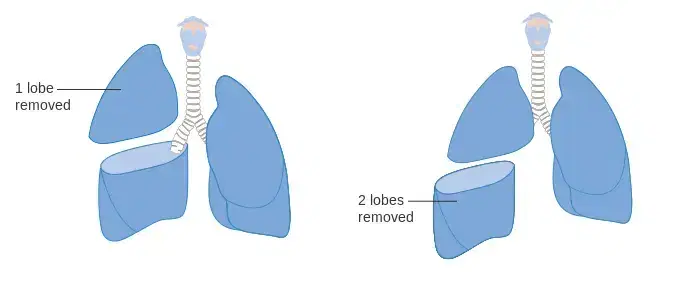
30:["$","$L2e",null,{"ref":"$undefined","href":"/en","locale":"$undefined","localeCookie":"$21:props:localeCookie","className":"text-muted-500 hover:text-muted-700 transition-colors duration-200 truncate  max-w-xs md:max-w-md lg:max-w-full","title":"Home","children":"Home"}]
31:["$","$L2e",null,{"ref":"$undefined","href":"/en/treatments","locale":"$undefined","localeCookie":"$21:props:localeCookie","className":"text-muted-500 hover:text-muted-700 transition-colors duration-200 truncate  max-w-xs md:max-w-md lg:max-w-full","title":"Treatments","children":"Treatments"}]