
Liver Transplant Treatment in Bengaluru for Nigeria
Need Personalized Advice?
Our medical experts are ready to answer your questions and guide you through your treatment options.
About
Liver Transplant in Bengaluru for Nigerian Patients | Cost
For patients in Nigeria facing severe liver conditions, the prospect of a liver transplant can bring many questions and uncertainties. Concerns about finding highly specialized care, understanding complex medical procedures, and managing the overall journey are often at the forefront. Accessing advanced treatment options close to home can sometimes be challenging.
Many individuals from Nigeria therefore explore international medical destinations, with Bengaluru emerging as a leading choice. The city offers a well-established healthcare infrastructure and a dedicated environment for complex procedures. Patients often seek the coordinated care and focused expertise available here for their critical treatment needs.
Bengaluru's medical landscape is characterized by its reputable hospitals and a concentration of highly skilled liver transplant specialists. The city provides a comprehensive support system designed to ensure smooth patient experiences, from initial consultation through to recovery. This includes access to advanced facilities and dedicated post-operative care within the city.
Is Bengaluru the right choice for your liver transplant journey?
What is a Liver Transplant?
A liver transplant is a surgical procedure to remove a diseased or damaged liver and replace it with a healthy liver from another person, either deceased or living. This complex operation is considered when the liver can no longer perform its essential functions due to severe and irreversible damage. It offers a new chance at life for individuals with end-stage liver disease, restoring vital metabolic and detoxification processes within the body.
Types of Liver Transplant Procedures
Deceased Donor Liver Transplant: This involves replacing the diseased liver with a healthy liver from a donor who has recently passed away.
Living Donor Liver Transplant (LDLT): A portion of a healthy liver is surgically removed from a living donor (often a family member) and transplanted into the recipient. The donor's remaining liver and the transplanted segment in the recipient regenerate to full size.
Split Liver Transplant: A liver from a deceased donor is divided into two parts, allowing two recipients (usually an adult and a child) to benefit from one donor organ.
Auxiliary Liver Transplant: In rare cases, a part of a healthy donor liver is implanted alongside the recipient's diseased liver, without removing the original liver entirely. This is considered for certain reversible liver conditions.
Domino Liver Transplant: This is a highly specific procedure where a patient with a certain metabolic liver disease (like FAP amyloidosis) receives a healthy liver, and their removed liver, which is otherwise structurally normal, is then transplanted into another patient with end-stage liver disease.
When is a Liver Transplant Required?
- End-stage liver disease, such as cirrhosis caused by hepatitis, alcohol, or autoimmune conditions.
- Acute liver failure, a sudden and severe loss of liver function.
- Primary liver cancer that has not spread beyond the liver.
- Biliary atresia in infants, a condition where bile ducts are blocked.
- Genetic metabolic diseases affecting the liver, like Wilson's disease or hemochromatosis.
- Certain severe hereditary liver conditions that cannot be managed by other treatments.
Pre-Treatment Evaluation Process
- Comprehensive physical examination and medical history review.
- Blood tests: liver function tests, kidney function, blood count, clotting factors, viral markers, tissue typing.
- Imaging studies: CT scan, MRI, ultrasound to assess liver condition, blood vessels, and rule out other diseases.
- Cardiac evaluation: EKG, echocardiogram, stress tests to ensure heart health for surgery.
- Pulmonary function tests to assess lung capacity.
- Consultations with a hepatologist, surgeon, nutritionist, psychiatrist, and social worker.
- Evaluation for living donor suitability, if applicable, including comprehensive medical and psychological assessment.
How the Treatment is Performed
The liver transplant procedure is highly complex and involves careful planning and execution, with steps varying slightly depending on whether it's a deceased or living donor transplant.
Recipient Surgery
The surgery begins with an incision in the abdomen. The surgeon carefully detaches the diseased liver, along with its blood vessels and bile ducts. The new liver or liver segment is then meticulously positioned, and its blood vessels (hepatic artery, portal vein) and bile duct are reconnected to the recipient's body. This is a critical phase requiring precision to ensure blood flow and bile drainage. The operation typically lasts several hours.
Living Donor Surgery (if applicable)
For living donor transplants, a separate surgical team simultaneously removes a healthy portion of the donor's liver. This segment is immediately prepared for transplantation. Donors undergo extensive evaluations to ensure their safety and the viability of the liver segment for regeneration.
Post-Operative Care
Following the surgery, the recipient is moved to the intensive care unit for close monitoring. Immunosuppressant medications are administered to prevent organ rejection. Recovery involves a period of hospitalization, rehabilitation, and strict adherence to medical guidelines.
Recovery Process After Liver Transplant
The recovery period after a liver transplant is extensive and requires careful management. Initial healing time in the hospital typically ranges from 2 to 4 weeks, often followed by several months of outpatient monitoring. Patients will have restrictions on heavy lifting and strenuous activities for several months. Lifelong follow-up appointments with the transplant team, including blood tests and imaging, are crucial. Rehabilitation, involving physical therapy and nutritional guidance, helps patients regain strength and adapt to their new lifestyle. Adherence to immunosuppressant medication schedules is paramount to prevent rejection.
Risks and Success Rates of Liver Transplant
- Immediate risks include bleeding, infection, and blood clots.
- Surgical complications such as bile duct leakage or blockage.
- Primary non-function, where the new liver does not work immediately.
- Organ rejection, which can be acute or chronic, requiring adjustment of medications.
- Long-term risks include side effects from immunosuppressive drugs like kidney problems, increased infection risk, and certain cancers.
- Recurrence of the original liver disease in the transplanted liver in some cases.
The success rates for liver transplants have significantly improved over the years. Outcomes vary based on the patient's overall health, the underlying liver condition, and the quality of post-transplant care. Generally, the one-year survival rate for liver transplant recipients in established centers is often above 85-90%, with five-year survival rates typically ranging from 70-75%. Long-term expectations include a return to a good quality of life, although continuous medical management and monitoring are essential for maintaining the health of the transplanted liver.
Cost of Liver Transplant in Bengaluru
The cost of a liver transplant in Bengaluru is influenced by several factors. These include the specific hospital chosen, the experience and fees of the transplant surgeons, the type of transplant performed (deceased vs. living donor), the duration of hospital stay, required medications, and any potential complications or additional procedures. The comprehensive pre-operative evaluation and post-operative care also contribute to the total expense.
A liver transplant in Bengaluru can range from approximately INR 20,00,000 to INR 35,00,000, depending on the specifics of the case.
Bengaluru vs. Global Liver Transplant Costs (Estimated)
Bengaluru offers a cost-effective option for liver transplants compared to many Western countries, without compromising on quality or advanced medical care.
| Location | Estimated Cost (USD) |
|---|---|
| Bengaluru, India | $25,000 - $45,000 |
| United States | $500,000 - $800,000 |
| United Kingdom | $150,000 - $250,000 |
| Singapore | $100,000 - $200,000 |
| Turkey | $60,000 - $90,000 |
| United Arab Emirates | $120,000 - $180,000 |
Support Services for Your Treatment Journey
- Assistance with medical visa applications and extensions.
- Coordination of hospital appointments and specialist consultations.
- Arrangement for airport transfers and local transportation.
- Guidance on accommodation options for patients and accompanying family.
- Dedicated patient care managers fluent in English.
- Assistance with financial estimates and transparent billing.
Ready to explore your liver transplant options in Bengaluru? Contact us today for a personalized consultation and treatment plan.
Important Medical Documents for Your Visit
- Current medical reports, diagnosis, and treatment history.
- Imaging scans (CT, MRI, Ultrasound) related to your liver condition.
- Pathology reports or biopsy results, if available.
- Passport copies and valid visa for both patient and accompanying family.
- Donor evaluation reports, if considering a living donor transplant.
- List of all current medications, including dosages.
Preparing for Your Procedure
- Follow all dietary restrictions and medication instructions provided by your doctor.
- Ensure all necessary tests and evaluations are completed prior to travel.
- Plan for a support person to accompany you during your stay.
- Organize your travel and accommodation details well in advance.
- Understand the post-operative care requirements and potential duration of stay.
- Maintain open communication with your medical coordinator for any questions.
Healing and Support After Treatment
- Strict adherence to immunosuppressant medication schedules to prevent rejection.
- Regular follow-up appointments and blood tests with the transplant team.
- Gradual resumption of physical activity as guided by physiotherapists.
- Adoption of a healthy lifestyle, including a balanced diet and avoidance of alcohol.
- Monitoring for any signs of infection or complications and prompt reporting to the medical team.
- Psychological support for adjustment to new lifestyle changes.
Start Your Path to Recovery
Taking the step towards a liver transplant is a significant decision. In Bengaluru, you will find comprehensive care, experienced specialists, and advanced facilities ready to support you through every stage of your journey to renewed health.
Connect with our expert team to discuss your specific needs and receive tailored guidance for a liver transplant in Bengaluru.
Hospitals Offering this treatment
India offers premium medical procedures at affordable prices. Discover our most popular treatments, delivered by the country's finest doctors.
Meet Our Doctors
Meet our team of highly qualified and experienced medical professionals dedicated to providing the best healthcare services.

Dr. Ajit Singh Baghela
Consultant
Paediatric Neurology
Haryana
9+ Years
Experience
Artemis Hospital
Hospital
1500
Fees

Dr. Deepa Goel
Head - Histopathology & Cytology Lab
Laboratory Services
New Delhi
21+ Years
Experience
Artemis Hospital
Hospital
1500
Fees

Dr. Devender Yadav
Senior Consultant - Orthopedics (Unit VI)
Orthopaedics
New Delhi
10+ Years
Experience
Artemis Hospital
Hospital
1500
Fees
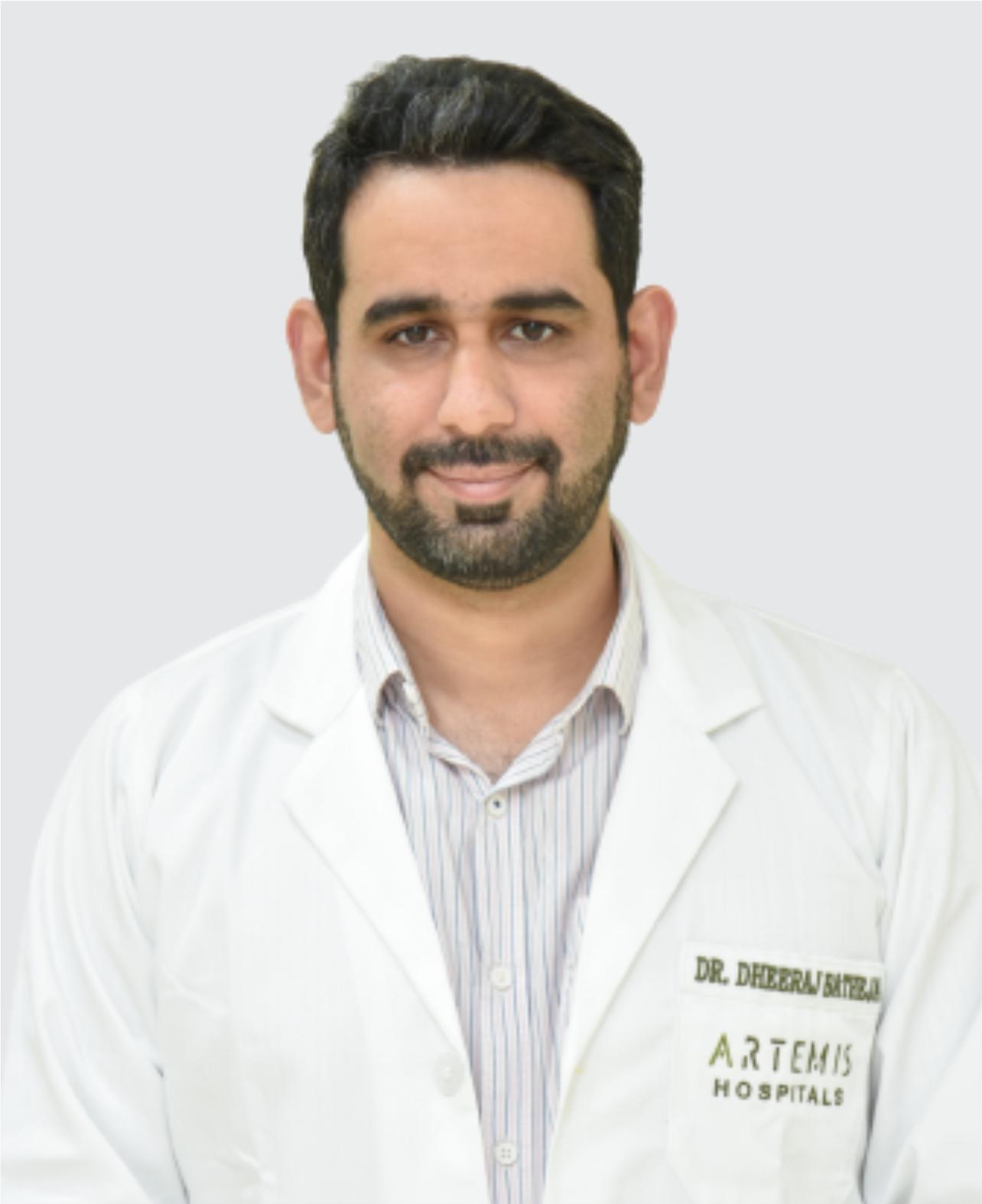
Dr. Dheeraj Batheja
Senior Consultant - Ortho Spine Surgery
Orthopaedic Surgery, Spine Surgery
New Delhi
12+ Years
Experience
Artemis Hospital
Hospital
1500
Fees

Dr. G. Arya Prakash
Head - Anesthesia for Liver transplant
Anaesthesia
New Delhi
16+ Years
Experience
Artemis Hospital
Hospital
1500
Fees
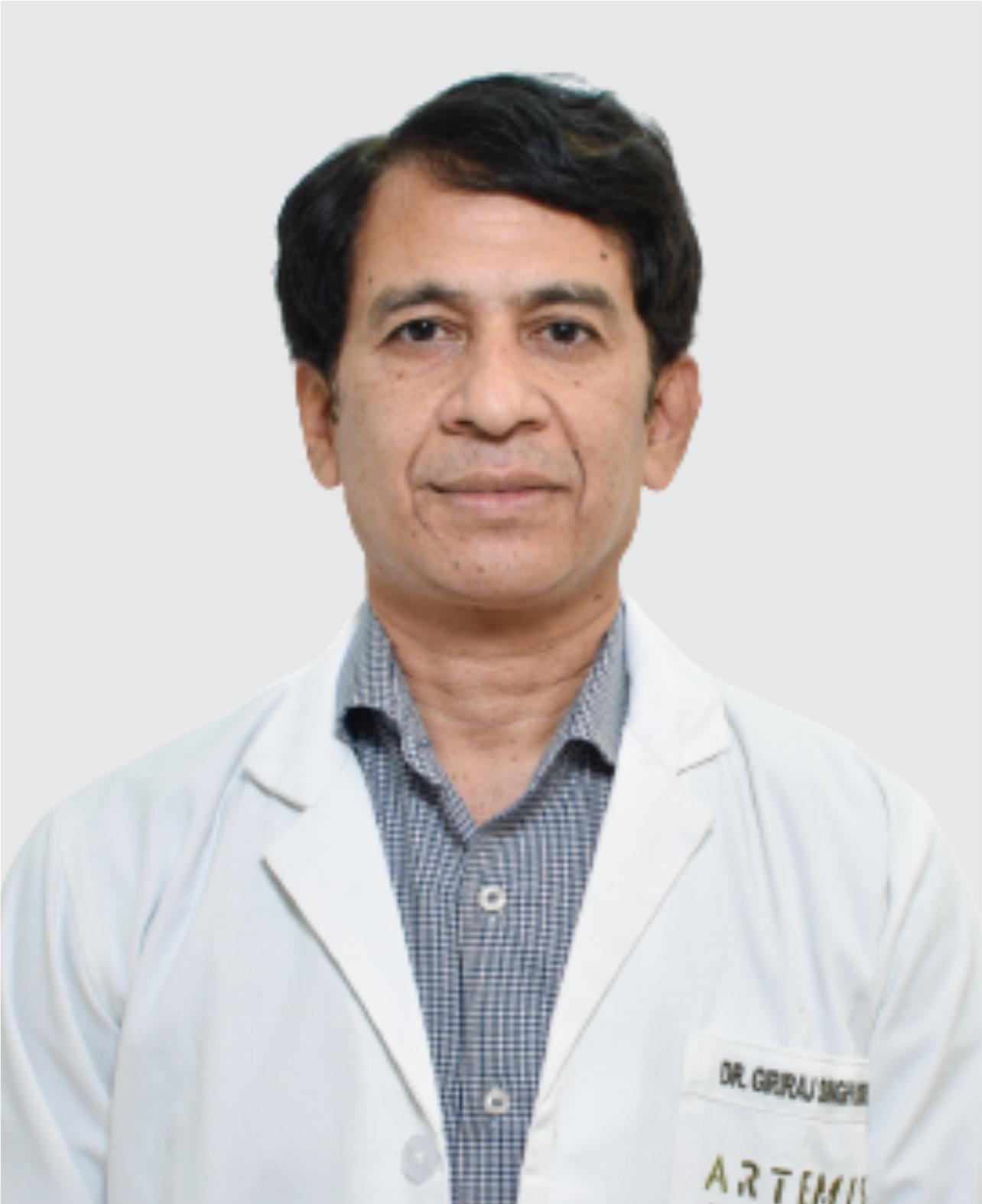
Dr. Giriraj Bora
Chief - Liver Transplant & Sr. Consultant - GI & HPB Surgery
Liver and Biliary Sciences, Organ Transplant
New Delhi
15+ Years
Experience
Artemis Hospital
Hospital
1500
Fees

Nandini Vasdev
Head Lab medicine – Head Histopathology & Cytology
Laboratory Services
New Delhi
24+ Years
Experience
Artemis Hospital
Hospital
1500
Fees
Dr. Subhash Chandra
Chairman - Interventional Cardiology - Cardiology & Structural Heart Disease
Cardiac Sciences, Cardiology, Interventional Cardiology, Cardiac Electrophysiology-Pacemaker
New Delhi
15+ Years
Experience
Max Hospital,Gurgaon
Hospital
1500
Fees

Dr. Nakul Sinha
Chairman - Cardiology
Cardiology
New Delhi
41+ Years
Experience
Max Hospital,Gurgaon
Hospital
1500
Fees

Dr. Rakhi Gupta
Senior Consultant - Paediatric Gastroenterology, Hepatology & Liver Transplant
Paediatric Gastroenterology, Hepatology & Liver Transplant
New Delhi
23+ Years
Experience
Apolo Delhi
Hospital
1500
Fees
Related Links
Recent Blogs
Other Treatment related Information
- Liver Transplant cost in Haryana
- Liver Transplant cost in Chennai
- Liver Transplant cost in Bengaluru
- Liver Transplant cost in Mumbai
- Liver Transplant cost in Hyderabad
- Liver Transplant cost in Pune
- Liver Transplant cost in India
- Liver Transplant cost in New Delhi
- Liver Transplant Success Rate in Hyderabad
- Liver Transplant Success Rate in New Delhi
- Liver Transplant Success Rate in Pune
- Liver Transplant Success Rate in Mumbai
- Liver Transplant Success Rate in Bengaluru
- Liver Transplant Success Rate in Haryana
- Liver Transplant Success Rate in India
Ready To Start Your Healing Journey?
Get Personalized Medical Treatment Options From India's Top Hospitals. Our Medical Experts Are Ready To Assist You Every Step Of The Way.