
Liver Transplant Treatment in Hyderabad for Nigeria
Need Personalized Advice?
Our medical experts are ready to answer your questions and guide you through your treatment options.
About
Liver Transplant in Hyderabad for Nigerian Patients
Nigerian patients facing severe liver conditions often experience worry about their treatment options. The complex nature of a liver transplant, coupled with concerns about access to specialized care and affordability, can make finding the right solution daunting. Many seek alternatives beyond their home country for advanced medical interventions.
When considering medical travel for a vital procedure like a liver transplant, Hyderabad in India emerges as a prominent choice. Patients often narrow their focus to this city due to its well-established medical infrastructure, a high concentration of accredited hospitals, and a reputation for successful transplant programs. The city offers a coordinated environment for international patients.
Hyderabad has built significant trust through its team of highly skilled hepatologists and transplant surgeons who are leaders in their field. The hospitals here are equipped with advanced technology and provide comprehensive post-operative care, ensuring patients receive continuous support. This integrated approach makes follow-ups and long-term care manageable within the city.
Is Hyderabad the right destination for your liver transplant journey?
What is a Liver Transplant Procedure?
A liver transplant is a surgical procedure that replaces a diseased or damaged liver with a healthy liver from another person. This life-saving operation is performed when the liver fails to function due to various chronic conditions. It offers a chance for patients to regain normal liver function and improve their quality of life.
What Types of Liver Transplants Are Available?
Deceased Donor Liver Transplant: This involves receiving a full or partial liver from a donor who has recently passed away. The liver is allocated based on medical urgency and compatibility.
Living Donor Liver Transplant: A portion of a healthy liver is surgically removed from a living donor, typically a family member, and transplanted into the recipient. Both the donor's and recipient's liver portions regenerate over time.
Split Liver Transplant: A liver from a deceased donor is divided into two parts and transplanted into two different recipients, often an adult and a child. This maximizes the use of a single donor organ.
Auxiliary Liver Transplant: In rare cases, a part of a healthy liver is transplanted into the patient without removing their diseased liver. This allows the native liver to recover, and if it does, the transplanted segment may be removed.
When is a Liver Transplant Required?
- End-stage liver disease due to chronic hepatitis B or C
- Alcoholic liver disease leading to severe cirrhosis
- Primary biliary cholangitis or primary sclerosing cholangitis
- Autoimmune hepatitis causing irreversible liver damage
- Liver cancer confined to the liver, such as hepatocellular carcinoma
- Acute liver failure from drug toxicity or viral infection
- Metabolic diseases like hemochromatosis or Wilson's disease
What is the Pre-Treatment Evaluation Process?
- Comprehensive medical history review and physical examination
- Extensive blood tests including liver function, viral markers, and blood typing
- Imaging studies such as MRI, CT scan, and ultrasound of the abdomen
- Cardiac evaluation including ECG and echocardiogram
- Pulmonary function tests to assess lung health
- Nutritional assessment and psychological evaluation
- Consultations with a multidisciplinary transplant team
How is the Liver Transplant Performed?
The liver transplant procedure is a major surgery requiring meticulous planning and execution, varying slightly based on the donor type.
Recipient Surgery
The surgery begins with general anesthesia. A large incision is made across the upper abdomen. The diseased liver is carefully removed, disconnecting it from major blood vessels and bile ducts. The new, healthy liver is then positioned and connected to the recipient's blood vessels and bile duct. Surgeons ensure proper blood flow and bile drainage before closing the incision. This process can take several hours.
Living Donor Surgery (if applicable)
For living donor transplants, a separate surgical team simultaneously removes a portion of the healthy liver from the donor. This segment is immediately prepared for transplantation into the recipient. Donor surgery typically lasts a few hours, with careful attention to donor safety and recovery.
What Does the Recovery Process Involve?
Recovery after a liver transplant involves an initial stay in the Intensive Care Unit, followed by transfer to a regular hospital ward. Patients receive immunosuppressant medications to prevent rejection of the new liver. Physical therapy starts early to aid mobility. Follow-up appointments are crucial for monitoring liver function and managing medications. Full recovery can take several months, with gradual return to normal activities as advised by the medical team.
What Are the Risks and Success Rates of Liver Transplants?
- Graft rejection, where the body's immune system attacks the new liver
- Infections, due to immunosuppressant medications weakening the immune system
- Bile duct complications, such as leakage or narrowing
- Bleeding or blood clots, which can occur during or after surgery
- Kidney failure or other organ damage, as a rare complication
- Long term side effects from immunosuppressant drugs
Liver transplant success rates vary based on the patient's overall health, the underlying liver disease, and donor match. Generally, 1-year survival rates range from 85% to 90%, and 5-year survival rates are between 70% and 75%. Long-term outcomes depend on adherence to medication, lifestyle changes, and regular follow-up care. Many patients live full and active lives for many years post-transplant.
Ready to explore treatment options?
Contact our patient support team for a personalized consultation and treatment plan in Hyderabad.
Understanding the Cost of Liver Transplant in Hyderabad
The cost of a liver transplant in Hyderabad is influenced by several factors, including the type of transplant (deceased donor vs. living donor), the hospital's infrastructure, the surgeon's experience, the duration of hospital stay, and the need for post-operative complications management. Additional costs may include pre-transplant evaluations and long-term immunosuppressive medications.
In Hyderabad, the estimated cost for a liver transplant typically ranges from INR 18,00,000 to INR 25,00,000.
Hyderabad Liver Transplant Costs Compared Globally
Patients from Nigeria often find Hyderabad's transplant costs significantly more affordable compared to Western nations or other developed medical hubs, without compromising on quality of care.
| Location | Estimated Cost (USD) |
|---|---|
| Hyderabad, India | $21,000 – $30,000 |
| USA | $250,000 – $800,000 |
| United Kingdom | $100,000 – $250,000 |
| Singapore | $110,000 – $220,000 |
| Turkey | $70,000 – $150,000 |
Comprehensive Support for Nigerian Patients in Hyderabad
- Dedicated international patient coordinators for seamless travel and medical arrangements.
- Assistance with medical visa applications and extensions for patients and accompanying family.
- Guidance for accommodation options, from budget-friendly guesthouses to serviced apartments.
- Arrangement of airport transfers and local transportation during your stay.
- Translation services to ensure clear communication between patients and medical staff.
- Personalized support for dietary needs, cultural considerations, and spiritual practices.
Essential Documents for Your Medical Journey
- Valid passport and medical visa for both the patient and accompanying attendant/donor.
- Complete medical records, including all diagnostic reports, consultation notes, and previous treatment history.
- A letter from your referring physician outlining the need for a liver transplant.
- Proof of financial solvency to cover treatment costs and living expenses.
- Donor-related documentation, if applicable, including identification and relationship proof.
Preparing for Your Liver Transplant in Hyderabad
- Follow all pre-operative dietary and medication instructions provided by your medical team.
- Arrange for a suitable living donor if choosing a living donor transplant, ensuring they undergo full evaluation.
- Inform the hospital about any specific cultural or religious needs you may have.
- Plan for an extended stay in Hyderabad, encompassing pre-operative, operative, and post-operative recovery periods.
- Ensure all necessary documents are prepared and easily accessible for your medical travel.
Post-Transplant Care and Follow-Up Instructions
- Adhere strictly to your prescribed immunosuppressant regimen to prevent organ rejection.
- Attend all scheduled follow-up appointments and diagnostic tests in Hyderabad.
- Maintain a healthy diet and lifestyle, as recommended by your transplant nutritionist.
- Monitor for any signs of infection or complications and report them immediately to your medical team.
- Gradually reintroduce physical activities under medical guidance to aid in strengthening and recovery.
Connect with Hyderabad's leading transplant specialists
Start your consultation process for a liver transplant and discover your path to recovery.
Take Your Next Step Toward Better Health
Choosing Hyderabad for your liver transplant means opting for world-class medical care and dedicated patient support.
Hospitals Offering this treatment
India offers premium medical procedures at affordable prices. Discover our most popular treatments, delivered by the country's finest doctors.
Meet Our Doctors
Meet our team of highly qualified and experienced medical professionals dedicated to providing the best healthcare services.

Dr. Ajit Singh Baghela
Consultant
Paediatric Neurology
Haryana
9+ Years
Experience
Artemis Hospital
Hospital
1500
Fees
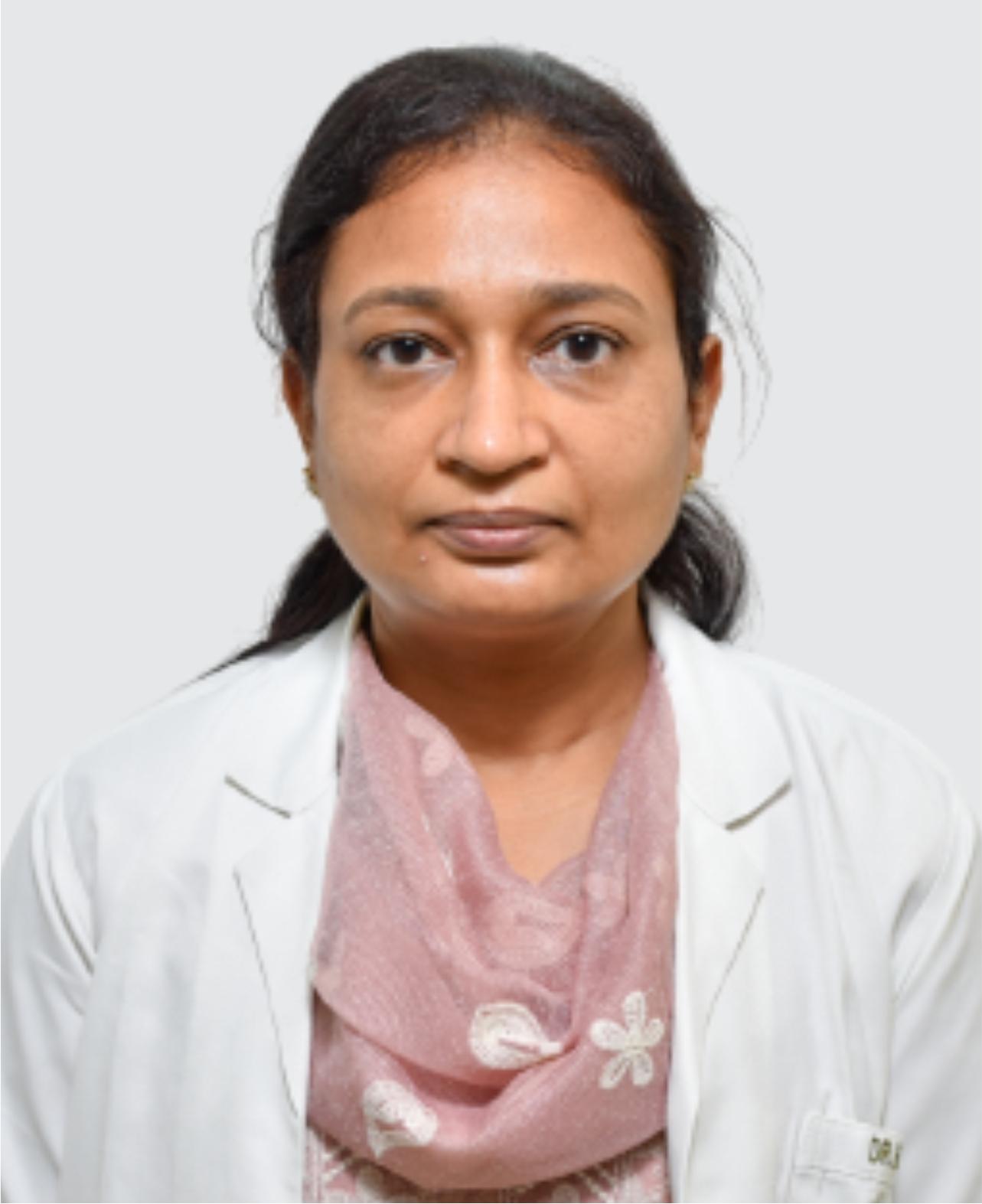
Dr. Deepa Goel
Head - Histopathology & Cytology Lab
Laboratory Services
New Delhi
21+ Years
Experience
Artemis Hospital
Hospital
1500
Fees
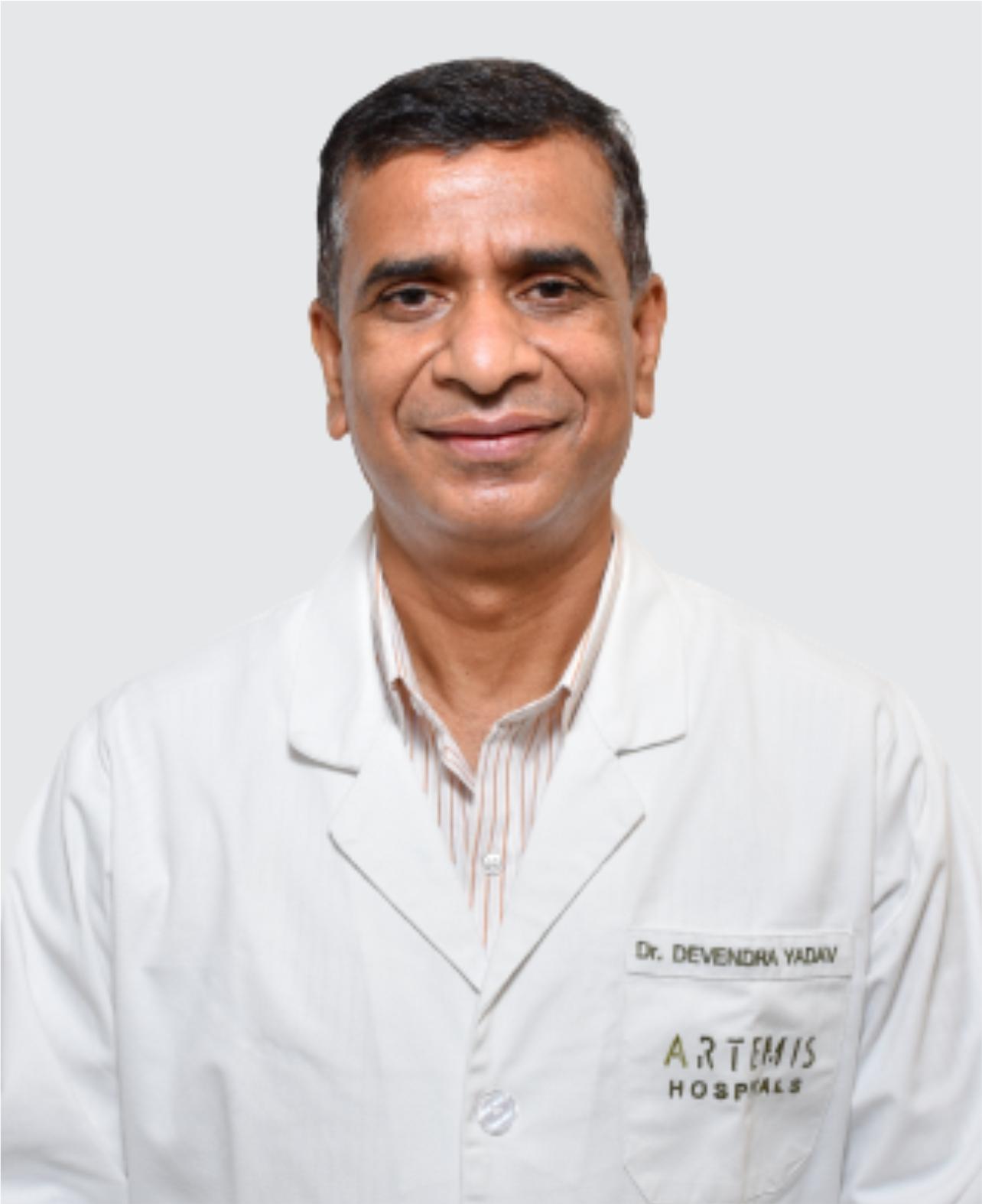
Dr. Devender Yadav
Senior Consultant - Orthopedics (Unit VI)
Orthopaedics
New Delhi
10+ Years
Experience
Artemis Hospital
Hospital
1500
Fees
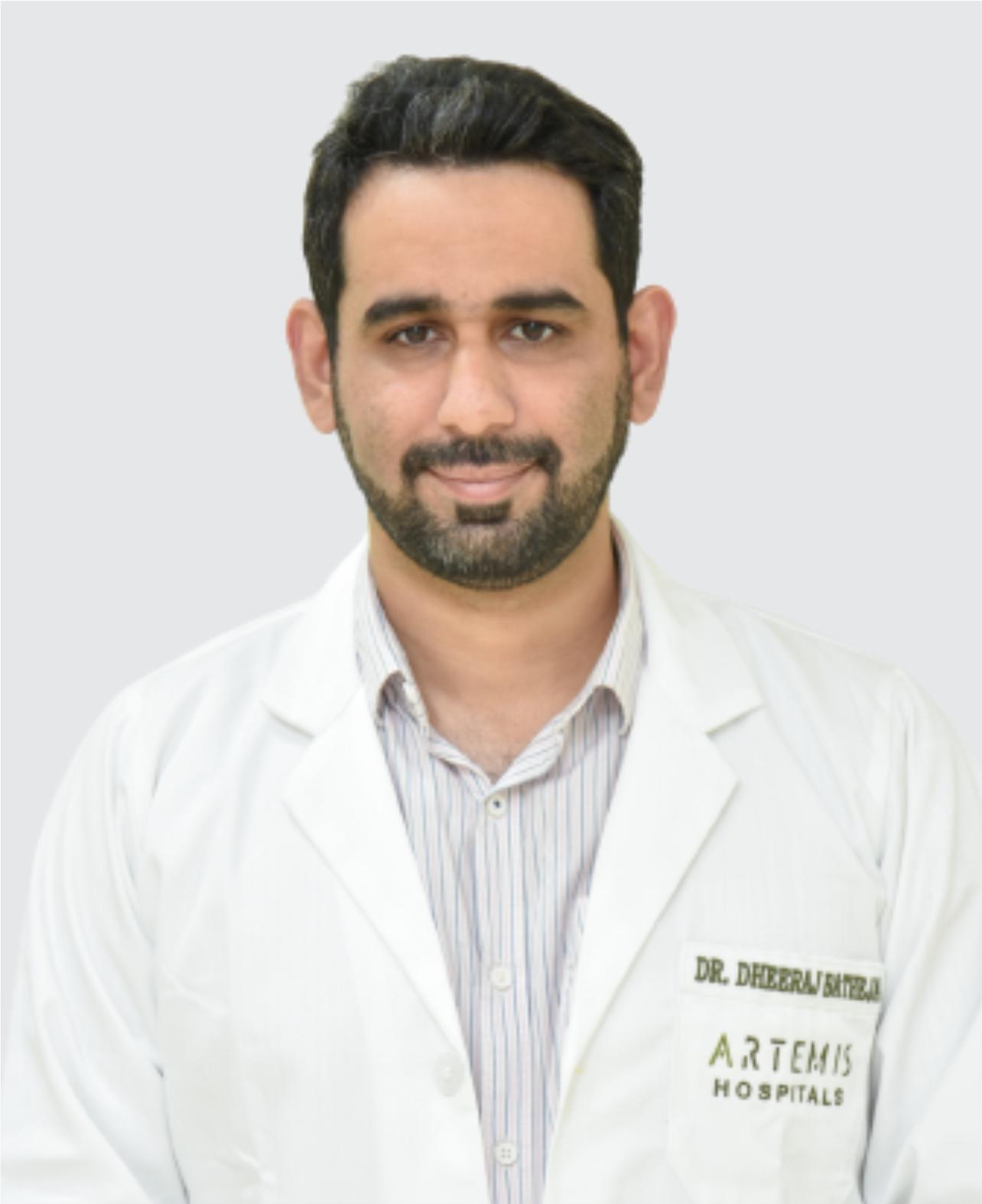
Dr. Dheeraj Batheja
Senior Consultant - Ortho Spine Surgery
Orthopaedic Surgery, Spine Surgery
New Delhi
12+ Years
Experience
Artemis Hospital
Hospital
1500
Fees
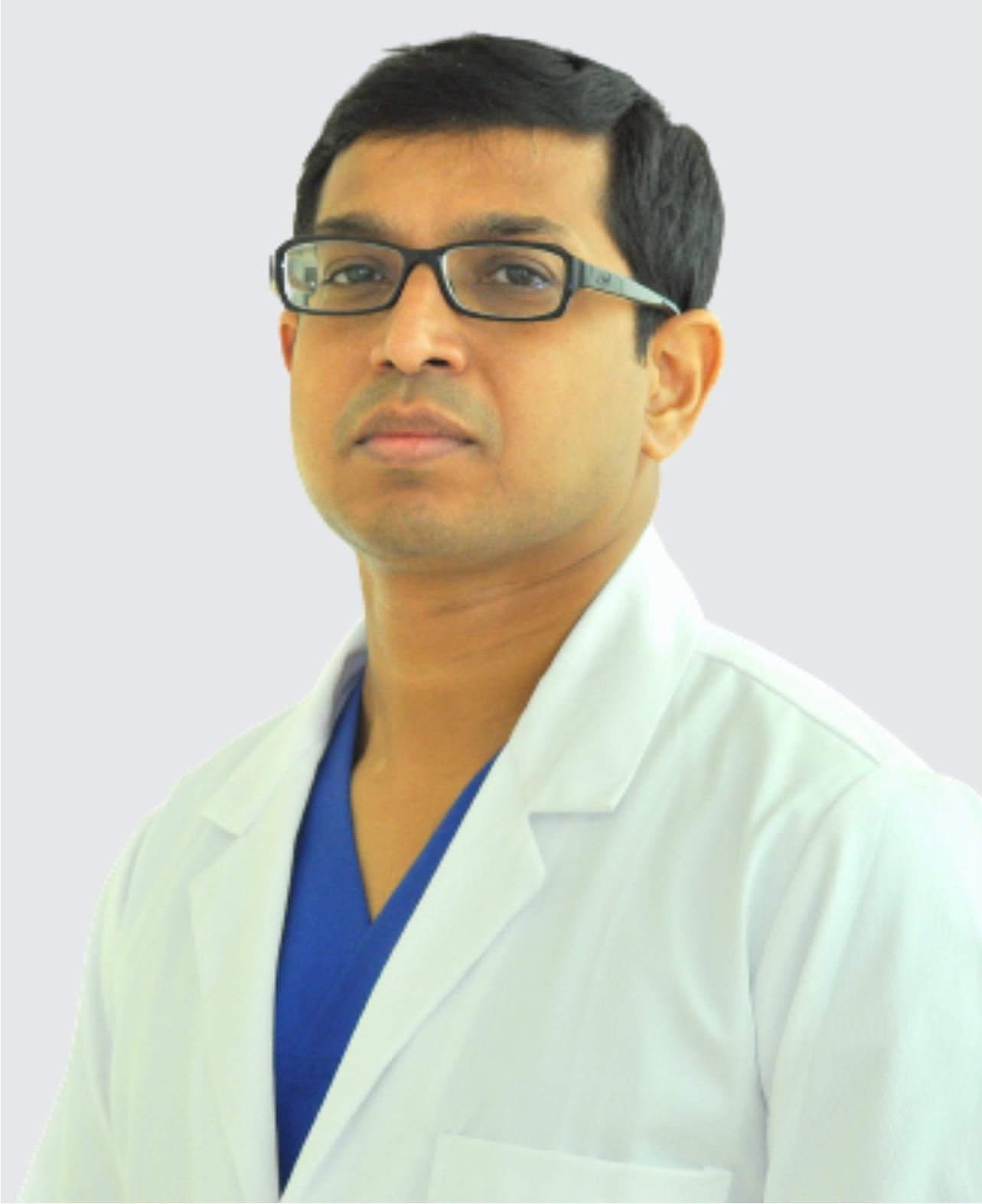
Dr. G. Arya Prakash
Head - Anesthesia for Liver transplant
Anaesthesia
New Delhi
16+ Years
Experience
Artemis Hospital
Hospital
1500
Fees
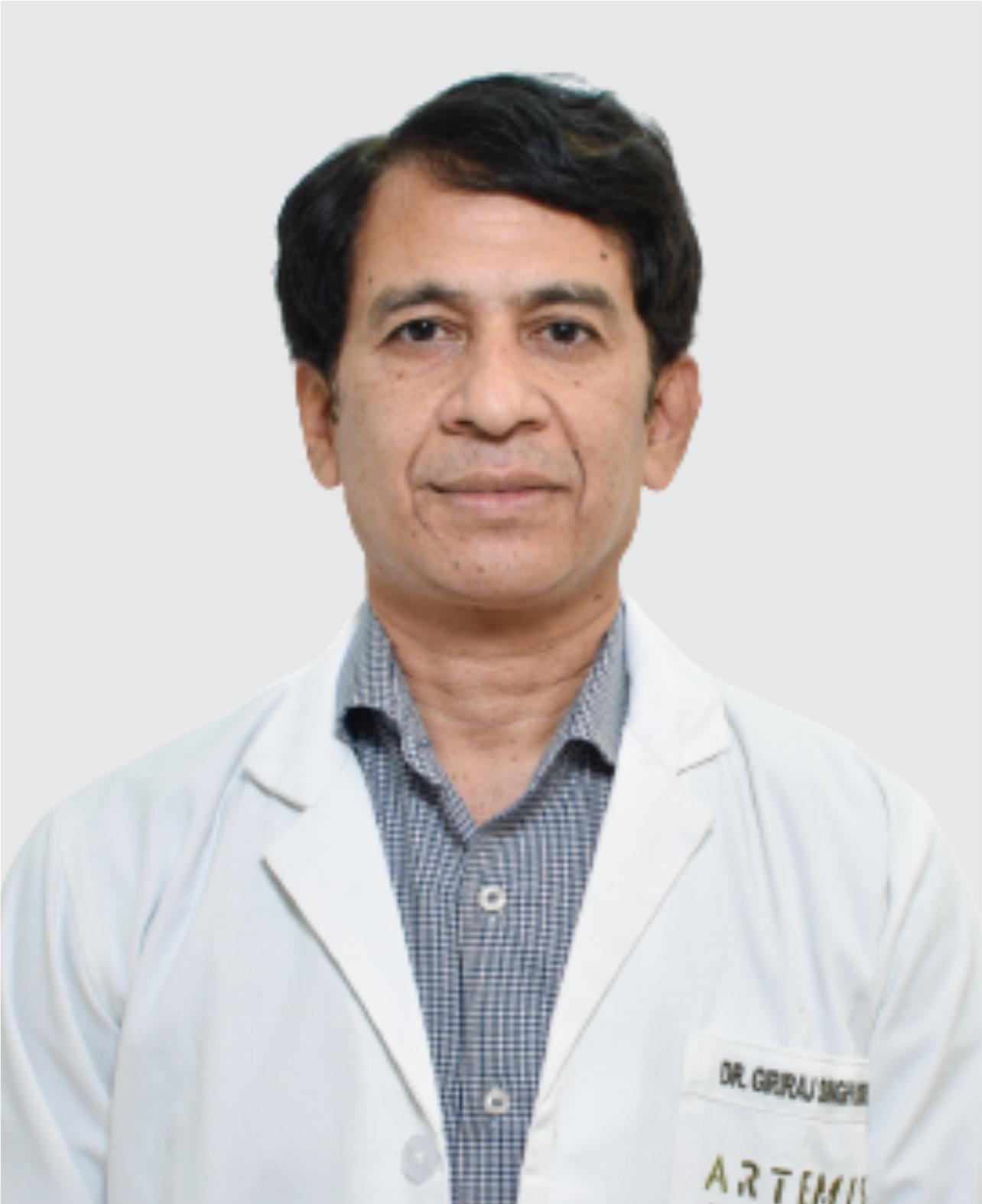
Dr. Giriraj Bora
Chief - Liver Transplant & Sr. Consultant - GI & HPB Surgery
Liver and Biliary Sciences, Organ Transplant
New Delhi
15+ Years
Experience
Artemis Hospital
Hospital
1500
Fees

Nandini Vasdev
Head Lab medicine – Head Histopathology & Cytology
Laboratory Services
New Delhi
24+ Years
Experience
Artemis Hospital
Hospital
1500
Fees
Dr. Subhash Chandra
Chairman - Interventional Cardiology - Cardiology & Structural Heart Disease
Cardiac Sciences, Cardiology, Interventional Cardiology, Cardiac Electrophysiology-Pacemaker
New Delhi
15+ Years
Experience
Max Hospital,Gurgaon
Hospital
1500
Fees
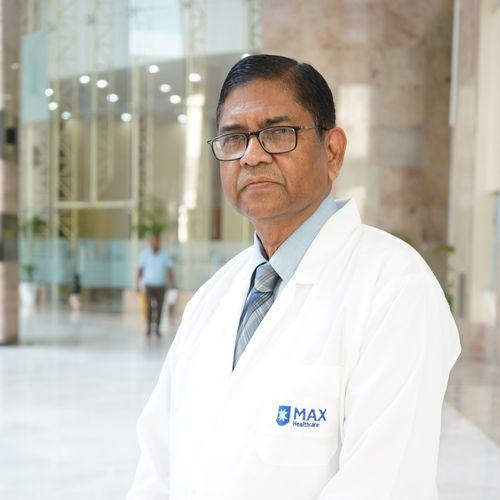
Dr. Nakul Sinha
Chairman - Cardiology
Cardiology
New Delhi
41+ Years
Experience
Max Hospital,Gurgaon
Hospital
1500
Fees

Dr. Rakhi Gupta
Senior Consultant - Paediatric Gastroenterology, Hepatology & Liver Transplant
Paediatric Gastroenterology, Hepatology & Liver Transplant
New Delhi
23+ Years
Experience
Apolo Delhi
Hospital
1500
Fees
Related Links
Recent Blogs
Other Treatment related Information
- Liver Transplant cost in Haryana
- Liver Transplant cost in Chennai
- Liver Transplant cost in Bengaluru
- Liver Transplant cost in Mumbai
- Liver Transplant cost in Hyderabad
- Liver Transplant cost in Pune
- Liver Transplant cost in India
- Liver Transplant cost in New Delhi
- Liver Transplant Success Rate in Hyderabad
- Liver Transplant Success Rate in New Delhi
- Liver Transplant Success Rate in Pune
- Liver Transplant Success Rate in Mumbai
- Liver Transplant Success Rate in Bengaluru
- Liver Transplant Success Rate in Haryana
- Liver Transplant Success Rate in India
Ready To Start Your Healing Journey?
Get Personalized Medical Treatment Options From India's Top Hospitals. Our Medical Experts Are Ready To Assist You Every Step Of The Way.