
Liver Transplant Treatment in New Delhi for Ethiopia
Need Personalized Advice?
Our medical experts are ready to answer your questions and guide you through your treatment options.
About
Liver Transplant in New Delhi for Ethiopian Patients | Cost & Care
For patients in Ethiopia facing complex liver conditions, the prospect of a liver transplant can bring significant worry. Understanding the available options, the journey involved, and where to find highly specialized care becomes paramount for future health and well-being.
Many choose to explore medical care beyond their borders, seeking advanced facilities and experienced surgeons. New Delhi stands out as a preferred destination, offering world-class infrastructure and a coordinated care environment for intricate procedures like liver transplantation.
The city's reputation for advanced medical treatment, particularly in transplant surgery, builds trust among international patients. New Delhi provides access to leading hospitals and dedicated specialists, ensuring comprehensive support through every stage of recovery and follow-up.
Considering New Delhi for your liver transplant journey?
What is a Liver Transplant?
A liver transplant is a surgical procedure that replaces a diseased or damaged liver with a healthy liver from another person. This life-saving operation is typically recommended when the liver has failed to the point where it can no longer perform its essential functions, and other medical treatments are no longer effective. The new liver can come from either a deceased donor or a living donor.
Types of Liver Transplant Procedures
Different approaches are used for liver transplantation based on donor availability and patient needs:
- Deceased Donor Liver Transplant: This is the most common type, where a whole or part of a liver is taken from a deceased organ donor.
- Living Donor Liver Transplant: A portion of a healthy liver is surgically removed from a living donor (often a family member) and transplanted into the recipient. The donor's remaining liver and the transplanted portion in the recipient regenerate to full size.
- Split Liver Transplant: A deceased donor liver is divided into two parts and transplanted into two recipients, typically one adult and one child.
- Auxiliary Liver Transplant: In rare cases, a portion of a healthy liver is placed alongside the diseased liver, allowing the diseased liver to potentially recover, or providing temporary function.
When is a Liver Transplant Necessary?
- End-stage liver disease (cirrhosis) from various causes, such as chronic hepatitis B or C.
- Alcoholic liver disease that has progressed to severe damage.
- Primary biliary cholangitis or primary sclerosing cholangitis.
- Certain types of liver cancer that have not spread beyond the liver.
- Acute liver failure caused by drug overdose, viral infections, or other severe conditions.
- Metabolic diseases where the liver is unable to process certain substances, leading to serious health issues.
- Congenital disorders, particularly in children, affecting liver function from birth.
Comprehensive Pre-Transplant Evaluation
- Extensive blood tests to assess overall health, liver function, and potential compatibility with donors.
- Advanced imaging studies, including CT scans, MRI, and ultrasound, to examine the liver and surrounding organs.
- Cardiac evaluation to ensure the heart is strong enough to withstand the surgery.
- Pulmonary function tests to assess lung health.
- Psychological assessment to determine mental and emotional readiness for the demanding transplant process.
- Nutritional assessment to optimize the patient's condition before surgery.
- Consultations with various specialists, including hepatologists, surgeons, and infectious disease experts.
Understanding the Liver Transplant Procedure
The specific steps for a liver transplant depend on the donor type, the patient's condition, and the surgical plan decided by the transplant team.
Deceased Donor Transplant
Once a suitable donor liver is identified and transported, the recipient undergoes surgery. The diseased liver is carefully removed, and the new, healthy liver is placed into the same position. Blood vessels and bile ducts are meticulously reconnected to restore blood flow and bile drainage. The procedure typically takes several hours under general anesthesia.
Living Donor Transplant
In a living donor transplant, two surgical teams work simultaneously. One team removes a segment of the liver from the living donor, while the other prepares the recipient by removing their diseased liver. The donor's liver segment is then implanted into the recipient. Both the donor's remaining liver and the transplanted segment in the recipient will regenerate over time.
Navigating the Liver Transplant Recovery Process
Recovery after a liver transplant is a gradual process requiring significant commitment. Patients typically spend several days to a few weeks in the hospital's intensive care unit and then a general ward. Healing time involves managing pain, monitoring for complications, and ensuring the new liver is functioning well. Lifelong immunosuppressant medication is essential to prevent rejection. Physical therapy, dietary adjustments, and regular follow-up appointments with the transplant team in New Delhi are crucial for long-term health.
Risks and Success Rates of Liver Transplants
- Early risks include bleeding, infection, and primary non-function of the new liver.
- Later risks involve rejection of the transplanted organ, bile duct complications, or recurrence of the original liver disease.
- Other potential complications include kidney problems, blood clots, and side effects from immunosuppressant medications.
Liver transplant outcomes have significantly improved over the years due to advancements in surgical techniques and post-operative care. Success rates vary depending on factors such as the patient's overall health, the underlying liver disease, and the quality of post-transplant management. Many patients experience a good quality of life for many years following a successful transplant. Long-term expectations include diligent adherence to medication and lifestyle recommendations.
What Does a Liver Transplant Cost in New Delhi?
The cost of a liver transplant in New Delhi is influenced by several factors. These include the specific hospital chosen, the experience of the surgical team, the complexity of the case, the duration of hospital stay, and any unforeseen complications. The type of transplant (deceased donor vs. living donor) also plays a significant role in the overall expense.
A liver transplant in New Delhi typically ranges from approximately INR 22,00,000 to INR 38,00,000.
Comparing Liver Transplant Costs: New Delhi vs. Global
New Delhi offers a cost-effective alternative for liver transplants without compromising on medical standards, attracting patients globally.
| Location | Estimated Cost (USD) |
|---|---|
| New Delhi | $28,000 - $48,000 |
| United States | $300,000 - $800,000 |
| United Kingdom | $150,000 - $350,000 |
| Singapore | $100,000 - $250,000 |
| Turkey | $70,000 - $150,000 |
Comprehensive Support for Your Treatment in New Delhi
- Assistance with medical visa applications and extensions for patients and accompanying family.
- Arrangement of comfortable accommodation close to the hospital, suited to your preferences and budget.
- Provision of language interpreters to ensure clear communication between patients and medical staff.
- Coordination of local transportation for hospital visits, follow-up appointments, and airport transfers.
- Dedicated patient care managers to guide you through every step of your medical journey.
- Post-treatment follow-up scheduling and remote consultation support upon your return home.
Essential Documents for Your Medical Journey
- Valid passport and medical visa for both the patient and any accompanying caregivers.
- Comprehensive medical reports, including diagnostic test results, doctor's notes, and treatment history.
- Donor medical documents if undergoing a living donor transplant, including test results and physician clearances.
- Financial documents to confirm the ability to cover treatment costs and living expenses.
- Copies of all previous medical records relevant to your liver condition and any other significant health issues.
Preparing for Your Liver Transplant in New Delhi
- Undergo a thorough medical review with your local doctor and share reports with the New Delhi team for preliminary assessment.
- Ensure all necessary travel documents, including passports and visas, are secured well in advance of your travel date.
- Arrange for comfortable accommodation and local transport in New Delhi for your extended stay.
- Discuss financial planning and payment arrangements with the hospital's international patient services team.
- Prepare for the emotional and physical demands of the transplant journey by maintaining open communication with your support system.
Post-Transplant Care and Follow-up Guidance
- Strict adherence to the prescribed immunosuppressant medication regimen to prevent organ rejection.
- Regular follow-up appointments with the transplant team for monitoring and adjustments to your care plan.
- Maintain a healthy, balanced diet and follow specific nutritional guidelines provided by your doctors.
- Gradually increase physical activity as advised, avoiding strenuous activities initially.
- Be vigilant for any signs of infection or rejection and report them to your medical team immediately.
- Engage in regular communication with your New Delhi transplant coordinators for ongoing support, even after returning to Ethiopia.
Ready to Take the Next Step Towards a Healthier Future?
Embarking on a liver transplant journey is a significant decision. New Delhi's advanced medical facilities and expert teams are ready to provide the compassionate care you need.
Hospitals Offering this treatment
India offers premium medical procedures at affordable prices. Discover our most popular treatments, delivered by the country's finest doctors.
Meet Our Doctors
Meet our team of highly qualified and experienced medical professionals dedicated to providing the best healthcare services.

Dr Aditi Dixit
Sr. Consultant – Women Imaging
Radiology
New Delhi
15+ Years
Experience
Artemis Hospital
Hospital
1500
Fees

Dr. Deepa Goel
Head - Histopathology & Cytology Lab
Laboratory Services
New Delhi
21+ Years
Experience
Artemis Hospital
Hospital
1500
Fees

Dr. Devender Yadav
Senior Consultant - Orthopedics (Unit VI)
Orthopaedics
New Delhi
10+ Years
Experience
Artemis Hospital
Hospital
1500
Fees

Dr Chandrima Misra M
Co-Head Psychological Services
Mental Health and Behavioural Sciences
New Delhi
15+ Years
Experience
Artemis Hospital
Hospital
1500
Fees
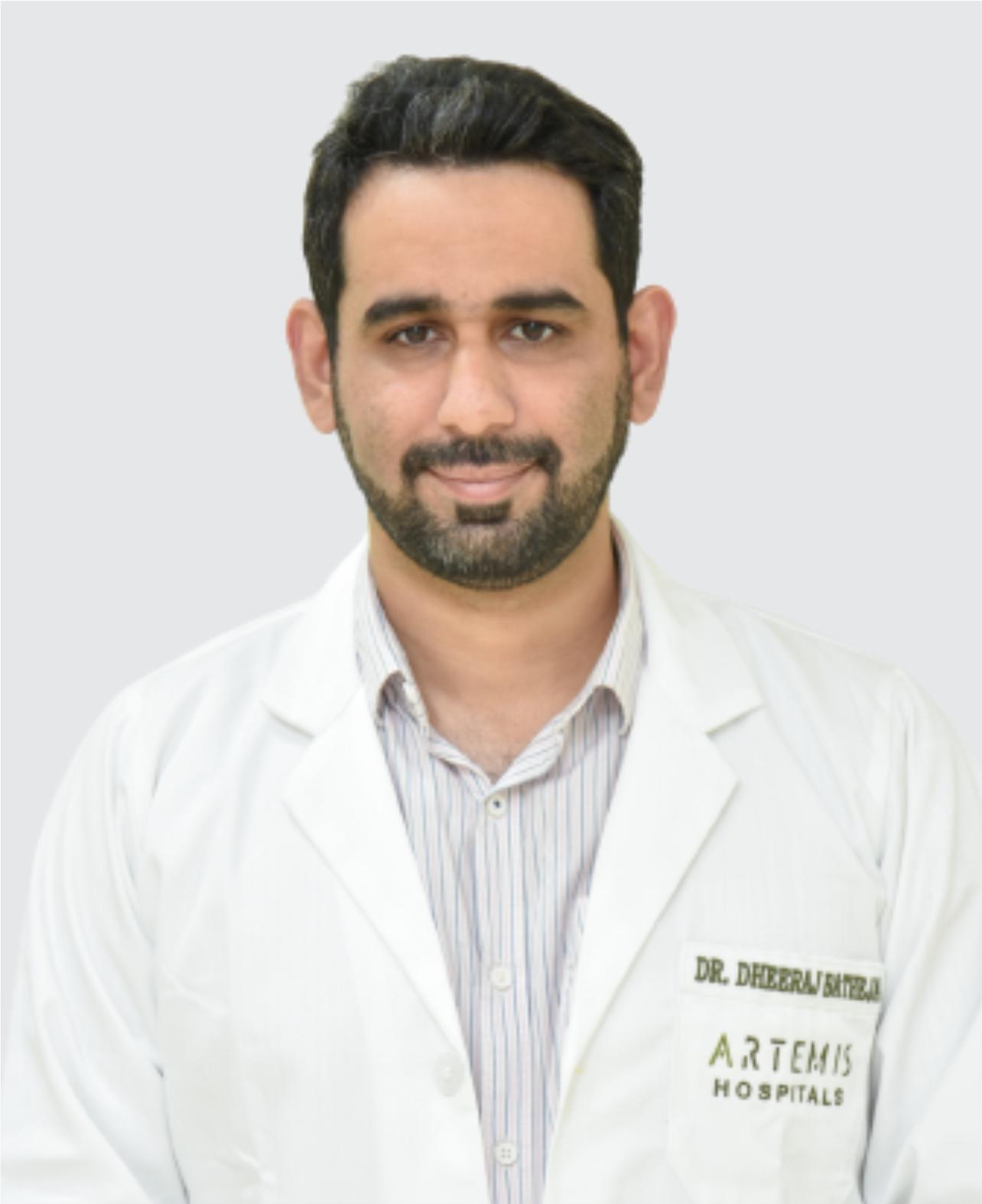
Dr. Dheeraj Batheja
Senior Consultant - Ortho Spine Surgery
Orthopaedic Surgery, Spine Surgery
New Delhi
12+ Years
Experience
Artemis Hospital
Hospital
1500
Fees

Dr. Nutan Agarwal
Head of Department - Gynae Endocrinology & DNB Program Director - Obs & Gynae
Gynaecological Endocrinology, Maternity, Obstetrics & Gynaecology
New Delhi
35+ Years
Experience
Artemis Hospital
Hospital
1500
Fees

Dr. Poonam Gautam
Senior Consultant - ENT
ENT and Head & Neck Surgery
New Delhi
24+ Years
Experience
Artemis Hospital
Hospital
1500
Fees
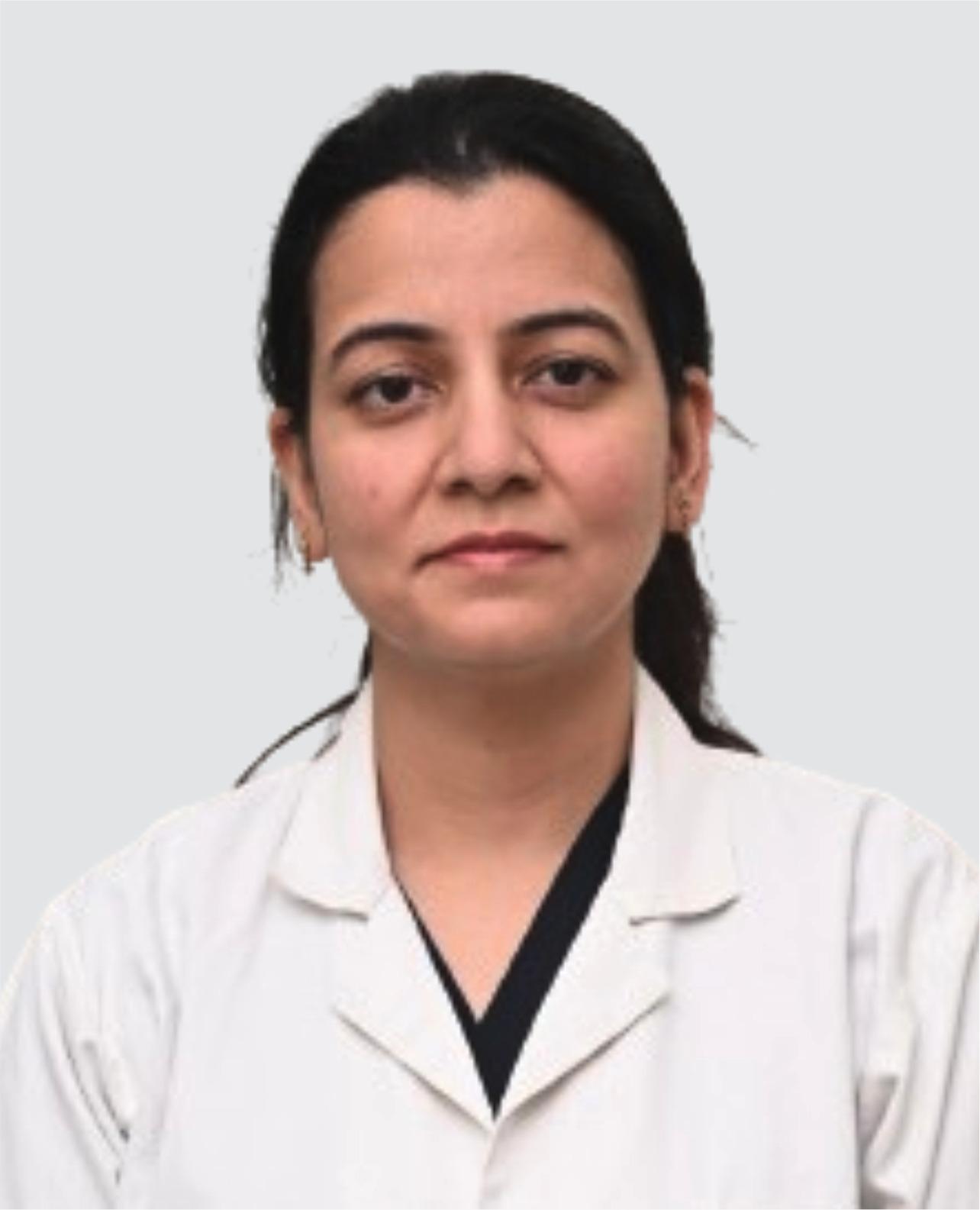
Dr. Priyanka Raina
Consultant (Head & Neck Surgery) - Surgical Oncology
Head and Neck Surgical Oncology
New Delhi
10+ Years
Experience
Artemis Hospital
Hospital
1500
Fees

Dr. Rupinder Sekhon
Chairperson - Gynae Oncology
Gynaecological Oncology
New Delhi
16+ Years
Experience
Artemis Hospital
Hospital
1500
Fees

Dr. G. Arya Prakash
Head - Anesthesia for Liver transplant
Anaesthesia
New Delhi
16+ Years
Experience
Artemis Hospital
Hospital
1500
Fees
Related Links
Recent Blogs
Other Treatment related Information
- Liver Transplant cost in Haryana
- Liver Transplant cost in Chennai
- Liver Transplant cost in Bengaluru
- Liver Transplant cost in Mumbai
- Liver Transplant cost in Hyderabad
- Liver Transplant cost in Pune
- Liver Transplant cost in India
- Liver Transplant cost in New Delhi
- Liver Transplant Success Rate in Hyderabad
- Liver Transplant Success Rate in New Delhi
- Liver Transplant Success Rate in Pune
- Liver Transplant Success Rate in Mumbai
- Liver Transplant Success Rate in Bengaluru
- Liver Transplant Success Rate in Haryana
- Liver Transplant Success Rate in India
Ready To Start Your Healing Journey?
Get Personalized Medical Treatment Options From India's Top Hospitals. Our Medical Experts Are Ready To Assist You Every Step Of The Way.