
Targeted Molecular Therapy Treatment in Bengaluru for Ethiopia
Need Personalized Advice?
Our medical experts are ready to answer your questions and guide you through your treatment options.
Our medical experts are ready to answer your questions and guide you through your treatment options.
For patients from Ethiopia needing Targeted Molecular Therapy, navigating complex treatment options can feel overwhelming. Concerns about accessing advanced care, understanding the procedures, and managing costs often arise, adding to the medical journey's emotional weight.
Many choose Bengaluru for its distinct advantages in medical care. This city offers a harmonious blend of cutting-edge technology and compassionate patient support, making it an appealing destination for specialized treatments like molecular therapy.
Bengaluru's medical landscape features internationally accredited hospitals and highly specialized oncologists experienced in molecular therapies. The city's infrastructure supports seamless patient coordination, ensuring continuity of care and ease of follow-up within its advanced facilities.
Considering Bengaluru for your advanced molecular therapy: how can this city support your healing?
Targeted Molecular Therapy is an advanced medical approach that precisely targets specific molecules involved in the growth and spread of cancer cells, or in other disease processes. Unlike traditional chemotherapy, which affects both healthy and diseased cells, molecular therapies are designed to interfere with particular pathways crucial for disease progression, often resulting in fewer side effects and improved outcomes. This treatment represents a significant shift towards personalized medicine, identifying unique characteristics of a patient's disease to select the most effective therapeutic agents. It is commonly employed in oncology but also finds applications in certain autoimmune or genetic conditions.
Targeted Molecular Therapy encompasses various drug classes, each designed to act on specific molecular targets:
The administration of Targeted Molecular Therapy varies depending on the specific drug, the patient's condition, and the overall treatment plan.
Many targeted therapies are available as oral pills or capsules, allowing patients to take them at home. Strict adherence to the prescribed dosage and schedule is crucial for effectiveness and to manage potential side effects. Regular follow-up appointments are necessary to monitor progress.
Other molecular therapies are administered intravenously (IV), meaning the medication is delivered directly into a vein through an infusion. These treatments are typically given in a hospital or outpatient clinic setting, under the supervision of medical staff. The duration and frequency of infusions depend on the specific therapy and patient response.
Often, targeted molecular therapy is used in combination with other treatments such as chemotherapy, radiation, or immunotherapy. The specific sequence and combination of therapies are carefully planned by an oncology team to maximize effectiveness and minimize adverse effects.
Recovery from Targeted Molecular Therapy typically involves managing side effects, which are generally milder than traditional chemotherapy but can still impact daily life. Patients will undergo regular monitoring through blood tests and imaging to assess treatment response and potential toxicity. Adherence to prescribed medications and lifestyle adjustments is important. The recovery timeline varies widely based on the specific drug, individual patient response, and the overall disease course. Long-term follow-up with the oncology team is essential to track disease progression, manage any lingering side effects, and adjust the treatment plan as needed.
The success rates of Targeted Molecular Therapy are highly variable, depending significantly on the type of cancer, the specific molecular target, the stage of the disease, and the individual patient's response. For some cancers with specific mutations, these therapies can lead to remarkable and durable responses, improving progression-free survival and overall survival. For others, the benefit might be more modest, or the disease may eventually develop resistance. Long-term expectations are also influenced by whether the therapy is used as a standalone treatment or in combination with other modalities. Ongoing research continues to refine these therapies, leading to improved outcomes for a growing number of patients.
The cost of Targeted Molecular Therapy in Bengaluru is influenced by several factors, including the specific molecular drug used, the duration of treatment, the hospital facility, the expertise of the treating specialist, and any additional supportive care required. The type of diagnostic tests, like comprehensive genomic profiling, also contributes to the overall expense.
In Bengaluru, the estimated cost for Targeted Molecular Therapy typically ranges from INR 8,00,000 to INR 25,00,000, depending on the factors mentioned.
Patients considering Bengaluru for Targeted Molecular Therapy often find the costs significantly more accessible compared to many Western countries, without compromising on quality of care.
| Location | Estimated Cost (USD) |
|---|---|
| Bengaluru, India | $10,000 - $30,000 |
| United States | $80,000 - $150,000+ |
| United Kingdom | $60,000 - $120,000 |
| Singapore | $50,000 - $100,000 |
| Germany | $45,000 - $90,000 |
Connect with top specialists in Bengaluru to discuss your targeted molecular therapy needs and receive a personalized treatment plan.
Contact us today for personalized guidance on Targeted Molecular Therapy and comprehensive patient support in Bengaluru.
Embarking on a medical journey for advanced treatment requires thoughtful consideration. Let Bengaluru's expertise and compassionate care guide you towards better health.
India offers premium medical procedures at affordable prices. Discover our most popular treatments, delivered by the country's finest doctors.
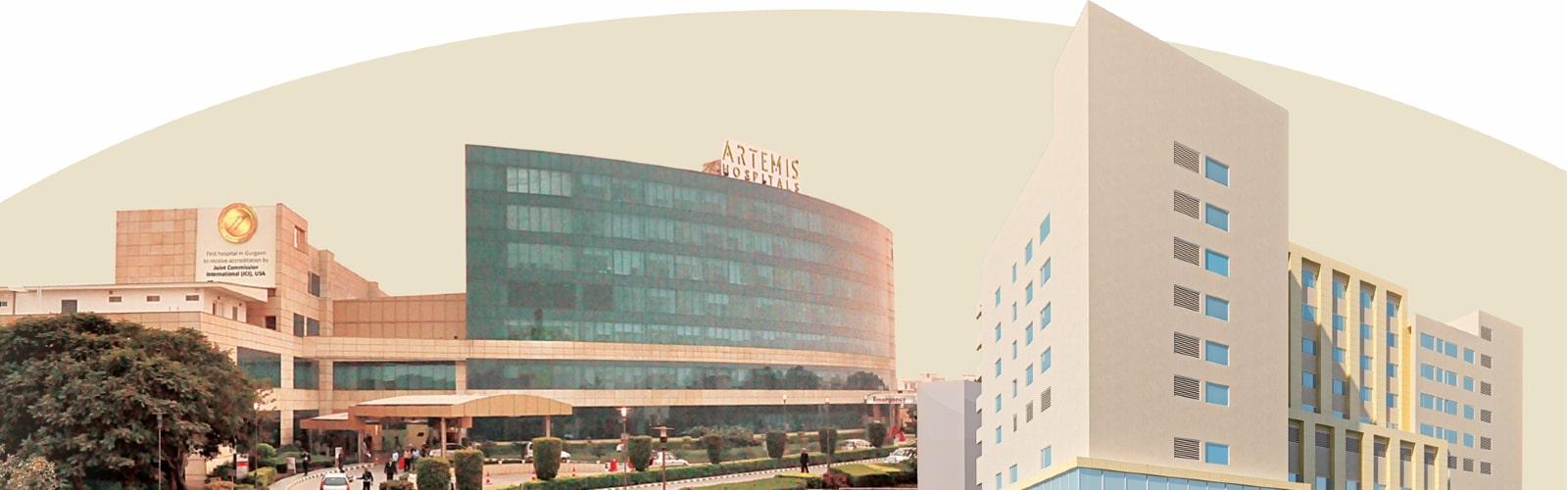
Sector 51, Gurugram, Haryana, India
Artemis Hospital
Meet our team of highly qualified and experienced medical professionals dedicated to providing the best healthcare services.
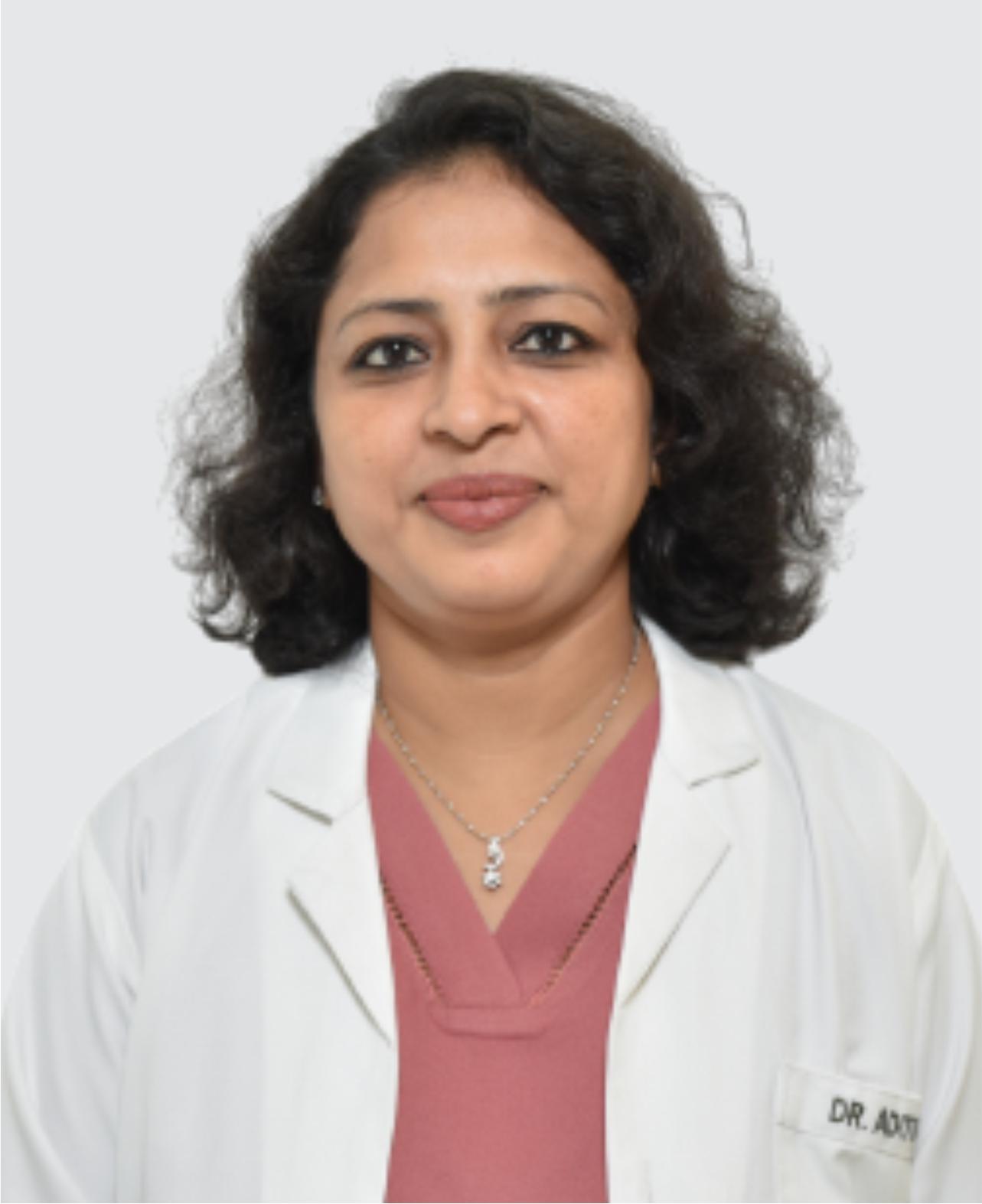
Sr. Consultant – Women Imaging
Radiology
New Delhi
15+ Years
Experience
Artemis Hospital
Hospital
1500
Fees
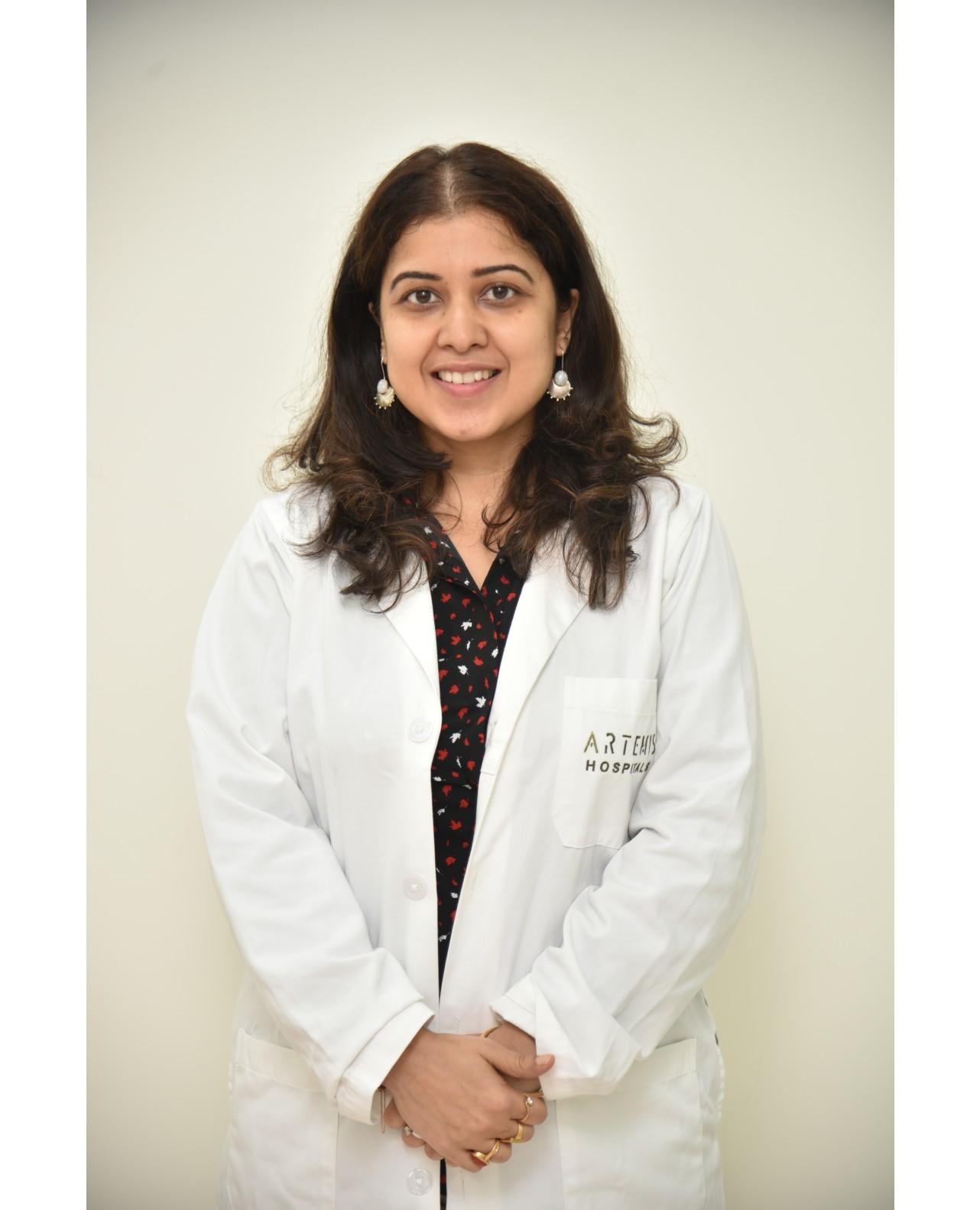
Co-Head Psychological Services
Mental Health and Behavioural Sciences
New Delhi
15+ Years
Experience
Artemis Hospital
Hospital
1500
Fees

Head of Department - Gynae Endocrinology & DNB Program Director - Obs & Gynae
Gynaecological Endocrinology, Maternity, Obstetrics & Gynaecology
New Delhi
35+ Years
Experience
Artemis Hospital
Hospital
1500
Fees

Senior Consultant - ENT
ENT and Head & Neck Surgery
New Delhi
24+ Years
Experience
Artemis Hospital
Hospital
1500
Fees
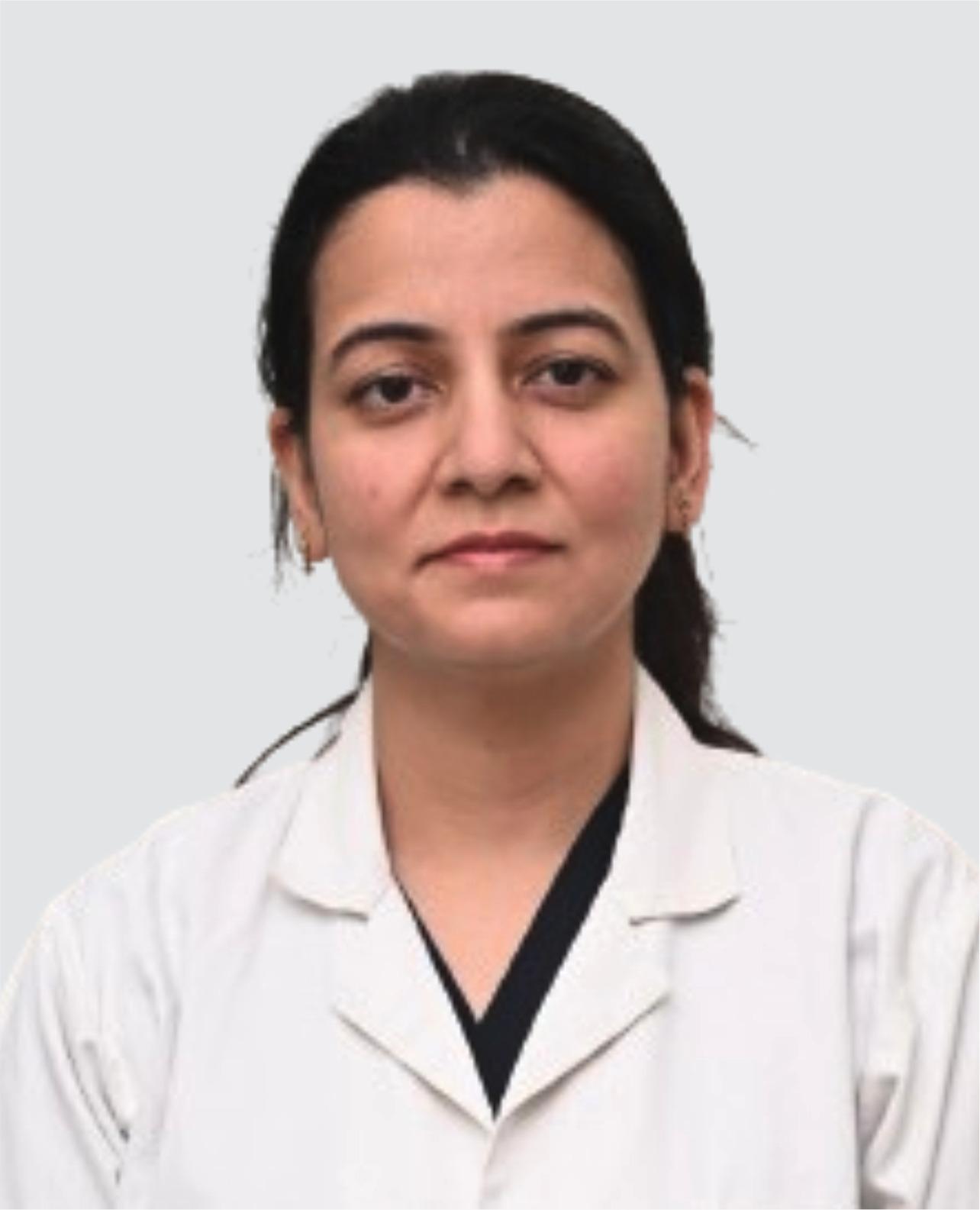
Consultant (Head & Neck Surgery) - Surgical Oncology
Head and Neck Surgical Oncology
New Delhi
10+ Years
Experience
Artemis Hospital
Hospital
1500
Fees
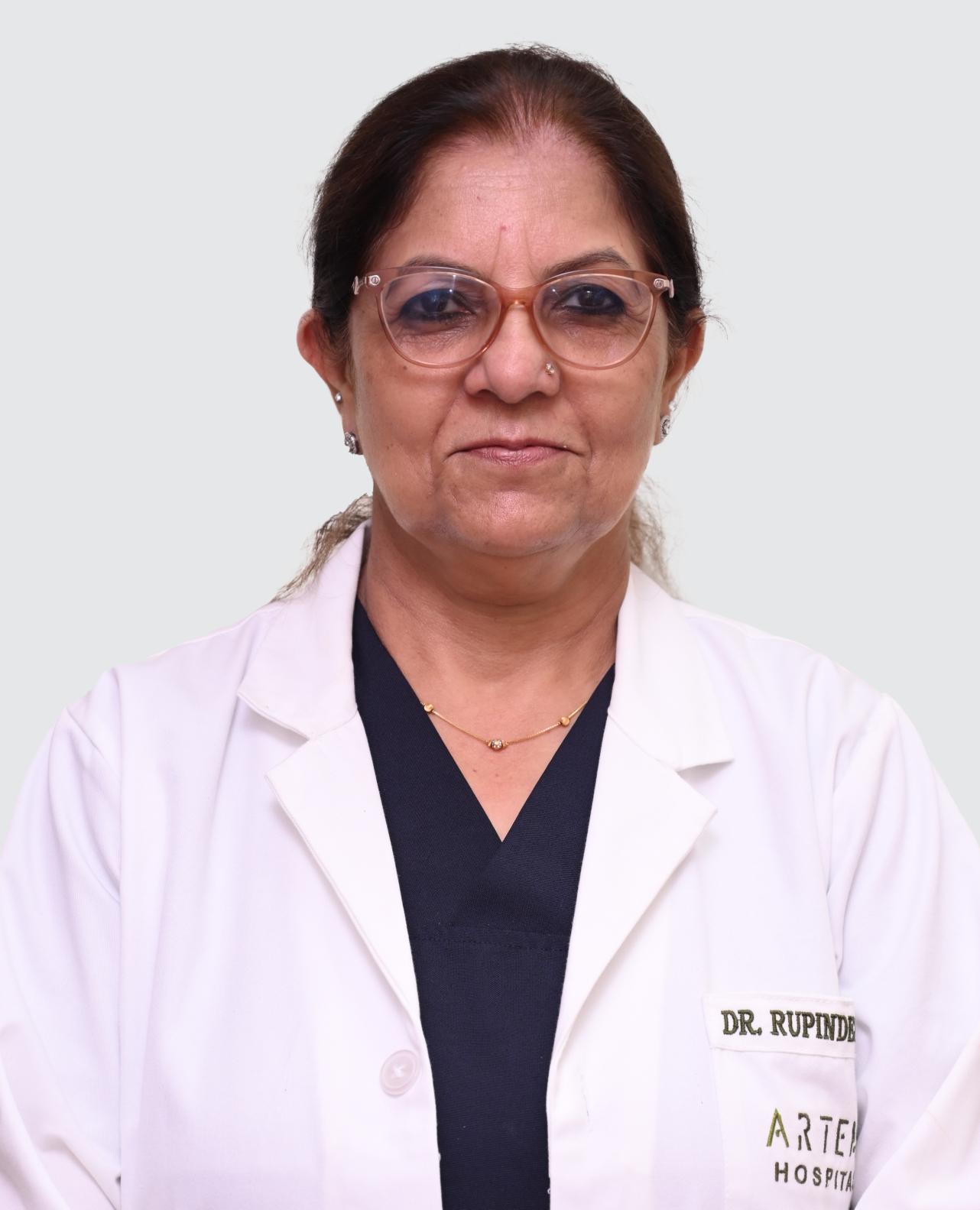
Chairperson - Gynae Oncology
Gynaecological Oncology
New Delhi
16+ Years
Experience
Artemis Hospital
Hospital
1500
Fees
Unit Head - Reproductive Medicine (Unit II)
IVF, Reproductive Medicine, Obstetrics & Gynecology
New Delhi
20+ Years
Experience
Artemis Hospital
Hospital
1500
Fees
Sr. Consultant - Obs & Gynae
Maternity, Obstetrics & Gynaecology
New Delhi
15+ Years
Experience
Artemis Hospital
Hospital
1500
Fees

Unit Head - Obs & Gynae
Maternity, Obstetrics & Gynaecology
New Delhi
19+ Years
Experience
Artemis Hospital
Hospital
1500
Fees
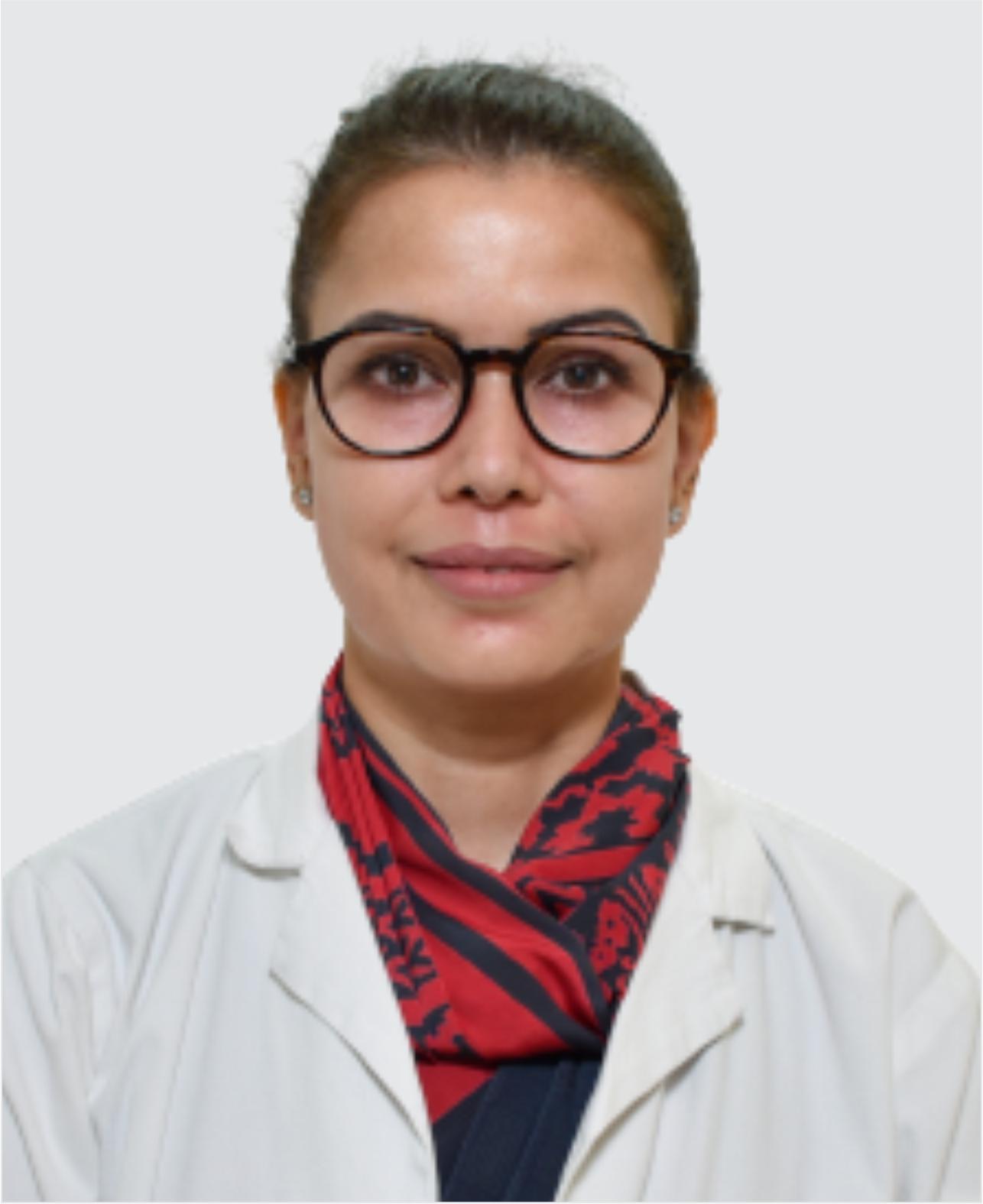
Chairperson - Nuclear Medicine & Radio-Theranostics
Nuclear Medicine
New Delhi
15+ Years
Experience
Artemis Hospital
Hospital
1500
Fees
Get Personalized Medical Treatment Options From India's Top Hospitals. Our Medical Experts Are Ready To Assist You Every Step Of The Way.