
Targeted Molecular Therapy Treatment in Hyderabad for Bangladesh
Need Personalized Advice?
Our medical experts are ready to answer your questions and guide you through your treatment options.
Our medical experts are ready to answer your questions and guide you through your treatment options.
For patients in Bangladesh facing complex health challenges, the journey towards advanced medical solutions like Targeted Molecular Therapy can present significant considerations. Accessing highly specialized care, often requiring specific expertise and technology, is a primary concern when evaluating treatment options.
Many international patients, particularly those from Bangladesh, seek medical care beyond their national borders to find leading-edge treatments. Hyderabad has emerged as a preferred destination, recognized for its robust medical infrastructure and a consistent commitment to delivering advanced healthcare within a well-supported environment.
Trust in Hyderabad's medical ecosystem is built upon its reputable hospitals and a cadre of experienced specialists who are at the forefront of medical innovation. Patients appreciate the streamlined care pathways and the availability of coordinated services, which include comprehensive follow-up arrangements designed to ensure continuity of care within the city.
Hyderabad provides a focused and integrated pathway for patients considering Targeted Molecular Therapy.
Targeted Molecular Therapy represents a modern approach to treating various complex conditions, most notably certain cancers. Unlike conventional treatments that broadly affect both healthy and diseased cells, this therapy focuses on specific molecules involved in the growth, progression, and spread of abnormal cells. It identifies and targets genetic mutations, proteins, or other molecules unique to the disease, thereby minimizing harm to healthy tissues. This precise approach aims to disrupt the disease's mechanisms at a molecular level, offering a more personalized and often less toxic treatment pathway for patients.
Targeted Molecular Therapy encompasses various agents and strategies, each designed to address specific molecular pathways:
The specific method for administering Targeted Molecular Therapy depends on the type of agent, the patient's condition, and the overall treatment plan.
Many targeted drugs are available in pill form and can be taken orally by patients, often at home. These typically involve a daily regimen, sometimes with specific instructions regarding food intake or other medications.
Other targeted agents, particularly monoclonal antibodies, are administered intravenously. This means the medication is delivered directly into the bloodstream through a vein. These infusions are usually performed in a hospital or clinic setting and can last for several hours, with treatment cycles varying based on the specific drug and condition.
Some targeted therapies can be given via subcutaneous injection, where the medication is injected just under the skin. This method may be used for certain biological agents and can sometimes be managed at home after proper training.
Regardless of the administration route, close monitoring by medical professionals is crucial to manage any side effects and assess treatment effectiveness.
Recovery from Targeted Molecular Therapy is generally different from traditional treatments. While it aims to reduce severe side effects, patients can still experience fatigue, skin rashes, diarrhea, or changes in blood counts. The healing time is not a single defined period; rather, it involves ongoing management and adaptation to the treatment's effects. Patients receive detailed instructions on managing side effects at home. Regular follow-up appointments with specialists in Hyderabad are crucial to monitor progress, adjust dosages if necessary, and address any new concerns. Recovery care often includes nutritional guidance, symptom management, and psychological support to ensure overall well-being throughout the treatment course.
The success rates of Targeted Molecular Therapy vary significantly based on the specific condition being treated, the type of targeted agent used, the presence of particular molecular markers, and the individual patient's response. For some cancers with specific mutations, these therapies can lead to significant disease control, prolonged progression-free survival, and even remission. In other cases, they may help stabilize the disease or improve quality of life. Outcomes are highly personalized, and continuous monitoring allows specialists to adapt treatment strategies for the best possible results. Long-term expectations are often discussed based on the specific molecular profile of the patient's disease.
The cost of Targeted Molecular Therapy in Hyderabad is influenced by several factors, including the specific type of therapy, the duration of treatment, the chosen hospital's facilities, the specialist's fees, and any additional medications or supportive care required. Diagnostic tests for molecular profiling also contribute to the overall expense.
A broad estimate for Targeted Molecular Therapy in Hyderabad typically ranges from approximately ₹6,00,000 to ₹30,00,000, or potentially higher for more complex and prolonged regimens involving expensive biologics.
Hyderabad offers competitive pricing for Targeted Molecular Therapy, often significantly lower than Western countries while maintaining high standards of care, making it an attractive option for international patients.
| Location | Estimated Cost Range (USD) |
|---|---|
| Hyderabad, India | $7,000 - $35,000 |
| United States | $50,000 - $150,000+ |
| United Kingdom | $40,000 - $120,000+ |
| Singapore | $60,000 - $180,000+ |
| Thailand | $25,000 - $70,000+ |
Choosing the right path for Targeted Molecular Therapy is a significant decision. Hyderabad offers a blend of advanced medical expertise and patient-centric support for international patients.
India offers premium medical procedures at affordable prices. Discover our most popular treatments, delivered by the country's finest doctors.
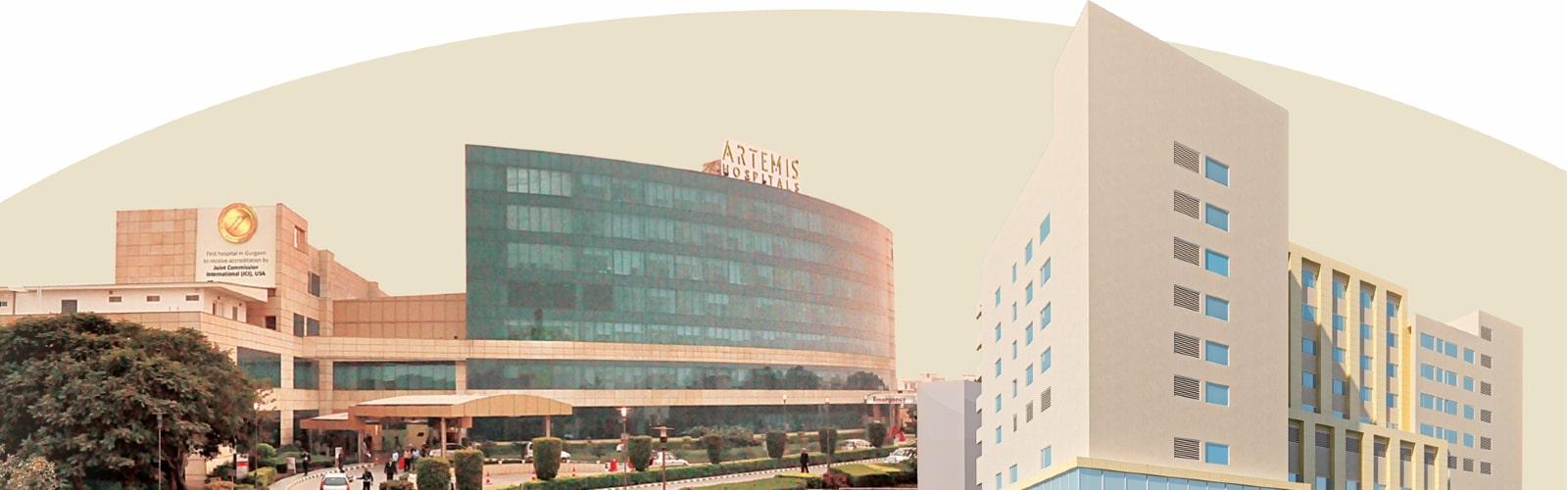
Sector 51, Gurugram, Haryana, India
Artemis Hospital
Meet our team of highly qualified and experienced medical professionals dedicated to providing the best healthcare services.
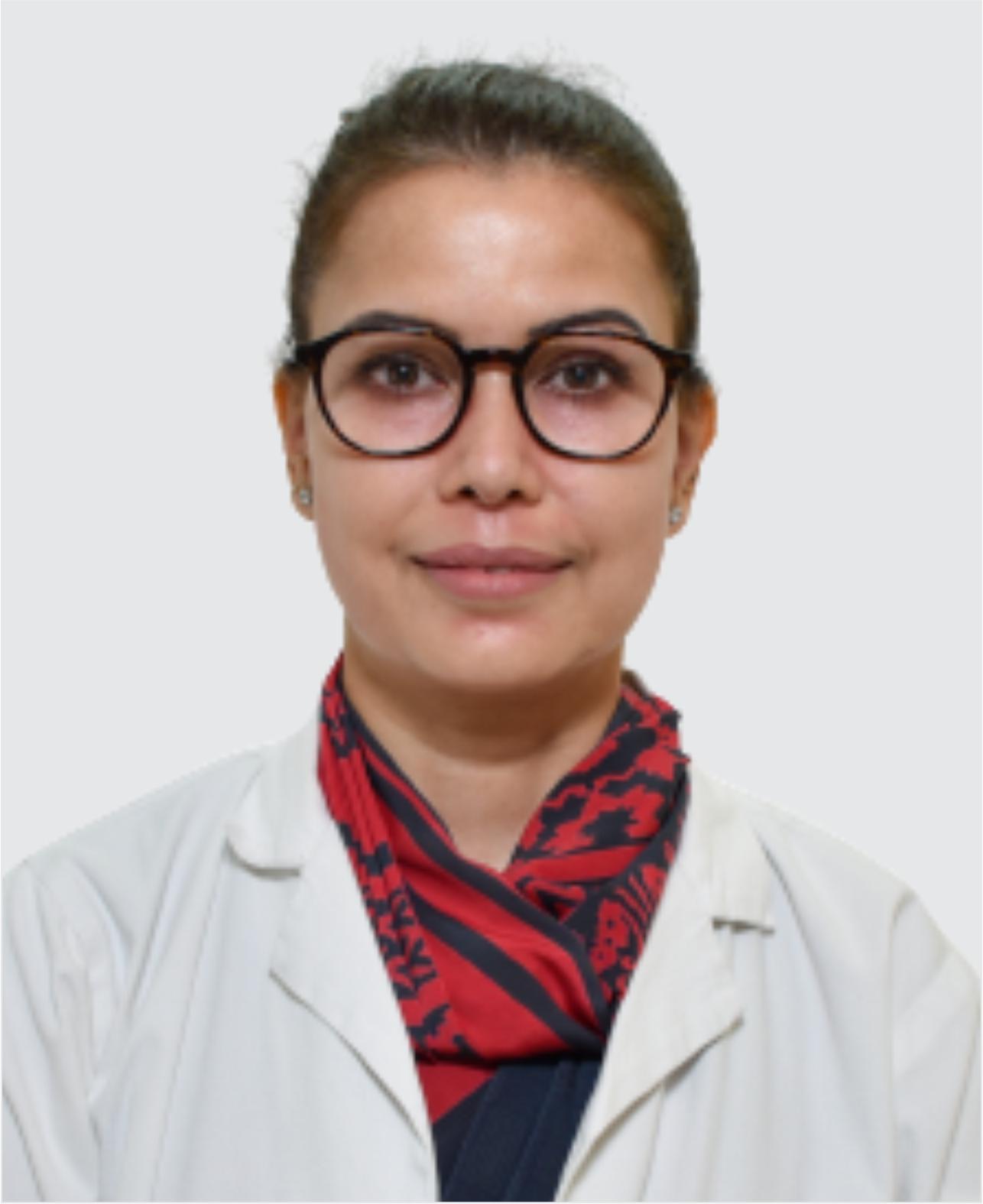
Chairperson - Nuclear Medicine & Radio-Theranostics
Nuclear Medicine
New Delhi
15+ Years
Experience
Artemis Hospital
Hospital
1500
Fees
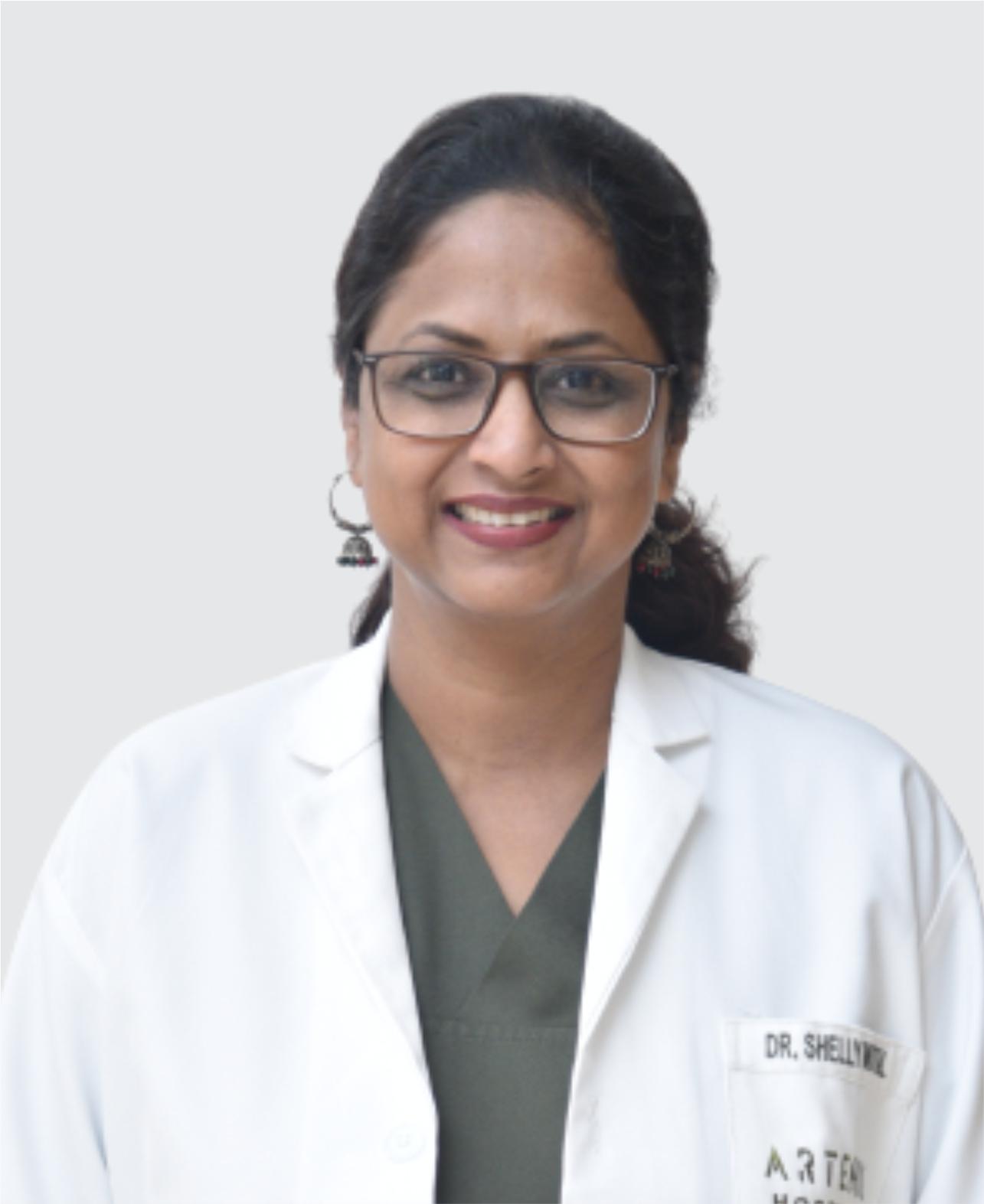
Sr. Consultant
Medical Oncology & Hematology
New Delhi
14+ Years
Experience
Artemis Hospital
Hospital
1500
Fees
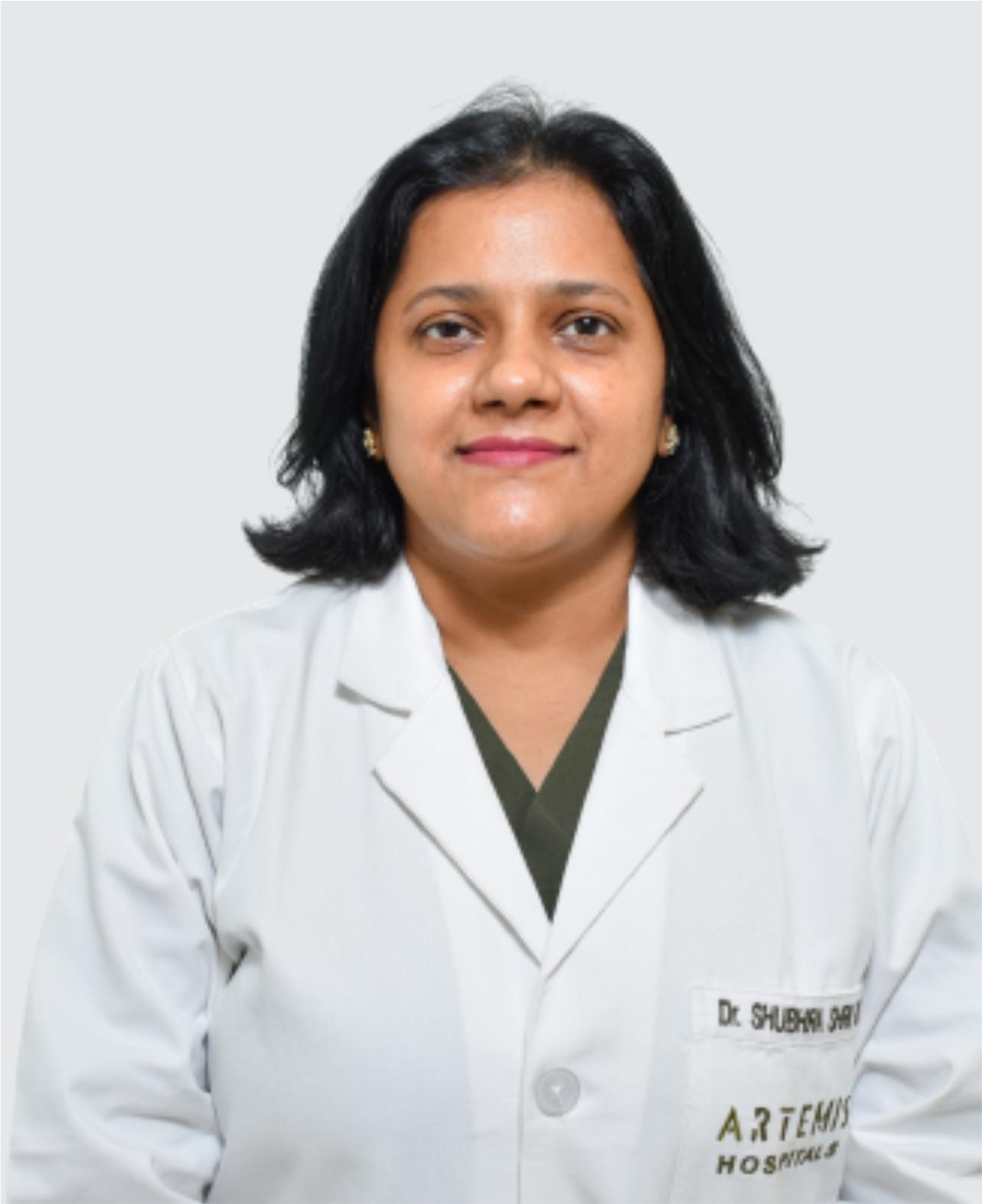
Sr. Consultant
Medical Oncology & Hemato Oncology
New Delhi
9+ Years
Experience
Artemis Hospital
Hospital
1500
Fees

Director - Medical Oncology
Medical Oncology
New Delhi
17+ Years
Experience
Artemis Hospital
Hospital
1500
Fees
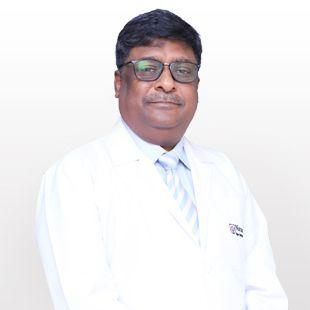
Senior Consultant Plastic Surgeon
Plastic Surgery
New Delhi
19+ Years
Experience
Max Hospital,Gurgaon
Hospital
1500
Fees
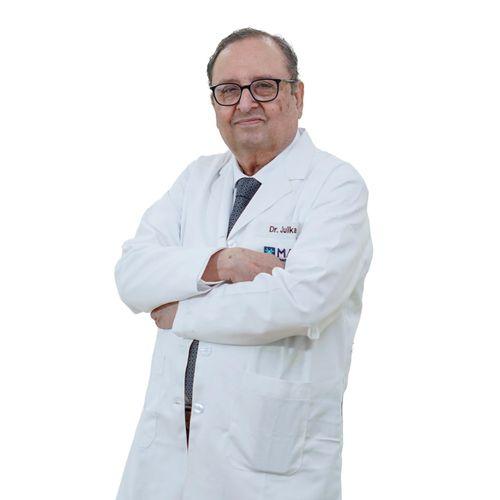
Senior Oncologist, Max Healthcare; Former Dean & Professor, AIIMS
Cancer Care & Oncology
New Delhi
15+ Years
Experience
Max Hospital,Gurgaon
Hospital
1500
Fees

Principal Director & Head – Nuclear Medicine
Nuclear Medicine
New Delhi
38+ Years
Experience
Max Hospital,Gurgaon
Hospital
1500
Fees

Director, Medical Oncology
Medical Oncology
New Delhi
30+ Years
Experience
Apolo Delhi
Hospital
1500
Fees

Director
Medical Oncology
New Delhi
44+ Years
Experience
Apolo Delhi
Hospital
1500
Fees
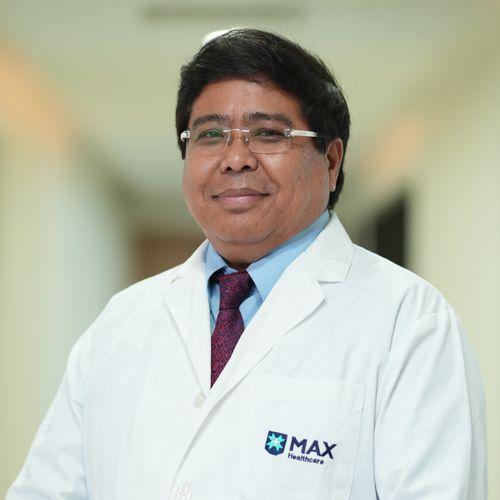
Principal Director & Chief of Medical Oncology
Medical Oncology
New Delhi
30+ Years
Experience
Apolo Delhi
Hospital
1500
Fees
Get Personalized Medical Treatment Options From India's Top Hospitals. Our Medical Experts Are Ready To Assist You Every Step Of The Way.