
Pediatric Laparoscopic Surgery Treatment in Hyderabad for Ethiopia
Need Personalized Advice?
Our medical experts are ready to answer your questions and guide you through your treatment options.
Our medical experts are ready to answer your questions and guide you through your treatment options.
For parents in Ethiopia facing the possibility of surgery for their child, the journey can feel overwhelming. Concerns about advanced medical care, specialized pediatric expertise, and recovery support are paramount. Ensuring the best outcome with minimal discomfort for your little one is naturally your highest priority.
Many families seeking advanced pediatric care look beyond their home country. Hyderabad stands out as a leading medical destination, especially for specialized procedures like pediatric laparoscopic surgery. The city offers a comprehensive care environment designed to support international patients, streamlining their medical journey.
Hyderabad’s hospitals are equipped with state-of-the-art technology and house highly skilled pediatric surgeons and medical teams. The city's medical infrastructure provides a robust network for effective treatment and seamless follow-up care, ensuring your child receives continuous support throughout their stay and recovery.
Is Hyderabad the right choice for your child's advanced surgical needs?
Pediatric laparoscopic surgery is a minimally invasive surgical technique performed on infants, children, and adolescents. Unlike traditional open surgery which requires a large incision, laparoscopic procedures use several small incisions, typically 5-10 millimeters in size. A tiny camera, called a laparoscope, is inserted through one incision, projecting internal images onto a monitor. Specialized instruments are then introduced through other small incisions to perform the operation. This method is often preferred for its benefits, which include reduced pain, less scarring, and a quicker return to normal activities for children. It addresses a wide range of conditions affecting various organ systems.
The specific approach for pediatric laparoscopic surgery depends on the child's condition and the planned intervention. However, the general principles remain consistent across most procedures.
One of the significant advantages of pediatric laparoscopic surgery is a generally faster and less painful recovery compared to open surgery. Children typically experience less post-operative discomfort and require shorter hospital stays, often just 1-2 days. Pain management is tailored to the child's needs. Activity restrictions are usually minimal, with gentle play encouraged as soon as comfort allows. Full recovery, including a return to normal activities like school and sports, often happens within 1-2 weeks. Follow-up appointments with the pediatric surgeon are crucial to monitor healing and address any concerns.
Pediatric laparoscopic surgery boasts high success rates, with outcomes largely depending on the child's specific condition, the surgeon's experience, and the overall health of the child. For many common conditions like appendicitis or hernias, success rates are well over 95%. Long-term expectations are generally excellent, offering children a quicker return to a healthy, active life with minimal scarring.
Ready to explore options for your child's care? Contact our patient support team for personalized assistance.
The cost of pediatric laparoscopic surgery in Hyderabad is influenced by several factors, including the specific type and complexity of the procedure, the hospital chosen (its facilities, technology, and reputation), the surgeon's experience, and the duration of the hospital stay. Pre-operative tests, post-operative care, and any required medications also contribute to the overall expenditure.
In Hyderabad, the estimated cost for common pediatric laparoscopic surgeries typically ranges from approximately ₹1,50,000 to ₹4,00,000.
Hyderabad offers a significant cost advantage for advanced medical procedures while maintaining high standards of care. Below is a comparison of estimated costs for pediatric laparoscopic surgery across different global medical destinations.
| Location | Estimated Cost Range (USD) |
|---|---|
| Hyderabad, India | $1,800 - $4,800 |
| United States | $5,000 - $15,000 |
| United Kingdom | $5,000 - $15,000 |
| Singapore | $4,500 - $13,500 |
| Turkey | $3,000 - $8,000 |
Have questions about your child's treatment in Hyderabad? Our team is here to provide clarity and support every step of the way.
Choosing the right path for your child's health is a crucial decision. With advanced facilities and expert care, Hyderabad offers a promising solution for pediatric laparoscopic surgery.
India offers premium medical procedures at affordable prices. Discover our most popular treatments, delivered by the country's finest doctors.
Meet our team of highly qualified and experienced medical professionals dedicated to providing the best healthcare services.
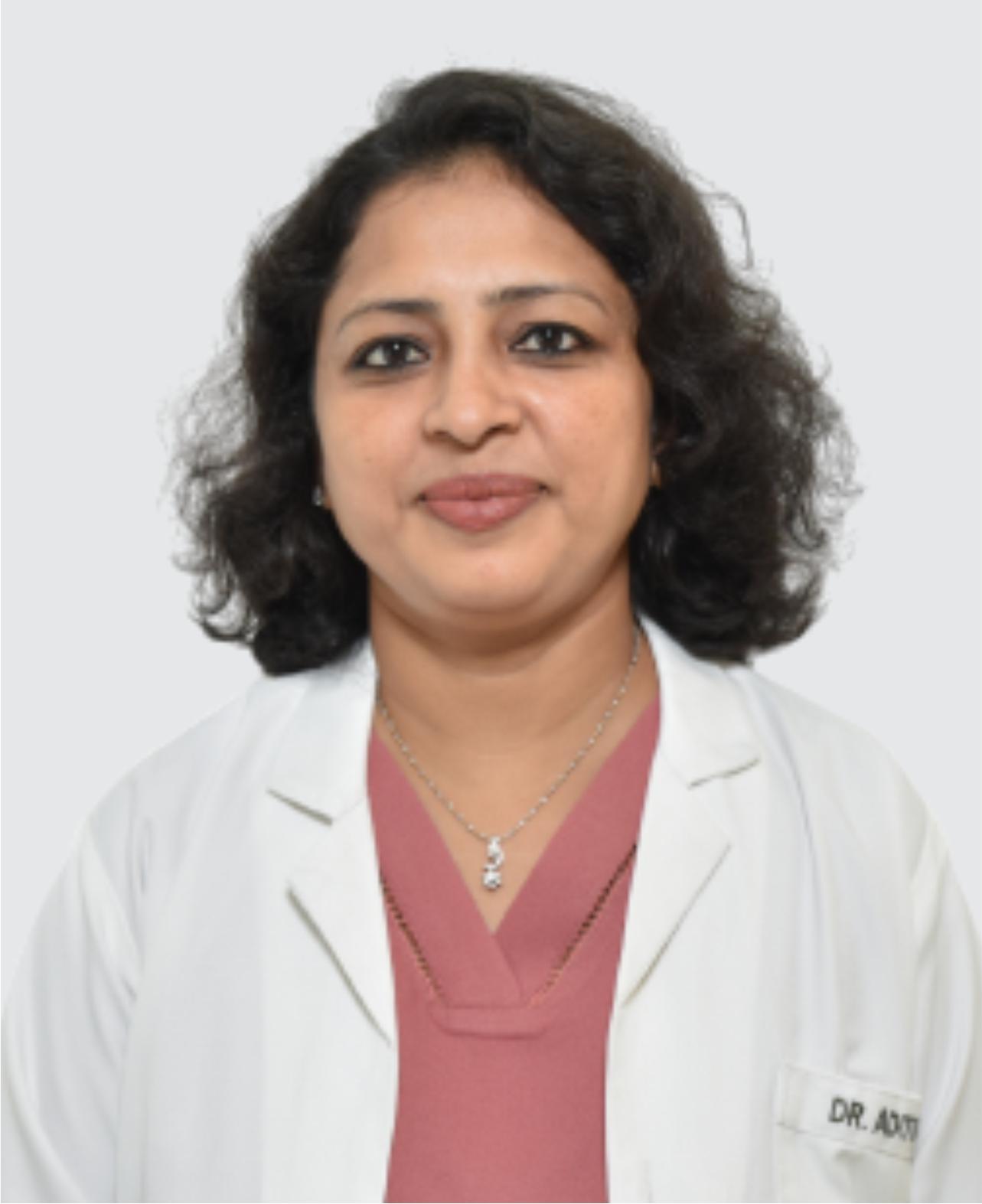
Sr. Consultant – Women Imaging
Radiology
New Delhi
15+ Years
Experience
Artemis Hospital
Hospital
1500
Fees
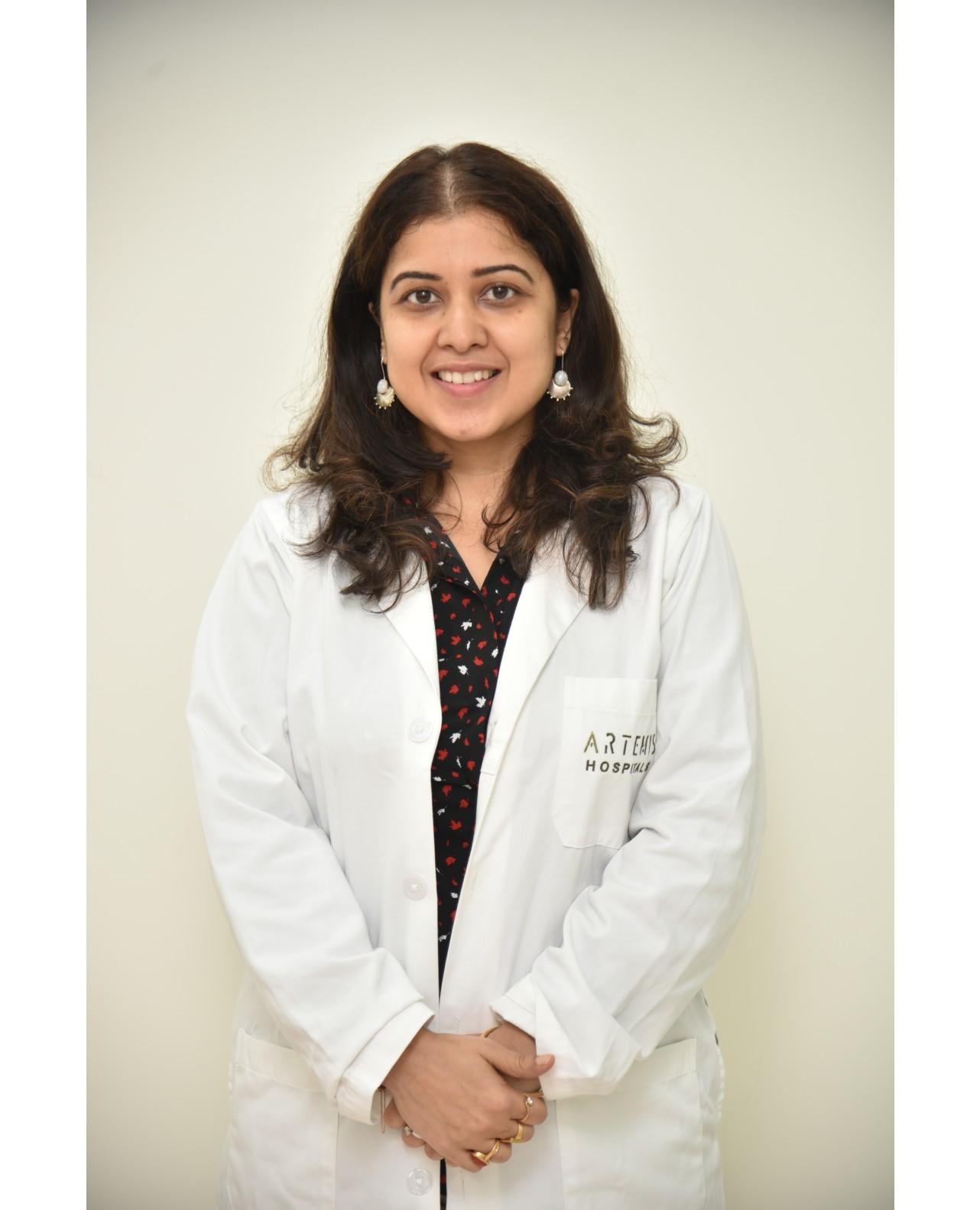
Co-Head Psychological Services
Mental Health and Behavioural Sciences
New Delhi
15+ Years
Experience
Artemis Hospital
Hospital
1500
Fees
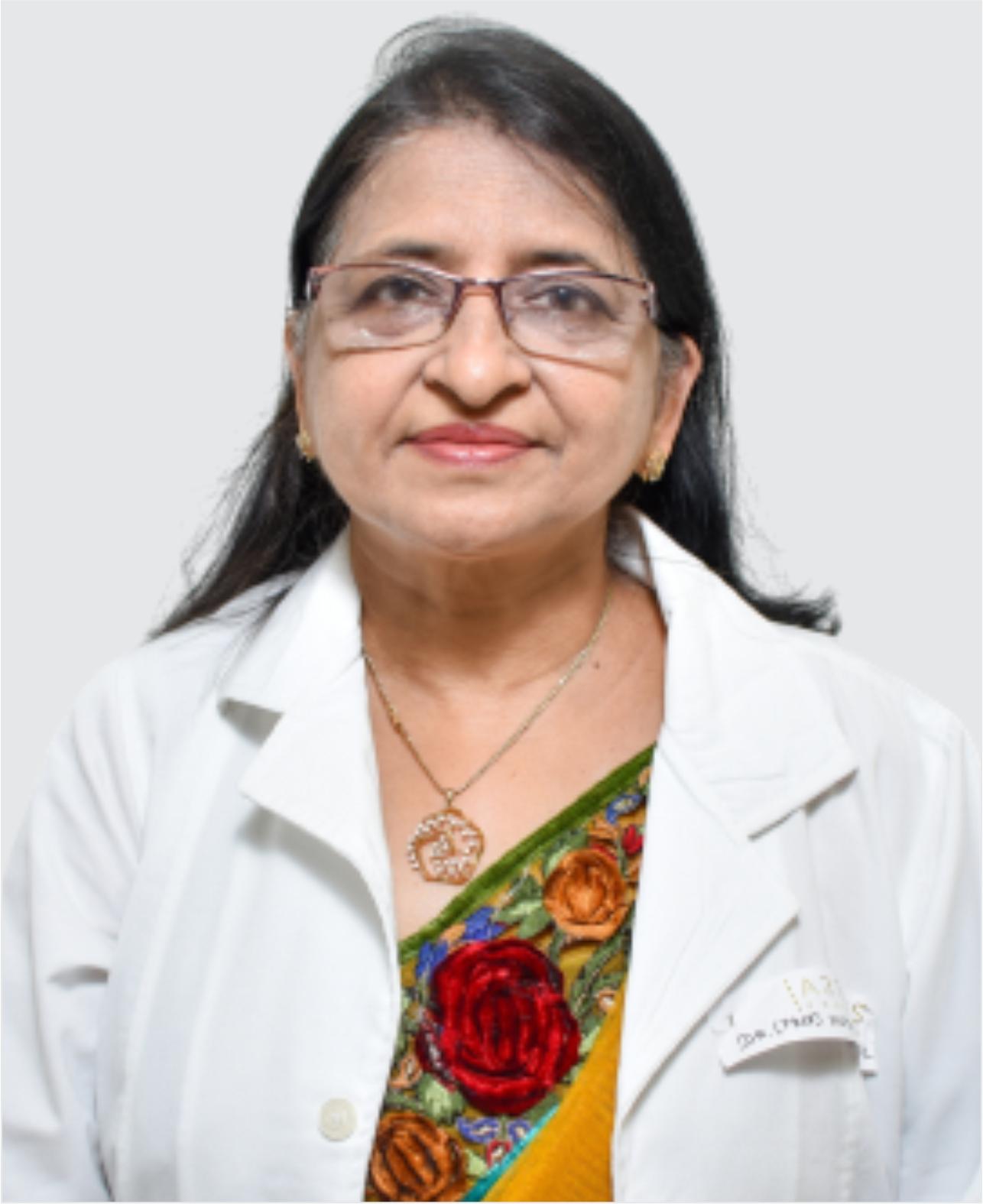
Head of Department - Gynae Endocrinology & DNB Program Director - Obs & Gynae
Gynaecological Endocrinology, Maternity, Obstetrics & Gynaecology
New Delhi
35+ Years
Experience
Artemis Hospital
Hospital
1500
Fees

Senior Consultant - ENT
ENT and Head & Neck Surgery
New Delhi
24+ Years
Experience
Artemis Hospital
Hospital
1500
Fees
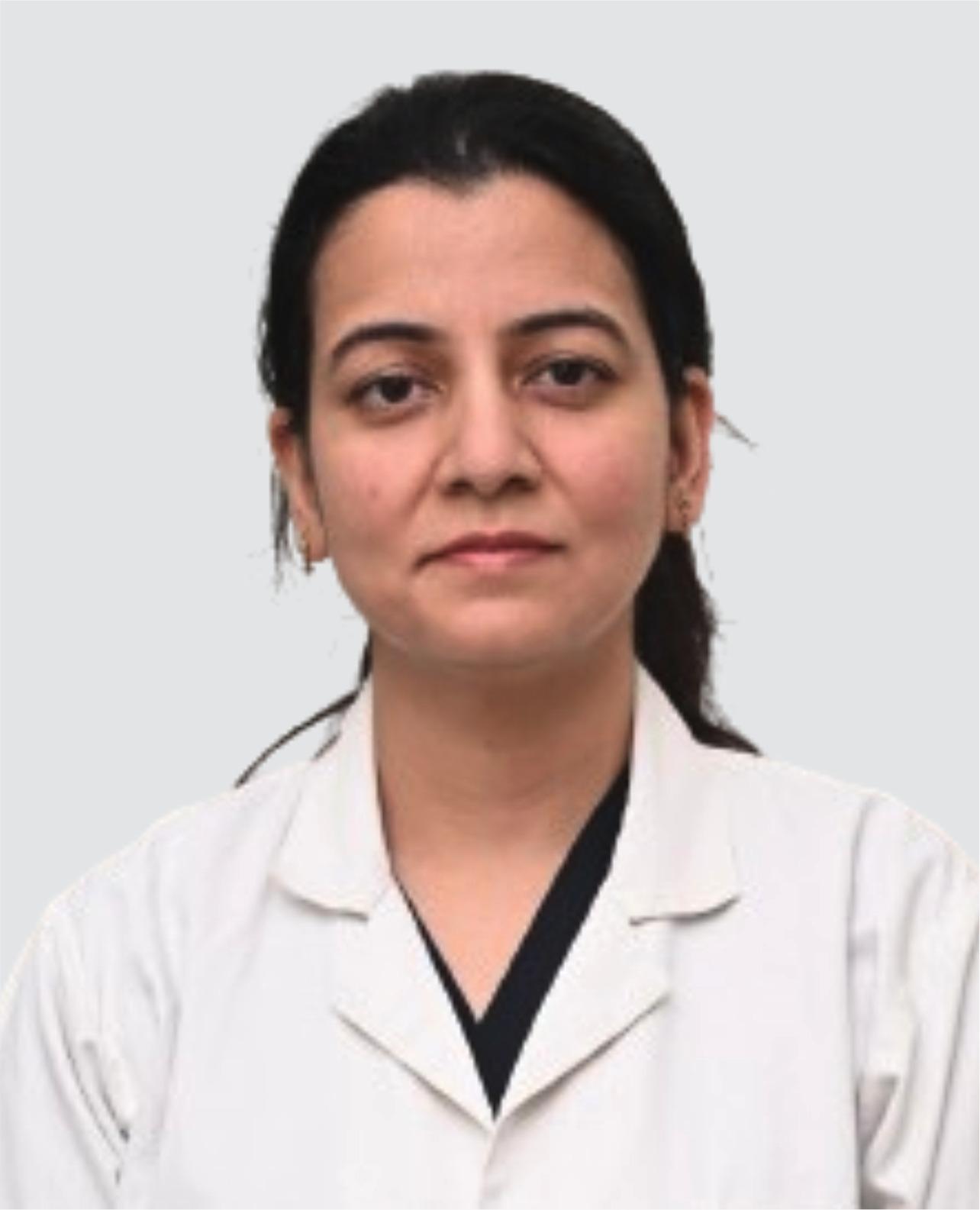
Consultant (Head & Neck Surgery) - Surgical Oncology
Head and Neck Surgical Oncology
New Delhi
10+ Years
Experience
Artemis Hospital
Hospital
1500
Fees
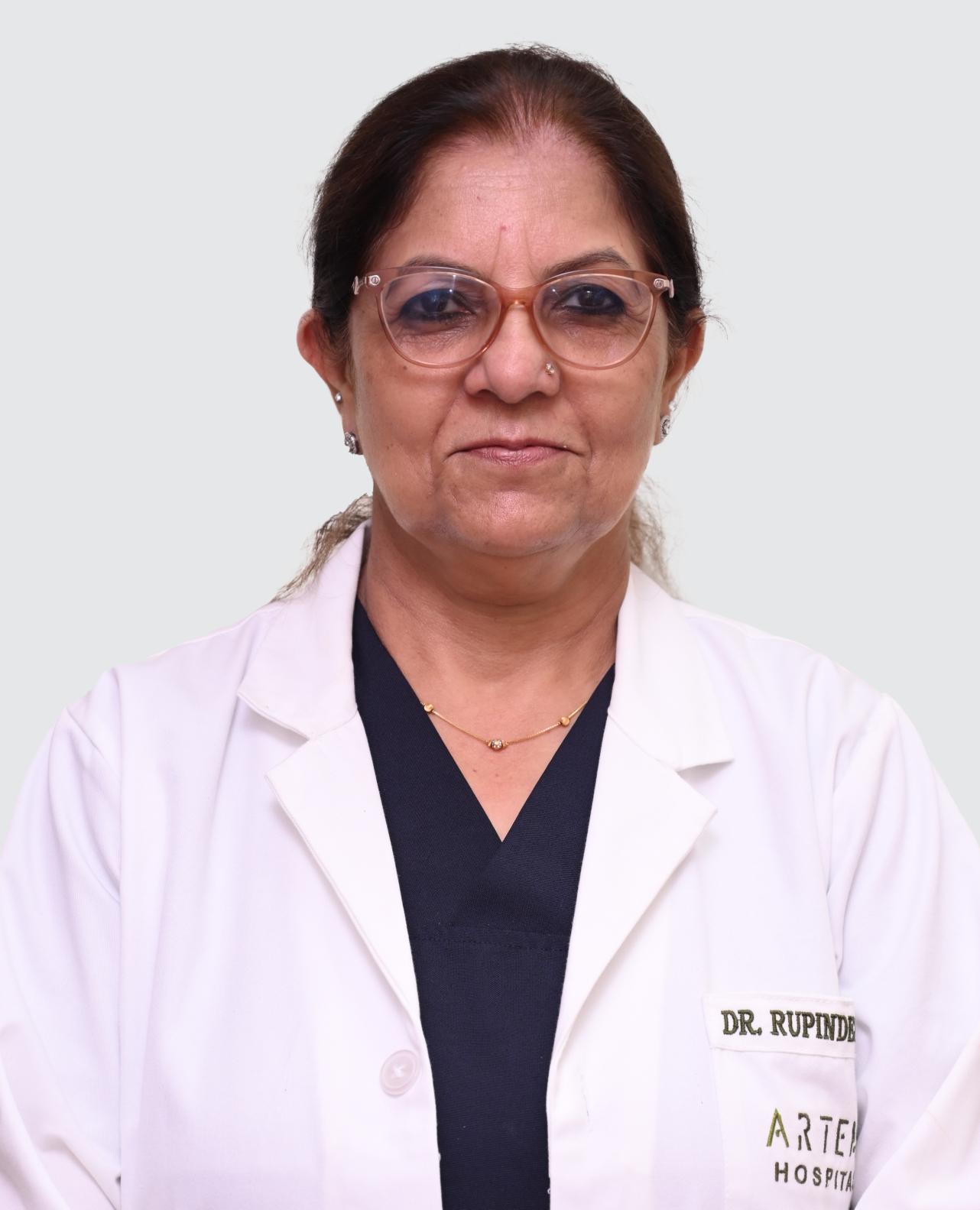
Chairperson - Gynae Oncology
Gynaecological Oncology
New Delhi
16+ Years
Experience
Artemis Hospital
Hospital
1500
Fees
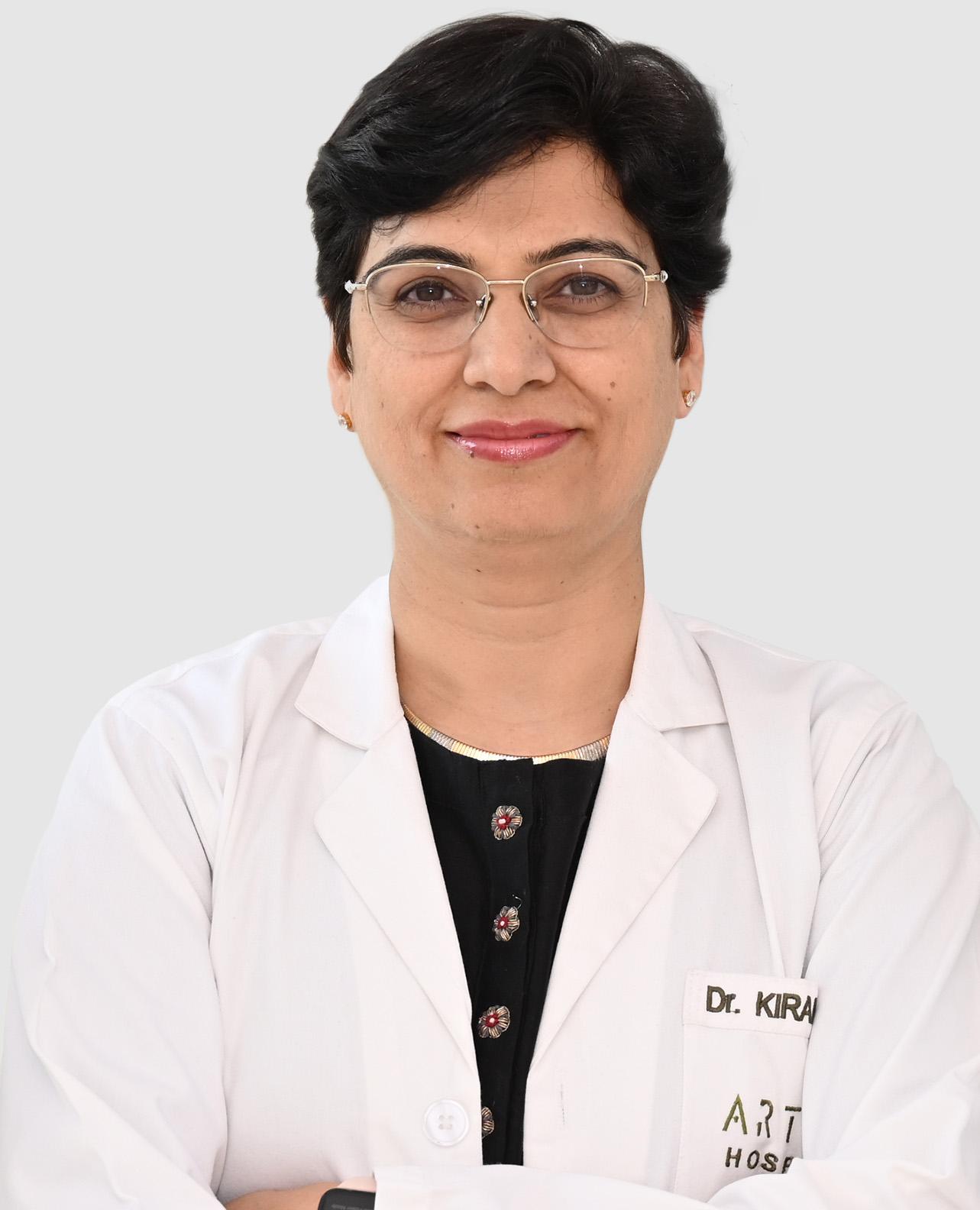
Unit Head - Reproductive Medicine (Unit II)
IVF, Reproductive Medicine, Obstetrics & Gynecology
New Delhi
20+ Years
Experience
Artemis Hospital
Hospital
1500
Fees
Sr. Consultant - Obs & Gynae
Maternity, Obstetrics & Gynaecology
New Delhi
15+ Years
Experience
Artemis Hospital
Hospital
1500
Fees

Unit Head - Obs & Gynae
Maternity, Obstetrics & Gynaecology
New Delhi
19+ Years
Experience
Artemis Hospital
Hospital
1500
Fees
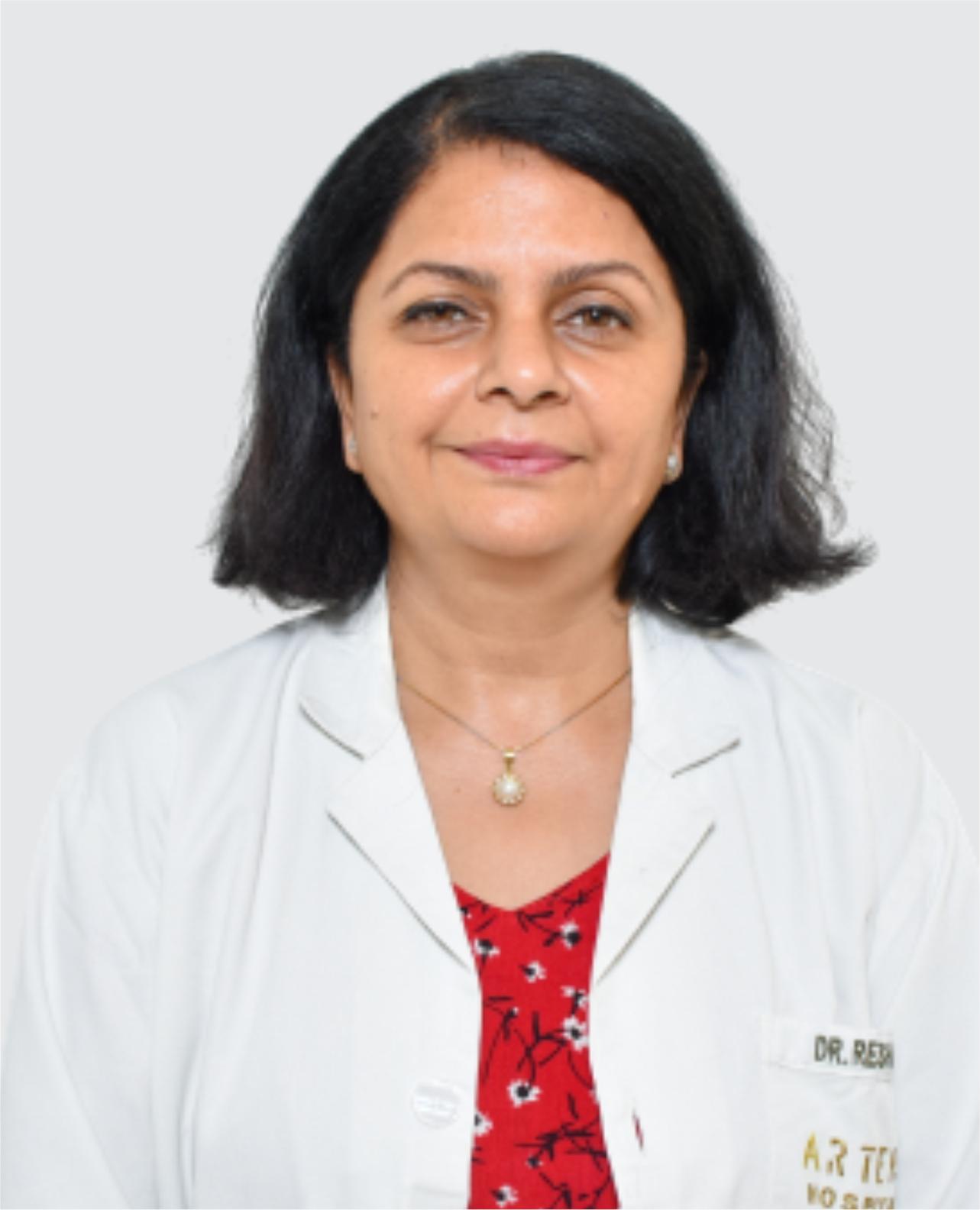
Director
Obstetrics and Gynaecology
New Delhi
19+ Years
Experience
Artemis Hospital
Hospital
1500
Fees
Get Personalized Medical Treatment Options From India's Top Hospitals. Our Medical Experts Are Ready To Assist You Every Step Of The Way.