Robotic Cancer Surgery Treatment in India for Bangladesh
Need Personalized Advice?
Our medical experts are ready to answer your questions and guide you through your treatment options.
About
Robotic Cancer Surgery in India for Bangladesh Patients: Cost & Hospitals
Bangladeshi patients facing a cancer diagnosis often seek advanced treatment options like robotic surgery, wondering about quality and accessibility beyond their borders. The thought of complex surgery far from home naturally brings anxieties and a desire for clarity.
India has emerged as a preferred destination for specialized medical procedures due to its advanced infrastructure and experienced specialists. Patients frequently consider India for its broad availability of modern surgical techniques across multiple reputable cities.
The Indian medical system is well-regarded for its network of accredited hospitals and highly skilled surgeons dedicated to patient care. These institutions offer comprehensive treatment plans, building trust with international patients.
India provides a reliable pathway for international patients seeking advanced robotic cancer surgery.
What is Robotic Cancer Surgery?
Robotic cancer surgery is a sophisticated, minimally invasive surgical technique that uses a computer-controlled robotic system to assist the surgeon. The surgeon operates from a console, viewing a high-definition 3D image of the surgical site, and manipulates robotic instruments that mimic human hand movements but with greater precision and range of motion. This approach allows for smaller incisions, reduced blood loss, decreased pain, and often a quicker recovery compared to traditional open surgery. It is especially beneficial for complex operations within confined spaces, improving access and visualization for the surgeon.
Common Applications of Robotic Cancer Surgery
Robotic surgery is increasingly utilized across various cancer types due to its precision and minimally invasive nature:
- Prostate Cancer: Robotic radical prostatectomy is a standard for prostate removal.
- Gynecological Cancers: Used for uterine, cervical, and ovarian cancer procedures like hysterectomy or lymph node dissection.
- Colorectal Cancer: For partial colectomy or rectal resection.
- Kidney Cancer: Robotic partial nephrectomy is common for preserving kidney function.
- Head and Neck Cancers: Transoral robotic surgery (TORS) offers access to difficult-to-reach areas in the throat.
- Lung Cancer: For lobectomy or wedge resection in early-stage lung cancers.
- Bladder Cancer: Robotic radical cystectomy for bladder removal.
When is Robotic Cancer Surgery Recommended?
- For patients diagnosed with specific localized cancers where complete tumor removal is the goal.
- When the cancer is situated in a hard-to-reach area, benefiting from the robot's enhanced dexterity.
- For individuals seeking a minimally invasive approach with potentially faster recovery times and reduced scarring.
- When precise dissection is critical to preserve surrounding healthy tissue, such as in nerve-sparing prostatectomy.
- In cases where complex reconstruction might be required after tumor removal.
- For select early to intermediate stages of various solid organ cancers.
Pre-Treatment Evaluation for Robotic Cancer Surgery
- Comprehensive medical history review and physical examination.
- Blood tests including complete blood count, liver and kidney function tests, and tumor markers.
- Advanced imaging scans such as MRI, CT, or PET scans to accurately stage the cancer.
- Biopsy results to confirm the type and grade of cancer.
- Cardiovascular evaluation, including ECG and sometimes an echocardiogram, to assess heart health.
- Pulmonary function tests to check lung capacity, especially for thoracic surgeries.
- Consultation with an anesthesiologist to determine fitness for general anesthesia.
- Nutritional assessment to ensure the patient is in optimal condition for surgery and recovery.
How Robotic Cancer Surgery is Performed
The specifics of a robotic cancer surgery procedure depend significantly on the type and stage of cancer, as well as the patient's overall health and the surgeon's plan.
Before the Procedure
Patients receive general anesthesia to ensure they are unconscious and pain-free throughout the surgery. The surgical site is cleaned and prepared.
During the Procedure
Several small incisions, typically less than an inch, are made on the patient's body. Through these incisions, specialized ports are inserted, allowing the surgeon to introduce a high-definition 3D camera and tiny robotic instruments. The surgeon then sits at a console in the operating room, which provides a magnified, three-dimensional view of the surgical area. Using hand and foot controls, the surgeon precisely maneuvers the robotic arms, which hold the instruments. These instruments offer greater dexterity and range of motion than human hands, facilitating very fine and complex dissections. The cancerous tissue is carefully removed, and any necessary reconstruction or repair is performed. Throughout the procedure, a surgical assistant works alongside the patient, changing instruments and assisting the robotic arms.
After the Procedure
Once the surgical goals are achieved, the robotic instruments are removed, and the small incisions are closed with sutures or surgical tape. The patient is then moved to a recovery area for monitoring as they awaken from anesthesia.
Considering robotic cancer surgery? Contact us for a personalized treatment plan and cost estimate.
Recovery Process After Robotic Cancer Surgery
The recovery period following robotic cancer surgery is generally shorter and less painful compared to traditional open surgery. Patients typically spend a few days in the hospital, where pain management is carefully monitored. Post-operative care involves gradual mobilization, starting with short walks to prevent complications like blood clots. Dietary restrictions may be in place initially, progressing to a regular diet as tolerated. Follow-up appointments are crucial to monitor healing and ensure optimal recovery. Specific physical therapy or rehabilitation exercises might be recommended depending on the surgical site to regain strength and function. Patients are usually advised to avoid heavy lifting and strenuous activities for several weeks.
Risks and Success Rates of Robotic Cancer Surgery
- Infection at the incision sites or within the surgical area.
- Bleeding, which may require blood transfusion.
- Injury to nearby organs, nerves, or blood vessels during the procedure.
- Complications related to general anesthesia, such as adverse reactions or respiratory issues.
- Formation of blood clots in the legs or lungs.
- Scar tissue or adhesion formation, potentially leading to discomfort.
- The possibility of cancer recurrence, as with any cancer treatment.
The success rates for robotic cancer surgery are highly variable and depend on several factors, including the type and stage of cancer, the patient's overall health, and the surgeon's experience. For appropriately selected cases, robotic surgery often achieves comparable or superior oncological outcomes to open surgery, especially in terms of complete tumor removal and clear margins, while offering the benefits of minimally invasive techniques. Long-term outcomes and survival rates are continuously studied, generally showing positive results aligned with traditional methods for specific cancers.
Cost of Robotic Cancer Surgery in India
The cost of robotic cancer surgery in India can vary significantly based on several factors. These include the specific type of cancer being treated, the complexity of the surgery, the hospital chosen (private multi-specialty hospitals often have higher costs), the surgeon's experience and fees, the duration of the hospital stay, and the need for any additional treatments, tests, or medications during recovery. The advanced technology involved also contributes to the overall expense.
In India, the estimated cost for robotic cancer surgery typically ranges from approximately 8,00,000 INR to 25,00,000 INR.
Robotic Cancer Surgery Cost in Major Indian Cities (INR)
| City | Average Cost Range |
| Delhi | ₹10,00,000 - ₹22,00,000 |
| Mumbai | ₹12,00,000 - ₹25,00,000 |
| Chennai | ₹9,00,000 - ₹20,00,000 |
| Bengaluru (Bangalore) | ₹11,00,000 - ₹23,00,000 |
| Hyderabad | ₹8,00,000 - ₹19,00,000 |
| Kolkata | ₹9,50,000 - ₹21,00,000 |
| Ahmedabad | ₹8,50,000 - ₹18,00,000 |
| Pune | ₹9,00,000 - ₹20,00,000 |
Global Comparison: Robotic Cancer Surgery Costs (USD)
| Country | Average Cost Range |
| India | $10,000 - $30,000 |
| USA | $40,000 - $80,000 |
| United Kingdom | $35,000 - $65,000 |
| Singapore | $30,000 - $55,000 |
| Thailand | $20,000 - $40,000 |
| Turkey | $18,000 - $35,000 |
Find the best hospitals and specialists for robotic cancer surgery in India. Request a free quote today.
Support Services for Your Treatment Journey
- Assistance with medical visa applications and necessary travel documents.
- Coordination for airport transfers and comfortable local accommodation.
- Dedicated patient care coordinators to guide you through appointments and procedures.
- Arrangement of interpreters for seamless communication with medical staff.
- Help with scheduling follow-up consultations and post-operative care planning.
- Guidance on local transportation and essential amenities during your stay.
Important Medical Documents for Your Visit
- A valid passport and relevant medical visa for travel to India.
- Copies of all previous medical reports, including diagnosis, biopsy results, and imaging scans.
- A referral letter from your local doctor, if applicable.
- Detailed history of your current medications and allergies.
- Any financial documents or insurance information necessary for payment.
- Contact details for your emergency contacts.
Preparing for Your Procedure
- Undergo all recommended pre-operative tests and evaluations as instructed by the medical team.
- Follow any dietary restrictions, such as fasting, before the surgery.
- Discontinue certain medications or supplements as advised by your surgeon.
- Arrange for comfortable travel to India and secure your accommodation.
- Ensure all necessary documents are in order for your medical journey.
- Inform your medical team about any changes in your health status prior to arrival.
Recovery and Follow-Up Care
- Strictly adhere to all discharge instructions regarding wound care and hygiene.
- Take prescribed medications as directed for pain management and infection prevention.
- Follow a modified diet plan as advised to aid in digestive recovery.
- Gradually increase physical activity, avoiding strenuous movements and heavy lifting.
- Attend all scheduled follow-up appointments with your surgeon.
- Plan for continued monitoring and follow-up care upon returning to Bangladesh.
Taking the Next Step Towards Healing
Connect with our team today to explore your personalized treatment pathway for robotic cancer surgery in India.
Hospitals Offering this treatment
India offers premium medical procedures at affordable prices. Discover our most popular treatments, delivered by the country's finest doctors.
Meet Our Doctors
Meet our team of highly qualified and experienced medical professionals dedicated to providing the best healthcare services.

Dr. Abhinandan Mukhopadhyay
Sr. Consultant - Urology & Kidney Transplant Program (Unit I)
Urology, Kidney Transplant, Urological Cancers
Haryana
8+ Years
Experience
Artemis Hospital
Hospital
1500
Fees

Dr. Amita Naithani
Sr. Consultant - Gynae Oncology
Gynaecological Oncology
New Delhi
10+ Years
Experience
Artemis Hospital
Hospital
1500
Fees

Dr. Aditya Gupta
Chairperson - Neurosurgery & CNS Radiosurgery & Co-Chief - Cyberknife Centre
Neurosurgery
New Delhi
32+ Years
Experience
Artemis Hospital
Hospital
1500
Fees

Dr. Deepak Jha
Chief - Breast Surgery & Sr. Consultant : Surgical Oncology
Breast Surgery, Oncology
New Delhi
15+ Years
Experience
Artemis Hospital
Hospital
1500
Fees

Dr. Tapan Singh Chauhan
Sr. Consultant - Surgical Oncology, Robotics, GI & HPB, Gynae & Peritoneal Surface Oncology
Oncology, Robotic Surgery
New Delhi
15+ Years
Experience
Artemis Hospital
Hospital
1500
Fees

Dr. Varun Mittal
Head - Kidney Transplant & Associate Chief - Uro-Oncology & Robotic Surgery (Unit I)
Nephrology, Organ Transplant, Robotic Surgery, Urology
New Delhi
15+ Years
Experience
Artemis Hospital
Hospital
1500
Fees
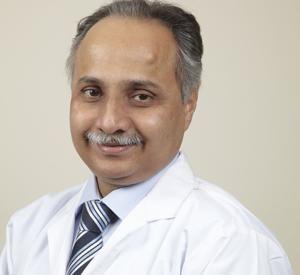
Dr. Harit K Chaturvedi
Chairman - Max Institute of Cancer Care
Surgical Oncology
New Delhi
35+ Years
Experience
Max Hospital,Gurgaon
Hospital
1500
Fees
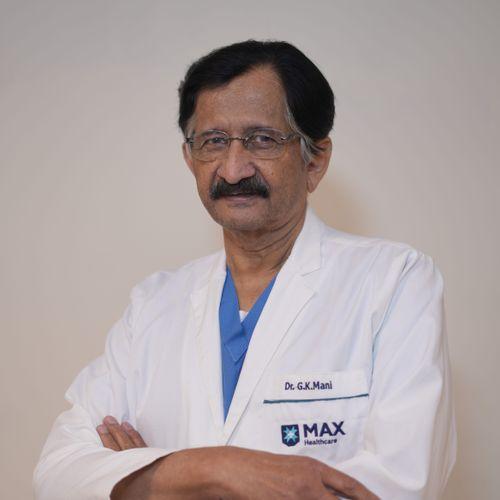
Dr. Ganesh Kumar Mani
Chairman, Cardiac Sciences, Cardiac Surgery (CTVS)
Cardiothoracic and Vascular Surgery (CTVS), Cardiac Sciences
New Delhi
46+ Years
Experience
Max Hospital,Gurgaon
Hospital
1500
Fees
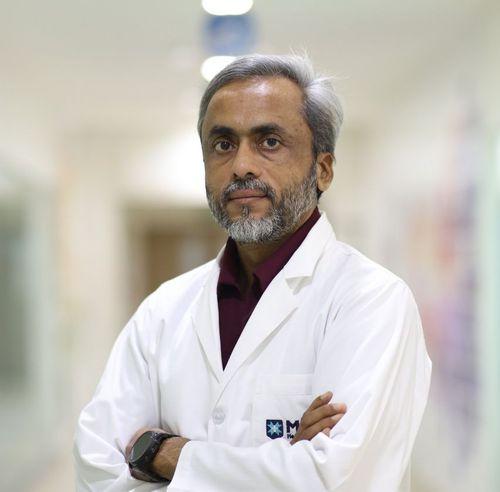
Dr Anshuman Kumar
Principal Director & Unit Head – Surgical Oncology
Surgical Oncology
New Delhi
19+ Years
Experience
Max Hospital,Gurgaon
Hospital
1500
Fees
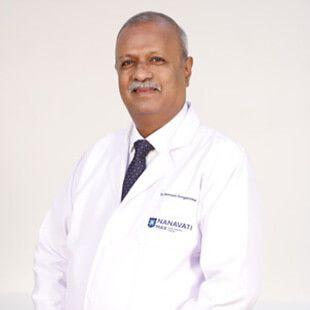
Dr. Hemant B Tongaonkar
Director
Surgical Oncology
New Delhi
32+ Years
Experience
Apolo Delhi
Hospital
1500
Fees
Related Links
Recent Blogs
Other Treatment related Information
- Robotic Cancer Surgery cost in Hyderabad
- Robotic Cancer Surgery cost in India
- Robotic Cancer Surgery cost in Bengaluru
- Robotic Cancer Surgery cost in Mumbai
- Robotic Cancer Surgery cost in New Delhi
- Robotic Cancer Surgery cost in Pune
- Robotic Cancer Surgery cost in Chennai
- Robotic Cancer Surgery cost in Haryana
- Robotic Cancer Surgery Success Rate in Bengaluru
- Robotic Cancer Surgery Success Rate in Haryana
- Robotic Cancer Surgery Success Rate in Pune
- Robotic Cancer Surgery Success Rate in Mumbai
- Robotic Cancer Surgery Success Rate in New Delhi
- Robotic Cancer Surgery Success Rate in Chennai
- Robotic Cancer Surgery Success Rate in Hyderabad
- Robotic Cancer Surgery Success Rate in India
Ready To Start Your Healing Journey?
Get Personalized Medical Treatment Options From India's Top Hospitals. Our Medical Experts Are Ready To Assist You Every Step Of The Way.