
Arthroscopic ACL Reconstruction Treatment in India for Ethiopia
Need Personalized Advice?
Our medical experts are ready to answer your questions and guide you through your treatment options.
Our medical experts are ready to answer your questions and guide you through your treatment options.
For many patients in Ethiopia facing an ACL injury, the thought of advanced reconstructive surgery can bring questions about accessibility and quality. Uncertainty about where to find the best care often leads to delays in receiving essential treatment, impacting daily life and future mobility.
This is why many individuals consider international healthcare options. India offers a nationwide network of highly specialized hospitals providing world-class Arthroscopic ACL Reconstruction across multiple major cities, known for combining advanced technology with compassionate care.
India has firmly established itself as a leading destination for orthopedic care, with internationally accredited hospitals and experienced surgeons using the latest minimally invasive techniques. The medical system focuses on delivering successful long-term outcomes for international patients.
Could India be the ideal choice for your ACL reconstruction journey?
Arthroscopic ACL Reconstruction is a minimally invasive surgical procedure used to replace a torn anterior cruciate ligament (ACL) in the knee. The ACL is a crucial ligament that provides stability to the knee joint. When it's torn, typically during sports activities, it can cause instability and pain. During the reconstruction, the damaged ligament is removed and replaced with a new tendon, often taken from another part of the patient's own body (autograft) or from a donor (allograft), using small incisions and a tiny camera (arthroscope) for precision.
Different types of grafts can be used for ACL reconstruction, each with its own advantages:
The procedure involves precise surgical steps tailored to the patient's specific condition, chosen graft, and surgeon's expertise. It is generally performed under general or regional anesthesia.
Anesthesia and Incisions: The patient receives anesthesia. Small incisions (portals) are made around the knee, through which an arthroscope and specialized instruments are inserted.
Knee Examination: The surgeon examines the knee joint using the arthroscope to assess the extent of the ACL tear and check for other injuries, such as meniscal damage.
Graft Harvesting (Autograft): If an autograft is used, the chosen tendon (e.g., hamstring, patellar, or quadriceps) is carefully harvested from the patient's leg through a separate small incision.
Tunnel Creation: Precision tunnels are drilled into the tibia (shin bone) and femur (thigh bone) at the sites where the original ACL was attached. These tunnels will house the new graft.
Graft Placement and Fixation: The prepared graft is then threaded through the drilled tunnels. It is secured in place using fixation devices like screws, buttons, or staples, holding it taut to mimic the original ligament's function.
Closure: The incisions are closed with sutures or sterile strips, and a sterile dressing is applied. A knee brace may be fitted immediately.
Recovery from Arthroscopic ACL Reconstruction is a gradual process requiring patience and diligent adherence to rehabilitation protocols. Most patients spend 1-2 days in the hospital for initial pain management and mobility assessment. Pain will be managed with medication, and early physiotherapy begins immediately to restore range of motion and prevent stiffness. A knee brace might be used to protect the new graft. Weight-bearing restrictions vary, but progressive loading is initiated as tolerated. Full recovery, including a return to demanding sports, can take 6-12 months, depending on individual healing, rehabilitation intensity, and the graft type used. Regular follow-up appointments with the surgeon and physiotherapist are crucial to monitor progress and adjust the recovery plan.
The success rates for Arthroscopic ACL Reconstruction are generally very high, with over 90% of patients achieving good to excellent stability and a return to their desired activity level. Outcomes vary based on factors like the patient's age, graft choice, adherence to rehabilitation, and the surgeon's experience. Long-term expectations involve regaining full knee function and stability, allowing most individuals to return to sports and daily activities without limitations, provided the rehabilitation program is followed diligently.
The cost of Arthroscopic ACL Reconstruction in India is significantly lower compared to Western countries, without compromising on quality. Several factors influence the final cost, including the choice of hospital (government, private, luxury), the surgeon's experience and reputation, the type of graft used (autograft vs. allograft), the duration of hospital stay, and the extent of post-operative physiotherapy required.
Generally, the cost for Arthroscopic ACL Reconstruction in India can range from approximately INR 1,50,000 to INR 4,00,000.
| City | Estimated Cost Range (INR) |
|---|---|
| Delhi | 2,00,000 - 3,50,000 |
| Mumbai | 2,20,000 - 3,80,000 |
| Chennai | 1,80,000 - 3,20,000 |
| Bengaluru | 2,10,000 - 3,60,000 |
| Hyderabad | 1,90,000 - 3,30,000 |
| Kolkata | 1,70,000 - 3,00,000 |
| Pune | 1,85,000 - 3,25,000 |
| Country | Estimated Cost Range (USD) |
|---|---|
| India | 2,500 - 5,000 |
| Ethiopia | 5,000 - 10,000 |
| USA | 20,000 - 50,000 |
| UK | 15,000 - 30,000 |
| Singapore | 10,000 - 25,000 |
| Thailand | 6,000 - 12,000 |
| Turkey | 5,000 - 10,000 |
India offers excellent medical solutions for your Arthroscopic ACL Reconstruction, combining advanced care with affordability. Begin your journey toward restored knee function with confidence.
India offers premium medical procedures at affordable prices. Discover our most popular treatments, delivered by the country's finest doctors.
Meet our team of highly qualified and experienced medical professionals dedicated to providing the best healthcare services.
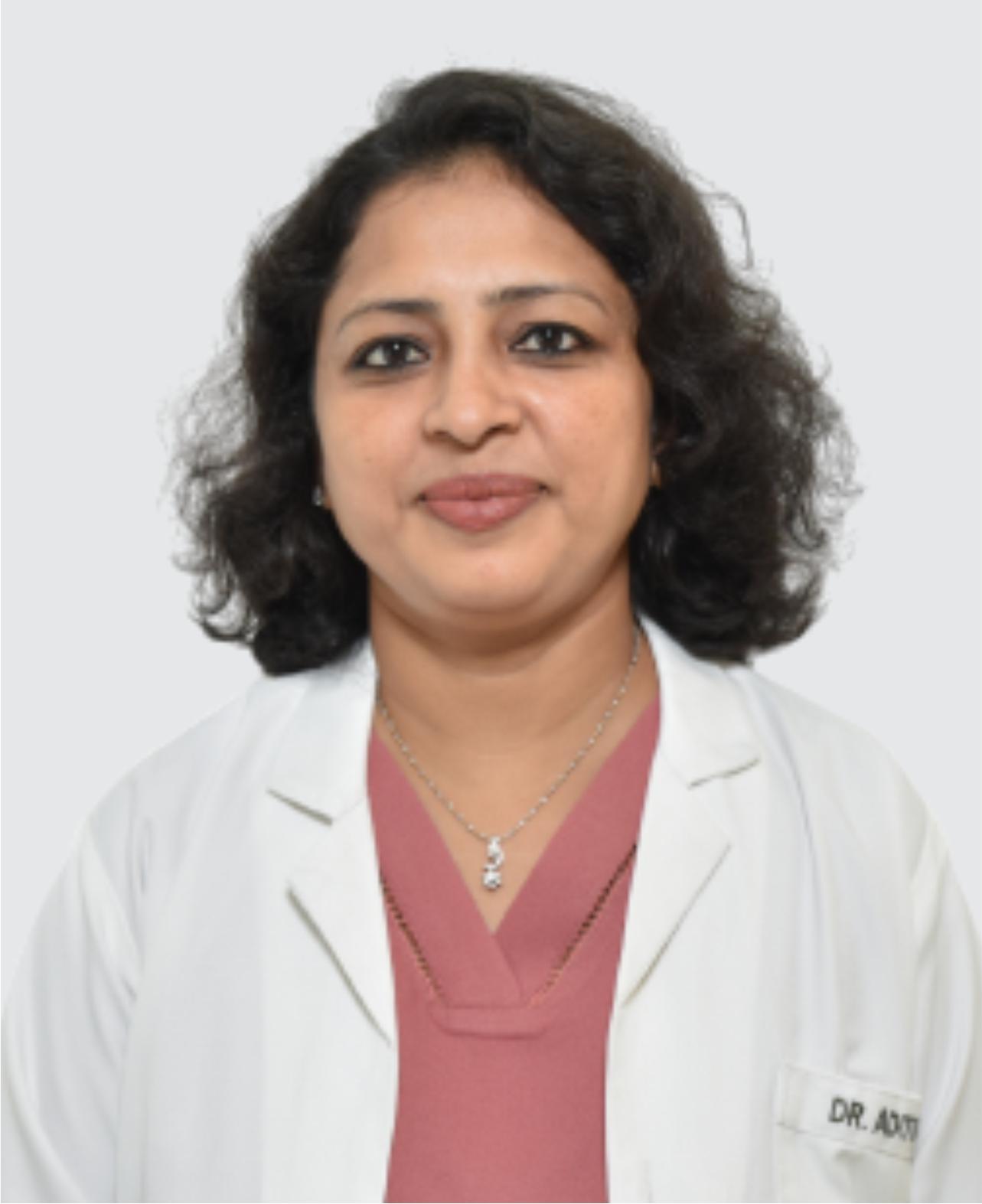
Sr. Consultant – Women Imaging
Radiology
New Delhi
15+ Years
Experience
Artemis Hospital
Hospital
1500
Fees
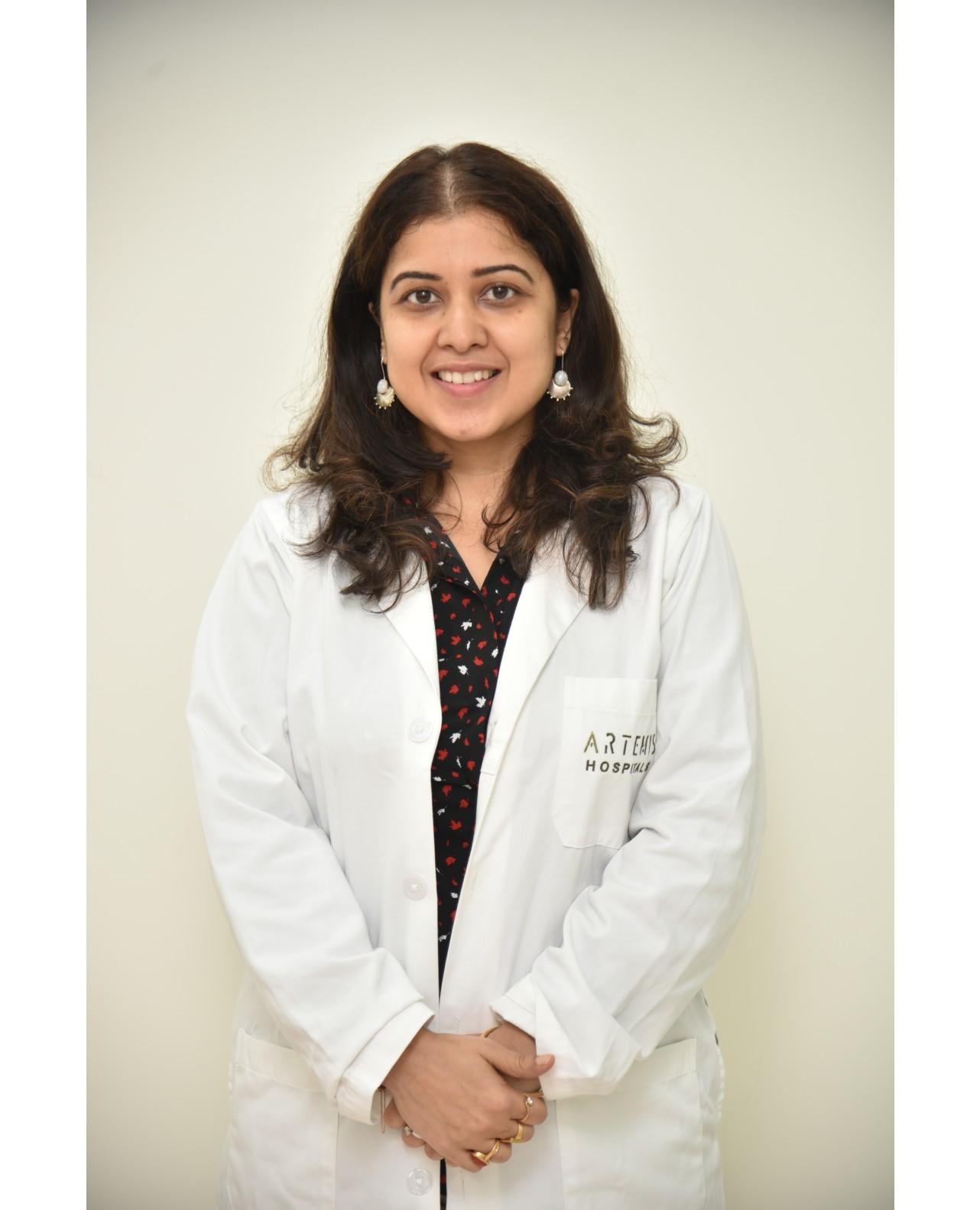
Co-Head Psychological Services
Mental Health and Behavioural Sciences
New Delhi
15+ Years
Experience
Artemis Hospital
Hospital
1500
Fees
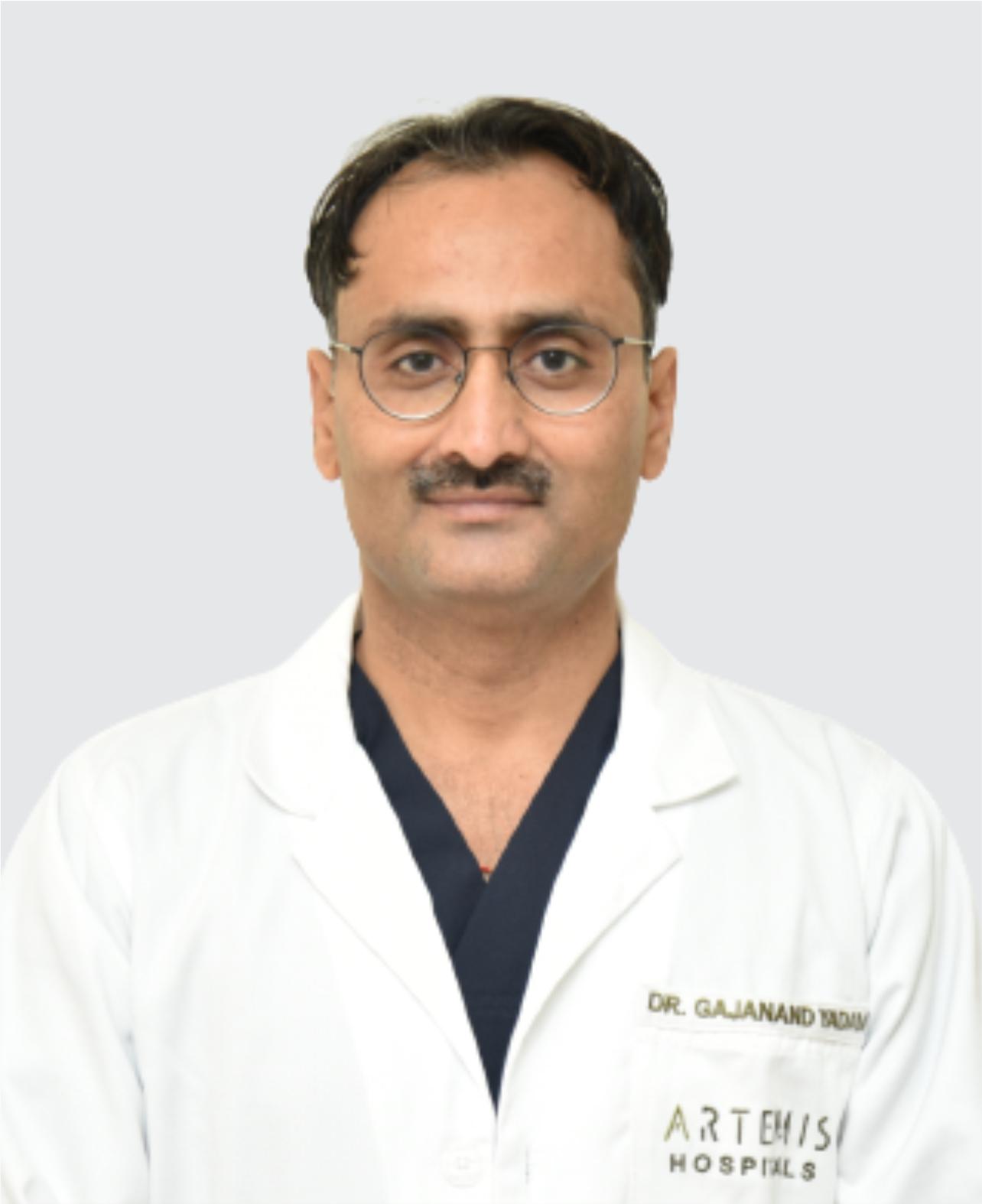
Consultant - Orthopaedics and Hip and Knee Arthroplasty
Orthopaedics, Hip and Knee Arthroplasty, Joint Replacement, Sports Medicine
New Delhi
12+ Years
Experience
Artemis Hospital
Hospital
1500
Fees
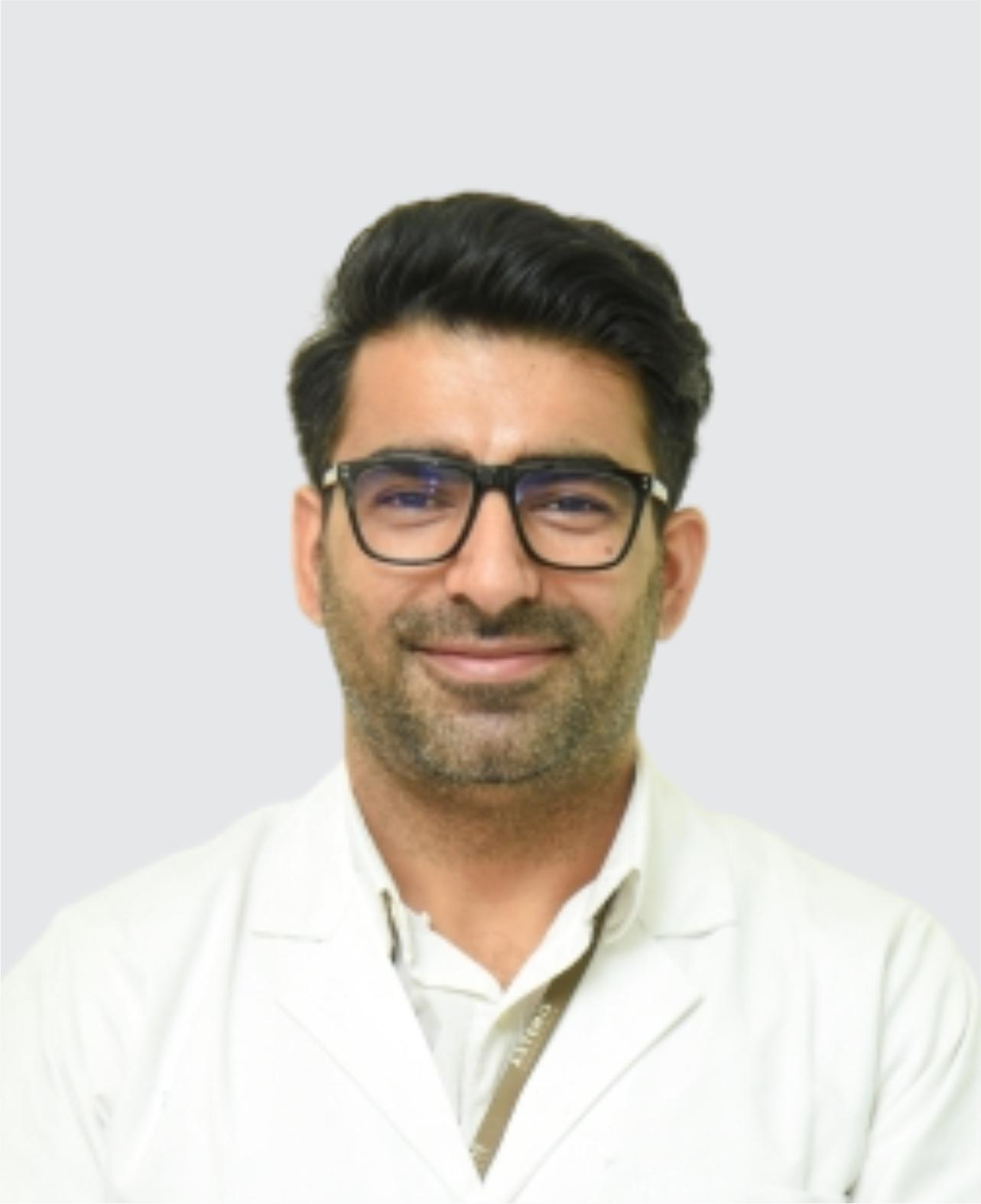
Consultant
Orthopaedic Surgery
New Delhi
10+ Years
Experience
Artemis Hospital
Hospital
1500
Fees
Head of Department - Gynae Endocrinology & DNB Program Director - Obs & Gynae
Gynaecological Endocrinology, Maternity, Obstetrics & Gynaecology
New Delhi
35+ Years
Experience
Artemis Hospital
Hospital
1500
Fees

Senior Consultant - ENT
ENT and Head & Neck Surgery
New Delhi
24+ Years
Experience
Artemis Hospital
Hospital
1500
Fees
Consultant (Head & Neck Surgery) - Surgical Oncology
Head and Neck Surgical Oncology
New Delhi
10+ Years
Experience
Artemis Hospital
Hospital
1500
Fees
Chief - Hematology, Oncology & Bone Marrow Transplant
Clinical Hematology, Hematologic Oncology, Bone Marrow Transplantation
New Delhi
15+ Years
Experience
Artemis Hospital
Hospital
1500
Fees
Chief
Paediatric
New Delhi
15+ Years
Experience
Artemis Hospital
Hospital
1500
Fees
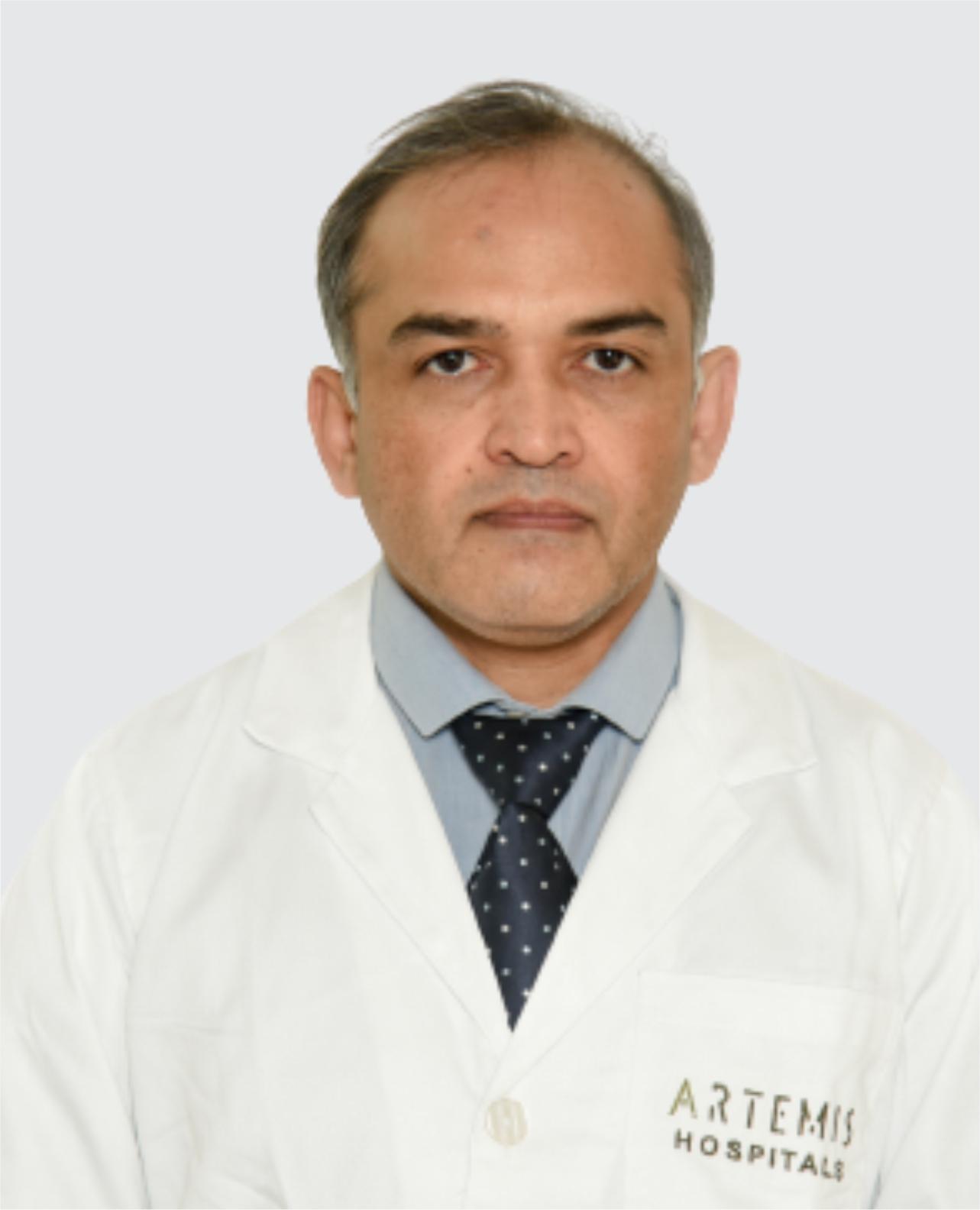
Chairperson Urology & Head, Urologic Oncology & Robotic Surgery (Unit I)
Robotic Surgery, Urology
New Delhi
20+ Years
Experience
Artemis Hospital
Hospital
1500
Fees
Get Personalized Medical Treatment Options From India's Top Hospitals. Our Medical Experts Are Ready To Assist You Every Step Of The Way.