
Arthroscopic ACL Reconstruction Treatment in Mumbai for Nigeria
Need Personalized Advice?
Our medical experts are ready to answer your questions and guide you through your treatment options.
Our medical experts are ready to answer your questions and guide you through your treatment options.
For many in Nigeria facing an Anterior Cruciate Ligament (ACL) injury, the thought of limited mobility or giving up sports is daunting. The search for effective and reliable treatment often leads to considering options beyond national borders, seeking specialized care.
Mumbai emerges as a prime destination for such advanced orthopedic needs. Its medical infrastructure, combined with a reputation for welcoming international patients, offers a compelling choice for those seeking high-quality surgical solutions.
Trust in Mumbai's medical expertise is well-founded. The city hosts numerous accredited hospitals and highly skilled orthopedic surgeons specializing in sports injuries, ensuring comprehensive care from diagnosis through rehabilitation.
Considering Mumbai for your ACL reconstruction offers clear advantages, but what truly sets it apart?
Arthroscopic ACL reconstruction is a surgical procedure to repair a torn anterior cruciate ligament in the knee. The ACL is crucial for knee stability. When torn, it can cause the knee to feel unstable, particularly during movements that involve pivoting or sudden stops. The surgery involves replacing the damaged ligament with a new graft, typically taken from another part of your body (autograft) or from a donor (allograft), using minimally invasive techniques. This aims to restore knee function, stability, and reduce pain.
While the goal of ACL reconstruction remains consistent, several approaches exist:
The precise surgical procedure depends on the specific condition of your knee and the surgeon's chosen technique.
Typically, arthroscopic ACL reconstruction involves these general steps:
Recovery from ACL reconstruction is a gradual process requiring dedication. Immediately after surgery, pain management and protection of the knee are priorities. Patients typically use crutches for several weeks and wear a brace. A structured physiotherapy program is essential, beginning soon after surgery, focusing on restoring range of motion, strength, and stability. Full recovery, including a safe return to sports, can take 6 to 12 months, depending on individual healing, rehabilitation adherence, and the specific sport. Regular follow-up appointments with your surgeon and physiotherapist are crucial to monitor progress.
Arthroscopic ACL reconstruction boasts high success rates, with most patients achieving good to excellent outcomes. Approximately 85-90% of patients successfully return to their pre-injury activity levels, including competitive sports. Success varies based on factors like patient age, adherence to rehabilitation, presence of other knee injuries, and the surgical technique used. Long-term outcomes generally include improved knee stability and reduced pain, though some may still experience occasional mild pain or stiffness.
The cost of medical treatments in India, including Arthroscopic ACL Reconstruction, is significantly more affordable compared to Western countries, without compromising on quality or expertise.
For Arthroscopic ACL Reconstruction in Mumbai, the estimated cost typically ranges from INR 3,50,000 to INR 5,50,000.
The overall expense for your ACL reconstruction in Mumbai is influenced by several factors. These include the choice of hospital facility, the specific type of graft used (autograft versus allograft), the complexity of your injury, the surgeon's experience, and the duration of your hospital stay and rehabilitation program.
| Location | Estimated Cost (USD) |
|---|---|
| Mumbai, India | $4,200 - $6,600 |
| United States | $15,000 - $30,000 |
| United Kingdom | $10,000 - $19,000 |
| Thailand | $8,000 - $15,000 |
| Turkey | $6,000 - $12,000 |
Connect with our patient support team to receive a personalized treatment plan and cost estimate tailored to your needs.
Reach out today for expert guidance on your Arthroscopic ACL Reconstruction journey in Mumbai.
Choosing Mumbai for your Arthroscopic ACL Reconstruction means opting for expert care, advanced facilities, and a supportive environment for your recovery.
India offers premium medical procedures at affordable prices. Discover our most popular treatments, delivered by the country's finest doctors.
Meet our team of highly qualified and experienced medical professionals dedicated to providing the best healthcare services.
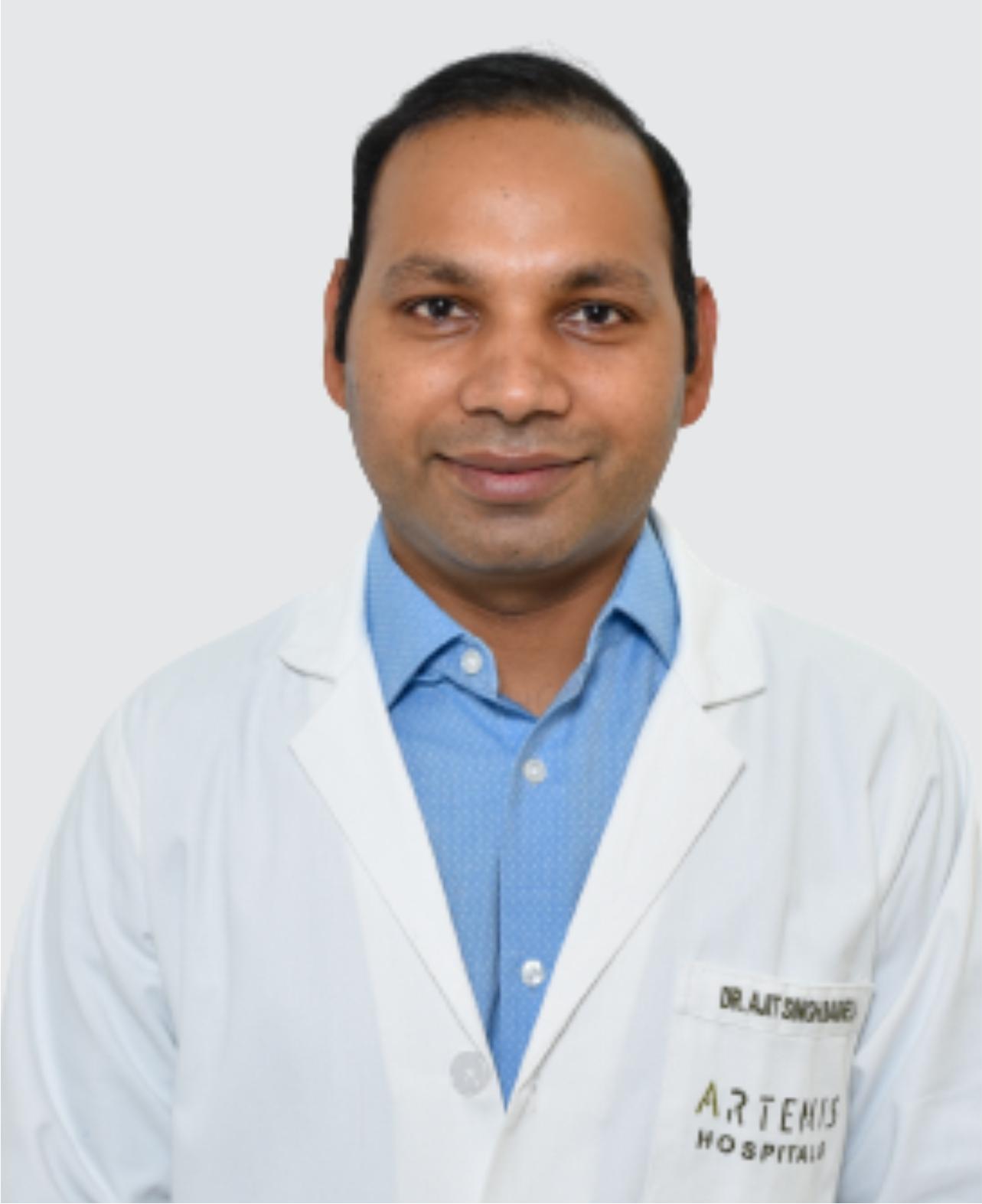
Consultant
Paediatric Neurology
Haryana
9+ Years
Experience
Artemis Hospital
Hospital
1500
Fees
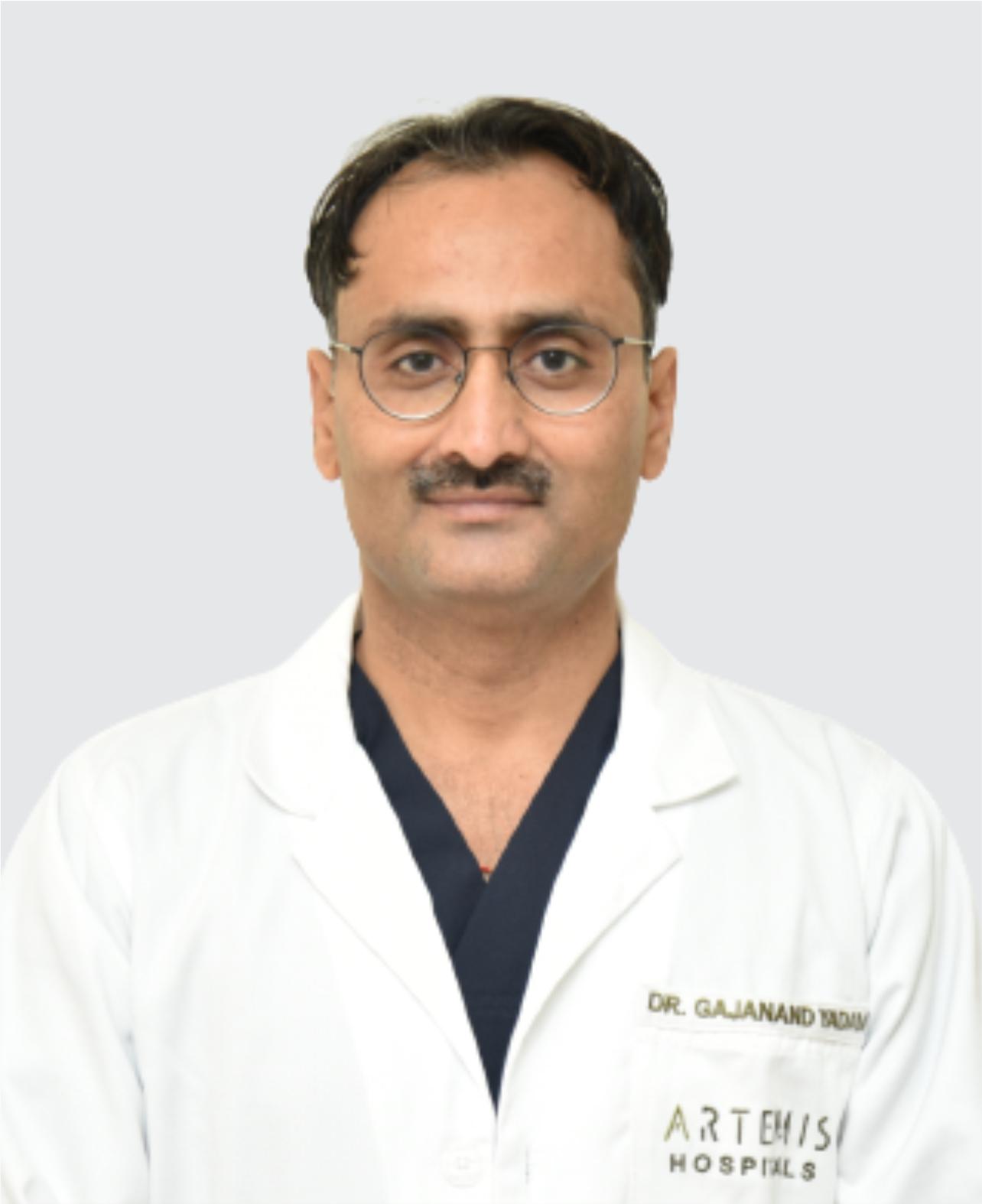
Consultant - Orthopaedics and Hip and Knee Arthroplasty
Orthopaedics, Hip and Knee Arthroplasty, Joint Replacement, Sports Medicine
New Delhi
12+ Years
Experience
Artemis Hospital
Hospital
1500
Fees
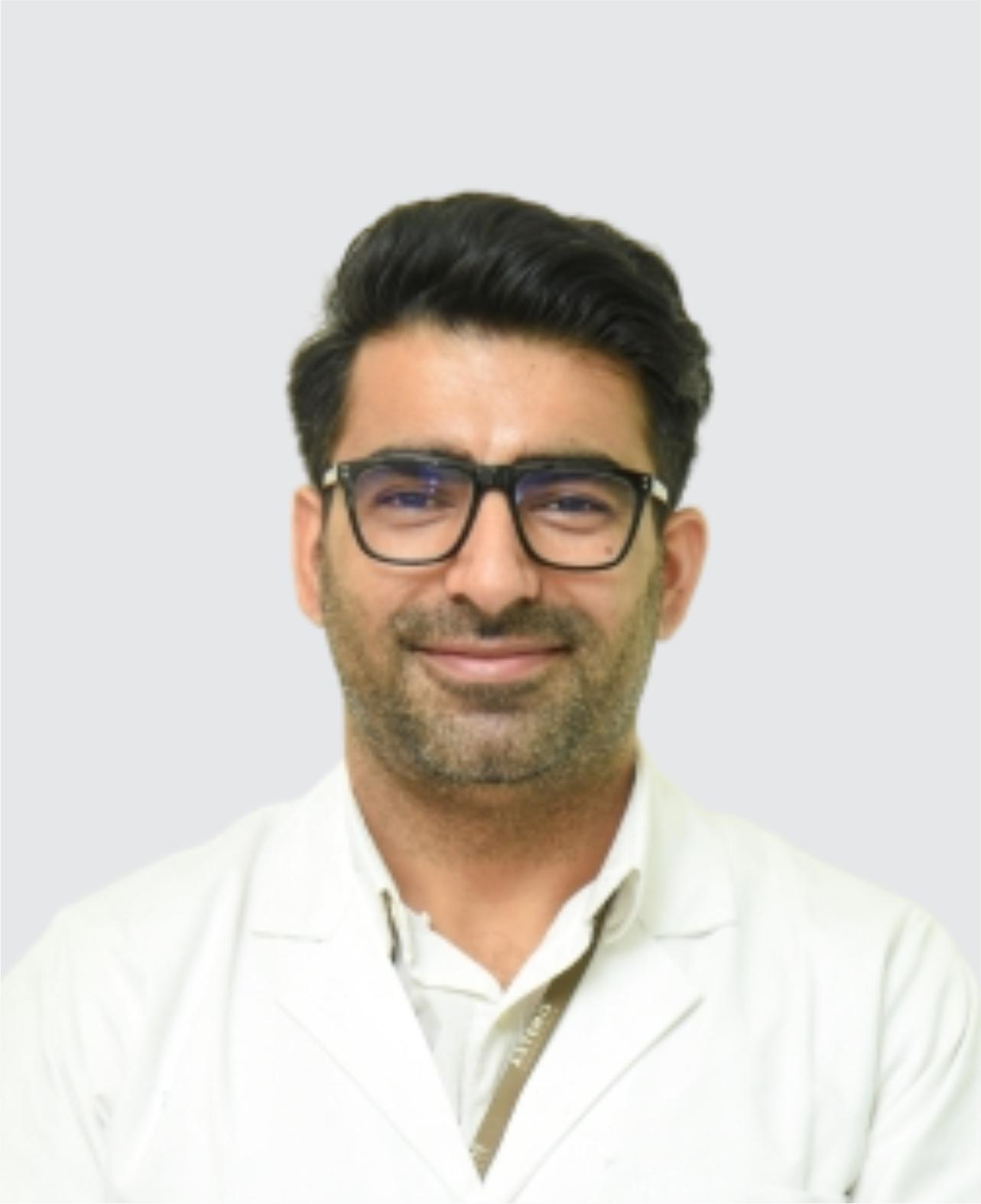
Consultant
Orthopaedic Surgery
New Delhi
10+ Years
Experience
Artemis Hospital
Hospital
1500
Fees
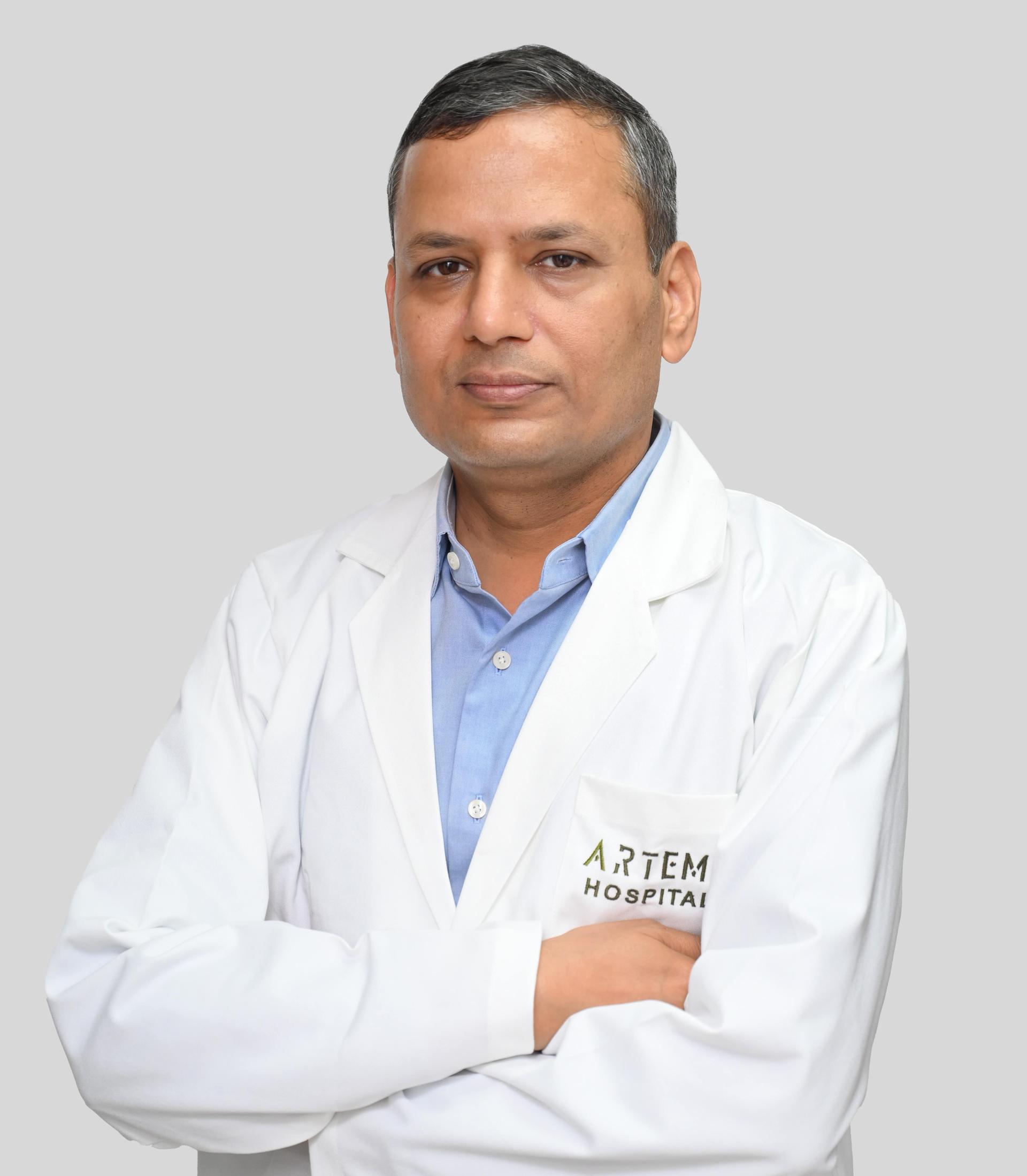
Chief - Hematology, Oncology & Bone Marrow Transplant
Clinical Hematology, Hematologic Oncology, Bone Marrow Transplantation
New Delhi
15+ Years
Experience
Artemis Hospital
Hospital
1500
Fees
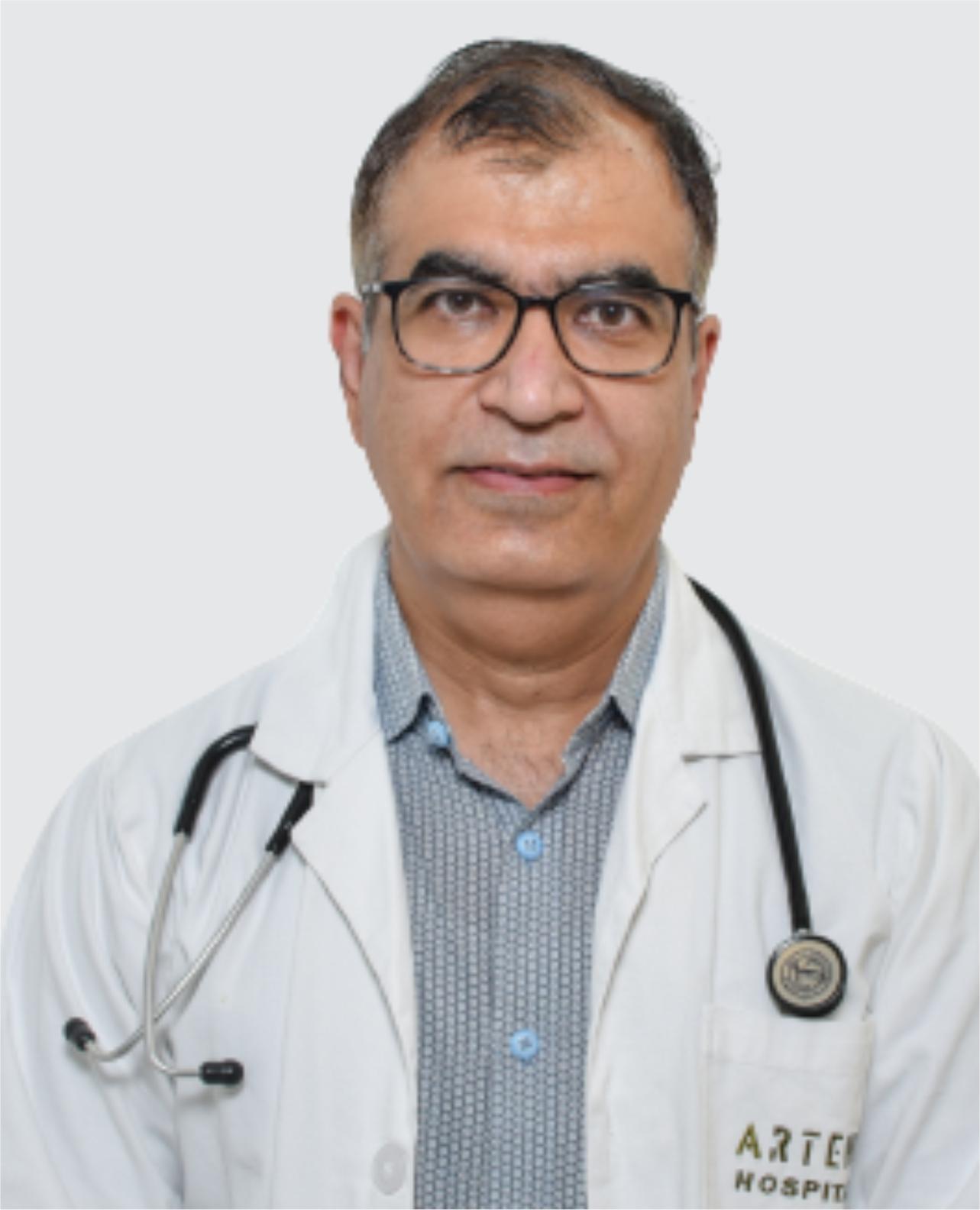
Chief
Paediatric
New Delhi
15+ Years
Experience
Artemis Hospital
Hospital
1500
Fees
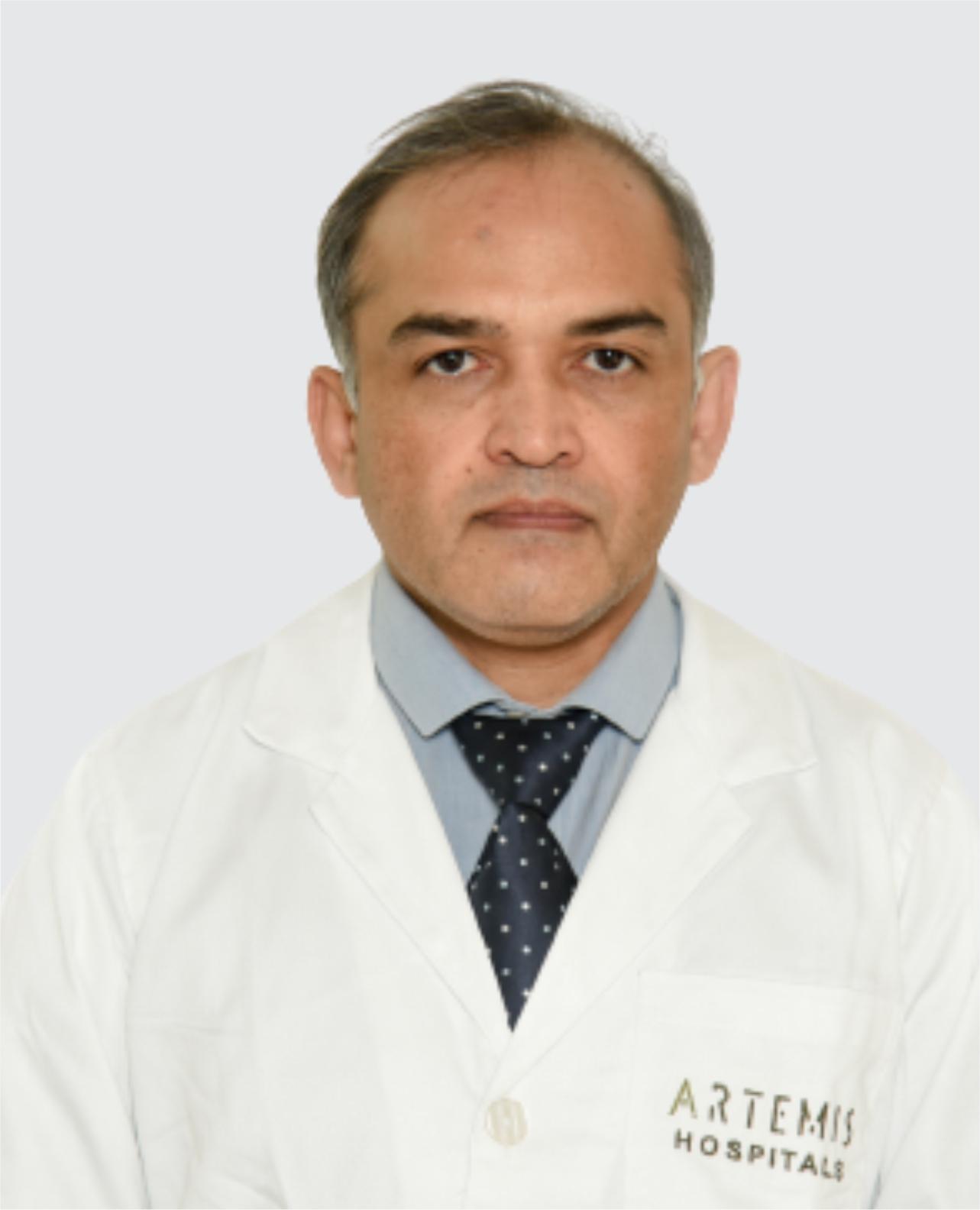
Chairperson Urology & Head, Urologic Oncology & Robotic Surgery (Unit I)
Robotic Surgery, Urology
New Delhi
20+ Years
Experience
Artemis Hospital
Hospital
1500
Fees
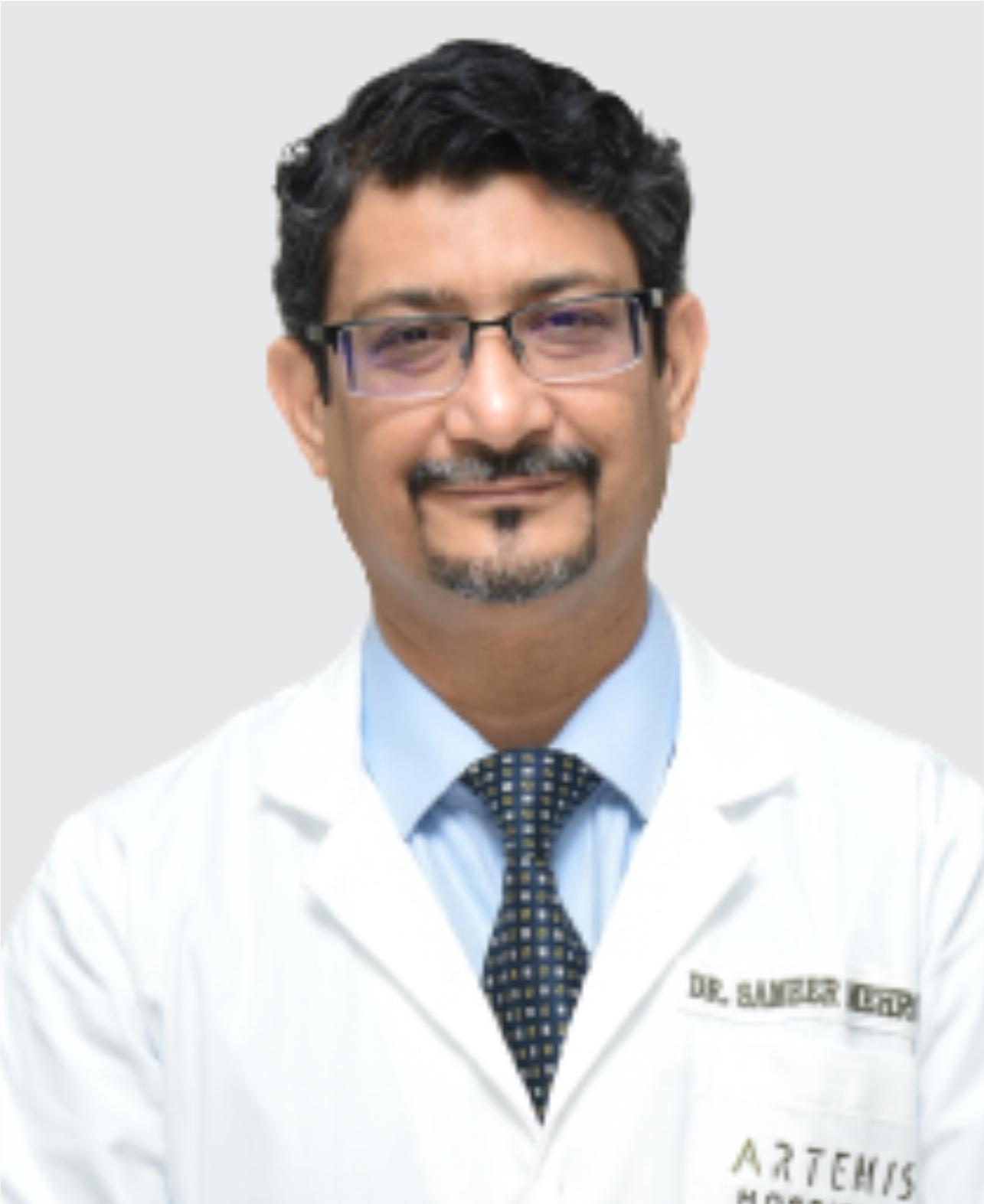
Unit Chief - Interventional Cardiology & Electrophysiology
Cardiology, Electrophysiology, Interventional Cardiology
New Delhi
15+ Years
Experience
Artemis Hospital
Hospital
1500
Fees
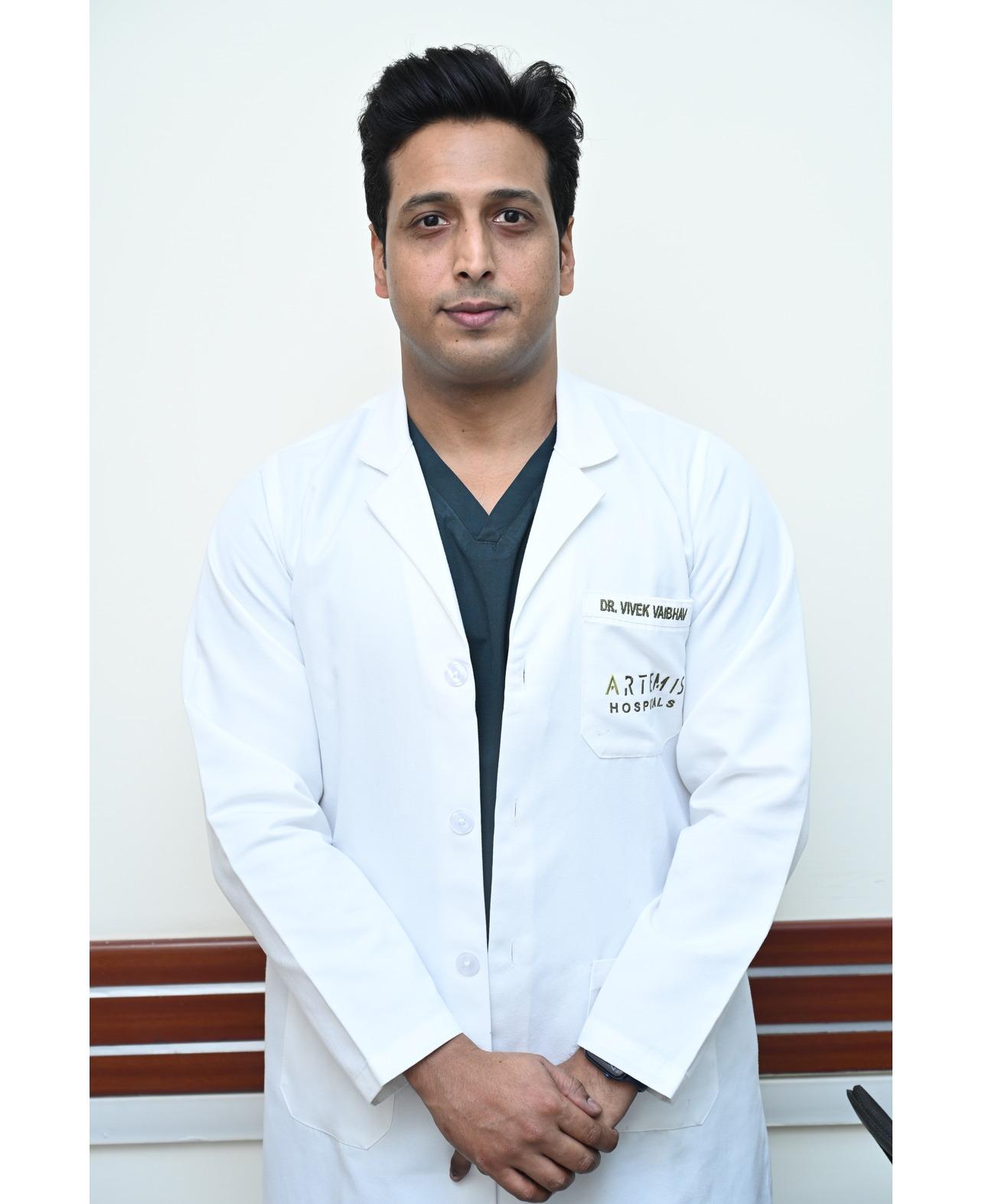
Consultant
Orthopaedic Surgery, Orthopaedics
New Delhi
10+ Years
Experience
Artemis Hospital
Hospital
1500
Fees
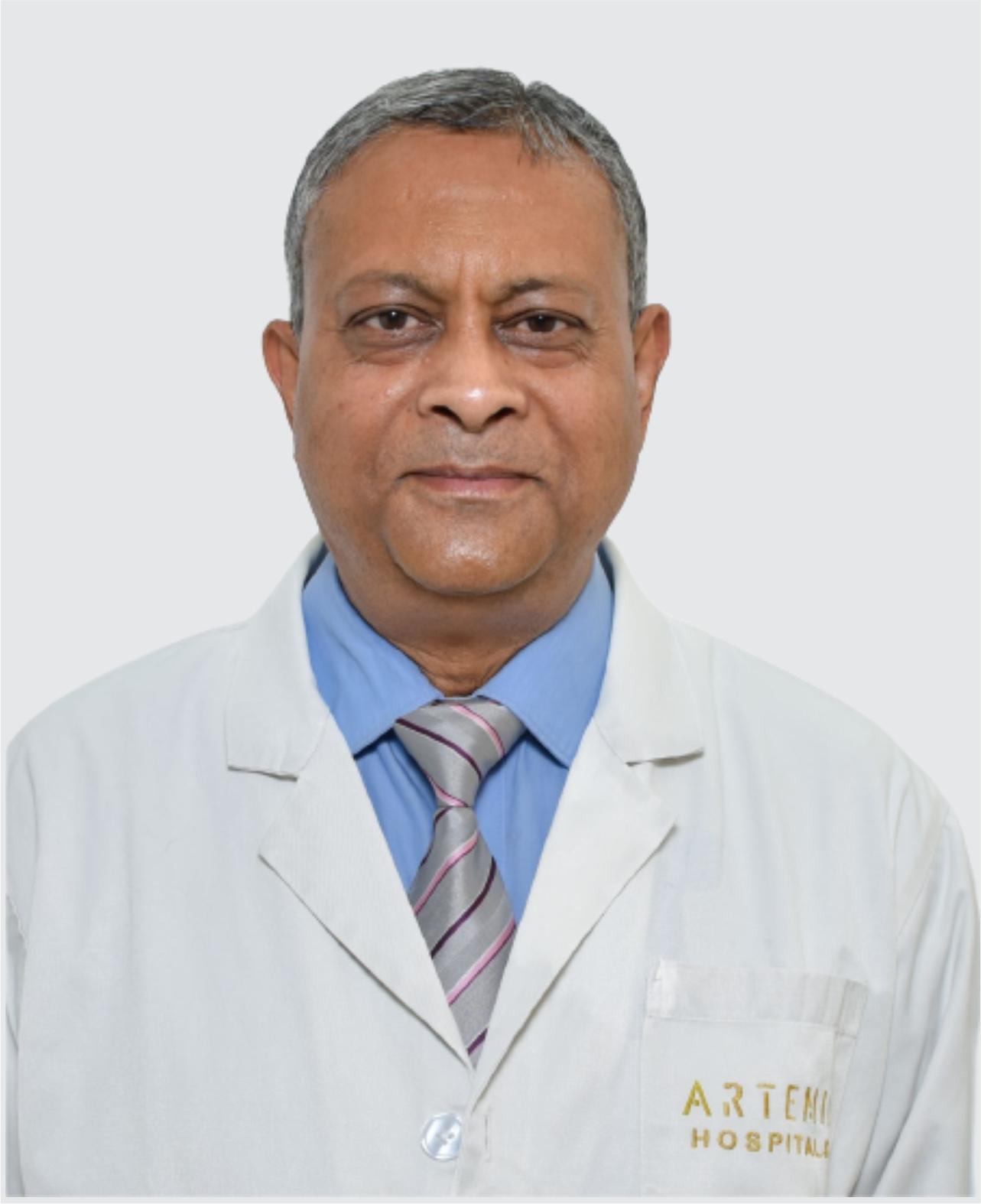
Chief - Nephrology (Unit II)
Kidney Transplant, Nephrology
New Delhi
15+ Years
Experience
Artemis Hospital
Hospital
1500
Fees
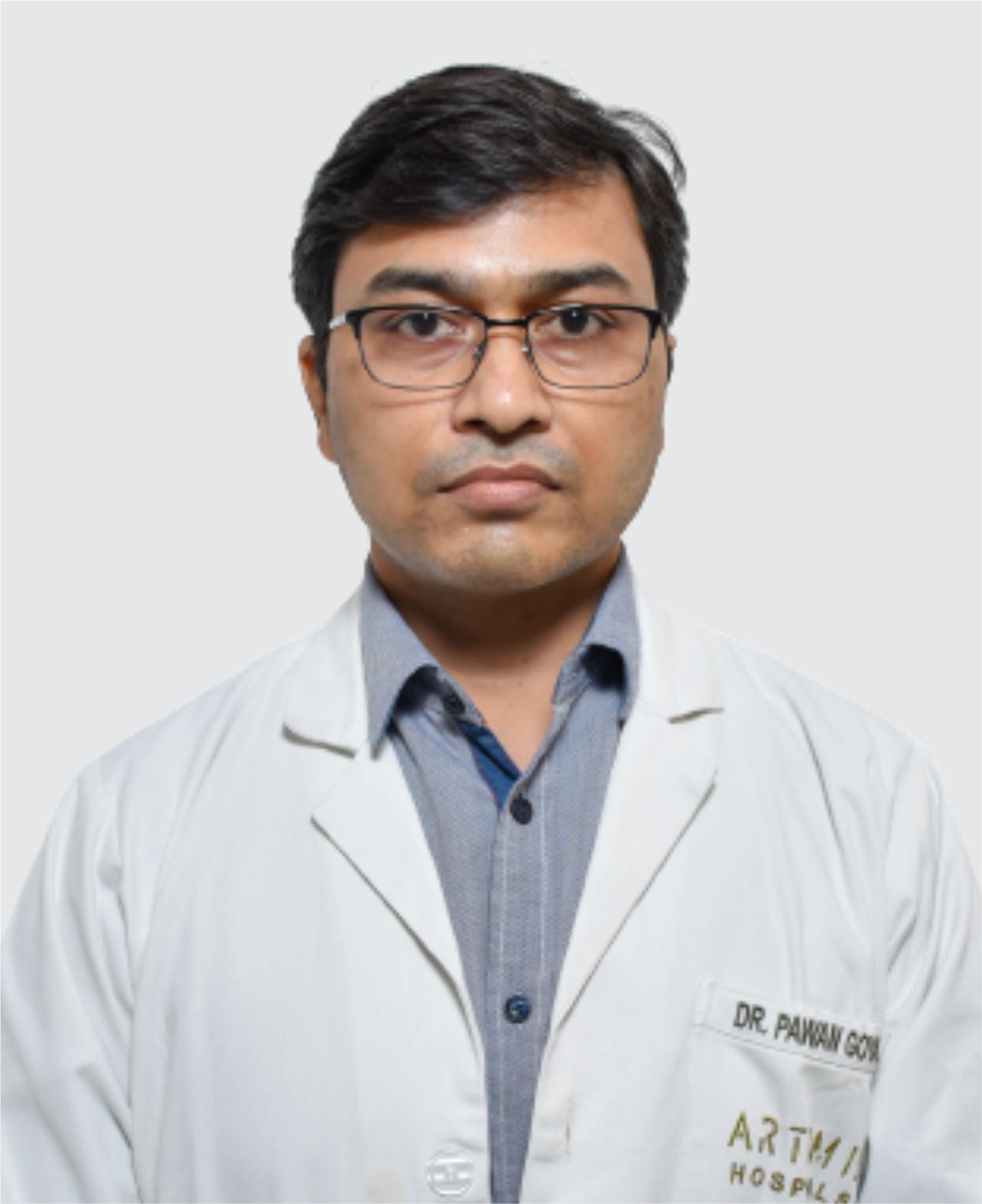
Director & Head
Orthopaedics & Joint Replacement
New Delhi
22+ Years
Experience
Artemis Hospital
Hospital
1500
Fees
Get Personalized Medical Treatment Options From India's Top Hospitals. Our Medical Experts Are Ready To Assist You Every Step Of The Way.