
Hip Resurfacing Treatment in Gurugram for UAE
Need Personalized Advice?
Our medical experts are ready to answer your questions and guide you through your treatment options.
Our medical experts are ready to answer your questions and guide you through your treatment options.
Living with persistent hip pain can severely impact daily life, making even simple movements challenging. For many in the UAE considering hip resurfacing, finding advanced care that aligns with their needs, preferences, and budget is often a significant concern. The journey to relief can feel complex when weighing options.
Gurugram, a prominent medical hub in India, has emerged as a preferred destination for complex orthopaedic procedures. Patients often seek out Gurugram for its established healthcare infrastructure and a comprehensive approach to joint care, making it a focused choice for specialized treatments like hip resurfacing.
Within Gurugram, a network of modern hospitals and highly skilled orthopaedic specialists offers world-class expertise. These facilities are equipped with state-of-the-art technology and dedicated support teams, ensuring a seamless experience from initial consultation through to recovery within the city's medical ecosystem.
Is Gurugram the right choice for your hip resurfacing journey?
Hip resurfacing is a surgical procedure that involves reshaping the damaged surfaces of the hip joint and capping them with smooth, durable metal implants, rather than replacing the entire joint. Unlike a total hip replacement, which removes both the head and neck of the femur, hip resurfacing preserves more of the patient's original bone. The damaged cartilage on the femoral head is shaved and covered with a metal cap, while the socket (acetabulum) in the pelvis is lined with a metal shell, allowing for smooth, pain-free movement.
While hip resurfacing itself is a specific surgical technique, understanding its context often involves looking at related procedures and considerations:
The hip resurfacing procedure is a specialized surgical intervention, typically performed by experienced orthopaedic surgeons in Gurugram.
Connect with leading orthopaedic specialists in Gurugram to discuss your hip resurfacing options and personalized treatment plan.
Recovery from hip resurfacing typically involves a structured approach to rehabilitation. Patients often begin walking with assistance within a day or two after surgery. A personalized physical therapy program is crucial for restoring strength, flexibility, and range of motion. Initial restrictions on weight-bearing and certain movements are common to allow for proper healing. Most individuals can return to light daily activities within a few weeks, with full recovery and return to more vigorous activities often taking several months. Regular follow-up appointments with the orthopaedic surgeon are essential to monitor progress and ensure optimal long-term outcomes.
The success rates for hip resurfacing are generally high, especially in carefully selected younger, active patients with good bone quality. Many studies report excellent long-term outcomes, with over 90% of implants functioning well after 10-15 years. Results can vary depending on factors such as patient age, activity level, surgeon experience, and overall health. Patients typically experience significant pain relief and improved mobility, allowing for a return to a more active lifestyle. Long-term expectations include continued pain management and functional improvement, though diligent follow-up and adherence to physical therapy are important for maximizing the benefits.
The cost of hip resurfacing in Gurugram is influenced by several factors, including the chosen hospital's accreditation and facilities, the orthopaedic specialist's experience, the type of implant used, the length of hospital stay, and the extent of post-operative rehabilitation required. Gurugram offers a compelling balance of advanced medical care and cost-effectiveness for international patients.
For UAE patients considering Gurugram, the estimated cost for Hip Resurfacing typically ranges from INR 3,50,000 to INR 6,50,000.
Gurugram provides a significant cost advantage compared to many Western countries, without compromising on quality of care. Here’s a comparative overview:
| Location | Estimated Cost (USD) |
|---|---|
| Gurugram, India | $4,200 - $7,800 |
| United States | $25,000 - $45,000 |
| United Kingdom | $18,000 - $30,000 |
| Singapore | $15,000 - $25,000 |
| Australia | $20,000 - $35,000 |
Reach out today to receive a personalized quote and detailed information about hip resurfacing in Gurugram.
Choosing hip resurfacing in Gurugram offers a pathway to renewed mobility and a life free from chronic hip pain. Explore the exceptional care awaiting you.
India offers premium medical procedures at affordable prices. Discover our most popular treatments, delivered by the country's finest doctors.
Meet our team of highly qualified and experienced medical professionals dedicated to providing the best healthcare services.
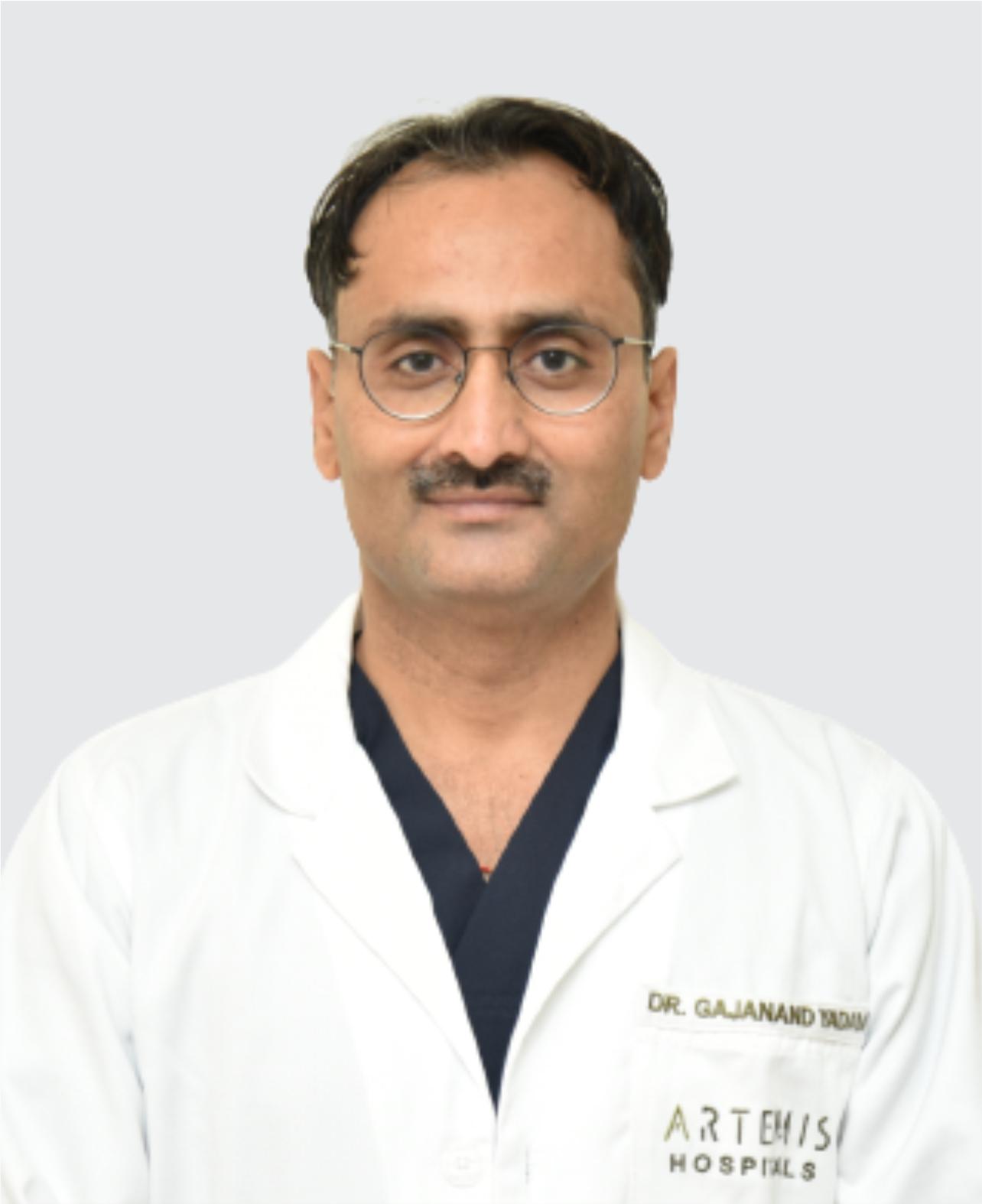
Consultant - Orthopaedics and Hip and Knee Arthroplasty
Orthopaedics, Hip and Knee Arthroplasty, Joint Replacement, Sports Medicine
New Delhi
12+ Years
Experience
Artemis Hospital
Hospital
1500
Fees
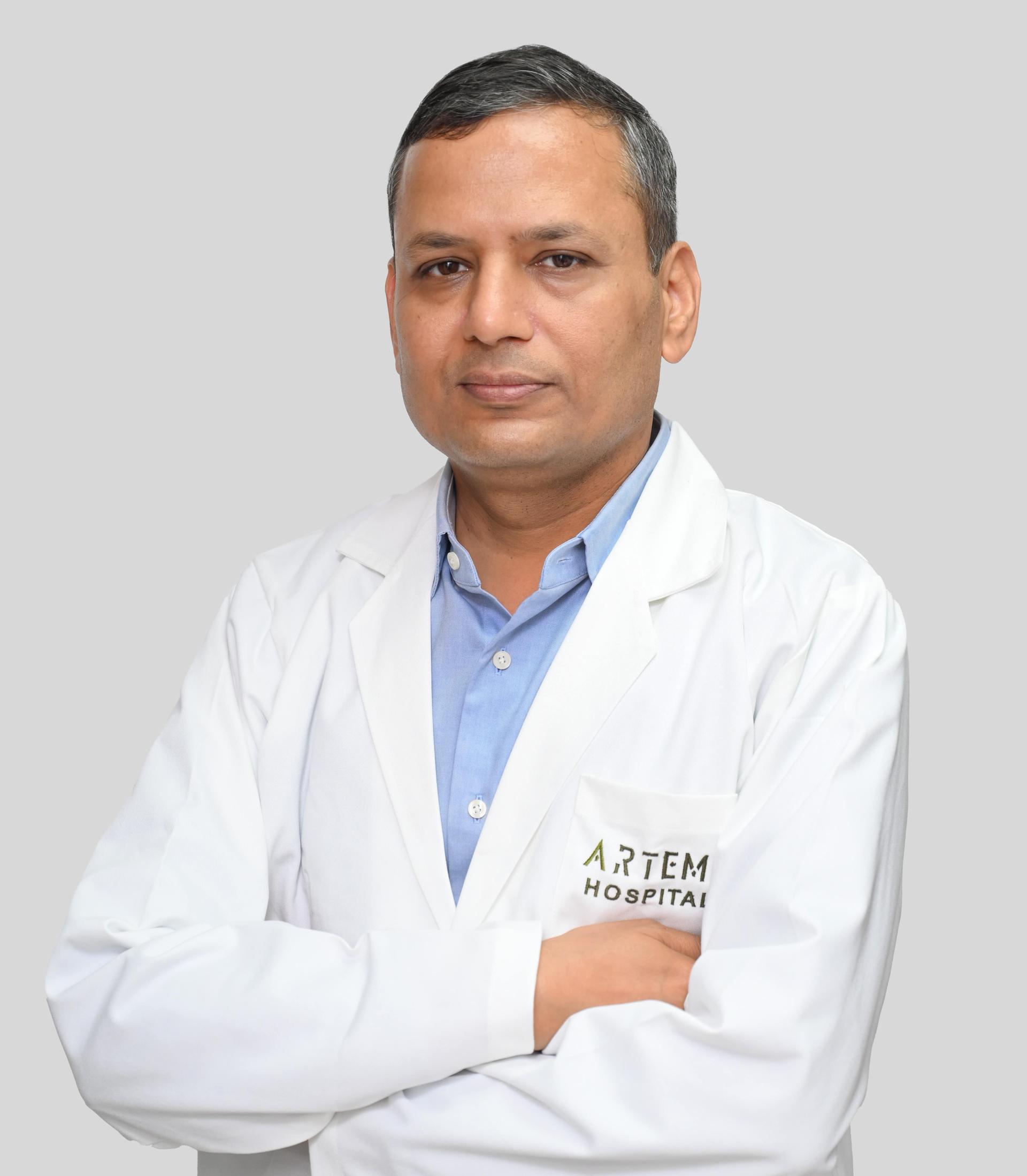
Chief - Hematology, Oncology & Bone Marrow Transplant
Clinical Hematology, Hematologic Oncology, Bone Marrow Transplantation
New Delhi
15+ Years
Experience
Artemis Hospital
Hospital
1500
Fees
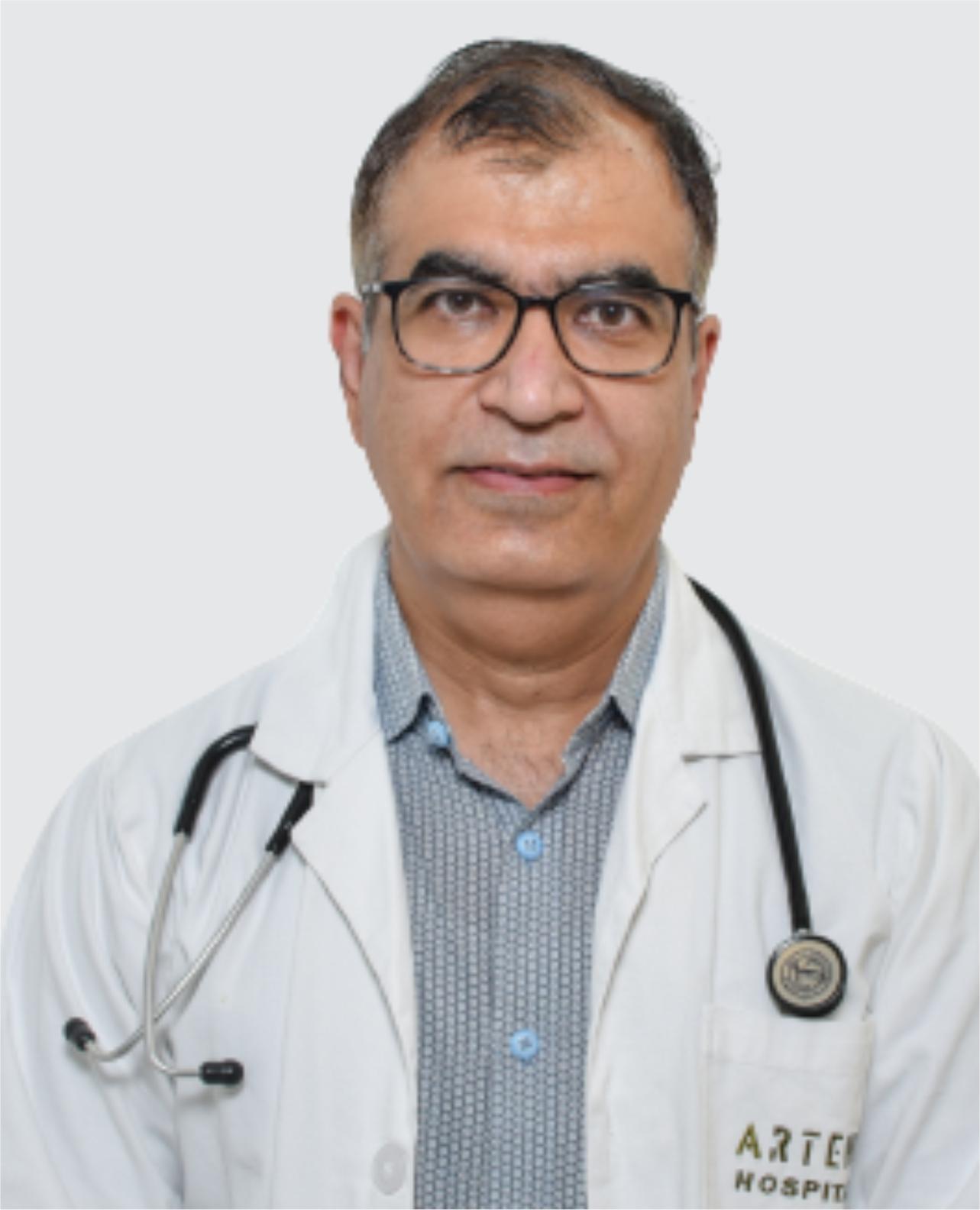
Chief
Paediatric
New Delhi
15+ Years
Experience
Artemis Hospital
Hospital
1500
Fees
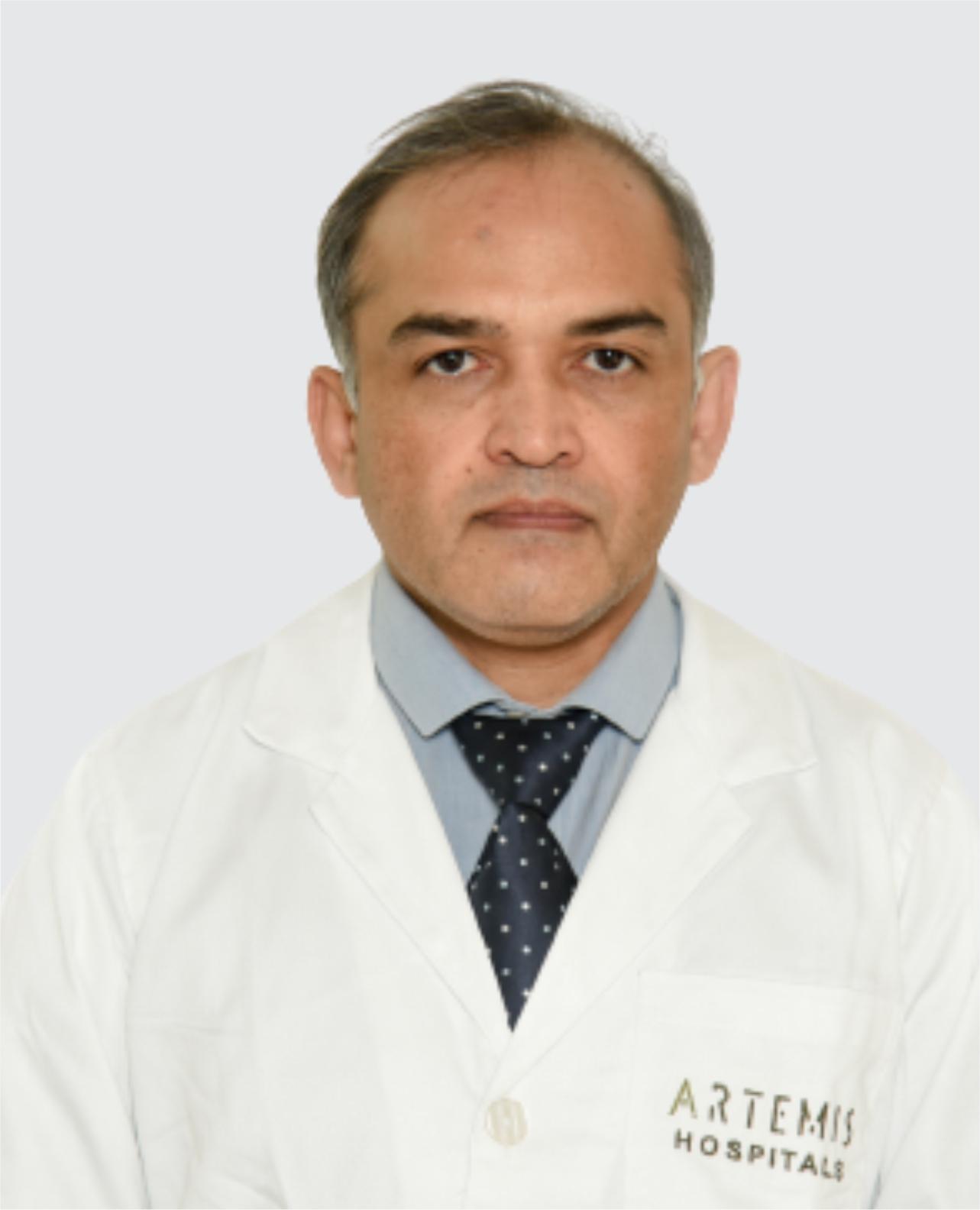
Chairperson Urology & Head, Urologic Oncology & Robotic Surgery (Unit I)
Robotic Surgery, Urology
New Delhi
20+ Years
Experience
Artemis Hospital
Hospital
1500
Fees
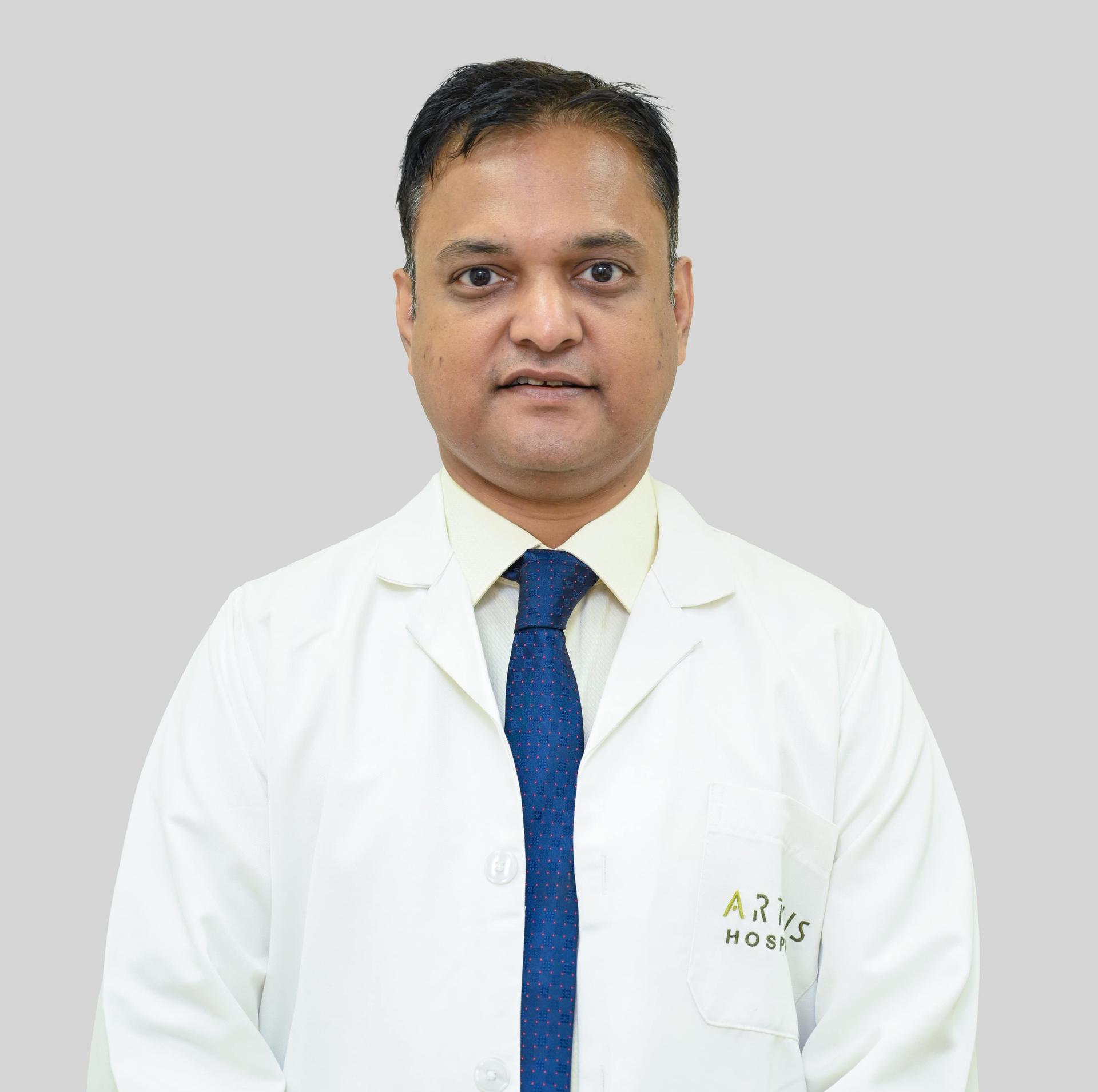
Head - General, MI & Bariatric Surgery (Unit IV)
General & Minimally Invasive Surgery
New Delhi
25+ Years
Experience
Artemis Hospital
Hospital
1500
Fees
Unit Chief - Interventional Cardiology & Electrophysiology
Cardiology, Electrophysiology, Interventional Cardiology
New Delhi
15+ Years
Experience
Artemis Hospital
Hospital
1500
Fees
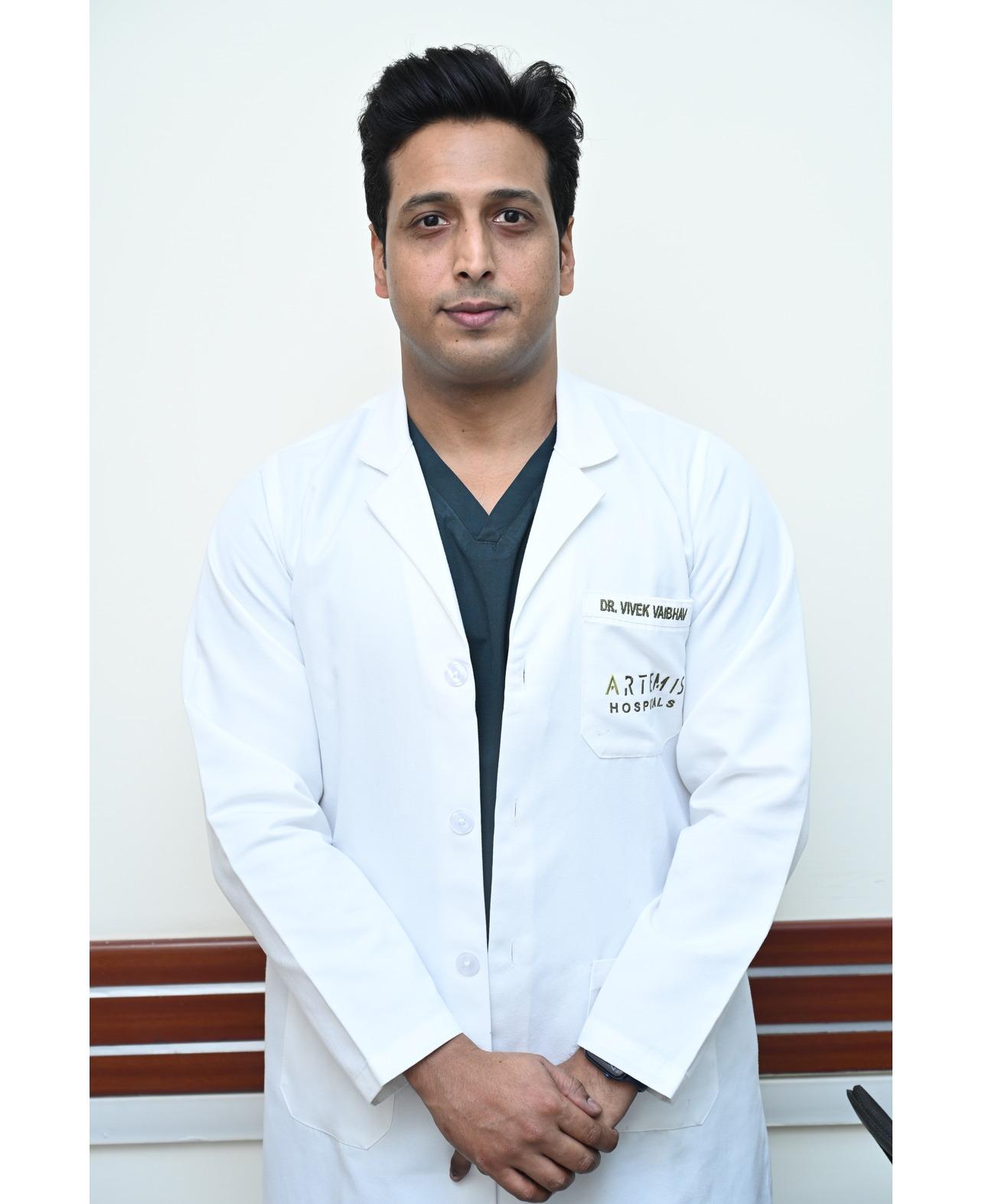
Consultant
Orthopaedic Surgery, Orthopaedics
New Delhi
10+ Years
Experience
Artemis Hospital
Hospital
1500
Fees

Chairperson - Orthopaedics Program & Chief – Robotic Joint Replacement & Arthroscopy Surgery
Orthopaedics, Robotic Surgery
New Delhi
15+ Years
Experience
Artemis Hospital
Hospital
1500
Fees
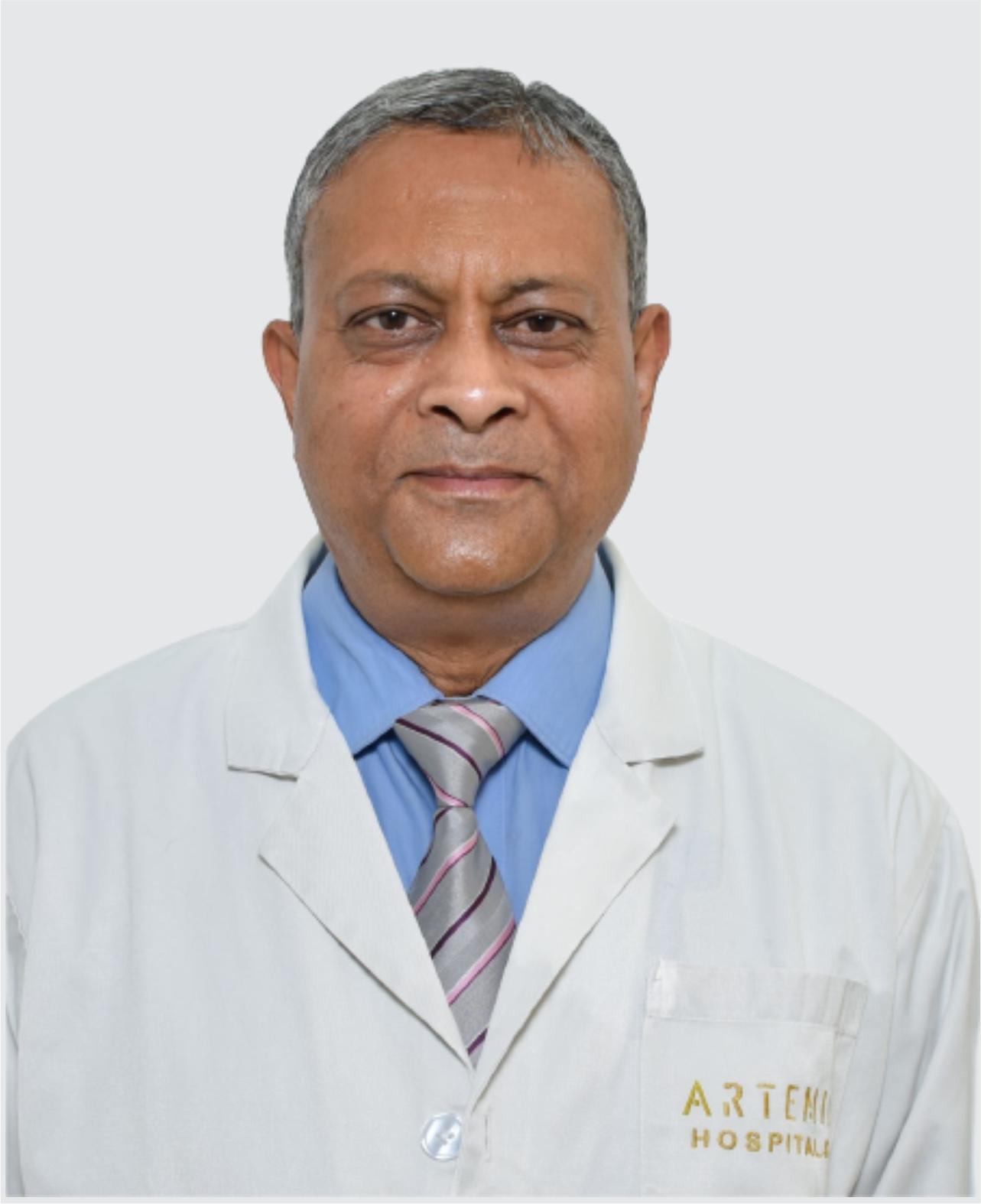
Chief - Nephrology (Unit II)
Kidney Transplant, Nephrology
New Delhi
15+ Years
Experience
Artemis Hospital
Hospital
1500
Fees
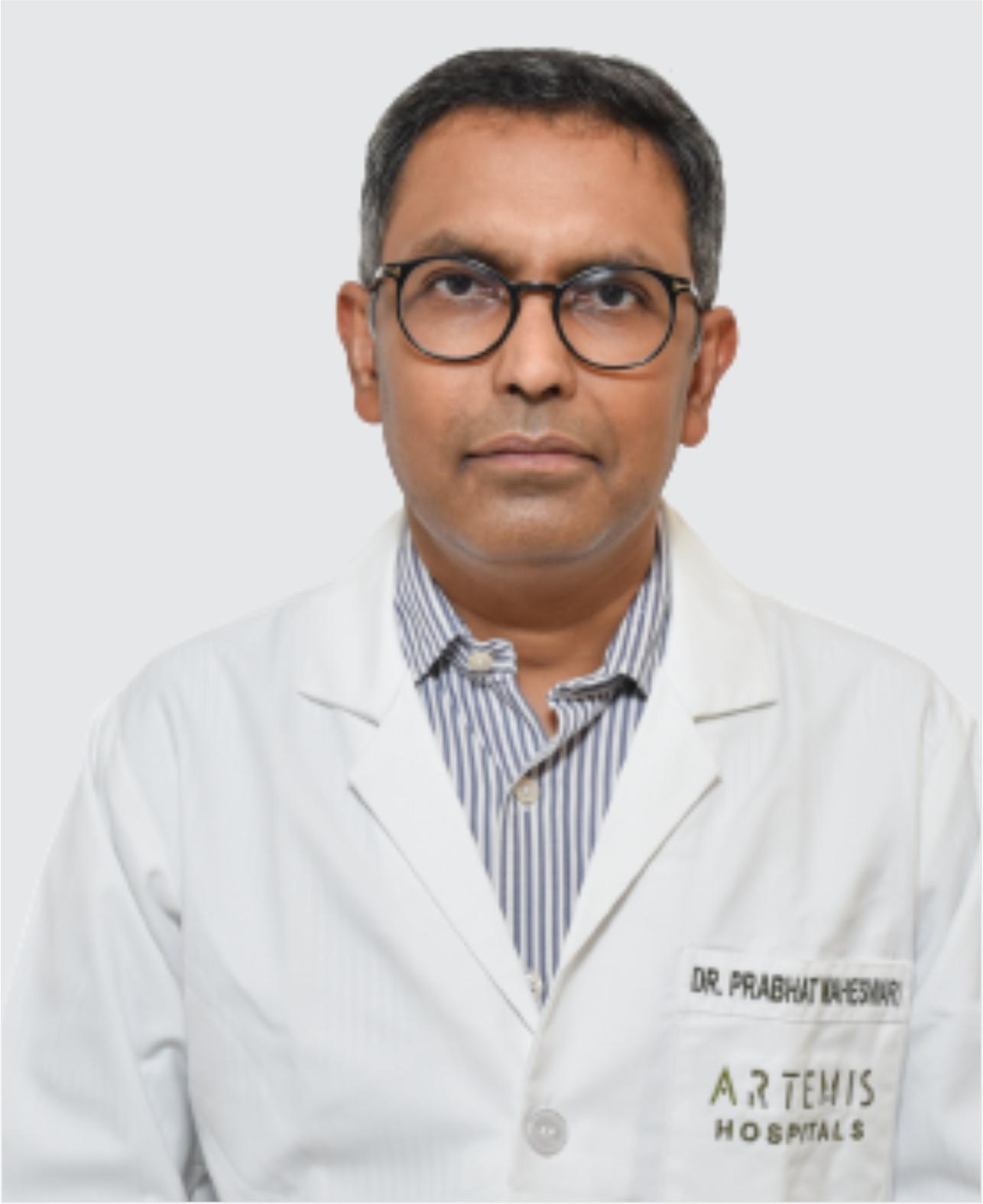
Director - Orthopaedics & Joint Replacement
Orthopaedics & Joint Replacement
New Delhi
24+ Years
Experience
Artemis Hospital
Hospital
1500
Fees
Get Personalized Medical Treatment Options From India's Top Hospitals. Our Medical Experts Are Ready To Assist You Every Step Of The Way.