
Liver Transplant Treatment in Bengaluru for Ethiopia
Need Personalized Advice?
Our medical experts are ready to answer your questions and guide you through your treatment options.
Our medical experts are ready to answer your questions and guide you through your treatment options.
For patients in Ethiopia facing severe liver disease, the prospect of a Liver Transplant can bring many questions and uncertainties. Finding advanced medical care, understanding treatment options, and managing associated costs are common concerns when considering such a complex procedure far from home.
Many international patients look to Bengaluru for specialized medical procedures like a Liver Transplant. This city offers a well-developed healthcare ecosystem known for its high standards and accessible services. Patients choose Bengaluru for its integrated care environment and seamless coordination.
Bengaluru's leading hospitals and transplant specialists are recognized for their expertise in liver care. The city’s medical facilities are equipped with modern technology and staffed by experienced teams dedicated to patient outcomes and comprehensive follow-up care within the city.
Is Bengaluru the right choice for your Liver Transplant journey?
A Liver Transplant is a surgical procedure to remove a diseased or damaged liver and replace it with a healthy liver from a deceased or living donor. This life-saving operation is typically recommended when the liver fails to function due to chronic disease, severe acute liver failure, or certain types of liver cancer. It provides a new chance for patients whose liver conditions are otherwise untreatable, restoring vital bodily functions and significantly improving quality of life.
Deceased Donor Liver Transplant: This is the most common type, involving the transplantation of a whole liver from a recently deceased donor. The donor's liver must be a good match in terms of blood type and size.
Living Donor Liver Transplant (LDLT): A portion of a healthy living person's liver is removed and transplanted into the recipient. Both the donor's liver and the transplanted segment in the recipient will regenerate to full size over time. This option can significantly reduce wait times.
Split Liver Transplant: A liver from a deceased donor is divided into two parts and transplanted into two recipients, typically an adult and a child. This maximizes the use of available donor organs.
Auxiliary Liver Transplant: In rare cases, a diseased liver is left in place, and a portion of a healthy donor liver is added. This allows the native liver a chance to recover. This is less common than full replacement.
The precise procedure for a Liver Transplant varies based on whether it is from a deceased or living donor, and the recipient's specific condition.
Once a suitable donor liver becomes available, the recipient is called to the hospital. The diseased liver is surgically removed. The new, healthy liver is then carefully implanted, connecting the blood vessels and bile ducts. This is a complex surgery that can take many hours.
For a living donor transplant, two separate surgical teams operate simultaneously. One team carefully removes a portion of the healthy donor's liver. The other team prepares the recipient by removing their diseased liver. The donor liver segment is then transplanted into the recipient, and all necessary connections are made. Both donor and recipient livers regenerate over time.
After a Liver Transplant, recovery involves an intensive period in the ICU, followed by a general ward stay, typically lasting several weeks. Patients will receive immunosuppressant medications to prevent rejection of the new liver, which must be taken for life. Rehabilitation, including physical therapy, is crucial to regain strength and mobility. Regular follow-up appointments with the transplant team are essential to monitor liver function, adjust medications, and manage any potential complications. Strict adherence to medical advice and a healthy lifestyle are vital for long-term success.
Liver Transplant success rates in specialized centers like those in Bengaluru are generally very high. One-year survival rates often range from 85% to 90%, with five-year survival rates around 70% to 75%. These outcomes can vary based on the patient's overall health before surgery, the specific liver condition, and adherence to post-transplant care. Long-term success is significantly influenced by consistent medication use and regular medical follow-ups.
The cost of a Liver Transplant in Bengaluru can vary based on several factors, including the chosen hospital's reputation, the complexity of the patient's condition, the type of transplant (deceased or living donor), and the length of hospital stay. Specialist fees, pre-operative evaluations, and post-operative medications also contribute to the total expense.
Bengaluru offers highly competitive pricing for Liver Transplants without compromising on medical quality. This makes it an attractive option for international patients seeking advanced care at a fraction of the cost found in many Western countries.
| Location | Estimated Cost (USD) |
|---|---|
| Bengaluru, India | $30,000 - $45,000 |
| United States | $500,000 - $800,000 |
| United Kingdom | $150,000 - $250,000 |
| Singapore | $100,000 - $180,000 |
| Turkey | $70,000 - $120,000 |
Reach out today for a personalized treatment plan and cost estimate.
Connect with our expert team to understand the path forward for your health.
Choosing Bengaluru for a Liver Transplant means opting for world-class medical care and dedicated patient support. We are here to guide you through every stage of this significant journey.
India offers premium medical procedures at affordable prices. Discover our most popular treatments, delivered by the country's finest doctors.
Meet our team of highly qualified and experienced medical professionals dedicated to providing the best healthcare services.

Sr. Consultant – Women Imaging
Radiology
New Delhi
15+ Years
Experience
Artemis Hospital
Hospital
1500
Fees

Head - Histopathology & Cytology Lab
Laboratory Services
New Delhi
21+ Years
Experience
Artemis Hospital
Hospital
1500
Fees

Senior Consultant - Orthopedics (Unit VI)
Orthopaedics
New Delhi
10+ Years
Experience
Artemis Hospital
Hospital
1500
Fees

Co-Head Psychological Services
Mental Health and Behavioural Sciences
New Delhi
15+ Years
Experience
Artemis Hospital
Hospital
1500
Fees

Senior Consultant - Ortho Spine Surgery
Orthopaedic Surgery, Spine Surgery
New Delhi
12+ Years
Experience
Artemis Hospital
Hospital
1500
Fees

Head of Department - Gynae Endocrinology & DNB Program Director - Obs & Gynae
Gynaecological Endocrinology, Maternity, Obstetrics & Gynaecology
New Delhi
35+ Years
Experience
Artemis Hospital
Hospital
1500
Fees

Senior Consultant - ENT
ENT and Head & Neck Surgery
New Delhi
24+ Years
Experience
Artemis Hospital
Hospital
1500
Fees

Consultant (Head & Neck Surgery) - Surgical Oncology
Head and Neck Surgical Oncology
New Delhi
10+ Years
Experience
Artemis Hospital
Hospital
1500
Fees

Chairperson - Gynae Oncology
Gynaecological Oncology
New Delhi
16+ Years
Experience
Artemis Hospital
Hospital
1500
Fees
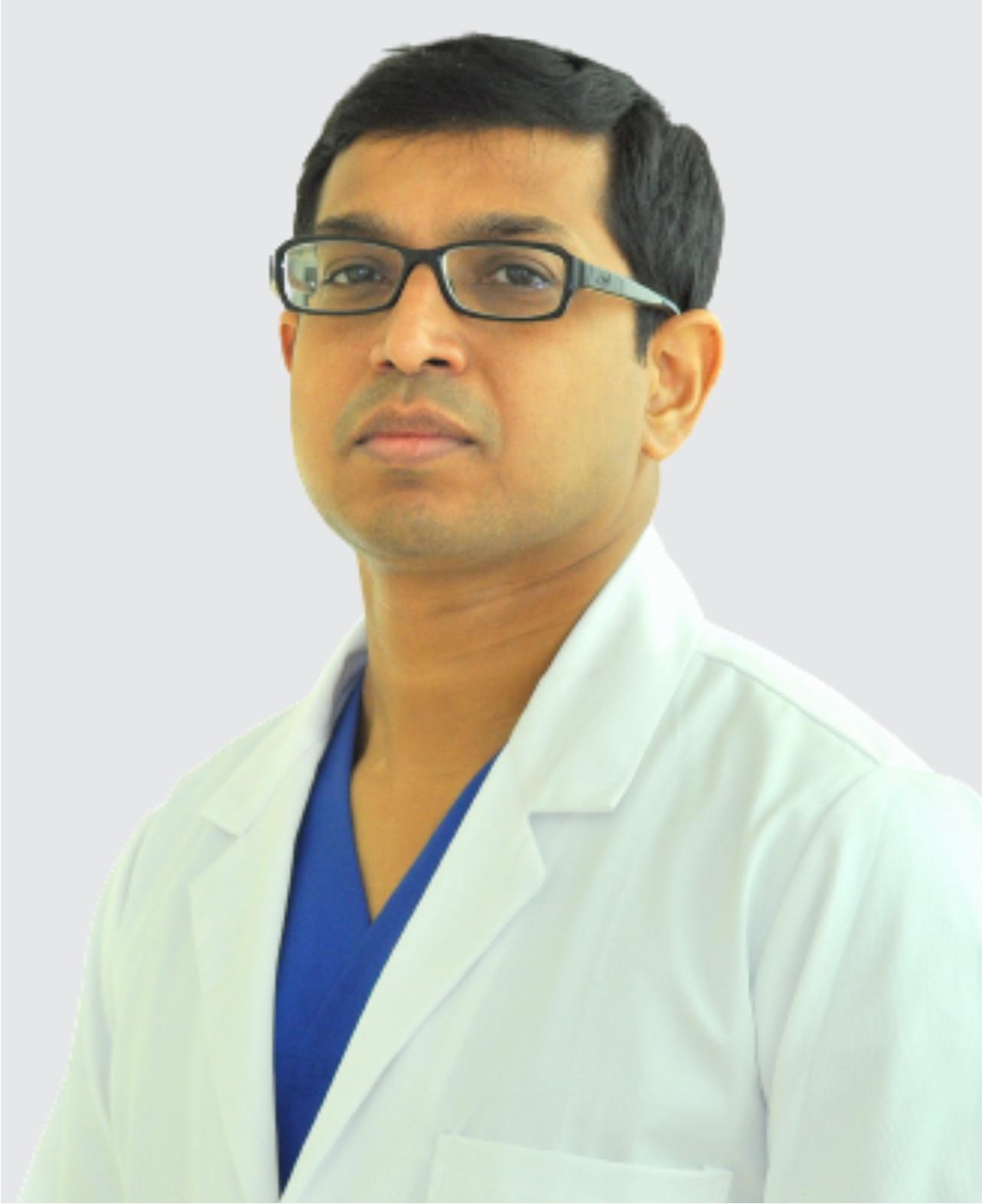
Head - Anesthesia for Liver transplant
Anaesthesia
New Delhi
16+ Years
Experience
Artemis Hospital
Hospital
1500
Fees
Get Personalized Medical Treatment Options From India's Top Hospitals. Our Medical Experts Are Ready To Assist You Every Step Of The Way.