
Liver Transplant Treatment in Hyderabad for Ethiopia
Need Personalized Advice?
Our medical experts are ready to answer your questions and guide you through your treatment options.
Our medical experts are ready to answer your questions and guide you through your treatment options.
Ethiopian patients facing severe liver disease often worry about accessing specialized care. The complexities of liver transplant procedures and the search for timely, effective treatment can feel overwhelming, especially when considering options abroad.
Hyderabad stands out as a leading medical hub, drawing patients who seek advanced liver care. Its specialized hospitals and integrated medical teams offer a focused environment for complex procedures like liver transplantation, ensuring coordinated patient journeys.
Trust is built through Hyderabad's established liver transplant centers and highly skilled hepatologists and surgeons. Patients benefit from comprehensive pre-operative assessment and long-term post-operative care, all within the city's robust medical infrastructure.
Is Hyderabad the right choice for your liver transplant journey?
A liver transplant is a life-saving surgical procedure that replaces a severely diseased or failing liver with a healthy liver. This new liver can come from either a deceased donor or a living donor. The operation aims to restore the liver's vital functions, offering patients a chance at renewed health and significantly improved quality of life.
Deceased-Donor Liver Transplant (DDLT): The most common method, utilizing an entire liver from an organ donor who has recently passed away.
Living-Donor Liver Transplant (LDLT): A healthy portion of a liver from a living individual is transplanted. Both the donor's remaining liver and the recipient's new segment regenerate to full size.
Split Liver Transplant: A deceased donor's liver is divided into two sections, which are then transplanted into two different recipients, typically an adult and a child.
Auxiliary Liver Transplant: A rare procedure where a healthy partial liver is placed alongside the diseased native liver, allowing the native liver to potentially recover.
The precise method for a liver transplant varies based on the donor type and patient condition, but generally follows these critical stages.
Under general anesthesia, a specialized incision is made across the abdomen, allowing the surgical team access to the liver.
The diseased liver is carefully detached from its surrounding structures, blood vessels, and bile ducts, then removed.
The healthy donor liver or segment is precisely positioned. Surgeons meticulously reconnect the major blood vessels and bile duct to establish proper blood flow and function.
After confirming secure connections, the incision is closed. The patient then transitions to the intensive care unit for close monitoring, where immunosuppressant medications begin immediately to prevent rejection.
Recovery from a liver transplant is a significant journey. Patients typically spend several weeks in the hospital, transitioning from ICU to a general ward. Full internal healing and adaptation can take months. Lifelong immunosuppressant medications are vital to prevent organ rejection. Regular follow-up appointments, blood tests, and adherence to dietary and activity restrictions are crucial. Physical therapy often starts early to aid regaining strength and mobility.
Liver transplant success rates are very encouraging. One-year survival rates are consistently high, often exceeding 85-90%. Five-year survival rates typically range from 70-75%. Outcomes largely depend on the patient's pre-transplant health, the underlying liver disease, donor organ quality, and strict adherence to post-operative care. Many recipients achieve excellent long-term health and a significantly improved quality of life.
The overall cost of a liver transplant in Hyderabad is determined by several factors. These include the reputation and facilities of the chosen hospital, the expertise of the transplant team, the complexity of the medical condition, whether it's a deceased or living donor transplant, and the duration of hospital stay, especially if extended recovery or complication management is needed.
A liver transplant in Hyderabad can typically range from INR 25,00,000 to INR 35,00,000, covering a comprehensive package of services.
Hyderabad provides a distinct cost advantage for liver transplants when compared to many developed nations, offering world-class medical expertise at a significantly lower price point. This makes it a highly appealing destination for international patients seeking both quality and affordability.
| Location | Estimated Cost (USD) |
| Hyderabad, India | $30,000 - $42,000 |
| United States | $300,000 - $800,000 |
| United Kingdom | $150,000 - $250,000 |
| Singapore | $100,000 - $180,000 |
| Turkey | $60,000 - $90,000 |
Embarking on a liver transplant journey is a significant decision. Our expert team in Hyderabad is ready to provide compassionate care and advanced medical solutions to help you achieve renewed health and well-being.
India offers premium medical procedures at affordable prices. Discover our most popular treatments, delivered by the country's finest doctors.
Meet our team of highly qualified and experienced medical professionals dedicated to providing the best healthcare services.

Sr. Consultant – Women Imaging
Radiology
New Delhi
15+ Years
Experience
Artemis Hospital
Hospital
1500
Fees

Head - Histopathology & Cytology Lab
Laboratory Services
New Delhi
21+ Years
Experience
Artemis Hospital
Hospital
1500
Fees

Senior Consultant - Orthopedics (Unit VI)
Orthopaedics
New Delhi
10+ Years
Experience
Artemis Hospital
Hospital
1500
Fees

Co-Head Psychological Services
Mental Health and Behavioural Sciences
New Delhi
15+ Years
Experience
Artemis Hospital
Hospital
1500
Fees

Senior Consultant - Ortho Spine Surgery
Orthopaedic Surgery, Spine Surgery
New Delhi
12+ Years
Experience
Artemis Hospital
Hospital
1500
Fees

Head of Department - Gynae Endocrinology & DNB Program Director - Obs & Gynae
Gynaecological Endocrinology, Maternity, Obstetrics & Gynaecology
New Delhi
35+ Years
Experience
Artemis Hospital
Hospital
1500
Fees

Senior Consultant - ENT
ENT and Head & Neck Surgery
New Delhi
24+ Years
Experience
Artemis Hospital
Hospital
1500
Fees

Consultant (Head & Neck Surgery) - Surgical Oncology
Head and Neck Surgical Oncology
New Delhi
10+ Years
Experience
Artemis Hospital
Hospital
1500
Fees

Chairperson - Gynae Oncology
Gynaecological Oncology
New Delhi
16+ Years
Experience
Artemis Hospital
Hospital
1500
Fees
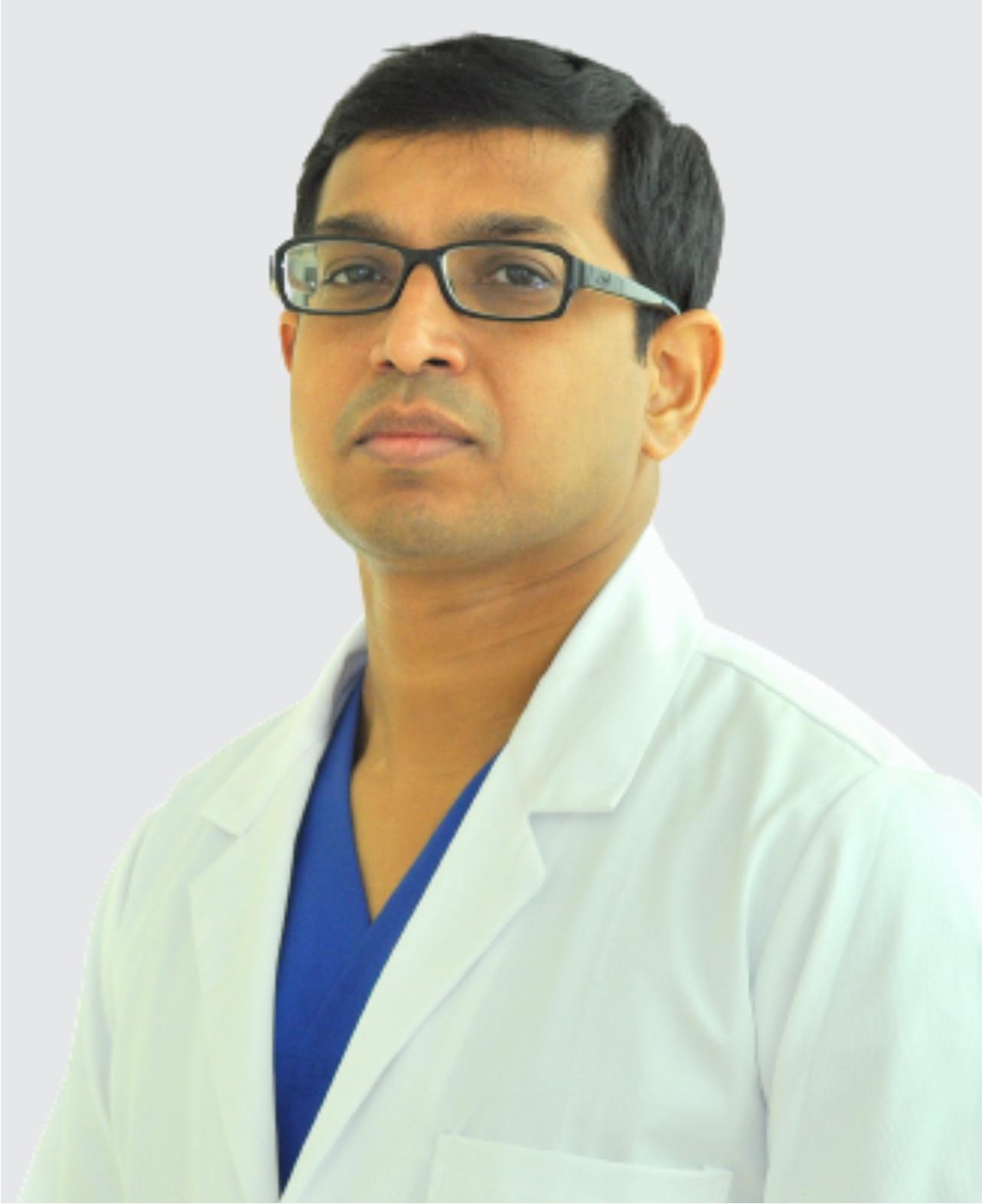
Head - Anesthesia for Liver transplant
Anaesthesia
New Delhi
16+ Years
Experience
Artemis Hospital
Hospital
1500
Fees
Get Personalized Medical Treatment Options From India's Top Hospitals. Our Medical Experts Are Ready To Assist You Every Step Of The Way.