
Targeted Molecular Therapy Treatment in New Delhi for Iraq
Need Personalized Advice?
Our medical experts are ready to answer your questions and guide you through your treatment options.
Our medical experts are ready to answer your questions and guide you through your treatment options.
For many patients from Iraq facing complex health challenges, the prospect of undergoing advanced treatments like Targeted Molecular Therapy can bring a mix of hope and uncertainty. Understanding where to receive the best care, what the process involves, and the associated costs often becomes a primary concern.
When considering medical treatment outside their home country, patients from Iraq often seek destinations that combine advanced medical technology with experienced specialists. New Delhi stands out as a preferred choice, known for its leading medical infrastructure and a reputation for providing seamless care coordination for international visitors.
New Delhi's hospitals and medical professionals have established a strong foundation of trust, offering specialized expertise in advanced oncology. Patients can benefit from an integrated care environment, ensuring easy access to follow-ups and comprehensive medical support throughout their stay in the city.
New Delhi offers a comprehensive pathway for this specialized medical treatment.
Targeted Molecular Therapy represents a groundbreaking approach in cancer treatment, focusing on specific molecules involved in the growth, progression, and spread of cancer cells. Unlike traditional chemotherapy, which affects rapidly dividing cells indiscriminately, targeted therapy is designed to precisely identify and attack these molecular targets, thereby minimizing harm to healthy cells. This precision medicine leads to more effective treatment with potentially fewer severe side effects for patients. It is often a key part of a personalized cancer treatment plan, especially for cancers with identifiable genetic mutations or protein overexpression.
Targeted Molecular Therapy encompasses various strategies, each designed to interfere with cancer cell growth in a specific way:
The specific approach for Targeted Molecular Therapy is highly individualized, depending on the patient's condition, the type of cancer, and the identified molecular targets.
Once the molecular tests confirm the presence of targetable mutations, a specialized oncology team develops a tailored treatment plan. This plan specifies the exact drug, dosage, and administration schedule, often considering the patient's overall health and other existing conditions.
Targeted molecular therapies are primarily administered in two ways:
The therapy is typically administered in cycles, with periods of treatment followed by rest, though some oral therapies are taken continuously. Throughout the treatment, patients undergo regular monitoring through blood tests and imaging scans to assess the therapy's effectiveness, track tumor response, and manage any potential side effects. The treatment plan may be adjusted based on these findings.
Recovery from Targeted Molecular Therapy is generally different from that of traditional chemotherapy. While side effects can still occur, they are often less severe and more manageable, targeting specific pathways rather than broadly affecting healthy cells. Patients typically experience side effects like skin rashes, diarrhea, fatigue, or hypertension, which are specific to the type of drug used. Close monitoring by the medical team in New Delhi ensures these side effects are managed effectively. Regular follow-up appointments, often involving blood tests and imaging, are essential to track the therapy's success and make any necessary adjustments. Maintaining a healthy lifestyle, including a balanced diet and moderate physical activity, can significantly aid recovery and overall well-being.
The success rates for Targeted Molecular Therapy vary significantly based on the type of cancer, the specific molecular target, and the stage of the disease. In many cases, these therapies lead to significant disease control, tumor shrinkage, or stabilization, often extending life and improving the patient's quality of life. While a complete cure for advanced cancers is rare with targeted therapy alone, it can be highly effective in managing the disease and slowing its progression. Individual outcomes depend heavily on how a patient's specific tumor responds, making the personalized nature of this treatment key to its effectiveness.
The cost of Targeted Molecular Therapy in New Delhi is influenced by several factors, including the specific type of cancer, the targeted drug required, the duration of treatment, the hospital chosen, and the fees of the specialists involved. The innovative nature of these drugs and the associated molecular diagnostics contribute to the overall expense.
A broad estimate for Targeted Molecular Therapy in New Delhi can range from INR 5,00,000 to INR 25,00,000 or more per cycle/course, depending heavily on the medication and treatment duration.
New Delhi offers a competitive pricing structure for advanced medical treatments compared to many Western countries, without compromising on quality or expertise.
| Location | Estimated Cost Range (USD) |
|---|---|
| New Delhi, India | $6,000 – $30,000 per course/cycle |
| United States | $40,000 – $100,000+ per course/cycle |
| United Kingdom | $35,000 – $90,000+ per course/cycle |
| Germany | $30,000 – $80,000+ per course/cycle |
Ready to learn more about Targeted Molecular Therapy in New Delhi? Contact our patient support team for personalized guidance and hospital comparisons.
Connect with our expert medical team in New Delhi to discuss your personalized Targeted Molecular Therapy plan and begin your path to recovery.
We are committed to providing clear information and support as you consider your treatment options in New Delhi.
India offers premium medical procedures at affordable prices. Discover our most popular treatments, delivered by the country's finest doctors.

Sector 51, Gurugram, Haryana, India
Artemis Hospital
Meet our team of highly qualified and experienced medical professionals dedicated to providing the best healthcare services.
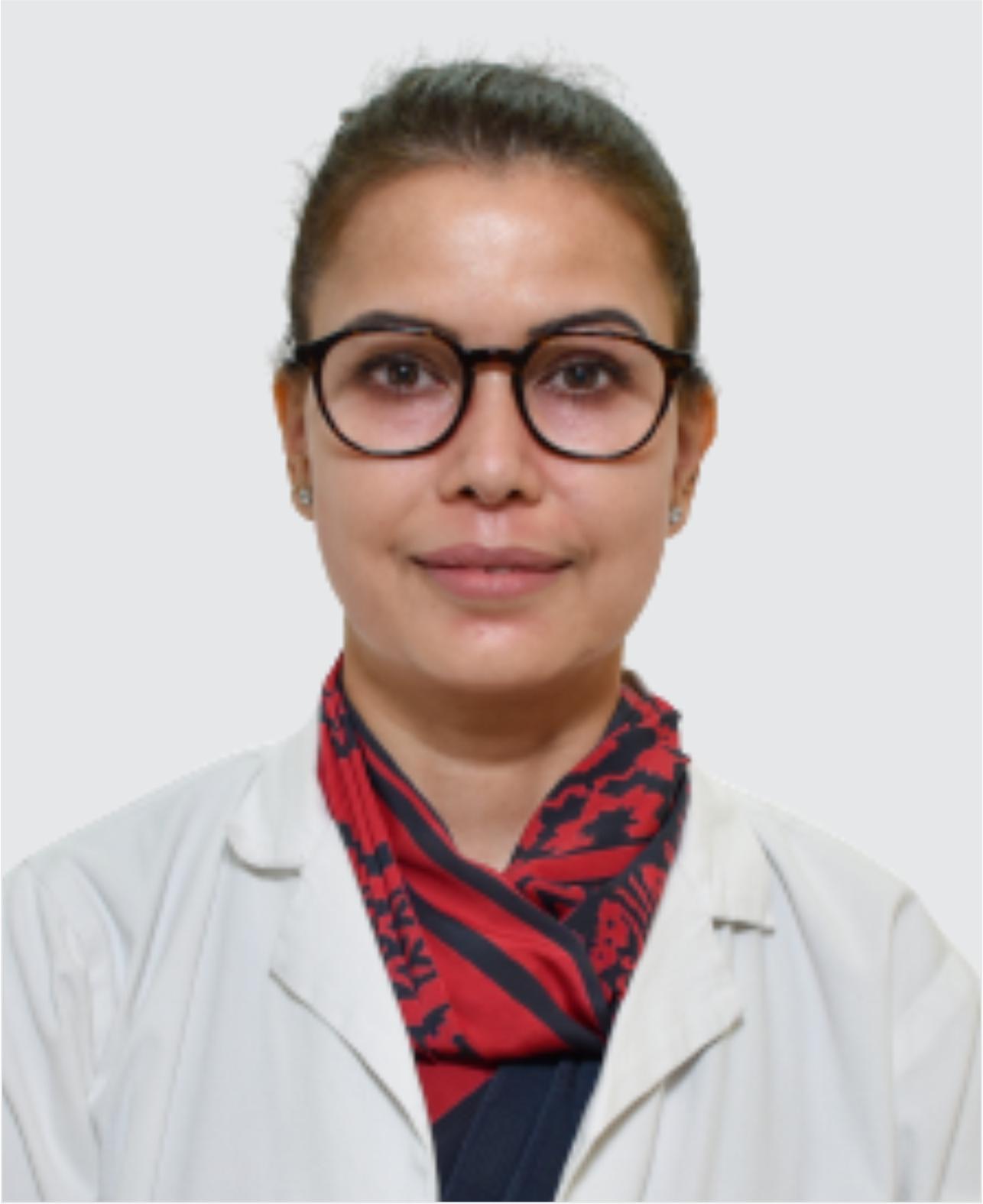
Chairperson - Nuclear Medicine & Radio-Theranostics
Nuclear Medicine
New Delhi
15+ Years
Experience
Artemis Hospital
Hospital
1500
Fees
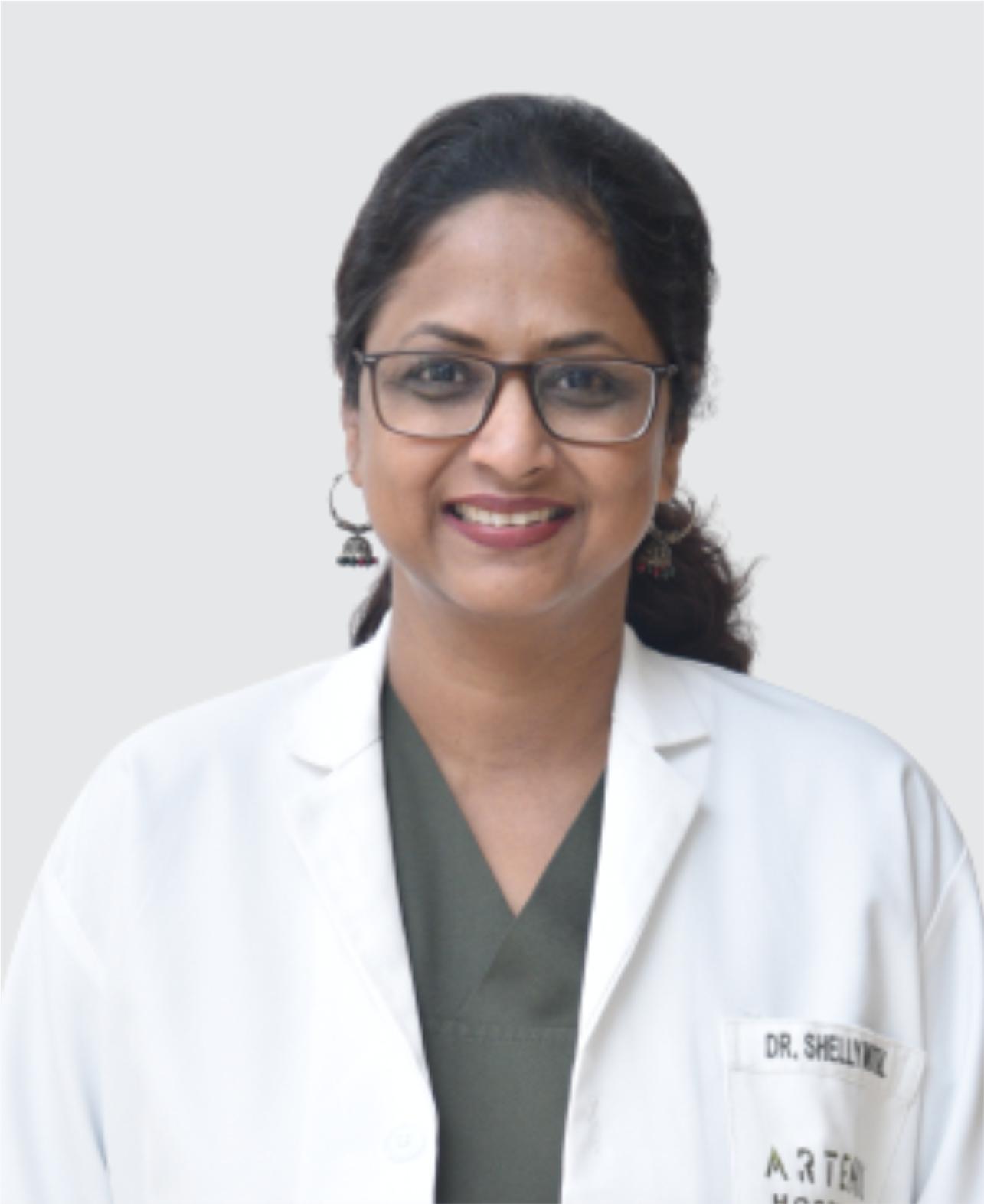
Sr. Consultant
Medical Oncology & Hematology
New Delhi
14+ Years
Experience
Artemis Hospital
Hospital
1500
Fees
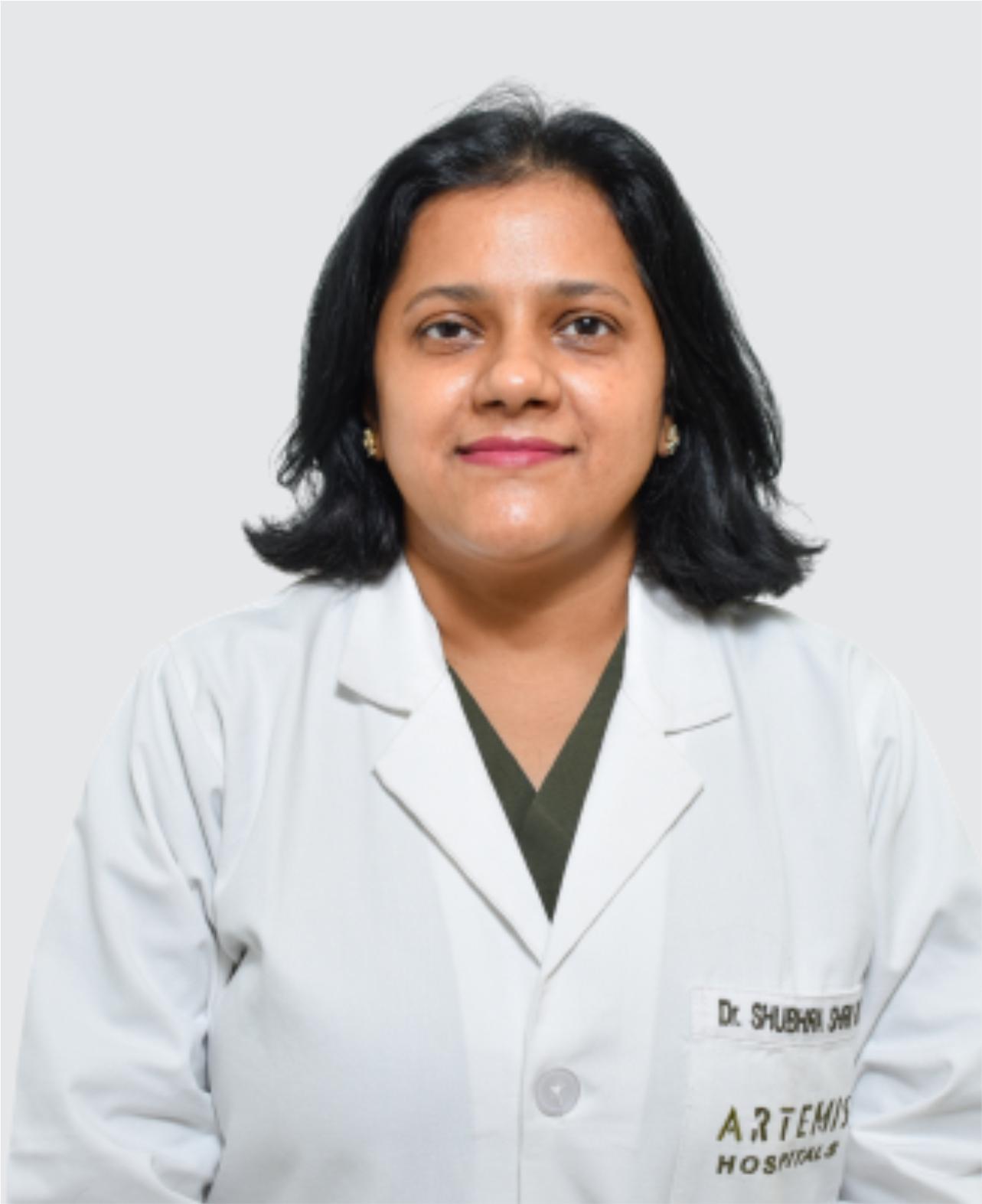
Sr. Consultant
Medical Oncology & Hemato Oncology
New Delhi
9+ Years
Experience
Artemis Hospital
Hospital
1500
Fees
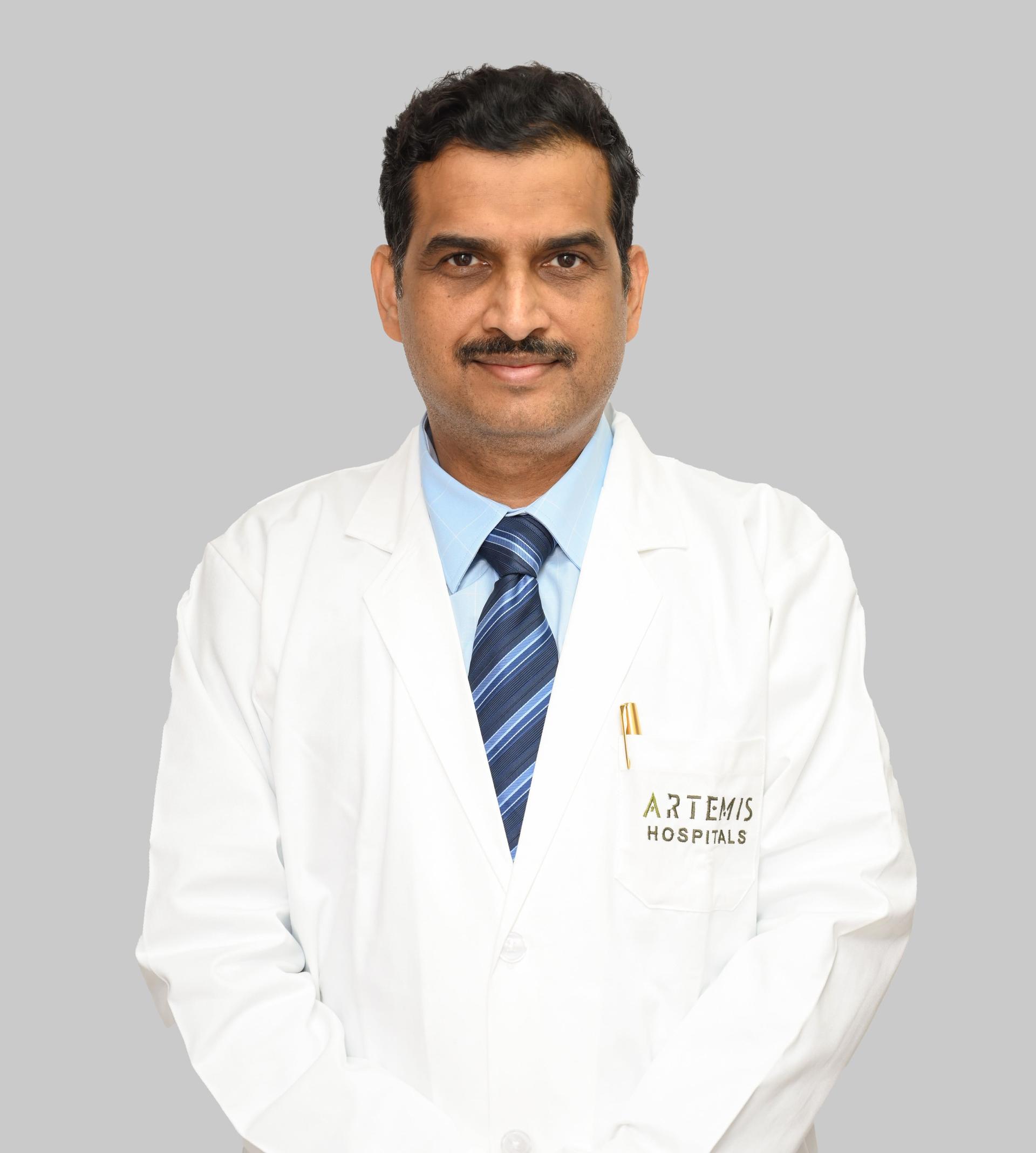
Director - Medical Oncology
Medical Oncology
New Delhi
17+ Years
Experience
Artemis Hospital
Hospital
1500
Fees
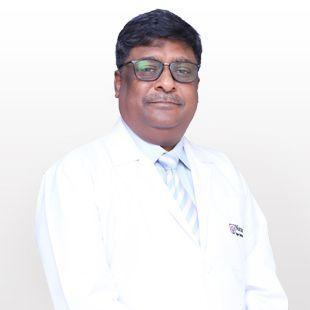
Senior Consultant Plastic Surgeon
Plastic Surgery
New Delhi
19+ Years
Experience
Max Hospital,Gurgaon
Hospital
1500
Fees
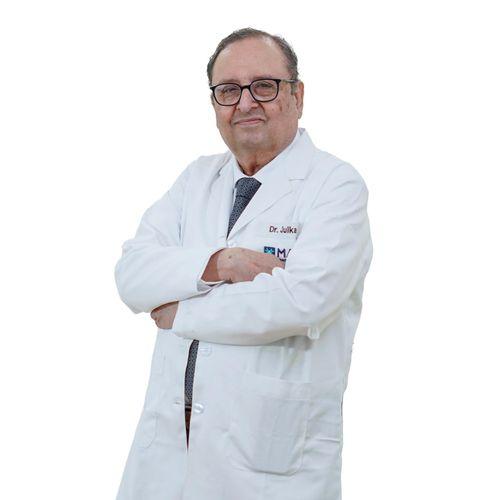
Senior Oncologist, Max Healthcare; Former Dean & Professor, AIIMS
Cancer Care & Oncology
New Delhi
15+ Years
Experience
Max Hospital,Gurgaon
Hospital
1500
Fees
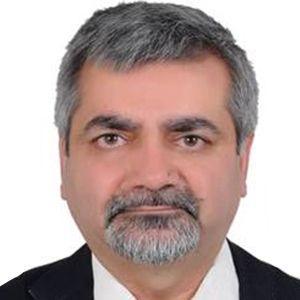
Principal Director & Head – Nuclear Medicine
Nuclear Medicine
New Delhi
38+ Years
Experience
Max Hospital,Gurgaon
Hospital
1500
Fees
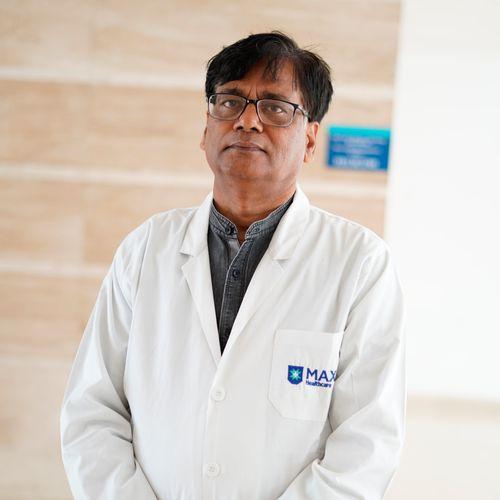
Director, Medical Oncology
Medical Oncology
New Delhi
30+ Years
Experience
Apolo Delhi
Hospital
1500
Fees

Director
Medical Oncology
New Delhi
44+ Years
Experience
Apolo Delhi
Hospital
1500
Fees
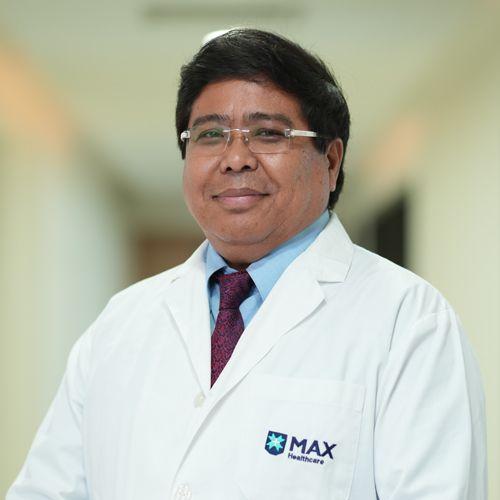
Principal Director & Chief of Medical Oncology
Medical Oncology
New Delhi
30+ Years
Experience
Apolo Delhi
Hospital
1500
Fees
Get Personalized Medical Treatment Options From India's Top Hospitals. Our Medical Experts Are Ready To Assist You Every Step Of The Way.