
Pediatric Stroke Treatment Treatment in Bengaluru for Bangladesh
Need Personalized Advice?
Our medical experts are ready to answer your questions and guide you through your treatment options.
Our medical experts are ready to answer your questions and guide you through your treatment options.
For parents in Bangladesh facing a pediatric stroke diagnosis, the journey can feel incredibly challenging and uncertain. The immediate concern is finding the most effective care for their child, often leading to a search for advanced medical expertise beyond local borders. This critical time demands clarity and reassurance.
Many families choose Bengaluru for specialized pediatric care due to its established reputation as a medical hub. The city offers a unique blend of sophisticated medical technology, highly skilled specialists, and a supportive environment tailored for international patients, including those from Bangladesh seeking pediatric neurology services.
Trust in Bengaluru's medical infrastructure is built upon its world-class hospitals and dedicated pediatric neurology teams. These facilities provide integrated care pathways, from acute stroke management to long-term rehabilitation, ensuring seamless coordination and expert guidance throughout the child’s recovery process within the city.
Bengaluru consistently delivers comprehensive care for pediatric stroke patients.
Pediatric stroke treatment addresses a condition where blood flow to a child's brain is interrupted or reduced, causing brain cells to die. This can happen before birth, during birth, or in childhood. Treatment aims to restore blood flow, prevent further brain damage, manage symptoms, and support the child's recovery through specialized therapies. Early diagnosis and intervention are critical for improving long-term outcomes for affected children.
Treatment approaches for pediatric stroke are highly individualized, based on the type, cause, and timing of the stroke.
The treatment pathway for pediatric stroke is highly personalized, depending on the child’s specific condition, the type of stroke, its cause, and the timing of diagnosis.
In the acute phase, immediate focus is on stabilizing the child. This may involve medications to manage blood pressure, fever, or seizures. For certain types of ischemic strokes, if identified quickly enough, medications to dissolve clots or procedures to remove them might be considered by a specialized team, carefully weighing risks and benefits for a child.
Once the child is stable, the emphasis shifts to neurorehabilitation. This is a crucial, ongoing process designed to help children regain lost functions and develop new skills. It typically includes:
The recovery process following pediatric stroke treatment is often long and requires significant dedication from both the child and their family. It involves intensive rehabilitation therapies, which may continue for months or even years. The healing time and extent of recovery vary greatly, influenced by the stroke's severity, location, and the child's age at onset. Regular follow-up appointments with pediatric neurologists and therapists are essential to monitor progress, adjust treatment plans, and address any new challenges. Recovery is a journey of continuous adaptation and learning, often leading to remarkable improvements over time.
Success rates for pediatric stroke treatment are highly variable, as outcomes depend significantly on factors like the timing of intervention, the stroke's severity, and the child's consistent participation in rehabilitation. While complete recovery is not always possible, early and comprehensive treatment can significantly minimize disability and improve the child's quality of life. Many children achieve considerable functional gains, learning to adapt and thrive with appropriate support and ongoing therapy. Long-term expectations focus on maximizing functional independence and promoting overall well-being.
Considering Pediatric Stroke Treatment in Bengaluru? Let us help you connect with leading specialists and understand your options.
Request a free consultation today to discuss your child's needs.
The cost of pediatric stroke treatment in Bengaluru is influenced by several factors. These include the specific type and severity of the stroke, the required diagnostic tests, the chosen treatment methods (e.g., acute intervention, medication management, intensive rehabilitation), the duration of hospital stay, and the specialists involved. The hospital facility and the technology utilized also play a role in the overall expense.
In Bengaluru, the estimated cost for comprehensive pediatric stroke treatment can range from approximately INR 7,00,000 to INR 25,00,000, depending on the complexity of care.
Patients from Bangladesh often find Bengaluru to be a significantly more affordable option for high-quality pediatric stroke treatment compared to many Western countries, without compromising on medical standards.
| Location | Estimated Cost Range (USD) |
|---|---|
| Bengaluru, India | $8,500 - $30,000 |
| United States | $50,000 - $150,000+ |
| United Kingdom | $40,000 - $120,000 |
| Singapore | $35,000 - $90,000 |
| United Arab Emirates | $30,000 - $80,000 |
Ready to explore world-class pediatric stroke treatment options in Bengaluru? Our team is here to guide you.
Connect with us today for personalized assistance and a detailed treatment plan.
Choosing the right care for pediatric stroke is a significant decision. Bengaluru’s advanced medical facilities and expert teams are prepared to offer the specialized support your child needs for recovery.
India offers premium medical procedures at affordable prices. Discover our most popular treatments, delivered by the country's finest doctors.
Meet our team of highly qualified and experienced medical professionals dedicated to providing the best healthcare services.
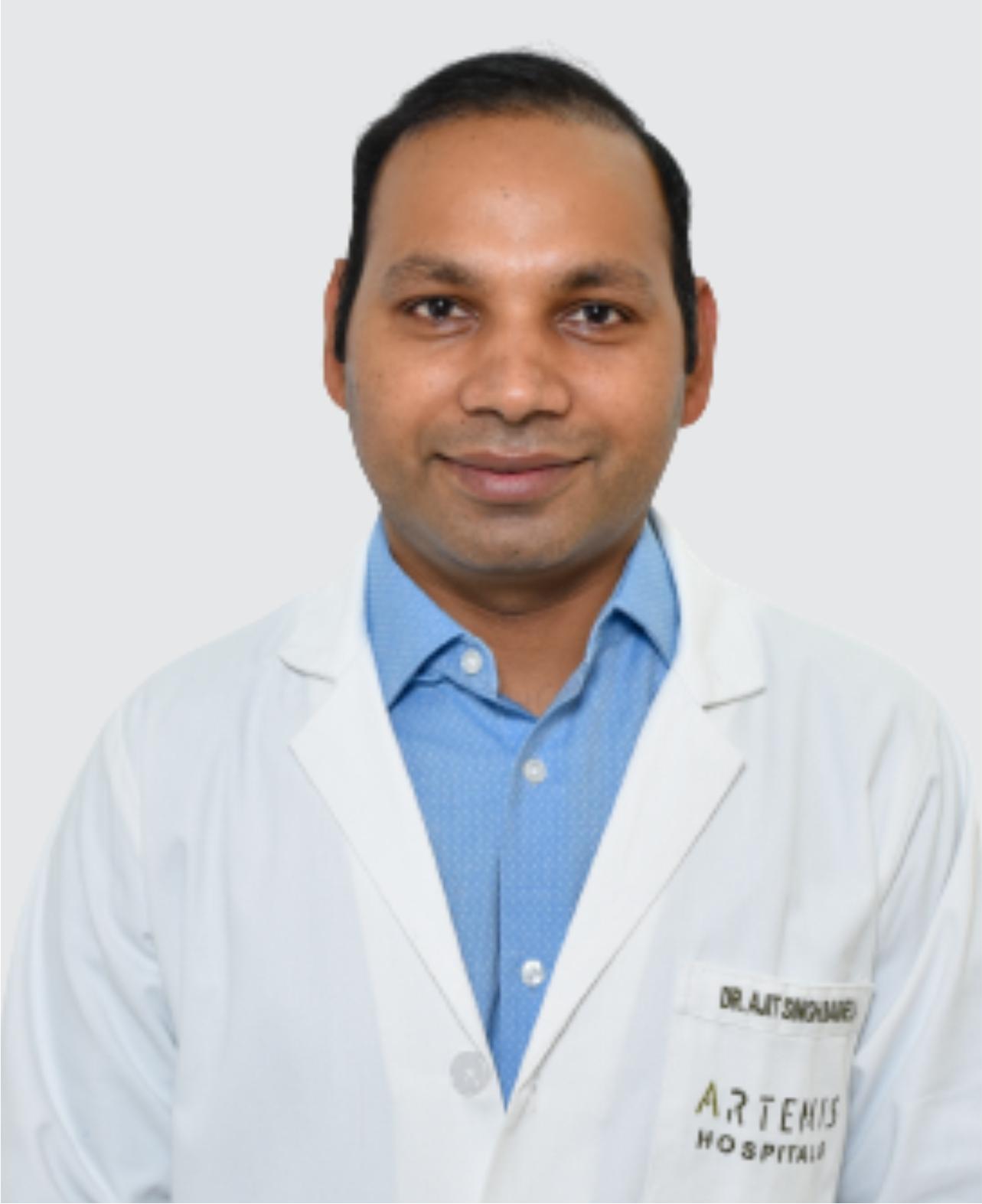
Consultant
Paediatric Neurology
Haryana
9+ Years
Experience
Artemis Hospital
Hospital
1500
Fees
Get Personalized Medical Treatment Options From India's Top Hospitals. Our Medical Experts Are Ready To Assist You Every Step Of The Way.