
Pediatric Stroke Treatment Treatment in Chennai for Bangladesh
Need Personalized Advice?
Our medical experts are ready to answer your questions and guide you through your treatment options.
Our medical experts are ready to answer your questions and guide you through your treatment options.
Parents from Bangladesh facing a pediatric stroke diagnosis for their child often experience immense worry and uncertainty about the best path forward. Finding specialized care that offers both expertise and compassion, especially internationally, can feel overwhelming during such a critical time. The urgent need for timely intervention and skilled professionals is paramount.
Many families from Bangladesh consider Chennai as a leading destination for advanced pediatric medical care. The city's reputation for highly specialized hospitals and dedicated pediatric neurologists and rehabilitation experts is well-established. This focus allows families to find a comprehensive care environment designed for young patients.
Chennai’s medical infrastructure provides a robust framework for pediatric stroke treatment, supported by modern facilities and experienced medical teams. These hospitals are accustomed to welcoming international patients, ensuring a smooth process from initial consultation through to rehabilitation. The integrated care pathways simplify follow-ups and continuous support within the city.
Chennai offers a reliable and expert option for pediatric stroke treatment.
Pediatric stroke treatment addresses a stroke event in infants, children, or adolescents, which occurs when blood flow to a part of the brain is interrupted, leading to brain cell damage. Treatment focuses on minimizing brain injury, preventing recurrence, and maximizing recovery. This involves a combination of acute medical management during the stroke, followed by extensive rehabilitation to restore function and improve long-term outcomes. The specific approach depends on whether the stroke is ischemic (blocked blood vessel) or hemorrhagic (bleeding in the brain).
Acute Management: This involves immediate interventions during the stroke event. For ischemic strokes, it may include thrombolytic drugs (in very select cases for older children) or mechanical thrombectomy to remove clots. For hemorrhagic strokes, managing blood pressure, reducing swelling, and potentially surgical intervention to control bleeding or remove clots are key.
Rehabilitation Therapy: A cornerstone of recovery, this includes physical therapy to improve motor skills, occupational therapy for daily living activities, and speech therapy for communication and swallowing difficulties. Neuropsychological rehabilitation also addresses cognitive and behavioral changes.
Medication Management: Long-term medication may be prescribed to prevent future strokes, such as antiplatelet agents (e.g., aspirin) for ischemic stroke, or antiepileptic drugs if seizures develop.
Surgical Interventions: In specific cases, surgery might be required, for example, to repair a malformed blood vessel that caused a hemorrhagic stroke, or to manage complications like hydrocephalus.
Lifestyle and Risk Factor Modification: Addressing underlying conditions such as heart defects, sickle cell disease, or blood clotting disorders is crucial to prevent further strokes.
The approach to pediatric stroke treatment varies based on the child's specific condition and the underlying cause. It is a multi-disciplinary effort.
Immediately after a stroke, the priority is to stabilize the child and limit brain damage. This might involve medication to manage blood pressure or brain swelling. For ischemic strokes, specialized procedures might be considered in very specific circumstances and age groups. For hemorrhagic strokes, surgical intervention to stop bleeding or manage intracranial pressure may be performed by neurosurgeons.
Once the child is stable, an intensive rehabilitation program begins. This includes daily sessions with physical therapists to restore movement, occupational therapists to regain functional independence, and speech therapists for language and swallowing issues. Neuropsychologists may also be involved to support cognitive and emotional development. The rehabilitation plan is highly individualized and adapts as the child progresses.
Ongoing medical management is crucial to prevent future strokes. This often involves specific medications like antiplatelet agents. Regular follow-up appointments with pediatric neurologists are essential to monitor the child's progress, manage any complications, and adjust treatment plans as needed. Genetic counseling or consultation with other specialists might also be part of comprehensive care for specific underlying causes.
Recovery from pediatric stroke treatment is a marathon, not a sprint, and can span months to years, differing greatly among children. It typically involves intensive inpatient and then outpatient rehabilitation, focusing on regaining lost functions and learning new compensatory strategies. Restrictions on certain activities might be temporary, guided by the child's neurological stability. Regular follow-up appointments with a multidisciplinary team are critical to monitor progress, adjust therapies, and address any emerging challenges. Home-based exercises and family support play a vital role in sustained improvement.
The success rates of pediatric stroke treatment vary widely depending on the stroke's severity, location, cause, and how quickly treatment began. Many children achieve significant recovery, especially with early and consistent rehabilitation, demonstrating remarkable neuroplasticity. However, some children may experience lifelong challenges requiring ongoing support. Outcomes are often measured by the child's ability to participate in daily activities, schooling, and social interactions. Long-term expectations focus on maximizing functional independence and quality of life.
The cost of pediatric stroke treatment in Chennai is influenced by several factors. These include the specific type and severity of the stroke, the duration of hospital stay, the need for intensive care, the chosen hospital's facilities, the specialist fees, and the extent of rehabilitation required. Diagnostic tests, medications, and any surgical interventions also contribute to the overall expenditure.
In Chennai, the estimated cost for pediatric stroke treatment typically ranges from INR 3,00,000 to INR 15,00,000, depending on the complexity and care intensity.
Chennai offers pediatric stroke treatment at a fraction of the cost found in many Western nations, without compromising care quality. The city combines advanced medical technology with experienced specialists, making it a value-driven choice for international patients.
| Location | Estimated Cost (USD) |
|---|---|
| Chennai, India | $3,500 - $18,000 |
| United States | $50,000 - $200,000+ |
| United Kingdom | $40,000 - $150,000 |
| Singapore | $30,000 - $100,000 |
| Thailand | $15,000 - $60,000 |
Navigating pediatric stroke treatment for your child can be challenging, and finding the right support is crucial.
India offers premium medical procedures at affordable prices. Discover our most popular treatments, delivered by the country's finest doctors.
Meet our team of highly qualified and experienced medical professionals dedicated to providing the best healthcare services.
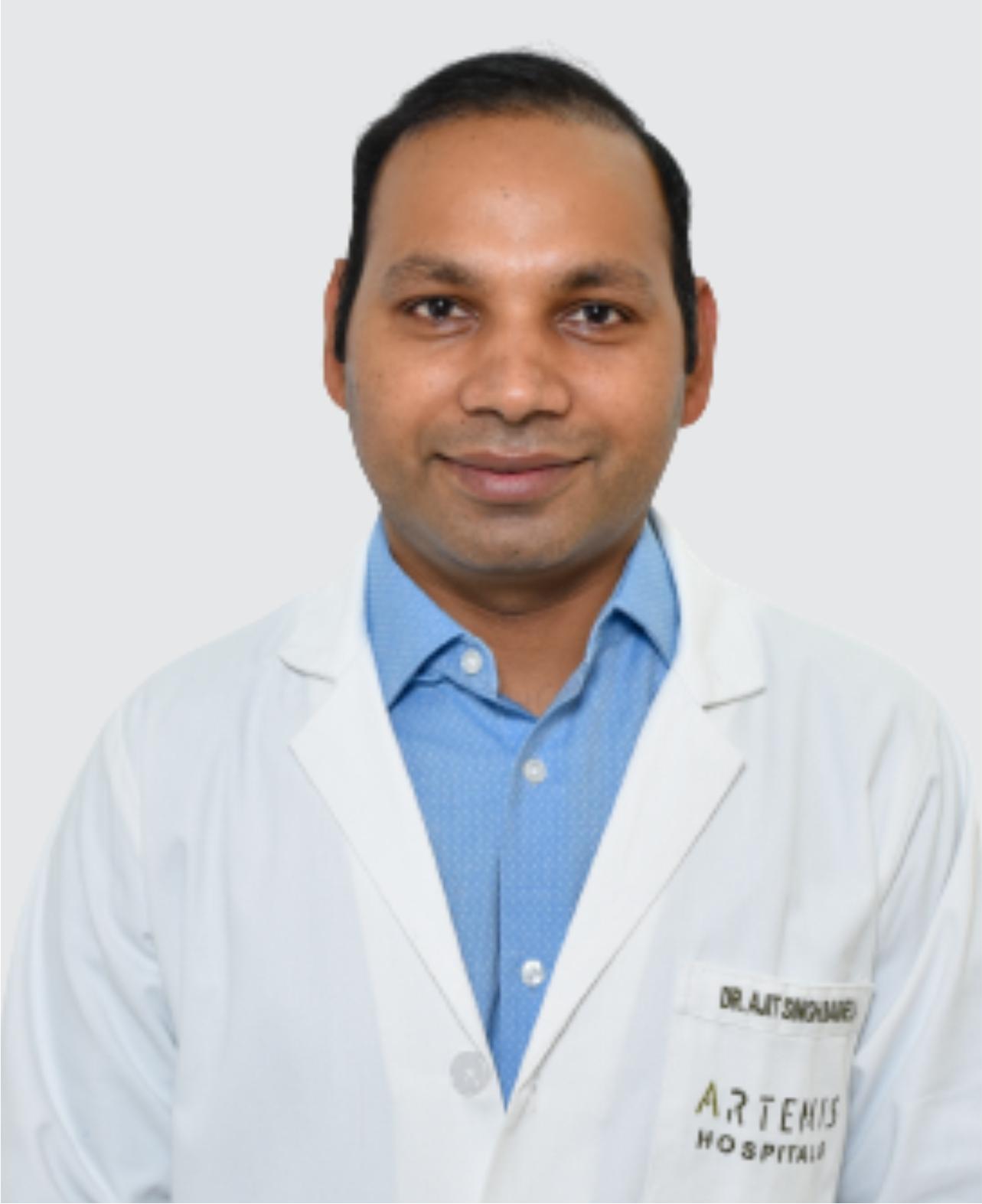
Consultant
Paediatric Neurology
Haryana
9+ Years
Experience
Artemis Hospital
Hospital
1500
Fees
Get Personalized Medical Treatment Options From India's Top Hospitals. Our Medical Experts Are Ready To Assist You Every Step Of The Way.