
Pediatric Stroke Treatment Treatment in Chennai for Iraq
Need Personalized Advice?
Our medical experts are ready to answer your questions and guide you through your treatment options.
Our medical experts are ready to answer your questions and guide you through your treatment options.
For families in Iraq facing the profound challenge of a child's stroke, the emotional toll is immense. Parents often seek the very best care, concerned about long-term recovery and the availability of specialized treatment. Navigating these complex medical needs can feel overwhelming, especially when considering international options for hope and healing.
Many families choose to look beyond their borders for advanced pediatric care, finding Chennai to be a leading destination. This city offers a compassionate and highly coordinated environment for children needing specialized neurological interventions. Its focus on integrated care and patient support makes it an attractive option for international families.
Chennai's hospitals are renowned for their dedicated pediatric neurology departments and state-of-the-art facilities. Experienced specialists work together, ensuring comprehensive treatment plans tailored for each child. The city's medical infrastructure provides confidence in managing intricate conditions and facilitating smooth follow-up care for every patient.
Could Chennai be the supportive setting for your child's journey toward recovery?
Seeking expert guidance for pediatric stroke? Connect with our care team today.
Pediatric stroke treatment focuses on diagnosing, managing, and rehabilitating children who have experienced a stroke. Unlike adult strokes, pediatric strokes can occur before birth, during delivery, or in childhood, often presenting with unique symptoms and causes. Treatment aims to stop the stroke's progression, prevent future strokes, manage complications, and support the child's neurological recovery and development through comprehensive therapies. It involves a multidisciplinary approach to address the specific needs of a child's developing brain.
Acute Medical Management: This involves immediate care to stabilize the child, often with medications to manage blood pressure, seizures, or swelling in the brain. For certain types of strokes, clot-busting medications or interventions might be considered if the child meets strict criteria and presents within a narrow time window.
Antiplatelet or Anticoagulant Therapy: Medications are used to prevent new clots from forming or existing clots from growing, crucial for reducing the risk of recurrent strokes, especially in cases where an underlying clotting disorder is identified.
Rehabilitation Therapies: A cornerstone of pediatric stroke recovery, these include physical therapy to regain motor skills, occupational therapy to relearn daily activities, and speech therapy for communication and swallowing difficulties. These therapies are adapted to a child's developmental stage.
Surgical Interventions: In specific situations, surgery may be required to treat the underlying cause of the stroke, such as repairing a vascular malformation, removing a tumor, or addressing conditions like Moyamoya disease.
Long-Term Follow-up and Neuroprotection: Ongoing monitoring by neurologists, along with strategies to protect the brain and support cognitive function, are vital for a child's sustained recovery and quality of life.
The precise course of treatment for a pediatric stroke depends heavily on the type, cause, and severity of the stroke, as well as the child's overall health and age.
Upon diagnosis, immediate efforts focus on stabilizing the child. This might involve administering intravenous fluids, medications to control seizures, or drugs to reduce brain swelling. If an ischemic stroke (caused by a clot) is identified within a critical time window and the child meets specific criteria, intravenous thrombolysis (clot-busting medication) or mechanical thrombectomy (surgical removal of the clot) might be considered, though these are less common in children than adults.
Following the acute phase, ongoing medical treatment aims to prevent future strokes. This often includes antiplatelet medications (like aspirin) or anticoagulants (blood thinners) if a clotting disorder or specific cardiac condition is identified. Management of underlying conditions that contributed to the stroke, such as blood disorders or vasculitis, is also crucial.
For strokes caused by structural abnormalities, such as arteriovenous malformations (AVMs) or aneurysms, neurosurgery may be performed to repair or remove the abnormality. In conditions like Moyamoya disease, where blood vessels in the brain narrow, revascularization surgery can improve blood flow and prevent future strokes.
Rehabilitation is a continuous and vital part of pediatric stroke treatment. It typically begins shortly after stabilization and continues for an extended period. This involves:
Recovery from pediatric stroke is a long-term, highly individualized journey that often involves intensive, sustained rehabilitation. The healing time varies greatly, depending on the stroke's severity, the child's age, and the extent of brain injury. Children typically require ongoing physical, occupational, and speech therapy sessions, sometimes for months or even years, to regain lost functions and adapt. Regular follow-up appointments with pediatric neurologists are essential to monitor progress, manage any residual symptoms, and adjust medication or therapy plans. Family involvement and support are crucial components of a successful recovery, helping children navigate challenges and achieve their fullest potential.
The success rates for pediatric stroke treatment vary widely, depending on factors such as the child's age at the time of stroke, the affected brain area, the speed of diagnosis and intervention, and the intensity of post-stroke rehabilitation. Many children show remarkable recovery due to the brain's plasticity, especially with early and consistent therapy. Some children recover with minimal deficits, while others may experience lasting challenges requiring ongoing support. Long-term expectations focus on maximizing functional independence and quality of life, with outcomes continuously monitored and managed by a dedicated medical team.
The cost of pediatric stroke treatment in Chennai is influenced by several factors. These include the specific type and severity of the stroke, the duration of hospitalization, the need for intensive care, the complexity of surgical interventions, the duration and intensity of rehabilitation therapies, and the choice of hospital and specialists. Chennai is recognized for offering high-quality medical care at a more accessible price point compared to many Western countries, without compromising on expertise or advanced technology.
Generally, the comprehensive treatment for pediatric stroke in Chennai can range from approximately INR 4,50,000 to INR 16,00,000. This estimate covers the initial acute management, any necessary procedures, and a significant portion of the immediate rehabilitation.
When considering treatment for pediatric stroke, understanding cost differences across various international locations can be helpful. Chennai provides a compelling option, balancing advanced medical facilities with affordability.
| Location | Estimated Cost Range (USD) |
|---|---|
| Chennai, India | $5,500 - $20,000 |
| United States | $50,000 - $200,000+ |
| United Kingdom | $40,000 - $150,000+ |
| Singapore | $30,000 - $100,000+ |
| Thailand | $15,000 - $60,000+ |
Ready to explore pediatric stroke treatment options in Chennai? Reach out to us for a personalized consultation.
Choosing the right path for your child’s pediatric stroke treatment is a significant decision, and Chennai offers a blend of advanced care, expert teams, and dedicated support for international families. We are here to guide you.
India offers premium medical procedures at affordable prices. Discover our most popular treatments, delivered by the country's finest doctors.
Meet our team of highly qualified and experienced medical professionals dedicated to providing the best healthcare services.
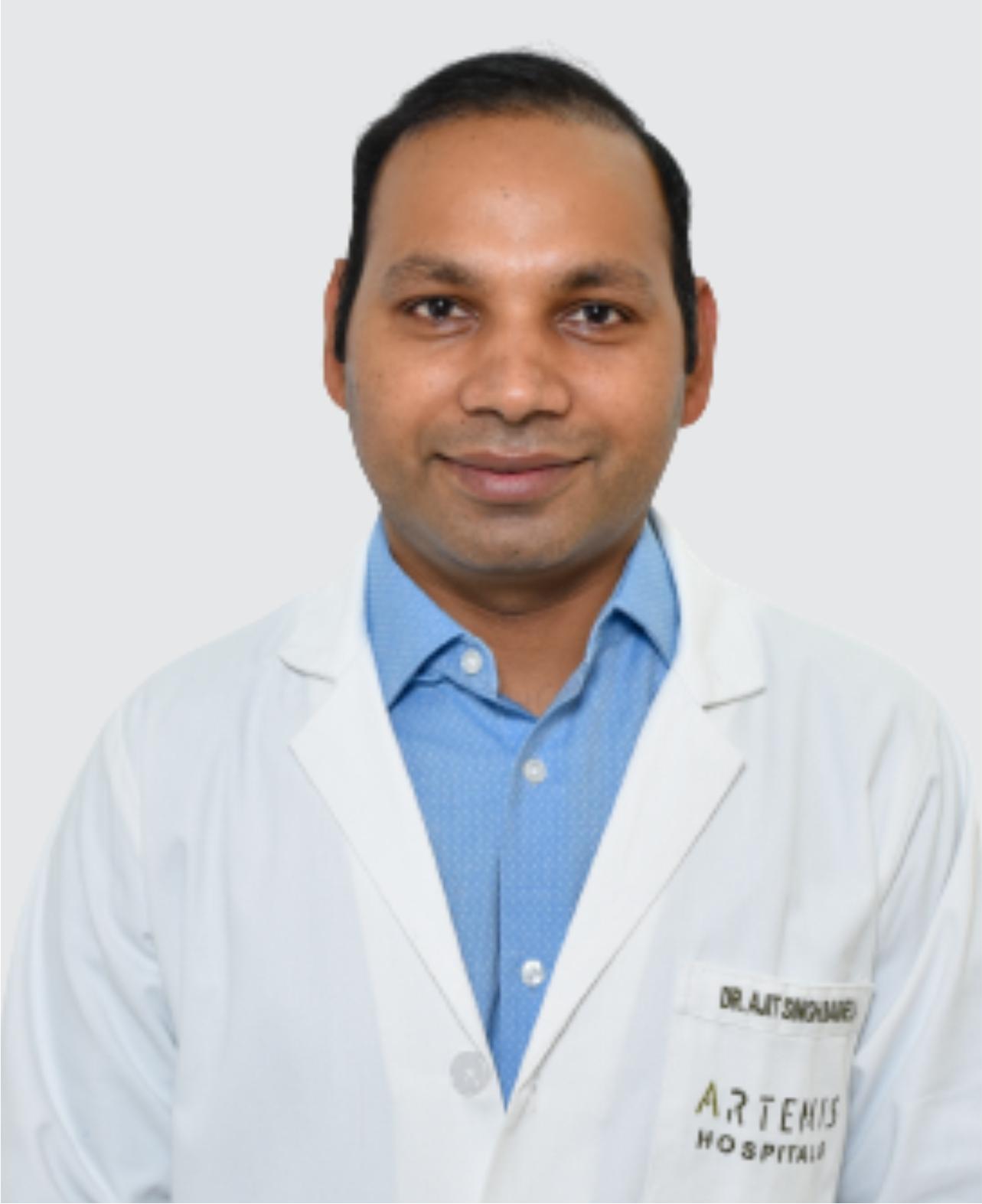
Consultant
Paediatric Neurology
Haryana
9+ Years
Experience
Artemis Hospital
Hospital
1500
Fees
Get Personalized Medical Treatment Options From India's Top Hospitals. Our Medical Experts Are Ready To Assist You Every Step Of The Way.