
Pediatric Stroke Treatment Treatment in Hyderabad for UAE
Need Personalized Advice?
Our medical experts are ready to answer your questions and guide you through your treatment options.
Our medical experts are ready to answer your questions and guide you through your treatment options.
Families in the UAE facing a child's pediatric stroke diagnosis often feel overwhelmed. The journey to recovery can seem long and complex, leading to concerns about specialized care and accessible treatment options for their little one's delicate brain health.
Many families seeking advanced care for pediatric stroke treatment turn to Hyderabad. This city has emerged as a preferred destination due to its concentration of leading pediatric neurology centers and a patient-centric environment dedicated to children's well-being.
Hyderabad's hospitals boast dedicated pediatric neuro specialists and multidisciplinary teams experienced in treating complex childhood neurological conditions. The city's medical infrastructure supports comprehensive care, from diagnosis to long-term rehabilitation, making follow-ups streamlined.
Could Hyderabad be the right choice for your child's pediatric stroke recovery journey?
Pediatric stroke treatment focuses on managing a stroke that occurs in children from birth through age 18. Unlike adult strokes, the causes and presentations in children can be quite diverse. Treatment aims to stop the stroke's progression, prevent future strokes, manage complications, and support the child's recovery through comprehensive rehabilitation. This includes addressing underlying conditions that may have contributed to the stroke, such as heart defects, blood disorders, or genetic factors, ensuring a tailored approach to each young patient.
Treatment for pediatric stroke is highly individualized, depending on the type of stroke (ischemic or hemorrhagic), its cause, and the child's age and overall health.
The precise method of pediatric stroke treatment depends significantly on the child's individual condition, the type of stroke, its cause, and the specific treatment plan developed by the medical team.
Upon diagnosis, immediate efforts focus on stabilizing the child. This may involve managing blood pressure, ensuring adequate oxygen, and controlling any seizures. For ischemic strokes, if within a critical time window, clot-busting medications or mechanical thrombectomy (removing the clot with a catheter) might be considered in select cases at specialized centers in Hyderabad. For hemorrhagic strokes, controlling bleeding and managing intracranial pressure are priorities.
Most children will receive medications to prevent future strokes, such as antiplatelet agents (e.g., aspirin) or anticoagulants (blood thinners). If an underlying condition like a blood clotting disorder or heart anomaly is identified, specific treatments for that condition will be initiated. Medications for seizure control are also commonly prescribed if seizures occur. Regular follow-ups with a pediatric neurologist are essential for ongoing medication adjustment and monitoring.
A critical component of pediatric stroke treatment is intensive rehabilitation. This begins as soon as the child is medically stable. Physical therapists work to restore motor function, occupational therapists help with daily living skills, and speech therapists address communication and swallowing difficulties. Neuropsychologists may assist with cognitive and behavioral challenges. Hyderabad’s hospitals emphasize a multidisciplinary team approach to support the child's developmental progress and maximize their recovery potential.
In certain situations, particularly with hemorrhagic strokes caused by conditions like arteriovenous malformations (AVMs) or aneurysms, neurosurgery may be required to repair or remove the abnormal blood vessels. Surgery might also be performed to relieve pressure on the brain in cases of significant swelling.
Recovery from pediatric stroke is a highly variable and often lengthy process. It typically begins in the hospital with acute rehabilitation and continues intensely post-discharge. Healing time depends on stroke severity and the child's age. Restrictions may involve activity limitations initially, gradually progressing through supervised physical, occupational, and speech therapies. Regular follow-up appointments with pediatric neurologists, rehabilitation specialists, and other therapists are crucial to monitor progress, adjust therapies, and manage any emerging challenges. The goal is to maximize functional independence and support the child's ongoing development.
The success rates for pediatric stroke treatment vary widely, significantly influenced by factors such as the child's age, the stroke's location and severity, the underlying cause, and the promptness and intensity of rehabilitation. While some children experience remarkable recovery with minimal lasting effects, others may face ongoing neurological challenges. Treatment focuses on minimizing brain damage, preventing future strokes, and maximizing the child's functional recovery and quality of life through comprehensive, long-term care and tailored rehabilitation programs.
The cost of pediatric stroke treatment in Hyderabad is influenced by several factors. These include the specific type of stroke, the complexity of the treatment required, the duration of hospitalization, the need for specialized medications or surgical interventions, and the extent of rehabilitation therapies. The choice of hospital and the senior specialist involved also play a role in the overall expenses.
Generally, the estimated cost for comprehensive pediatric stroke treatment in Hyderabad can range from INR 4,00,000 to INR 15,00,000, depending on the individual case and necessary care.
Hyderabad offers a significantly more affordable option for pediatric stroke treatment compared to many Western countries, without compromising on medical standards or specialist expertise.
| Location | Estimated Cost (USD) |
|---|---|
| Hyderabad, India | $5,000 - $20,000 |
| United States | $50,000 - $200,000+ |
| United Kingdom | $40,000 - $150,000+ |
| Germany | $35,000 - $120,000+ |
| Singapore | $30,000 - $100,000+ |
Choosing the right care for your child's pediatric stroke is a significant decision. Hyderabad offers expert medical care, advanced facilities, and compassionate support to guide your family through this challenging journey.
India offers premium medical procedures at affordable prices. Discover our most popular treatments, delivered by the country's finest doctors.
Meet our team of highly qualified and experienced medical professionals dedicated to providing the best healthcare services.
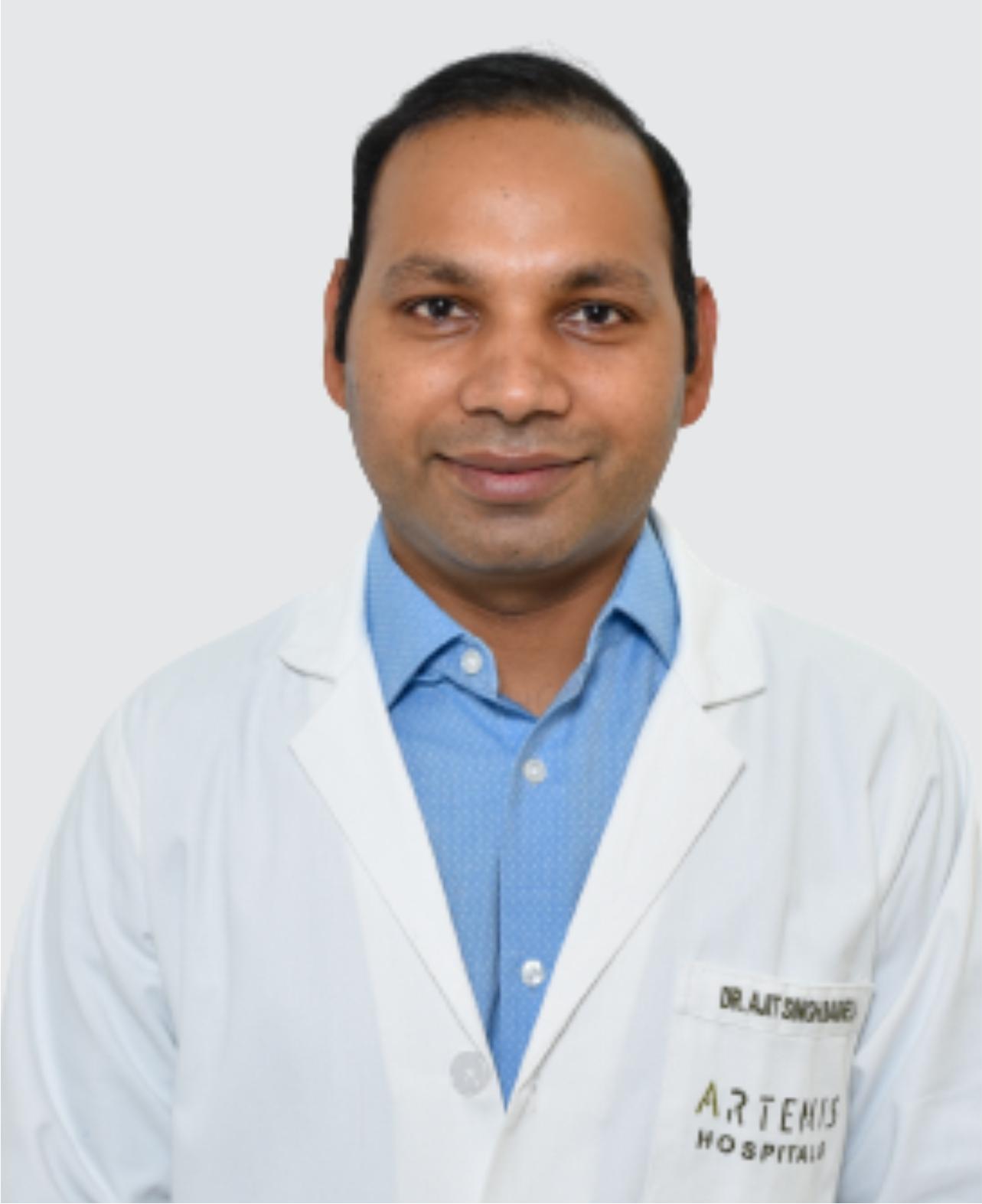
Consultant
Paediatric Neurology
Haryana
9+ Years
Experience
Artemis Hospital
Hospital
1500
Fees
Get Personalized Medical Treatment Options From India's Top Hospitals. Our Medical Experts Are Ready To Assist You Every Step Of The Way.