
Robotic Cancer Surgery Treatment in Bengaluru for Ethiopia
Need Personalized Advice?
Our medical experts are ready to answer your questions and guide you through your treatment options.
Our medical experts are ready to answer your questions and guide you through your treatment options.
Ethiopian patients facing cancer often seek advanced treatment options like robotic surgery. Navigating complex treatment decisions and finding specialized medical care abroad can feel overwhelming, especially when considering the best location for quality and accessibility.
Many patients from Ethiopia considering robotic cancer surgery choose Bengaluru due to its established reputation in advanced medical technology and expert surgical teams. This city offers a focused, high-tech environment for complex procedures, simplifying the search for specialized care.
Bengaluru's medical ecosystem is home to world-class hospitals and highly skilled surgeons specializing in robotic procedures. The city provides streamlined patient pathways, making follow-ups and coordinated care straightforward for international visitors throughout their treatment journey.
Could Bengaluru be your ideal destination for advanced robotic cancer surgery?
Robotic cancer surgery is a sophisticated, minimally invasive surgical technique that uses a robotic system to assist the surgeon. The surgeon controls robotic arms from a console, which hold surgical instruments and a high-definition 3D camera. This technology allows for enhanced precision, greater dexterity, and superior visualization of the surgical site compared to traditional open surgery. It leads to smaller incisions, less blood loss, reduced pain, and often a faster recovery for patients undergoing cancer removal.
Robotic surgery is increasingly utilized across various cancer types due to its precision and minimal invasiveness. Key applications include:
The specific surgical procedure for robotic cancer surgery depends on the type, location, and stage of the cancer, as well as the patient's overall health and the surgeon's specialized plan.
Recovery after robotic cancer surgery is typically quicker than with traditional open surgery. Patients generally experience a shorter hospital stay, often ranging from 3 to 7 days, depending on the procedure. Initial recovery involves managing post-operative pain with medication and gradually increasing mobility. Restrictions on heavy lifting and strenuous activities are common for a few weeks. Follow-up appointments are crucial for monitoring wound healing and overall progress. Some patients may benefit from light physical therapy or rehabilitation to regain strength and function. Most individuals can return to light daily activities within 2-4 weeks, with full recovery taking several months.
The success rates for robotic cancer surgery are generally high, particularly for well-selected cases of localized cancer. Outcomes vary significantly based on the cancer's stage, type, the patient's overall health, and the surgeon's experience. This procedure aims for complete tumor removal and excellent functional outcomes, often leading to an improved quality of life post-surgery. Long-term expectations are usually favorable, with ongoing monitoring and follow-up care forming a crucial part of the patient's journey.
The cost of robotic cancer surgery in Bengaluru varies based on several factors. These include the specific type of cancer, the complexity of the procedure, the hospital chosen (private vs. corporate), the surgeon's fees, the duration of the hospital stay, and any additional treatments or investigations required.
Generally, robotic cancer surgery in Bengaluru can range from INR 4,50,000 to INR 15,00,000.
Bengaluru offers highly competitive pricing for advanced robotic cancer surgery compared to many Western nations, providing significant savings without compromising on quality of care.
| Location | Estimated Cost (USD) |
|---|---|
| Bengaluru, India | $5,500 - $18,000 |
| United States | $30,000 - $80,000 |
| United Kingdom | $25,000 - $65,000 |
| Singapore | $20,000 - $50,000 |
| Turkey | $10,000 - $25,000 |
Ready to explore your treatment options in Bengaluru?
Connect with our patient care team for a detailed cost estimate.
Reach out to our patient care team today for personalized guidance and support on your journey toward better health with robotic cancer surgery in Bengaluru.
Have questions about Robotic Cancer Surgery in Bengaluru?
Contact us now for a free consultation.
India offers premium medical procedures at affordable prices. Discover our most popular treatments, delivered by the country's finest doctors.

Sector 51, Gurugram, Haryana, India
Artemis Hospital
Meet our team of highly qualified and experienced medical professionals dedicated to providing the best healthcare services.

Sr. Consultant - Urology & Kidney Transplant Program (Unit I)
Urology, Kidney Transplant, Urological Cancers
Haryana
8+ Years
Experience
Artemis Hospital
Hospital
1500
Fees
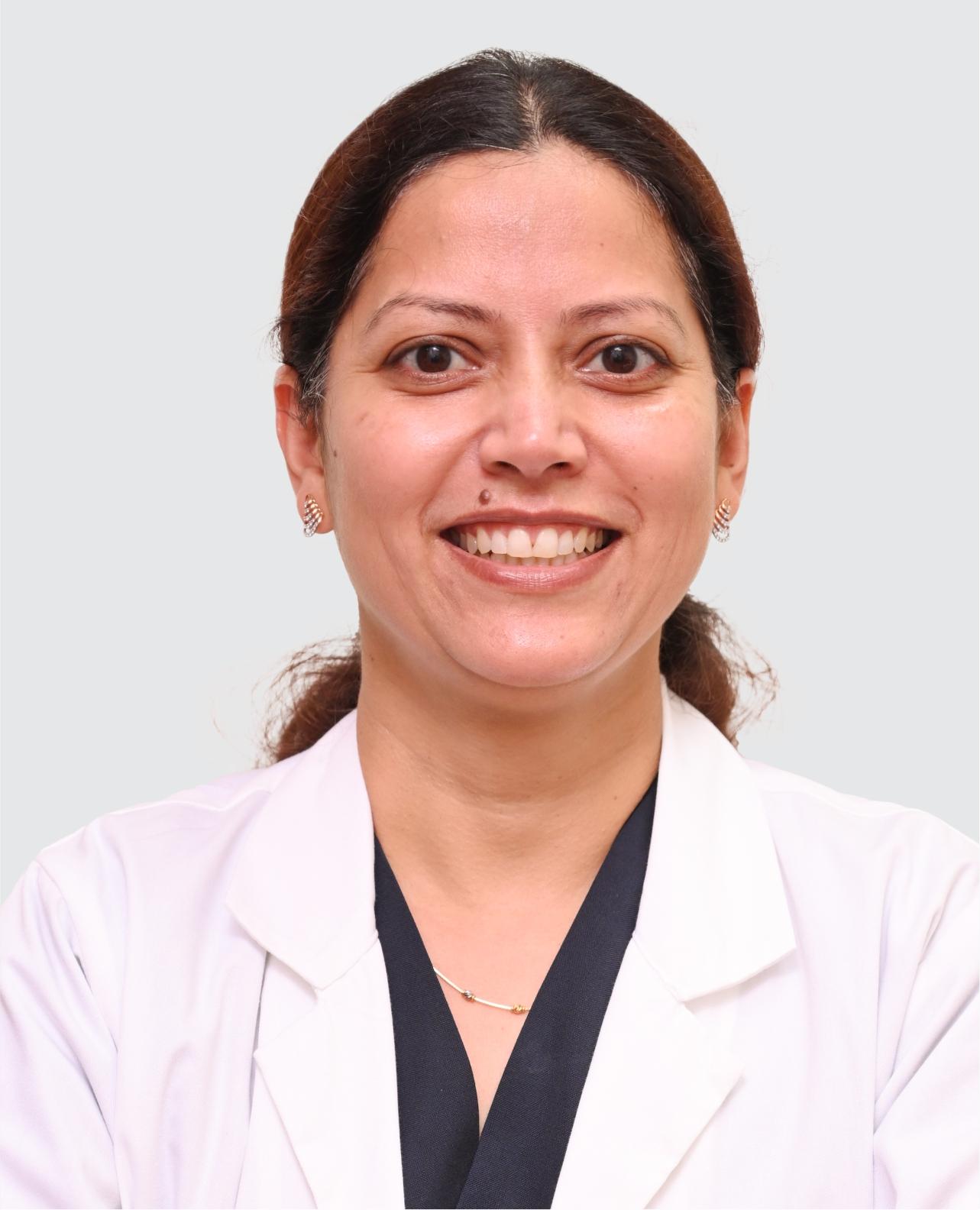
Sr. Consultant - Gynae Oncology
Gynaecological Oncology
New Delhi
10+ Years
Experience
Artemis Hospital
Hospital
1500
Fees

Sr. Consultant – Women Imaging
Radiology
New Delhi
15+ Years
Experience
Artemis Hospital
Hospital
1500
Fees
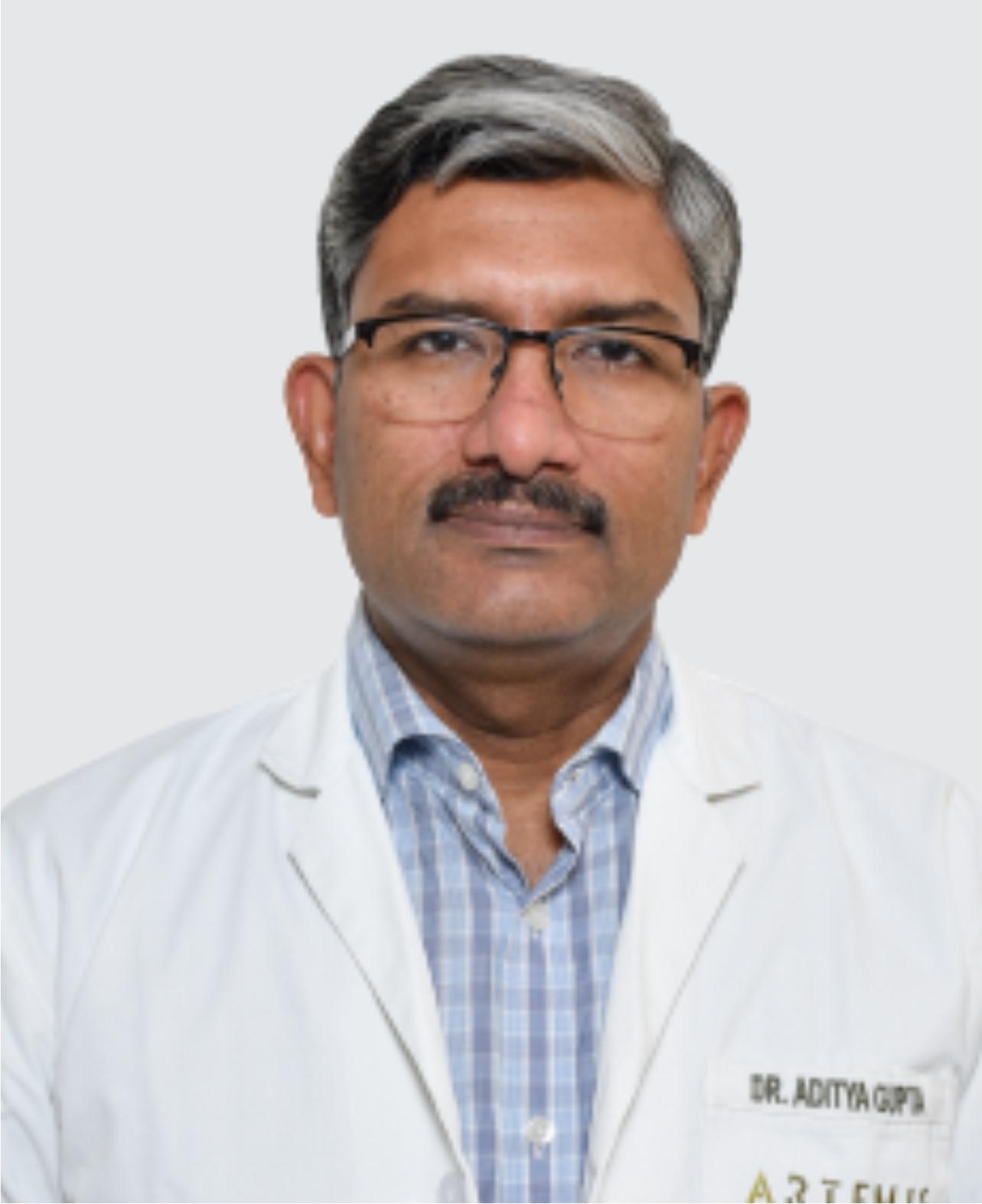
Chairperson - Neurosurgery & CNS Radiosurgery & Co-Chief - Cyberknife Centre
Neurosurgery
New Delhi
32+ Years
Experience
Artemis Hospital
Hospital
1500
Fees

Chief - Breast Surgery & Sr. Consultant : Surgical Oncology
Breast Surgery, Oncology
New Delhi
15+ Years
Experience
Artemis Hospital
Hospital
1500
Fees

Co-Head Psychological Services
Mental Health and Behavioural Sciences
New Delhi
15+ Years
Experience
Artemis Hospital
Hospital
1500
Fees

Head of Department - Gynae Endocrinology & DNB Program Director - Obs & Gynae
Gynaecological Endocrinology, Maternity, Obstetrics & Gynaecology
New Delhi
35+ Years
Experience
Artemis Hospital
Hospital
1500
Fees

Senior Consultant - ENT
ENT and Head & Neck Surgery
New Delhi
24+ Years
Experience
Artemis Hospital
Hospital
1500
Fees

Consultant (Head & Neck Surgery) - Surgical Oncology
Head and Neck Surgical Oncology
New Delhi
10+ Years
Experience
Artemis Hospital
Hospital
1500
Fees

Chairperson - Gynae Oncology
Gynaecological Oncology
New Delhi
16+ Years
Experience
Artemis Hospital
Hospital
1500
Fees
Get Personalized Medical Treatment Options From India's Top Hospitals. Our Medical Experts Are Ready To Assist You Every Step Of The Way.