
Robotic Cancer Surgery Treatment in Bengaluru for Iraq
Need Personalized Advice?
Our medical experts are ready to answer your questions and guide you through your treatment options.
Our medical experts are ready to answer your questions and guide you through your treatment options.
Patients from Iraq often face complex choices when diagnosed with cancer, especially when considering advanced treatments like robotic surgery. The journey to recovery can feel daunting, with concerns about medical expertise, technology access, and the overall quality of care available close to home. Seeking a path to effective treatment is a paramount concern for many.
Bengaluru has emerged as a preferred destination for international patients seeking specialized medical care. This city is recognized for its advanced healthcare infrastructure and a highly skilled medical workforce, drawing individuals looking for sophisticated treatment options outside their immediate region. The coordinated care environment here is a significant factor.
Trust in Bengaluru’s medical institutions is built on a foundation of experienced specialists and modern hospitals equipped with cutting edge technology. Patients benefit from comprehensive treatment plans and the opportunity for structured follow-ups within the city. This localized expertise offers a reassuring environment for complex procedures.
Could Bengaluru be the right choice for your robotic cancer surgery?
Considering Robotic Cancer Surgery in Bengaluru? Connect with our patient support team to discuss your treatment options and receive personalized guidance.
Robotic cancer surgery is a minimally invasive surgical technique that uses a robotic system to assist the surgeon. The surgeon controls robotic arms from a console, which hold surgical instruments and a high-definition 3D camera. This method allows for greater precision, flexibility, and control compared to traditional open surgery, often leading to better outcomes and quicker recovery times for cancer patients. It is particularly effective for removing cancerous tissue from delicate areas of the body.
Robotic surgery offers versatile applications across various cancer types, enhancing precision and patient recovery.
The exact steps of robotic cancer surgery vary depending on the specific type and location of the cancer, as well as the patient's overall health condition.
The procedure begins with the patient under general anesthesia. Small incisions, typically 1-2 cm, are made in the skin to insert cannulas. Through these, the robotic surgical instruments and a high-definition 3D camera are passed. The surgeon then moves to a console located within the operating room, where they view a magnified, three-dimensional image of the surgical site. The surgeon manipulates controls that translate their hand movements into precise movements of the robotic instruments inside the patient's body. These instruments offer a greater range of motion and dexterity than a human hand. The cancerous tissue is carefully dissected and removed, often along with surrounding lymph nodes if necessary, to ensure clear margins. Once the surgery is complete, the instruments are removed, and the small incisions are closed with sutures or surgical tape.
Recovery from robotic cancer surgery is generally faster and less painful than traditional open surgery. Patients typically experience a shorter hospital stay, often 2-5 days depending on the procedure. Post-operative care includes pain management, early mobilization to prevent complications, and dietary adjustments. Restrictions on heavy lifting and strenuous activity are common for several weeks. Follow-up appointments with the surgeon and oncologist are crucial to monitor healing, discuss pathology results, and plan any further treatment like chemotherapy or radiation. Rehabilitation may be recommended to regain strength and function.
Robotic cancer surgery generally boasts high success rates for complete tumor removal, especially when performed in early stages of cancer. Outcomes vary significantly based on the cancer type, stage, patient's overall health, and the surgeon's experience. Long-term success is also influenced by adjuvant therapies and adherence to follow-up care. Patients can expect a good quality of life after successful robotic surgery, with a strong focus on disease control and symptom management.
The cost of robotic cancer surgery in Bengaluru is influenced by several factors. These include the specific hospital chosen, the experience and fees of the surgical team, the complexity and type of cancer being treated, the duration of hospital stay, and any additional pre- or post-operative care required. The use of advanced technology and specialized medical consumables also plays a role in the overall expense.
For international patients, the average cost for robotic cancer surgery in Bengaluru typically ranges from INR 4,50,000 to INR 15,00,000, depending heavily on the specific procedure.
Bengaluru offers a significant cost advantage for advanced medical procedures like robotic cancer surgery compared to many Western nations, without compromising on quality or technology.
| Location | Estimated Cost Range (USD) |
|---|---|
| Bengaluru, India | $5,500 - $18,000 |
| United States | $30,000 - $80,000 |
| United Kingdom | $25,000 - $65,000 |
| Singapore | $20,000 - $50,000 |
| Germany | $22,000 - $58,000 |
Ready to explore Robotic Cancer Surgery in Bengaluru? Contact us today to receive a detailed cost estimate and begin planning your medical journey.
Choosing robotic cancer surgery in Bengaluru can offer a path to advanced care and recovery.
India offers premium medical procedures at affordable prices. Discover our most popular treatments, delivered by the country's finest doctors.

Sector 51, Gurugram, Haryana, India
Artemis Hospital
Meet our team of highly qualified and experienced medical professionals dedicated to providing the best healthcare services.

Sr. Consultant - Urology & Kidney Transplant Program (Unit I)
Urology, Kidney Transplant, Urological Cancers
Haryana
8+ Years
Experience
Artemis Hospital
Hospital
1500
Fees

Sr. Consultant - Gynae Oncology
Gynaecological Oncology
New Delhi
10+ Years
Experience
Artemis Hospital
Hospital
1500
Fees

Chairperson - Neurosurgery & CNS Radiosurgery & Co-Chief - Cyberknife Centre
Neurosurgery
New Delhi
32+ Years
Experience
Artemis Hospital
Hospital
1500
Fees

Chief - Breast Surgery & Sr. Consultant : Surgical Oncology
Breast Surgery, Oncology
New Delhi
15+ Years
Experience
Artemis Hospital
Hospital
1500
Fees
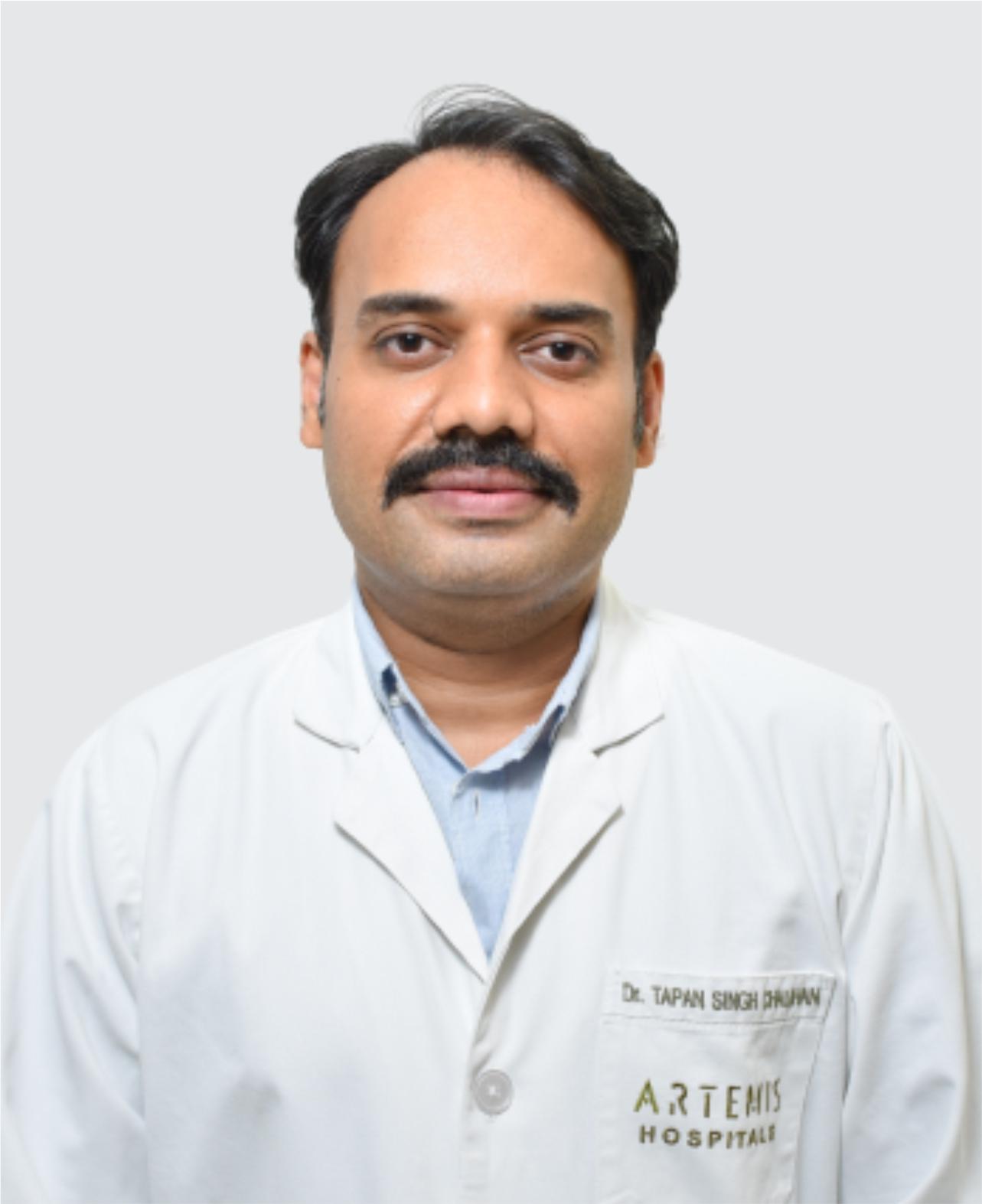
Sr. Consultant - Surgical Oncology, Robotics, GI & HPB, Gynae & Peritoneal Surface Oncology
Oncology, Robotic Surgery
New Delhi
15+ Years
Experience
Artemis Hospital
Hospital
1500
Fees

Head - Kidney Transplant & Associate Chief - Uro-Oncology & Robotic Surgery (Unit I)
Nephrology, Organ Transplant, Robotic Surgery, Urology
New Delhi
15+ Years
Experience
Artemis Hospital
Hospital
1500
Fees
Chairman - Max Institute of Cancer Care
Surgical Oncology
New Delhi
35+ Years
Experience
Max Hospital,Gurgaon
Hospital
1500
Fees
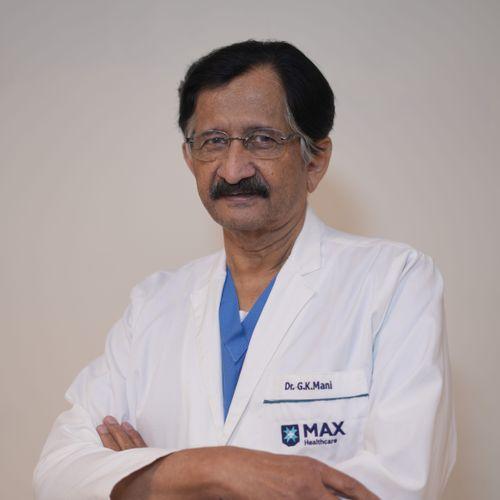
Chairman, Cardiac Sciences, Cardiac Surgery (CTVS)
Cardiothoracic and Vascular Surgery (CTVS), Cardiac Sciences
New Delhi
46+ Years
Experience
Max Hospital,Gurgaon
Hospital
1500
Fees
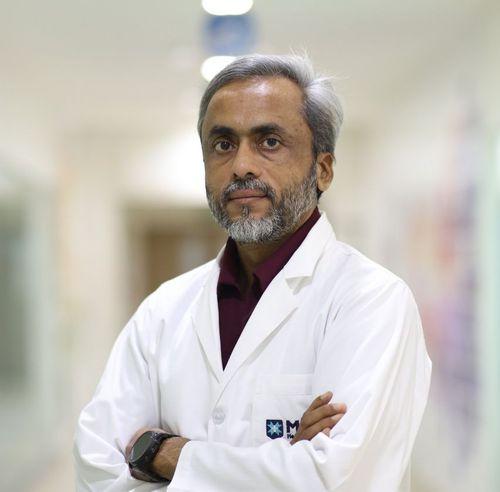
Principal Director & Unit Head – Surgical Oncology
Surgical Oncology
New Delhi
19+ Years
Experience
Max Hospital,Gurgaon
Hospital
1500
Fees
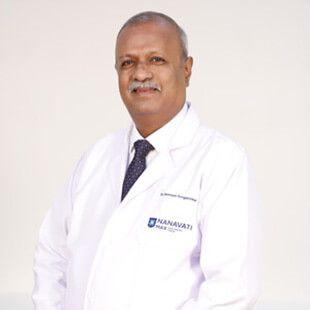
Director
Surgical Oncology
New Delhi
32+ Years
Experience
Apolo Delhi
Hospital
1500
Fees
Get Personalized Medical Treatment Options From India's Top Hospitals. Our Medical Experts Are Ready To Assist You Every Step Of The Way.