DIVINHEALSimplifying Global Wellbeing
Home
Treatments
Hospitals
Doctors
Page background

Robotic Cancer Surgery Treatment in Gurugram for Nigeria

About

Robotic Cancer Surgery in Gurugram for Nigerian Patients

For patients in Nigeria facing a cancer diagnosis, the search for advanced, effective treatment can be overwhelming. Questions arise about the best medical technology, skilled surgeons, and whether high-quality care is accessible without significant travel or financial strain. This journey often leads to exploring options beyond national borders.

Gurugram has emerged as a preferred destination for such specialized procedures. Its modern medical infrastructure, specifically in advanced surgical techniques like robotic cancer surgery, offers a compelling alternative. Patients look to Gurugram for its focused approach to complex medical conditions and well-coordinated patient care.

The city's hospitals boast internationally trained robotic surgeons and state-of-the-art operating theaters. This localized expertise provides reassurance, knowing that follow-up care and comprehensive medical support are readily available within the same city, streamlining the entire treatment process for international visitors.

Is Gurugram the optimal choice for your robotic cancer surgery journey?

What is Robotic Cancer Surgery?

Robotic cancer surgery is a highly advanced, minimally invasive surgical technique used to treat various types of cancer. It involves a surgeon operating from a console, controlling tiny instruments attached to robotic arms. These arms enter the body through small incisions, offering enhanced precision, greater flexibility, and a magnified 3D view of the surgical site. This method minimizes trauma to surrounding healthy tissues, aiming for a more complete tumor removal with reduced complications.

Types of Robotic Cancer Surgery Procedures

Robotic surgery can be applied to a wide range of cancers, including:

  • Robotic Prostatectomy: For prostate cancer, removing the prostate gland while preserving nerve function.
  • Robotic Nephrectomy/Partial Nephrectomy: For kidney cancer, removing part or all of the kidney.
  • Robotic Colectomy/Rectal Resection: For colorectal cancers, removing sections of the colon or rectum.
  • Robotic Hysterectomy/Myomectomy: For gynecological cancers like uterine or cervical cancer, or removal of fibroids.
  • Robotic Thoracic Surgery: For lung cancer or mediastinal tumors, performing lobectomies or tumor resections.
  • Robotic Head and Neck Surgery: For certain throat or oral cancers, accessing difficult-to-reach areas.

When is Robotic Cancer Surgery Recommended?

  • Confirmed diagnosis of localized cancer in organs such as the prostate, kidney, colon, rectum, uterus, lung, or throat.
  • Early to intermediate stages of cancer where surgical removal is the primary treatment option.
  • When a minimally invasive approach is preferred to reduce recovery time and surgical complications.
  • In cases where traditional open surgery poses significant challenges due to tumor location or patient health.
  • To achieve precise tumor removal while preserving critical surrounding structures and functions.

Pre-Treatment Evaluation Process

  • Detailed Medical History and Physical Examination: To understand overall health and cancer progression.
  • Imaging Studies: CT scans, MRI, PET scans to map the tumor's exact location, size, and extent.
  • Biopsy: A tissue sample confirms the cancer type and aggressiveness.
  • Blood Tests: Including complete blood count, kidney and liver function tests, and tumor markers.
  • Cardiovascular and Respiratory Assessment: To ensure fitness for general anesthesia and surgery.
  • Consultation with Multi-Disciplinary Team: Surgeons, oncologists, and anesthetists review the case.

How Robotic Cancer Surgery is Performed

The specific steps of robotic cancer surgery depend on the type and location of the cancer, as well as the patient's individualized treatment plan.

  • Anesthesia: The patient is given general anesthesia to ensure comfort and immobility throughout the procedure.
  • Incisions: A few small keyhole incisions (typically 8-12 mm) are made in the skin to allow access for the robotic instruments and a camera.
  • Robot Setup: The robotic system is positioned next to the operating table, and its arms are connected to the specialized surgical instruments and a high-definition 3D camera.
  • Surgeon's Console: The surgeon sits at a console away from the operating table, controlling the robotic arms with hand and foot movements. The console provides a magnified, immersive 3D view of the surgical field.
  • Precision Dissection and Removal: The surgeon precisely dissects the cancerous tissue, removing the tumor and any affected lymph nodes. The robotic instruments offer enhanced dexterity, allowing for intricate maneuvers.
  • Closure: Once the surgery is complete, the instruments are removed, and the small incisions are closed with sutures or surgical tape.

Recovery Process After Robotic Cancer Surgery

Recovery from robotic cancer surgery is generally faster and less painful compared to traditional open surgery. Patients typically experience shorter hospital stays, often 2-7 days depending on the procedure. Post-operative care includes pain management, monitoring for complications, and early mobilization. Patients are usually encouraged to walk soon after surgery. Full recovery, including a return to normal activities, varies but is often achieved within a few weeks to a couple of months, supported by specific rehabilitation exercises and regular follow-up appointments.

Potential Risks and Success Rates

  • General Surgical Risks: These include bleeding, infection, adverse reaction to anesthesia, and blood clots.
  • Organ Injury: Though rare due to precision, there's a minimal risk of damage to nearby organs or tissues.
  • Nerve Damage: Potential for temporary or, less commonly, permanent nerve injury, leading to functional issues.
  • Conversion to Open Surgery: In some complex cases, the surgeon may need to switch to traditional open surgery.
  • Anastomotic Leakage: A risk after bowel resections where the reconnected sections may leak.

The success rate of robotic cancer surgery is generally high, offering excellent outcomes for appropriate candidates. Factors influencing success include the cancer stage, tumor aggressiveness, patient's overall health, and the surgeon's experience. This technique often leads to good oncological outcomes, meaning effective cancer removal, coupled with better preservation of organ function and quality of life post-surgery. Long-term expectations are favorable, though regular follow-up and monitoring are essential.

Ready to explore advanced treatment?

Connect with top robotic surgeons in Gurugram today for a personalized consultation.

What Does Robotic Cancer Surgery Cost in Gurugram?

The cost of robotic cancer surgery in Gurugram is significantly more affordable compared to Western countries, without compromising on quality or technology. Prices vary based on the specific type of cancer, the complexity of the procedure, the hospital chosen, the surgeon's fees, duration of hospital stay, and any additional services required during recovery. In Gurugram, you can expect robotic cancer surgery to range from INR 5,81,000 to INR 12,45,000.

Gurugram vs. Global Robotic Cancer Surgery Costs (USD)

Location Estimated Cost Range (USD)
Gurugram, India $7,000 - $15,000
United States $30,000 - $60,000+
United Kingdom $25,000 - $50,000+
Canada $20,000 - $45,000+
Australia $25,000 - $55,000+
Thailand $15,000 - $30,000+

Comprehensive Support for Your Treatment Journey

  • Personalized Treatment Plans: Tailored to your specific cancer diagnosis and health condition.
  • Travel and Accommodation Assistance: Help with visa applications, flight bookings, and local lodging in Gurugram.
  • Language Interpreters: Ensuring clear communication between you and your medical team.
  • Dedicated Patient Coordinators: Guiding you through every step, from initial inquiry to post-treatment follow-up.
  • Teleconsultations: Pre-travel consultations with Gurugram specialists to discuss your case.
  • Post-Treatment Care Support: Coordination for any necessary follow-up care or rehabilitation in Gurugram.

Important Documents Required for Your Medical Visit

  • Passport and Visa: Valid passport and a medical visa for India.
  • Medical Reports: All previous diagnostic reports, biopsy results, imaging scans, and medical history.
  • Doctor's Referral Letter: A letter from your local physician outlining your diagnosis and treatment need.
  • Proof of Funds: Documentation to show financial capability for treatment and stay.
  • Accommodation Details: Confirmed booking for your stay in Gurugram.
  • Travel Insurance: Recommended for international medical travel.

Preparing for Your Robotic Cancer Surgery in Gurugram

  • Medical Clearance: Ensure all pre-operative tests are completed and you are cleared for surgery.
  • Medication Review: Discuss all current medications with your Gurugram medical team, especially blood thinners.
  • Dietary Guidance: Follow specific dietary instructions, including fasting, before your procedure.
  • Travel Arrangements: Confirm all travel logistics and ensure a comfortable journey to Gurugram.
  • Support System: Plan to have a companion with you for support during your treatment and recovery.
  • Questions for Your Doctor: Prepare any questions you have about the surgery and recovery process.

Post-Surgery Care and Recovery Instructions

  • Follow-up Appointments: Adhere strictly to scheduled follow-up visits with your Gurugram surgeon.
  • Pain Management: Take prescribed pain medication as directed to manage discomfort.
  • Wound Care: Keep incision sites clean and dry, following specific instructions to prevent infection.
  • Activity Restrictions: Avoid heavy lifting and strenuous activities for the recommended period.
  • Diet and Hydration: Maintain a healthy diet and ensure adequate fluid intake to support healing.
  • Rehabilitation: Engage in gentle exercises or physical therapy as advised to aid recovery.

Taking Your Next Step Towards Better Health

Choosing to pursue robotic cancer surgery is a significant decision. Gurugram offers a blend of advanced medical technology, expert surgeons, and compassionate care, providing a viable pathway to recovery for Nigerian patients seeking high-quality treatment options.

Ready to start your journey to recovery?

Contact us today for a free consultation and let us guide you through your treatment options in Gurugram.

Hospitals Offering this treatment

India offers premium medical procedures at affordable prices. Discover our most popular treatments, delivered by the country's finest doctors.

Meet Our Doctors

Meet our team of highly qualified and experienced medical professionals dedicated to providing the best healthcare services.

Dr. Abhinandan Mukhopadhyay

Dr. Abhinandan Mukhopadhyay

Sr. Consultant - Urology & Kidney Transplant Program (Unit I)

Urology, Kidney Transplant, Urological Cancers

Haryana

8+ Years

Experience

Artemis Hospital

Hospital

1500

Fees

View Details
Dr. Ajit Singh Baghela

Dr. Ajit Singh Baghela

Consultant

Paediatric Neurology

Haryana

9+ Years

Experience

Artemis Hospital

Hospital

1500

Fees
View Details
Dr. Amita Naithani

Dr. Amita Naithani

Sr. Consultant - Gynae Oncology

Gynaecological Oncology

New Delhi

10+ Years

Experience

Artemis Hospital

Hospital

1500

Fees
View Details
Dr. Aditya Gupta

Dr. Aditya Gupta

Senior Consultant

Urology

New Delhi

14+ Years

Experience

Artemis Hospital

Hospital

1500

Fees

View Details
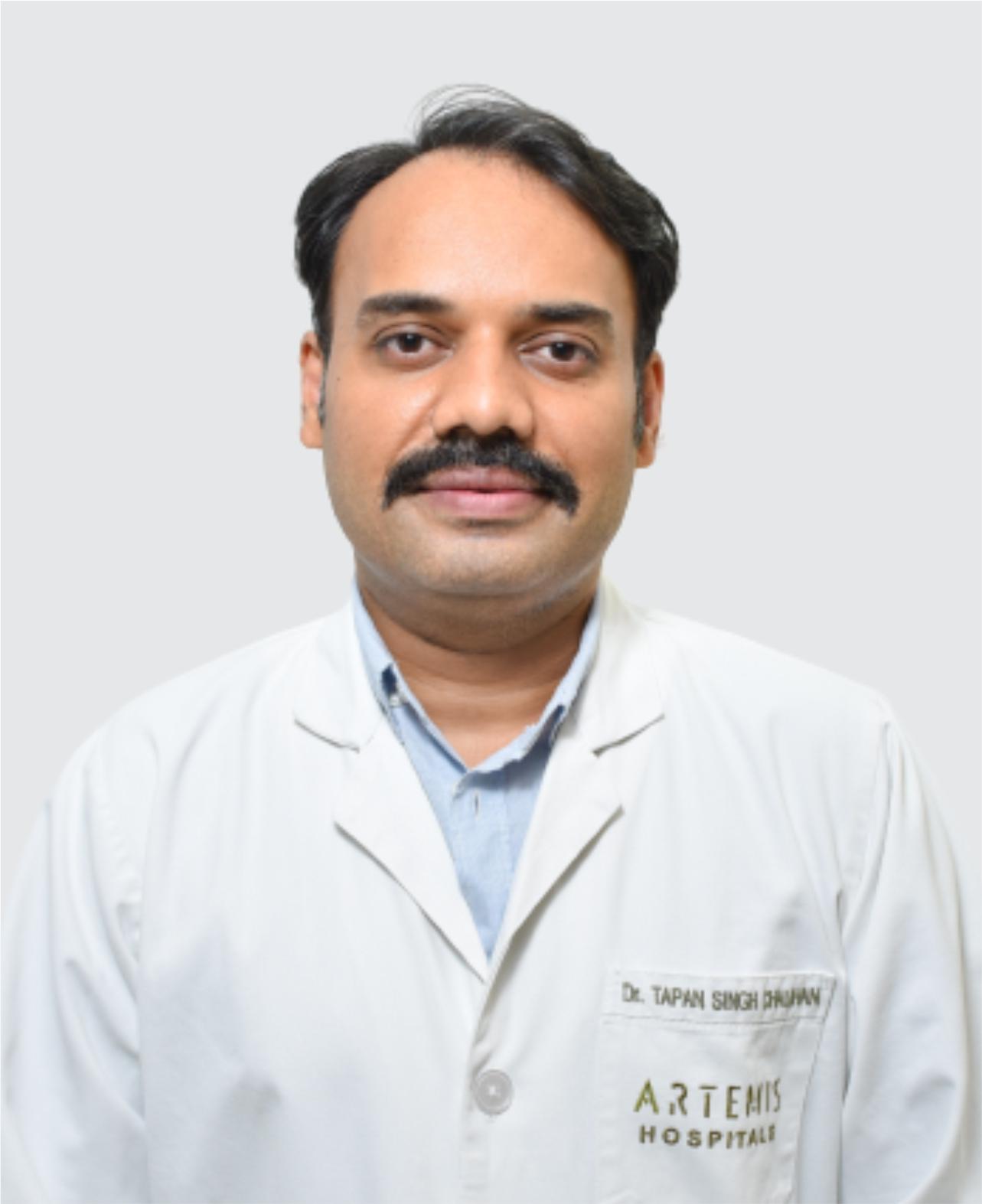
Dr. Deepak Jha

Dr. Deepak Jha

Chief - Breast Surgery & Sr. Consultant : Surgical Oncology

Breast Surgery, Oncology

New Delhi

15+ Years

Experience

Artemis Hospital

Hospital

1500

Fees
View Details
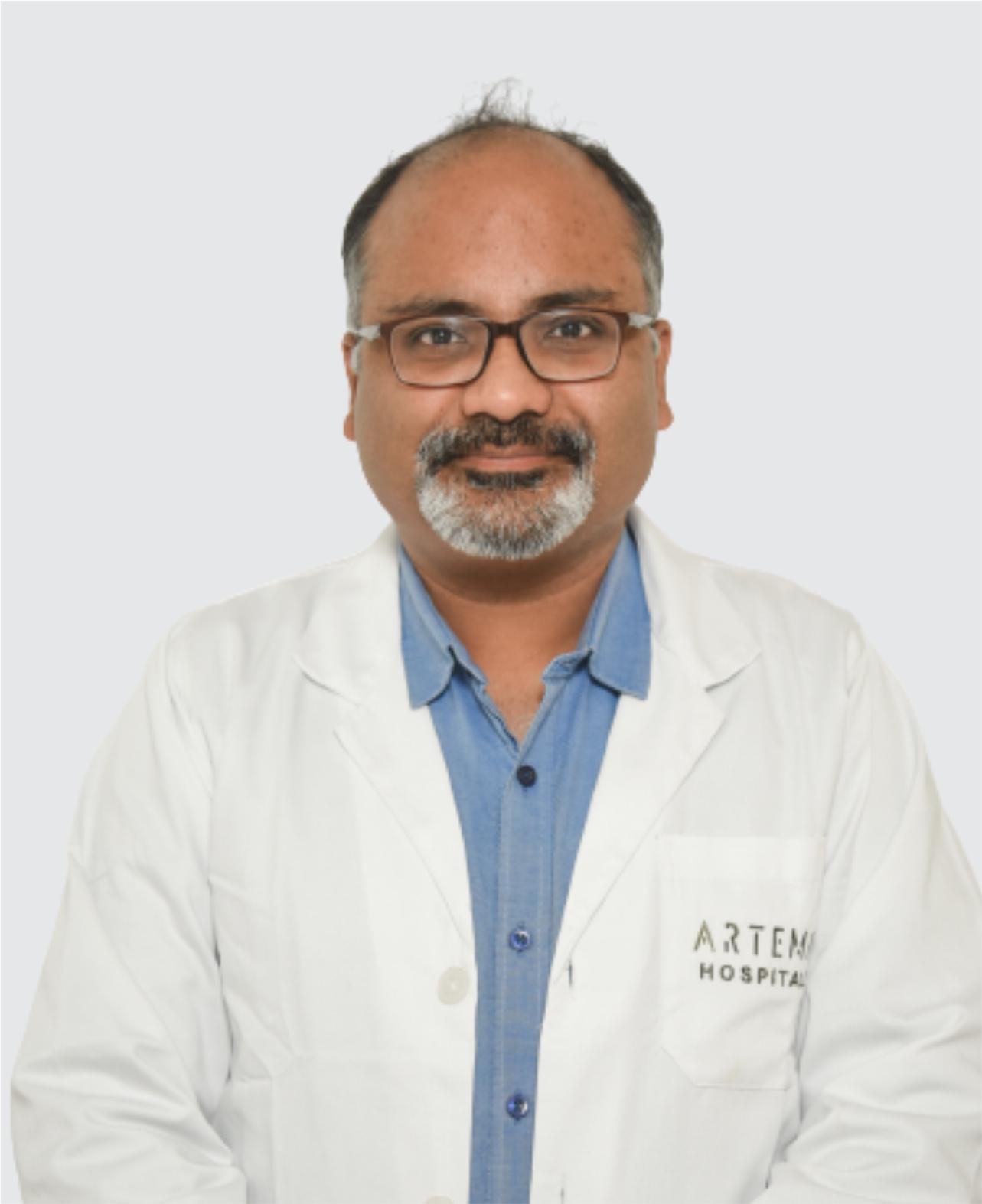
Dr. Tapan Singh Chauhan

Dr. Tapan Singh Chauhan

Sr. Consultant - Surgical Oncology, Robotics, GI & HPB, Gynae & Peritoneal Surface Oncology

Oncology, Robotic Surgery

New Delhi

15+ Years

Experience

Artemis Hospital

Hospital

1500

Fees
View Details
Dr. Varun Mittal

Dr. Varun Mittal

Head - Kidney Transplant & Associate Chief - Uro-Oncology & Robotic Surgery (Unit I)

Nephrology, Organ Transplant, Robotic Surgery, Urology

New Delhi

15+ Years

Experience

Artemis Hospital

Hospital

1500

Fees
View Details
Dr. Harit Chaturvedi

Dr. Harit Chaturvedi

Chairman

Surgical Oncology

New Delhi

21+ Years

Experience

Apolo Delhi

Hospital

1500

Fees

View Details
Dr Ganesh Kumar Mani

Dr Ganesh Kumar Mani

Director

Surgical Oncology

New Delhi

18+ Years

Experience

Apolo Delhi

Hospital

1500

Fees

View Details
Dr. Nakul Sinha

Dr. Nakul Sinha

Director - Institute of Neurosciences

Neurosurgery

New Delhi

15+ Years

Experience

Apolo Delhi

Hospital

1500

Fees

View Details
Dr. Anshuman Kumar

Dr. Anshuman Kumar

Director & Head of Department

Urology & Kidney Transplant

New Delhi

18+ Years

Experience

Apolo Delhi

Hospital

1500

Fees

View Details
Dr. Hemant B Tongaonkar

Dr. Hemant B Tongaonkar

Director

Surgical Oncology

New Delhi

32+ Years

Experience

Apolo Delhi

Hospital

1500

Fees

View Details
Dr. Rajeev Bansal

Dr. Rajeev Bansal

Sr. Consultant

General Surgery, GI & Bariatric Surgery

New Delhi

28+ Years

Experience

Apolo Delhi

Hospital

1500

Fees

View Details
Dr. Gaurav Bansal

Dr. Gaurav Bansal

Senior Consultant, Urology & Kidney Transplant

Urology

New Delhi

17+ Years

Experience

Apolo Delhi

Hospital

1500

Fees

View Details
Dr. Anil Prasad Bhatt

Dr. Anil Prasad Bhatt

Principal Consultant

Urology, Uro-Oncology, Renal Transplant

New Delhi

30+ Years

Experience

Apolo Delhi

Hospital

1500

Fees

View Details

Related Links

هل أنت مستعد لبدء رحلتك العلاجية؟

احصل على خيارات علاجية شخصية من أفضل مستشفيات الهند. خبراؤنا الطبيون جاهزون لمساعدتك في كل خطوة.