
Robotic Cancer Surgery Treatment in Gurugram for UAE
Need Personalized Advice?
Our medical experts are ready to answer your questions and guide you through your treatment options.
Our medical experts are ready to answer your questions and guide you through your treatment options.
Patients from the UAE facing a cancer diagnosis often grapple with significant uncertainty about treatment options. The quest for advanced, less invasive surgical solutions like robotic cancer surgery can be overwhelming, especially when considering care outside one's home country. Many worry about finding world-class expertise and seamless support.
This search frequently leads individuals to Gurugram, a city recognized for its modern medical infrastructure and highly specialized care. Patients choose Gurugram for its commitment to cutting-edge technology and a holistic patient experience, ensuring comprehensive support from initial consultation through to recovery.
Gurugram's healthcare ecosystem fosters trust through its accredited hospitals and renowned oncology specialists. The city provides an environment where continuity of care, access to innovative surgical techniques, and coordinated follow-ups are readily available, giving peace of mind to international patients.
Is Gurugram the right destination for your robotic cancer surgery?
Robotic cancer surgery is a highly advanced, minimally invasive surgical technique that uses robotic systems to assist surgeons in performing complex operations with enhanced precision and control. Unlike traditional open surgery, which involves large incisions, or even conventional laparoscopic surgery, robotic surgery utilizes small incisions through which specialized instruments and a high-definition 3D camera are inserted. The surgeon controls the robotic arms from a console, translating their hand movements into precise movements of the instruments inside the patient's body. This method is increasingly favored for removing cancerous tumors across various organs due to its numerous patient benefits.
Prostatectomy: Robotic surgery is a gold standard for prostate cancer removal due to its ability to preserve nerve function and reduce complications.
Nephrectomy and Partial Nephrectomy: Used for kidney cancer, allowing for precise removal of tumors while preserving healthy kidney tissue in partial nephrectomy cases.
Colectomy: Effective for colorectal cancer, minimizing trauma and promoting faster recovery for patients with colon or rectal tumors.
Hysterectomy and Myomectomy: Frequently employed in gynecological cancers, offering precise removal of uterine or cervical tumors with less pain and quicker return to normal activities.
Thoracic Surgery: Applied in lung cancer cases for precise tumor removal, leading to smaller incisions and reduced postoperative discomfort.
Head and Neck Surgery: Transoral robotic surgery (TORS) provides access to difficult-to-reach tumors in the throat and mouth without external incisions.
The precise steps of robotic cancer surgery vary significantly depending on the type and location of the cancer, as well as the individual patient's condition. However, the general methodology involves several key stages to ensure a safe and effective procedure.
Patients undergo a detailed pre-operative assessment. This includes a review of all diagnostic tests, a discussion of the surgical plan, and instructions on fasting and medication adjustments. The surgical team ensures the patient is medically optimized for the procedure.
The patient is placed under general anesthesia. Small incisions (typically 8-12 mm) are made on the skin through which the robotic instruments and a camera are inserted. The surgeon then moves to a console in the operating room, where they view a magnified, high-definition 3D image of the surgical site. Using hand and foot controls, the surgeon manipulates the robotic arms, which have a greater range of motion and precision than human hands. The cancerous tissue is carefully dissected and removed, often along with surrounding lymph nodes if necessary. Once the resection is complete, the instruments are removed, and the small incisions are closed.
Following the procedure, the patient is monitored in a recovery area. Pain management is initiated, and early mobilization is encouraged to prevent complications. The medical team in Gurugram's top hospitals provides comprehensive post-operative care, guiding patients through their immediate recovery phase.
The recovery period following robotic cancer surgery is typically shorter and less painful compared to traditional open surgery. Patients usually experience a shorter hospital stay, often discharged within a few days. During the initial recovery, mild discomfort at the incision sites is common and managed with medication. Patients are encouraged to gradually increase activity levels, avoiding strenuous physical exertion for several weeks. Follow-up appointments with the Gurugram specialists are crucial to monitor healing, discuss pathology results, and plan any further adjuvant treatments if needed. A personalized rehabilitation plan may be recommended to aid in a complete return to daily activities.
The success rates for robotic cancer surgery are generally very favorable, often comparable to or exceeding those of open surgery, especially for localized cancers. Outcomes vary based on the cancer type, stage at diagnosis, the patient's overall health, and the surgeon's expertise. Patients typically experience significantly less pain, reduced blood loss, shorter hospital stays, and faster return to normal activities. Long-term expectations usually involve regular follow-up with oncology teams to monitor for recurrence and manage any lasting side effects. Gurugram's highly experienced robotic surgeons aim for the best possible oncological and functional outcomes.
Ready to explore your treatment options in Gurugram?
Connect with a leading robotic surgery specialist today.
The cost of robotic cancer surgery in Gurugram is influenced by several factors, including the specific type of cancer, the complexity of the procedure, the hospital chosen, the surgeon's fees, the duration of hospital stay, and any additional services like pre-operative diagnostics or post-operative rehabilitation. Gurugram offers a compelling blend of advanced technology and cost-effectiveness.
Generally, robotic cancer surgery in Gurugram can range from INR 4,50,000 to INR 12,00,000, depending on the factors mentioned.
Patients from the UAE and other international locations find Gurugram an attractive option due to its significantly lower costs without compromising on quality or technology. Here’s a comparison:
| Location | Estimated Cost (USD) |
|---|---|
| Gurugram, India | $5,500 - $14,500 |
| United States | $30,000 - $80,000 |
| United Kingdom | $25,000 - $65,000 |
| Germany | $20,000 - $55,000 |
| Singapore | $18,000 - $45,000 |
Considering robotic cancer surgery in Gurugram?
Request a personalized treatment plan and cost estimate today.
Choosing the right path for cancer treatment is a profound decision. Gurugram offers advanced robotic cancer surgery with expert care and significant cost advantages, providing a trusted option for UAE patients seeking a precise and less invasive surgical solution.
India offers premium medical procedures at affordable prices. Discover our most popular treatments, delivered by the country's finest doctors.

Sector 51, Gurugram, Haryana, India
Artemis Hospital
Meet our team of highly qualified and experienced medical professionals dedicated to providing the best healthcare services.

Sr. Consultant - Urology & Kidney Transplant Program (Unit I)
Urology, Kidney Transplant, Urological Cancers
Haryana
8+ Years
Experience
Artemis Hospital
Hospital
1500
Fees
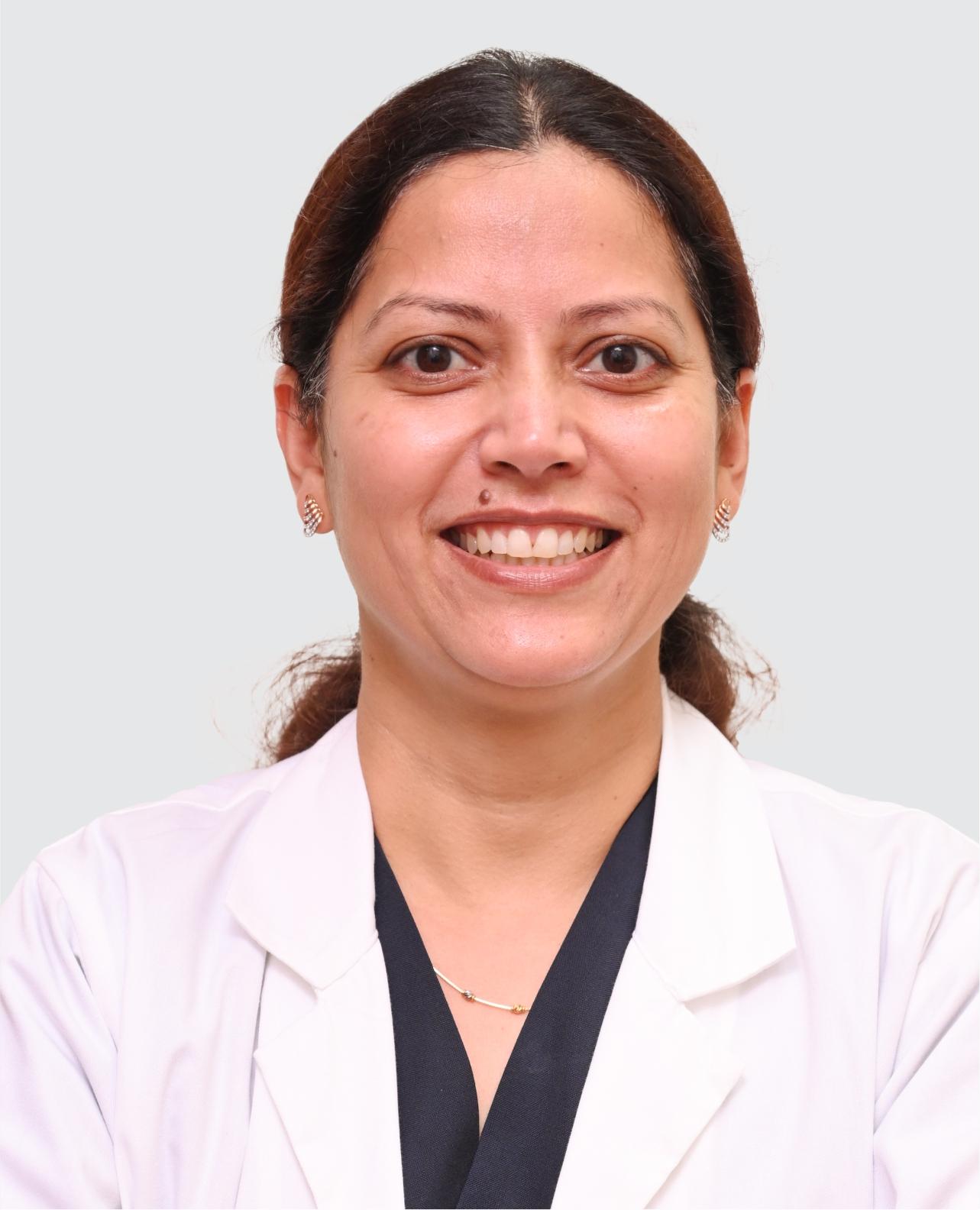
Sr. Consultant - Gynae Oncology
Gynaecological Oncology
New Delhi
10+ Years
Experience
Artemis Hospital
Hospital
1500
Fees
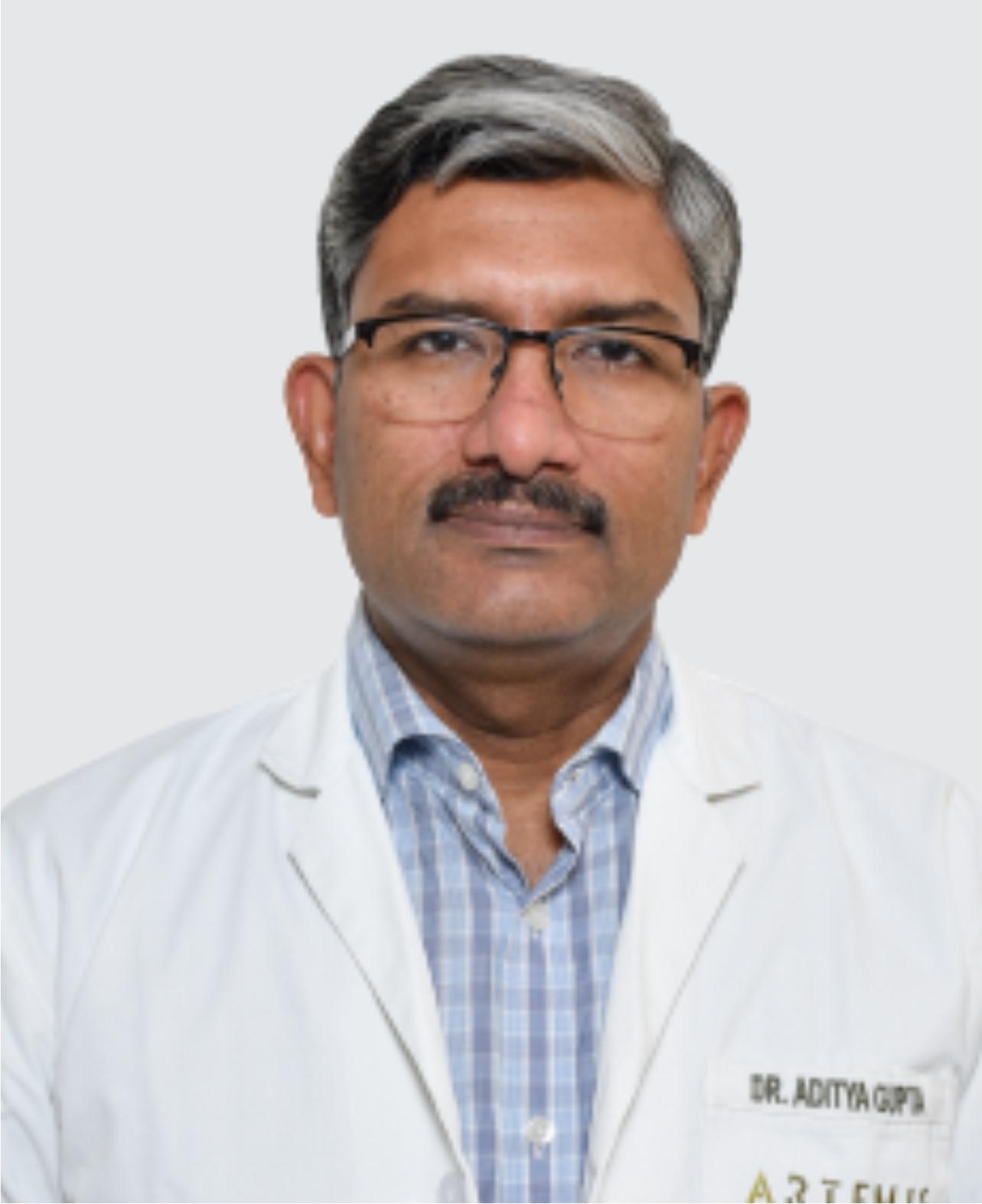
Chairperson - Neurosurgery & CNS Radiosurgery & Co-Chief - Cyberknife Centre
Neurosurgery
New Delhi
32+ Years
Experience
Artemis Hospital
Hospital
1500
Fees

Chief - Breast Surgery & Sr. Consultant : Surgical Oncology
Breast Surgery, Oncology
New Delhi
15+ Years
Experience
Artemis Hospital
Hospital
1500
Fees
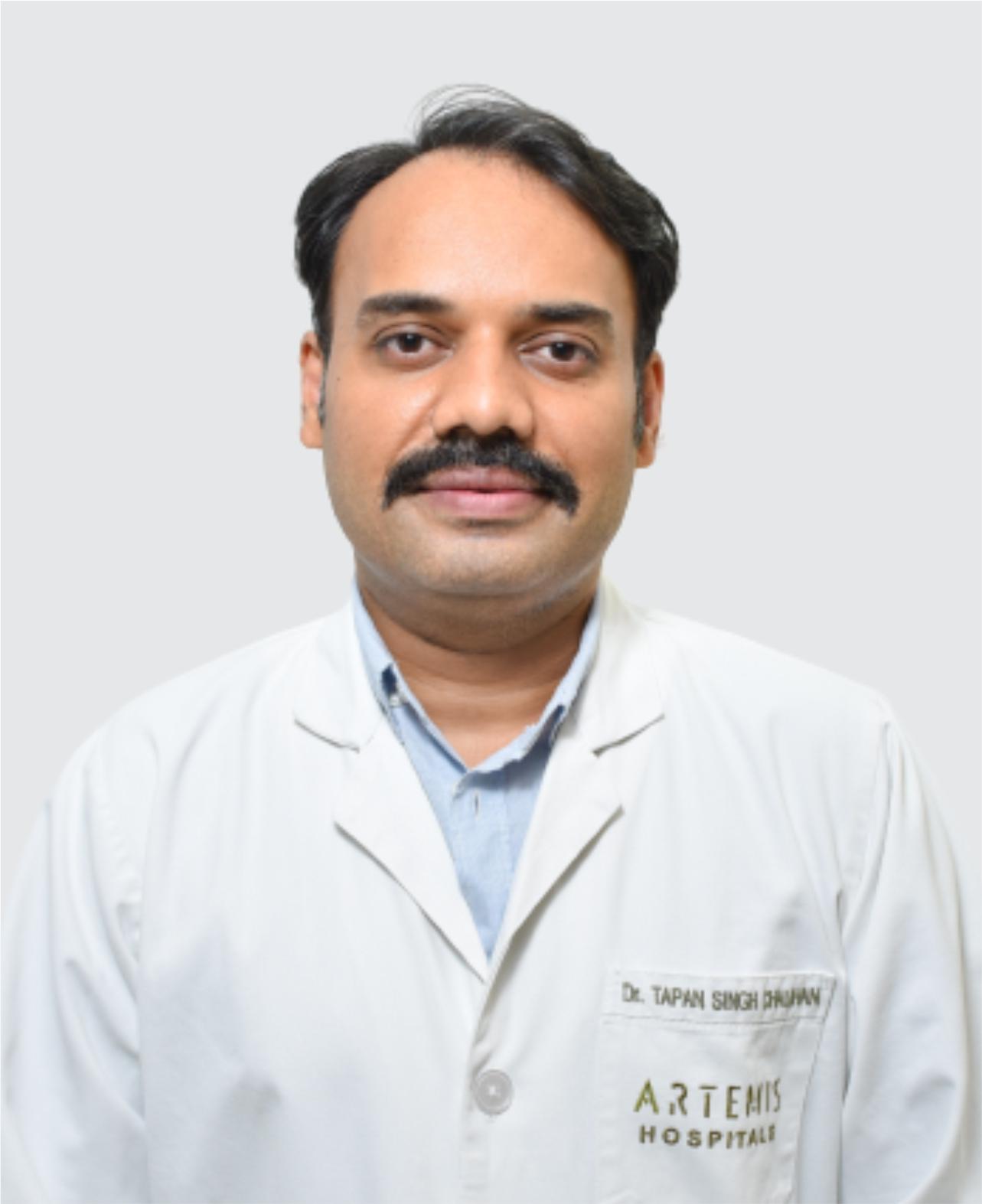
Sr. Consultant - Surgical Oncology, Robotics, GI & HPB, Gynae & Peritoneal Surface Oncology
Oncology, Robotic Surgery
New Delhi
15+ Years
Experience
Artemis Hospital
Hospital
1500
Fees
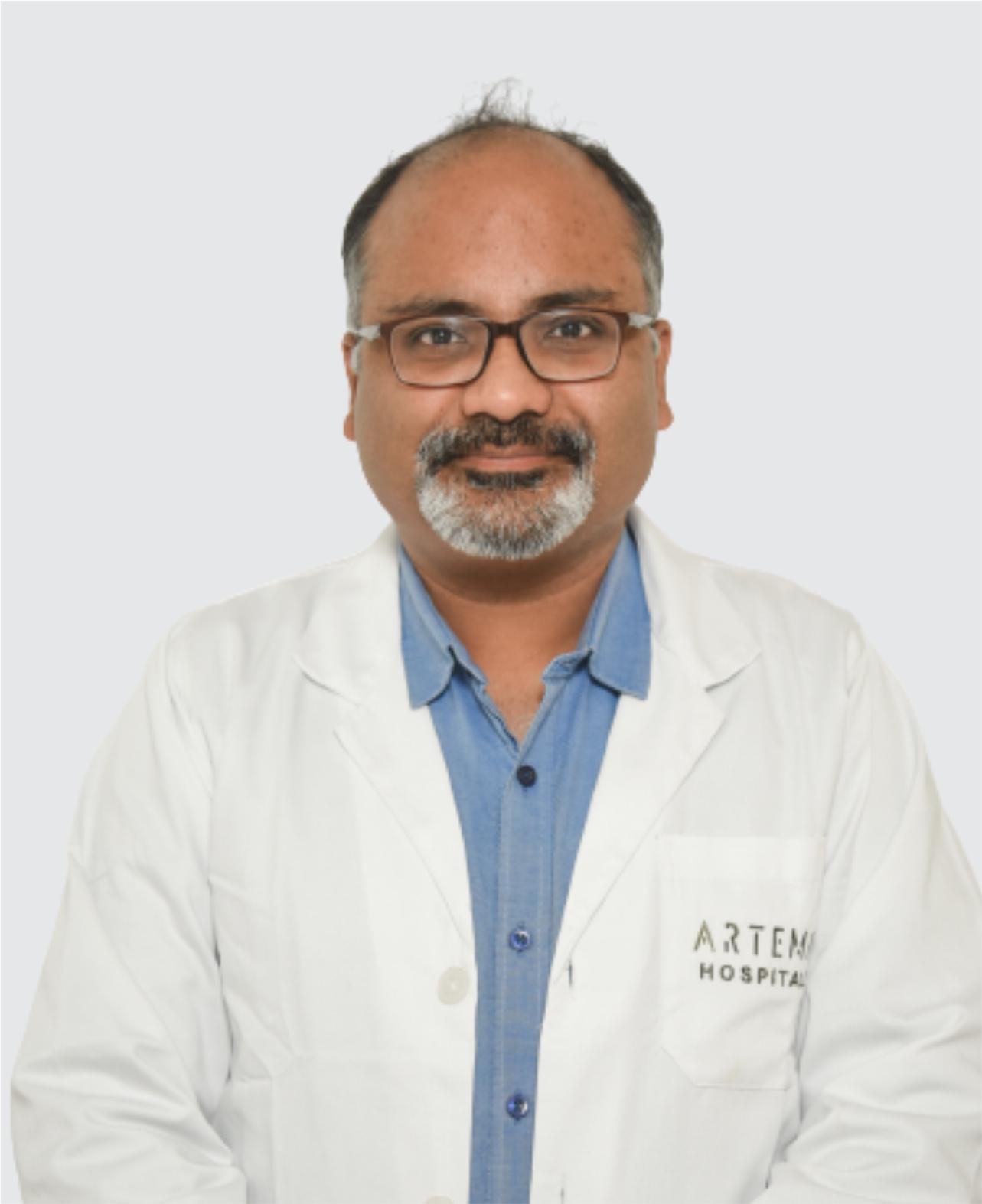
Head - Kidney Transplant & Associate Chief - Uro-Oncology & Robotic Surgery (Unit I)
Nephrology, Organ Transplant, Robotic Surgery, Urology
New Delhi
15+ Years
Experience
Artemis Hospital
Hospital
1500
Fees
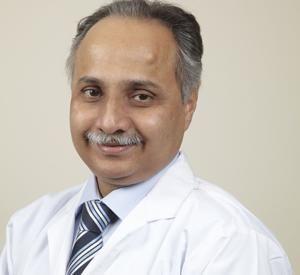
Chairman - Max Institute of Cancer Care
Surgical Oncology
New Delhi
35+ Years
Experience
Max Hospital,Gurgaon
Hospital
1500
Fees
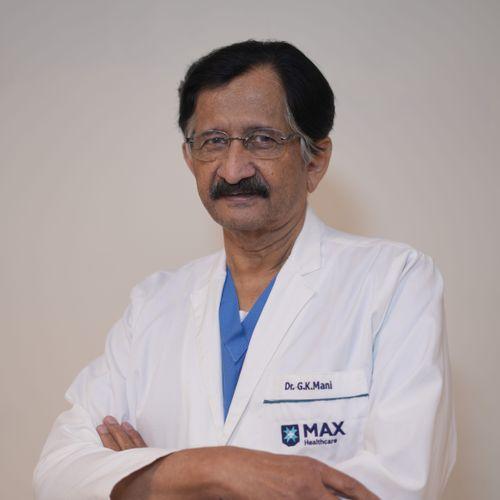
Chairman, Cardiac Sciences, Cardiac Surgery (CTVS)
Cardiothoracic and Vascular Surgery (CTVS), Cardiac Sciences
New Delhi
46+ Years
Experience
Max Hospital,Gurgaon
Hospital
1500
Fees
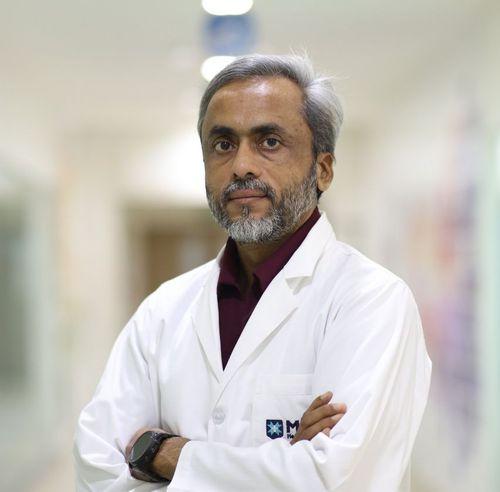
Principal Director & Unit Head – Surgical Oncology
Surgical Oncology
New Delhi
19+ Years
Experience
Max Hospital,Gurgaon
Hospital
1500
Fees
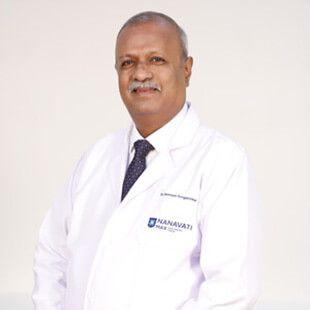
Director
Surgical Oncology
New Delhi
32+ Years
Experience
Apolo Delhi
Hospital
1500
Fees
Get Personalized Medical Treatment Options From India's Top Hospitals. Our Medical Experts Are Ready To Assist You Every Step Of The Way.