
Robotic Cancer Surgery Treatment in India for UAE
Need Personalized Advice?
Our medical experts are ready to answer your questions and guide you through your treatment options.
Our medical experts are ready to answer your questions and guide you through your treatment options.
Facing a cancer diagnosis can bring immense uncertainty, especially when considering complex treatments like surgery. For patients in the UAE, the prospect of invasive procedures might raise concerns about recovery time, precision, and access to the most advanced medical technologies close to home.
Many individuals from the UAE exploring cancer treatment options often look beyond their immediate borders. India has emerged as a preferred destination due to its blend of cutting-edge medical advancements and significant cost advantages. Patients are drawn by the availability of sophisticated robotic surgery units across multiple major Indian cities.
India’s medical landscape offers a robust network of internationally accredited hospitals and highly skilled specialists who excel in robotic surgical techniques. This nationwide infrastructure ensures consistent quality of care, from initial consultation to post-operative follow-ups, providing a comforting and reliable medical journey.
Is India the right choice for your robotic cancer surgery?
Considering Robotic Cancer Surgery in India? Connect with our patient advisors for a personalized consultation.
Robotic cancer surgery represents a significant leap in minimally invasive treatment. It employs advanced robotic systems controlled by a skilled surgeon to perform complex procedures through small incisions. This technology enhances the surgeon's precision, dexterity, and visualization far beyond what traditional laparoscopic surgery offers, leading to more accurate tumor removal, reduced blood loss, and preservation of healthy tissues. The robotic platform allows for intricate movements in tight anatomical spaces, making it ideal for delicate cancer operations.
Robotic surgery is versatile and is increasingly used across various oncological fields:
The procedure for robotic cancer surgery is meticulously planned and adapted based on the specific type of cancer, its location, and the individual patient’s condition.
After general anesthesia is administered, the surgeon makes several small incisions, typically less than an inch long, in the patient's abdomen or other surgical site. Through these incisions, specialized instruments, including a high-definition 3D camera and miniature robotic arms, are inserted. The surgeon then moves to a console located in the operating room, where they control the robotic instruments using hand and foot controls. The robotic system translates the surgeon's movements into precise, scaled movements of the instruments inside the patient's body. The 3D view and magnified images allow for exceptional visualization of the surgical field. The cancerous tissue is carefully dissected and removed, often with greater accuracy than traditional methods. Once the tumor is removed, the instruments are withdrawn, and the small incisions are closed.
Recovery following robotic cancer surgery is generally faster and less painful compared to open surgery. Patients typically experience a shorter hospital stay, often discharged within a few days. Post-operative care involves managing discomfort with medication, monitoring incision sites, and gradual resumption of normal activities. Patients are encouraged to mobilize early to aid circulation and prevent complications. Follow-up appointments are crucial to monitor healing and discuss any further treatment plans, such as chemotherapy or radiation, if required. Nutritional guidance and light physical therapy may also be part of the comprehensive recovery plan to restore strength and well-being.
The success rates for robotic cancer surgery are highly encouraging, particularly for specific cancer types and when performed by experienced surgical teams. Outcomes vary depending on the cancer stage, tumor characteristics, and individual patient health. Generally, robotic surgery offers excellent oncological results, often with improved functional outcomes such as better continence after prostatectomy or fertility preservation in gynecological cases. Patients often report a higher quality of life post-surgery due to reduced pain and quicker return to daily routines.
The cost of Robotic Cancer Surgery in India is significantly more affordable compared to Western countries, without compromising on the quality of care or advanced technology. Several factors influence the final cost, including the specific type of cancer, the complexity of the surgery, the hospital chosen (its accreditation and facilities), the duration of hospital stay, and the surgeon's fees. Post-operative care and rehabilitation needs also play a role in the overall expense.
On average, the cost of Robotic Cancer Surgery in India can range from approximately INR 4,00,000 to INR 15,00,000, depending on the factors mentioned above. This broad range accounts for variations in procedures and hospital categories.
| City | Cost Range (INR) |
|---|---|
| Delhi/NCR | 4,50,000 - 14,00,000 |
| Mumbai | 5,00,000 - 15,00,000 |
| Chennai | 4,00,000 - 12,00,000 |
| Bengaluru | 4,80,000 - 13,50,000 |
| Hyderabad | 4,20,000 - 12,50,000 |
| Kolkata | 4,00,000 - 11,00,000 |
| Ahmedabad | 3,80,000 - 10,50,000 |
| Country | Robotic Cancer Surgery Cost (USD) |
|---|---|
| India | $5,000 - $18,000 |
| United States | $30,000 - $70,000 |
| United Kingdom | $25,000 - $55,000 |
| Singapore | $20,000 - $45,000 |
| Thailand | $12,000 - $28,000 |
Ready to take the next step towards advanced cancer treatment? Reach out to us for expert guidance on robotic surgery in India.
Choosing the right path for cancer treatment is a significant decision. With advanced robotic cancer surgery available in India, UAE patients have access to world-class care designed for precision and quicker recovery. We are here to support you in making an informed choice for your health journey.
India offers premium medical procedures at affordable prices. Discover our most popular treatments, delivered by the country's finest doctors.

Sector 51, Gurugram, Haryana, India
Artemis Hospital
Meet our team of highly qualified and experienced medical professionals dedicated to providing the best healthcare services.

Sr. Consultant - Urology & Kidney Transplant Program (Unit I)
Urology, Kidney Transplant, Urological Cancers
Haryana
8+ Years
Experience
Artemis Hospital
Hospital
1500
Fees

Sr. Consultant - Gynae Oncology
Gynaecological Oncology
New Delhi
10+ Years
Experience
Artemis Hospital
Hospital
1500
Fees

Chairperson - Neurosurgery & CNS Radiosurgery & Co-Chief - Cyberknife Centre
Neurosurgery
New Delhi
32+ Years
Experience
Artemis Hospital
Hospital
1500
Fees

Chief - Breast Surgery & Sr. Consultant : Surgical Oncology
Breast Surgery, Oncology
New Delhi
15+ Years
Experience
Artemis Hospital
Hospital
1500
Fees

Sr. Consultant - Surgical Oncology, Robotics, GI & HPB, Gynae & Peritoneal Surface Oncology
Oncology, Robotic Surgery
New Delhi
15+ Years
Experience
Artemis Hospital
Hospital
1500
Fees

Head - Kidney Transplant & Associate Chief - Uro-Oncology & Robotic Surgery (Unit I)
Nephrology, Organ Transplant, Robotic Surgery, Urology
New Delhi
15+ Years
Experience
Artemis Hospital
Hospital
1500
Fees
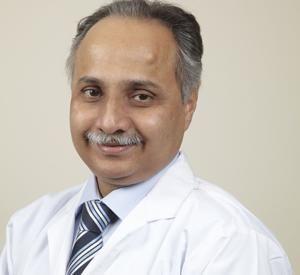
Chairman - Max Institute of Cancer Care
Surgical Oncology
New Delhi
35+ Years
Experience
Max Hospital,Gurgaon
Hospital
1500
Fees
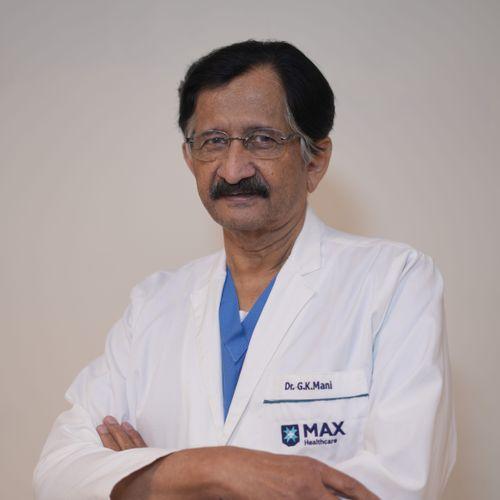
Chairman, Cardiac Sciences, Cardiac Surgery (CTVS)
Cardiothoracic and Vascular Surgery (CTVS), Cardiac Sciences
New Delhi
46+ Years
Experience
Max Hospital,Gurgaon
Hospital
1500
Fees
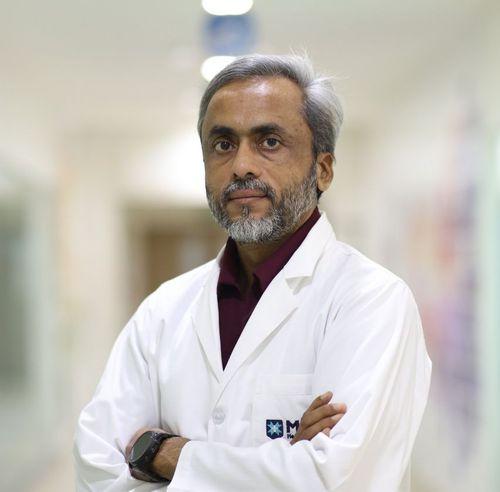
Principal Director & Unit Head – Surgical Oncology
Surgical Oncology
New Delhi
19+ Years
Experience
Max Hospital,Gurgaon
Hospital
1500
Fees

Director
Surgical Oncology
New Delhi
32+ Years
Experience
Apolo Delhi
Hospital
1500
Fees
Get Personalized Medical Treatment Options From India's Top Hospitals. Our Medical Experts Are Ready To Assist You Every Step Of The Way.