
Robotic Cancer Surgery Treatment in Mumbai for Ethiopia
Need Personalized Advice?
Our medical experts are ready to answer your questions and guide you through your treatment options.
Our medical experts are ready to answer your questions and guide you through your treatment options.
Ethiopian patients considering advanced cancer treatment often face concerns regarding access to highly specialized procedures like robotic surgery. The journey to seek such critical medical care abroad can bring many questions and a degree of uncertainty about the process and outcomes.
Mumbai has emerged as a leading destination for specialized medical care, particularly for complex surgical interventions. Its advanced healthcare infrastructure and commitment to medical excellence provide a conducive environment. Patients from Ethiopia frequently choose Mumbai for its blend of quality care and accessibility.
The city's medical landscape is home to highly skilled robotic surgeons and state-of-the-art hospitals. These institutions ensure a seamless continuum of care, from initial diagnostic evaluations to post-operative follow-up. Establishing this trust is crucial when considering advanced procedures far from one's home country.
What makes Mumbai a highly considered option for your robotic cancer surgery?
Robotic cancer surgery is an advanced, minimally invasive surgical technique that utilizes a robotic system to perform delicate and complex operations. During the procedure, the surgeon controls robotic arms from a console, which translates their hand movements into precise micro-movements of instruments inside the patient's body. This method employs small incisions, high-definition 3D vision, and enhanced dexterity, allowing for the precise removal of cancerous tissue. It offers significant advantages over traditional open surgery by minimizing blood loss, reducing post-operative pain, and accelerating recovery times. This precision helps preserve surrounding healthy tissues and vital functions.
Robotic surgery is effectively used across various cancer types due to its precision and minimally invasive nature:
The specific steps for robotic cancer surgery vary depending on the type and location of the cancer, as well as the patient's overall health and the surgeon's plan.
The general process for robotic surgery includes:
Recovery after robotic cancer surgery is generally faster and less arduous than traditional open surgery. Patients typically experience shorter hospital stays, often between 2 to 7 days, depending on the complexity of the procedure and individual healing. Pain management is usually more straightforward, requiring fewer strong analgesics. Patients are encouraged to mobilize early, which aids in preventing complications. Restrictions on heavy lifting and strenuous activities are common for a few weeks. Follow-up appointments with the surgeon and oncologist are crucial to monitor healing, discuss pathology results, and plan any necessary adjuvant therapies, such as chemotherapy or radiation. Rehabilitation and specific exercises may be recommended to regain full strength and function.
Robotic cancer surgery boasts high success rates, particularly in achieving clear surgical margins and minimizing complications. The outcomes largely depend on factors like the specific type and stage of cancer, the patient's overall health, and the surgeon's experience. Many patients report an improved quality of life post-surgery due to the minimally invasive nature of the procedure, leading to less pain and quicker return to daily activities. Long-term expectations are generally favorable for early-stage cancers, with consistent follow-up care being essential for ongoing monitoring and management.
Connect with top hospitals and expert surgeons for a personalized treatment plan.
The cost of robotic cancer surgery in Mumbai is influenced by several factors. These include the specific hospital chosen (private vs. corporate), the complexity of the cancer and required procedure, the surgeon's experience, the duration of hospital stay, and any additional medical services or post-operative care needed. Mumbai offers a range of options catering to different budget requirements without compromising on quality.
Generally, the cost for robotic cancer surgery in Mumbai can range from approximately INR 5,00,000 to INR 12,00,000.
Mumbai presents a significantly more affordable option for robotic cancer surgery when compared to Western countries, making advanced care accessible to international patients.
| Location | Estimated Cost (USD) |
|---|---|
| Mumbai, India | $6,000 - $14,500 |
| United States | $25,000 - $70,000 |
| United Kingdom | $25,000 - $55,000 |
| Singapore | $22,000 - $52,000 |
Discover world-class robotic cancer surgery in Mumbai. Our team is here to guide you.
Reach out to explore advanced robotic cancer surgery options and comprehensive support in Mumbai.
India offers premium medical procedures at affordable prices. Discover our most popular treatments, delivered by the country's finest doctors.

Sector 51, Gurugram, Haryana, India
Artemis Hospital
Meet our team of highly qualified and experienced medical professionals dedicated to providing the best healthcare services.

Sr. Consultant - Urology & Kidney Transplant Program (Unit I)
Urology, Kidney Transplant, Urological Cancers
Haryana
8+ Years
Experience
Artemis Hospital
Hospital
1500
Fees
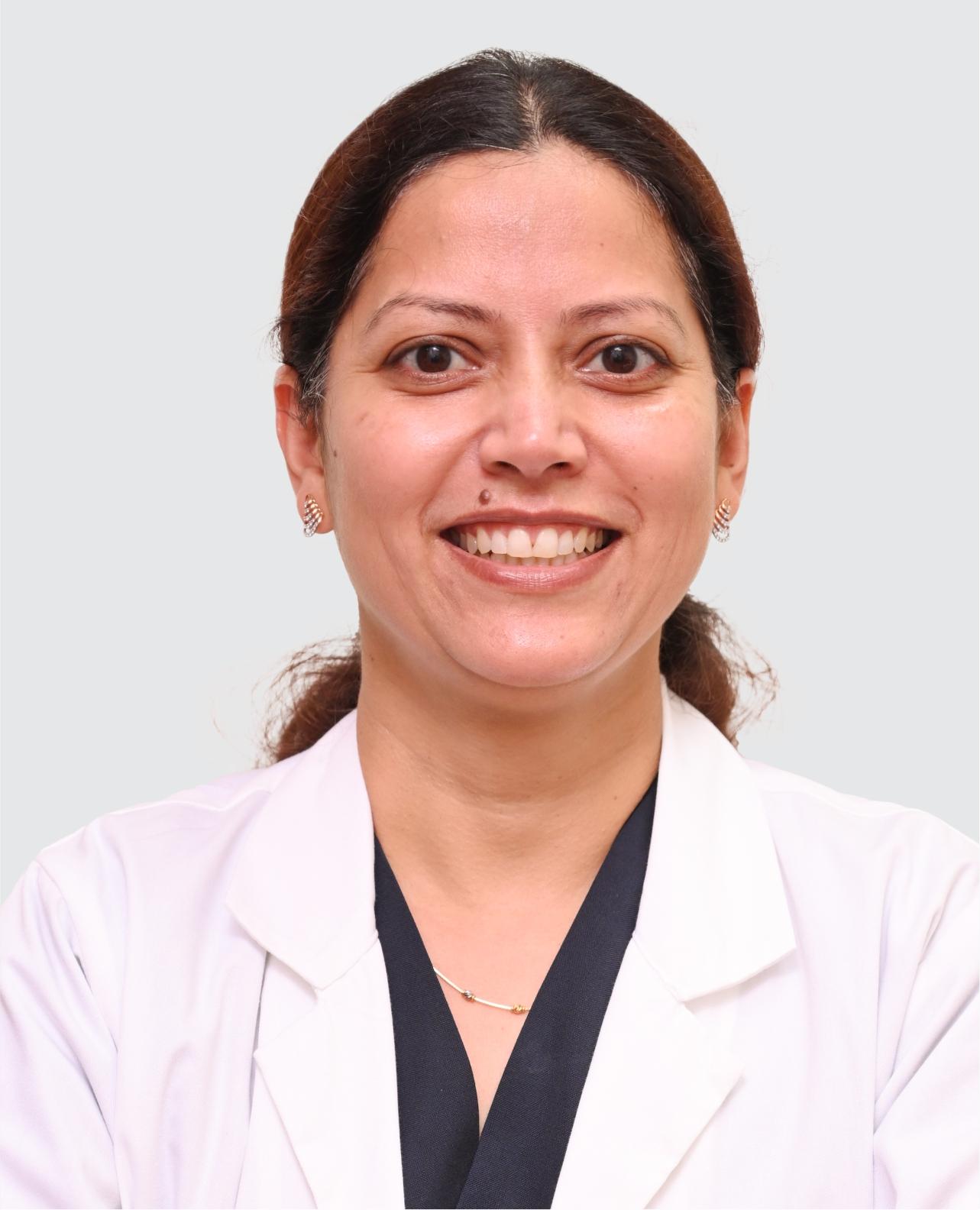
Sr. Consultant - Gynae Oncology
Gynaecological Oncology
New Delhi
10+ Years
Experience
Artemis Hospital
Hospital
1500
Fees

Sr. Consultant – Women Imaging
Radiology
New Delhi
15+ Years
Experience
Artemis Hospital
Hospital
1500
Fees

Chairperson - Neurosurgery & CNS Radiosurgery & Co-Chief - Cyberknife Centre
Neurosurgery
New Delhi
32+ Years
Experience
Artemis Hospital
Hospital
1500
Fees

Chief - Breast Surgery & Sr. Consultant : Surgical Oncology
Breast Surgery, Oncology
New Delhi
15+ Years
Experience
Artemis Hospital
Hospital
1500
Fees

Co-Head Psychological Services
Mental Health and Behavioural Sciences
New Delhi
15+ Years
Experience
Artemis Hospital
Hospital
1500
Fees

Head of Department - Gynae Endocrinology & DNB Program Director - Obs & Gynae
Gynaecological Endocrinology, Maternity, Obstetrics & Gynaecology
New Delhi
35+ Years
Experience
Artemis Hospital
Hospital
1500
Fees

Senior Consultant - ENT
ENT and Head & Neck Surgery
New Delhi
24+ Years
Experience
Artemis Hospital
Hospital
1500
Fees

Consultant (Head & Neck Surgery) - Surgical Oncology
Head and Neck Surgical Oncology
New Delhi
10+ Years
Experience
Artemis Hospital
Hospital
1500
Fees

Chairperson - Gynae Oncology
Gynaecological Oncology
New Delhi
16+ Years
Experience
Artemis Hospital
Hospital
1500
Fees
Get Personalized Medical Treatment Options From India's Top Hospitals. Our Medical Experts Are Ready To Assist You Every Step Of The Way.