DIVINHEALSimplifying Global Wellbeing
Home
Treatments
Hospitals
Doctors
Page background

Robotic Cancer Surgery Treatment in New Delhi for Nigeria

About

Robotic Cancer Surgery in New Delhi for Nigerian Patients | Costs

For Nigerian patients facing a cancer diagnosis, the path forward often brings questions about the best treatment options available. Understanding advanced surgical methods, like robotic cancer surgery, along with concerns about access, quality, and affordability, can feel overwhelming. Many seek clarity on where to find world-class care that aligns with their specific needs and expectations.

This search frequently leads patients beyond their immediate borders. New Delhi emerges as a prominent destination, distinguished by its concentration of high-end medical facilities and a coordinated healthcare ecosystem. Patients are drawn to the city for its robust infrastructure and specialized medical teams, making the journey for complex procedures more manageable.

New Delhi’s top hospitals have established a strong reputation for adopting cutting-edge medical technologies and housing experienced specialists in robotic surgery. The city offers a seamless continuum of care, from initial consultations and advanced diagnostics to the surgical procedure itself and comprehensive post-operative support, all within a well-regulated environment.

Could New Delhi be the right choice for your robotic cancer surgery?

What is Robotic Cancer Surgery and How Does it Work?

Robotic cancer surgery is a minimally invasive procedure where a surgeon operates using a sophisticated robotic system. Instead of large incisions, tiny cuts are made, through which miniature instruments and a high-definition 3D camera are inserted. The surgeon controls the robotic arms from a console, translating their hand movements into precise actions inside the patient’s body. This advanced technology enhances visibility, dexterity, and precision, allowing for the removal of cancerous tissues with greater accuracy while preserving healthy surrounding tissue.

Which Cancers Can Robotic Surgery Treat?

Robotic surgery has revolutionized treatment for various types of cancer, offering significant benefits for patients. It is increasingly used for:

  • Prostate Cancer: Offers excellent precision in removing the prostate gland while preserving nerve function.
  • Colorectal Cancer: Allows for intricate dissection in the confined spaces of the pelvis for rectal and colon cancers.
  • Gynecological Cancers: Effective for cervical, uterine, and ovarian cancers, often leading to better outcomes.
  • Kidney Cancer: Enables partial nephrectomy (removal of only the cancerous part) with high precision.
  • Lung Cancer: Utilized for early-stage lung cancers, minimizing chest wall trauma.
  • Head and Neck Cancers: For certain throat cancers, providing access to difficult-to-reach areas without external incisions.

When is Robotic Cancer Surgery Recommended?

  • When cancer is localized and has not spread significantly to distant organs.
  • For tumors located in anatomically complex or hard-to-reach areas.
  • When patients seek a less invasive alternative to traditional open surgery.
  • To reduce post-operative pain, blood loss, and recovery time.
  • In cases where preserving healthy tissue and organ function is critical.
  • For patients whose general health allows for a surgical procedure.

How Do Doctors Evaluate You for Robotic Surgery?

  • Comprehensive Medical History and Physical Examination: To assess overall health and any existing conditions.
  • Blood Tests: Including complete blood count, kidney and liver function tests, and tumor markers.
  • Imaging Studies: MRI, CT scans, and PET scans to determine tumor size, location, and spread.
  • Biopsy: To confirm the cancer diagnosis and determine its type and stage.
  • Cardiac and Pulmonary Function Tests: To ensure the patient is fit for anesthesia and surgery.
  • Consultation with a Multidisciplinary Team: Involving oncologists, surgeons, and anesthesiologists.

What Happens During Robotic Cancer Surgery?

The precise steps of a robotic cancer surgery depend heavily on the type and stage of cancer being treated, as well as the specific surgical plan developed by your medical team.

Generally, the process involves:

  • Anesthesia Administration: The patient receives general anesthesia to ensure comfort and painlessness throughout the procedure.
  • Small Incisions: Several small keyhole incisions, typically less than a centimeter, are made on the patient's body.
  • Instrument Insertion: Specialized robotic instruments, including a high-definition 3D camera, are inserted through these incisions.
  • Surgeon's Control: The surgeon sits at a console, viewing a magnified, three-dimensional image of the surgical site. They use hand and foot controls to manipulate the robotic arms and instruments.
  • Precision Dissection: The robotic system allows for highly precise dissection and removal of cancerous tissue, minimizing trauma to surrounding healthy structures.
  • Closure: Once the cancer is removed, the instruments are withdrawn, and the small incisions are closed with sutures or surgical tape.

Considering Robotic Cancer Surgery in New Delhi?

Reach out to our patient care team for personalized guidance and to explore top hospitals.

What Does Recovery From Robotic Cancer Surgery Involve?

Recovery from robotic cancer surgery is typically faster and less painful compared to traditional open surgery. Most patients experience a shorter hospital stay, often just a few days. Post-operative care includes managing pain with medication, gradual mobilization, and dietary adjustments. Restrictions on heavy lifting and strenuous activities are common for a few weeks. Follow-up appointments are crucial to monitor healing and assess the overall outcome. Physical therapy or rehabilitation might be recommended depending on the extent of the surgery to help restore full function and improve quality of life.

What Are the Risks and Success Rates of This Surgery?

  • Infection at the incision site or internally.
  • Bleeding, though typically less than open surgery.
  • Damage to nearby organs or nerves during the procedure.
  • Adverse reactions to anesthesia.
  • Potential for cancer recurrence, as with any cancer treatment.
  • Formation of scar tissue or adhesions.

Robotic cancer surgery generally boasts high success rates, particularly in specialized centers like those found in New Delhi. The outcomes largely depend on the cancer type, its stage at diagnosis, the surgeon's experience, and the patient's overall health. Many studies show comparable or superior oncological outcomes to open surgery, alongside improved patient recovery profiles. Long-term success also relies on diligent follow-up and adherence to post-treatment recommendations.

What is the Cost of Robotic Cancer Surgery in New Delhi?

The cost of robotic cancer surgery in New Delhi is influenced by several factors, including the specific type and stage of cancer, the chosen hospital's reputation and facilities, the surgeon's expertise, the duration of hospital stay, and any additional treatments or complications. New Delhi offers a highly competitive environment for advanced medical procedures.

Generally, the cost for robotic cancer surgery in New Delhi can range significantly, often falling between INR 3,50,000 to INR 12,00,000 or more, depending on the complexity.

Comparing Robotic Surgery Costs in New Delhi

New Delhi provides a cost-effective alternative for high-quality robotic surgery compared to many Western countries, without compromising on advanced technology or specialist expertise. This makes it an attractive option for international patients seeking value.

Location Estimated Cost (USD)
New Delhi, India $4,500 - $15,000
United States $20,000 - $50,000+
United Kingdom $18,000 - $40,000+
Germany $15,000 - $35,000+
Singapore $12,000 - $30,000+

Ready for Affordable, High-Quality Treatment?

Connect with New Delhi's top cancer specialists today for a detailed cost estimate and treatment plan.

How New Delhi Hospitals Support International Patients?

  • Visa and Travel Assistance: Guidance on medical visa applications and travel arrangements.
  • Accommodation Support: Help with finding suitable lodging for patients and their accompanying family members.
  • Language Interpretation Services: Ensuring clear communication between patients and medical staff.
  • Dedicated Patient Coordinators: Single point of contact for all medical and logistical needs.
  • Airport Transfers: Arranging pick-up and drop-off services for convenience.
  • Post-Treatment Follow-up Planning: Assistance with scheduling virtual or local follow-ups after returning home.

What Documents Are Required for Your Medical Journey?

  • Valid Passport: Essential for all international travel.
  • Medical Visa: Obtained from the Indian embassy or consulate in your home country.
  • Original Medical Reports: All diagnostic scans, biopsy results, and physician letters.
  • Referral Letter: If applicable, from your local doctor or specialist.
  • Proof of Funds: Documentation to demonstrate financial capability for treatment and stay.
  • Accompanying Person's Passport: If a family member is traveling with you.

Key Steps to Prepare for Your Surgery

  • Initial Consultations: Remote or in-person discussions with the surgical team.
  • Pre-Operative Tests: Completing all necessary blood work, imaging, and cardiac evaluations.
  • Medication Review: Discussing all current medications with your doctor, including supplements.
  • Dietary Guidelines: Following specific food and fluid restrictions before surgery.
  • Travel Logistics: Finalizing flights, accommodation, and local transport in New Delhi.
  • Mental Preparation: Understanding the procedure and recovery process to reduce anxiety.

Guidance for Aftercare and Recovery

  • Adhere to Medication Schedule: Take prescribed pain relievers and antibiotics as directed.
  • Wound Care: Keep incision sites clean and dry, following nurse instructions.
  • Gradual Activity Increase: Slowly reintroduce physical activities, avoiding strenuous efforts.
  • Dietary Advice: Follow any specific nutritional guidance for optimal healing.
  • Follow-up Appointments: Attend all scheduled check-ups with your surgeon.
  • Monitor for Complications: Be aware of signs like fever, increased pain, or redness at incision sites.
  • Travel Clearance: Obtain medical clearance before planning your return journey.

Ready to Explore Treatment Options?

Let us help you connect with leading specialists for your robotic cancer surgery in New Delhi.

Hospitals Offering this treatment

India offers premium medical procedures at affordable prices. Discover our most popular treatments, delivered by the country's finest doctors.

Meet Our Doctors

Meet our team of highly qualified and experienced medical professionals dedicated to providing the best healthcare services.

Dr. Abhinandan Mukhopadhyay

Dr. Abhinandan Mukhopadhyay

Sr. Consultant - Urology & Kidney Transplant Program (Unit I)

Urology, Kidney Transplant, Urological Cancers

Haryana

8+ Years

Experience

Artemis Hospital

Hospital

1500

Fees

View Details
Dr. Ajit Singh Baghela

Dr. Ajit Singh Baghela

Consultant

Paediatric Neurology

Haryana

9+ Years

Experience

Artemis Hospital

Hospital

1500

Fees
View Details
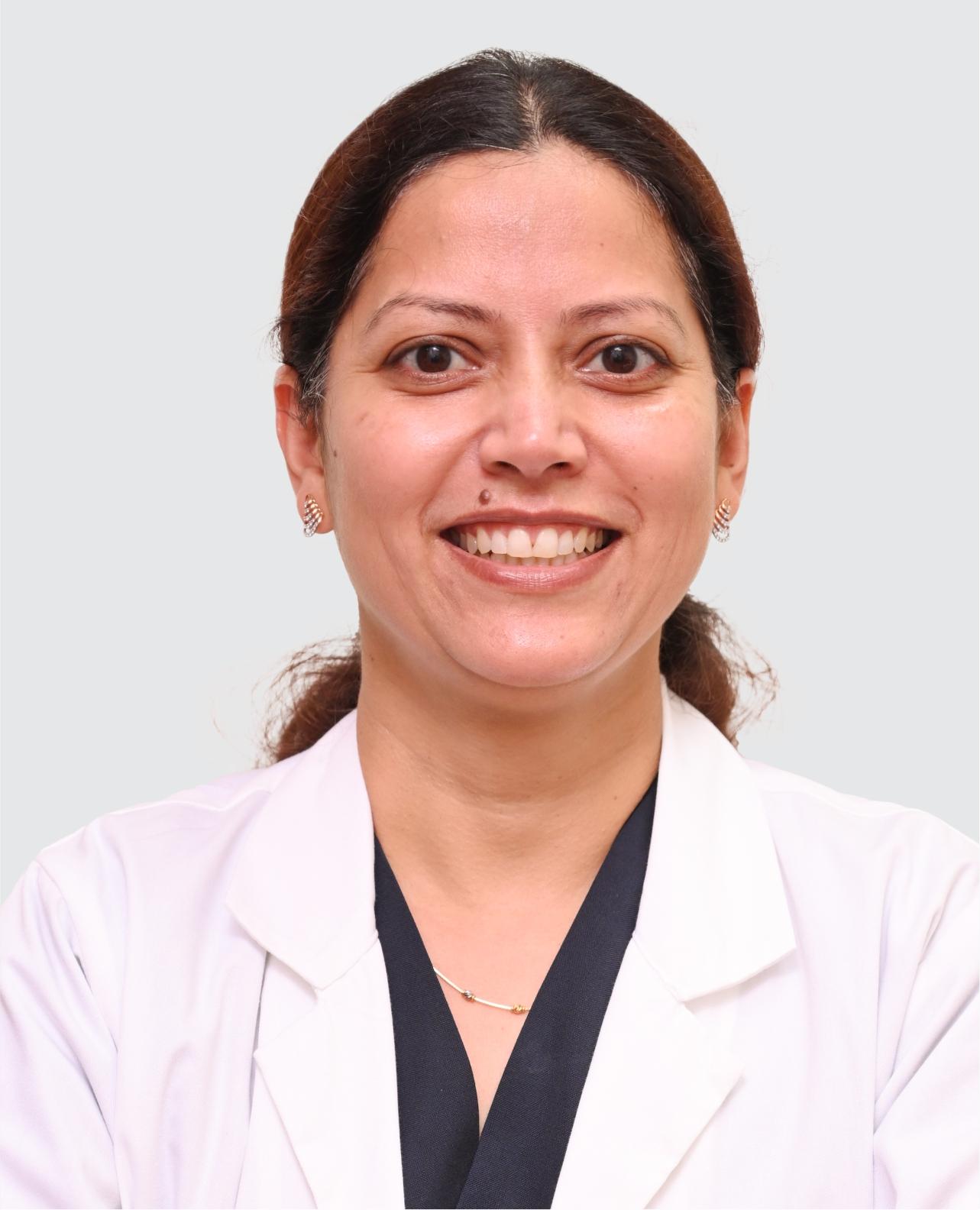
Dr. Amita Naithani

Dr. Amita Naithani

Sr. Consultant - Gynae Oncology

Gynaecological Oncology

New Delhi

10+ Years

Experience

Artemis Hospital

Hospital

1500

Fees
View Details
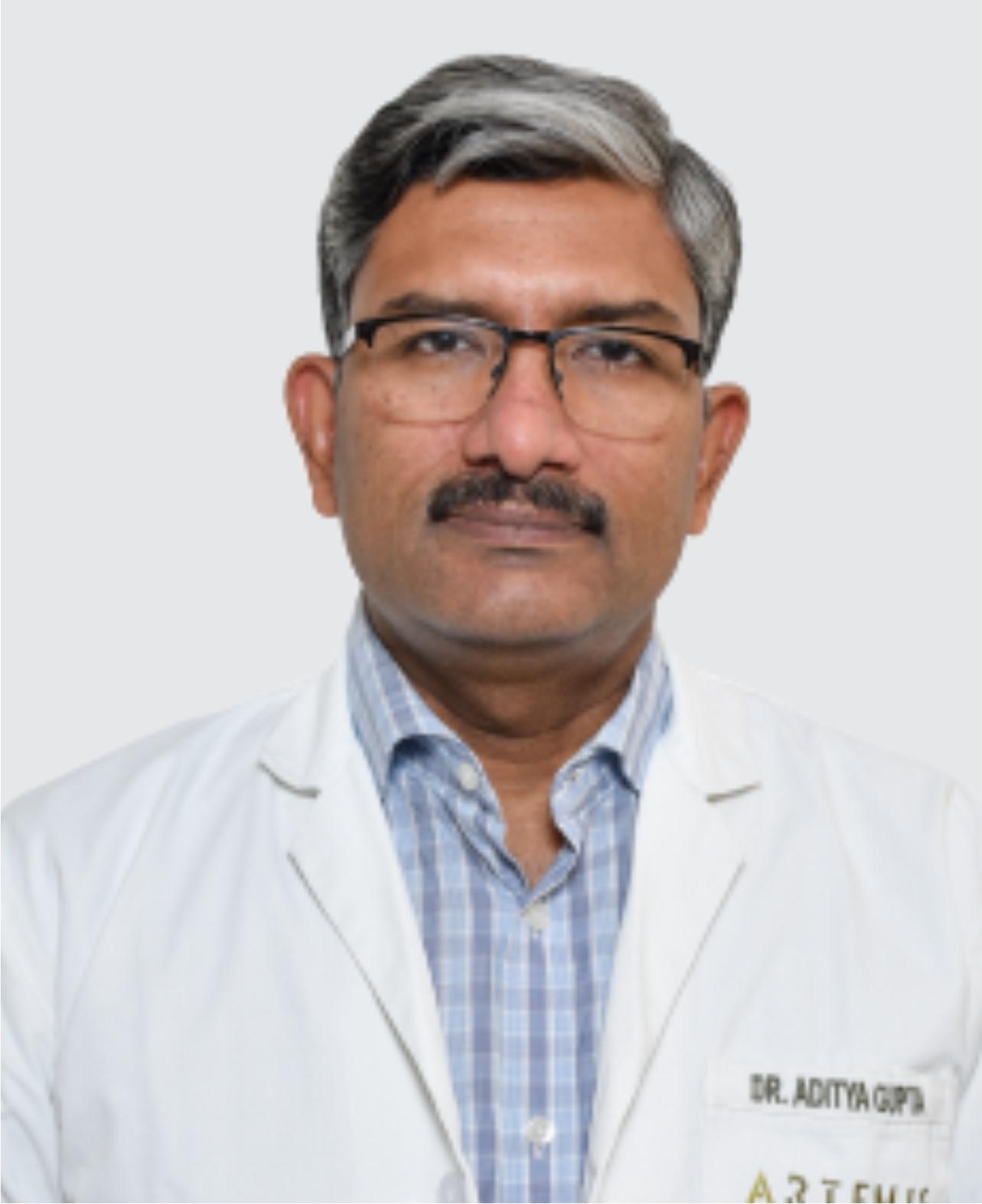
Dr. Aditya Gupta

Dr. Aditya Gupta

Senior Consultant

Urology

New Delhi

14+ Years

Experience

Artemis Hospital

Hospital

1500

Fees

View Details
Dr. Deepak Jha

Dr. Deepak Jha

Chief - Breast Surgery & Sr. Consultant : Surgical Oncology

Breast Surgery, Oncology

New Delhi

15+ Years

Experience

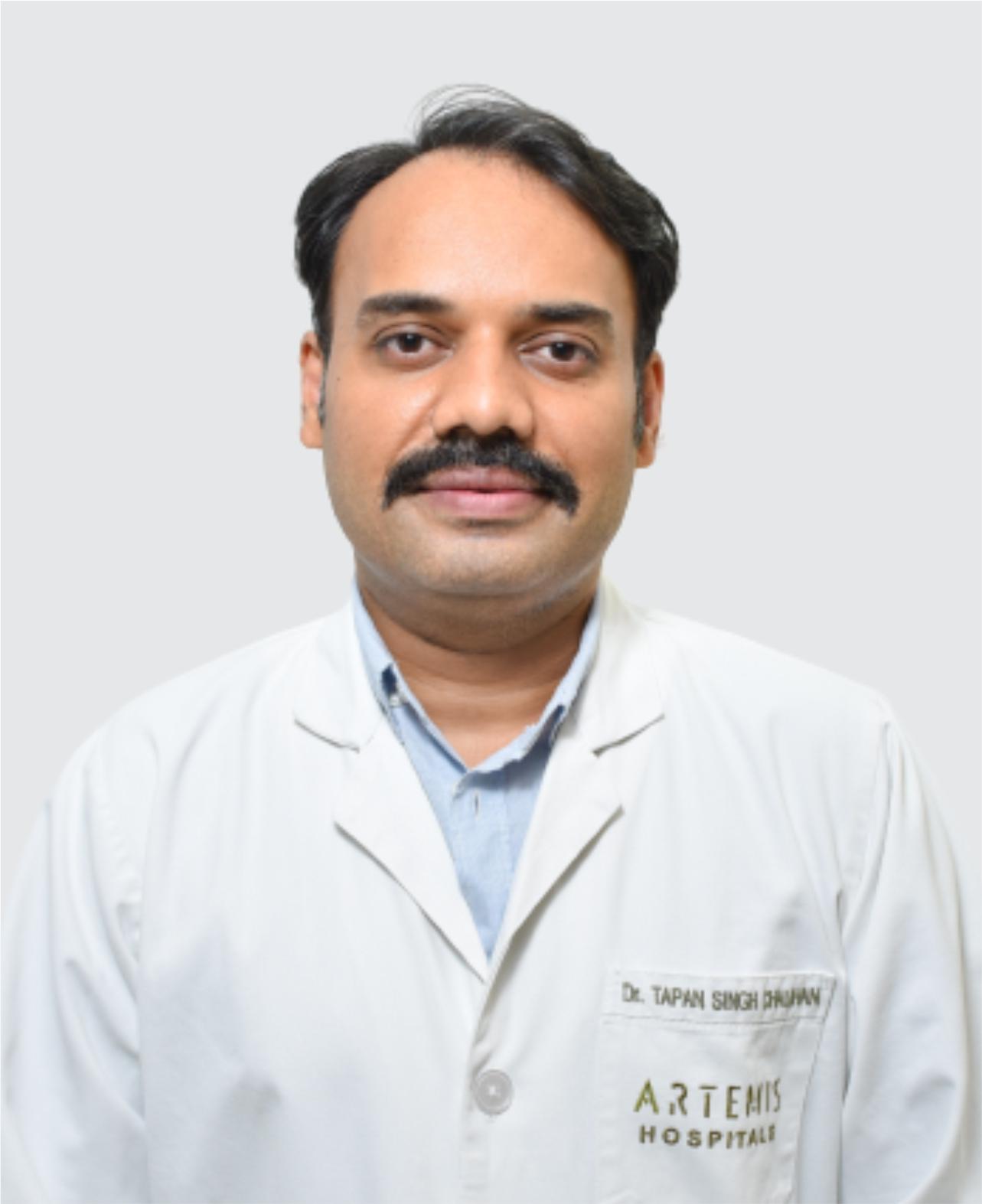
Artemis Hospital

Hospital

1500

Fees
View Details
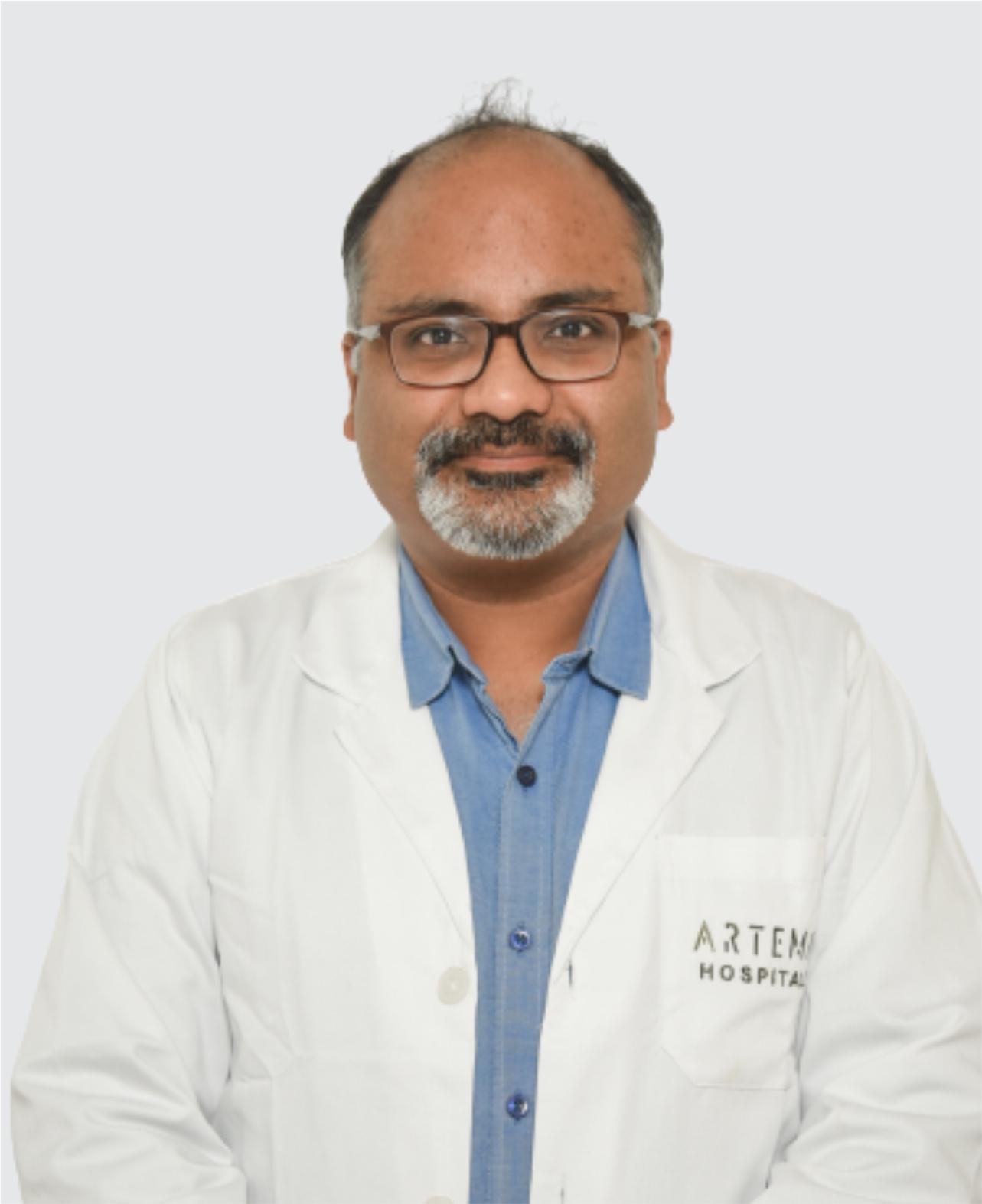
Dr. Tapan Singh Chauhan

Dr. Tapan Singh Chauhan

Sr. Consultant - Surgical Oncology, Robotics, GI & HPB, Gynae & Peritoneal Surface Oncology

Oncology, Robotic Surgery

New Delhi

15+ Years

Experience

Artemis Hospital

Hospital

1500

Fees
View Details
Dr. Varun Mittal

Dr. Varun Mittal

Head - Kidney Transplant & Associate Chief - Uro-Oncology & Robotic Surgery (Unit I)

Nephrology, Organ Transplant, Robotic Surgery, Urology

New Delhi

15+ Years

Experience

Artemis Hospital

Hospital

1500

Fees
View Details
Dr. Harit Chaturvedi

Dr. Harit Chaturvedi

Chairman

Surgical Oncology

New Delhi

21+ Years

Experience

Apolo Delhi

Hospital

1500

Fees

View Details
Dr Ganesh Kumar Mani

Dr Ganesh Kumar Mani

Director

Surgical Oncology

New Delhi

18+ Years

Experience

Apolo Delhi

Hospital

1500

Fees

View Details
Dr. Nakul Sinha

Dr. Nakul Sinha

Director - Institute of Neurosciences

Neurosurgery

New Delhi

15+ Years

Experience

Apolo Delhi

Hospital

1500

Fees

View Details
Dr. Anshuman Kumar

Dr. Anshuman Kumar

Director & Head of Department

Urology & Kidney Transplant

New Delhi

18+ Years

Experience

Apolo Delhi

Hospital

1500

Fees

View Details
Dr. Hemant B Tongaonkar

Dr. Hemant B Tongaonkar

Director

Surgical Oncology

New Delhi

32+ Years

Experience

Apolo Delhi

Hospital

1500

Fees

View Details
Dr. Rajeev Bansal

Dr. Rajeev Bansal

Sr. Consultant

General Surgery, GI & Bariatric Surgery

New Delhi

28+ Years

Experience

Apolo Delhi

Hospital

1500

Fees

View Details
Dr. Gaurav Bansal

Dr. Gaurav Bansal

Senior Consultant, Urology & Kidney Transplant

Urology

New Delhi

17+ Years

Experience

Apolo Delhi

Hospital

1500

Fees

View Details
Dr. Anil Prasad Bhatt

Dr. Anil Prasad Bhatt

Principal Consultant

Urology, Uro-Oncology, Renal Transplant

New Delhi

30+ Years

Experience

Apolo Delhi

Hospital

1500

Fees

View Details

Related Links

هل أنت مستعد لبدء رحلتك العلاجية؟

احصل على خيارات علاجية شخصية من أفضل مستشفيات الهند. خبراؤنا الطبيون جاهزون لمساعدتك في كل خطوة.