
Robotic Cancer Surgery Treatment in Pune for Iraq
Need Personalized Advice?
Our medical experts are ready to answer your questions and guide you through your treatment options.
Our medical experts are ready to answer your questions and guide you through your treatment options.
For patients in Iraq considering advanced cancer treatment, navigating options can bring much uncertainty. The thought of undergoing Robotic Cancer Surgery in an unfamiliar country often raises questions about care quality, specialist expertise, and overall patient experience.
Many individuals seek medical solutions beyond their borders, often driven by the pursuit of cutting-edge technology and specialized care. Pune, India, has emerged as a preferred destination for such advanced procedures, offering a blend of modern medical infrastructure and coordinated patient support.
Pune's medical ecosystem is designed to build trust, with hospitals housing dedicated cancer specialists and state-of-the-art robotic surgery suites. The city prioritizes seamless follow-up care and comprehensive medical attention within its integrated healthcare facilities.
Pune provides a viable and reliable option for advanced cancer treatment.
Robotic cancer surgery is a minimally invasive surgical technique where a surgeon operates using a computer-controlled robotic system. This system includes a console, a high-definition 3D vision system, and specialized instruments that mimic human wrist movements with enhanced precision. The surgeon guides the robotic arms, performing complex procedures through small incisions, which allows for greater accuracy in removing cancerous tissue while preserving healthy organs.
Robotic surgery is effectively used for a range of cancers, including but not limited to:
The specific approach for robotic cancer surgery depends significantly on the type and stage of cancer, as well as the patient's overall health.
Before surgery, the patient undergoes general anesthesia. Small incisions, typically 8-12 mm, are made to allow for the insertion of the robotic instruments and a high-definition camera.
The surgeon sits at a console, viewing a magnified, 3D image of the surgical site. Using hand and foot controls, the surgeon manipulates the robotic arms, which translate their movements into precise actions inside the patient’s body. The robotic instruments have a greater range of motion than human hands, enabling meticulous dissection and tumor removal. Once the cancerous tissue is removed, it is extracted through one of the small incisions.
After the procedure, the incisions are closed, and the patient is moved to a recovery area for monitoring. Pain management and initial recovery support are provided before transfer to a hospital room.
Our team is here to provide detailed information and connect you with leading robotic cancer surgeons in Pune. Get a personalized consultation today.
Recovery from robotic cancer surgery is generally faster and less painful compared to traditional open surgery. Patients typically experience a shorter hospital stay, often 3-7 days, depending on the complexity of the procedure. Post-operative care involves pain management, early mobilization to prevent complications, and gradual return to normal activities. Follow-up appointments are scheduled to monitor healing and assess the overall outcome. Physical therapy or specific rehabilitation might be recommended for certain types of cancer surgery to aid in restoring full function.
The success rates for robotic cancer surgery are generally very high, especially when performed by experienced surgeons for appropriate cancer types and stages. Outcomes vary based on the cancer's aggressiveness, stage at diagnosis, and the patient's overall health. Many studies indicate excellent oncological results, often comparable to or better than open surgery, with added benefits of reduced recovery time and improved quality of life. Long-term expectations are favorable for patients who are good candidates for this advanced technique.
The cost of robotic cancer surgery in Pune is influenced by several factors. These include the specific hospital chosen, the experience of the surgical team, the complexity and type of cancer being treated, the duration of the hospital stay, and any additional diagnostic tests or post-operative care required.
Typically, the cost for Robotic Cancer Surgery in Pune can range from INR 5,00,000 to INR 15,00,000.
Pune offers advanced medical care at a fraction of the cost found in many Western countries, making it an attractive option for international patients seeking high-quality robotic surgery.
| Location | Estimated Cost (USD) |
|---|---|
| Pune, India | $6,000 - $18,000 |
| United States | $30,000 - $80,000 |
| United Kingdom | $25,000 - $65,000 |
| Germany | $20,000 - $55,000 |
| Singapore | $18,000 - $45,000 |
Considering robotic cancer surgery is a significant decision. We are here to provide clear, reliable information and facilitate your path to advanced care in Pune.
Learn more about robotic cancer surgery options and get a confidential assessment from our expert panel. Your health journey starts here.
India offers premium medical procedures at affordable prices. Discover our most popular treatments, delivered by the country's finest doctors.

Sector 51, Gurugram, Haryana, India
Artemis Hospital
Meet our team of highly qualified and experienced medical professionals dedicated to providing the best healthcare services.

Sr. Consultant - Urology & Kidney Transplant Program (Unit I)
Urology, Kidney Transplant, Urological Cancers
Haryana
8+ Years
Experience
Artemis Hospital
Hospital
1500
Fees

Sr. Consultant - Gynae Oncology
Gynaecological Oncology
New Delhi
10+ Years
Experience
Artemis Hospital
Hospital
1500
Fees

Chairperson - Neurosurgery & CNS Radiosurgery & Co-Chief - Cyberknife Centre
Neurosurgery
New Delhi
32+ Years
Experience
Artemis Hospital
Hospital
1500
Fees

Chief - Breast Surgery & Sr. Consultant : Surgical Oncology
Breast Surgery, Oncology
New Delhi
15+ Years
Experience
Artemis Hospital
Hospital
1500
Fees

Sr. Consultant - Surgical Oncology, Robotics, GI & HPB, Gynae & Peritoneal Surface Oncology
Oncology, Robotic Surgery
New Delhi
15+ Years
Experience
Artemis Hospital
Hospital
1500
Fees

Head - Kidney Transplant & Associate Chief - Uro-Oncology & Robotic Surgery (Unit I)
Nephrology, Organ Transplant, Robotic Surgery, Urology
New Delhi
15+ Years
Experience
Artemis Hospital
Hospital
1500
Fees
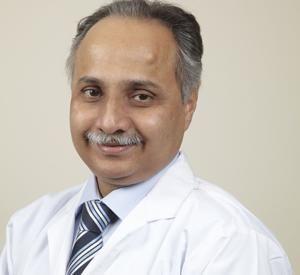
Chairman - Max Institute of Cancer Care
Surgical Oncology
New Delhi
35+ Years
Experience
Max Hospital,Gurgaon
Hospital
1500
Fees
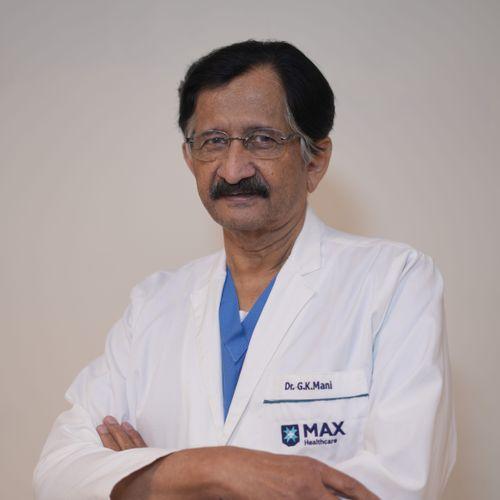
Chairman, Cardiac Sciences, Cardiac Surgery (CTVS)
Cardiothoracic and Vascular Surgery (CTVS), Cardiac Sciences
New Delhi
46+ Years
Experience
Max Hospital,Gurgaon
Hospital
1500
Fees
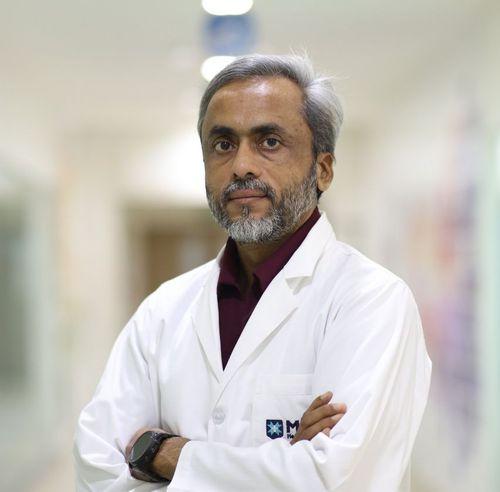
Principal Director & Unit Head – Surgical Oncology
Surgical Oncology
New Delhi
19+ Years
Experience
Max Hospital,Gurgaon
Hospital
1500
Fees
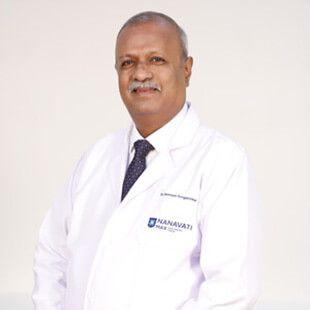
Director
Surgical Oncology
New Delhi
32+ Years
Experience
Apolo Delhi
Hospital
1500
Fees
Get Personalized Medical Treatment Options From India's Top Hospitals. Our Medical Experts Are Ready To Assist You Every Step Of The Way.