Centres Of Excellence
Our Centres of Excellence bring together multidisciplinary teams to deliver precise diagnosis, advanced treatments, and superior outcomes across a wide spectrum of medical specialties.

OVERVIEW
DivinHeal facilitates access to world-class dental care, focusing on comprehensive solutions for all oral health needs. Our network of accredited dental clinics in India offers advanced diagnostics and therapies, including fillings, crowns, bridges, dental implants, root canal treatments, orthodontics, and cosmetic dentistry. We prioritize patient comfort, safety, and achieving optimal, long-lasting results through state-of-the-art techniques and experienced dental professionals.
PROCEDURE
The specific steps of a dental procedure depend entirely on the type of treatment. For example, a dental filling involves removing decayed tooth material, cleaning the cavity, and filling it with a composite resin or amalgam. A dental implant procedure typically includes surgically placing a titanium post into the jawbone, followed by a healing period for osseointegration, and then attaching an abutment and a custom crown. Root canal therapy involves accessing the pulp chamber, removing infected pulp, cleaning and shaping the root canals, filling them with a biocompatible material, and sealing the tooth, often with a crown. Orthodontic treatment involves bonding brackets to teeth or fitting clear aligners, with periodic adjustments to gradually shift teeth into the desired position.
BENEFITS
Benefits of Modern Dental Treatment
Improved Oral Health
Effective treatment addresses issues like cavities, gum disease, and infections, preventing further decay and tooth loss.
Enhanced Aesthetics
Cosmetic dental procedures like veneers, whitening, and orthodontics significantly improve smile appearance and self-confidence.
Better Functionality
Restorative treatments like dental implants, crowns, and bridges restore chewing ability, speech clarity, and proper bite alignment.
Pain Relief
Treatments for toothaches, abscesses, and TMJ disorders alleviate discomfort and improve quality of life.
Prevention of Systemic Issues
Good oral health is linked to reduced risk of heart disease, diabetes complications, and other systemic conditions.
Long-Term Savings
Timely intervention and preventive care can avert more extensive and costly treatments in the future.
RECOVERY
Dental Treatment Recovery Time and Tips
Immediate Post-Procedure Care
Recovery time for dental treatment varies greatly depending on the procedure. For simple fillings or cleanings, there is often no downtime. For more invasive procedures like tooth extractions, root canal surgery, or dental implant placement, expect some discomfort, swelling, and sensitivity for a few days.
Typical Recovery Timelines
- Fillings/Cleanings: Immediate recovery, resume normal activities.
- Tooth Extractions: 3-7 days for initial healing, complete gum healing in a few weeks.
- Root Canal Therapy: 1-3 days of sensitivity, full recovery once crown is placed.
- Dental Implants: Initial healing 1-2 weeks, osseointegration (bone fusion) 3-6 months.
- Orthodontics (Braces): Initial discomfort for a few days after adjustments.
- Veneers/Crowns: Little to no downtime after placement.
Recovery Tips
- Pain Management: Over-the-counter pain relievers or prescribed medication for more extensive procedures.
- Diet: Stick to soft foods and liquids initially, gradually reintroducing solid foods as discomfort subsides.
- Oral Hygiene: Follow your dentist's specific instructions for brushing and flossing to keep the surgical site clean without disturbing healing. Avoid rinsing vigorously immediately after surgery.
- Reduce Swelling: Apply ice packs to the outside of your cheek for the first 24-48 hours.
- Avoid Irritants: Refrain from smoking and alcohol, as they can hinder healing.
- Follow-up Appointments: Adhere to scheduled follow-up visits to monitor healing and ensure optimal results.
WHAT WE TREAT
Conditions Treated by Dental Procedures
Common Oral Health Issues
- Dental Caries (Cavities)
- Gum Disease (Gingivitis and Periodontitis)
- Toothaches and Dental Abscesses
- Missing Teeth (requiring implants, bridges, or dentures)
- Misaligned Teeth (requiring orthodontics)
- Stained or Discolored Teeth
- Cracked, Chipped, or Broken Teeth
- Impacted Wisdom Teeth
- Temporomandibular Joint (TMJ) Disorders
- Oral Infections and Lesions
PREPARATION
Preparation for dental treatment varies. For routine check-ups and cleanings, minimal preparation is needed beyond basic oral hygiene. For surgical procedures like extractions or implants, your dentist may advise avoiding certain medications (e.g., blood thinners), refraining from eating or drinking for several hours before the procedure (if sedation is used), and arranging for transportation. You may also be advised to take antibiotics prophylactically. It's crucial to inform your dentist about your full medical history, allergies, and current medications.
RISKS
While dental treatments are generally safe, potential risks and complications can include: infection at the treatment site, bleeding, swelling, pain or discomfort, allergic reactions to anesthesia or materials, nerve damage (rare, but can lead to numbness), damage to adjacent teeth or existing restorations, jaw joint pain, and in rare cases, failure of implants or other restorations. Your dentist will discuss specific risks associated with your recommended procedure.
JOURNEY
Your Dental Treatment Journey with DivinHeal
Initial Consultation & Diagnosis
Your journey begins with an online consultation with a leading dentist from our network. You'll discuss your concerns, review existing dental records, and receive a preliminary diagnosis. Further diagnostic imaging (X-rays, CT scans) may be recommended.
Personalized Treatment Plan
Based on the diagnosis, a tailored dental treatment plan is created. This plan outlines recommended procedures, estimated duration, and a transparent cost breakdown. DivinHeal's AI-driven system helps you compare options and choose the best path.
Travel & Logistics
Our dedicated care team assists with visa applications, flight bookings, and comfortable accommodation in India. We ensure a seamless arrival and transfer to your chosen clinic.
Treatment & Recovery
Upon arrival, you'll undergo your dental procedures under the care of highly skilled dentists. Post-procedure, our team coordinates follow-up appointments and provides detailed recovery tips. For complex procedures, a short observation period might be advised.
Post-Treatment Care & Follow-up
DivinHeal ensures continued support even after you return home. We arrange virtual follow-ups with your dentist and provide guidance on maintaining your oral health and preventing future issues.
OUTCOMES
Successful Dental treatments lead to significant improvements in oral health, including relief from pain and discomfort, restoration of chewing and speaking capabilities, and enhanced aesthetic appearance. Patients often experience a boost in self-confidence, improved overall health, and a return to a high quality of life with proper long-term care.
Related Links
Doctors For Treatment in Similar Locations
Best Hospital Near by for treatment
Related Treatments

Bite Correction / Occlusal Rehabilitation
Treatment Price
$0.00 USDNo overview available
Treatment Overview
No overview available
Procedures
No procedure details available
Benefits
No benefits information available
Recovery Information
No recovery information available
Flexible Dentures
Treatment Price
$0.00 USDNo overview available
Treatment Overview
No overview available
Procedures
No procedure details available
Benefits
No benefits information available
Recovery Information
No recovery information available
Gum Grafting
Treatment Price
$0.00 USDNo overview available
Treatment Overview
No overview available
Procedures
No procedure details available
Benefits
No benefits information available
Recovery Information
No recovery information available
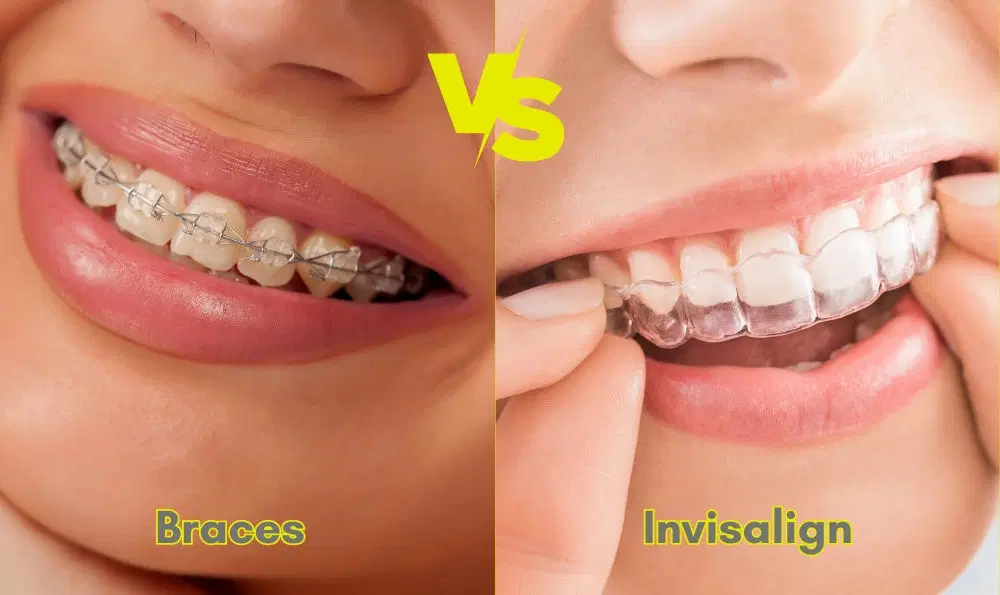
Invisalign/Clear Aligners
Treatment Price
$2500.00 USDThe goal of Invisalign/Clear Aligners treatment is to achieve a straighter, healthier smile and improve overall dental occlusion. This non-surgical approach utilizes sequential clear aligners, precisely engineered to apply controlled force to specific teeth, minimizing discomfort and maximizing aesthetic appeal.
Treatment Overview
The goal of Invisalign/Clear Aligners treatment is to achieve a straighter, healthier smile and improve overall dental occlusion. This non-surgical approach utilizes sequential clear aligners, precisely engineered to apply controlled force to specific teeth, minimizing discomfort and maximizing aesthetic appeal.
Procedures
1. **Initial Consultation:** A thorough dental exam, X-rays, and often 3D digital scans (e.g., iTero) of your teeth are performed by an orthodontist to assess your suitability for clear aligners. 2. **Treatment Plan Development:** Using specialized software, the orthodontist maps out the precise movements of your teeth throughout the treatment, creating a visual representation of your projected smile. This plan guides the fabrication of your custom aligners. 3. **Aligner Fabrication:** A series of custom-made clear plastic aligners are produced based on your individual treatment plan. 4. **Aligner Wear:** You will receive your first set of aligners and instructions on how to wear them for 20-22 hours per day, removing them only for eating, drinking (anything other than water), brushing, and flossing. Each set is worn for 1-2 weeks before moving to the next. 5. **Progress Monitoring:** Regular check-ups with your orthodontist (typically every 6-8 weeks) ensure your treatment is progressing as planned. Adjustments, such as 'attachments' (small, tooth-colored bumps) or 'IPR' (interproximal reduction), may be applied to facilitate specific tooth movements. 6. **Retention Phase:** Once the active alignment is complete, you will transition to wearing retainers, often at night, to maintain your new smile and prevent relapse.
Benefits
<ul><li><strong>Aesthetic Appeal:</strong> Nearly invisible, allowing you to straighten teeth discreetly.</li><li><strong>Comfort:</strong> Smooth plastic aligners reduce irritation to gums and cheeks compared to metal brackets.</li><li><strong>Removable:</strong> Can be taken out for eating, drinking, brushing, and flossing, facilitating better oral hygiene.</li><li><strong>Predictable Results:</strong> Advanced 3D imaging allows for precise treatment planning and predictable outcomes.</li><li><strong>Fewer Office Visits:</strong> Typically requires fewer and shorter appointments compared to traditional braces.</li><li><strong>Improved Oral Health:</strong> Correcting malocclusion can lead to easier cleaning, reducing the risk of decay and gum disease.</li></ul>
Recovery Information
The 'recovery' for Invisalign/Clear Aligners treatment is more accurately described as an adjustment period. Initially, you might experience mild discomfort or pressure as your teeth begin to shift, which typically subsides within a few days of wearing a new set of aligners. A temporary lisp or slight difficulty speaking may occur but usually resolves quickly. After completing the aligner series, consistent wear of a retainer (Vivera or similar) is crucial to maintain your new smile and prevent teeth from shifting back.
CBCT Scan (3D Dental Scan)
Treatment Price
$0.00 USDNo overview available
Treatment Overview
No overview available
Procedures
No procedure details available
Benefits
No benefits information available
Recovery Information
No recovery information available
Sedation Dentistry
Treatment Price
$150.00 USDOverview of Sedation Dentistry
Goal:
To help patients relax during dental procedures, manage pain, reduce anxiety, and ensure a comfortable experience, facilitating necessary dental care that might otherwise be avoided due to fear or discomfort.
Techniques:
Includes various levels of sedation such as nitrous oxide (laughing gas), oral conscious sedation (pills), IV sedation, and in some cases, general anesthesia. These methods are administered by qualified dental professionals and anesthesiologists to suit individual patient needs and the complexity of the procedure.
Treatment Overview
<h2>Overview of Sedation Dentistry</h2><ul><li><h3>Goal:</h3> <p>To help patients relax during dental procedures, manage pain, reduce anxiety, and ensure a comfortable experience, facilitating necessary dental care that might otherwise be avoided due to fear or discomfort.</p></li><li><h3>Techniques:</h3> <p>Includes various levels of sedation such as nitrous oxide (laughing gas), oral conscious sedation (pills), IV sedation, and in some cases, general anesthesia. These methods are administered by qualified dental professionals and anesthesiologists to suit individual patient needs and the complexity of the procedure.</p></li></ul>
Procedures
The process of Sedation Dentistry begins with a thorough evaluation of the patient's medical history, current medications, and level of dental anxiety. Based on this, the dental specialist will recommend the most appropriate type of sedation: 1. **Nitrous Oxide Administration:** A small, comfortable mask is placed over the patient's nose, through which a controlled mixture of nitrous oxide (laughing gas) and oxygen is inhaled. The dentist can adjust the gas flow to achieve the desired level of relaxation. 2. **Oral Conscious Sedation:** A prescribed pill (e.g., Halcion, Valium) is taken orally approximately an hour before the dental appointment. This medication induces a state of drowsiness and relaxation, though the patient remains conscious and able to respond. 3. **IV Sedation:** Administered directly into a vein, this method provides a deeper level of relaxation. The medication takes effect quickly, and the dose can be precisely adjusted throughout the procedure to maintain optimal comfort. The patient's vital signs are continuously monitored. 4. **General Anesthesia:** In specific, often complex cases or for very anxious children, patients are put into a state of complete unconsciousness. This is typically performed by a qualified anesthesiologist in a hospital or specialized clinic setting with constant monitoring. Throughout the dental procedure, regardless of the sedation method used, the patient's vital signs, including heart rate, blood pressure, and oxygen levels, are meticulously monitored by the dental team to ensure safety and comfort. Once the dental treatment is complete, the sedation effects are gradually reversed or allowed to wear off, with clear post-care instructions provided.
Benefits
<h2>Benefits of Sedation Dentistry</h2><ul><li><h3>Eliminates Anxiety and Fear:</h3> <p>Transforms a stressful dental visit into a calm and comfortable experience, effectively helping patients overcome severe dental phobia and apprehension.</p></li><li><h3>Pain-Free Procedures:</h3> <p>Ensures that dental treatments are conducted without discomfort, as local anesthesia is frequently combined with sedation for optimal pain control and patient ease.</p></li><li><h3>Efficient Treatment Completion:</h3> <p>Allows dentists to perform multiple procedures or longer treatments in a single, extended appointment, thereby reducing the total number of visits required and saving patient time.</p></li><li><h3>Manages Overactive Gag Reflex:</h3> <p>Effectively suppresses a strong gag reflex, which can be a significant barrier for many patients, facilitating easier and safer treatment for both the patient and the dentist.</p></li><li><h3>Amnesia Effect (Memory Loss):</h3> <p>Patients often have little to no memory of the dental procedure itself, which is a profound benefit for those with traumatic past dental experiences or high anxiety.</p></li><li><h3>Access to Essential Oral Care:</h3> <p>Enables individuals who would otherwise avoid the dentist due to fear or discomfort to receive critical oral health treatments, preventing more serious and costly issues in the long run.</p></li><li><h3>Enhanced Comfort:</h3> <p>Provides a deeply relaxing experience, allowing patients to remain still and cooperative, which contributes to the precision and success of complex dental work.</p></li></ul>
Recovery Information
<h2>Sedation Dentistry Recovery & Post-Procedure Care</h2><ul><li><h3>Mild Sedation (Nitrous Oxide):</h3> <p>Recovery is almost immediate. The effects of nitrous oxide wear off within minutes after the mask is removed, allowing you to resume normal activities, including driving, right after your dental appointment.</p></li><li><h3>Oral & IV Sedation:</h3> <p>Following these types of sedation, you will feel drowsy and disoriented. It is mandatory to have a responsible companion drive you home. You should plan to rest for the remainder of the day, avoiding driving, operating machinery, consuming alcohol, or making important decisions for at least 24 hours.</p></li><li><h3>General Anesthesia:</h3> <p>Requires a longer and more supervised recovery period. You will typically be observed in the facility until stable enough for discharge. A companion must drive you home and assist you with daily activities. Full recovery can take 24-48 hours, with specific post-operative instructions depending on the dental procedure performed.</p></li><li><h3>Tips for a Smooth Recovery:</h3> <ul><li><strong>Stay Hydrated:</strong> Drink plenty of water or clear fluids as advised.</li><li><strong>Soft Foods:</strong> Stick to soft, easy-to-chew foods for the first 24 hours, especially if your mouth feels numb or sensitive.</li><li><strong>Follow Medication Instructions:</strong> Adhere strictly to any pain medication or antibiotics prescribed by your dentist.</li><li><strong>Rest:</strong> Allow your body ample time to recover, avoiding strenuous activities.</li><li><strong>Arrange Assistance:</strong> For moderate to deep sedation, ensure a trusted adult is available to assist you at home.</li><li><strong>Contact Your Dentist:</strong> Immediately report any unusual pain, persistent nausea, fever, or concerning symptoms to your dental care provider.</li></ul></li></ul>
Orthodontic Braces (Metal/Ceramic)
Treatment Price
$1200.00 USDOrthodontic braces aim to gradually shift teeth into their correct positions using controlled forces, improving oral health, functionality, and aesthetics. This involves bonding brackets to teeth, connecting them with an archwire, and periodic adjustments by an orthodontist to guide tooth movement.
Treatment Overview
Orthodontic braces aim to gradually shift teeth into their correct positions using controlled forces, improving oral health, functionality, and aesthetics. This involves bonding brackets to teeth, connecting them with an archwire, and periodic adjustments by an orthodontist to guide tooth movement.
Procedures
The Orthodontic Braces (Metal/Ceramic) procedure typically involves several steps: 1. Initial Consultation and Diagnostic Records: This includes a thorough dental exam, X-rays (panoramic, cephalometric), photographs, and dental impressions to create precise 3D models of your teeth and jaw. 2. Treatment Planning: Based on the diagnostic records, the orthodontist develops a personalized treatment plan outlining the specific movements needed to achieve optimal alignment. 3. Braces Placement: Brackets are carefully bonded to the front surface of each tooth using a special adhesive. An archwire is then threaded through the brackets, often secured with small elastic bands (ligatures) or a self-ligating mechanism. 4. Regular Adjustments: You will have periodic appointments (typically every 4-8 weeks) where the orthodontist adjusts the archwire, replaces ligatures, or makes other modifications to apply continuous, gentle pressure to move the teeth. 5. Debonding: Once the desired alignment is achieved, the braces are carefully removed, and any remaining adhesive is polished off the teeth. 6. Retainer Phase: To maintain the results and prevent relapse, a custom retainer (fixed or removable) is provided, which must be worn as instructed by the orthodontist.
Benefits
<h2>Key Benefits of Orthodontic Braces (Metal/Ceramic)</h2><ul><li><strong>Improved Aesthetics:</strong> Achieve a beautifully aligned smile, significantly boosting self-confidence.</li><li><strong>Enhanced Oral Health:</strong> Straight teeth are easier to clean, reducing the risk of cavities, gum disease, and other dental issues.</li><li><strong>Better Chewing Function:</strong> Correcting bite issues leads to more efficient chewing and digestion.</li><li><strong>Reduced Risk of Jaw Pain:</strong> Proper alignment can alleviate stress on jaw joints (TMJ).</li><li><strong>Long-Term Dental Stability:</strong> With proper retainer use, the results are designed to last a lifetime.</li><li><strong>Versatility:</strong> Effective for a wide range of orthodontic problems, from simple to complex.</li></ul>
Recovery Information
<h2>Recovery and Life with Orthodontic Braces</h2><h3>Initial Adjustment Period</h3><p>After your braces are first placed, or following an adjustment appointment, it's common to experience some discomfort, tenderness in the teeth and gums, and slight irritation to the cheeks and tongue. This typically subsides within a few days and can be managed with over-the-counter pain relievers and a soft diet. Your mouth will gradually adapt to the braces.</p><h3>Maintaining Oral Hygiene</h3><p>Excellent oral hygiene is paramount throughout your treatment. Braces can make brushing and flossing more challenging, so a diligent routine involving special orthodontic toothbrushes, floss threaders, or water flossers is essential to prevent plaque buildup, cavities, and gum inflammation. Your orthodontist will provide detailed instructions and recommendations.</p><h3>Dietary Adjustments</h3><p>To protect your braces, it’s advisable to avoid certain foods, including hard, sticky, or chewy items (e.g., hard candies, popcorn, gum, caramel). Cutting food into smaller, manageable pieces can also help prevent damage to your brackets and wires.</p><h3>The Retainer Phase</h3><p>Once your braces are removed, the treatment isn't quite over. The retainer phase is crucial to stabilize your teeth in their new positions and prevent them from shifting back. You will be prescribed a custom-made retainer, either removable or fixed, which must be worn as directed by your orthodontist for long-term success. DivinHeal supports your entire journey, providing resources and guidance for a smooth recovery and lasting results.</p>
All-on-4 Implants
Treatment Price
$7000.00 USDThe All-on-4 treatment concept is designed to restore an entire arch of teeth using only four dental implants. Two implants are placed vertically in the front, and two are tilted at an angle in the back to maximize contact with existing bone. This innovative technique often eliminates the need for bone grafting, allowing for immediate loading with a temporary prosthesis and providing a stable, long-lasting solution for patients seeking a complete smile transformation.
Treatment Overview
The All-on-4 treatment concept is designed to restore an entire arch of teeth using only four dental implants. Two implants are placed vertically in the front, and two are tilted at an angle in the back to maximize contact with existing bone. This innovative technique often eliminates the need for bone grafting, allowing for immediate loading with a temporary prosthesis and providing a stable, long-lasting solution for patients seeking a complete smile transformation.
Procedures
The All-on-4 Implants procedure typically involves several key steps. First, any remaining failing teeth are extracted. The jawbone is then carefully prepared, and four dental implants are strategically placed into the jawbone—two vertically in the front and two at an angle in the back. These implants serve as anchors for a full arch of teeth. In many cases, a temporary dental bridge is attached to these implants immediately after surgery (immediate loading), allowing the patient to leave with a functional and aesthetic smile. Over the next 3-6 months, the implants integrate with the bone (osseointegration). Once fully healed, the temporary bridge is replaced with a custom-designed, permanent dental prosthesis.
Benefits
<h2>Benefits of All-on-4 Implants Treatment</h2><ul><li><h3>Immediate Smile Transformation</h3><p>Often allows for a temporary set of teeth to be placed on the same day as implant surgery, providing immediate aesthetic and functional improvement.</p></li><li><h3>Enhanced Stability and Comfort</h3><p>Provides a permanent, non-removable solution that feels and functions like natural teeth, eliminating the discomfort and instability of traditional dentures.</p></li><li><h3>Improved Chewing and Speech</h3><p>Restores full chewing capacity, allowing you to enjoy a wide range of foods, and improves speech clarity often hindered by missing teeth or loose dentures.</p></li><li><h3>Preservation of Jawbone Health</h3><p>Dental implants stimulate the jawbone, preventing bone loss and facial collapse that typically occurs with missing teeth.</p></li><li><h3>Long-Term Durability</h3><p>Designed for exceptional longevity, All-on-4 implants offer a highly durable solution that can last for decades with proper oral hygiene.</p></li><li><h3>Cost-Effective Full Arch Solution</h3><p>By requiring fewer implants and often avoiding bone grafting, All-on-4 can be a more economical full-arch restoration compared to traditional multiple individual implants.</p></li></ul>
Recovery Information
<h2>All-on-4 Implants Recovery Time and Tips</h2><p>Recovery from All-on-4 implant surgery typically involves an initial healing phase of a few days to a week, during which discomfort, swelling, and bruising are common. Full integration of the implants with the jawbone (osseointegration) takes approximately 3-6 months. During this time, a temporary prosthesis is worn, and a soft diet is recommended to allow the implants to heal undisturbed before the final permanent bridge is placed.</p><h3>Recovery Tips:</h3><ul><li><strong>Pain Management:</strong> Follow your dentist's instructions for prescribed pain medication.</li><li><strong>Swelling Control:</strong> Apply ice packs to the outside of your face for the first 24-48 hours.</li><li><strong>Diet:</strong> Adhere strictly to a soft food diet for the initial healing period. Gradually reintroduce harder foods as advised by your dental surgeon.</li><li><strong>Oral Hygiene:</strong> Maintain excellent oral hygiene with gentle brushing and prescribed rinses to prevent infection.</li><li><strong>Avoid Strenuous Activity:</strong> Rest and avoid heavy lifting or strenuous exercise for at least a week post-surgery.</li><li><strong>Follow-up Appointments:</strong> Attend all scheduled follow-up appointments to monitor healing and progress towards your final restoration.</li></ul><p>DivinHeal's dedicated care coordinators will provide detailed post-operative instructions and support throughout your recovery period.</p>
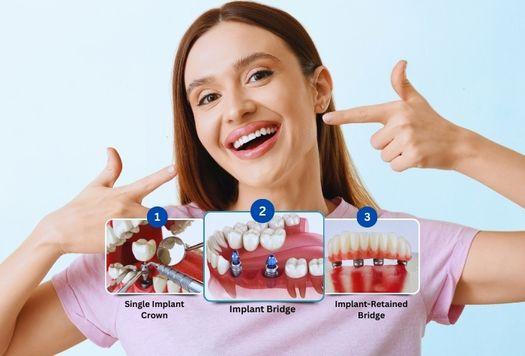
Dental Implants
Treatment Price
$700.00 USDDental Implants treatment aims to restore the full function and aesthetics of a missing tooth or multiple teeth. This involves surgically embedding a biocompatible titanium implant into the jawbone, which then fuses with the bone (osseointegration). After healing, a custom-made crown, bridge, or denture is securely attached, providing a stable, long-lasting replacement.
Treatment Overview
Dental Implants treatment aims to restore the full function and aesthetics of a missing tooth or multiple teeth. This involves surgically embedding a biocompatible titanium implant into the jawbone, which then fuses with the bone (osseointegration). After healing, a custom-made crown, bridge, or denture is securely attached, providing a stable, long-lasting replacement.
Procedures
Dental Implants placement is a multi-step surgical procedure. First, after administering local anesthesia, the surgeon makes a small incision in the gum to expose the jawbone. A pilot hole is then precisely drilled into the bone at the planned site. This hole is gradually widened to accommodate the implant post. The titanium implant is carefully screwed into the prepared bone socket. In some cases, a healing cap is placed over the implant, and the gum is sutured closed, allowing the implant to heal beneath the gum line. In other cases, an abutment may be attached immediately (one-stage procedure). After the osseointegration period (typically 3-6 months), if a healing cap was used, the gum is reopened, and the abutment is attached. Finally, impressions are taken, and a custom-made crown, bridge, or denture is fabricated and cemented or screwed onto the abutment.
Benefits
<h2>Key Benefits of Dental Implants</h2><ul><li><h3>Natural Look and Feel</h3><p>Implants are designed to blend seamlessly with your natural teeth, offering superior aesthetics and comfort.</p></li><li><h3>Improved Chewing and Speech</h3><p>Restore full chewing ability and clear speech, allowing you to enjoy all your favorite foods and communicate confidently.</p></li><li><h3>Durability and Longevity</h3><p>With proper care, dental implants can last a lifetime, making them a highly cost-effective long-term solution.</p></li><li><h3>Bone Preservation</h3><p>Implants stimulate the jawbone, preventing bone loss and maintaining facial structure, which often occurs with missing teeth.</p></li><li><h3>No Harm to Adjacent Teeth</h3><p>Unlike traditional bridges, implants do not require altering or grinding down healthy adjacent teeth for support.</p></li><li><h3>Enhanced Self-Confidence</h3><p>A complete and beautiful smile can significantly boost self-esteem and quality of life.</p></li></ul>
Recovery Information
<h2>Dental Implants Recovery Time and Tips</h2><p>The initial recovery from Dental Implants surgery typically involves a few days to a week of mild discomfort, swelling, and bruising. Most patients can return to normal activities within 1-2 days. The crucial phase is osseointegration, where the implant fuses with the jawbone, which takes 3 to 6 months. During this period, it’s vital to follow specific care instructions:</p><ul><li><h3>Immediate Post-Operative Care</h3><p>Manage pain with prescribed medication, apply ice packs to reduce swelling, and consume soft foods. Avoid strenuous activities for the first few days.</p></li><li><h3>Oral Hygiene</h3><p>Maintain excellent oral hygiene with gentle brushing around the surgical site and using an antiseptic mouthwash as recommended by your surgeon.</p></li><li><h3>Dietary Restrictions</h3><p>Stick to soft foods for several weeks, gradually reintroducing harder foods as healing progresses. Avoid chewing directly on the implant site.</p></li><li><h3>Avoid Smoking and Alcohol</h3><p>Smoking and excessive alcohol consumption can significantly impede healing and increase the risk of implant failure.</p></li><li><h3>Regular Follow-ups</h3><p>Attend all scheduled appointments with your dental surgeon to monitor healing and ensure the success of the osseointegration process.</p></li></ul>
Teeth Whitening
Treatment Price
$200.00 USDTeeth Whitening: Goals and Techniques
Enhancing Your Smile with Advanced Dental Solutions
- Goals: The primary goal of teeth whitening is to reduce discoloration and stains, resulting in a whiter, more aesthetically pleasing smile. It helps boost self-confidence and improve overall facial aesthetics.
- Techniques: Professional teeth whitening typically involves the use of hydrogen peroxide or carbamide peroxide-based gels. These are applied to the teeth and often activated by special lights (LED, laser) to accelerate the whitening process. This can be done in-office for immediate results or with custom-fitted trays for supervised at-home application.
Treatment Overview
<h2>Teeth Whitening: Goals and Techniques</h2><h3>Enhancing Your Smile with Advanced Dental Solutions</h3><ul><li><strong>Goals:</strong> The primary goal of teeth whitening is to reduce discoloration and stains, resulting in a whiter, more aesthetically pleasing smile. It helps boost self-confidence and improve overall facial aesthetics.</li><li><strong>Techniques:</strong> Professional teeth whitening typically involves the use of hydrogen peroxide or carbamide peroxide-based gels. These are applied to the teeth and often activated by special lights (LED, laser) to accelerate the whitening process. This can be done in-office for immediate results or with custom-fitted trays for supervised at-home application.</li></ul>
Procedures
1. Initial Dental Examination: The dentist assesses oral health, checks for cavities or gum disease, and determines suitability for whitening. A shade guide is used to record the current tooth color. 2. Teeth Cleaning: A professional cleaning (scaling and polishing) is performed to remove plaque and tartar, ensuring the whitening gel can directly contact the tooth surface. 3. Gum Protection: A protective barrier (liquid dam or resin) is applied to the gums and soft tissues to prevent irritation from the whitening agent. 4. Whitening Gel Application: A high-concentration hydrogen peroxide or carbamide peroxide gel is carefully applied to the front surfaces of the teeth. 5. Activation (Optional): A specialized light (LED or laser) is often used to accelerate the chemical reaction of the gel. This step typically involves several 15-20 minute cycles. 6. Gel Removal & Rinse: After the desired time, the whitening gel is removed, and the mouth is rinsed thoroughly. 7. Final Shade Check: The new tooth shade is compared with the initial shade using the guide to show the achieved lightening. 8. Post-Procedure Instructions: The patient receives detailed instructions on aftercare, dietary restrictions, and managing potential sensitivity.
Benefits
<h2>Benefits of Professional Teeth Whitening</h2><h3>Experience a Radiant Transformation</h3><ul><li><strong>Significantly Brighter Smile:</strong> Achieves multiple shades lighter than natural tooth color, removing years of accumulated stains.</li><li><strong>Enhanced Self-Confidence:</strong> A brighter smile can dramatically boost self-esteem and improve social interactions.</li><li><strong>Safe & Effective:</strong> Performed under professional supervision, minimizing risks and ensuring optimal results.</li><li><strong>Quick Results:</strong> In-office procedures often provide dramatic improvements in just one visit.</li><li><strong>Youthful Appearance:</strong> Whiter teeth are often associated with youth and vitality.</li><li><strong>Minimal Discomfort:</strong> Modern techniques are designed to be comfortable, with temporary sensitivity as a common, manageable side effect.</li></ul>
Recovery Information
<h2>Teeth Whitening Recovery and Aftercare</h2><h3>Maintaining Your Dazzling Results</h3><ul><li><strong>Immediate Aftercare:</strong> You may experience temporary tooth sensitivity or gum irritation for 24-48 hours post-procedure. This is normal and usually subsides quickly.</li><li><strong>Dietary Restrictions:</strong> For the first 24-48 hours, avoid consuming highly colored foods and drinks (e.g., coffee, tea, red wine, berries, curry) to prevent re-staining while the tooth pores are open.</li><li><strong>Oral Hygiene:</strong> Maintain excellent oral hygiene, including brushing twice daily and flossing, to prolong your whitening results.</li><li><strong>Long-term Maintenance:</strong> Results can last from 6 months to 2 years, depending on lifestyle and oral hygiene. Touch-up treatments or at-home kits may be recommended by your dentist.</li><li><strong>Avoiding Stains:</strong> Limit exposure to stain-causing agents and consider using a straw for colored beverages. Regular dental cleanings are also crucial.</li></ul>
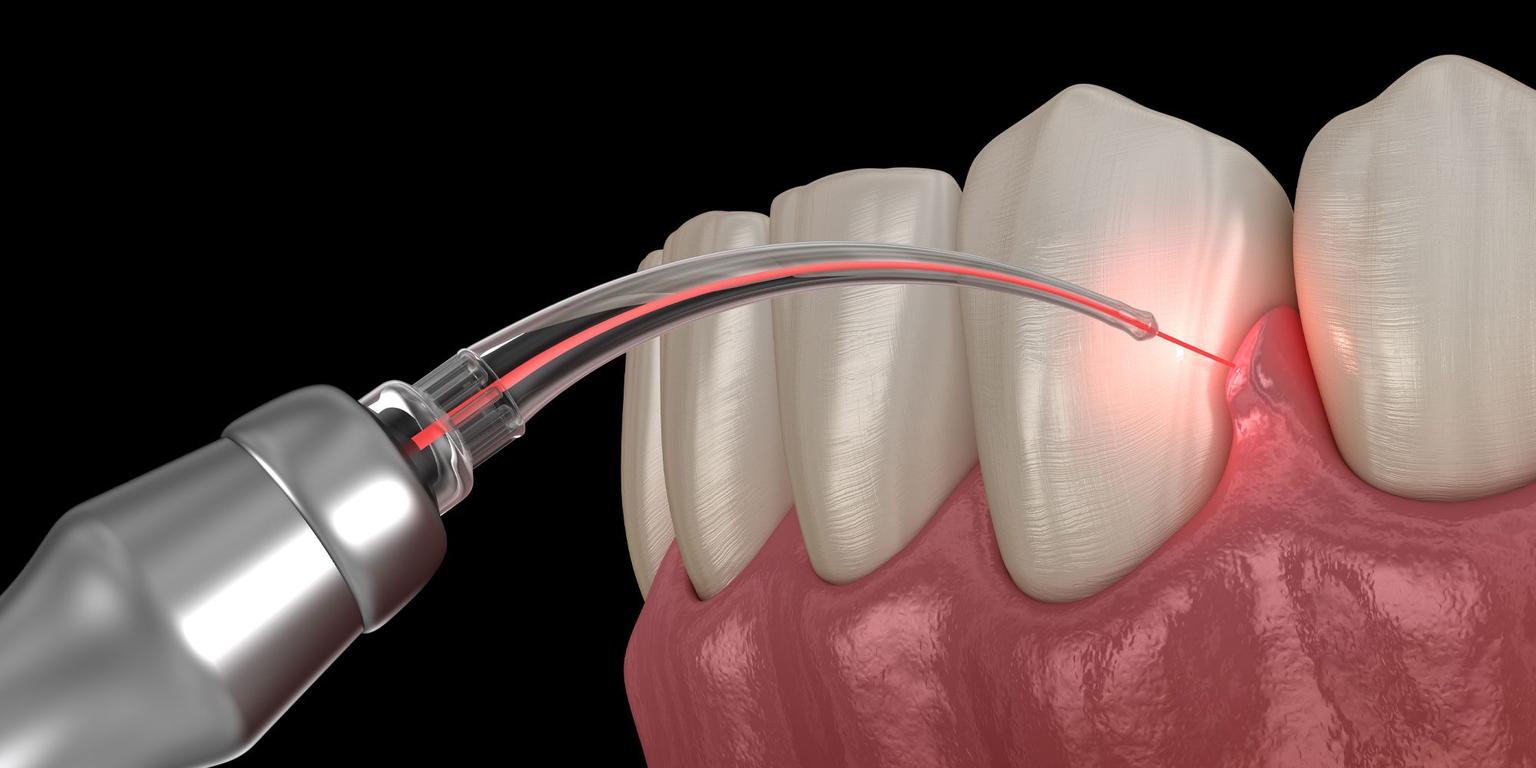
Laser Gum Surgery
Treatment Price
$800.00 USDThe primary goal of Laser Gum Surgery is to effectively treat periodontitis, halt the progression of gum disease, and restore gum health. This modern approach offers a less painful, less invasive, and often faster-healing alternative to conventional gum surgery. It aims to reduce pocket depths, eliminate harmful bacteria, and stimulate the body's natural healing processes for tissue and bone regeneration.
Treatment Overview
The primary goal of Laser Gum Surgery is to effectively treat periodontitis, halt the progression of gum disease, and restore gum health. This modern approach offers a less painful, less invasive, and often faster-healing alternative to conventional gum surgery. It aims to reduce pocket depths, eliminate harmful bacteria, and stimulate the body's natural healing processes for tissue and bone regeneration.
Procedures
Laser Gum Surgery typically involves several steps: 1. Initial Examination & Diagnosis: A thorough assessment of gum health, including X-rays and probing, to determine the extent of periodontal disease. 2. Anesthesia: Local anesthesia is administered to ensure patient comfort. 3. Laser Application: A specialized dental laser is inserted into the gum pockets to vaporize infected tissue, bacteria, and toxins. 4. Scaling and Root Planing: Ultrasonic scalers and hand instruments are used to remove calculus (tartar) and plaque from the root surfaces. 5. Further Laser Application: The laser is used again to create a stable blood clot, which acts as a barrier and stimulates the reattachment of gum tissue to the root surface and bone regeneration. 6. Bite Adjustment: The bite may be adjusted to reduce trauma to the treated teeth. 7. Follow-up: Regular follow-up visits are crucial to monitor healing and ensure long-term success.
Benefits
Laser Gum Surgery offers numerous advantages over traditional methods, including: <ul><li><strong>Minimally Invasive:</strong> No cutting or sutures are typically required, leading to less tissue removal.</li><li><strong>Reduced Pain and Discomfort:</strong> Patients generally experience less post-operative pain and swelling.</li><li><strong>Faster Recovery:</strong> The healing process is often quicker, allowing for a faster return to normal activities.</li><li><strong>Less Bleeding:</strong> The laser's cauterizing effect minimizes bleeding during and after the procedure.</li><li><strong>Preserves Healthy Tissue:</strong> Lasers selectively remove diseased tissue while protecting healthy gums and teeth.</li><li><strong>Promotes Regeneration:</strong> Stimulates the natural regeneration of gum tissue and bone.</li><li><strong>High Success Rate:</strong> Effectively halts the progression of gum disease and improves overall oral health.</li><li><strong>Reduced Risk of Infection:</strong> The laser sterilizes the treated area, minimizing infection risk.</li></ul>
Recovery Information
Recovery from Laser Gum Surgery is generally swift and less demanding than traditional surgery. Initial healing typically occurs within 1-2 weeks, during which patients may experience mild discomfort, swelling, or sensitivity. Full tissue regeneration and stabilization can take several months. Recovery tips include: following a soft diet, avoiding spicy or hard foods, maintaining meticulous oral hygiene with gentle brushing, avoiding smoking, and attending all follow-up appointments. DivinHeal’s care coordinators provide comprehensive post-operative instructions and support.
Scaling & Root Planing (Deep Cleaning)
Treatment Price
$150.00 USDGoals and Techniques of Scaling & Root Planing
The primary goal of Scaling & Root Planing is to eliminate the root cause of gum inflammation and infection, thereby preventing bone loss and potential tooth loss. It involves two main techniques:
Scaling
Removal of dental plaque and tartar (calculus) from the tooth surfaces, both above and below the gum line, using specialized instruments.
Root Planing
Smoothing the root surfaces to remove bacterial endotoxins and prevent future plaque accumulation, allowing the gums to heal and reattach to the teeth.
This procedure is a cornerstone of periodontal therapy, crucial for maintaining healthy gums and teeth.
Treatment Overview
<h2>Goals and Techniques of Scaling & Root Planing</h2><p>The primary goal of Scaling & Root Planing is to eliminate the root cause of gum inflammation and infection, thereby preventing bone loss and potential tooth loss. It involves two main techniques:</p><ul><li><h3>Scaling</h3><p>Removal of dental plaque and tartar (calculus) from the tooth surfaces, both above and below the gum line, using specialized instruments.</p></li><li><h3>Root Planing</h3><p>Smoothing the root surfaces to remove bacterial endotoxins and prevent future plaque accumulation, allowing the gums to heal and reattach to the teeth.</p></li></ul><p>This procedure is a cornerstone of periodontal therapy, crucial for maintaining healthy gums and teeth.</p>
Procedures
Scaling & Root Planing (Deep Cleaning) is performed as follows: 1. Numbing: Local anesthetic is administered to numb the gums and tooth roots in the treatment area, ensuring patient comfort. 2. Scaling: A periodontist or dental hygienist uses specialized instruments (ultrasonic scalers and hand scalers) to carefully remove plaque, tartar (calculus), and bacterial toxins from the tooth surfaces, both above and below the gum line, and inside the periodontal pockets. 3. Root Planing: After scaling, the root surfaces of the teeth are meticulously smoothed. This step removes any remaining bacterial toxins and rough spots on the root, which helps prevent future plaque accumulation and allows the gum tissue to reattach more firmly to the clean, smooth root surface. 4. Irrigation (Optional): Antibiotic solution or antiseptic rinse may be flushed into the pockets to reduce bacteria. 5. Polishing: Finally, the teeth may be polished to remove any superficial stains and create a smooth surface.
Benefits
<h2>Benefits of Scaling & Root Planing (Deep Cleaning)</h2><ul><li><h3>Halts Gum Disease Progression</h3><p>Effectively removes bacterial plaque and tartar, stopping the advancement of gingivitis and periodontitis, thereby preventing further damage to gum tissue and bone.</p></li><li><h3>Reduces Inflammation and Bleeding</h3><p>Significantly reduces gum inflammation, redness, swelling, and bleeding, leading to healthier, firmer gums.</p></li><li><h3>Eliminates Bad Breath (Halitosis)</h3><p>Removes the bacteria that cause unpleasant odors, resulting in fresher breath and improved confidence.</p></li><li><h3>Prevents Tooth Loss</h3><p>By treating gum disease and promoting gum reattachment, it helps to stabilize loose teeth and prevent tooth extraction caused by advanced periodontal disease.</p></li><li><h3>Enhances Overall Health</h3><p>Gum disease is linked to systemic conditions like heart disease, diabetes, and stroke. Deep cleaning can reduce the bacterial load, potentially benefiting your overall health.</p></li><li><h3>Improves Oral Aesthetics</h3><p>Removes unsightly plaque and tartar buildup, contributing to a cleaner, healthier-looking smile.</p></li></ul>
Recovery Information
<h2>Recovery and Life After Scaling & Root Planing</h2><h3>Immediate Post-Procedure</h3><p>After Scaling & Root Planing, it's common to experience some mild discomfort, sensitivity to hot and cold temperatures, and slight gum bleeding for a few days. Over-the-counter pain relievers can manage any discomfort. Your gums may feel tender or sore.</p><h3>Recovery Timeline</h3><ul><li><strong>First Few Days:</strong> Sensitivity and soreness are most noticeable. Adhere to a soft diet and avoid very hot or cold foods.</li><li><strong>First Week:</strong> Gums will begin to heal, and sensitivity should gradually subside. Continue meticulous oral hygiene, but be gentle.</li><li><strong>Several Weeks:</strong> Gums will have largely recovered, and swelling will have diminished. Continued good oral hygiene is crucial for long-term success.</li></ul><h3>Tips for a Smooth Recovery</h3><ul><li><strong>Gentle Oral Hygiene:</strong> Use a soft-bristled toothbrush and brush gently. Continue flossing carefully.</li><li><strong>Rinse:</strong> Your dentist might recommend an antiseptic mouthwash to aid healing and reduce bacteria.</li><li><strong>Avoid Irritants:</strong> Refrain from smoking, consuming alcohol, or eating hard, sticky, or spicy foods initially.</li><li><strong>Follow-up:</strong> Attend all scheduled follow-up appointments with your dentist or periodontist to monitor healing and ensure the success of the treatment.</li></ul><p>With DivinHeal's comprehensive aftercare support, patients receive personalized guidance for a comfortable and effective recovery, ensuring lasting oral health benefits.</p>
Dental Crowns (E-max)
Treatment Price
$250.00 USDThe primary goal of E-max Dental Crowns (E-max) treatment is to restore the structural integrity, function, and aesthetic appeal of a tooth that has been compromised by decay, fracture, or previous dental work. This non-surgical procedure involves carefully preparing the tooth, taking precise impressions or digital scans, and then fabricating a custom-fitted E-max crown which is permanently bonded over the prepared tooth.
Treatment Overview
The primary goal of E-max Dental Crowns (E-max) treatment is to restore the structural integrity, function, and aesthetic appeal of a tooth that has been compromised by decay, fracture, or previous dental work. This non-surgical procedure involves carefully preparing the tooth, taking precise impressions or digital scans, and then fabricating a custom-fitted E-max crown which is permanently bonded over the prepared tooth.
Procedures
The E-max Dental Crowns procedure typically involves several key steps: First, a thorough oral examination, X-rays, and potentially a 3D scan are performed to assess the tooth's condition. Next, local anesthesia is administered to numb the area. The dentist then carefully reshapes the tooth, removing a minimal amount of enamel to create space for the crown. Digital impressions or traditional molds of the prepared tooth and surrounding teeth are taken to ensure a precise fit and natural bite. While the custom E-max crown is being fabricated in a dental lab (this can take 1-2 weeks), a temporary crown is placed to protect the tooth. Once the permanent E-max crown arrives, the temporary is removed. The dentist meticulously fits the E-max crown, checks the bite and aesthetics, and then permanently bonds it to the tooth using a strong dental adhesive. Minor adjustments may be made for optimal comfort and function.
Benefits
<h2>Benefits of E-max Dental Crowns</h2><ul><li><h3>Superior Aesthetics:</h3><p>E-max crowns offer exceptional translucency and a natural appearance, mimicking real tooth enamel for a seamless blend with your existing teeth.</p></li><li><h3>High Durability:</h3><p>Made from strong lithium disilicate ceramic, E-max crowns are highly resistant to chipping and fracturing, ensuring long-lasting restorations.</p></li><li><h3>Biocompatibility:</h3><p>The ceramic material is highly compatible with the body, minimizing the risk of allergic reactions or gum irritation.</p></li><li><h3>Metal-Free:</h3><p>Being entirely ceramic, there's no dark line at the gum line, a common issue with traditional porcelain-fused-to-metal crowns.</p></li><li><h3>Minimally Invasive:</h3><p>Less tooth structure needs to be removed compared to some other crown types.</p></li><li><h3>Strength for Function:</h3><p>Restores full biting and chewing function, allowing you to enjoy your favorite foods without discomfort.</p></li><li><h3>Confidence Boost:</h3><p>Achieves a beautiful, natural-looking smile, significantly enhancing self-confidence and quality of life.</p></li></ul>
Recovery Information
<h2>E-max Dental Crowns Recovery Time and Tips</h2><p>Recovery from E-max Dental Crowns (E-max) treatment is generally swift and comfortable, with minimal downtime. Patients typically experience little to no pain after the local anesthesia wears off, although some temporary sensitivity to hot or cold may occur, which usually subsides within a few days or weeks.</p><ul><li><h3>Immediate Post-Procedure Care:</h3><p>Avoid chewing hard or sticky foods on the temporary crown. Once the permanent E-max crown is cemented, allow a few hours for the cement to fully set before eating.</p></li><li><h3>Managing Sensitivity:</h3><p>Over-the-counter pain relievers can manage any mild discomfort. Using toothpaste for sensitive teeth can also help.</p></li><li><h3>Oral Hygiene:</h3><p>Maintain excellent oral hygiene by brushing twice daily and flossing around the crown to prevent gum inflammation and ensure the longevity of your restoration.</p></li><li><h3>Dietary Considerations:</h3><p>Initially, a soft diet might be preferred. Avoid excessively hard or sticky foods to prevent damage to the crown. Practice chewing on both sides of your mouth.</p></li><li><h3>Follow-up Appointments:</h3><p>Regular dental check-ups are crucial to monitor the crown's condition and overall oral health. Your dentist will ensure the crown is performing optimally.</p></li><li><h3>Long-Term Care:</h3><p>With proper care and regular dental visits, your E-max crowns can last for 10-15 years or even longer. Avoid habits like teeth grinding or clenching, and consider a night guard if necessary.</p></li></ul>
Metal Braces
Treatment Price
$1500.00 USDMetal Braces treatment aims to straighten teeth, close gaps, correct overbites, underbites, and crossbites, and improve overall dental alignment. This non-surgical procedure involves bonding small metal brackets to each tooth and connecting them with a wire, which is periodically adjusted to apply gentle, continuous pressure. The goal is to achieve a healthy, functional, and aesthetically pleasing smile.
Treatment Overview
Metal Braces treatment aims to straighten teeth, close gaps, correct overbites, underbites, and crossbites, and improve overall dental alignment. This non-surgical procedure involves bonding small metal brackets to each tooth and connecting them with a wire, which is periodically adjusted to apply gentle, continuous pressure. The goal is to achieve a healthy, functional, and aesthetically pleasing smile.
Procedures
The Metal Braces treatment typically involves several key steps: 1. **Initial Consultation and Assessment**: A thorough dental examination, X-rays, photographs, and impressions of the teeth are taken. The orthodontist then develops a personalized treatment plan. 2. **Braces Placement (Bonding)**: Small metal brackets are carefully bonded to the front surface of each tooth using a special dental adhesive. An archwire is then threaded through the brackets and secured with small elastic bands (ligatures) or self-ligating mechanisms. 3. **Regular Adjustments**: Patients will have periodic appointments, usually every 4-8 weeks, for the orthodontist to adjust the archwire, replace ligatures, and monitor tooth movement. Elastics may be introduced to correct bite issues. 4. **Braces Removal**: Once the desired alignment is achieved, the brackets and wires are removed. The teeth are then thoroughly cleaned and polished. 5. **Retention Phase**: A custom-made retainer (removable or fixed) is provided to hold the teeth in their new positions and prevent relapse.
Benefits
<h2>Benefits of Metal Braces Treatment</h2><ul><li><h3>Highly Effective</h3><p>Metal Braces are renowned for their effectiveness in treating a wide range of orthodontic issues, from simple misalignments to complex bite problems.</p></li><li><h3>Durable and Reliable</h3><p>Made from high-grade stainless steel, Metal Braces are very strong and can withstand daily wear and tear, ensuring consistent treatment progress.</p></li><li><h3>Cost-Effective Option</h3><p>Compared to other orthodontic solutions like clear aligners or ceramic braces, Metal Braces often represent a more affordable treatment option, especially in countries like India.</p></li><li><h3>Versatile Treatment</h3><p>They can correct various issues including severe crowding, large gaps, and complex bite discrepancies more effectively than some alternative methods.</p></li><li><h3>Predictable Results</h3><p>With precise adjustments by an experienced orthodontist, Metal Braces offer highly predictable outcomes, leading to a beautiful and functional smile. DivinHeal helps you connect with top orthodontists for Metal Braces to ensure optimal results.</p></li></ul>
Recovery Information
<h2>Recovery and Life After Metal Braces</h2><h3>Immediate Post-Fitting</h3><p>After the initial bonding of Metal Braces, patients may experience some soreness, tenderness, and discomfort for a few days as their teeth and mouth adjust to the new appliance. Soft foods are recommended during this period, and over-the-counter pain relievers can help manage discomfort. Minor abrasions or sores on the cheeks and lips are common but usually subside quickly.</p><h3>During Treatment</h3><p>Recovery during the treatment phase primarily involves adapting to living with braces. This includes maintaining meticulous oral hygiene, avoiding hard or sticky foods, and attending regular adjustment appointments. Each adjustment might cause mild discomfort for a day or two, but it quickly resolves. Our resources offer essential Metal Braces recovery time and tips to ensure a smooth journey.</p><h3>After Braces Removal</h3><p>Once the Metal Braces are removed, patients enter the retention phase. This involves wearing a retainer (either fixed or removable) as prescribed by the orthodontist. This is a critical step to prevent teeth from shifting back to their original positions. Full recovery for the gums and bone structure around the teeth may take several months, but with proper retainer use, the results are permanent. Long-term wellness includes continued excellent oral hygiene and regular dental check-ups.</p>
Re-RCT (Root Canal Retreatment)
Treatment Price
$400.00 USDOverview of Re-RCT (Root Canal Retreatment)
Root Canal Retreatment aims to alleviate pain, remove infection, and ultimately save a tooth that has undergone a previous root canal therapy but has not healed as expected. This intricate dental procedure involves meticulous cleaning and disinfection of the root canal system, often utilizing advanced imaging and microscopic techniques to identify and address persistent issues such as missed canals, fractured instruments, or coronal leakage.
DivinHeal connects you with highly skilled endodontists in India who leverage state-of-the-art technology to ensure the highest success rates for your Re-RCT, restoring your oral health and preventing tooth extraction.
Treatment Overview
<h2>Overview of Re-RCT (Root Canal Retreatment)</h2><p>Root Canal Retreatment aims to alleviate pain, remove infection, and ultimately save a tooth that has undergone a previous root canal therapy but has not healed as expected. This intricate dental procedure involves meticulous cleaning and disinfection of the root canal system, often utilizing advanced imaging and microscopic techniques to identify and address persistent issues such as missed canals, fractured instruments, or coronal leakage.</p><p>DivinHeal connects you with highly skilled endodontists in India who leverage state-of-the-art technology to ensure the highest success rates for your Re-RCT, restoring your oral health and preventing tooth extraction.</p>
Procedures
1. Local anesthesia is administered to numb the tooth and surrounding area. 2. A rubber dam is placed around the tooth to isolate it and keep it clean and dry during the procedure. 3. The existing crown or filling is carefully removed to gain access to the pulp chamber. 4. The previous root canal filling material (gutta-percha) is removed from the canals using specialized instruments and solvents. 5. The endodontist uses a dental operating microscope to meticulously search for any missed canals, calcified areas, or fractured instruments. 6. The root canals are thoroughly cleaned, reshaped, and disinfected using small files and irrigating solutions. 7. Once cleaned, the canals are refilled with new gutta-percha and a sealer, and then permanently sealed. 8. A temporary filling is placed to protect the tooth until a permanent restoration (usually a crown) is placed by your general dentist.
Benefits
<h2>Benefits of Re-RCT (Root Canal Retreatment)</h2><ul><li><h3>Preserves Your Natural Tooth</h3><p>Re-RCT is the most effective way to save a tooth that has had a failed root canal, preventing the need for extraction and maintaining your natural bite and alignment.</p></li><li><h3>Avoids Tooth Extraction</h3><p>By saving your natural tooth, you avoid the complexities and higher costs associated with tooth replacement options like implants or bridges.</p></li><li><h3>Alleviates Pain and Infection</h3><p>Effectively removes persistent infection and inflammation, relieving chronic pain and discomfort associated with a failed root canal.</p></li><li><h3>Restores Oral Health and Function</h3><p>A successfully retreated tooth can function normally for many years, allowing you to chew and speak comfortably.</p></li><li><h3>Cost-Effective in the Long Run</h3><p>While an investment, Re-RCT is often more cost-effective than extraction followed by a dental implant or bridge when considering long-term costs and maintenance.</p></li></ul>
Recovery Information
<h2>Re-RCT Recovery Time and Tips</h2><p>After a Re-RCT procedure, it's normal to experience some mild discomfort, tenderness, or sensitivity for a few days, similar to a regular root canal. This can typically be managed with over-the-counter pain relievers.</p><h3>Immediate Post-Procedure Care:</h3><ul><li><strong>Pain Management:</strong> Take prescribed or over-the-counter pain medication as directed.</li><li><strong>Avoid Chewing:</strong> Refrain from chewing on the treated tooth until a permanent restoration (crown) is placed, to prevent fracture.</li><li><strong>Oral Hygiene:</strong> Continue with regular brushing and flossing, but be gentle around the treated tooth.</li><li><strong>Diet:</strong> Stick to soft foods for the first few days.</li></ul><h3>Long-Term Recovery & Maintenance:</h3><ul><li><strong>Permanent Restoration:</strong> It is crucial to have a permanent crown placed promptly after retreatment to protect the tooth from fracture and reinfection.</li><li><strong>Follow-up Appointments:</strong> Attend all scheduled follow-up visits with your endodontist or general dentist to monitor healing.</li><li><strong>Oral Hygiene:</strong> Maintain excellent oral hygiene with regular brushing, flossing, and dental check-ups.</li><li><strong>Avoid Hard Foods:</strong> Be cautious with extremely hard or sticky foods even after the crown is placed.</li></ul><p>The total Re-RCT recovery time for symptoms usually resolves within a week, but the tooth continues to heal internally over several months. With proper care and a permanent restoration, a successfully retreated tooth can last for many years.</p>
Wisdom Tooth Removal (Impacted)
Treatment Price
$250.00 USDOverview of Impacted Wisdom Tooth Removal
The primary goal of impacted Wisdom Tooth Removal (Impacted) is to alleviate pain, prevent dental complications such as pericoronitis (gum infection), dental cysts, damage to adjacent teeth, and orthodontic problems. Techniques involve surgical extraction performed under local anesthesia, sedation, or general anesthesia, depending on the complexity of the impaction and patient preference. DivinHeal ensures access to experienced oral and maxillofacial surgeons for this critical procedure.
Treatment Overview
<h2>Overview of Impacted Wisdom Tooth Removal</h2><p>The primary goal of impacted Wisdom Tooth Removal (Impacted) is to alleviate pain, prevent dental complications such as pericoronitis (gum infection), dental cysts, damage to adjacent teeth, and orthodontic problems. Techniques involve surgical extraction performed under local anesthesia, sedation, or general anesthesia, depending on the complexity of the impaction and patient preference. DivinHeal ensures access to experienced oral and maxillofacial surgeons for this critical procedure.</p>
Procedures
1. **Anesthesia:** Local anesthesia is administered to numb the surgical area. For more complex cases or patient anxiety, sedation (IV or oral) or general anesthesia may be used. 2. **Incision:** The oral surgeon makes a precise incision in the gum tissue to expose the impacted wisdom tooth and any overlying bone. 3. **Bone Removal (if necessary):** If bone is obstructing access, a small amount may be carefully removed using a dental drill. 4. **Tooth Sectioning (if necessary):** For deeply impacted or awkwardly positioned teeth, the tooth may be cut into smaller sections for easier, less traumatic removal. 5. **Extraction:** The tooth, or its sections, are carefully removed using specialized dental instruments. 6. **Cleaning:** The surgical site is thoroughly cleaned to remove any tooth fragments, bone shards, or debris. 7. **Suturing:** The gum flap is repositioned, and sutures (stitches), often dissolvable, are placed to close the incision and promote healing. 8. **Gauze Placement:** A sterile gauze pad is placed over the extraction site to control bleeding and encourage blood clot formation, which is crucial for healing.
Benefits
<h2>Benefits of Wisdom Tooth Removal (Impacted)</h2><ul><li><h3>Pain Relief:</h3> Eliminates persistent pain and discomfort caused by impacted teeth.</li><li><h3>Prevention of Infection:</h3> Reduces the risk of pericoronitis and other oral infections, improving overall oral hygiene.</li><li><h3>Protection of Adjacent Teeth:</h3> Prevents damage, decay, and shifting of neighboring molars due to crowding.</li><li><h3>Prevention of Cysts and Tumors:</h3> Mitigates the rare but serious risk of pathological growths around impacted teeth.</li><li><h3>Improved Oral Health:</h3> Contributes to better overall dental hygiene, easier cleaning, and long-term oral health.</li><li><h3>Enhanced Quality of Life:</h3> Freedom from dental pain and associated complications, allowing you to eat, speak, and live comfortably.</li></ul>
Recovery Information
<h2>Wisdom Tooth Removal (Impacted) Recovery and Aftercare</h2><h3>Immediate Post-Procedure:</h3><p>The initial recovery typically lasts 3-7 days. Patients may experience swelling, bruising, and mild to moderate pain, which can be managed with prescribed pain medication. Minor bleeding is normal for the first 24 hours.</p><h3>Key Recovery Tips for Wisdom Tooth Removal (Impacted):</h3><ul><li><b>Rest:</b> Avoid strenuous activities for at least 24-48 hours to prevent dislodging the blood clot.</li><li><b>Diet:</b> Stick to soft foods and liquids initially, gradually reintroducing solid foods as comfort allows. Avoid hot liquids and alcohol.</li><li><b>Oral Hygiene:</b> Gentle rinsing with warm salt water after 24 hours (do not spit vigorously). Avoid brushing near the surgical site for the first day.</li><li><b>Ice Packs:</b> Apply ice packs to the cheek for 15-20 minutes at a time to reduce swelling, especially during the first 24-48 hours.</li><li><b>Avoid Smoking and Straws:</b> These can create suction and dislodge the blood clot, leading to a painful condition known as 'dry socket'.</li><li><b>Follow Dentist's Instructions:</b> Adhere strictly to medication schedules (antibiotics, pain relievers) and all post-operative advice from your oral surgeon.</li></ul><h3>Full Recovery:</h3><p>Complete healing of the tooth socket can take several weeks to months, but most patients resume normal daily activities within a week. DivinHeal’s comprehensive care coordination includes detailed guidance for a smooth recovery and follow-up support for your Wisdom Tooth Removal (Impacted) treatment, ensuring peace of mind.</p>
Zygomatic Implants
Treatment Price
$7000.00 USDZygomatic Implants: A Solution for Severe Bone Loss
Zygomatic implants offer a revolutionary approach for individuals suffering from severe bone atrophy in the upper jaw, who are often deemed unsuitable for conventional dental implants without complex bone grafting procedures. The primary goal is to provide a stable, long-term foundation for fixed dental prostheses, restoring the ability to chew, speak, and smile with confidence.
Key Techniques and DivinHeal's Role
- Utilizes longer implants that anchor into the dense zygomatic bone (cheekbone) instead of the atrophied maxilla.
- Often allows for immediate loading of a temporary bridge, meaning patients can leave with new teeth on the same day.
- DivinHeal connects patients with world-renowned oral and maxillofacial surgeons and prosthodontists specializing in Zygomatic Implants, ensuring access to cutting-edge techniques and personalized treatment plans for a safe and effective journey to a renewed smile.
Treatment Overview
<h2>Zygomatic Implants: A Solution for Severe Bone Loss</h2><p>Zygomatic implants offer a revolutionary approach for individuals suffering from severe bone atrophy in the upper jaw, who are often deemed unsuitable for conventional dental implants without complex bone grafting procedures. The primary goal is to provide a stable, long-term foundation for fixed dental prostheses, restoring the ability to chew, speak, and smile with confidence.</p><h3>Key Techniques and DivinHeal's Role</h3><ul><li>Utilizes longer implants that anchor into the dense zygomatic bone (cheekbone) instead of the atrophied maxilla.</li><li>Often allows for immediate loading of a temporary bridge, meaning patients can leave with new teeth on the same day.</li><li>DivinHeal connects patients with world-renowned oral and maxillofacial surgeons and prosthodontists specializing in Zygomatic Implants, ensuring access to cutting-edge techniques and personalized treatment plans for a safe and effective journey to a renewed smile.</li></ul>
Procedures
The Zygomatic Implants procedure is a highly specialized surgical intervention performed by skilled oral and maxillofacial surgeons. It typically involves the following steps: 1. **Diagnostic Imaging and Treatment Planning:** A comprehensive CBCT (Cone Beam Computed Tomography) scan is performed to create detailed 3D images of the patient's facial anatomy, particularly the maxilla and zygomatic bones. Advanced software is used for virtual surgical planning, allowing the surgeon to precisely map the placement, angulation, and trajectory of each zygomatic implant. 2. **Anesthesia Administration:** The procedure is typically performed under general anesthesia or intravenous (IV) sedation, ensuring the patient's comfort and pain-free experience throughout the surgery. 3. **Surgical Access:** Incisions are made in the gum tissue to expose the alveolar ridge and the underlying bone. In some cases, a small window may be created in the sinus wall to gain better access and visualize the zygomatic bone. 4. **Zygomatic Implant Placement:** Long, specially designed zygomatic implants are carefully inserted through the maxillary sinus and anchored into the dense, cortical bone of the zygoma. The number and position of implants (typically one to two per side, or four for a 'Quad Zygoma' approach) depend on the patient's anatomy and treatment plan. Precise angulation is critical to avoid vital structures and ensure optimal stability. 5. **Abutment Placement:** Once the implants are securely in place, abutments (connectors) are attached to the implants, which will later support the prosthetic teeth. 6. **Prosthetic Loading (Immediate or Delayed):** Depending on the stability achieved during surgery, a temporary fixed bridge may be immediately attached to the implants ('immediate loading'). If primary stability is not sufficient, a temporary removable denture may be worn, and the definitive prosthesis will be loaded after a healing period ('delayed loading'). 7. **Suture Placement:** The gum tissue is carefully sutured closed around the abutments, completing the surgical phase.
Benefits
<h2>Key Benefits of Zygomatic Implants Treatment</h2><p>Zygomatic implants offer numerous significant advantages, particularly for patients with severe maxillary bone loss, providing a pathway to a functional and aesthetic smile where traditional implants may not be viable. The benefits include:</p><ul><li><strong>Avoids Bone Grafting:</strong> The most significant advantage is bypassing the need for extensive and often lengthy bone grafting procedures (like sinus lifts), which reduces overall treatment time and patient discomfort.</li><li><strong>Immediate Loading Potential:</strong> In many cases, a temporary fixed prosthesis can be placed immediately or very soon after implant surgery, allowing patients to leave with functional teeth on the same day. This dramatically improves quality of life.</li><li><strong>High Success Rates:</strong> Zygomatic implants boast excellent long-term success rates, comparable to or even exceeding conventional implants, especially when performed by experienced specialists.</li><li><strong>Restored Oral Function:</strong> Patients regain the ability to chew, speak, and bite with confidence, significantly improving their dietary choices and overall well-being.</li><li><strong>Enhanced Aesthetics:</strong> Provides a stable foundation for a natural-looking fixed bridge, restoring facial contours and contributing to a more youthful appearance.</li><li><strong>Reduced Treatment Time:</strong> Eliminates the months-long waiting periods associated with bone grafting, allowing for quicker rehabilitation.</li><li><strong>Solution for Complex Cases:</strong> Offers a viable and predictable solution for individuals with severe bone atrophy, failed conventional implants, or contraindications to bone grafting.</li></ul>
Recovery Information
<h2>Zygomatic Implants Recovery Time and Tips</h2><p>Recovery following Zygomatic Implants surgery is generally well-managed and follows a predictable timeline. Understanding the process and adhering to post-operative instructions are crucial for optimal healing and the long-term success of your implants.</p><h3>Immediate Post-Operative Period (First 1-7 Days)</h3><ul><li><strong>Swelling and Bruising:</strong> Expect some facial swelling and bruising, especially around the cheeks and eyes. This is normal and usually peaks within 2-3 days, gradually subsiding over the first week.</li><li><strong>Pain Management:</strong> Pain medication will be prescribed to manage discomfort. Follow dosage instructions carefully.</li><li><strong>Diet:</strong> A soft, non-chewy diet is crucial. Avoid hot liquids, spicy foods, and anything that requires significant chewing.</li><li><strong>Oral Hygiene:</strong> Gentle rinsing with prescribed antiseptic mouthwash is recommended. Avoid brushing the surgical site directly for the first few days.</li></ul><h3>Initial Healing Phase (1-2 Weeks)</h3><ul><li>Swelling and discomfort should significantly reduce.</li><li>You may gradually introduce slightly firmer (but still soft) foods as comfort allows.</li><li>Continue with careful oral hygiene.</li><li>Attend your follow-up appointment for suture removal and evaluation.</li></ul><h3>Long-term Integration & Rehabilitation (3-6 Months)</h3><ul><li>The implants will undergo osseointegration, fusing with the bone.</li><li>During this period, if you received an immediate temporary bridge, it will be replaced with your definitive, custom-fabricated prosthesis.</li><li><strong>Important Long-Term Wellness Aspects:</strong><ul><li><strong>Maintain Excellent Oral Hygiene:</strong> Regular brushing, flossing (or using interdental brushes/water flossers), and antiseptic rinses are vital to prevent peri-implantitis.</li><li><strong>Regular Dental Check-ups:</strong> Schedule periodic visits with your dentist for professional cleaning and implant assessment.</li><li><strong>Dietary Considerations:</strong> While zygomatic implants provide strong support, avoid extremely hard or sticky foods that could damage your prosthesis.</li><li><strong>Avoid Smoking:</strong> Smoking significantly impairs healing and can jeopardize implant success.</li><li><strong>Emotional Support:</strong> It’s normal to feel some anxiety or discomfort during recovery. DivinHeal offers support to ensure a smooth transition.</li></ul></li></ul>
Wisdom Tooth Extraction
Treatment Price
$400.00 USDWisdom Tooth Extraction aims to relieve pain, prevent infection, and protect surrounding teeth from damage caused by impacted or improperly growing wisdom teeth. The procedure, performed by expert oral surgeons, involves carefully removing the problematic tooth under local or general anesthesia, ensuring patient comfort and safety. DivinHeal facilitates access to accredited dental hospitals for this essential treatment.
Treatment Overview
Wisdom Tooth Extraction aims to relieve pain, prevent infection, and protect surrounding teeth from damage caused by impacted or improperly growing wisdom teeth. The procedure, performed by expert oral surgeons, involves carefully removing the problematic tooth under local or general anesthesia, ensuring patient comfort and safety. DivinHeal facilitates access to accredited dental hospitals for this essential treatment.
Procedures
Wisdom Tooth Extraction is performed by an oral surgeon. First, the area around the tooth is numbed using a local anesthetic. For complex cases or anxious patients, sedation (nitrous oxide, oral sedatives, or intravenous sedation) or general anesthesia may be administered. An incision is made in the gum tissue to expose the tooth and bone. If bone is covering the tooth, it is carefully removed. The tooth itself may need to be cut into smaller sections for easier removal. Once the tooth is extracted, the site is cleaned, and stitches are used to close the gum incision. Gauze is placed over the extraction site to control bleeding and encourage clot formation.
Benefits
<h2>Benefits of Wisdom Tooth Extraction</h2><ul><li><h3>Pain Relief</h3><p>Eliminates chronic pain and discomfort caused by impacted or problematic wisdom teeth.</p></li><li><h3>Prevention of Infection</h3><p>Removes sites where bacteria can accumulate, reducing the risk of gum infections (pericoronitis) and abscesses.</p></li><li><h3>Protection of Adjacent Teeth</h3><p>Prevents damage, decay, or root resorption to neighboring molars.</p></li><li><h3>Alleviates Dental Crowding</h3><p>Helps prevent or resolve issues of teeth shifting and misalignment, preserving orthodontic results.</p></li><li><h3>Reduced Risk of Cysts and Tumors</h3><p>Removes the potential for pathological formations around impacted teeth.</p></li><li><h3>Improved Oral Hygiene</h3><p>Easier to clean the back of the mouth, leading to better overall dental health.</p></li><li><h3>Enhanced Quality of Life</h3><p>Frees patients from recurring pain and discomfort, improving eating, speaking, and general well-being.</p></li></ul>
Recovery Information
<h2>Wisdom Tooth Extraction Recovery Time and Tips</h2><p>After your Wisdom Tooth Extraction, a smooth recovery is paramount. The initial recovery time typically ranges from 3 to 7 days, though complete healing of the jawbone can take several weeks or months. DivinHeal ensures you receive detailed post-operative instructions for optimal healing and comfort.</p><h3>Immediate Post-Procedure Care (First 24 Hours)</h3><ul><li><strong>Bleeding Control:</strong> Bite gently on gauze pads to control bleeding; change them every 30-45 minutes as needed.</li><li><strong>Pain Management:</strong> Take prescribed pain relievers as directed.</li><li><strong>Swelling Management:</strong> Apply ice packs to the outside of your cheek for 15-20 minutes at a time to reduce swelling.</li><li><strong>Rest:</strong> Rest is crucial. Avoid strenuous activities.</li><li><strong>Diet:</strong> Stick to soft foods and liquids; avoid hot beverages, alcohol, and using a straw.</li><li><strong>Oral Hygiene:</strong> Do not rinse your mouth vigorously or brush the extraction site.</li></ul><h3>Ongoing Recovery (Days 2-7)</h3><ul><li><strong>Gentle Rinsing:</strong> After 24 hours, gently rinse your mouth with warm salt water (1/2 teaspoon salt in 8 ounces of water) several times a day, especially after meals.</li><li><strong>Soft Diet:</strong> Gradually introduce more solid foods as comfort allows.</li><li><strong>Avoid Smoking:</strong> Smoking can significantly delay healing and increase the risk of dry socket.</li><li><strong>Maintain Oral Hygiene:</strong> Continue careful brushing of other teeth.</li><li><strong>Activity:</strong> Gradually return to normal activities, avoiding anything that might dislodge the blood clot.</li></ul><p>Our care coordinators are available to answer any questions and provide support throughout your Wisdom Tooth Extraction recovery time, ensuring you return to full health swiftly and safely.</p>
Single Tooth Dental Implant
Treatment Price
$900.00 USDThe goal of Single Tooth Dental Implant treatment is to provide a durable, functional, and natural-looking replacement for a lost tooth. This involves a multi-stage process: initial diagnostic imaging and treatment planning, surgical placement of the dental implant post, a period of osseointegration (bone fusion), and finally, the attachment of an abutment and a custom-fabricated dental crown. DivinHeal connects patients with leading dental implant specialists globally, ensuring access to cutting-edge techniques and materials for optimal outcomes.
Treatment Overview
The goal of Single Tooth Dental Implant treatment is to provide a durable, functional, and natural-looking replacement for a lost tooth. This involves a multi-stage process: initial diagnostic imaging and treatment planning, surgical placement of the dental implant post, a period of osseointegration (bone fusion), and finally, the attachment of an abutment and a custom-fabricated dental crown. DivinHeal connects patients with leading dental implant specialists globally, ensuring access to cutting-edge techniques and materials for optimal outcomes.
Procedures
The Single Tooth Dental Implant procedure typically involves several stages: 1. Initial Consultation and Diagnostic Imaging: Comprehensive examination, X-rays, and 3D CT scans are performed to assess bone quality and quantity, ensuring optimal implant placement. A personalized treatment plan is developed. 2. Tooth Extraction (if necessary): If the damaged tooth is still present, it will be carefully extracted. Bone grafting may be performed at this stage if immediate implant placement is not possible or if bone density is insufficient. 3. Implant Placement Surgery: Under local anesthesia (and sometimes sedation), a small incision is made in the gum to expose the jawbone. A precise pilot hole is drilled, and the titanium implant post is carefully threaded into the bone. The gum tissue is then closed over the implant, or a healing abutment may be placed. 4. Osseointegration Period: A crucial healing phase of 3-6 months follows, during which the implant fuses naturally with the jawbone. This ensures a strong, stable foundation for the new tooth. 5. Abutment Placement: Once osseointegration is complete, a minor surgical procedure may be performed to expose the implant (if it was covered by gum tissue) and attach a small connector post called an abutment. This abutment will protrude through the gum line and serve as the attachment for the final crown. 6. Crown Fabrication and Placement: Impressions of your mouth are taken to create a custom-designed dental crown that perfectly matches your existing teeth in shape, size, and color. Once fabricated, the crown is securely cemented or screwed onto the abutment, completing your Single Tooth Dental Implant treatment. DivinHeal collaborates with top dental implant specialists who employ advanced techniques for optimal precision and patient comfort.
Benefits
<h2>Benefits of Single Tooth Dental Implant Treatment</h2><ul><li><h3>Permanent Tooth Replacement</h3><p>Unlike dentures or bridges, dental implants are a permanent solution, designed to last a lifetime with proper care.</p></li><li><h3>Improved Aesthetics</h3><p>Custom-made crowns are designed to match your natural teeth, restoring your smile's beauty and confidence.</p></li><li><h3>Restored Chewing Function</h3><p>Implants function like natural teeth, allowing you to eat your favorite foods without discomfort or restrictions.</p></li><li><h3>Preservation of Jawbone and Facial Structure</h3><p>Implants stimulate the jawbone, preventing bone loss that commonly occurs after tooth extraction, thus preserving facial contours.</p></li><li><h3>No Damage to Adjacent Teeth</h3><p>Dental implants do not require grinding down adjacent healthy teeth, unlike traditional dental bridges.</p></li><li><h3>Enhanced Oral Health</h3><p>Easier to clean than bridges, promoting better gum health and overall oral hygiene.</p></li><li><h3>Improved Speech</h3><p>Eliminates the speech issues sometimes associated with missing teeth or ill-fitting dentures.</p></li><li><h3>High Success Rate</h3><p>With proper care, Single Tooth Dental Implants boast an impressive success rate of 95-98%.</p></li></ul>
Recovery Information
<h2>Single Tooth Dental Implant Recovery Time and Tips</h2><p>Recovery from a Single Tooth Dental Implant procedure involves several stages, with the initial healing typically lasting a few days to a week. The most crucial phase is osseointegration, where the implant fuses with the jawbone, which can take 3 to 6 months. DivinHeal provides comprehensive guidance for a smooth recovery.</p><h3>Immediate Post-Procedure Care (First Week)</h3><ul><li><strong>Pain Management:</strong> Mild discomfort can be managed with prescribed or over-the-counter pain medication.</li><li><strong>Swelling:</strong> Apply ice packs to reduce swelling for the first 24-48 hours.</li><li><strong>Diet:</strong> Stick to soft foods and liquids initially, gradually reintroducing solid foods as comfort allows.</li><li><strong>Oral Hygiene:</strong> Follow specific instructions for brushing and rinsing, often involving a special antibacterial mouthwash, while avoiding the implant site.</li><li><strong>Activity:</strong> Avoid strenuous physical activity for a few days to prevent bleeding and swelling.</li></ul><h3>Long-Term Recovery and Osseointegration (3-6 Months)</h3><ul><li><strong>Regular Check-ups:</strong> Adhere to your implant specialist's follow-up schedule to monitor healing and osseointegration.</li><li><strong>Gentle Oral Hygiene:</strong> Maintain excellent oral hygiene, brushing and flossing regularly around the implant area.</li><li><strong>Avoid Pressure:</strong> Refrain from putting excessive pressure on the implant site during the healing phase.</li></ul><h3>Life After Single Tooth Dental Implant</h3><ul><li><strong>Oral Care:</strong> Treat your implant like a natural tooth, brushing and flossing daily. Regular dental check-ups and professional cleanings are essential for its longevity.</li><li><strong>Diet:</strong> Enjoy a normal diet without restrictions once the crown is placed.</li><li><strong>Lifestyle:</strong> Avoid habits like smoking, which can compromise implant success, and consider a night guard if you clench or grind your teeth.</li></ul><p>By following these Single Tooth Dental Implant recovery time and tips, you can ensure the best possible outcome and a long-lasting, healthy smile.</p>
Veneers / Smile Makeover
Treatment Price
$3000.00 USDA Veneers treatment, often part of a comprehensive smile makeover, aims to aesthetically enhance the appearance of your teeth. This procedure involves custom-designed porcelain or composite resin shells bonded to the front surface of your teeth, transforming their color, shape, size, or length. The goal is to create a harmonious, natural-looking, and radiant smile that boosts confidence and addresses various dental cosmetic concerns.
Treatment Overview
A Veneers treatment, often part of a comprehensive smile makeover, aims to aesthetically enhance the appearance of your teeth. This procedure involves custom-designed porcelain or composite resin shells bonded to the front surface of your teeth, transforming their color, shape, size, or length. The goal is to create a harmonious, natural-looking, and radiant smile that boosts confidence and addresses various dental cosmetic concerns.
Procedures
The veneers procedure typically involves several steps: 1. **Consultation and Smile Design:** Your dentist will discuss your aesthetic goals, examine your oral health, and take impressions or digital scans to design your ideal smile. 2. **Tooth Preparation:** A small amount of enamel (approximately 0.5 to 1.0 millimeter) is removed from the front surface of the teeth to create space for the veneers and ensure a natural fit. 3. **Impressions:** Precise impressions of your prepared teeth are taken and sent to a dental laboratory, where your custom veneers are fabricated. Temporary veneers may be placed to protect your teeth. 4. **Bonding:** Once the custom veneers arrive, your dentist will temporarily place them to check the fit and color. The teeth are then cleaned, polished, and etched to create a strong bonding surface. A specialized dental cement is applied, and the veneer is precisely placed. A curing light is used to harden the cement, permanently bonding the veneer to the tooth. 5. **Final Adjustments:** Any necessary adjustments to your bite are made, and the veneers are polished.
Benefits
<ul><li><strong>Significant Aesthetic Improvement:</strong> Veneers dramatically enhance smile aesthetics, correcting color, shape, and alignment issues for a flawless look.</li><li><strong>Increased Confidence:</strong> A beautiful smile can boost self-esteem and positively impact social and professional interactions.</li><li><strong>Durability and Longevity:</strong> Porcelain veneers are highly durable and can last 10-15 years or more with proper care.</li><li><strong>Stain Resistance:</strong> Porcelain veneers are highly resistant to stains from coffee, tea, and tobacco.</li><li><strong>Minimally Invasive:</strong> While some enamel reduction is often required, it's generally a conservative procedure compared to crowns.</li><li><strong>Natural Appearance:</strong> Custom-made veneers mimic the light-reflecting properties of natural teeth, ensuring a realistic and beautiful result.</li></ul>
Recovery Information
Recovery after veneers treatment is typically minimal. You may experience some temporary tooth sensitivity to hot or cold for a few days after preparation and bonding, which usually subsides quickly. Your gums might also feel slightly sore or irritated, but this resolves within a day or two. There is generally no downtime required, and you can resume normal activities immediately. It is advised to avoid very hard or sticky foods initially and maintain excellent oral hygiene to ensure the longevity of your veneers.
Space Maintainers
Treatment Price
$150.00 USDSpace maintainers are crucial preventive orthodontic devices that preserve space for permanent teeth when primary teeth are lost early due to decay, trauma, or extraction. Their primary goal is to guide the permanent teeth into their correct positions, avoiding crowding, impaction, or the need for more complex orthodontic treatment later on. DivinHeal connects you to top pediatric dentists and orthodontists in India for precise, child-friendly care.
Treatment Overview
Space maintainers are crucial preventive orthodontic devices that preserve space for permanent teeth when primary teeth are lost early due to decay, trauma, or extraction. Their primary goal is to guide the permanent teeth into their correct positions, avoiding crowding, impaction, or the need for more complex orthodontic treatment later on. DivinHeal connects you to top pediatric dentists and orthodontists in India for precise, child-friendly care.
Procedures
The placement of a space maintainer is a simple, outpatient procedure. First, the dentist takes impressions of the child's mouth to create a custom-fitted appliance. Once the maintainer is fabricated (which can take a few days), the child returns for a second visit. The dentist will try in the appliance to ensure a perfect fit, then clean and dry the teeth. For fixed space maintainers, dental cement is used to secure the band to the anchor tooth, and the loop is positioned to rest against the adjacent tooth without interfering with gum tissue. The child is given instructions on care and follow-up. For removable maintainers, the dentist provides instructions on how to insert, remove, and clean the appliance.
Benefits
<h2>Benefits of Space Maintainers Treatment</h2><ul><li><strong>Prevents Future Orthodontic Problems:</strong> The primary benefit is avoiding crowding, misalignment, and impaction of permanent teeth, which can lead to complex and costly orthodontic treatments later.</li><li><strong>Ensures Proper Permanent Tooth Eruption:</strong> Guides the permanent teeth into their correct positions within the dental arch.</li><li><strong>Maintains Chewing Function:</strong> Helps preserve the ability to chew food effectively, especially if multiple primary teeth were lost.</li><li><strong>Aids Speech Development:</strong> Prevents speech impediments that can arise from missing teeth or shifted adjacent teeth.</li><li><strong>Cost-Effective Preventive Care:</strong> Investing in a space maintainer is often far less expensive than extensive orthodontic treatment required to correct issues caused by premature tooth loss.</li><li><strong>Simple and Child-Friendly Procedure:</strong> The placement process is straightforward, minimally invasive, and well-tolerated by children.</li><li><strong>Promotes Long-Term Oral Health:</strong> Contributes to a stable and healthy bite, reducing the risk of dental problems throughout life.</li></ul>
Recovery Information
<h2>Recovery and Life with Space Maintainers</h2><h3>Immediate Post-Placement Care</h3><ul><li><strong>Minimal Discomfort:</strong> Most children experience little to no pain. Some might feel slight pressure or soreness for a day or two, easily managed with over-the-counter pain relievers if needed.</li><li><strong>Dietary Adjustments:</strong> Avoid sticky, hard, or chewy foods (e.g., gum, caramel, hard candies, ice) that could dislodge or damage the maintainer.</li><li><strong>Speech and Eating:</strong> There might be a temporary adjustment period as your child gets used to the appliance, but normal function typically resumes quickly.</li></ul><h3>Long-Term Care and Maintenance</h3><ul><li><strong>Oral Hygiene:</strong> Meticulous brushing and flossing are crucial around the maintainer to prevent plaque buildup and gum inflammation. Special flossing techniques may be recommended.</li><li><strong>Regular Dental Check-ups:</strong> Adhere to the schedule set by the pediatric dentist, typically every 3-6 months, to monitor the maintainer's condition and the eruption of the permanent tooth.</li><li><strong>Avoid Playing with the Appliance:</strong> Advise your child not to push or pull on the space maintainer with their fingers or tongue, as this can loosen or damage it.</li><li><strong>Timely Removal:</strong> The maintainer will be removed once the permanent tooth is ready to erupt into the space, a simple and quick procedure.</li></ul><p>DivinHeal's network of specialists provides comprehensive guidance for post-treatment care, ensuring a smooth transition and optimal outcomes for your child.</p>
Surgical Extraction
Treatment Price
$4500.00 USDOverview of Surgical Extraction
Surgical Extraction is a fundamental approach in cancer treatment, focusing on the complete removal of malignant tumors or affected organs. This procedure aims to eliminate cancerous cells, prevent spread, and improve patient prognosis. Techniques vary widely based on the cancer type, stage, and location, ranging from minimally invasive resections to complex open surgeries. DivinHeal ensures access to leading surgical oncologists and state-of-the-art facilities for optimal outcomes, offering hope for a healthier future.
Treatment Overview
<h2>Overview of Surgical Extraction</h2><p>Surgical Extraction is a fundamental approach in cancer treatment, focusing on the complete removal of malignant tumors or affected organs. This procedure aims to eliminate cancerous cells, prevent spread, and improve patient prognosis. Techniques vary widely based on the cancer type, stage, and location, ranging from minimally invasive resections to complex open surgeries. DivinHeal ensures access to leading surgical oncologists and state-of-the-art facilities for optimal outcomes, offering hope for a healthier future.</p>
Procedures
The 'Surgical Extraction' procedure typically involves several key stages, executed by highly skilled surgical teams: 1. **Anesthesia:** The patient is given general anesthesia to ensure they are comfortable and pain-free throughout the entire surgery. 2. **Incision:** A precise incision is made over the tumor site, carefully planned to allow optimal access for removal while considering aesthetic outcomes and functional preservation. 3. **Tumor Excision:** The malignant tissue, along with a margin of healthy surrounding tissue (known as a clear margin), is carefully removed. Nearby lymph nodes may also be sampled or removed (lymphadenectomy) if there's a risk of cancer spread, which is crucial for accurate staging. 4. **Hemostasis:** Bleeding is meticulously controlled using various advanced techniques to minimize complications. 5. **Reconstruction (if applicable):** Depending on the site and extent of removal, reconstructive surgery may be performed immediately or in a subsequent procedure to restore function or appearance, improving post-'Surgical Extraction' quality of life. 6. **Closure:** The incision is meticulously closed using sutures, staples, or surgical glue. The removed tissue is promptly sent to pathology for detailed analysis to confirm complete removal and characterize the tumor, guiding further 'Surgical Extraction diagnosis and therapy options'.
Benefits
<h2>Benefits of Surgical Extraction</h2><p>Opting for 'Surgical Extraction' through DivinHeal offers numerous advantages, ensuring optimal outcomes and patient well-being:</p><ul><li><h3>High Success Rate:</h3><p>'Surgical Extraction' often offers the highest chance of cure for many solid tumors, especially when detected early, contributing to an excellent 'Surgical Extraction success rate'.</p></li><li><h3>Precise Tumor Removal:</h3><p>Allows for complete removal of the primary tumor and affected lymph nodes, minimizing recurrence risk and providing a clear path to recovery.</p></li><li><h3>Accurate Staging:</h3><p>Pathological examination of removed tissue provides crucial information for accurate cancer staging and guiding further personalized 'Surgical Extraction diagnosis and therapy options'.</p></li><li><h3>Symptom Relief:</h3><p>Can alleviate pain, obstruction, or other debilitating symptoms caused by the tumor, significantly improving quality of life post-'Surgical Extraction'.</p></li><li><h3>Improved Prognosis:</h3><p>Significantly enhances long-term survival and quality of life for many patients, offering renewed hope and a return to wellness.</p></li></ul>
Recovery Information
<h2>Surgical Extraction Recovery Time and Tips</h2><h3>Immediate Post-operative Period:</h3><p>Following 'Surgical Extraction', patients typically spend a few days in the hospital for monitoring, pain management, and initial recovery. The immediate recovery involves managing discomfort, meticulous wound care, and gradual mobilization as advised by your medical team. DivinHeal ensures a comfortable and safe environment for this critical phase.</p><h3>Typical Recovery Timeline:</h3><p>The 'Surgical Extraction recovery time' varies based on the surgery's complexity, the patient's overall health, and the type of cancer. Here’s a general guide:</p><ul><li><strong>Hospital Stay:</strong> 3-7 days, depending on the extent of the surgical extraction.</li><li><strong>Initial Home Recovery:</strong> 2-4 weeks, focusing on rest, diligent wound healing, and avoiding strenuous activities.</li><li><strong>Full Recovery:</strong> 6 weeks to several months, involving a gradual return to normal activities, potential physical therapy, and emotional support. Consistent follow-up with your medical team is crucial.</li></ul><h3>Recovery Tips:</h3><ul><li>Follow all post-operative instructions diligently, including medication schedules and wound care protocols.</li><li>Engage in light physical activity as advised by your medical team to promote circulation and prevent complications.</li><li>Maintain a healthy, balanced diet rich in protein and nutrients to support healing and boost immunity.</li><li>Attend all follow-up appointments and physical therapy sessions to monitor progress and address any concerns.</li><li>Seek emotional support from family, friends, or support groups to cope with the psychological aspects of recovery. DivinHeal can help connect you with resources for 'Surgical Extraction recovery time and tips'.</li></ul>
Sinus Lift Surgery
Treatment Price
$1500.00 USDOverview of Sinus Lift Surgery Goals
Enhancing Bone Volume for Dental Implants
The primary goal of Sinus Lift Surgery is to create a solid foundation for successful dental implant placement. When natural teeth in the upper jaw are lost, the maxillary sinus (air-filled cavities behind your cheekbones) can expand, and bone density can diminish, leading to insufficient bone to support implants. This procedure involves lifting the sinus membrane and filling the space beneath it with bone graft material. DivinHeal connects you with highly experienced oral surgeons and periodontists who utilize advanced techniques and materials to ensure optimal outcomes, restoring your smile with safety and precision.
Treatment Overview
<h2>Overview of Sinus Lift Surgery Goals</h2><h3>Enhancing Bone Volume for Dental Implants</h3><p>The primary goal of Sinus Lift Surgery is to create a solid foundation for successful dental implant placement. When natural teeth in the upper jaw are lost, the maxillary sinus (air-filled cavities behind your cheekbones) can expand, and bone density can diminish, leading to insufficient bone to support implants. This procedure involves lifting the sinus membrane and filling the space beneath it with bone graft material. DivinHeal connects you with highly experienced oral surgeons and periodontists who utilize advanced techniques and materials to ensure optimal outcomes, restoring your smile with safety and precision.</p>
Procedures
<h3>Sinus Lift Surgery: Step-by-Step Explanation</h3><p>The exact steps vary slightly depending on whether a lateral window (direct) or crestal (indirect) approach is used:</p><h4>Lateral Window Sinus Lift (for significant bone loss):</h4><ol><li><strong>Anesthesia:</strong> Local anesthesia is administered to numb the surgical area. Sedation options may also be available for patient comfort.</li><li><strong>Incision:</strong> The surgeon makes an incision in the gum tissue in the upper molar or premolar area to expose the bone.</li><li><strong>Bone Window Creation:</strong> A small, hinged window is carefully cut into the lateral wall of the maxillary sinus, just above the existing bone crest.</li><li><strong>Sinus Membrane Elevation:</strong> The delicate Schneiderian membrane lining the sinus floor is gently lifted and pushed upward, creating a space between the membrane and the sinus floor.</li><li><strong>Bone Graft Placement:</strong> The created space is carefully filled with bone graft material.</li><li><strong>Closure:</strong> The gum tissue is then repositioned and sutured closed. In some cases, a protective membrane may be placed over the bone window before suturing.</li></ol><h4>Crestal Sinus Lift (for minor bone loss):</h4><ol><li><strong>Anesthesia:</strong> Local anesthesia is applied to the surgical site.</li><li><strong>Pilot Hole Creation:</strong> A small pilot hole is drilled through the jawbone where the dental implant is to be placed, stopping just shy of the sinus membrane.</li><li><strong>Membrane Elevation:</strong> Specialized instruments called osteotomes are used to gently tap and lift the sinus membrane through the pilot hole, pushing it upward.</li><li><strong>Bone Graft Placement:</strong> Bone graft material is carefully inserted through the pilot hole into the space created beneath the lifted membrane.</li><li><strong>Implant Placement (Optional):</strong> If sufficient primary stability can be achieved, the dental implant may be placed immediately during the same procedure.</li><li><strong>Closure:</strong> The site is then closed, or the implant is covered if placed.</li></ol><p>Regardless of the technique, the goal is to allow the bone graft material to integrate and mature over several months, forming new, strong bone suitable for dental implants. DivinHeal ensures you receive care from surgeons skilled in both traditional and advanced minimally invasive techniques.</p>
Benefits
<h2>Benefits of Sinus Lift Surgery</h2><ul><li><h3>Enables Dental Implant Placement</h3><p>The primary benefit is creating sufficient bone volume to support dental implants, providing a stable, long-lasting solution for missing teeth.</p></li><li><h3>Restores Chewing Function & Speech</h3><p>With implants in place, patients can regain natural chewing ability and improved speech, significantly enhancing quality of life.</p></li><li><h3>Prevents Further Bone Loss</h3><p>The presence of dental implants, made possible by a sinus lift, helps to stimulate the jawbone and prevent further bone resorption.</p></li><li><h3>Enhances Facial Aesthetics</h3><p>Replacing missing teeth with implants supported by a healthy bone structure can restore facial contours and prevent the sunken appearance often associated with tooth loss.</p></li><li><h3>Long-Term Solution for Missing Teeth</h3><p>Sinus lift surgery provides the foundation for a permanent, fixed solution compared to removable dentures.</p></li></ul>
Recovery Information
<h2>Sinus Lift Surgery Recovery and Post-Procedure Care</h2><p>Recovery from Sinus Lift Surgery is a gradual process, primarily involving the integration of the bone graft. The initial healing phase typically lasts 7-14 days, during which you might experience:</p><ul><li><h3>Swelling and Bruising</h3><p>Mild to moderate swelling and bruising around the surgical site are common. Cold compresses can help manage this.</p></li><li><h3>Minor Discomfort or Pain</h3><p>Pain medication will be prescribed to manage any discomfort. Most patients report manageable pain.</p></li><li><h3>Slight Bleeding</h3><p>Minor oozing from the surgical site or nose is normal for the first few days.</p></li><li><h3>Nasal Congestion or Runny Nose</h3><p>Due to the proximity to the nasal passages, some temporary congestion or discharge is possible.</p></li></ul><h3>Long-Term Recovery and Graft Integration:</h3><p>The most crucial part of recovery is the osseointegration of the bone graft, which can take anywhere from 4 to 9 months, or even longer in some cases. During this period, the graft material fuses with your natural bone, creating a strong foundation for implants. Your surgeon will monitor this healing process with follow-up appointments and X-rays.</p><h3>Recovery Tips:</h3><ul><li>Avoid blowing your nose forcefully or sneezing with your mouth closed.</li><li>Do not smoke, as it significantly impairs healing.</li><li>Avoid strenuous physical activity for the first week.</li><li>Eat soft foods and avoid chewing on the surgical side.</li><li>Maintain excellent oral hygiene with gentle brushing around the area and prescribed mouth rinses.</li><li>Take all medications as directed, including antibiotics and pain relievers.</li></ul><p>DivinHeal's care coordinators will provide you with a detailed post-operative guide and remain available to address any concerns during your recovery, ensuring a smooth and successful healing process.</p>
Simple Tooth Extraction
Treatment Price
$50.00 USDSimple Tooth Extraction is a routine dental procedure aimed at removing a problematic tooth, typically due to severe decay, infection, trauma, or orthodontic necessity. The goal is to relieve pain, eliminate sources of infection, and prepare the mouth for restorative options like bridges, implants, or dentures. The process involves local anesthesia, followed by careful loosening and removal of the tooth, ensuring minimal discomfort and a straightforward recovery.
Treatment Overview
Simple Tooth Extraction is a routine dental procedure aimed at removing a problematic tooth, typically due to severe decay, infection, trauma, or orthodontic necessity. The goal is to relieve pain, eliminate sources of infection, and prepare the mouth for restorative options like bridges, implants, or dentures. The process involves local anesthesia, followed by careful loosening and removal of the tooth, ensuring minimal discomfort and a straightforward recovery.
Procedures
A Simple Tooth Extraction is performed under local anesthesia. The dental surgeon will first numb the tooth and surrounding gum tissue. Once numb, specialized instruments called elevators are used to gently loosen the tooth from its socket by wiggling it back and forth. Forceps are then used to grasp the tooth and remove it. After extraction, the socket is cleaned, and a sterile gauze pad is placed to control bleeding and encourage blood clot formation.
Benefits
<h2>Benefits of Simple Tooth Extraction</h2><ul><li><h3>Pain Relief</h3><p>Eliminates chronic pain caused by severely decayed, infected, or damaged teeth.</p></li><li><h3>Prevents Spread of Infection</h3><p>Removes infected teeth, preventing bacteria from spreading to other teeth, gums, or even into the bloodstream.</p></li><li><h3>Improved Oral Health</h3><p>Resolves issues like severe decay or periodontal disease that could otherwise lead to further dental complications.</p></li><li><h3>Prepares for Restorative Options</h3><p>Creates necessary space for orthodontic treatment or prepares the site for future dental implants, bridges, or dentures.</p></li><li><h3>Affordable Treatment</h3><p>Compared to complex restorative procedures, a simple extraction can be a cost-effective solution for immediate relief and problem resolution.</p></li><li><h3>Quick Procedure & Recovery</h3><p>Simple extractions are generally fast procedures with a relatively quick initial recovery period, allowing patients to return to normal activities sooner.</p></li></ul>
Recovery Information
<h2>Simple Tooth Extraction Recovery Time and Tips</h2><p>The initial recovery after a Simple Tooth Extraction typically takes 1-3 days, with complete soft tissue healing occurring within 1-2 weeks. Bone remodeling and socket healing can take several months. Following your dental surgeon's post-operative instructions is crucial for a smooth recovery and to prevent complications like dry socket.</p><h3>Key Recovery Tips:</h3><ul><li><strong>Manage Pain:</strong> Use over-the-counter pain relievers or prescribed medication as directed.</li><li><strong>Control Bleeding:</strong> Bite gently on the gauze pad provided for 30-60 minutes after the procedure, changing it as needed.</li><li><strong>Reduce Swelling:</strong> Apply an ice pack to the outside of your cheek for 15-20 minutes at a time during the first 24 hours.</li><li><strong>Diet:</strong> Stick to soft foods and liquids for the first few days (e.g., yogurt, soup, mashed potatoes). Avoid hot liquids, alcohol, and using straws, which can dislodge the blood clot.</li><li><strong>Oral Hygiene:</strong> Avoid rinsing vigorously for 24 hours. After that, gently rinse with warm salt water several times a day to keep the area clean. Brush carefully, avoiding the extraction site.</li><li><strong>Rest:</strong> Rest for at least 24 hours after the extraction and avoid strenuous activities for a few days.</li><li><strong>Avoid Smoking:</strong> Smoking significantly increases the risk of dry socket and delays healing.</li><li><strong>Follow-up:</strong> Attend any scheduled follow-up appointments with your dental surgeon.</li></ul>
Ridge Augmentation
Treatment Price
$800.00 USDThe primary goal of ridge augmentation is to correct bone deficiencies in the jaw, ensuring adequate bone volume and height for successful dental implant placement or to enhance prosthetic stability. Techniques involve using various bone graft materials (autogenous, allograft, xenograft, or alloplast) and often include guided bone regeneration (GBR) with membranes to promote healing and bone formation. DivinHeal connects patients with leading oral and maxillofacial surgeons for advanced, safe procedures.
Treatment Overview
The primary goal of ridge augmentation is to correct bone deficiencies in the jaw, ensuring adequate bone volume and height for successful dental implant placement or to enhance prosthetic stability. Techniques involve using various bone graft materials (autogenous, allograft, xenograft, or alloplast) and often include guided bone regeneration (GBR) with membranes to promote healing and bone formation. DivinHeal connects patients with leading oral and maxillofacial surgeons for advanced, safe procedures.
Procedures
Ridge augmentation typically begins with local anesthesia to numb the surgical area. An incision is made in the gum tissue to expose the underlying bone. The gum tissue is then gently lifted, creating a flap to reveal the deficient alveolar ridge. Bone graft material, chosen based on the patient's needs and surgeon's recommendation, is then carefully placed onto the existing bone. In many cases, a resorbable or non-resorbable membrane is placed over the graft material to protect it and promote guided bone regeneration (GBR). The gum tissue is then repositioned and sutured meticulously to cover the graft and ensure proper healing. Post-operative instructions, including pain management, diet, and oral hygiene, are provided to the patient.
Benefits
<h2>Benefits of Ridge Augmentation Treatment</h2><p>Ridge augmentation offers numerous positive outcomes for patients experiencing bone loss in the jaw:</p><ul><li><h3>Optimal Foundation for Dental Implants</h3><p>The most significant benefit is creating sufficient bone volume and density, which is essential for the successful and stable placement of dental implants. This ensures long-term implant success and stability.</p></li><li><h3>Improved Aesthetics</h3><p>By restoring the natural contour of the jawbone, ridge augmentation can enhance facial aesthetics, preventing the sunken appearance that can result from significant bone loss after tooth extraction.</p></li><li><h3>Enhanced Denture Stability</h3><p>For patients who opt for dentures, a well-formed alveolar ridge provides a more stable and comfortable base, significantly improving denture fit and reducing irritation.</p></li><li><h3>Prevention of Further Bone Loss</h3><p>The procedure can help prevent further bone resorption in the treated area, preserving oral health and structure over time.</p></li><li><h3>Better Oral Function</h3><p>With adequate bone support, patients can experience improved chewing efficiency and speech, leading to a better quality of life.</p></li><li><h3>Long-term Oral Health</h3><p>By addressing bone deficiencies, ridge augmentation contributes to the overall health and integrity of the oral cavity, minimizing future dental complications.</p></li></ul>
Recovery Information
<h2>Ridge Augmentation Recovery Time and Tips</h2><p>Recovery after ridge augmentation treatment involves several stages, with initial healing taking a few weeks and full bone integration spanning several months. Following post-operative instructions carefully is crucial for a successful outcome.</p><ul><li><h3>Immediate Post-operative Period (1-3 days)</h3><ul><li><strong>Pain Management:</strong> Mild to moderate pain is common and can be managed with prescribed pain relievers.</li><li><strong>Swelling:</strong> Expect some swelling, which can be reduced by applying ice packs externally to the face for 15-20 minutes at a time.</li><li><strong>Bleeding:</strong> Slight oozing is normal; bite gently on gauze pads as instructed.</li><li><strong>Diet:</strong> Stick to a soft or liquid diet initially to avoid disturbing the surgical site.</li></ul></li><li><h3>First Week of Recovery</h3><ul><li><strong>Oral Hygiene:</strong> Gentle rinsing with prescribed antiseptic mouthwash (e.g., chlorhexidine) is crucial, but avoid vigorous rinsing. Brush teeth carefully, avoiding the surgical area.</li><li><strong>Activity:</strong> Avoid strenuous physical activity to prevent increased bleeding or swelling.</li><li><strong>Smoking:</strong> Absolutely avoid smoking, as it severely impairs healing and increases the risk of complications.</li></ul></li><li><h3>Weeks 2-4 and Beyond</h3><ul><li><strong>Suture Removal:</strong> If non-resorbable sutures were used, they will be removed by your surgeon after 7-10 days.</li><li><strong>Diet Progression:</strong> Gradually introduce firmer foods as comfort allows.</li><li><strong>Bone Healing:</strong> The bone graft will slowly integrate with your natural bone, a process that can take 3-6 months or even longer, depending on the individual and the extent of the graft. During this period, regular follow-up appointments are necessary.</li><li><strong>Avoid Pressure:</strong> Do not place any pressure on the surgical site, especially if you wear a removable denture, until cleared by your surgeon.</li></ul></li></ul><p>DivinHeal provides comprehensive recovery tips and support throughout your healing process, connecting you with top oral surgeons for Ridge Augmentation who offer personalized aftercare guidance.</p>
Retainers
Treatment Price
$300.00 USDThe primary goal of retainers treatment is to stabilize the dental occlusion achieved through orthodontic intervention. This involves taking precise impressions of the newly aligned teeth and fabricating a custom appliance, either removable or fixed, that gently holds the teeth in place while the surrounding bone and soft tissues adapt to their new positions. Proper and consistent wear of retainers is essential for the success of any orthodontic treatment.
Treatment Overview
The primary goal of retainers treatment is to stabilize the dental occlusion achieved through orthodontic intervention. This involves taking precise impressions of the newly aligned teeth and fabricating a custom appliance, either removable or fixed, that gently holds the teeth in place while the surrounding bone and soft tissues adapt to their new positions. Proper and consistent wear of retainers is essential for the success of any orthodontic treatment.
Procedures
1. **Impression Taking:** After active orthodontic treatment, the orthodontist takes precise impressions (molds) of the newly aligned teeth using dental putty or a digital scanner. This captures the exact position of the teeth. 2. **Fabrication:** The impressions are sent to a dental laboratory where custom retainers are fabricated. For Hawley retainers, an acrylic base is molded, and a metal wire is bent to fit across the teeth. For Essix retainers, a clear plastic sheet is vacuum-formed over a model of the teeth. For fixed retainers, a thin, braided wire is custom-bent to fit the lingual (tongue side) surface of the anterior teeth. 3. **Fitting Appointment:** The patient returns for a fitting. The orthodontist checks the fit, comfort, and occlusion (how the teeth come together). Any necessary adjustments are made to ensure the retainer sits properly and applies appropriate, gentle pressure. 4. **Patient Education:** The orthodontist provides detailed instructions on how to insert and remove removable retainers, how often to wear them, and proper cleaning techniques. For fixed retainers, special oral hygiene instructions, particularly for flossing, are provided. 5. **Follow-up:** Initial follow-up appointments may be scheduled to ensure the patient is adapting well and the retainers are functioning effectively.
Benefits
<h2>Key Benefits of Retainers Treatment</h2><ul><li><h3>Prevents Orthodontic Relapse</h3><p>The most significant benefit is preventing teeth from shifting back to their original misaligned positions after braces or aligners are removed, safeguarding your investment in orthodontic treatment.</p></li><li><h3>Maintains a Beautiful Smile</h3><p>Ensures your newly straightened smile remains perfectly aligned for years, boosting confidence and oral health.</p></li><li><h3>Stabilizes Bite Correction</h3><p>Helps maintain the corrected alignment of your upper and lower jaws, promoting optimal chewing function and reducing wear on teeth.</p></li><li><h3>Cost-Effective Long-Term Solution</h3><p>Wearing retainers is a small, ongoing commitment that prevents the need for costly re-treatment of orthodontic issues in the future.</p></li><li><h3>Promotes Oral Health</h3><p>Properly aligned teeth are easier to clean, reducing the risk of cavities, gum disease, and other dental problems.</p></li></ul>
Recovery Information
<h2>Recovery and Life with Retainers</h2><p>The 'recovery' period for retainers is less about healing and more about adaptation. When you first start wearing your retainers, you might experience a few temporary adjustments:</p><ul><li><h3>Initial Discomfort</h3><p>Some mild pressure or soreness on your teeth is normal as they settle into their final positions. This typically subsides within a few days.</p></li><li><h3>Speech Adjustments</h3><p>Particularly with removable retainers, you might notice a slight lisp or changes in your speech initially. Practicing reading aloud can help you adapt quickly, usually within a week.</p></li><li><h3>Increased Salivation</h3><p>Your mouth may produce more saliva initially as it adjusts to the new appliance. This is temporary.</p></li></ul><p>Long-term, living with retainers involves consistent wear and proper care as prescribed by your orthodontist. For removable retainers, this means wearing them full-time (except for eating and brushing) for an initial period, gradually transitioning to nighttime wear. Fixed retainers require no daily action from the patient but necessitate diligent oral hygiene, including flossing around the wire. Regular check-ups with your dentist and orthodontist are important to ensure your retainers remain effective and in good condition.</p>
Periodontitis Management
Treatment Price
$500.00 USDOverview of Periodontitis Management Goals
The primary goals of Periodontitis Management are to eliminate bacterial infection, reduce inflammation, halt bone loss, regenerate lost tissues where possible, and establish a stable, healthy oral environment. Treatment involves a combination of non-surgical and surgical techniques, guided by expert periodontists to restore gum health and secure your teeth for the long term.
Treatment Overview
<h2>Overview of Periodontitis Management Goals</h2><p>The primary goals of Periodontitis Management are to eliminate bacterial infection, reduce inflammation, halt bone loss, regenerate lost tissues where possible, and establish a stable, healthy oral environment. Treatment involves a combination of non-surgical and surgical techniques, guided by expert periodontists to restore gum health and secure your teeth for the long term.</p>
Procedures
Periodontitis Management involves several stages. Initially, diagnosis includes a comprehensive dental exam, X-rays, and periodontal probing to measure pocket depths. Non-surgical treatment typically begins with scaling and root planing, where plaque and tartar are meticulously removed from above and below the gumline, and rough spots on tooth roots are smoothed to remove bacterial toxins. Antibiotics, either topical or oral, may be prescribed. If non-surgical methods are insufficient, surgical interventions like flap surgery (gingival flap surgery) are performed to lift the gums, allow deeper cleaning, and reshape bone. Other surgical options include bone grafting to regenerate lost bone, guided tissue regeneration to encourage new tissue growth, and gum grafting to cover exposed roots.
Benefits
<h2>Benefits of Effective Periodontitis Management</h2><ul><li><h3>Preservation of Natural Teeth</h3><p>Halts bone loss and gum recession, preventing premature tooth loss.</p></li><li><h3>Improved Oral Health</h3><p>Eliminates infection, reduces inflammation, and restores healthy gum tissue.</p></li><li><h3>Enhanced Aesthetics</h3><p>Addresses gum recession and improves the appearance of your smile.</p></li><li><h3>Better Overall Health</h3><p>Reduces the risk of systemic diseases linked to periodontal inflammation, such as heart disease and diabetes complications.</p></li><li><h3>Fresh Breath</h3><p>Eliminates bacteria that contribute to bad breath (halitosis).</p></li><li><h3>Pain and Discomfort Relief</h3><p>Alleviates symptoms like bleeding gums, sensitivity, and discomfort during eating.</p></li></ul>
Recovery Information
<h2>Periodontitis Management Recovery Time and Tips</h2><p>Recovery time after Periodontitis Management varies depending on the type and extent of treatment. For non-surgical procedures like scaling and root planing, you might experience mild sensitivity or discomfort for a few days, easily managed with over-the-counter pain relievers. Surgical interventions, such as flap surgery or bone grafts, may require a longer recovery, typically 1-2 weeks, with specific post-operative care instructions.</p><h3>Essential Recovery Tips:</h3><ul><li><strong>Follow Medication Guidelines:</strong> Take prescribed antibiotics or pain relievers as directed.</li><li><strong>Gentle Oral Hygiene:</strong> Brush and floss carefully around treated areas, as advised by your periodontist.</li><li><strong>Soft Diet:</strong> Stick to soft foods initially to avoid irritating healing gums.</li><li><strong>Avoid Smoking:</strong> Smoking significantly impairs healing and increases the risk of recurrence.</li><li><strong>Regular Follow-ups:</strong> Attend all scheduled post-treatment appointments to monitor healing and ensure long-term success.</li><li><strong>Maintain Excellent Oral Hygiene:</strong> Crucial for preventing recurrence and preserving the results of your Periodontitis Management treatment.</li></ul>
Pulpectomy (Pediatric Root Canal)
Treatment Price
$150.00 USDOverview of Pulpectomy (Pediatric Root Canal)
A Pulpectomy is a vital procedure in pediatric dentistry aimed at preserving primary teeth that have sustained irreversible pulp inflammation or infection. The goal is to eliminate bacterial contamination, alleviate pain, and prevent the spread of infection to surrounding tissues or developing permanent teeth.
Key Treatment Goals:
- Pain Relief: Eliminating the source of acute or chronic pain.
- Infection Control: Removing infected pulp tissue to halt the progression of decay and prevent abscess formation.
- Tooth Preservation: Saving the primary tooth until its natural exfoliation, maintaining its function in chewing and speech.
- Space Maintenance: Ensuring the primary tooth holds the necessary space for the correct eruption of the underlying permanent tooth.
The procedure typically involves the careful removal of all pulp tissue from the crown and root canals, thorough cleaning and shaping of the canals, and subsequent filling with a biocompatible, resorbable material. A restorative crown, usually a stainless steel crown, is then placed to protect the treated tooth.
Treatment Overview
<h2>Overview of Pulpectomy (Pediatric Root Canal)</h2> <p>A Pulpectomy is a vital procedure in pediatric dentistry aimed at preserving primary teeth that have sustained irreversible pulp inflammation or infection. The goal is to eliminate bacterial contamination, alleviate pain, and prevent the spread of infection to surrounding tissues or developing permanent teeth.</p> <h3>Key Treatment Goals:</h3> <ul> <li><strong>Pain Relief:</strong> Eliminating the source of acute or chronic pain.</li> <li><strong>Infection Control:</strong> Removing infected pulp tissue to halt the progression of decay and prevent abscess formation.</li> <li><strong>Tooth Preservation:</strong> Saving the primary tooth until its natural exfoliation, maintaining its function in chewing and speech.</li> <li><strong>Space Maintenance:</strong> Ensuring the primary tooth holds the necessary space for the correct eruption of the underlying permanent tooth.</li> </ul> <p>The procedure typically involves the careful removal of all pulp tissue from the crown and root canals, thorough cleaning and shaping of the canals, and subsequent filling with a biocompatible, resorbable material. A restorative crown, usually a stainless steel crown, is then placed to protect the treated tooth.</p>
Procedures
A Pulpectomy, or Pediatric Root Canal, involves several precise steps: 1. **Local Anesthesia:** The area around the affected tooth is numbed to ensure the child's comfort. 2. **Isolation:** A rubber dam is placed around the tooth to isolate it from saliva and maintain a clean, dry field. 3. **Access Cavity Preparation:** A small opening is made through the biting surface of the tooth to reach the pulp chamber. 4. **Pulp Removal:** Specialized dental instruments are used to carefully remove all infected and inflamed pulp tissue from the pulp chamber and throughout the root canals. 5. **Cleaning and Shaping:** The root canals are meticulously cleaned, disinfected, and shaped using tiny files and antiseptic irrigants to remove bacteria and debris. 6. **Canal Filling:** The disinfected root canals are filled with a biocompatible, resorbable material (often a zinc oxide-eugenol paste) that will naturally resorb as the permanent tooth erupts. 7. **Final Restoration:** The access cavity is sealed, and a full-coverage restoration, most commonly a stainless steel crown, is placed over the treated tooth. This crown protects the tooth from fracture and restores its function until it naturally falls out.
Benefits
<h2>Benefits of Pulpectomy (Pediatric Root Canal)</h2> <p>Opting for a Pulpectomy for your child’s severely infected primary tooth offers numerous significant advantages, extending beyond just alleviating pain.</p> <ul> <li><h3>Pain Relief and Comfort:</h3> <ul> <li>Eliminates the source of infection and inflammation, providing immediate and lasting relief from toothache and discomfort.</li> <li>Allows the child to eat, sleep, and play without pain.</li> </ul> </li> <li><h3>Preservation of the Primary Tooth:</h3> <ul> <li>Saves the baby tooth from premature extraction, allowing it to function normally until its natural exfoliation.</li> <li>Maintains proper chewing function, aiding in nutrition and digestion.</li> </ul> </li> <li><h3>Maintains Space for Permanent Teeth:</h3> <ul> <li>Prevents adjacent teeth from shifting into the space left by an extracted tooth, which could lead to crowding and misalignment of permanent teeth.</li> <li>Ensures the correct eruption path for the underlying permanent tooth.</li> </ul> </li> <li><h3>Prevents Spread of Infection:</h3> <ul> <li>Halts the progression of infection to surrounding bone and soft tissues, preventing more severe conditions like cellulitis or damage to the developing permanent tooth bud.</li> </ul> </li> <li><h3>Improved Speech Development:</h3> <ul> <li>Missing front teeth, in particular, can affect a child’s ability to form certain sounds. Preserving these teeth supports normal speech development.</li> </ul> </li> <li><h3>Enhanced Oral Health and Hygiene:</h3> <ul> <li>A healthy, restored primary tooth allows for better oral hygiene practices compared to an infected or missing tooth.</li> </ul> </li> <li><h3>Positive Dental Experience:</h3> <ul> <li>A successful, pain-free procedure under compassionate care helps build a positive association with dental visits for the child.</li> </ul> </li> </ul> <p>By choosing a Pulpectomy, you are investing in your child's immediate comfort and long-term oral health, setting the foundation for a healthy adult smile.</p>
Recovery Information
<h2>Recovery and Life After Pulpectomy (Pediatric Root Canal)</h2> <p>Recovery after a Pulpectomy (Pediatric Root Canal) is generally straightforward, with most children returning to their normal activities within a day. DivinHeal provides comprehensive guidance to ensure your child's comfort and optimal healing.</p> <h3>Immediate Post-Procedure Care:</h3> <ul> <li><strong>Numbness:</strong> The local anesthetic will wear off within a few hours. Monitor your child to prevent them from biting their lips, cheeks, or tongue while numb.</li> <li><strong>Diet:</strong> Avoid sticky, hard, or crunchy foods for the first 24-48 hours. Soft foods are recommended. Encourage chewing on the opposite side of the mouth.</li> <li><strong>Pain Management:</strong> Mild discomfort or sensitivity can occur. Over-the-counter pain relievers like acetaminophen (Tylenol) or ibuprofen (Advil, Motrin) can be given as directed by the dentist.</li> <li><strong>Oral Hygiene:</strong> Continue regular brushing and flossing, but be gentle around the treated tooth initially. Avoid aggressive rinsing on the day of the procedure.</li> <li><strong>Swelling:</strong> Minimal swelling is rare but possible. Apply a cold compress if needed.</li> </ul> <h3>Expected Recovery Timeline:</h3> <ul> <li><strong>First Few Days:</strong> Any minor discomfort should subside quickly. The child should be able to resume a normal diet within 2-3 days.</li> <li><strong>First Few Weeks:</strong> The tooth will feel completely normal. The stainless steel crown (if placed) will protect the tooth, and the child can chew without issues.</li> <li><strong>Long-Term:</strong> The pulpectomized tooth will remain in the mouth until its natural exfoliation, typically when the permanent tooth beneath it is ready to erupt.</li> </ul> <h3>Important Recovery Tips:</h3> <ul> <li><strong>Follow Dentist's Instructions:</strong> Adhere strictly to all post-operative care instructions provided by the pediatric dentist.</li> <li><strong>Regular Check-ups:</strong> Schedule follow-up appointments to ensure the tooth is healing properly and the permanent tooth is developing as expected.</li> <li><strong>Maintain Excellent Oral Hygiene:</strong> Consistent brushing, flossing, and regular dental check-ups are crucial to prevent further decay or issues in other teeth.</li> <li><strong>Monitor for Complications:</strong> While rare, watch for signs of persistent severe pain, significant swelling, fever, or a reaction to medication, and contact your dentist immediately if they occur.</li> </ul> <p>With proper care, a pulpectomy allows your child to maintain a healthy, pain-free smile and ensures the proper development of their permanent dentition.</p>
Pediatric Fillings
Treatment Price
$150.00 USDOverview of Pediatric Fillings Treatment
The primary goal of Pediatric Fillings treatment is to remove decayed tooth material and restore the tooth's structure and function using various dental materials. This helps in preventing the spread of infection, preserving the tooth until it's naturally lost, and avoiding more complex issues like root canal treatment or premature tooth extraction. Our partner clinics offer child-friendly environments and techniques, ensuring a stress-free experience for young patients.
Treatment Overview
<h2>Overview of Pediatric Fillings Treatment</h2><p>The primary goal of <a href="https://divinheal.com/pediatric-fillings-treatment">Pediatric Fillings treatment</a> is to remove decayed tooth material and restore the tooth's structure and function using various dental materials. This helps in preventing the spread of infection, preserving the tooth until it's naturally lost, and avoiding more complex issues like root canal treatment or premature tooth extraction. Our partner clinics offer child-friendly environments and techniques, ensuring a stress-free experience for young patients.</p>
Procedures
1. Anesthetic Application: A local anesthetic is administered to numb the tooth and surrounding gums, ensuring the child's comfort. 2. Decay Removal: The dentist uses a high-speed dental drill or laser to carefully remove the decayed enamel and dentin. 3. Cavity Preparation: The prepared cavity is thoroughly cleaned and shaped to ensure optimal bonding and retention of the filling material. 4. Filling Placement: The chosen filling material (e.g., composite resin, amalgam, glass ionomer) is applied in layers, if necessary, and shaped to match the tooth's natural contour. 5. Curing: For composite fillings, a special light is used to harden (cure) the material. 6. Polishing: The filling is polished to ensure a smooth surface and proper bite alignment, preventing irritation and food trapping.
Benefits
<h2>Benefits of Pediatric Fillings for Your Child</h2><ul><li><h3>Prevents Further Decay</h3><p>Stops the progression of cavities, preventing pain, infection, and the need for more complex treatments.</p></li><li><h3>Alleviates Pain & Discomfort</h3><p>Eliminates toothache and sensitivity caused by cavities, allowing children to eat, speak, and play comfortably.</p></li><li><h3>Preserves Primary Teeth</h3><p>Maintains the primary teeth, which are essential for proper chewing, speech development, and guiding permanent teeth into their correct positions.</p></li><li><h3>Restores Chewing Function</h3><p>Allows children to chew food properly, aiding in digestion and nutrient absorption.</p></li><li><h3>Improves Oral Health & Hygiene</h3><p>Removes decay, making teeth easier to clean and reducing the risk of future dental problems.</p></li><li><h3>Boosts Confidence</h3><p>Repairs damaged teeth, restoring a healthy and natural-looking smile.</p></li></ul>
Recovery Information
<h2>Recovery and Life After Pediatric Fillings</h2><p>Recovery after pediatric fillings is typically quick and straightforward. Your child may experience mild sensitivity to hot or cold foods for a few days, which is normal and usually subsides quickly. Discomfort is generally minimal and can be managed with over-the-counter pain relievers if needed.</p><ul><li><h3>Immediate Post-Procedure Care</h3><p>Avoid eating or drinking until the numbness from local anesthesia wears off to prevent accidental biting of the cheek or tongue. Soft foods are recommended for the first few hours.</p></li><li><h3>Oral Hygiene Maintenance</h3><p>Continue regular brushing and flossing, being gentle around the newly filled tooth. Excellent oral hygiene is crucial to prevent new cavities.</p></li><li><h3>Dietary Considerations</h3><p>Encourage a balanced diet low in sugary snacks and drinks. Avoid sticky or hard foods that could dislodge or damage the filling.</p></li><li><h3>Follow-up Appointments</h3><p>Regular dental check-ups are essential for monitoring the fillings and overall oral health, typically every six months. DivinHeal ensures you have access to continuous care.</p></li></ul><p>With proper care, pediatric fillings are highly durable, ensuring your child enjoys a healthy, pain-free smile for years to come until their permanent teeth emerge.</p>
Pediatric Crowns
Treatment Price
$250.00 USDPediatric crowns are full coverage restorations designed specifically for children's teeth. They are crucial for maintaining the function of primary teeth, which act as natural space maintainers for permanent teeth. DivinHeal connects families with expert pediatric dentists who utilize advanced materials like stainless steel, zirconia, and resin composite crowns, ensuring optimal dental health and comfort for your child. We focus on affordable Pediatric Crowns packages and the best clinics for Pediatric Crowns.
Treatment Overview
Pediatric crowns are full coverage restorations designed specifically for children's teeth. They are crucial for maintaining the function of primary teeth, which act as natural space maintainers for permanent teeth. DivinHeal connects families with expert pediatric dentists who utilize advanced materials like stainless steel, zirconia, and resin composite crowns, ensuring optimal dental health and comfort for your child. We focus on affordable Pediatric Crowns packages and the best clinics for Pediatric Crowns.
Procedures
The pediatric crown procedure typically involves: <ol><li><strong>Local Anesthesia:</strong> Numbing the tooth and surrounding area to ensure the child's comfort. This is a standard practice for Pediatric Crowns treatment.</li><li><strong>Tooth Preparation:</strong> The pediatric dentist carefully shapes the tooth, removing decayed or damaged areas and creating space for the crown. This usually involves reducing the tooth's size circumferentially.</li><li><strong>Crown Selection/Adaptation:</strong> For pre-formed crowns (like stainless steel or zirconia), the dentist selects the appropriate size and shape and crimps/adjusts it to fit snugly. For custom crowns, impressions are taken. This step is critical for Pediatric Crowns diagnosis and material options.</li><li><strong>Cementation:</strong> The crown is cemented onto the prepared tooth using a strong dental adhesive.</li><li><strong>Occlusal Adjustment:</strong> The dentist checks the child's bite to ensure the crown fits properly and comfortably, making any necessary adjustments to ensure optimal function and comfort.</li></ol>
Benefits
<h3>Benefits of Pediatric Crowns</h3><ul><li><strong>Preservation of Primary Teeth:</strong> Extends the life of damaged baby teeth, allowing them to function until natural exfoliation, critical for proper jaw development.</li><li><strong>Prevention of Premature Tooth Loss:</strong> Avoids early tooth extraction, which can lead to complex orthodontic issues later, reducing future Pediatric Crowns treatment cost.</li><li><strong>Restored Chewing Function:</strong> Enables children to eat a variety of foods comfortably, supporting proper nutrition and digestion.</li><li><strong>Improved Speech Development:</strong> Helps maintain correct pronunciation and speech patterns, crucial for communication skills.</li><li><strong>Enhanced Self-Esteem:</strong> Aesthetic crowns (zirconia) can improve a child's confidence, especially for visible front teeth, addressing Pediatric Crowns aesthetic options.</li><li><strong>Cost-Effective Long-Term:</strong> Prevents more expensive orthodontic treatments that might be needed if primary teeth are lost prematurely.</li><li><strong>Peace of Mind:</strong> Parents can be assured their child's oral health is protected by durable, effective restorations from top pediatric dentists for Pediatric Crowns.</li></ul>
Recovery Information
<h3>Pediatric Crowns Recovery Time and Tips</h3><ul><li><strong>Immediate Post-Procedure:</strong> Children may experience mild soreness or sensitivity for a few days after the crown placement, which can be managed with over-the-counter pain relievers if needed. Avoid sticky or hard foods immediately after the procedure to ensure the crown sets properly.</li><li><strong>Recovery Timeline:</strong> The child can usually resume normal activities and eating habits within 24-48 hours. Full adaptation to the crown typically occurs within a week, making the Pediatric Crowns recovery time and tips straightforward.</li><li><strong>Aftercare Instructions:</strong> Maintain excellent oral hygiene, including regular brushing and flossing around the crowned tooth. Avoid chewing on ice or very hard candies to prevent damage.</li><li><strong>Follow-up:</strong> Regular dental check-ups are crucial to monitor the crown and the child's overall oral health, ensuring a high Pediatric Crowns success rate. DivinHeal's care coordinators help schedule these important follow-ups.</li></ul>
OPG (Panoramic X-ray)
Treatment Price
$30.00 USDThe OPG (Panoramic X-ray) procedure provides a comprehensive, two-dimensional view of a patient's entire oral cavity, including teeth, jaws, and surrounding structures. This non-invasive diagnostic technique is fundamental for identifying various dental and oral health issues, guiding treatment planning, and ensuring thorough patient assessment. DivinHeal connects you with state-of-the-art diagnostic centers globally, ensuring access to high-quality OPG scans with expert interpretation.
Treatment Overview
The OPG (Panoramic X-ray) procedure provides a comprehensive, two-dimensional view of a patient's entire oral cavity, including teeth, jaws, and surrounding structures. This non-invasive diagnostic technique is fundamental for identifying various dental and oral health issues, guiding treatment planning, and ensuring thorough patient assessment. DivinHeal connects you with state-of-the-art diagnostic centers globally, ensuring access to high-quality OPG scans with expert interpretation.
Procedures
An OPG (Orthopantomogram) is a straightforward, non-invasive diagnostic procedure. The patient stands or sits with their chin resting on a small platform. They will be asked to bite gently on a sterile bite-block to ensure correct tooth alignment. The OPG machine then rotates around the patient's head, capturing a panoramic view of the jaws and teeth. The process typically takes less than a minute, with the actual X-ray exposure lasting only a few seconds. The resulting digital image is immediately available for review.
Benefits
<h2>Benefits of OPG (Panoramic X-ray)</h2><p>An OPG scan offers numerous advantages, making it a cornerstone of modern dental diagnostics:</p><ul><li><h3>Comprehensive Overview</h3><p>Captures all teeth, both jaws, sinuses, and TMJs in a single image, providing a holistic view of oral health.</p></li><li><h3>Efficiency and Speed</h3><p>The entire scan is quick, typically taking less than a minute, minimizing patient discomfort and chair time.</p></li><li><h3>Non-Invasive Procedure</h3><p>No uncomfortable intraoral sensors are required, making it suitable for patients with strong gag reflexes or limited mouth opening.</p></li><li><h3>Reduced Radiation Exposure</h3><p>Modern digital OPG machines utilize lower radiation doses compared to traditional film-based X-rays, adhering to safety standards.</p></li><li><h3>Effective for Treatment Planning</h3><p>Essential for orthodontists, oral surgeons, and general dentists in planning complex procedures, extractions, or restorative work.</p></li><li><h3>Identification of Hidden Issues</h3><p>Can detect problems like impacted teeth, cysts, tumors, infections, and bone loss that may not be visible during a routine clinical examination.</p></li><li><h3>Accessibility and Comfort</h3><p>Patients remain standing or seated, making it convenient for individuals of all ages and mobilities.</p></li></ul>
Recovery Information
<h2>OPG Recovery Time and Aftercare</h2><p>There is virtually no recovery time associated with an OPG (Panoramic X-ray) scan. As a non-invasive diagnostic procedure, patients can immediately resume their normal activities following the scan. There are no side effects from the procedure itself.</p><ul><li><h3>Immediate Resumption of Activities</h3><p>You can go straight back to work, school, or any other daily activities directly after your OPG scan.</p></li><li><h3>No Special Aftercare Required</h3><p>No specific post-procedure care is needed. You can eat, drink, and perform oral hygiene as usual.</p></li><li><h3>Receiving Your Results</h3><p>The OPG images are typically available digitally within minutes. A dental professional or radiologist will review the images and provide an interpretation, which may be discussed with you immediately or sent to your referring dentist for follow-up.</p></li><li><h3>Radiation Safety</h3><p>While OPGs involve minimal radiation, the benefits of diagnosis far outweigh the negligible risks. Modern equipment is designed to minimize exposure. DivinHeal partners with facilities that adhere to strict radiation safety protocols.</p></li></ul>
Multiple Dental Implants (2–6 implants)
Treatment Price
$3000.00 USDUnderstanding Multiple Dental Implant Procedures
Multiple dental implants are a highly effective solution for patients missing several teeth or requiring full arch rehabilitation. The procedure involves integrating biocompatible titanium posts directly into the jawbone, acting as artificial tooth roots. These implants then support custom-fabricated dental prosthetics, such as multi-unit bridges or implant-supported dentures. DivinHeal connects you with world-class oral surgeons and prosthodontists specializing in advanced implant dentistry, ensuring precise planning and optimal outcomes for your smile restoration.
Treatment Overview
<h2>Understanding Multiple Dental Implant Procedures</h2><p>Multiple dental implants are a highly effective solution for patients missing several teeth or requiring full arch rehabilitation. The procedure involves integrating biocompatible titanium posts directly into the jawbone, acting as artificial tooth roots. These implants then support custom-fabricated dental prosthetics, such as multi-unit bridges or implant-supported dentures. DivinHeal connects you with world-class oral surgeons and prosthodontists specializing in advanced implant dentistry, ensuring precise planning and optimal outcomes for your smile restoration.</p>
Procedures
The procedure for multiple dental implants typically involves several stages. First, a thorough examination including X-rays and 3D imaging (CBCT scan) is performed to assess bone quality and quantity, and to plan the precise implant placement. If insufficient bone is present, bone grafting may be required. In the surgical phase, the oral surgeon makes incisions in the gum tissue to expose the jawbone. Pilot holes are then drilled, and the titanium implant posts are carefully inserted into the bone. The gums are then sutured closed. A healing period, known as osseointegration, follows, lasting typically 3 to 6 months, during which the implants integrate with the bone. During this time, temporary prosthetics may be worn. Once osseointegration is complete, a second minor surgery may be performed to expose the top of the implants and attach abutments, which are small connectors. Finally, custom-made crowns, bridges, or dentures are fabricated and permanently attached to the abutments, completing the restoration of your smile and chewing function.
Benefits
<h2>Key Benefits of Multiple Dental Implants (2-6 Implants)</h2><ul><li><h3>Superior Stability and Comfort</h3><p>Implants are securely fused with your jawbone, eliminating the discomfort, shifting, or clicking associated with traditional dentures.</p></li><li><h3>Restored Chewing Efficiency</h3><p>Enjoy a full range of foods with confidence, significantly improving your diet and overall digestion.</p></li><li><h3>Enhanced Aesthetics and Confidence</h3><p>Custom-designed prosthetics look and feel like natural teeth, restoring your smile and boosting self-esteem.</p></li><li><h3>Prevention of Bone Loss</h3><p>Implants stimulate the jawbone, halting the deterioration that occurs when teeth are missing, thereby preserving facial structure.</p></li><li><h3>Durability and Longevity</h3><p>With proper care, dental implants can last a lifetime, making them a long-term, cost-effective solution.</p></li><li><h3>Improved Oral Health</h3><p>Unlike traditional bridges, implants do not require grinding down adjacent healthy teeth, preserving more of your natural dentition.</p></li></ul>
Recovery Information
<h2>Multiple Dental Implants Recovery Time and Tips</h2><h3>Immediate Post-Procedure Care (First Few Days)</h3><ul><li><strong>Pain Management:</strong> Mild to moderate discomfort is normal and can be managed with prescribed pain medication.</li><li><strong>Swelling:</strong> Apply ice packs to the outside of your face to reduce swelling.</li><li><strong>Diet:</strong> Stick to soft foods and liquids initially, gradually reintroducing solid foods as comfort allows.</li><li><strong>Oral Hygiene:</strong> Gentle rinsing with a prescribed mouthwash or salt water, avoiding the implant sites directly.</li><li><strong>Activity:</strong> Avoid strenuous physical activity for a few days to a week.</li></ul><h3>Healing Phase (3-6 Months)</h3><ul><li><strong>Osseointegration:</strong> This is the critical period where the implants fuse with your jawbone. It typically takes 3 to 6 months.</li><li><strong>Temporary Prosthetics:</strong> You may wear temporary dentures or a bridge during this time.</li><li><strong>Follow-up:</strong> Regular check-ups with your dentist/oral surgeon to monitor healing.</li></ul><h3>Long-Term Recovery & Maintenance</h3><ul><li><strong>Prosthetic Placement:</strong> Once osseointegration is complete, the final crowns, bridges, or dentures are placed.</li><li><strong>Oral Hygiene:</strong> Maintain excellent oral hygiene, including brushing, flossing, and regular dental check-ups (every 6 months) to ensure the longevity of your implants.</li><li><strong>Diet:</strong> You can typically resume a normal diet once permanent restorations are in place.</li></ul><p>DivinHeal's network of specialists provides comprehensive post-operative instructions and support, ensuring a smooth and successful recovery for your Multiple Dental Implants.</p>
Lingual Braces
Treatment Price
$3000.00 USDLingual braces treatment aims to correct various orthodontic issues, including crowded teeth, gaps, overbites, underbites, and crossbites. The treatment involves a sophisticated process of 3D imaging, custom bracket fabrication, and precise bonding to the tongue-side of the teeth. This personalized approach ensures optimal results and a comfortable experience, guided by highly skilled orthodontists. DivinHeal connects you with world-class dental facilities and specialists who utilize cutting-edge technology for superior aesthetic and functional outcomes.
Treatment Overview
Lingual braces treatment aims to correct various orthodontic issues, including crowded teeth, gaps, overbites, underbites, and crossbites. The treatment involves a sophisticated process of 3D imaging, custom bracket fabrication, and precise bonding to the tongue-side of the teeth. This personalized approach ensures optimal results and a comfortable experience, guided by highly skilled orthodontists. DivinHeal connects you with world-class dental facilities and specialists who utilize cutting-edge technology for superior aesthetic and functional outcomes.
Procedures
1. **Initial Consultation and Diagnostic Records:** A thorough examination by an orthodontist, including X-rays, photos, and precise digital scans or impressions of your teeth. 2. **Treatment Planning:** Using advanced 3D imaging software, the orthodontist creates a customized treatment plan, simulating tooth movement and final position. 3. **Custom Bracket Fabrication:** Based on the digital plan, custom-made brackets for each tooth are manufactured using CAD/CAM technology, ensuring a perfect fit to the lingual surface. 4. **Indirect Bonding:** The custom brackets are precisely positioned onto your teeth using a transfer tray, which is then bonded to the inner surface of each tooth. 5. **Wire Placement:** A custom-bent archwire is inserted into the brackets to apply gentle, continuous pressure, guiding the teeth into their desired positions. 6. **Regular Adjustments:** Follow-up appointments are scheduled every 4-8 weeks to monitor progress, change wires, and make necessary adjustments to continue tooth movement. 7. **Retention Phase:** Once the desired alignment is achieved, the braces are removed, and retainers (either fixed or removable) are provided to maintain the new tooth positions and prevent relapse.
Benefits
<h2>Benefits of Lingual Braces Treatment</h2><ul><li><h3>Invisible Treatment</h3><p>The primary advantage is their discreet placement on the inner surface of teeth, making them virtually undetectable. This offers unparalleled aesthetic benefits throughout the treatment.</p></li><li><h3>Highly Effective and Precise</h3><p>Custom-made for each tooth, lingual braces allow for precise and efficient tooth movement, effectively correcting even complex orthodontic cases.</p></li><li><h3>Personalized Treatment</h3><p>Each bracket and wire is custom-designed using advanced digital technology to fit your unique dental anatomy, ensuring optimal results.</p></li><li><h3>Suitable for Various Cases</h3><p>From simple crowding to complex bite issues, lingual braces can effectively address a wide range of orthodontic concerns.</p></li><li><h3>Maintains Professional Image</h3><p>Ideal for adults and professionals who want to straighten their teeth without compromising their appearance in social or work settings.</p></li></ul>
Recovery Information
<h2>Lingual Braces Recovery and Adaptation</h2><p>The term 'recovery' for lingual braces primarily refers to the adaptation period. Patients typically experience an initial adjustment phase as their mouth becomes accustomed to the braces. This period usually lasts for 1-2 weeks.</p><ul><li><h3>Initial Discomfort</h3><p>Mild soreness of teeth and tenderness of the tongue are common during the first few days after bonding. Over-the-counter pain relievers can manage this.</p></li><li><h3>Speech Adaptation</h3><p>The tongue needs to adapt to the presence of braces, which may temporarily affect speech (lisp). This usually resolves within a few weeks with practice.</p></li><li><h3>Oral Hygiene</h3><p>Maintaining excellent oral hygiene is crucial. Special interdental brushes, floss threaders, and water flossers are recommended to clean around the brackets and wires effectively.</p></li><li><h3>Dietary Adjustments</h3><p>Avoiding hard, sticky, or chewy foods helps prevent damage to the braces. Softer foods are recommended, especially during the initial adjustment period.</p></li><li><h3>Regular Adjustments</h3><p>Patients will need to visit their orthodontist every 4-8 weeks for adjustments, which involve tightening or changing wires to facilitate tooth movement.</p></li></ul><p>Post-treatment, a retention phase with retainers (fixed or removable) is essential to maintain the achieved results and prevent relapse. DivinHeal ensures you receive comprehensive guidance on <a href="Lingual-Braces-recovery-time-and-tips">Lingual Braces recovery time and tips</a>, supporting you through every step of your orthodontic journey.</p>
Jaw Fracture Treatment
Treatment Price
$2500.00 USDOverview of Jaw Fracture Treatment
Jaw fractures, often resulting from trauma, require precise diagnosis and tailored treatment to ensure proper healing and restoration of oral function. The primary goals include stabilizing the fractured bone, ensuring correct alignment for bite (occlusion), managing pain, and preventing complications like infection or malunion. DivinHeal connects you with leading Oral and Maxillofacial Surgeons globally, specializing in advanced techniques for optimal recovery.
Treatment Overview
<h2>Overview of Jaw Fracture Treatment</h2><p>Jaw fractures, often resulting from trauma, require precise diagnosis and tailored treatment to ensure proper healing and restoration of oral function. The primary goals include stabilizing the fractured bone, ensuring correct alignment for bite (occlusion), managing pain, and preventing complications like infection or malunion. DivinHeal connects you with leading Oral and Maxillofacial Surgeons globally, specializing in advanced techniques for optimal recovery.</p>
Procedures
Jaw Fracture Treatment typically involves either closed or open reduction. For closed reduction, the jaw is stabilized externally using wires, arch bars, or elastic bands to hold the teeth together, allowing the bones to heal naturally. This method is often used for non-displaced or minimally displaced fractures. For open reduction with internal fixation (ORIF), an incision is made, usually inside the mouth or discreetly on the face, to expose the fracture site. The bone fragments are then precisely realigned and secured with small, biocompatible titanium plates and screws. This provides stable fixation, often allowing for earlier jaw movement. The surgeon ensures proper dental occlusion is restored before closing the incision. In some cases, bone grafting might be necessary for extensive defects. The procedure is performed under general anesthesia.
Benefits
<h2>Benefits of Advanced Jaw Fracture Treatment</h2><ul><li><strong>Restoration of Jaw Function:</strong> Effective treatment ensures you can chew, speak, and open your mouth normally again.</li><li><strong>Improved Aesthetics:</strong> Proper alignment helps maintain facial symmetry and appearance.</li><li><strong>Pain Relief:</strong> Stabilizing the fracture significantly reduces pain and discomfort.</li><li><strong>Prevention of Complications:</strong> Timely intervention minimizes risks of infection, malunion (improper healing), or non-union.</li><li><strong>Restored Dental Occlusion:</strong> Correct alignment of the jaw ensures your teeth bite together properly, preventing future dental issues.</li><li><strong>Enhanced Quality of Life:</strong> Regaining full jaw function allows a return to normal daily activities and diet.</li></ul>
Recovery Information
<h2>Jaw Fracture Treatment Recovery and Rehabilitation</h2><p>Recovery from Jaw Fracture Treatment is a gradual process, typically spanning several weeks to months, depending on the severity of the fracture and the treatment method. </p><h3>Immediate Post-Operative Period (1-2 Weeks)</h3><ul><li><strong>Pain Management:</strong> Prescribed medications will help manage discomfort.</li><li><strong>Diet:</strong> A liquid or soft diet is essential to avoid stress on the healing jaw.</li><li><strong>Oral Hygiene:</strong> Meticulous oral care, often involving special rinses, is critical to prevent infection.</li><li><strong>Swelling:</strong> Cold compresses and head elevation can help reduce swelling.</li></ul><h3>Intermediate Healing Phase (3-6 Weeks)</h3><ul><li><strong>Jaw Immobilization:</strong> If intermaxillary fixation (wiring or elastic bands) was used, the jaws remain stabilized during this period.</li><li><strong>Diet Progression:</strong> Gradually transitioning to softer foods as healing progresses, under medical guidance.</li><li><strong>Activity Restrictions:</strong> Avoiding strenuous activities and contact sports.</li></ul><h3>Long-Term Recovery & Rehabilitation (2-6 Months)</h3><ul><li><strong>Jaw Exercises:</strong> Once fixation is removed (if applicable), gentle jaw exercises or physical therapy may be recommended to restore range of motion and strength.</li><li><strong>Diet Normalization:</strong> Slowly reintroducing a regular diet as comfort and function improve.</li><li><strong>Follow-up:</strong> Regular check-ups with your surgeon to monitor healing and address any concerns.</li></ul><p>DivinHeal's dedicated care coordinators provide continuous support, ensuring you follow recovery protocols and achieve optimal long-term outcomes for your Jaw Fracture Treatment.</p>
Jaw Cyst Removal
Treatment Price
$2500.00 USDThe primary goal of Jaw Cyst Removal is to alleviate symptoms, prevent further bone destruction, and preserve oral health and function. Procedures typically involve surgical removal (enucleation) or drainage (marsupialization), often followed by bone grafting if a significant defect remains. DivinHeal ensures access to highly experienced maxillofacial surgeons utilizing advanced diagnostic and surgical techniques for optimal patient outcomes.
Treatment Overview
The primary goal of Jaw Cyst Removal is to alleviate symptoms, prevent further bone destruction, and preserve oral health and function. Procedures typically involve surgical removal (enucleation) or drainage (marsupialization), often followed by bone grafting if a significant defect remains. DivinHeal ensures access to highly experienced maxillofacial surgeons utilizing advanced diagnostic and surgical techniques for optimal patient outcomes.
Procedures
Jaw Cyst Removal is performed by an oral and maxillofacial surgeon, typically under local anesthesia with sedation or general anesthesia, depending on the cyst's size and location. The surgeon makes an incision in the gum tissue to expose the jawbone. Using specialized instruments, a window is created in the bone to access the cyst. The cyst is then carefully enucleated (removed whole) or marsupialized (opened and drained to reduce pressure). In cases of large bone defects, bone grafting material may be used to aid healing. The incision is then closed with sutures. For very large or recurrent cysts, sometimes a portion of the jawbone (ostectomy) may be removed, but this is less common for simple cysts.
Benefits
<h2>Benefits of Jaw Cyst Removal</h2><ul><li><strong>Pain Relief:</strong> Eliminates discomfort, pressure, and chronic pain caused by the cyst.</li><li><strong>Prevention of Bone Damage:</strong> Stops further erosion of the jawbone, preserving structural integrity.</li><li><strong>Oral Health Preservation:</strong> Prevents damage or displacement of adjacent teeth.</li><li><strong>Reduced Risk of Complications:</strong> Mitigates risks like jaw fractures, infection, and recurrence.</li><li><strong>Improved Oral Function:</strong> Restores normal chewing, speaking, and overall oral comfort.</li><li><strong>Diagnostic Confirmation:</strong> Provides tissue for histopathological analysis, confirming the cyst type and ruling out malignancy.</li><li><strong>Enhanced Quality of Life:</strong> Contributes to overall well-being by resolving a persistent oral health issue.</li></ul>
Recovery Information
<h2>Jaw Cyst Removal Recovery Time and Tips</h2><p>Recovery after Jaw Cyst Removal typically involves an initial healing phase of 1-2 weeks, with complete bone healing taking several months. During the immediate post-operative period, patients may experience swelling, mild pain, and bruising. DivinHeal provides comprehensive guidance for a smooth recovery:</p><ul><li><strong>Pain Management:</strong> Prescribed pain medication will help manage discomfort.</li><li><strong>Dietary Modifications:</strong> A soft diet is recommended for the first few days to a week to avoid irritation at the surgical site.</li><li><strong>Oral Hygiene:</strong> Gentle rinsing with salt water or prescribed mouthwash is crucial to prevent infection, avoiding direct brushing near the wound.</li><li><strong>Activity Restrictions:</strong> Avoid strenuous physical activity for a week or two to minimize swelling and bleeding.</li><li><strong>Follow-up Appointments:</strong> Regular follow-up with your oral surgeon is essential to monitor healing and ensure optimal results.</li></ul>
Implant-Supported Dentures
Treatment Price
$5000.00 USDImplant-Supported Dentures restore full arches of missing teeth by securely attaching a custom denture to dental implants surgically placed in the jawbone. This provides superior stability, comfort, and function compared to traditional removable dentures, enhancing the patient's quality of life.
Treatment Overview
Implant-Supported Dentures restore full arches of missing teeth by securely attaching a custom denture to dental implants surgically placed in the jawbone. This provides superior stability, comfort, and function compared to traditional removable dentures, enhancing the patient's quality of life.
Procedures
The procedure for Implant-Supported Dentures typically involves several steps over a few months. First, a comprehensive examination and treatment planning are conducted. During the initial surgical phase, dental implants (titanium posts) are strategically placed into the jawbone under local anesthesia. After implant placement, a healing period of 3-6 months follows, allowing the implants to integrate with the bone (osseointegration). Once healed, small connector posts called abutments are attached to the implants. Finally, a custom-fabricated denture is secured onto these abutments, either permanently cemented or designed to be removable for cleaning.
Benefits
<h2>Benefits of Implant-Supported Dentures</h2><ul><li><b>Enhanced Stability:</b> Eliminates denture slippage, clicking, and discomfort, providing a secure fit.</li><li><b>Improved Chewing Function:</b> Restores nearly full chewing power, allowing for a wider, more enjoyable diet.</li><li><b>Preserved Jawbone:</b> Implants stimulate the jawbone, preventing bone loss and maintaining facial structure.</li><li><b>Natural Aesthetics:</b> Custom-designed dentures look and feel like natural teeth, enhancing your smile.</li><li><b>Increased Confidence:</b> Speak, eat, and laugh without worry, boosting self-esteem.</li><li><b>Long-Term Solution:</b> With proper care, dental implants can last a lifetime, making them a durable investment.</li><li><b>Comfort:</b> Reduces irritation and sores often associated with traditional dentures.</li></ul>
Recovery Information
<h2>Implant-Supported Dentures Recovery Time and Tips</h2><p>The recovery process for Implant-Supported Dentures typically involves two main phases: initial implant surgery recovery and adaptation to the new denture.</p><ul><li><b>Initial Surgical Recovery:</b> The immediate period after implant placement usually involves 1-3 days of mild discomfort, swelling, and bruising, managed with prescribed pain medication. Complete soft tissue healing around the implant sites takes about 1-2 weeks.</li><li><b>Osseointegration:</b> This crucial phase, where the implants fuse with the jawbone, takes 3-6 months. During this time, a temporary denture might be worn, or you may need to eat soft foods to avoid disturbing the implants.</li><li><b>Denture Placement and Adaptation:</b> Once osseointegration is complete, the permanent denture is attached. There may be a short adjustment period as you get used to speaking and eating with your new teeth.</li></ul><h3>Recovery Tips:</h3><ul><li>Follow all post-operative instructions carefully, especially regarding oral hygiene.</li><li>Maintain a soft diet initially and gradually reintroduce harder foods as advised by your dentist.</li><li>Avoid smoking and alcohol during the healing phase.</li><li>Attend all follow-up appointments to monitor healing and denture fit.</li><li>Practice good oral hygiene for both your natural teeth (if any) and your new dentures to ensure longevity.</li></ul>
Immediate Load Implants (Teeth in a Day)
Treatment Price
$3000.00 USDImmediate Load Implants aim to restore missing teeth quickly and efficiently, providing patients with a functional and aesthetically pleasing smile in a minimal timeframe. This advanced technique involves surgically placing dental implants into the jawbone and immediately attaching a provisional restoration, allowing patients to leave the clinic with new teeth. The goal is to provide instant gratification while setting the stage for long-term oral health and stable, permanent prosthetics.
Treatment Overview
Immediate Load Implants aim to restore missing teeth quickly and efficiently, providing patients with a functional and aesthetically pleasing smile in a minimal timeframe. This advanced technique involves surgically placing dental implants into the jawbone and immediately attaching a provisional restoration, allowing patients to leave the clinic with new teeth. The goal is to provide instant gratification while setting the stage for long-term oral health and stable, permanent prosthetics.
Procedures
Immediate Load Implants typically involve several key steps: 1. **Initial Consultation & Diagnostics:** Comprehensive oral examination, 3D imaging (CBCT scan) to evaluate bone density and structure, and medical history review. 2. **Treatment Planning:** Digital planning to determine optimal implant placement, size, and angulation. 3. **Tooth Extraction (if necessary):** Any severely damaged or unrestorable teeth are carefully extracted. 4. **Implant Placement:** High-precision surgical placement of dental implants into the jawbone. Primary stability is crucial for immediate loading. 5. **Abutment & Temporary Restoration:** Abutments are attached to the implants, and a custom-fabricated temporary crown or bridge is securely fixed to these abutments. 6. **Post-operative Care:** Detailed instructions for immediate aftercare, pain management, and dietary restrictions are provided. 7. **Follow-up for Permanent Restoration:** After a healing period (typically 3-6 months) allowing for osseointegration, the temporary restoration is replaced with a permanent, custom-made crown or bridge.
Benefits
<ul><li><strong>Instant Smile Transformation:</strong> Achieve a new set of teeth in a single appointment, restoring aesthetics and confidence immediately.</li><li><strong>Rapid Functional Recovery:</strong> Patients can often resume a soft diet soon after the procedure, with full function returning as healing progresses.</li><li><strong>Reduced Number of Surgical Procedures:</strong> Minimizes the need for multiple surgeries and prolonged healing periods common with traditional implants.</li><li><strong>Preservation of Jawbone:</strong> Immediate placement helps stimulate and preserve the surrounding bone, preventing bone loss that often occurs with missing teeth.</li><li><strong>Enhanced Patient Comfort:</strong> Less disruption to daily life due to fewer visits and a quicker return to normalcy.</li><li><strong>Long-term Solution:</strong> When properly cared for, immediate load implants can last for decades, providing a durable and stable foundation for prosthetics.</li><li><strong>High Success Rates:</strong> With appropriate patient selection and skilled surgical execution, immediate load implants boast comparable success rates to conventional implants.</li></ul>
Recovery Information
<h3>Immediate Load Implants: Recovery and Aftercare</h3><p>The recovery process for Immediate Load Implants is generally smooth, though individual experiences may vary. Immediately after the procedure, patients may experience some swelling, bruising, and mild discomfort, which can be managed with prescribed medication.</p><ul><li><strong>Initial 24-48 Hours:</strong> Focus on rest, apply ice packs to reduce swelling, and adhere strictly to a soft or liquid diet. Avoid strenuous activities.</li><li><strong>First Week:</strong> Continue with a soft diet, practice gentle oral hygiene as instructed by your surgeon, and avoid touching the surgical site. Pain and swelling should subside significantly.</li><li><strong>Weeks 2-6:</strong> As healing progresses, you can gradually introduce slightly firmer foods. It's crucial to follow all post-operative instructions, including proper oral hygiene to prevent infection. Regular follow-up appointments will be scheduled to monitor healing and the stability of your temporary prosthesis.</li><li><strong>Long-term Care:</strong> Once the permanent prosthesis is placed (typically after 3-6 months of osseointegration), regular dental check-ups, professional cleanings, and meticulous home oral hygiene are essential to ensure the longevity of your implants.</li></ul><p>DivinHeal provides comprehensive post-operative guidance and connects you with aftercare services, ensuring a smooth recovery and lasting results.</p>
Gum Surgery
Treatment Price
$800.00 USDGum surgery focuses on halting the progression of gum disease, regenerating lost bone and tissue, and correcting deformities of the gums. Goals include reducing periodontal pockets, regenerating supporting bone, covering exposed root surfaces, and re-contouring gum tissue for a healthier and more aesthetic smile. Techniques vary from minimally invasive laser procedures to traditional surgical interventions.
Treatment Overview
Gum surgery focuses on halting the progression of gum disease, regenerating lost bone and tissue, and correcting deformities of the gums. Goals include reducing periodontal pockets, regenerating supporting bone, covering exposed root surfaces, and re-contouring gum tissue for a healthier and more aesthetic smile. Techniques vary from minimally invasive laser procedures to traditional surgical interventions.
Procedures
Gum surgery procedures vary based on the specific condition. For flap surgery, the periodontist makes small incisions to lift the gum tissue, allowing access to the tooth roots and underlying bone. Infected tissue is removed, and plaque/tartar are meticulously cleaned from the root surfaces. Bone recontouring may be performed, and bone grafts or membranes might be placed. The gums are then repositioned and sutured back into place. For soft tissue grafting, a small piece of tissue is taken from the roof of the mouth or another donor source and attached to the area of recession to cover exposed roots. Local anesthesia is typically used, with sedation options available for patient comfort.
Benefits
<h2>Benefits of Gum Surgery</h2><ul><li><h3>Halts Disease Progression:</h3><p>Effectively stops the advancement of periodontitis, preventing further bone and tissue loss.</p></li><li><h3>Reduces Periodontal Pockets:</h3><p>Shrinks deep pockets where bacteria thrive, making gums easier to clean and maintain.</p></li><li><h3>Regenerates Lost Tissue:</h3><p>Promotes the regrowth of supporting bone and gum tissue where it has been lost.</p></li><li><h3>Covers Exposed Roots:</h3><p>Treats gum recession, reduces tooth sensitivity, and protects roots from decay.</p></li><li><h3>Improves Oral Aesthetics:</h3><p>Corrects uneven gum lines and reduces a 'gummy smile' for an enhanced appearance.</p></li><li><h3>Prevents Tooth Loss:</h3><p>Stabilizes loose teeth and preserves natural dentition by restoring supporting structures.</p></li><li><h3>Enhances Overall Health:</h3><p>Reduces the systemic inflammatory load associated with gum disease, potentially benefiting overall health.</p></li></ul>
Recovery Information
<h2>Gum Surgery Recovery Time and Tips</h2><p>Recovery from gum surgery typically involves a few days to a few weeks, depending on the complexity of the procedure. Mild discomfort, swelling, and slight bleeding are common during the initial days.</p><ul><li><h3>Immediate Post-operative Care (1-3 days):</h3><p>Focus on pain management with prescribed medication, apply ice packs to reduce swelling, and consume soft foods. Avoid strenuous activity and smoking.</p></li><li><h3>First Week:</h3><p>Maintain meticulous but gentle oral hygiene. Avoid brushing the surgical site directly; use prescribed antiseptic mouthwash. Stitches typically dissolve or are removed within 7-10 days.</p></li><li><h3>Weeks 2-4:</h3><p>Gums continue to heal, and discomfort subsides. You can gradually reintroduce more solid foods. Avoid hard, crunchy, or sticky foods. Regular follow-up with your periodontist is crucial.</p></li><li><h3>Long-term Recovery & Maintenance:</h3><p>Full tissue healing can take several months. Adhere to a strict oral hygiene regimen, including regular brushing, flossing, and antiseptic rinses. Regular professional cleanings and check-ups are essential to prevent recurrence and maintain optimal gum health. DivinHeal provides continuous support and guidance throughout your recovery journey.</p></li></ul>
Gum Contouring / Gum Reshaping
Treatment Price
$300.00 USDThis procedure aims to correct an uneven gum line or excessive gum tissue (gingival hypertrophy) that makes teeth appear short or creates a 'gummy smile'. Using advanced laser technology or traditional surgical methods, expert periodontists precisely sculpt the gums, revealing more of the natural tooth structure for a harmonious and confident smile. DivinHeal connects you with top-tier dental specialists for safe, effective, and affordable gum reshaping treatment.
Treatment Overview
This procedure aims to correct an uneven gum line or excessive gum tissue (gingival hypertrophy) that makes teeth appear short or creates a 'gummy smile'. Using advanced laser technology or traditional surgical methods, expert periodontists precisely sculpt the gums, revealing more of the natural tooth structure for a harmonious and confident smile. DivinHeal connects you with top-tier dental specialists for safe, effective, and affordable gum reshaping treatment.
Procedures
Gum Contouring begins with a thorough examination of your gums and teeth, often including X-rays, to plan the ideal gum line for your smile. Local anesthesia is administered to numb the treatment area completely, ensuring a pain-free experience during the gum reshaping. Using either a precise dental laser or a sterile scalpel, the dentist carefully removes excess gum tissue and sculpts the remaining gum to create a more even and aesthetically pleasing contour. If a 'gummy smile' is caused by an underlying bone issue, bone reshaping (osteoplasty) might also be performed. The entire gum contouring procedure typically takes 30 minutes to an hour, depending on the extent of reshaping required.
Benefits
Gum contouring / Gum Reshaping offers numerous benefits beyond just aesthetics: <ul> <li><strong>Enhanced Smile Aesthetics:</strong> Creates a more balanced and symmetrical gum line, revealing more of your natural teeth for a captivating smile.</li> <li><strong>Increased Confidence:</strong> Many patients experience a significant boost in self-esteem and confidence with their newly contoured smile.</li> <li><strong>Improved Oral Hygiene:</strong> Removing excess gum tissue can sometimes make it easier to clean your teeth and gums, potentially reducing the risk of gum disease.</li> <li><strong>Permanent Results:</strong> The reshaped gum line is generally permanent, offering a lasting solution to aesthetic gum concerns.</li> <li><strong>Minimally Invasive Options:</strong> With advanced laser technology, the procedure is often quick, precise, and involves minimal discomfort and recovery, making gum contouring treatment highly appealing.</li> </ul>
Recovery Information
Recovery from Gum Contouring / Gum Reshaping is typically quick and straightforward. Most patients experience mild discomfort, swelling, or sensitivity for a few days post-procedure, which can be managed effectively with over-the-counter pain relievers. <ul> <li><strong>Immediate Post-Procedure:</strong> Avoid hot foods and drinks, and stick to a soft diet for the first 24-48 hours.</li> <li><strong>Oral Hygiene:</strong> Gentle brushing around the treated areas is advised. Your dentist may recommend a special antiseptic mouthwash to aid healing.</li> <li><strong>Activity:</strong> You can usually resume normal daily activities the same day or the day after your gum reshaping procedure.</li> <li><strong>Full Healing:</strong> The gums typically heal completely within 1-2 weeks, with final aesthetic results visible once any initial swelling subsides.</li> </ul> DivinHeal ensures you receive detailed post-operative care instructions from your dental specialist for a smooth and comfortable recovery, supporting you throughout your gum contouring recovery time.
General Anesthesia for Complex Dental Cases
Treatment Price
$1200.00 USDOverview of General Anesthesia in Dentistry
The primary goal of general anesthesia in dentistry is to render the patient completely unconscious, allowing the dental team to perform complex procedures efficiently and safely. Techniques involve a controlled state of unconsciousness, where vital signs are continuously monitored by a dedicated anesthesiologist. This approach minimizes patient discomfort, movement, and anxiety, ensuring optimal conditions for procedures like multiple extractions, extensive restorative work, or oral surgery, enhancing the safety and quality of complex dental care.
Treatment Overview
<h2>Overview of General Anesthesia in Dentistry</h2><p>The primary goal of general anesthesia in dentistry is to render the patient completely unconscious, allowing the dental team to perform complex procedures efficiently and safely. Techniques involve a controlled state of unconsciousness, where vital signs are continuously monitored by a dedicated anesthesiologist. This approach minimizes patient discomfort, movement, and anxiety, ensuring optimal conditions for procedures like multiple extractions, extensive restorative work, or oral surgery, enhancing the safety and quality of complex dental care.</p>
Procedures
Before the procedure, an anesthesiologist will conduct a thorough pre-anesthesia evaluation, discussing your medical history, allergies, and the planned dental work. On the day of the procedure, an IV line will be placed, through which medications are administered to induce unconsciousness. A breathing tube or mask may be used to maintain an open airway and deliver oxygen and anesthetic gases. Throughout the complex dental procedure, the anesthesiologist continuously monitors your heart rate, blood pressure, oxygen levels, carbon dioxide levels, and breathing to ensure stable vital signs. Once the dental work is complete, anesthetic medications are stopped, and you are gradually brought back to consciousness in a controlled recovery environment, with medical staff ensuring a smooth emergence.
Benefits
<h2>Benefits of General Anesthesia for Complex Dental Cases</h2><ul><li><h3>Complete Pain Elimination</h3><p>Patients experience absolutely no pain, discomfort, or sensation during the entire duration of the complex dental procedure.</p></li><li><h3>Reduced Anxiety and Fear</h3><p>Ideal for individuals with severe dental phobia or anxiety, ensuring a completely stress-free and calm experience.</p></li><li><h3>Ability to Perform Extensive Procedures</h3><p>Allows dental specialists to complete multiple, complex treatments, such as full mouth extractions, multiple implants, or extensive restorative work, in a single, longer session, reducing the number of appointments.</p></li><li><h3>Enhanced Patient Safety for Specific Groups</h3><p>Highly beneficial for very young children, patients with special needs, or those with strong gag reflexes who cannot cooperate with conventional dental treatment, ensuring their safety and effective care.</p></li><li><h3>Improved Treatment Quality</h3><p>With a still, unconscious patient, dentists can work with greater precision, efficiency, and focus, leading to superior outcomes for complex cases.</p></li><li><h3>No Recollection of Procedure</h3><p>Patients have no memory of the treatment, which is a significant advantage for those with traumatic past dental experiences, further reducing psychological distress.</p></li></ul>
Recovery Information
<h2>Recovery After General Anesthesia for Dental Cases</h2><h3>Immediate Post-Procedure</h3><p>Immediately after your complex dental procedure under general anesthesia, you will be moved to a dedicated recovery room where medical staff will closely monitor your vital signs as you gradually wake up. It's common to feel drowsy, dizzy, or slightly nauseous, and you may experience a mild sore throat from the breathing tube. These immediate effects typically begin to subside within a few hours.</p><h3>First 24 Hours: Crucial Care</h3><p>It is absolutely crucial to have a responsible adult accompany you home and stay with you for the first 24 hours post-anesthesia. During this critical period, avoid driving, operating heavy machinery, making important decisions, or consuming alcohol. Stick to soft foods, drink plenty of fluids, and strictly follow all post-operative instructions provided by your dental surgeon and anesthesiologist regarding pain management, oral hygiene, and any prescribed medications. Rest is paramount during this time.</p><h3>Full Recovery and Long-term Wellness</h3><p>Most patients recover from the immediate effects of general anesthesia within 24-48 hours. The recovery from the complex dental procedure itself will vary depending on its nature and extent. Swelling, discomfort, or bruising are common and can be effectively managed with prescribed medications and cold compresses. DivinHeal provides comprehensive guidance to ensure a smooth and comfortable recovery, including access to follow-up consultations and advice for long-term oral health maintenance. We ensure you have all the necessary resources for a full and swift return to your routine.</p>
Full Mouth Restoration (Crowns + Implants)
Treatment Price
$8000.00 USDOverview of Full Mouth Restoration (Crowns + Implants) Goals
The primary goal of Full Mouth Restoration (Crowns + Implants) is to completely rejuvenate a patient's smile and oral function. This involves strategically placing dental implants into the jawbone to serve as stable anchors for custom-made dental crowns or bridges. The process typically encompasses initial assessment, precise digital planning, surgical placement of implants, a healing period for osseointegration, and finally, the attachment of permanent crowns. It addresses issues like severe decay, missing teeth, gum disease aftermath, and bite problems, leading to improved chewing ability, clearer speech, and a renewed sense of confidence.
Treatment Overview
<h2>Overview of Full Mouth Restoration (Crowns + Implants) Goals</h2> <p>The primary goal of Full Mouth Restoration (Crowns + Implants) is to completely rejuvenate a patient's smile and oral function. This involves strategically placing dental implants into the jawbone to serve as stable anchors for custom-made dental crowns or bridges. The process typically encompasses initial assessment, precise digital planning, surgical placement of implants, a healing period for osseointegration, and finally, the attachment of permanent crowns. It addresses issues like severe decay, missing teeth, gum disease aftermath, and bite problems, leading to improved chewing ability, clearer speech, and a renewed sense of confidence.</p>
Procedures
The Full Mouth Restoration (Crowns + Implants) procedure typically involves several stages. First, a comprehensive diagnostic phase includes 3D imaging (CT scans), digital impressions, and a thorough oral examination to assess bone quality, gum health, and overall suitability. Next, a detailed treatment plan is developed, often using digital smile design software. Any necessary preliminary procedures, such as tooth extractions or bone grafting to augment jawbone volume, are performed. This is followed by the surgical placement of dental implants into the jawbone. Depending on the case, temporary crowns or bridges may be placed immediately (immediate loading) or after an initial healing period. A crucial osseointegration phase then follows, lasting 3-6 months, during which the implants fuse with the bone. Once stable, abutments are attached to the implants, extending above the gum line. Finally, custom-fabricated permanent crowns or bridges, made from high-quality materials like zirconia or porcelain, are securely cemented or screwed onto the abutments, completing the Full Mouth Restoration. Regular follow-up appointments are scheduled to monitor the restoration's health and function.
Benefits
<h2>Benefits of Full Mouth Restoration (Crowns + Implants)</h2> <p>Investing in Full Mouth Restoration (Crowns + Implants) offers a multitude of profound benefits that extend far beyond just a new smile:</p> <ul> <li><h3>Restored Chewing Function:</h3><p>Regain the ability to eat all types of food with confidence, improving digestion and nutrition.</p></li> <li><h3>Enhanced Aesthetics & Confidence:</h3><p>Achieve a beautiful, natural-looking smile that significantly boosts self-esteem and social interaction.</p></li> <li><h3>Improved Speech:</h3><p>Eliminate difficulties caused by missing teeth or ill-fitting dentures, leading to clearer articulation.</p></li> <li><h3>Preservation of Jawbone:</h3><p>Dental implants stimulate the jawbone, preventing the bone loss that typically occurs with missing teeth, thus maintaining facial structure.</p></li> <li><h3>Long-Term Durability:</h3><p>Implants and high-quality crowns offer a long-lasting solution, often for decades, with proper care.</p></li> <li><h3>Comfort & Stability:</h3><p>Unlike removable dentures, fixed crowns on implants provide superior comfort and stability, eliminating slipping or discomfort.</p></li> <li><h3>Overall Oral Health Improvement:</h3><p>Addresses underlying dental issues, preventing further decay, gum disease, and bite problems.</p></li> </ul>
Recovery Information
<h2>Full Mouth Restoration (Crowns + Implants) Recovery Time and Tips</h2> <p>The Full Mouth Restoration (Crowns + Implants) recovery time is a phased process, largely dependent on the individual's healing capacity and the extent of the procedures involved. While the initial surgical recovery is relatively quick, the biological integration of implants takes several months.</p> <h3>Phased Recovery Timeline:</h3> <ul> <li><strong>Immediate Post-Surgery (1-2 weeks):</strong> Expect some swelling, bruising, and mild discomfort, managed with prescribed pain medication. A soft diet is recommended. Initial healing of surgical sites occurs.</li> <li><strong>Osseointegration (3-6 months):</strong> This is the crucial period where the dental implants fuse with your jawbone. During this time, you'll typically wear temporary prosthetics. Avoid hard or chewy foods to protect the healing implants.</li> <li><strong>Final Prosthetic Placement & Adaptation (1-2 months):</strong> Once osseointegration is complete, permanent crowns are placed. There's a short adjustment period as you adapt to your new bite and smile.</li> </ul> <h3>Essential Recovery Tips:</h3> <ul> <li><strong>Follow Post-Operative Instructions:</strong> Adhere strictly to your surgeon's guidelines regarding medication, oral hygiene, and diet.</li> <li><strong>Maintain Excellent Oral Hygiene:</strong> Gentle brushing, rinsing with antiseptic mouthwash, and flossing (once advised) are crucial to prevent infection.</li> <li><strong>Healthy Diet:</strong> Stick to soft foods initially, gradually reintroducing firmer foods as healing progresses.</li> <li><strong>Avoid Smoking & Alcohol:</strong> These can significantly impair healing and increase the risk of complications.</li> <li><strong>Attend Follow-up Appointments:</strong> Regular check-ups are vital to monitor healing and the success of your implants.</li> <li><strong>Manage Pain:</strong> Use prescribed pain relievers and apply cold compresses to reduce swelling.</li> </ul> <p>DivinHeal provides comprehensive guidance and support throughout your Full Mouth Restoration (Crowns + Implants) recovery time and tips, ensuring a smooth and successful transition to your new, healthy smile.</p>
Full Mouth Crowns
Treatment Price
$5000.00 USDFull Mouth Crowns involve preparing each tooth, taking impressions, placing temporary crowns, and finally cementing custom-fabricated permanent crowns. The goal is to correct bite issues, enhance aesthetics, protect compromised teeth, and achieve a complete smile makeover.
Treatment Overview
Full Mouth Crowns involve preparing each tooth, taking impressions, placing temporary crowns, and finally cementing custom-fabricated permanent crowns. The goal is to correct bite issues, enhance aesthetics, protect compromised teeth, and achieve a complete smile makeover.
Procedures
The Full Mouth Crowns procedure typically involves several visits. Initially, a comprehensive oral examination, including X-rays, 3D scans, and bite analysis, is performed to assess overall dental health and plan the treatment. Teeth are then carefully prepared by removing a small amount of enamel to create space for the crowns. Precise impressions (or digital scans) of the prepared teeth are taken, and temporary crowns are placed to protect the teeth while the permanent ones are fabricated in a specialized dental laboratory. Once the custom-made permanent crowns are ready, the temporary crowns are removed, and the permanent ones are meticulously fitted, checked for proper bite and aesthetics, and finally bonded permanently into place using dental cement. Adjustments may be made to ensure optimal comfort and function.
Benefits
<h2>Benefits of Full Mouth Crowns</h2><ul><li><h3>Enhanced Chewing Ability</h3><p>Restores optimal biting and chewing function, allowing for comfortable consumption of a wider range of foods.</p></li><li><h3>Significant Aesthetic Improvement</h3><p>Achieves a complete smile makeover, correcting discoloration, shape irregularities, and gaps, leading to increased confidence.</p></li><li><h3>Protection of Remaining Tooth Structure</h3><p>Shields compromised teeth from further decay, fracture, or wear, prolonging their lifespan.</p></li><li><h3>Correction of Bite Discrepancies</h3><p>Addresses issues like malocclusion and TMJ discomfort by creating a balanced and harmonious bite.</p></li><li><h3>Long-Lasting Results</h3><p>With proper care, Full Mouth Crowns can provide durable and stable results for many years, offering a long-term solution to complex dental problems.</p></li></ul>
Recovery Information
<h2>Recovery and Post-Treatment Care for Full Mouth Crowns</h2><p>Recovery after Full Mouth Crowns involves a brief adjustment period as you adapt to your new bite and smile. Mild tooth sensitivity or gum soreness may be experienced for a few days following the procedure, which typically subsides quickly and can be managed with over-the-counter pain relievers. Patients are advised to maintain excellent oral hygiene, including regular brushing and flossing, and to avoid excessively hard or sticky foods initially. Regular follow-up appointments with your prosthodontist are crucial to monitor the crowns and overall oral health. The full integration and comfort of the crowns typically occur within a few weeks, leading to a natural-feeling and functional smile for years to come.</p>
Fluoride Treatment
Treatment Price
$20.00 USDOverview of Fluoride Treatment
Preventive Dental Care
Fluoride treatment is a cornerstone of preventive dentistry, primarily aimed at reducing the risk of cavities (dental caries). It's beneficial for both children and adults, especially those prone to decay or with sensitive teeth.
Mechanism of Action
The treatment works by incorporating fluoride ions into the tooth enamel, making it more resistant to acid erosion. It can also reverse early signs of tooth decay and reduce tooth sensitivity.
DivinHeal's Commitment
DivinHeal connects you to top dental clinics offering advanced and safe fluoride treatments, ensuring high-quality, accessible, and affordable oral healthcare worldwide, with a special focus on India's renowned dental expertise.
Treatment Overview
<h2>Overview of Fluoride Treatment</h2><ul><li><h3>Preventive Dental Care</h3><p>Fluoride treatment is a cornerstone of preventive dentistry, primarily aimed at reducing the risk of cavities (dental caries). It's beneficial for both children and adults, especially those prone to decay or with sensitive teeth.</p></li><li><h3>Mechanism of Action</h3><p>The treatment works by incorporating fluoride ions into the tooth enamel, making it more resistant to acid erosion. It can also reverse early signs of tooth decay and reduce tooth sensitivity.</p></li><li><h3>DivinHeal's Commitment</h3><p>DivinHeal connects you to top dental clinics offering advanced and safe fluoride treatments, ensuring high-quality, accessible, and affordable oral healthcare worldwide, with a special focus on India's renowned dental expertise.</p></li></ul>
Procedures
The fluoride treatment procedure is quick and straightforward. First, your teeth will be cleaned to remove any plaque or food debris. Then, the dental professional will apply a highly concentrated fluoride solution, gel, varnish, or foam directly to your teeth using a brush, tray, or cotton swab. The fluoride is left on the teeth for a few minutes (usually 1-4 minutes) to allow for maximum absorption. After the application time, any excess fluoride may be rinsed or wiped off, depending on the type of fluoride used. The entire process typically takes less than 15 minutes.
Benefits
<h2>Benefits of Professional Fluoride Treatment</h2><ul><li><h3>Superior Cavity Prevention</h3><p>Significantly reduces the risk of dental caries by strengthening enamel, offering a proactive shield against decay.</p></li><li><h3>Enhanced Enamel Strength</h3><p>Remineralizes and hardens the tooth surface, making teeth more resilient to acid attacks from foods, drinks, and oral bacteria.</p></li><li><h3>Reduced Tooth Sensitivity</h3><p>Creates a protective barrier on exposed dentin, providing relief from discomfort caused by hot, cold, sweet, or acidic stimuli.</p></li><li><h3>Reversal of Early Decay</h3><p>Can halt and even reverse the progression of early-stage demineralization before it develops into full-blown cavities.</p></li><li><h3>Cost-Effective Preventive Care</h3><p>Investing in fluoride treatment can save you money in the long run by preventing more extensive and costly restorative dental procedures.</p></li><li><h3>Safe and Quick Procedure</h3><p>A non-invasive, painless treatment that is quickly applied by a dental professional during a routine check-up.</p></li></ul>
Recovery Information
<h2>Recovery and Post-Treatment Care for Fluoride Treatment</h2><ul><li><h3>Immediate Post-Treatment</h3><p>Fluoride treatment is a non-invasive procedure with virtually no recovery time. You can resume most normal activities immediately.</p></li><li><h3>Important Instructions</h3><p>Your dentist will usually advise you not to eat, drink, rinse, or brush your teeth for a short period (typically 30 minutes to a few hours) after the treatment to allow the fluoride to be fully absorbed into the enamel.</p></li><li><h3>Long-Term Oral Health</h3><p>To maximize the benefits, maintain excellent oral hygiene with regular brushing (with fluoridated toothpaste), flossing, and scheduled dental check-ups. Regular professional fluoride applications, as recommended by your dentist, will help maintain strong, healthy teeth.</p></li><li><h3>No Side Effects</h3><p>Under professional application, significant side effects are rare. The treated teeth may feel slightly rough or sticky temporarily, which resolves quickly.</p></li></ul>
Full Mouth Dental Implants
Treatment Price
$5000.00 USDFull Mouth Dental Implants aim to completely restore the functionality and aesthetics of an entire upper or lower (or both) dental arch. Utilizing advanced techniques like All-on-4 or All-on-6, this treatment provides a stable, long-lasting foundation for new teeth, improving chewing ability, speech, and facial structure. DivinHeal facilitates access to leading dental clinics globally, ensuring superior outcomes.
Treatment Overview
Full Mouth Dental Implants aim to completely restore the functionality and aesthetics of an entire upper or lower (or both) dental arch. Utilizing advanced techniques like All-on-4 or All-on-6, this treatment provides a stable, long-lasting foundation for new teeth, improving chewing ability, speech, and facial structure. DivinHeal facilitates access to leading dental clinics globally, ensuring superior outcomes.
Procedures
The Full Mouth Dental Implants procedure typically involves several key steps. First, any necessary tooth extractions are performed. Then, under local anesthesia or sedation, the dental implants (small titanium posts) are surgically placed into the jawbone at specific, predetermined locations. If required, bone grafting or a sinus lift may be performed before or during implant placement to ensure sufficient bone volume. After implant placement, a temporary set of prosthetic teeth may be attached to allow for immediate function. A healing period of several months follows, during which the implants integrate with the bone. Finally, custom-fabricated permanent prosthetic teeth are securely attached to the healed implants, completing the restoration.
Benefits
<h2>Key Benefits of Full Mouth Dental Implants</h2><ul><li><strong>Restored Chewing Function:</strong> Enjoy eating your favorite foods without restrictions.</li><li><strong>Improved Speech:</strong> Eliminate the slurring and clicking often associated with dentures.</li><li><strong>Enhanced Aesthetics:</strong> Achieve a beautiful, natural-looking smile that boosts self-confidence.</li><li><strong>Jawbone Preservation:</strong> Implants stimulate the jawbone, preventing bone loss and facial collapse.</li><li><strong>Durability and Longevity:</strong> With proper care, dental implants can last a lifetime.</li><li><strong>Comfort and Stability:</strong> No slipping or discomfort, feeling just like natural teeth.</li><li><strong>Convenience:</strong> No need for messy adhesives or daily removal, simplifying oral hygiene.</li></ul>
Recovery Information
<h2>Full Mouth Dental Implants Recovery Time and Tips</h2><p>The Full Mouth Dental Implants recovery process involves several stages. Initially, patients may experience some swelling, bruising, and mild discomfort for a few days post-surgery, managed with prescribed medication. The implants then undergo osseointegration, a crucial healing period where they fuse with the jawbone, typically taking 3 to 6 months. During this time, a temporary prosthesis is often used. Full recovery and the placement of the permanent prosthetic teeth mark the completion of the process. Recovery tips include: adherence to a soft diet initially, diligent oral hygiene, avoiding strenuous activity, and attending all follow-up appointments. DivinHeal provides comprehensive Full Mouth Dental Implants recovery tips and ongoing support.</p>
Digital Smile Designing (DSD)
Treatment Price
$3000.00 USDOverview of Digital Smile Designing Goals
Digital Smile Designing aims to achieve a harmonious balance between dental aesthetics, facial features, and emotional expression. This innovative process involves detailed digital analysis of your unique facial and dental structures, allowing for precise planning of procedures like veneers, crowns, orthodontics, or gum contouring. With DivinHeal, gain access to expert DSD practitioners committed to delivering beautiful, functional, and long-lasting smile transformations with unparalleled precision and patient involvement.
Treatment Overview
<h2>Overview of Digital Smile Designing Goals</h2> <p>Digital Smile Designing aims to achieve a harmonious balance between dental aesthetics, facial features, and emotional expression. This innovative process involves detailed digital analysis of your unique facial and dental structures, allowing for precise planning of procedures like veneers, crowns, orthodontics, or gum contouring. With DivinHeal, gain access to expert DSD practitioners committed to delivering beautiful, functional, and long-lasting smile transformations with unparalleled precision and patient involvement.</p>
Procedures
The Digital Smile Designing (DSD) process involves several key steps: 1. Digital Data Capture: High-resolution photographs, videos, and 3D intraoral scans (or impressions) of your teeth and face are taken. 2. Smile Analysis: Your dentist uploads this data into DSD software to perform a detailed analysis of your facial aesthetics, lip movements, gum line, and tooth proportions. 3. Digital Design: Based on the analysis and your aesthetic goals, a digital mock-up of your ideal smile is created. This involves virtually adjusting tooth size, shape, alignment, and color. 4. Patient Visualization & Feedback: You are presented with the digital design and often a 2D or 3D 'trial smile' (mock-up) that can be temporarily placed over your existing teeth. This allows you to experience and provide feedback on your new smile before any irreversible treatment. 5. Treatment Plan Development: Once the design is finalized and approved by you, a precise treatment plan is developed, outlining the specific dental procedures required (e.g., veneers, crowns, orthodontics, gum contouring, implants) to achieve the designed smile. 6. Implementation: The planned procedures are then meticulously carried out by the dental team, guided by the DSD blueprint.
Benefits
<h2>Benefits of Digital Smile Designing (DSD)</h2> <ul> <li><h3>Predictable Results</h3> <p>See your future smile before treatment begins, ensuring it meets your expectations and aligns with your facial aesthetics.</p> </li> <li><h3>Personalized Approach</h3> <p>The design is entirely customized to your unique facial features, personality, and desires, not a one-size-fits-all solution.</p> </li> <li><h3>Enhanced Communication</h3> <p>DSD facilitates clear communication between you and your dentist, allowing for collaborative decision-making and precise adjustments.</p> </li> <li><h3>Minimally Invasive Planning</h3> <p>Precise planning often leads to more conservative treatment approaches, preserving healthy tooth structure where possible.</p> </li> <li><h3>Improved Confidence</h3> <p>A beautifully designed and executed smile can significantly boost self-esteem and overall quality of life.</p> </li> <li><h3>Comprehensive Treatment Integration</h3> <p>DSD integrates various dental specialties, from orthodontics to prosthodontics, for a cohesive and holistic smile transformation.</p> </li> </ul>
Recovery Information
<h2>Recovery and Life After Digital Smile Designing (DSD)</h2> <p>The recovery process after Digital Smile Designing (DSD) primarily depends on the specific restorative procedures undertaken (e.g., veneers, crowns, orthodontics). DSD itself is a planning phase and involves no physical recovery. However, once the planned treatments are complete:</p> <ul> <li><h3>Minimal Discomfort for Non-Invasive Procedures</h3> <p>If your DSD-guided treatment involved non-invasive options like bonding or simple whitening, recovery is usually immediate with no downtime.</p> </li> <li><h3>Adjustment Period for Restorations</h3> <p>For veneers or crowns, you might experience minor sensitivity to hot or cold for a few days. Your mouth will also need a short period to adjust to the new bite and feel of your teeth. This typically resolves within a week or two.</p> </li> <li><h3>Oral Hygiene Maintenance</h3> <p>Maintaining excellent oral hygiene, including regular brushing, flossing, and dental check-ups, is crucial for the longevity of your new smile.</p> </li> <li><h3>Dietary Considerations</h3> <p>Initially, you may be advised to avoid very hard or sticky foods. Over time, with proper care, you can enjoy a normal diet.</p> </li> <li><h3>Long-Term Care & Follow-ups</h3> <p>DivinHeal emphasizes the importance of scheduled follow-up appointments with your dentist to ensure the health and aesthetics of your smile are maintained for years to come.</p> </li> </ul>
Dental Crowns (Zirconia)
Treatment Price
$250.00 USDThe primary goal of Dental Crowns (Zirconia) treatment is to protect a compromised tooth, restore its function, and enhance its aesthetic appeal. This involves precise tooth preparation, digital scanning or impressions, custom fabrication of the zirconia crown using CAD/CAM technology, and final bonding to the tooth. DivinHeal connects patients with leading dental clinics employing advanced techniques for optimal outcomes.
Treatment Overview
The primary goal of Dental Crowns (Zirconia) treatment is to protect a compromised tooth, restore its function, and enhance its aesthetic appeal. This involves precise tooth preparation, digital scanning or impressions, custom fabrication of the zirconia crown using CAD/CAM technology, and final bonding to the tooth. DivinHeal connects patients with leading dental clinics employing advanced techniques for optimal outcomes.
Procedures
The Dental Crowns (Zirconia) procedure typically involves two visits. First, the dentist examines and prepares the tooth by removing a small amount of enamel to make space for the crown. An impression or digital scan of the prepared tooth is taken. A temporary crown is placed to protect the tooth. The impression is sent to a dental lab where the custom zirconia crown is fabricated. During the second visit, the temporary crown is removed, and the permanent zirconia crown is precisely fitted, adjusted for bite, and then permanently bonded to the tooth using a strong dental cement.
Benefits
The benefits of Dental Crowns (Zirconia) include superior strength and durability, natural-looking aesthetics matching surrounding teeth, excellent biocompatibility with oral tissues, resistance to chipping and fractures, and a long lifespan. They restore full chewing function, protect weakened teeth from further damage, and significantly improve your smile and self-confidence.
Recovery Information
Recovery from Dental Crowns (Zirconia) placement is typically minimal and straightforward. Patients may experience some mild sensitivity to hot or cold for a few days, which usually subsides. It's crucial to follow post-procedure care instructions, including maintaining good oral hygiene and avoiding very hard or sticky foods initially. Regular dental check-ups ensure the longevity of your crown.
Dental Crowns (PFM)
Treatment Price
$250.00 USDOverview of Dental Crowns (PFM)
Dental Crowns (PFM) are a cornerstone of restorative dentistry, designed to fully encase a compromised tooth, protecting it from further damage while restoring its function and appearance. The goal is to provide a long-lasting, stable solution for teeth with extensive decay, fractures, large fillings, or those that have undergone root canal treatment. PFM crowns combine the strength of a metal substructure with the aesthetics of porcelain, offering a blend of durability and a natural look that's ideal for both front and back teeth.
Treatment Overview
<h2>Overview of Dental Crowns (PFM)</h2><p>Dental Crowns (PFM) are a cornerstone of restorative dentistry, designed to fully encase a compromised tooth, protecting it from further damage while restoring its function and appearance. The goal is to provide a long-lasting, stable solution for teeth with extensive decay, fractures, large fillings, or those that have undergone root canal treatment. PFM crowns combine the strength of a metal substructure with the aesthetics of porcelain, offering a blend of durability and a natural look that's ideal for both front and back teeth.</p>
Procedures
Dental Crowns (PFM) procedure typically involves two visits. Visit 1: 1. Local Anesthesia: The tooth and surrounding gum tissue are numbed. 2. Tooth Preparation: The dentist reshapes the tooth by removing a small amount of enamel and dentin to make room for the crown. The amount removed depends on the type of crown and existing tooth structure. 3. Impression Taking: An impression of the prepared tooth and opposing teeth (to ensure proper bite) is taken using dental putty or a digital scanner. This impression is sent to a dental laboratory. 4. Temporary Crown Placement: A temporary crown is fabricated and cemented onto the prepared tooth to protect it while the permanent crown is being made. Visit 2: 1. Temporary Crown Removal: The temporary crown is carefully removed. 2. Crown Placement: The permanent PFM crown is tried on to check its fit, color, and bite. The dentist makes any necessary adjustments. 3. Permanent Cementation: Once satisfied, the crown is permanently bonded to the tooth using a strong dental cement.
Benefits
<h2>Benefits of Dental Crowns (PFM)</h2><ul><li><strong>Restores Tooth Strength:</strong> Protects weakened teeth from fracture and further decay.</li><li><strong>Enhances Aesthetics:</strong> Improves the appearance of discolored, misshapen, or damaged teeth.</li><li><strong>Durable and Long-Lasting:</strong> PFM crowns are highly resistant to chewing forces and can last 10-15 years or more with proper care.</li><li><strong>Cost-Effective:</strong> Often a more affordable option compared to all-ceramic or zirconia crowns while providing excellent results.</li><li><strong>Improved Functionality:</strong> Restores proper biting and chewing ability.</li><li><strong>Protects Root Canal Treated Teeth:</strong> Essential for preserving teeth that have undergone root canal therapy.</li></ul>
Recovery Information
<h2>Recovery and Life After Dental Crowns (PFM)</h2><h3>Immediate Post-Procedure Care</h3><p>After your permanent Dental Crown (PFM) is cemented, it's normal to experience some temporary sensitivity to hot or cold, or slight tenderness around the treated tooth and gums. This usually subsides within a few days. Your dentist will provide specific instructions on caring for your new crown. Avoid chewing hard or sticky foods on the crowned tooth for the first 24 hours to allow the cement to fully set.</p><h3>Long-Term Care and Maintenance</h3><p>With proper oral hygiene, a PFM crown can last many years. Key aspects of long-term care include:</p><ul><li><strong>Regular Brushing and Flossing:</strong> Treat your crowned tooth just like your natural teeth. Brush at least twice a day and floss daily, paying special attention to the gum line around the crown.</li><li><strong>Avoid Hard Foods:</strong> While PFM crowns are durable, avoid biting on extremely hard foods (e.g., ice, hard candies) or using your teeth to open packages, as this can chip the porcelain.</li><li><strong>Routine Dental Check-ups:</strong> Schedule regular check-ups and professional cleanings every six months to ensure the health of your crown and surrounding teeth.</li><li><strong>Address Grinding:</strong> If you grind or clench your teeth (bruxism), your dentist might recommend a night guard to protect your crown and natural teeth.</li></ul><p>A well-maintained PFM crown will function and feel like a natural tooth, allowing you to enjoy a comfortable and confident smile.</p>
Dental Checkup & Treatment Plan
Treatment Price
$75.00 USDOverview of Dental Checkup & Treatment Planning
The primary goal of a Dental Checkup & Treatment Plan is proactive oral healthcare. It's not just about fixing problems; it's about prevention, early detection, and personalized care. This process typically includes a comprehensive oral examination, professional dental cleaning (scaling and polishing), and diagnostic imaging like X-rays to detect hidden issues such as cavities, bone loss, or impacted teeth. Following diagnosis, a tailored treatment plan is formulated, which might involve restorative procedures (fillings, crowns), periodontal treatments, orthodontic consultations, or cosmetic enhancements. DivinHeal connects you with highly experienced dentists and state-of-the-art dental facilities in India, offering world-class care at a fraction of international costs.
Treatment Overview
<h2>Overview of Dental Checkup & Treatment Planning</h2><p>The primary goal of a Dental Checkup & Treatment Plan is proactive oral healthcare. It's not just about fixing problems; it's about prevention, early detection, and personalized care. This process typically includes a comprehensive oral examination, professional dental cleaning (scaling and polishing), and diagnostic imaging like X-rays to detect hidden issues such as cavities, bone loss, or impacted teeth. Following diagnosis, a tailored treatment plan is formulated, which might involve restorative procedures (fillings, crowns), periodontal treatments, orthodontic consultations, or cosmetic enhancements. DivinHeal connects you with highly experienced dentists and state-of-the-art dental facilities in India, offering world-class care at a fraction of international costs.</p>
Procedures
A Dental Checkup & Treatment Plan typically involves several key steps: 1. **Patient History and Consultation:** The dentist will review your medical and dental history, discussing any concerns, symptoms, or aesthetic goals you may have. 2. **Comprehensive Oral Examination:** This involves a visual inspection of your teeth, gums, tongue, cheeks, palate, and throat. The dentist will look for signs of decay, gum disease, oral cancer, or other abnormalities. They will use a small mirror and a probe to check each tooth surface. 3. **Periodontal Assessment:** Your gums will be examined for signs of inflammation, bleeding, and pocket depth measurement around each tooth to assess for gum disease. 4. **Diagnostic Imaging (X-rays):** Digital X-rays (such as bitewing, periapical, or panoramic) are taken to detect issues not visible during a clinical exam, including interproximal cavities, bone loss, cysts, abscesses, or impacted teeth. 5. **Professional Dental Cleaning (Prophylaxis):** A dental hygienist or dentist will meticulously remove plaque and tartar (hardened plaque) from tooth surfaces, both above and below the gum line. This is followed by polishing to remove surface stains. 6. **Oral Cancer Screening:** A thorough check of your mouth, throat, neck, and face for any lumps, sores, or discolorations that could indicate oral cancer. 7. **Treatment Plan Formulation:** Based on all findings, the dentist will formulate a detailed, individualized treatment plan. This plan will outline recommended procedures (e.g., fillings, extractions, root canals, crowns, bridges, orthodontic referrals, cosmetic enhancements), their sequence, estimated costs, and alternatives. 8. **Patient Education:** The dentist will explain all findings, treatment options, and provide advice on optimal oral hygiene practices, diet, and lifestyle modifications to maintain dental health.
Benefits
<h2>Key Benefits of a DivinHeal Coordinated Dental Checkup & Treatment Plan</h2><p>Choosing DivinHeal for your Dental Checkup & Treatment Plan offers a multitude of advantages, prioritizing your oral health and overall well-being:</p><ul> <li><h3>Early Detection & Prevention:</h3><p>Regular checkups allow for the early identification of cavities, gum disease, and other oral issues, preventing them from becoming severe and costly problems. Preventive care like professional cleaning significantly reduces the risk of future dental complications.</p></li> <li><h3>Personalized Care & Expert Dentists:</h3><p>DivinHeal connects you with highly experienced, board-certified dentists in India who create customized treatment plans tailored to your specific oral health needs, ensuring effective and appropriate care.</p></li> <li><h3>Significant Cost Savings:</h3><p>Access top-tier dental care at a fraction of the cost found in Western countries (up to 70% savings), making essential dental health accessible without financial strain.</p></li> <li><h3>Comprehensive Treatment Options:</h3><p>From routine cleanings and fillings to advanced restorative, cosmetic, and orthodontic procedures, your treatment plan can encompass a wide spectrum of dental services under one coordinated umbrella.</p></li> <li><h3>State-of-the-Art Facilities:</h3><p>Our network includes modern dental clinics equipped with the latest diagnostic technology and treatment tools, ensuring precision, comfort, and efficacy.</p></li> <li><h3>Seamless, Stress-Free Coordination:</h3><p>DivinHeal handles all logistics, including appointments, travel, accommodation, and transparent cost breakdowns, allowing you to focus solely on your health and recovery.</p></li> <li><h3>Improved Overall Health:</h3><p>Good oral hygiene is linked to better overall systemic health, reducing risks associated with heart disease, diabetes, and other chronic conditions.</p></li> <li><h3>Enhanced Aesthetics & Confidence:</h3><p>Addressing dental issues and maintaining a healthy smile not only improves oral function but also significantly boosts self-confidence and quality of life.</p></li></ul>
Recovery Information
<h2>Recovery and Life After a Dental Checkup & Treatment Plan</h2><p>The "recovery" phase for a Dental Checkup & Treatment Plan varies significantly depending on the procedures performed. A simple checkup and cleaning requires no downtime, while more involved treatments like fillings or extractions will have specific recovery guidelines.</p><h3>General Post-Checkup & Cleaning</h3><ul> <li><b>Immediate:</b> You can resume normal activities immediately. Some minor gum sensitivity might occur but usually subsides within a few hours.</li> <li><b>Long-term:</b> Maintain excellent oral hygiene at home (brushing twice daily, flossing once daily). Regular follow-up checkups (typically every 6-12 months) are crucial for ongoing oral health.</li></ul><h3>Post-Treatment Recovery (if procedures were performed)</h3><ul> <li><b>Fillings:</b> Minor sensitivity to hot/cold for a few days is common. Avoid chewing on the treated side until the numbness wears off.</li> <li><b>Extractions:</b> Expect some bleeding and swelling. Pain medication will be prescribed. Soft diet for a few days. Avoid straws, smoking, and vigorous rinsing. Full recovery takes about 1-2 weeks.</li> <li><b>Root Canal:</b> Some soreness for a few days, managed with pain relievers. Avoid chewing hard foods until the tooth is restored with a crown.</li> <li><b>Crowns/Bridges:</b> Minor sensitivity. Avoid sticky or hard foods temporarily.</li></ul><h3>Long-Term Oral Health & DivinHeal Support</h3><p>DivinHeal emphasizes long-term wellness. Your dentist will provide detailed post-procedure instructions and recommendations for maintaining your oral health. Our care coordinators can assist with scheduling follow-up appointments, even virtually, to ensure your continued well-being. Adhering to good oral hygiene practices and regular dental visits is paramount to enjoying the benefits of your comprehensive treatment plan for years to come.</p>
Dental Bridges
Treatment Price
$350.00 USDDental Bridges: Restoring Your Smile and Bite
The primary goal of dental bridges is to fill the space created by missing teeth, thereby restoring your smile, chewing ability, and speech. They also help maintain the shape of your face and prevent your remaining teeth from drifting out of position. Techniques involve preparing adjacent teeth to support the bridge, taking precise impressions, and fabricating a custom prosthetic that blends seamlessly with your natural teeth. DivinHeal connects you with expert prosthodontists and state-of-the-art dental facilities offering a range of high-quality dental bridge solutions.
Treatment Overview
<h3>Dental Bridges: Restoring Your Smile and Bite</h3><p>The primary goal of dental bridges is to fill the space created by missing teeth, thereby restoring your smile, chewing ability, and speech. They also help maintain the shape of your face and prevent your remaining teeth from drifting out of position. Techniques involve preparing adjacent teeth to support the bridge, taking precise impressions, and fabricating a custom prosthetic that blends seamlessly with your natural teeth. DivinHeal connects you with expert prosthodontists and state-of-the-art dental facilities offering a range of high-quality dental bridge solutions.</p>
Procedures
1. **Consultation and Diagnosis**: The dentist conducts a thorough examination, including X-rays, to assess oral health, bone density, and determine if dental bridges are the most suitable treatment. A personalized treatment plan is discussed. 2. **Tooth Preparation**: At the first appointment, the abutment teeth (the teeth on either side of the gap) are precisely prepared. This involves removing a small amount of enamel and dentin to make space for the crowns that will cap them. 3. **Impressions**: After preparation, highly accurate impressions of the prepared teeth and the surrounding area are taken. These impressions are sent to a dental lab, where a custom bridge is fabricated. 4. **Temporary Bridge Placement**: A temporary bridge is placed over the prepared teeth to protect them and maintain aesthetics while the permanent bridge is being made. 5. **Bridge Fabrication**: In the dental lab, skilled technicians use the impressions to custom-design and create the permanent bridge from chosen materials like porcelain, zirconia, or metal-porcelain combinations. This process typically takes 1-2 weeks. 6. **Permanent Bridge Placement**: At the second appointment, the temporary bridge is removed. The permanent bridge is carefully fitted, checked for proper bite alignment and comfort, and if satisfactory, it is then cemented permanently onto the prepared abutment teeth.
Benefits
<h3>Benefits of Choosing Dental Bridges</h3><ul><li><strong>Restored Aesthetics:</strong> Fills gaps, restoring a complete, natural-looking smile.</li><li><strong>Improved Function:</strong> Enhances chewing ability and speech clarity.</li><li><strong>Prevents Shifting:</strong> Keeps remaining teeth from drifting out of position, maintaining proper bite alignment.</li><li><strong>Durable & Long-Lasting:</strong> With proper care, dental bridges can last 10-15 years or even longer.</li><li><strong>Cost-Effective Solution:</strong> Often more affordable than dental implants for replacing multiple teeth, especially in countries like India.</li><li><strong>Fixed Solution:</strong> Offers stability and comfort superior to removable dentures.</li><li><strong>Boosts Confidence:</strong> A complete smile can significantly improve self-esteem and quality of life.</li></ul>
Recovery Information
<h3>Dental Bridges Recovery Time and Tips</h3><ul><li><strong>Immediate Post-Procedure:</strong> You may experience mild sensitivity or soreness in the prepared teeth, which typically subsides within a few days. Over-the-counter pain relievers can manage any discomfort.</li><li><strong>Adjustment Period:</strong> It might take a few days to a week to fully adjust to the feel of your new bridge when chewing and speaking.</li><li><strong>Oral Hygiene:</strong> Meticulous oral hygiene is crucial. Brush twice daily, floss around the bridge, and use a floss threader or interdental brush to clean beneath the pontic.</li><li><strong>Diet:</strong> Initially, avoid overly sticky or hard foods. Gradually reintroduce a normal diet.</li><li><strong>Regular Check-ups:</strong> Schedule regular dental check-ups (every 6 months) to monitor the health of your bridge and surrounding teeth.</li><li><strong>Longevity:</strong> With excellent oral hygiene and regular professional cleanings, <a href="#section-recovery">Dental Bridges recovery time and tips</a> contribute to a bridge lasting 10-15 years or more.</li></ul>
Dental Abscess Drainage
Treatment Price
$250.00 USDThis procedure aims to relieve pain, reduce swelling, and eliminate infection by draining the pus collection from an abscess. It involves making a small incision in the gum or tooth to allow the pus to exit, followed by cleaning the area. Timely drainage is essential to safeguard overall oral and systemic health.
Treatment Overview
This procedure aims to relieve pain, reduce swelling, and eliminate infection by draining the pus collection from an abscess. It involves making a small incision in the gum or tooth to allow the pus to exit, followed by cleaning the area. Timely drainage is essential to safeguard overall oral and systemic health.
Procedures
The procedure typically begins with local anesthesia to numb the area. The dentist or oral surgeon then makes a small incision into the abscess to allow the pus to drain. In some cases, a small rubber drain might be placed to ensure continuous drainage for a day or two. The area is thoroughly cleaned, and the patient is usually prescribed antibiotics to combat the infection and pain relievers for discomfort. The primary goal is to alleviate pressure and remove the source of infection temporarily, paving the way for definitive treatment.
Benefits
Rapid pain relief and reduction of swelling, prevention of infection spread to other teeth or systemic areas, immediate improvement in oral comfort, and preparation for definitive treatment to save the affected tooth or remove it safely. Timely drainage minimizes the risk of more severe complications.
Recovery Information
Recovery from the drainage itself is usually quick, often within 24-48 hours, with significant pain reduction. However, full recovery involves treating the underlying cause, which might include root canal therapy or tooth extraction. Patients will typically be prescribed antibiotics and pain medication. Swelling and tenderness may persist for a few days. Follow-up appointments are crucial to monitor healing and proceed with long-term treatment.
Crowns & Bridges
Treatment Price
$300.00 USDThe primary goal of Crowns & Bridges treatment is to restore the natural form, function, and aesthetic appeal of your dentition. This involves custom-fabricated restorations from advanced materials like porcelain, ceramic, or zirconia, meticulously designed to blend with your natural teeth. These procedures significantly improve chewing ability, speech clarity, and boost self-confidence by providing a complete, healthy smile.
Treatment Overview
The primary goal of Crowns & Bridges treatment is to restore the natural form, function, and aesthetic appeal of your dentition. This involves custom-fabricated restorations from advanced materials like porcelain, ceramic, or zirconia, meticulously designed to blend with your natural teeth. These procedures significantly improve chewing ability, speech clarity, and boost self-confidence by providing a complete, healthy smile.
Procedures
The process for receiving Crowns & Bridges typically involves two to three meticulously planned dental visits. 1. **Preparation of the Tooth/Teeth:** During the initial visit, the dentist will administer a local anesthetic to numb the area. The tooth or teeth designated to receive the crown or support the bridge (abutment teeth) are then carefully reshaped. This involves removing a small amount of enamel to create sufficient space for the restoration to fit securely and naturally. 2. **Impressions and Temporaries:** After preparation, precise impressions (molds) of the prepared teeth and surrounding structures are taken. These impressions, which can be traditional or digital scans, are sent to a highly skilled dental laboratory where your custom crown or bridge will be fabricated. A temporary crown or bridge is then placed over the prepared teeth to protect them, maintain aesthetics, and allow for normal function while your permanent restoration is being made. This fabrication process typically takes a few days to a couple of weeks. 3. **Permanent Placement:** During the second or third visit, the temporary restoration is carefully removed. The dentist will meticulously check the fit, bite, and color of the permanent crown or bridge to ensure it meets both functional and aesthetic requirements. Once satisfied, the restoration is permanently bonded into place using a strong dental adhesive, restoring the tooth's integrity and completing your smile transformation.
Benefits
<h2>Remarkable Benefits of Crowns & Bridges for Your Dental Health</h2><ul><li><h3>Restored Chewing & Speaking Function</h3><p>Crowns and bridges effectively restore your ability to chew food comfortably and speak clearly, significantly improving your daily quality of life.</p></li><li><h3>Enhanced Aesthetic Appeal</h3><p>These restorations are custom-designed to match your natural tooth color, shape, and size, providing a flawless and complete smile that boosts your self-confidence.</p></li><li><h3>Prevention of Tooth Shifting</h3><p>Bridges prevent adjacent teeth from drifting into the gap left by missing teeth, thereby maintaining proper bite alignment and preventing further dental problems.</p></li><li><h3>Durability and Longevity</h3><p>Fabricated from high-quality, durable materials, crowns and bridges are built to last for many years, often exceeding 10-15 years with proper care and maintenance.</p></li><li><h3>Protection for Weakened Teeth</h3><p>Crowns provide vital protection and reinforcement for teeth that are fractured, heavily filled, or have undergone root canal treatment, preserving their structure and function.</p></li><li><h3>Improved Overall Oral Health</h3><p>By filling gaps and restoring damaged teeth, crowns and bridges contribute to a healthier mouth, reducing the risk of gum disease and further decay.</p></li></ul>
Recovery Information
<h2>Recovery and Life After Crowns & Bridges Placement</h2><h3>Immediate Post-Procedure</h3><p>Following the permanent cementation of your Crowns & Bridges, it is common to experience some mild, temporary sensitivity to hot or cold temperatures, or slight discomfort in the treated area and surrounding gums. This sensation typically subsides within a few days. Any minor discomfort can usually be managed with over-the-counter pain relievers. You might also notice a slight adjustment period as you adapt to the new feel and bite of your restored teeth, which usually resolves quickly.</p><h3>Recovery Timeline</h3><p>The recovery process for Crowns & Bridges is generally very rapid, as these are non-surgical restorative procedures. Most patients can resume their normal daily activities, including eating (with some initial caution), immediately after the permanent placement. There is no significant 'downtime' associated with these treatments. The main aspect of recovery involves ensuring optimal oral hygiene and adapting to your new, comfortable bite.</p><h3>Long-Term Care and Maintenance for Longevity</h3><ul><li><strong>Excellent Oral Hygiene:</strong> Maintain a diligent oral hygiene routine by brushing at least twice daily with fluoride toothpaste and flossing once a day. Pay particular attention to cleaning around the margins of your crowns and beneath your bridges using floss threaders or interdental brushes.</li><li><strong>Dietary Considerations:</strong> While durable, avoid excessively hard, sticky, or chewy foods that could potentially damage your restorations. Chewing on ice or using teeth to open packages should also be avoided.</li><li><strong>Regular Dental Check-ups:</strong> Schedule and attend routine dental check-ups and professional cleanings every six months or as advised by your dentist. These visits are crucial for monitoring the health of your crowns, bridges, and surrounding natural teeth and gums.</li><li><strong>Address Concerns Promptly:</strong> If you experience persistent sensitivity, discomfort, a change in your bite, or any signs of damage to your restorations, contact your dentist immediately for an assessment.</li></ul><p>DivinHeal's network of expert dentists provides comprehensive post-treatment instructions and is committed to supporting your long-term oral health, ensuring the continued success and comfort of your Crowns & Bridges.</p>
Benign Oral Tumor Excision
Treatment Price
$500.00 USDThis procedure aims to safely and completely remove benign (non-cancerous) tumors or lesions from the oral cavity, including the tongue, gums, cheeks, palate, and floor of the mouth. Techniques involve precise surgical excision, often under local anesthesia, to preserve surrounding healthy tissue and restore normal oral function and aesthetics.
Treatment Overview
This procedure aims to safely and completely remove benign (non-cancerous) tumors or lesions from the oral cavity, including the tongue, gums, cheeks, palate, and floor of the mouth. Techniques involve precise surgical excision, often under local anesthesia, to preserve surrounding healthy tissue and restore normal oral function and aesthetics.
Procedures
Benign Oral Tumor Excision typically involves: 1. <strong>Anesthesia:</strong> Local anesthesia is commonly used for smaller lesions, numbing only the surgical area. General anesthesia may be used for larger or more complex tumors, or if the patient prefers. 2. <strong>Incision:</strong> The surgeon makes a precise incision around the tumor, ensuring a margin of healthy tissue is removed to prevent recurrence. 3. <strong>Excision:</strong> The benign tumor is carefully dissected and removed from the surrounding tissues. 4. <strong>Hemostasis:</strong> Bleeding is controlled using electrocautery or other methods. 5. <strong>Closure:</strong> The surgical site is closed with sutures, which may be dissolvable or require removal by the surgeon. 6. <strong>Pathology:</strong> The excised tissue is sent to a laboratory for histopathological examination to confirm its benign nature and rule out malignancy.
Benefits
<ul><li><strong>Complete Removal:</strong> Ensures the entire benign lesion is removed, preventing further growth or recurrence.</li><li><strong>Pain Relief & Comfort:</strong> Eliminates discomfort, irritation, or pain caused by the tumor.</li><li><strong>Improved Function:</strong> Restores normal speech, chewing, and swallowing functions.</li><li><strong>Aesthetic Enhancement:</strong> Improves the appearance of the oral cavity and surrounding facial structures.</li><li><strong>Peace of Mind:</strong> Histopathological confirmation provides assurance that the lesion is benign, alleviating anxiety about potential malignancy.</li><li><strong>Minimal Scarring:</strong> Advanced surgical techniques aim for optimal cosmetic outcomes with minimal visible scarring.</li><li><strong>Rapid Recovery:</strong> Most patients experience a quick recovery, returning to normal activities within a few days to weeks.</li></ul>
Recovery Information
Recovery after Benign Oral Tumor Excision is generally swift. Patients can expect some mild discomfort, swelling, and bruising for a few days, which can be managed with prescribed pain medication. Oral hygiene is critical; your surgeon will provide specific instructions for gentle brushing and rinsing to keep the surgical site clean. A soft diet may be recommended for the first week to avoid irritating the wound. Full recovery typically occurs within 1-3 weeks, with follow-up appointments to monitor healing and remove sutures if non-dissolvable ones were used. Avoid strenuous activities and smoking during the initial recovery period.
All-on-6 Implants
Treatment Price
$6000.00 USDAll-on-6 Implants: Restoring Your Smile and Confidence
Comprehensive Full-Arch Rehabilitation
All-on-6 Implants treatment aims to provide a complete and permanent restoration for patients who have lost most or all of their teeth in an upper or lower jaw. By integrating six titanium dental implants into the jawbone, this procedure creates a robust foundation for a fixed prosthetic bridge. The treatment goals include restoring chewing ability, improving speech, enhancing facial aesthetics, and preventing further bone loss. DivinHeal connects you with top oral and maxillofacial surgeons and prosthodontists in India who utilize cutting-edge techniques and materials for optimal outcomes.
Treatment Overview
<h2>All-on-6 Implants: Restoring Your Smile and Confidence</h2><h3>Comprehensive Full-Arch Rehabilitation</h3><p>All-on-6 Implants treatment aims to provide a complete and permanent restoration for patients who have lost most or all of their teeth in an upper or lower jaw. By integrating six titanium dental implants into the jawbone, this procedure creates a robust foundation for a fixed prosthetic bridge. The treatment goals include restoring chewing ability, improving speech, enhancing facial aesthetics, and preventing further bone loss. DivinHeal connects you with top oral and maxillofacial surgeons and prosthodontists in India who utilize cutting-edge techniques and materials for optimal outcomes.</p>
Procedures
The All-on-6 Implants procedure typically begins with a thorough diagnostic phase, including a detailed oral examination, X-rays, and a 3D Cone Beam Computed Tomography (CBCT) scan. This imaging allows the surgeon to assess bone density, identify vital anatomical structures, and plan the precise placement of the implants. If necessary, any remaining unhealthy teeth are extracted during the same surgical appointment. Under local anesthesia or conscious sedation, six titanium dental implants are surgically placed into the jawbone. These implants are strategically angled and positioned to maximize bone-to-implant contact and avoid critical anatomical structures like the maxillary sinuses in the upper jaw or the inferior alveolar nerve in the lower jaw. Following implant placement, abutments are attached. In many cases, a temporary acrylic bridge is immediately or rapidly attached to these implants, providing the patient with functional and aesthetic teeth on the same day or within a few days (immediate loading protocol). Over the next 3 to 6 months, the implants undergo osseointegration, fusing with the surrounding bone. Once this healing is complete, impressions are taken to design and fabricate the final, permanent prosthetic bridge, which is then securely fastened to the integrated implants. The final bridge is typically made of durable materials like zirconia, porcelain, or a hybrid material, tailored to match the patient's natural oral aesthetics and function.
Benefits
<h2>Key Benefits of All-on-6 Implants Treatment</h2><ul><li><h3>Permanent and Stable Solution:</h3><p>Unlike removable dentures, All-on-6 provides a fixed set of teeth that won't slip or fall out, offering superior stability and comfort.</p></li><li><h3>Restored Chewing Function:</h3><p>Regain the ability to eat all your favorite foods without restriction, improving nutrition and digestive health.</p></li><li><h3>Enhanced Aesthetics:</h3><p>Achieve a beautiful, natural-looking smile that boosts self-confidence and restores facial aesthetics, often eliminating the sunken look associated with tooth loss.</p></li><li><h3>Preservation of Jawbone:</h3><p>Implants stimulate the jawbone, preventing bone atrophy and maintaining facial structure, which is not possible with traditional dentures.</p></li><li><h3>Shorter Treatment Time:</h3><p>Often allows for immediate loading of a provisional bridge, meaning you can have functional teeth on the same day as surgery.</p></li><li><h3>Improved Speech:</h3><p>Eliminates the lisping or mumbling often associated with ill-fitting dentures, allowing for clearer communication.</p></li><li><h3>Long-Term Durability:</h3><p>With proper care, All-on-6 Implants can last a lifetime, offering a durable and cost-effective long-term solution.</p></li></ul>
Recovery Information
<h2>All-on-6 Implants Recovery Time and Tips</h2><h3>Immediate Post-Operative Care:</h3><p>The initial recovery phase following All-on-6 implant surgery typically lasts 1-2 weeks. During this time, you may experience mild swelling, bruising, and discomfort, which can be managed with prescribed medication. A soft diet is recommended, and strict oral hygiene, often involving special rinses, is crucial to prevent infection.</p><h3>Osseointegration Period:</h3><p>The implants need 3-6 months to fully integrate with the jawbone (osseointegration). During this period, a provisional bridge allows you to eat and speak comfortably, but extreme pressure on the implants should be avoided. Your dental specialist will monitor your progress.</p><h3>Long-Term Wellness:</h3><p>Once the final prosthesis is placed, the recovery is complete. Maintaining excellent oral hygiene, including regular brushing, flossing, and professional dental check-ups (typically every 6 months), is essential for the longevity of your All-on-6 Implants. Avoid habits like grinding teeth or chewing on hard objects. DivinHeal provides comprehensive post-treatment support and connects you with aftercare specialists.</p>
Composite Veneers
Treatment Price
$200.00 USDComposite veneers treatment aims to enhance the shape, color, and alignment of teeth, correcting issues like discoloration, chips, gaps, or minor misalignments. The procedure involves direct bonding of a composite resin material, often completed in a single visit, providing an immediate smile transformation. DivinHeal connects you to expert cosmetic dentists who specialize in creating natural-looking, beautiful smiles.
Treatment Overview
Composite veneers treatment aims to enhance the shape, color, and alignment of teeth, correcting issues like discoloration, chips, gaps, or minor misalignments. The procedure involves direct bonding of a composite resin material, often completed in a single visit, providing an immediate smile transformation. DivinHeal connects you to expert cosmetic dentists who specialize in creating natural-looking, beautiful smiles.
Procedures
The composite veneers procedure typically involves these detailed steps to achieve a beautiful smile transformation: 1. **Initial Consultation and Smile Assessment:** Your DivinHeal-partnered cosmetic dentist will conduct a thorough examination of your oral health, discuss your aesthetic goals, and determine if composite veneers are the most suitable option for you. Digital imaging or wax-ups may be used to visualize potential results. 2. **Shade Selection:** A comprehensive shade guide is meticulously used to select the composite resin color that best matches your natural teeth or achieves your desired brighter shade, ensuring a harmonious and natural look. 3. **Tooth Preparation (Minimal or None):** Unlike porcelain veneers, composite veneers often require minimal to no removal of natural tooth enamel. In some cases, a very thin layer might be lightly buffed or etched to ensure proper bonding and achieve the desired tooth shape without adding bulk. 4. **Etching:** The tooth surface is gently etched with a mild acidic gel to create microscopic pores. This crucial step enhances the mechanical bond between the tooth enamel and the composite resin material. 5. **Bonding Agent Application:** A specialized dental bonding liquid is precisely applied to the etched tooth surface, which acts as an adhesive layer, creating a strong and durable link between the tooth and the composite material. 6. **Composite Resin Application and Sculpting:** The tooth-colored composite resin, selected earlier, is applied in thin, incremental layers to the tooth. The dentist meticulously sculpts and molds the material by hand, shaping it to achieve the desired length, width, contour, and overall form, expertly correcting any imperfections. 7. **Curing:** A special high-intensity light (typically UV or LED) is used to harden or 'cure' each individual layer of the composite resin, bonding it firmly to the underlying tooth structure. This process is repeated for each layer until the desired thickness and shape are achieved. 8. **Final Shaping, Contouring, and Polishing:** Once all layers are applied and cured, the dentist finely shapes, contours, and adjusts the veneers to ensure proper bite alignment and smooth transitions. The veneers are then meticulously polished to achieve a smooth, natural-looking finish and a lustrous shine that mimics the reflectivity of natural tooth enamel, integrating seamlessly with your existing smile.
Benefits
<h2>Benefits of Composite Veneers</h2><ul><li><h3>Significant Aesthetic Enhancement</h3><p>Dramatically improves the appearance of teeth by correcting discoloration, chips, gaps, and minor misalignments, leading to a brighter, more uniform, and confident smile.</p></li><li><h3>Minimally Invasive Procedure</h3><p>Requires little to no removal of natural tooth enamel, preserving the integrity and strength of your original teeth, unlike more aggressive alternatives.</p></li><li><h3>Highly Cost-Effective Solution</h3><p>Generally more affordable than porcelain veneers, making smile enhancement accessible to a wider range of patients seeking quality results on a budget.</p></li><li><h3>Achieve Quick Results</h3><p>Often completed in a single dental visit, allowing for immediate smile transformation and instant gratification.</p></li><li><h3>Easily Repairable</h3><p>In the event of minor damage or chipping, composite veneers can often be repaired directly in the dental chair, avoiding the need for full replacement.</p></li><li><h3>Potentially Reversible</h3><p>Because minimal tooth structure is removed during preparation, the procedure can be partially or fully reversed if desired, offering flexibility.</p></li><li><h3>Boosted Confidence and Self-Esteem</h3><p>A beautiful, symmetrical smile can significantly enhance self-confidence, improve social interactions, and positively impact overall quality of life.</p></li></ul>
Recovery Information
<h2>Recovery and Aftercare for Composite Veneers</h2><h3>Immediate Post-Procedure Experience</h3><p>One of the greatest advantages of composite veneers is the minimal recovery time. Most patients experience no downtime and can immediately enjoy their enhanced smile. Some individuals may notice slight temporary sensitivity to hot or cold for a few days, which is normal and typically subsides quickly. You can resume normal eating and drinking habits right away, though it's wise to be mindful of very hard or sticky foods initially.</p><h3>Long-Term Maintenance and Care Tips</h3><ul><li><strong>Excellent Oral Hygiene:</strong> Maintain a diligent oral hygiene routine by brushing twice daily with a non-abrasive toothpaste and flossing once a day. This is crucial for preventing plaque buildup and maintaining gum health around your veneers.</li><li><strong>Avoid Staining Agents:</strong> Limit or avoid consumption of highly staining foods and beverages such as coffee, tea, red wine, dark berries, and tobacco, as composite resin is more porous than natural enamel and can stain over time.</li><li><strong>Prevent Damage:</strong> Refrain from biting directly into very hard foods (e.g., ice, hard candies, nuts) and avoid habits like nail-biting, chewing on pens, or using your teeth as tools, which can cause chipping or cracking.</li><li><strong>Regular Dental Check-ups:</strong> Schedule routine dental check-ups and professional cleanings (every 6 months) to ensure the longevity of your veneers and overall oral health. Your dentist can also polish the veneers to maintain their shine and address any minor issues promptly.</li><li><strong>Consider a Nightguard:</strong> If you have a history of teeth grinding or clenching (bruxism), your dentist may recommend wearing a custom-fitted nightguard to protect your veneers from excessive wear and potential damage while you sleep.</li></ul><h3>Expected Lifespan of Composite Veneers</h3><p>With proper care and diligent maintenance, composite veneers typically last anywhere from 5 to 7 years. Many patients experience longer durability, but it's important to remember they may require touch-ups, repairs, or eventual replacement compared to the longer lifespan of porcelain veneers. Regular follow-ups with your DivinHeal-partnered dentist are crucial for monitoring their condition and ensuring their continued beauty.</p>
Complete Dentures
Treatment Price
$500.00 USDThe primary goal of Complete Dentures treatment is to rehabilitate the oral cavity following total tooth loss, ensuring patients can eat, speak, and smile with confidence. This non-surgical treatment involves a series of precise impressions, measurements, and try-ins to create a custom-fitted denture that securely rests on the gums and underlying bone, offering a durable and aesthetic solution for a complete set of teeth.
Treatment Overview
The primary goal of Complete Dentures treatment is to rehabilitate the oral cavity following total tooth loss, ensuring patients can eat, speak, and smile with confidence. This non-surgical treatment involves a series of precise impressions, measurements, and try-ins to create a custom-fitted denture that securely rests on the gums and underlying bone, offering a durable and aesthetic solution for a complete set of teeth.
Procedures
The Complete Dentures procedure involves several stages: First, a comprehensive oral examination and diagnostic impressions are taken. Next, custom trays are fabricated, followed by highly accurate final impressions of your edentulous (toothless) arches. Bite registration records are then taken to determine the correct relationship between your upper and lower jaws. A wax try-in of the dentures allows for aesthetic and functional verification and any necessary adjustments to tooth arrangement and shade. Once approved, the dentures are processed in a dental laboratory using durable acrylic. Finally, the finished dentures are delivered, fitted precisely, and adjusted to ensure optimal comfort, retention, and bite. Patients receive detailed instructions on how to care for their new dentures and maintain oral hygiene.
Benefits
<h3>Benefits of Complete Dentures Treatment</h3><ul><li><strong>Restored Chewing Function:</strong> Regain the ability to eat a variety of foods, improving digestion and nutrition.</li><li><strong>Enhanced Speech Clarity:</strong> Missing teeth can affect pronunciation; dentures help restore normal speech patterns.</li><li><strong>Improved Facial Aesthetics:</strong> Support facial muscles, prevent a sunken facial appearance, and provide a full, natural-looking smile.</li><li><strong>Boosted Self-Confidence:</strong> Enjoy social interactions and public speaking without embarrassment or self-consciousness.</li><li><strong>Cost-Effective Solution:</strong> A more affordable option for full mouth rehabilitation compared to dental implants or extensive fixed prosthetics.</li><li><strong>Non-Invasive Procedure:</strong> The fabrication and fitting process is generally non-surgical (unless extractions are needed), making it suitable for many patients.</li><li><strong>Customized Fit and Appearance:</strong> Designed specifically for your mouth, ensuring comfort and a natural look that matches your preferences.</li></ul>
Recovery Information
<h3>Recovery and Adaptation to Complete Dentures</h3><p>Adapting to complete dentures is a gradual process that involves patience and practice. While there isn't a 'recovery time' in the surgical sense, there is an adaptation period:</p><ul><li><strong>Immediate Post-Placement:</strong> Expect some initial discomfort, soreness, and increased saliva flow. It's normal to feel like your mouth is full.</li><li><strong>Eating and Speaking:</strong> Start with soft foods cut into small pieces. Chew slowly and evenly on both sides of your mouth. Practice reading aloud to adapt to speaking with dentures.</li><li><strong>Sore Spots and Adjustments:</strong> Minor sore spots are common as your gums get used to the pressure. Your prosthodontist will schedule follow-up appointments for adjustments to ensure a comfortable fit.</li><li><strong>Oral Hygiene:</strong> Maintain excellent oral hygiene for your gums and any remaining teeth. Clean your dentures daily as instructed to prevent plaque buildup and odors.</li><li><strong>Long-Term Care:</strong> Dentures may require relining or rebasing over time due to natural changes in your jawbone and gums. Regular dental check-ups are essential to monitor oral health and denture fit.</li></ul><p>DivinHeal provides comprehensive guidance and support throughout your adaptation period, ensuring you achieve maximum comfort and satisfaction with your new complete dentures.</p>
Ceramic Braces
Treatment Price
$1500.00 USDCeramic braces treatment involves the precise placement of ceramic brackets onto the teeth, connected by a thin archwire. This system gradually applies gentle pressure to shift teeth into their ideal positions, correcting malocclusion, overcrowding, gaps, and bite issues. The primary goal is to achieve a healthy, functional, and aesthetically pleasing smile. DivinHeal facilitates access to experienced orthodontists who use state-of-the-art techniques for optimal outcomes.
Treatment Overview
Ceramic braces treatment involves the precise placement of ceramic brackets onto the teeth, connected by a thin archwire. This system gradually applies gentle pressure to shift teeth into their ideal positions, correcting malocclusion, overcrowding, gaps, and bite issues. The primary goal is to achieve a healthy, functional, and aesthetically pleasing smile. DivinHeal facilitates access to experienced orthodontists who use state-of-the-art techniques for optimal outcomes.
Procedures
The Ceramic Braces procedure typically involves several key steps: First, a comprehensive initial consultation includes a thorough dental examination, X-rays, and 3D scans to create a precise diagnostic model of your teeth and jaws. This data is used to formulate a personalized treatment plan. Next, during the bonding appointment, your teeth are thoroughly cleaned and prepared. A dental adhesive is applied, and the translucent or tooth-colored ceramic brackets are meticulously bonded to the front surface of each tooth. Once the brackets are in place, a thin archwire is carefully threaded through them. This wire is secured using clear or tooth-colored elastic ligatures, or in some cases, self-ligating brackets that do not require elastics. This initial setup is performed with precision to ensure optimal force distribution. Subsequent appointments involve periodic adjustments, where the orthodontist tightens or changes the archwire and ligatures, applying controlled pressure to gradually shift the teeth into their desired positions. The entire process is guided by the treatment plan to achieve the intended aesthetic and functional results.
Benefits
<h2>Benefits of Choosing Ceramic Braces</h2><ul><li><h3>Aesthetic Appeal</h3><p>The primary advantage of ceramic braces is their discreet appearance. The translucent or tooth-colored brackets blend with your natural teeth, making them far less noticeable than traditional metal braces, ideal for adults and image-conscious individuals.</p></li><li><h3>Effective Treatment</h3><p>Ceramic braces are highly effective in correcting a wide range of orthodontic issues, including misalignment, overcrowding, gaps, and various bite problems, delivering comprehensive and reliable results.</p></li><li><h3>Durability and Strength</h3><p>Made from high-quality ceramic composite materials, these braces are strong and resistant to breaking, ensuring consistent force application throughout your treatment duration.</p></li><li><h3>Comfort</h3><p>While any orthodontic treatment involves an adjustment period, the smooth surface of ceramic brackets can be less irritating to the soft tissues of the mouth compared to some metal alternatives.</p></li><li><h3>Confidence Boost</h3><p>Achieving a straighter, more harmonious smile significantly enhances self-confidence and overall oral health, improving your quality of life.</p></li><li><h3>DivinHeal's Quality Assurance</h3><p>Through DivinHeal, you gain access to accredited clinics and <strong class="seo-keyword">top orthodontists for Ceramic Braces</strong> globally, ensuring you receive exceptional care and optimal outcomes for your smile transformation.</p></li></ul>
Recovery Information
<h2>Recovery and Adaptation: Life with Ceramic Braces</h2><p>The term 'recovery' for ceramic braces refers more to the initial adjustment period and ongoing management rather than healing from surgery. <strong class="seo-keyword">Ceramic Braces recovery time and tips</strong> primarily focus on adapting to the new appliance in your mouth and managing any initial discomfort.</p><h3>Immediate Post-Placement</h3><ul><li><strong>Initial Discomfort:</strong> It's common to experience some soreness or tenderness in your teeth and gums for a few days after the braces are placed or adjusted. This is normal as your teeth begin to shift. Over-the-counter pain relievers can help manage this.</li><li><strong>Dietary Adjustments:</strong> For the first few days, stick to soft foods to avoid irritation and reduce pressure on your sensitive teeth.</li><li><strong>Oral Hygiene:</strong> Your orthodontist will provide specific instructions on how to clean around your ceramic braces effectively to prevent plaque buildup and staining. Regular brushing after every meal and flossing with special tools are essential.</li></ul><h3>Ongoing Adaptation</h3><ul><li><strong>Speech:</strong> You might notice a slight change in your speech initially, but this usually resolves within a few days as your tongue adapts to the presence of the braces.</li><li><strong>Dietary Precautions:</strong> Throughout your treatment, you'll need to avoid hard, sticky, or chewy foods that could damage your brackets or wires.</li><li><strong>Maintenance:</strong> Attend all scheduled adjustment appointments, typically every 4-8 weeks, to ensure your treatment progresses as planned.</li></ul><h3>Life After Braces Removal</h3><p>Once your <strong class="seo-keyword">Ceramic Braces treatment</strong> is complete, the 'recovery' phase transitions into the 'retention' phase. You will be provided with a retainer (fixed or removable) to wear as directed by your orthodontist. This is crucial for maintaining your newly straightened smile and preventing relapse. DivinHeal ensures you receive comprehensive guidance for post-treatment care, supporting your journey to a lasting, confident smile and helping you understand the long-term <strong class="seo-keyword">Ceramic Braces success rate</strong> through proper retainer usage.</p>
Bone Grafting
Treatment Price
$3000.00 USDBone Grafting aims to restore bone volume and structure, facilitate healing, and provide a stable foundation for implants or joint stability. Techniques involve using autografts, allografts, or synthetic materials tailored to the patient's specific needs and anatomical site.
Treatment Overview
Bone Grafting aims to restore bone volume and structure, facilitate healing, and provide a stable foundation for implants or joint stability. Techniques involve using autografts, allografts, or synthetic materials tailored to the patient's specific needs and anatomical site.
Procedures
Bone Grafting involves several key steps. First, the surgeon administers anesthesia (local with sedation or general anesthesia). Next, an incision is made near the bone defect. If an autograft is used, a second incision is made at the donor site (e.g., hip) to harvest bone tissue. The harvested or prepared graft material (autograft, allograft, xenograft, or synthetic) is then carefully placed into the bone defect, often secured with plates, screws, or membranes to ensure stability. The surgical sites are then closed with sutures or staples. The specific technique varies based on the location and extent of the bone loss, such as using a block graft for large defects or particulate graft for smaller areas or augmentation around dental implants.
Benefits
<h2>Benefits of Bone Grafting Treatment</h2><ul><li><strong>Promotes Bone Regeneration:</strong> Stimulates the growth of new, healthy bone tissue, restoring structural integrity.</li><li><strong>Enables Dental Implants:</strong> Creates sufficient bone volume in the jaw, making it possible to place dental implants for improved oral function and aesthetics.</li><li><strong>Stabilizes Spine:</strong> Facilitates spinal fusion, leading to pain reduction and increased stability for patients with degenerative spinal conditions.</li><li><strong>Repairs Fractures:</strong> Helps heal non-union fractures and large bone defects, preventing long-term disability.</li><li><strong>Restores Function:</strong> Improves mobility and function in affected areas, enhancing overall quality of life.</li><li><strong>Long-Term Solutions:</strong> Provides durable, biologically integrated solutions for chronic bone issues.</li><li><strong>Reduces Pain:</strong> By stabilizing bones or enabling successful implant placement, it often leads to significant pain relief.</li></ul>
Recovery Information
<h2>Bone Grafting Recovery Time and Tips</h2><h3>Immediate Post-Operative Care (Days 1-7)</h3><ul><li><strong>Pain Management:</strong> Expect some discomfort; prescribed pain relievers will help manage it.</li><li><strong>Swelling and Bruising:</strong> Common in the surgical area. Applying ice packs intermittently can help reduce these.</li><li><strong>Rest:</strong> Crucial for the initial healing phase. Avoid strenuous activities.</li><li><strong>Wound Care:</strong> Keep the surgical site clean and dry. Follow specific instructions for dressing changes or oral hygiene (for dental grafts).</li><li><strong>Diet:</strong> For oral grafts, a soft diet is typically recommended. For other grafts, maintain a nutritious diet to support healing.</li></ul><h3>Intermediate Recovery (Weeks 2-12)</h3><ul><li><strong>Activity Restrictions:</strong> Depending on the graft location (e.g., spine, leg), weight-bearing or certain movements will be restricted. Adhere strictly to your surgeon's advice.</li><li><strong>Physical Therapy:</strong> Often initiated to restore strength, flexibility, and range of motion, especially for orthopedic grafts.</li><li><strong>Monitoring:</strong> Follow-up appointments with your surgeon will involve imaging (X-rays) to assess graft integration.</li></ul><h3>Long-Term Healing (Months 3-9+)</h3><ul><li><strong>Full Integration:</strong> Bone graft complete integration and remodeling can take several months, as new bone grows into and around the graft material.</li><li><strong>Gradual Return to Activities:</strong> Your surgeon will guide you on when it's safe to resume normal activities, including sports or heavy lifting.</li><li><strong>Lifestyle Factors:</strong> Avoiding smoking, maintaining good nutrition, and managing underlying health conditions (like diabetes) are critical for optimal long-term success.</li></ul><p>DivinHeal provides continuous support throughout your recovery, connecting you with rehabilitation specialists and ensuring clear communication with your medical team for the best possible outcome.</p>
Apicoectomy (Root-End Surgery)
Treatment Price
$500.00 USDApicoectomy (Root-End Surgery) Overview
Apicoectomy is a precise microsurgical procedure targeting persistent infections or inflammation at the root end of a tooth, which cannot be resolved by conventional root canal retreatment. It involves carefully accessing the root tip through the gum tissue, removing the infected portion, and sealing the root canal with a biocompatible material. This procedure is crucial for preserving teeth that might otherwise require extraction, offering patients a lasting solution for dental health challenges.
Why is Apicoectomy Performed?
- Persistent Infection: When infection or inflammation remains at the tip of a tooth's root after a standard root canal.
- Blocked Root Canal: If the root canal is blocked by calcification or a fractured instrument, preventing a thorough retreatment.
- Cyst or Lesion: To remove cysts or lesions that develop around the root tip.
- Anatomical Challenges: When the tooth's anatomy makes conventional retreatment difficult or impossible.
Treatment Overview
<h2>Apicoectomy (Root-End Surgery) Overview</h2><p>Apicoectomy is a precise microsurgical procedure targeting persistent infections or inflammation at the root end of a tooth, which cannot be resolved by conventional root canal retreatment. It involves carefully accessing the root tip through the gum tissue, removing the infected portion, and sealing the root canal with a biocompatible material. This procedure is crucial for preserving teeth that might otherwise require extraction, offering patients a lasting solution for dental health challenges.</p><h3>Why is Apicoectomy Performed?</h3><ul><li><strong>Persistent Infection:</strong> When infection or inflammation remains at the tip of a tooth's root after a standard root canal.</li><li><strong>Blocked Root Canal:</strong> If the root canal is blocked by calcification or a fractured instrument, preventing a thorough retreatment.</li><li><strong>Cyst or Lesion:</strong> To remove cysts or lesions that develop around the root tip.</li><li><strong>Anatomical Challenges:</strong> When the tooth's anatomy makes conventional retreatment difficult or impossible.</li></ul>
Procedures
An Apicoectomy (Root-End Surgery) is performed under local anesthesia, sometimes with sedation. The endodontist or oral surgeon makes a small incision in the gum to expose the bone covering the root end. Using a surgical microscope and specialized instruments, a small window is created in the bone to access the infected root tip. The very tip of the root (typically 2-3 mm) is removed along with any infected or inflamed tissue. The root canal is then meticulously cleaned and prepared from the cut end (a 'retrograde' preparation). A small filling (retrograde filling) made of a biocompatible material, such as MTA, is placed into the prepared root end to seal the canal and prevent future leakage. Finally, the gum tissue is repositioned and sutured back into place.
Benefits
<h2>Benefits of Apicoectomy (Root-End Surgery)</h2><ul><li><strong>Saves the Natural Tooth:</strong> The primary benefit is preserving a tooth that would otherwise require extraction due to persistent infection or failed root canal.</li><li><strong>Prevents Tooth Loss:</strong> Avoids the need for prosthetic solutions like dental implants or bridges, which are often more costly and invasive.</li><li><strong>Eliminates Infection:</strong> Effectively removes infected tissue and seals the root end, resolving chronic pain and inflammation.</li><li><strong>Targeted Approach:</strong> Addresses the specific problem area at the root tip, leaving healthy tooth structure intact.</li><li><strong>High Success Rate:</strong> Modern Apicoectomy (Root-End Surgery) procedures boast high success rates, often exceeding 90-95%, with proper technique and patient selection.</li><li><strong>Maintains Oral Function:</strong> Preserves chewing function, speech, and the natural appearance of your smile.</li><li><strong>Minimally Invasive Microsurgery:</strong> Performed with precision using surgical microscopes, leading to smaller incisions and faster healing.</li></ul>
Recovery Information
<h2>Apicoectomy (Root-End Surgery) Recovery Time and Tips</h2><h3>Immediate Post-Procedure</h3><ul><li><strong>Pain and Swelling:</strong> Mild discomfort, swelling, and bruising are common after an Apicoectomy (Root-End Surgery) and can be managed with prescribed pain medication and cold compresses.</li><li><strong>Activity:</strong> Rest for the remainder of the day. Avoid strenuous activity for 24-48 hours to prevent increased bleeding or swelling.</li><li><strong>Diet:</strong> Stick to soft foods and liquids for the first few days. Avoid chewing on the treated side.</li></ul><h3>First Few Days</h3><ul><li><strong>Oral Hygiene:</strong> Gently brush and floss, avoiding the surgical site. Rinse with a prescribed antiseptic mouthwash or warm salt water to keep the area clean.</li><li><strong>Sutures:</strong> If non-dissolvable sutures were used, they will typically be removed by your dentist in 5-7 days.</li></ul><h3>Full Recovery</h3><ul><li><strong>Healing Time:</strong> Initial soft tissue healing usually takes 1-2 weeks. Complete bone healing around the root tip can take several months.</li><li><strong>Follow-up:</strong> A follow-up appointment will be scheduled with your endodontist or oral surgeon to assess healing and take a post-operative X-ray.</li></ul><h3>Long-Term Care</h3><ul><li><strong>Oral Hygiene:</strong> Maintain excellent oral hygiene with regular brushing, flossing, and professional dental check-ups.</li><li><strong>Avoid Hard Foods:</strong> Be cautious with very hard or sticky foods on the treated tooth during the initial healing phase.</li><li><strong>Report Concerns:</strong> Contact your dentist if you experience severe pain, excessive bleeding, signs of infection, or unusual swelling.</li></ul>
Removable Partial Dentures
Treatment Price
$300.00 USDRemovable Partial Dentures (RPDs) serve as a cost-effective and non-invasive solution for tooth loss, preventing adjacent teeth from shifting and maintaining overall oral health. The treatment primarily focuses on accurate impressions, custom fabrication, and precise fitting to ensure comfort and functionality, guided by experienced prosthodontists to achieve optimal results.
Treatment Overview
Removable Partial Dentures (RPDs) serve as a cost-effective and non-invasive solution for tooth loss, preventing adjacent teeth from shifting and maintaining overall oral health. The treatment primarily focuses on accurate impressions, custom fabrication, and precise fitting to ensure comfort and functionality, guided by experienced prosthodontists to achieve optimal results.
Procedures
The procedure for Removable Partial Dentures typically involves several steps over multiple appointments: 1. Initial Consultation and Examination: The dentist assesses your oral health, takes X-rays, and discusses your needs and options. 2. Impression Taking: Detailed impressions of your mouth are taken using a special putty. These impressions serve as a mold for custom fabricating your denture. 3. Framework Try-in (for cast metal dentures): If a metal framework is used, a try-in of the framework is done to ensure proper fit and comfort. 4. Wax Rim Try-in: A wax model with artificial teeth is placed in your mouth to evaluate the bite, fit, and aesthetics, and to allow for any adjustments to tooth placement, size, or color. 5. Final Denture Placement: Once all adjustments are made and the denture is finalized, it is placed in your mouth, and the dentist provides instructions on care, insertion, removal, and adaptation. 6. Follow-up Adjustments: Subsequent appointments are scheduled for minor adjustments to address any sore spots or discomfort as your mouth adapts to the new denture.
Benefits
<h2>Key Benefits of Removable Partial Dentures</h2><ul><li><h3>Restored Chewing Function</h3><p>Significantly improves the ability to eat a wider variety of foods, promoting better nutrition and digestion.</p></li><li><h3>Enhanced Aesthetics</h3><p>Fills gaps created by missing teeth, restoring a natural-looking smile and improving facial appearance.</p></li><li><h3>Improved Speech</h3><p>Helps to correct speech issues or lisping caused by tooth loss, allowing for clearer communication.</p></li><li><h3>Prevents Tooth Shifting</h3><p>Holds existing natural teeth in place, preventing them from drifting into the empty spaces and maintaining proper alignment.</p></li><li><h3>Cost-Effective Solution</h3><p>Generally more affordable than dental implants or fixed bridges, making it an accessible option for many patients.</p></li><li><h3>Non-Invasive Procedure</h3><p>Does not require surgical intervention, making it a suitable option for patients who prefer non-surgical treatments or have underlying health conditions.</p></li><li><h3>Easy Maintenance</h3><p>Can be easily removed for cleaning, simplifying oral hygiene routines.</p></li><li><h3>Adaptable and Repairable</h3><p>Can often be modified or repaired if natural teeth are lost or if minor adjustments are needed over time.</p></li></ul>
Recovery Information
<h2>Recovery and Adaptation with Removable Partial Dentures</h2><p>The 'recovery' period for Removable Partial Dentures primarily involves an adjustment phase as your mouth adapts to the new prosthetic. While there's no surgical recovery, patience and adherence to care instructions are key to comfort and long-term success.</p><h3>Immediate Post-Fitting Period (Days 1-7)</h3><ul><li><strong>Initial Discomfort:</strong> It's common to experience some initial soreness, bulkiness, or an increased flow of saliva. This usually subsides as your mouth adjusts.</li><li><strong>Eating and Speaking:</strong> Start with soft foods cut into small pieces. Practice eating evenly on both sides of your mouth. Reading aloud can help you adapt to speaking with your new denture.</li><li><strong>Sore Spots:</strong> Minor sore spots may develop as the denture settles. It's crucial to contact your dentist for adjustments, as continued irritation can lead to more significant problems. Never try to adjust the denture yourself.</li></ul><h3>Long-Term Adaptation (Weeks 2-4 and Beyond)</h3><ul><li><strong>Regular Adjustments:</strong> You may need several follow-up appointments for minor adjustments to ensure a comfortable and secure fit.</li><li><strong>Oral Hygiene:</strong> Meticulous oral hygiene is paramount. Remove your partial denture nightly for cleaning. Brush your remaining natural teeth, gums, and tongue thoroughly. Use a soft brush and denture cleaner specifically designed for dentures, avoiding abrasive toothpastes.</li><li><strong>Denture Care:</strong> Store your denture in water or a special denture-soaking solution when not in use to prevent it from drying out and losing its shape.</li><li><strong>Regular Dental Check-ups:</strong> Continue with regular dental check-ups (typically every 6-12 months) to monitor your oral health, check the fit of your denture, and ensure the health of your remaining natural teeth and gums.</li></ul><p>DivinHeal's dedicated care coordinators provide continuous support and guidance throughout your adaptation period, ensuring you have access to expert advice and prompt assistance for any concerns related to your Removable Partial Dentures.</p>
Porcelain Veneers
Treatment Price
$300.00 USDPorcelain Veneers treatment aims to correct aesthetic imperfections such as discoloration, chips, gaps, minor misalignments, or uneven tooth shapes, providing a significant smile transformation. The procedure typically involves minimal tooth preparation, impression taking, and bonding the custom veneers, ensuring a natural-looking and long-lasting result. DivinHeal connects patients with top cosmetic dentists offering cutting-edge veneer technology.
Treatment Overview
Porcelain Veneers treatment aims to correct aesthetic imperfections such as discoloration, chips, gaps, minor misalignments, or uneven tooth shapes, providing a significant smile transformation. The procedure typically involves minimal tooth preparation, impression taking, and bonding the custom veneers, ensuring a natural-looking and long-lasting result. DivinHeal connects patients with top cosmetic dentists offering cutting-edge veneer technology.
Procedures
The Porcelain Veneers procedure typically involves several steps: 1. **Consultation and Diagnosis:** The dentist assesses your oral health, discusses your aesthetic goals, and determines if veneers are suitable. Digital imaging may be used for smile design. 2. **Preparation:** A small amount of enamel (usually about 0.5-0.7 mm) is removed from the front surface of the teeth to create space for the veneers. Local anesthesia may be used for comfort. 3. **Impressions:** Precise impressions of your prepared teeth are taken and sent to a dental lab for custom veneer fabrication. Temporary veneers may be placed to protect the teeth. 4. **Veneer Creation:** Skilled lab technicians meticulously craft the porcelain veneers to match your desired shape, size, and shade. 5. **Bonding:** Once the custom veneers are ready, the dentist cleans and etches the tooth surface to create a strong bonding surface. A dental cement is applied, and the veneer is precisely positioned. A special light is used to cure the cement, permanently bonding the veneer to the tooth. 6. **Finishing and Polishing:** The dentist trims any excess cement, checks your bite, and polishes the veneers to ensure a smooth, natural finish.
Benefits
<h2>Benefits of Porcelain Veneers Treatment</h2><ul><li><h3>Enhanced Aesthetics:</h3> Veneers effectively correct discolored, chipped, gapped, or misaligned teeth, creating a perfectly aligned and brighter smile.</li><li><h3>Natural Appearance:</h3> Porcelain mimics the natural translucency of tooth enamel, resulting in a very natural and aesthetic look.</li><li><h3>Stain Resistance:</h3> Porcelain is highly resistant to stains from coffee, tea, and even cigarette smoke, maintaining your bright smile for longer.</li><li><h3>Durability and Longevity:</h3> With proper care, porcelain veneers can last 10-15 years or even longer due to their strong and durable material.</li><li><h3>Minimal Tooth Preparation:</h3> The procedure typically requires only a small amount of enamel removal, preserving most of your natural tooth structure.</li><li><h3>Improved Confidence:</h3> A beautiful smile significantly boosts self-esteem and confidence in social and professional interactions.</li><li><h3>Biocompatible Material:</h3> Porcelain is well-tolerated by gum tissue, ensuring gum health around the veneers.</li></ul>
Recovery Information
<h2>Recovery and Care After Porcelain Veneers</h2><p>Recovery from Porcelain Veneers treatment is typically swift and comfortable. Most patients experience little to no downtime, resuming normal activities immediately.</p><h3>Immediate Post-Procedure:</h3><ul><li>You may experience mild sensitivity to hot or cold temperatures for a few days, which usually subsides quickly.</li><li>It's advised to avoid very hard or sticky foods immediately after bonding to ensure the veneers set properly.</li></ul><h3>Long-Term Care and Maintenance:</h3><ul><li><strong>Oral Hygiene:</strong> Maintain excellent oral hygiene, including regular brushing twice daily with a non-abrasive toothpaste and flossing once a day, just like with natural teeth.</li><li><strong>Regular Dental Check-ups:</strong> Schedule routine dental check-ups and cleanings to ensure the health of your veneers and natural teeth.</li><li><strong>Avoid Excessive Force:</strong> Refrain from biting on extremely hard objects (e.g., ice, hard candies) or using your teeth as tools, as this can chip or damage veneers.</li><li><strong>Protect Against Grinding:</strong> If you grind or clench your teeth (bruxism), your dentist may recommend a nightguard to protect your veneers.</li><li><strong>Dietary Considerations:</strong> While porcelain is stain-resistant, excessive consumption of highly staining foods and beverages should still be moderated for overall oral health.</li></ul><p>With proper care, your porcelain veneers can provide a stunning smile for a decade or more, and DivinHeal's team offers guidance for your long-term dental wellness.</p>
Hospitals Offering this treatment
India offers premium medical procedures at affordable prices. Discover our most popular treatments, delivered by the country's finest doctors.

Hisar Intercontinental Hospital
Saray Mah. Siteyolu Cad. No:7, Umraniye, 34768, Istanbul, Turkey
Hisar Intercontinental Hospital
Medical Park Group, Istanbul
Fahrettin Kerim Gokay Cad. Tıbbiye Cd., Kadikoy, Istanbul, Turkey
Medical Park Group, Istanbul

Emsey Hospital, Pendik, Istanbul
Çamlık, Selçuklu Cd. No:22, 34912 Pendik/İstanbul, Türkiye
Emsey Hospital, Pendik, Istanbul


American Hospital, Istanbul
Guzelbahce Sk. No:20, 34365, Nisantasi, Istanbul, Turkey
American Hospital, Istanbul

Memorial Hospitals Group
Burhaniye, Nagehan Sokağı No:4/A D:1, 34676 Üsküdar/İstanbul, Türkiye
Memorial Hospitals Group

Florence Nightingale Hospital Istanbul
Abide-i Hürriyet Cd No:166, 34381 Sisli, Istanbul
Florence Nightingale Hospital Istanbul

Medicana International Hospital, Istanbul
Halit Ziya Turkkani Mah. Medikal Park Cd. No:1, Beylikdüzü, İstanbul
Medicana International Hospital, Istanbul

Okan University Hospital Istanbul
Icmeler Mah. Aydınlıyolu Cd. No:2, 34947 Icmeler-Tuzla, Istanbul
Okan University Hospital Istanbul
Kolan International Hospital, Istanbul
Kaptanpasa Mah. Okmeydan Kavsagi, Darulaceze Cd. No:14, 34384 Sisli, Istanbul
Kolan International Hospital, Istanbul
Meet Our Doctors
Meet our team of highly qualified and experienced medical professionals dedicated to providing the best healthcare services.
Dr. Anjana Satyajit
Head - Dentistry
Dentistry
New Delhi
20+ Years
Experience
Artemis Hospital
Hospital
1500
Fees
Booking With DIVINHEAL
Get a free consultation to understand your treatment options
Frequently Asked Questions
Get answers to common questions about medical tourism, treatment procedures, and our comprehensive healthcare services.