Shoulder Replacement Surgery Cost in India: What Australia and UK Patients Pay in 2026
Shoulder replacement is a big decision. For many patients in Australia and the UK, cost decides whether and where to have it. Private shoulder replacement in Australia costs AUD $25,000–$40,000. In the UK, privately, it is £10,000–£25,000. India’s JCI-accredited orthopaedic centres do the same procedure with the same implants, at ₹2,50,000–₹6,00,000 ($2,650–$6,350) — a saving of 60–80%.
This guide gives you the full cost breakdown by procedure type. It also covers the Medicare and NHS context for AU/UK patients. You will learn what to expect after surgery. And you will learn how to choose an Indian orthopaedic hospital for quality and safety.
What Is Shoulder Replacement Surgery and Do You Need It?
How the Shoulder Joint Works and What Gets Replaced
The shoulder is a ball-and-socket joint. The ball is the rounded head of the upper arm bone (humerus). It fits into a cup-shaped socket (glenoid) in the shoulder blade (scapula). The joint surfaces are covered with smooth cartilage. This cartilage lets the bones glide against each other.
When this cartilage wears away — from arthritis, injury, or rotator cuff damage — the bones rub directly together. This causes pain, stiffness, and loss of function. Medication and physiotherapy cannot fix this stage.
Shoulder arthroplasty replaces the damaged joint surfaces with prosthetic parts. These include a metal ball (humeral head component) on a stem inserted into the humerus. In a total replacement, a plastic (polyethylene) socket is also attached to the glenoid. Implants come from major global makers — Zimmer Biomet, DePuy Synthes, and Stryker. These same manufacturers supply hospitals in India, Australia, and the UK.
Who Is a Candidate for Shoulder Replacement?
Your doctor recommends shoulder replacement when imaging confirms significant joint damage (X-ray and MRI). You also need to have tried conservative treatments first. These include physiotherapy, anti-inflammatory medications, and corticosteroid injections. Surgery becomes an option when these no longer give adequate relief.
The conditions most likely to lead to shoulder replacement are:
Glenohumeral osteoarthritis (the most common reason): This is the ‘wear and tear’ form of arthritis. It slowly wears away the cartilage on the joint surfaces. Most patients with this condition are over 55 at the time of replacement.
Rheumatoid arthritis: an autoimmune condition that destroys the joint lining. It can affect younger patients.
Rotator cuff tear arthropathy: a serious condition where a large, long-term rotator cuff tear has caused joint damage. This almost always needs reverse shoulder replacement rather than standard anatomic replacement.
Complex proximal humerus fractures: the ball end of the upper arm shatters badly. If it cannot be repaired surgically, replacement may be the best option to restore function.
Total, Hemi, and Reverse Shoulder Replacement: Which Type Is Right for You?
The type of replacement you get depends on the pattern of damage in your shoulder. The comparison below shows the three main procedures:
Procedure | Who It’s For | What’s Replaced | India Cost Range |
Total Anatomic Shoulder Replacement | Severe glenohumeral arthritis with intact rotator cuff | Both the humeral head (ball) and glenoid (socket) | ₹2,50,000–₹6,00,000 ($2,650–$6,350) |
Hemiarthroplasty | Fractures, avascular necrosis; healthy glenoid cartilage | Humeral head (ball) only | ₹2,00,000–₹5,00,000 ($2,117–$5,290) |
Reverse Shoulder Replacement | Massive rotator cuff tear + arthritis; failed prior replacement | Ball and socket swapped — prosthetic ball fixed to scapula | ₹3,00,000–₹8,00,000 ($3,175–$8,460) |
Implant type is determined by your orthopaedic surgeon based on imaging findings, rotator cuff integrity, bone quality, and age. All three procedures are performed at Divinheal partner hospitals, including Apollo Hospitals Chennai (Department of Orthopaedics and Joint Replacement), Medanta Institute of Musculoskeletal Disorders, Fortis FMRI Gurgaon, MAX Hospitals Delhi, and Artemis Gurgaon.
Shoulder Replacement Surgery Cost: India vs Australia and the UK
The costs below are based on private healthcare treatment. In India, the estimates come from international patient packages at Divinheal’s JCI/NABH-accredited partner hospitals. These packages generally cover the surgery, implant, surgeon and anaesthetist charges, as well as a standard 3–5 day hospital stay. Medicines, pre-surgery investigations, and physiotherapy are usually charged separately.
Procedure Type | India (₹ / USD) | Australia (AUD / USD) | UK (£ / USD) |
Total Shoulder Replacement (Anatomic) | ₹2,50,000–₹6,00,000 ($2,650–$6,350) | AUD $25,000–$40,000 ($18,040–$28,865) [Private; PHI may reduce OOP] | £10,000–£25,000 ($13,560–$33,907) [Private; NHS is free for eligible] |
Hemiarthroplasty (Partial) | ₹2,00,000–₹5,00,000 ($2,117–$5,290) | AUD $18,000–$35,000 ($12,996–$25,270) | £10,000–£20,000 ($13,568–$27,135) |
Reverse Shoulder Replacement | ₹3,00,000–₹8,00,000 ($3,175–$8,460) | AUD $25,000–$40,000 ($18,050–$28,876) | £12,000–£25,000 ($16,281–$33,920) |
Typical Australia PHI Out-of-Pocket | — | AUD $5,000–$10,000+ (fund & cover level dependent) | — |
All figures are approximate private healthcare costs for 2025–2026. Exchange rates used are 1 USD ≈ ₹94, AUD 1.38, and £0.74. In Australia, out-of-pocket costs depend on your insurance cover, while eligible patients in the UK can often have shoulder replacement through the NHS. It’s always best to ask for a detailed written quote before treatment. In India, hospitals commonly use implants from brands like Zimmer Biomet, DePuy Synthes, and Stryker — the same ones used in many hospitals in Australia and the UK.
How Much Does Shoulder Replacement Cost in Australia?
Private shoulder replacement in Australia (without private health insurance) costs AUD $25,000–$40,000 for total anatomic replacement. This covers the surgeon, assistant surgeon, anaesthetist, hospital facility fee, and implant. Hemiarthroplasty is somewhat less at AUD $18,000–$35,000. Reverse shoulder replacement costs more at AUD $25,000–$40,000.
The Medicare Benefits Schedule (MBS) gives a rebate on the surgeon’s fee and some related services. But Medicare does not fund joint replacement implants or the hospital facility fee for private patients. The MBS rebate for shoulder arthroplasty covers about AUD $1,500–$3,000 of the total bill.
Does Medicare Australia Cover Shoulder Replacement Surgery?
Medicare alone does not cover the full cost of shoulder replacement for private patients. What Medicare covers: a partial rebate on the surgeon’s consultation and some surgical fees. Check MBS item numbers for shoulder arthroplasty at mbsonline.gov.au. What Medicare does not cover: the hospital facility fee, the implant (which may be AUD $5,000–$12,000 alone), anaesthetist gap fees, and rehabilitation.
Private Health Insurance (PHI) with orthopaedic or joint replacement cover can make a big difference to the final cost. Most major Australian insurers, including Medibank, Bupa Australia, HCF, and nib, offer this through hospital or higher-level cover. Insurance generally covers the hospital stay, theatre charges, and part of the implant cost. Once the PHI benefit is applied, many patients pay around AUD $5,000–$10,000 out of pocket, although surgeon and anaesthetist gap fees above the MBS rate are usually extra.
PHI has waiting periods. A new orthopaedic hospital cover policy needs a 12-month wait before you can claim joint replacement surgery. If your existing policy already has orthopaedic cover that has served its waiting period, you may be much better placed. You can then compare both options. Australia has a PHI rebate. India has no PHI rebate, but costs are 60–80% lower. Divinheal coordinators can help you model both options with written cost estimates in AUD before you decide.
How Much Does Shoulder Replacement Cost in the UK?
For UK patients, the key question is: NHS or private? The NHS provides shoulder replacement surgery free for eligible UK residents who meet clinical criteria. Your GP refers you to an orthopaedic consultant. The NHS Right to Treatment standard targets an 18-week maximum wait. But actual waits have stretched to 26–52 weeks in many regions. NHS capacity pressures have pushed them beyond that in some areas.
In the UK, private shoulder replacement surgery usually costs about £10,000–£25,000 at hospitals such as Spire Healthcare and Nuffield Health. The final price depends on where you’re treated, the consultant’s fees, and the type of implant used. Most packages include the operation and a 2–3 night hospital stay, but physiotherapy and follow-up care are generally billed separately.
Some UK patients cannot wait for NHS treatment. Others may not qualify for NHS funding, or their private insurance lifetime joint replacement limit has been reached. For these patients, India’s JCI partner hospitals offer the same clinical outcome at 60–80% lower cost. A standard 2–4 week stay covers surgery plus initial rehabilitation.
What’s Included in an Indian Shoulder Replacement Package for International Patients?
Standard international patient packages at Divinheal partner hospitals include:
• Pre-operative assessment on arrival (blood tests, X-rays, ECG)
• The shoulder replacement procedure (implant, surgeon fees, anaesthetist, theatre)
• 3–5 night hospital stay in a private room
• Initial physiotherapy sessions before discharge
• Discharge summary in English sent to your Australian or UK GP within 48 hours
• Telemedicine follow-up at 1 and 3 months post-discharge
The standard package usually does not cover medical tests done before travelling, flights and accommodation arranged separately through Divinheal, medications after the hospital stay, or extra physiotherapy if you decide to remain in India longer. Patients should always ask for an itemised written quote so the surgery cost and any additional charges are clearly listed separately.
Is Shoulder Replacement Surgery Worth It? Outcomes, Risks, and Realistic Expectations
Patient satisfaction rates for shoulder replacement are high — above 90% in large registry studies. The British Orthopaedic Association and the AAOS report that most patients have significant pain reduction within 3–6 months. Most also see measurable improvement in the range of motion. The procedure is well-established with over 30 years of outcome data.
Whether it is worth it depends on one question: has conservative management failed to control your pain and restore function? Think about surgery if these three things are true. First, you have tried 6–12 months of physiotherapy and anti-inflammatory medications. Second, at least one corticosteroid injection gave no lasting relief. Third, your imaging confirms moderate to severe joint damage — surgery is likely to give substantial improvement.
Will I Be 100% After Shoulder Replacement Surgery?
For most people, shoulder replacement surgery makes a major difference in pain and movement, although the shoulder may not feel exactly the same as a normal, healthy joint. Data from the National Joint Registry shows that more than 95% of shoulder replacements are still working well after 10 years, which gives a good idea of how durable these implants can be.
Most patients can do daily activities again — dressing, reaching a cabinet, driving — with much less pain within 3–6 months. Many return to recreational activities including, swimming, golf, and cycling.
Most patients regain good day-to-day strength and movement, but the shoulder usually does not return to the level needed for competitive throwing or heavy overhead sports. Regular overhead lifting of more than 10–15 kg is generally avoided to reduce wear on the implant, and contact sports are normally discouraged.
For the majority of patients, the goal is pain-free daily life and moderate activity. For these patients, the outcome is excellent. If you do manual labour or overhead sports, speak to your specialist before surgery. Set realistic expectations about what you can return to.
Is Shoulder Replacement Surgery Risky? What the Data Shows
Shoulder replacement is a major orthopaedic procedure done under general anaesthesia. All such procedures carry risk. The main complications and their approximate rates (from National Joint Registry and published registry data):
Infection (deep periprosthetic): about 1–2% of cases. This is the most serious complication. It can require revision surgery or implant removal. JCI-accredited Indian hospitals follow the same infection-control protocols as UK and Australian hospitals. These include laminar flow operating theatres and antibiotic prophylaxis.
Nerve injury (usually the axillary nerve): about 1–5%, depending on the complexity of the case. Most cases of transient numbness resolve within 6–12 months.
Implant loosening or failure needing revision: about 2–5% at 10 years.
Stiffness (adhesive capsulitis-like contracture): common if physiotherapy is not followed closely.
Choosing a hospital with a high annual volume of shoulder arthroplasty procedures directly reduces these risks. At Divinheal partner hospitals, each orthopaedic department performs 100+ shoulder procedures each year. Ask your assigned surgeon for their specific case volume in shoulder arthroplasty before you consent.
Is Having a Shoulder Replacement a Big Operation?
Yes — shoulder replacement is a significant major surgery, not a minor procedure. It takes 1.5–3 hours under general anaesthesia. A spinal or regional nerve block is often combined with general anaesthesia to reduce post-operative pain.
The procedure involves making an incision at the front of the shoulder (deltopectoral approach). The surgeon dislocates the joint, removes the damaged surfaces, and implants the prosthetic components with or without bone cement. The wound is then closed in layers. You are monitored in a recovery area for 2–4 hours after surgery before transferring to your room.
Despite being a major operation, shoulder replacement puts less physical stress on your body than hip or knee replacement. The shoulder is a non-weight-bearing joint. This makes moving around and recovering faster. Most patients in good general health are good candidates for elective shoulder replacement. This means no significant heart or lung disease, and a BMI below 35. Your pre-operative assessment will include an ECG and a full blood count. If you are over 60, you will also have a cardiac clearance review.
What Can You Never Do Again After Shoulder Replacement?
The restrictions after shoulder replacement are about protecting the joint from too much load and impact. They are not about limiting your quality of life. Most daily activities return. The table below shows what most patients can return to versus what should be permanently avoided:
Activity | ✅ Generally Possible After Recovery | ❌ Permanently Restricted / Advised Against |
Swimming | Gentle lap swimming from 3–6 months; backstroke often preferred | Strong freestyle with full rotation — puts excessive stress on joint |
Cycling | Recreational cycling (flat roads, upright position) for 3 months | Mountain biking, off-road — fall risk and jarring impact |
Golf | Putting and short irons from 6 months; full swing assessed at 12 months | Aggressive full swing in the first year |
Gardening | Light gardening from 3 months; digging from 6 months | Heavy digging, pushing heavy lawn mowers, and carrying heavy pots |
Lifting | Light items (kettle, grocery bag) from 6 weeks; medium weights from 3 months | Repetitive heavy lifting above shoulder height; weights >10–15 kg |
Contact Sports | None recommended | Tennis, racquet sports, rugby, martial arts — risk of implant loosening |
Activity guidelines based on BOA (British Orthopaedic Association) patient education and AAOS post-replacement guidance. Individual restrictions depend on which procedure was performed (total, hemi, or reverse), the patient’s bone quality, and healing progress. Your surgeon provides specific guidance at your 6-week and 3-month review.
Non-Surgical Alternatives: When to Consider Them Before Surgery
Shoulder replacement is not necessary for every patient with shoulder arthritis. When the joint damage is still moderate or the symptoms can be managed, non-surgical treatment is often the better first step. Doctors may also try to delay replacement in younger patients, because shoulder implants have a limited lifespan and revision surgery may be needed in the future.
Non-surgical options include:
• Physiotherapy exercises to strengthen the rotator cuff, improve posture, and support better shoulder blade movement and stability.
• NSAIDs (non-steroidal anti-inflammatory drugs) to reduce pain and inflammation.
• Corticosteroid injections to ease inflammation and pain, typically offering relief for about 2–6 months.
• Hyaluronic acid injections (evidence is mixed but useful for some patients)
• Activity modification
These options become less effective as joint damage gets worse. If imaging shows bone-on-bone contact, the joint has gone beyond what conservative management can fix. A useful sign: if you have had 3+ corticosteroid injections in 2 years, watch the pattern. If each one helps less than the last, the joint is getting worse. Surgery is worth discussing.
Quality and Safety: What JCI and NABH Accreditation Mean for Your Shoulder Surgery
For patients from Australia or the UK, the question is always the same: Ists the quality as good as at home? The answer depends on which Indian hospital you choose. Accreditation is the most reliable quality marker an international patient can check on their own.
Is Having a Shoulder Replacement a Big Operation? — The India Safety Context
JCI (Joint Commission International) accreditation checks a hospital against 1,200+ clinical and safety standards. These cover surgical safety, medication management, infection control, patient identification protocols, and outcome reporting. It uses the same framework used to check hospitals in the US, Australia, and Europe. NABH (National Accreditation Board for Hospitals) is India’s national equivalent — rigorous, government-mandated, and regularly re-audited. All Divinheal partner hospitals hold JCI and/or NABH accreditation.
For orthopaedic safety: JCI hospitals must use a WHO Surgical Safety Checklist for all joint replacement procedures. They must also maintain antibiotic prophylaxis protocols. They must run dedicated orthopaedic theatres with laminar flow ventilation. This is the same standard used in Australian and UK theatres. It reduces infection risk.
Orthopaedic Surgeons at Divinheal Partner Hospitals
Shoulder arthroplasty requires subspecialisation within orthopaedics. Many senior orthopaedic surgeons at Divinheal partner hospitals hold fellowships from international centres. These include the Royal College of Surgeons of England (FRCS Tr & Orth) and the American Academy of Orthopaedic Surgeons (AAOS fellow). Some hold advanced shoulder fellowships in Europe. Schulthess Clinic Zurich is a widely attended European shoulder subspeciality centre. Divinheal provides surgeon CVs on request — including their shoulder-specific case volume — before you confirm any booking.
For Australian patients, it’s worth checking that the surgeon’s training and practice align with RACS standards and evidence from the AOANJRR. You can also ask Divinheal to confirm the surgeon follows similar evidence-based protocols.
Implant Quality: Same Global Manufacturers
A common misconception is that lower cost in India means lower-quality implants. In reality, accredited hospitals in India use the same global brands as Australia, including Zimmer Biomet, DePuy Synthes, Stryker, and Smith+Nephew. So in many cases, the same implant systems used in private hospitals in Australia are also used in leading Indian hospitals like Apollo Hospitals Chennai and Medanta.
India’s lower procedure cost reflects lower hospital running costs (labour, facility overheads, and administrative costs). It is not a compromise on implant quality. Ask your treating hospital which implant system they will use — manufacturer and product line. Confirm it is CE-marked (EU) and/or FDA-cleared (US). You can verify both of these standards on your own.
How to Choose an Orthopaedic Surgeon and Hospital in India
For shoulder replacement, the key things to look at are simple: how many shoulder surgeries the surgeon actually does, how well-equipped the hospital is for orthopaedics (theatre, imaging, physio support), and how smooth the care process is for international patients from admission to recovery.
Key Questions to Ask Before Committing
• How many total and reverse shoulder replacements does the surgeon perform per year? (Target: 50+ annually for a shoulder subspecialist.)
• What implant system will be used, and can I see the product specification sheet?
• What does the hospital’s 10-year implant survival rate look like for shoulder arthroplasty?
• Is there a dedicated shoulder physiotherapy programme, and who runs it?
• Will I receive an English-language discharge summary?
• What is the telemedicine follow-up protocol after I return to Australia or the UK?
Eleanor from Manchester is a retired teacher. She had severe glenohumeral arthritis. She asked all six of these questions during her Divinheal teleconsultation before choosing Medanta Gurgaon for her total shoulder replacement. She received written answers to all six from the surgical team within 48 hours of her initial contact. She spent 3 weeks in Gurgaon for surgery and initial rehab. Then she flew home and completed her physiotherapy with a Manchester NHS physiotherapist. At her 6-month review, her pain score had dropped from 8/10 to 1/10, she had returned to gardening.
Illustrative composite story. Real patient data available on request from Divinheal coordinators.
Travelling From Australia or the UK to India for Shoulder Replacement
Before You Travel
The process starts with a Divinheal teleconsultation — no travel required. Share recent imaging — X-ray and MRI of the shoulder, within 6 months. Also, share your GP’s referral letter or orthopaedic consultant’s notes. Include a brief medical history: current medications, cardiac history, BMI, and any prior shoulder surgeries. Within 5–7 working days, Divinheal sends written treatment recommendations and itemised cost estimates from two or three partner hospitals.
Before travel, complete: blood count, coagulation screen, kidney and liver function, and an ECG. If you are over 60 or have a cardiac history, also get an echocardiogram. These are shared with the Indian team electronically before travel. This makes the admission process on arrival more efficient.
Visa and Logistics
Patients from Australia and the UK coming to India for treatment need an e-Medical Visa. Divinheal helps by providing the hospital invitation letter needed for the application. In most cases, the visa is approved within 5–10 working days for Australian and UK passport holders.
Flights: Sydney or Melbourne to Delhi take 11–13 hours direct. London to Delhi is 8–9 hours direct. Medanta Gurgaon, Fortis FMRI, MAX Delhi, and Artemis Gurgaon are all within 30–60 minutes of Delhi IGI airport. Apollo Hospitals Chennai is 20 minutes from Chennai airport.
Accommodation: Divinheal arranges serviced apartments near partner hospitals for accommodation. For shoulder replacement, most patients stay in India for about 10–18 days in total—usually 3–5 days in hospital, followed by 7–14 days of outpatient physiotherapy before flying home. Most people travel with one companion, and Divinheal also helps arrange a medical attendant e-Visa for them during the onboarding process.
Post-Surgery: Returning Home and Follow-Up
Flying after shoulder replacement is permitted from 7–10 days post-operatively. Your surgeon must clear you first and confirm that no blood clot risk is elevated. Use compression stockings on the return long-haul flight and keep your arm elevated. Economy class is fine — an aisle seat lets you extend your arm comfortably.
On discharge, Divinheal partner hospitals give you a comprehensive discharge summary in English. This includes the operative report, implant details (manufacturer, model, lot number), post-operative X-rays, physiotherapy programme, and medication list. It is sent to your Australian or UK GP and physiotherapist within 48 hours. Telemedicine follow-up consultations at 6 weeks and 3 months post-surgery are standard.
Recovery After Shoulder Replacement: What to Expect Week by Week
Shoulder replacement recovery is usually faster than hip or knee replacement because the shoulder isn’t a weight-bearing joint, so you’re not putting full body weight through it when you start moving. But the muscles around it—especially the rotator cuff and deltoid—still need time to settle and adapt to the new joint. If you rush this stage, it can lead to stiffness and affect the final outcome.
Phase | Duration | What Happens | Physiotherapy Focus |
Hospital | 3–5 days | Pain managed with IV medication; arm in sling; gentle pendulum exercises begin on Day 1–2 | Pendulum swings, passive range of motion; gentle grip exercises |
Early Post-Op | Weeks 1–6 | Sling worn most of the time; wound heals; pain transitions from acute to manageable | Passive and active-assisted range of motion and pulley exercises; no active lifting |
Active Rehab | Weeks 6–16 | Sling discontinued; strengthening begins; return to most daily activities | Active range of motion; rotator cuff strengthening; functional movement training |
Full Recovery | Months 4–12 | Gradual return to hobbies; full strength expected around 9–12 months | Sport-specific exercises; overhead work (if appropriate); long-term joint protection habits |
Recovery timeline based on BOA and AAOS shoulder replacement patient education guidelines; British Shoulder & Elbow Society (BESS) rehabilitation protocol. Individual progress varies based on procedure type, patient age, bone quality, and adherence to physiotherapy. Source: BOA Patient Care Pathways — Shoulder Arthroplasty.
Mark from Sydney, a 63-year-old retired architect, had a total shoulder replacement at Fortis FMRI Gurgaon. He says the first 6 weeks were ‘more straightforward than I expected — the physio team started working with me the day after surgery.’ He returned to Sydney on day 14. He resumed physiotherapy with his local physio the following week, using the Indian programme. He was swimming at 4 months. He had a remote consultation with his Fortis surgeon at 3 and 6 months to review progress, and X-rays were sent electronically.
Composite patient story for illustration. Real outcome data available from Divinheal coordinators on request.
What Is Orthopaedic Surgery? Common Procedures and Who It Treats
Orthopaedic surgery is the medical speciality for the musculoskeletal system — bones, joints, ligaments, tendons, muscles, and nerves. It diagnoses, treats, prevents, and rehabilitates disorders of these structures. The term comes from the Greek ‘orthos’ (straight) and ‘pais’ (child). The speciality began with correcting childhood deformities. It now covers the full lifespan, from sports injuries in young adults to joint replacement in older patients.
Orthopaedic surgery is one of the most common surgical specialties in the world. The most common orthopaedic procedures by volume:
Procedure | What It Treats | India Cost Range (₹ / USD) |
Total Knee Replacement | Severe knee arthritis — the most common joint replacement globally | ₹2,00,000–₹5,00,000 ($2,117–$5,292) |
Total Hip Replacement | Hip arthritis, avascular necrosis, hip fracture | ₹2,00,000–₹6,00,000 ($2,,117–$6,350) |
Shoulder Replacement | Shoulder arthritis, rotator cuff tear arthropathy, complex fractures | ₹2,50,000–₹6,00,000 ($2,650–$6,350) |
Spinal Fusion | Degenerative disc disease, spondylolisthesis, scoliosis | ₹2,50,000–₹8,00,000 ($2,650–$8,467) |
ACL Reconstruction | ACL ligament tear — common in younger, active patients | ₹1,00,000–₹4,00,000 ($1,060–$4,235) |
Rotator Cuff Repair | Rotator cuff tendon tears — often precede shoulder replacement | ₹1,00,000–₹3,50,000 ($1,060–$3,705) |
Source: Sources used include the Australian Orthopaedic Association National Joint Replacement Registry (AOANJRR), the UK National Joint Registry (NJR), and global orthopaedic data from Grand View Research� (2025). India cost estimates are based on 2025–2026 ranges from JCI/NABH-accredited Divinheal partner hospitals.
Shoulder replacement is the fifth most common joint replacement globally — behind hip, knee, ankle, and elbow replacements. In Australia, the AOANJRR records about 4,000 primary shoulder arthroplasty procedures each year. In the UK, the NJR records about 7,500 shoulder replacements per year. Both registries are the best independent sources of outcome data for patients evaluating shoulder replacement.
What Is the Hardest Orthopaedic Surgery to Recover From?
Spinal fusion is widely seen as the hardest orthopaedic surgery to recover from. This is especially true for multi-level lumbar or cervical fusion. It involves fusing multiple vertebrae together using bone graft and instrumentation (rods, screws, cages). Recovery requires 6–12 months before patients reach their functional endpoint. Risks include adjacent segment disease, non-union of the fusion, and hardware failure.
Among joint replacements, total shoulder replacement has a more complex recovery than hip or knee replacement. This is especially true for reverse shoulder replacement. The rotator cuff and deltoid must be retrained around the new biomechanics of the joint. However, the shoulder is non-weight-bearing. This means patients can move around more freely from day one than after hip or knee surgery.
Revision joint replacement — replacing a failed prosthesis — is the most technically difficult orthopaedic procedure. It is complex to perform and hard to recover from.
Ready to Get a Written Cost Estimate for Shoulder Replacement in India?
A Divinheal consultation starts with a review of your shoulder imaging and medical records — no travel required. Within 5–7 working days, you will receive itemised cost estimates from two or three JCI-accredited partner hospitals. Estimates are in AUD or GBP, alongside written surgeon recommendations. Treatment plans are confirmed before you book any flights.
Patients from Sydney, Melbourne, London, and Manchester have used Divinheal for shoulder replacement. They have been treated at Apollo Chennai, Medanta Gurgaon, Fortis Noida, MAX Delhi, Artemis Gurgaon, and Paras Hospitals. Contact a Divinheal coordinator to request your free orthopaedic consultation and written cost estimate today.
Related Links
International Patient Visiting India
Other Treatment related Information
Booking With DIVINHEAL
Get a free consultation to understand your treatment options
Related Links
International Patient Visiting India
Other Treatment related Information
Meet Our Doctors
Meet our team of highly qualified and experienced medical professionals dedicated to providing the best healthcare services.
Dinesh Kansal
Director & Head
Orthopaedics
New Delhi
23+ Years
Experience
Apolo Delhi
Hospital
1500
Fees
Dr. Ajit Singh Baghela
Sr. Consultant - Paediatric Neurology
Paediatric Neurology
New Delhi
9+ Years
Experience
Artemis Hospital
Hospital
1500
Fees
Dr. Ambrish Mithal
Chairman and Head of Endocrinology and Diabetes at Max Healthcare, Saket, New Delhi
Endocrinology & Diabetes
New Delhi
36+ Years
Experience
Max Hospital,Gurgaon
Hospital
1500
Fees
Dr. Amit Kalsotra
Sr. Consultant - Anaesthesia, Critical Care & Pain Management
Anaesthesia, Critical Care, Pain Management
New Delhi
15+ Years
Experience
Artemis Hospital
Hospital
1500
Fees
Dr. Anjali Vaish
Consultant - Physiotherapy and Rehabilitation Centre
Physiotherapy and Rehabilitation Centre
New Delhi
10+ Years
Experience
Artemis Hospital
Hospital
1500
Fees
Dr. Anju Singh
Consultant - Pediatric Rheumatology
Pediatric Rheumatology
New Delhi
13+ Years
Experience
Artemis Hospital
Hospital
1500
Fees
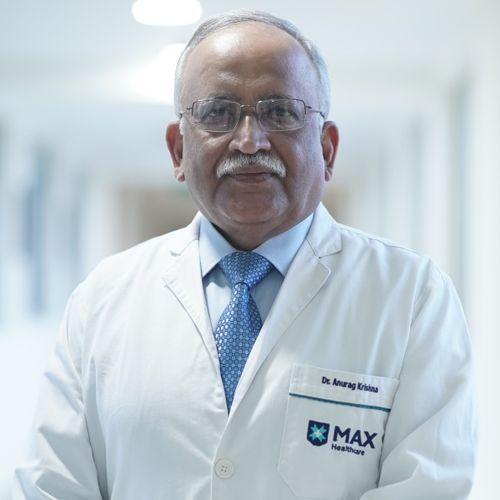
Dr. Anurag Krishna
Director & Head of Pediatric Services, Max Healthcare
Pediatric Surgery
New Delhi
30+ Years
Experience
Max Hospital,Gurgaon
Hospital
1500
Fees
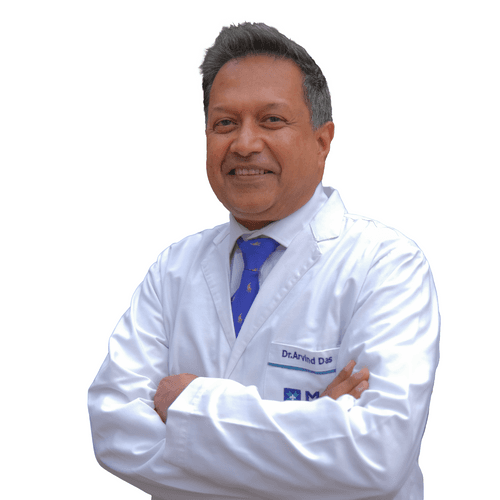
Dr. Arvind M Das
Senior Consultant
Orthopaedics
New Delhi
25+ Years
Experience
Apolo Delhi
Hospital
1500
Fees
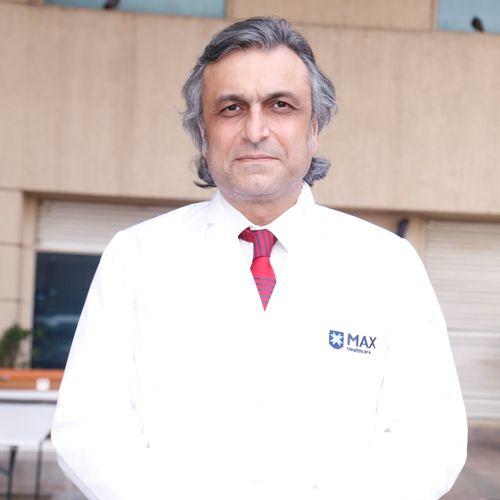
Dr. Ashish Gautam
Consultant
Orthopaedics
New Delhi
12+ Years
Experience
Apolo Delhi
Hospital
1500
Fees
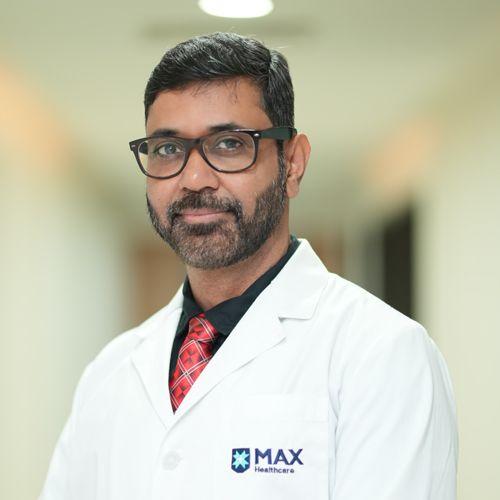
Dr. Ashish Rai
Director
Orthopaedics
New Delhi
18+ Years
Experience
Apolo Delhi
Hospital
1500
Fees
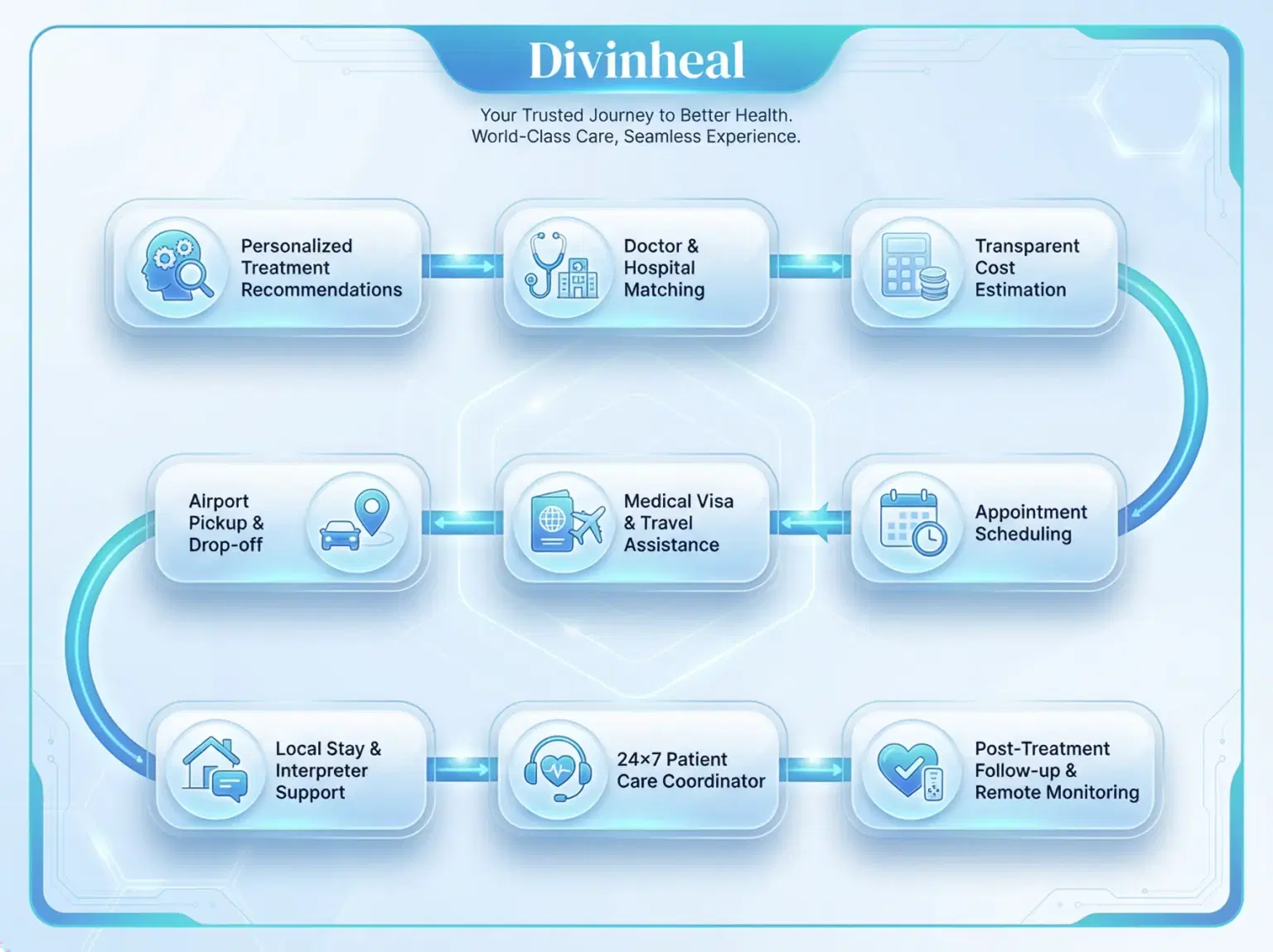
DivinHeal's Journey
Latest Articles





Hospitals Offering this treatment
India offers premium medical procedures at affordable prices. Discover our most popular treatments, delivered by the country's finest doctors.
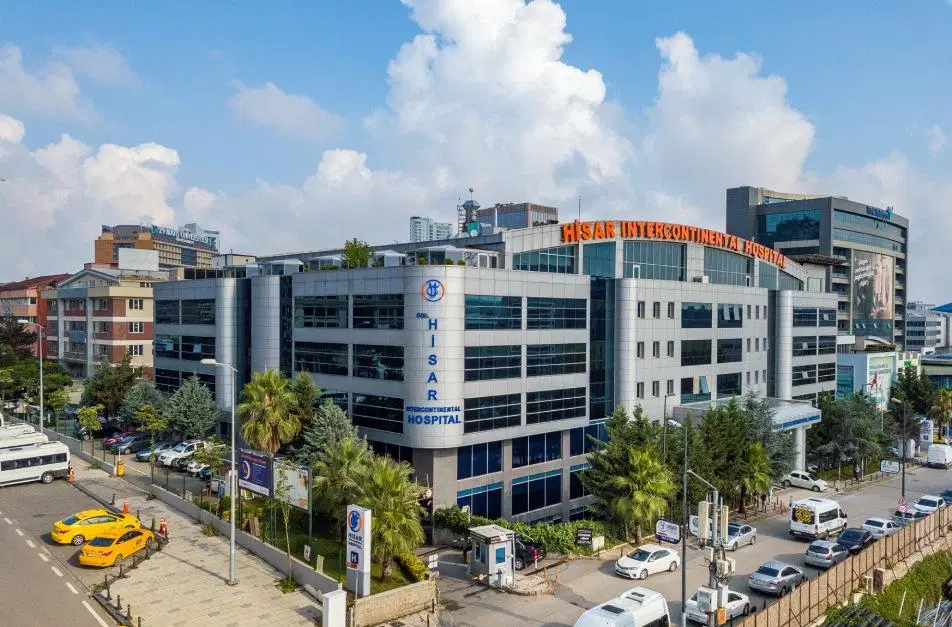
Hisar Intercontinental Hospital
Saray Mah. Siteyolu Cad. No:7, Umraniye, 34768, Istanbul, Turkey
Hisar Intercontinental Hospital
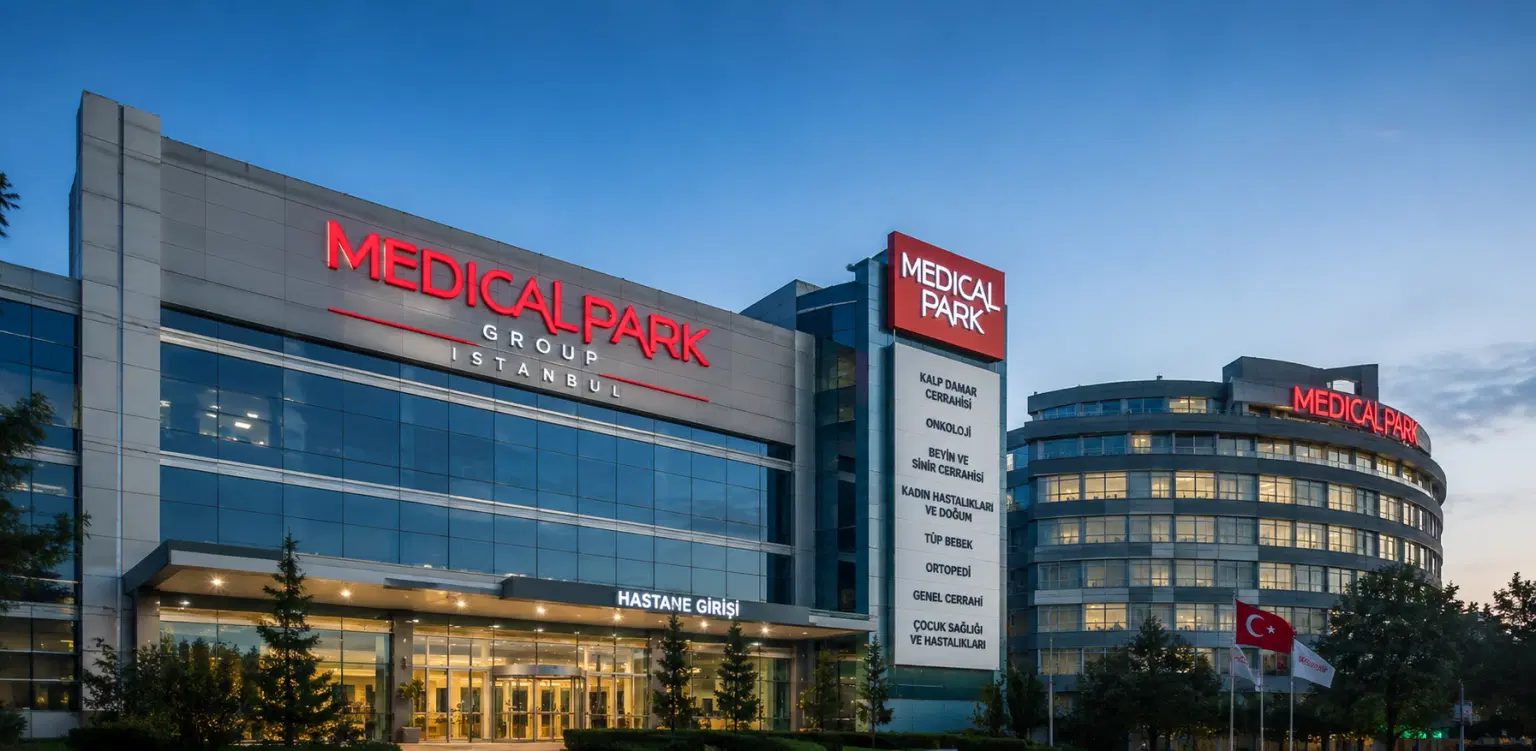
Medical Park Group, Istanbul
Fahrettin Kerim Gokay Cad. Tıbbiye Cd., Kadikoy, Istanbul, Turkey
Medical Park Group, Istanbul
Emsey Hospital, Pendik, Istanbul
Çamlık, Selçuklu Cd. No:22, 34912 Pendik/İstanbul, Türkiye
Emsey Hospital, Pendik, Istanbul
American Hospital, Istanbul
Guzelbahce Sk. No:20, 34365, Nisantasi, Istanbul, Turkey
American Hospital, Istanbul
Memorial Hospitals Group
Burhaniye, Nagehan Sokağı No:4/A D:1, 34676 Üsküdar/İstanbul, Türkiye
Memorial Hospitals Group
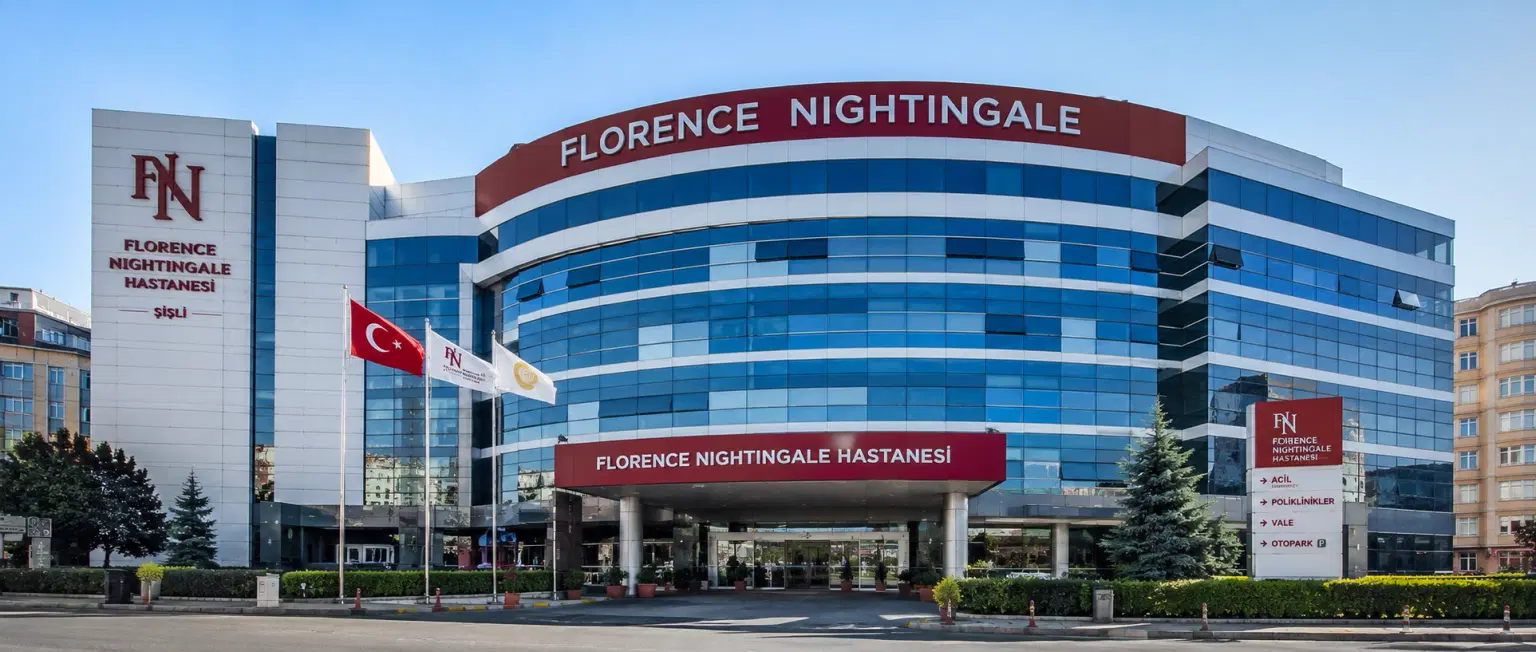
Florence Nightingale Hospital Istanbul
Abide-i Hürriyet Cd No:166, 34381 Sisli, Istanbul
Florence Nightingale Hospital Istanbul
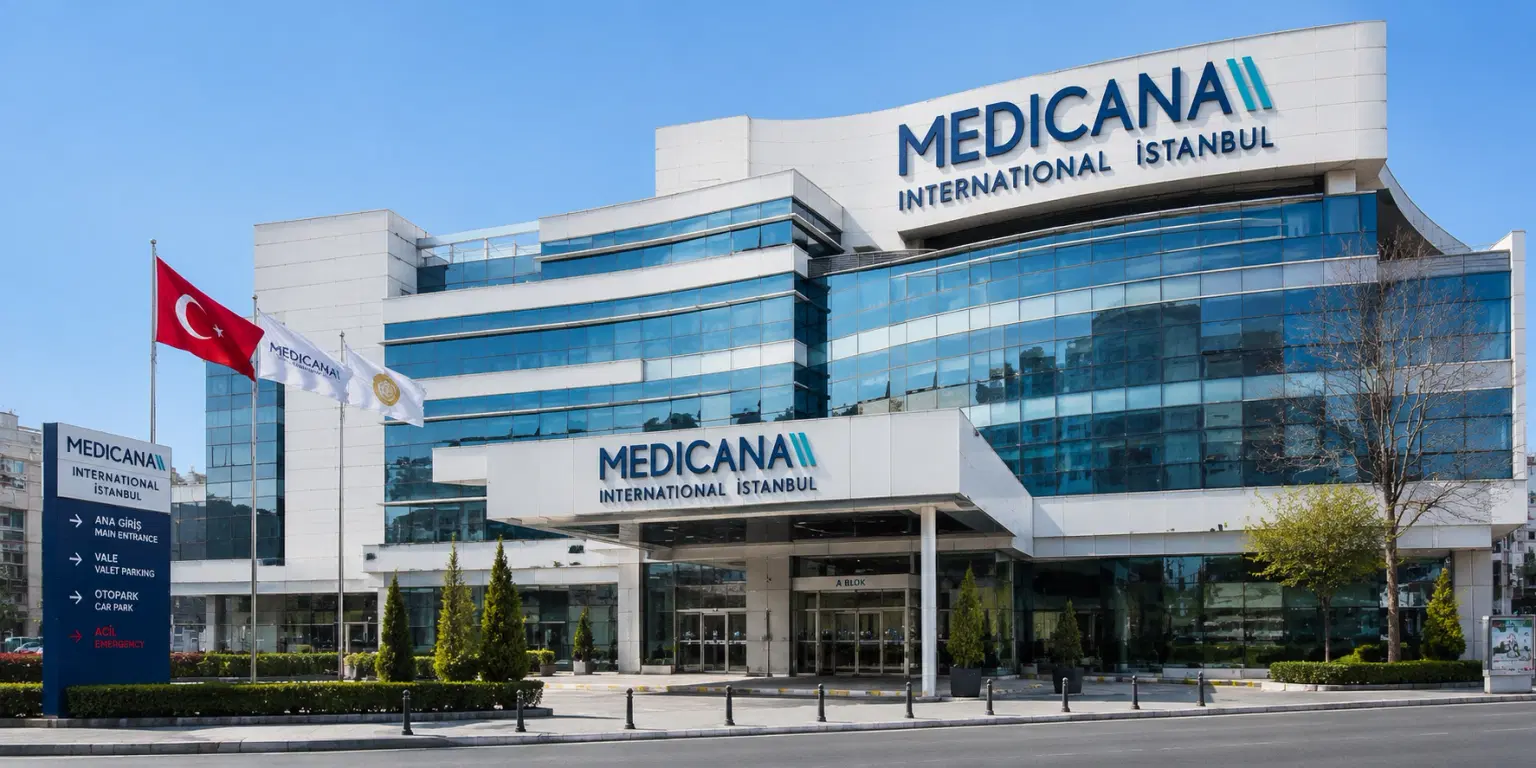
Medicana International Hospital, Istanbul
Halit Ziya Turkkani Mah. Medikal Park Cd. No:1, Beylikdüzü, İstanbul
Medicana International Hospital, Istanbul
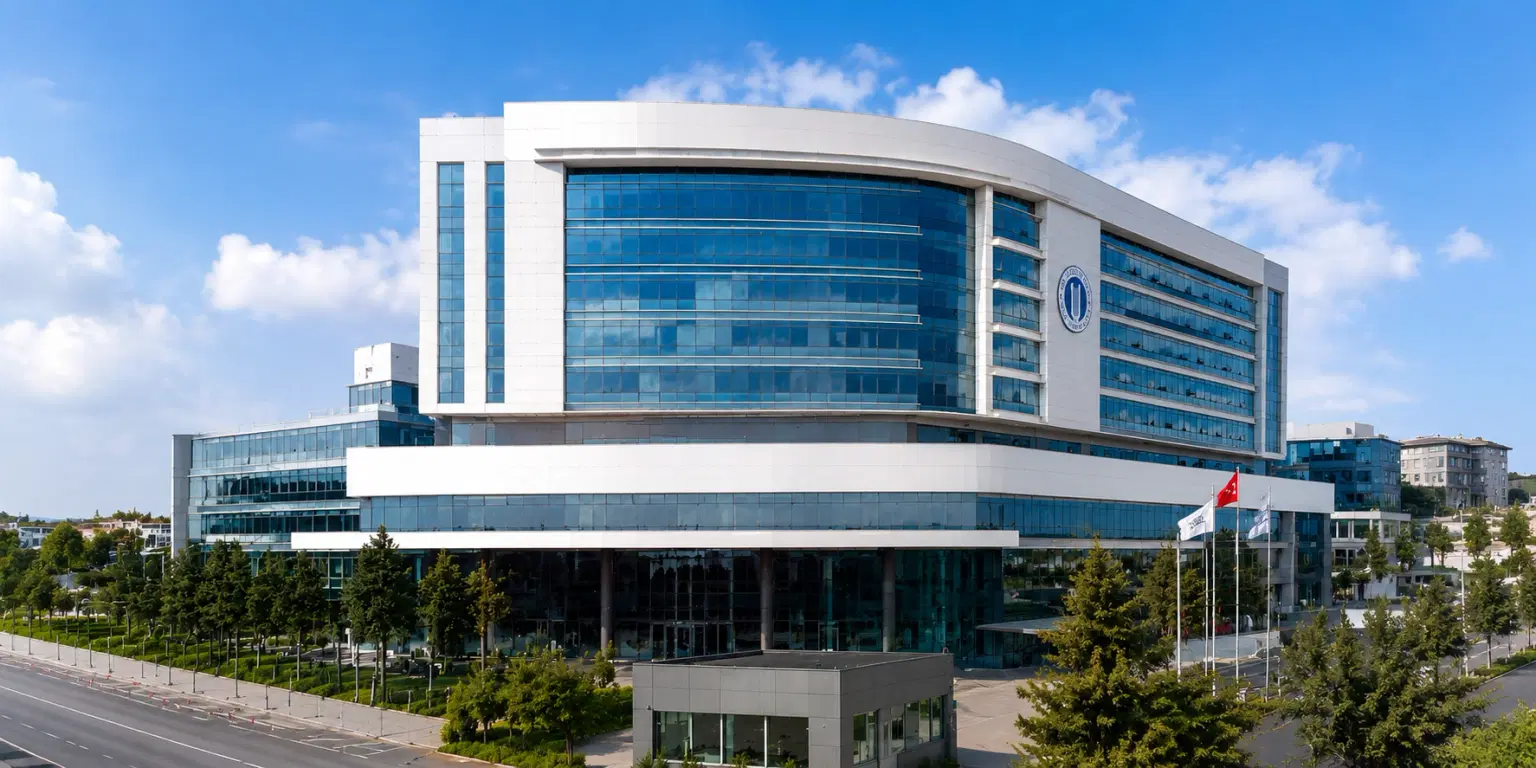
Okan University Hospital Istanbul
Icmeler Mah. Aydınlıyolu Cd. No:2, 34947 Icmeler-Tuzla, Istanbul
Okan University Hospital Istanbul
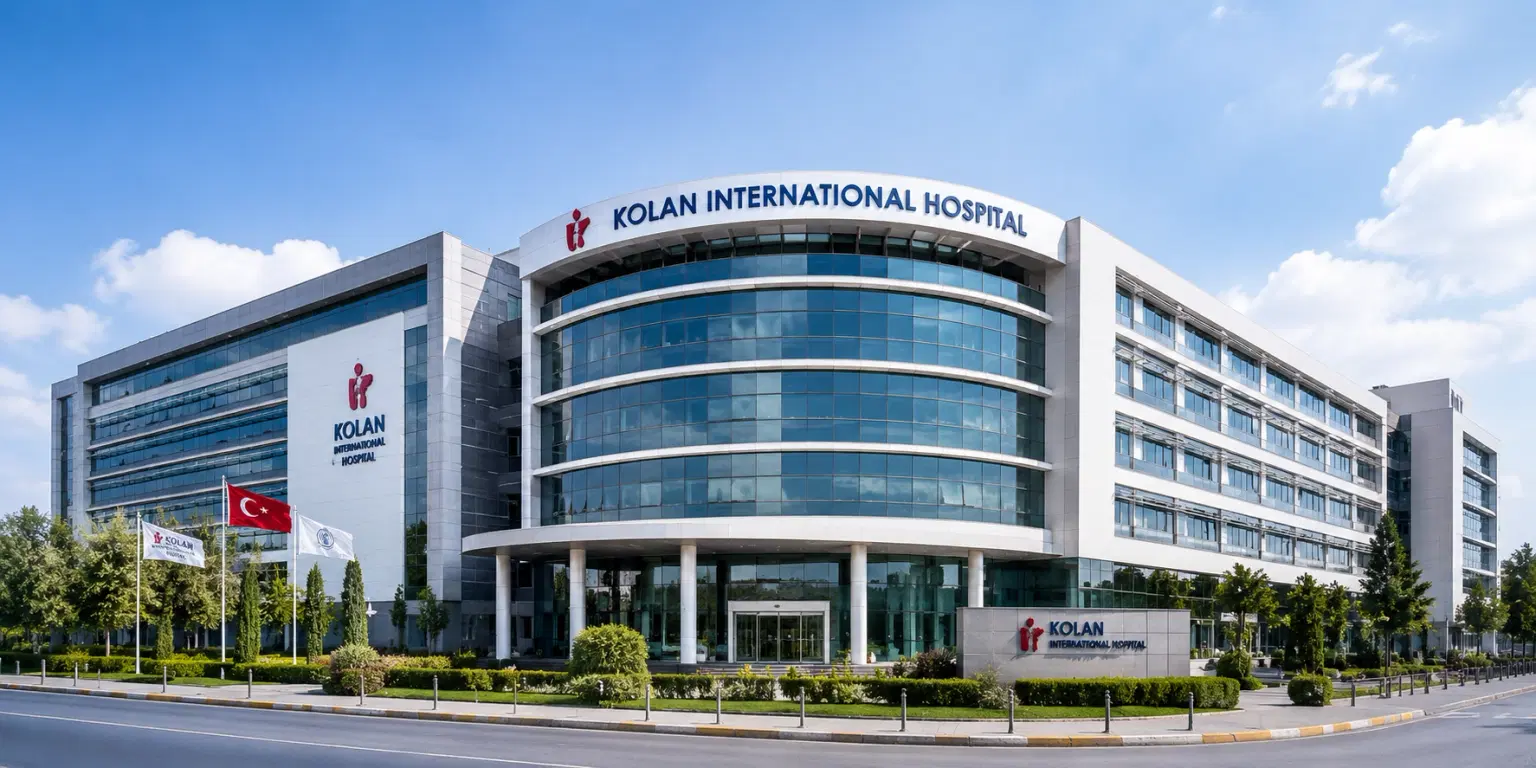
Kolan International Hospital, Istanbul
Kaptanpasa Mah. Okmeydan Kavsagi, Darulaceze Cd. No:14, 34384 Sisli, Istanbul
Kolan International Hospital, Istanbul
Frequently Asked Questions
Get answers to common questions about medical tourism, treatment procedures, and our comprehensive healthcare services.
Ready To Start Your Healing Journey?
Get Personalized Medical Treatment Options From India's Top Hospitals. Our Medical Experts Are Ready To Assist You Every Step Of The Way.