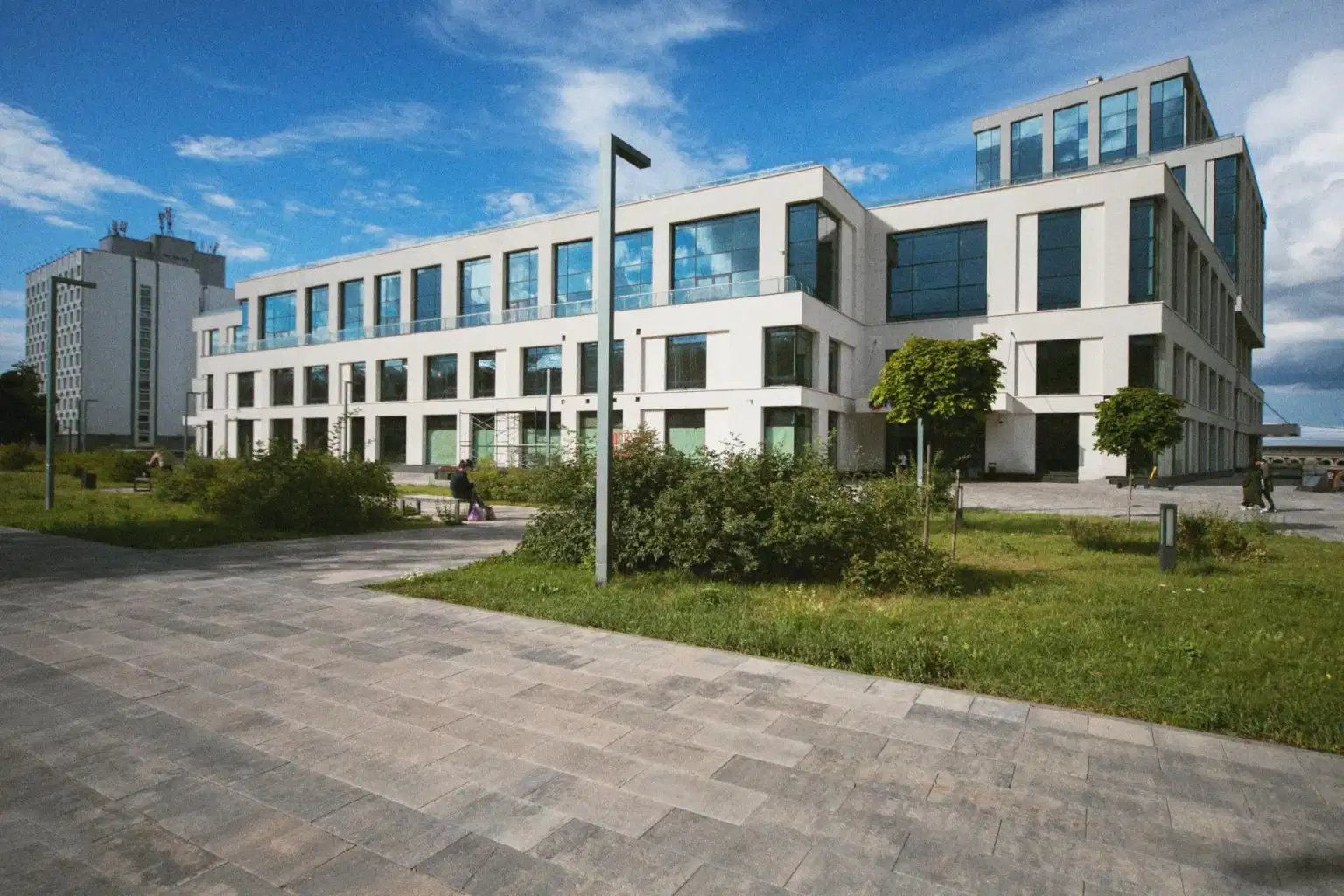
4D Ultrasound Treatment in Gurugram for Ethiopia
Need Personalized Advice?
Our medical experts are ready to answer your questions and guide you through your treatment options.
About
4D Ultrasound in Gurugram for Patients from Ethiopia | Costs & Care
Patients from Ethiopia seeking a 4D Ultrasound often look for clarity and comprehensive care. Understanding the process, costs, and quality of results is a primary concern, especially when considering medical care abroad.
Gurugram stands out as a preferred destination due to its advanced diagnostic centers and medical expertise. The city offers a well-coordinated healthcare environment, ensuring a smooth experience for international patients seeking specialized imaging.
Trust in Gurugram's medical infrastructure is built on its accredited hospitals and highly skilled radiologists specializing in ultrasound technology. Patients benefit from accessible follow-up appointments and integrated care pathways within the city.
Ready to explore the advanced 4D Ultrasound services Gurugram offers?
What Is a 4D Ultrasound?
A 4D ultrasound is an advanced medical imaging technique providing live, moving three-dimensional views of internal body structures. Unlike traditional 2D or static 3D images, 4D adds the dimension of time, creating a real-time video effect. Primarily known for its use in obstetrics to observe fetal development and movement, it offers crucial insights into well-being. This non-invasive procedure uses sound waves to create detailed images without radiation, also finding applications beyond pregnancy for dynamic visualization.
What Are the Applications of 4D Ultrasound?
4D Ultrasound technology is applied in various medical fields for real-time visualization:
- Obstetric Imaging: Provides live views of a developing fetus, monitoring growth, identifying potential anomalies, and assessing movements and features.
- Gynaecological Assessment: Used to dynamically visualize uterine fibroids, ovarian cysts, and other pelvic abnormalities with enhanced clarity.
- Cardiovascular Studies: Applied to examine the heart's function and blood flow in real-time, aiding in the diagnosis of congenital conditions.
- Urological Investigations: Useful for visualizing kidneys, bladder, and urinary tract structures, observing real-time function.
- Musculoskeletal Evaluation: In some cases, assesses joint movement and soft tissue structures dynamically.
When Is a 4D Ultrasound Recommended?
- To monitor fetal growth and development, particularly between the 26th and 32nd week of pregnancy.
- To confirm or rule out certain fetal anomalies, providing clearer views of organ structures.
- When there is a need to observe fetal movement, breathing patterns, and behavioral responses.
- For emotional bonding, allowing expectant parents to see the baby's face and movements.
- To assess complex gynaecological conditions where dynamic visualization of pelvic organs is beneficial.
- In cases requiring real-time evaluation of cardiac function or other internal organ movements.
How Do You Prepare for a 4D Ultrasound?
- Follow any specific dietary or fluid intake instructions given by the clinic; some scans may require a full bladder.
- Wear comfortable, loose-fitting clothing that allows easy access to the area being scanned.
- Bring any previous ultrasound reports or relevant medical records for the radiologist to review.
- Ensure you understand the purpose of the scan and ask any questions you may have before the procedure.
- Plan to arrive a little early to complete any necessary registration forms.
How Is a 4D Ultrasound Performed?
The procedure for a 4D Ultrasound is non-invasive and generally straightforward, depending on the area being examined.
Typically, the process involves these steps:
- Patient Positioning: You will be asked to lie comfortably on an examination table, exposing the area to be scanned.
- Gel Application: A clear, water-based gel is applied to the skin over the area. This helps the ultrasound transducer glide smoothly and ensures good sound wave transmission.
- Scanning: The sonographer or radiologist moves a small handheld device (transducer) over the gel-covered skin. This emits high-frequency sound waves.
- Image Generation: A computer processes these reflected sound waves to create live, moving 3D images on a screen, showing real-time movements.
- Duration: The scan typically lasts between 30 to 60 minutes, depending on the examination's complexity.
- Completion: Once sufficient images are captured, the gel is wiped off, and you can resume your normal activities immediately.
What Happens After a 4D Ultrasound?
As a non-invasive diagnostic procedure, there is no specific recovery time needed after a 4D Ultrasound. Patients can immediately resume their daily activities without any restrictions. The radiologist will review the captured images and generate a detailed report. This report is then shared with your referring doctor, who will discuss the findings with you. For obstetric scans, you may receive images or a short video recording as a keepsake. Follow-up care, if needed, will be determined by your doctor based on the ultrasound results.
Are There Any Risks or Limitations with 4D Ultrasound?
- No Known Harm: There are no known harmful effects to the patient or fetus from standard diagnostic ultrasound procedures when performed by trained professionals.
- Thermal and Cavitation Effects: While extremely rare and typically only a concern with prolonged exposure at very high intensities (far beyond diagnostic levels), sound waves can theoretically cause slight tissue heating or tiny bubbles. Protocols ensure safety margins are maintained.
- Misinterpretation: As with any diagnostic tool, the accuracy relies on the skill of the sonographer and radiologist. In rare cases, findings might be misinterpreted or subtle issues missed.
4D ultrasound is generally considered very safe and poses minimal risks due to its non-invasive nature and use of sound waves instead of radiation:
The "success" of a 4D ultrasound is typically measured by its ability to provide clear, diagnostic quality images that accurately reflect the internal structures and their real-time movements. For fetal imaging, success means obtaining comprehensive views for medical assessment and allowing parents a bonding experience. Advanced centers in Gurugram achieve high rates of successful imaging due to modern technology and experienced specialists, providing valuable information for clinical decision-making and parental peace of mind.
What Is the Cost of 4D Ultrasound in Gurugram?
The cost of a 4D Ultrasound in Gurugram can vary based on several factors, including the specific clinic or hospital, the expertise of the radiologist, the trimester of pregnancy (for obstetric scans), and any additional assessments required. The technology used and the comprehensiveness of the report also influence the final price.
In Gurugram, the average cost for a 4D Ultrasound typically ranges from INR 3,000 to INR 8,000.
Comparing 4D Ultrasound Costs: Gurugram vs. Global Averages
Gurugram offers a highly competitive cost for 4D Ultrasound, making advanced diagnostics accessible without compromising on quality. Here’s a comparison of average costs:
| Location | Average Cost (USD) |
|---|---|
| Gurugram, India | $40 - $100 |
| United States | $200 - $500 |
| United Kingdom | $150 - $400 |
| Thailand | $80 - $250 |
| South Africa | $100 - $300 |
Considering a 4D Ultrasound in Gurugram?
Connect with our patient care team to get detailed information about hospitals, specialist availability, and personalized cost estimates for your specific needs.
Request a Free Consultation
Support Services for Your Gurugram Visit
- Dedicated patient coordinator to assist with all logistics, from initial inquiry to post-scan support.
- Assistance with hospital selection, appointment scheduling, and communication with radiologists.
- Guidance on visa applications, travel arrangements, and accommodation options in Gurugram.
- Airport transfers and local transportation assistance to ensure comfortable movement within the city.
- Language interpretation services to facilitate clear communication between patients and medical staff.
- Post-scan follow-up and coordination of reports with your referring physician back home.
What to Carry for Your Medical Journey
- Valid passport and visa for entry into India.
- Copies of all previous medical records, including any earlier ultrasound reports, doctor's referrals, and current medications.
- A referral letter from your local physician stating the necessity for a 4D Ultrasound.
- Proof of accommodation and return travel tickets.
- Financial documents or proof of funds for your treatment and stay.
Preparing for Your Scan in Gurugram
- Receive a pre-arrival checklist from your patient coordinator covering all necessary preparations.
- Confirm your appointment schedule and any specific instructions from the imaging center.
- Ensure you have all required documents organized and easily accessible.
- Familiarize yourself with the local Gurugram area for convenience once you arrive.
- Discuss any concerns or questions about the procedure with your coordinator or the medical team beforehand.
After Your 4D Ultrasound Care
- Your detailed ultrasound report will be provided to you and shared with your referring doctor.
- Medical staff will explain the findings and answer any immediate questions you may have.
- Assistance will be provided for any necessary follow-up appointments or consultations.
- Receive guidance on safe travel back to Ethiopia, especially if you are in the later stages of pregnancy.
- Our team remains available for any post-procedure queries or support you might need.
Ready to Schedule Your 4D Ultrasound?
Our dedicated coordinators are here to assist you with everything from appointment booking to travel arrangements and local support in Gurugram.
Contact Us Today
Take Your Next Step Toward Clarity
We are committed to providing patients from Ethiopia with exceptional 4D Ultrasound services and a supportive, seamless medical journey in Gurugram.
Hospitals Offering this treatment
India offers premium medical procedures at affordable prices. Discover our most popular treatments, delivered by the country's finest doctors.
Meet Our Doctors
Meet our team of highly qualified and experienced medical professionals dedicated to providing the best healthcare services.
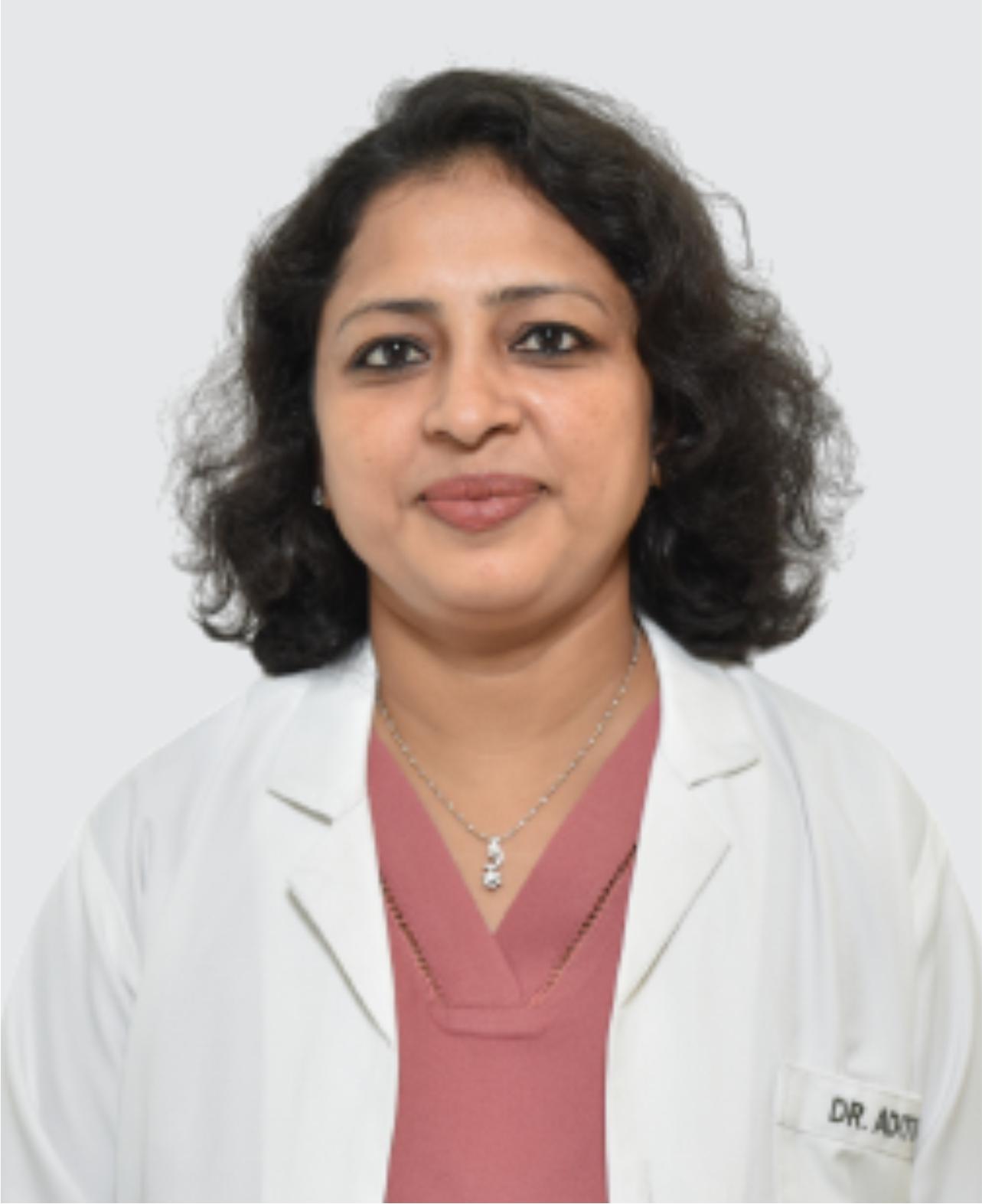
Dr Aditi Dixit
Sr. Consultant – Women Imaging
Radiology
New Delhi
15+ Years
Experience
Artemis Hospital
Hospital
1500
Fees

Dr Chandrima Misra M
Co-Head Psychological Services
Mental Health and Behavioural Sciences
New Delhi
15+ Years
Experience
Artemis Hospital
Hospital
1500
Fees

Dr. Nutan Agarwal
Head of Department - Gynae Endocrinology & DNB Program Director - Obs & Gynae
Gynaecological Endocrinology, Maternity, Obstetrics & Gynaecology
New Delhi
35+ Years
Experience
Artemis Hospital
Hospital
1500
Fees

Dr. Poonam Gautam
Senior Consultant - ENT
ENT and Head & Neck Surgery
New Delhi
24+ Years
Experience
Artemis Hospital
Hospital
1500
Fees
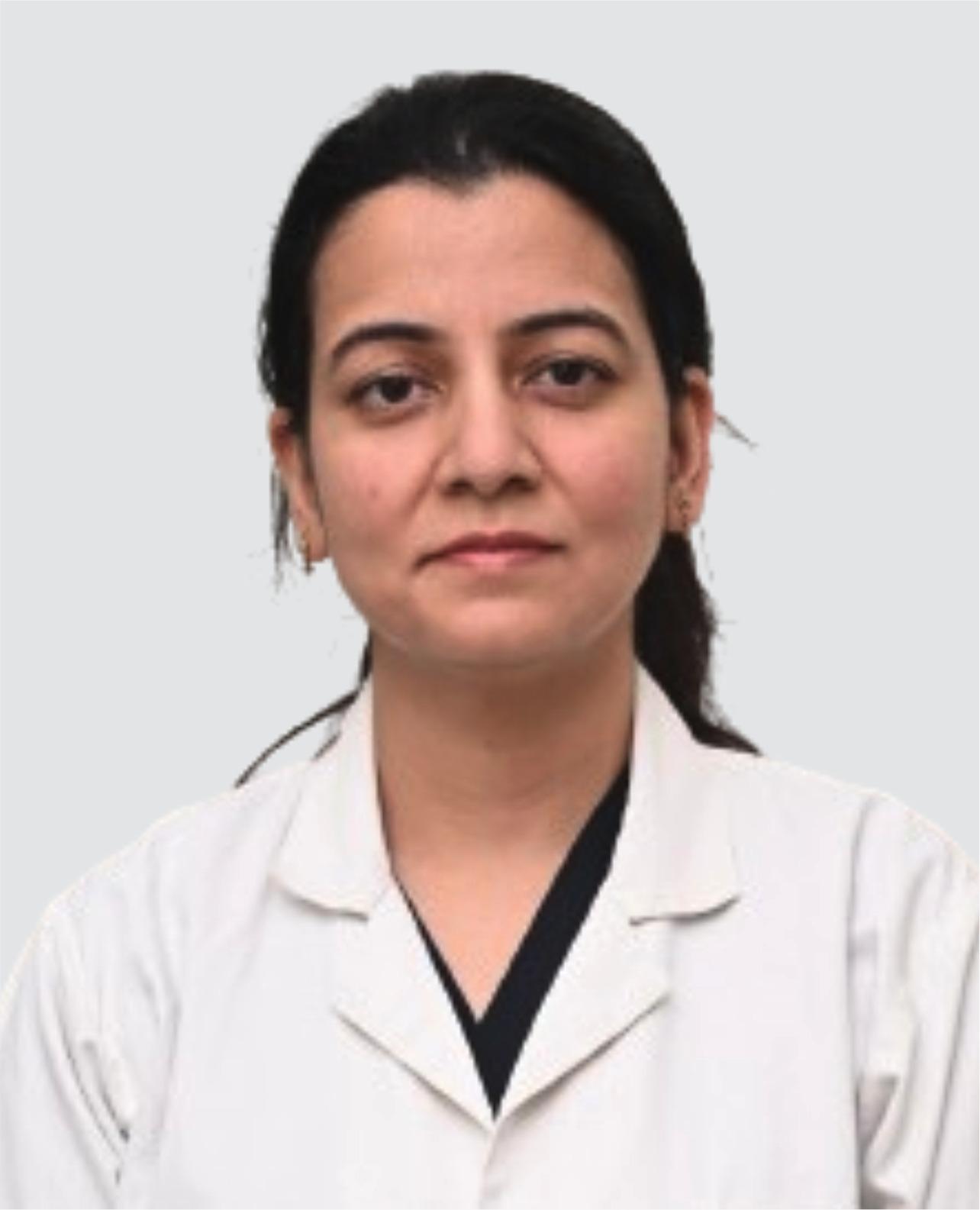
Dr. Priyanka Raina
Consultant (Head & Neck Surgery) - Surgical Oncology
Head and Neck Surgical Oncology
New Delhi
10+ Years
Experience
Artemis Hospital
Hospital
1500
Fees
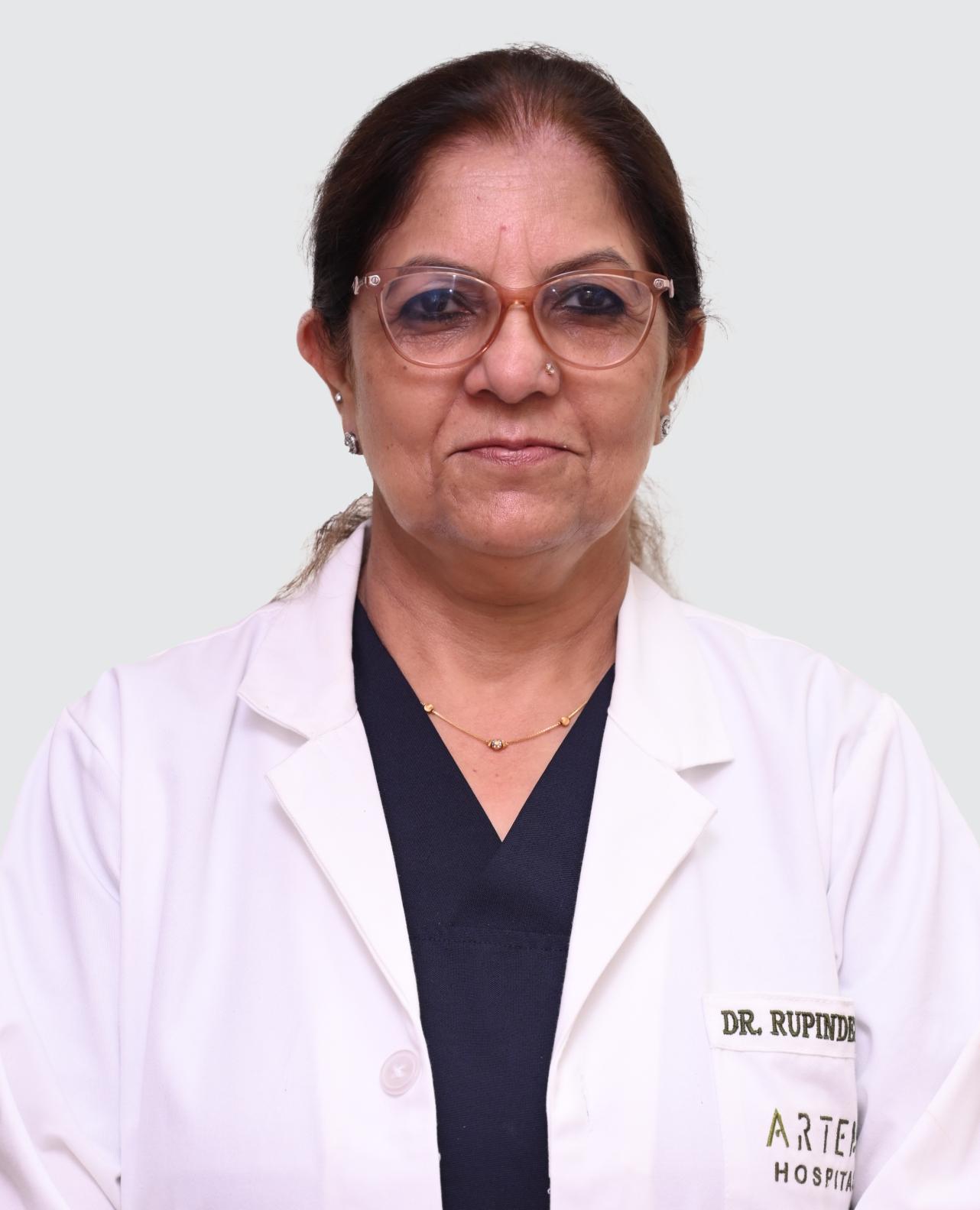
Dr. Rupinder Sekhon
Chairperson - Gynae Oncology
Gynaecological Oncology
New Delhi
16+ Years
Experience
Artemis Hospital
Hospital
1500
Fees
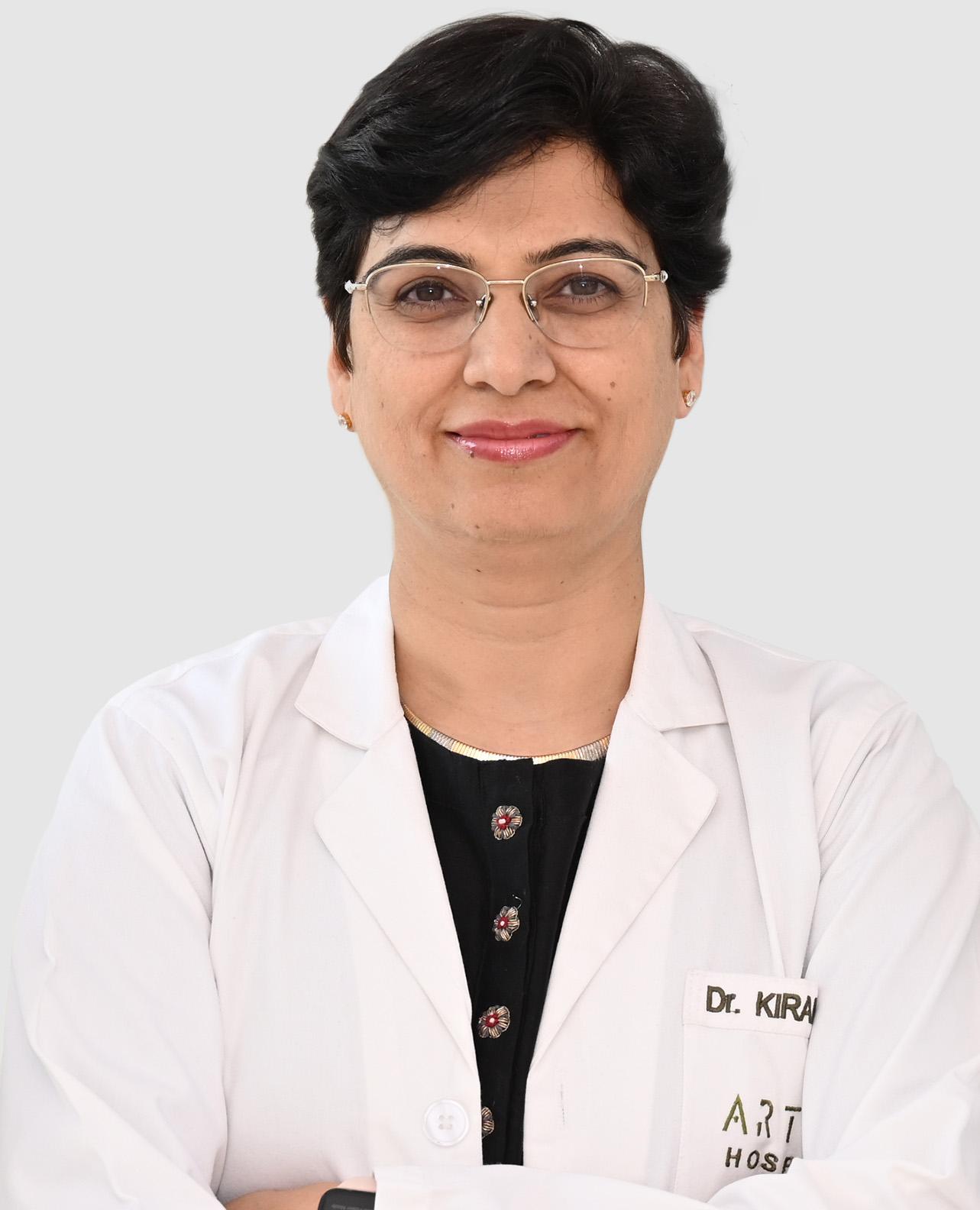
Dr. Kiran Arora
Unit Head - Reproductive Medicine (Unit II)
IVF, Reproductive Medicine, Obstetrics & Gynecology
New Delhi
20+ Years
Experience
Artemis Hospital
Hospital
1500
Fees
Nidhi Jain
Sr. Consultant - Obs & Gynae
Maternity, Obstetrics & Gynaecology
New Delhi
15+ Years
Experience
Artemis Hospital
Hospital
1500
Fees

Dr. Nidhi Rajotia
Unit Head - Obs & Gynae
Maternity, Obstetrics & Gynaecology
New Delhi
19+ Years
Experience
Artemis Hospital
Hospital
1500
Fees
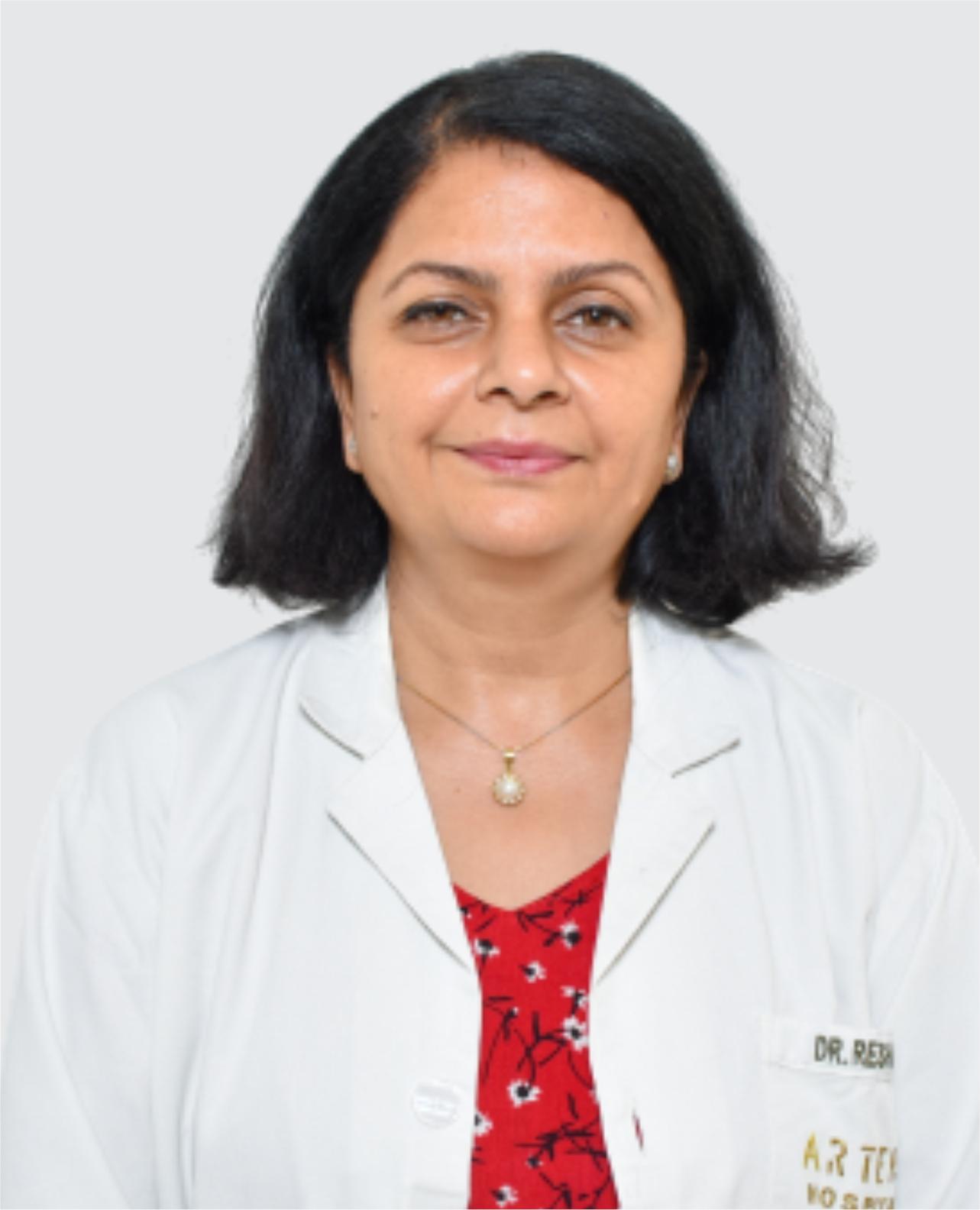
Dr. Reshma Tewari
Director
Obstetrics and Gynaecology
New Delhi
19+ Years
Experience
Artemis Hospital
Hospital
1500
Fees
Related Links
Other Treatment related Information
Ready To Start Your Healing Journey?
Get Personalized Medical Treatment Options From India's Top Hospitals. Our Medical Experts Are Ready To Assist You Every Step Of The Way.