4D Ultrasound Treatment in Hyderabad for Ethiopia
Need Personalized Advice?
Our medical experts are ready to answer your questions and guide you through your treatment options.
About
4D Ultrasound in Hyderabad for Ethiopian Patients | Cost & Care
Ethiopian patients often face difficult choices when seeking advanced medical imaging. Concerns about accessing high-quality 4D Ultrasound, managing costs, and finding expert care can lead to uncertainty. Understanding your options for precise diagnostic services is an important first step.
Many international patients, including those from Ethiopia, are now choosing Hyderabad for their medical needs. This city offers a unique blend of modern healthcare infrastructure and experienced specialists. Hyderabad’s medical environment is well-suited for coordinating comprehensive diagnostic and follow-up care.
Trust in Hyderabad's medical institutions for 4D Ultrasound is built upon a foundation of advanced technology and highly skilled radiologists. The city’s hospitals are equipped to provide detailed imaging and reports, ensuring a smooth process for international visitors. Ease of follow-ups and integrated care are key benefits.
Is Hyderabad the right destination for your 4D Ultrasound imaging needs?
What is a 4D Ultrasound?
A 4D ultrasound is an advanced imaging technique that goes beyond traditional 2D and 3D ultrasounds. While a 2D ultrasound provides flat, black and white images, and a 3D ultrasound creates still, three-dimensional pictures, a 4D ultrasound adds the dimension of time. This means it produces a live, moving video of the internal structures, often showing the baby in the womb or blood flow within organs in real-time. It works by sending high-frequency sound waves through the body, which then echo back to create detailed images. This technology is primarily used for prenatal care, allowing parents and medical professionals to see the baby's movements, facial expressions, and development in much greater detail. It helps in assessing fetal well-being, detecting potential anomalies, and providing a clearer picture of the baby's health and growth. Beyond pregnancy, 4D ultrasound can also be utilized for evaluating certain organ functions by observing real-time motion.
Types of 4D Ultrasound Applications
While 4D ultrasound is a specific technology, its application varies depending on the medical need:
- Fetal Anomaly Screening: Used to detect potential structural or developmental abnormalities in the baby during pregnancy, offering a clearer view than 2D scans.
- Fetal Movement Assessment: Allows real-time observation of the baby's movements, breathing patterns, and facial expressions, contributing to a comprehensive well-being check.
- Cardiac Assessment: In some specialized cases, it can help visualize the fetal heart's chambers and blood flow in motion, aiding in early detection of cardiac issues.
- Placental and Umbilical Cord Evaluation: Provides dynamic views for assessing the health and position of the placenta and the umbilical cord's blood flow.
- Organ Blood Flow Studies: Applied in non-obstetric contexts to visualize blood flow within certain organs or vessels for diagnostic purposes.
When is a 4D Ultrasound Required?
- Monitoring fetal growth and development in the second or third trimester.
- Assessing fetal well-being and activity.
- Suspected fetal anomalies or genetic conditions based on earlier screenings.
- To confirm the presence of certain conditions identified in 2D scans.
- For parents who wish to visualize their baby's real-time movements and features.
- As part of a comprehensive prenatal diagnostic workup.
Pre-Imaging Evaluation for 4D Ultrasound
- Medical History Review: Discussion of previous pregnancies, health conditions, and any concerns.
- Previous Ultrasound Reports: Review of earlier 2D scans or other imaging results.
- Clinical Consultation: A brief discussion with the sonographer or radiologist about the purpose of the scan.
- Patient Education: Explanation of the procedure and what to expect during the scan.
- Hydration Instructions: Often, patients are advised to have a full bladder for optimal imaging, especially in early pregnancy.
How a 4D Ultrasound is Performed
The 4D ultrasound procedure is straightforward and non-invasive, primarily depending on the body area being examined.
The Imaging Process
The patient lies comfortably on an examination table. A clear gel is applied to the skin over the area to be scanned, which helps the ultrasound transducer glide smoothly and transmits sound waves efficiently. The sonographer moves the transducer across the skin. The transducer emits sound waves that bounce off internal structures, and a computer processes these echoes into real-time, moving three-dimensional images. During a fetal 4D ultrasound, the sonographer will adjust the probe to capture different views of the baby, focusing on various organs, limbs, and facial features. The entire process typically takes about 30 to 60 minutes. Patients can often observe the live images on a monitor during the scan.
Recovery Process After a 4D Ultrasound
There is no recovery period after a 4D ultrasound. It is a non-invasive procedure, and patients can immediately resume their normal daily activities. The gel is wiped off, and you may be asked to empty your bladder if it was full. The radiologist or sonographer will provide preliminary observations, and a detailed report will be generated shortly thereafter. Follow-up instructions will depend on the findings of the ultrasound and your doctor's recommendations. You will typically discuss the results with your referring physician for further guidance.
Risks and Success Rates of 4D Ultrasound
- No Known Harm: Ultrasound technology is considered very safe for both the mother and baby, with no known risks from the sound waves.
- Limited Views: Sometimes, the baby's position or maternal body habitus might make obtaining clear images challenging.
- Misinterpretation Risk: Like all diagnostic tests, there is a small risk of misinterpreting findings, requiring further evaluation.
- Not a Diagnostic Tool: While highly detailed, 4D ultrasound is often a screening tool. Definitive diagnosis of certain conditions may require other tests.
The success rate of a 4D ultrasound in providing clear, interpretable images is very high, especially when performed by experienced sonographers using modern equipment. The ability to visualize the baby's movements and detailed anatomy in real-time offers significant value in prenatal care. Outcomes depend heavily on factors like fetal position, gestational age, and the expertise of the imaging team. Long-term expectations are primarily about gaining valuable information for prenatal care and parental reassurance, rather than a "cure."
Considering a 4D Ultrasound in Hyderabad?
Our team can assist Ethiopian patients with scheduling, hospital information, and cost estimates. Reach out today for personalized guidance.
Cost of 4D Ultrasound in Hyderabad
The cost of a 4D ultrasound in Hyderabad can vary based on several factors, including the hospital or diagnostic center chosen, the expertise of the radiologist, the specific purpose of the scan (e.g., general screening versus detailed anomaly scan), and any additional services included. Generally, Hyderabad offers highly competitive pricing compared to many Western countries, without compromising on quality or technology.
A 4D ultrasound in Hyderabad typically ranges from INR 3,000 to INR 7,000.
Hyderabad 4D Ultrasound Cost Comparison
Patients from Ethiopia will find the costs for 4D Ultrasound in Hyderabad significantly more affordable while maintaining international standards of care. Here’s a comparison with global costs:
| Location | Estimated 4D Ultrasound Cost (USD) |
|---|---|
| Hyderabad, India | $35 - $85 |
| United States | $200 - $500 |
| United Kingdom | $150 - $400 |
| Singapore | $180 - $450 |
| South Africa | $100 - $250 |
Assistance Available for International Patients
- Visa and Travel Support: Guidance on obtaining medical visas and travel arrangements.
- Hospital and Specialist Selection: Help in choosing the best diagnostic center or hospital in Hyderabad.
- Accommodation Assistance: Support with finding suitable lodging during your stay.
- Language Interpretation: Access to interpreters for effective communication.
- Local Transportation: Arrangement for airport transfers and local commutes.
- Follow-up Coordination: Scheduling of follow-up appointments and report collection.
Important Medical Documents for Your Visit
- Passport and Visa: Valid travel documents for entering India for medical purposes.
- Referral Letter: A letter from your local physician outlining the need for a 4D ultrasound.
- Previous Medical Records: Any prior ultrasound reports, medical history, or relevant test results.
- Appointment Confirmation: Details of your scheduled 4D ultrasound appointment in Hyderabad.
- Financial Proof: Documentation related to payment for the medical procedure.
Preparing for Your 4D Ultrasound Scan
- Consult with Your Doctor: Discuss your symptoms and the need for a 4D ultrasound with your local physician.
- Gather Medical Records: Collect all pertinent medical documents and previous imaging reports.
- Confirm Appointment Details: Verify the date, time, and location of your scan.
- Follow Hydration Advice: If instructed, ensure you have a full bladder for the examination.
- Plan Travel and Stay: Arrange your travel to Hyderabad and secure suitable accommodation.
- Communicate Needs: Inform the international patient services team of any specific requirements.
Receiving and Understanding Your Results
- Report Collection: You will be informed when your detailed 4D ultrasound report is ready for collection.
- Radiologist Review: Opportunity to discuss the findings briefly with the performing radiologist.
- Physician Consultation: Schedule a follow-up with your referring doctor to interpret the results in context of your health.
- Post-Scan Guidance: Receive any specific instructions if further tests or actions are recommended.
- Safe Travel Home: Prepare for your return journey with all necessary medical documentation.
Ready to Plan Your Diagnostic Journey to Hyderabad?
Our dedicated patient support team is ready to help Ethiopian patients every step of the way, ensuring a smooth and stress-free experience for your 4D ultrasound.
Start Your Path to Clearer Understanding Today
Making informed health decisions is vital. Hyderabad offers an excellent choice for advanced 4D ultrasound imaging, combining affordability with world-class medical expertise.
Hospitals Offering this treatment
India offers premium medical procedures at affordable prices. Discover our most popular treatments, delivered by the country's finest doctors.
Meet Our Doctors
Meet our team of highly qualified and experienced medical professionals dedicated to providing the best healthcare services.
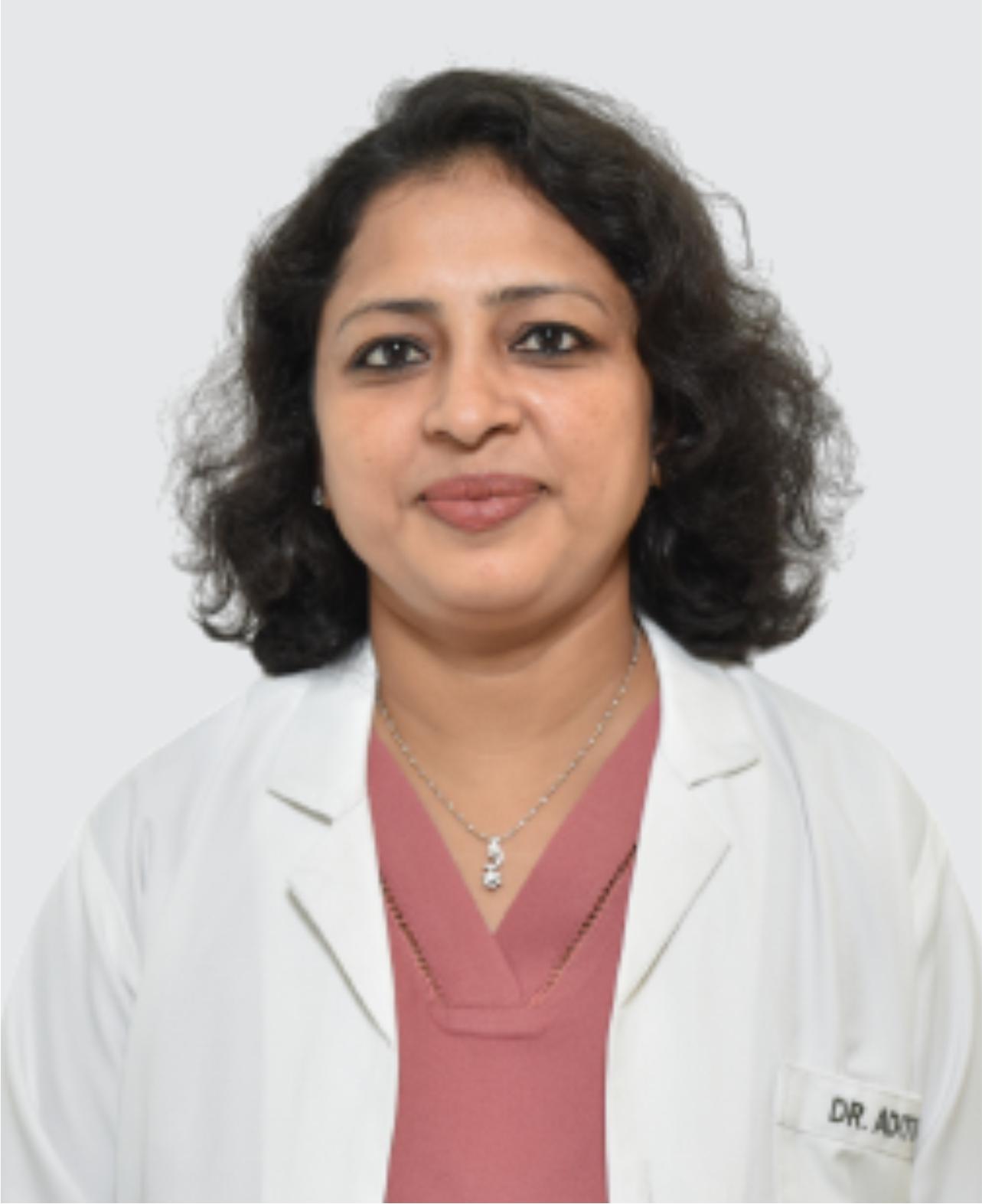
Dr Aditi Dixit
Sr. Consultant – Women Imaging
Radiology
New Delhi
15+ Years
Experience
Artemis Hospital
Hospital
1500
Fees

Dr Chandrima Misra M
Co-Head Psychological Services
Mental Health and Behavioural Sciences
New Delhi
15+ Years
Experience
Artemis Hospital
Hospital
1500
Fees
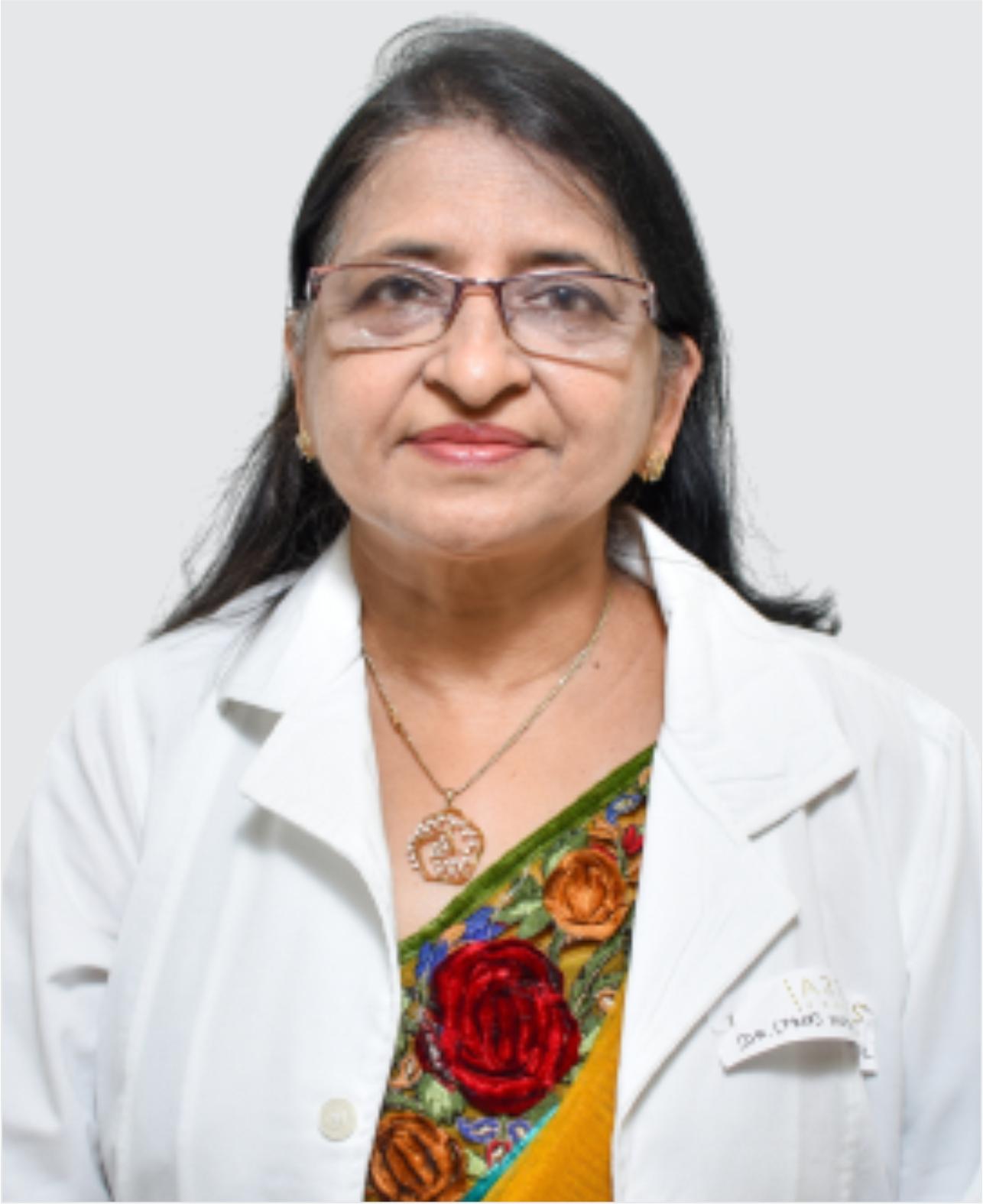
Dr. Nutan Agarwal
Head of Department - Gynae Endocrinology & DNB Program Director - Obs & Gynae
Gynaecological Endocrinology, Maternity, Obstetrics & Gynaecology
New Delhi
35+ Years
Experience
Artemis Hospital
Hospital
1500
Fees

Dr. Poonam Gautam
Senior Consultant - ENT
ENT and Head & Neck Surgery
New Delhi
24+ Years
Experience
Artemis Hospital
Hospital
1500
Fees
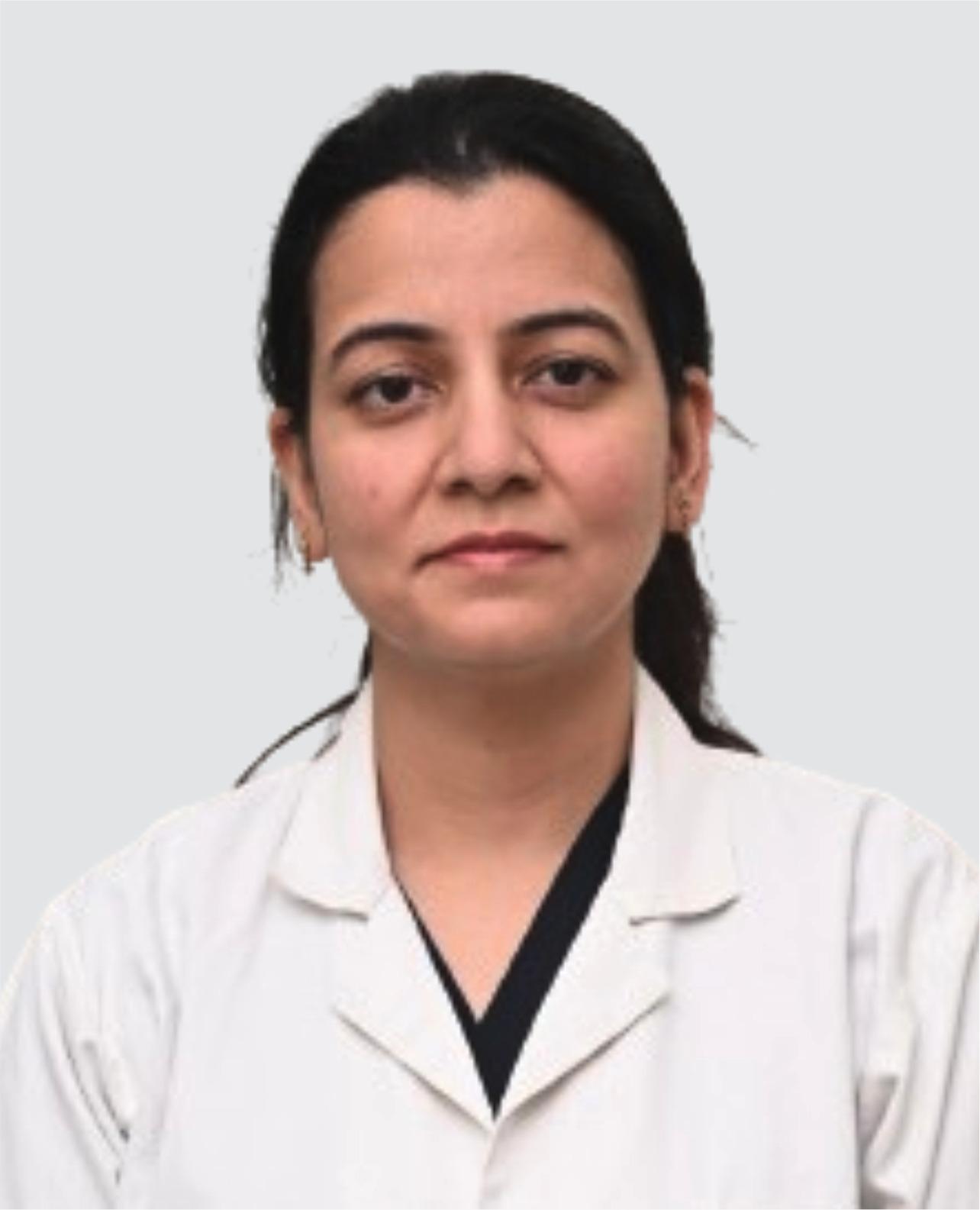
Dr. Priyanka Raina
Consultant (Head & Neck Surgery) - Surgical Oncology
Head and Neck Surgical Oncology
New Delhi
10+ Years
Experience
Artemis Hospital
Hospital
1500
Fees
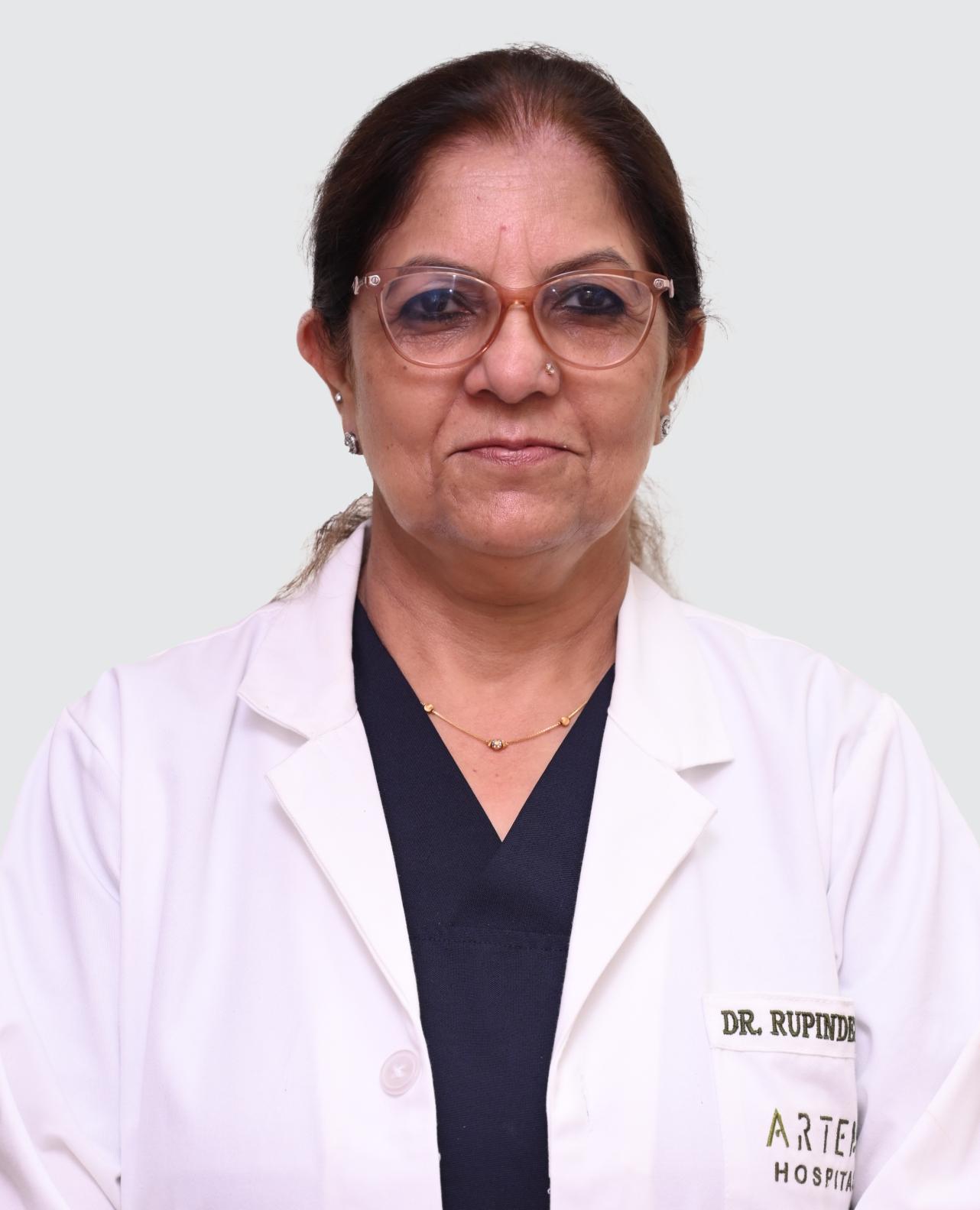
Dr. Rupinder Sekhon
Chairperson - Gynae Oncology
Gynaecological Oncology
New Delhi
16+ Years
Experience
Artemis Hospital
Hospital
1500
Fees

Dr. Kiran Arora
Unit Head - Reproductive Medicine (Unit II)
IVF, Reproductive Medicine, Obstetrics & Gynecology
New Delhi
20+ Years
Experience
Artemis Hospital
Hospital
1500
Fees
Nidhi Jain
Sr. Consultant - Obs & Gynae
Maternity, Obstetrics & Gynaecology
New Delhi
15+ Years
Experience
Artemis Hospital
Hospital
1500
Fees

Dr. Nidhi Rajotia
Unit Head - Obs & Gynae
Maternity, Obstetrics & Gynaecology
New Delhi
19+ Years
Experience
Artemis Hospital
Hospital
1500
Fees
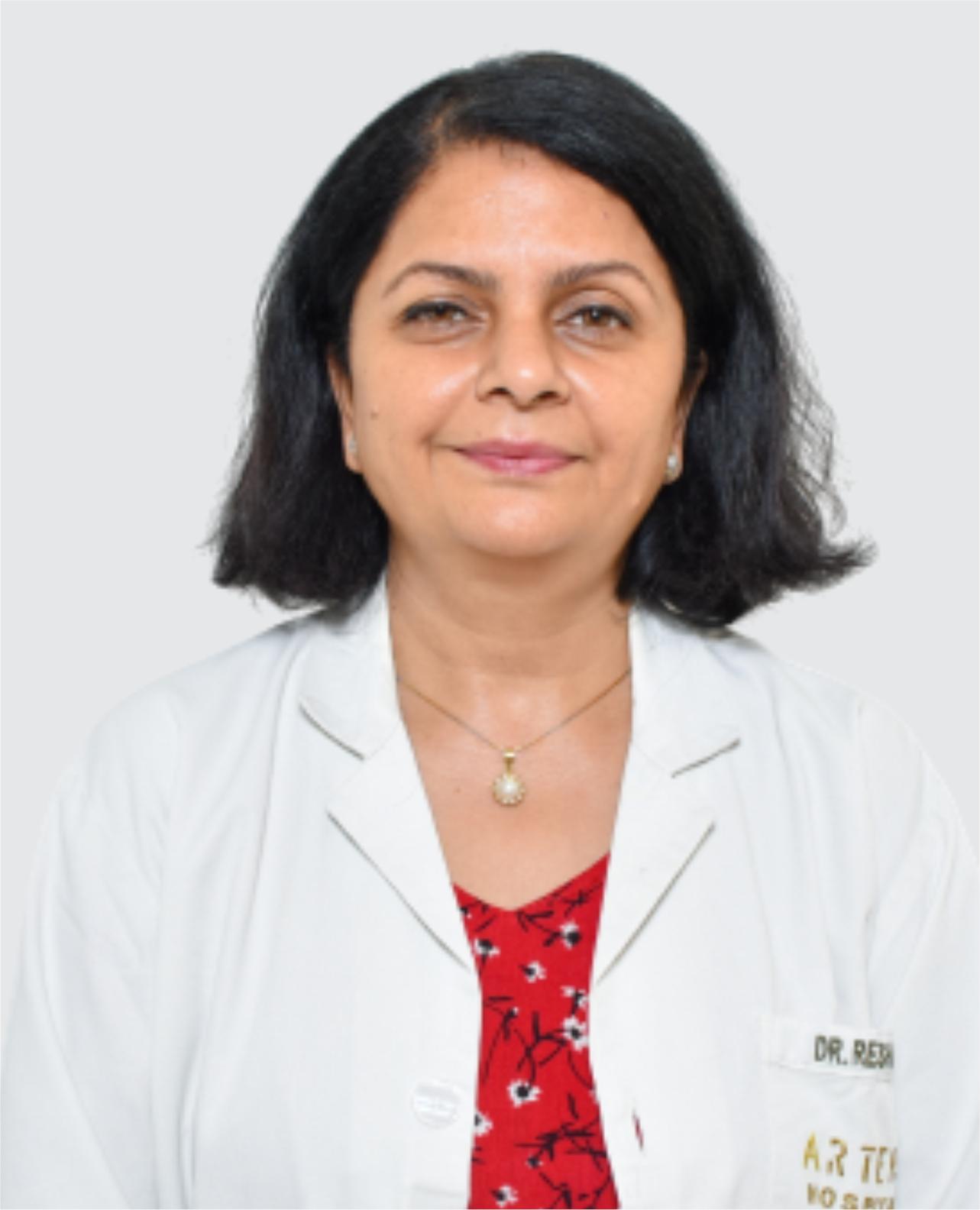
Dr. Reshma Tewari
Director
Obstetrics and Gynaecology
New Delhi
19+ Years
Experience
Artemis Hospital
Hospital
1500
Fees
Related Links
Other Treatment related Information
- 4D Ultrasound cost in Mumbai
- 4D Ultrasound cost in Chennai
- 4D Ultrasound cost in India
- 4D Ultrasound cost in Pune
- 4D Ultrasound cost in Bengaluru
- 4D Ultrasound cost in Haryana
- 4D Ultrasound cost in Hyderabad
- 4D Ultrasound cost in New Delhi
- 4D Ultrasound Success Rate in Haryana
- 4D Ultrasound Success Rate in Mumbai
- 4D Ultrasound Success Rate in New Delhi
- 4D Ultrasound Success Rate in Pune
- 4D Ultrasound Success Rate in India
- 4D Ultrasound Success Rate in Hyderabad
- 4D Ultrasound Success Rate in Bengaluru
- 4D Ultrasound Success Rate in Chennai
- Best 4D Ultrasound Doctors in Hyderabad
- Best 4D Ultrasound Doctors in Bengaluru
- Best 4D Ultrasound Doctors in Gurugram
- Best 4D Ultrasound Doctors in India
Ready To Start Your Healing Journey?
Get Personalized Medical Treatment Options From India's Top Hospitals. Our Medical Experts Are Ready To Assist You Every Step Of The Way.