Arthroscopic ACL Reconstruction Treatment in New Delhi for Ethiopia
Need Personalized Advice?
Our medical experts are ready to answer your questions and guide you through your treatment options.
About
Arthroscopic ACL Reconstruction in New Delhi for Ethiopian Patients
Ethiopian patients often face difficult choices when an ACL injury disrupts their life. The thought of surgery, recovery, and finding reliable care can bring significant worry. Understanding all the options for effective treatment is a crucial first step.
Many individuals look beyond their borders for specialized medical solutions, often seeking cities known for advanced facilities and experienced surgeons. New Delhi stands out as a preferred destination, offering a comprehensive and well-coordinated healthcare environment for complex orthopedic procedures.
New Delhi's medical infrastructure includes world-class hospitals and highly skilled orthopedic specialists who routinely perform Arthroscopic ACL Reconstruction. The city ensures streamlined treatment pathways, from initial consultation to post-operative care, making follow-ups and continued support readily accessible.
Is New Delhi the right choice for your ACL reconstruction journey?
What is Arthroscopic ACL Reconstruction?
Arthroscopic ACL reconstruction is a minimally invasive surgical procedure designed to repair a torn anterior cruciate ligament (ACL) in the knee. The ACL is a vital ligament that provides stability to the knee joint, and injuries often occur during sports activities or accidents. This surgery involves replacing the damaged ligament with a new tissue graft, typically taken from another part of the patient's body (autograft) or from a donor (allograft). The procedure uses a small camera, called an arthroscope, inserted through tiny incisions, allowing the surgeon to see inside the knee without making large cuts. This technique aims to restore knee stability, reduce pain, and allow patients to return to their normal activities, including sports, once rehabilitation is complete. It addresses the primary problem of an unstable knee, preventing further damage and improving overall function.
What Are the Approaches to ACL Reconstruction?
Autograft Reconstruction: This method uses the patient's own tissue, commonly harvested from the patellar tendon, hamstring tendon, or quadriceps tendon. It is often preferred for its biological compatibility.
Allograft Reconstruction: In this approach, donor tissue is used for the graft. Allografts can sometimes lead to a quicker surgery time and may reduce donor site pain for the patient.
Primary ACL Repair: For specific cases of acute, proximal ACL tears, where the ligament is torn close to its attachment point, a direct repair might be possible instead of a full reconstruction.
Non-Surgical Management: For individuals with less active lifestyles or partial tears, treatment can involve extensive physical therapy, bracing, and modification of daily activities to manage symptoms without surgery.
Revision ACL Reconstruction: This is a more complex procedure performed when a previous ACL reconstruction has failed. It often requires advanced surgical techniques and careful graft selection.
When Is Arthroscopic ACL Reconstruction Recommended?
- Severe knee pain following an injury
- Experiencing instability or a 'giving way' sensation in the knee
- Significant swelling that develops immediately after a knee injury
- Inability to continue participation in sports or high-level physical activities
- A distinct 'pop' sound or sensation felt at the moment of injury
- Positive findings on physical examination tests, such as the Lachman or pivot shift tests
- MRI scan results confirming a complete or high-grade partial tear of the ACL
What Happens During Pre-Treatment Evaluation?
- A detailed physical examination focused on the knee and surrounding structures
- X-rays to check for any associated fractures or bone abnormalities
- An MRI scan to confirm the extent of the ACL tear and assess other soft tissue injuries
- Comprehensive blood tests, including complete blood count, kidney and liver function, and coagulation profile
- ECG and chest X-ray to evaluate overall cardiac and pulmonary health
- Consultation with an anesthesiologist to discuss anesthesia options and potential risks
- Thorough review of the patient's full medical history and current medications
How Is Arthroscopic ACL Reconstruction Performed?
The exact surgical steps can vary slightly depending on the chosen graft type and individual patient factors, but the core principles remain consistent.
Preparing for Surgery
The patient receives general or regional anesthesia to ensure comfort throughout the procedure. The knee area is then meticulously cleaned and draped in a sterile fashion to prevent infection.
Graft Harvesting
If an autograft is chosen, the surgeon makes a small incision to harvest the selected tendon, such as from the hamstring, patellar, or quadriceps. This tissue is then carefully prepared and shaped to be used as the new ACL.
Arthroscopic Examination and Drilling
Tiny incisions, known as portals, are made around the knee. An arthroscope, a small camera, is inserted to provide a clear view of the joint. The damaged remnants of the original ACL are removed. Precise tunnels are then drilled into the tibia (shin bone) and femur (thigh bone) to guide the placement of the new graft.
Graft Placement and Fixation
The prepared graft is threaded through the bone tunnels, recreating the anatomical position of the original ACL. Various fixation devices, such as screws, buttons, or staples, are used to securely anchor the graft within the bone, ensuring stability.
Closure and Post-Op
Once the graft is securely in place, the arthroscope is withdrawn, and the small incisions are closed with sutures or sterile strips. A sterile dressing is applied, and the patient's leg is often placed in a brace to protect the newly reconstructed ligament during the initial healing phase.
What Does the Recovery Process Involve?
Recovery after Arthroscopic ACL Reconstruction is a structured and gradual process crucial for successful outcomes. Immediately after surgery, pain management is initiated, and the knee is often protected with a brace. Patients typically begin physical therapy within a few days, focusing on regaining range of motion and reducing swelling. Weight-bearing restrictions vary but usually progress from partial to full over several weeks. A comprehensive rehabilitation program, often lasting 6 to 9 months or more, is essential. This program includes strengthening exercises, balance training, and sport-specific drills. Regular follow-up appointments with the surgeon are vital to monitor progress and adjust the rehabilitation plan. Full return to demanding physical activities or sports usually requires medical clearance and reaching specific functional milestones.
Understanding Risks and Success Rates of ACL Surgery
- Infection at the surgical site or within the knee joint
- Development of bleeding or blood clots, such as deep vein thrombosis
- Potential for nerve or blood vessel damage during the procedure
- Experience of persistent knee pain or stiffness after recovery
- Graft failure or re-rupture, particularly with premature return to activity
- Arthrofibrosis, a condition where excessive scar tissue limits knee motion
- Numbness or altered sensation around the incision areas
- Difficulty in fully regaining the desired range of motion or muscle strength
Arthroscopic ACL reconstruction generally has a high success rate in restoring knee stability and function, often ranging from 85% to 95%. However, individual outcomes can vary significantly based on factors like the patient's age, overall health, adherence to the rehabilitation program, the presence of other knee injuries, and the specific surgical technique used. The primary goal is to allow patients to return to their desired activity level, including sports, without instability. Long-term expectations include improved knee function and a reduced risk of further injury, though some individuals may experience mild pain or stiffness in the future. Consistent engagement in physical therapy is the strongest predictor of a favorable outcome and long-term joint health.
Cost of Arthroscopic ACL Reconstruction in New Delhi
The cost for Arthroscopic ACL Reconstruction in New Delhi is influenced by several factors, including the chosen hospital's accreditation and facilities, the experience and reputation of the orthopedic surgeon, the type of graft used (autograft or allograft), the complexity of the injury, and the length of hospital stay. Additional costs may involve pre-operative diagnostics, anesthesia fees, post-operative medication, and the extent of rehabilitation required.
In New Delhi, the estimated cost for Arthroscopic ACL Reconstruction typically ranges from INR 1,80,000 to INR 3,50,000.
Comparing Costs: New Delhi vs. Other Global Destinations
New Delhi offers a competitive pricing structure for high-quality medical procedures, making it an attractive option for international patients seeking advanced orthopedic care compared to many Western countries.
| Location | Estimated Cost (USD) |
|---|---|
| New Delhi, India | $2,200 - $4,200 |
| United States | $15,000 - $25,000 |
| United Kingdom | $10,000 - $18,000 |
| Singapore | $8,000 - $15,000 |
| Thailand | $5,000 - $9,000 |
| Germany | $9,000 - $16,000 |
Dedicated Support Services for Your Journey to New Delhi
- Assistance with medical visa applications and necessary documentation
- Coordination of all hospital appointments and specialist consultations
- Arrangement for airport transfers and comfortable local transportation
- Support with finding suitable accommodation options for patients and accompanying family
- Provision of professional language interpretation services during all medical interactions
- Guidance on local logistics, including currency exchange and mobile connectivity setup
- Post-treatment follow-up coordination and assistance with travel arrangements back home
Essential Documents for Your Medical Visit to New Delhi
- A valid passport with a minimum of six months remaining validity
- Your medical visa for India, obtained from the Indian embassy in Ethiopia
- All relevant past medical reports, imaging scans (MRI, X-rays), and previous doctor's notes
- A referral letter or a detailed medical opinion from your treating physician in Ethiopia
- Proof of financial capability to cover your treatment and stay expenses
- Travel insurance documents, if you have obtained a policy
- Contact details for your designated emergency contacts back home
Preparing for Your Arthroscopic ACL Reconstruction in New Delhi
- Discuss all current medications with your doctor; some may need to be temporarily stopped before surgery
- Arrange for a trusted companion to travel with you to provide support and assistance
- Complete any recommended pre-operative exercises or physical therapy as advised
- Ensure all necessary medical records are meticulously organized and readily accessible
- Plan for an extended stay in New Delhi to accommodate the recovery and initial rehabilitation phases
- Strictly adhere to specific fasting instructions provided by your medical team prior to surgery
- Inform your medical team about any known allergies or previous adverse reactions to anesthesia
Aftercare and Recovery Following ACL Surgery
- Adhere strictly to the prescribed pain management regimen to control discomfort
- Commit fully to the guided physical therapy and rehabilitation exercises as instructed
- Maintain cleanliness and dryness of the surgical site; follow all wound care instructions carefully
- Wear the knee brace as directed by your surgeon to protect the reconstructed ligament
- Avoid putting full weight on the operated leg until explicit clearance from your surgeon
- Attend all scheduled follow-up appointments with your medical team in New Delhi
- Exercise patience with the recovery process; comprehensive healing requires time and consistent effort
Ready to Restore Your Knee Health?
Take the first step towards a stable and pain-free future. Reach out to our team to explore your treatment options in New Delhi today.
Hospitals Offering this treatment
India offers premium medical procedures at affordable prices. Discover our most popular treatments, delivered by the country's finest doctors.
Meet Our Doctors
Meet our team of highly qualified and experienced medical professionals dedicated to providing the best healthcare services.
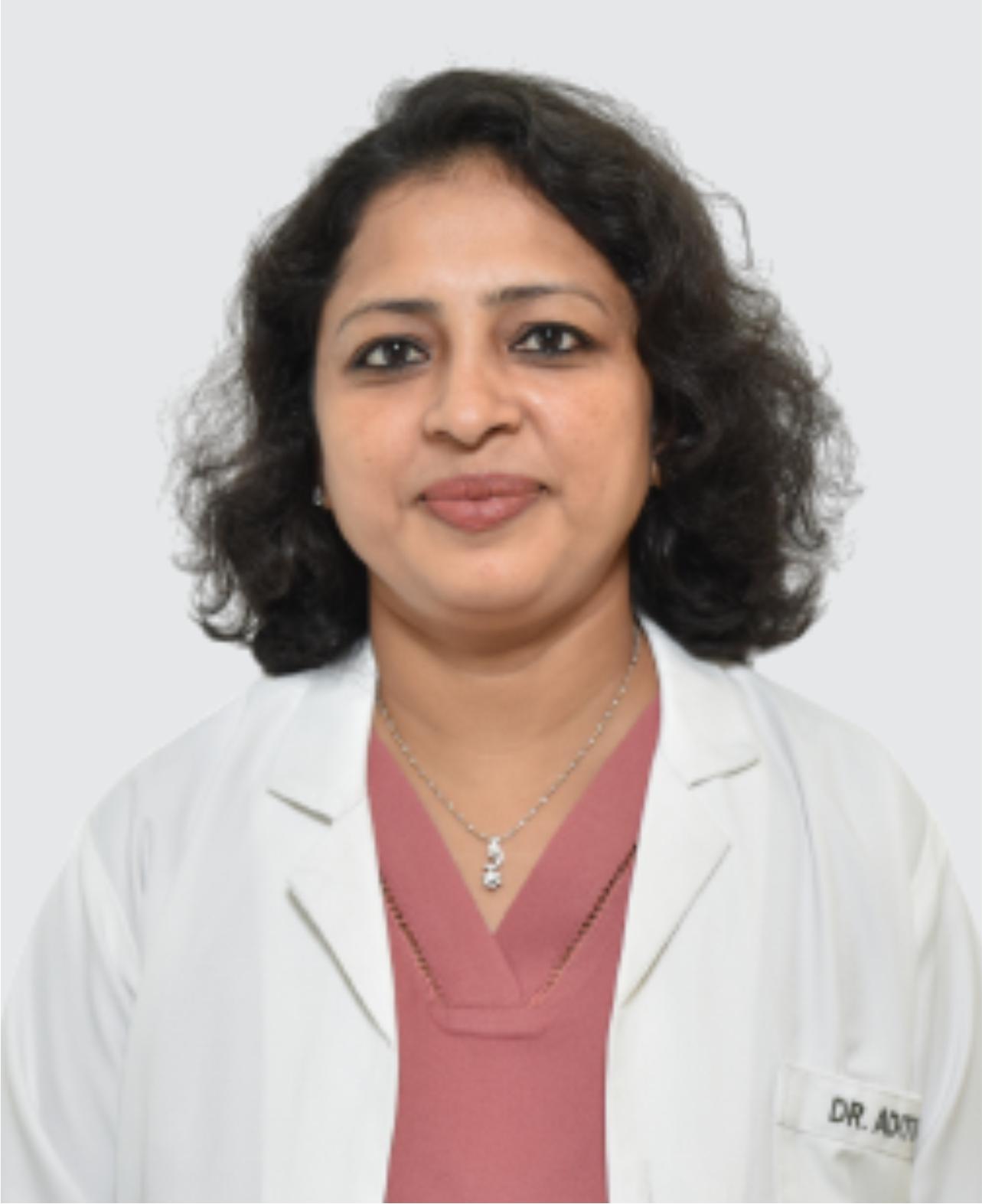
Dr Aditi Dixit
Sr. Consultant – Women Imaging
Radiology
New Delhi
15+ Years
Experience
Artemis Hospital
Hospital
1500
Fees
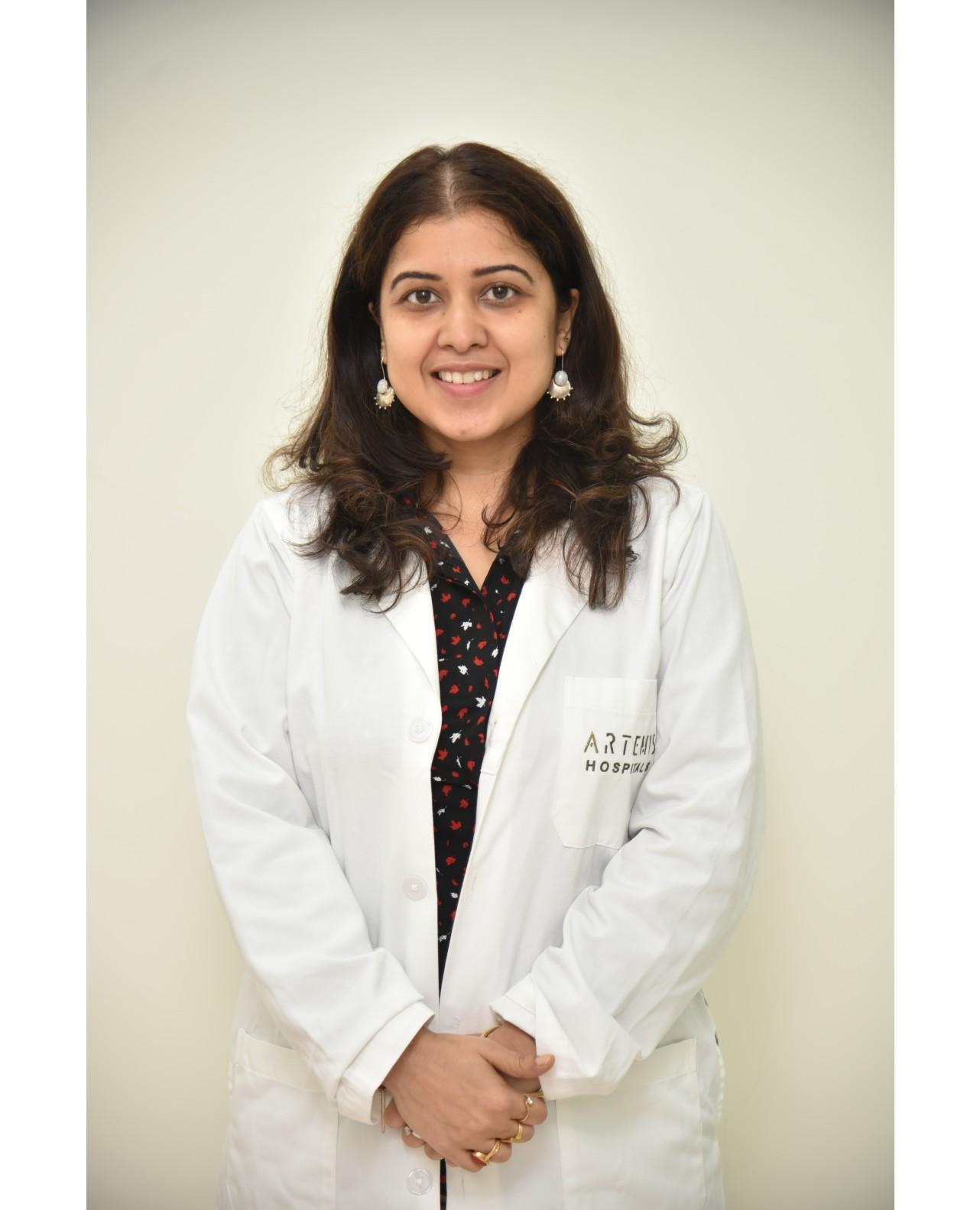
Dr Chandrima Misra M
Co-Head Psychological Services
Mental Health and Behavioural Sciences
New Delhi
15+ Years
Experience
Artemis Hospital
Hospital
1500
Fees
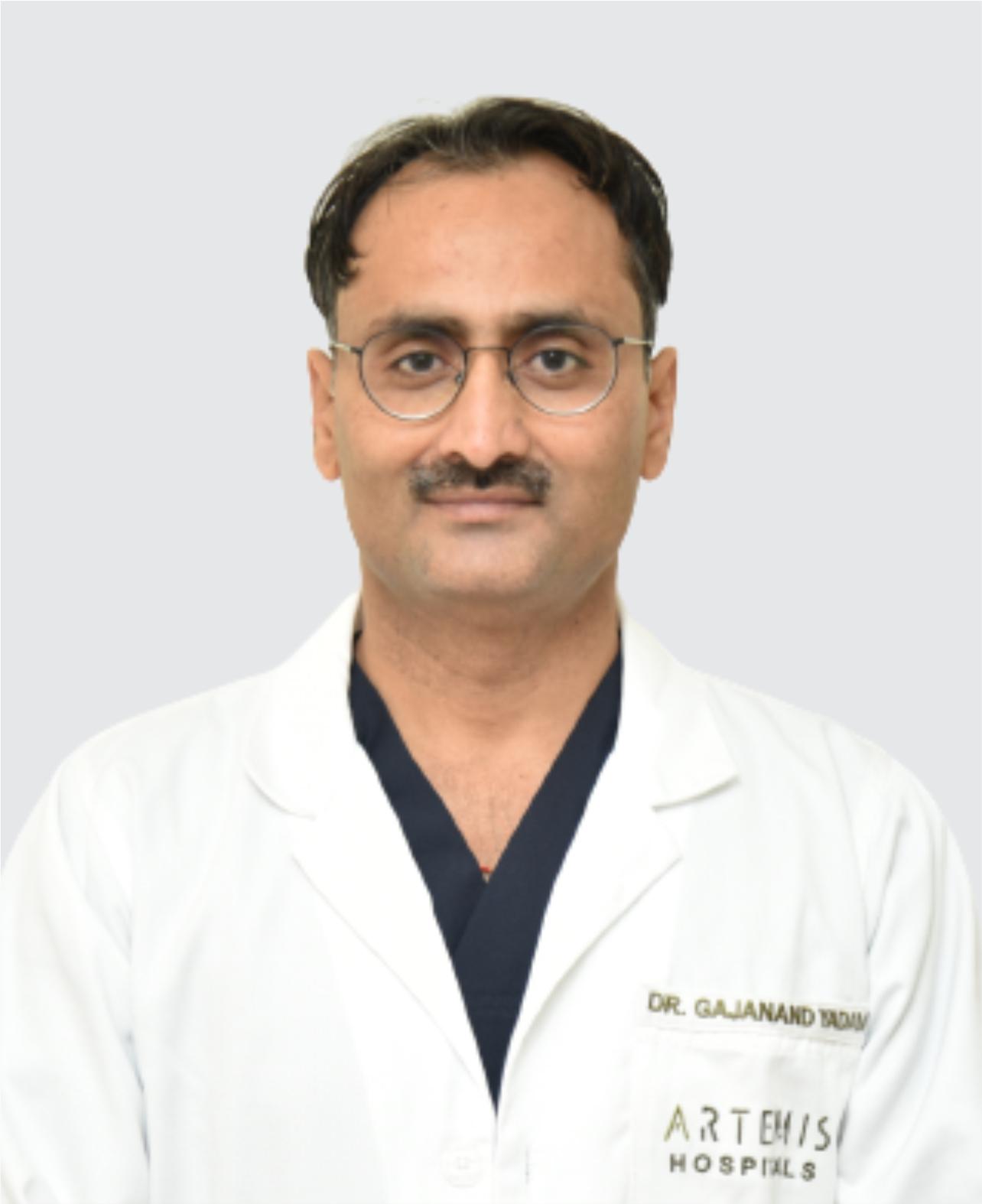
Dr. Gajanand Yadav
Consultant - Orthopaedics and Hip and Knee Arthroplasty
Orthopaedics, Hip and Knee Arthroplasty, Joint Replacement, Sports Medicine
New Delhi
12+ Years
Experience
Artemis Hospital
Hospital
1500
Fees
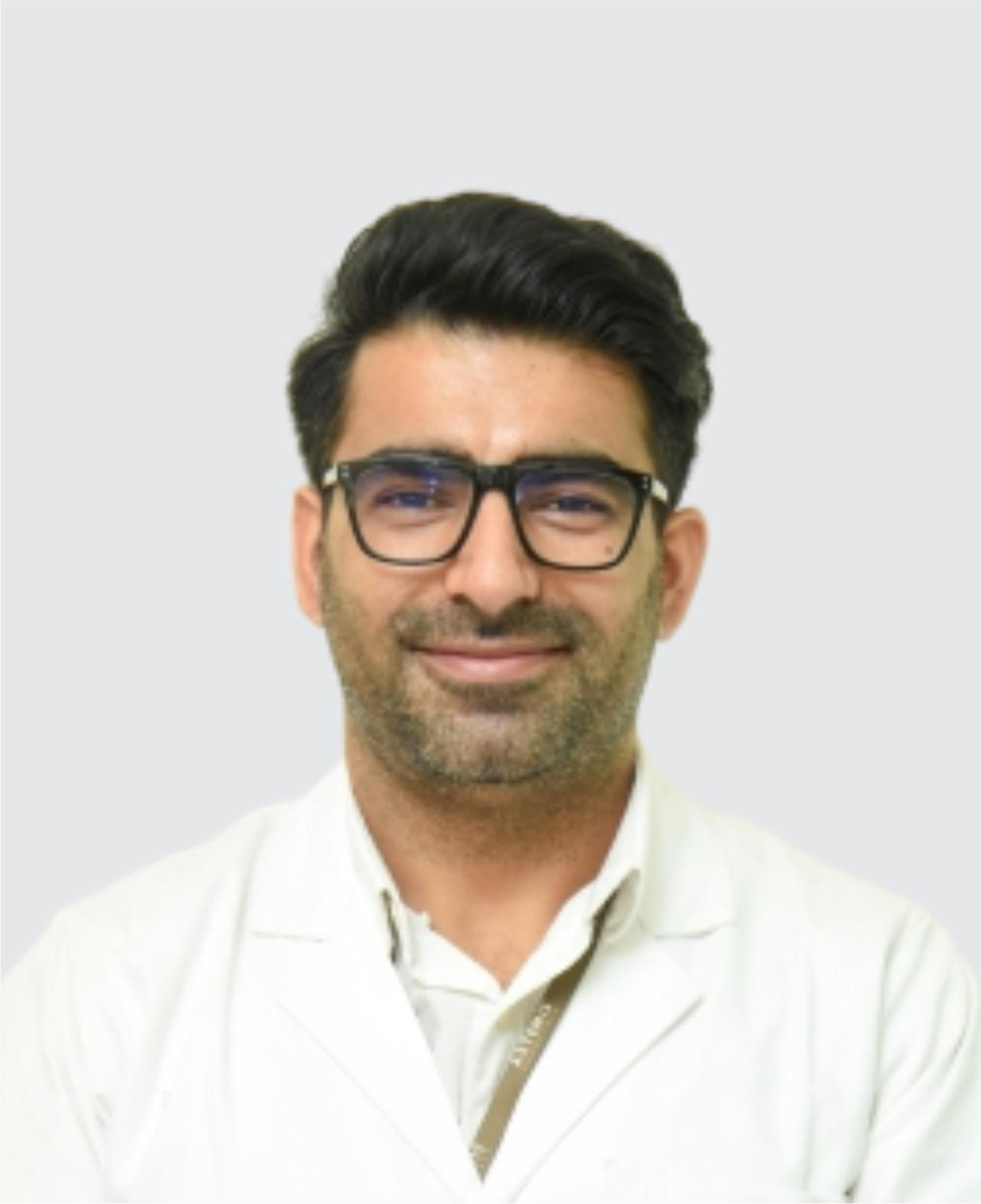
Dr. Mohammad Irfan Banday
Consultant
Orthopaedic Surgery
New Delhi
10+ Years
Experience
Artemis Hospital
Hospital
1500
Fees
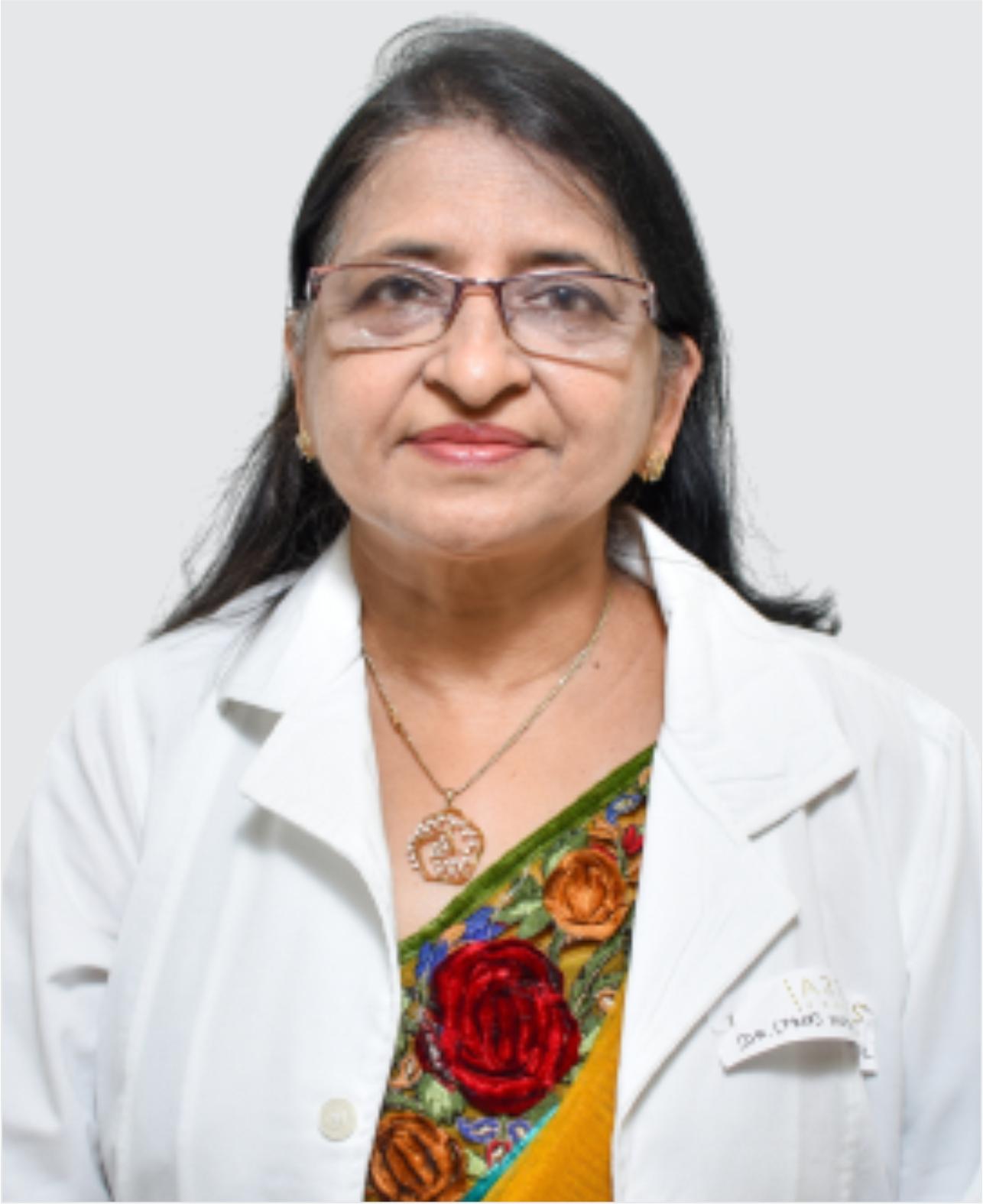
Dr. Nutan Agarwal
Head of Department - Gynae Endocrinology & DNB Program Director - Obs & Gynae
Gynaecological Endocrinology, Maternity, Obstetrics & Gynaecology
New Delhi
35+ Years
Experience
Artemis Hospital
Hospital
1500
Fees
Dr. Poonam Gautam
Senior Consultant - ENT
ENT and Head & Neck Surgery
New Delhi
24+ Years
Experience
Artemis Hospital
Hospital
1500
Fees
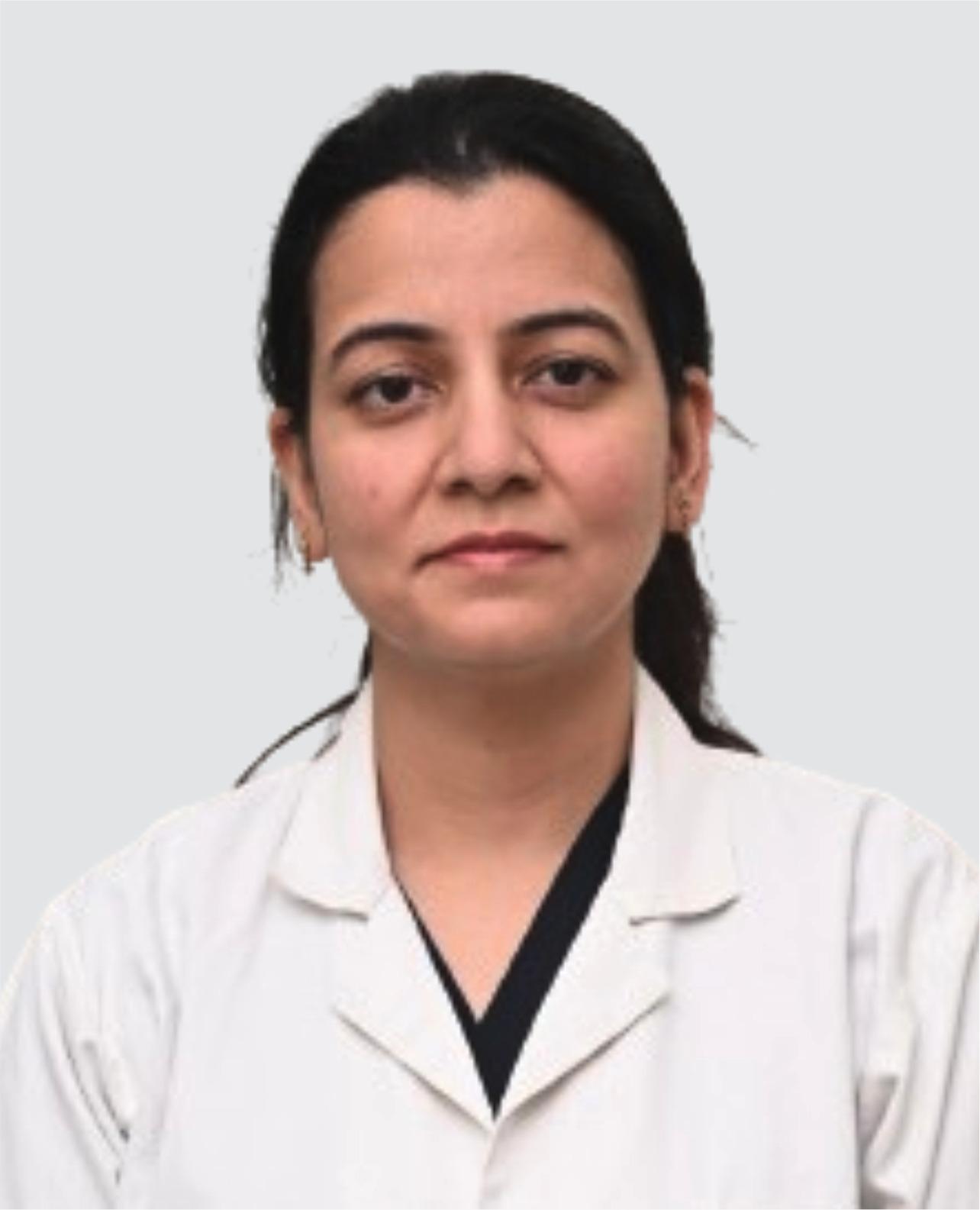
Dr. Priyanka Raina
Consultant (Head & Neck Surgery) - Surgical Oncology
Head and Neck Surgical Oncology
New Delhi
10+ Years
Experience
Artemis Hospital
Hospital
1500
Fees
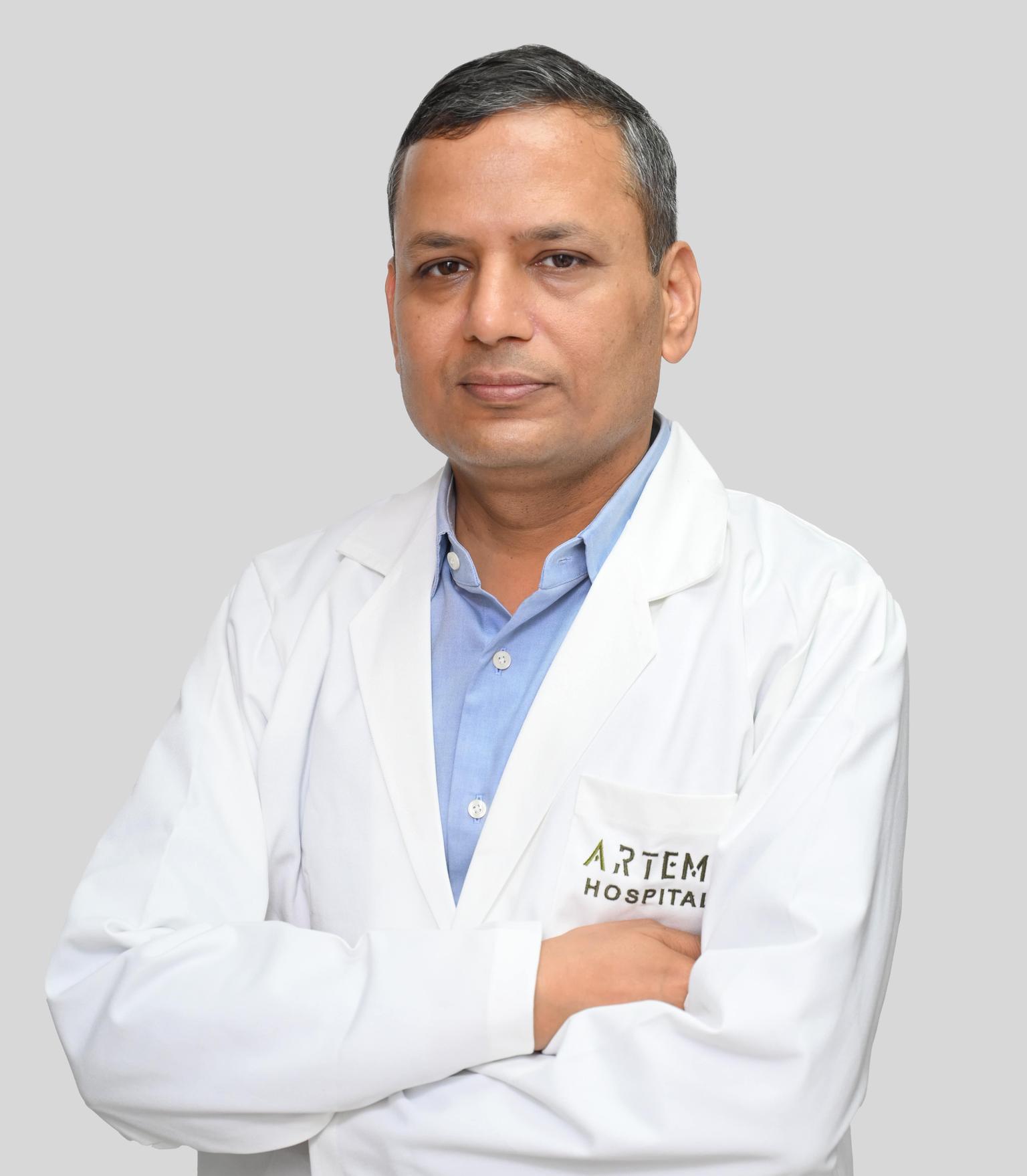
Dr. Rahul Naithani
Chief - Hematology, Oncology & Bone Marrow Transplant
Clinical Hematology, Hematologic Oncology, Bone Marrow Transplantation
New Delhi
15+ Years
Experience
Artemis Hospital
Hospital
1500
Fees
Dr. Rajiv Chhabra
Chief
Paediatric
New Delhi
15+ Years
Experience
Artemis Hospital
Hospital
1500
Fees
Dr. Rajiv Yadav
Chairperson Urology & Head, Urologic Oncology & Robotic Surgery (Unit I)
Robotic Surgery, Urology
New Delhi
20+ Years
Experience
Artemis Hospital
Hospital
1500
Fees
Related Links
Other Treatment related Information
- Arthroscopic ACL Reconstruction cost in Bengaluru
- Arthroscopic ACL Reconstruction cost in Chennai
- Arthroscopic ACL Reconstruction cost in India
- Arthroscopic ACL Reconstruction cost in Mumbai
- Arthroscopic ACL Reconstruction cost in Hyderabad
- Arthroscopic ACL Reconstruction cost in Pune
- Arthroscopic ACL Reconstruction cost in New Delhi
- Arthroscopic ACL Reconstruction cost in Haryana
- Arthroscopic ACL Reconstruction Success Rate in Hyderabad
- Arthroscopic ACL Reconstruction Success Rate in Haryana
- Arthroscopic ACL Reconstruction Success Rate in Pune
- Arthroscopic ACL Reconstruction Success Rate in Mumbai
- Arthroscopic ACL Reconstruction Success Rate in India
- Arthroscopic ACL Reconstruction Success Rate in New Delhi
- Arthroscopic ACL Reconstruction Success Rate in Chennai
- Arthroscopic ACL Reconstruction Success Rate in Bengaluru
- Best Arthroscopic ACL Reconstruction Doctors in India
- Best Arthroscopic ACL Reconstruction Doctors in New Delhi
- Best Arthroscopic ACL Reconstruction Doctors in Bengaluru
- Best Arthroscopic ACL Reconstruction Doctors in Pune
Ready To Start Your Healing Journey?
Get Personalized Medical Treatment Options From India's Top Hospitals. Our Medical Experts Are Ready To Assist You Every Step Of The Way.