
Cancer Treatment in India for Omani Patients: Full Guide


Written by DivinHeal Editorial Contributor, Rahul Kumar, Embryologist | Medically Reviewed by Dr Indu Priya, Gynecologist(MD) Published on: 2025-10-13
Plan My Journey
Tell us your condition and budget - our AI matches the right destination, hospital and doctor and visa pathway
Cancer Treatment in India for Omani Patients: What to Expect
Cancer treatment in India has become a first choice for thousands of international patients who need world-class oncology care without paying Western prices. India offers savings of 50–70% compared to the US, UK or Gulf countries and the medical standards at accredited hospitals are on par with global benchmarks. Whether you are facing a new diagnosis or exploring options after exhausting care at home, this guide covers everything you need to know: costs, hospitals, success rates, logistics and how a dedicated medical travel coordinator can manage your entire journey.
Fatima, 38, from Muscat, was diagnosed with Stage 3 breast cancer in late 2023. Within 12 days of reaching out to our team, she had a confirmed appointment at Apollo Chennai, a personalised treatment plan from a senior oncologist and her e-Medical Visa in hand. Her total cost including surgery, six chemotherapy cycles and accommodation came to roughly $14,000, compared to the $85,000+ she had been quoted in Oman.
Types of Cancer Treatment Available in India
 Advanced Diagnostic Capabilities
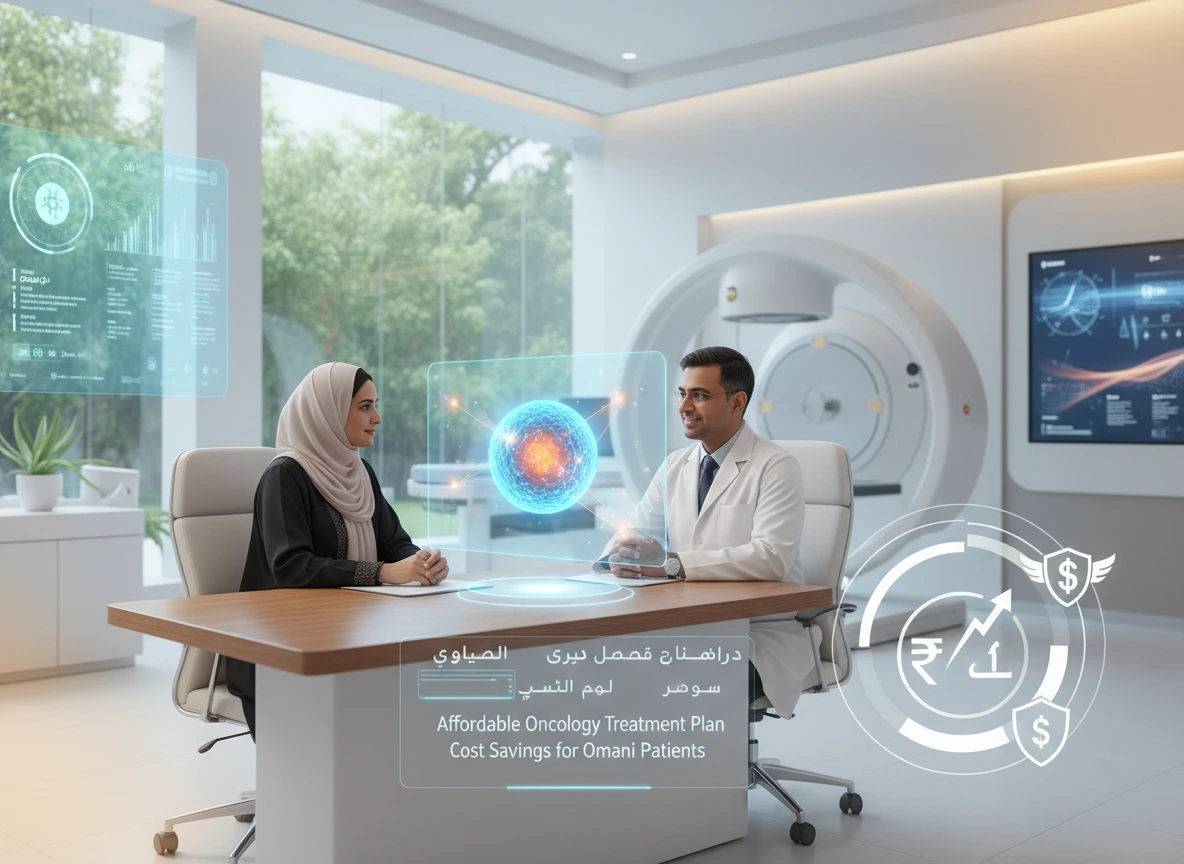
Precise diagnosis is the foundation of effective cancer care. India's JCI-certified hospitals routinely use PET-CT scans (Positron Emission Tomography–Computed Tomography, which maps cancer spread throughout the body), MRI and molecular genetic testing to stage cancer accurately. Full tumour board review where a panel of oncologists debates your case collectively typically concludes within 48–72 hours of your initial scans at leading centres like Apollo, Fortis and Max Healthcare.
Common Cancer Treatment Modalities
Standard treatments form the backbone of care and are delivered with precision at India's accredited hospitals:
Surgical oncology: tumour removal, often using minimally invasive or robotic techniques to shorten recovery time
Chemotherapy: drug-based treatment that targets and destroys rapidly dividing cancer cells
Radiation therapy: high-energy beams that destroy tumour cells; India's hospitals use advanced linear accelerators for targeted delivery that minimises damage to surrounding healthy tissue
Advanced Therapies: Immunotherapy, CAR-T & Targeted Treatment
Beyond conventional methods, India's specialist centres offer groundbreaking options:
Immunotherapy: harnesses the body's own immune system to attack cancer cells — particularly effective in melanoma, lung cancer and certain blood cancers
Targeted therapy: drugs that attack specific molecules involved in cancer growth while largely sparing healthy cells
CAR-T cell therapy (Chimeric Antigen Receptor T-cell therapy): a cutting-edge treatment that re-engineers a patient's own immune cells to attack cancer; available at select specialist centres including Tata Memorial, Apollo and AIIMS Delhi
IMRT and SBRT: Intensity-Modulated Radiation Therapy and Stereotactic Body Radiation Therapy highly precise radiation techniques that spare healthy tissue; now standard at private tertiary hospitals across India
Bone marrow transplant (BMT): for blood cancers including leukaemia, lymphoma and multiple myeloma
Specialized Cancer Centers Across India
India has dedicated cancer hospitals and oncology departments recognised for patient-centric care. Tata Memorial Hospital in Mumbai is a globally cited centre of excellence for oncology research and volume. Private networks like Apollo Hospitals, Fortis Healthcare and Max Healthcare combine experienced specialists with advanced technology across multiple cities. When selecting a centre, verify the specialist's experience with your specific cancer type and stage — outcomes vary significantly by surgeon and team.
Cancer Treatment Cost in India: A Detailed Breakdown
India offers leading oncology care at a fraction of what patients pay in Western countries or the Gulf. The overall cost depends heavily on the type and stage of cancer, treatment plan and chosen hospital. Below is a standardised breakdown based on data from major accredited hospitals.
Average Cost by Treatment Type
Treatment Type | Cost in India (₹) | Cost in USD ($) | Cost in GBP (£) |
Chemotherapy (per cycle) | ₹15,000–₹1,50,000 | $180–$1,800 | £150–£1,500 |
Radiation Therapy (full course) | ₹1,50,000–₹5,00,000 | $1,800–$6,000 | £1,500–£5,000 |
Cancer Surgery | ₹1,00,000–₹7,00,000 | $1,200–$8,500 | £1,000–£7,000 |
Bone Marrow Transplant (Autologous) | ₹10,00,000–₹25,00,000 | $12,000–$30,000 | £10,000–£25,000 |
Sources: Fortis Hospitals | Manipal Hospitals | Apollo Hospitals (2024 package data). All figures are estimates; your actual cost depends on cancer type, stage and chosen hospital.
Cost by Specific Cancer Type
Breast cancer treatment covering surgery, chemotherapy and radiation — typically ranges from ₹3,00,000–₹10,00,000 ($3,600–$12,000; £3,000–£10,000) depending on stage and surgical approach. Liver and lung cancers, which often require complex surgery or targeted therapies, fall at the higher end. Blood cancers including leukaemia frequently require bone marrow transplants, which represent the upper cost range in the table above. Prostate, oral and renal cancers each carry distinct treatment protocols that affect the final cost.
Diagnostic Test Costs
PET-CT scans cost ₹15,000–₹35,000 ($180–$420); biopsies and pathology examinations range from ₹5,000–₹20,000 ($60–$240); MRI or CT scans fall in the ₹8,000–₹15,000 ($100–$180) range. Factor these into your overall budget they are separate from treatment package costs at most hospitals.
Why Is Cancer Treatment More Affordable in India?
Three structural factors make India significantly cheaper than the US, UK or Gulf countries: lower hospital operational costs (including staff salaries and infrastructure); economies of scale from treating a large patient volume; and strong government investment in medical education that produces a large pool of highly qualified oncologists. JCI-certified hospitals like Apollo and Max Healthcare often include initial consultations and basic pre-operative screenings within their international patient packages, which streamlines billing.
Factors Influencing Cancer Treatment Costs
Type and Stage of Cancer
This is the single biggest cost driver. A localised early-stage tumour treated with one surgery costs a fraction of what metastatic (Stage 4) disease requires which typically involves multiple treatment modalities over months or years. A Stage IV patient often needs combination therapy (surgery + chemo + immunotherapy) and regular monitoring scans, each adding to the total.
Choice of Hospital and City
Government hospitals offer excellent medical expertise at subsidised rates but may have longer wait times and limited international patient services. Private JCI-certified facilities in Tier 1 cities (Delhi, Mumbai, Chennai, Bengaluru) provide advanced technology and dedicated international desks, at a premium. NABH-accredited hospitals in Tier 2 cities (Pune, Ahmedabad, Hyderabad) can be 20–40% cheaper for many procedures without meaningful quality compromise.
Treatment Plan and Duration
The specific combination of modalities surgery, chemotherapy cycles, radiation sessions, immunotherapy infusions directly determines cost. A six-cycle chemotherapy course will cost roughly six times one cycle. Do not overlook non-medical costs: parking, daily meals and laundry at large hospitals can add hundreds of dollars over a multi-week stay.
Doctor's Fees and Expertise
Highly sought-after oncologists particularly those leading complex procedures like robotic surgery or BMT charge higher consultation and surgical fees. The premium is generally worth paying: experienced surgeons produce better outcomes and fewer costly complications.
Medication and Consumables
Targeted therapies and immunotherapy drugs carry a high global price tag. Always request a line-item breakdown of medications before agreeing to a treatment package some hospitals bundle them while others list them separately, which can create surprise costs at discharge.
Factor | Government Hospital (Tier 2) | Private Hospital (Tier 1) |
Chemotherapy cycle (avg.) | ₹15,000–₹40,000 ($180–$480) | ₹40,000–₹1,50,000 ($480–$1,800) |
Radiation therapy (course) | ₹1,00,000–₹2,50,000 ($1,200–$3,000) | ₹2,50,000–₹6,00,000 ($3,000–$7,200) |
Senior oncologist consultation | ₹500–₹1,500 ($6–$18) | ₹1,500–₹4,000 ($18–$48) |
Sources: Apollo Hospitals | Max Healthcare | Tata Memorial Hospital (2024).
India vs. Oman: Cancer Treatment Costs and Quality Compared
For patients from Oman exploring cancer treatment options, the cost difference between India and Oman is significant typically 50–70% lower for the same procedure. But the comparison goes beyond cost: India's leading hospitals offer technologies and specialist volumes that match or exceed what is available in Oman, often with shorter wait times for complex procedures.
Cost Comparison for Key Cancer Treatments
Treatment | India (typical cost) | Oman (typical cost) |
Chemotherapy (per cycle) | ₹15,000–₹1,50,000 ($180–$1,800) | $1,500–$4,500 |
IMRT (full course) | ₹2,50,000–₹6,50,000 ($3,000–$7,800) | $10,000–$20,000 |
SBRT (full course) | ₹3,00,000–₹7,00,000 ($3,600–$8,400) | $12,000–$25,000 |
Breast cancer surgery | ₹2,80,000–₹6,00,000 ($3,400–$7,200) | $10,000–$18,000 |
Sources: Max Healthcare | Apollo Hospitals | Artemis Hospital (2024). IMRT = Intensity-Modulated Radiation Therapy. SBRT = Stereotactic Body Radiation Therapy.
Quality of Care and Infrastructure
India's top hospitals are JCI-certified or NABH-accredited, meaning they meet stringent international patient safety standards. The sheer volume of complex cancer cases handled in India Tata Memorial alone treats over 70,000 new patients annually gives Indian oncologists deep specialist experience that is hard to replicate in smaller healthcare systems. Most major Delhi and Mumbai hospitals offer specialist consultations and diagnostic imaging within 24–48 hours of arrival.
The Value Proposition for Patients from Oman
For Omani patients, India offers affordability alongside genuine clinical excellence. Many Indian hospitals have dedicated Arabic-speaking coordinators and interpreters and the diverse international patient population at leading centres creates an environment that is culturally sensitive and practically supportive. Proximity also matters the flight from Muscat to Delhi, Mumbai or Chennai is typically 3–4 hours.
Stage 4 Cancer Treatment in India: Extending Life and Quality
A Stage 4 diagnosis does not mean the end of meaningful living. India's medical advancements particularly in immunotherapy, targeted therapy and palliative integration focus strongly on extending both survival and quality of life. Ahmed, 54, from Nairobi, came to India with Stage 4 lung cancer in 2022. With a combination of targeted therapy and palliative care coordinated at Fortis Gurgaon, he gained 26 months of active life and returned to work part-time within four months of treatment.
Symptoms of Stage 4 Cancer: When to Seek Help
Stage 4 cancer symptoms vary by type and the organs affected, but common warning signs include: unexplained weight loss of 5kg or more in a month; persistent fatigue that does not improve with rest; bone pain or pain in a specific organ (abdomen, chest or back); shortness of breath; jaundice (yellowing of skin or eyes); and new or growing lumps. If you or a family member notices multiple of these symptoms, consult a specialist immediately early intervention significantly expands treatment options even at Stage 4.
Holistic Approaches for Stage 4 Cancer Management
Effective Stage 4 management in India integrates conventional therapies chemotherapy, immunotherapy, targeted drugs with palliative care from the point of diagnosis. JCI-certified hospitals like Apollo and Max Healthcare in Delhi now embed palliative care teams who manage pain, nausea and psychological distress in parallel with oncologists. Nutrition support, physiotherapy and mental health counselling are included in most international patient packages at leading centres.
Long-term Survivorship and Follow-up Care
Even with advanced disease, long-term survivorship planning is built into care pathways at India's leading oncology centres. Regular follow-up scans (every three to six months for most Stage 4 patients), blood marker tests and virtual consultations with the oncology team allow continuous monitoring after the patient returns home. Our coordination team manages this follow-up care, connecting patients with their Indian specialist team via teleconsultation.
Success Rates and Prognosis: What to Expect from Cancer Treatment in India
Understanding likely outcomes is essential when making treatment decisions. The figures below are benchmarks from published clinical data and accredited institutions individual prognosis depends heavily on cancer type, stage, age and overall health.
General Cancer Survival Rates in India
India's cancer care has improved significantly over the past decade. NABH-accredited centres report breast cancer five-year survival rates above 85% for early-stage disease, comparable to outcomes in the UK and Australia (ICMR National Cancer Registry Programme, 2022). For late-stage presentations, survival rates are lower but have improved substantially with the adoption of immunotherapy and targeted therapy protocols.
Success Rates for Specific Treatments
Treatment type | Typical success rate (India) |
Surgical resection (early-stage localised tumour) | 70–95% (disease-free at 5 years) |
Bone marrow transplant (specific blood cancers) | 50–70% (engraftment and remission) |
Immunotherapy (checkpoint inhibitors) | 30–50% responders (varies by cancer type) |
Radiation therapy (local tumour control) | 60–80% |
Sources: ICMR National Cancer Registry 2022 | Lancet Oncology (Vol. 23, 2022) | Apollo Hospitals published outcome data.
Factors Influencing Treatment Success
Early detection is the single strongest predictor of survival across almost all cancer types. Beyond stage, the patient's overall health, age and response to initial therapy determine the trajectory. Choosing a specialist with high case volume in your specific cancer type rather than a generalist oncologist measurably improves outcomes. Our team can help identify the right specialist based on your diagnosis.
Understanding 5-Year Survival Rates
A 5-year survival rate represents the percentage of people still alive five years after diagnosis with a similar cancer. It is a population-level statistical benchmark, not a personal prediction. A rate of 70% means seven out of ten patients in that group survived five years some will live much longer; some shorter. Use these figures as context for conversations with your oncologist, not as a ceiling on your expectations.
Choosing the Best Hospital for Cancer Treatment in India
The hospital decision is one of the most consequential choices in your treatment journey. Key factors: accreditation status, specialist volumes in your cancer type, availability of the specific technology you need (e.g., CAR-T, robotic surgery, SBRT) and the quality of international patient support.
Top Cancer Hospitals in Major Indian Cities
Mumbai: Tata Memorial Hospital (public sector leader, highest oncology patient volume in Asia), Kokilaben Dhirubhai Ambani Hospital. Delhi/NCR: AIIMS Delhi (government), Max Healthcare Saket, Fortis Memorial Research Institute, Medanta. Chennai: Apollo Hospitals, Adyar Cancer Institute. Bengaluru: Kidwai Memorial Institute (government), Manipal Hospitals, HCG Oncology. Each city offers both government and private options at different price points.
Accreditations and International Standards (JCI, NABH)
JCI (Joint Commission International) certification is the gold standard for international patients; it signals the hospital meets the same safety and care protocols as leading US and European hospitals. NABH (National Accreditation Board for Hospitals) is India's national quality benchmark. Ask any hospital you are considering for their current accreditation certificates a reputable hospital will provide these immediately.
Government vs. Private Hospitals
Feature | Private hospitals | Government hospitals |
Cost | Higher; international patient packages available | Significantly lower; often subsidised |
Wait times | Short (days) | Longer (weeks to months for complex cases) |
Amenities | Private rooms, modern facilities, concierge | Basic; shared wards common |
International patient focus | Dedicated international desks, visa assistance, interpreters | Limited international services |
Sources: Apollo Hospitals | Tata Memorial Hospital | Max Healthcare (2024).
Essential Logistics for International Cancer Patients in India
Visa and Travel Requirements for Omani Patients
Omani citizens travelling for cancer treatment in India require a Medical Visa (e-Medical Visa category). Required documents: an invitation letter from your chosen Indian hospital, current medical reports (translated into English), valid passport and proof of financial means. Processing typically takes 3–5 business days once all documents are submitted. Apply at the Indian Embassy in Muscat or through the online e-Visa portal. Our team arranges the hospital invitation letter as part of the onboarding process.
Accommodation and Local Transport
Most major hospitals Apollo, Max Healthcare, Fortis, Manipal — have tie-ups with serviced apartments within walking distance, often at 30–50% below standard hotel rates. These apartments are designed for long-stay patients and include cooking facilities, which matters during extended chemotherapy courses. For local transport, Uber and Ola are reliable and affordable. Hospital-arranged transfers are recommended for post-treatment sessions when patients may be fatigued or unwell.
Language Support and Cultural Considerations
Most major hospitals have dedicated international patient departments with Arabic-speaking coordinators or interpreter services. Dietary preferences halal meals, for example, are routinely accommodated at large hospitals. Our patient coordinators are available by phone and WhatsApp throughout your stay, including for after-hours queries.
Pre-arrival Checklist
Compile all medical records, imaging, pathology and biopsy reports in English
Carry printed and digital copies of all documents (email to a trusted family member as backup)
Pack comfortable, loose-fitting clothing for treatment days
Bring a 30-day supply of any regular medications you take
Confirm currency Indian Rupees (INR) are needed for most daily expenses; cards are accepted at hospitals
Your Complete Medical Journey: How We Support International Patients
Personalised Treatment Plans and Doctor Selection
Our medical team reviews your diagnosis and connects you with specialist oncologists at NABH or JCI-accredited hospitals whose experience matches your specific cancer type. This is not a generic referral we match on cancer subtype, stage and surgical approach. For complex cases, we facilitate second-opinion virtual consultations before you travel.
Seamless Travel and Accommodation Arrangements
We handle flight booking coordination, airport transfers and serviced apartment arrangements near your treatment centre. Many partner hospitals include a complimentary airport pick-up in their international patient packages. Patients focus on recovery; we manage the logistics.
Visa Assistance and On-Ground Support
Our team prepares and coordinates the hospital invitation letter needed for your Medical Visa application, guiding you through the application process step by step. Once in India, our local representatives are available for on-ground support throughout your stay from settling into accommodation to accompanying you to consultations if needed.
Post-Treatment Follow-up and Care Coordination
Your care does not end at discharge. We coordinate virtual follow-up consultations with your Indian oncologist, liaise with your local doctor in Oman for continuity of care and help arrange any repeat tests or scans that your specialist requests remotely.
Why Choose Us for Your Cancer Treatment Journey?
Our patient-first philosophy is built on four pillars: specialist matching, transparent cost estimates, end-to-end logistics and post-treatment support. Every patient gets a named coordinator who speaks their language and is reachable on WhatsApp from the moment of enquiry to the last follow-up.
Cost Calculator
I know my treatment - show me cost from 3 hospitals
Is Cancer Treatment in India the Right Choice for You?
If you are seeking world-class oncology care at 50–70% below the cost of Western or Gulf countries with no compromise on technology, specialist expertise or accreditation India is a compelling option. The country's leading hospitals have treated patients from Oman, UAE, Kenya, Bangladesh and Sri Lanka through thousands of complex cancer journeys. Divinheal removes the uncertainty from that journey: specialist matching, transparent pricing, end-to-end logistics, Arabic-speaking coordinators and post-treatment follow-up from a single team.
Ready to explore your options? Contact Divinheal for a free consultation and a personalised treatment plan within two working days.Plan My Journey
Tell us your condition and budget - our AI matches the right destination, hospital and doctor and visa pathway
Cost Calculator
I know my treatment - show me cost from 3 hospitals
Recommended Article

Written by DivinHeal Editorial Contributor, Rahul Kumar, Embryologist | Medically Reviewed by Dr Indu Priya, Gynecologist(MD) Published on: 2025-10-13
Plan My Journey
Tell us your condition and budget - our AI matches the right destination, hospital and doctor and visa pathway
Cost Calculator
I know my treatment - show me cost from 3 hospitals
Booking With DIVINHEAL
Get a free consultation to understand your treatment options
Recommended Article
From Consultation to Recovery,
Step by Step
Expert Specialist Matching
Connecting you with the world's top-rated medical experts.
Accredited Hospital Network
Access to JCI & NABH certified healthcare facilities.
Complete Travel Coordination
Hassle-free visa, stay, and local transport assistance.
24/7 Personal Care
Dedicated patient advisors supporting you at every step.
Journey Guidance
Full guidance from start to end of the patient treatment journey.
Expert Specialist Matching
Connecting you with the world's top-rated medical experts.
Everything you
need to know today
Browse through these common inquiries to better understand our patient-focused medical platform.
Overall cancer treatment packages in India start from approximately ₹4,15,000 (USD 5,000) for early-stage cases managed at a single-modality treatment centre. Most international patients with mid-stage cancer requiring surgery plus chemotherapy spend ₹12,00,000–₹25,00,000 ($14,000–$30,000) including accommodation. Individual costs depend on cancer type, stage, hospital and duration of stay.
A single chemotherapy cycle in India costs ₹15,000–₹1,50,000 ($180–$1,800), depending on the specific drugs used, dosage and hospital. Budget care centres start below ₹20,000 per cycle. Private JCI-certified hospitals typically charge ₹40,000–₹1,50,000 for complex regimens. Most cancer diagnoses require 4–8 cycles.
Tata Memorial Hospital in Mumbai is India's most cited government cancer centre by volume and research output. Among private hospitals, Apollo Hospitals, Fortis Healthcare, Max Healthcare and Manipal Hospitals are consistently ranked highest for oncology outcomes and international patient services. We partner with NABH and JCI-accredited facilities across Delhi, Mumbai, Chennai and Bengaluru.
Without treatment, median survival for most Stage 4 solid tumours is 3–12 months, depending on cancer type and the organs involved. Some slow-growing Stage 4 cancers (certain prostate cancers, well-differentiated thyroid cancers) allow an active surveillance approach, but this requires specialist guidance. For the majority of Stage 4 diagnoses, active treatment even if not curative significantly extends survival and quality of life. Your oncologist will assess whether treatment is beneficial based on your specific biology and performance status.
India's hospitals offer the full spectrum: surgical oncology (open, laparoscopic and robotic), chemotherapy, radiation therapy (3D CRT, IMRT, SBRT), immunotherapy (checkpoint inhibitors), targeted therapy, hormone therapy, nuclear medicine and advanced CAR-T cell therapy at select centres.
Stage 4 cancer symptoms vary by type and affected organs but commonly include: unexplained weight loss (5kg or more over a few weeks); persistent and severe fatigue; bone pain; shortness of breath; jaundice (yellowing of skin or eyes); and organ-specific symptoms such as abdominal swelling (liver/bowel), headaches (brain metastasis) or back pain (spinal involvement). If multiple symptoms are present, consult an oncologist immediately and timely specialist evaluation is critical.
India's leading hospitals use IMRT (Intensity-Modulated Radiation Therapy) and SBRT (Stereotactic Body Radiation Therapy) the same precision techniques used at top US and UK cancer centres. These approaches deliver high radiation doses to tumour tissue while minimising exposure to surrounding healthy organs. Protocols follow international guidelines and most major private hospitals have equipment that is under five years old.
Yes. Checkpoint inhibitors (PD-1/PD-L1 inhibitors like pembrolizumab and nivolumab) are available at all major private hospitals in India and are approved by CDSCO (India's drug regulator) for multiple cancer types. CAR-T cell therapy is available at a smaller number of specialist centres. Discuss your specific cancer biomarkers with your oncologist to determine immunotherapy eligibility.
India's JCI-accredited hospitals match global standards in technology, specialist training and treatment protocols. The primary advantage for international patients is cost 50–70% lower than the US, UK or Gulf without meaningful quality compromise at accredited centres. Indian oncologists are trained at leading global institutions and many hold dual fellowships from the US or UK.
Government hospitals including AIIMS Delhi, Tata Memorial Mumbai, Kidwai Memorial Bengaluru and Regional Cancer Centres across India provide free or heavily subsidised treatment under schemes like Ayushman Bharat and MJPJAY. These schemes are primarily for Indian citizens. International patients seeking affordable care are better served by our partner hospital packages, which offer transparent pricing and international patient support.
Most patients can fly home within 3–7 days after completing a chemotherapy cycle or radiation course, subject to their oncologist's clearance. You will need a medical fitness certificate from the treating hospital for the airline. After major surgery, most surgeons recommend waiting 2–4 weeks before flying. Always carry a full medical summary, discharge letter and current medication list when travelling home.
Yes. We have Arabic-speaking patient coordinators for patients from Oman, UAE, Saudi Arabia and other GCC countries. Your assigned coordinator is available via WhatsApp and phone from the first enquiry through post-treatment follow-up. Hospital interpreter services in Arabic are also available at all our partner hospitals.
Many international health insurance policies cover medical treatment in India, particularly at JCI-accredited hospitals. Coverage depends on your specific policy, insurer and whether India is listed as an eligible treatment country. Our team can help you understand your policy's applicable benefits and liaise with your insurer for pre-authorisation. In cases where insurance does not apply, most partner hospitals offer payment plans for international patients.
Treatment decisions are made through multidisciplinary tumour boards panels where surgical, medical and radiation oncologists review the patient's pathology, imaging and biomarker data together. This collaborative approach produces a personalised evidence-based treatment plan. At our partner hospitals, international patients benefit from tumour board review within 48–72 hours of their initial diagnostic scans.
The 5-year survival rate refers to the percentage of patients who are still alive five years after being diagnosed with a particular type and stage of cancer. For example, a 70% 5-year survival rate means that 7 out of 10 patients are alive five years after diagnosis. It is a general statistical benchmark based on large patient groups—not an exact prediction for an individual. Survival rates vary widely depending on cancer type, stage at diagnosis, overall health and response to treatment.
Cancer treatment can last from a few weeks to several months or even years, depending on the type, stage and how well the patient responds to therapy. Early-stage cancers may require short-term treatment, while advanced cases often need long-term or ongoing care to control the disease and improve quality of life.
Still have more questions?
Book a call with our friendly team to learn how DivineHeal simplifies your healthcare journey.