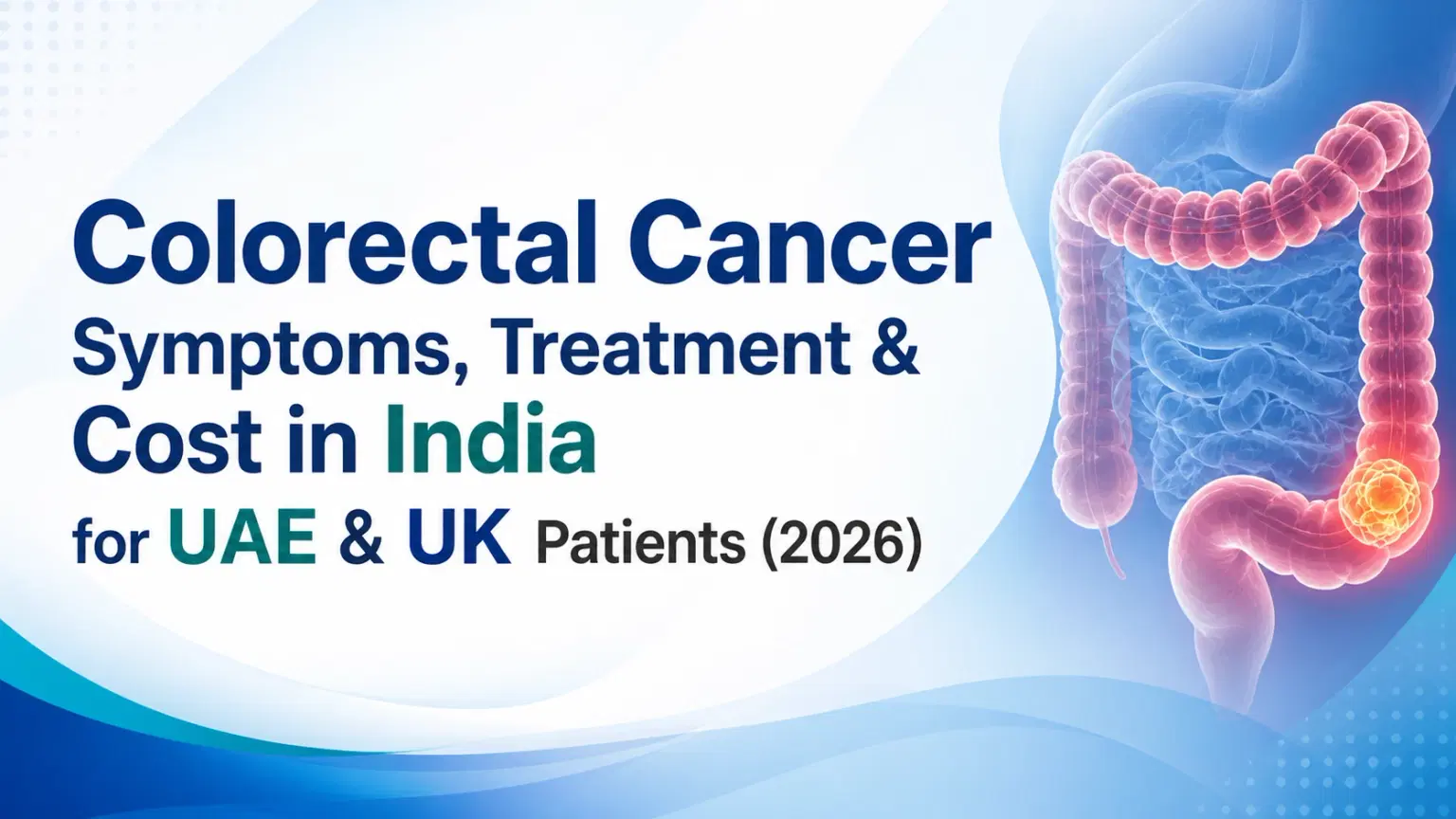
Colorectal Cancer: Symptoms, Treatment & Costs in India for UAE &
UK Patients (2026)
Medical disclaimer: This article is for information
only. It is not medical advice. Colorectal cancer is a serious condition. If
you notice any symptoms below, see a doctor soon. Results vary by person.
Colorectal cancer (CRC) is one of the three most common
cancers in the world. When found early — before it spreads — the five-year
survival rate is above 90% (SEER/NCI data). When found after spreading to other
organs, it falls to about 13–17%. The difference is how early it is caught.
That is why knowing the early signs matters.
UAE patients pay very high costs for private cancer care.
India gives the same quality of care for 60–75% less. UK patients often wait
months on the NHS. India solves that too. Divinheal’s JCI-accredited partner
hospitals in Delhi NCR and Chennai treat thousands of CRC patients every year.
Their surgeons have international training. Every case goes through a tumour
board review.
What Is Colorectal Cancer (CRC)?
Colorectal
cancer is cancer that starts in the colon or rectum. It usually begins as small
growths called polyps on the inner colon wall. Over time, some polyps can turn
into cancer. This happens when they are not found and removed during routine
screening.
Colorectal cancer
(CRC) is quite common—it’s the fourth most common cancer worldwide and one of
the leading causes of cancer deaths. Roughly 1 in 23 women and 1 in 25 men will
get it at some point in their lives. Most cases happen in people over 50, but
doctors are now seeing more younger adults being diagnosed, too.
Common Symptoms of Colorectal Cancer
- Colorectal cancer may
not cause symptoms early on. When symptoms do appear, they usually include:
- Lasting changes in bowel habits — ongoing
constipation, chronic diarrhoea, or a feeling that the bowel does not empty
fully
- Rectal bleeding or blood in the stool — bright
red or dark; never ignore this
- Stomach pain, cramps, or bloating that does not
go away
- Unexplained tiredness or weakness — often from
iron-deficiency anaemia due to slow blood loss
- Unintentional weight loss of 5 kg or more over
six months
- A lump or mass in the abdomen that can be felt
If any of these
symptoms persist for more than two to three weeks, see a doctor. Many
conditions — not just cancer — can cause them. Only a medical check can confirm
the cause.
Why Early Detection of
Colon Cancer Is Critical
Early
detection is the most important factor in CRC outcomes. When CRC is caught
before it spreads, the five-year survival rate is above 90%. When cancer has
reached distant organs at diagnosis, it falls to about 13–17% (SEER Program,
NCI).
Screening can help
prevent colorectal cancer by finding and removing small growths (polyps) before
they turn into cancer. For most people, guidelines from NICE and the NHS
suggest starting screening around age 50–60. If you have a family history or a
genetic condition, you may need to start earlier—often between 25 and
40—depending on your risk.
For
UAE and UK patients, Divinheal partner hospitals in India offer colonoscopy,
biopsy, and full imaging (CT, MRI, PET-CT). Costs are 70–80% lower than those
in private clinics in Dubai or London. Appointments are usually within 1–2
weeks.
Signs of Colon Cancer in
Women: What Makes Them Different?
The
biology of CRC is the same in men and women. But women are more likely to have
vague or mild symptoms. They often think the symptoms have another cause. A
2021 British Medical Journal study found women tend to show non-specific
stomach symptoms more than men. This leads to delays in testing and diagnosis.
Symptoms That Women Often
Attribute to Other Conditions
Several CRC
symptoms are often mistaken for other problems in women:
- Lasting bloating and stomach pain — often blamed
on IBS, period cramps, or hormonal changes around menopause
- Tiredness and weakness — often put down to
lifestyle, anaemia from heavy periods, or hormones. But it may be from slow
blood loss caused by a bowel tumour.
- Changes in stool — narrower stools, or
constipation switching with diarrhoea. Sometimes dismissed as bowel changes
from age or diet.
- Iron-deficiency anaemia with no clear cause — in
women past menopause, especially, this needs a gut investigation.
The 7 Warning Signs of Colon Cancer
The seven symptoms
below — alone or together — are a reason to see a doctor. Do not wait more than
two weeks if any of these persist:
- Rectal bleeding or blood in the stool — any
unexplained rectal bleeding is a red flag
- Lasting changes in bowel habits for more than 3
weeks — diarrhoea, constipation, or narrower stools
- A feeling that the bowel does not fully empty
after using the toilet
- Stomach pain, cramping, or bloating that is new,
lasting, and unexplained
- Unexplained tiredness or weakness — especially
if you look pale (anaemia)
- Unintentional weight loss — 5 kg or more with no
change in diet or activity
- A lump in the abdomen or rectum — found on
examination
Important: these
symptoms can have many causes other than cancer. Having one or more does not
mean you have cancer. But it means you need a medical check. Do not delay.
When to Seek Immediate Medical
Attention
Get urgent
medical help — within 24–48 hours — if you have:
- Heavy rectal bleeding
- Sudden, severe stomach pain
- Signs of a blocked bowel (you cannot pass stool
or gas, severe bloating and vomiting)
- A big change in symptoms if you already have
inflammatory bowel disease
For patients who
need fast testing, Divinheal arranges colonoscopy and imaging at
NABH/JCI-accredited partner hospitals in India. Appointments are usually within
1–2 weeks of enquiry.
Risk Factors and
Prevention for Colorectal Cancer
Key Risk Factors for Colon Cancer
Several things raise the
risk of developing colorectal cancer:
- Age — about 90% of CRC cases are diagnosed in
people over 50 (WHO). Risk rises with age.
- Personal history of colorectal polyps —
especially adenomatous polyps
- Inflammatory bowel disease — Crohn’s disease or
ulcerative colitis greatly raises CRC risk
- Family history — one first-degree relative with
CRC roughly doubles your risk. Two or more close relatives, or a relative
diagnosed under age 60, raises it further.
- Genetic syndromes — Lynch syndrome (HNPCC) and
Familial Adenomatous Polyposis (FAP) carry very high lifetime CRC risk (40–80%
for Lynch syndrome)
Type 2 diabetes — linked to a modestly higher
CRC risk, even without obesity.
Lifestyle and Dietary Risk Factors
Lifestyle choices
account for a large share of CRC cases. These are key areas where you can lower
your risk:
- A diet high in red and processed meat —
processed meat (bacon, sausages, ham) is a Group 1 carcinogen (IARC). Red meat
is Group 2A (probably carcinogenic).
- Low dietary fibre — diets low in fibre from
vegetables, fruit, and wholegrains are linked to higher CRC risk
- Overweight and obesity — a body mass index (BMI)
above 25 is linked to a higher risk, especially for colon cancer
- Physical inactivity — regular activity is linked
to a 20–24% reduction in colon cancer risk (Cancer Research UK)
- Heavy alcohol use and smoking — both independently linked to higher CRC risk
Prevention: Actionable Steps Including Diet and Hydration
Many colon cancer
cases can be prevented. The most effective steps are:
- Regular colorectal cancer screening —
colonoscopy is the most effective single step; it finds and removes
pre-cancerous polyps before they turn into cancer
- Eat a diet high in fibre — fruits, vegetables,
wholegrains, and legumes. UK dietary guidelines suggest 30g of fibre a day for
adults.
- Limit red and processed meat — NHS Eat Well
guidelines suggest no more than 70g of red or processed meat daily.
- Keep a healthy body weight through a balanced
diet and regular activity
- Aim for at least 150 minutes of
moderate-intensity activity per week (WHO/NICE guidelines)
- Limit alcohol and quit smoking
Water helps your
bowel movements work well. It prevents constipation. It helps fibre move
through the colon. There is no clinical evidence that large amounts of water
directly prevent colon cancer. But good hydration is part of a healthy
lifestyle. That is linked to lower CRC risk. The NHS suggests 6–8 glasses
(about 1.5–2 litres) of fluid a day for most adults.
How Is Colon Cancer
Diagnosed? Key Tests and Screening Methods
Colonoscopy, FIT, and Other
Screening Options
The goal of
colorectal cancer screening is to spot polyps or early-stage cancer
early—before any symptoms begin. The main options are:
- Colonoscopy — the
gold standard. A flexible camera checks the whole colon and rectum. Any polyps
found can be removed in the same procedure. NICE and NHS guidelines suggest a colonoscopy
every 10 years for average-risk adults from age 50–60; earlier for higher-risk
patients.
- Faecal Immunochemical Test (FIT) — a stool test
that detects human blood in the faeces. The NHS bowel cancer screening
programme uses FIT. A positive result leads to a colonoscopy referral.
- CT Colonography (virtual colonoscopy) — a CT
scan that creates detailed images of the colon; used for patients who cannot
have a standard colonoscopy
- Flexible Sigmoidoscopy — checks only the lower
colon and rectum; less complete than colonoscopy but done without full bowel
preparation
For UAE patients:
the UAE National Screening Programme (ADPHC) recommends CRC screening from age
50 for average-risk people. Divinheal partner hospitals in India offer full
colonoscopy and diagnostic services at much lower cost. Appointments are
usually within 1–2 weeks.
Imaging and Biopsy: Confirming
the Diagnosis
If screening
finds something suspicious, more tests confirm and stage the cancer:
- Colonoscopic biopsy — the key test for
colorectal cancer. A tissue sample is taken and checked by a pathologist.
Results are usually ready within 5–7 working days.
- CT scan — checks the tumour size and position.
It also looks for spread to lymph nodes and organs (liver, lungs).
- MRI — very important for staging rectal cancer.
It shows how the tumour relates to nearby structures.
- PET-CT scan — finds areas of high activity that
match active cancer. It is used for staging and checking treatment response.
- Carcinoembryonic antigen (CEA) blood test — a
tumour marker; raised in many CRC patients. Not diagnostic alone, but used to
track treatment response and watch for recurrence.
Colon Cancer Stages: What Does
Your Stage Mean?
Once confirmed,
colorectal cancer is staged to plan treatment and give an outlook. The system
used worldwide is TNM (Tumour, Node, Metastasis), grouped into four main
stages:
- Stage I — the tumour is confined to the inner
layers of the colon or rectum wall. It has not spread. Treatment: surgery
alone. Excellent outlook.
- Stage II — the tumour has grown through the
colon wall but has not spread to lymph nodes. Treatment: surgery; chemotherapy
may be added based on risk factors.
- Stage III — cancer has spread to nearby lymph
nodes but not to distant organs. Treatment: surgery followed by adjuvant
chemotherapy (usually 6 months of CAPOX or FOLFOX). Still potentially curable.
- Stage IV — cancer has spread to distant organs,
most often the liver and lungs. Treatment: chemotherapy, targeted therapy, and
sometimes surgery to remove the spread. The goal is often disease control and
quality of life. Long-term remission is possible in some cases.
Colon Cancer Treatment
Cost: India vs UAE vs UK (2026)
Colorectal cancer
treatment in India—especially at hospitals accredited by NABH or JCI—is often
60–75% more affordable than private care in cities like Dubai or London. The
table below shows the main treatment components.
|
Treatment |
India
(approx.) |
UAE
— Dubai/Abu Dhabi |
UK
Private |
|
Colectomy
(surgical removal) |
₹2,00,000–₹7,50,000
($2,120–$7,920; AED 7,770–29,135; £1,565–£5,860) |
AED
80,000–200,000 ($21,785–$54,460) |
£20,000–£45,000
($27,000–$60,750) |
|
Chemotherapy
(per cycle) |
₹40,000–₹1,00,000
($422–$1,055; AED 1,554–3,885; £315–£785) |
AED
10,000–30,000 ($2,725–$8,170) |
£2,000–£8,000
($2,700–$10,800) |
|
Radiation
therapy (full course) |
₹2,00,000–₹5,00,000
($2,110–$5,275; AED 7,770–19,425; £1,565–£3,910) |
AED
50,000–120,000 ($13,615–$32,677) |
£10,000–£40,000
($13,500–$53,995) |
|
Stage
III full treatment (surgery + chemo) |
₹8,00,000–20,00,000
($8,440–$21,010; AED 31,075–77,690; £6,253–£15,630) |
AED
200,000–400,000 ($54,460–$1,08,920) |
£60,000–£100,000
($80,990–$1,34,985) |
Sources:
These cost estimates are based on well-known Indian hospitals like Apollo
Hospitals, Fortis Healthcare, Medanta, Max Healthcare, and Artemis Hospitals.
For comparison, UAE figures reflect typical private cancer care costs in Dubai
and Abu Dhabi (2025). UK estimates come from NHS reference costs (2024–25) and
private pricing from BMI Healthcare and HCA Healthcare. All numbers are
approximate, based on early 2026 exchange rates, and can vary depending on the
stage of cancer, the treatment plan, and the hospital you choose.
What Is Included in Colon Cancer
Treatment Costs in India?
A typical
colorectal cancer treatment package at Divinheal partner hospitals in India
includes:
- Initial oncology consultation and all
pre-operative tests (colonoscopy, biopsy, CT/MRI/PET staging)
- Surgical procedure (colectomy — laparoscopic,
robotic-assisted, or open, depending on the case)
- Anaesthesia and intensive care as needed
- Hospital stay (usually 3–7 days after surgery,
depending on complexity)
- Medicines and care are needed after surgery
Chemotherapy costs
(usually charged per cycle, depending on your treatment plan)
Routine follow-up visits after treatment
Base estimates
usually don’t include things like radiation therapy, targeted drugs, genomic
tumour testing, or specialist physiotherapy and nutrition support—these are
added only if needed and priced separately. Divinheal shares a clear, itemised
cost estimate upfront, so patients know what to expect before deciding to
travel.
Why India Costs 60–75% Less Than
UAE and UK for Cancer Treatment
India is more
affordable mainly because hospitals have lower running costs, treat large
numbers of patients, and operate in a competitive private healthcare system.
This keeps prices lower while still giving doctors strong experience. Hospitals
partnered with Divinheal use the same medicines, equipment, and robotic
technology as major cancer centres in Dubai and London. Quality and safety are
independently verified through NABH and JCI accreditation.
For UAE patients,
India is a nearby and practical option—flights from Dubai or Abu Dhabi to Delhi
or Chennai take around 3–3.5 hours.
For UK patients,
the cost difference can be huge. A full Stage III treatment in India can save
over £50,000 compared to private care in London, where total costs often range
between £60,000 and £100,000.
Colon Cancer Treatment in
India: Options and Survival Rates
Colon Cancer Treatment Options at
Divinheal Partner Hospitals
Treatment for
colorectal cancer is based on the cancer’s stage, location, and the patient’s
overall health. All Divinheal partner hospitals manage CRC through
multidisciplinary tumour boards. Before the treatment plan is confirmed, each
case is reviewed by surgical oncology, medical oncology, radiation oncology,
radiology, and pathology.
Primary treatment
options include:
- Surgery — the main treatment for CRC that has
not spread. Options include laparoscopic colectomy (keyhole surgery),
robotic-assisted colectomy, and total mesorectal excision (TME) for rectal
cancers. Minimally invasive techniques are standard at Medanta Gurgaon and
Apollo Chennai. These reduce hospital stay to 3–5 days versus 7–10 days for
open surgery.
- Adjuvant chemotherapy — given after surgery to
reduce recurrence risk (Stage II high-risk and Stage III). Standard regimens
include CAPOX (capecitabine and oxaliplatin) or FOLFOX (5-fluorouracil,
leucovorin, and oxaliplatin) for 3–6 months.
- Neoadjuvant treatment — for locally advanced
rectal cancers, chemotherapy with radiation before surgery shrinks the tumour.
This improves the chances of full surgical removal.
- Targeted therapy — agents such as bevacizumab
(anti-VEGF) and cetuximab/panitumumab (anti-EGFR, for RAS wild-type tumours)
are used for Stage IV disease. Genomic tumour profiling is available at Medanta
Gurgaon to guide targeted therapy choices.
- Immunotherapy — checkpoint inhibitors
(pembrolizumab, nivolumab) are approved for MSI-H/dMMR colorectal cancers. They
are a major step forward, especially for Stage IV disease.
- Radiation therapy — used mainly for rectal
cancer; 3D conformal or IMRT (Intensity Modulated Radiation Therapy) is
available at partner hospitals.
Colorectal Cancer Survival Rates
by Stage
The table below
shows five-year relative survival rates for colorectal cancer by stage at
diagnosis. These are population-level figures — not individual predictions.
Your outlook depends on many factors, including tumour biology, your health,
and response to treatment.
|
Cancer
Stage |
Description |
5-Year
Relative Survival Rate |
|
Localised
(Stage I–II) |
Cancer confined
to the colon or rectum wall; has not spread |
Approximately
90% |
|
Regional (Stage
III) |
Cancer has
spread to nearby lymph nodes or tissues |
Approximately
73% |
|
Distant (Stage
IV) |
Cancer has
spread to distant organs — liver and lungs, peritoneum |
Approximately
13–17% |
Source: SEER
(Surveillance, Epidemiology, and End Results) Program, National Cancer
Institute (NCI), USA — the most comprehensive published CRC survival dataset.
Indian oncologists at NABH-accredited partner hospitals follow international
staging and treatment protocols, achieving outcomes broadly consistent with
these benchmarks. Individual outcomes vary significantly. Consult your
specialist for a personalised prognosis.
Advances in Colorectal Cancer
Treatment in India
Partner hospitals,
including Medanta Gurgaon and MAX Hospitals, lead in several recent advances:
- Robotic-assisted colorectal surgery — greater
precision for complex pelvic operations. This is especially important for
rectal cancers, where nerve preservation is critical for continence and sexual
function.
- Transanal total mesorectal excision (TaTME) — a
minimally invasive technique for low rectal cancers. It allows sphincter
preservation in cases that previously needed a stoma.
- Liquid biopsy and circulating tumour DNA (ctDNA)
testing — an emerging tool for tracking treatment response and detecting
recurrence early
- Immunotherapy for MSI-H/dMMR tumours —
pembrolizumab is now a first-line option for this molecular subtype in Stage IV
disease, with response rates of 30–45%
- HIPEC (Hyperthermic Intraperitoneal
Chemotherapy) — for selected patients with peritoneal metastases from
colorectal cancer; available at Apollo Chennai and Medanta Gurgaon
Divinheal’s
partner hospitals for colorectal cancer treatment are in Delhi NCR (Noida,
Gurgaon) and Chennai. All hold NABH accreditation. Three are JCI-certified —
the same standard as American Hospital Dubai and Cleveland Clinic Abu Dhabi.
|
Hospital |
City |
Accreditation |
Oncology
Strengths |
|
Apollo
Hospitals Chennai |
Chennai |
JCI,
NABH |
Colorectal
cancer surgery, laparoscopic/robotic colectomy, dedicated international
patient department with Arabic-speaking staff |
|
Fortis
Hospital Noida |
Delhi
NCR |
NABH |
Oncology
surgery, chemotherapy, minimally invasive colorectal procedures, multidisciplinary
tumour board |
|
Medanta
Gurgaon |
Gurgaon |
JCI,
NABH |
Robotic
colorectal surgery, targeted therapy, comprehensive cancer centre with
genomic tumour profiling |
|
MAX
Hospitals |
Delhi
NCR |
NABH |
Colorectal
oncology, laparoscopic bowel surgery, immunotherapy programmes, clinical
oncology team |
|
Artemis
Gurgaon |
Gurgaon |
JCI,
NABH |
Surgical
oncology, radiation therapy, adjuvant chemotherapy protocols, dedicated
colorectal cancer pathway |
Sources:
Information
comes from the Joint Commission International registry, the NABH database, and
partner hospital oncology teams. Doctors are checked and confirmed by the
Divinheal medical team before patients are matched. For the latest specialist
availability, it’s best to contact them directly.
Why UAE Patients Choose India for
Colorectal Cancer Treatment
Layla, a
54-year-old illustrative patient from Dubai, was diagnosed with Stage III
colorectal cancer. She was concerned about the high out-of-pocket costs at a
Dubai private oncology centre. The estimated cost was AED 280,000–350,000 for
surgery and six months of chemotherapy. She enquired with Divinheal. Divinheal
matched her to Apollo Hospitals Chennai — a JCI-accredited centre with an
Arabic-speaking patient coordinator. Her complete treatment — surgery and six
cycles of adjuvant CAPOX chemotherapy — cost ₹9,00,000–₹11,00,000
(approximately AED 35,000–42,730). This included all specialist consultations
and post-operative care. The total savings versus Dubai private oncology
exceeded AED 230,000.
The story is an
illustrative composite based on typical patient journeys. Name changed for
privacy. All costs are approximate and individual cases vary.
How Divinheal Supports UAE
& UK Colorectal Cancer Patients
Divinheal helps
match each patient to a suitable NABH or JCI-accredited hospital, based on
their cancer stage, treatment plan, and specific needs. If advanced options
like robotic surgery or genomic testing are needed, Medanta is often the first
choice. For patients from the Gulf who want shorter travel time or prefer
Arabic-speaking support, Apollo Hospitals in Chennai is usually recommended.
All hospitals are accredited, and a specific doctor is confirmed before the
patient makes any decision to travel.
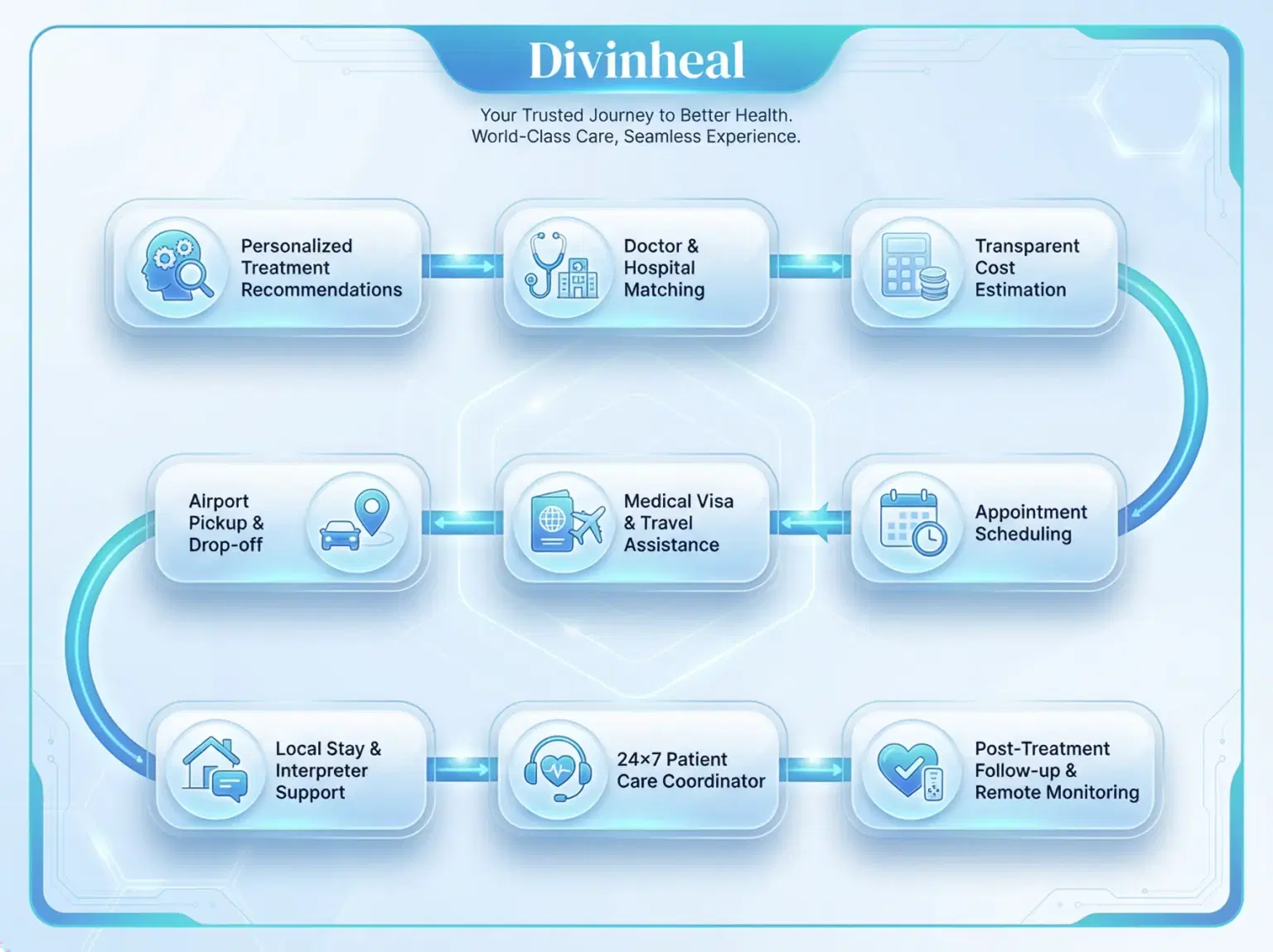
What Divinheal Coordinates
Medical review — your reports, imaging, and
biopsy results are reviewed by a named specialist before you travel. A written
treatment plan and cost estimate are provided.
- Hospital appointment booking within 1–2 weeks
- Indian Medical Visa invitation letter — required
for UAE and UK patients
- Accommodation near the treatment hospital (1–2
km away)
- Airport transfers on arrival and all transport
between hospitals
- A WhatsApp-accessible patient coordinator
throughout your stay
- Arabic language interpretation at all
consultations for UAE patients
- Post-return telemedicine follow-up with your
treating oncologist
- Written discharge summary and chemotherapy
protocol document for your oncologist at home
Divinheal doesn’t charge a placement
fee—you pay the hospital directly at its usual rates. You’ll also get a written
estimate in AED or GBP upfront, so you know what to expect before planning
travel. If you’re coming from the UK, they can also guide you on which parts of
your follow-up care can continue under the NHS once you’re back home.
Travel Logistics: Visa,
Accommodation & Timing
UAE patients
usually travel on an Indian Medical e-Visa, which is processed in about 3–7
working days. UK patients apply for a Medical Visa through VFS Global centres
in cities like London, Manchester, Birmingham, and Edinburgh, and it typically
takes around 10–15 working days. Divinheal provides the hospital invitation
letter needed for the application. It’s a good idea to apply at least 3 weeks
before your planned travel to avoid any last-minute delays.
Flight times:
Dubai to Delhi (DEL) approximately 3 hours; Dubai to Chennai (MAA)
approximately 3.5 hours. London Heathrow to Delhi, approximately 8.5 hours;
London to Chennai, approximately 9 hours. Typical time in India for CRC
treatment: diagnostic workup and surgery — 10–14 days. Chemotherapy cycles are
usually given on return visits every 3 weeks (7–10 days per visit). Divinheal
arranges a structured multi-visit plan to keep total travel to a minimum.
Post-Treatment Care and
Long-Term Wellbeing
Recovery
from colorectal cancer treatment happens in phases. Divinheal coordinates the
full post-treatment plan before you leave India.
- Bowel function after surgery — changes in bowel
habit after colectomy are common in the first weeks and months. Your discharge
instructions include dietary guidance (low-fibre at first, then adding fibre
over 4–6 weeks), activity limits, and signs to watch for. For patients who have
had an ostomy, specialist stoma nurse support is arranged.
- Managing chemotherapy side effects — common side
effects of CAPOX or FOLFOX include peripheral neuropathy (tingling in fingers
and feet), fatigue, nausea, and mouth sores. Your treating oncologist gives a
written plan for managing side effects. Divinheal arranges telemedicine access
if you need specialist advice between cycles.
- Cancer surveillance — standard follow-up after CRC treatment includes CEA blood tests every 3–6 months, CT scans of the chest/abdomen/pelvis every 6–12 months for the first 3 years, and colonoscopy at 1 year, then every 3–5 years (NICE CG131; ESMO guidelines). Divinheal coordinates your follow-up plan with both your Indian oncologist and your local GP or oncologist at home.
- Lifestyle and recurrence prevention — a high-fibre diet, limits on processed meat, regular activity, healthy weight, and not smoking are all linked to lower recurrence risk. These habits also benefit your heart and general health.
Final Thoughts
Colorectal cancer
is much easier to treat when it’s caught early. At Stage I–II, more than 90% of
people live at least five years, which is why screening is so important. For
patients in the UAE, the challenge is often limits with private insurance. In
the UK, it’s usually delays in the NHS. Different systems, but the same
issue—getting diagnosed early and starting the right treatment without delay.
Divinheal’s
experience supporting cancer patients in India shows it is a practical and
medically sound choice. JCI-accredited oncology centres, experienced
multidisciplinary teams, and costs 60–75% below UAE and UK private rates are
why patients choose India. Contact Divinheal for a free case evaluation. This
includes a written cost estimate in AED or GBP and a named specialist consultation
at the right partner hospital.
Medical
disclaimer: All information in this article is for educational purposes only
and does not constitute medical advice. Colorectal cancer is a serious medical
condition. All treatment decisions should be made in consultation with a
qualified specialist who has reviewed your individual case. Survival rates are
population-level statistics derived from SEER/NCI data and ESMO/NICE
guidelines; they are not individual predictions. Costs are approximate
2025–2026 estimates for private healthcare; currency conversions at Q1 2026
rates. Patient’s story is an illustrative composite; name changed for privacy.
Related Links
Booking With DIVINHEAL
Get a free consultation to understand your treatment options
Related Links
DivinHeal's Journey
Latest Articles







Hospitals Offering this treatment
India offers premium medical procedures at affordable prices. Discover our most popular treatments, delivered by the country's finest doctors.
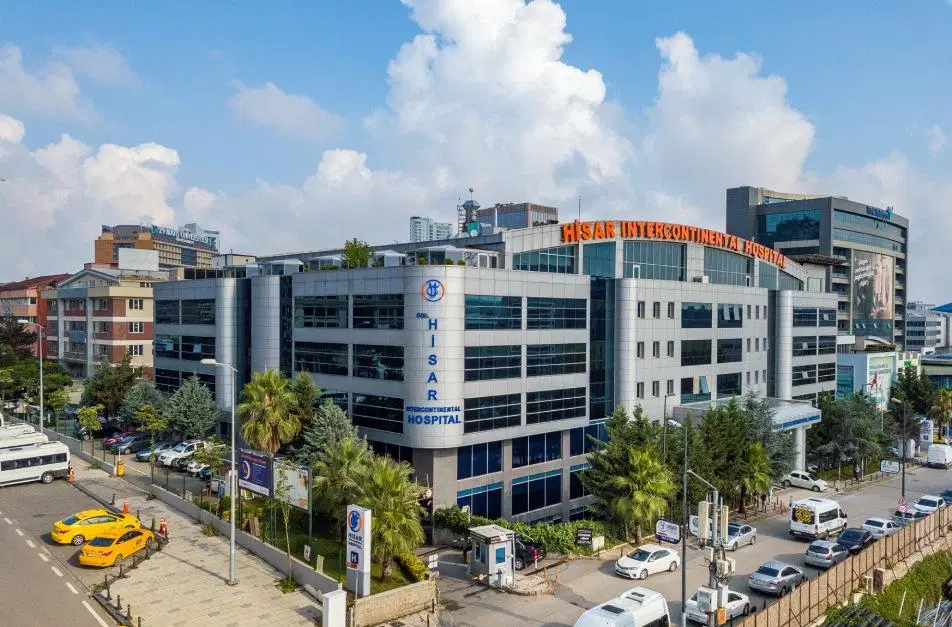
Hisar Intercontinental Hospital
Saray Mah. Siteyolu Cad. No:7, Umraniye, 34768, Istanbul, Turkey
Hisar Intercontinental Hospital
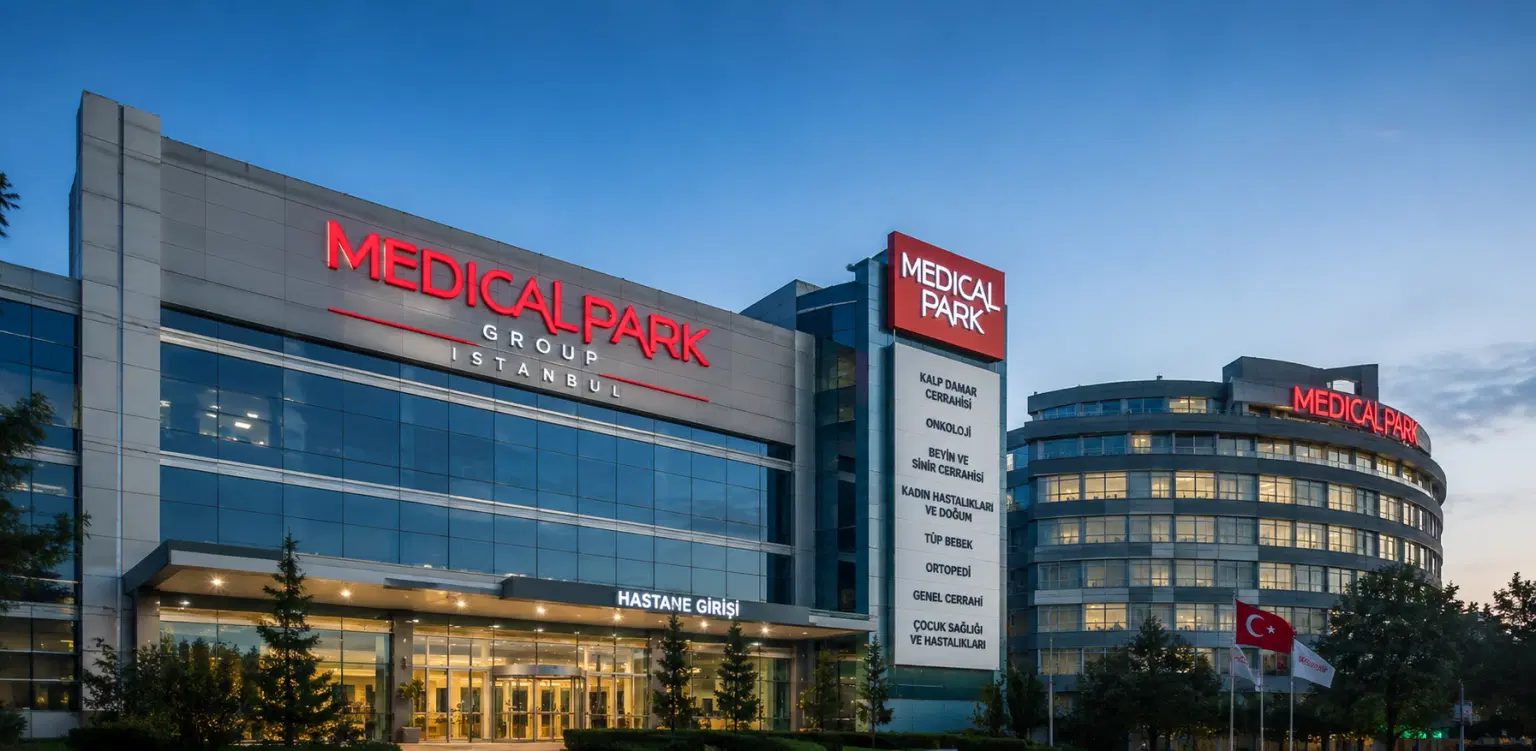
Medical Park Group, Istanbul
Fahrettin Kerim Gokay Cad. Tıbbiye Cd., Kadikoy, Istanbul, Turkey
Medical Park Group, Istanbul
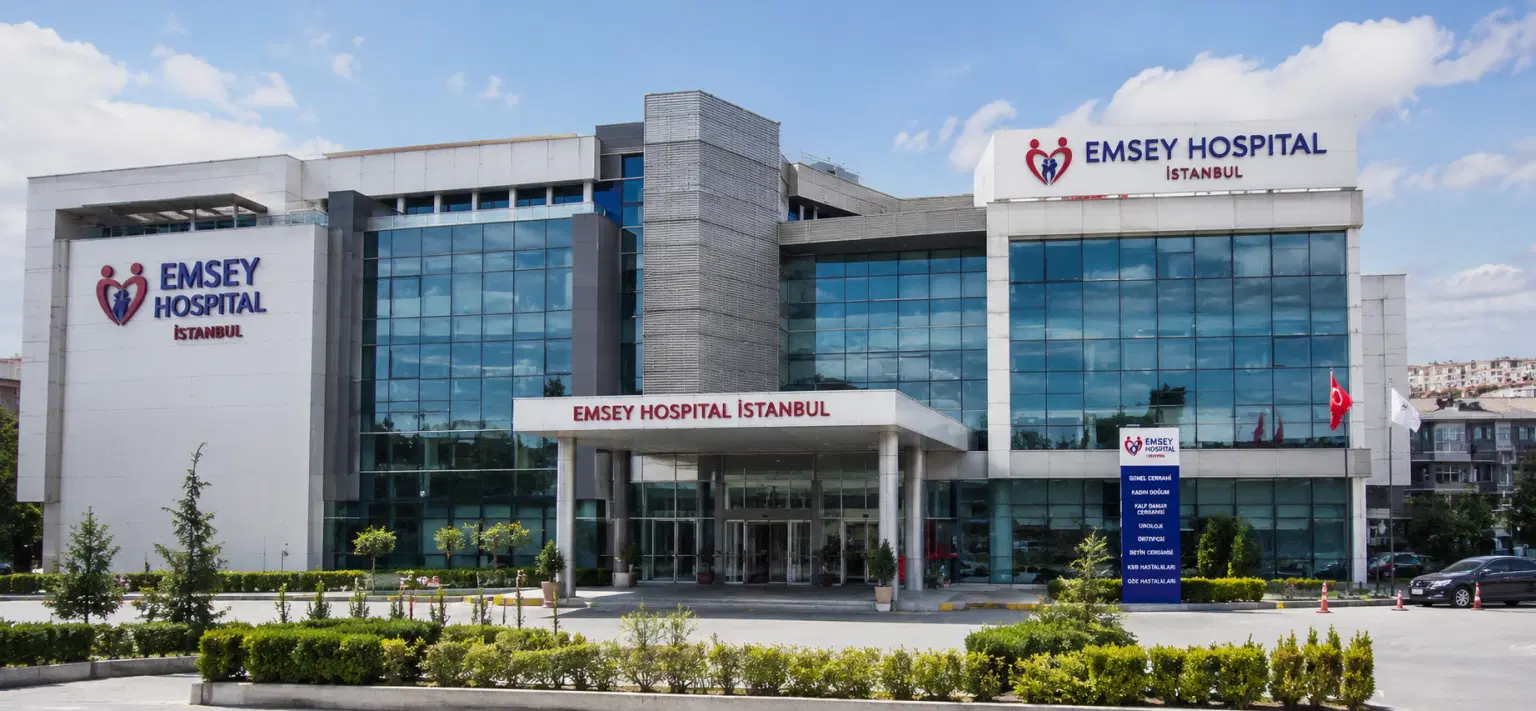
Emsey Hospital, Pendik, Istanbul
Çamlık, Selçuklu Cd. No:22, 34912 Pendik/İstanbul, Türkiye
Emsey Hospital, Pendik, Istanbul
American Hospital, Istanbul
Guzelbahce Sk. No:20, 34365, Nisantasi, Istanbul, Turkey
American Hospital, Istanbul
Memorial Hospitals Group
Burhaniye, Nagehan Sokağı No:4/A D:1, 34676 Üsküdar/İstanbul, Türkiye
Memorial Hospitals Group
Florence Nightingale Hospital Istanbul
Abide-i Hürriyet Cd No:166, 34381 Sisli, Istanbul
Florence Nightingale Hospital Istanbul
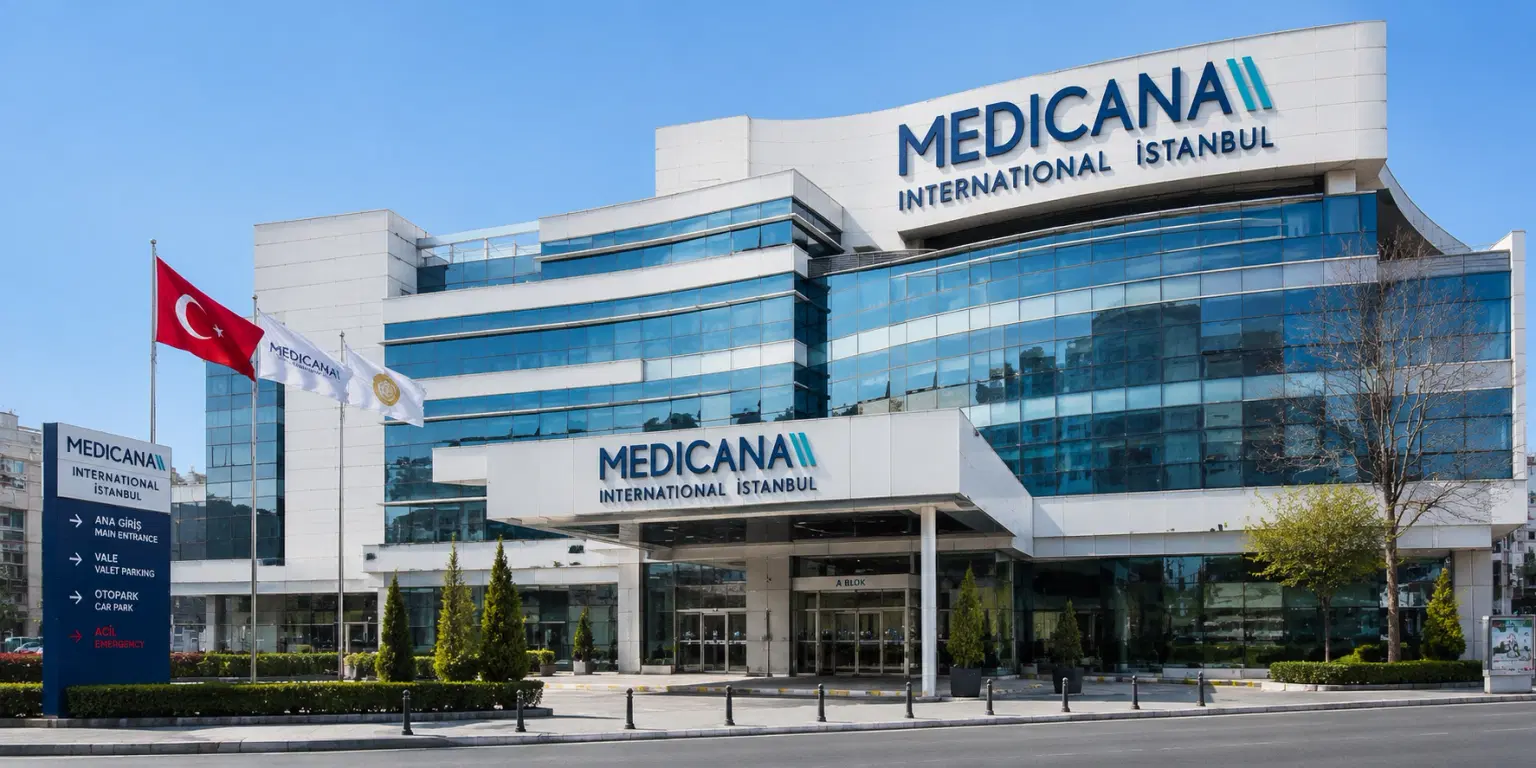
Medicana International Hospital, Istanbul
Halit Ziya Turkkani Mah. Medikal Park Cd. No:1, Beylikdüzü, İstanbul
Medicana International Hospital, Istanbul
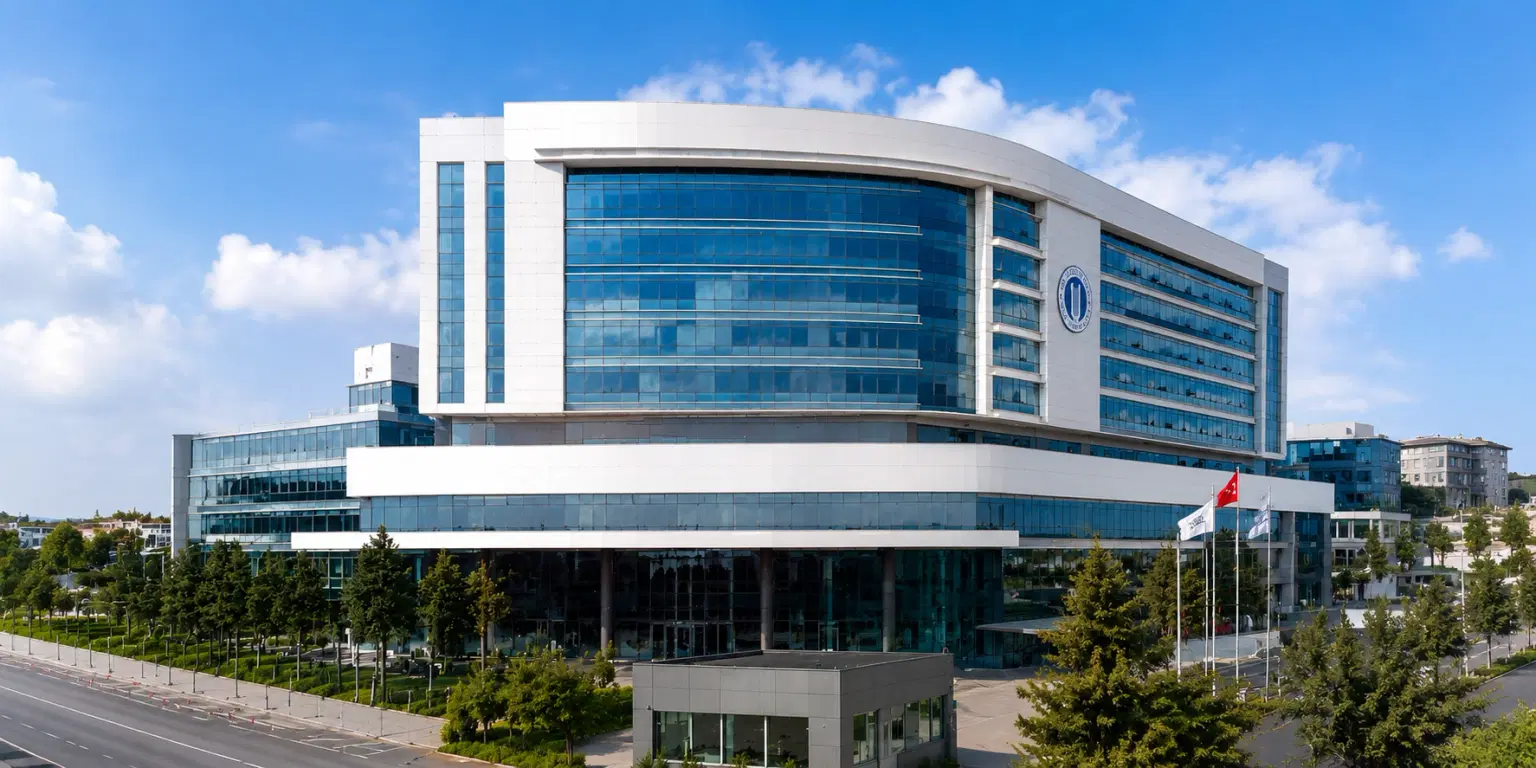
Okan University Hospital Istanbul
Icmeler Mah. Aydınlıyolu Cd. No:2, 34947 Icmeler-Tuzla, Istanbul
Okan University Hospital Istanbul
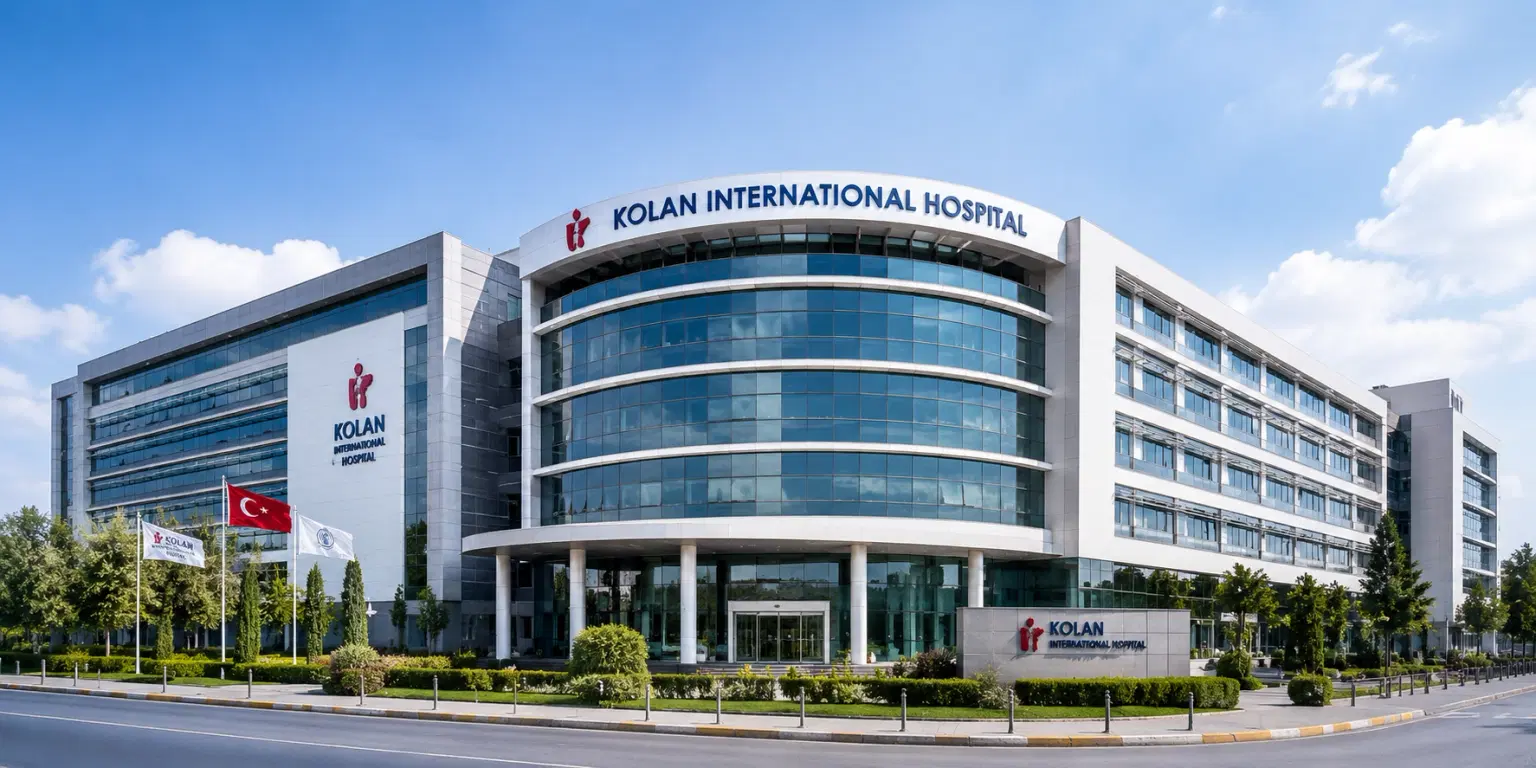
Kolan International Hospital, Istanbul
Kaptanpasa Mah. Okmeydan Kavsagi, Darulaceze Cd. No:14, 34384 Sisli, Istanbul
Kolan International Hospital, Istanbul
Frequently Asked Questions
Get answers to common questions about medical tourism, treatment procedures, and our comprehensive healthcare services.
Ready To Start Your Healing Journey?
Get Personalized Medical Treatment Options From India's Top Hospitals. Our Medical Experts Are Ready To Assist You Every Step Of The Way.