Kidney Stone Laser Surgery in India 2026: Cost, Types & Recovery Guide for UK & Indian Patients
The cost of kidney stone laser surgery (URS-L) at NABH/JCI-accredited partner hospitals in India is between ₹60,000 and ₹1,50,000 ($720 and $1,800; £576 and £1,440) for a single kidney. In a private hospital in the UK, the same surgery costs between £5,000 and £12,000. Patients in the UK often have to wait 12 to 18 months for NHS urology care. Patients in India might also want to look at different clinics. India's accredited hospitals have skilled urologists, cutting-edge laser systems, and appointments available the same week.
This guide tells you how laser surgery for kidney stones works. It talks about which procedure is best for which size stone, the full costs in GBP, partner hospital options, steps for recovery, and travel tips for UK and Indian patients.
What Are Kidney Stones? Causes, Sizes, and When Surgery Is Needed
What Are Kidney Stones and What Causes Them?
Kidney stones are hard lumps of minerals and salts. They form inside the kidneys when urine gets too concentrated. Certain minerals — mostly calcium, oxalate, and uric acid — clump together and harden. Common causes include not drinking enough water, a high-salt or high-protein diet, obesity, inflammatory bowel disease, and a family history of stones. Hyperparathyroidism (overactive parathyroid glands) is another cause.
Kidney stones range from a few millimetres to several centimetres. Small stones (under 5 mm) often pass on their own. You just need enough water and pain relief. Larger stones block the urinary tract. They cause severe flank pain (renal colic) and blood in the urine. They also raise the risk of infection or kidney damage — and need active treatment.
What Is Kidney Stone Laser Surgery (URS-L)? Is It Good for Kidney Stones?
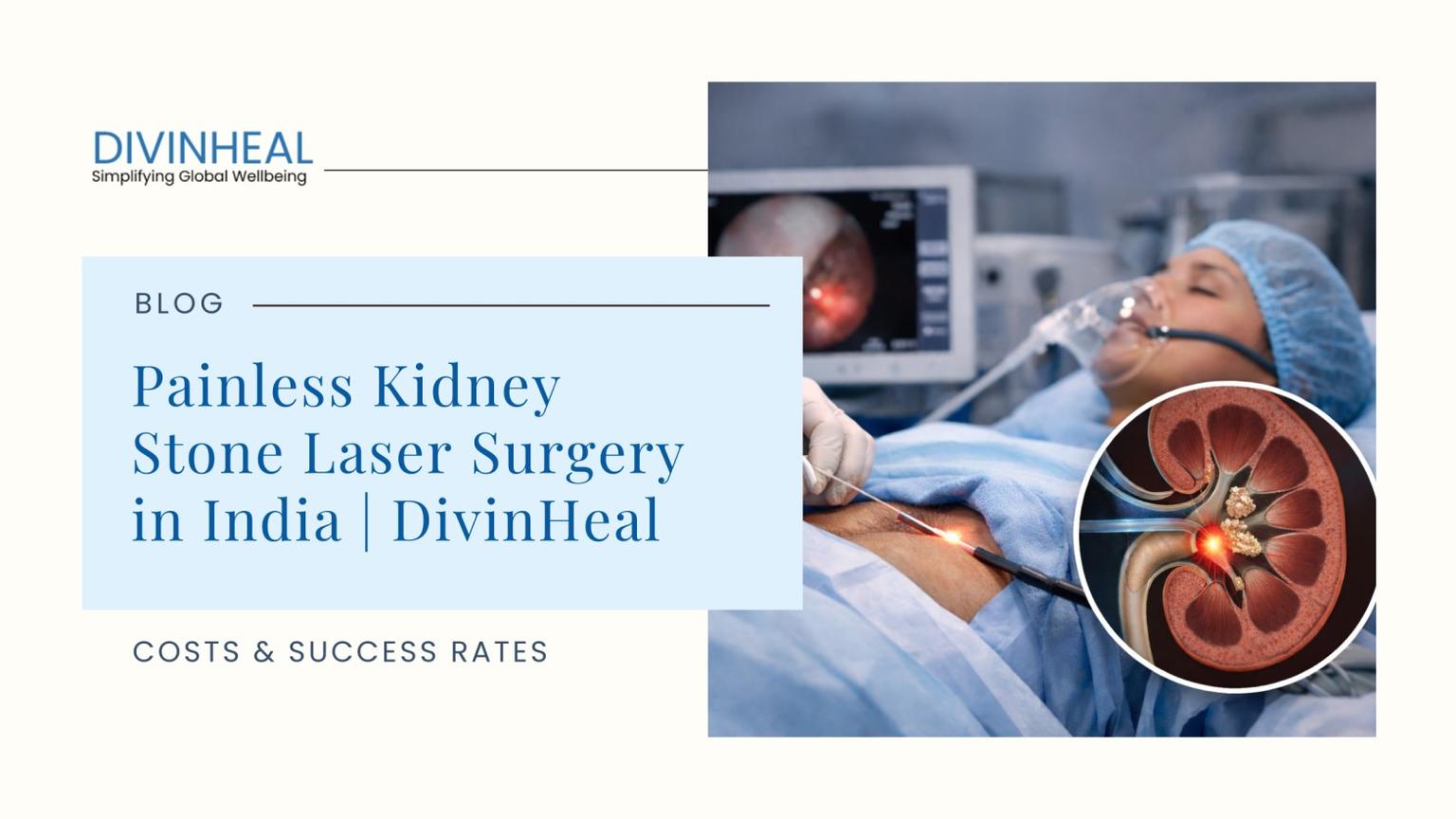
Kidney stone laser surgery is called Ureteroscopy with Laser Lithotripsy (URS-L). It is the most widely performed surgical treatment for kidney and ureteral stones worldwide. No cuts are made in the skin. The surgeon passes a thin scope through the urethra and bladder, up into the ureter or kidney to reach the stone. A laser fibre through the scope then breaks the stone into fine powder or small pieces. These pass out naturally.
URS-L is effective for most stones between 5 and 25 mm in diameter. Stone expulsion rates vary between 85% to 98%, depending on stone size and position. This has been established through previous literature reviews in the field of urology. Few complications have been reported. Patients are usually discharged from the hospital within one day. It is the standard first-line surgical option at NABH/JCI-accredited urology departments.
Holmium vs Thulium Laser Lithotripsy: Types of Kidney Stone Laser Removal
Two laser types are used at partner hospitals:
• Holmium: YAG laser lithotripsy (Ho: YAG) — the established gold standard, effective for stones of all types (calcium oxalate, uric acid, struvite, cystine). Available at all Divinheal partner hospitals. The laser can switch between dusting (fine powder) and fragmentation (small passable pieces) modes.
• Thulium Fibre Laser (TFL) — a newer laser with faster stone removal and more efficient dusting. It works especially well for harder stones and complex cases in the renal pelvis. Available at Medanta Gurgaon and select partner hospitals. It is preferred for difficult stones where full clearance in one session is the goal.
Your urologist will choose the right laser. The choice is based on stone type (from CT scan), stone size, and location. Both lasers are safe and effective at NABH-accredited partner hospitals.
Stone Size vs Recommended Procedure: A Clinical Guide
Stone size is the main factor in choosing the right procedure. The table below matches stone size to the standard recommended approach.
Stone Size | Classification | Recommended Procedure(s) | India Cost at Partner Hospitals |
<5 mm | Small | Conservative management — hydration, medication; most pass spontaneously | ₹5,000–₹20,000 (monitoring and medication only) |
5–10 mm | Moderate | ESWL (shockwave lithotripsy) or URS with laser — choice depends on stone location and composition | ₹40,000–₹80,000 (ESWL) or ₹60,000–₹1,00,000 (URS laser) |
10–20 mm | Large | URS with laser lithotripsy (Holmium or Thulium) — preferred for most stones in this range | ₹60,000–₹1,50,000 ($720–$1,800; £576–£1,440) |
>20 mm (2 cm+) | Very large | PCNL (Percutaneous Nephrolithotomy) — primary choice for most stones >2 cm; sometimes staged URS-PCNL | ₹1,00,000–₹2,50,000 ($1,200–$3,000; £960–£2,400) |
Procedure choice also depends on where the stone is (ureter or renal pelvis). Stone type matters too — harder stones may need Thulium laser or PCNL. Patient factors like anatomy or blood-thinning medication also play a role. Your urologist confirms the final approach after reviewing your CT scan. All procedures in the table are available at NABH/JCI-accredited Divinheal partner hospitals.
How Kidney Stone Laser Surgery Works: The URS-L Procedure Explained
Step-by-Step: What Happens During Kidney Stone Laser Surgery
URS-L is done under spinal or general anaesthesia. No cuts are made in the skin. The typical steps are:
• Anaesthesia — spinal anaesthesia (you are awake but fully numb from the waist down) or general anaesthesia, based on your preference and the anaesthetist’s assessment
• Scope insertion — a thin ureteroscope (about 2–3 mm diameter) is passed through the urethra and bladder, then up the ureter to reach the stone. No cut is required.
• Stone identification — the stone is seen directly through the scope, confirmed with X-ray guidance if needed
• Laser fragmentation — a laser fibre (200–365 microns in diameter) is advanced to the stone’s surface; the laser pulses break it into fine powder or small pieces.
• Fragment clearance — larger pieces are removed with a small stone basket; fine powder passes out naturally
• Ureteral stent placement — a thin stent is placed from the kidney to the bladder to prevent blockage and help fragments pass. The stent is removed 7–14 days later as an outpatient procedure.
Most URS-L procedures take 45–90 minutes. Stones in the renal pelvis or very large stone burdens may take longer. Most patients go home on the day of surgery or after one overnight stay.
How to Remove 20 mm Kidney Stones: URS-L, PCNL, and ESWL Compared
A 20 mm (2 cm) kidney stone is classified as large. Ureteroscopy alone may not clear everything in one session at this size. Three main options exist for stones in the 15–25 mm range:
• URS-L (laser ureteroscopy) — can treat stones up to about 2 cm, especially with Thulium fibre laser and the dusting method. May need more than one session for very hard stones. Best for stones in the ureter or accessible renal pelvis.
• PCNL (Percutaneous Nephrolithotomy) — the standard first choice for stones >2 cm in the kidney. A 1 cm skin cut in the back gives a nephroscope direct access to the kidney. Single-session clearance rates are over 95% for large stone burdens. That is higher than URS-L for this size. It involves a 2–4 day hospital stay.
• ESWL (Extracorporeal Shockwave Lithotripsy) — shockwave treatment from outside the body; no instruments are inserted. Best for softer stones under 2 cm in easy-to-reach positions. Not usually recommended for stones >2 cm or harder stones (cystine, calcium oxalate monohydrate). Sometimes used to break a large stone before URS-L.
For a 20 mm renal stone, most urologists recommend PCNL for the best single-session clearance. Divinheal partner specialists confirm the right procedure after reviewing your CT scan. This usually takes 3–5 working days after you upload your records.
Is Kidney Stone Laser Surgery Painful?
The surgery itself is not painful — you are under anaesthesia. After the anaesthesia wears off (usually 2–4 hours after surgery), you may feel discomfort from two sources. First, mild to moderate flank or back soreness where the ureter was accessed. Second, the ureteral stent, can cause bladder spasms, a feeling of urgency, and mild burning when you urinate. Stent discomfort is the most common complaint after URS-L. It is managed with anti-spasmodic and pain medication.
Most patients rate post-operative discomfort as 2–4 out of 10 by day 2–3. This is much less than the renal colic pain that brought them to treatment. The stent is the main source of ongoing discomfort. It stays in place for 7–14 days. Removing it is a quick 5–10 minute outpatient procedure under local anaesthesia.
Kidney Stone Surgery Cost in India vs UK (2026)
The table below covers all major kidney stone procedures. It includes GBP figures and the UK NHS context for UK patients, and ₹ with USD for Indian patients.
Procedure | India (partner hospitals) | UK (private) | UK (NHS) |
ESWL (shockwave lithotripsy) | ₹40,000–₹80,000 ($480–$960; £385–£770) | £2,000–£5,000 | Available for eligible patients; waiting time 6–18 months |
URS with laser lithotripsy (Holmium/Thulium) — single kidney | ₹60,000–₹1,50,000 ($720–$1,800; £576–£1,440) | £5,000–£12,000 | Available but waiting time 12–18 months |
Flexible URS (FURS) with laser — renal pelvis stones | ₹80,000–₹1,80,000 ($960–$2,160; £770–£1,730) | £6,000–£14,000 | Limited availability; waiting time 12–24 months |
PCNL — percutaneous nephrolithotomy (large stones >2 cm) | ₹1,00,000–₹2,50,000 ($1,200–$3,000; £960–£2,400) | £8,000–£20,000 | Available for complex cases; longest waits |
Sources: Apollo Hospitals Chennai, Fortis Noida, Medanta Gurgaon, MAX Hospitals, Artemis Gurgaon, and Paras Hospitals are all partner hospitals in India that offer direct pricing. Costs for private care in the UK: Nuffield Health and Spire Healthcare put out prices for urology services for 2024–25. NHS England's referral to treatment data for 2025 shows how long people have to wait for NHS services. At the end of the first quarter of 2026, the exchange rates were 1 GBP = 105 INR and 1 USD = 83.5 INR.
Kidney Stone Surgery Cost in the UK: NHS vs Private
For eligible UK citizens, kidney stone treatment under the NHS scheme does not require any money on the patient’s part. However, the time required to undergo treatment has increased considerably. Typically, the waiting time for routine URS-L is about 12-18 months. For PCNL, the waiting time is higher still. Patients suffering from obstruction, infection, or severe pain can receive quicker NHS treatment through the emergency pathway.
The cost of private kidney stone treatment in the UK stands at between £5,000 and £12,000 for URS-L and £8,000 and £20,000 for PCNL in major private hospitals, including Nuffield Health, Spire Healthcare, and BMI Healthcare. Treatment cost for UK citizens opting for treatment in India in NABH-accredited partner hospitals comes to around £576-£1,440 for URS-L. The savings work out to 75%-88% versus UK private pricing, even before travel costs.
Kidney Stone Surgery Cost in India: Full Breakdown
Costs are the same at NABH/JCI-accredited partner hospitals in India. The cost of a standard single kidney procedure at URS-L is ₹60,000–₹1,50,000 ($720–$1,800; £576–£1,440). PCNL costs between ₹1,00,000 and ₹2,50,000 ($1,200 and $3,000; £960 and £2,400). These prices include: anaesthesia, the urologist's fee, the theatre and equipment, the hospital stay (1–2 days for URS-L and 2–4 days for PCNL), the ureteral stent (for URS-L), standard post-operative medications, and one or two follow-up visits to remove the stent.
What is usually not included: Additional nights if required; continued medication post-discharge; pre-op CT scan (costing ₹3,000-₹8,000 if not performed previously); and further consultations once discharged from the hospital. The costs are presented to you by Divinheal on a written estimate in GBP before you commit to travel.
What Factors Affect Kidney Stone Surgery Cost in India?
Key cost factors:
• Procedure type — URS-L (₹60,000–₹1,50,000) vs PCNL (₹1,00,000–₹2,50,000); PCNL involves a longer stay and more complex equipment
• Stone complexity — multiple stones, bilateral stones, or staghorn calculi require more time and possibly multiple sessions.
• Laser type — Thulium fibre laser (newer, used for complex cases) may cost more than Holmium at some hospitals
• Hospital tier — JCI-certified hospitals (Medanta, Artemis, Apollo Chennai) charge more but meet internationally verified quality standards.
• City — Delhi NCR and Chennai pricing are broadly similar; Mumbai may be slightly higher (not currently in the Divinheal partner network)
Is Kidney Stone Laser Surgery Safe? Risks, Success Rates & Side Effects
How Successful Is Laser Treatment for Kidney Stones?
URS-L with Holmium or Thulium laser achieves stone clearance rates of 85–98%, depending on stone size and location. This is based on published urology studies. For ureteral stones (in the ureter), single-session clearance rates exceed 95%. For renal pelvis stones under 2 cm, single-session clearance is 80–90%. For stones over 2 cm (where PCNL is typically recommended), URS-L clearance falls to 70–80%. That is why PCNL is preferred for this size.
At NABH/JCI-accredited partner hospitals, stone clearance is confirmed by imaging before you go home. The imaging is a KUB X-ray or low-dose CT scan. Divinheal makes sure you get a written imaging report in English before you leave India.
Is Kidney Stone Removal Risky? Is It a Major Surgery?
Modern kidney stone surgery — URS-L and PCNL — is not major surgery in the traditional sense. URS-L is minimally invasive with no skin cuts. The overall complication rate is low. Minor complications (including stent-related symptoms) occur in around 5–8% of cases. Serious complications occur in under 1%. PCNL involves a small skin cut and is more invasive. But it is still far less risky than open kidney surgery, which it has largely replaced.
Risks of URS-L include: ureteral injury (very rare, less than 0.5%); urinary tract infection (2–4%); bleeding that needs treatment (under 0.5%); and stent-related lower urinary tract symptoms (common, temporary). Your urologist checks for risk factors before the procedure — especially blood-thinning medication and active infection. An active urinary tract infection is treated before elective stone surgery.
What Are the Side Effects of Kidney Stone Laser Treatment?
Expected temporary side effects (most patients experience some of these):
• Blood in urine (haematuria) for 1–5 days — normal, resolves on its own with enough fluids
• Burning or discomfort when urinating for 3–7 days — mainly from the ureteral stent; managed with an alpha-blocker and anti-spasmodic medication.
• Urinary urgency and frequency — from the stent; goes away after stent removal.
• Mild to moderate flank or back aching — from the scope reaching the kidney; usually resolves within 3–5 days.
• Temporary mild fever on day 1–2 — common, managed with prescribed antibiotics
Symptoms that need prompt medical attention: high fever (above 38.5°C), severe uncontrolled pain, inability to pass urine, or heavy ongoing bleeding. Divinheal gives you a written guide on warning signs and direct contact numbers before you leave India.
Is Lithotripsy High Risk? ESWL vs Laser: What Is the Difference?
‘Lithotripsy’ refers to ESWL — Extracorporeal Shockwave Lithotripsy. It is a non-invasive procedure. High-energy shock waves are directed from outside the body to break the stone. No instruments go inside the urinary tract. It is generally the lowest-risk option for kidney stones. No anaesthesia is needed (or just mild sedation), no cuts, and it is done as an outpatient. It works less well for harder stones or stones over 2 cm. So it is used for smaller, softer stones in easy-to-reach positions.
Laser lithotripsy (URS-L) is different. It uses a laser fibre passed into the urinary tract through a scope. It is endoscopic, not external. It needs anaesthesia but achieves higher clearance rates for most stone types. Both ESWL and URS-L are low-risk procedures. PCNL involves a small skin cut and carries slightly more risk. But it is still far less risky than traditional open surgery. All three are available at Divinheal partner hospitals.
Is 2 cm a Big Kidney Stone?
Yes — 2 cm (20 mm) is classified as a large kidney stone. Stones this size very rarely pass on their own and almost always need active treatment. For a 2 cm renal stone (in the kidney), most urologists recommend PCNL. It achieves over 95% single-session stone clearance at high-volume urology centres. URS-L can be tried for stones this size, especially with the Thulium fibre laser and the dusting method. But it may need more than one session and has lower clearance rates than PCNL for this size.
Urs-l is the best method for treating ureteric stones measuring 2 cm in the ureter, but not in the kidney. The ureter can be easily accessed using the ureteroscope. The PCNL treatment method is not required for ureteric stones. This recommendation is made based on your CT scan.
Divinheal’s Partner Hospitals for Kidney Stone Surgery in India
Divinheal’s partner hospitals are NABH/JCI-accredited hospitals in Delhi NCR and Chennai. All have dedicated high-volume urology departments. All partner hospitals offer URS-L, ESWL, and PCNL.
Hospital | City | Accreditation | Urology / Kidney Stone Programme |
Apollo Hospitals Chennai | Chennai | JCI, NABH | Urology department: URS laser lithotripsy, PCNL, ESWL; Holmium and Thulium laser platforms; dedicated international patient centre with English support |
Fortis Hospital Noida | Delhi NCR | NABH | Urology and nephrology; laser stone removal (URS-L); PCNL for large stones; high-volume stone management programme |
Medanta Gurgaon | Gurgaon (Delhi NCR) | JCI, NABH | Comprehensive urology department; Thulium fibre laser lithotripsy; flexible URS; PCNL; robotic-assisted urology for complex cases |
MAX Hospitals | Delhi NCR | NABH | Urology: kidney stone laser surgery (Holmium URS-L), PCNL, ESWL; high-volume stone clearance programme; post-operative stent management |
Artemis Gurgaon | Gurgaon (Delhi NCR) | JCI, NABH | Urology and renal surgery; laser lithotripsy; PCNL; integrated nephrology for metabolic stone workup; international patient coordination |
Paras Hospitals | Gurgaon (Delhi NCR) | NABH | Urology: laser stone removal, PCNL, ESWL; cost-accessible NABH-accredited care for domestic and UK patients |
Named urologists and their annual stone procedure volumes are confirmed by the Divinheal medical team before matching you with a hospital. For complex cases (staghorn calculi, bilateral stones, anomalous kidneys), Divinheal recommends Medanta Gurgaon or Apollo Hospitals Chennai. These hospitals have the highest urology volumes and access to Thulium fibre laser. Paras Hospitals and Fortis Noida offer the most accessible pricing for standard URS-L in Delhi NCR.
Why UK and Indian Patients Choose India for Kidney Stone Surgery
NABH/JCI-Accredited Urology Departments and Internationally Trained Surgeons
Divinheal partner hospital urology departments hold NABH and (at three hospitals) JCI accreditation. This is the same quality certification used by top UAE and international hospitals. Senior urologists typically hold MCh Urology from reputed Indian medical universities. Many also hold subspecialty fellowships from the UK, USA, or European institutions. Many have trained in advanced endourology — flexible URS, PCNL, and laser lithotripsy. They perform over 300 stone procedures each year.
Every one of the partner hospitals has a stone management program. This entails protocols for preoperative, intraoperative, and postoperative management. Your stone is cleared by imaging before discharge from the hospital.
Holmium and Thulium Laser Technology at Partner Hospitals
All Divinheal partner hospitals have Holmium: YAG laser platforms for standard URS-L. Medanta Gurgaon and Apollo Hospitals Chennai also offer Thulium Fibre Laser (TFL) for complex cases. Flexible ureteroscopes — needed to reach stones in the renal pelvis — are available at all partner hospitals. Robotic-assisted urological procedures are available at Medanta Gurgaon and Artemis Gurgaon for select complex cases.
70–80% Cost Savings vs UK Without Compromising Clinical Standards
A UK patient paying £576–£1,440 for URS-L in India saves £4,000–£10,000 on the procedure alone. Compare that to £5,000–£12,000 at a UK private hospital. Return flights from London to Delhi cost about £400–£700. Add 7–10 days of accommodation near the hospital — about £200–£400. The total India trip still sits 60–75% below the UK private procedure cost. For patients facing 12–18 month NHS waits, the speed advantage is also significant. India’s partner hospitals offer appointments within 1–2 weeks of enquiry.
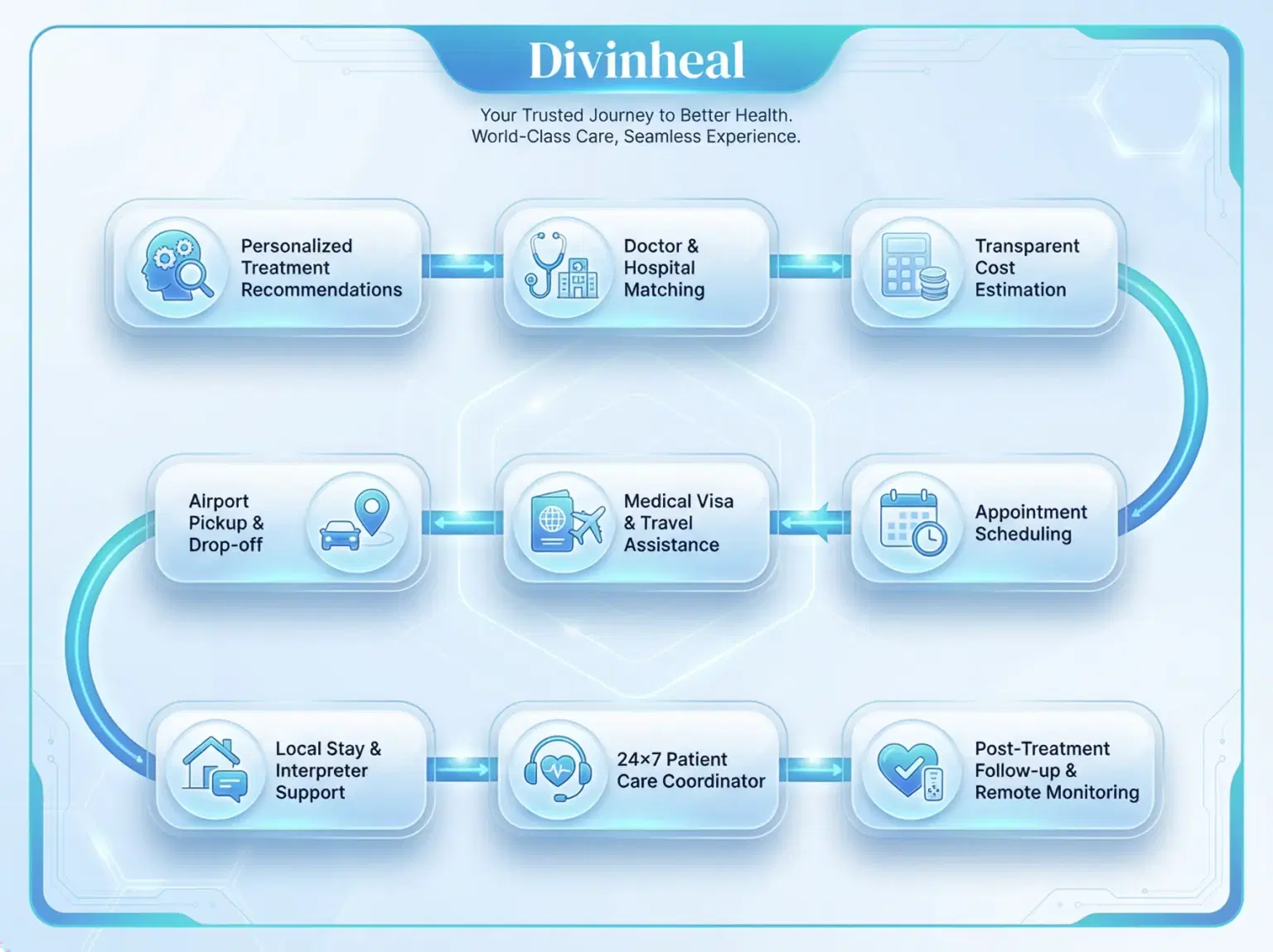
How Divinheal Supports UK & Indian Kidney Stone Surgery Patients
Divinheal coordinates the full kidney stone surgery journey — from uploading your CT scan for specialist review to your post-return telemedicine follow-up with your urologist.
• Pre-travel specialist review — upload your CT scan and urology reports; a named urologist at the partner hospital reviews your case; you receive a written procedure recommendation and GBP or ₹ cost estimate before any travel commitment
• Matching of hospitals/surgeons according to stone types and sizes, and the patient’s budget
• Appointment scheduling within 1-2 weeks after confirmation of the case study
• Invitation letter for Indian Medical Visa from UK-based patients
• Patient accommodation close to the hospital (within 1-2 kilometres; serviced apartments – ₹2,500-₹6,000/night or about £24-57 per night)
• Airport and city transportation
• 24/7 availability of a patient coordinator through WhatsApp
• Schedule a stent removal surgery (from day 7 to 14 after surgery)
• Telemedicine follow-up visit with the urologist
• Written discharge summary and stone composition analysis (if done) for your home-country GP or urologist
Divinheal does not charge a placement fee. Partner hospital rates are direct patient pricing. Written cost estimates in GBP are provided before any commitment to travel.
James, a 54-year-old from London (illustrative composite, name changed), had a 14 mm ureteral stone causing recurrent painful episodes. His NHS referral appointment was 11 weeks away. After uploading his CT scan through Divinheal, a urologist at MAX Hospitals in Delhi confirmed he was suitable for single-session Holmium URS-L. His surgery was completed 9 days after his first Divinheal enquiry. Total India cost including the procedure, 8 days of accommodation in Delhi, and return flights from Heathrow: approximately £2,800. His NHS private quote for the same procedure was £8,500.
The story is an illustrative composite based on typical patient journeys. Name changed for privacy. All costs are approximate.
Visa and Travel for UK Patients
UK nationals can apply for an Indian Medical e-Visa at indianvisaonline.gov.in. Processing typically takes 5–10 business days. You can also apply for a full Medical Visa through VFS Global in London, Manchester, Birmingham, or Edinburgh. That takes 10–15 working days. Divinheal provides the hospital invitation letter needed for your application. Apply at least 3 weeks before you plan to travel. Direct flights from London Heathrow (LHR) to Delhi Indira Gandhi Airport (DEL) take about 8.5 hours.
Typical stay for URS-L: 6–10 days. This involves 1-2 days for pre-operative examination, 1-2 days for surgery, 5-7 days after discharge before stent removal, and confirmation of travel clearance by your attending urologist. Divinheal obtains confirmation of travel clearance from the attending urologist before you return home.
Recovery After Kidney Stone Laser Surgery: What to Expect
Recovery Timeline After Kidney Stone Laser Surgery
• Day 0–1 (surgery day): The procedure lasts 45 to 90 minutes and is done under anaesthesia. A ureteral stent is placed. The patient is released the same day or after one night in the hospital. Mild flank pain and blood in the urine are normal.
• Day 1–3: Blood in urine changes from pink to clear as long as you drink enough fluids (2–3 litres per day). Stent symptoms (urgency, burning during urination) are at their worst, and you can only do light activities.
• Day 3–7: Most patients go back to light work (like desk jobs); stent symptoms slowly get better; they should stay away from hard exercise.
• Day 7–14: The stent is taken out (outpatient, 5 to 10 minutes under local anaesthesia or short sedation), and the symptoms that were caused by the stent go away right away.
• Week 2–4: Full return to normal activities; follow-up imaging to confirm stone clearance; dietary and metabolic workup recommended to prevent recurrence
Ureteral Stent: What to Expect and When It Is Removed
A ureteral stent is a thin, coiled plastic tube. It is placed after most URS-L procedures. It keeps the ureter open while post-operative swelling goes down. It also makes sure urine drains freely from the kidney. The stent sits between the kidney and the bladder and is not visible externally. It has a fine thread (stent string) that exits the urethra. This allows outpatient removal without a cystoscope.
Stent duration at Divinheal partner hospitals: typically 7–14 days, set by the urologist based on the procedure and the ureter’s condition. For UK patients, stent removal is planned before discharge from India. The patient can return home and come back for removal, or have it done before departure for shorter stays. Divinheal coordinates the stent removal appointment as part of the standard package.
Is Kidney Stone Surgery a Same-Day Procedure?
URS-L for a straightforward ureteral stone is often a day-case procedure. You go home the same day or after one overnight stay. An overnight stay is generally recommended for monitoring after anaesthesia, for pain control, and to confirm adequate urine output. For more complex cases (renal pelvis stones, larger stone burdens, or PCNL), a 2–4 night hospital stay is standard. Divinheal’s written package details specify the expected hospital stay for your specific procedure.
Long-Term Outlook and Prevention
If the procedure is successful, the prognosis for patients is excellent. Nearly all will be stone-free and have their symptoms significantly relieved. But there is about a 50% chance of recurrent stones developing within ten years after the procedure if no precautions are taken. These include:
• Adequate hydration — targeting 2.5–3 litres of urine output per day; the single most effective preventive measure
• Dietary adjustments based on stone type — calcium oxalate stones: limit oxalate-rich foods (spinach, nuts, chocolate); uric acid stones: limit purines (red meat, shellfish); consult a nephrologist for personalised dietary advice
• Urine metabolic analysis for 24 hours — done following any kidney stone attack; helps identify metabolic risk factors for prevention.
• Urine test and kidney imaging follow-ups — usually done once or twice per year
Apollo Hospitals Chennai and Medanta Gurgaon have dedicated stone prevention clinics. They offer post-procedure metabolic workup and personalised prevention plans — available as an add-on for Divinheal patients.
Final Thoughts
Kidney stone laser surgery at NABH/JCI-accredited partner hospitals in India — Apollo Hospitals Chennai, Fortis Noida, Medanta Gurgaon, MAX Hospitals, Artemis Gurgaon, and Paras Hospitals — costs ₹60,000–₹1,50,000 (£576–£1,440) for URS-L. That is 75–88% less than UK private urology pricing. The same Holmium and Thulium laser platforms are used. The surgeons are internationally trained. NABH/JCI-verified safety standards apply throughout.
For UK patients facing 12–18 month NHS waits and for Indian patients comparing clinic options, Divinheal offers appointments within 1–2 weeks and surgery typically within 2–4 weeks of enquiry. Contact Divinheal for a free case review — including a pre-travel specialist review of your CT scan, a written GBP or ₹ cost estimate, and a named urologist match before any travel commitment.
Disclaimer: The costs provided above are estimates based on the year 2025/2026. Currency conversion rates are based on Q1 2026. Costs will vary according to the type of procedure, the complexity of the stone, the tier of the partner hospital, and the length of stay. Stone clearance percentages derived from medical literature in the field of urology and data from partner hospitals. The patient’s account is fictional, but it reflects real patients. Name has been modified to protect patient confidentiality. NHS wait times based on NHS England figures, April 2026.
Related Links
Other Treatment related Information
- kidney transplant
- Kidney Transplant Treatment in India
- Kidney Transplant Treatment in Chennai
- Kidney Transplant Treatment in Pune
- Kidney Transplant Treatment in Haryana
- Kidney Transplant Treatment in New Delhi
- Best Kidney Transplant Hospitals in India
- Best Kidney Transplant Hospitals in Chennai
- Best Kidney Transplant Hospitals in Pune
- Best Kidney Transplant Hospitals in Mumbai
- Best Kidney Transplant Hospitals in Gurugram
- Best Kidney Transplant Doctors in India
- Best Kidney Transplant Doctors in Mumbai
- Best Kidney Transplant Doctors in Bengaluru
- Best Kidney Transplant Doctors in Hyderabad
- Best Kidney Transplant Doctors in Gurugram
- Kidney Transplant cost in India
- Kidney Transplant cost in New Delhi
- Kidney Transplant cost in Haryana
- Kidney Transplant cost in Chennai
Booking With DIVINHEAL
Get a free consultation to understand your treatment options
Related Links
Other Treatment related Information
- kidney transplant
- Kidney Transplant Treatment in India
- Kidney Transplant Treatment in Chennai
- Kidney Transplant Treatment in Pune
- Kidney Transplant Treatment in Haryana
- Kidney Transplant Treatment in New Delhi
- Best Kidney Transplant Hospitals in India
- Best Kidney Transplant Hospitals in Chennai
- Best Kidney Transplant Hospitals in Pune
- Best Kidney Transplant Hospitals in Mumbai
- Best Kidney Transplant Hospitals in Gurugram
- Best Kidney Transplant Doctors in India
- Best Kidney Transplant Doctors in Mumbai
- Best Kidney Transplant Doctors in Bengaluru
- Best Kidney Transplant Doctors in Hyderabad
- Best Kidney Transplant Doctors in Gurugram
- Kidney Transplant cost in India
- Kidney Transplant cost in New Delhi
- Kidney Transplant cost in Haryana
- Kidney Transplant cost in Chennai
Meet Our Doctors
Meet our team of highly qualified and experienced medical professionals dedicated to providing the best healthcare services.

Dr. Abhinandan Mukhopadhyay
Sr. Consultant - Urology & Kidney Transplant Program (Unit I)
Urology, Kidney Transplant, Urological Cancers
Haryana
8+ Years
Experience
Artemis Hospital
Hospital
1500
Fees

Dr. Ajay Kumar Gupta
Principal Consultant, Internal Medicine
Internal Medicine
New Delhi
25+ Years
Experience
Apolo Delhi
Hospital
1500
Fees
Dr. A. J. Chitkara
Senior Director - Urology, Uro-Oncology, Robotics & Kidney Transplant
Urology
New Delhi
30+ Years
Experience
Apolo Delhi
Hospital
1500
Fees
Dr. Akshay Tiwari
Director
Nephrology and Kidney Transplant
New Delhi
9+ Years
Experience
Apolo Delhi
Hospital
1500
Fees
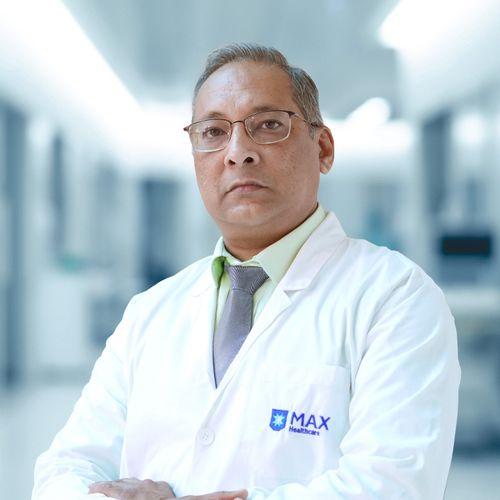
Dr. Alok Srivastava
Principal Consultant
Urology
New Delhi
32+ Years
Experience
Apolo Delhi
Hospital
1500
Fees
Dr. Amitabh Goel
Principal Director - Neurosurgery, Institute of Neurosciences.
Neurosurgery, Neurosciences, Spine Surgery
New Delhi
32+ Years
Experience
Max Hospital,Gurgaon
Hospital
1500
Fees
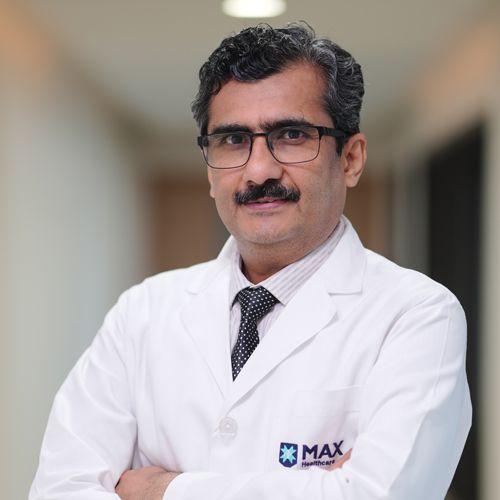
Dr. Amit K Devra
Senior Director - Urology & Kidney Transplant
Urology, Kidney Transplant
New Delhi
24+ Years
Experience
Apolo Delhi
Hospital
1500
Fees
Dr. Amol Patil
Director & Head - Nephrology
Nephrology
New Delhi
15+ Years
Experience
Apolo Delhi
Hospital
1500
Fees

Dr. Anand Kumar Pandey
Director
Nephrology and Renal Transplant
New Delhi
18+ Years
Experience
Apolo Delhi
Hospital
1500
Fees
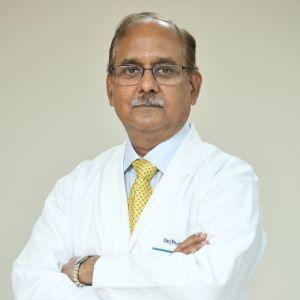
Dr. Anant Kumar
Chairman - Urology Renal Transplant and Robotics, Max Saket Complex and Uro-Oncology, MSSH Saket
Urology, Kidney Transplant, Robotic Surgery, Uro-Oncology
New Delhi
38+ Years
Experience
Max Hospital,Gurgaon
Hospital
1500
Fees
DivinHeal's Journey
Latest Articles

Hospitals Offering this treatment
India offers premium medical procedures at affordable prices. Discover our most popular treatments, delivered by the country's finest doctors.
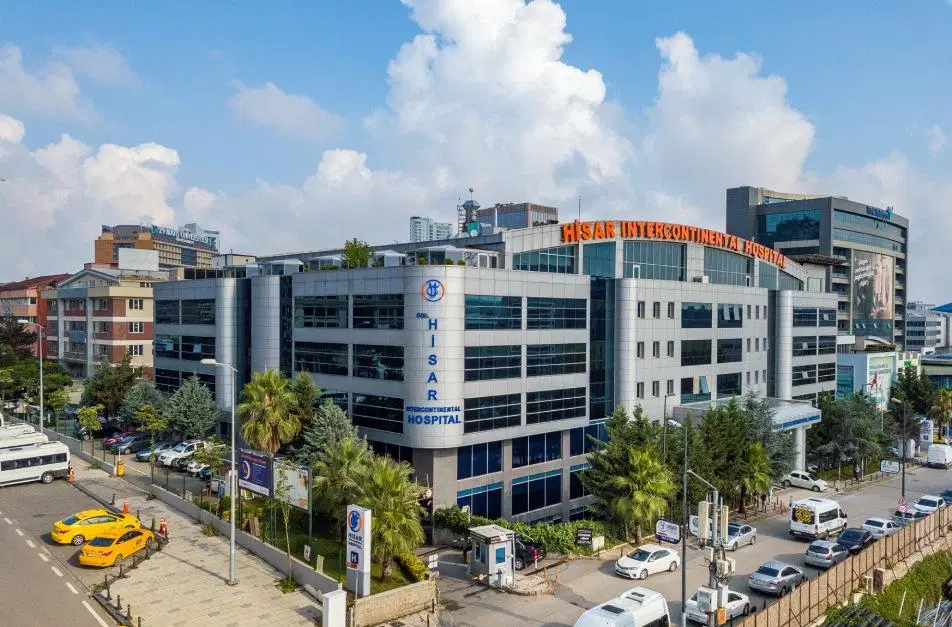
Hisar Intercontinental Hospital
Saray Mah. Siteyolu Cad. No:7, Umraniye, 34768, Istanbul, Turkey
Hisar Intercontinental Hospital
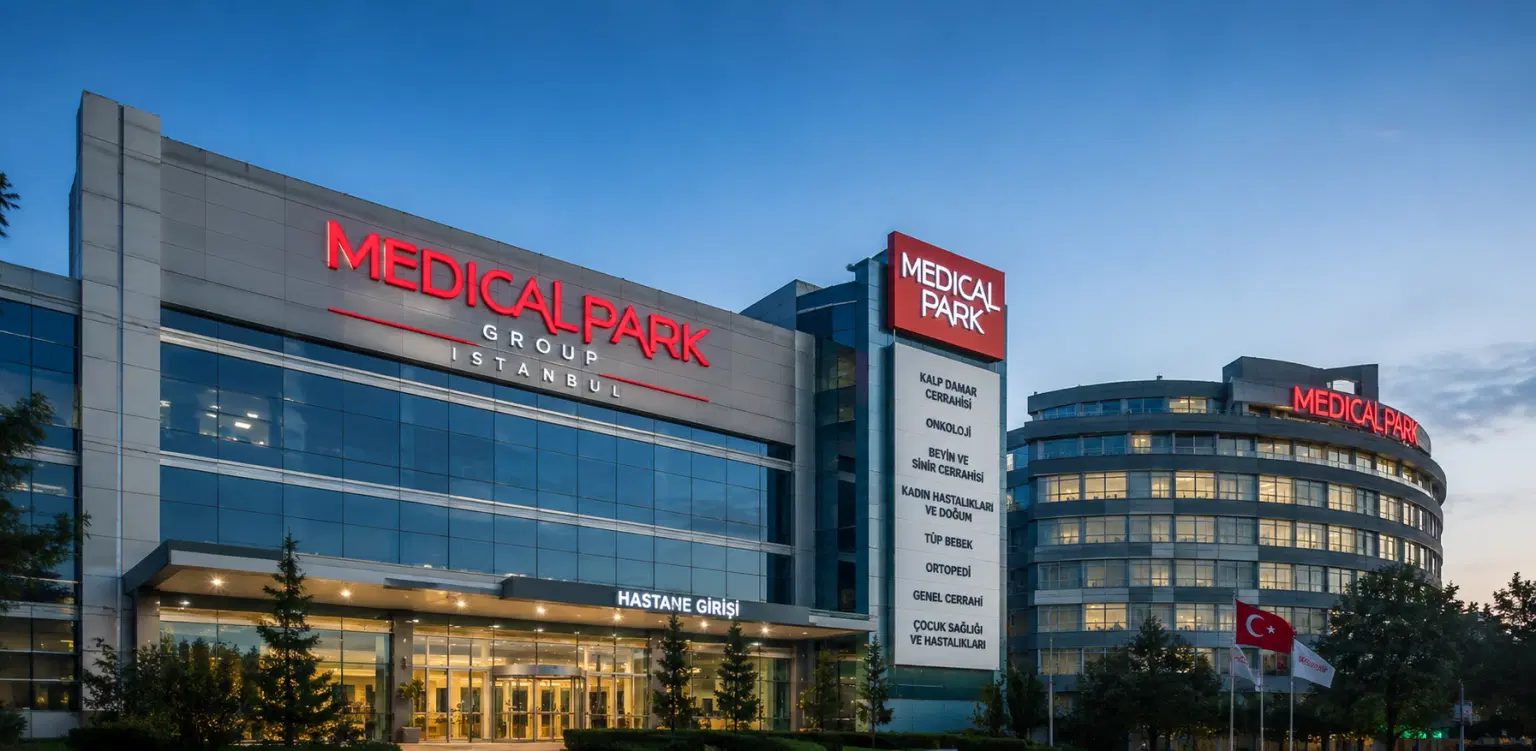
Medical Park Group, Istanbul
Fahrettin Kerim Gokay Cad. Tıbbiye Cd., Kadikoy, Istanbul, Turkey
Medical Park Group, Istanbul
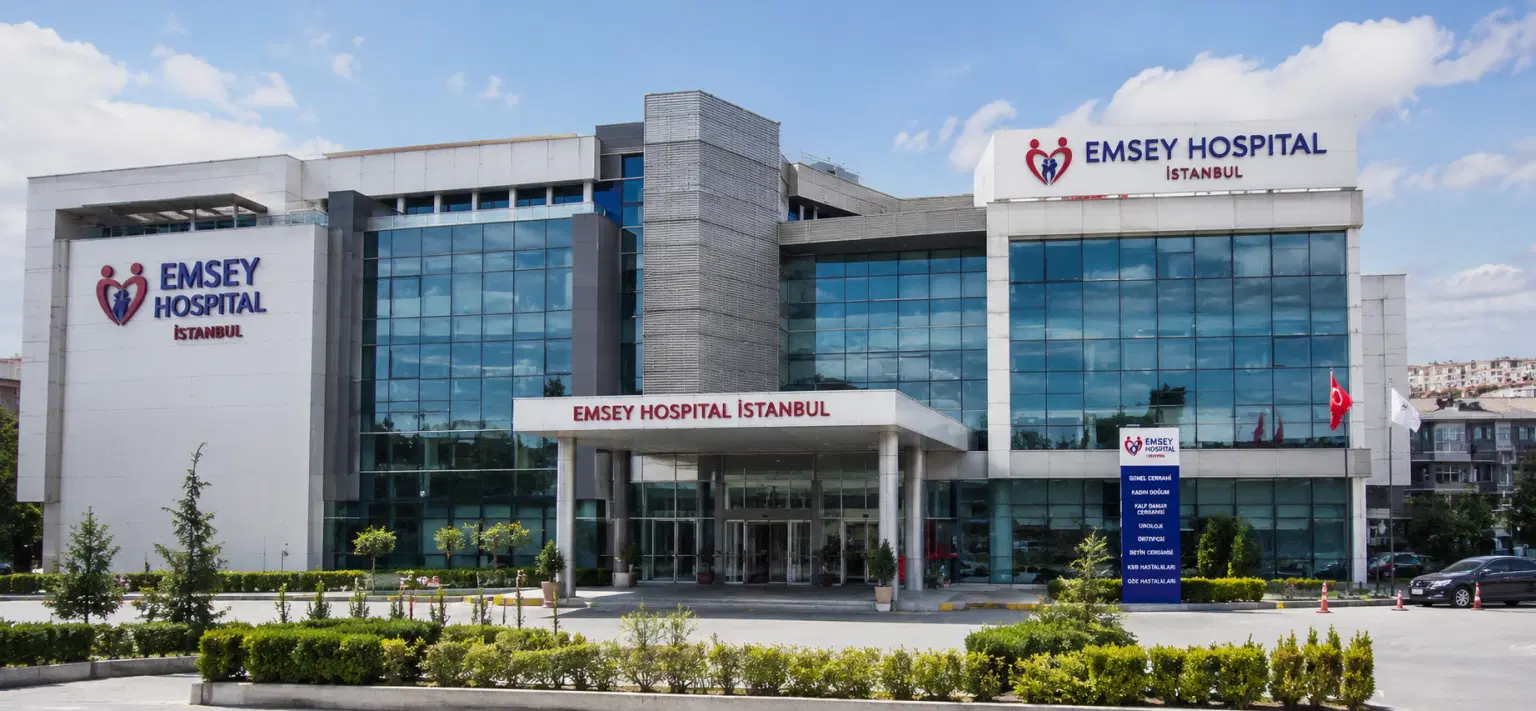
Emsey Hospital, Pendik, Istanbul
Çamlık, Selçuklu Cd. No:22, 34912 Pendik/İstanbul, Türkiye
Emsey Hospital, Pendik, Istanbul
American Hospital, Istanbul
Guzelbahce Sk. No:20, 34365, Nisantasi, Istanbul, Turkey
American Hospital, Istanbul
Memorial Hospitals Group
Burhaniye, Nagehan Sokağı No:4/A D:1, 34676 Üsküdar/İstanbul, Türkiye
Memorial Hospitals Group
Florence Nightingale Hospital Istanbul
Abide-i Hürriyet Cd No:166, 34381 Sisli, Istanbul
Florence Nightingale Hospital Istanbul
Medicana International Hospital, Istanbul
Halit Ziya Turkkani Mah. Medikal Park Cd. No:1, Beylikdüzü, İstanbul
Medicana International Hospital, Istanbul
Okan University Hospital Istanbul
Icmeler Mah. Aydınlıyolu Cd. No:2, 34947 Icmeler-Tuzla, Istanbul
Okan University Hospital Istanbul
Kolan International Hospital, Istanbul
Kaptanpasa Mah. Okmeydan Kavsagi, Darulaceze Cd. No:14, 34384 Sisli, Istanbul
Kolan International Hospital, Istanbul
Frequently Asked Questions
Get answers to common questions about medical tourism, treatment procedures, and our comprehensive healthcare services.
Ready To Start Your Healing Journey?
Get Personalized Medical Treatment Options From India's Top Hospitals. Our Medical Experts Are Ready To Assist You Every Step Of The Way.