
Heart Transplant Treatment in India for UAE
Need Personalized Advice?
Our medical experts are ready to answer your questions and guide you through your treatment options.
About
Heart Transplant in India for UAE Patients | Hospitals & Costs
For many individuals in the UAE facing severe heart conditions, the prospect of a heart transplant can be daunting, often raising concerns about access to timely, high-quality, and affordable care. The emotional weight of this critical decision is compounded by the need to find a medical destination that truly understands patient needs.
India has emerged as a preferred destination for complex medical procedures, including heart transplants, due to its advanced infrastructure and highly skilled medical professionals. Patients from the UAE frequently consider India for its broad network of specialized hospitals across major cities, ensuring comprehensive and accessible treatment options.
The Indian healthcare system has cultivated a reputation for delivering exceptional care in cardiac surgery, equipped with state-of-the-art technology and internationally trained surgeons. This nationwide expertise, combined with a patient-centric approach, builds significant trust for international patients seeking life-saving interventions.
Are you exploring India as a viable option for your critical heart care?
What is a Heart Transplant?
A heart transplant is a profound surgical procedure where a diseased or failing heart is replaced with a healthy donor heart. This life-saving operation is typically recommended for patients suffering from end-stage heart failure, when all other medical and surgical treatments have proven ineffective. The primary goal is to significantly improve the patient's quality of life, alleviate debilitating symptoms, and extend their lifespan, enabling them to resume a more active daily routine. It is a major intervention requiring meticulous planning and dedicated post-operative care.
Types of Heart Transplants and Related Procedures
Orthotopic Heart Transplant: This is the most common form, involving the complete removal of the recipient's diseased heart and its replacement with the healthy donor organ in the same anatomical position.
Heterotopic (Piggyback) Heart Transplant: A less common procedure where the donor heart is connected to the patient's native heart, allowing both to function in parallel. This approach is considered for specific clinical scenarios where the native heart might still offer some limited functionality.
Combined Organ Transplants: In highly complex cases where other vital organs are also failing, a heart transplant may be performed concurrently with another organ transplant, such as a heart-lung or heart-kidney transplant, addressing multiple organ failures simultaneously.
Ventricular Assist Devices (VADs): While not a transplant, VADs are mechanical pumps implanted to support heart function. They serve as a "bridge to transplant" for patients awaiting a donor heart or as "destination therapy" for those ineligible for transplantation, significantly improving their heart's pumping capability.
When is a Heart Transplant Necessary?
- End-stage heart failure that does not respond to conventional medical therapies.
- Severe coronary artery disease where revascularization procedures are no longer viable.
- Advanced cardiomyopathy (weakening of the heart muscle) leading to severe dysfunction.
- Uncorrectable congenital heart defects causing life-threatening symptoms.
- Life-threatening arrhythmias that cannot be managed by other interventions.
- Severe valvular heart disease resulting in irreversible heart damage.
Comprehensive Pre-Transplant Evaluation
- Thorough medical history review and comprehensive physical examination.
- Extensive blood tests, including blood type, tissue matching, and organ function assessment.
- Advanced cardiac imaging: echocardiogram, cardiac MRI, CT angiography, and catheterization.
- Pulmonary function tests and chest X-ray to assess lung health.
- Detailed evaluation of kidney and liver function.
- Psychological assessment and evaluation of the patient's social support system.
- Screening for infectious diseases and potential malignancies.
The Heart Transplant Procedure: A Step-by-Step Overview
The heart transplant procedure is a highly intricate surgery. The precise steps may be adapted slightly based on the patient's specific condition and the transplant team's established protocol.
Donor Heart Retrieval and Preparation
Once a suitable donor heart is identified, it is carefully retrieved, preserved in a special solution, and transported expeditiously to the recipient's transplant center. Critical compatibility checks, including blood type and tissue matching, are meticulously confirmed.
Patient Preparation and Anesthesia
The recipient patient is prepared in the operating theatre and receives general anesthesia. Advanced monitoring devices are attached, and the surgical field on the chest is sterilized and draped.
Surgical Incision and Cardiopulmonary Bypass
A median sternotomy, an incision down the center of the chest, is made. The patient is then connected to a heart-lung machine, which temporarily takes over the vital functions of the heart and lungs, allowing the surgical team to perform the delicate operation on a still heart.
Removal of the Diseased Heart
The patient's failing heart is carefully removed by detaching it from the major blood vessels and a portion of the atria, while preserving crucial structures for the new heart's connection.
Implantation of the Donor Heart
The new, healthy donor heart is meticulously sewn into place, connecting the major blood vessels (aorta, pulmonary artery, vena cava) and the remaining atrial cuffs. This step demands exceptional surgical precision to ensure optimal blood flow and function.
Weaning from Bypass and Closure
Once the new heart is connected and begins to beat rhythmically, the patient is gradually weaned off the heart-lung machine. The surgical team then checks for any bleeding and ensures stability before carefully closing the chest incision.
Navigating Your Heart Transplant Recovery
Recovery following a heart transplant is a sustained and structured journey. Patients typically spend several days in intensive care, followed by an extended period in a specialized hospital ward, usually a few weeks. The initial healing phase focuses on pain management, vigilant monitoring for any signs of organ rejection, and the careful initiation of immunosuppressive medications. Physical rehabilitation commences early to help patients regain strength and mobility. Long-term recovery necessitates strict adherence to medication schedules, regular follow-up appointments, significant lifestyle adjustments, and ongoing cardiac rehabilitation to ensure the new heart functions optimally for years to come.
Understanding Risks and Success Rates of Heart Transplants
- Organ rejection: The recipient's immune system may identify the new heart as foreign and attempt to attack it.
- Infection: The use of immunosuppressive drugs increases vulnerability to various infections.
- Primary graft dysfunction: The newly transplanted heart may fail to function adequately immediately after surgery.
- Bleeding and blood clots: Potential complications that can arise during or after the surgical procedure.
- Kidney failure: A possible side effect linked to medications or the surgical stress itself.
- Coronary allograft vasculopathy: An accelerated form of atherosclerosis affecting the coronary arteries of the donor heart over time.
- Side effects from immunosuppressants: Including elevated blood pressure, diabetes, and a slightly increased risk of certain cancers.
Heart transplant success rates have shown remarkable improvement over the years, largely due to advancements in surgical techniques, the development of more effective immunosuppressive drugs, and enhanced post-operative care protocols. Survival rates typically range from 80-90% at one year post-transplant and generally remain around 70-75% at five years. Long-term outcomes are influenced by individual patient factors, strict adherence to medical regimens, and the diligent management of potential complications. Many patients go on to lead active, fulfilling lives for many years after their successful heart transplant.
Cost of Heart Transplant in India for UAE Patients
The cost of a heart transplant in India can vary considerably, influenced by factors such as the chosen hospital's accreditation and facilities, the lead surgeon's experience, the specific type of room selected, the length of the hospital stay, the overall complexity of the patient's case, and the particular regimen of immunosuppressive medications required for post-surgery management. Diagnostic tests, extensive pre-operative evaluations, and personalized post-operative rehabilitation programs also contribute to the total expenditure.
Generally, the cost for a heart transplant in India for international patients ranges from INR 25,000,000 to INR 40,000,000.
Average Heart Transplant Costs Across Major Indian Cities
| City | Estimated Cost Range (INR) |
|---|---|
| Chennai | 25,000,000 - 38,000,000 |
| Delhi | 26,000,000 - 39,000,000 |
| Mumbai | 27,000,000 - 40,000,000 |
| Bengaluru | 25,500,000 - 38,500,000 |
| Hyderabad | 24,500,000 - 37,500,000 |
| Kolkata | 23,000,000 - 36,000,000 |
| Ahmedabad | 24,000,000 - 37,000,000 |
Global Heart Transplant Cost Comparison
| Country | Estimated Cost (USD) |
|---|---|
| India | 300,000 - 480,000 |
| United States | 1,000,000 - 1,500,000+ |
| United Kingdom | 800,000 - 1,200,000 |
| Germany | 600,000 - 900,000 |
| Singapore | 500,000 - 800,000 |
How We Assist UAE Patients Throughout Their Journey
- Personalized treatment plan coordination with top cardiac specialists.
- Comprehensive assistance with medical visa applications and extensions.
- Arrangements for comfortable travel and suitable accommodation.
- Dedicated airport pick-up and drop-off services for convenience.
- Assignment of a personal patient support manager for constant guidance.
- Provision of professional language interpretation services as needed.
- Facilitation of post-treatment follow-up and virtual consultations.
- Guidance on local exploration and cultural experiences during recovery.
Essential Documents for Your Heart Transplant in India
- Valid passport and approved medical visa for India.
- Comprehensive copies of all previous medical reports and diagnostic test results.
- A detailed referral letter from your referring physician in the UAE.
- Proof of sufficient financial resources to cover treatment and extended stay.
- A current list of all medications you are taking, including dosages.
- Emergency contact information for family members or guardians.
Preparing for Your Heart Transplant in India
- Adhere strictly to all dietary and medication instructions provided by your Indian medical team.
- Maintain rigorous personal hygiene to significantly minimize any risk of infection.
- Ensure completion of any outstanding tests or consultations as advised by your doctors.
- Arrange for a trusted companion to accompany you throughout your medical journey.
- Familiarize yourself with your accommodation details and travel logistics beforehand.
- Mentally and practically prepare for a potentially lengthy stay for treatment and recovery.
Comprehensive Aftercare and Recovery Following Heart Transplant
- Consistently adhere to the prescribed immunosuppressant medication regimen without fail.
- Attend all scheduled follow-up appointments and diagnostic tests diligently.
- Follow the dietary restrictions and exercise guidelines provided by your medical team.
- Vigilantly monitor for any potential signs of infection or rejection and report them immediately.
- Actively engage in all recommended cardiac rehabilitation programs.
- Minimize exposure to crowded environments and individuals who are ill to prevent infections.
Ready to Explore Your Heart Transplant Options?
Let us help you navigate the path to renewed health with expert care and compassionate support for your heart transplant in India.
Hospitals Offering this treatment
India offers premium medical procedures at affordable prices. Discover our most popular treatments, delivered by the country's finest doctors.

Al Zahra Hospital, Dubai
Sheikh Zayed Road, Al Barsha 1, Dubai, UAE
Al Zahra Hospital, Dubai

Burjeel Medical City, Abu Dhabi
28th Street, Mohammed Bin Zayed City, Abu Dhabi, UAE
Burjeel Medical City, Abu Dhabi

Burjeel Hospital, Dubai
Dubai, UAE (part of Burjeel Holdings network)
Burjeel Hospital, Dubai
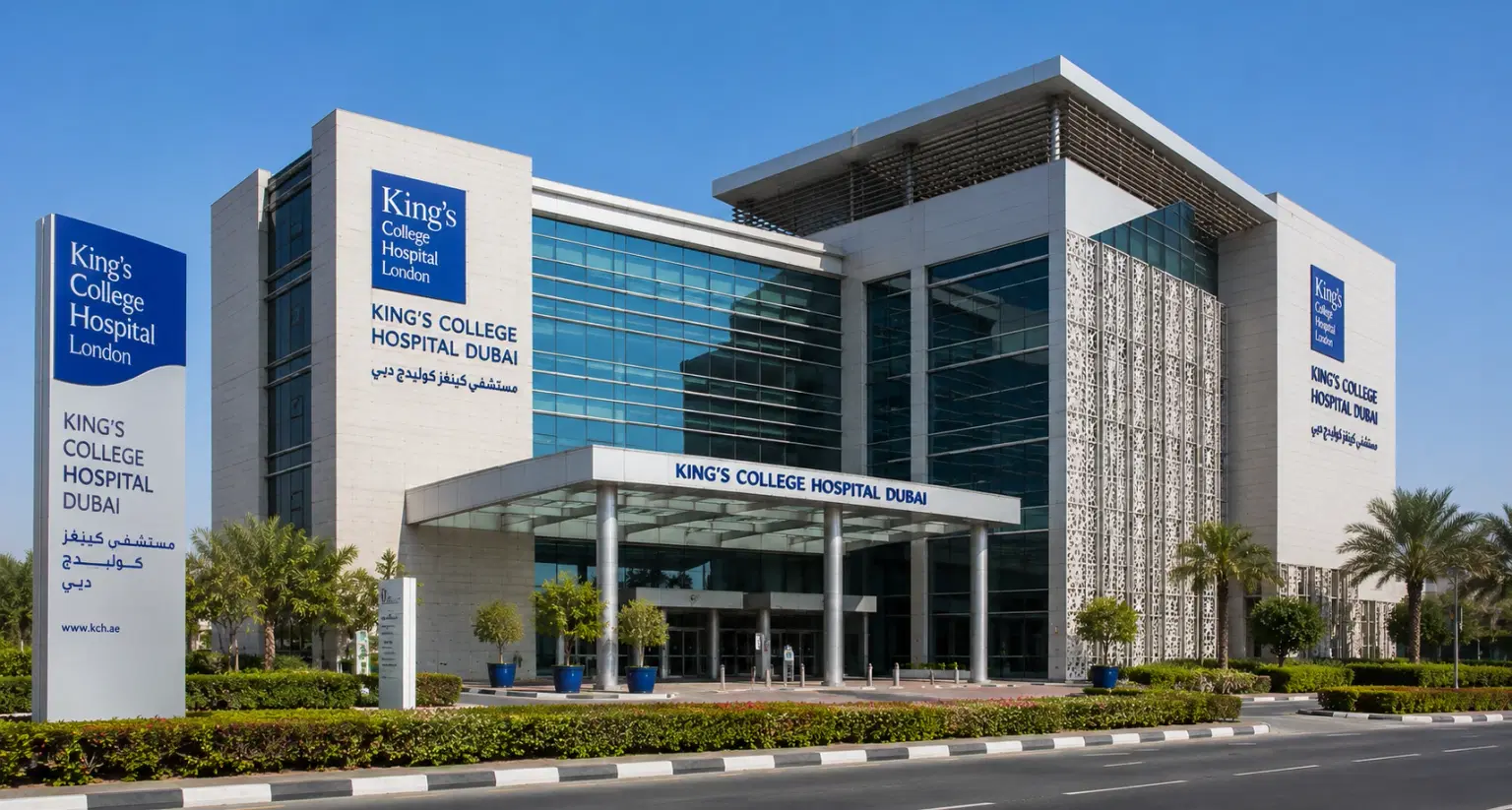
King's College Hospital, Dubai
Dubai Hills, Mohammed Bin Rashid City, Dubai, UAE
King's College Hospital, Dubai

Neuro Spinal Hospital (NSH), Dubai
Dubai Science Park, Umm Suqeim St, Al Barsha South, Dubai, UAE
Neuro Spinal Hospital (NSH), Dubai

HMS Al Garhoud Hospital, Dubai
Al Garhoud Street, Al Garhoud, Dubai, UAE
HMS Al Garhoud Hospital, Dubai
Meet Our Doctors
Meet our team of highly qualified and experienced medical professionals dedicated to providing the best healthcare services.
Dr. Ramkinkar Jha
Chief and Unit Head - Orthopaedics (Unit III)
Orthopaedic Surgery, Orthopaedics, Robotic Surgery
New Delhi
20+ Years
Experience
Artemis Hospital
Hospital
1500
Fees

Dr. Surendra Nath Khanna
Chairperson, Adult Cardiac Surgery & Heart - Lung Transplant
Cardio Thoracic and Vascular Surgery, Vascular Surgery
New Delhi
34+ Years
Experience
Artemis Hospital
Hospital
1500
Fees
Related Links
Recent Blogs
Other Treatment related Information
Ready To Start Your Healing Journey?
Get Personalized Medical Treatment Options From India's Top Hospitals. Our Medical Experts Are Ready To Assist You Every Step Of The Way.