
Heart Transplant Treatment in Mumbai for Bangladesh
Need Personalized Advice?
Our medical experts are ready to answer your questions and guide you through your treatment options.
About
Heart Transplant Care in Mumbai for Patients from Bangladesh
For patients from Bangladesh needing a heart transplant, the journey can feel daunting. The complexity of the procedure and the search for expert care often raise concerns about finding the right medical support. Many worry about accessing advanced facilities and highly skilled surgeons.
Mumbai stands out as a preferred destination due to its world-class cardiac centers and coordinated care environment. Patients seeking specialized heart transplant services often narrow down to Mumbai for its robust infrastructure and comprehensive support for complex cases.
Trust in Mumbai's hospitals and cardiothoracic specialists is built on decades of successful outcomes. These institutions are known for dedicated transplant teams, offering seamless post-operative care and follow-ups within the city. This localized expertise provides comfort to international patients.
Mumbai offers a high standard of heart transplant care, combining advanced medical technology with experienced specialists.
What is a Heart Transplant?
A heart transplant is a surgical procedure that replaces a severely diseased or damaged heart with a healthy heart from a deceased donor. It is considered when end-stage heart failure no longer responds to other medical or surgical treatments. The primary goal is to improve the patient's quality of life and significantly extend their lifespan by restoring normal cardiac function. After the transplant, lifelong immunosuppressive medication is necessary to prevent the body from rejecting the new organ.
What Kinds of Heart Transplants Are Available?
Orthotopic Heart Transplant: The most common method, where the patient's failing heart is removed and replaced by the donor heart in the same anatomical position.
Heart-Lung Transplant: A rare procedure performed when both the heart and lungs are severely diseased and require replacement.
Ventricular Assist Device (VAD) as a Bridge: While not a transplant, VADs are mechanical pumps often implanted to support heart function temporarily while a patient awaits a suitable donor heart.
Re-transplantation: In rare instances, a second heart transplant may be considered if the first transplanted heart fails over time.
When is a Heart Transplant Recommended?
- End-stage heart failure unresponsive to conventional therapies.
- Severe coronary artery disease with extensive, irreversible heart damage.
- Dilated cardiomyopathy, where the heart becomes significantly enlarged and weakened.
- Advanced valvular heart disease leading to severe heart muscle dysfunction.
- Life-threatening heart rhythm disorders that cannot be managed otherwise.
- Certain congenital heart defects resulting in critical heart failure.
How is a Patient Evaluated for a Heart Transplant?
- Comprehensive medical history and thorough physical examination.
- Extensive blood tests, including blood typing, organ function, and viral screenings.
- Cardiac imaging such as echocardiogram, MRI, and CT angiography to assess heart health.
- Cardiac catheterization to measure heart pressures and evaluate coronary arteries.
- Pulmonary function tests to ensure adequate lung capacity for surgery and recovery.
- Psychological assessment to determine mental readiness and commitment to post-transplant care.
- Social support evaluation to ensure a robust environment for long-term recovery.
How is a Heart Transplant Performed?
The heart transplant procedure is a highly intricate surgery, executed by a specialized multidisciplinary team.
Donor Heart Identification
Patients are placed on a waiting list. A suitable donor heart is matched based on blood type, body size, and urgency, often requiring rapid transport to the surgical facility.
Surgical Process
Under general anesthesia, a chest incision is made, and the patient is connected to a heart-lung bypass machine. The diseased heart is carefully removed, preserving crucial structures. The donor heart is then precisely connected to the patient's major blood vessels and chambers.
Post-Implantation
Once connections are secure, the new heart is allowed to warm and blood flow is restored. The heart typically begins beating independently. The bypass machine is then disconnected, and the chest incision is closed, often with temporary drainage tubes.
Initial Recovery
The patient is transferred to intensive care for close monitoring, initiation of immunosuppressive medications, and early rehabilitation.
What Does Recovery After a Heart Transplant Involve?
Recovery is an intensive and prolonged journey. Patients typically spend several weeks in the hospital's intensive care unit and then a general ward. This phase focuses on monitoring the new heart, managing pain, and establishing the lifelong immunosuppression regimen. Physical rehabilitation starts early to regain strength. Upon discharge, at-home recovery continues for months, demanding strict adherence to medication, regular follow-ups, and significant lifestyle adjustments. Lifelong health management is crucial for the transplant's success.
What Are the Risks and Success Rates of a Heart Transplant?
- Organ Rejection: The body's immune system may attack the new heart, requiring intensive management.
- Infection: A higher risk due to medications that suppress the immune system.
- Primary Graft Dysfunction: The new heart may not function adequately immediately after implantation.
- Cardiac Allograft Vasculopathy: Accelerated hardening of the arteries in the transplanted heart over time.
- Kidney Dysfunction: Possible due to certain immunosuppressant medications.
- Increased Cancer Risk: Long-term immunosuppression can elevate the risk of developing certain cancers.
- Surgical Complications: Such as bleeding, blood clots, or stroke during the procedure.
Heart transplant success rates have shown significant improvement. Outcomes are influenced by the patient's overall health before surgery, age, and strict adherence to post-transplant care. Typically, the one-year survival rate is around 85-90%, with five-year survival rates ranging from 70-75%. Many recipients achieve a good quality of life and return to daily activities, but continuous medical follow-up and disciplined lifestyle management are essential for optimal long-term results.
Considering a Heart Transplant? Get personalized guidance from Mumbai's top cardiac specialists.
Request a Consultation
How Much Does a Heart Transplant Cost in Mumbai?
The cost of a heart transplant in Mumbai varies depending on several factors. These include the chosen hospital facility, the complexity of the patient's condition, the length of hospital stay, the type of room, and the required post-operative care, including medications. Specialist fees, extensive diagnostic tests, and rehabilitation services also contribute to the overall expense.
In Mumbai, the estimated cost for a heart transplant typically ranges from approximately INR 20,00,000 to INR 30,00,000.
Heart Transplant Cost: Mumbai vs. Global Cities
Below is a comparative overview of heart transplant costs, showcasing Mumbai's competitive pricing against other major medical hubs worldwide. This provides a clear perspective for international patients considering treatment options.
| Location | Estimated Cost (USD) |
|---|---|
| Mumbai, India | $24,000 - $36,000 |
| United States | $1,000,000 - $1,500,000 |
| United Kingdom | $90,000 - $150,000 |
| Singapore | $180,000 - $300,000 |
| Thailand | $100,000 - $150,000 |
Ready to plan your Heart Transplant journey in Mumbai? Get detailed cost estimates and hospital comparisons.
Get a Free Quote
What Support Services Are Available for International Patients?
- Assistance with medical visa applications and necessary travel documents.
- Airport reception and transport to and from the hospital.
- Guidance on suitable accommodation options for patients and accompanying family.
- Provision of language interpretation services to ensure clear communication.
- Dedicated patient coordinators to streamline hospital procedures and appointments.
- Support with local logistics and navigating cultural aspects of the city.
What Documents Do You Need for Heart Transplant Treatment?
- A valid passport and an appropriate medical visa for India.
- Comprehensive medical history records and reports related to your heart condition.
- Recent diagnostic test results, including imaging scans and laboratory reports.
- A referral letter from your primary healthcare provider, if applicable.
- Evidence of financial arrangements to cover the estimated treatment costs.
- A complete list of all current medications, including dosages.
How Should You Prepare Before Arriving for Treatment?
- Complete any preliminary medical tests requested by the Mumbai medical team in your home country.
- Ensure all required vaccinations are up to date before your travel.
- Confirm your travel itinerary and estimated arrival details with your designated patient coordinator.
- Arrange for initial accommodation and local transportation for your stay in Mumbai.
- Prepare mentally and physically for the intensive nature of the transplant process.
- Follow any specific dietary or medication instructions provided by your transplant team prior to departure.
What Post-Treatment Care and Follow-Up Are Essential?
- Strictly adhere to the prescribed regimen of immunosuppressant medications for life.
- Attend all scheduled follow-up appointments with the transplant team in Mumbai.
- Diligent self-monitoring for any signs of infection or potential organ rejection.
- Actively participate in a structured cardiac rehabilitation program for physical recovery.
- Maintain a heart-healthy diet and engage in regular, physician-approved physical activity.
- Avoid exposure to crowded environments and individuals who are ill to minimize infection risks.
Ready to Explore Your Options for a Heart Transplant?
Taking the step towards a heart transplant is a significant decision. Mumbai's medical facilities and experienced specialists offer advanced care for international patients, providing a path to improved health.
Hospitals Offering this treatment
India offers premium medical procedures at affordable prices. Discover our most popular treatments, delivered by the country's finest doctors.
Meet Our Doctors
Meet our team of highly qualified and experienced medical professionals dedicated to providing the best healthcare services.
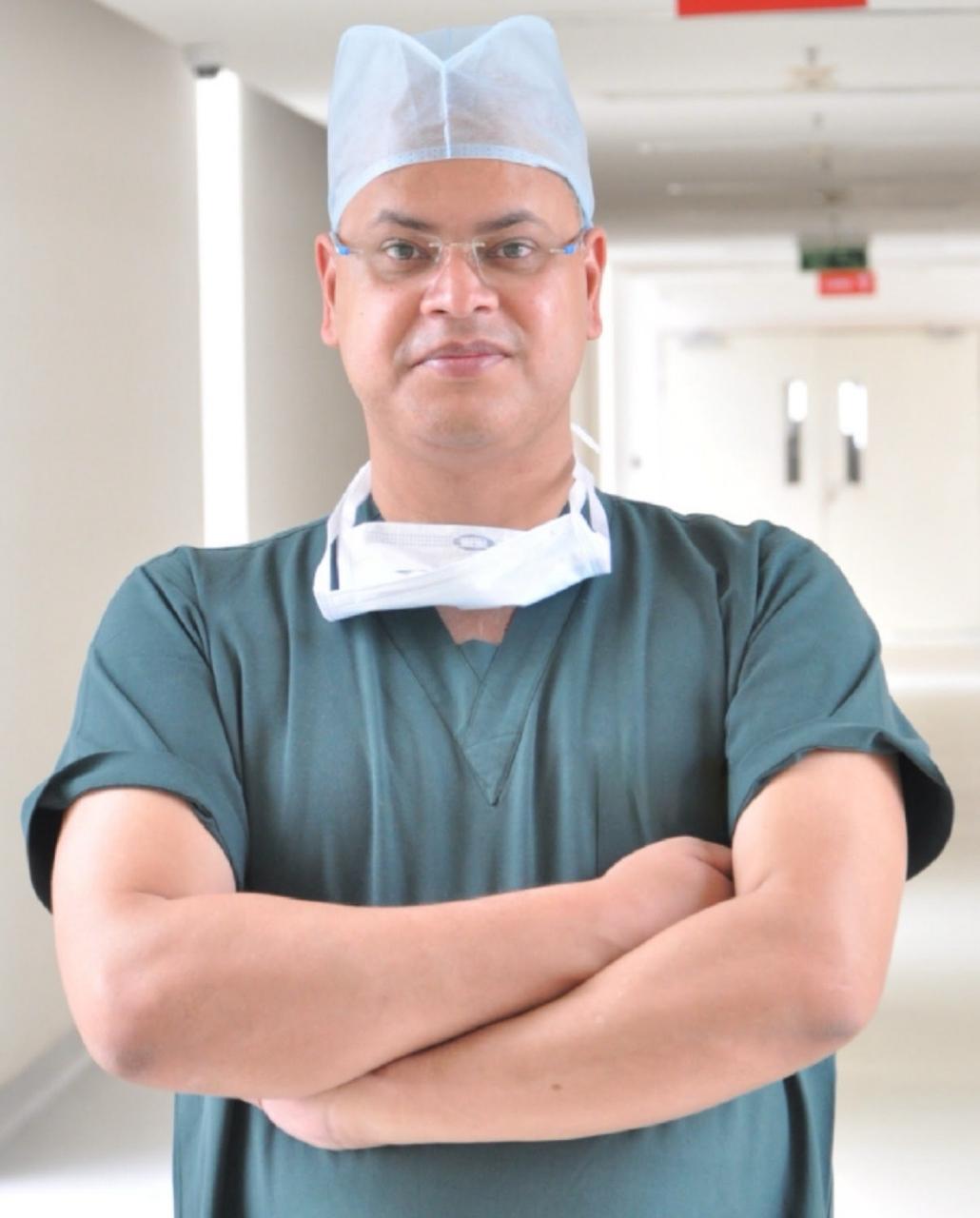
Dr. Ramkinkar Jha
Chief and Unit Head - Orthopaedics (Unit III)
Orthopaedic Surgery, Orthopaedics, Robotic Surgery
New Delhi
20+ Years
Experience
Artemis Hospital
Hospital
1500
Fees

Dr. Surendra Nath Khanna
Chairperson, Adult Cardiac Surgery & Heart - Lung Transplant
Cardio Thoracic and Vascular Surgery, Vascular Surgery
New Delhi
34+ Years
Experience
Artemis Hospital
Hospital
1500
Fees
Related Links
Recent Blogs
Other Treatment related Information
- Heart Transplant cost in Chennai
- Heart Transplant cost in Bengaluru
- Heart Transplant cost in India
- Heart Transplant cost in Mumbai
- Heart Transplant cost in Pune
- Heart Transplant cost in New Delhi
- Heart Transplant cost in Haryana
- Heart Transplant cost in Hyderabad
- Heart Transplant Success Rate in Hyderabad
- Heart Transplant Success Rate in Mumbai
- Heart Transplant Success Rate in Bengaluru
- Heart Transplant Success Rate in Pune
- Heart Transplant Success Rate in New Delhi
- Heart Transplant Success Rate in India
- Heart Transplant Success Rate in Haryana
- Heart Transplant Success Rate in Chennai
Ready To Start Your Healing Journey?
Get Personalized Medical Treatment Options From India's Top Hospitals. Our Medical Experts Are Ready To Assist You Every Step Of The Way.