
Heart Transplant Treatment in Pune for Bangladesh
Need Personalized Advice?
Our medical experts are ready to answer your questions and guide you through your treatment options.
About
Heart Transplant in Pune for Bangladesh Patients | Costs & Care
Facing a complex condition like end-stage heart failure can be overwhelming, especially when considering a specialized procedure like a heart transplant. Patients from Bangladesh often worry about finding accessible, high-quality care that fits their budget and offers hope for a new life, often feeling a sense of uncertainty about the future.
Many seeking advanced cardiac solutions look towards medical hubs known for specialized expertise. Pune has emerged as a preferred destination, offering a concentrated ecosystem of leading hospitals and experienced cardiac surgeons, making the decision process clearer for international patients exploring options.
The city's medical infrastructure supports comprehensive transplant programs, fostering trust in its dedicated teams. Patients benefit from coordinated pre-operative assessments, the surgery itself, and streamlined post-operative follow-up within Pune’s established facilities, ensuring continuity of care.
Pune provides a complete and supportive environment for patients undergoing heart transplants.
What is a Heart Transplant?
A heart transplant is a life-saving surgical procedure to replace a severely diseased or failing heart with a healthy heart from a deceased donor. This complex operation is considered when all other medical treatments have failed to improve the patient's condition, typically for individuals suffering from end-stage heart failure. The goal is to restore the patient's quality of life and prolong survival.
Types of Heart Transplant Procedures
Most heart transplants performed are orthotopic, meaning the diseased heart is removed and the donor heart is implanted in its anatomical position. Variations can include:
- Standard Orthotopic Heart Transplant: The most common procedure where the patient's entire heart is replaced with a donor heart.
- Heterotopic Heart Transplant (Piggyback Transplant): Less common, where the donor heart is implanted alongside the recipient's diseased heart, helping to support its function.
- Combined Organ Transplants: In cases where other organs are also failing, a heart transplant may be performed simultaneously with another organ transplant, such as a heart-lung or heart-kidney transplant.
- Bridge-to-Transplant Therapies: While not a transplant itself, procedures involving Ventricular Assist Devices (VADs) or ECMO are often used as temporary measures to support the heart while a patient awaits a suitable donor heart.
When is a Heart Transplant Needed?
- End-stage heart failure that does not respond to conventional medical or surgical therapies.
- Severe coronary artery disease causing irreversible heart muscle damage.
- Cardiomyopathy (disease of the heart muscle) that has progressed to a critical stage.
- Life-threatening congenital heart defects.
- Intractable arrhythmias that cannot be managed with other treatments.
- Recurrent severe ventricular arrhythmias or sudden cardiac arrest survivors with poor prognosis.
Pre-Transplant Evaluation Process
- Comprehensive medical history and physical examination.
- Extensive blood tests, including tissue typing and viral screens.
- Electrocardiogram (ECG) and Echocardiogram (Echo) to assess heart function.
- Cardiac Catheterization to evaluate coronary arteries and heart pressures.
- Pulmonary Function Tests (PFTs) to check lung health.
- Kidney and liver function tests.
- Cancer screenings appropriate for age and risk factors.
- Psychological assessment and social support evaluation.
- Discussion with a multidisciplinary transplant team.
How a Heart Transplant is Performed
The heart transplant procedure is highly complex and depends on donor heart availability, the patient's specific condition, and the surgeon's plan.
Donor Heart Procurement
Once a compatible donor heart becomes available, it is carefully harvested from the deceased donor and transported rapidly to the transplant center in Pune.
Patient Preparation
The recipient patient is prepared for surgery, typically involving anesthesia and connection to monitoring equipment. An incision is made down the center of the chest.
Surgical Procedure
The patient is connected to a heart-lung bypass machine, which takes over the functions of the heart and lungs. The diseased heart is then carefully removed, leaving key structures in place. The donor heart is meticulously sewn into position, connecting the major blood vessels. Once the connections are complete, the new heart is allowed to warm, and blood flow is gradually restored. The heart-lung machine is then weaned off as the new heart begins to beat on its own.
Immediate Post-Operative Care
After the new heart is functioning, the chest incision is closed. The patient is then moved to the intensive care unit for close monitoring.
The Heart Transplant Recovery Journey
Recovery from a heart transplant is a gradual and intensive process. Patients typically spend several days to weeks in the intensive care unit, followed by a longer stay in a hospital ward. Healing time for the sternum can take several months. Lifelong immunosuppression medication is required to prevent organ rejection. Recovery also involves a structured cardiac rehabilitation program, strict dietary and lifestyle changes, and regular, frequent follow-up appointments with the transplant team to monitor the new heart's function and manage medications.
Risks and Success Rates of Heart Transplants
- Early Risks: Include bleeding, infection, primary graft dysfunction (the new heart failing to work immediately), and stroke.
- Late Risks: Involve acute and chronic rejection of the donor heart, cardiac allograft vasculopathy (a form of accelerated coronary artery disease in the transplanted heart), kidney dysfunction due to immunosuppressive medications, increased risk of certain cancers, and side effects from long-term drug therapy.
Heart transplant success rates have significantly improved over the years. Outcomes can vary based on factors like the patient's overall health before surgery, age, and comorbidities. Generally, one-year survival rates range from 85% to 90%, with five-year survival rates typically between 70% and 75%. Long-term expectations include a greatly improved quality of life, though continuous medical management and adherence to treatment protocols are essential for sustained health.
Cost of Heart Transplant in Pune
The cost of a heart transplant in Pune is influenced by several factors, including the reputation and accreditation of the hospital, the experience of the surgical team, the complexity of the procedure, the length of hospital stay, and the need for extensive post-operative care and rehabilitation. The overall cost will also reflect pre-operative evaluations and lifelong immunosuppressive medication.
A heart transplant in Pune typically ranges from 25,00,000 INR to 40,00,000 INR, which is significantly more affordable compared to Western countries.
Heart Transplant Cost in Pune: A Comparison
Pune offers competitive pricing for heart transplants without compromising on medical standards or the expertise of its cardiac teams. This makes it an attractive option for international patients.
| Location | Estimated Cost (USD) |
|---|---|
| Pune, India | $30,000 - $48,000 |
| United States | $800,000 - $1,500,000 |
| United Kingdom | $150,000 - $250,000 |
| Singapore | $100,000 - $180,000 |
| Thailand | $70,000 - $120,000 |
Comprehensive Support for International Patients
- Assistance with medical visa application processes.
- Arrangement of suitable accommodation near the hospital for patients and their families.
- Language interpretation services to ensure clear communication.
- Support with local transportation for appointments and daily needs.
- Dedicated patient coordinators to guide you through every step of your medical journey.
- Help with currency exchange and local banking information.
Essential Documents for Your Heart Transplant in Pune
- Valid passport and medical visa.
- Comprehensive medical reports, including diagnosis, treatment history, and all relevant test results.
- Referral letters from your primary physician or cardiologist.
- Any previous imaging scans (CT, MRI, X-rays) on CD or USB.
- Contact information for your local medical team in Bangladesh.
- Donor related documents, if applicable and pre-identified for the transplant.
Preparing for Your Heart Transplant Journey
- Finalizing travel and accommodation plans well in advance.
- Ensuring financial arrangements are in place for the entire treatment duration.
- Adhering strictly to any pre-operative dietary or medication instructions provided by the medical team.
- Undergoing any final diagnostic tests required upon arrival in Pune.
- Preparing a support system for your stay, whether family or a caretaker.
- Understanding the risks and benefits thoroughly through detailed discussions with your doctors.
Navigating Your Post-Transplant Recovery
- Regular and timely attendance of all follow-up appointments with the transplant team.
- Strict adherence to the lifelong immunosuppression medication regimen to prevent rejection.
- Following specific dietary guidelines and making necessary lifestyle modifications.
- Participating actively in prescribed cardiac rehabilitation programs.
- Monitoring for any signs of infection or rejection and reporting them immediately.
- Arranging for necessary ongoing support and care upon returning to Bangladesh.
Ready to Explore Your Options?
Considering a heart transplant is a significant decision, and Pune's medical community is ready to provide the expertise and care you need. Reach out to understand how we can support your journey toward better health and a renewed future.
Hospitals Offering this treatment
India offers premium medical procedures at affordable prices. Discover our most popular treatments, delivered by the country's finest doctors.
Meet Our Doctors
Meet our team of highly qualified and experienced medical professionals dedicated to providing the best healthcare services.
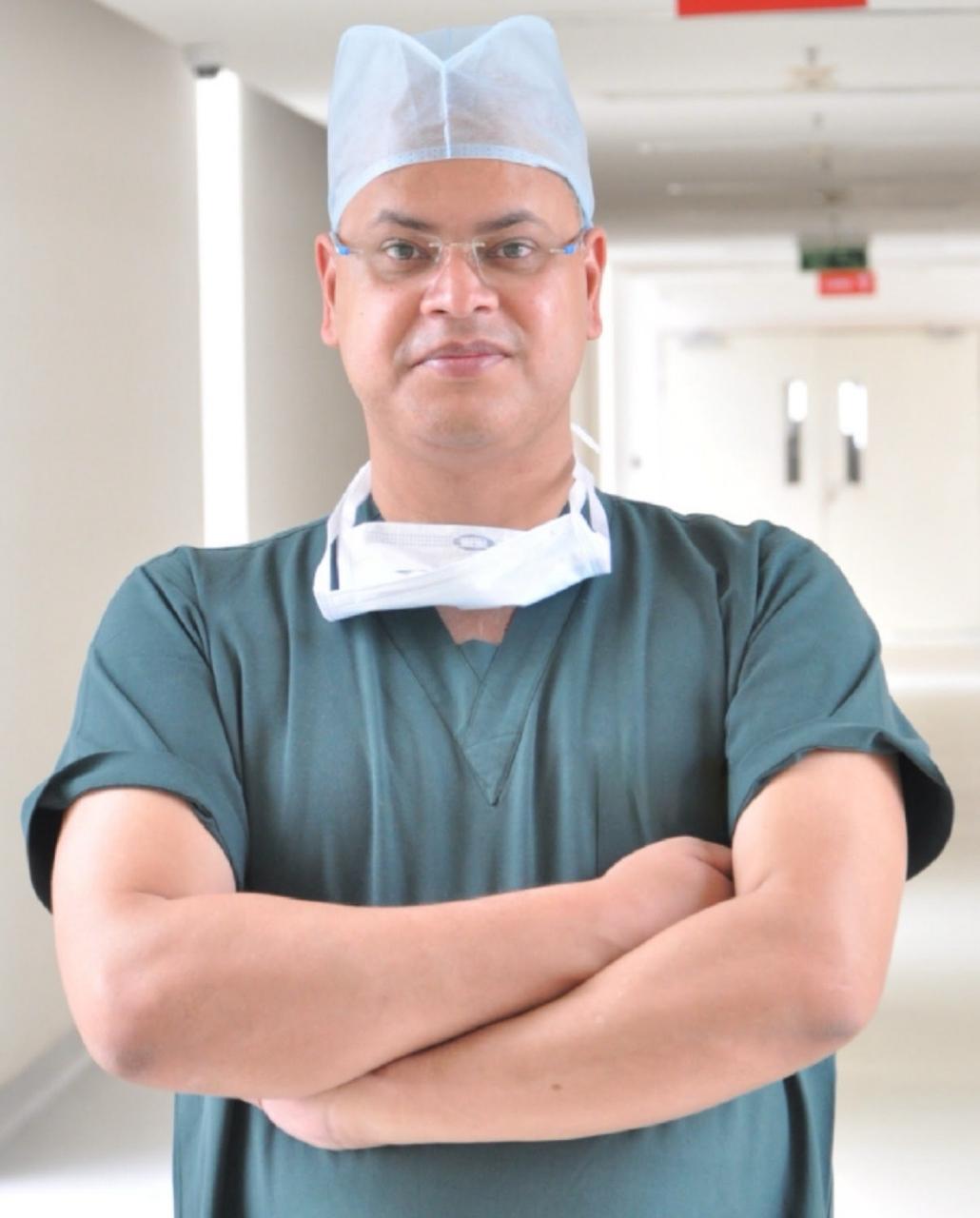
Dr. Ramkinkar Jha
Chief and Unit Head - Orthopaedics (Unit III)
Orthopaedic Surgery, Orthopaedics, Robotic Surgery
New Delhi
20+ Years
Experience
Artemis Hospital
Hospital
1500
Fees

Dr. Surendra Nath Khanna
Chairperson, Adult Cardiac Surgery & Heart - Lung Transplant
Cardio Thoracic and Vascular Surgery, Vascular Surgery
New Delhi
34+ Years
Experience
Artemis Hospital
Hospital
1500
Fees
Related Links
Recent Blogs
Other Treatment related Information
- Heart Transplant cost in Chennai
- Heart Transplant cost in Bengaluru
- Heart Transplant cost in India
- Heart Transplant cost in Mumbai
- Heart Transplant cost in Pune
- Heart Transplant cost in New Delhi
- Heart Transplant cost in Haryana
- Heart Transplant cost in Hyderabad
- Heart Transplant Success Rate in Hyderabad
- Heart Transplant Success Rate in Mumbai
- Heart Transplant Success Rate in Bengaluru
- Heart Transplant Success Rate in Pune
- Heart Transplant Success Rate in New Delhi
- Heart Transplant Success Rate in India
- Heart Transplant Success Rate in Haryana
- Heart Transplant Success Rate in Chennai
Ready To Start Your Healing Journey?
Get Personalized Medical Treatment Options From India's Top Hospitals. Our Medical Experts Are Ready To Assist You Every Step Of The Way.