
ICSI (Intracytoplasmic Sperm Injection) Success Rate in Chennai
Need Personalized Advice?
Our medical experts are ready to answer your questions and guide you through your treatment options.
About
ICSI (Intracytoplasmic Sperm Injection) Success Rate in Chennai
Understanding the ICSI (Intracytoplasmic Sperm Injection) success rate in Chennai is crucial for individuals navigating fertility treatments. This metric provides a realistic expectation of outcomes, helping patients make confident and informed decisions. Success in ICSI depends on various factors, including the specific method, underlying conditions, and individual patient profiles, which are carefully evaluated in Chennai.
Outcomes in Chennai are often reviewed against aggregated clinical data and treatment-level evaluations, offering a clear picture of performance. The ICSI (Intracytoplasmic Sperm Injection) recovery rate in Chennai, interpreted as the rate of achieving a successful pregnancy and live birth, varies significantly. These outcomes are influenced by the specific ICSI approach, the patient’s age, and their unique health profile.
Defining Success for ICSI (Intracytoplasmic Sperm Injection)
For ICSI, "success" is typically defined by several key milestones, progressing from fertilization to a live birth. Initially, it may refer to successful fertilization of an egg and subsequent embryo development. However, the ultimate measure of success is achieving a clinical pregnancy, confirmed by a heartbeat, and ultimately, a healthy live birth. This encompasses both short-term procedural outcomes and the long-term goal of parenthood.
ICSI (Intracytoplasmic Sperm Injection) Success Rate Trends in Chennai
Success rates vary depending on treatment approach and patient factors.
| Treatment Stage / Category | Typical Use Case | Success Rate Range (%) | What Success Indicates |
|---|---|---|---|
| Fertilization Rate | Micro-injection of sperm into retrieved eggs | 65%–85% | Number of eggs successfully fertilized after ICSI |
| Embryo Development Rate | Progression to viable embryos (blastocyst) | 40%–60% | Percentage of fertilized eggs developing into transferrable embryos |
| Clinical Pregnancy Rate | After embryo transfer (per cycle) | 35%–55% | Confirmed pregnancy with a fetal heartbeat |
| Live Birth Rate | After embryo transfer (per cycle) | 25%–45% | Delivery of at least one live infant |
ICSI (Intracytoplasmic Sperm Injection) Survival Rate by Age in Chennai
The ICSI (Intracytoplasmic Sperm Injection) survival rate in Chennai, particularly regarding live birth outcomes, shows a clear correlation with maternal age, a trend consistently observed globally. Younger women generally have higher success rates due to better egg quality and ovarian reserve. These age-related variations in ICSI (Intracytoplasmic Sperm Injection) survival rate by age in Chennai align closely with international clinical data and research findings.
| Age Group (Maternal) | Live Birth Success Rate Range (%) (Per Embryo Transfer) | Key Factors Influencing Rate |
|---|---|---|
| Under 35 years | 35%–50% | Optimal egg quality, higher ovarian reserve |
| 35–37 years | 28%–40% | Good egg quality, moderate ovarian reserve |
| 38–40 years | 20%–30% | Decreasing egg quality and ovarian reserve |
| Over 40 years | 5%–15% | Significantly reduced egg quality and reserve |
Chennai's ICSI Outcomes vs. Global Averages
Success rates for ICSI (Intracytoplasmic Sperm Injection) in India, particularly within specialized centers in Chennai, are comparable with international standards. This holds true when similar evidence-based protocols, advanced technology, and stringent patient selection criteria are applied, reflecting a commitment to global best practices.
| Region / Country | ICSI Live Birth Rate Range (%) (Per Cycle Started) |
|---|---|
| Chennai, India | 25%–45% |
| United States | 28%–48% |
| United Kingdom | 25%–40% |
| Australia | 27%–47% |
| Spain | 30%–50% |
| Canada | 26%–43% |
| Germany | 24%–42% |
These ranges are indicative and subject to individual patient circumstances, specific clinic protocols, and varying data collection methodologies across different regions.
Factors Influencing ICSI (Intracytoplasmic Sperm Injection) Success Rate in Chennai
- Maternal age, significantly impacting egg quality and quantity.
- Severity and cause of male factor infertility, including sperm quality.
- Ovarian reserve and response to ovarian stimulation.
- Endometrial receptivity, affecting embryo implantation.
- Embryo quality, including genetic health and developmental potential.
- Lifestyle factors such as diet, weight, smoking, and stress.
- Experience and expertise of the fertility clinic and medical team.
- Underlying medical conditions in either partner.
Data Sources and Methodologies for ICSI Outcomes
- National and regional fertility registries providing aggregated outcome data.
- Peer-reviewed medical literature and clinical studies on reproductive medicine.
- Guidelines and reports from global organizations like WHO and ESHRE.
- Internal clinical audits and outcome tracking by accredited fertility centers.
Navigating ICSI Treatment Confidently
Understanding ICSI outcomes in Chennai involves reviewing available data and discussing your unique situation with fertility specialists. This ensures you make well-informed healthcare decisions for your family planning journey.
Hospitals Offering this treatment
India offers premium medical procedures at affordable prices. Discover our most popular treatments, delivered by the country's finest doctors.
Meet Our Doctors
Meet our team of highly qualified and experienced medical professionals dedicated to providing the best healthcare services.

Aditi Dixit
Sr. Consultant – Women Imaging
Radiology (Specializing in Women's Imaging)
Haryana
15+ Years
Experience
Artemis Hospital
Hospital
1500
Fees
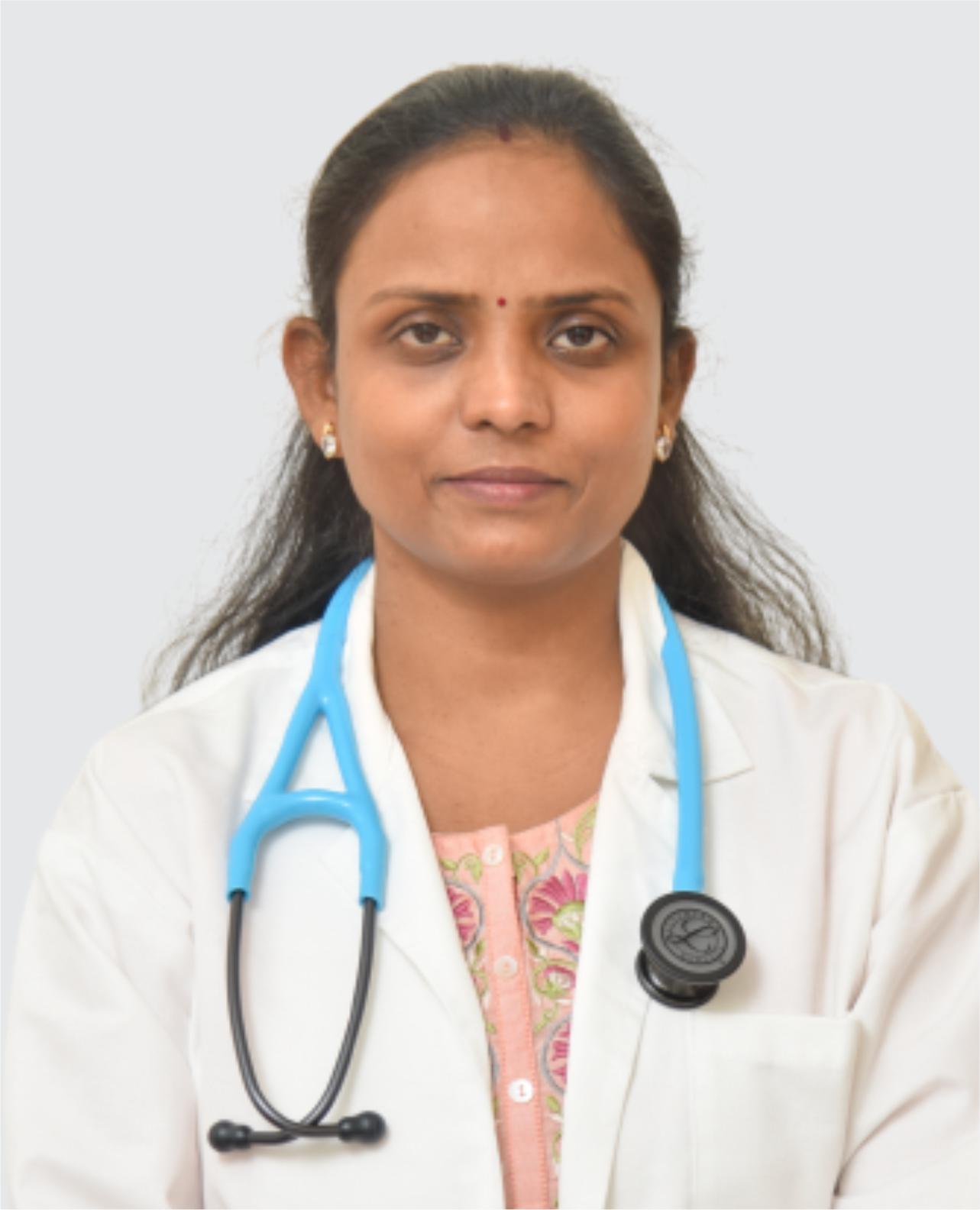
Dr. Anju Singh
Consultant - Pediatric Rheumatology
Pediatric Rheumatology
New Delhi
13+ Years
Experience
Artemis Hospital
Hospital
1500
Fees
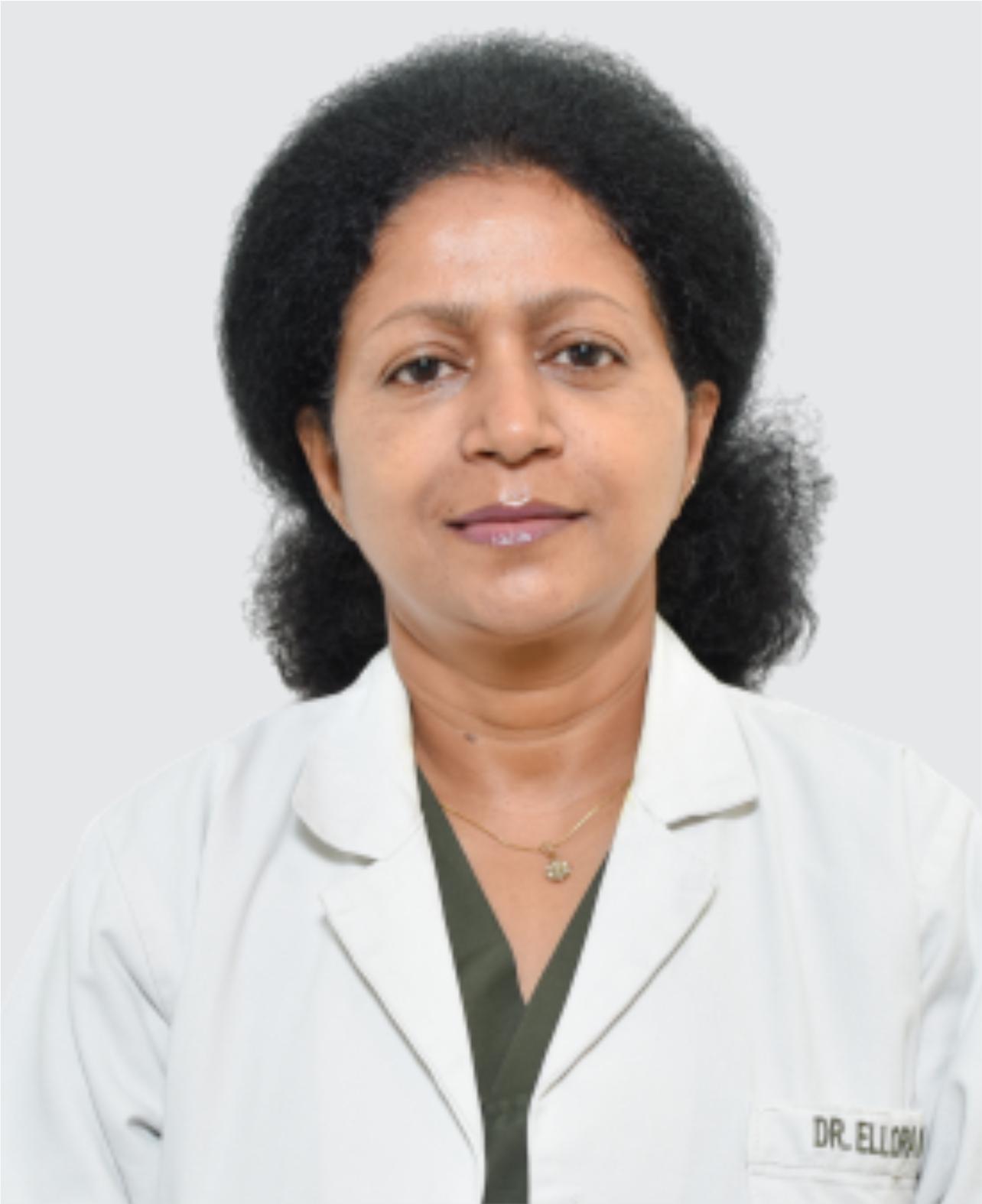
Dr. Ellora Nanda
Admin Head - Emergency
Emergency & Trauma Services
New Delhi
25+ Years
Experience
Artemis Hospital
Hospital
1500
Fees
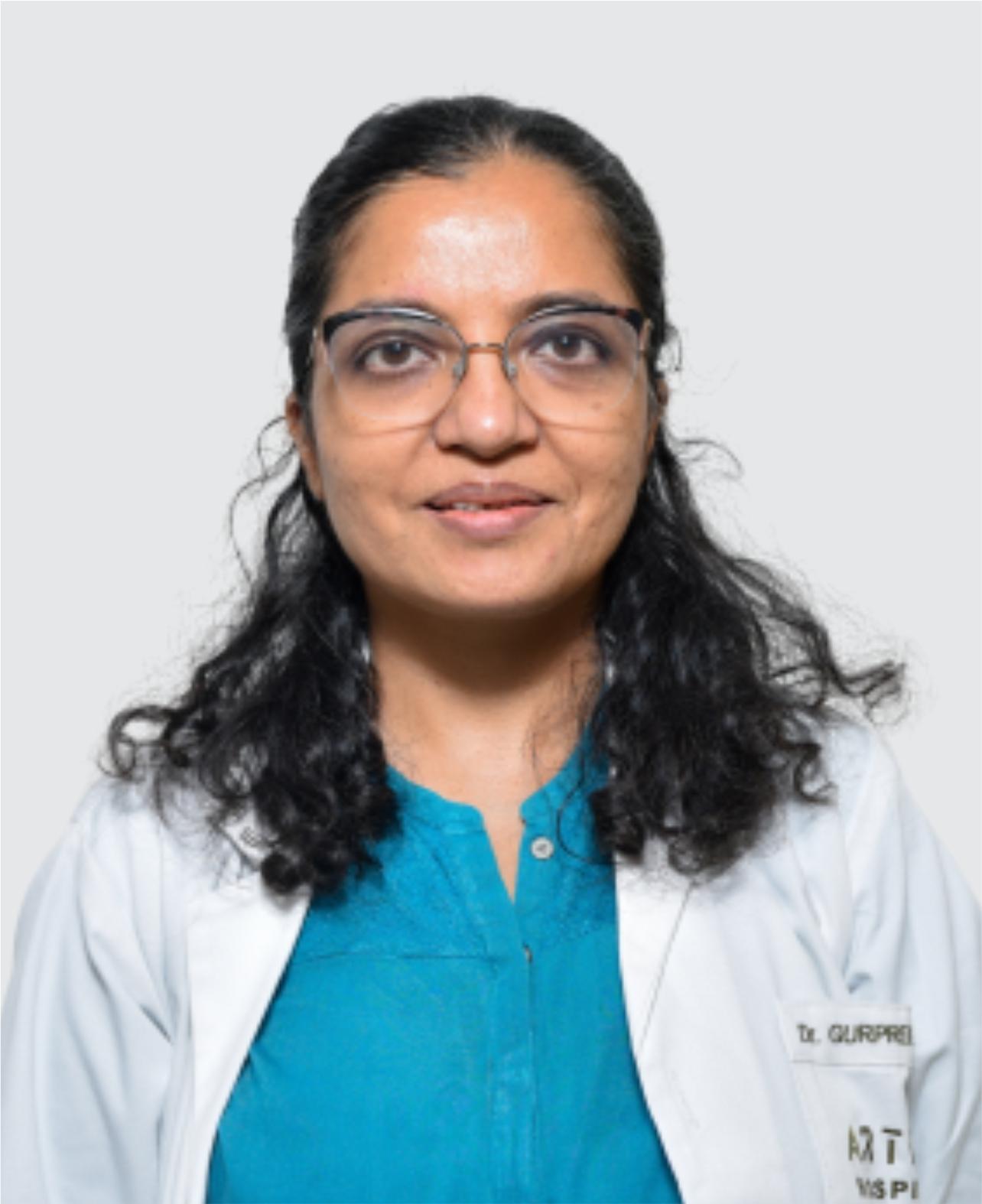
Gurpreet Makkar
Head Imaging & Chief DNB Program
Radiology
New Delhi
19+ Years
Experience
Artemis Hospital
Hospital
1500
Fees
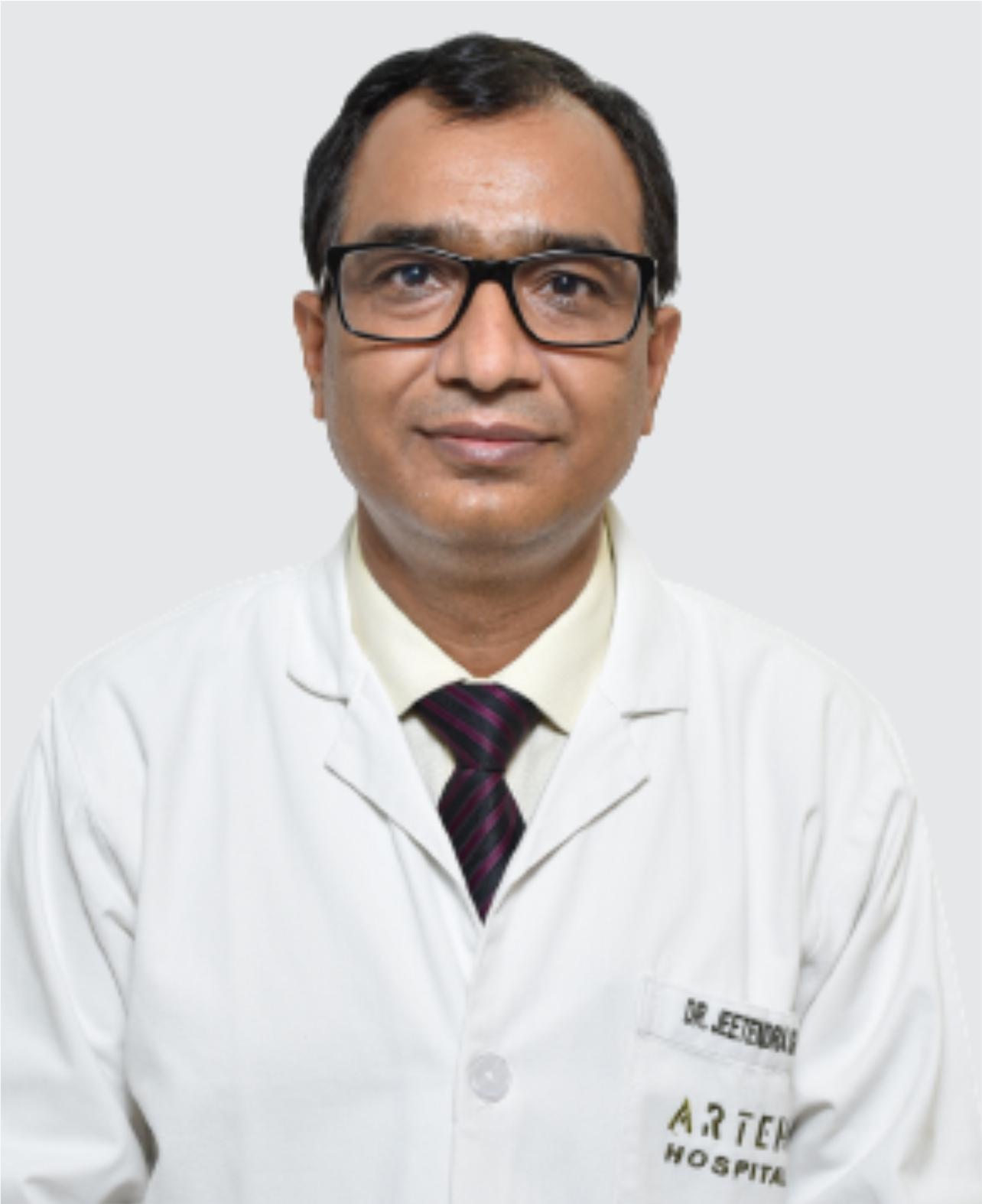
Jeetendra Sharma
Chief - Critical Care (Unit II) & Chief- Medical Quality
Critical Care & ICU
New Delhi
15+ Years
Experience
Artemis Hospital
Hospital
1500
Fees
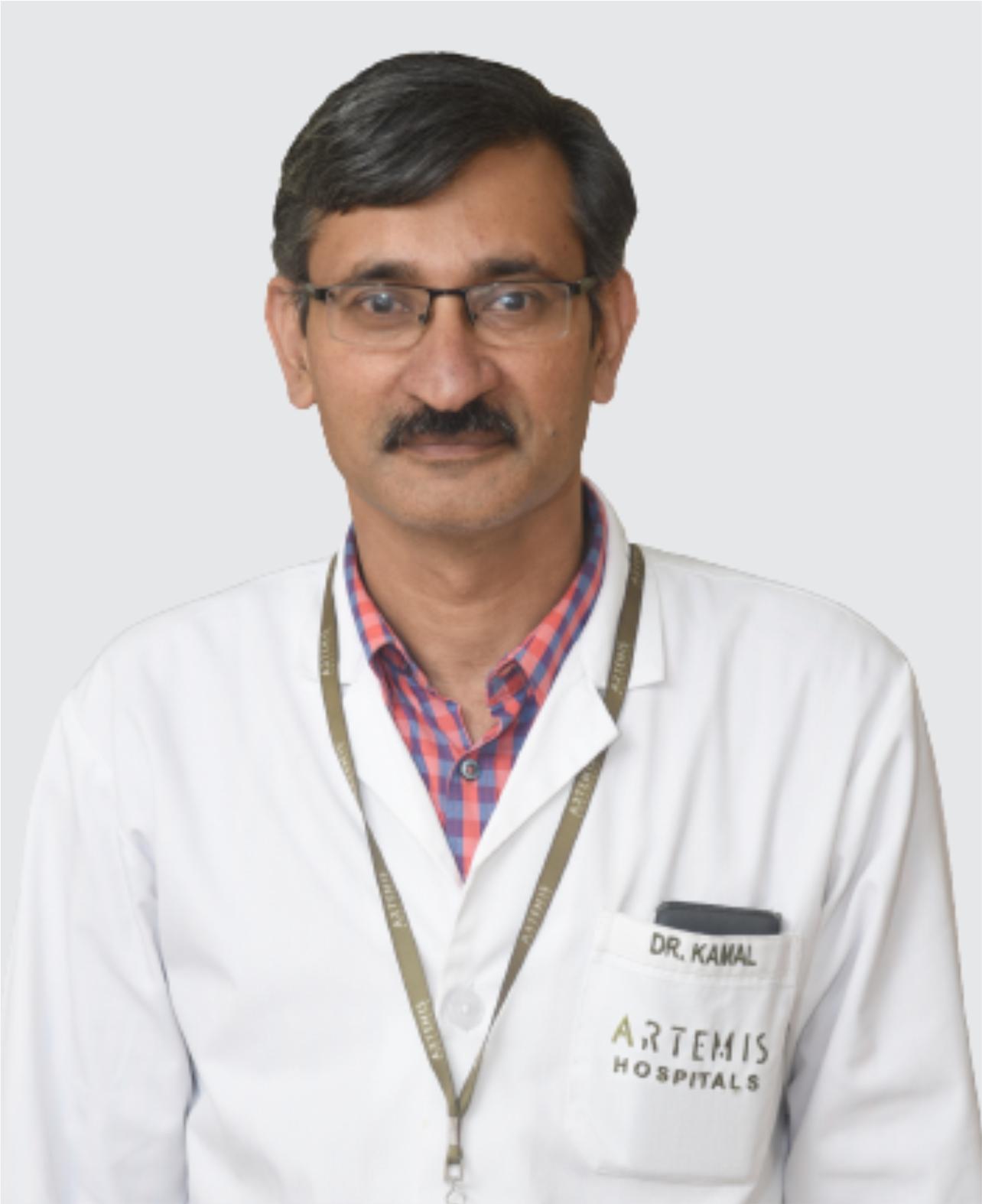
Dr. Kamal Verma
Sr. Consultant - Radiation Oncology
Radiation Oncology
New Delhi
15+ Years
Experience
Artemis Hospital
Hospital
1500
Fees
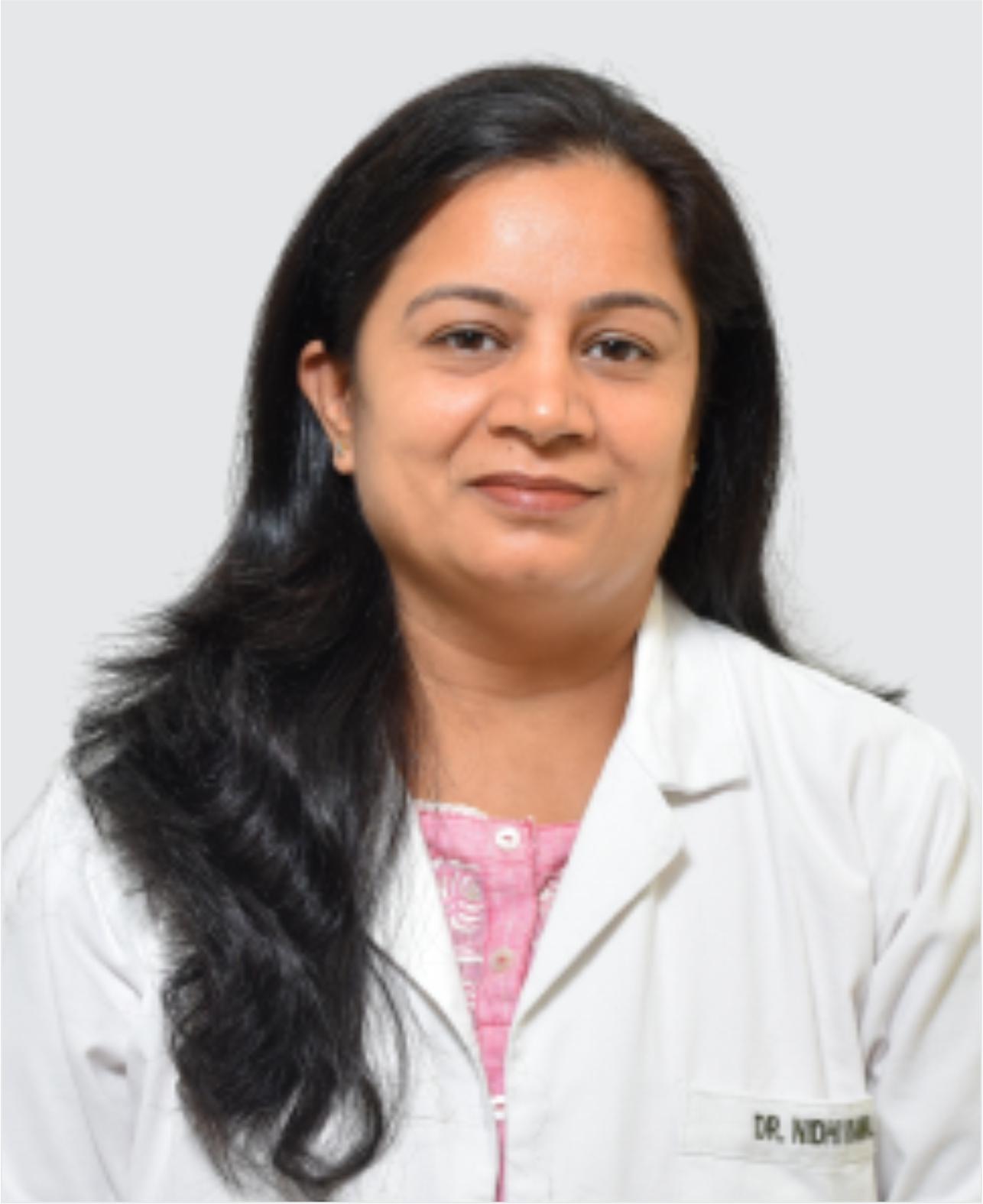
Dr Nidhi Rawal
Chief - Paediatric Cardiology
Paediatric Cardiology
New Delhi
18+ Years
Experience
Artemis Hospital
Hospital
1500
Fees

Dr. Noaline Sinha
Chairperson - Nuclear Medicine & Radio-Theranostics
Nuclear Medicine
New Delhi
15+ Years
Experience
Artemis Hospital
Hospital
1500
Fees
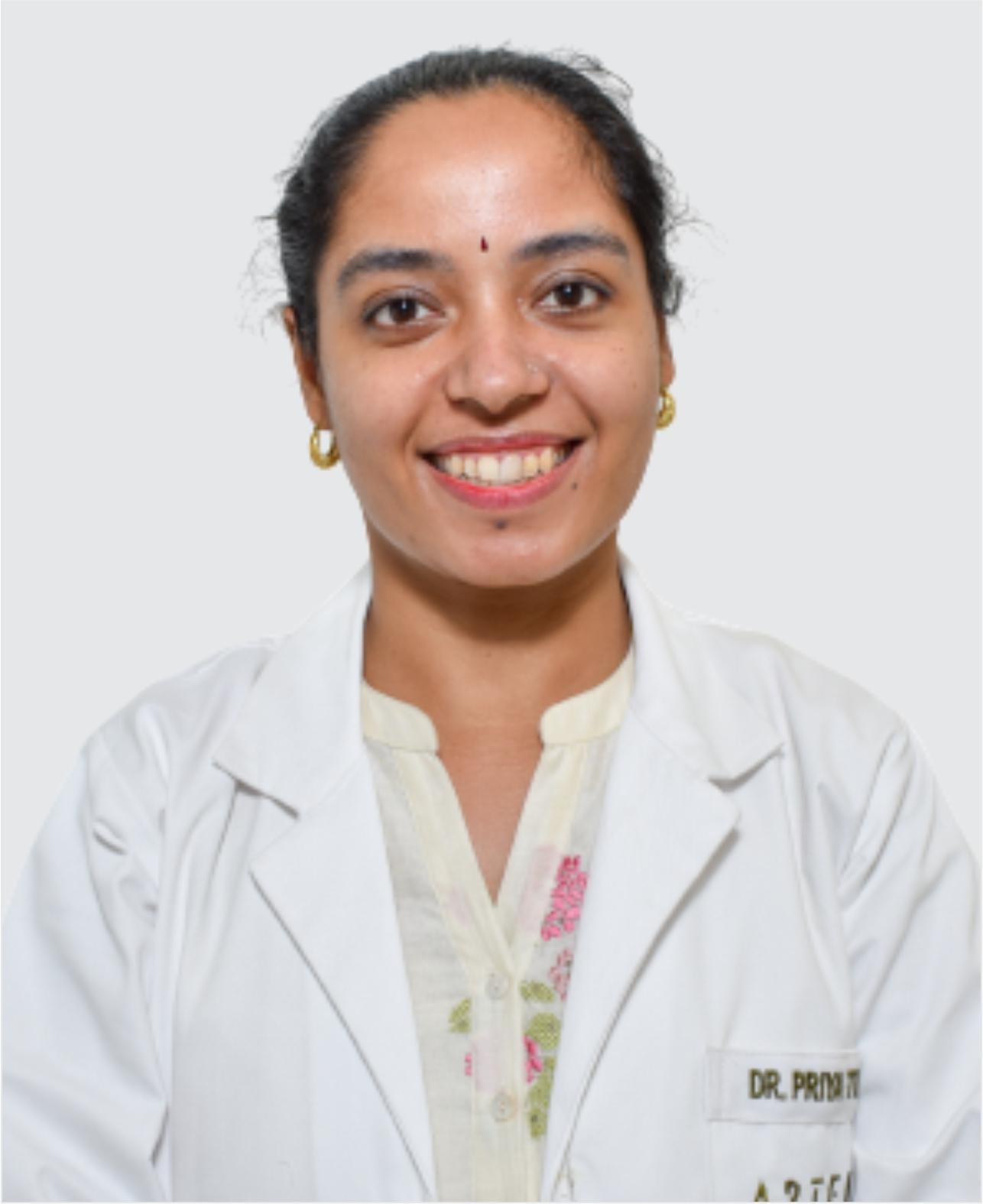
Dr. Priya Tiwari
Sr. Consultant
Radiology
New Delhi
12+ Years
Experience
Artemis Hospital
Hospital
1500
Fees
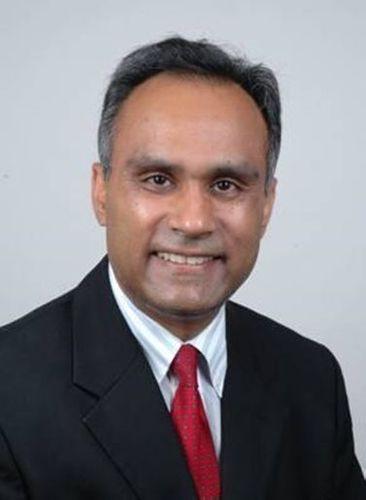
Dr. Vivek Raj
Associate Director
Pulmonology
New Delhi
20+ Years
Experience
Apolo Delhi
Hospital
1500
Fees
Related Links
Other Treatment related Information
International Patient Visiting India
Ready To Start Your Healing Journey?
Get Personalized Medical Treatment Options From India's Top Hospitals. Our Medical Experts Are Ready To Assist You Every Step Of The Way.