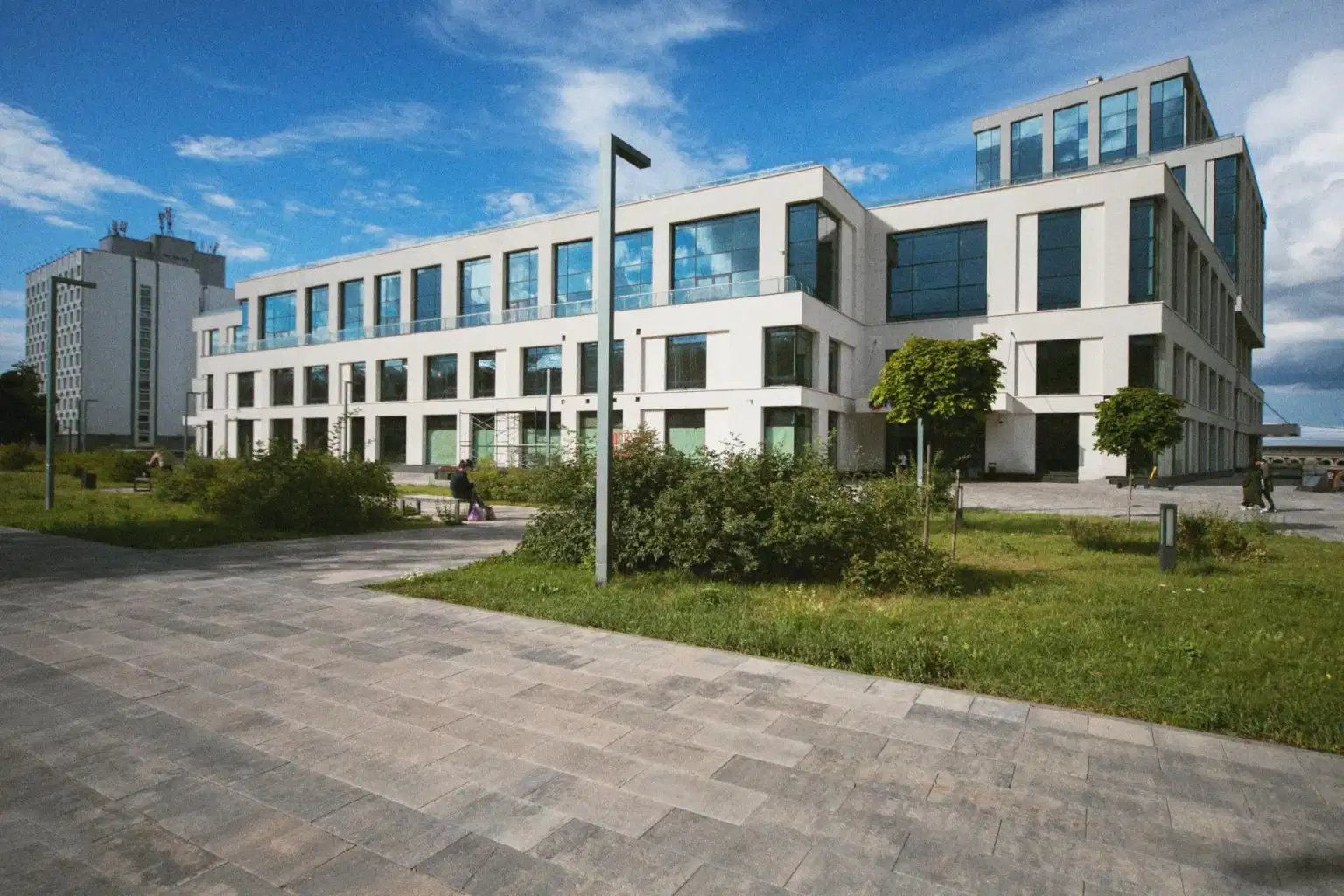
Orthopedics Treatment in India
Need Personalized Advice?
Our medical experts are ready to answer your questions and guide you through your treatment options.
About
Orthopedics Treatment in India | Medical Scope & Care
Orthopedics is a specialized medical field. It focuses on the musculoskeletal system. This includes bones, joints, ligaments, tendons, and muscles. Orthopedic treatment addresses a wide range of conditions. These conditions can result from injury, disease, or congenital issues. The goal is to restore function and alleviate pain. India offers advanced orthopedic care.
Patients from various nations seek Orthopedics Treatment in India. Many from countries like Nigeria, Kenya, and Iraq choose India. Others from Bangladesh and Oman also travel here. The primary reasons include high-quality care at competitive costs. India also boasts a strong pool of experienced specialists. Access to modern surgical techniques is another significant draw.
India's healthcare infrastructure is robust. It features state-of-the-art hospitals. These facilities are equipped with cutting-edge technology. Highly skilled orthopedic surgeons lead medical teams. They offer comprehensive and compassionate patient care. This ensures a positive treatment experience.
Conditions Treated by Orthopedics
- Arthritis: Osteoarthritis, rheumatoid arthritis, and other inflammatory joint conditions.
- Fractures: Complex bone breaks requiring surgical fixation or specialized casting.
- Sports Injuries: Ligament tears (ACL), meniscus tears, rotator cuff injuries.
- Spinal Disorders: Slipped discs, scoliosis, spinal stenosis, and degenerative disc disease.
- Congenital Deformities: Clubfoot, hip dysplasia, and limb length discrepancies.
- Musculoskeletal Tumors: Both benign and malignant growths affecting bones and soft tissues.
- Tendon and Ligament Issues: Tendinitis, carpal tunnel syndrome, and repetitive strain injuries.
Types of Orthopedic Treatment
Joint Replacement Surgery
This involves replacing damaged joints with artificial implants. Common procedures include knee replacement, hip replacement, and shoulder replacement. Minimally invasive techniques are frequently used. This approach reduces recovery time.
Arthroscopy
Arthroscopy is a minimally invasive diagnostic and treatment procedure. It uses a small camera to view inside a joint. It is common for knee, shoulder, and ankle conditions. Surgeons repair damage with small incisions.
Spine Surgery
Spine surgery addresses various back and neck conditions. Procedures range from discectomy to spinal fusion. It aims to relieve nerve compression or stabilize the spine. Advanced techniques minimize tissue damage.
Fracture Management
Orthopedic specialists manage simple and complex fractures. Treatment includes casting, external fixation, or internal fixation. Plates, screws, or rods stabilize broken bones. This promotes proper healing.
Sports Medicine
This subspecialty focuses on preventing and treating sports-related injuries. It combines surgical and non-surgical approaches. Rehabilitation is a key component. The goal is to return athletes to their peak performance.
Diagnostic and Clinical Evaluation
- Physical Examination: Assessment of range of motion, strength, and pain points.
- X-rays: To visualize bone structures and identify fractures or deformities.
- MRI (Magnetic Resonance Imaging): Provides detailed images of soft tissues, ligaments, and tendons.
- CT (Computed Tomography) Scans: Offers cross-sectional views, useful for complex bone injuries.
- Blood Tests: To check for inflammation, infection, or specific autoimmune conditions.
- Bone Density Scans (DEXA): Measures bone mineral density to assess osteoporosis risk.
The Orthopedic Procedure
Orthopedic procedures vary significantly based on the condition. They typically involve careful pre-operative planning. Surgeons use advanced imaging to guide their approach. Many surgeries now employ minimally invasive techniques. These methods lead to smaller incisions and less trauma. Anesthesia is administered by experienced anesthesiologists. The duration of surgery depends on its complexity. Patients receive close monitoring throughout the procedure.
Recovery Process
Recovery from orthopedic surgery is a structured process. It often begins immediately after the procedure. Pain management is a priority during the initial phase. Physiotherapy plays a crucial role in restoring movement and strength. Patients learn specific exercises and movements. The length of hospital stay varies. Full recovery can take weeks to several months. Adherence to post-operative instructions is vital.
Potential Risks
- Infection: A risk with any surgical procedure, though precautions are taken.
- Blood Clots: Can form in the legs; preventative measures are usually implemented.
- Nerve Damage: Rare, but can occur depending on the surgical site.
- Anesthesia Complications: Standard risks associated with general anesthesia.
- Implant Failure: Though rare, implants can sometimes loosen or wear out.
- Persistent Pain: Some patients may experience continued discomfort.
Orthopedics Success Rate in India
The success rate for Orthopedics Treatment in India is generally very high. This is particularly true for procedures like joint replacements. Many patients experience significant pain relief and improved mobility. Factors influencing outcomes include patient's overall health and adherence to rehabilitation. The expertise of the medical team also plays a crucial role. India consistently reports excellent patient satisfaction scores.
Cost of Orthopedics in India
The cost of Orthopedics Treatment in India is highly competitive. It is often a fraction of prices in Western countries. Several factors influence the final expense. These include the specific procedure, hospital choice, and length of stay. The type of implant used also affects cost. Patients receive transparent pricing information.
| Procedure | Estimated Cost Range |
|---|---|
| Knee Replacement (Unilateral) | $4,500 - $8,000 |
| Hip Replacement (Unilateral) | $5,000 - $9,000 |
| Spine Fusion (Single Level) | $6,000 - $10,000 |
| Arthroscopy (Knee/Shoulder) | $2,500 - $4,500 |
| Fracture Management (Complex) | $3,000 - $7,000 |
Specialists and Hospitals for Orthopedics in India
India is home to numerous world-class orthopedic hospitals. These institutions feature cutting-edge infrastructure. They are staffed by highly experienced orthopedic specialists for Orthopedics in India. These doctors are often internationally trained. They bring vast expertise in complex cases. Choosing the Best Orthopedics Surgery in India means selecting a facility known for patient outcomes.
Orthopedics Treatment in India offers a compelling solution. Patients can access advanced medical care and skilled surgeons. The transparent cost structure adds to its appeal. India provides a holistic healing environment. It ensures patient comfort and clinical excellence.
Hospitals Offering this treatment
India offers premium medical procedures at affordable prices. Discover our most popular treatments, delivered by the country's finest doctors.
Meet Our Doctors
Meet our team of highly qualified and experienced medical professionals dedicated to providing the best healthcare services.
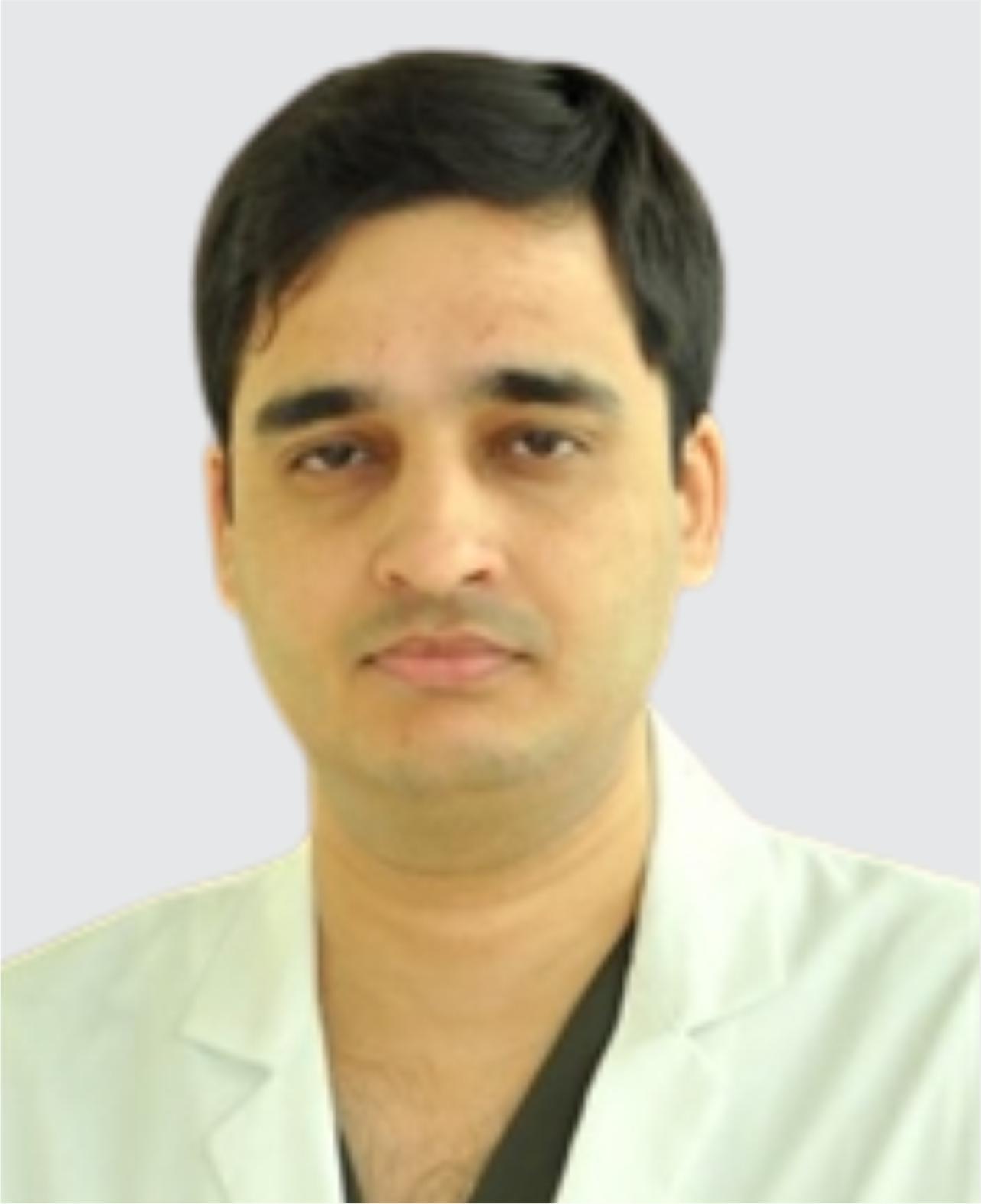
Dr. Amit Kalsotra
Sr. Consultant - Anaesthesia, Critical Care & Pain Management
Anaesthesia, Critical Care, Pain Management
New Delhi
15+ Years
Experience
Artemis Hospital
Hospital
1500
Fees
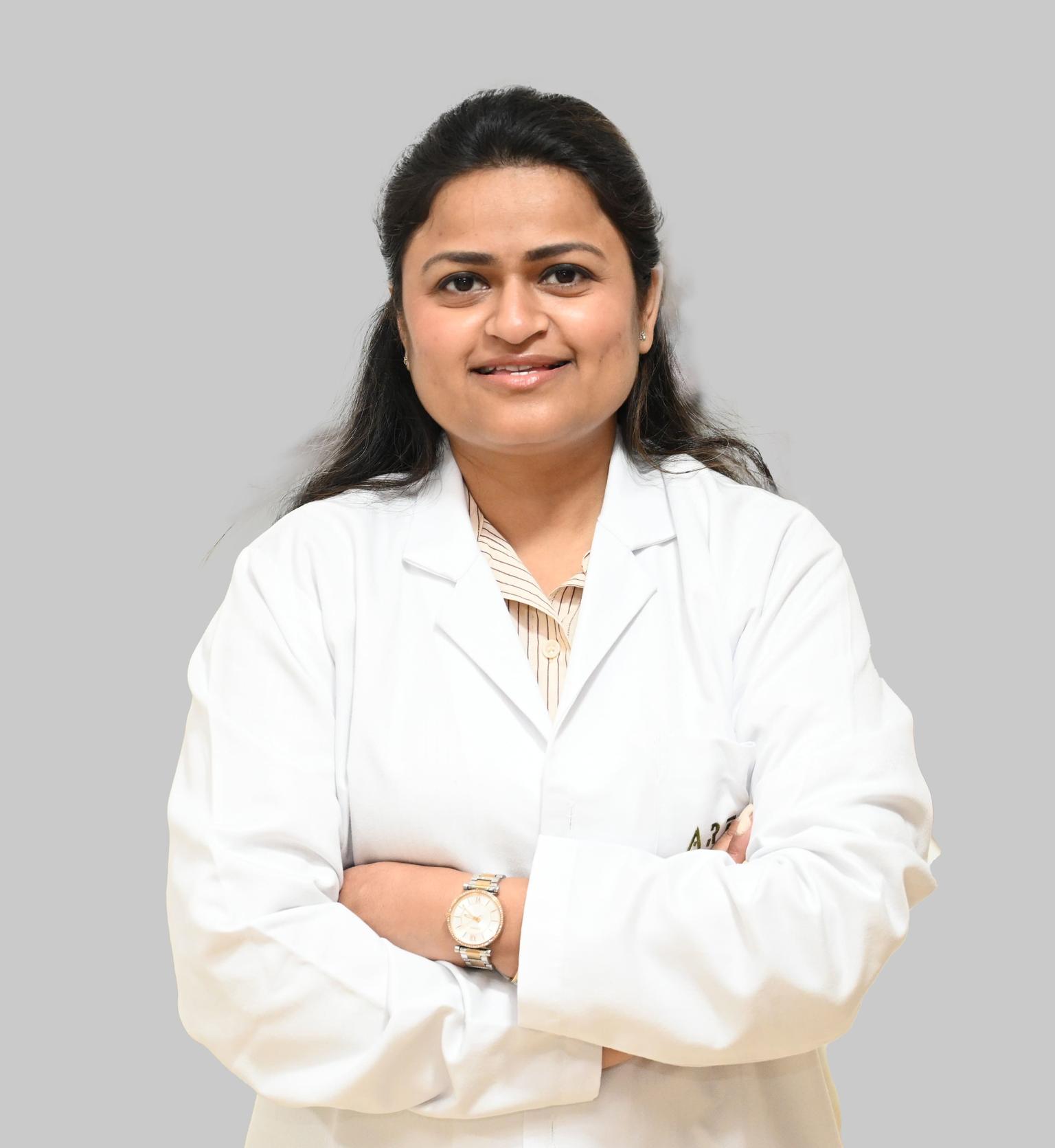
Dr. Anjali Vaish
Consultant - Physiotherapy and Rehabilitation Centre
Physiotherapy and Rehabilitation Centre
New Delhi
10+ Years
Experience
Artemis Hospital
Hospital
1500
Fees
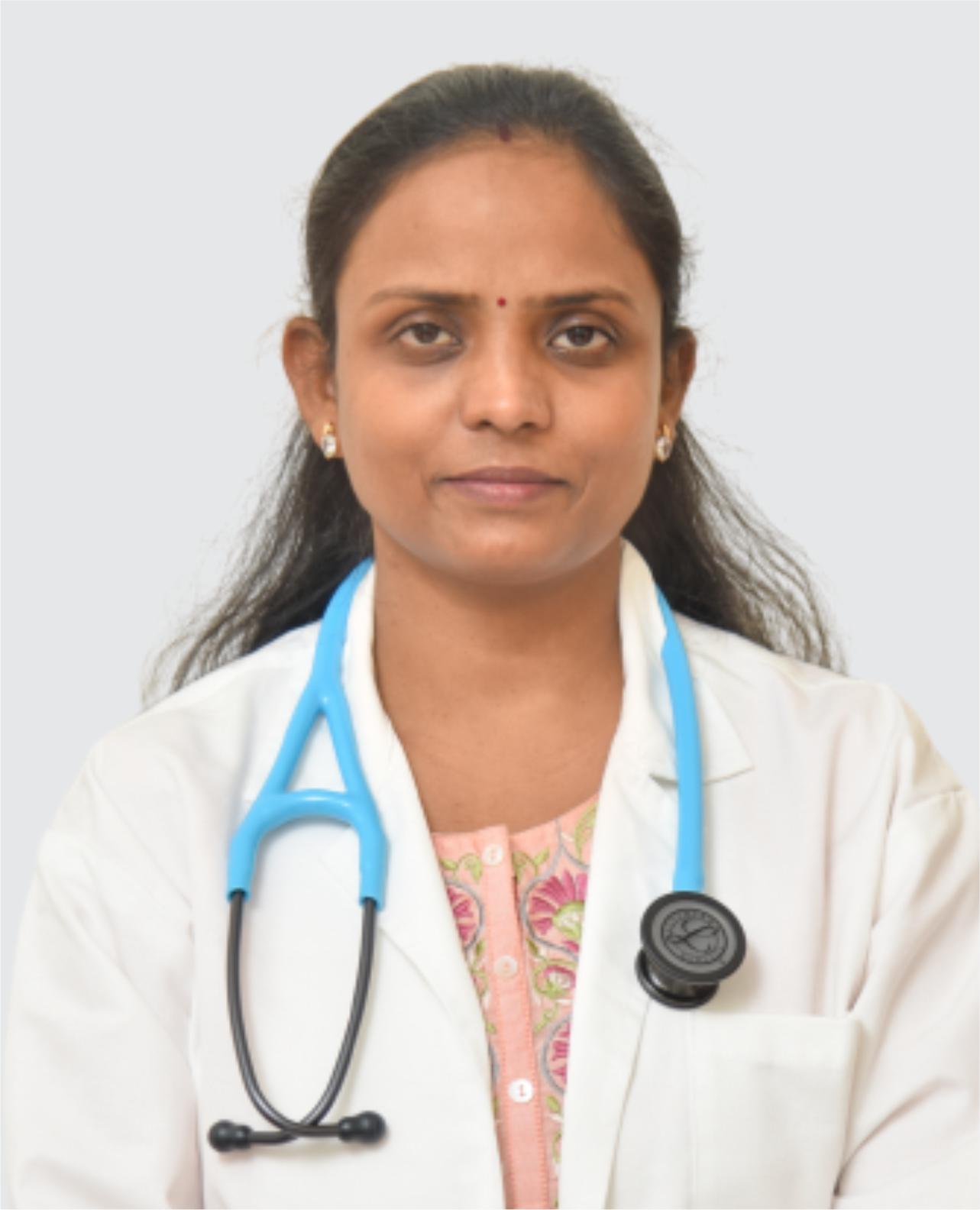
Dr. Anju Singh
Consultant - Pediatric Rheumatology
Pediatric Rheumatology
New Delhi
13+ Years
Experience
Artemis Hospital
Hospital
1500
Fees
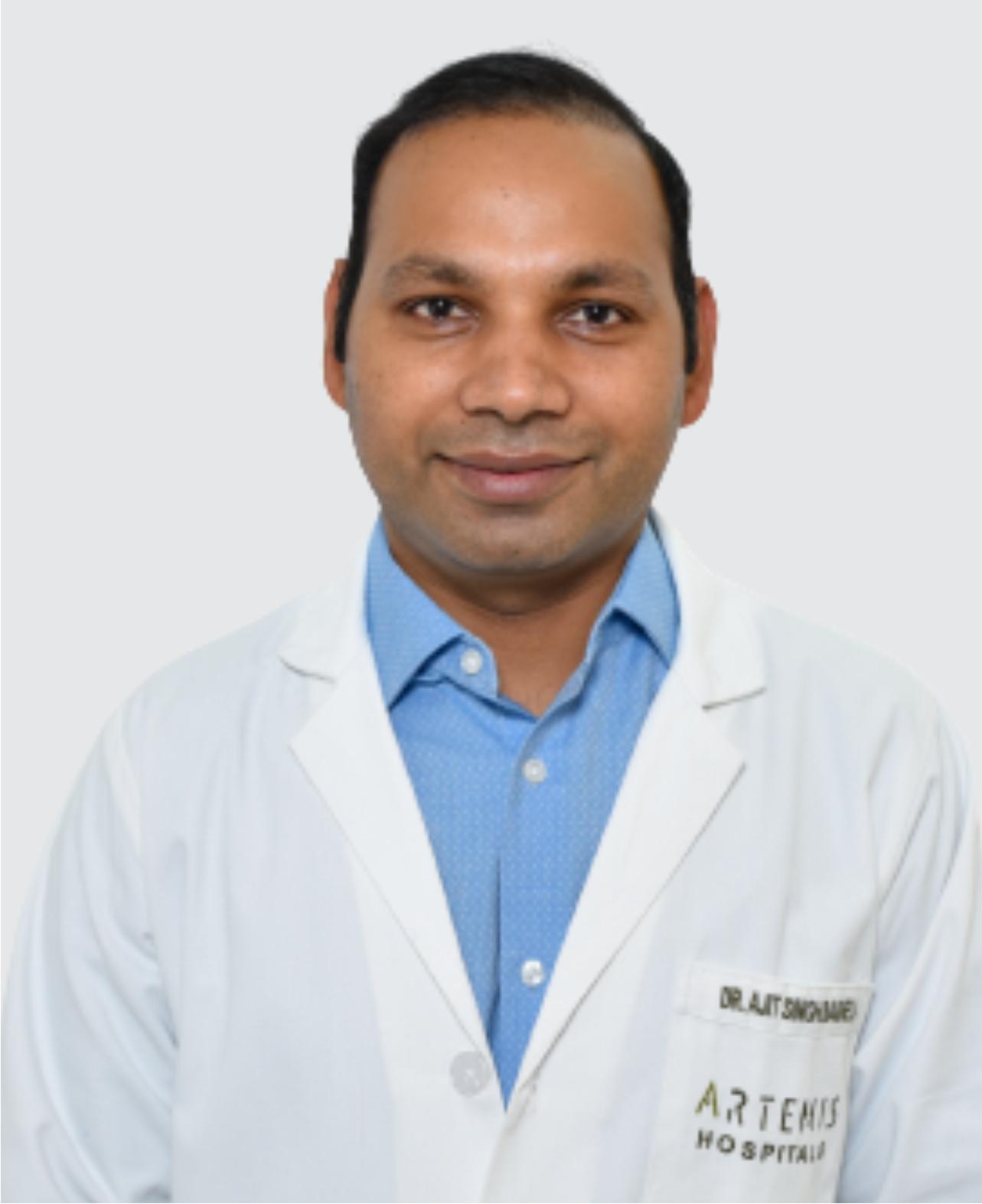
Dr. Ajit Singh Baghela
Sr. Consultant - Paediatric Neurology
Paediatric Neurology
New Delhi
9+ Years
Experience
Artemis Hospital
Hospital
1500
Fees

Dr. (Brig.) Anil Khetarpal
Deputy Chief - Medical Services & Chairperson -Department of Blood Centre and Transfusion medicine
Blood Centre & Transfusion Medicine
New Delhi
33+ Years
Experience
Artemis Hospital
Hospital
1500
Fees
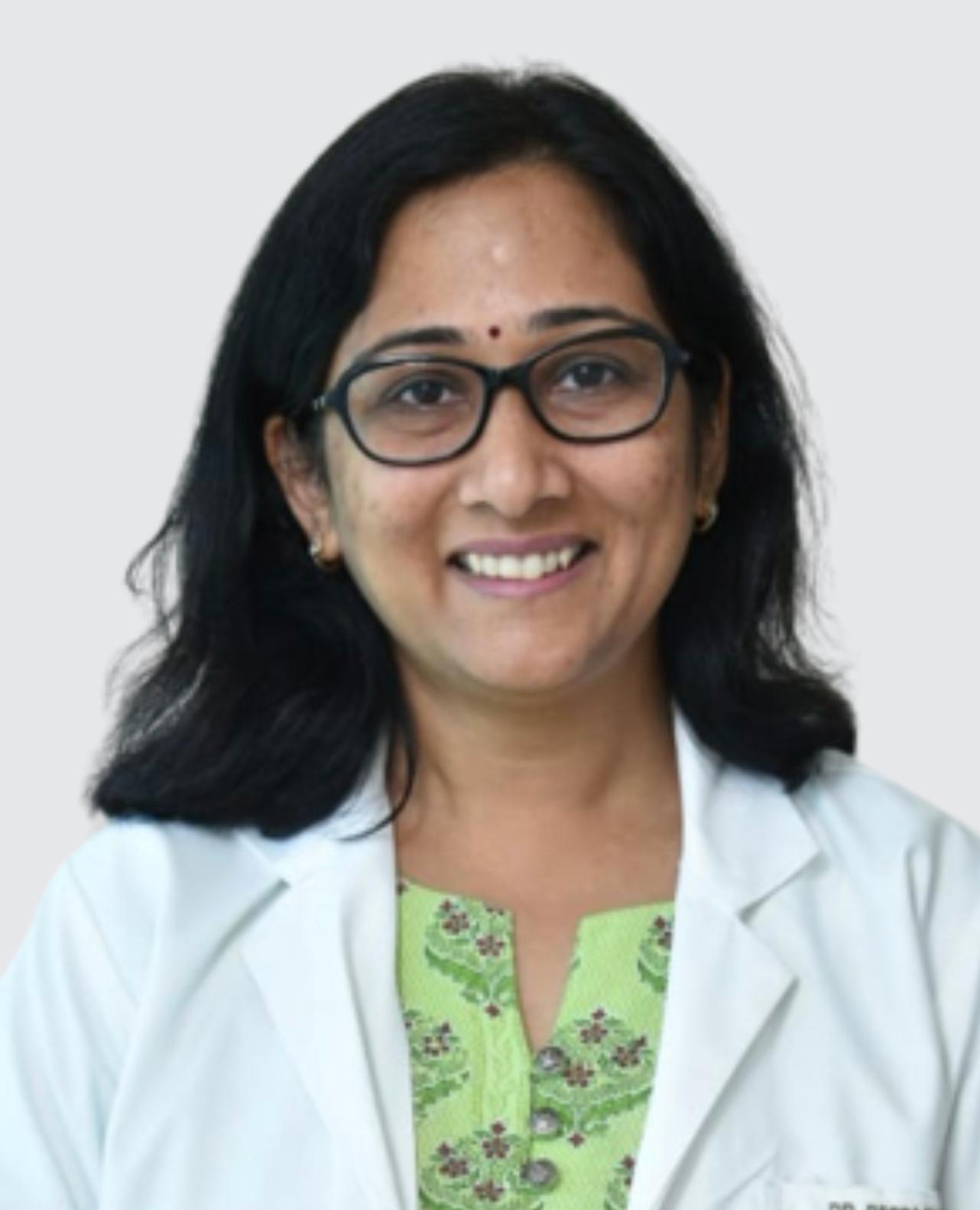
Dr. Deepa Maheshwari
Unit Head
Maternity, Obstetrics & Gynaecology
New Delhi
20+ Years
Experience
Artemis Hospital
Hospital
1500
Fees
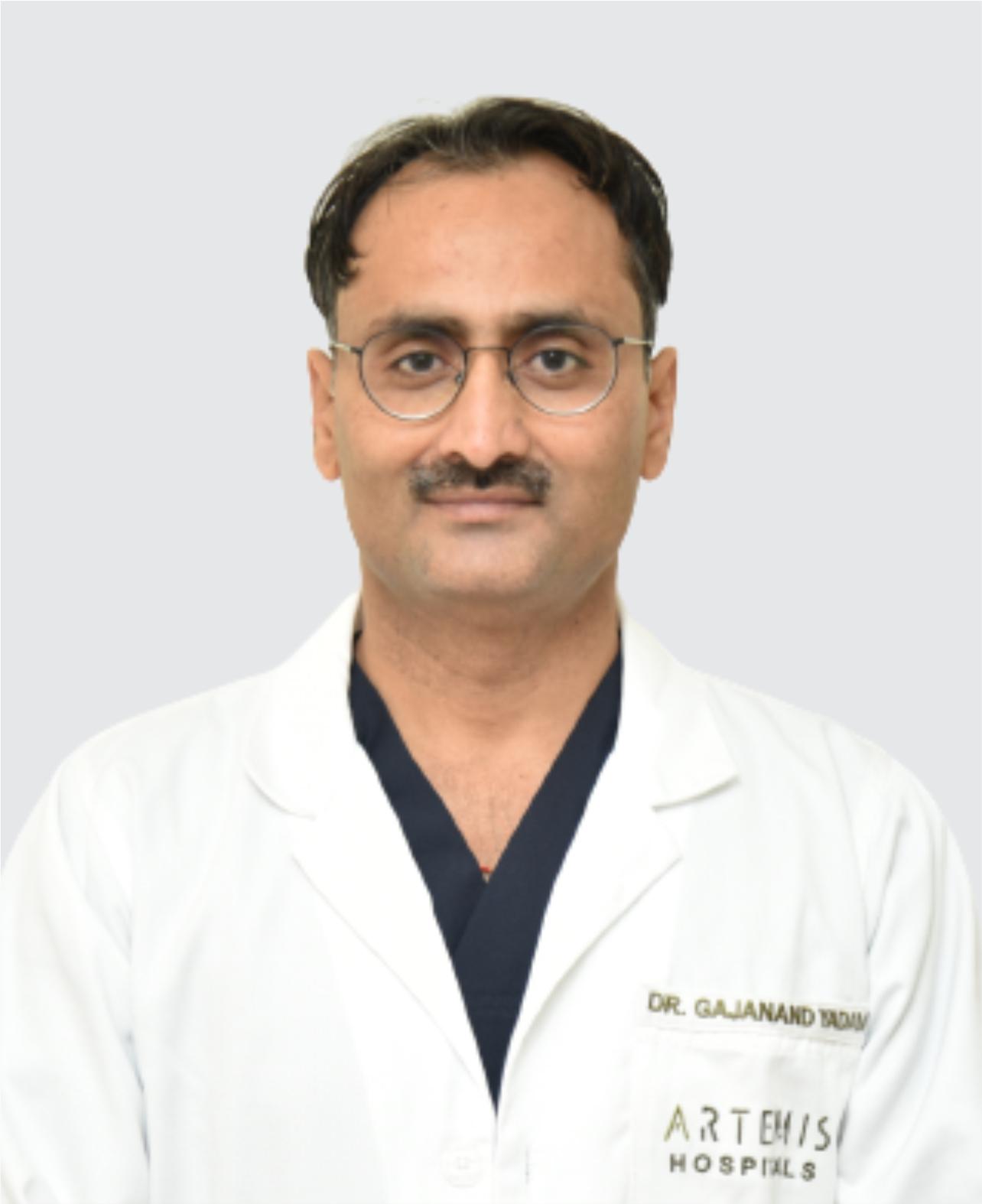
Dr. Gajanand Yadav
Consultant - Orthopaedics and Hip and Knee Arthroplasty
Orthopaedics, Hip and Knee Arthroplasty, Joint Replacement, Sports Medicine
New Delhi
12+ Years
Experience
Artemis Hospital
Hospital
1500
Fees
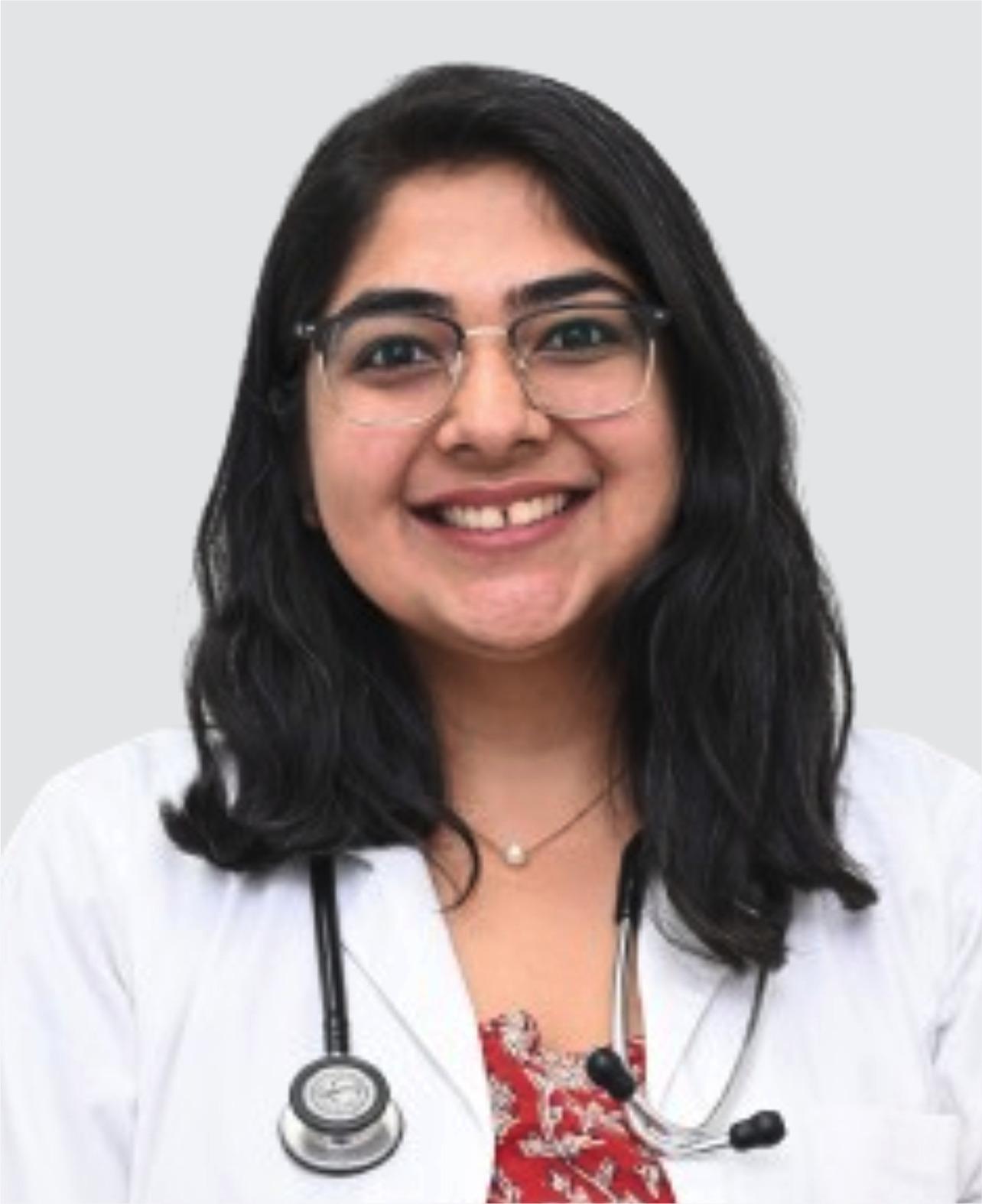
Dr. Meenal Thakral
Attending Consultant – Geriatric Medicine
Geriatric Medicine, Geriatric Surgery
New Delhi
3+ Years
Experience
Artemis Hospital
Hospital
1500
Fees
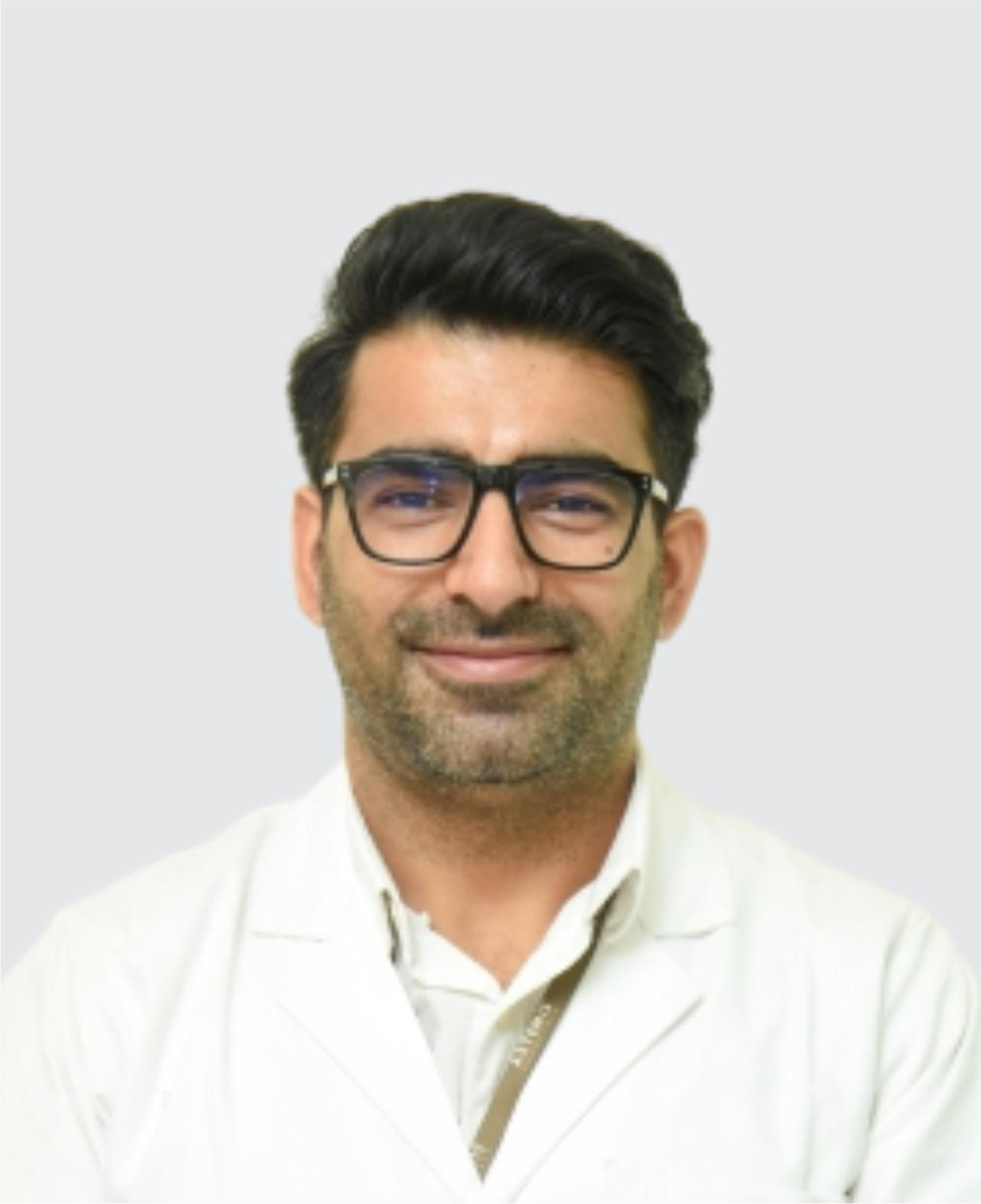
Dr. Mohammad Irfan Banday
Consultant
Orthopaedic Surgery
New Delhi
10+ Years
Experience
Artemis Hospital
Hospital
1500
Fees
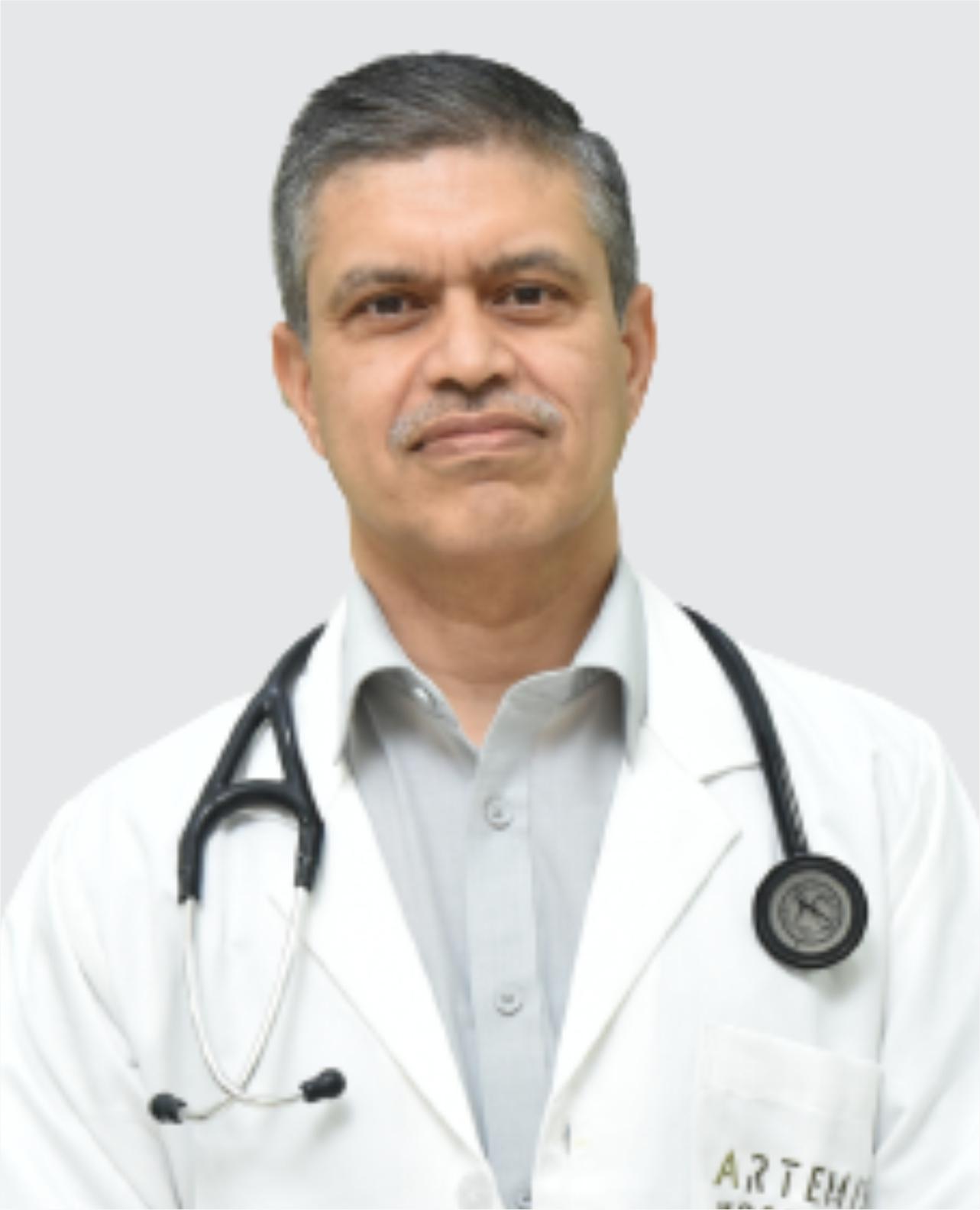
Dr. Rahul Mehrotra
Director & HOD - Orthopaedics & Joint Replacement
Orthopaedics
New Delhi
17+ Years
Experience
Artemis Hospital
Hospital
1500
Fees
Related Links
Recent Blogs
- How DivinHeal Helps You Find the Best Hospital in India
- Limb Lengthening Surgery: India vs USA, Turkey & Europe
- Best Orthopedics Doctors in India for Nigerian Patients
- Best Orthopedics Hospitals in India for Nigerian Patients
- Travel, Stay & Food Tips for Medical Tourists in India
- Ethiopia to India Medical Travel Guide for Patients | DivinHeal
- Top 10 Orthopedic Hospitals in Bangalore (2026 Guide)
- Top Spine Surgeons in India for International Patients
- Limb Lengthening Surgery Cost in India (₹5L–₹10L) Explained
- Chiropractic Treatment Cost in India for Omani Patients
Other Treatment related Information
Ready To Start Your Healing Journey?
Get Personalized Medical Treatment Options From India's Top Hospitals. Our Medical Experts Are Ready To Assist You Every Step Of The Way.