
PGT-A/PGT-M (Genetic Testing of Embryos) Success Rate in Pune
Need Personalized Advice?
Our medical experts are ready to answer your questions and guide you through your treatment options.
About
Understanding PGT-A/PGT-M Success Rates in Pune
For individuals considering PGT-A/PGT-M (Genetic Testing of Embryos), understanding the potential success rate is a crucial step. This advanced testing procedure plays a significant role in improving outcomes for assisted reproductive technologies. Success rates can vary based on several factors, including the specific genetic condition being screened, the patient's profile, and the fertility clinic's protocols. Pune is recognized as a center where modern reproductive healthcare practices are evaluated with patient data.
Success rates for PGT-A/PGT-M in Pune are typically assessed through aggregated clinical data, providing insights into various treatment approaches. These outcomes are closely monitored and compared against national and international benchmarks. It is important to note that individual results are influenced by the unique characteristics of each patient and the specific method of genetic testing employed. Centers in Pune often evaluate these rates to refine their clinical practices.
Defining Success in PGT-A/PGT-M
For PGT-A/PGT-M, "success" is multi-faceted. It often means the identification of a genetically normal (euploid) embryo suitable for transfer, leading to a successful implantation and, ultimately, a live birth. Short-term success might involve obtaining a conclusive genetic diagnosis for the embryo and its viability post-biopsy. Long-term success is primarily measured by the live birth rate following the transfer of a screened embryo, enhancing the probability of a healthy pregnancy.
PGT-A/PGT-M Success Rate Breakdown
Success rates vary depending on treatment approach and patient factors in genetic embryo testing.
| Treatment Type / Category | Typical Use Case | Success Rate Range (%) | What Success Indicates |
|---|---|---|---|
| PGT-A (Aneuploidy Screening) | Recurrent pregnancy loss, advanced maternal age, IVF failure | 40%–60% | Live birth per embryo transfer with euploid embryo |
| PGT-M (Monogenic Disorder) | Parents are carriers of a specific genetic condition | 45%–65% | Live birth per embryo transfer with unaffected embryo |
| PGT-SR (Structural Rearrangement) | Parents carry balanced chromosomal translocations | 35%–55% | Live birth per embryo transfer with balanced/normal embryo |
PGT-A/PGT-M Survival Rate by Age in Pune
The PGT-A/PGT-M survival rate by age in Pune reflects a consistent global trend where maternal age significantly impacts embryo quality and the likelihood of identifying euploid embryos. While PGT-A/PGT-M helps select the healthiest embryos, the overall availability of chromosomally normal embryos generally decreases with advancing maternal age. This directly influences the stage wise PGT-A/PGT-M survival rate in Pune, particularly regarding live birth outcomes from tested embryos.
| Age Group (Maternal) | Embryo Euploidy Rate Range (%) | Live Birth Rate per Transfer (%) |
|---|---|---|
| Under 35 years | 50%–70% | 55%–70% |
| 35-37 years | 40%–55% | 45%–60% |
| 38-40 years | 25%–40% | 30%–45% |
| Over 40 years | 10%–25% | 15%–30% |
Pune vs. Global PGT-A/PGT-M Success Rate Comparison
The PGT-A/PGT-M (Genetic Testing of Embryos) success rate in Pune is often comparable with international standards when similar clinical protocols, advanced technology, and patient selection criteria are applied. Fertility centers in Pune aim to align their outcomes with globally recognized benchmarks, leveraging modern laboratory practices and experienced medical teams.
| Region/Country | Live Birth Rate per Euploid Embryo Transfer (%) |
|---|---|
| India (Pune) | 45%–65% |
| United States | 50%–70% |
| United Kingdom | 40%–60% |
| Australia | 45%–68% |
| Spain | 42%–62% |
| Canada | 40%–60% |
| Singapore | 48%–67% |
These rates are indicative and reflect broad ranges, as actual success can vary significantly based on individual patient circumstances and clinic-specific approaches.
Factors Influencing PGT-A/PGT-M Outcomes
- Maternal Age: Directly impacts the number and chromosomal health of available embryos.
- Embryo Quality and Number: The overall health and quantity of embryos for biopsy.
- Specific Genetic Condition: For PGT-M, the complexity of the monogenic disorder affects outcomes.
- Laboratory Expertise and Technology: The proficiency of the embryology lab in biopsy and genetic analysis.
- Biopsy Technique: The stage of embryo development at which the biopsy is performed.
- Uterine Receptivity: The health of the uterus for successful implantation after transfer.
- Patient’s Overall Health: Underlying medical conditions can influence implantation rates.
Data Sources & Methodology
- National and international registries providing aggregated fertility treatment data.
- Peer-reviewed medical studies published in reputable scientific journals.
- Aggregated outcome data from multiple fertility clinics and research institutions.
- Reports from professional organizations focused on reproductive medicine and genetics.
Informed Choices for PGT-A/PGT-M
Understanding PGT-A/PGT-M (Genetic Testing of Embryos) success rate in Pune empowers patients to make confident and informed healthcare decisions. Consulting with specialists can help clarify individual probabilities and guide personalized treatment plans based on comprehensive data.
Hospitals Offering this treatment
India offers premium medical procedures at affordable prices. Discover our most popular treatments, delivered by the country's finest doctors.
Meet Our Doctors
Meet our team of highly qualified and experienced medical professionals dedicated to providing the best healthcare services.
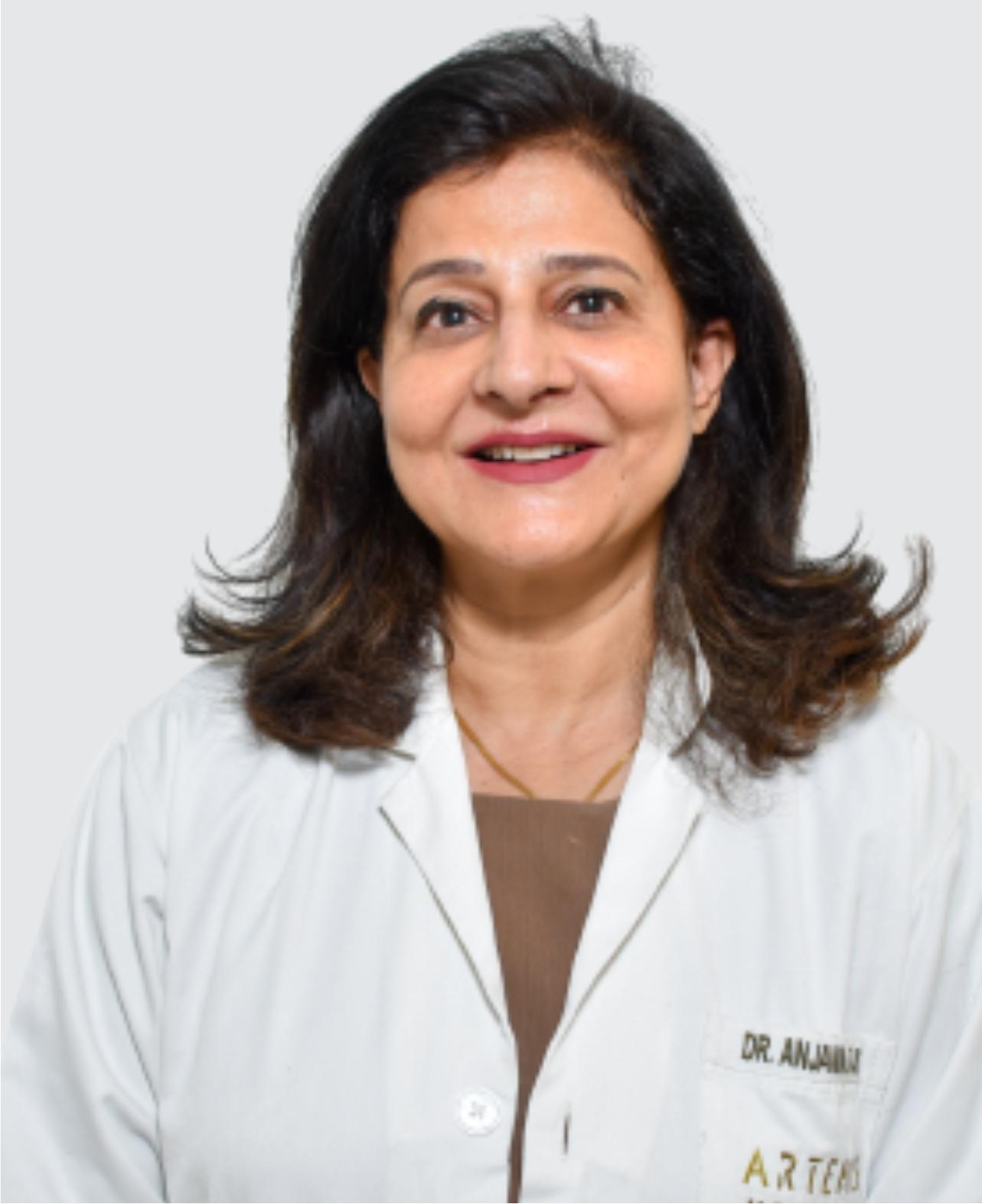
Dr. Anjana Satyajit
Head - Dentistry
Dentistry
New Delhi
20+ Years
Experience
Artemis Hospital
Hospital
1500
Fees
Related Links
Other Treatment related Information
International Patient Visiting India
Ready To Start Your Healing Journey?
Get Personalized Medical Treatment Options From India's Top Hospitals. Our Medical Experts Are Ready To Assist You Every Step Of The Way.