


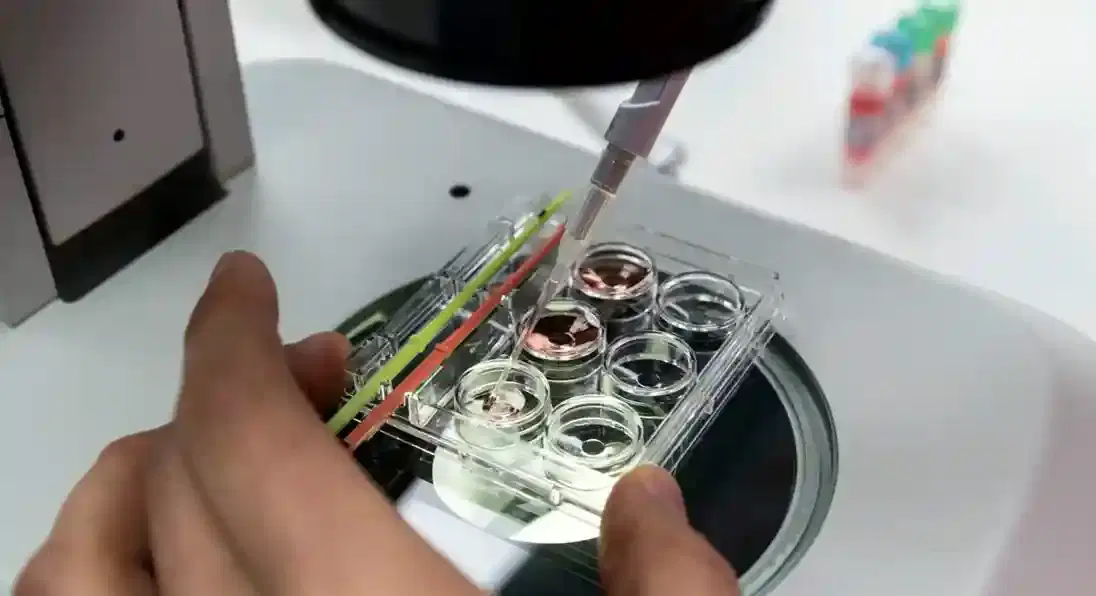
embryo vitrification
5K+ International Patients Treated
40+ Source Countries Served
500+ Accredited Partner Hospitals
98% Patient Satisfaction
80% Average Savings vs USA
10K+ Doctors
NABH, JCI Accredited Hospitals
Free Treatment Plan
Free Consultation with Doctor
5+ Destinations Covered
About embryo vitrification
Embryo Vitrification Treatment: Procedures, Cost & Recovery
Understanding Embryo Vitrification
Embryo vitrification, often called flash-freezing, is a cutting-edge cryopreservation technique that offers immense hope to individuals and couples on their fertility journey. This advanced method involves rapidly cooling embryos to ultra-low temperatures, preserving their viability for future use in assisted reproductive technologies like In Vitro Fertilization (IVF). It's a cornerstone of modern fertility treatment, allowing for greater flexibility, safety, and increased success rates in family planning. DivinHeal connects you with world-class fertility clinics and top specialists, ensuring access to the best embryo vitrification treatment options globally.
When Embryo Vitrification is Recommended
Key Applications of Embryo Vitrification
- Surplus Embryos from IVF Cycles: After a fresh embryo transfer, high-quality embryos remaining can be vitrified for future attempts, offering cost-effective and less invasive options for subsequent pregnancies.
- Preimplantation Genetic Testing (PGT): For couples undergoing PGT for genetic diseases or chromosomal abnormalities, embryos are often vitrified while awaiting test results, allowing for a planned, single-embryo transfer.
- Fertility Preservation: For individuals facing medical treatments like chemotherapy or radiation that could impair fertility, or for those electing to preserve fertility for social reasons, embryo vitrification (after an IVF cycle) offers a pathway to future parenthood.
- Preventing Ovarian Hyperstimulation Syndrome (OHSS): In cases where a patient is at high risk of OHSS from fresh embryo transfer, all embryos can be vitrified and transferred in a subsequent, safer cycle.
- Planned Single Embryo Transfer: To minimize the risks associated with multiple pregnancies, vitrification allows for elective single embryo transfer (eSET) while preserving other viable embryos.
Cost Comparison: Why Patients Choose India for Embryo Vitrification
Considering embryo vitrification treatment cost is a crucial step in your fertility planning. India stands out as a global leader, offering highly affordable embryo vitrification packages without compromising on quality or success rates. Patients seeking advanced fertility solutions can achieve significant savings, often up to 70% compared to Western countries, while accessing world-renowned fertility specialists and state-of-the-art clinics. DivinHeal ensures transparency in all cost breakdowns, facilitating an end-to-end journey for your peace of mind.
| Country | Average Embryo Vitrification & Initial Storage Cost (USD) |
|---|---|
| India | $800 - $2,000 |
| United States | $3,000 - $7,000 |
| United Kingdom | $2,500 - $6,000 |
| Singapore | $2,000 - $5,000 |
| UAE | $1,800 - $4,500 |
DivinHeal’s Comprehensive Support for Your Fertility Journey
Navigating fertility treatment can be overwhelming, but with DivinHeal, you're never alone. We offer unparalleled, AI-driven, end-to-end care coordination for your embryo vitrification treatment. Our services include:
- Expert Hospital & Specialist Matching: We connect you with the best hospitals for embryo vitrification and top fertility specialists, tailored to your specific needs and preferences.
- Transparent Costing & Affordable Packages: Gain access to affordable embryo vitrification packages with clear, upfront cost comparisons, ensuring no hidden surprises.
- Seamless Travel & Accommodation: From visa assistance to local logistics, we handle all aspects of your travel and stay.
- Dedicated Care Coordination: A personal care manager supports you from your initial consultation through recovery and beyond, answering all your questions about embryo vitrification recovery time and tips.
- Post-Treatment Follow-up: We ensure continuous support and guidance throughout your entire fertility journey.
Recovery and Life After Embryo Vitrification
The actual embryo vitrification process is a laboratory procedure with no direct physical recovery period for the patient. However, if vitrification follows an egg retrieval procedure as part of an IVF cycle, recovery time will be associated with the retrieval itself. Typically, patients experience:
- Minimal Discomfort Post-Retrieval: Mild cramping or bloating may occur for a day or two after egg retrieval.
- Normal Activity Resumption: Most women can resume normal, light activities within 24-48 hours. Strenuous exercise is usually advised against for a week.
- Emotional Support: The fertility journey can be emotionally taxing. DivinHeal provides access to counseling and support networks to help you navigate this period.
- Long-Term Planning: Vitrified embryos can be stored for many years, offering flexibility for future family planning. Discuss storage options and embryo vitrification success rate for future transfers with your specialist.
Booking With DIVINHEAL
Get a free consultation to understand your treatment options
Cost Calculator
I know my treatment - show me cost from 3 hospitals
Plan My Journey
Tell us your condition and budget - our AI matches the right destination, hospital and doctor and visa pathway
Recommended Article

Booking With DIVINHEAL
Get a free consultation to understand your treatment options
Cost Calculator
I know my treatment - show me cost from 3 hospitals
Plan My Journey
Tell us your condition and budget - our AI matches the right destination, hospital and doctor and visa pathway
Recommended Article
Our Speciality and Treatments
oculoplastic surgery
Macular Degeneration Treatment (AMD)
Pediatric Ophthalmology
Squint / Strabismus Surgery (Adult)
ICL / Phakic IOL Implantation
LASIK / SMILE / PRK (Refractive Surgery)
Keratoconus Treatment (CXL / Rings)
Corneal Transplant (Keratoplasty)
Pediatric Squint Surgery
Diabetic Retinopathy Laser / Anti-VEGF Injections
Vitrectomy
Retinal Detachment Repair
Pterygium Surgery
Glaucoma Surgery (Trabeculectomy / MIGS)
Cataract Surgery (Phaco with IOL)


Meet Our Medical Specialists
Hospitals
NABH & JCI Accredited Hospitals in India,Turkey, Thailand & UAE.

Artemis Hospital
Sector 51, Gurugram, Haryana, India

White Lotus Hospital
766, SFS 3145, SFS Road, 7th Sector, HSR Layout, Bengaluru, Karnataka 560102, India
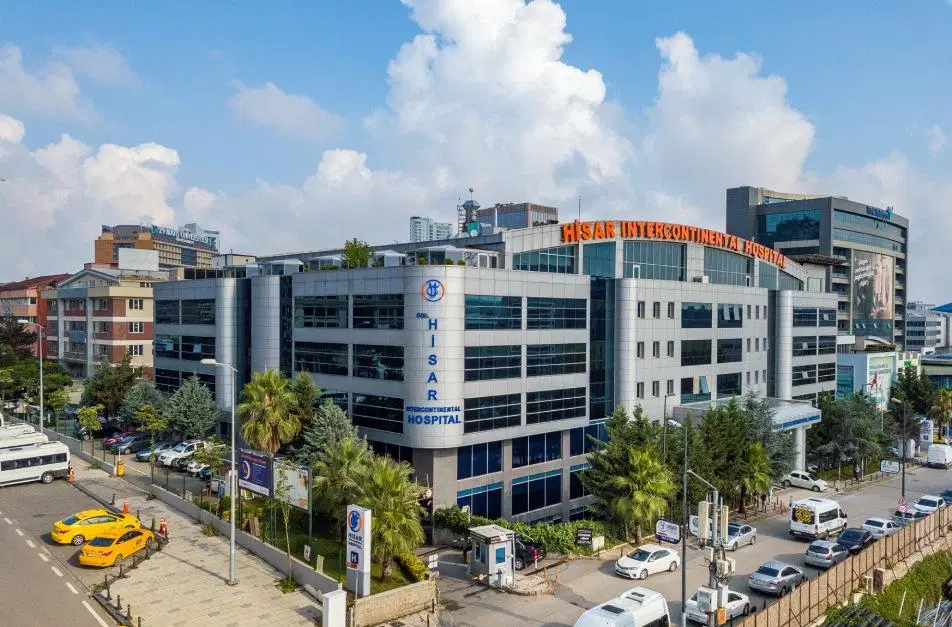
Hisar Intercontinental Hospital
Saray Mah. Siteyolu Cad. No:7, Umraniye, 34768, Istanbul, Turkey
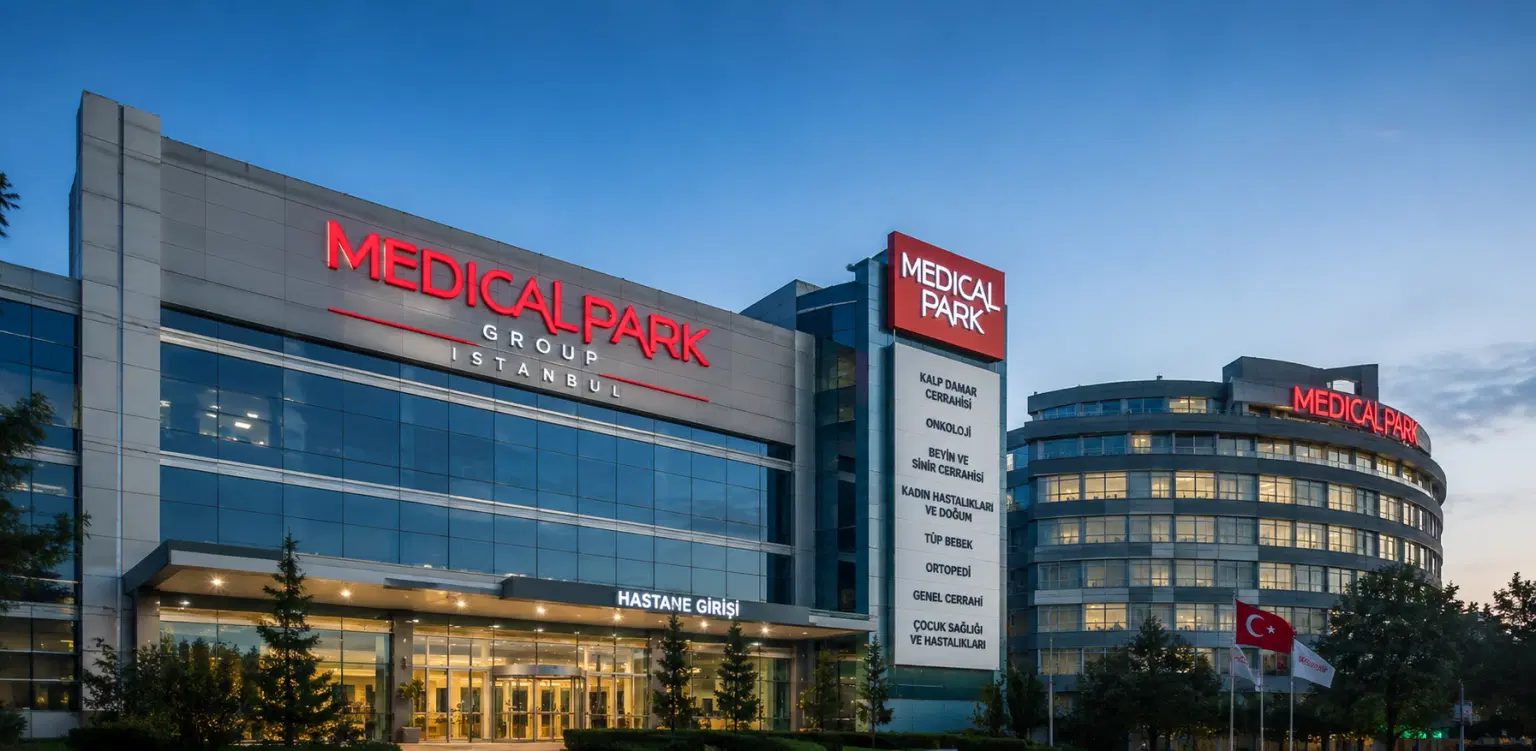
Medical Park Group, Istanbul
Fahrettin Kerim Gokay Cad. Tıbbiye Cd., Kadikoy, Istanbul, Turkey
How DivinHeal Helps
We simplify your medical journey by providing comprehensive support and access to world-class healthcare.
Expert Specialist Matching
Connecting you with the world's top-rated medical experts.
Accredited Hospital Network
Access to JCI & NABH certified healthcare facilities.
Complete Travel Coordination
Hassle-free visa, stay, and local transport assistance.
24/7 Personal Care
Dedicated patient advisors supporting you at every step.
Journey Guidance
Full guidance from start to end of the patient treatment journey.
Expert Specialist Matching
Connecting you with the world's top-rated medical experts.
Everything you
need to know today
Browse through these common inquiries to better understand our patient-focused medical platform.
Yes, we work with a variety of insurance providers. Contact our team to verify your coverage.
Yes, we provide secure online consultations with experienced specialists.
Our care coordinators help match you with the most suitable specialist.
Absolutely. Your medical information is protected according to healthcare privacy standards.
Look at six things: accreditation (JCI or NABH), specialty depth, doctor credentials and experience, procedure-specific success rates, international patient support, and technology. DivinHeal's AI-driven matching evaluates every hospital in our accredited partner network on these dimensions and shortlists the best-fit options for your condition, budget, and country.
JCI (Joint Commission International) is the US-based global gold standard for hospital quality, recognised worldwide. NABH is India's national accreditation — accredited by ISQua, the same body that accredits JCI. Both signal independently verified safety and quality. Most of India's leading hospitals hold both.
Yes. All three welcome international patients through structured medical visa programs. India is the most established, treating patients from Africa, the Middle East, and South Asia at 60–80% lower cost. Thailand leads in cosmetic and dental care. The UAE is emerging in oncology and reproductive medicine.
Most patients save 50–80% on treatment costs. Heart bypass costs US $7,000–9,000 in India compared to $70,000–150,000 in the US. IVF costs $3,000–4,500 compared to $12,000–20,000 in the UK. Even after flights, visa, and accommodation, total savings remain 60–70%.
DivinHeal manages your entire non-medical journey: visa invitation letters, medical visa guidance, doctor appointments, teleconsultations, airport pickup, hospital-vetted accommodation for you and your attendant, language interpreters, local transport, cuisine preferences, and post-treatment follow-up — one dedicated coordinator from first enquiry to final follow-up.
You need a valid passport (6+ months validity), a medical visa (M-Visa for India — DivinHeal provides the hospital invitation letter), return flight tickets, recent medical reports and a doctor's referral, current prescription list, and proof of financial means. Any accompanying attendant needs their own passport and MX-Visa.
Still have more questions?
Book a call with our friendly team to learn how DivineHeal simplifies your healthcare journey.