



Endoscopic Sinus Surgery (FESS)
5K+ International Patients Treated
40+ Source Countries Served
500+ Accredited Partner Hospitals
98% Patient Satisfaction
80% Average Savings vs USA
10K+ Doctors
NABH, JCI Accredited Hospitals
Free Treatment Plan
Free Consultation with Doctor
5+ Destinations Covered
About Endoscopic Sinus Surgery (FESS)
Endoscopic Sinus Surgery (FESS) Treatment: Procedures, Cost & Recovery
Understanding Endoscopic Sinus Surgery (FESS)
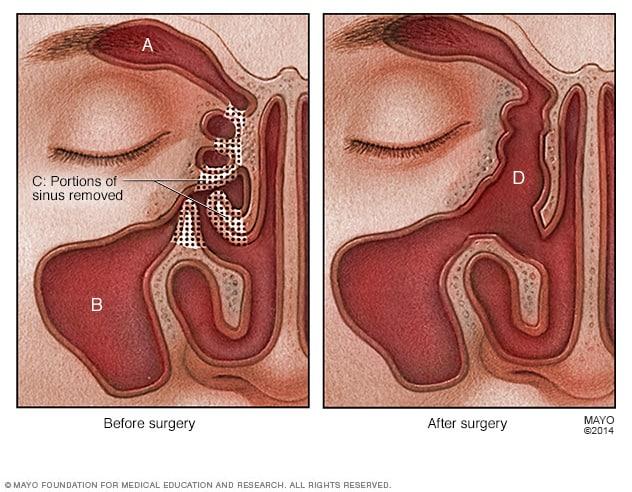
Endoscopic Sinus Surgery (FESS) is a vital, minimally invasive procedure for individuals suffering from chronic sinusitis and other complex sinus conditions that resist conventional medical treatments. This innovative approach aims to restore the natural drainage and ventilation of the sinuses, offering significant relief from debilitating symptoms like facial pain, pressure, congestion, and impaired smell. At DivinHeal, we understand the profound impact chronic sinus issues can have on your life. We connect you with a global network of accredited hospitals and top-tier ENT specialists, ensuring access to advanced FESS procedures and comprehensive therapeutic options for optimal outcomes, demonstrating our commitment to hope, safety, and quality care.
Types of Endoscopic Sinus Surgery (FESS) Procedures and Related Therapies
Surgical Approaches for FESS
Functional Endoscopic Sinus Surgery (FESS) encompasses various precise techniques tailored to the patient's specific anatomy and pathology. These include:
- Ethmoidectomy: Removal of diseased ethmoid air cells.
- Maxillary Antrostomy: Widening the natural opening of the maxillary sinus.
- Sphenoidotomy: Opening of the sphenoid sinus.
- Frontal Sinusotomy: Addressing blockages in the frontal sinuses.
- Nasal Polypectomy: Targeted removal of nasal polyps obstructing sinus drainage.
- Septoplasty and Turbinate Reduction: Often performed concurrently with FESS to correct structural issues like a deviated septum or enlarged turbinates that contribute to sinus problems, enhancing overall nasal airflow.
These procedures are performed using an endoscope, ensuring minimal invasiveness, precision, and faster recovery for Endoscopic Sinus Surgery (FESS) treatment.
Non-Surgical and Adjunctive Therapies
While FESS is a surgical intervention, non-surgical therapies play a crucial role both before and after the procedure, or as primary treatment for less severe cases. These include:
- Medical Management: Initial treatment often involves nasal steroid sprays, oral antibiotics, decongestants, and saline nasal rinses to reduce inflammation and infection.
- Allergy Treatment: If allergies contribute to chronic sinusitis, managing them with antihistamines or immunotherapy can be vital.
- Post-operative Care: Essential for successful recovery, involving continued nasal rinses, topical steroids, and sometimes short courses of antibiotics to aid healing and prevent recurrence after FESS.
Cost Comparison: Why Patients Choose India for Endoscopic Sinus Surgery (FESS)
Choosing to undergo Endoscopic Sinus Surgery (FESS) is a significant decision, and understanding the financial implications is paramount. India has emerged as a global leader in providing high-quality, affordable healthcare, particularly for specialized surgical procedures like FESS. Patients from around the world are opting for India due to its ability to offer advanced medical expertise at a fraction of the cost found in Western countries, often resulting in savings of up to 70%. DivinHeal leverages this advantage, offering transparent, AI-driven cost comparisons and bespoke packages for Endoscopic Sinus Surgery (FESS) treatment. We ensure you receive world-class care from top ENT specialists in state-of-the-art facilities, embodying our commitment to affordability and quality care. This cost advantage makes affordable Endoscopic Sinus Surgery (FESS) packages a reality for many.
| Country | Average FESS Treatment Cost (USD) |
|---|---|
| India | $2,500 - $5,000 |
| United States | $8,000 - $15,000 |
| United Kingdom | $7,000 - $12,000 |
| Singapore | $6,000 - $10,000 |
| UAE | $5,000 - $9,000 |
DivinHeal’s Comprehensive Support for Your FESS Journey
At DivinHeal, we provide unparalleled end-to-end care coordination for your Endoscopic Sinus Surgery (FESS) journey. Our AI-driven platform intelligently matches you with the best hospitals for Endoscopic Sinus Surgery (FESS) and top ENT specialists, ensuring exceptional medical care. We handle all logistics, from initial e-consultations and transparent cost breakdowns (including Endoscopic Sinus Surgery (FESS) surgery cost comparison) to visa and travel assistance, accommodation, and dedicated on-ground support. Our team ensures a seamless experience, guiding you from diagnosis and therapy options through your recovery, focusing on your well-being and peace of mind. Experience the DivinHeal difference: expert care, affordability, and unwavering support.
Recovery and Life After Endoscopic Sinus Surgery (FESS)
Understanding the Endoscopic Sinus Surgery (FESS) recovery time and tips is crucial for a successful outcome. The recovery process is generally smooth, with most patients experiencing significant improvement in symptoms within a few weeks. Immediately after the procedure, mild discomfort, nasal congestion, and some bloody discharge are common. Your ENT specialist will provide specific post-operative instructions, which typically include regular saline nasal rinses to keep the sinuses clean, prescribed antibiotics, and nasal steroid sprays to reduce inflammation and prevent recurrence. Strenuous activities, heavy lifting, and nose-blowing should be avoided for the first 1-2 weeks. Regular follow-up appointments are essential for your surgeon to monitor healing and clean the sinus passages. With diligent adherence to post-operative care, the vast majority of patients achieve excellent long-term relief from chronic sinus issues, significantly improving their quality of life. This showcases the high Endoscopic Sinus Surgery (FESS) success rate.
Booking With DIVINHEAL
Get a free consultation to understand your treatment options
Cost Calculator
I know my treatment - show me cost from 3 hospitals
Plan My Journey
Tell us your condition and budget - our AI matches the right destination, hospital and doctor and visa pathway
Recommended Article

Booking With DIVINHEAL
Get a free consultation to understand your treatment options
Cost Calculator
I know my treatment - show me cost from 3 hospitals
Plan My Journey
Tell us your condition and budget - our AI matches the right destination, hospital and doctor and visa pathway
Recommended Article
Meet Our Medical Specialists
Hospitals
NABH & JCI Accredited Hospitals in India,Turkey, Thailand & UAE.


Hisar Intercontinental Hospital
Saray Mah. Siteyolu Cad. No:7, Umraniye, 34768, Istanbul, Turkey
Medical Park Group, Istanbul
Fahrettin Kerim Gokay Cad. Tıbbiye Cd., Kadikoy, Istanbul, Turkey
Emsey Hospital, Pendik, Istanbul
Çamlık, Selçuklu Cd. No:22, 34912 Pendik/İstanbul, Türkiye
LIV Hospital, Istanbul
How DivinHeal Helps
We simplify your medical journey by providing comprehensive support and access to world-class healthcare.
Expert Specialist Matching
Connecting you with the world's top-rated medical experts.
Accredited Hospital Network
Access to JCI & NABH certified healthcare facilities.
Complete Travel Coordination
Hassle-free visa, stay, and local transport assistance.
24/7 Personal Care
Dedicated patient advisors supporting you at every step.
Journey Guidance
Full guidance from start to end of the patient treatment journey.
Expert Specialist Matching
Connecting you with the world's top-rated medical experts.
Everything you
need to know today
Browse through these common inquiries to better understand our patient-focused medical platform.
Yes, we work with a variety of insurance providers. Contact our team to verify your coverage.
Yes, we provide secure online consultations with experienced specialists.
Our care coordinators help match you with the most suitable specialist.
Absolutely. Your medical information is protected according to healthcare privacy standards.
Look at six things: accreditation (JCI or NABH), specialty depth, doctor credentials and experience, procedure-specific success rates, international patient support, and technology. DivinHeal's AI-driven matching evaluates every hospital in our accredited partner network on these dimensions and shortlists the best-fit options for your condition, budget, and country.
JCI (Joint Commission International) is the US-based global gold standard for hospital quality, recognised worldwide. NABH is India's national accreditation — accredited by ISQua, the same body that accredits JCI. Both signal independently verified safety and quality. Most of India's leading hospitals hold both.
Yes. All three welcome international patients through structured medical visa programs. India is the most established, treating patients from Africa, the Middle East, and South Asia at 60–80% lower cost. Thailand leads in cosmetic and dental care. The UAE is emerging in oncology and reproductive medicine.
Most patients save 50–80% on treatment costs. Heart bypass costs US $7,000–9,000 in India compared to $70,000–150,000 in the US. IVF costs $3,000–4,500 compared to $12,000–20,000 in the UK. Even after flights, visa, and accommodation, total savings remain 60–70%.
DivinHeal manages your entire non-medical journey: visa invitation letters, medical visa guidance, doctor appointments, teleconsultations, airport pickup, hospital-vetted accommodation for you and your attendant, language interpreters, local transport, cuisine preferences, and post-treatment follow-up — one dedicated coordinator from first enquiry to final follow-up.
You need a valid passport (6+ months validity), a medical visa (M-Visa for India — DivinHeal provides the hospital invitation letter), return flight tickets, recent medical reports and a doctor's referral, current prescription list, and proof of financial means. Any accompanying attendant needs their own passport and MX-Visa.
Still have more questions?
Book a call with our friendly team to learn how DivineHeal simplifies your healthcare journey.