TURP (Transurethral Resection of Prostate) Treatment in Bengaluru for Ethiopia
Need Personalized Advice?
Our medical experts are ready to answer your questions and guide you through your treatment options.
About
TURP Surgery in Bengaluru for Ethiopian Patients | Costs & Care
Considering treatment for an enlarged prostate can bring many questions and anxieties, especially when seeking care away from home in Ethiopia. You might be wondering about the safety, quality, and overall experience of getting a procedure like TURP in a different country. It is natural to feel uncertain about medical travel decisions.
Many patients facing conditions like benign prostatic hyperplasia (BPH) explore options outside their home country. Bengaluru stands out as a preferred destination, recognized for its advanced medical infrastructure and specialized care. Patients often choose this city for its established reputation in healthcare and streamlined patient services.
In Bengaluru, trust is built on the expertise of leading urologists and the high standards of its medical facilities. Hospitals here are equipped with modern technology, ensuring precise diagnoses and effective treatment outcomes. Patients can expect comprehensive support, including easy follow-ups and coordinated care throughout their stay.
Is Bengaluru the right choice for your TURP treatment journey?
What is TURP (Transurethral Resection of Prostate)?
Transurethral Resection of Prostate, commonly known as TURP, is a surgical procedure used to relieve urinary symptoms caused by an enlarged prostate, a condition medically termed Benign Prostatic Hyperplasia (BPH). During a TURP procedure, a surgeon inserts a specialized instrument called a resectoscope through the urethra into the prostate. Using an electrical loop or laser, small pieces of the enlarged prostate tissue are removed, creating a wider channel for urine to flow more freely from the bladder. This intervention effectively reduces pressure on the urethra and alleviates troublesome symptoms such as frequent urination, weak stream, or incomplete bladder emptying. It remains a standard and highly effective treatment for moderate to severe BPH.
Exploring Treatment Options for an Enlarged Prostate
While TURP is a specific surgical approach, other methods exist to treat BPH:
- Conventional Monopolar TURP: The traditional method using an electrical current to cut and coagulate tissue.
- Bipolar TURP: A more modern variation using bipolar energy, which can be safer for patients with certain medical conditions and may reduce the risk of TURP syndrome.
- Laser Prostatectomy: Includes procedures like Holmium Laser Enucleation of the Prostate (HoLEP) or Photoselective Vaporization of the Prostate (PVP, GreenLight Laser). These use lasers to remove or vaporize prostate tissue, often resulting in less bleeding and a shorter catheterization time.
- Urolift (Prostatic Urethral Lift): A minimally invasive procedure that involves placing small implants to hold enlarged prostate tissue away from the urethra.
- Rezum Water Vapor Therapy: Uses natural water vapor to destroy excess prostate tissue, providing symptom relief with a minimally invasive approach.
- Medication: For mild to moderate BPH, alpha-blockers or 5-alpha reductase inhibitors can help relax prostate muscles or shrink the prostate.
When is TURP Treatment Recommended?
- Severe urinary symptoms affecting quality of life (e.g., frequent urination, urgency, weak stream, nocturia).
- Failure of medication to control BPH symptoms.
- Recurrent urinary tract infections due to an enlarged prostate.
- Bladder stones forming as a result of urine retention.
- Kidney damage or impaired kidney function caused by chronic urinary obstruction.
- Inability to urinate (urinary retention) requiring catheterization.
- Significant bleeding from the prostate.
Pre-Treatment Evaluation for TURP
- Comprehensive medical history review and physical examination.
- Urine tests to check for infection or other abnormalities.
- Blood tests, including PSA (Prostate-Specific Antigen) levels to rule out prostate cancer.
- Uroflowmetry to measure the strength and flow of urine.
- Post-void residual urine volume measurement to assess bladder emptying.
- Cystoscopy to visualize the urethra and bladder directly.
- Imaging studies such as ultrasound of the kidneys, bladder, and prostate.
- Electrocardiogram (ECG) and chest X-ray to assess heart and lung health.
How the TURP Procedure is Performed
The precise steps for your TURP procedure will depend on your specific condition and the surgeon's chosen technique.
TURP is typically performed under general or spinal anesthesia. Here is a general overview:
Preparation and Anesthesia
Before the surgery begins, you will receive either general anesthesia to ensure you are fully unconscious or spinal anesthesia to numb you from the waist down. Your surgical team will prepare the area and ensure your comfort and safety throughout the procedure.
Resection of Prostate Tissue
The surgeon inserts a resectoscope through the tip of the penis into the urethra. This instrument contains a light, a camera, and a wire loop. Guided by the camera, the surgeon uses the heated wire loop to cut away small pieces of the enlarged prostate tissue, blocking urine flow. These pieces are then flushed into the bladder and removed at the end of the procedure.
Irrigation and Catheter Placement
Throughout the surgery, a special fluid is used to irrigate the bladder, washing away blood and tissue fragments. Once the excess tissue is removed, a catheter is inserted into the bladder through the urethra. This catheter helps drain urine and irrigate the bladder to prevent blood clot formation, typically remaining in place for a few days post-surgery.
Your Recovery Process After TURP Surgery
After TURP, recovery generally involves an inpatient hospital stay of 1 to 3 days. During this time, the catheter will remain in place to help clear any blood clots and ensure proper urine drainage. You may experience some discomfort, urgency, or burning sensation during urination once the catheter is removed. It is crucial to drink plenty of fluids and avoid strenuous activities, heavy lifting, and straining during bowel movements for several weeks. Your urologist will provide specific instructions on diet, medication, and gradual return to normal activities. Follow-up appointments are essential to monitor your healing and ensure successful outcomes. Full recovery can take several weeks, and most patients experience significant improvement in their urinary symptoms.
Understanding Risks and Success Rates of TURP
- Temporary difficulties: Burning during urination, frequent urination, or urgency, usually resolving within weeks.
- Bleeding: Some blood in the urine is common, but significant bleeding requiring transfusion is rare.
- Infection: Urinary tract infections can occur, often managed with antibiotics.
- Retrograde ejaculation: Semen flows backward into the bladder during orgasm, a common and usually harmless side effect.
- Erectile dysfunction: Rare, but possible, typically temporary.
- TURP syndrome: A rare complication from fluid absorption during surgery, requiring immediate treatment.
- Urethral stricture: Narrowing of the urethra, which might require further treatment.
- Incontinence: Very rare, but possible, typically mild and temporary.
TURP has a high success rate, with over 80-90% of patients experiencing significant and lasting improvement in their BPH symptoms. The long-term outcome can vary based on individual factors such as prostate size, overall health, and adherence to post-operative care. While TURP effectively removes obstructive tissue, it does not prevent future prostate growth or the development of prostate cancer. Regular follow-ups with your urologist are important to monitor your prostate health and manage any potential long-term issues.
Cost of TURP Treatment in Bengaluru
The cost of TURP in Bengaluru can vary based on several factors, including the chosen hospital facility, the experience of the operating surgeon, the specific type of TURP procedure performed (e.g., monopolar vs. bipolar, or if laser options are considered), the length of hospital stay, and any additional medical services required during recovery. High-end hospitals with advanced technology and renowned specialists may have different fee structures compared to other facilities.
In Bengaluru, the estimated cost for TURP typically ranges from INR 1,50,000 to INR 3,50,000.
Bengaluru TURP Cost Compared to Global Prices
Patients from Ethiopia often find Bengaluru to be a highly cost-effective option for TURP surgery while maintaining high standards of medical care. Here's how Bengaluru’s costs compare to other regions globally:
| Location | Estimated TURP Cost (USD) |
|---|---|
| Bengaluru, India | $1,800 – $4,200 |
| United States | $10,000 – $25,000 |
| United Kingdom | $8,000 – $15,000 |
| Thailand | $4,000 – $8,000 |
Considering TURP in Bengaluru? Reach out today to get a personalized cost estimate and connect with top urologists.
We are here to assist you every step of the way.
Comprehensive Support for Your Medical Journey in Bengaluru
- Assistance with medical visa applications and necessary travel documents.
- Coordination of appointments with leading urologists and hospital staff.
- Arrangement of comfortable accommodation options near the hospital.
- Guidance on local transportation and logistical planning within Bengaluru.
- Facilitation of language interpretation services if required.
- Dedicated patient support for any queries or concerns during your stay.
- Post-treatment follow-up scheduling and remote consultation support.
Essential Documents for Your TURP Treatment
- A valid passport from your home country, Ethiopia.
- A valid Indian medical visa.
- All relevant medical reports, imaging scans, and doctor’s referrals concerning your prostate condition.
- A letter from your referring doctor detailing your diagnosis and treatment history.
- Proof of financial capacity to cover treatment expenses and stay.
- Contact information for your emergency contacts.
- Any previous prescription details for current medications.
Preparing for Your TURP Procedure
- Discuss all current medications, including supplements, with your surgeon.
- Stop taking blood-thinning medications as advised by your doctor to reduce bleeding risk.
- Arrange for a companion to accompany you for support during and after your hospital stay.
- Plan your travel to Bengaluru, ensuring you arrive a few days before your scheduled procedure for pre-operative assessments.
- Follow any dietary restrictions, such as fasting, given by the medical team before surgery.
- Ensure you have a comfortable stay arranged for your recovery period.
Guidelines for Your Aftercare and Healing
- Adhere strictly to all medication schedules provided by your urologist.
- Maintain a high fluid intake to keep your urine clear and prevent clot formation.
- Avoid strenuous activities, heavy lifting, and sexual intercourse for several weeks as instructed.
- Report any persistent fever, severe pain, inability to urinate, or heavy bleeding to your medical team immediately.
- Follow a balanced diet rich in fiber to prevent constipation and straining.
- Attend all scheduled follow-up appointments to monitor your recovery progress.
- Consider gentle walking to aid circulation and overall well-being during recovery.
Ready to Take the Next Step Toward Better Health?
Embark on your journey to improved prostate health with confidence. Bengaluru's leading urologists and advanced medical facilities are here to support you.
Start your consultation today to explore your TURP treatment options in Bengaluru.
A better quality of life awaits.
Hospitals Offering this treatment
India offers premium medical procedures at affordable prices. Discover our most popular treatments, delivered by the country's finest doctors.
Meet Our Doctors
Meet our team of highly qualified and experienced medical professionals dedicated to providing the best healthcare services.

Dr. Abhinandan Mukhopadhyay
Sr. Consultant - Urology & Kidney Transplant Program (Unit I)
Urology, Kidney Transplant, Urological Cancers
Haryana
8+ Years
Experience
Artemis Hospital
Hospital
1500
Fees
Dr Aditi Dixit
Sr. Consultant – Women Imaging
Radiology
New Delhi
15+ Years
Experience
Artemis Hospital
Hospital
1500
Fees
Dr Chandrima Misra M
Co-Head Psychological Services
Mental Health and Behavioural Sciences
New Delhi
15+ Years
Experience
Artemis Hospital
Hospital
1500
Fees
Dr. Nutan Agarwal
Head of Department - Gynae Endocrinology & DNB Program Director - Obs & Gynae
Gynaecological Endocrinology, Maternity, Obstetrics & Gynaecology
New Delhi
35+ Years
Experience
Artemis Hospital
Hospital
1500
Fees
Dr. Poonam Gautam
Senior Consultant - ENT
ENT and Head & Neck Surgery
New Delhi
24+ Years
Experience
Artemis Hospital
Hospital
1500
Fees
Dr. Priyanka Raina
Consultant (Head & Neck Surgery) - Surgical Oncology
Head and Neck Surgical Oncology
New Delhi
10+ Years
Experience
Artemis Hospital
Hospital
1500
Fees
Dr. Rupinder Sekhon
Chairperson - Gynae Oncology
Gynaecological Oncology
New Delhi
16+ Years
Experience
Artemis Hospital
Hospital
1500
Fees
Dr. Kiran Arora
Unit Head - Reproductive Medicine (Unit II)
IVF, Reproductive Medicine, Obstetrics & Gynecology
New Delhi
20+ Years
Experience
Artemis Hospital
Hospital
1500
Fees
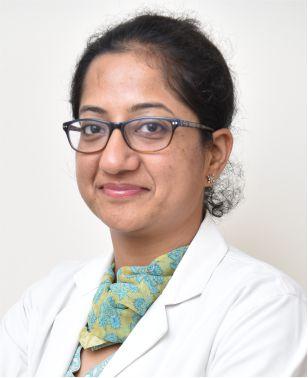
Nidhi Jain
Sr. Consultant - Obs & Gynae
Maternity, Obstetrics & Gynaecology
New Delhi
15+ Years
Experience
Artemis Hospital
Hospital
1500
Fees

Dr. Nidhi Rajotia
Unit Head - Obs & Gynae
Maternity, Obstetrics & Gynaecology
New Delhi
19+ Years
Experience
Artemis Hospital
Hospital
1500
Fees
Related Links
Other Treatment related Information
- TURP (Transurethral Resection of Prostate) cost in Bengaluru
- TURP (Transurethral Resection of Prostate) cost in Chennai
- TURP (Transurethral Resection of Prostate) cost in Mumbai
- TURP (Transurethral Resection of Prostate) cost in Hyderabad
- TURP (Transurethral Resection of Prostate) cost in New Delhi
- TURP (Transurethral Resection of Prostate) cost in Pune
- TURP (Transurethral Resection of Prostate) cost in India
- TURP (Transurethral Resection of Prostate) cost in Haryana
- TURP (Transurethral Resection of Prostate) Success Rate in Haryana
- TURP (Transurethral Resection of Prostate) Success Rate in Mumbai
- TURP (Transurethral Resection of Prostate) Success Rate in New Delhi
- TURP (Transurethral Resection of Prostate) Success Rate in Pune
- TURP (Transurethral Resection of Prostate) Success Rate in Bengaluru
- TURP (Transurethral Resection of Prostate) Success Rate in Chennai
- TURP (Transurethral Resection of Prostate) Success Rate in India
- TURP (Transurethral Resection of Prostate) Success Rate in Hyderabad
- Best TURP (Transurethral Resection of Prostate) Doctors in Chennai
- Best TURP (Transurethral Resection of Prostate) Doctors in Hyderabad
- Best TURP (Transurethral Resection of Prostate) Doctors in New Delhi
- Best TURP (Transurethral Resection of Prostate) Doctors in Gurugram
Ready To Start Your Healing Journey?
Get Personalized Medical Treatment Options From India's Top Hospitals. Our Medical Experts Are Ready To Assist You Every Step Of The Way.